


10 Fatigue Prevention Tips Your Wellness Ring Validates Daily
Ten daily tips for preventing fatigue are validated by your wellness ring.
Ten daily tips for preventing fatigue are validated by your wellness ring.
%402x.svg)
You know that feeling. It’s 3 p.m., your brain feels like fog, your body is heavy, and no amount of caffeine can lift the curtain of exhaustion. You slept, you ate, you showed up—yet fatigue is your constant shadow. You’ve tried every trendy biohack, but the promised energy surge never materializes. The problem isn’t a lack of effort; it’s a fundamental misunderstanding of your body’s actual needs. You’re flying blind, guessing at what might restore your vitality, when the answers are already written in your physiology.
Welcome to the era of validated wellness. The guesswork ends when you have a personal health auditor on your finger—a smart wellness ring that doesn’t just track data, but interprets the fundamental language of your body. This technology transforms abstract advice like "sleep better" or "manage stress" into a precise, personal dashboard. It shows you, in real time, how your daily choices directly fuel or drain your energy reserves.
This article is your guide to moving from fatigue management to fatigue prevention. We will explore ten foundational, science-backed strategies that form the pillars of sustained energy. More importantly, we’ll reveal how a wellness ring acts as your objective validation partner, proving which tips truly work for your unique biology. It connects the dots between your actions and their tangible impact on your readiness, recovery, and resilience. This isn’t about adding more to your to-do list; it’s about optimizing the fundamentals you’re already doing.
The path to unshakeable energy isn’t paved with exotic supplements or extreme routines. It’s built on mastering the wellness fundamentals—the non-negotiable, interconnected needs of sleep, movement, recovery, and stress that govern our entire system. When these are in harmony, fatigue loses its grip. As we delve into each tip, we’ll see how modern tools like the OxyZen ring make these fundamentals measurable, personal, and actionable, finally giving you the clarity to build a life that energizes you from the inside out.
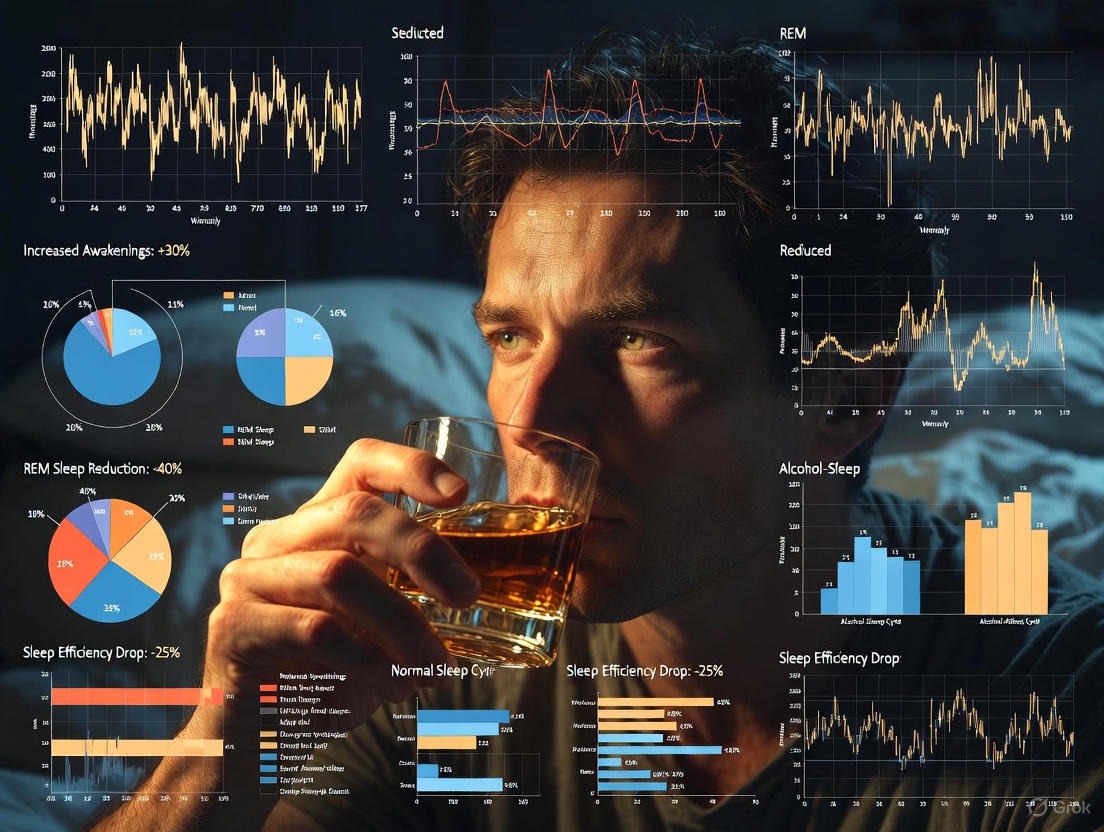
Fatigue is the silent tax on modern life. It’s not merely sleepiness; it’s a profound depletion of physical, mental, and emotional resources that no single nap can cure. While acute tiredness is a signal, chronic fatigue is a system-wide alarm. In our always-on, high-demand culture, we’ve normalized running on empty, masking our depletion with stimulants and sheer willpower. But the body keeps an objective score, and the bill always comes due in the form of burnout, illness, and lost potential.
The root of chronic fatigue is often a mismatch between our body’s evolutionary needs and our modern lifestyle. Our physiology is designed for rhythmic cycles of exertion and deep recovery, guided by natural light and sustained by whole foods. Today, we contend with artificial light at all hours, chronic low-grade stress from digital overload, processed foods that inflame rather than fuel, and sedentary routines that confine our movement. This disconnect creates a state of constant physiological stress, forcing our nervous system into a persistent "fight-or-flight" mode that is utterly draining. Your sympathetic nervous system, meant for short bursts of emergency response, is now stuck in a permanent, low-grade alarm.
This is where subjective feeling fails us. We often misattribute our fatigue. "I'm just getting old," or "It’s a busy season," we say. But without data, we’re left guessing. Is it poor sleep quality, undetected stress, insufficient recovery from a workout three days ago, or a combination of all three? The human perception of energy is notoriously flawed, biased by mood, caffeine, and expectation. We can feel "fine" while our heart rate variability (HRV)—a key biomarker of nervous system resilience—is crashing, indicating we are deeply stressed and on the brink of exhaustion.
Enter the role of biometric validation. A smart wellness ring cuts through the noise of perception. It quantifies the invisible. By continuously tracking core signals like resting heart rate, heart rate variability, skin temperature, and blood oxygen, it provides an unfiltered report card on your body’s true state. It can show you that your "restful" 8 hours of sleep included 45 minutes of restless tossing, or that your "calm" day at the desk was actually marked by a heart rate 10 BPM higher than your baseline—a clear sign of subconscious stress. This objective feedback loop is revolutionary. It transforms fatigue from a vague, frustrating mystery into a solvable equation with identifiable variables.
Understanding that fatigue is a systemic issue, not a singular problem, is the first step toward prevention. It shifts the question from "Why am I so tired?" to "Which of my fundamental systems is being most taxed, and what can I do to support it?" This systems-thinking approach, powered by personal data, is the foundation of modern, proactive health. It’s the philosophy behind mastering the wellness fundamentals that prevent 90% of health problems. By focusing on the core inputs your body needs to thrive, you address fatigue at its source, building a reservoir of energy that can withstand life’s demands.
We’ve all heard the golden rule: get 8 hours of sleep. But what if you get 8 hours of broken, erratic sleep and still wake up drained? The emerging truth, confirmed by countless wearables, is that when you sleep is almost as critical as how long you sleep. Sleep consistency—going to bed and waking up at roughly the same time every day, even on weekends—is a powerhouse wellness fundamental that regulates your body’s master clock: your circadian rhythm.
Your circadian rhythm is a 24-hour internal cycle governing not just sleepiness, but hormone release (like cortisol and melatonin), digestion, cell repair, and brain function. When you keep a consistent schedule, this rhythm runs like a Swiss watch. Every evening, your body begins a precise cascade: core temperature drops, melatonin rises, and systems prepare for repair. When you disrupt this schedule with late nights or variable wake-ups, you desynchronize the rhythm. It’s like giving your internal orchestra a new conductor every night; the result is cacophony, not harmony. This "social jetlag" forces your body to constantly readjust, wasting precious energy and compromising the quality of your sleep, even if the duration looks good on paper.
Your wellness ring is the ultimate auditor of this principle. It doesn’t just count hours; it analyzes the architecture of your sleep. Look at your sleep timeline data. On nights you went to bed at your regular time, you’ll likely see a clear, solid block of deep sleep (Slow-Wave Sleep) and REM sleep early in the night. These stages are crucial for physical restoration and memory consolidation. On nights you shifted your schedule, you might see more fragmented light sleep, less deep sleep, and more awakenings. The ring validates the impact by showing your readiness score the next morning. A high score after consistent, quality sleep? That’s your body saying thank you. A low score after an erratic night? That’s objective proof of the cost of inconsistency.
The data-driven action here is simple but profound: use your ring to find your personal sweet spot and protect it. Most wellness ring apps allow you to set a "sleep goal" with a target bedtime and wake time. Let this be your non-negotiable appointment. If your data shows you consistently feel best with 7.5 hours of sleep from 10:30 p.m. to 6:00 a.m., make that your sacred rhythm. The ring’s gentle bedtime reminders and morning readiness reports create powerful accountability. You’re no longer guessing; you’re following a data-validated path to better recovery. This commitment to rhythm is a cornerstone of building a wellness fundamentals daily routine that creates sustainable health momentum, where good sleep begets more energy, which begets better days, creating a powerful positive feedback loop.
One of the most reliable, yet least discussed, signals for sleepiness is a drop in your core body temperature. As bedtime approaches, your body diverts blood flow to your extremities (hands and feet) to release heat, cooling your core by about 1-3 degrees Fahrenheit. This cooling process is a direct trigger for melatonin release and the onset of sleep. If your core temperature is too high—due to a hot room, intense evening exercise, or even a late, heavy meal—this signal is disrupted, leading to difficulty falling asleep and less restorative deep sleep.
This is where your wellness ring’s continuous skin temperature sensor becomes a game-changer. While it doesn’t measure core temperature directly, it tracks subtle, trend-based changes in your peripheral temperature that correlate strongly with your circadian rhythm and sleep quality. Over time, you can see a clear pattern: a gradual cooling trend as you approach your usual bedtime on good days, and a flatter, more erratic temperature curve on nights you struggled to wind down.
The actionable insight here is to use your temperature data to optimize your evening routine. Review your nightly temperature graph alongside your sleep score. Notice a correlation between a steeper pre-sleep cooling trend and higher deep sleep percentages? That’s your validation. Now, you can experiment with proven strategies to encourage this natural drop:
By aligning your habits with this biological temperature cue, you’re working with your body, not against it. It’s a perfect example of using smart ring data to prove wellness fundamentals work. You’re not blindly following a sleep tip; you’re testing it and receiving direct, personal feedback on its efficacy. This turns sleep optimization from a vague art into a precise science, moving you closer to the ultimate goal: understanding your body’s basic needs for homeostasis and balance.
If you could have one number to guide your daily decisions on exertion, recovery, and stress management, Heart Rate Variability (HRV) would be it. HRV is not your heart rate; rather, it’s the subtle variation in the milliseconds between each heartbeat. A higher, stable HRV generally indicates a resilient, adaptable nervous system—one that can handle stress efficiently and recover powerfully. A lower or dropping HRV suggests your system is under strain, fighting inflammation, illness, or overload, and needs more recovery. Think of it as your body’s internal "readiness to perform" score or your daily energy budget.
Your wellness ring is uniquely positioned to track this critical biomarker. Unlike optical sensors on many watches, the PPG sensors in leading rings, placed on the finger’s vascular-rich underside, can capture precise, clinical-grade pulse waveform data, especially during the stillness of sleep. This allows your ring to calculate your nightly HRV average—the gold standard for measurement—giving you a clean, comparable baseline every morning.
This single data point should become the anchor of your day. Your morning HRV trend, often presented as part of a readiness or recovery score, is your most honest advisor.
The power lies in the trend. A single low reading isn’t a crisis, but a sustained downward trend is a clear signal to audit your wellness fundamentals. Are you sleeping enough? Is work stress spiraling? Did your last workout not get the recovery it needed? By letting your HRV guide your intensity, you practice true energy budgeting. You spend (exert) when you have a surplus and save (recover) when you’re in deficit. This proactive approach prevents the boom-and-bust cycles of fatigue and is the essence of using a smart ring to master wellness fundamentals for peak performance. It teaches you that sometimes, the most productive thing you can do for your long-term energy is absolutely nothing.
The early bird gets the worm. But what if you’re genetically a night owl? Forcing a night owl to rise at 5 a.m. can be as detrimental as forcing a morning lark to work a night shift. Your chronotype is your natural predisposition for sleep and wake times, influenced by genetics. Fighting it creates chronic social jetlag, misaligning your internal clock with your external demands and leading to persistent sleep debt and fatigue.
Your wellness ring helps you discover and honor your true chronotype by providing objective data on when your body naturally wants to sleep and perform. Analyze your historical data:
This data paints a picture of your biological design. You may discover that your "laziness" for struggling before 9 a.m. is actually a validated genetic trait. With this knowledge, you can design a life that works with your rhythm, not against it.
The goal isn’t to let your chronotype be an excuse, but to use it as a blueprint for sustainable energy management. It’s about finding the 80% alignment—structuring the non-negotiables of your life as close to your natural rhythm as possible. This self-knowledge is a profound fatigue-fighter because it eliminates the guilt and internal resistance that comes from trying to fit a square peg into a round hole. It’s a key part of understanding your personal baseline and creating a sustainable health plan that actually works for decades, not just weeks. By aligning your schedule with your biology, you reduce the constant friction that silently drains your energy reserves every single day.
Caffeine is the world’s most popular psychoactive drug, and for good reason—it works. It blocks adenosine receptors in the brain, temporarily warding off feelings of tiredness. However, its strategic misuse is a major, hidden contributor to the fatigue cycle. The two most common mistakes? Consuming caffeine too late in the day, which sabotages sleep, and using it as a crutch to override your body’s genuine need for rest (as indicated by a low HRV), thereby deepening your energy debt.
Your wellness ring provides the objective evidence needed to master caffeine timing. The half-life of caffeine is 5-6 hours, meaning if you have a coffee at 3 p.m., half of that caffeine is still in your system at 8 or 9 p.m. For many, this is enough to blunt the natural rise of melatonin and delay sleep onset, leading to more fragmented sleep architecture. Check your sleep data on nights after an afternoon coffee versus nights you cut off caffeine by noon. Do you see less deep sleep? A higher resting heart rate throughout the night? More awakenings? This is your personal, biochemical proof.
The data-validated strategy is to establish a "caffeine curfew." For most people, ceasing all caffeine intake 8-10 hours before bedtime is optimal. If you aim to sleep at 10:30 p.m., your last cup should be before 12:30 p.m. Use your ring to test this. Adhere strictly to the curfew for one week and note the trends in your sleep score, deep sleep duration, and morning readiness. The improvement can be startling.
Furthermore, let your HRV guide your caffeine need. On a morning with a high HRV and high readiness, you may not even need that first cup—your natural energy is sufficient. On a morning with a low HRV, caffeine will feel tempting, but it’s a trap. It will mask the fatigue while doing nothing to address the underlying recovery deficit, often leading to a more severe crash later. On those days, the ring’s data is telling you to double down on hydration, nutrition, and gentle movement instead. This approach transforms caffeine from a default habit into a conscious, performance-enhancing tool, preventing it from becoming a source of the very fatigue it’s meant to combat. It’s a critical lesson in the wellness fundamentals hierarchy of health priorities: true energy comes from foundational recovery, not from chemical overrides.
Not all fatigue is created equal. The heavy limbs after a long hike (physical fatigue) feel different from the brain fog after a day of back-to-back Zoom meetings (mental fatigue). Yet, we often treat them the same. Your wellness ring, by combining activity data with physiological readiness metrics, helps you differentiate between the two, enabling you to choose the correct recovery protocol.
Physical Fatigue is signaled by exertion. Your ring’s activity tracker shows high calorie burn, lots of active minutes, and elevated heart rate zones. If this is followed by a significant dip in your HRV and a low readiness score the next morning, it’s a clear sign of muscular and systemic strain. The recovery prescription here is physical: prioritize protein for muscle repair, engage in gentle mobility or walking to promote blood flow without stress, and ensure extra sleep. Your ring will validate this approach as your HRV climbs back up over the next 24-72 hours.
Mental/Emotional Fatigue is more insidious. Your activity graph may show a sedentary day, but your stress metrics tell a different story. You might see an elevated resting heart rate throughout the day, a higher heart rate during supposedly calm periods, and a suppressed HRV—all signs of sympathetic nervous system activation. This is the fatigue of anxiety, overthinking, emotional labor, or cognitive overload. The recovery prescription here is nervous system focused: deliberate digital detox, mindfulness or breathing exercises (which you can track via the ring’s guided session features), time in nature, and activities that induce a sense of safety and calm.
By learning to read these signals, you stop applying the wrong solution. You wouldn’t treat a broken arm with cough syrup. Similarly, trying to "sweat out" mental fatigue with a brutal workout can often worsen it, while lying on the couch does nothing for deep physical soreness. Your ring’s integrated view—activity versus physiological state—gives you the diagnostic clarity to recover intelligently. This is a cornerstone of the mind-body integration approach to wellness fundamentals, acknowledging that our thoughts and emotions create a direct, measurable physiological impact that must be addressed for true fatigue prevention.

Thirst is a late-stage indicator of dehydration. By the time you feel thirsty, your body’s cellular processes may already be impaired, leading to symptoms like headache, low energy, poor concentration, and even elevated heart rate. For the chronically under-hydrated, low-grade fatigue becomes a baseline state. The standard advice of "drink eight glasses a day" is also flawed, as fluid needs vary wildly based on body size, activity level, climate, and even sleep quality (we lose significant water through respiration at night).
Your wellness ring offers several proxies to help you hydrate more intelligently.
Use your ring’s data to create a personalized hydration protocol. Establish your baseline: on days you feel great with high readiness scores, note your fluid intake. Use that as a target. Then, observe the data on days you exercise, sweat heavily, or drink alcohol (a major dehydrator). Does your RHR rise more than usual that night? Does your HRV take a hit? This is your cue to proactively increase your water and electrolyte intake before, during, and after those events.
The goal is proactive, situational hydration. Drink a large glass of water first thing in the morning to rehydrate after a night of water loss. Consume water consistently throughout the day, not just in large, infrequent gulps. Use your ring’s physiological feedback—not just your subjective thirst—to guide you. This turns hydration from a vague wellness cliché into a precise, data-driven strategy for maintaining optimal cellular function and energy production. It’s a perfect example of how smart rings make wellness fundamentals accessible and measurable, turning a basic need into an optimized practice.
The "no days off" mentality is a fast track to overtraining, injury, and chronic fatigue. Forcing a high-intensity interval training (HIIT) session or a heavy lift when your body is screaming for rest is counterproductive. It breaks down tissue without allowing for supercompensation (the rebuild that makes you stronger), leaving you weaker and more drained. Conversely, taking a rest day when your body is primed to perform is a missed opportunity for progress.
Your wellness ring enables autoregulation—the practice of letting your daily physiological metrics dictate your training intensity. This is the pinnacle of personalized fitness. Instead of following a Monday-Wednesday-Friday program blindly, you let your morning readiness score (a composite of HRV, RHR, sleep, and temperature) be your coach.
This approach flips fitness on its head. It moves you from external, arbitrary planning to internal, responsive planning. You’ll find you make better progress with fewer injuries because you’re only pushing when your body can handle it. Your ring validates this by showing how your body bounces back after a readiness-aligned workout versus a forced one. After aligned sessions, you’ll see a temporary, expected dip in HRV followed by a strong rebound to a higher baseline—the hallmark of positive adaptation. After forced sessions on low readiness, you’ll see a deeper, longer-lasting suppression of HRV and poor sleep—signs of maladaptation and strain.
This is the essence of wellness fundamentals consistency beating intensity. Three perfectly timed, high-quality workouts per week, guided by your readiness, will yield far better long-term results (and energy levels) than six grinding, soul-sapping workouts done on empty. It teaches you that recovery is not laziness; it is the essential, active part of the training process where growth actually happens.
You leave the office, you meditate, you try to "switch off." But is your nervous system actually switching off? Chronic, low-grade stress—from work deadlines, financial worries, relationship tensions, or even subconscious anxiety—often lingers in the background, keeping your sympathetic ("fight-or-flight") nervous system subtly engaged. This silent stress is incredibly draining, like a computer program running in the background, slowly draining the battery.
Your sleep data is the truth-teller. While you’re unconscious, your body doesn’t lie. If your nervous system is carrying unresolved stress, it will show up in three key nocturnal biomarkers tracked by your wellness ring:
When you see this triad of data—high sleeping HR, low HRV, high restlessness—you have objective proof of "hidden stress." You can’t fix what you can’t measure. Now, you have a target.
The mitigation strategy is two-fold. First, use your ring’s guided breathing or meditation features during the day. Many rings can track these sessions and show you their immediate impact on lowering your real-time heart rate. This trains your nervous system to access the "rest-and-digest" (parasympathetic) state. Second, establish a powerful, consistent wind-down routine 60-90 minutes before bed. This is non-negotiable. It might include dimming lights, a digital curfew, reading fiction (not work emails), light stretching, or a gratitude journal. Your goal is to create a buffer zone between the stress of the day and the sanctuary of sleep.
Track the correlation. After a week of diligent wind-downs and daytime breathing exercises, check your sleep biomarker trends. The validation—a lower sleeping HR, a higher HRV, and less restlessness—is immensely empowering. It proves you can directly influence your nervous system’s state. Managing this hidden stress is perhaps the most powerful fatigue-prevention tactic of all, as it addresses the invisible drain. This is the core of how wellness fundamentals support mental health by providing tangible, physiological levers to pull for calm and resilience.
The final hour before sleep is not passive time to be filled with whatever’s left on Netflix. It is an active, critical phase for preparing your entire biology for restoration—a launch sequence for quality sleep. A generic wind-down tip like "read a book" is a good start, but the most effective ritual is one personalized and validated by your own data.
Your wellness ring is the perfect tool for this personalization through experimentation. The process is simple: hypothesize, test, and analyze.
You can test various elements:
By treating your wind-down as a personal science experiment, you build a ritual that is uniquely effective for you. This ritual becomes a sacred, non-negotiable anchor. It signals to your brain and body that safety, rest, and recovery are now the priorities. Over time, this conditioned response makes falling asleep easier and the sleep itself more efficient.
This data-backed ritual is the keystone habit that supports all other fatigue-prevention tips. It ensures you get the quality sleep needed for a high HRV. It helps dissipate hidden stress. It honors your chronotype’s schedule. It is the ultimate act of personalizing fundamental recommendations for your life. When your ring shows you the direct line between your 9 p.m. choices and your 7 a.m. vitality, motivation becomes inherent. You’re not following rules; you’re following a proven recipe for your own energy.
Light is not just for vision; it is the most powerful zeitgeber (time-giver) for your circadian rhythm. The specific intensity, spectrum, and timing of light exposure you receive directly instruct your brain’s suprachiasmatic nucleus (SCN) on whether it should be promoting alertness or priming for sleep. In the modern world, we suffer from a dangerous mismatch: too little bright, blue-rich light during the day (especially if we work indoors) and too much of it after the sun goes down. This confuses our biology, weakening our daily energy rhythm at its core.
Your wellness ring validates the impact of light through its sleep and readiness metrics, but you become the active agent in manipulating this lever. The goal is a strong contrast: bright days, dark nights. Morning light, in particular, is like a cup of coffee for your circadian system. Exposure to bright, outdoor light within 30-60 minutes of waking resets your internal clock, suppresses melatonin, and boosts cortisol (in a healthy, alerting pattern), setting a clear "day start" signal that promotes energy all day and makes it easier to fall asleep later.
How can your ring help? Track the correlation. On days you manage to get 10-15 minutes of morning sunlight (or even bright light from a dedicated light therapy lamp on cloudy days/winter), check your data. Do you see a lower resting heart rate during the day? A more stable energy feeling (which may correlate with a steadier heart rate trace)? Most tellingly, do you see an improvement in that night’s sleep score or an earlier onset of sleep? Conversely, after an evening spent under bright overhead lights while scrolling your phone, does your ring show a higher sleeping heart rate or more sleep disturbances? This biofeedback turns an abstract concept into a personal cause-and-effect story.
The actionable protocol is clear:
Human beings are not designed for sustained, static postures. We are pulsatile organisms, meant for rhythms of activity and rest. The sedentary 8-hour workday, punctuated by a single gym session, creates a dysfunctional pattern: long periods of physiological stagnation followed by a single, intense stressor. This pattern harms circulation, metabolism, and energy. The antidote is to create a gentle "pulse" of movement throughout your entire waking day, a concept validated by your ring’s activity and heart rate data.
Non-Exercise Activity Thermogenesis (NEAT)—the energy you burn from everything that isn’t sleeping, eating, or sports—is a massive contributor to daily energy expenditure and metabolic health. But beyond calories, regular movement pulses serve a crucial signaling function. They boost circulation, delivering oxygen and nutrients to your brain and muscles, and they provide gentle stimulation to your cardiovascular and lymphatic systems, preventing the stagnation that leads to afternoon slumps and brain fog.
Your wellness ring’s inactivity alerts or simple heart rate graph are perfect tools for this. If your heart rate stays in a flat, narrow band for 45-60 minutes, it’s a sign of physiological stagnation. The goal is to create gentle spikes.
This strategy also protects you from the negative impacts of prolonged sitting, which research shows can independently harm health even if you exercise. By creating this rhythm, you are quite literally keeping your energy flowing. This approach redefines "fitness" from a solitary, punishing hour to a all-day practice of vitality. It embodies the principle that wellness fundamentals like movement are non-negotiable medicine, and that this medicine is best administered in small, consistent doses throughout the day, not in one large, stressful bolus. It’s a sustainable way to build health momentum that feels effortless yet pays massive dividends in sustained alertness.
Food is energy information. When and how you eat sends powerful signals to your circadian system and energy metabolism. The classic three-large-meals-a-day model, especially with a heavy, late dinner, can create cycles of intense blood sugar spikes and crashes, followed by digestive work that interferes with sleep. Strategic timing, focusing on aligning food intake with your natural circadian metabolism, can smooth out these cycles and provide steady, durable energy.
Your wellness ring provides indirect but powerful feedback on your nutritional timing through three key channels:
The data-validated strategy involves two key shifts:
Test this for two weeks. Use your ring’s journaling feature (available on many apps) to note your last meal time. Correlate that with your sleep score and morning readiness. You’ll likely find that lighter, earlier dinners are followed by more restorative sleep and higher readiness. This isn’t a rigid diet; it’s a circadian alignment strategy that ensures food fuels your day instead of disrupting your night. It highlights the profound connection between nutrition and foundational health, showing that when you eat can be as important as what you eat for fatigue prevention.
Stress is inevitable. It’s not the presence of stress, but the accumulation of unchecked stress responses that drains us. The problem is, we often don’t notice the subtle physiological shifts of stress until they’ve built into a headache, tight shoulders, or irritability. Many advanced wellness rings now include an on-demand "stress scan" or "moment" feature. This isn't a psychological assessment; it's a quick (usually 1-2 minute) measurement of your current heart rate and its variability to estimate your autonomic nervous system state in real time.
This feature is a game-changer for micro-recovery. It turns stress management from a theoretical daily practice into an actionable, moment-to-moment skill.
The power is in the immediate biofeedback. You perform a breathing exercise and then take another scan. Seeing the metric shift from "high" to "balanced" in 90 seconds is powerfully reinforcing. It teaches you that you have direct agency over your nervous system. Over time, you learn to recognize the early somatic signs of stress (shallow breath, fidgeting) and preemptively use a technique, preventing the stress cascade from gaining momentum. This practice is the operationalization of the principle that wellness fundamentals for stress management are the foundation of everything else. By preventing the accumulation of stress, you protect your sleep, your recovery, and your hormonal balance, creating a virtuous cycle of resilience. It makes the concept of mind-body integration a tangible, daily practice.
For nearly half the population, a critical, predictable yet often overlooked rhythm dictates energy, recovery, and performance: the menstrual cycle. Hormonal fluctuations across the cycle phases (follicular, ovulatory, luteal, menstrual) have profound effects on core body temperature, resting metabolic rate, nervous system state, and sleep architecture. Ignoring this rhythm is like trying to forecast the weather without knowing the season—you’ll constantly be caught off guard.
A wellness ring, with its continuous temperature and biometric tracking, is an ideal tool for cycle syncing. Basal Body Temperature (BBT) tracking, long used for fertility awareness, is revolutionized by a ring that automatically takes your temperature throughout the night, providing a far more stable and accurate reading than a single morning oral measurement.
Armed with this predictive data, you can plan your life and training strategically.
This isn't about limitation; it's about optimization and self-compassion. It prevents you from misinterpreting a luteal-phase energy dip as personal failure. Instead, you see it as a predictable part of your rhythm and adjust accordingly. This represents the pinnacle of personalized fundamental recommendations, acknowledging that wellness fundamentals manifest differently across life stages and individual physiologies. By syncing with your cycle, you work in harmony with your biology, turning what was once a source of unpredictable fatigue into a map for empowered, rhythmic living.
Even with the best daily habits, stress and exertion accumulate. Like financial debt, recovery debt can compound quietly if not addressed. A weekly low-readiness day is a signal, but a proactive approach is more powerful. Designate one time per week—perhaps Sunday evening—as a "Recovery Debt Audit." This is a 15-minute ritual where you use your ring’s weekly data summary not just as a report card, but as a diagnostic tool for the week ahead.
Go beyond the scores and look at the trends and relationships:
Based on this audit, you set one or two specific, data-informed intentions for the coming week. Examples:
This ritual transforms you from a passive data observer to an active health strategist. It embodies the principle that wellness fundamentals require consistency, and that consistency is maintained through regular review and gentle course-correction. It prevents small leaks from sinking the ship. This practice of weekly reflection and planning, guided by your personal biometrics, is a cornerstone of creating sustainable health for the long term, ensuring you’re always building resilience, not depleting it.
One of the most valuable features of a continuous temperature-sensing ring is its ability to establish your personal temperature baseline and detect subtle deviations. While it doesn’t diagnose illness, a sustained elevation in your nightly temperature trend is one of the earliest and most reliable biomarkers that your body is fighting something—an infection, inflammation, or a significant immune challenge. Catching this early is a powerful fatigue-prevention strategy, as it allows you to intervene before you are laid low, potentially shortening the duration and severity of the episode.
Your body raises its temperature (creates a fever) as a defense mechanism to make the environment less hospitable for pathogens. Your ring’s nightly average temperature is a stable metric. Watch for a trend, not a single night’s reading. An increase of 0.5°C (0.9°F) or more above your personal baseline for two or three nights in a row, especially when coupled with a drop in HRV and a rise in resting heart rate, is a clear "bio-alert."
When you see this triad—↑ Temperature, ↓ HRV, ↑ RHR—it’s your body’s unambiguous signal to enter defense mode. This is not the time to "sweat it out" with exercise or push through work deadlines. The most productive thing you can do is to become an agent of your own immune system:
By heeding this early warning, you often can support your body in containing a threat before it becomes a full-blown, energy-sapping illness that forces you into days of bed rest. This proactive approach turns your ring from a fitness device into a true health guardian. It underscores a critical wellness fundamentals approach to disease prevention: supporting the body’s innate defenses at the earliest possible sign, which is only possible when you have the data to see those signs. This ability to preempt major crashes is invaluable for maintaining steady energy and momentum in life.
While high-intensity training has its place, and rest days are sacred, there is a third pillar of movement that is uniquely potent for building fatigue resistance: low-intensity steady-state (LISS) cardio. Think brisk walking, light cycling, easy swimming, or hiking. Performed at a conversational pace (often in the "Zone 2" heart rate zone, roughly 60-70% of your max HR), this type of activity trains your body’s aerobic engine, improves mitochondrial density, and—most importantly for fatigue—profoundly enhances your autonomic nervous system resilience.
The magic of LISS is its direct impact on Heart Rate Variability (HRV) and parasympathetic tone. Unlike intense workouts, which cause a sympathetic spike and require recovery, gentle cardio actively stimulates the "rest-and-digest" system during the activity. It’s a form of moving meditation that teaches your body to maintain calm while under a mild, sustained load. Your wellness ring validates this beautifully. After a 45-minute Zone 2 walk, you’ll often see your heart rate return to baseline very quickly, and your HRV that night or the next morning may be positively affected, not suppressed.
To leverage this, use your ring’s heart rate zone feedback during movement. Aim to keep your heart rate in that steady, moderate band where you can just barely hold a conversation. Do this for 30-45 minutes, 2-3 times per week, on days between intense workouts or on low-readiness days. Over time, track the trend. Does a consistent LISS practice correlate with a higher, more stable baseline HRV? Does it seem to accelerate your recovery from harder training days?
This practice builds what athletes call "durability"—the capacity to handle life’s physical and mental loads without breaking down. It’s the physiological equivalent of building a deeper, wider energy reservoir. It directly supports immune function by reducing systemic inflammation and improves metabolic flexibility, helping your body burn fuel efficiently. By making LISS a non-negotiable part of your routine, you’re not just working out; you’re investing in your foundational stress resilience, making you less susceptible to the draining effects of daily hassles. This highlights that recovery is an important action in itself, and that sometimes the best way to build energy is through gentle, consistent movement.
The final mental pitfall for many high-achievers is taking the day’s problems—and especially its data—to bed. Checking work email or even anxiously scrolling through your ring’s app to scrutinize the day’s stress graph can activate the mind and create performance anxiety around your own health. This defeats the purpose of tracking. Instead, transform your relationship with the data by instituting a purposeful, non-attached "Data Review" ritual as part of your wind-down, well before you get into bed.
Set a time, perhaps after dinner, for a 5-minute review. Open your ring’s app with a sense of curiosity, not judgment. Look at the day’s story:
The key is to then let it go. The data is a report on the past day. It is not a to-do list for the night or a predictor of tomorrow’s failure or success. Its primary value for sleep is already captured; the ring has logged it. Your job in this ritual is simply to acknowledge the information, perhaps set one simple intention for tomorrow based on it ("I see I was sedentary all morning. Tomorrow, I’ll take a 10 a.m. movement break."), and then close the app.
Follow this review with a deliberate shift to an analog, non-data activity: read a book, talk with a partner, listen to music, practice gentle stretching. This ritual creates a psychological boundary. It allows you to benefit from the insight the data provides without letting it become another source of cognitive chatter. You honor the information, then you release it, trusting your body to do its restorative work overnight without your conscious management.
This practice is meta-wellness. It ensures that the tool meant to reduce stress doesn’t become a source of it. It reinforces that you are not the data; you are the being experiencing the life that creates the data. This balanced relationship is essential for sustainable health and prevents wearable technology from fueling orthosomnia (an unhealthy preoccupation with perfect sleep data). By reviewing with curiosity and then releasing, you use the ring as it’s meant to be used: as a guide, not a judge.
Your energy needs are not static. They fluctuate with the seasons, with major life events, with age, and with changing responsibilities. Trying to rigidly adhere to the same sleep schedule, workout routine, and diet year-round is a recipe for frustration and fatigue. The true mastery of fatigue prevention lies in adapting your foundational practices with wisdom and grace, using your ring’s data as your compass for these adjustments.
Your wellness ring provides the objective feedback needed to make these adaptations intelligently.
The lesson here is fluidity. The goal is not to hit the same biometric targets at 50 that you did at 25. The goal is to listen to what your body needs now to feel its best now. Your ring removes the guesswork from this process. It answers the question: "Is what I’m doing working for my current reality?" This adaptive approach is the essence of lifelong health strategies and is key to building habits that last 50 years. It acknowledges that wellness is a dynamic conversation with yourself across a lifetime, and that the most powerful tool you have is the willingness to listen—aided by the clear, quiet data on your finger—and respond with compassion.
Individually, each of these twenty tips is a powerful tool. But their true, transformative potential is unlocked not in isolation, but in synergy. Fatigue prevention is not a single-threaded strategy; it’s the art of weaving multiple, reinforcing threads into a resilient tapestry of vitality. Your wellness ring is the loom that shows you how these threads interact, revealing the beautiful, complex system that is your personal health.
Consider a real-world example: You have a high-stakes project deadline (Tip #9: Hidden Stress). You push through, working late under bright lights (disrupting Tip #11: Light Exposure) and drinking coffee past 2 p.m. (breaking Tip #5: Caffeine Cessation). You eat a late, heavy dinner to cope (ignoring Tip #13: Nutritional Timing) and toss in bed, your mind racing (Tip #19: Data Review ritual absent). Your ring data the next morning shows the cascade: high sleeping heart rate, low HRV, poor sleep score. You feel shattered. You might misattribute this to "one bad night," but the data shows it was a domino effect of interconnected missteps.
Now, flip the script. The deadline is still there. You use a stress scan (Tip #14) at 4 p.m., see elevated readings, and take a 10-minute walk outside (addressing Tip #12: Activity Pulse and Tip #11: Light). You stop caffeine at noon (Tip #5), have a protein-rich lunch (Tip #13), and use your pre-sleep ritual (Tip #10) to consciously detach. You honor a consistent bedtime (Tip #1). The next morning, your ring shows a protected HRV, decent sleep, and a moderate readiness score. You’re not at 100%, but you’re functional and resilient. The stressor didn’t break the system because the fundamentals supported each other in creating a buffer.
This is systems thinking in action. Your sleep consistency (Tip #1) improves your HRV (Tip #3), which gives you better guidance on training (Tip #8). Strategic movement (Tip #12) improves sleep quality, which stabilizes your temperature rhythm (Tip #2). Managing hidden stress (Tip #9) protects your sleep, which gives you the energy to engage in resilience-building LISS cardio (Tip #18). The ring doesn’t just track these as separate metrics; its composite readiness score is a direct reflection of their integration. A high score means multiple systems are in harmony. A low score is an invitation to audit which connections in the web are frayed.
Embracing this interconnected view is the final, master tip. It moves you from a checklist mentality to an orchestral one. You are the conductor, and your ring is the sheet music, showing you when the strings (sleep), the brass (activity), the woodwinds (recovery), and the percussion (stress) are in or out of tune. This holistic understanding is the core of a wellness fundamentals mindset and is the ultimate path to creating sustainable health that withstands life’s inevitable variations. It proves that the whole is profoundly greater than the sum of its parts.
The technology on your finger is inert without the most important component: you. The ultimate goal of using a wellness ring for fatigue prevention is not to create a dependency on a device, but to cultivate an internalized skill: validated awareness. This is the marriage of subjective bodily wisdom with objective data—a calibrated intuition. The ring is the training wheels; the mindset is the ability to ride unaided with confidence.
This journey often follows three stages:
This mindset shift is liberating. It frees you from anxiety over daily score fluctuations. A low readiness day is no longer a "bad" day; it’s a useful data point in a long-term trend, a signal to deploy your recovery toolkit. You stop chasing perfect scores and start pursuing a resilient, adaptable system. You understand that wellness fundamentals mastery is not about perfection, but about intelligent response. This philosophy aligns perfectly with the principles laid out in our resource on daily health optimization mastery, which emphasizes system-building over quick fixes.
Cultivating this mindset means occasionally going "ring-free" for a day or a weekend, trusting your honed intuition, and seeing how well your subjective sense aligns with reality when you reunite with the data. It means using the ring’s insights to build unshakeable lifestyle architectures—consistent bedtimes, movement snacks, hydration habits—that run on autopilot. The ring has then fulfilled its highest purpose: it has made itself less necessary by making you more aware.
As with any powerful tool, there are pitfalls. Navigating the world of biometric data requires wisdom to avoid common traps that can ironically increase stress and fatigue.
1. The Orthosomnia Trap: The term "orthosomnia" describes an unhealthy preoccupation with achieving perfect sleep data. It turns the ring from a guide into a source of performance anxiety. You lie in bed worrying about your deep sleep percentage, which itself guarantees poor sleep. The antidote is to focus on behaviors, not outcomes. Your goal is to execute your wind-down ritual and get into bed on time. The sleep score is feedback, not a grade. Trust that good behaviors, validated over the long term, yield good results.
2. Data Myopia (Missing the Forest for the Trees): Obsessing over a single day’s HRV dip while ignoring a 30-day upward trend is counterproductive. Biometric data is noisy and must be viewed in trends—look at weekly and monthly averages. A single bad night is meaningless; a two-week downward trend is meaningful. Use the ring’s trend views and remember the core principle of wellness fundamentals consistency beating intensity.
3. Misinterpreting "Bad" Data as Failure: A low readiness score is not a failure. It is high-value information. It is your body communicating its true state, saving you from the larger failure of pushing into illness or burnout. Thank the data for the warning and adjust accordingly. This reframe is powerful and reduces resistance to listening to your body’s needs.
4. The Comparison Trap: Your HRV of 40 is not "worse" than someone else’s 100. Biometrics are highly personal. The only meaningful comparison is your data against your own baseline. Focus on your personal trends and responses. This individualized focus is what makes smart ring data so powerful for proving wellness fundamentals work for you, not for a population average.
5. Ignoring Contextual Data (The "Why" Behind the "What"): The numbers are empty without context. Use your ring’s journaling feature (or any notes app) to tag days: "Travel day," "Started new project," "Drank alcohol," "Intense workout." This context turns mysterious data spikes into understandable stories. You learn that "travel" drops your HRV for two days, so you can plan for it. This practice is the essence of understanding your personal baseline across different life scenarios.
By anticipating these pitfalls, you can wield your ring’s data with sophistication and calm. It becomes a source of empowerment, not anxiety, precisely because you understand its limitations and proper use.
Knowledge is powerless without implementation. Here is a practical, phased 4-week plan to integrate these ring-validated tips without feeling overwhelmed. The philosophy is stacking—adding one layer at a time to build a robust habit architecture.
Week 1: The Foundation of Sleep & Light
Week 2: Fuel & Hydration Rhythm
Week 3: Nervous System & Recovery Integration
Week 4: Personalization & Synergy
By the end of this month, these actions will no longer be "tips"—they will be ingrained components of your daily operating system, continuously validated and fine-tuned by the feedback on your finger. For a comprehensive framework that builds on this foundational work, explore our guide on building a complete system for thriving.
What begins as a mission to conquer the 3 p.m. slump ultimately becomes a journey toward sustained, lifelong vitality. Fatigue prevention is the immediate, tangible benefit, but the underlying process—the daily practice of listening to and validating your body’s fundamental needs—is what reshapes your health trajectory over decades.
This is the promise of mastering the wellness fundamentals. It’s an investment that compounds. The sleep debt you don’t accumulate in your 30s protects your cognitive function in your 50s. The stress resilience you build now safeguards your cardiovascular health later. The movement patterns you establish maintain your mobility and independence. Your wellness ring becomes the ledger tracking this compounding interest of health capital.
This long-view transforms your relationship with daily choices. That evening walk isn’t just about today’s step count; it’s a deposit into your future energy bank. Protecting your sleep isn’t just about tomorrow’s meeting; it’s about preserving your brain’s longevity. This perspective is the heart of lifelong health strategies that endure. It aligns perfectly with resources that teach you about building habits that last 50 years, shifting the focus from short-term fixes to legacy-building practices.
Your ring provides the continuity of data that makes this long game visible. You can look back over a year and see how your baseline HRV improved as you mastered stress management. You can see how your sleep stabilized after committing to consistency. This longitudinal view is incredibly motivating—it’s proof of progress that no single day’s score can provide.
In the end, the goal is not to be monitored, but to be empowered. The smart ring is a remarkable tool, but you are the craftsman. By using it to validate these twenty fatigue-prevention fundamentals, you graduate from being a passenger in your body to being its skilled pilot, navigator, and loving custodian. You move from reactive fatigue management to proactive energy creation, building a life not just free from exhaustion, but filled with sustained vitality, resilience, and the profound well-being that comes from truly knowing—and honoring—yourself.
Your Trusted Sleep Advocate: Sleep Foundation — https://www.sleepfoundation.org
Discover a digital archive of scholarly articles: NIH — https://www.ncbi.nlm.nih.gov/
39 million citations for biomedical literature :PubMed — https://pubmed.ncbi.nlm.nih.gov/
Experts at Harvard Health Publishing covering a variety of health topics — https://www.health.harvard.edu/blog/
Every life deserves world class care :Cleveland Clinic - https://my.clevelandclinic.org/health
Wearable technology and the future of predictive health monitoring :MIT Technology Review — https://www.technologyreview.com/
Dedicated to the well-being of all people and guided by science :World Health Organization — https://www.who.int/news-room/
Psychological science and knowledge to benefit society and improve lives. :APA — https://www.apa.org/monitor/
Cutting-edge insights on human longevity and peak performance:
Lifespan Research — https://www.lifespan.io/
Global authority on exercise physiology, sports performance, and human recovery:
American College of Sports Medicine — https://www.acsm.org/
Neuroscience-driven guidance for better focus, sleep, and mental clarity:
Stanford Human Performance Lab — https://humanperformance.stanford.edu/
Evidence-based psychology and mind–body wellness resources:
Mayo Clinic — https://www.mayoclinic.org/healthy-lifestyle/
Data-backed research on emotional wellbeing, stress biology, and resilience:
American Institute of Stress — https://www.stress.org/


