Q: What is heart rate variability (HRV) and why does Oxyzen track it?
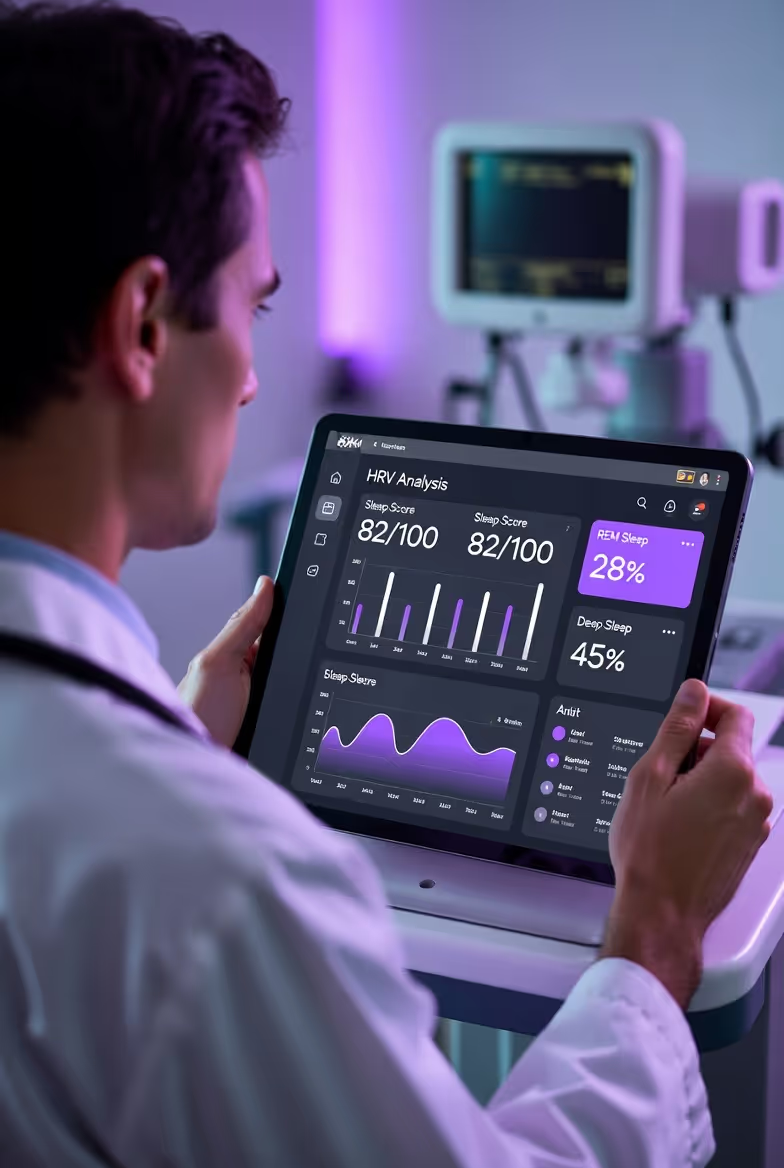
A: HRV reflects the tiny time differences between heartbeats and is a window into how your autonomic nervous system balances stress and recovery. Higher, stable HRV at rest is generally associated with better resilience and fitness, so tracking it helps you see how sleep, training, and lifestyle affect your ability to bounce back.
Q: How is the readiness or recovery score calculated each day?
A: The readiness score usually blends last night’s sleep, recent HRV and resting heart rate patterns, activity load, and sometimes temperature trends compared to your baseline. The exact weighting can evolve with algorithm updates, but the core idea is simple: it summarizes how recovered your body appears to be today.
Q: Why does my readiness score sometimes drop even when I feel okay?
A: Your body may show early signs of strain—like elevated resting heart rate, suppressed HRV, or cumulative sleep debt—before you subjectively feel tired. In those cases, a lower readiness score is a gentle reminder to be cautious, hydrate, fuel well, and consider a slightly lighter day.
Q: How do late nights, alcohol, or heavy meals affect HRV and readiness?
A: Research and user data consistently show that late nights, alcohol close to bedtime, and heavy, late meals tend to raise resting heart rate, lower HRV, and fragment sleep, which often lowers readiness the next day. Tagging these behaviors in the app makes it easy to see their effect on your own trends.
Q: Can I use Oxyzen to monitor overtraining or burnout from workouts?
A: Yes, if you see a pattern of persistent low readiness, falling HRV, rising resting heart rate, and poor sleep after very hard training blocks, it may indicate you’re not recovering fully. Using these signals along with how you feel can help you and your coach adjust volume, intensity, and rest days before full overtraining or burnout sets in.
Q: How long does it typically take to see improvements in my HRV trends?
A: Short-term HRV changes can appear within days after improved sleep, reduced stress, or lighter training, but stable long-term improvements usually take weeks to months. Focus on consistent healthy habits and check 30-, 60-, and 90-day trends rather than reacting to day-to-day noise.
Q: What is the relationship between resting heart rate, HRV, and recovery?
A: Generally, a lower resting heart rate and higher HRV at rest suggest better cardiovascular efficiency and recovery, while higher resting rate and lower HRV are signs of strain or fatigue. Looking at both together gives a more complete picture than either metric alone.
Q: Why do my HRV values look different from other apps or devices?
A: Different devices use different sensors, sampling windows, and algorithms (e.g., RMSSD vs. SDNN, night-time vs. spot-check) to calculate HRV, so their absolute numbers may not match. Oxyzen is calibrated to be internally consistent, so it’s best to compare your HRV to your own past values on this platform rather than between devices.
Q: Should I change my training plan based on readiness scores alone?
A: Readiness scores are a useful input but shouldn’t be the only factor guiding your training. Combine them with your goals, coach’s plan, how you feel, and other constraints; if the score and your body both say you’re flat, that’s a stronger signal to back off than the score alone.
Q: How can I use readiness insights to plan rest days and lighter sessions?
A: Many people use high-readiness days for harder workouts or demanding tasks, and reserve low-readiness days for technique work, easy movement, or full rest. Over time, this flexible approach can reduce the risk of burnout and help you line up big efforts with days when your body is actually ready.