


10 Morning Habits That Increase Your HRV by the End of the Day
10 morning habits that can increase your HRV by the end of the same day.
10 morning habits that can increase your HRV by the end of the same day.
%402x.svg)
You wake up. The glow of your smartphone, a silent alarm, a mental checklist already forming. In that hazy transition from sleep to wakefulness, a critical question lingers: How will you feel today? Not just mentally, but physically—deep within the cellular engine of your body. The answer may not lie in your afternoon coffee or evening workout, but in the deliberate, science-backed rituals you perform in the first hour of dawn. This is where you set the biological tone for everything that follows.
For the high-performers, the stressed professionals, the wellness-optimizers, and the chronically fatigued, a single, powerful metric has emerged as the north star of internal resilience: Heart Rate Variability (HRV). Unlike a static heart rate number, HRV measures the subtle, millisecond variations in the time interval between each heartbeat. A higher HRV doesn't mean your heart is beating irregularly; it signifies a strong, responsive, and resilient autonomic nervous system. It's your body's capacity to adapt, recover, and thrive under stress.
Think of your nervous system as a seesaw. On one end sits the sympathetic nervous system (gas pedal—fight or flight). On the other, the parasympathetic nervous system (brake pedal—rest and digest). High HRV indicates a system that can fluidly balance between these two states—pressing the gas when needed for a presentation or workout, then elegantly applying the brakes to recover, digest, and repair. Low HRV suggests a system stuck in overdrive, with a worn-out brake pedal, leading to burnout, poor recovery, and heightened inflammatory response.
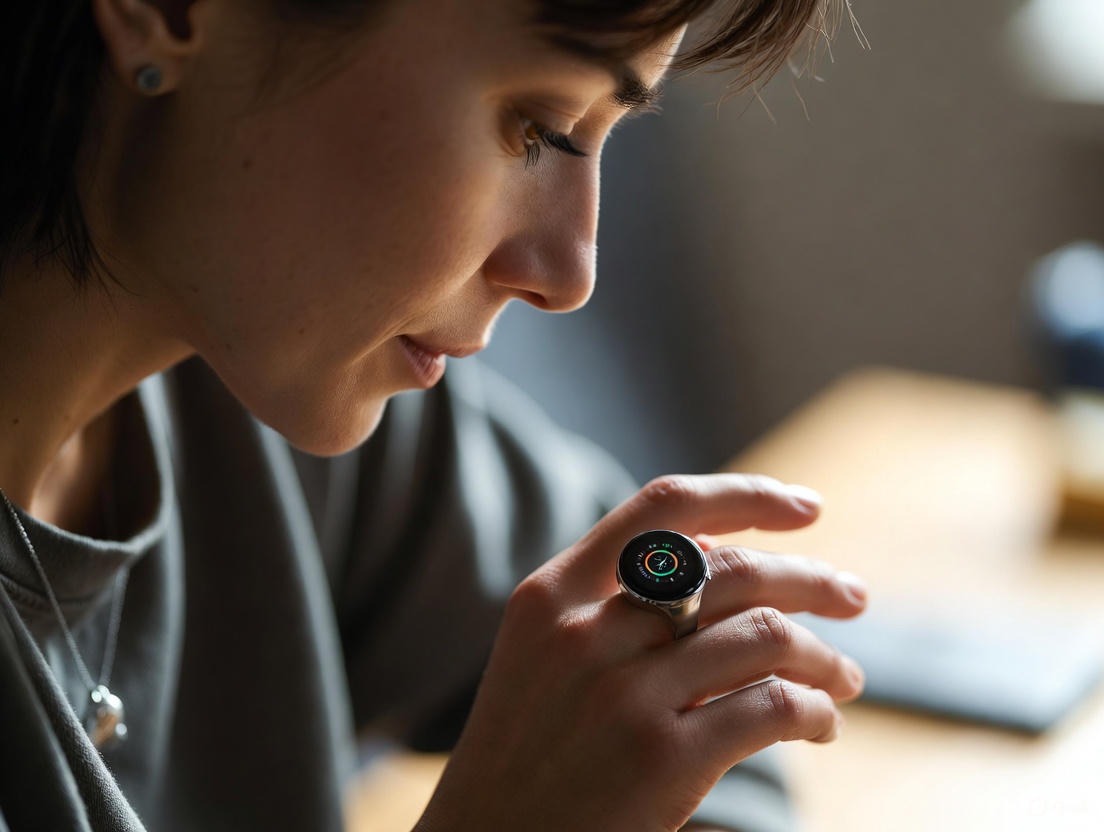
The revolution is that we can now measure this intimate dance of our nervous system with elegant, unobtrusive technology like smart rings. Devices like the Oxyzen ring track your HRV overnight, providing a daily readiness score that tells you how well you've recovered and how prepared your body is for the day's demands. But what if you could actively influence this score? Not just passively measure it, but deliberately nudge your physiology toward greater resilience from the moment you open your eyes?
This is the promise of intentional morning habits. By targeting the first few hours of your day, you can initiate a positive cascade of physiological events that elevate your parasympathetic tone, reduce systemic stress, and create a measurable uptick in your HRV by the time you return to bed. The following ten habits are not a disjointed list of tips. They are a synergistic protocol, a curated morning sequence designed to reset your nervous system, anchor your day in biological calm, and build the foundation for sustained vitality.
Let’s begin the transformation of your mornings, and by extension, your life’s baseline rhythm.
Before we dive into the specific habits, it's essential to understand the profound "why." The period immediately after waking is a uniquely potent window for biohacking your autonomic nervous system. Overnight, during deep sleep, your body is predominantly in a parasympathetic-dominant state—a time of deep repair, memory consolidation, and hormonal regulation. The abrupt transition to wakefulness, often mediated by a jarring alarm, triggers a sympathetic surge known as the "cortisol awakening response" (CAR).
This cortisol spike is natural and designed to provide energy and alertness. However, in our modern world, this natural surge is often hijacked and amplified into a state of chronic stress. The first notification, the mental replay of yesterday's problems, the rush to get out the door—these stimuli can turn a healthy CAR into a prolonged sympathetic storm that sets a tone of reactivity for the next 16 hours. Your HRV, a mirror of this internal balance, plummets in response.
By consciously designing your first 60-90 minutes, you are essentially programming this transition. You are guiding your nervous system from restful parasympathetic sleep into a wakeful state characterized by parasympathetic resilience—the ability to maintain calm, adaptability, and control even while awake and engaged. This isn't about being lethargic; it's about being grounded, focused, and energetically efficient.
Research from the Journal of Clinical Endocrinology & Metabolism underscores this, showing that individuals who experience a more moderated, healthy CAR followed by a swift return to baseline have better overall health markers and stress resilience. Another study in Frontiers in Human Neuroscience directly linked morning routines involving mindfulness and controlled breathing to significant afternoon and evening increases in HRV compared to control groups.
The data from wearable tech tells the same story. Users of advanced wellness trackers like the Oxyzen ring who consistently report high "Readiness" scores overwhelmingly share one trait: a non-negotiable morning routine. They aren't just measuring their state; they are actively creating it. By intervening at this leverage point, you create a positive feedback loop: higher morning HRV begets better daily stress management, which leads to deeper sleep, which results in an even higher HRV the next morning. You break the cycle of chronic stress and enter a cycle of compounding resilience.
This foundational understanding transforms our list of habits from a chore chart into a powerful physiological protocol. Each action you're about to learn is a direct signal to your brainstem and vagus nerve—the command center of your parasympathetic system—telling it: "All is well. We are safe. We can afford to be calm, open, and adaptive today."
The Habit: Upon waking, before you check your phone, sit up, or even open your eyes fully, spend five minutes engaging in slow, diaphragmatic breathing. Lie on your back and place one hand on your chest and the other on your belly. Inhale deeply through your nose for a count of 5-6 seconds, feeling your belly rise. Exhale slowly through pursed lips or your nose for a count of 6-7 seconds. Repeat.
The HRV Science: This habit is your most direct line to the vagus nerve. The vagus nerve is the longest cranial nerve, a superhighway of information connecting your brain to your heart, lungs, and gut. It's the primary controller of your parasympathetic "rest and digest" system. Slow, rhythmic breathing with an extended exhale is a scientifically proven form of "vagal toning."
Here’s what happens: The increased exhale time creates a slight, safe increase in arterial carbon dioxide (CO2), which stimulates the brain's baroreceptors. These receptors signal the brainstem to slow the heart rate, which in turn increases the time between heartbeats—directly boosting your HRV. A study published in the International Journal of Yoga found that just five minutes of diaphragmatic breathing significantly increased HRV in participants, with effects lingering for hours.
The Implementation Deep Dive:
Storytelling & Anecdote: Consider Mark, a startup founder. His mornings used to be a panic of missed messages and spiraling to-do lists. His Oxyzen HRV scores were consistently low, indicating poor recovery. He instituted the "5-Minute Buffer," committing to it before his feet touched the floor. Within two weeks, he reported not just higher HRV numbers, but a tangible "space" between waking and reacting. The day's stressors were still there, but he was meeting them from a different, more resilient physiological state. His nervous system had a new anchor.
This first habit is the bedrock. It requires nothing but your breath and your intention. It costs nothing. And its ROI, measured in HRV points and personal peace, is immense. From this place of cultivated calm, we gently transition to our second habit: harnessing the most powerful environmental cue on the planet.
The Habit: Within 30 minutes of waking, get outside and expose your eyes (no sunglasses) to 10-15 minutes of direct, low-angle morning sunlight. This is non-negotiable, even on cloudy days.
The HRV Science: Light is the primary zeitgeber ("time-giver") for your circadian rhythm. Your circadian rhythm, in turn, governs the predictable ebb and flow of hormones—most importantly for our purposes, cortisol. As mentioned, a sharp, healthy cortisol spike in the morning is good. The problem is a blunted spike or, more commonly, a spike that fails to decline smoothly throughout the day, leaving you in a state of chronic, low-grade stress.
Morning sunlight, rich in blue wavelengths, enters your eyes and stimulates cells in the retina that are directly wired to the suprachiasmatic nucleus (SCN)—your brain's master clock. The SCN signals the adrenal glands to release that optimal, alerting dose of cortisol. This sets a clean, strong circadian rhythm for the day. When your cortisol curve is optimal—a sharp peak in the morning and a gentle decline to its lowest point at night—your body can more effectively transition into parasympathetic activity in the evening. This clean rhythm is a cornerstone of high nocturnal HRV.
A 2020 review in Sleep Medicine Reviews concluded that morning light exposure is one of the most effective non-pharmacological interventions for improving sleep quality and stabilizing circadian rhythms, both direct precursors to improved HRV. By anchoring your clock, you tell every cell in your body when it's time to be active and, critically, when it's time to rest and repair.
The Implementation Deep Dive:
Storytelling & Anecdote: Sarah, a freelance graphic designer with irregular hours, struggled with erratic sleep and low HRV. Her days felt foggy, her nights restless. She started with this single habit: a 10-minute morning walk with her dog, phone left at home. She didn't change her diet or workout routine. Within a week, she reported falling asleep more easily. Her Oxyzen sleep score began to climb, and her nightly HRV average showed a steady, upward trend. The simple act of sunlight sequencing gave her biology the clear signal it had been craving, allowing her natural rhythm—and resilience—to re-emerge.
With your circadian rhythm now firmly set and your nervous system primed with calm, alert energy, we move to a habit that addresses the foundational physical state of your body: hydration.

The Habit: Before you consume any caffeine, drink 16 ounces (about 500ml) of water. Add a pinch of high-quality sea salt or electrolytes for optimal absorption.
The HRV Science: You wake up in a state of relative dehydration. You've gone 6-9 hours without water, losing fluids through respiration and perspiration. Even mild dehydration (a loss of just 1-2% of body water) has a pronounced effect on your cardiovascular system. It causes a reduction in blood plasma volume, making your blood more viscous. Your heart has to work harder to pump this thicker blood, increasing heart rate and, critically, reducing HRV.
A study in the European Journal of Clinical Nutrition demonstrated that dehydration significantly lowered HRV in healthy adults, indicating increased sympathetic nervous system drive. Rehydrating first thing in the morning reverses this. It restores plasma volume, eases the workload on your heart, and creates a hemodynamic environment conducive to higher variability.
The pinch of salt is a pro-level move. Sodium is an essential electrolyte that facilitates fluid retention and cellular hydration. It helps the water you drink actually enter your cells (intracellular hydration) rather than just passing through you.
The Implementation Deep Dive:
Storytelling & Anecdote: David, a competitive cyclist, was frustrated that his HRV was often lower on intense training days despite feeling strong. His coach asked about his morning routine. David admitted he would drink a large espresso immediately upon waking. The coach had him switch: 16 oz. of electrolyte water first, coffee 30 minutes later. The change was dramatic. His resting heart rate during morning routines dropped, and his HRV scores on training days stabilized and began to improve. He realized he had been starting every day, and thus every workout, from a 1% deficit. The simple act of hydration preloading leveled his physiological playing field.
Now that we've addressed breath, light, and water—the fundamental inputs—we turn to a habit that structures the mental landscape of your day, preventing the chaotic stress that crushes HRV.
The Habit: After hydrating, take 5-7 minutes with a notebook. Write down: 3 critical priorities for the day (must-dos), 1 thing you will actively defer or say "no" to, and 1 small act of self-kindness you will perform.
The HRV Science: This habit attacks psychological stress at its root: uncertainty and overwhelm. The prefrontal cortex (PFC), your brain's executive center, is responsible for planning, decision-making, and emotional regulation. When the PFC is overloaded with an amorphous cloud of "everything I need to do," it becomes fatigued and inefficient. This cognitive load triggers a low-grade sympathetic stress response—the feeling of being perpetually behind, which measurably suppresses HRV.
The act of externalizing your tasks onto paper (the "brain dump") relieves this cognitive burden. Neuroscientific research, including work cited in Psychological Science, shows that writing down tasks reduces anxiety and frees up working memory. Defining your 3 priorities creates clarity and a roadmap, reducing anticipatory stress. The 1 deferred item is an act of conscious boundary-setting, directly reducing the "obligation load" that triggers fight-or-flight. The 1 act of self-kindness (e.g., "a 20-minute walk," "call a friend," "read a chapter") schedules parasympathetic activity, ensuring you don't neglect recovery.
This structured planning moves you from a reactive, threat-perceiving state to a proactive, goal-oriented state. The latter is associated with higher PFC engagement and lower amygdala activity, a neural profile that supports higher HRV.
The Implementation Deep Dive:
Storytelling & Anecdote: Lena, a project manager and mother of two, felt constantly "tapped out." Her HRV trend was on a slow decline. She began the 3-1-1 scaffold. The first day, her "1 deferred" was "I will not check email between 5-7 pm to be present with my kids." Her act of kindness was "10 minutes of stretching before bed." The mere act of writing this down, she reported, created a psychological "container" for her day. The ambient anxiety of forgotten tasks diminished. Within a month, her declining HRV trend reversed and began to climb. She used the clarity from her mornings to protect her evenings, creating a virtuous cycle of calm.
With a clear mind, we now prepare the body for movement. But not just any movement—the specific type that builds resilience without inducing destructive stress.
The Habit: Engage in 10-15 minutes of gentle, dynamic movement. This is not a workout. Focus on motions that combine light cardiovascular flow with mobility: a brisk walk, gentle yoga flow (like sun salutations), tai chi, or a series of bodyweight movements (cat-cow, spinal twists, leg swings, light lunges).
The HRV Science: The goal here is twofold: to increase circulation and to stimulate the vagus nerve through movement. Gentle movement increases blood flow, delivering oxygen and nutrients to tissues and clearing metabolic waste. This improves vascular function, a key component of a heart that can respond with healthy variability.
More subtly, the specific movements in yoga, tai chi, and mindful walking incorporate elements of coordinated breath, balance, and rhythmic motion. These are powerful vagal stimulants. For example, the neck stretches and rotations in a yoga flow activate the baroreceptors in the carotid arteries, which communicate directly with the vagus nerve. The rhythmic rocking and balancing stimulate the vestibular system, which is also linked to parasympathetic outflow.
Research in Complementary Therapies in Medicine shows that practices like yoga significantly increase HRV, with effects attributed to this combination of movement, breathwork, and mindfulness. This habit takes that principle and creates a brief, accessible morning version. You are essentially "waking up" and toning your entire neuro-cardio-respiratory system in a coordinated, low-stress way.
The Implementation Deep Dive:
Storytelling & Anecdote: Ben, a software engineer, used to hit a grueling CrossFit class first thing. While fit, his HRV was chronically low, and he felt wired but tired. He replaced two morning workouts per week with this 15-minute dynamic mobility routine. The change was counterintuitive but powerful. His HRV scores on those "easy" mornings were higher, and he found he had more sustained energy throughout the workday. He realized his intense workouts on a stressed system were doing more harm than good. The dynamic movement primer became his tool for building readiness for the day's challenges, not adding to them.
Following this gentle physical awakening, we fuel the system with the first and most important nutritional signal of the day.
The Habit: Consume a breakfast containing at least 30 grams of protein within 60-90 minutes of waking. Prioritize whole food sources like eggs, Greek yogurt, cottage cheese, or a high-quality protein shake.
The HRV Science: Food is information. A breakfast high in refined carbohydrates and sugar creates a rapid spike in blood glucose, followed by an insulin surge and a subsequent crash. This glucose rollercoaster is a form of metabolic stress. The crash triggers the release of cortisol and adrenaline to mobilize more energy, activating the sympathetic nervous system and destabilizing HRV.
A protein-forward breakfast fundamentally changes this equation. Protein:
A 2021 study in the Journal of Nutrition found that higher protein intake at breakfast was associated with better blood glucose control throughout the entire day. Stable blood glucose means fewer stress hormones, which means a smoother, more parasympathetic-leaning autonomic tone—the perfect environment for high HRV.
The Implementation Deep Dive:
Storytelling & Anecdote: Chloe, a teacher, was a chronic "coffee-for-breakfast" person. By 11 am, she was shaky, hangry, and anxious. Her afternoon HRV readings, which she checked on her Oxyzen app, were consistently poor. She shifted to a breakfast of 2 eggs, spinach, and a side of Greek yogurt. The first week, the difference was stark. The 11 am crash vanished. Her focus in morning classes improved. Most tellingly, her afternoon HRV readings showed a marked improvement. She was no longer asking her body to run on stress hormones; she was giving it steady, clean fuel. The protein-forward breakfast became her shield against daily metabolic chaos.
With your body nourished, we now focus on the cognitive environment, building a fortress against the most pervasive HRV killer of the modern age.
The Habit: Delay the first consumption of "hot" digital media—email, social media, news, messaging—for at least 90 minutes after waking. Use this time only for passive, intentional tech use (e.g., playing calming music, a pre-downloaded meditation, or checking your biometric data from your wearable).
The HRV Science: The first 90 minutes of your day are a period of high neuroplasticity—your brain is most receptive to setting its pattern for the day. Introducing digital chaos during this window is like pouring muddy water into a clean, empty glass.
Every notification, every alarming headline, every demanding email triggers micro-doses of dopamine (driving compulsive checking) and cortisol (the stress response). This hijacks your attention, puts your amygdala on high alert, and trains your brain for reactivity and distraction. A study from the University of California, Irvine found that it takes an average of 23 minutes and 15 seconds to return to a focused state after a single interruption. Starting your day in this interrupted state creates a baseline of cognitive fragmentation and low-grade threat perception, which directly suppresses HRV.
The firewall protects your delicate morning neurochemistry. It allows the calm, focused, and intentional state you've built with the previous six habits to solidify as your new normal. It gives your PFC a chance to lead the day, not your reactive limbic system.
The Implementation Deep Dive:
Storytelling & Anecdote: Alex, a financial analyst, was glued to Bloomberg and email from the moment his eyes opened. He felt perpetually behind and agitated. His HRV was in the "low" zone consistently. He implemented the 90-Minute Firewall. The first few days were agonizing—a physical itch to check. But by day five, a space opened up. He used the time for his breathing, sunlight, and planning. He found the markets hadn't collapsed in 90 minutes. When he finally engaged, he did so from a place of calm strategy, not panic. His HRV began its first sustained climb in months. He realized he had been volunteering for a panic attack every single morning.
Having protected our mental space, we now introduce a brief but potent practice to integrate mind and body, sealing in the calm before we step into the world.
The Habit: Before concluding your morning routine and entering the main part of your day, take 120 seconds to sit quietly. Close your eyes and vividly rehearse the key moments of your upcoming day—not just tasks, but the state you wish to embody. See yourself calm during a meeting, patient in traffic, focused on a project, graceful under a minor setback.
The HRV Science: This is a direct application of neuroscience principles: mental rehearsal activates the same neural networks as physically performing an action. A famous study on piano players found that imagining playing a piece activated their motor cortex almost as strongly as actually playing it.
When you mentally rehearse embodying calm, focus, and resilience, you are priming those neural pathways. You are creating a "mental map" for your nervous system to follow. This reduces the "novelty" and perceived threat of daily challenges because, in a sense, you've already navigated them successfully in your mind. This anticipatory reduction in threat perception lowers the background level of sympathetic arousal, creating headroom for higher HRV.
Furthermore, focusing on a positive future outcome (even a small one) stimulates mild dopamine release. Dopamine in this context isn't about pleasure; it's about motivation and directed action. It puts you in a proactive, goal-oriented state, which is once again associated with better PFC function and autonomic balance.
The Implementation Deep Dive:
Storytelling & Anecdote: Maria, a public speaker, battled pre-presentation nerves that would wreck her sleep and plummet her HRV the night before a talk. She added this 2-minute rehearsal to her morning on presentation days. She wouldn't just rehearse her speech; she would vividly imagine walking on stage feeling grounded, making eye contact with a friendly face, and feeling the joy of sharing her message. The physiological effect was tangible. The pre-event sympathetic spike was still there, but it was sharper and shorter, followed by a quicker return to baseline. Her HRV scores the night after her talks improved, showing she was recovering faster from the stressor. She had installed a new program for success.
We now arrive at a habit that leverages your environment to provide continuous, subconscious support for the state you've worked so hard to create.

The Habit: Introduce a consistent, pleasant sensory cue into your morning environment that you can later use to trigger a calm state. This is typically a specific scent (e.g., a particular essential oil in a diffuser, the smell of a certain tea) or a short, specific piece of instrumental music or soundscape.
The HRV Science: This habit leverages classical conditioning, made famous by Pavlov, but for your nervous system. The amygdala and hippocampus—key parts of your limbic system involved in emotion and memory—have direct, powerful connections to your olfactory (smell) and auditory systems. Scents and sounds can bypass the rational brain and evoke physiological states directly.
By pairing a neutral stimulus (a lemon scent, a specific piano piece) with the already-calm physiological state you've built over the previous 60 minutes, you create a powerful anchor. Later in the day, when stress rises, you can introduce that scent (via a personal inhaler) or sound (via headphones) to trigger a conditioned parasympathetic response. This can rapidly down-regulate a stress response and support HRV in real-time.
Research in Frontiers in Psychology has shown that the use of lavender scent, for example, can significantly reduce cortisol levels and increase parasympathetic activity. Music with a slow tempo (60-80 beats per minute) can naturally entrain the heart and breathing to a slower, more coherent rhythm—a phenomenon known as "entrainment" that boosts HRV.
The Implementation Deep Dive:
Storytelling & Anecdote: James, a lawyer in high-stakes negotiations, found his HRV would crater on days with back-to-back meetings. He started diffusing a blend of sandalwood and orange in his office during his morning planning session. After three weeks, he brought a small handkerchief with a drop of the oil to a tense negotiation. During a break, he discreetly inhaled the scent. He reported an almost immediate visceral sense of the tension leaving his shoulders and his mind clearing. He had conditioned his body to associate that scent with the calm, strategic focus of his mornings. It became his secret weapon for in-the-moment nervous system regulation.
These nine habits form a complete, synergistic sequence. But their power is not just in the doing; it's in the consistent tracking and intelligent adaptation based on your body's unique feedback. This leads us to our final, meta-habit for this portion: the practice of reflective tracking.
The Habit: At the end of your day, spend five minutes reviewing two things: 1) How faithfully you executed your morning sequence, and 2) The data from your wellness wearable (specifically, your daily HRV and readiness score). Do this without judgment. Simply note correlations and plan one tiny adjustment for tomorrow.
The HRV Science: This habit is where the magic of biofeedback and behavioral psychology converge. It transforms your morning routine from a rigid set of rules into a dynamic, self-optimizing protocol. The act of non-judgmental review engages the prefrontal cortex in a learning loop, reinforcing the connection between action (morning habit) and outcome (physiological state).
When you see a direct correlation—for example, "On the day I skipped sunlight and scrolled news, my HRV dipped 10%"—you are providing your brain with incontrovertible evidence. This strengthens the intrinsic motivation to maintain the habits, moving them from conscious effort to automatic behavior. Furthermore, planning a single, tiny adjustment (known as "1% improvement") based on data prevents overwhelm and fosters a growth mindset. This sense of agency and progress is itself a powerful reducer of helplessness and stress, thereby supporting higher HRV.
A study in the Journal of Medical Internet Research on users of wearable technology found that those who engaged in regular review of their data were significantly more successful in sustaining positive behavior change compared to those who simply tracked passively. The reflection closes the loop, making you an active scientist in your own well-being.
The Implementation Deep Dive:
This tenth habit is the keystone. It ensures your routine evolves with you, preventing plateaus and fostering a lifelong practice of listening to and collaborating with your body. It turns data into wisdom and effort into effortless habit.
Individually, each of these habits has a measurable, science-backed effect on your autonomic nervous system. But their true, transformative power is unlocked when they are practiced as a sequence—a "synergistic symphony" where each habit prepares the ground for the next, creating an effect greater than the sum of its parts.
Consider the physiological cascade:
This isn't a checklist; it's a cascade. The breathing makes you more receptive to the sunlight. The hydration makes the movement more effective. The mental clarity from planning makes you less likely to break the digital firewall. The protein stabilizes your energy so you can maintain the calm you cultivated. When performed consistently, this sequence doesn't just slightly improve your day—it fundamentally reprograms your nervous system's default setting from "react and defend" to "calm and connect."
The result is a sustained elevation in your HRV baseline. You are not just borrowing parasympathetic tone from the night; you are building it, actively, throughout your waking hours. This is the ultimate goal: to make high HRV—the signature of resilience—your new normal.
Your morning sets the stage, but the performance lasts all day. The resilience you build from 6 AM to 8 AM can be protected and even enhanced with strategic "micro-habits" woven into the fabric of your afternoon and evening. Think of your morning routine as charging your HRV battery to 100%. These daily practices are about minimizing drain and occasionally topping up the charge, so you finish the day with "battery" to spare for recovery and repair.
The Strategic Pause: The 2-Minute Reset
Every 90-120 minutes, step away from your work. For just two minutes, practice one of the following:
The Post-Lunch Walk
A 10-15 minute walk after eating, especially outdoors, is a triple-win for HRV. It aids digestion (a parasympathetic process), exposes you to daylight (reinforcing circadian rhythm), and provides gentle movement. It prevents the post-meal energy crash and associated sympathetic surge.
The Caffeine Curfew
Establish a hard cut-off for caffeine intake 8-10 hours before your intended bedtime. For a 10 PM bedtime, that’s 12-2 PM. Caffeine has a long half-life and can antagonize adenosine receptors, impairing deep sleep even if you feel you can fall asleep. Poor sleep architecture is the fastest way to crush next-morning HRV.
Evening Transition Ritual
Begin a 60-minute "wind-down" period before bed. This is the inverse of your morning firewall. Dim lights, reduce screen use (use blue-light blockers if necessary), and engage in calming activities like reading (a physical book), light stretching, or conversation. This signals to your SCN that the day is ending, allowing melatonin to rise naturally and paving the way for restorative sleep—the ultimate HRV booster.
By integrating these micro-habits, you create a protective bubble around the high-tone state your morning built. You become the steward of your own nervous system all day long.
Understanding these principles is one thing. Seeing them manifest in your own body’s data is where belief turns into unshakable conviction and lasting change. This is the core value of a dedicated wellness wearable like the Oxyzen smart ring.
A smart ring is the ideal form factor for this kind of 24/7 biometric tracking. Worn on your finger, it provides clinical-grade PPG (photoplethysmography) sensor data from a vascular-rich location, all while being unobtrusive enough to wear during sleep, workouts, and daily life. Unlike a wrist-based device that can be affected by wrist movements, the finger offers a more stable and consistent reading, especially for heart rate and HRV during sleep.
How Oxyzen Turns Data into Your Daily HRV Roadmap:
By wearing Oxyzen, you are not just a participant in these 10 habits; you are a researcher in your own N-of-1 study. The ring provides the objective data that closes the feedback loop, making the connection between your conscious actions and your subconscious physiology not just theoretical, but visible and motivating. To see how this technology fits into a larger vision of personalized health, you can read about our story and the journey to create a tool that empowers this level of self-knowledge.
Theory and data are compelling, but human stories bring them to life. Here are synthesized accounts based on common patterns seen among individuals who have implemented this morning protocol with the aid of biometric tracking.
Case Study A: The Burnt-Out Executive (Michael, 52)
Case Study B: The New Parent in Survival Mode (Sophie, 34)
Case Study C: The Endurance Athlete Overtrained (Carlos, 29)
These cases illustrate that the protocol is not one-size-fits-all. It’s a framework that flexes to meet your life circumstances, while the principles and the tracking remain constant. The goal is not a perfect score every day, but a resilient, upward-trending baseline and a profound sense of somatic self-awareness.

Adopting a comprehensive morning routine is a lifestyle shift, and challenges are inevitable. Anticipating them allows you to navigate them with grace, not guilt.
Obstacle 1: "I Don't Have 90 Minutes in the Morning!"
Obstacle 2: "I Travel Frequently / My Schedule is Erratic."
Obstacle 3: "I Do Everything Right, But My HRV is Still Low Sometimes."
Obstacle 4: "It Feels Like Too Much Mental Overhead to Track All This."
The key is consistency, not perfection. A 70% adherence to this protocol will yield 100% more results than 0% adherence. Be kind to yourself. The journey to higher HRV is a marathon of patience and self-compassion, not a sprint of punitive discipline.
While we focus on the daily and weekly uptick in your HRV score, the profound benefits of sustaining a higher HRV baseline over months and years are where life-altering changes occur. This isn't just about better recovery from a workout; it's about fundamentally upgrading your healthspan and your lived experience.
1. Enhanced Metabolic Health: A resilient autonomic nervous system improves insulin sensitivity, lipid metabolism, and reduces systemic inflammation. High HRV is consistently linked in research to a lower risk of metabolic syndrome and type 2 diabetes.
2. Superior Cognitive Function & Emotional Regulation: The PFC-amygdala balance that high HRV represents translates directly to your mental life. You experience improved focus, better working memory, reduced anxiety, and greater emotional agility. You respond instead of react.
3. Cardiovascular Resilience: HRV is a powerful, independent predictor of cardiovascular health. High HRV is associated with lower blood pressure, reduced arterial stiffness, and a significantly lower risk of cardiac events.
4. Immunological Vigilance: The vagus nerve, which you are toning daily, plays a critical role in the inflammatory reflex. High vagal tone (and thus high HRV) is associated with a more modulated, effective immune response—you may get sick less often and recover faster when you do.
5. Longevity: Perhaps most compellingly, HRV is a biomarker of biological aging. Studies, including one in Frontiers in Public Health, have found that individuals with higher HRV exhibit slower rates of biological aging across multiple cellular markers. You are not just living healthier; you are potentially slowing the aging process itself.
In essence, by committing to these morning habits, you are doing far more than optimizing a biomarker. You are investing in the foundational system that governs every aspect of your health: your nervous system. You are building a body and mind that is robust, adaptable, and resilient in the face of life's inevitable stresses. This is the ultimate promise of the HRV-focused life.
The path to higher HRV, greater resilience, and a profound sense of daily vitality begins not with a monumental effort, but with a single, conscious breath taken before you reach for your phone. It continues with a step into the morning light, a glass of water, a moment of clear intention.
You now hold the map—a detailed, science-backed protocol of ten synergistic habits. You understand the "why" behind each one and how they weave together to compose a daily symphony of resilience. You have seen the real-world transformations and have strategies to navigate the inevitable hurdles.
The final, most important step is yours to take. Start small. Choose one habit from this list—perhaps the 5-Minute Breathing Buffer or the Hydration Preload—and commit to it for the next seven days. Observe how you feel. If you have access to a device like the Oxyzen ring, observe what happens to your data.
This is not about adding more to your to-do list; it's about changing the quality of how you meet your existing list. It's about moving from being a passenger in your body's stress response to becoming the pilot of your own nervous system.
The journey of a thousand days of high resilience begins with a single, conscious morning. Your new dawn awaits.
Ready to track your transformation? Discover how Oxyzen provides the precise, personalized data you need to guide your journey. Learn more about how our smart ring technology works to turn these principles into your daily reality.
To master your HRV, you must first become a student of stress. Not all stress is your enemy. The key lies in understanding the critical dance between stressor and recovery—the very rhythm that HRV measures.
Eustress vs. Distress: The Two Faces of Challenge
Your morning habits are designed to maximize your capacity for eustress and minimize your susceptibility to distress. They build a "recovery reservoir" so deep that acute stressors barely make a dent, and they train your system to return to baseline with swift efficiency.
The Neuroendocrine Orchestra: Cortisol, HRV, and The Feedback Loop
Cortisol, the primary stress hormone, has a complex relationship with HRV. As we've discussed, a healthy, sharp morning spike is beneficial. Problems arise when cortisol rhythms become dysregulated.
Your morning sunlight (Habit 2), breathing (Habit 1), and digital firewall (Habit 7) are direct interventions to correct this rhythm. They help calibrate the HPA (Hypothalamic-Pituitary-Adrenal) axis, the command center of your stress response. A well-tuned HPA axis means appropriate cortisol secretion, which in turn creates the stable internal environment necessary for high, coherent HRV.
This scientific understanding elevates your habits from wellness tips to essential physiological regulators. You are not just "relaxing"; you are directly modulating your hypothalamic function, your pituitary signaling, and your adrenal output. Every deep breath is a message to your amygdala; every ray of morning sun is a command to your suprachiasmatic nucleus. This is biohacking at its most profound.
The ten habits are a universal framework, but we are not universal machines. The art of optimization lies in discovering which levers have the greatest effect on your unique biology. This is where the marriage of consistent habit practice and detailed biometric tracking becomes non-negotiable.
The Discovery Phase: Isolate and Test
For a period of 2-3 weeks, use your Oxyzen data to play detective. While maintaining the core protocol, pay special attention to one or two variables at a time.
Identifying Your Primary Driver
Through this process, you will likely find that one or two habits are your "super-levers." For some, it's sleep consistency. If they nail a 90-minute wind-down and 8 hours in bed, their HRV soars regardless of other minor slip-ups. For others, it's digestive peace. Avoiding gluten, dairy, or large evening meals is their primary HRV catalyst. For many, it's the digital sunset—strictly protecting the hour before bed from blue light is the single biggest factor in their sleep quality and next-day HRV.
Your Oxyzen ring is the tool that reveals this personal hierarchy. The data strips away bias and guesswork. You stop following generic advice and start following the clear, numeric language of your own body. This personalized understanding is the cornerstone of sustainable, long-term well-being. To see how others have used data to find their unique path, the shared experiences on our testimonials page can be both validating and illuminating.
Once your foundational ten habits are solid and you've personalized your approach, you can explore advanced modalities that can provide an extra edge. These are "power-ups" for your parasympathetic nervous system.
1. Cold Exposure: The Vagus Nerve Shock
A brief, controlled cold exposure (e.g., 60-second cold shower at the end of your morning routine, or 2-3 minute ice bath) is a potent sympathetic stimulus followed by a powerful parasympathetic rebound. The initial gasp triggers a sympathetic surge, but as you breathe through it, your body activates adaptive survival mechanisms, leading to a massive release of norepinephrine and a subsequent deep parasympathetic calm. Studies show this practice can significantly increase HRV over time, building incredible stress resilience.
2. Resonance Frequency Breathing (RFB)
This moves beyond basic diaphragmatic breathing. Your resonance frequency is the specific breathing rate (usually between 4.5 and 6.5 breaths per minute) that creates perfect coherence between your heart rate, blood pressure, and respiratory rhythms. At this rate, your cardiovascular system enters a state of maximum efficiency, and HRV peaks.
3. Humming & Chanting
The vagus nerve passes directly through the vocal cords. Humming, singing, or chanting (especially on the exhale) creates a gentle internal vibration that mechanically stimulates the vagus nerve. This is why many meditation and prayer traditions use chanting—it's a built-in biohack.
4. Probiotics & Gut-Brain Axis Support
Emerging research highlights the "psychobiotic" effect. Specific probiotic strains (like Lactobacillus helveticus and Bifidobacterium longum) have been shown in clinical trials to reduce cortisol, improve subjective stress, and—crucially—increase HRV. Your gut is your "second brain," directly connected via the vagus nerve.
These advanced techniques are not replacements for the core ten habits; they are amplifiers. They should be layered on top of a solid foundation, introduced one at a time, and their effects carefully monitored with your biometric data.
We are not biohacking islands. Our nervous systems are in constant, invisible communication with those around us—a phenomenon known as "co-regulation." This social dimension is a powerful, often overlooked lever for HRV.
Co-regulation and "Social HRV"
When you are in the presence of someone who is calm, grounded, and safe (high HRV), your own nervous system tends to synchronize and calm down. Conversely, a highly anxious person can elevate your sympathetic tone. This is why you feel drained after a conflict or energized after a deep, connected conversation.
Loneliness and Low HRV
Chronic loneliness is one of the most significant stressors for humans. It is perceived by the nervous system as a profound threat, triggering sustained sympathetic activation and inflammation. Numerous studies link social isolation to lowered HRV.
The Power of Touch
Positive, consensual touch (a hug from a loved one, a massage, cuddling a pet) stimulates pressure receptors under the skin that send direct signals to the vagus nerve, promoting parasympathetic activity and releasing oxytocin, the "bonding hormone" that reduces cortisol.
By nurturing healthy relationships and seeking positive co-regulation, you create an external environment that supports your internal physiological goals. Your smart ring tracks your body's response; it’s up to you to curate the social inputs that elicit the most positive responses. This holistic view of health—integrating the physical, mental, and social—is central to the vision behind our mission at Oxyzen.
A declining HRV trend or a sudden low score can trigger anxiety, which itself lowers HRV further. It’s critical to break this cycle by becoming a calm, curious interpreter of your data, not a fearful slave to it.
The Healthy Mindset: Data as a Guide, Not a Judge
Your HRV is a feedback signal, not a score on a test. It’s information, not an indictment. Adopt the mindset of a scientist observing an experiment: "Fascinating. My HRV dipped 15% today. What variable changed?"
Common, Non-Alarming Reasons for a Short-Term Dip:
The Protocol for a Low Readiness Score:
When your Oxyzen app shows a low Readiness Score, don't ignore your habits—adapt them.
Red Flags: When to Look Deeper
A persistent, unexplained low HRV trend (over 2-3 weeks) despite excellent habits warrants attention. It could be a signal of:
In these cases, your wearable data becomes a powerful tool for conversation with a healthcare professional. You can show tangible, longitudinal data about your physiological state, moving the conversation beyond subjective "I feel tired."
The goal is to use HRV to foster a deeper dialogue with your body, one based on listening and responding with kindness, not criticism. For more on striking this balance, our blog regularly features content on mindful data interpretation.
We are on the cusp of a revolution in personalized health. The integration of continuous biometric monitoring (like that from a smart ring) with artificial intelligence and machine learning will transform HRV optimization from a manual practice into a guided, predictive, and hyper-personalized experience.
Predictive Analytics and Proactive Coaching
Future platforms won't just tell you your HRV was low yesterday; they will predict it tomorrow. By analyzing thousands of data points (sleep, activity, HRV, temperature, lifestyle logs), AI will identify patterns invisible to the human eye. You might receive a notification: *"Based on your elevated resting heart rate and decreased HRV last night, you have an 85% likelihood of a low Readiness Score tomorrow. Consider a 20-minute nap today and prioritize 8.5 hours of sleep tonight."*
Integrated Lifestyle Platforms
Your wellness wearable will seamlessly integrate with other digital health tools: your calendar (to block time after a red-eye flight), your food-tracking app (to correlate meals with HRV dips), your smart home (to gradually raise lights for a gentle wake-up). Your Oxyzen ring will become the central hub of your quantified self, synthesizing data to provide holistic, actionable advice.
Longitudinal Health Biomarker
The most exciting frontier is HRV's role in early detection. By establishing your personal, years-long HRV baseline, a significant, sustained deviation could serve as an early warning sign for a wide range of conditions, from infectious disease to mental health episodes, long before overt symptoms appear. This shifts medicine from reactive to proactive and preventive.
This future is being built today by companies dedicated to this vision. At Oxyzen, we are passionate about being at the forefront of this convergence, not just creating a tracking device, but fostering an ecosystem of insight. You can follow our story to see how this vision continues to evolve.
Your commitment to understanding and optimizing your HRV today is not just an investment in this week's energy. It is an investment in a future where you are the CEO of your health, empowered by data, guided by intelligence, and motivated by the vibrant life that high resilience makes possible.
We have journeyed from the first conscious breath upon waking to the frontiers of biometric technology. You now possess a comprehensive blueprint—a synthesis of ancient wisdom and modern science—for systematically raising your Heart Rate Variability, the ultimate biomarker of your inner resilience.
Remember the core truth: HRV is not something you get; it's something you cultivate. It is the flower that blooms when the soil (your lifestyle), the sun (your habits), and the water (your recovery) are in balance. The ten morning habits are your daily gardening tools:
This is your operating system for a resilient life. Implement it with consistency, personalize it with curiosity, and track it with a tool like Oxyzen to close the feedback loop. The path to higher HRV is a journey of self-discovery, a daily practice of whispering to your nervous system, "You are safe. You are strong. You can adapt."
Your higher-HRV life begins not tomorrow, but in the deliberate, purposeful moments of your next morning. The sun will rise. Your breath will be there. The choice to meet the day from a place of cultivated calm is yours.
Ready to take the first step? Discover how Oxyzen can be your guide on this journey.
Your Trusted Sleep Advocate (Sleep Foundation — https://www.sleepfoundation.org/)
Discover a digital archive of scholarly articles (NIH — https://www.ncbi.nlm.nih.gov/
39 million citations for biomedical literature (PubMed — https://pubmed.ncbi.nlm.nih.gov/)
experts at Harvard Health Publishing covering a variety of health topics — https://www.health.harvard.edu/blog/)
Every life deserves world class care (Cleveland Clinic -
https://my.clevelandclinic.org/health)
Wearable technology and the future of predictive health monitoring. (MIT Technology Review — https://www.technologyreview.com/)
Dedicated to the well-being of all people and guided by science (World Health Organization — https://www.who.int/news-room/)
Psychological science and knowledge to benefit society and improve lives. (APA — https://www.apa.org/monitor/)
Cutting-edge insights on human longevity and peak performance
(Lifespan Research — https://www.lifespan.io/)
Global authority on exercise physiology, sports performance, and human recovery
(American College of Sports Medicine — https://www.acsm.org/)
Neuroscience-driven guidance for better focus, sleep, and mental clarity
(Stanford Human Performance Lab — https://humanperformance.stanford.edu/)
Evidence-based psychology and mind–body wellness resources
(Mayo Clinic — https://www.mayoclinic.org/healthy-lifestyle/)
Data-backed research on emotional wellbeing, stress biology, and resilience
(American Institute of Stress — https://www.stress.org/)


