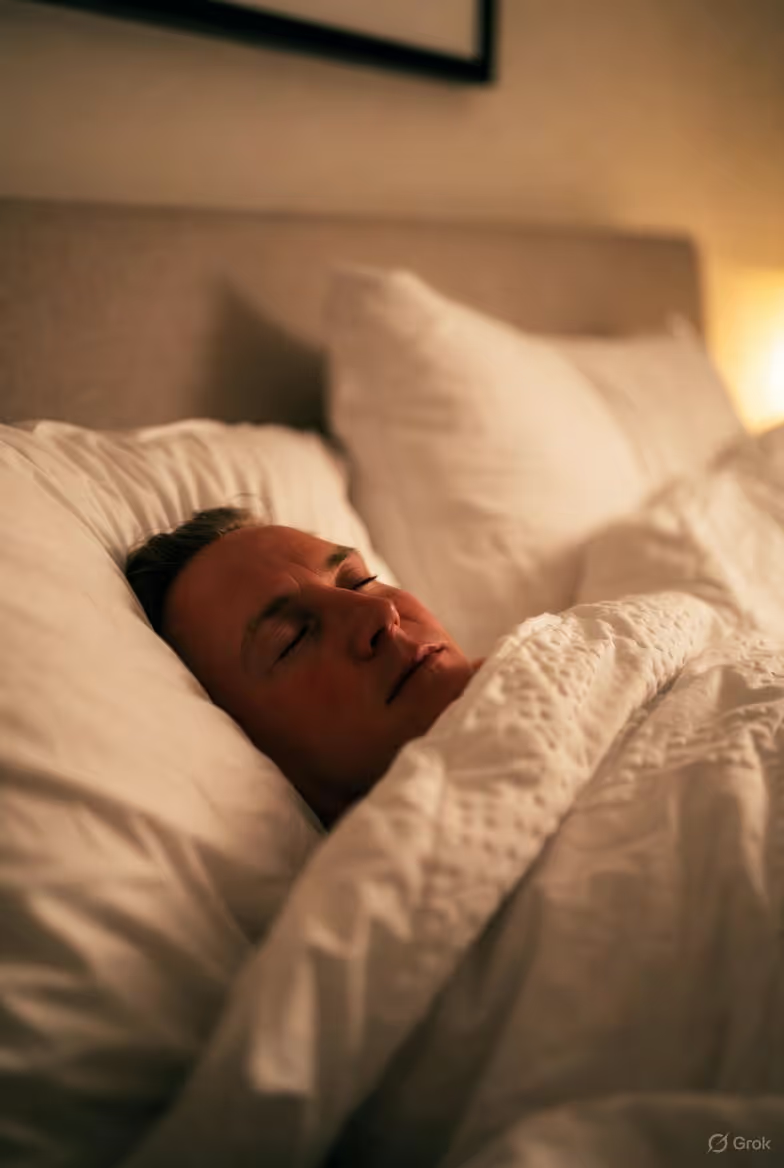
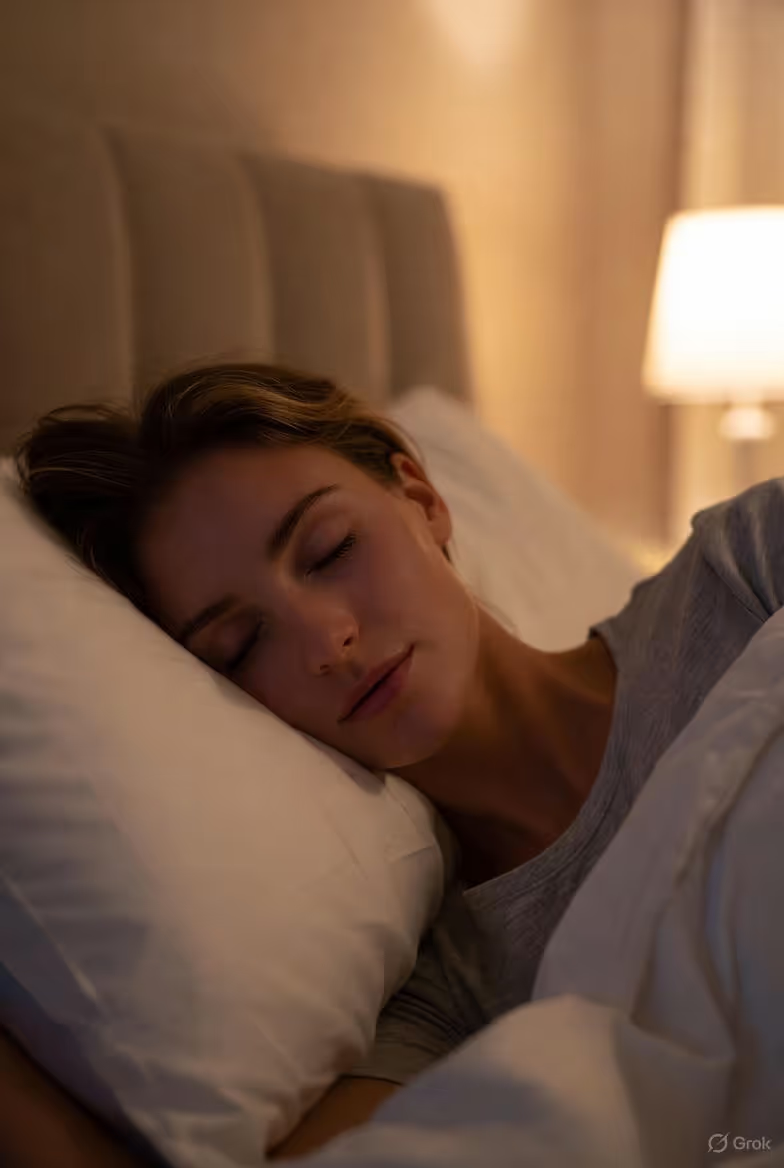
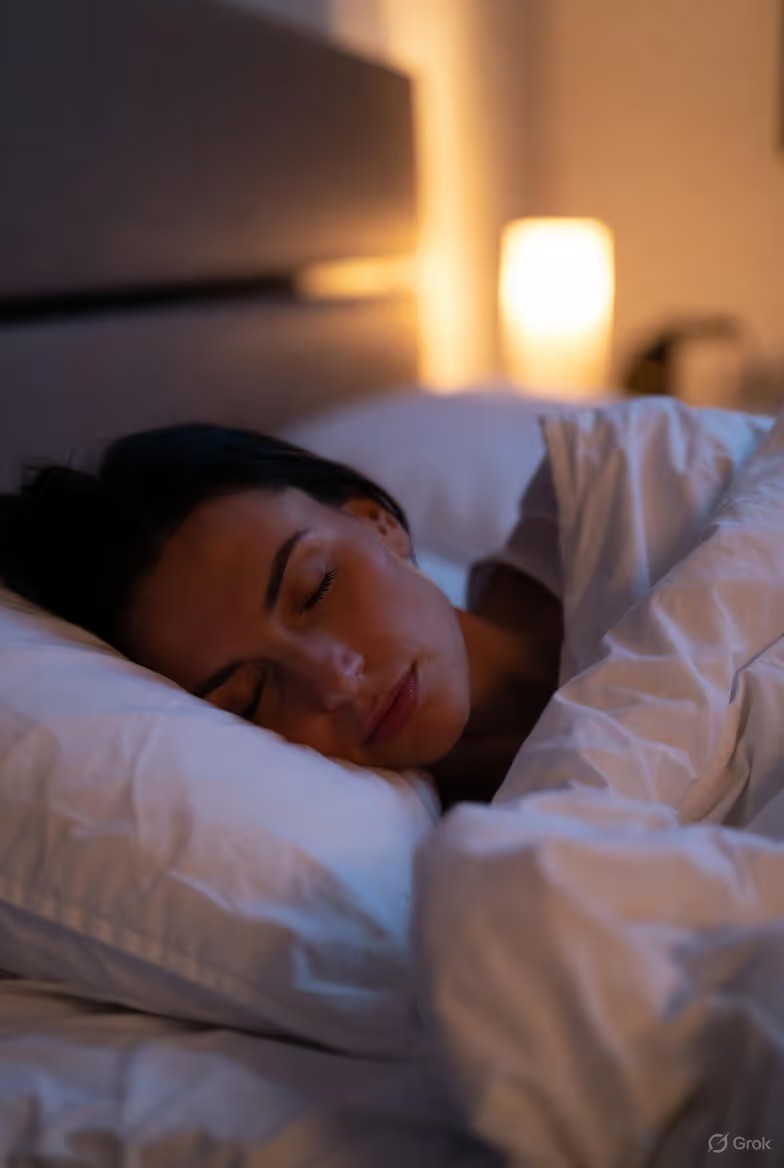
10 Natural Sleep Hacks Busy Professionals Swear By
Busy professionals need efficient natural sleep hacks that work despite demanding schedules. This targeted guide provides ten quick, effective interventions specifically designed for time-constrained individuals, focusing on high-impact changes that significantly improve rest without requiring extensive time commitments.
The Executive’s Guide to Masterful Sleep: 10 Natural Hacks for the Chronically Busy
You know the script all too well. The final email is sent, the last video call ends, and you’re left in the sudden, heavy quiet of your own home. Your body is exhausted, but your mind is a torrent—replaying conversations, drafting tomorrow’s to-do list, and churning with a low-grade anxiety about the relentless pace. You climb into bed, chasing the restorative sleep you desperately need, only to watch the clock tick from 11 PM to 1 AM, then 3 AM. The alarm at 6 AM feels less like a wake-up call and more like a verdict.
For the modern professional, sleep has become the ultimate non-renewable resource in short supply. We optimize workflows, outsource tasks, and binge on productivity hacks, yet we neglect the single most powerful performance enhancer available to us: deep, consistent, natural sleep. The cost is staggering. Beyond the foggy mornings and reliance on caffeine lies impaired decision-making, weakened immunity, emotional volatility, and a profound erosion of creativity—the very traits that define leadership and success.
But what if the solution isn’t another pill, app, or drastic life overhaul? What if the path to reclaiming your sleep is woven from subtle, science-backed, and natural adjustments that align with your demanding life?
This article is not about rigid, unrealistic sleep rules. It’s a curated playbook of 10 Natural Sleep Hacks Busy Professionals Swear By, drawn from the routines of high-performers, validated by neuroscience, and designed for integration into a packed schedule. These are the strategies that move beyond "avoid blue light" to deliver a profound reset of your sleep architecture. We’ll explore how to leverage cutting-edge personal data, like that from smart wellness rings, to move from guessing about your sleep to strategically engineering it. The journey to becoming your most rested, resilient, and effective self begins tonight. Let’s dive in.
The Foundation: Why "Natural" Beats "Artificial" for High-Performance Sleep
Before we unpack the specific hacks, it's critical to understand the philosophical and physiological bedrock: why a natural approach is the only sustainable one for elite performance.
The modern world offers a seductive array of artificial sleep aids. From over-the-counter pills to prescription medications, the promise is quick, guaranteed oblivion. For the busy professional in a crisis, these can be a temporary bridge. But as a long-term strategy, they are a catastrophic trap. Artificial sleep inducers often work by suppressing brain activity, not by nurturing the natural sleep architecture—the elegant, cyclical progression through light, deep, and REM sleep stages. Deep sleep is when physical restoration and memory consolidation occur; REM sleep is crucial for emotional processing and creative problem-solving. Pharmaceutical aids can blunt these stages, leaving you with a longer but lower-quality sleep, akin to being sedated rather than restored.
The natural approach, in contrast, focuses on chronobiology—aligning your habits with your body's innate rhythms. It strengthens your sleep-wake homeostasis (your body's internal pressure for sleep) and tunes your circadian rhythm (your 24-hour internal clock). This isn't about forcing sleep; it's about creating the optimal internal and external conditions for sleep to occur spontaneously and robustly. The result? Sleep that truly repairs, recharges, and primes your cognitive engine.
Furthermore, for leaders and decision-makers, clarity and emotional regulation are paramount. Natural sleep optimization enhances these; artificial shortcuts often compromise them with next-day "hangover" effects, dependency, and subtle cognitive dulling. The goal is to build a resilient sleep system that can withstand the occasional late-night negotiation or international flight, not one that crumbles without a chemical crutch.
This foundational principle guides every hack that follows. We are working with your biology, not against it. And in this endeavor, knowledge is power. This is where modern technology becomes a game-changer. Devices like the Oura Ring or the comprehensive wellness insights provided by Oxyzen smart ring technology shift sleep from a mysterious black box to a data-rich feedback loop. You can see not just how long you slept, but the quality of your deep sleep, your nighttime heart rate variability (a key stress metric), and your body temperature rhythm. This allows you to test these natural hacks not on faith, but on data, personalizing them to your unique physiology. To understand how this personalized data revolutionizes habit change, you can discover how Oxyzen works and its approach to holistic tracking.
Hack #1: Master Your Light Environment—It’s Not Just About Blue Blockers
Light is the most potent cue for your circadian rhythm. Your eyes contain specialized photoreceptors that detect light, sending direct signals to your brain's master clock, the suprachiasmatic nucleus (SCN). For our ancestors, this system was simple: bright sun during the day, darkness at night. Today, we live in a perpetual, confusing twilight of screens, LEDs, and urban glow, and our sleep pays the price.
The Daytime Sun Fix: The hack begins at dawn, not dusk. Your goal is to create a powerful contrast between day and night. Within 30-60 minutes of waking, seek at least 10 minutes of bright, outdoor sunlight. This doesn't mean staring at the sun; a walk outside or even sitting by a sunny window will do. This morning light exposure triggers a cortisol pulse (the healthy, awakening kind), sets your circadian clock for the day, and builds "sleep pressure" that will mature later. For professionals in northern climates or with winter commutes, a 10,000-lux SAD lamp used for 20-30 minutes during your morning routine can be a viable substitute.
The Evening Wind-Down: The 2-Hour Rule Here’s where most advice stops at "wear blue blockers." That’s a good start, but it's incomplete. The real hack is a progressive, two-hour pre-bedtime light hygiene ritual.
2 Hours Before Bed: Dim all overhead lights in your living space. Use floor lamps, table lamps, or dimmer switches. The goal is to reduce overall light intensity.
90 Minutes Before Bed: Power down all major screens (laptops, TVs, tablets). If you must use a phone for essential communication, enable "Night Shift" or a similar warm filter and reduce brightness to its minimum acceptable level.
60 Minutes Before Bed: This is blue-blocker territory. Put on quality amber or red-tinted glasses. These lenses block the specific short-wavelength blue light that most aggressively suppresses melatonin, your sleep hormone. Don’t just wear them while scrolling in bed; wear them as you move about your dimly lit home.
Bedtime: Your bedroom must be pitch black. Invest in blackout curtains, cover or remove all tiny LED indicators (on chargers, smoke detectors, etc.), and consider using a sleep mask if total darkness isn't achievable. Even the faint glow from a streetlamp can fragment sleep architecture.
Why This Works for the Busy Professional: You might think, "I can’t disconnect from screens for two hours!" The key is intentionality. Use that first 30 minutes after major screens go off for a non-digital wind-down ritual (which we’ll cover in Hack #3). The last hour, with blue-blockers on, can be for light reading (a physical book or an e-ink reader like a Kindle without a front light), gentle stretching, or conversation. This isn’t lost time; it’s an investment in sleep quality that will yield more productive hours tomorrow. As many users report in real customer reviews on Oxyzen testimonials, tracking their sleep scores after implementing strict light hygiene often shows dramatic improvements in sleep latency (time to fall asleep) and deep sleep duration.
Hack #2: Strategically Time Your Caffeine and Alcohol—The Double-Edged Swords
For the professional world, caffeine is fuel and alcohol is the social lubricant (and often, the de-stressor). Yet, both are potent psychoactive substances that, when mismanaged, become the architects of terrible sleep.
Caffeine: The Long Shadow of Your Morning Cup Caffeine works by blocking adenosine receptors in your brain. Adenosine is a neurotransmitter that builds up throughout the day, creating "sleep pressure." By blocking it, caffeine makes you feel alert. However, caffeine has a half-life of 5-6 hours. That means if you have a 200mg coffee at 3 PM, by 9 PM, about 100mg is still active in your system; by 3 AM, it’s 50mg. This lingering caffeine fragments sleep, especially the critical deep sleep stages, even if you don’t feel it keeping you awake.
The Hack: Institute a "Caffeine Curfew." For most people, this is 12–14 hours before your target bedtime. If you aim to sleep at 10:30 PM, your last caffeinated beverage should be between 8:30 AM and 10:30 AM. This includes coffee, black/green tea, many sodas, and even dark chocolate.
Professional Protocol: Switch to herbal tea, decaf (check processing methods, as some decaf has minimal caffeine), or hot water with lemon in the afternoon. If you experience withdrawal headaches, taper slowly. The improvement in your sleep depth will make the transition worthwhile.
Alcohol: The Seduction of the Nightcap Alcohol is a sedative. It can help you fall asleep faster, which is why the "nightcap" is so seductive. However, as your body metabolizes the alcohol, it creates a surge in nervous system activity. This leads to sleep fragmentation in the second half of the night—causing frequent, brief awakenings you may not remember and a drastic reduction in REM sleep. REM sleep is essential for emotional regulation and memory; robbing yourself of it leads to irritable, foggy mornings.
The Hack: Follow the "3-Hour Buffer" Rule. Finish your last alcoholic drink at least 3 hours before you intend to go to sleep. This gives your liver time to metabolize a significant portion of the alcohol, mitigating its worst effects on sleep architecture.
Mindful Consumption: Pair this rule with mindfulness about quantity. One drink with a 3-hour buffer is far less damaging than three drinks. On high-stakes nights before important meetings or decisions, consider a zero-alcohol policy to ensure optimal cognitive function.
Leveraging Data: This is a prime area for objective feedback. A wellness tracker can vividly show the impact. You might see a decent "sleep score" after a few glasses of wine (due to fast sleep onset) but notice your heart rate remains elevated by 10-15 bpm all night and your HRV (Heart Rate Variability) plummets, indicating high physiological stress. Seeing this data makes abstract advice concrete and personal, providing powerful motivation to adjust habits. For more on interpreting such metrics, our blog offers additional resources on sleep science.
Hack #3: Craft an Unbreakable "Brain-Off" Ritual (The 45-Minute Wind-Down)
The busy professional’s mind is a high-performance engine. You can’t simply park it in bed and expect it to switch off. The transition from "on" to "off" requires a deliberate ritual—a series of cues that signal to your nervous system that the workday is definitively over and it’s safe to enter restorative mode. This hack is about creating a cognitive boundary.
The Physiology of Unwinding: When stressed or engaged in complex thought, your sympathetic nervous system ("fight-or-flight") is activated, releasing cortisol and adrenaline. A wind-down ritual activates the parasympathetic nervous system ("rest-and-digest"), lowering heart rate, blood pressure, and mental chatter.
Building Your Personalized Ritual (A 45-Minute Template): Your ritual should be consistent, enjoyable, and screen-free. Here’s a sample structure:
Minute 0-15: The Physical Shutdown. This is a concrete act that symbolizes closing the day. It could be:
A gentle 10-minute yoga or stretching sequence (focus on forward folds and hip openers).
A 5-minute tidying of your living space (putting away dishes, fluffing pillows). Physical order can promote mental order.
Preparing for the next morning (laying out clothes, preparing your coffee maker). This alleviates anticipatory anxiety.
Minute 15-35: The Mental Download. This is about emptying the mental RAM.
The "Brain Dump" Journal: Spend 10-15 minutes with a notebook. Write down everything on your mind—lingering tasks, worries, ideas. The key is to externalize it. Many find it helpful to end with "3 Wins of the Day" and "1 Priority for Tomorrow." This contains the to-do list, freeing your mind from the need to rehearse it.
Gratitude Practice: Write down 3 specific things you are grateful for. Neuroscience shows gratitude practice reduces anxiety and improves sleep quality.
Minute 35-45: The Sensory Engagement. Engage a sense other than sight (which has been overworked).
Listening: An audiobook, calming podcast, or a playlist of slow-tempo music (under 60 BPM).
Smell: Use a lavender or chamomile essential oil diffuser. These scents have clinically demonstrated relaxing properties.
Taste: A small, non-caffeinated, non-alcoholic beverage like chamomile tea or tart cherry juice (natural source of melatonin).
The Professional Edge: The greatest resistance to this is the feeling of "I don't have 45 minutes." The reframe is this: This is not lost time; it is the most important productivity work of your day. It directly determines the quality of your recovery and thus your performance tomorrow. It’s the equivalent of a pilot’s pre-flight checklist for your brain. For inspiration on how others have structured this, you can explore our blog for more wellness tips and routines.
Hack #4: Optimize Your Sleep Sanctuary—The Sensory Bedroom Audit
You spend a third of your life in your bedroom. For a high performer, it should be engineered as a sleep-optimized sanctuary, not a multi-purpose entertainment and work hub. This hack involves auditing and optimizing every sensory input in the room.
Sight (Beyond Darkness): We covered darkness in Hack #1. Complement this with a minimalist, clutter-free environment. Visual clutter subconsciously increases cognitive load and anxiety. Keep surfaces clear, hide cords, and choose calming, muted colors for bedding and walls.
Sound: Silence is golden, but consistency is key. Sudden noises (a door slam, a siren) are disruptive. The solution is continuous, masking noise.
White Noise Machines: Generate a consistent sound spectrum that dampens variable external noises.
Pink or Brown Noise: These have deeper, more soothing frequencies that many find even more relaxing than white noise. Smartphone apps or dedicated devices can play these.
Earplugs: For side sleepers, high-quality, comfortable earplugs (like silicone putty or custom-molded) can be a game-changer.
Touch (The Thermoregulation Secret): Core body temperature must drop by about 1-2 degrees Fahrenheit to initiate and maintain sleep. This is one of the most overlooked yet powerful levers.
The Bedding Equation: Use natural, breathable fabrics (cotton, linen, bamboo) for sheets and pajamas. Avoid heavy, synthetic materials that trap heat.
The Temperature Sweet Spot: The science is clear: the optimal bedroom temperature for sleep is between 60-67°F (15.5-19.5°C). Err on the cooler side.
The Pre-Bed Thermal Ritual: Take a warm bath or shower 60-90 minutes before bed. This seems counterintuitive, but as you exit the warm water, your blood vessels dilate, rapidly radiating heat out from your core and accelerating the needed temperature drop. This is a highly effective, drug-free sleep inducer.
Smell: As mentioned, integrating calming scents like lavender via a diffuser can be part of your wind-down. Keep the scent subtle.
The "No Electronics" Zone: This is non-negotiable. Banish TVs, laptops, and phones. If you must charge your phone in the room, put it in a drawer, on airplane mode, and face down. The goal is to eliminate all mental associations with work, stress, and stimulation. Your brain should have one association with this room: rest. This commitment to a holistic rest environment is central to our vision & values at Oxyzen, which champions creating space for true recovery in a hyper-connected world.
Hack #5: Harness the Power of Nutrient Timing—Eat for Sleep
You are what you eat, and you sleep how you eat. The timing, composition, and quantity of your evening meal directly influence sleep quality through hormonal pathways, blood sugar regulation, and digestion.
The Timing Principle: The 3-Hour Gap Aim to finish your last substantial meal at least 3 hours before bedtime. Digestion is an active process that raises core body temperature and engages the metabolic system, working against the body’s natural cooling and winding-down process. Going to bed with a full stomach can also lead to acid reflux, which disrupts sleep.
Macronutrient Strategy:
Carbohydrates: Complex carbs (sweet potato, oats, brown rice) in the evening can aid sleep by promoting the transport of tryptophan (a sleep-promoting amino acid) to the brain. However, avoid large, sugary, or refined carb loads close to bed, as they can cause blood sugar spikes and crashes that wake you up.
Protein: Provides steady amino acids, including tryptophan. A light protein snack (e.g., a small handful of almonds, Greek yogurt) if hungry before bed is better than a sugary alternative.
Fats: Healthy fats are satiating and don’t spike blood sugar. Avocado, nuts, and olive oil are good evening components.
The Ideal Evening Plate: A moderate portion of lean protein, fibrous vegetables, and a small serving of complex carbs.
Key Sleep-Promoting Nutrients & Foods: Incorporate these into your evening diet:
Magnesium: The "relaxation mineral." It regulates melatonin and calms the nervous system. Found in leafy greens, nuts, seeds, and avocados. An Epsom salt bath (magnesium sulfate) is a double-hack, combining the thermal ritual with magnesium absorption.
Tryptophan: Precursor to serotonin and melatonin. Found in turkey, chicken, eggs, nuts, and seeds.
Melatonin (Food-Source): Tart cherry juice is one of the few natural food sources. Studies show it can improve sleep duration and quality.
Glycine: An amino acid shown to improve sleep quality. Found in bone broth and collagen protein. A cup of bone broth in the evening can be a soothing, sleep-supportive drink.
What to Avoid:
Large, High-Fat Meals: Slow to digest and can cause discomfort.
Spicy Foods: Can cause heartburn or indigestion for many.
Excessive Fluids: Minimize liquid intake 1-2 hours before bed to reduce nighttime awakenings for bathroom trips.
For the busy professional, this means planning. If you have a late business dinner, make conscious choices: opt for the lean protein and vegetables, skip the rich dessert and extra cocktails, and give yourself as much of a buffer as possible before lying down. Your sleep data will thank you. For more detailed guides on nutrition and recovery, our blog offers a wealth of related articles.
Hack #6: Move Strategically—How and When to Exercise for Deeper Sleep
Exercise is a cornerstone of health and a powerful sleep promoter—but timing and intensity are everything. The wrong workout at the wrong time can be as disruptive as a double espresso.
The Overall Benefit: Regular physical activity increases total slow-wave sleep (deep sleep), reduces sleep latency (time to fall asleep), and decreases nighttime awakenings. It also helps regulate circadian rhythms and reduces anxiety and depressive symptoms that interfere with sleep.
The Timing Matrix:
Morning/Afternoon Exercise (Ideal): This is the gold standard. It raises body temperature and cortisol levels early in the day, reinforcing a strong circadian signal. The subsequent temperature drop hours later amplifies the sleep signal. It also exposes you to morning light if done outdoors.
Evening Exercise (The Caveat): The old rule was "no exercise within 3 hours of bed." This is true for high-intensity interval training (HIIT), heavy weightlifting, or competitive sports. These activities elevate core temperature, heart rate, and stimulate the sympathetic nervous system ("fight-or-flight") too close to bedtime.
The Evening Hack: If evenings are your only option, focus on low-to-moderate intensity, rhythmic activities that conclude at least 90 minutes before bed. Think:
A leisurely walk after dinner.
Gentle yoga (e.g., Yin or Restorative yoga).
Light cycling or swimming.
Mobility work or foam rolling. This can be incredibly relaxing and part of your wind-down ritual.
The Type of Movement Matters:
Aerobic Exercise (running, swimming, cycling): Consistently linked to improvements in sleep quality, especially for those with insomnia.
Resistance Training: Also improves sleep, but be mindful of timing. A heavy leg session at 8 PM might leave you both wired and physically uncomfortable.
Mind-Body Practices (Yoga, Tai Chi, Qigong): These are exceptional for sleep as they combine gentle movement with breathwork and mindfulness, directly activating the parasympathetic nervous system.
The Data-Driven Approach: Use your wellness tracker to observe the impact. You might notice that a 6 PM HIIT class leads to a higher resting heart rate and lower HRV that night, while a 7 PM gentle walk improves your sleep readiness score. This personalized feedback is invaluable for crafting your optimal movement schedule. It’s this kind of actionable insight that forms the core of the Oxyzen mission: to provide personalized, data-driven paths to better health.
Hack #7: Tame the Midnight Mind—Advanced Cognitive Techniques for Sleep Onset
You’re in bed, lights are out, and your mind decides now is the perfect time to analyze a five-year business plan or replay an awkward interaction from 2012. This "racing mind" is the arch-nemesis of the busy professional's sleep. Hacks 1-6 create the physiological pre-conditions for sleep; this hack provides the mental tools to surrender to it.
Why Our Minds Race at Night: In the quiet and lack of external distraction, unresolved thoughts, anxieties, and the "open loops" from the day rush to the forefront. Your brain is trying to process and solve problems.
Technique 1: The 4-7-8 Breathing Method (Physiological Sigh) This isn't just deep breathing; it's a specific neurophysiological hack. It rapidly activates the parasympathetic nervous system.
How to do it: Place the tip of your tongue against the ridge behind your upper front teeth. Exhale completely through your mouth.
Inhale quietly through your nose for a count of 4.
Hold your breath for a count of 7.
Exhale forcefully through your mouth, pursing your lips and making a "whoosh" sound, for a count of 8.
Repeat this cycle 4 times. The extended exhale is key—it stimulates the vagus nerve, the main conduit of the "rest-and-digest" system.
Technique 2: Body Scan Meditation This moves your focus from your thoughts to physical sensations, grounding you in the present.
How to do it: Lying in bed, bring your attention to the toes of your left foot. Notice any sensation—tingling, warmth, the feel of the sheets. Slowly, over 10-15 seconds, imagine that part of your body completely relaxing, becoming heavy and sinking into the mattress.
Systematically move your focus: left foot, ankle, calf, knee, thigh, then repeat on the right side. Move up through the torso, arms, hands, neck, and face. The goal isn't to "clear your mind," but to gently escort your attention away from thoughts and back to bodily sensation whenever it wanders.
Technique 3: "Parking" Worries with Scheduled "Worry Time" If you have persistent, anxiety-driven thoughts, give them a formal outlet earlier in the day.
The Practice: During your daytime (e.g., late afternoon), schedule 15 minutes as "Worry Time." Sit with a notebook and intentionally think about all your worries. Write them down. When the time is up, close the book. When those thoughts arise at night, you can calmly tell yourself, "That's an important thought, and I've already given it attention during my Worry Time. I will address it tomorrow if needed, but now is for sleep." This cognitive boundary is remarkably effective.
For the High-Achiever Mind: These techniques are skills. They require practice. Start by implementing them for just 5 minutes each night. The goal is not perfection, but progressive disengagement from the mental treadmill. Countless professionals have found these methods transformative, as echoed in the user experiences shared on our testimonials page.
Hack #8: Leverage Napping Like a NASA Scientist—The Strategic Reboot
For the sleep-deprived professional, the afternoon slump is a familiar enemy. The solution isn't always more caffeine; it's the strategic, scientifically-designed nap. When done correctly, napping can boost alertness, creativity, and mood without sacrificing nighttime sleep.
The Golden Rules of the Performance Nap:
Keep it Short: The ideal nap for cognitive refresh is 10-20 minutes. This lands you in Stage 2 non-REM sleep, which enhances alertness and motor learning without entering deep sleep. Waking from deep sleep leads to "sleep inertia"—that groggy, disoriented feeling that can last 30 minutes or more.
Time it Right: The optimal window for napping is typically between 1 PM and 3 PM. This aligns with the natural post-lunch dip in circadian alertness. Napping too late (after 4 PM) can steal "sleep pressure" from your nighttime sleep.
Create a Nano-Environment: If possible, nap in a slightly reclined position in a quiet, dim place. Use an eye mask and earplugs if needed. Set a firm 25-minute alarm (giving yourself 5 minutes to fall asleep).
The Proven Benefits for Professionals:
Improved Alertness & Performance: A NASA study on pilots found a 26-minute nap improved performance by 34% and alertness by 54%.
Enhanced Learning & Memory: Naps facilitate the consolidation of declarative memories (facts and information).
Emotional Regulation: A short nap can lower cortisol levels and improve frustration tolerance.
Creative Insight: The relaxed, hypnagogic state just before sleep is often when disparate ideas connect.
The "Caffeine Nap" (An Advanced Hack): For a truly powerful reboot, try this: Drink a small cup of coffee quickly, then immediately take your 20-minute nap. Caffeine takes about 20-30 minutes to fully absorb and block adenosine receptors. You wake up just as the caffeine kicks in, experiencing a synergistic effect of cleared adenosine and the restorative benefits of the nap. This is a secret weapon for handling long-haul projects or recovering from a poor night's sleep.
Caveats: If you have chronic insomnia, napping might be counterproductive. Monitor your nighttime sleep data. If you find naps are making it harder to fall asleep at night, you may need to forgo them or make them even shorter (5-10 minutes). For more on optimizing daytime energy within a busy schedule, you can read our complete guide to daily rhythms on the Oxyzen blog.
Hack #9: Synchronize with Your Chronotype—Work With Your Body, Not Against It
The fallacy of the "5 AM CEO club" has caused immense suffering. Not everyone is biologically wired to be a radiant, productive early bird. Your chronotype is your innate predisposition to sleep and wake at certain times. Fighting it is a recipe for poor sleep and underperformance.
The Three Main Chronotypes (Popularized by Dr. Michael Breus):
The Lion (The Early Riser): Wakes up early, full of energy. Peak productivity is before noon. Tends to fade in the evening. (~15-20% of population).
The Bear (The Rhythm-Follower): Aligns with the sun. Wakes easily with an alarm, productive throughout the day, and winds down in the evening. (~55% of population).
The Wolf (The Night Owl): Struggles to wake early, hits stride in the late morning/afternoon, and is most creative and energetic in the evening. (~15-20% of population).
How to Hack Your Schedule:
Identify Your Type: Reflect on your natural energy patterns. When do you feel most alert without caffeine? When do you naturally get tired on vacation?
Negotiate Your Calendar (The Professional Superpower):
Wolves: Stop booking critical, creative meetings at 8 AM. Advocate for later start times or remote mornings. Schedule deep work and important calls for late morning and afternoon. Use evenings for strategic thinking.
Lions: Protect your early mornings for your most important work. Schedule routine meetings and collaborative work for the afternoons when your energy dips.
Bears: You have the most flexibility, but still schedule demanding tasks in the late morning and early afternoon slots.
Adjust Light Exposure: Wolves can benefit from extra morning light exposure to gently shift their clock earlier. Lions should be meticulous about evening light hygiene to protect their early sleep time.
The Bottom Line: Respecting your chronotype reduces "social jetlag"—the strain of living out of sync with your biology. This leads to better sleep, better health, and ironically, more productivity because you are operating at your peak during your biological prime time. It's about working smarter, not just harder. Understanding your own biological patterns is a first step toward the kind of personalized health optimization we explore in our story about human-centric design.
Hack #10: Utilize Biofeedback & Data—Become a Sleep Scientist of Your Own Life
This final hack is the meta-hack that ties all the others together. In the modern age, "I think I slept okay" is no longer sufficient. For the analytical, results-driven professional, objective data is the key to mastery. This is where wearable technology, specifically advanced smart rings, transforms sleep from an abstract concept into an engineering project.
What to Measure and Why:
Sleep Stages (Light, Deep, REM): Are you getting enough restorative deep sleep? Is your REM (for emotional processing) sufficient? This tells you if your sleep architecture is healthy.
Sleep Latency: How long it takes you to fall asleep. A consistently long latency points to issues with your wind-down ritual or circadian timing.
Resting Heart Rate (RHR) & Heart Rate Variability (HRV): Your nighttime RHR is a pure indicator of recovery. HRV is the gold standard metric for autonomic nervous system balance. A high HRV indicates strong parasympathetic ("rest-and-digest") tone and resilience. It will drop after alcohol, intense late exercise, stress, or illness—giving you an undeniable signal to prioritize recovery.
Body Temperature: Tracking your nocturnal temperature trend can confirm if your circadian rhythm is stable and if your room is cool enough.
The Feedback Loop in Action: This is the true hack. You don't just collect data; you use it to run experiments.
Baseline: Observe your data for a week with your current habits.
Intervene: Implement one change at a time. For example, enforce a strict 2 PM caffeine curfew for a full week.
Analyze: Did your sleep latency decrease? Did your deep sleep or HRV increase? The data provides an objective answer.
Iterate: Keep what works, discard what doesn't, and test the next hack.
This method turns sleep optimization into a personalized, evidence-based pursuit. It removes guilt and guesswork. You're no longer failing at sleep; you're strategically testing variables. For professionals who trust metrics, this is empowering. It allows you to see the direct ROI of your evening wind-down or the tangible cost of that late-night wine.
Choosing the right tool is critical. You need a device comfortable enough to wear every night that captures clinical-grade data. To compare wellness tracking devices and understand the features that matter for sleep science, we invite you to learn more about smart ring technology and its applications.
Navigating the Real World: Applying Your Hacks to Professional Chaos
Theory is pristine; reality is messy. Let’s map your new sleep toolkit onto the most challenging professional scenarios.
Scenario 1: The International Business Trip (Conquering Jet Lag Proactively) Jet lag is a brutal circadian misalignment. Your body is in Tokyo; your internal clock is still in New York. The goal isn't just to survive; it's to adapt as swiftly as possible.
Pre-Flight Protocol: 2-3 days before an eastward flight (e.g., NY to London), shift your schedule earlier by 30-60 minutes each day (wake up earlier, eat earlier, seek morning light). For westward travel (LA to Tokyo), shift later. This "pre-adaptation" softens the blow.
In-Flight Strategy:
Hydrate, Hydrate, Hydrate: Cabin air is brutally dehydrating. Avoid alcohol and excessive caffeine, which worsen dehydration and disrupt sleep.
Use Light Strategically: This is your most powerful tool. Use it to push your clock in the desired direction. Upon an eastward arrival, seek bright afternoon sunlight to delay your clock and help you stay up later locally. Upon a westward arrival, seek bright morning light to advance your clock and wake up earlier. Quality blue-light blocking glasses can be used on the plane to simulate darkness when you need to sleep.
Sleep Selectively on the Plane: Only sleep on the plane if it aligns with destination nighttime. Use noise-cancelling headphones, an eye mask, and a neck pillow.
Upon Arrival: Force yourself into the local schedule immediately. Have meals at local times, and get outside for light exposure at the critical times mentioned above. A short, 20-minute nap can help with acute fatigue, but avoid long naps that will anchor you in the old time zone.
Scenario 2: The High-Stakes Project Crunch When deadlines loom, sleep is often the first sacrifice. This is a catastrophic error. Cognitive function, creativity, and decision-making degrade rapidly under sleep deprivation.
The "Sleep Banking" Myth: You cannot bank sleep for later. But you can protect your sleep architecture even under pressure.
The Modified Wind-Down: Even if you work until 11 PM, institute a non-negotiable 30-minute buffer before bed. It might be just a brain-dump journaling session and 5 minutes of 4-7-8 breathing, but it creates the essential cognitive boundary.
Prioritize Deep Sleep: When time is limited, quality trumps quantity. Double down on the hacks that promote deep sleep: impeccable light hygiene, a cool bedroom, and avoiding alcohol. These ensure the sleep you do get is maximally restorative.
Strategic Napping: A 20-minute power nap during the afternoon slump (between 1-3 PM) can restore alertness more effectively than another coffee, without the sleep-disrupting effects.
Scenario 3: The Post-Client Dinner Dilemma Networking over rich food and wine is a professional necessity. The hack is in the damage control.
The Pre-Game: Before the dinner, have a small, healthy snack (e.g., a handful of almonds, some Greek yogurt). This prevents you from arriving ravenous and overindulging.
Mindful Ordering: Opt for lean protein and vegetables. Be cautious with heavy, creamy sauces and decadent desserts.
The Alcohol Buffer: Stick to the "3-Hour Buffer" rule. If dinner ends at 9:30 PM, and you're in bed by 11 PM, you've violated it. In this case, either have your last drink by 8 PM or accept that sleep will be impacted and plan accordingly (e.g., no early morning decisions). Hydrate extensively with water before bed.
The Next Morning: Don't "sleep in" excessively, as this will disrupt your rhythm. Get up at your regular time, seek morning light, and gently move your body (a short walk) to help reset your system.
In all these scenarios, your wellness data is your compass. After an international trip, you can watch your HRV recover and your resting heart rate normalize as you adapt. After a heavy dinner, you'll see the tangible cost. This objective feedback loop is what transforms good intentions into lasting behavioral change. For more on building resilient habits, you can explore our blog for more wellness tips on sustainable performance.
The Data Detective: Interpreting Your Sleep Metrics for Actionable Insights
Owning a smart ring or sleep tracker is one thing; understanding its language is another. Let’s decode the key metrics so you can move from observation to targeted intervention.
1. Heart Rate Variability (HRV): The North Star of Recovery
What it is: The variation in time between consecutive heartbeats. A higher HRV indicates a flexible, resilient nervous system that can switch smoothly between stress (sympathetic) and recovery (parasympathetic) modes. A low HRV suggests your body is under strain.
How to Interpret It: Look at your nighttime average or early morning reading. Don't obsess over daily fluctuations; look at the weekly trend.
A steady or rising trend: You are effectively managing stress and recovering well. Your lifestyle and sleep hacks are working.
A sharp decline: This is a red flag. Your body is struggling. Correlate it with behavior: Was it a day of intense stress? Late alcohol? Heavy exercise? An impending illness? This is your cue to prioritize recovery—maybe an extra 30 minutes of sleep, a meditation session, or a gentle day.
The Actionable Hack: Use HRV to guide your training intensity. If your HRV is significantly lower than your baseline, consider it a "red" day—opt for light movement or rest instead of a punishing workout.
2. Resting Heart Rate (RHR)
What it is: Your heart rate at complete rest, typically measured during deep sleep. A well-rested, fit individual will have a lower RHR.
How to Interpret It: Like HRV, track the trend. A persistent elevation of 5-10 bpm above your baseline can indicate overtraining, dehydration, stress, or the onset of illness. It’s another signal that your body is working harder than it should be at rest.
3. Sleep Stages: The Architecture of Restoration
Deep Sleep (Slow-Wave Sleep): The physical restoration phase. This is when tissue repair, immune function, and memory consolidation occur. It's predominant in the first half of the night.
Low Deep Sleep? You may be going to bed too late (missing the early-night deep sleep window), consuming alcohol (which suppresses deep sleep), or your sleep environment may be too warm or disruptive.
REM Sleep: The mental and emotional processing phase. Essential for learning, creativity, and mood regulation. It dominates the later half of the night.
Low REM Sleep? Often linked to alcohol consumption (which severely suppresses REM), inconsistent sleep schedules, or certain medications. Also, if you are consistently cutting your sleep short, you are robbing yourself of REM-rich cycles.
4. Sleep Latency & Restlessness
Sleep Latency (Time to Fall Asleep): Ideally 10-20 minutes. Consistently over 30 minutes indicates issues with your wind-down ritual, circadian timing (e.g., a Wolf chronotype trying to sleep too early), or anxiety.
Restlessness/Awakenings: Frequent disruptions fragment sleep, preventing you from completing full, restorative cycles. Causes can include a too-warm room, alcohol, sleep apnea, noise, or an uncomfortable mattress.
Becoming Your Own Sleep Scientist: The power lies in correlation. Did trying the 4-7-8 breathing technique for a week improve your sleep latency? Did moving your evening workout earlier cause a spike in deep sleep? Your device provides the evidence, turning self-experimentation into a precise science. For a deeper dive into interpreting biometrics, our FAQ page offers support and answers to common data interpretation questions.
When Hacks Aren't Enough: Recognizing and Addressing Common Sleep Disorders
Despite your best efforts, you may still struggle. It’s crucial to recognize when a persistent issue might be a clinical sleep disorder requiring professional intervention. Ignoring these can undermine all other health and performance efforts.
1. Insomnia: The Cycle of Hyperarousal This isn't just "having trouble sleeping." Clinical insomnia involves difficulty falling or staying asleep, at least three nights per week, for three months or more, despite adequate opportunity for sleep, leading to daytime impairment.
Key Signs: Lying awake for over 30 minutes most nights, waking in the middle of the night and unable to return to sleep, waking up too early, and daytime fatigue, irritability, or difficulty concentrating.
The Professional Link: Chronic stress, an inability to "switch off" work thoughts, and poor sleep habits are major contributors. The very anxiety about not sleeping perpetuates the problem.
The Next Step: Cognitive Behavioral Therapy for Insomnia (CBT-I) is the gold-standard, first-line treatment. It’s more effective and sustainable than medication. It involves restructuring thoughts about sleep and implementing strict behavioral protocols (like sleep restriction therapy) to rebuild sleep drive. A wellness tracker can provide invaluable data for a CBT-I therapist.
2. Sleep Apnea: The Silent Performance Killer This is a potentially serious disorder where breathing repeatedly stops and starts during sleep. It is drastically underdiagnosed, especially in non-obese individuals.
Key Signs: Loud, chronic snoring (often reported by a partner), observed episodes of stopped breathing, gasping or choking at night, morning headaches, and excessive daytime sleepiness despite a full night in bed. You may also notice a high resting heart rate and low HRV on your tracker.
The Professional Link: It directly impairs deep sleep, leading to chronic fatigue, brain fog, poor concentration, and increased risk of hypertension and heart disease. It’s incompatible with high-level performance.
The Next Step: See a sleep specialist. Diagnosis typically involves a sleep study. Treatment (often with a CPAP machine) can be life-changing, restoring energy and cognitive clarity.
3. Restless Legs Syndrome (RLS) An uncontrollable urge to move the legs, usually due to uncomfortable sensations, that occurs in the evening or at night when resting.
Key Signs: The urge to move worsens with inactivity, is temporarily relieved by movement, and is worse in the evening/night.
The Professional Link: It can severely delay sleep onset and cause frequent awakenings.
The Next Step: Consult a doctor. Iron deficiency is a common cause, so a simple blood test is a first step. Lifestyle changes and medications can manage it effectively.
Using Your Data as Evidence: If you suspect a disorder, your sleep tracker data can be a powerful conversation starter with your doctor. Charts showing consistently poor sleep efficiency, high nighttime heart rate, or low blood oxygen levels (if your device measures it) provide objective evidence beyond "I'm tired." Your health is your most critical asset; proactive investigation is a sign of leadership, not weakness. Understanding the full spectrum of sleep health is part of the Oxyzen mission to empower individuals with knowledge and tools for total well-being.
The Long Game: Building a Sustainable Sleep Culture in Your Life and Team
For the true high-performer, optimal sleep isn't a solo pursuit; it's a cultural value. It's about integrating this wisdom into your long-term lifestyle and, for leaders, fostering it within your organization.
Personal Sustainability: Avoiding Burnout The goal is to make these hacks habitual, not another source of stress. Perfection is the enemy.
The 80/20 Rule: Aim to follow your protocols 80% of the time. This allows for 20% of life—spontaneous social events, travel, family obligations—to happen without guilt. Consistency over time matters more than any single night.
Seasonal Adjustments: Your sleep needs and patterns may change with seasons, project cycles, or life stages. In winter, you might need more sleep. During a stressful quarter, you might need to be more diligent with your wind-down. Listen to your body and your data, and adjust accordingly.
Regular Reassessment: Every quarter, do a quick audit of your sleep data and habits. Have you slipped on your caffeine curfew? Is a new work demand disrupting your schedule? Use this as a gentle reset.
Leadership & Organizational Culture: Progressive leaders now understand that a culture of exhaustion is a culture of diminished returns. Promoting sleep health is a strategic advantage.
Model the Behavior: As a leader, be open about prioritizing sleep. Don't brag about only getting four hours; mention you're protecting your wind-down time to be sharp for tomorrow. This gives others permission to do the same.
Respect Time Boundaries: Avoid sending emails late at night or expecting immediate responses outside of work hours. Use scheduling tools to send emails during business hours.
Educate Your Team: Share resources (like this article!) or bring in a sleep expert for a workshop. Frame it as a performance and wellness initiative, not a punitive measure.
Design for Wellness: If possible, create nap pods or quiet rooms. Encourage walking meetings and breaks for natural light exposure.
Building this culture starts with a story—a understanding that peak human performance is holistic. You can learn more about this human-centric philosophy in our story about Oxyzen's founding vision.
Conclusion of the Second Portion: Integrating Knowledge into Wisdom
We have journeyed from the foundational biology of light and temperature to the advanced tactics of navigating jet lag and interpreting HRV. You are now equipped not just with a list of tips, but with a robust, flexible framework for sleep optimization. You understand that this is a dynamic process of self-experimentation, guided by data and tempered by self-compassion.
The final portion of this guide will take us to the frontier of sleep and performance. We will explore the cutting-edge intersection of sleep and cognitive peak performance, examine the role of emerging technologies and supplements, and provide a conclusive, personalized roadmap for you to synthesize all this knowledge into your own actionable plan. The goal is no longer just to sleep better, but to unlock the full potential of your waking hours, leading with clarity, creativity, and resilience.
The Executive’s Guide to Masterful Sleep: 10 Natural Hacks Busy Professionals Swear By (Final Portion)
We stand at the synthesis point. You have the foundational hacks—the non-negotiables of light, temperature, and rhythm. You have the advanced tactics for resilience in the face of travel, stress, and data interpretation. Now, we ascend to the strategic pinnacle: leveraging sleep not merely for recovery, but as a proactive engine for cognitive supremacy, creative breakthrough, and sustained leadership excellence.
This final portion is about optimization at the highest level. We will explore how elite performers use sleep as a deliberate tool for learning and memory consolidation, investigate the nuanced world of evidence-based supplementation, peer into the future of sleep technology, and ultimately, empower you to create your own fully personalized, living sleep protocol. This is where knowledge transforms into embodied wisdom and a tangible competitive edge.
Sleep as a Cognitive Performance Enhancer: Encoding, Consolidation, and Insight
For the busy professional, sleep is not downtime; it is the backstage crew working furiously to organize the show of your waking life. Understanding this active process allows you to harness it deliberately.
The Learning Loop: Encoding → Consolidation → Integration
Encoding (While Awake): This is the initial learning phase—studying a report, practicing a presentation, learning a new skill. The brain forms temporary, fragile neural connections.
Consolidation (While Asleep): This is where sleep performs its magic. The hippocampus (the brain's "save" button) replays the day's learnings. Slow-wave sleep (Deep Sleep) is critical for transferring facts, figures, and procedural memories (the "what") from the hippocampus to the long-term storage of the neocortex, solidifying them.
Integration & Insight (While Asleep): REM sleep is where true genius often stirs. During REM, the brain engages in associative processing. It connects these newly consolidated memories with your entire existing database of knowledge, creating novel links. This is the neurobiological basis for "sleeping on a problem" and waking with a solution.
Strategic Hacks for Cognitive Enhancement:
Targeted Review Before Bed: To leverage sleep's consolidation power, review key material (the quarterly numbers, your speech outline, vocabulary for a language) during your wind-down, after your brain dump but before deep relaxation. This tells your brain, "This is important. Prioritize this tonight."
Protecting REM Sleep: Since REM dominates the later sleep cycles, prioritizing sleep duration is paramount for creativity and emotional intelligence. Cutting your sleep short by 90 minutes can rob you of 60-90% of your REM sleep. For leaders, this means the difference between a reactive, irritable response and a creative, empathetic one.
Napping for Skill Acquisition: Studies on motor skill learning (like a new sport or instrument) show that a 90-minute nap containing both deep and REM sleep can enhance performance more than simply staying awake. After a training session or practicing a new skill, a full-cycle nap can accelerate mastery.
This reframes sleep from a passive state to an active partner in your professional development. You are not just resting; you are running a nightly optimization and innovation program for your brain. For deeper dives into the science of performance, our blog offers additional resources on neuroproductivity and biohacking.
The Supplement Spectrum: Navigating Natural Aids with an Evidence-Based Lens
When foundational hacks are in place, certain natural supplements can act as supportive tools, not crutches. The key is to approach them with the discernment of a professional—understanding the mechanism, the evidence, and the appropriate context.
Tier 1: Foundation Supporters (Strong Evidence, Generally Safe)
Magnesium Glycinate/Bisglycinate: The form of magnesium most associated with relaxation and sleep. It aids GABA function (a calming neurotransmitter) and can improve sleep quality, especially for those with deficiency. Dose: 200-400 mg about 30-60 minutes before bed.
L-Theanine: An amino acid found in green tea. It promotes alpha brain waves (associated with relaxed alertness) and reduces anxiety without sedation. Excellent for calming a racing mind. Dose: 100-400 mg as part of the wind-down ritual.
Tart Cherry Juice Concentrate: A natural source of melatonin and phytochemicals that may improve sleep duration and efficiency. Dose: 1 oz of concentrate or 8 oz of juice 1-2 hours before bed.
Tier 2: Targeted Support (Good Evidence, Specific Use Cases)
Glycine: The simple amino acid shown to lower core body temperature and improve subjective sleep quality and morning alertness. Dose: 3 grams before bed.
Apigenin: A flavonoid found in chamomile. It acts as a mild GABA-A receptor modulator (similar to how some prescription sleep meds work, but far milder and safer). A powerful component of why chamomile tea is soothing. Dose: Often consumed as a strong cup of tea (2-3 tea bags), or in extract form (~50 mg).
Tier 3: Hormonal Precursors (Use with Caution & Knowledge)
Melatonin: This is a hormone, not a herb. Its role is to signal timing, not to knock you out.
Correct Use: For circadian rhythm issues like jet lag, shift work, or Delayed Sleep Phase Syndrome. Start with a very low dose (0.3-1 mg) taken 3-4 hours before your desired bedtime to gently shift your clock. It is not a general "sleep better" pill.
Incorrect Use: Taking high doses (3-10 mg) right before bed. This can cause next-day grogginess, suppress natural melatonin production, and lead to paradoxical waking in the night.
The Professional Protocol:
Baseline First: Never start with supplements. Perfect Hacks 1-8 for at least a month and establish a data baseline.
Test Systematically: Introduce only one supplement at a time. Take it for at least 3 nights while tracking your data (sleep latency, HRV, deep/REM scores). Does it move the needle positively? If not, discontinue.
Quality Matters: Choose reputable brands that use high-quality, bioavailable forms and undergo third-party testing for purity.
Consult a Professional: If considering long-term use or dealing with a specific condition, speak with a functional or integrative medicine doctor.
Remember, supplements are the finishing touch on a solid foundation, not the foundation itself. They are the "advanced hack" that comes last. For nuanced questions on integrating such tools, our FAQ page provides detailed support.
The Future of Sleep Tech: Beyond Tracking to Active Optimization
The current generation of wearables are brilliant diagnosticians. The next generation will be active therapists. Here’s a glimpse at the frontier, where the line between technology and biology begins to blur.
1. Closed-Loop Systems: Imagine a device that doesn't just track your sleep stages but responds to them. Early-stage research involves systems that play specific sound cues (like gentle pink noise bursts) timed to your slow-wave brain oscillations. This acoustic stimulation has been shown in studies to enhance deep sleep and improve memory recall the next day.
2. Advanced Temperature Regulation: We know temperature is critical. Future sleep systems may go beyond cooling the room. Prototypes of smart beds and wearables feature micro-fans, water-cooling channels, or phase-change materials that actively regulate skin temperature throughout the night, optimizing it for each sleep stage.
3. Circadian Light Integration: Smart home systems will move beyond simple dimming. They will sync with your wearable data and chronotype to automatically adjust the color temperature and intensity of every light in your home throughout the day, providing the exact light prescription needed to stabilize your rhythm, especially after travel.
4. Non-Contact Sensing: Radar-based sensors (like those in the latest smartwatches and pads under the mattress) are advancing to measure sleep stages, respiration, and even hemodynamics (blood flow) without touching you. This could lead to seamless, zero-effort sleep monitoring for the entire family.
5. The AI Sleep Coach: The true evolution is predictive and prescriptive AI. By analyzing thousands of data points (your sleep, activity, stress, calendar, weather), an AI could provide hyper-personalized advice: *"Based on your low HRV and your 8 AM presentation tomorrow, I recommend a 25-minute yoga Nidra session tonight instead of your usual reading, and consider shifting your morning workout to a walk."* This moves from tracking to true coaching.
These innovations point to a future where our environment becomes an adaptive partner in our health. It aligns perfectly with a vision of technology that serves human biology, a principle you can explore further in our story about Oxyzen's vision & values.
Crafting Your Personal Sleep Blueprint: The Synthesis Document
Now, it’s time to move from reading to owning. Your personal sleep blueprint is a living document—a one-page manifesto that synthesizes everything you’ve learned into your unique protocol. Use the structure below to create yours.
My Personal Sleep Blueprint
1. My Non-Negotiable Foundations:
Light: Morning light within 30 min of wake. Blue-light blockers on at 9 PM. Phone in bedroom drawer on Airplane mode.
Temperature: Bedroom thermostat set to 65°F. Warm shower by 9:15 PM.
Caffeine/Alcohol: Caffeine curfew: 11 AM. Alcohol buffer: 3 hours (last drink by 7 PM for 10 PM bed).
Wind-Down Ritual (45 min, starts 9:30 PM): 10-min tidy & prep, 15-min brain dump + gratitude journal, 10-min light reading with chamomile tea, 10-min body scan in bed.
2. My Chronotype & Schedule Alignment:
I am a: Bear/Wolf hybrid (energy peaks late morning, creative at night).
My Ideal Schedule: Protect mornings for deep work. Schedule creative brainstorming after 4 PM. No meetings before 9:30 AM when possible.
3. My Data-Driven Metrics & Goals:
Primary KPI: HRV trend. Goal: Steady or rising weekly average.
Secondary KPIs: Deep sleep >1.5 hrs; Sleep latency <15 min.
Weekly Review: Every Sunday, check app trends and adjust one habit if needed.
4. My Travel & Crisis Protocol:
For Jet Lag (Eastward): Use afternoon light at destination. Consider 0.5mg melatonin at destination bedtime for 3 nights.
For Project Crunch: Protect the 30-min wind-down at all costs. Institute a 20-min power nap at 2 PM if needed.
5. My Supported Experimentation:
Current Test: Adding 200mg Magnesium Glycinate at 9:45 PM. Monitoring for 1 week.
Next Potential Test: 100mg L-Theanine if anxiety before presentations persists.
6. My Commitment to Sustainability (The 80/20 Rule): I will follow this blueprint 80% of the time. I grant myself grace for 20% of life—social events, travel, and spontaneous moments—without guilt. I will revisit and revise this blueprint every quarter.
Place this blueprint somewhere visible—in your journal, as a note on your phone, framed by your bedside. It is your contract with yourself for a higher standard of living and leading.
The Ripple Effect: How Mastering Sleep Transforms Your Leadership and Life
When you master your sleep, the benefits cascade outward, influencing every domain of your life in profound, often unexpected ways.
Decision-Making: With a rested prefrontal cortex, you move from reactive, emotional decisions to proactive, strategic ones. You see the chessboard, not just the next move.
Emotional Intelligence (EQ): REM-sleep deprivation directly impairs the brain's ability to read social cues and regulate emotions. Restored sleep makes you more empathetic, patient, and effective in managing teams and client relationships.
Creativity & Innovation: That associative processing in REM sleep is your internal innovation lab. Problems you’ve been chewing on suddenly click. New product ideas, strategic pivots, and creative solutions emerge not from force, but from facilitation.
Presence & Influence: Fatigue makes us self-absorbed; it’s a survival mechanism to conserve depleted resources. True presence—the ability to fully listen and engage with another person—is a function of a well-rested nervous system. This presence is the core of charismatic leadership.
Health & Longevity: This is the ultimate ROI. Consistent, quality sleep reduces the risk of virtually every major disease—Alzheimer’s, cardiovascular disease, diabetes, depression—and strengthens your immune system. It is the ultimate longevity hack, ensuring you have not just a successful career, but a vibrant life to enjoy beyond it.
Your journey to better sleep is, therefore, not a selfish act. It is an act of service. By becoming more resilient, clear-headed, and healthy, you increase your capacity to contribute to your work, your family, and your community. It is the foundation upon which a life of impact is built. The stories of transformation from individuals who have embraced this holistic view are powerful testaments, many of which are shared in real customer reviews on Oxyzen testimonials.
Final Awakening: A Call to Conscious Rest
We have reached the end of our comprehensive exploration. You are now armed with more than hacks; you possess a philosophy and a practical system for one of life's most vital functions. The busy professional's path is not one of less sleep, but of better sleep—more efficient, more strategic, and more deeply restorative.
The old paradigm of burnout as a badge of honor is crumbling. The new paradigm, embraced by the true peak performers, understands that sustainable excellence is fueled by rhythmic renewal. It recognizes that the time invested in sleep is not subtracted from productivity but is multiplied back in the quality of your waking hours.
Your mission now is to begin. Start with one hack. Perhaps it’s instituting a caffeine curfew tomorrow. Maybe it’s buying blackout curtains this weekend. Track the effect. Feel the difference. Let the positive reinforcement of more energy and clearer thinking pull you toward the next positive change.
Remember, this is not a destination, but a practice—a lifelong commitment to listening to the wisdom of your own biology and having the courage to rest as deliberately as you work. In doing so, you don’t just recover from your days; you prepare to meet your future with unwavering focus, boundless creativity, and resilient calm.
The journey to mastering your sleep, and in turn mastering your potential, starts tonight.



%402x.svg)