


20 Science-Backed Sleep Improvement Strategies That Work
Effective strategies include consistent sleep schedules, light management, stress reduction, and optimizing your sleep environment.
Effective strategies include consistent sleep schedules, light management, stress reduction, and optimizing your sleep environment.
%402x.svg)
You know that feeling. The bleary-eyed morning after a night of tossing and turning. The foggy brain that can't focus. The short temper and the craving for caffeine that never quite cuts through the fatigue. In our relentless, always-on world, sleep has become a coveted luxury, a casualty of overflowing inboxes, endless scrolling, and mounting stress. Yet, while we often sacrifice it on the altar of productivity, science screams a different truth: sleep is not a passive state of inactivity. It is a non-negotiable, biologically essential, and highly active process of restoration, memory consolidation, hormonal regulation, and cellular repair.
The consequences of chronic sleep deprivation read like a public health manifesto: a weakened immune system, heightened risk for cardiovascular disease and diabetes, impaired cognitive function equivalent to being legally drunk, weight gain, and a direct link to mood disorders like anxiety and depression. Conversely, prioritizing sleep is the closest thing we have to a panacea—enhancing creativity, stabilizing emotions, optimizing physical performance, and literally cleaning the metabolic debris from your brain.
But here's the empowering shift: quality sleep is not a genetic lottery or a mysterious blessing bestowed upon the lucky few. It is a science, and like any science, it responds to methodical, evidence-based protocols. Moving beyond vague advice like "get more sleep," this definitive guide delves into 20 rigorously researched, actionable strategies that target the very pillars of sleep physiology. From harnessing the power of light and temperature to restructuring your thoughts and optimizing your diet, each tactic is a thread in the tapestry of perfect sleep.
And in this era of quantified self-awareness, we have a powerful ally: precise, personalized data. Gone are the days of guessing about your sleep stages or nightly restlessness. Advanced wearable technology, like the sophisticated smart rings from innovators such as Oxyzen, provides an unprecedented window into your personal sleep architecture. These devices move beyond simple movement tracking to measure heart rate variability (HRV), blood oxygen saturation, and body temperature—offering actionable insights to calibrate and perfect these 20 strategies for your unique biology. Think of this guide as the master textbook, and your sleep data as the personalized lab report.
Ready to reclaim your nights and revolutionize your days? Let's begin the journey into the science of superlative sleep.

Light is not just something that allows you to see. It is the primary Zeitgeber—German for "time giver"—that synchronizes your master biological clock, the suprachiasmatic nucleus (SCN), nestled deep within your brain. This 24-hour circadian rhythm governs not only sleep and wakefulness but also body temperature, hormone release (like cortisol and melatonin), digestion, and cellular function. Getting your light exposure right is the foundational, non-negotiable first step to fixing your sleep.
Sunlight, particularly the blue-wavelength light abundant in morning sky, is a potent signal to your SCN that it is time to be alert. It suppresses melatonin (the sleepiness hormone) and boosts cortisol, serotonin, and dopamine, enhancing mood, focus, and metabolic rate. A 2019 study in Sleep Health confirmed that individuals who received greater bright light exposure during the morning fell asleep faster and had fewer nighttime awakenings.
Strategy 1: Seek Bright Morning Light. Within 30-60 minutes of waking, aim for at least 10-15 minutes of outdoor light exposure without sunglasses. Even on a cloudy day, outdoor light intensity (measured in lux) is exponentially higher than indoor lighting. This morning "light anchor" sets your circadian rhythm with precision, promoting earlier melatonin release in the evening. Can't get outside? Consider a 10,000-lux light therapy box for 20-30 minutes during your morning routine.
The paradox emerges as the sun sets. The same blue light that energized you in the morning becomes a potent sleep disruptor. Our modern environments are flooded with it—from LED lights to the screens of our smartphones, tablets, and computers. Evening blue light exposure tricks your SCN into believing it's still daytime, delaying melatonin production by hours and shifting your entire rhythm later.
Strategy 2: Implement a Digital Sunset. This is one of the most impactful changes you can make. Begin dimming overhead lights 2-3 hours before bed. Utilize warm, dim lamps with amber or red bulbs. On all your devices, enable "Night Shift" or "Blue Light Filter" settings at sunset, but go a step further: install software like f.lux or use built-in "wind down" modes that not only shift color temperature but also grey-scale your screen, making it less stimulating.
Strategy 3: Embrace Blue-Blocking Glasses. For the 1-2 hours before bed, especially if you must use a screen or are in a brightly lit common space, wear amber-tinted blue-light-blocking glasses. A randomized controlled trial published in the Journal of Psychiatric Research found that participants wearing these glasses in the evening experienced significantly increased total sleep time and improved sleep quality. They are a physical barrier between your retina and circadian-disrupting light.
Melatonin, your "hormone of darkness," is only secreted in the absence of light. Even small amounts of light pollution—the glow of a streetlamp, a charging indicator LED, a crack of light under the door—can fragment sleep and reduce melatonin's potency.
Strategy 4: Engineer Complete Darkness. Your bedroom must be a light-proof cave. Invest in high-quality blackout curtains or a sleep mask. Remove or cover all electronic light sources. Use a red nightlight if you need to navigate, as red light has the least impact on melatonin. This commitment to darkness supports not just the onset of sleep but also the depth and continuity of your sleep cycles throughout the night. For a deeper dive into crafting the perfect sleep environment, our resource library at Oxyzen's blog offers detailed guides and product recommendations.
By consciously curating your light environment—flooding yourself with brightness by day and bathing in darkness by night—you lay the most critical cornerstone for deep, regenerative sleep. It’s a dialogue with the sun that your biology has been waiting for.
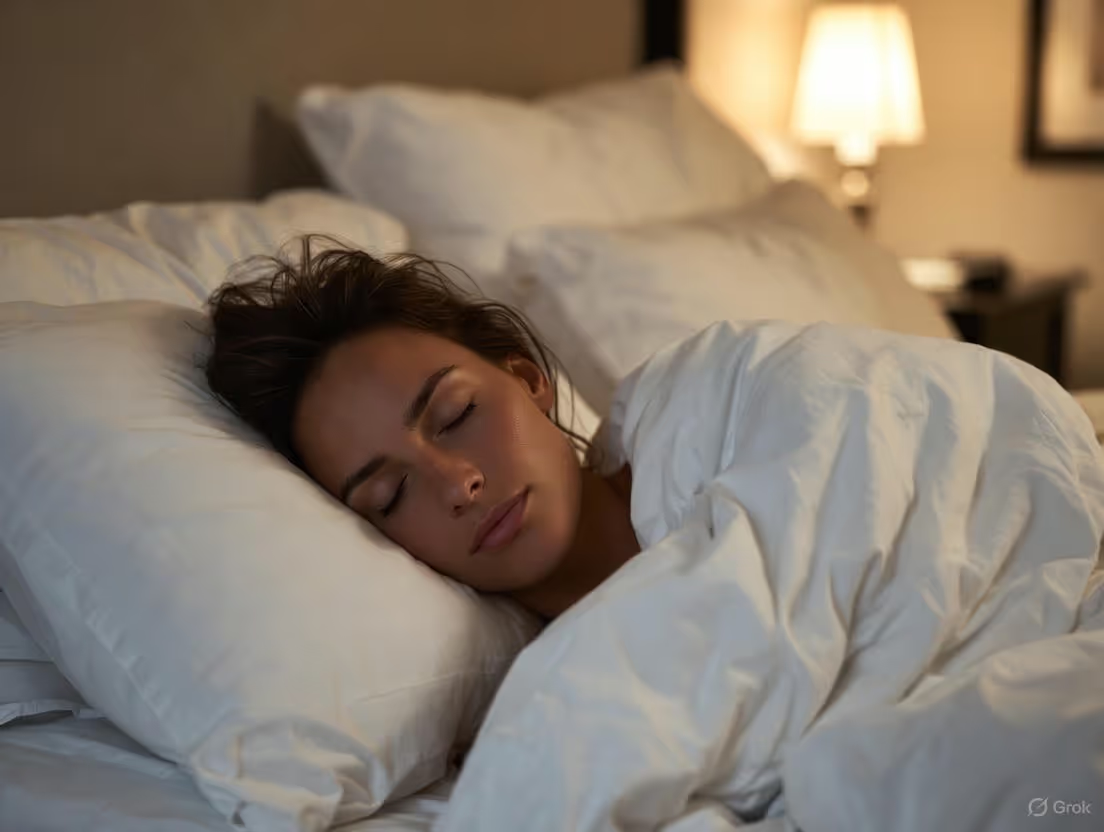
Your bedroom should have one primary, non-negotiable purpose: sleep (and intimacy). It is not a home office, a entertainment center, or a dining room. Every element of this environment should signal safety, calm, and detachment from the waking world to your nervous system. This is the theater where the science of sleep plays out, and you are the set designer.
Core body temperature is a key circadian driver. To initiate sleep, your body must drop its core temperature by about 1-2 degrees Fahrenheit (0.5-1 degree Celsius). This drop signals the sleep-onset mechanism. A room that is too warm impedes this vital heat dissipation.
Strategy 5: Dial Down the Thermostat. The science points to an optimal sleep temperature between 60-67°F (15.5-19.5°C). This range facilitates the body's natural thermoregulation process. Experiment within this range, but when in doubt, err on the cooler side. Use a thermostat you can program to drop the temperature 30-60 minutes before your bedtime.
Strategy 6: Leverage Bedding Technology. Your bedding is your personal microclimate. Choose breathable, natural materials like cotton, linen, or bamboo. Consider a cooling mattress pad or a chilipad system that circulates water to actively regulate surface temperature. The principle is simple: you need to dump heat from your core to your extremities and then into the environment. A hot, stuffy room creates a thermal barrier that disrupts this process, leading to restless, shallow sleep.
Noise pollution is a prime cause of sleep fragmentation, even if you don't fully wake. The sudden honk of a car or a neighbor's muffled TV can trigger micro-arousals, pulling you out of deep or REM sleep and impairing sleep's restorative benefits.
Strategy 7: Control Your Soundscape. Total silence can be unsettling for some. The solution is not necessarily elimination, but masking. White noise machines or apps generate a consistent, broadband sound that drowns out irregular disruptive noises. For many, pink noise (which has more power in the lower frequencies, like steady rain or wind) is even more effective. A 2017 study in Frontiers in Human Neuroscience found that pink noise not only improved sleep stability but also enhanced deep sleep and memory consolidation in older adults.
Strategy 8: Embrace the Power of Earplugs. For a physical, foolproof barrier, high-fidelity earplugs (like those designed for musicians or sleep) are invaluable. They attenuate harmful noise bursts while still allowing you to hear important sounds like a morning alarm. Combining earplugs with a gentle sound machine creates an almost impenetrable auditory sanctuary.

Your brain forms powerful associations. If your bed is where you work, watch thrilling movies, argue, or scroll through stressful news, it becomes an "arousal anchor." The mere act of lying down can trigger cognitive and physiological alertness, not relaxation.
Strategy 9: Practice Strict Stimulus Control. This is a cornerstone of Cognitive Behavioral Therapy for Insomnia (CBT-I). The rule is simple: The bed is only for sleep and sex. If you are in bed and not asleep after 20 minutes, get up. Go to another dimly lit room and do something calming (read a physical book, listen to soft music, practice gentle stretching) until you feel drowsy. Then return to bed. This breaks the association of bed with frustration and wakefulness, rebuilding it as a powerful cue for sleepiness. This technique, along with other powerful behavioral tools, is often explored in greater detail in resources like those found on Oxyzen's FAQ page, which addresses common user questions on improving sleep habits.
By treating your bedroom as a sacred, engineered space—cool, dark, quiet, and psychologically clean—you remove environmental obstacles and allow your innate sleep drive to take its natural, powerful course.
Human beings are creatures of habit, and our neurobiology thrives on predictability. A pre-sleep routine is not a frivolous luxury; it is a series of deliberate, calming signals that tell your fight-or-flight sympathetic nervous system to stand down and allow the rest-and-digest parasympathetic nervous system to take the helm. This "wind-down" period is the bridge from the demands of the day to the peace of the night.
Your brain and body cannot switch from high gear to sleep mode instantaneously. Neuroscience shows that transitioning from a state of high cognitive load or emotional arousal into sleep is inefficient and results in fragmented, shallow rest. You need a buffer—a minimum of 60, ideally 90, minutes of dedicated wind-down time.
Strategy 10: Create a Non-Negotiable Wind-Down Ritual. This ritual should consist of a sequence of relaxing activities performed in the same order each night. Consistency is key, as it builds a powerful Pavlovian response. Your ritual might include:

Your breath is a unique physiological function—it is both automatic and under voluntary control. By consciously slowing and deepening your breath, you directly stimulate the vagus nerve, the main conduit of the parasympathetic nervous system, triggering a "relaxation response."
Strategy 11: Practice the 4-7-8 Breathing Technique. Pioneered by Dr. Andrew Weil, this simple but potent method is a direct tranquilizer for the nervous system.
This practice lowers heart rate and blood pressure, reduces anxiety, and can often lull you to sleep within minutes. Incorporating it into your nightly ritual, especially once in bed, is profoundly effective.
One of the biggest barriers to sleep is "cognitive popcorn"—the relentless replay of the day's events and tomorrow's to-dos. Trying to stop thinking is futile. The solution is to externalize the thoughts.
Strategy 12: Implement a "Brain Dump" Journal. Keep a notebook and pen by your bed. 10-15 minutes before lights out, write down:
This practice closes the mental "open loops" that keep your brain in problem-solving mode, allowing it permission to rest. Many users of detailed sleep tracking technology, like those who share their journeys on Oxyzen's testimonials page, report that pairing data insights with a consistent journaling practice was the key to quieting persistent nighttime anxiety.
A ritual is more than a checklist; it is a mindful, sensory experience that tells every cell in your body, "All is well. It is safe to rest now."
Sleep is not an isolated event. It is the culmination of your entire day. Your choices around movement, nutrition, and substance intake create either a fertile ground or a toxic wasteland for sleep to take root. Think of your daytime self as the farmer, and your nighttime sleep as the harvest.
Physical activity is one of the most potent, evidence-based sleep promoters—with important timing nuances. Exercise achieves two critical things: it builds a stronger sleep drive (homeostatic pressure) by expending energy, and it helps stabilize your circadian rhythm by raising body temperature during the day, promoting a more robust drop at night.
Strategy 13: Move Consistently, But Time It Wisely. The consensus is clear: regular moderate-to-vigorous exercise improves sleep quality, deep sleep duration, and reduces sleep latency (the time it takes to fall asleep). Aim for at least 30 minutes most days. The timing caveat: while any exercise is better than none, finishing intense workouts at least 2-3 hours before bedtime is ideal for most people. Vigorous exercise too close to bed can be over-stimulating for some, raising core temperature and releasing energizing neurotransmitters and hormones like epinephrine. However, gentle movement like yoga, stretching, or a leisurely walk in the evening can be profoundly relaxing.
Caffeine is a potent adenosine antagonist. Adenosine is a neurotransmitter that builds up in your brain throughout the day, creating "sleep pressure." Caffeine blocks its receptors, making you feel alert. The problem is caffeine's surprisingly long half-life—about 5-6 hours. This means that 6 hours after your coffee, half the caffeine is still active in your system.
Strategy 14: Enforce a Caffeine Curfew. To prevent caffeine from interfering with adenosine's natural sleep drive, set a firm cutoff time. For most, this should be at least 6-8 hours before bedtime. If you're sensitive or struggling with sleep, consider moving it to noon. Remember, caffeine isn't just in coffee; it's in tea (black and green), many sodas, energy drinks, dark chocolate, and some medications.
Nicotine is a double whammy: it is both a stimulant and a substance that can cause withdrawal symptoms during the night, leading to lighter, more fragmented sleep. Smokers often experience prolonged sleep latency and reduced deep sleep.
This is one of the most pervasive sleep myths. While alcohol is a sedative and can indeed help you fall asleep faster, it dramatically wrecks the architecture of your sleep in the second half of the night.
Strategy 15: Understand Alcohol's True Impact. As your body metabolizes alcohol, it creates a surge in arousal and can lead to multiple nighttime awakenings, often around 2-3 AM. It is also a potent suppressant of REM (Rapid Eye Movement) sleep, the stage crucial for emotional processing, memory consolidation, and creativity. A night of drinking often results in a night of light, fragmented, non-restorative sleep, even if you were "out cold" for hours. For optimal sleep quality, it's best to avoid alcohol within 3-4 hours of bedtime.
Napping can be a powerful tool to boost afternoon alertness and performance, but it can also steal sleep drive from your nighttime sleep if done incorrectly.
Strategy 16: Nap Early, Nap Short, or Don't Nap. If you nap, follow these rules:
Your daytime is a continuous preparation for sleep. By moving your body, minding your substances, and managing your energy wisely, you build a powerful, natural momentum that carries you effortlessly into deep, sustained slumber.
The ancient adage "you are what you eat" extends powerfully into the domain of sleep. The timing, composition, and quantity of your food and drink send direct chemical signals that either promote relaxation or trigger alertness and digestive processes that are incompatible with rest. This section goes beyond folklore to the biochemistry of sleep-friendly nutrition.
Your digestive system has its own circadian rhythm. Eating a large, heavy meal close to bedtime forces your body to prioritize digestion over rest and repair. It can cause discomfort, acid reflux, and an elevated core body temperature—all enemies of sleep initiation.
Strategy 17: Finish Eating 2-3 Hours Before Bed. Aim to have your last major meal at least three hours before you plan to sleep. This allows for significant digestion to occur before you lie down. If you need a small snack closer to bed (see below), keep it light, small, and easily digestible.
Certain foods contain precursors to sleep-regulating neurotransmitters like serotonin and melatonin.
Strategy 18: Consider a Sleep-Supportive Evening Snack. If hungry before bed, opt for a combination like:
Dehydration can lead to nocturnal leg cramps and a dry mouth, disrupting sleep. However, overhydration right before bed guarantees disruptive trips to the bathroom—a condition called nocturia.
Strategy 19: Front-Load Your Hydration. Drink the majority of your daily water earlier in the day. Begin tapering your fluid intake 1-2 hours before bedtime. This allows your body to process the fluids before you retire. Ensure you're adequately hydrated throughout the day so you're not parched in the evening.
Beyond caffeine and alcohol, be mindful of:
By viewing your evening nutrition as a strategic part of your sleep protocol—emphasizing timing, balance, and specific nutrients—you provide your brain and body with the raw materials they need to manufacture a peaceful night. For those tracking their biometrics, noticing how different meals affect metrics like resting heart rate and sleep stages can be revelatory. This kind of personalized feedback is at the core of what devices from Oxyzen are designed to provide, helping you connect the dots between diet and sleep quality.
In the context of sleep, technology is often portrayed as the villain—the source of blue light and endless distraction. But when applied intentionally, technology transforms from a disruptor into one of the most powerful tools for understanding and optimizing your sleep. This is the era of personalized sleep science, where data illuminates the path to perfect rest.
Gone are the days of crude movement-based trackers. The new generation of wearables, particularly those worn on the finger like smart rings, offer a minimally invasive, continuous window into your physiology throughout the night. They leverage sensors to track:
Strategy 20: Become a Student of Your Own Data. Using a sophisticated tracker is not about getting a "score" to obsess over. It's about observing patterns and running experiments. For instance, you can:
Raw data is just numbers. The magic happens in the interpretation and the resulting behavior change. A smart ring doesn't just collect data; a sophisticated platform analyzes it to provide personalized feedback.
This objective feedback loop is transformative. It removes the guesswork and provides validation. You no longer have to wonder, "Do I feel more rested?" You can see the physiological proof that your new evening routine is increasing your deep sleep, or that your consistent bedtime is stabilizing your HRV. For those curious about how this technology translates complex data into simple, actionable insights, exploring the philosophy and approach behind leading devices can be enlightening. You can learn more about this user-centric design on pages like Oxyzen's Our Story, which details the mission to make advanced health insights accessible.
Technology, when chosen wisely and used with intention, stops being a sleep thief and becomes your personal sleep scientist, running the experiments that lead you to your perfect night.
Not everyone is wired for a 10 PM bedtime and a 6 AM wake-up call. Your chronotype is your genetically predisposed natural inclination for sleep and wake times—essentially, whether you are an early bird, a night owl, or somewhere in between. Fighting against your chronotype is like swimming upstream; it's exhausting and largely futile. The key to effortless sleep and peak daytime performance is to understand and align your life with your innate rhythm.
Chronotypes exist on a spectrum, often visualized as a continuum from the extreme "Lion" (early morning) to the "Bear" (following the solar cycle) to the "Wolf" (late evening). These preferences are driven by variations in the length of your endogenous circadian period and sensitivity to light. For example, a true night owl may have an internal clock that runs closer to 25 hours, making it naturally drift later if not anchored by strong morning light.
Impact on Sleep Architecture: Research shows that chronotypes influence not just timing but potentially the structure of sleep. Early birds may experience more deep sleep in the early part of the night, while night owls might have a higher propensity for REM sleep later in the morning. Forcing a Wolf to sleep at a Lion's time can lead to chronic sleep-onset insomnia and a feeling of never getting restorative sleep, even with adequate duration.
Strategy: Identify and Accept Your Chronotype. You can start with subjective measures like the Munich Chronotype Questionnaire or simply observe your natural tendencies on vacation, free from social obligations. Do you naturally drift to a 1 AM bedtime and 9 AM wake-up? That's valuable data, not a character flaw.
Once you know your type, you can strategize:
Aligning with your chronotype reduces "social jetlag"—the strain of living out of sync with your biology on workdays. This alignment is a profound act of self-respect that pays dividends in sleep quality, mood stability, and overall vitality.
If light is the architect of your circadian rhythm, stress is its most common saboteur. The hyper-arousal of the sympathetic nervous system—the "fight-or-flight" response—is the physiological antithesis of the state required for sleep. Chronic stress leads to elevated cortisol at night (when it should be at its nadir), racing thoughts, muscle tension, and a heart that won't stop pounding. Managing stress isn't just about mental well-being; it's a direct prerequisite for physiological sleep.
Cortisol and melatonin have an inverse, seesaw relationship. Cortisol should be high in the morning to help you wake and decline throughout the day, reaching its lowest point around midnight. Melatonin should rise as cortisol falls. Chronic stress flattens this rhythm, leading to elevated evening cortisol that directly suppresses melatonin production and sleep drive. It's a biological traffic jam at the entrance to sleep.
When your head hits the pillow, the lack of external distraction can unleash a torrent of worries. Trying to "stop thinking" only gives the thoughts more power.
Strategy: Schedule "Worry Time." This is a classic CBT technique. Earlier in the evening—not in bed—set aside 15-20 minutes as your official "worry time." Write down everything that's on your mind, problems without solutions, and tasks for tomorrow. When your mind starts to race at night, you can calmly tell it, "That's an important thought, but we already addressed that during worry time. It's on the list for tomorrow." This compartmentalization is incredibly effective at breaking the cycle of rumination.
Strategy: Practice Mindfulness & Meditation. Mindfulness is the practice of observing thoughts and sensations without judgment. Regular practice, even for 10 minutes a day, has been shown to reduce insomnia severity and improve sleep quality. It creates a gap between you and your thoughts, so you are less likely to be carried away by them at bedtime. Apps like Calm or Headspace offer specific sleep meditations and "body scan" exercises designed to induce relaxation.
An anxious mind creates a tense body, and a tense body reinforces an anxious mind. Breaking this loop through the body is powerfully effective.
Strategy: Implement Progressive Muscle Relaxation (PMR). This involves systematically tensing and then completely relaxing different muscle groups, from your toes to your forehead. By focusing on the contrast between tension and deep relaxation, you directly calm the nervous system and draw awareness away from racing thoughts. It's a direct, physical override of the stress response.
Strategy: Utilize Guided Imagery. Engage your senses in a calming mental journey. Imagine yourself in a peaceful place—a quiet beach, a serene forest. Focus on the sensory details: the sound of waves, the smell of pine, the feeling of warm sand. This visualization activates the same neural pathways as actually being in a relaxing environment, triggering the parasympathetic response.
Creating a pre-sleep ritual (as discussed in Section 3) that incorporates these stress-management techniques—be it journaling, 4-7-8 breathing, or a short meditation—builds a fortified barrier between the stresses of the day and the peace of your night. The team behind advanced wellness tools understands this mind-body connection deeply, a principle often reflected in the holistic design philosophy of companies focused on recovery, which you can read about in their mission on Oxyzen's About Us page.
How you physically configure your body for 8 hours has a significant impact on sleep quality, spinal health, and specific conditions like sleep apnea or acid reflux. This isn't about a single "best" position, but about finding the one that optimally aligns your spine and airways for you.
For Back Sleepers: Use a thinner, contoured pillow that supports the cervical curve without pushing the head too far forward. Consider a small pillow under the knees to reduce lower back strain and promote the natural curve of the spine.
For Side Sleepers: This is where pillow choice is critical. You need a pillow that fills the space between your ear and the outside of your shoulder, keeping your neck and spine in a neutral, straight line. A thicker, firmer pillow or a dedicated side-sleeper pillow is often necessary. Place a firm pillow between your knees. This is a game-changer for spinal alignment, preventing the top leg from pulling the spine out of line and reducing pressure on the hips and lower back.
For Stomach Sleepers: If you can't break the habit, try to transition to a "half-stomach" position. Use the thinnest pillow possible (or none at all) under your head to minimize neck rotation. Place a flat pillow under your pelvis/abdomen to reduce the arch in your lower back.
Addressing your sleep position is a direct intervention in the physical quality of your rest. It can mean the difference between waking up refreshed or with a stiff neck, between quiet breathing or disruptive snoring. It's a tangible, immediate adjustment with profound effects.
When foundational habits are in place, certain natural compounds and supplements can offer additional support. However, they are aids, not solutions. They should be used to complement—not replace—the behavioral and environmental strategies already discussed. Always consult with a healthcare professional before starting any new supplement.
When foundational habits are in place, certain natural compounds and supplements can offer additional support. However, they are aids, not solutions. They should be used to complement—not replace—the behavioral and environmental strategies already discussed. Always consult with a healthcare professional before starting any new supplement.
While sometimes necessary for short-term crises, most prescription hypnotics (like zolpidem/Ambien) and even over-the-counter antihistamine-based sleep aids (like diphenhydramine/Benadryl) do not produce naturalistic sleep. They often suppress brain activity globally, impairing sleep architecture—particularly deep and REM sleep. They can lead to tolerance, dependence, and next-day grogginess. Their use should be a carefully monitored, temporary bridge while establishing the foundational, sustainable strategies outlined in this guide. The goal is always to build your body's innate ability to sleep, not to outsource it to a pill.
The judicious use of natural aids can be likened to using training wheels. They provide stability as you build the stronger, permanent habits of light management, routine, and stress resilience. Once those habits are solid, you may find you no longer need the extra support. For those navigating the complex world of supplements and sleep, additional resources and community insights can often be found on dedicated wellness platforms, such as the Oxyzen blog, which frequently covers the intersection of science and natural health optimization.
You can have the perfect sleep hygiene, an ideal environment, and a calm mind, yet still struggle with unrefreshing sleep. This is a critical red flag that may point to an underlying sleep disorder—a medical condition that requires professional diagnosis and treatment. Persisting with self-help strategies alone in these cases is like putting a bandage on a broken bone. Recognizing the signs is the first step toward true resolution.
If you suspect a sleep disorder, the first stop is your primary care physician or a sleep specialist. The gold standard for diagnosing disorders like sleep apnea is an in-lab polysomnogram or a home sleep apnea test. For insomnia, a detailed sleep diary and clinical interview are diagnostic.
Treatment is highly specific:
Strategy: Do Not Normalize Excessive Daytime Sleepiness or Chronic Snoring. These are not trivial annoyances; they are symptoms. Seeking help is not a sign of failure but of proactive self-care. A proper diagnosis can be life-changing, restoring not just sleep but overall health and vitality. Many users of advanced sleep trackers first become aware of potential issues, like oxygen dips or unusual restlessness, through their device's data, which can provide the objective evidence needed to start a conversation with a doctor—a powerful example of technology enabling better health outcomes, a mission central to companies like Oxyzen.
This may be the simplest strategy conceptually, yet for many, it is the most challenging to implement. However, its impact rivals that of light exposure in terms of circadian strength. Your sleep-wake time consistency is the daily reinforcement your biological clock craves.
The suprachiasmatic nucleus (SCN) thrives on predictability. When you wake up at the same time every day—yes, even on weekends—you provide a powerful, consistent signal that resets your clock each morning. This fixed wake time, more than a fixed bedtime, helps to stabilize the entire 24-hour rhythm of hormone release, body temperature fluctuation, and sleep drive.
The damage of "social jetlag"—the common pattern of sleeping in 2+ hours on weekends—is significant. A 2017 study in the journal Sleep linked greater social jetlag to poorer health, worse mood, increased sleepiness, and higher resting heart rates. It's the biological equivalent of flying from New York to Los Angeles every Friday night and back every Sunday night. Your body never gets a chance to establish a stable rhythm.
Strategy: Prioritize Your Wake Time, Not Just Your Bedtime.
This practice does several profound things:
The initial adjustment, especially if you're a chronic weekend sleeper-inner, can be tough. But within 1-2 weeks, most people report feeling more alert in the mornings and experiencing a more automatic, easy descent into sleep at night. It removes the guesswork and struggle. Consistency is the glue that binds all other sleep strategies together, transforming them from isolated actions into a powerful, self-reinforcing system.
You now possess a powerful arsenal of 20 individual strategies. But information without integration is just trivia. The transformative step is weaving these threads into a personalized protocol that aligns with your unique biology, lifestyle, and goals. This is where you move from following general advice to becoming the architect of your own recovery.
Not all strategies carry equal weight, and trying to implement all 20 at once is a recipe for overwhelm and failure. The key is to view them in tiers, building from the non-negotiable foundations upward.
Tier 1: The Non-Negotiable Pillars (Weeks 1-2)
These have the greatest leverage. Focus here first.
Tier 2: Behavioral Routines (Weeks 3-4)
Once Tier 1 feels automatic, add structure to your evenings.
5. The 60-Minute Wind-Down Ritual: Create and stick to your sequence of calming activities.
6. Caffeine & Alcohol Curfews: Enforce clear cutoff times.
7. The "Bed is for Sleep" Rule: Practice stimulus control to rebuild the sleep-bed association.
Tier 3: Refinement & Personalization (Ongoing)
Now, fine-tune based on your observations and data.
8. Strategic Exercise Timing: Optimize your workout schedule.
9. Diet & Hydration Tweaks: Experiment with evening snacks and meal timing.
10. Stress Management Practices: Incorporate targeted breathing, journaling, or meditation.
11. Leverage Your Chronotype: Schedule your life to work with your natural rhythm.
To visualize integration, let’s outline a sample day that synthesizes these strategies for a hypothetical person with a 10:30 PM bedtime and a 6:30 AM wake-up:
This blueprint is a template, not a prescription. The goal is to create your own version, incorporating the strategies most relevant to your challenges. For instance, a night owl would shift this entire schedule later while aggressively using morning light to gently advance their clock. A parent of young children might focus intensely on their 30-minute wind-down after the kids are asleep, making it sacred.
This process of personalization is at the heart of modern wellness technology. By using a device like a smart ring from Oxyzen, you don't have to guess if your personalized blueprint is working. You can see the direct impact of a 9:30 PM screen curfew on your sleep latency, or how a consistent wake time improves your overnight heart rate variability. It turns your protocol into a living experiment with clear, actionable results, a concept deeply embedded in the user experience of advanced health trackers.
Even with a solid protocol, you will hit plateaus or encounter setbacks. Life happens: stress flares, travel disrupts routines, illness strikes. The goal is not perfection, but resilience—knowing how to diagnose and correct course.
Jet lag and shift work are extreme tests of your circadian system. Use your toolkit strategically:
The mindset shift here is critical. A plateau is not failure; it's feedback. It's your body or your data telling you that something needs adjustment. Embrace it as part of the optimization process.
Sleep needs and patterns are not static from cradle to grave. Understanding these predictable shifts allows you to adapt your strategies gracefully, avoiding unnecessary frustration.
Across all ages, the core principles remain: anchor your rhythm with light and consistency, create a sanctuary for sleep, and manage stress. The application simply evolves. Understanding this evolution can foster patience and a more compassionate, effective approach to your own sleep journey, a philosophy that often guides holistic wellness companies in their long-term vision for user health.
The science of sleep is rapidly advancing. Staying informed on emerging insights can provide new tools and reinforce the importance of the fundamentals.
One of the most significant discoveries of the past decade is the glymphatic system—the brain's unique waste-clearance system. It is most active during deep sleep, flushing out metabolic debris like beta-amyloid proteins, which are associated with Alzheimer's disease. This isn't just a metaphor; it's a physiological reality. Prioritizing deep sleep through the strategies in this guide is quite literally a cleanse for your brain, a cornerstone of long-term cognitive health.
Beyond a cool room, the gradient between your core and your extremities (hands and feet) is critical for sleep onset. The future of sleep tech lies in not just measuring, but actively influencing this gradient. Imagine a smart ring or mattress pad that detects your pre-sleep temperature rise and initiates a gentle cooling of your palms to accelerate the drop in core temperature, helping you fall asleep faster. This bio-feedback loop represents the next frontier in personalized sleep optimization.
Why do some people thrive on 6 hours while others need 9? Genetics play a role, with genes like DEC2 identified as influencing natural short sleep. Furthermore, the gut-brain axis is a hotbed of research. Your gut microbiome produces neurotransmitters that affect sleep and mood. Future strategies may include highly personalized probiotic or dietary recommendations based on your unique microbiome profile to enhance sleep quality.
Staying curious about this science reinforces a crucial point: investing in your sleep is one of the highest-yield investments you can make in your overall health portfolio. It pays cognitive, emotional, metabolic, and longevity dividends.
We have traversed the entire landscape of sleep science, from the foundational pillars of light and rhythm to the advanced integration of data and lifelong adaptation. These 20 strategies are not a quick fix; they are a comprehensive operating system for restorative rest.
Remember, the path to better sleep is a marathon, not a sprint. Start not by chasing perfection, but by embracing progress. Pick one Tier 1 strategy—perhaps fixing your wake time or getting morning light—and master it for one week. Then add another.
Use your newfound knowledge to listen to your body with more wisdom. View your sleep not as a passive state you "get," but as an active, vital process you cultivate. It is the dark, quiet foundation upon which a bright, vibrant, and healthy life is built.
You now have the map. You understand the levers of light, temperature, routine, and mind. You know how to personalize, troubleshoot, and adapt. The journey to reclaiming your nights and revolutionizing your days is in your hands. Tonight, begin. Your future, well-rested self is waiting.
Ready to take the next step with personalized data? See exactly how your unique biology responds to these strategies. Explore how advanced, non-intrusive technology can guide your journey. Discover how Oxyzen smart rings provide the insights you need to master your sleep.
Your Trusted Sleep Advocate: Sleep Foundation — https://www.sleepfoundation.org
Discover a digital archive of scholarly articles: NIH — https://www.ncbi.nlm.nih.gov/
39 million citations for biomedical literature :PubMed — https://pubmed.ncbi.nlm.nih.gov/
Experts at Harvard Health Publishing covering a variety of health topics — https://www.health.harvard.edu/blog/
Every life deserves world class care :Cleveland Clinic - https://my.clevelandclinic.org/health
Wearable technology and the future of predictive health monitoring :MIT Technology Review — https://www.technologyreview.com/
Dedicated to the well-being of all people and guided by science :World Health Organization — https://www.who.int/news-room/
Psychological science and knowledge to benefit society and improve lives. :APA — https://www.apa.org/monitor/
Cutting-edge insights on human longevity and peak performance:
Lifespan Research — https://www.lifespan.io/
Global authority on exercise physiology, sports performance, and human recovery:
American College of Sports Medicine — https://www.acsm.org/
Neuroscience-driven guidance for better focus, sleep, and mental clarity:
Stanford Human Performance Lab — https://humanperformance.stanford.edu/
Evidence-based psychology and mind–body wellness resources:
Mayo Clinic — https://www.mayoclinic.org/healthy-lifestyle/
Data-backed research on emotional wellbeing, stress biology, and resilience:
American Institute of Stress — https://www.stress.org/


