


The Accuracy Advantage: Smart Ring Benefits in Health Data Quality
The advantage of more accurate health data from a smart ring.
The advantage of more accurate health data from a smart ring.
%402x.svg)
In the quiet hum of the modern world, a silent revolution is unfolding on our fingers. While we sleep, work, and move through our days, a new class of wearable technology is capturing the intimate rhythms of our biology with unprecedented fidelity. This is the era of the smart ring—a discreet, powerful tool that is fundamentally reshaping our understanding of personal health.
For years, the quest for quantified self-knowledge was dominated by the wrist. Fitness trackers and smartwatches brought health metrics to the masses, creating a new awareness of steps, heart rate, and sleep duration. Yet, a persistent, critical question has lingered in the minds of health enthusiasts, athletes, and medical professionals alike: How accurate is this data? Can we truly base lifestyle changes, training regimens, or health insights on numbers gathered from a device bouncing on the sweat-slicked, bony landscape of the wrist?
The answer, increasingly, is pointing to the finger. Smart rings, by virtue of their unique anatomical position, advanced sensor technology, and continuous wearability, are establishing a new gold standard for personal health data quality. They offer an accuracy advantage that is not merely incremental but transformative. This advantage isn't about counting steps with slightly more precision; it’s about capturing the foundational, often invisible, physiological signals that truly define our wellbeing—from the nuanced variations in our heart and the oxygen in our blood to the authentic architecture of our sleep.
This article delves deep into the core of this precision revolution. We will explore why the finger is a superior biological observatory than the wrist, dismantle the myths surrounding wearable accuracy, and examine how high-fidelity data from a source like the Oura Ring, Circular, or our own advanced sensor platform at Oxyzen translates into actionable, life-changing insights. This is not just a story of technology; it’s a story of empowerment through truth—the power of knowing your body, accurately.

The fundamental promise of any wearable is to act as a reliable proxy for your internal state. Its effectiveness hinges on its ability to capture clean physiological signals with minimal interference. This is where the smart ring’s design delivers a profound, inherent advantage, rooted in both human anatomy and sensor physics.
Unlike the wrist, the finger presents a unique combination of features ideal for biosensing. First, and perhaps most critically, is vascular access. The palmar digital arteries run along the sides of the fingers, carrying a rich, pulsatile flow of blood close to the skin's surface. This provides a strong, clear signal for photoplethysmography (PPG)—the optical heart rate sensing technology used in most wearables. The wrist, in contrast, relies on the radial artery, which is deeper, often covered by tendon and bone, and more susceptible to signal disruption from wrist movements and hand gestures.
Second, the finger offers a consistent, snug fit. A well-designed ring sits securely against the skin, minimizing motion artifact—the "noise" created by the device moving independently of the body. Wrist-based devices, especially during sleep or high-intensity activity, can shift, rotate, and lift away from the skin, leading to data gaps or inaccuracies. The finger’s cylindrical shape allows for a continuous, 360-degree contact point that is far more stable.
Third, the finger is a primary site for thermoregulation. Blood flow to the extremities is a key mechanism the body uses to control core temperature. This makes the finger an excellent location for measuring skin temperature and, by analyzing trends, inferring changes in core body temperature—a critical metric for tracking illness, ovulation, metabolic health, and sleep onset.
The Technical Execution: Leading smart rings leverage this anatomical advantage with sophisticated hardware. They typically employ multiple LEDs (green, red, and often infrared) and photodiodes to penetrate different depths of tissue and capture blood volume pulses. Advanced accelerometers and gyroscopes are precisely calibrated to distinguish between bodily movement and external motion of the ring itself. The internal battery and electronics are miniaturized and distributed around the band to maintain comfort and consistent sensor contact.
This synergy of ideal anatomy and targeted engineering creates a superior signal-to-noise ratio. In simpler terms, the ring hears your body's "whisper" more clearly because it’s listening in a quieter room with a better ear. This foundational clarity is the bedrock of the accuracy advantage, enabling everything that follows—from pinpoint heart rate readings to granular sleep stage analysis. As you’ll see in our deep dives on specific metrics, this isn't a marginal improvement; it’s a shift from estimation to measurement. For those curious about the engineering journey behind harnessing this advantage, you can explore our story of sensor innovation and design philosophy here.
When most people think of wearable health data, they think of heart rate (HR). But the story your cardiovascular system tells is far richer than just beats per minute. The real gold lies in the spaces between the beats—a metric known as Heart Rate Variability (HRV). Here, the smart ring’s accuracy advantage moves from beneficial to essential.
Heart Rate Variability (HRV): The Ultimate Nervous System Snitch
HRV measures the subtle variations in time between successive heartbeats, measured in milliseconds. It is a direct, non-invasive window into your autonomic nervous system (ANS)—the balance between your stress-responsive "fight-or-flight" mode (sympathetic tone) and your restorative "rest-and-digest" mode (parasympathetic tone). A higher, more variable HRV generally indicates better resilience, recovery, and overall cardiovascular fitness. A plummeting HRV can signal stress, impending illness, or overtraining.
Capturing accurate HRV is notoriously difficult. It requires detecting the precise moment of each heartbeat (the R-spike in an ECG) from a pulsatile blood flow signal. Any motion artifact, poor blood flow signal, or device slippage creates false "beats" or misses real ones, completely distorting the HRV calculation. The stable, vascular-rich environment of the finger provides a cleaner PPG waveform, allowing algorithms to identify true heartbeats with higher confidence. While a chest-strap ECG is the clinical gold standard for HRV, a high-quality smart ring offers the most reliable continuous, all-day-and-night HRV tracking available in a consumer wearable.
The PPG Advantage: More Than Just Green Light
Most wrist-based wearables use green LED PPG, which is good for superficial heart rate detection but can struggle with darker skin tones, tattoos, and during high-motion scenarios. Smart rings often supplement green LEDs with red and infrared (IR) LEDs. These longer wavelengths penetrate tissue more deeply, are less affected by skin tone, and are better at sensing blood oxygen saturation (SpO2). This multi-wavelength approach allows a single device on the finger to act as a more robust health observatory, cross-validating signals for greater accuracy.
The 24/7 Truth: Context is King
The true power of HRV and resting heart rate (RHR) isn't in a single spot-check; it's in the continuous trend. A smart ring worn day and night builds a holistic baseline. It knows your HRV during deep sleep (its most stable state), how your heart responds to a stressful meeting versus a meditation session, and how your RHR trends downward as your fitness improves. This continuous context turns data points into a meaningful narrative. You’re not just seeing a number; you’re seeing your body’s story over time. For a deeper understanding of how these metrics interconnect, our blog features detailed guides on interpreting HRV and other vital signs.

Sleep is the cornerstone of health, and its assessment has long been the domain of expensive, intrusive polysomnography (PSG) labs. Smart rings are democratizing and revolutionizing sleep analysis by bringing lab-grade insights into the home—with a level of accuracy wrist-based devices struggle to match.
PSG determines sleep stages (Awake, Light, Deep, REM) by measuring brain waves (EEG), eye movements (EOG), and muscle tone (EMG). Wearables must infer these stages using proxies: movement (accelerometry) and cardiovascular activity (PPG). This is where the ring’s superior signal pays massive dividends.
The Nightly Cardiovascular Story: As you transition through sleep stages, your ANS activity shifts dramatically. Deep sleep is dominated by strong parasympathetic (rest-and-digest) activity, leading to a very steady, slow heart rate and high HRV. REM sleep, while the brain is active, often involves a more variable heart rate and suppressed HRV due to sympathetic nervous system surges. By continuously tracking heart rate, HRV, and their dynamics with high accuracy, a smart ring can detect these autonomic fingerprints far more reliably than a device that only uses motion.
Motion and the Problem of "Stillness": Wrist-based devices heavily rely on limb movement to distinguish awake from asleep. If you lie still while reading in bed, they may incorrectly log you as asleep. A ring on the finger, which moves much less during quiet wakefulness, avoids this pitfall. Furthermore, during sleep, the subtle finger movements associated with different stages (like tiny twitches in REM) can be detected without the confounding noise of larger arm movements.
The Recovery Trinity: Readiness Scores Done Right
This accurate sleep data feeds into holistic recovery metrics like Oura’s "Readiness" score or similar indices. These scores synthesize sleep quality, resting heart rate, HRV, temperature, and respiratory rate into a single daily guidance number. If the inputs are flawed, the output is a misleading suggestion. The ring’s accurate capture of nighttime HRV and temperature trends ensures these composite scores are truly reflective of your physiological state, telling you with confidence whether you’re primed for intensity or in need of rest.
The result? You wake up with a detailed, trustworthy report on your sleep architecture—not just duration. You learn if you got sufficient deep sleep for physical repair and REM sleep for cognitive consolidation. This is the difference between knowing you slept "8 hours" and knowing you had a restless, inefficient 8 hours with poor recovery. It transforms sleep from a vague concept into a measurable, improvable pillar of health.
Beyond the heartbeat and movement, two of the most insightful—and often overlooked—metrics are skin temperature and respiratory rate. These are classic examples of "silent" biomarkers, subtle changes in which can provide early warning signs long before you feel symptoms. Tracking them accurately requires a device that is both sensitive and consistently positioned.
Skin Temperature Trends: The Metabolic Compass
Your body’s core temperature follows a circadian rhythm, typically dipping at night to initiate sleep and rising in the morning to promote wakefulness. More importantly, deviations from your personal baseline are incredibly informative. A sustained elevation of just 0.5-1°C can indicate:
The finger, as a key thermoregulation site, is excellent for tracking these trends. However, accuracy depends on the sensor being shielded from the ambient environment. A ring’s design, with the body mass of the finger on one side and often an insulated interior, protects the temperature sensor from external air currents much better than an exposed wrist device. This allows it to detect those subtle, medically-significant shifts that would be lost in the noise on a wrist.
Respiratory Rate: The Breath of Life, Measured
Respiratory rate (RR)—the number of breaths you take per minute—is a critical vital sign. During sleep, an elevated or irregular RR can be a marker of sleep apnea, anxiety, or cardiac stress. A lower, steady RR is associated with efficient breathing and relaxation.
Smart rings don’t have microphones to hear you breathe. Instead, they derive respiratory rate with elegant simplicity from the PPG signal. Every time you inhale, your heart rate increases slightly; every exhale, it decreases. This is known as Respiratory Sinus Arrhythmia (RSA). By analyzing the very high-accuracy heart rate data over time, advanced algorithms can extract your breathing rate. The cleaner the heart rate signal (again, thanks to the stable finger position), the more accurate the derived respiratory rate. This provides a passive, continuous monitor for a vital sign that is notoriously difficult for individuals to track themselves.
Together, these subtle metrics transform a smart ring from a fitness tracker into a true health guardian. They provide a multi-system view of your body’s status, offering insights that empower proactive, rather than reactive, health management. For answers to common questions about how these features work in practice, our comprehensive resource center provides clear explanations (find detailed FAQs here).
A profound yet understated aspect of the smart ring’s accuracy advantage is its psychological and behavioral fit: it’s designed to be forgotten. This passive data collection model is a game-changer for data quality and completeness.
The Compliance Factor: The most accurate sensor in the world is useless if you don’t wear it. The fundamental hurdle for wrist-based devices, especially for sleep tracking, is that many people simply cannot sleep comfortably with a watch on. They remove it, creating a data gap for the most critical recovery period. A well-designed smart ring, however, is lightweight, smooth, and non-restrictive. Compliance for 24/7 wear is exceptionally high because the user experience doesn’t require a change in behavior. You put it on and, after a day, genuinely forget it’s there. This results in unbroken data streams, which are essential for building accurate baselines and spotting meaningful trends.
Eliminating the "Observer Effect": In physics, the "observer effect" notes that the act of measurement can alter the system being measured. In wellness, this translates to behavior change because you’re wearing a conspicuous device. You might fidget with a watch, consciously check it during a workout, or change your sleeping position to accommodate it. The ring’s discreet nature minimizes this effect. It doesn’t buzz with notifications (typically), it doesn’t have a bright screen to glance at, and it doesn’t serve as a fashion statement that you’re constantly aware of. It just observes. This leads to more natural, authentic data about your actual life, not your life while wearing a tech device.
The Power of the Unbroken Timeline: Health is not a snapshot; it’s a movie. Understanding the cause and effect in your life—how late-night alcohol affects your deep sleep, how a stressful work project impacts your HRV for weeks, how a new exercise routine gradually lowers your resting heart rate—requires continuous data. The smart ring’s combination of comfort and long battery life (often 5-7 days) ensures that the movie rarely, if ever, has missing scenes. This continuity is what turns raw data into personal wisdom.

Superior hardware captures a pristine signal, but it is intelligent software that translates that signal into insight. The data from the ring’s sensors is processed through sophisticated, proprietary algorithms that are the secret sauce of the accuracy advantage. This is where machine learning and personalization take center stage.
Beyond One-Size-Fits-All Thresholds: Early wearables often used population-based averages to judge your data. For example, "Deep sleep should be 20% of your night." Advanced smart ring algorithms focus first on establishing your personal baseline. Over a period of initial wear (often a few weeks), the system learns what is normal for you: your typical nightly HRV range, your average skin temperature, your personal sleep architecture pattern. All future data is then interpreted in the context of your unique physiology, not a statistical average. A dip in your HRV is far more meaningful than you being "below average" compared to millions of strangers.
Sensor Fusion: The Whole is Greater Than the Sum of Its Parts
The true algorithmic magic lies in sensor fusion. Instead of analyzing heart rate, motion, and temperature in isolated silos, top-tier platforms fuse these data streams to cross-validate and enrich interpretations. For example:
Continuous Learning and Validation: Leading companies invest heavily in clinical validation, partnering with research institutions to compare their ring-derived data against gold-standard equipment. These studies refine the algorithms, ensuring that what you see on your app is not just an estimate, but a validated measurement. This commitment to scientific rigor is what separates credible health tools from gadgetry. To learn about our dedication to this level of research and validation, you can read about our mission and scientific partnerships.
Theoretical advantages are compelling, but what does this mean in practice? When you place a smart ring and a high-end wrist-based wearable on the same person, where do the differences appear, and why do they matter?
The Sleep Data Divergence: This is often the most striking discrepancy. A wrist device might report "8 hours of sleep" with "1 hour of deep sleep." The ring, using its superior cardiovascular data, might report "7 hours 20 minutes of sleep" with "1 hour 40 minutes of deep sleep." The wrist device likely mis-scored quiet wakefulness as light sleep (due to lack of motion) and underestimated deep sleep (because it couldn't detect the strong parasympathetic signature). The ring’s data is more granular and trustworthy, leading to a very different interpretation of sleep quality.
HRV and Recovery Blind Spots: During the night, a wrist device prone to motion artifact may report a jagged, noisy heart rate trace. This will result in a calculated HRV that is either artificially high (if it inserts false beats) or low and erratic. The ring’s clean signal provides a smooth, interpretable HRV curve that accurately reflects autonomic recovery. Consequently, a wrist device might give you a "good" recovery score based on inaccurate data, encouraging you to train hard when your body needs rest, or vice-versa.
The Temperature Tracking Gap: Few wrist devices track skin temperature trends continuously, and those that do are highly susceptible to environmental interference. The ring’s insulated position makes it the unequivocal winner for tracking this critical metric. For someone using temperature for fertility awareness or early illness detection, the wrist is essentially non-functional.
Real-World Impact: These aren't academic differences. They have tangible consequences:
The finger isn't just a different location; it’s a more truthful one for the language the body speaks. Don't just take our word for it; the collective experience of thousands of users speaks volumes. You can browse real user testimonials and case studies on how this data accuracy changed their approach to health.
The ultimate stamp of approval for any health technology is clinical validation. Smart rings are increasingly moving from the realm of wellness curiosities into the toolkit of medical researchers and forward-thinking healthcare providers, precisely because of their demonstrated accuracy and user compliance.
From Research Labs to Peer-Reviewed Journals: Studies at institutions like the University of California, San Francisco, the Finnish Institute of Occupational Health, and others have published research validating smart ring data against PSG for sleep, ECG for heart rate/HRV, and core temperature probes. These studies consistently show strong correlations, confirming that the ring form factor can produce research-grade data in real-world settings.
The RPM Revolution: Remote Patient Monitoring (RPM) is a fast-growing field aimed at managing chronic conditions (like hypertension, heart failure, COPD, diabetes) and post-operative recovery outside the clinic. The goal is to catch complications early and improve outcomes. Traditional RPM devices are often clunky, single-purpose, and burdensome—leading to poor patient adherence.
The smart ring presents an elegant solution. Its continuous, multi-parameter tracking (heart rate, HRV, respiratory rate, temperature, blood oxygen) and high wear-time compliance make it an ideal candidate for passive, continuous monitoring. Imagine:
This is not science fiction; it is the active direction of the industry. The accuracy advantage is what makes this transition from "fitness" to "healthcare" possible. For more on the cutting-edge applications and future of this technology, our blog regularly covers the latest research and developments.
A flood of inaccurate data is noise. A stream of highly accurate data, without proper interpretation, can become anxiety-inducing "data obsession." The final layer of the smart ring’s value proposition is not just delivering truth, but delivering it in a way that empowers rather than overwhelms.
The Guidance Layer: From Numbers to Narratives
Leading smart ring platforms excel at providing actionable guidance, not just data dumps. Instead of showing you 15 raw graphs, they synthesize the night’s data into a simple, insightful summary: "Your deep sleep was lower than usual, likely due to your later dinner. Your readiness to perform is slightly lower today—consider a lighter workout." This translation is only possible because the underlying data is trustworthy. Garbage in, gospel out is a dangerous path; accurate data in allows for meaningful guidance out.
Trends Over Triplets: The apps are designed to draw your eye to meaningful trends—a 5-day dip in HRV, a gradual improvement in sleep latency, a weekly view of activity vs. recovery. This helps users see the bigger picture and avoid fixating on a single night’s "bad" score, understanding that health is a long-term journey.
Educational Integration: The best platforms embed education directly into the app. Tapping on "HRV" doesn’t just show a number; it explains what it means, why it matters, and what factors influence it. This builds health literacy alongside data awareness, turning users into informed partners in their own wellbeing.
The Psychological Safety of Accuracy: There is a profound peace of mind that comes from trusting your tools. When you see a "poor sleep" score, you can have confidence that it reflects a genuine physiological state, not a sensor glitch. This allows you to take appropriate, proportional action—prioritizing rest, examining lifestyle factors—instead of second-guessing the device and spiraling into unproductive worry. The ring becomes a trusted advisor, not a critic.
With great power comes great responsibility. The accuracy advantage of smart rings is significant, but it is not absolute, and acknowledging its boundaries is crucial for ethical and effective use.
Understanding the "Consumer" vs. "Medical" Divide: It is vital to state clearly: Smart rings are consumer wellness devices, not medical devices (unless specifically cleared as such by regulatory bodies like the FDA). They are designed for health optimization, insight, and early detection of trends—not for diagnosis, treatment, or monitoring of critical medical conditions. Their accuracy is high for a consumer product, but it does not replace the precision of dedicated medical equipment in a clinical setting.
The Imperfect Gold Standard: While the ring’s PPG signal is superior, it is still an indirect measure. For absolute, beat-to-beat heart rhythm analysis (like detecting atrial fibrillation), a medical-grade ECG (like a chest strap or Apple Watch’s ECG app, which takes a direct electrical measurement) is the appropriate tool. Rings are exceptional at trends and averages; specific arrhythmia detection requires different technology.
Data Privacy & Ownership: These devices collect the most intimate data possible—the continuous story of your body. Users must scrutinize a company’s data privacy policy. Who owns your data? How is it anonymized and aggregated for research? Is it sold to third parties? Reputable companies are transparent, allow user control, and often use on-device processing to keep raw data private. This is a non-negotiable aspect of choosing a platform.
The Risk of Orthosomnia: A legitimate concern in the sleep field is "orthosomnia"—an unhealthy preoccupation with perfect sleep data, leading to increased anxiety and ironically, worse sleep. This is where the smart ring’s focus on trends and holistic guidance, rather than perfect scores, serves as a partial antidote. The ultimate goal is to use the data to live better, not to serve the data itself.
By understanding these limitations, users can harness the profound accuracy advantage of smart rings responsibly, using them as powerful guides on their health journey while maintaining perspective and consulting healthcare professionals for medical concerns.
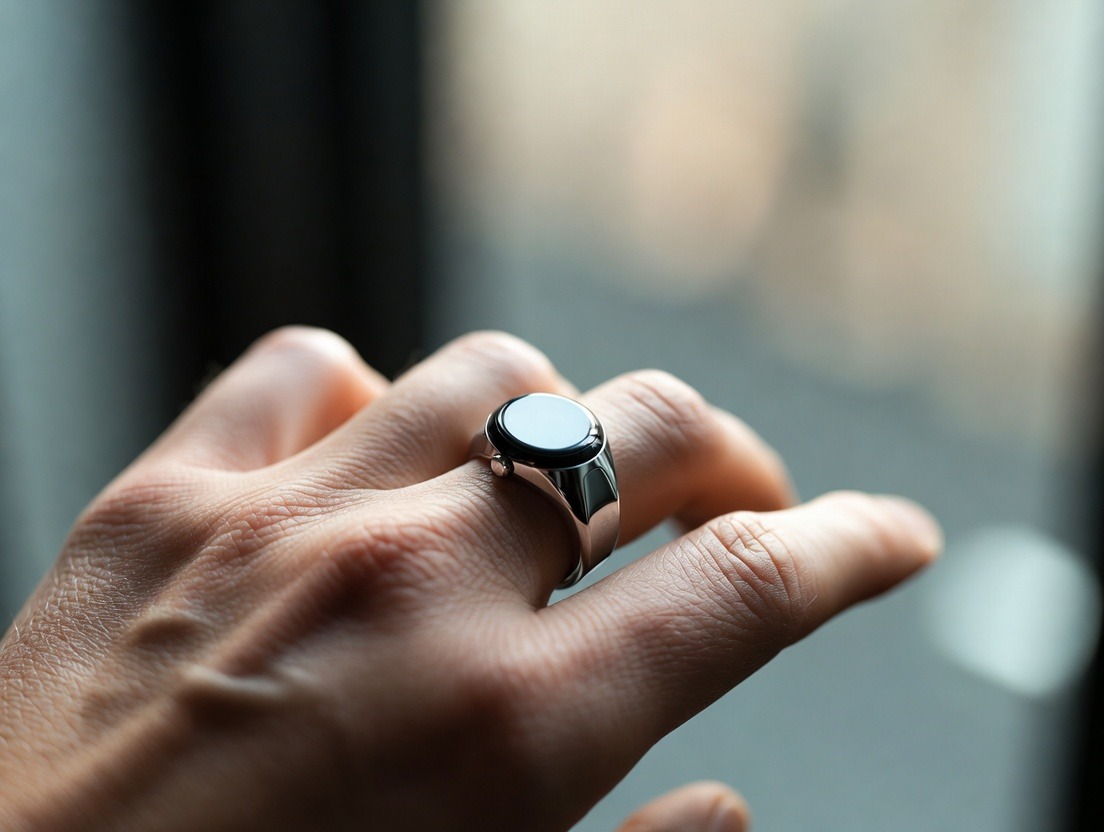
The smart ring is not an island. Its greatest power is often realized when its unique, high-fidelity dataset is integrated with other pieces of your health and life puzzle. It acts as the central, continuous physiological baseline against which other inputs can be contextualized.
Filling the Gaps of Other Devices:
The Future of Holistic Health Dashboards: The vision is a secure, user-controlled health ecosystem where your ring’s passive data forms the constant background layer. Your workout data, nutrition logs, mindfulness app sessions, and even calendar stressor events are layered on top. Advanced AI can then draw correlations you’d never see: "Your HRV consistently drops 20% on days with back-to-back meetings." "Your deep sleep peaks two nights after you eat salmon for dinner." This is personalized, systems-based health intelligence.
The smart ring, with its accuracy and continuity, is the indispensable core of this future—the reliable narrator of your body’s story, making sense of all the other chapters of your life. To begin building your own complete picture of wellness, exploring a platform built for this integrative future is the first step.
For the dedicated athlete—whether a marathoner, a CrossFit competitor, or a weekend warrior—training is a deliberate act of stress application. The fundamental principle is simple: stress the body, allow it to recover and adapt, and emerge stronger. The monumental challenge has always been in the execution: How much stress is optimal? Has recovery truly occurred? Is this fatigue productive or destructive? For generations, these questions were answered by intuition, coached experience, and crude metrics like soreness or perceived exertion.
Today, the smart ring provides a quantifiable, physiological compass for this entire process. Its accuracy advantage turns the art of training into a precise science, enabling a level of personalization and prevention previously reserved for elite professionals with entire sports science teams.
The Recovery-First Training Model: The modern paradigm shifts from "training hard every day" to "training smart based on recovery." The smart ring is the engine of this model. Key metrics guide daily decisions:
Real-World Application: The Micro-Cycle Adjustments
Consider a triathlete in a heavy training block. Their plan calls for a brutal Tuesday track session. Monday night, their ring reports poor sleep efficiency and a 15% drop in HRV despite feeling "okay." The data provides an objective warning. Instead of blindly executing the track session and risking injury or overtraining, they pivot: swapping the high-intensity intervals for a Zone 2 aerobic endurance session. This respects the body’s signal, promotes recovery, and keeps the overall training momentum positive.
Conversely, after a rest day, they might see HRV at a new personal best. This is the green light to perhaps push the pace on that tempo run slightly harder than planned, safely capitalizing on a super-compensation peak.
Preventing Overtraining Syndrome (OTS): OTS is a career-derailing condition of systemic inflammation, hormonal disruption, and performance decline caused by chronic, excessive training load without adequate recovery. Its early signs are subtle and often psychological (mood changes, loss of motivation). The smart ring catches OTS in its nascent, reversible stages—weeks before performance plummets—through a persistent, multi-week downward trend in HRV, elevated RHR, and disrupted sleep, even as training volume remains high. This early-warning system is arguably the most valuable tool a serious athlete can possess.
By transforming subjective feeling into objective fact, the smart ring empowers athletes to walk the razor's edge between peak performance and breakdown with confidence. It fosters a dialogue with the body, ensuring that the hardest workouts are done on the best days, and rest is embraced when it is most needed. This is the ultimate competitive advantage: the wisdom of the body, accurately heard and heeded. For more on tailoring this technology to athletic goals, our blog features specialized guides for different training modalities.
While the athlete battles physical stress, the modern professional faces a more insidious opponent: chronic psychological and emotional stress. Burnout—a state of emotional, physical, and mental exhaustion—has been declared an occupational phenomenon by the World Health Organization. Its onset is often a slow creep, masked by adrenaline and caffeine until a breaking point is reached. The smart ring serves as an objective, early-detection system for nervous system overload, making the invisible visible.
Your Autonomic Nervous System as a Stress Barometer: Every work deadline, difficult conversation, or inbox avalanche triggers a sympathetic nervous system response. In acute doses, this is healthy. When stress becomes chronic, the sympathetic tone remains elevated, suppressing the restorative parasympathetic system. This imbalance is directly readable in two key metrics: a suppressed HRV and an elevated resting heart rate.
Unlike a mood journal or a subjective feeling of being "stressed," these are physiological facts. Your ring can detect a stressful period even if you’re in denial about it. Perhaps your sleep is still okay, but your daytime HRV is trending down for two weeks straight during a major project cycle. This is your body whispering (then shouting) that it's operating under a heavy allostatic load.
Sleep as the Litmus Test of Daily Stress: The transition into sleep is a parasympathetic process. High stress can manifest as:
The ring’s accurate sleep staging quantifies this erosion. You don't just feel "tired"; you see that your deep sleep percentage has dropped by 30% compared to your baseline during calm periods. This data removes the ambiguity and provides a compelling reason to intervene.
Actionable Interventions from Data: Seeing the correlation is powerful. A user might notice that their HRV plummets every Wednesday after their weekly high-stakes leadership meeting. Or that their sleep score is consistently worse on nights after they work past 8 PM. This creates a feedback loop for behavior change. Armed with this evidence, they can implement targeted strategies:
In the high-stakes professional world, the smart ring becomes a biofeedback tool for sustainable performance. It shifts the culture from glorifying "busyness" and sleep deprivation to honoring recovery and nervous system resilience. It provides the hard data needed to justify soft skills like mindfulness and boundary-setting, framing them not as luxuries, but as non-negotiable requirements for long-term success and health. Hearing how others have transformed their work-life balance can be inspiring; read stories from professionals in our testimonials section.
For women, many physiological metrics follow a intricate, monthly rhythm dictated by hormonal fluctuations. Traditional wearables, using population averages, often treat the female body as a constant, leading to confusing and inaccurate insights. A woman's resting heart rate, for instance, can naturally rise by 3-5 bpm in the luteal phase (post-ovulation) due to progesterone and increased core temperature. A wrist device might misinterpret this as poor recovery or onset of illness.
The smart ring, with its ability to establish a personal baseline and track subtle trends, is uniquely suited to work with the menstrual cycle, not against it. This makes it a revolutionary tool for hormonal health awareness and Fertility Awareness Methods (FAM).
The Cornerstone: Accurate Basal Body Temperature (BBT) Tracking
The foundation of most sympto-thermal FAMs is Basal Body Temperature—your body's temperature at complete rest, taken immediately upon waking. A sustained temperature rise of about 0.3-0.5°C (0.5-1.0°F) confirms that ovulation has occurred. Traditional BBT tracking requires meticulous, same-time-every-morning oral measurements with a sensitive thermometer, a practice prone to user error and disruption.
The smart ring automates and perfects this. Its nighttime skin temperature sensor, protected from ambient air, detects the subtle biphasic pattern of the menstrual cycle with flawless consistency. The woman wakes up to a chart showing her temperature dip around ovulation and the subsequent rise, clearly confirming her fertile window has passed. This is far more reliable than spot measurements and integrates seamlessly with other data.
Cycle-Syncing Recovery & Training: By tagging their cycle phases in the app, women can view their health data through a hormonal lens. They learn that:
Beyond Fertility: A Window into Overall Health: Persistent anovulatory cycles (no temperature shift), excessively long cycles, or severe luteal phase disturbances visible in the data can be early indicators of underlying conditions like Polycystic Ovary Syndrome (PCOS), thyroid issues, or hypothalamic amenorrhea. This objective record provides powerful, timeline-specific information to share with a gynecologist or endocrinologist.
For women seeking to understand, conceive, or simply harmonize their lives with their innate biology, the smart ring offers a level of insight that feels almost like having a personal endocrinologist on your finger. It demystifies the cycle, replacing confusion with clarity and guesswork with grace. To understand how we designed our technology with diverse physiological needs in mind, you can learn about our inclusive design philosophy.
One of the most compelling applications of continuous, accurate physiological monitoring is its predictive power. The body often signals distress through subtle, systemic changes long before explicit symptoms like a cough or sore throat emerge. The smart ring, with its 24/7 surveillance of multiple vital signs, is positioned to detect these early whispers, functioning as a proactive health guardian.
The Pre-Symptomatic Signature of Illness: Research, including studies conducted with smart ring data, has shown a consistent pattern in the days leading up to a symptomatic infection (like a common cold or even COVID-19):
Individually, any one of these could be a fluke. But when a smart ring’s algorithm detects a concerted deviation across all these metrics outside your normal range, it raises a high-probability flag. Users frequently report receiving a "higher temperature" or "elevated physiological activity" notification from their ring 1-3 days before they feel unwell. This early notice is invaluable. It allows for immediate implementation of supportive measures: extra hydration, prioritizing sleep, reducing stress and intense exercise, and perhaps even limiting contact with others. This can potentially shorten the illness duration, lessen its severity, or prevent its full onset.
Metabolic and Inflammatory Insights: Beyond acute infection, these same signals can point to chronic issues. A persistently elevated RHR and low HRV, coupled with poor sleep, could indicate underlying systemic inflammation, poorly managed stress, or metabolic dysfunction. For someone managing a condition like diabetes or heart disease, these trends are critical to share with a healthcare provider. It turns episodic doctor visits into continuous, data-informed management.
From Reactive to Proactive Healthcare: This transforms the user from a passive patient waiting for symptoms to an active participant in health preservation. Instead of the model being "feel sick -> go to doctor," it becomes "receive physiological alert -> implement supportive care -> potentially avoid getting sick." This is the frontier of preventative health: intercepting dysfunction at the earliest possible moment. For a deeper dive into the science behind illness prediction and metabolic tracking, our blog covers the latest research in this exciting field.
The ultimate health goal for many is not merely to live longer, but to live well longer—to extend one's "healthspan," the period of life spent in good health and vitality. Achieving this requires understanding the long-term trends of your physiology. What does "normal aging" look like for you? How do your lifestyle choices nudge those trends in a positive or negative direction? The smart ring is the ideal tool to build this lifelong dataset.
Establishing a Personal Aging Baseline: Aging is associated with certain physiological changes: a gradual decline in HRV, a slight increase in resting heart rate, changes in sleep architecture (less deep sleep), and a slowing of metabolism. However, the rate of this decline is heavily influenced by lifestyle. By wearing a ring consistently from, say, age 40 onward, you are no longer comparing yourself to generic age-based charts. You are tracking your own trajectory. You can see if your HRV at 50 is better or worse than it was at 45, and directly correlate that with periods of consistent exercise, dietary changes, or high stress.
The Power of Micro-Trends Over Decades: Small, positive daily habits compound. The ring makes this compounding visible. You can see that the year you committed to a consistent bedtime ritual, your average deep sleep increased by 8%. The period when you took up regular zone 2 cardio correlated with a 10% improvement in your nightly HRV average. These are powerful motivators. They transform abstract health advice ("exercise is good for you") into a personal, quantified truth ("my daily walks have improved my cardiovascular resilience by this measurable amount").
Informing Major Life Decisions: As you approach different life stages, this long-term data becomes an invaluable decision-support tool. Considering a major career change? Review how your current job has impacted your stress and sleep metrics over the last five years. Entering retirement? Use your established baselines to ensure your new routine supports, rather than diminishes, your physiological vitality. This data provides an objective health "net worth" statement that is far more meaningful than any financial one.
A Legacy of Self-Knowledge: Imagine having a 30-year graph of your body's key vital signs—a unique biography of your physical being. This dataset would be an unprecedented gift to both yourself and, potentially, your healthcare providers. It moves medicine from treating episodic sickness to coaching lifelong vitality. The smart ring is the first practical, consumer-friendly device capable of starting this journey, offering a window into the slow, graceful arc of a well-lived life. Beginning this journey requires a reliable companion; discover how our platform is built for the long-term tracking of your healthspan.
The mind and body are not separate entities; they are a deeply integrated system. Emotional states have physiological correlates, and vice-versa. While a smart ring cannot diagnose depression or anxiety, it can provide objective, correlative data that bridges the perceived gap between emotional feeling and physical state, offering powerful insights for mental wellbeing.
Quantifying the Physical Footprint of Emotions: Intense emotions leave a clear signature. A panic attack will show as a dramatic spike in heart rate, a crash in HRV, and often an increase in respiratory rate. A day of persistent anxiety might manifest as a sustained elevation in resting heart rate and a suppressed HRV, even if sleep appears normal. Conversely, a day of deep contentment, flow, or social connection might correlate with a higher-than-average HRV. The ring makes these connections tangible. For someone in therapy or practicing mindfulness, this data is gold. It provides external validation of internal states. "I felt overwhelmed today, and my body shows it" can reduce self-judgment and reinforce the reality of the experience.
Sleep as a Mental Health Vital Sign: The bidirectional relationship between sleep and mental health is well-documented. Poor sleep exacerbates anxiety and low mood; anxiety and depression disrupt sleep. The ring’s accurate sleep tracking removes the guesswork. A user with depression might report "I sleep all the time." The ring data could reveal that while they are in bed for 10 hours, they are getting only 45 minutes of restorative deep sleep and fragmented REM—a pattern consistent with the condition. This can guide treatment focus and track the impact of interventions like improved sleep hygiene or medication.
Biofeedback for Mindfulness Practices: This is one of the most actionable applications. By performing a 10-minute breathing meditation or a body-scan exercise while viewing a real-time heart rate graph on their phone (paired with the ring), a user can directly observe their physiology calming down. They can see their heart rate drop and HRV increase in real-time. This reinforces the practice, proving its efficacy on a biological level. Over time, they can track if a consistent meditation practice leads to an improved baseline HRV or better sleep scores, turning a subjective practice into an objectively verified pillar of health.
Breaking the Cycle of Rumination: For those prone to anxious rumination at night, seeing objective data can be liberating. Lying awake with a racing heart, they might check their ring data and see that their heart rate is actually normal and they have had more sleep than they thought. This can short-circuit the anxiety loop ("I'm not sleeping, therefore I'll fail tomorrow") and allow them to relax back into rest.
By providing an impartial, physiological mirror to our emotional world, the smart ring fosters a more compassionate and evidence-based relationship with our own minds. It helps demystify mental health, showing it as an integral part of our whole-body system. For support on integrating this data into a holistic wellness practice, our FAQ section addresses common questions on mindfulness and data interpretation.
The era of generic health advice is ending. We now understand that individual responses to food, exercise, and supplements can vary wildly due to genetics, microbiome, and lifestyle. The emerging paradigm is the "N-of-1" experiment, where you are the sole subject of your own research. The smart ring, providing a continuous stream of high-fidelity response data, is the perfect laboratory instrument for this personal science.
Moving Beyond the Scale: Traditional nutrition tracking focuses on inputs (calories, macros) and a single, crude output (body weight). The smart ring adds a rich layer of physiological outcomes. You can now ask and answer questions like:
Identifying Food Sensitivities & Inflammatory Responses: Subtle, non-celiac food sensitivities might not cause stomach pain but can trigger low-grade inflammation, disrupting the nervous system. You might discover that on days you consume dairy or gluten, your nighttime HRV is consistently 10% lower and your skin temperature is slightly elevated, even without digestive issues. This objective feedback empowers you to make dietary choices based on your body's unique response, not just trends.
Optimizing Caffeine & Other Stimulants: When is the best time for your morning coffee? A ring can show you if a 4 PM coffee truly fragments your sleep architecture that night. You can experiment with cutting off caffeine at 2 PM and see if your deep sleep percentage improves.
The Iterative Process of Self-Optimization: This turns health into an engaging, lifelong experiment. The process is simple: 1) Change one variable (e.g., add a 10-minute walk after lunch). 2) Hold others constant. 3) Measure the effect on your ring’s core metrics over 1-2 weeks. 4) Analyze and adapt. Did your afternoon energy slump disappear? Did your sleep latency improve? This method cultivates a deep, evidence-based intuition about what your body truly needs to thrive.
The smart ring thus becomes the ultimate tool for bio-individuality. It silences the noise of conflicting health advice and amplifies the one voice that matters most: the clear, consistent data signal from your own body. To see how others have used this approach to transform their health, explore real-world user stories and experiments.
We are standing at the precipice of a healthcare revolution, moving from a reactive, one-size-fits-all model to a proactive, hyper-personalized, and predictive system. The smart ring is a critical physical gateway to this future. Its role will evolve from a standalone insights generator to the core sensor node in an integrated, AI-driven health ecosystem—a "Personalized Health Avatar."
The AI Health Coach: Imagine an AI that doesn't just see your ring data, but also integrates with your electronic medical records (with permission), your genetic data from companies like 23andMe, your continuous glucose monitor (CGM) streams, and even your digital calendar. This AI could:
Seamless Clinical Integration: Your "Health Avatar" data, summarized and trended, could be securely shared with your healthcare team during annual check-ups or telehealth visits. Instead of relying on your memory of "I've been sleeping okay," your doctor sees a 12-month graph of your sleep stability, resting heart rate trend, and nocturnal oxygen variations. This turns a 15-minute appointment into a deeply informed collaboration.
The Ecosystem of Sensors: The ring will not stand alone. It will be part of a network of discreet, specialized wearables—perhaps a CGM patch, an ECG-enabled chest patch for periodic detailed readings, and smart clothing. The ring, due to its permanence and comfort, will act as the central hub, providing the constant contextual baseline that makes data from intermittent devices meaningful. It answers the question: "Is this glucose spike happening in the context of a stressed or a recovered physiological state?"
This future is not science fiction; it is the logical extension of the accuracy and continuity advantages the smart ring already possesses. By choosing a platform committed to this integrative, open, and privacy-focused vision, users are not just buying a product; they are investing in the foundation of their future health intelligence. To understand how we are building towards this interconnected future, you can learn about our vision and roadmap.
With the market growing, selecting a smart ring is no longer a simple task. Not all rings are created equal, and the "accuracy advantage" varies significantly between brands and models. Choosing the right one requires looking beyond marketing and understanding the key differentiators that guarantee high-quality data.
1. Sensor Technology & Wavelengths: This is the foundation. A ring offering only green LED PPG is inherently limited. Look for models that advertise multi-wavelength PPG, specifically including red and infrared (IR) LEDs. This is crucial for accurate SpO2 (blood oxygen) sensing, better performance across skin tones, and more robust heart rate detection during motion. Ask: What specific sensors are inside?
2. Algorithmic Sophistication & Validation: The hardware captures the signal; the software interprets it. Investigate the company's clinical validation efforts. Have they published or participated in peer-reviewed studies comparing their data to gold-standard equipment (PSG, ECG)? A company invested in validation is a company committed to accuracy, not just features. Review their white papers or research pages.
3. The App & Insight Quality: The app is your interface with the data. Download it before you buy the ring (if possible). Evaluate:
4. Battery Life & Form Factor: Accuracy requires constant wear. A ring that needs daily charging will inevitably create data gaps. Look for a minimum of 5-7 days of battery life on a single charge. The physical design must be comfortable for 24/7 wear, including sleep and exercise. Consider weight, profile (is it bulky?), and inner contour.
5. Data Privacy & Philosophy: This is non-negotiable. Scrutinize the Privacy Policy. Key questions: Where is data processed (on-device is most secure)? Is raw data sold or shared with third parties? Can you delete your data entirely? How is anonymized data used for research? Choose a company that is transparent and treats your biometric data as the sacred property that it is.
6. Ecosystem & Integration: Consider your existing tech ecosystem. Does the ring sync seamlessly with Apple Health or Google Fit? Does it offer an open API for advanced users to export data? If you use other apps (TrainingPeaks, MyFitnessPal, etc.), check for compatibility.
The Investment Perspective: A high-accuracy smart ring is an investment in your long-term health intelligence, not a consumer electronics impulse buy. Prioritize sensor quality, validation, and privacy over gimmicky features or flashy designs. The right ring should feel like a trusted partner in your health journey, silently gathering the truthful data upon which you can build a better life. For a detailed comparison and to see how we meet these critical criteria, visit our main page to explore specifications and philosophy.
Owning a sophisticated health monitor is one thing; integrating its insights into the fabric of your daily existence to create lasting change is another. The true value of the smart ring’s accuracy advantage is only realized when its data moves from your phone screen into your conscious choices and subconscious habits. This transition requires a thoughtful, phased approach to avoid overwhelm and ensure sustainable adoption.
Phase 1: The Observation Period (Weeks 1-4)
Resist the urge to make immediate, drastic changes. Your first month should be dedicated to passive data collection and baseline establishment. Wear the ring consistently, charge it as needed, and simply review your daily scores and nightly reports. The goal here is not to "get a perfect score" but to learn what "normal" looks like for you. Observe the natural fluctuations. What is your average HRV? What does your temperature curve typically do? How much deep sleep do you usually get? This phase builds trust in the device and provides the crucial personal benchmark against which all future changes will be measured. It’s about listening, not judging.
Phase 2: The Correlation Phase (Months 2-3)
With a baseline established, begin gently experimenting with tagging or noting lifestyle factors. Most advanced apps allow you to tag days with specific influences:
After a few weeks of tagging, look for patterns. The app itself may highlight them: "On nights you log alcohol, your resting heart rate is an average of 8 bpm higher." This is where the "aha" moments happen. You move from seeing data to understanding causes. This phase turns abstract health principles into personal, undeniable truths.
Phase 3: The Action & Optimization Phase (Ongoing)
Armed with correlation knowledge, you can now implement targeted, micro-adjustments. This is not about overhauling your life overnight. It’s about incremental, data-informed tweaks.
The key is to change one variable at a time and observe the effect over 1-2 weeks. This methodical approach, powered by accurate feedback, makes behavior change less about willpower and more about a system of cause and effect that you can see and trust.
Integration with Existing Routines: The smart ring should slot into, not disrupt, your life. Sync your morning score review with your coffee ritual. Let your "Readiness" score inform your workout playlist choice (high-intensity vs. recovery). Use your wind-down reminder as a cue to start your bedtime routine. The goal is for the ring’s guidance to become a seamless, supportive voice in your daily rhythm, not a demanding chore-master. For practical tips on building these routines, our blog is a resource for habit formation and data integration.
The pursuit of optimal health data carries a paradoxical risk: the obsession with perfect scores can itself become a source of stress, defeating the very purpose of the tool. This condition, sometimes called "orthosomnia" (a preoccupation with perfect sleep), or more broadly, "data anxiety," is a real pitfall. Navigating it is essential for sustainable, positive use of a smart ring.
Recognizing the Signs of Data Anxiety:
Strategies for a Balanced Perspective:
The most advanced health technology is useless if it harms your mental wellbeing. The goal is to use the ring’s accurate data to foster a more informed, compassionate, and responsive relationship with your body—not to become a slave to a number on a screen. Cultivating this balance is the hallmark of a mature and truly health-optimizing approach. If you struggle with this balance, our FAQ section offers advice on managing data interpretation and mindset.
While health is deeply personal, there is immense power in context. Seeing your data in isolation can sometimes feel like navigating without a map. This is where the responsible, privacy-centric use of aggregated, anonymous community data adds a powerful layer of meaning to your personal metrics, without compromising individual confidentiality.
The Value of Anonymous, Population-Level Benchmarking: Advanced platforms often provide the option to compare your trends to an anonymous aggregate of users similar to you in age, gender, and perhaps activity level. This is not about competition, but about contextualization.
Group Challenges & Shared Goals: Some platforms enable private groups—for a family, a group of friends, or a corporate wellness program—to participate in collective challenges. These aren't about who sleeps the best, but about collective participation: "Our team averaged 7.5 hours of sleep this week" or "We collectively logged 500 mindfulness minutes." This fosters a supportive environment where health is a shared value, creating positive social reinforcement and accountability.
Contributing to Larger Research: By opting in to anonymized data donation for research, users can contribute to large-scale studies on sleep, disease prediction, or population health trends. This turns your personal device into a citizen-science tool, helping advance medical knowledge for everyone. It’s a powerful way to feel that your journey is part of something larger. Reputable companies are transparent about this process and always seek explicit, informed consent.
The "We're In This Together" Effect: Health optimization can sometimes feel like a lonely pursuit. Seeing that others are also working on their recovery, struggling with travel-induced jet lag, or seeing their metrics improve with lifestyle changes creates a sense of community. It normalizes the ups and downs, reducing the stigma or isolation that can come from focusing on personal data. Reading about others' journeys can provide both comfort and inspiration, as seen in the shared experiences and successes documented in our user testimonials.
The proliferation of accurate, consumer-friendly health monitoring devices like smart rings is not merely a trend in personal wellness; it represents a potential seismic shift in the entire structure of healthcare systems. By empowering individuals with preventative knowledge and providing clinicians with rich, longitudinal data, this technology points toward a future focused on sustaining health rather than merely treating sickness—a shift that could alleviate immense economic and human cost.
From Sick-Care to True Health-Care: Modern healthcare systems are predominantly reactive. A patient presents with symptoms, and the system works to diagnose and treat the disease. This is costly, often invasive, and by definition, begins after a problem has already taken root. The smart ring enables a proactive, participatory model. Individuals, equipped with trend data, can bring concerns to a provider before a crisis: "My HRV has been trending down and my resting heart rate up for six weeks, despite no change in my routine. What could this indicate?" This shifts the interaction from acute intervention to early investigation and preventative coaching.
Reducing the Burden of Chronic Disease: The leading drivers of healthcare costs globally—cardiovascular disease, diabetes, metabolic syndrome—are overwhelmingly lifestyle-related and develop over decades. The continuous metrics from a smart ring (trending RHR, HRV, sleep, activity) provide the perfect early-warning system for the metabolic and cardiovascular dysregulation that precedes these conditions. Widespread adoption could lead to population-level interventions much earlier in the disease pathway, potentially preventing or dramatically delaying the onset of expensive, debilitating chronic illnesses.
Enhancing Telehealth and Remote Triage: The COVID-19 pandemic accelerated the adoption of telehealth. Smart ring data supercharges this model. Instead of a video call based on subjective description, a provider can review a patient's preceding weeks of physiological trends. For post-operative monitoring or managing chronic conditions like hypertension or heart failure, continuous data allows for remote vigilance, reducing unnecessary hospital readmissions and in-person visits while improving outcomes.
The Economic Imperative: The potential for cost savings is staggering. Preventing a single case of type 2 diabetes or a heart attack saves hundreds of thousands in lifetime medical costs. Reducing hospital readmissions through better remote monitoring saves millions system-wide. While the upfront cost of a smart ring is borne by the individual, the downstream savings benefit insurers, employers (through healthier, more productive employees), and public health systems. This creates a compelling economic argument for insurers and employers to subsidize or provide these devices, aligning financial incentives with health outcomes.
This long-term vision positions the smart ring not as a gadget, but as a critical node in a smarter, more humane, and sustainable health ecosystem. It’s a tool for individual empowerment that, at scale, has the power to bend the curve of public health. Our commitment to this broader mission is detailed in our company vision and values.
We began this exploration with a simple, powerful premise: in the quest to understand our health, the quality of our data is everything. Garbage in, garbage out. The smart ring, through its anatomical superiority, advanced sensor fusion, and passive, continuous design, offers a decisive accuracy advantage over its wrist-worn predecessors.
This advantage is not a marginal technical specification; it is the foundational element that transforms the entire user experience. It changes what is possible. Because the data is more accurate, we can:
This journey from raw data to personal wisdom is the ultimate promise of the smart ring. It democratizes a level of self-knowledge that was once the exclusive domain of elite athletes with access to sports labs or patients undergoing intensive hospital monitoring. It puts a personal biostatistician on your finger, one that works 24/7 to translate the silent language of your physiology into actionable insights.
The path forward is one of integration, not obsession; of curiosity, not anxiety. It requires choosing a tool built on scientific validation and ethical data practices, and then engaging with it as a guide and partner. The goal is not a perfect score every day—that is neither possible nor desirable in a dynamic, living organism. The goal is the trend line of your life bending upward toward greater resilience, vitality, and understanding.
As this technology evolves, integrating with AI and broader health ecosystems, its role will only deepen. It will become the core of a personalized health avatar, guiding us toward longer healthspans and more fulfilling lives. But that future starts with the simple, profound act of listening—listening to your body with the best tools available, and having the courage to heed what you learn.
The accuracy advantage is more than a feature. It is the key that unlocks a new relationship with the one subject that matters most: yourself. It is an invitation to move from guessing to knowing, from reacting to anticipating, and from managing illness to cultivating enduring wellness. The question is no longer whether the technology is accurate enough to be useful, but whether we are ready to use such a powerful truth-telling tool to write a healthier next chapter of our lives. To begin that chapter, the first step is seeking a platform you can trust. Discover how our approach to accurate, meaningful health data can start your journey.
Your Trusted Sleep Advocate: Sleep Foundation — https://www.sleepfoundation.org
Discover a digital archive of scholarly articles: NIH — https://www.ncbi.nlm.nih.gov/
39 million citations for biomedical literature :PubMed — https://pubmed.ncbi.nlm.nih.gov/
Experts at Harvard Health Publishing covering a variety of health topics — https://www.health.harvard.edu/blog/
Every life deserves world class care :Cleveland Clinic - https://my.clevelandclinic.org/health
Wearable technology and the future of predictive health monitoring :MIT Technology Review — https://www.technologyreview.com/
Dedicated to the well-being of all people and guided by science :World Health Organization — https://www.who.int/news-room/
Psychological science and knowledge to benefit society and improve lives. :APA — https://www.apa.org/monitor/
Cutting-edge insights on human longevity and peak performance:
Lifespan Research — https://www.lifespan.io/
Global authority on exercise physiology, sports performance, and human recovery:
American College of Sports Medicine — https://www.acsm.org/
Neuroscience-driven guidance for better focus, sleep, and mental clarity:
Stanford Human Performance Lab — https://humanperformance.stanford.edu/
Evidence-based psychology and mind–body wellness resources:
Mayo Clinic — https://www.mayoclinic.org/healthy-lifestyle/
Data-backed research on emotional wellbeing, stress biology, and resilience:
American Institute of Stress — https://www.stress.org/


