


Anxiety Reduction and Nutrition: The Gut-Brain Anxiety Connection
Explores how diet and gut health are connected to anxiety.
Explores how diet and gut health are connected to anxiety.
%402x.svg)
For centuries, the experience of anxiety—that tightness in the chest, the racing thoughts, the sense of impending doom—was placed squarely in the mind. The solutions offered, from philosophical stoicism to modern psychotherapy, targeted the brain. Meanwhile, we relegated our digestive system to a purely mechanical role: process food, absorb nutrients, expel waste. A separate entity. A less sophisticated one.
But a profound scientific revolution is overturning this centuries-old dogma. What if the key to calming a turbulent mind lies not only in your thoughts but also in your intestines? What if the butterflies in your stomach are not just a metaphor, but a literal biological conversation?
Emerging from the frontier of neuroscience, microbiology, and nutrition is a groundbreaking truth: the gut and the brain are in constant, intimate dialogue. This gut-brain axis is a two-way superhighway of nerves, hormones, and immune signals. And the trillions of microorganisms residing in your gut—your microbiome—are not passive residents. They are active participants in this conversation, producing neurotransmitters, modulating inflammation, and sending signals that directly influence your mood, cognition, and emotional resilience.
This article is a deep exploration into the gut-brain anxiety connection. We will dismantle the artificial barrier between mental and digestive health and reveal how the food you eat directly scripts the messages sent to your brain. This isn't about a single "magic" food. It's about understanding the dietary patterns that cultivate a microbiome which whispers messages of calm, rather than screams of alarm. We will journey through the science of microbial messengers, the inflammatory fires that fuel anxiety, and the practical nutritional strategies you can implement to nourish your body and quiet your mind. By the end, you will possess a powerful, evidence-based framework for using nutrition as a foundational tool for anxiety reduction.
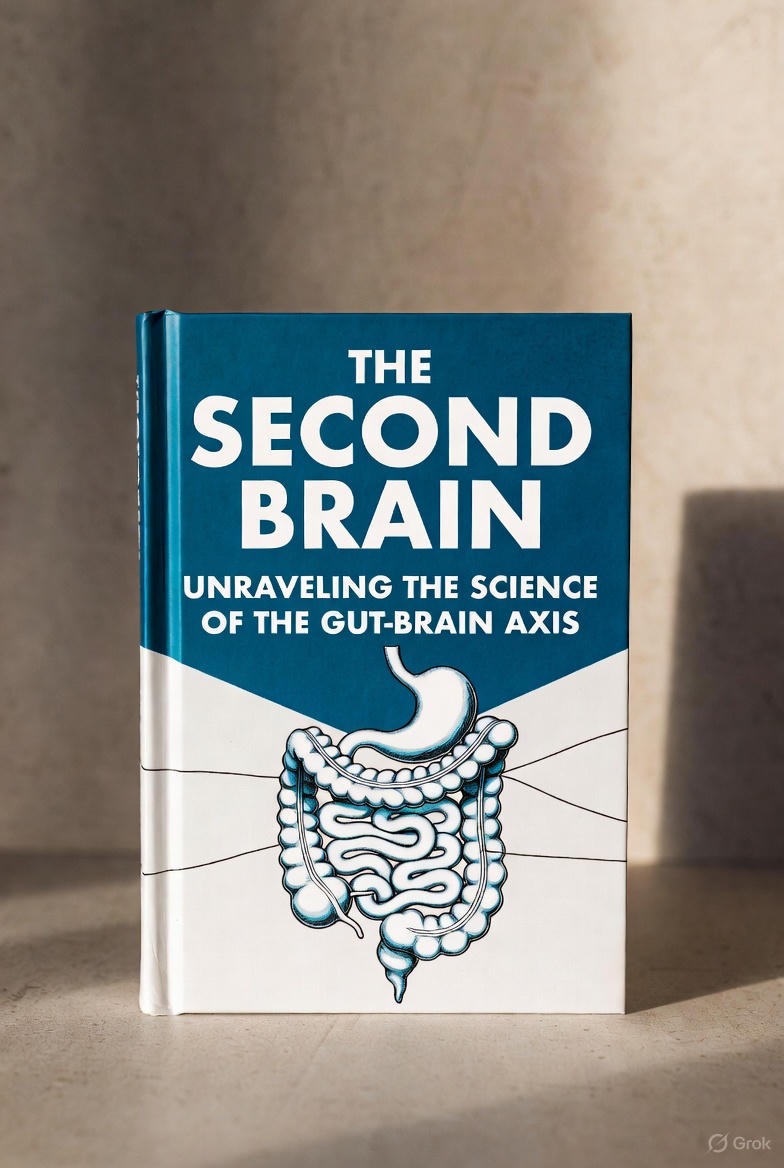
The idea that your gut influences your emotions isn't entirely new; folklore and cultural sayings have hinted at it for ages. But modern science has now mapped the sophisticated biological infrastructure that makes this possible. At the core of this discovery is the enteric nervous system (ENS), a vast network of over 100 million neurons embedded in the walls of your gastrointestinal tract. Often called the "second brain," the ENS can operate independently, orchestrating the complex processes of digestion, but it is in constant communication with the brain in your skull via the vagus nerve.
The vagus nerve is the body's longest cranial nerve and the central information highway of the gut-brain axis. Think of it as a fiber-optic cable, transmitting signals in both directions. Approximately 80-90% of the fibers in the vagus nerve are afferent, meaning they carry information from the gut to the brain. Your gut is talking to your brain far more than your brain is talking to your gut.
This communication happens through several key mechanisms:
The implications are staggering. An imbalanced gut microbiome, known as dysbiosis, characterized by a reduction in beneficial bacteria and an overgrowth of harmful ones, doesn't just cause bloating or discomfort. It can generate a constant stream of stress signals, pro-inflammatory cytokines, and an imbalance in neurotransmitter precursors, creating a physiological state primed for anxiety. Understanding this axis is the first step in realizing that managing anxiety is a whole-body endeavor, one that begins on your plate.
Zoom in from the superhighway to the trillions of individual messengers themselves: your gut microbiota. This diverse ecosystem of bacteria, viruses, fungi, and archaea is as unique as a fingerprint and acts as a living, breathing endocrine organ that directly shapes your mental landscape.
The conversation happens through a complex language of biochemicals. Let's decode the key dialects:
1. The Neurotransmitter Dialect: As mentioned, certain bacterial strains are capable of synthesizing or precursing neurotransmitters. For example:
* Lactobacillus and Bifidobacterium species can produce GABA.
* Escherichia and Enterococcus species can produce serotonin.
* Bacillus species can produce dopamine and norepinephrine.
While research is ongoing to understand exactly how these microbial-produced neurotransmitters exert effects in the brain, they undoubtedly influence the local gut environment and the signals sent via the vagus nerve.
2. The Metabolic Dialect (Short-Chain Fatty Acids): When you feed your good bacteria with dietary fiber (prebiotics), they thank you by producing SCFAs. Butyrate, in particular, is a superstar for mental health. It serves as the primary energy source for the cells lining your colon, maintaining a strong gut barrier to prevent inflammation. Furthermore, butyrate has epigenetic effects, meaning it can influence how your genes are expressed, including genes related to brain-derived neurotrophic factor (BDNF), a protein essential for neuron growth and resilience. Low BDNF is a common finding in mood disorders.
3. The Tryptophan Pathway: Tryptophan is an essential amino acid from your diet (found in turkey, eggs, seeds). It is a precursor to serotonin. However, it exists at a metabolic crossroads. In a healthy gut, a significant portion is converted into serotonin. But in dysbiosis, gut bacteria can shunt tryptophan down a different inflammatory pathway called the kynurenine pathway, leading to neuroactive metabolites that can be anxiety-provoking and even neurotoxic. What determines the path? The state of your microbiome.
4. The Endocrine Dialect: Your gut microbes significantly influence your body's stress hormone response, the hypothalamic-pituitary-adrenal (HPA) axis. A balanced microbiome helps modulate and turn off the cortisol (stress hormone) response appropriately after a stressful event. Dysbiosis, however, is linked to HPA axis hyperactivity, leading to sustained high cortisol levels—a classic physiological feature of chronic anxiety.
The takeaway is that your diet directly selects which bacterial populations thrive. A diet high in processed foods, sugars, and unhealthy fats is like fertilizing the "weeds" in your gut garden—bacteria that produce inflammatory compounds and weak SCFAs. A diet rich in diverse fibers, fermented foods, and polyphenols cultivates the "flowers"—bacteria that produce calming, anti-inflammatory messages. You are, with every meal, voting for the kind of internal dialogue you want your gut to have with your brain.
If the gut-brain axis is the communication network, and microbes are the messengers, then inflammation is often the destructive, staticky noise that corrupts the signal. The link between systemic inflammation and anxiety is one of the most robust findings in modern psychoneuroimmunology.
Chronic, low-grade inflammation creates a state of physiological alarm throughout the body, and the brain is exquisitely sensitive to it. Here’s how the gut-driven inflammatory cascade fuels anxiety:
The result? An anxious brain. The amygdala becomes hyper-reactive, perceiving threat more easily. The prefrontal cortex, responsible for calming the amygdala and employing reason, becomes impaired. You are left in a state of heightened vigilance, easily startled, with racing thoughts and a sense of unease—all from a fire that may have started in your gut.
This is why anti-inflammatory diets are so powerful for anxiety management. By removing inflammatory dietary triggers (like refined sugars, industrial seed oils, and processed foods) and incorporating potent anti-inflammatory foods (like omega-3 fatty acids, turmeric, and berries), you are not just helping your joints or skin; you are directly dousing the flames that are overheating your nervous system. For a deeper dive into how lifestyle tracking can help you identify personal inflammatory triggers, our blog features articles on using data for personalized wellness.
To cultivate a calm mind, we must first identify and reduce the dietary patterns that disrupt the gut-brain dialogue. The Standard American Diet (SAD), increasingly common globally, is practically a blueprint for creating dysbiosis and inflammation. Let’s examine the primary dietary culprits that can exacerbate or even initiate anxiety.
1. Refined Sugars and High-Fructose Corn Syrup: Sugar is a primary fuel for pathogenic (harmful) bacteria and yeast like Candida, allowing them to outcompete beneficial bacteria. This directly promotes dysbiosis. Furthermore, a high-sugar diet leads to blood glucose spikes and crashes, which can mimic or trigger feelings of anxiety—jitteriness, sweating, heart palpitations. Chronically high blood sugar also promotes the production of advanced glycation end products (AGES), which drive systemic inflammation.
2. Industrial Seed Oils (Omega-6 Overload): Oils like soybean, corn, sunflower, and canola oil are ultra-processed and exceptionally high in omega-6 fatty acids. While we need some omega-6s, the modern diet provides an extreme imbalance—often a ratio of 20:1 omega-6 to omega-3. This skewed ratio is profoundly pro-inflammatory, as omega-6s are precursors to inflammatory eicosanoids. This chronic inflammatory state directly fuels the neuroinflammation-anxiety cycle.
3. Artificial Sweeteners: Often marketed as a "healthy" alternative to sugar, emerging research suggests sweeteners like aspartame, sucralose, and saccharin may negatively alter the gut microbiome. Studies in animals and humans indicate they can reduce microbial diversity and increase populations of bacteria associated with glucose intolerance and inflammation. For some individuals, they may also trigger cravings and disrupt metabolic signaling.
4. Ultra-Processed Foods: These are not "food" in the traditional sense, but industrial formulations. They are typically low in fiber (starving good bacteria), high in the aforementioned sugars and oils, and packed with emulsifiers (like polysorbate-80 and carboxymethylcellulose) and artificial additives. Emulsifiers, in particular, have been shown in studies to erode the protective mucus layer of the gut and damage tight junctions, directly promoting leaky gut and its inflammatory consequences.
5. Gluten and Dairy (For Susceptible Individuals): This is not a blanket condemnation. For many, these are nutritious foods. However, for those with non-celiac gluten sensitivity or casein (dairy protein) intolerance, these proteins can trigger significant gut inflammation and permeability. The resulting immune response and release of opioids called gluteomorphins and casomorphins can affect the nervous system, contributing to brain fog, mood swings, and anxiety. An elimination diet can be a valuable tool to identify personal reactivity.
6. Excessive Alcohol and Caffeine: Alcohol is a direct gut irritant, disrupts the microbiome, and increases intestinal permeability. Caffeine, a stimulant, can exacerbate anxiety symptoms like nervousness, heart racing, and agitation in sensitive individuals. It can also disrupt sleep, which is critical for emotional regulation and gut health.
Recognizing these triggers is not about fostering a mindset of fear around food, but one of empowerment. By consciously reducing these elements, you remove obstacles to a healthy gut-brain conversation, creating a clean slate upon which to build a nourishing, anxiety-reducing diet. For personalized guidance on navigating dietary changes, our FAQ page addresses common questions about lifestyle adjustments for better mental wellness.
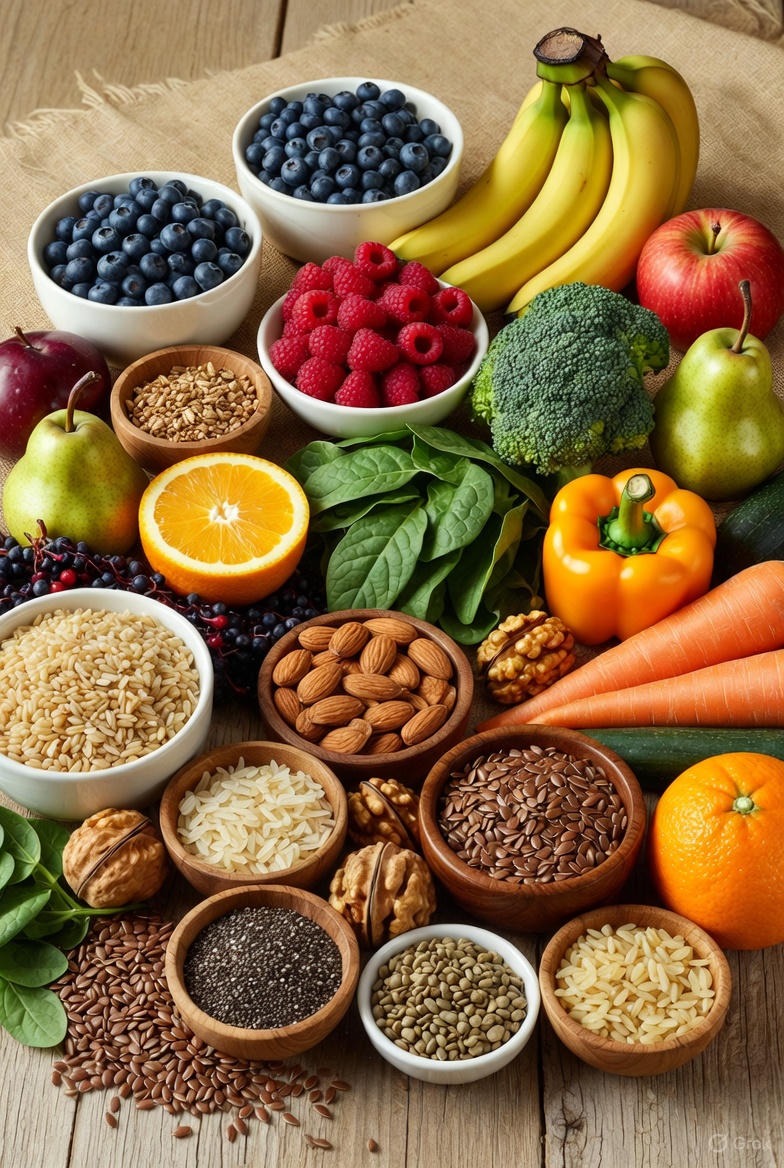
Having cleared the dietary underbrush, we now turn to the constructive work: building a nutritional foundation that actively cultivates a resilient, calming microbiome. This foundation rests on three pillars: dietary fiber, prebiotics, and polyphenols. These are the fertilizers, soil conditioners, and protective agents for your internal garden.
Dietary Fiber: The Bulk Fuel
Fiber, the indigestible part of plant foods, is non-negotiable for gut health. It adds bulk to stool, but its true magic happens via fermentation. Soluble fiber dissolves in water, forming a gel and becoming food for your gut bacteria. Insoluble fiber adds bulk and helps move things along. Most adults consume far less than the recommended 25-38 grams per day. By increasing fiber intake gradually, you provide the essential fuel your microbial allies need to produce SCFAs and multiply.
Prebiotics: The Targeted Fertilizer
All prebiotics are fiber, but not all fiber is prebiotic. Prebiotics are specific, non-digestible food ingredients that selectively stimulate the growth and/or activity of beneficial bacteria (like Bifidobacteria and Lactobacilli) already residing in the colon. They are the precision tools for microbiome gardening.
Polyphenols: The Antioxidant Protectors
Polyphenols are potent antioxidant and anti-inflammatory compounds found abundantly in colorful plant foods. Your gut bacteria transform polyphenols into more absorbable, bioactive metabolites. This process not only yields health benefits but also promotes the growth of beneficial bacteria like Akkermansia muciniphila, which is crucial for gut lining integrity.
Practical Application: The Daily Framework
Building this foundation is about daily habits, not perfection.
By making these foods the cornerstone of your diet, you are not just eating for physical health. You are conducting a daily act of microbial stewardship, actively shaping an internal ecosystem that is primed to produce calm, reduce inflammation, and send signals of resilience to your brain. This foundational work sets the stage for introducing the most powerful functional foods of all.
If prebiotics are the fertilizer, then probiotics are the beneficial seeds, and fermented foods are the mature plants you introduce to your garden. These are live microorganisms that, when administered in adequate amounts, confer a health benefit on the host. Incorporating them is the most direct way to influence the composition of your gut microbiota.
Fermented Foods: The Traditional Powerhouses
For millennia, cultures worldwide have used fermentation to preserve food, unknowingly harnessing its probiotic power. These foods contain a diverse array of live cultures that can temporarily inhabit your gut, influence the local immune system, and outcompete pathogens.
The goal is diversity and consistency. A tablespoon of sauerkraut one day, a cup of kefir the next, some kimchi with your rice. This regular exposure introduces a wider variety of microbial strains, enhancing the resilience of your gut ecosystem.
Probiotic Supplements: The Targeted Reinforcements
Supplements can be useful, especially after a course of antibiotics, during high stress, or when dealing with specific digestive issues. However, they are not a magic bullet and should complement, not replace, a diet rich in fermented foods and fiber.
The Synbiotic Approach
The most powerful strategy is synbiotic—combining prebiotics and probiotics. This gives the beneficial bacteria you ingest (probiotics) the food they need (prebiotics) to thrive and colonize. Think of having your kefir (probiotic) with a green banana (prebiotic) in a smoothie, or eating sauerkraut (probiotic) with your onion-rich stew (prebiotic).
By actively cultivating your internal ally army through fermented foods and strategic probiotic use, you increase the population of bacteria capable of producing calming neurotransmitters, strengthening your gut barrier, and keeping inflammatory responses in check. This is a proactive, daily investment in your biochemical capacity for peace. Tracking your mood alongside your intake of these foods can reveal powerful personal correlations—a practice explored in user experiences shared on our testimonials page.
While the microbiome orchestrates much of the gut-brain conversation, the brain itself is a physical organ built from nutrients you consume. Two classes of nutrients are absolutely critical for its structure and function: essential fatty acids and specific amino acids. Ensuring optimal intake of these is like providing high-quality building materials for a sturdy, well-functioning nervous system.
Omega-3 Fatty Acids: The Anti-Inflammatory Architects
The brain is nearly 60% fat, and omega-3 fatty acids, particularly EPA (eicosapentaenoic acid) and DHA (docosahexaenoic acid), are its structural superstars. DHA is crucial for the fluidity and function of neuron membranes, while EPA is renowned for its potent anti-inflammatory effects.
Amino Acids: The Neurotransmitter Precursors
Neurotransmitters are made from amino acids, the building blocks of protein. A diet inadequate in quality protein can literally starve your brain of the raw materials it needs to manufacture the chemicals of calm.
Magnesium: The Gatekeeper for GABA
While not a fat or amino acid, magnesium deserves mention here. It is a cofactor in hundreds of enzymatic reactions, including those involved in neurotransmitter synthesis and nerve transmission. Magnesium acts as a gatekeeper for the NMDA receptors in the brain, preventing overexcitation. It also supports the function of GABA receptors. Modern soils are depleted, and stress depletes magnesium further. Dark leafy greens, nuts, seeds, and dark chocolate are excellent sources.
Ensuring a steady supply of these foundational nutrients creates a brain that is structurally sound, biochemically capable, and less reactive to stress. It’s the nutritional bedrock upon which the more dynamic signaling of the microbiome can effectively operate.
All this knowledge leads to a critical, humbling truth: there is no single, perfect "anxiety-reducing diet." Your microbiome is as unique as you are, shaped by your genetics, birth method, early life diet, antibiotic history, stress exposure, and lifelong eating patterns. What causes inflammation in one person may be neutral for another. A food that is a powerful prebiotic for most might cause bloating in someone with a specific microbial imbalance.
This is where the art and science of personalized nutrition meet. It’s about becoming a detective of your own body.
1. The Elimination-Provocation Diet: This is the gold standard for identifying personal food sensitivities that may be driving gut inflammation and anxiety. Under guidance, you systematically remove common trigger foods (gluten, dairy, eggs, soy, corn, etc.) for 3-4 weeks, then reintroduce them one at a time, carefully noting physical and mental/emotional reactions. The fog lifting, anxiety diminishing, then returning upon reintroduction, is a powerful indicator.
2. Listening to Biofeedback: Your body gives constant signals. Beyond obvious digestive distress (bloating, gas, pain), pay attention to:
* Energy crashes 1-2 hours after eating.
* Brain fog, irritability, or heightened anxiety after meals.
* Skin flare-ups (eczema, acne).
* Joint pain or headaches.
These can all be signs of food-triggered inflammation.
3. The Role of Technology & Tracking: This is where modern tools become invaluable. A smart ring like Oxyzen can provide objective data that complements subjective observation. By tracking Heart Rate Variability (HRV)—a key metric of your nervous system's resilience and balance—you can see how your body responds to different foods and meals over time. A consistently depressed HRV after consuming certain foods is a strong, data-driven indicator of a stress/inflammatory response. Similarly, tracking sleep quality and resting heart rate can reveal dietary impacts you might not consciously feel. This objective feedback loop turns guesswork into guided discovery. Learn more about how Oxyzen's technology supports this kind of personalized insight.
4. Working with Professionals: For complex cases, working with a functional medicine doctor or a registered dietitian specializing in gut health can be transformative. They can order comprehensive stool tests to analyze your specific microbiome composition and recommend targeted probiotic and dietary strategies.
Personalization moves you from following generic rules to crafting your own constitution. It empowers you to identify the foods that are truly your medicines and the ones that are your toxins, creating a dietary protocol uniquely suited to calm your nervous system. This journey of self-discovery is at the heart of our company's mission to empower individuals with knowledge and tools for optimal well-being.

Nutrition does not exist in a vacuum. It operates in a dynamic synergy with the other pillars of lifestyle: sleep, stress management, and movement. Ignoring these can undermine even the most perfect diet, while optimizing them can amplify the anxiety-reducing effects of your nutritional choices exponentially. They form a virtuous—or vicious—cycle with your gut health.
Sleep: The Nightly Reset for Gut and Brain
Sleep is non-negotiable for mental and gut health. During deep sleep, your brain clears metabolic waste, consolidates memories, and regulates emotions. Your gut follows a circadian rhythm as well.
Stress Management: Quieting the Master Alarm
Chronic stress is perhaps the most potent disruptor of the gut-brain axis. When your HPA axis is constantly activated, cortisol:
* Slows digestion and alters gut motility.
* Increases intestinal permeability (leaky gut).
* Changes the composition of the gut microbiota, reducing its diversity.
* Directly fuels anxiety and inflammation.
Movement: The Gentle Modulator
Regular, moderate exercise is a powerful anti-anxiety and pro-gut intervention. It:
* Increases microbial diversity.
* Enhances gut motility.
* Reduces systemic inflammation.
* Boosts BDNF (brain-derived neurotrophic factor), promoting neuron health.
* Is a potent stress reliever.
This holistic view is essential. You cannot eat your way out of chronic sleep deprivation or unmanaged stress. But by aligning your nutrition with quality sleep, effective stress modulation, and gentle movement, you create a symphony of interventions where each supports and magnifies the others. Your gut microbiome thrives in this environment of balance, and in turn, sends ever-stronger signals of calm and resilience to your brain. For more resources on integrating these pillars, explore our blog for articles on sleep hygiene, stress-reducing routines, and mindful movement.
Understanding the science and implementing the strategies is the first half of the battle. The second half is knowing what works uniquely for you. In the world of the gut-brain connection, subjective feeling is king, but objective data is the power behind the throne. This is where the paradigm shifts from generalized advice to personalized, actionable insight.
Biohacking your anxiety isn't about complex gadgets; it's about listening to the clear signals your body is already sending. Your heart rate, your sleep patterns, your temperature, and your activity levels form a continuous data stream—a physiological narrative of how your nervous system is responding to the world, including your diet. A smart wellness ring like Oxyzen acts as a compassionate, 24/7 biographer, translating this narrative into a language you can understand and act upon.
Heart Rate Variability (HRV): Your Nervous System's North Star
HRV is the single most powerful metric for assessing the balance of your autonomic nervous system (ANS)—the interplay between your sympathetic (fight-or-flight) and parasympathetic (rest-and-digest) branches. It measures the subtle variations in time between each heartbeat. A higher HRV generally indicates a more resilient, adaptable, and relaxed nervous system. A lower HRV suggests your system is under strain, stuck in a sympathetic-dominant, stressed state.
Sleep Architecture: The Nocturnal Report Card
The quality of your sleep is a profound reflection of your day, including what you ate. Oxyzen tracks not just duration, but the stages of sleep (light, deep, REM), disturbances, and latency (how long it takes to fall asleep).
Resting Heart Rate (RHR) & Body Temperature: The Baselines of Calm
Your resting heart rate tends to lower as your cardiovascular fitness improves and your stress load decreases. A creeping upward trend in RHR can be an early indicator of brewing inflammation, illness, or heightened stress—all of which are anathema to a calm mind. Similarly, subtle changes in nocturnal body temperature can provide clues about circadian rhythm, metabolism, and inflammatory states.
Creating Your Personal Cause-and-Effect Map
This is where the magic of personalization happens. The Oxyzen app allows you to log daily behaviors—meals, stress levels, exercise. Over time, you can correlate this subjective input with your objective physiological data.
By using technology to close the feedback loop between action and outcome, you move beyond hope and into strategy. You learn to trust the signals of your body, empowered by data, and make dietary choices not based on a fad, but on a proven, personal path to resilience. For those curious about how others have used this approach, real-world stories can be found in our user testimonials.
Knowledge without action is merely trivia. This protocol synthesizes everything we've covered into a practical, 14-day framework to reset your gut-brain dialogue and lay the foundation for lasting anxiety reduction. This is not a restrictive diet, but a nourishing experiment in self-care.
The Core Principles:
Days 1-7: The Foundation Phase – Eliminate & Nourish
Days 8-14: The Optimization Phase – Diversify & Personalize
Post-14 Days: The Integration & Reintroduction
After two weeks, you have a new baseline. You likely feel different. Now, the work shifts to building a sustainable, lifelong pattern.
This protocol is a catalyst. It’s a focused period of attention that helps you break automatic, inflammatory eating patterns and build new, nourishing ones. It proves to you, through direct experience, that food is not just calories—it is information that programs your biology toward anxiety or toward ease.
While food is the most powerful and fundamental tool, certain supplements and herbs can serve as valuable adjuncts, especially when addressing specific deficiencies or supporting the gut-healing process. It’s crucial to view these as supplements to a good diet, not substitutes. Always consult with a healthcare provider before starting any new supplement regimen.
Targeted Supplements for Gut-Brain Support:
Herbal Adaptogens and Nervines:
These herbs help the body adapt to stress and support the nervous system.
When to Seek Professional Help:
This nutritional journey is powerful, but it is not a replacement for professional mental healthcare.
The goal is a collaborative approach. You are the CEO of your health, and these tools—diet, data, supplements, and professional support—are your executive team. Together, they create a comprehensive strategy for building a gut and brain that are resilient, balanced, and primed for peace. For more detailed explorations of these supportive strategies, our blog is regularly updated with expert insights.
The true measure of this approach is not how you feel after 14 days, but how you sustain a state of calm and resilience for years to come. This is the long game—a shift from a short-term "diet" to a lifelong relationship with food and your body that is informed, flexible, and compassionate.
Cultivating Dietary Flexibility, Not Rigidity:
Anxiety around food is counterproductive. The goal is to build a gut so resilient that it can handle the occasional deviation without a major inflammatory revolt. This is the essence of the 80/20 rule. When you eat well the vast majority of the time, your gut lining is strong, your microbiome is diverse, and your nervous system is balanced. This means you can enjoy a slice of birthday cake, a pizza night with friends, or a glass of wine without spiraling into fear or experiencing a massive setback. The data from your Oxyzen ring can be liberating here, showing you that your baseline resilience allows for life's pleasures.
Continuous Learning and Curiosity:
The science of the microbiome is exploding. Stay curious. Be open to trying new fermented foods, different vegetables, or herbs. View your kitchen as a laboratory for well-being. Revisit your Oxyzen data periodically to see the long-term trends—the gradual rise in your average HRV, the improvement in your sleep consistency. These are the markers of deep, systemic change that fuel long-term motivation far more than the number on a scale.
The Ripple Effect:
When you nourish your gut-brain axis, the benefits ripple outward. Improved digestion, clearer skin, more stable energy, better sleep, and enhanced immune function are common side effects. But most profoundly, you develop a new kind of interoceptive awareness—a heightened sensitivity to the signals of your body. You learn to distinguish between emotional hunger and physical hunger, between anxiety that is thought-based and anxiety that is gut-driven. This mind-body connection becomes your most trusted guide.
A Final Word on Compassion:
There will be days, weeks, or even seasons where life gets chaotic and your perfect habits fall apart. Stress mounts, sleep suffers, and convenience foods creep in. This is not failure; it is human. The gut-brain axis is built on the principle of neuroplasticity and microbial plasticity—it can heal and rebalance. The foundation you've built allows you to return to equilibrium much faster. Approach yourself with kindness. One stressful day or one "off" meal does not undo weeks of progress. Simply return to your next meal as an opportunity to nourish and reset.
By embracing the gut-brain connection, you claim a powerful form of agency over your mental well-being. You move from being a passive passenger of your anxiety to an active architect of your calm. You learn that the path to a quieter mind is profoundly connected to the health of your body, and that every meal is a choice-point—an opportunity to send a message of care directly to the heart of your nervous system.
This journey, rooted in cutting-edge science and ancient wisdom, is one of the most empowering you can undertake. It redefines self-care from a superficial treat to a fundamental biological necessity. It is the story of how, by tending to the unseen world within, we can fundamentally transform the world we experience every day.
The journey through the gut-brain axis does not end with understanding basic principles and implementing a foundational protocol. For many, the pursuit of optimal mental wellness leads to deeper questions about specific conditions, cutting-edge interventions, and the future of personalized medicine. This final portion of our exploration delves into advanced applications, addresses common intersecting conditions, and looks ahead to the promising frontier of psychobiotics and microbiome-based therapies.
While generalized anxiety is profoundly influenced by gut health, the connection also illuminates the physiological underpinnings of more specific anxiety-related conditions. The inflammation-dysbiosis model provides a useful lens for understanding their persistence and potential adjunct treatment pathways.
Panic Disorder and Gut Instability:
Panic attacks are characterized by sudden, overwhelming surges of physical fear symptoms—heart palpitations, shortness of breath, dizziness, and a feeling of losing control. Interestingly, these symptoms can be eerily similar to those experienced during a severe gut episode (e.g., food poisoning, a sudden IBS flare). The vagus nerve is a key player here. Excessive vagal nerve signaling from an irritated, inflamed gut can directly trigger changes in heart rate and respiration. For some individuals, a hypersensitive gut may lower the threshold for panic, creating a feedback loop where fear of gut symptoms itself becomes a panic trigger. Stabilizing the gut through an anti-inflammatory, low-FODMAP (in the short term for some), and a consistently nourishing diet can help raise this threshold and reduce the somatic "noise" that fuels panic cycles.
Social Anxiety and the Inflammation-Social Pain Overlap:
Research shows that the brain regions activated by social rejection or threat (like the anterior cingulate cortex and insula) are also heavily involved in processing physical pain and interoceptive signals—the sensations from our internal organs. Systemic inflammation can sensitize this neural circuitry, making individuals more physiologically reactive to social evaluation. Furthermore, the microbiome influences the production of oxytocin and other neuropeptides involved in social bonding. Cultivating a healthy gut may, therefore, help modulate the intensity of the physiological response to social situations, making them feel less threatening at a biological level.
OCD and the Microbiome:
Obsessive-Compulsive Disorder involves recurrent, intrusive thoughts and compulsive behaviors. Emerging research is investigating the potential role of the immune system and infections (like PANDAS/PANS in children) in triggering or exacerbating OCD symptoms. The concept of a "leaky gut" allowing immune triggers into the bloodstream takes on particular relevance here. While diet is not a cure for OCD, a robust gut-healing protocol aimed at reducing systemic inflammation and neuroinflammation may serve as a valuable supportive strategy within a comprehensive treatment plan that includes therapy (like Exposure and Response Prevention) and possibly medication.
Understanding these nuanced connections underscores a vital point: anxiety disorders are not "all in your head." They have deep roots in the body's physiology. Addressing gut health doesn't replace specialized therapy but can create a more stable biological platform from which therapeutic interventions can work more effectively.
For millions, anxiety and gut distress are inseparable companions. Irritable Bowel Syndrome (IBS) is the classic example of a gut-brain axis disorder, where psychological stress exacerbates gut symptoms, and visceral gut pain and unpredictability fuel anxiety. This creates a vicious cycle that can feel inescapable.
Breaking the IBS-Anxiety Cycle with a Strategic Diet:
A standard gut-health diet sometimes needs refinement for sensitive IBS sufferers. Two evidence-based dietary approaches are often used synergistically:
Food Sensitivity Testing: A Tool, Not a Gospel:
IgG food sensitivity tests, which measure antibody levels to various foods, are popular but controversial in conventional medicine. They should not be used to diagnose true allergies (IgE-mediated). However, in the context of a holistic investigation, they can sometimes serve as a starting point for an elimination diet. A high IgG level may indicate a food is causing immune activation and contributing to intestinal permeability. The most reliable test remains a strict elimination of suspected foods followed by a careful reintroduction while monitoring symptoms—both digestive and mental/emotional. Partnering with a knowledgeable practitioner is key here.
The Role of Stress Management as Primary Care:
For conditions like IBS, stress management is not complementary; it is first-line medicine. Techniques that enhance vagal tone—such as diaphragmatic breathing, humming, singing, and meditation—directly signal the gut to relax, reduce inflammation, and improve motility. This is where tracking HRV with a device like Oxyzen becomes exceptionally practical. You can literally see the impact of a 10-minute breathing exercise on your nervous system's state, providing immediate biofeedback and reinforcing the practice. To explore various stress-reducing techniques, our blog offers guided resources and routines.
We are standing on the brink of a new era in mental health intervention: the era of psychobiotics. This term refers to live organisms (probiotics) or substances (prebiotics) that, when ingested in adequate amounts, produce a health benefit in patients suffering from psychiatric illness. This isn't just about generic probiotics; it's about specific, clinically-tested strains with documented effects on the brain and behavior.
The Current Landscape of Research:
Clinical trials are underway worldwide, investigating strains like:
While the field is young and more large-scale human trials are needed, the direction is clear. In the future, we may see psychobiotic formulations prescribed alongside or even as an alternative to traditional pharmaceuticals for mild-to-moderate anxiety and depression, with fewer side effects.
Fecal Microbiota Transplants (FMT) and Mental Health:
FMT—the transfer of stool from a healthy donor to a recipient—is a highly effective treatment for recurrent C. difficile infection. Anecdotal reports and early case studies have noted unexpected improvements in mood and anxiety in recipients. This has sparked serious research into FMT for psychiatric conditions. While it remains an experimental and extreme intervention for mental health, it provides powerful proof-of-concept: transferring a healthy ecosystem can transfer healthier brain function.
Personalized Microbial Therapeutics:
The ultimate future lies in true personalization. Imagine having your microbiome sequenced and analyzed, then receiving a custom probiotic cocktail or dietary prescription tailored to correct your specific imbalances and optimize the production of calming neurotransmitters like GABA or serotonin for your unique biology. Companies and research institutions are actively working toward this reality.
This evolving science reinforces the core message with even greater authority: the microbiome is a legitimate, powerful target for mental health. Investing in your gut health today is an investment in the most advanced "psychiatric pharmacy" you will ever own—one that you cultivate yourself.
Embarking on a gut-brain healing journey is transformative, but it is rarely linear. Building a robust support system and developing resilience in the face of setbacks are critical for long-term success.
Creating Your Wellness Team:
Think of this as assembling your personal board of directors.
Navigating the Inevitable Setback:
A flare-up of symptoms—digestive or anxious—after a period of progress can be disheartening. It's essential to reframe these not as failures, but as data points.
We began this exploration by challenging the ancient divide between mind and body. We have journeyed through the intricate wiring of the vagus nerve, witnessed the chemical conversations of trillions of microbes, tracked the inflammatory fires that cloud the mind, and mapped out the nutritional pathways to douse them.
The undeniable conclusion is this: The path to sustainable anxiety reduction is a holistic one, and it runs directly through your digestive system. Your diet is not just fuel; it is the most frequent and potent modulator of your internal biochemical environment. Every bite is an opportunity to choose inflammation or anti-inflammation, dysbiosis or symbiosis, stress signals or signals of safety.
This knowledge is profoundly empowering. It moves the locus of control inward. While you cannot control every external stressor, you can control what you put on your fork. You can choose to cultivate an internal ecosystem that is resilient, one that supports—rather than sabotages—your mental well-being.
The integration of technology, like the Oxyzen smart ring, bridges the gap between intuition and evidence. It transforms the subtle language of your nervous system into clear, actionable data, allowing you to see the direct impact of your lifestyle choices and celebrate your progress in tangible terms. It turns self-care into a precise science.
This journey is a commitment—not to a restrictive diet, but to a deeper relationship with yourself. It is about becoming an expert on your own unique biology. There will be days of vibrant energy and quiet mind, and there will be days of challenge. Both are part of the process.
By embracing the gut-brain connection, you are doing more than seeking to reduce anxiety. You are embarking on a fundamental realignment of your health. You are learning to nourish the very foundation of your mood, your thoughts, and your resilience. You are discovering that true peace is not just a state of mind, but a state of the entire body, cultivated daily with wisdom, compassion, and the profound power of food.
The conversation between your gut and your brain never stops. Now, you have the knowledge to make it a conversation of peace.
Your Trusted Sleep Advocate (Sleep Foundation — https://www.sleepfoundation.org/)
Discover a digital archive of scholarly articles (NIH — https://www.ncbi.nlm.nih.gov/
39 million citations for biomedical literature (PubMed — https://pubmed.ncbi.nlm.nih.gov/)
experts at Harvard Health Publishing covering a variety of health topics — https://www.health.harvard.edu/blog/)
Every life deserves world class care (Cleveland Clinic -
https://my.clevelandclinic.org/health)
Wearable technology and the future of predictive health monitoring. (MIT Technology Review — https://www.technologyreview.com/)
Dedicated to the well-being of all people and guided by science (World Health Organization — https://www.who.int/news-room/)
Psychological science and knowledge to benefit society and improve lives. (APA — https://www.apa.org/monitor/)
Cutting-edge insights on human longevity and peak performance
(Lifespan Research — https://www.lifespan.io/)
Global authority on exercise physiology, sports performance, and human recovery
(American College of Sports Medicine — https://www.acsm.org/)
Neuroscience-driven guidance for better focus, sleep, and mental clarity
(Stanford Human Performance Lab — https://humanperformance.stanford.edu/)
Evidence-based psychology and mind–body wellness resources
(Mayo Clinic — https://www.mayoclinic.org/healthy-lifestyle/)
Data-backed research on emotional wellbeing, stress biology, and resilience
(American Institute of Stress — https://www.stress.org/)


