


Anxiety Reduction for Generalized Anxiety Disorder (GAD): Specialized Approaches
Specific techniques for managing Generalized Anxiety Disorder.
Specific techniques for managing Generalized Anxiety Disorder.
%402x.svg)
Generalized Anxiety Disorder (GAD) is more than everyday worry. It is the relentless hum of a motor that won’t turn off, a persistent state of mental and physical alertness that colors every decision, interaction, and quiet moment. For the millions navigating this condition, the search for effective relief is often a winding path through generalized advice that fails to address the unique, pervasive nature of GAD. While foundational practices like deep breathing or exercise offer some solace, they can feel like using a bucket to bail out a flooding ship when the source of the leak remains unaddressed.
This journey toward calm requires moving beyond one-size-fits-all solutions and into the realm of specialized, targeted approaches. It demands a paradigm that recognizes anxiety not as a singular monster to be slain, but as a complex system of thoughts, physiological responses, and behaviors that can be understood, mapped, and recalibrated. Modern management is evolving into a personalized science, leveraging both cutting-edge clinical strategies and transformative wearable technology to provide real-time, actionable insight.
The promise lies in integration—where evidence-based therapy meets quantifiable self-awareness. Imagine not just learning cognitive techniques, but having a device that alerts you to your body’s subtle, early distress signals before your mind spirals. This is the new frontier in anxiety reduction: a synergistic approach that empowers individuals with deep knowledge and precise tools. In this exploration, we will delve into the specialized methodologies proven to quiet the storm of GAD, and examine how the seamless integration of biometric data is creating a more responsive, personalized path to peace. For a deeper look at how technology is personalizing wellness journeys, you can explore the principles behind smart health integration at Oxyzen.ai.

To effectively combat Generalized Anxiety Disorder, we must first map its terrain with clarity. GAD is characterized by excessive, difficult-to-control anxiety and worry about a variety of everyday events or activities, occurring more days than not for at least six months. This isn't situational nervousness before a big meeting; it's a default setting. The worry is often disproportionate, intrusive, and physically draining.
The diagnostic criteria, as outlined in the DSM-5, require this persistent worry to be accompanied by at least three of the following six symptoms: restlessness or feeling keyed up, being easily fatigued, difficulty concentrating or mind going blank, irritability, muscle tension, and sleep disturbance. This combination is crucial—it highlights that GAD is a whole-body disorder. The mind’s turmoil manifests tangibly in clenched jaws, upset stomachs, perpetual exhaustion, and a nervous system perpetually stuck in a low-grade "fight-or-flight" mode.
Neurologically, GAD is associated with dysregulation in the brain's fear and emotional processing centers, particularly the amygdala and the prefrontal cortex. The amygdala, our alarm bell, becomes hypersensitive, firing off warnings at the slightest provocation. Meanwhile, the prefrontal cortex, responsible for rational thought and dampening the amygdala's signals, may show reduced activity or connectivity. This creates a perfect storm: an overactive alarm system with an underperforming shut-off switch.
Common comorbidities further complicate the picture. GAD rarely travels alone. It frequently coexists with Major Depressive Disorder, other anxiety disorders like social anxiety or panic disorder, and somatic symptom disorders. This overlap can create a vicious cycle—depression fuels anxiety about the future, while anxiety's physical toll deepens depressive fatigue. Understanding this interconnected landscape is the first step toward targeted intervention; you cannot treat what you do not comprehensively define. The journey from generalized suffering to specific management begins with this nuanced awareness. For those seeking to understand the full scope of their symptoms, tools that track physiological correlates like sleep and heart rate variability can provide invaluable objective data, a topic we cover extensively in our resource library on the Oxyzen blog.
"Just relax." "Try not to think about it." "Go for a walk." While well-intentioned, such generic advice often falls painfully short for someone with clinical GAD. This gap exists because generalized wellness tips are designed for neurotypical stress responses, not the entrenched, systemic dysregulation of an anxiety disorder.
For the individual with GAD, being told to "practice mindfulness" can feel like being told to placate a roaring tiger with a gentle whisper. The foundational issue isn't a lack of trying; it's that the neurological and physiological pathways of anxiety are so well-worn they become automatic highways of distress. A casual walk might offer a temporary distraction, but without strategies to address the underlying thought patterns and somatic feedback loops, the anxiety quickly returns, often with a side of frustration and self-blame ("Why can't I just make this work?").
The core problem lies in specificity and timing. Generalized advice lacks the precision to target the unique cognitive distortions (like catastrophic thinking or intolerance of uncertainty) that fuel GAD. It also misses the critical window of early intervention. By the time a person with GAD is consciously aware of their anxiety, their nervous system has often been in a state of escalation for minutes or hours. Their heart rate may have already climbed, their muscles may be tense, and their thoughts may be circling at high speed. Addressing anxiety at this peak is exponentially harder.
This is where a specialized approach diverges. It doesn't just offer a tool; it offers the right tool, for the right distortion, at the right time. It seeks to build skills that operate beneath the level of conscious worry—skills in physiological regulation that can lower the body's overall anxiety set point. It moves from offering a lifeline during the storm to teaching how to read the barometric pressure long before the clouds gather. The evolution from frustrated application of broad tips to empowered use of personalized strategies marks the transition from simply coping to genuinely managing GAD. Understanding this need for personalization is at the heart of our mission at Oxyzen, which focuses on providing tailored insights for complex wellness journeys.

When it comes to evidence-based, specialized psychological treatment for GAD, Cognitive Behavioral Therapy remains the cornerstone. But modern CBT is far from a monolithic technique; it is a sophisticated toolkit designed to dismantle the disorder at its cognitive and behavioral roots. For GAD, standard CBT is often refined into even more targeted protocols.
At its core, CBT for GAD operates on the principle that our thoughts, feelings, and behaviors are interconnected. The chronic worry of GAD is sustained by cognitive distortions—habitual errors in thinking. These include:
A CBT therapist works with the individual to first identify these automatic anxious thoughts. Through a process called cognitive restructuring, they learn to challenge and reframe these distortions. For example, the thought, "If I'm not perfect in this presentation, I'll lose my job and my career will be over," is examined for evidence, probability, and helpfulness, and reshaped into something more balanced: "I am prepared, and while I want to do well, one presentation is unlikely to determine my entire career. I can handle feedback."
The behavioral component is equally crucial. GAD leads to avoidance and safety behaviors—actions taken to prevent feared outcomes (e.g., excessive research, reassurance-seeking, procrastination). While these behaviors provide immediate relief, they reinforce the anxiety long-term by preventing the person from learning that their feared outcome is unlikely or manageable. CBT employs exposure techniques, not to feared objects, but to worried thoughts and uncertainty itself. This might involve deliberately scheduling "worry time," confronting situations without over-preparing, or practicing accepting uncertain outcomes without seeking reassurance.
The power of a refined CBT approach for GAD lies in its structured, skill-based nature. It doesn't just talk about anxiety; it provides concrete exercises to change the mental software that runs it. Patients leave with a manual for their own mind, equipped to be their own therapist long after sessions end.
While CBT focuses on changing the content of thoughts, Acceptance and Commitment Therapy (ACT) takes a radically different, yet profoundly effective, tack. ACT is part of the "third wave" of behavioral therapies and is especially potent for GAD because it directly targets the exhausting struggle against anxiety. The core pathology of GAD isn't just the presence of worry, but the tremendous energy spent trying to eliminate, control, or avoid it. ACT proposes that this struggle is the very engine of suffering.
ACT builds psychological flexibility through six core processes, often visualized as a hexagon:
For someone with GAD, ACT is liberating. It shifts the goal from "feeling less anxious" to "living a meaningful life, with anxiety along for the ride if it must be." A person might practice accepting the flutter of anxiety in their chest while still choosing to attend a social gathering (aligned with a value of connection). They might defuse from a catastrophic "what-if" scenario by singing the thought to a silly tune, thereby reducing its grip, and then commit to working on an important project.
ACT doesn't seek to silence the storm; it teaches you how to build a sturdy, meaningful life while the storm rains around you. It turns the exhausting war with inner experience into a mindful journey toward what matters most. Exploring different therapeutic approaches is a personal journey, and you can find more perspectives on holistic wellness strategies in our curated blog posts.
Originating from the work of Dr. Jon Kabat-Zinn, Mindfulness-Based Stress Reduction (MBSR) and its derivative for preventing depressive relapse, Mindfulness-Based Cognitive Therapy (MBCT), have proven to be powerful specialized interventions for anxiety. These are not casual meditation apps; they are rigorous, 8-week group programs that train participants in systematic mindfulness practices to change their relationship to experience.
MBSR/MBCT operates on a fundamental insight: much of our suffering comes not from initial pain (anxious thoughts, bodily tension) but from our secondary reaction to it—the aversion, the fear of the fear, the stories we tell about what the anxiety means. The anxious mind is often lost in the future, catastrophizing about what might happen. Mindfulness training pulls the anchor of attention back to the present moment, repeatedly and without judgment.
The programs involve weekly group sessions and daily home practice of formal meditations, such as:
For GAD, the benefits are neuroscientific and practical. Regular practice has been shown to:
By practicing noticing the onset of worry with curiosity instead of alarm, individuals create a pause. In that pause lies choice: to follow the worry chain or to gently return to the anchor of the breath or the sensations in the feet on the floor. This retrains the nervous system away from automatic reactivity and toward responsive calm. It builds a mental muscle of stability that can hold the weight of uncertainty.
For many individuals with moderate to severe GAD, particularly when it significantly impairs daily functioning, medication is an essential component of a specialized treatment plan. Think of psychotherapy as building new, healthier mental pathways and habits. Medication, conversely, can be seen as lowering the volume of the anxiety signal enough so that the individual has the cognitive space and emotional capacity to do that construction work effectively.
It is critical to understand that medication is not a "happy pill" nor a one-size-fits-all solution. It is a neurochemical tool prescribed and managed by a psychiatrist or other qualified physician. The goal is symptom reduction to a manageable level, not emotional numbing. The main classes of medications used for GAD include:
Selective Serotonin Reuptake Inhibitors (SSRIs) and Serotonin-Norepinephrine Reuptake Inhibitors (SNRIs): These are first-line medications for GAD. They work by increasing the availability of key neurotransmitters (serotonin and/or norepinephrine) in the brain, which over time (typically 4-8 weeks for full effect) can improve mood, reduce worry, and ease physical symptoms. Examples include sertraline (Zoloft), escitalopram (Lexapro), duloxetine (Cymbalta), and venlafaxine (Effexor XR). They are preferred for their efficacy and generally favorable side-effect profile compared to older drugs.
Benzodiazepines: Drugs like clonazepam (Klonopin), lorazepam (Ativan), and alprazolam (Xanax) are fast-acting anti-anxiety agents. They provide rapid relief by enhancing the effect of GABA, the brain's primary inhibitory neurotransmitter, which slows down nervous system activity. However, due to significant risks of tolerance (needing more for the same effect), dependence, withdrawal, and cognitive/motor impairment, they are generally recommended only for short-term, acute situational anxiety or as a very temporary bridge while longer-term medications take effect. They are not considered a primary, long-term solution for GAD.
Other Medications: Buspirone (Buspar) is an anti-anxiety medication specifically for GAD that is non-sedating and has a low risk of dependence. Sometimes, atypical antipsychotics or certain antihistamines may be used at low doses as adjuncts for treatment-resistant cases.
The decision to use medication is highly personal and must involve a detailed discussion with a doctor about benefits, potential side effects, timeline, and the individual's health history. The most effective treatment for GAD is often a combination of medication (to provide biochemical stability) and psychotherapy (to build lasting psychological skills). This integrative model addresses the disorder from both the bottom-up (neurochemistry) and the top-down (thoughts and behaviors). Navigating treatment options often brings up questions, and a supportive resource like our FAQ page can provide guidance on integrating technology with traditional approaches.
What if you could see your anxiety in real-time, quantified on a screen, and then learn to consciously change it? This is the premise of biofeedback and its cousin, neurofeedback—powerful specialized approaches that turn the body's unconscious processes into conscious, trainable skills.
Biofeedback for anxiety typically focuses on metrics that reflect autonomic nervous system (ANS) arousal, which is chronically dysregulated in GAD. Using non-invasive sensors, individuals receive real-time audio or visual feedback about:
Through guided sessions, individuals learn to associate specific mental states (calm focus, relaxed acceptance) with positive changes in their physiological readouts. They essentially learn the "knack" of self-regulation. Over time, this skill generalizes, allowing them to lower their ANS arousal without the equipment.
Neurofeedback (EEG Biofeedback) goes a level deeper, targeting brainwave patterns. Sensors on the scalp measure electrical activity. In GAD, there is often an imbalance—excessive high-beta waves (associated with anxious rumination and hypervigilance) and deficient alpha waves (associated with calm, resting states). During a session, the individual might watch a movie or play a game that only progresses when their brain produces more calming waves and fewer agitated waves. The brain, through operant conditioning, learns to shift its own pattern toward a more relaxed, focused state.
These modalities are powerful because they are objective and empowering. They demystify anxiety, showing it as a physiological state that can be mastered, not an amorphous terror. They provide direct evidence of the mind-body connection and hand the reins of regulation back to the individual.
The principles of biofeedback are now migrating from the clinician's office into daily life through the explosion of wearable technology. Smartwatches, fitness bands, and the emerging category of smart rings like the Oura Ring or those developed by innovators in the space are putting continuous physiological monitoring on our fingertips—literally. This "Quantified-Self" movement is not about obsessive tracking; for the person with GAD, it's about gaining an objective, external perspective on internal states.
Wearables track a suite of biomarkers highly relevant to anxiety management:
For anxiety management, the value is threefold:
This transforms anxiety management from a guessing game into a responsive, personalized science. It empowers individuals to become expert observers of their own nervous systems, partnering with their therapists and doctors with hard data. The journey of integrating this technology is part of a larger story about empowering personal health, a narrative you can discover more about in our company's story.

The true power of wearable technology is not in isolated data points, but in the seamless integration of this biometric feedback with the specialized therapeutic approaches we've outlined. This creates a closed-loop, synergistic protocol that accelerates learning and personalization. It bridges the gap between the therapist's office and real life, and between conscious intention and unconscious physiological patterns.
Imagine this integrated flow in practice:
This integration creates a powerful feedback loop: Therapy provides the strategies and frameworks, and the biometric data provides the objective measurement of their effectiveness in the crucible of daily life. It turns management into a dynamic, responsive process. For examples of how individuals are applying these integrated principles in their lives, you can read real user experiences and testimonials.
For decades, the conversation around mental health and nutrition was relegated to the fringes. Today, the burgeoning field of Nutritional Psychiatry is providing compelling, evidence-based validation for a simple truth: what we eat directly and powerfully affects how we feel, and specifically, how we manage anxiety. This approach moves beyond vague notions of "eating healthy" into a targeted, biochemical strategy for supporting a resilient nervous system, centering on the revolutionary concept of the gut-brain axis.
This axis is a complex, bidirectional communication network linking the emotional and cognitive centers of the brain with the enteric nervous system of the gut—often called the "second brain." They communicate via the vagus nerve, the immune system, and key biochemical messengers. Crucially, about 90% of the body's serotonin, a neurotransmitter critical for mood regulation and a sense of well-being, is produced in the gut. The gut microbiome—the trillions of bacteria residing in our digestive tract—plays the lead role in this production. An imbalanced microbiome (dysbiosis) can directly contribute to inflammation and alter neurotransmitter production, fueling anxiety and depression.
A specialized nutritional approach for GAD, therefore, focuses on reducing inflammation and nourishing a healthy microbiome. Key principles include:
Implementing a nutritional psychiatry approach isn't about a restrictive diet; it's a strategic, additive process. It often starts with a food and mood journal, tracking not just what is eaten, but anxiety levels hours later. Working with a functional medicine doctor or registered dietitian specializing in mental health can help identify personal triggers and deficiencies through testing, creating a truly personalized food-as-medicine protocol. By nourishing the gut, we directly nourish a calmer, more resilient brain, building a biological foundation upon which other therapeutic strategies can more effectively stand.
Talking therapies like CBT excel at addressing the cognitive components of GAD—the "worried thoughts." But where do we turn when anxiety is a wordless, visceral experience? A tightness in the chest that won't release, a constant jitter in the limbs, a feeling of being perpetually "on guard"? This is the domain of somatic therapies, a family of approaches based on the principle that trauma and chronic stress, including the ongoing trauma of living with GAD, are stored not just in the mind, but in the body's tissues, postures, and nervous system patterns. Somatic work seeks to complete the stress cycle and restore the nervous system's natural capacity for regulation.
Chronic anxiety keeps the autonomic nervous system (ANS) stuck in a sympathetic-dominant state (fight-or-flight). Somatic therapies aim to access and activate the parasympathetic nervous system (rest-and-digest), teaching the body the feeling of safety. Key modalities include:
These therapies are powerful because they work from the "bottom up"—addressing the physiological roots of anxiety first, which then creates space for cognitive shifts. They empower individuals to become fluent in the language of their own sensations, turning the body from a source of alarming signals into an ally in the quest for regulation and peace. For many with GAD who feel betrayed by their own physiology, somatic therapies offer a path to reconciliation and trust.
Beyond specific therapies and tools lies the foundational layer of management: the conscious design of a lifestyle that inherently buffers against anxiety. Think of GAD as a vulnerability to overwhelm. While specialized treatments repair the vulnerability itself, an anxiety-resilient lifestyle reduces the volume and intensity of the overwhelm that one is exposed to. This is not about adding more to-dos to an already stressed life; it is a deliberate practice of subtraction, rhythm, and nourishment that creates a container strong enough to hold life's inevitable uncertainties.
This architecture is built on several core pillars:
1. Sleep as Non-Negotiable Medicine: For the GAD brain, sleep is not a luxury; it is the most critical reset button for the amygdala and prefrontal cortex. Chronic sleep deprivation is a direct pathway to heightened anxiety, emotional reactivity, and poor cognitive function. An anxiety-resilient lifestyle prioritizes sleep hygiene with the rigor of a medical prescription: consistent bed and wake times, a cool, dark environment, a wind-down routine free from screens (the blue light of which disrupts melatonin production), and using insights from wearable tech to understand personal sleep patterns. Protecting sleep is the first and most important act of anxiety prevention each day.
2. The Strategic Use of Movement: Exercise is well-known for its endorphin-releasing benefits, but for GAD, the type and intent matter. High-intensity exercise can sometimes mimic anxiety symptoms (high heart rate, breathlessness) and may be counterproductive during high-stress periods. The focus for resilience is often on rhythmic, mindful movement that promotes nervous system regulation: brisk walking in nature, swimming, cycling, yoga, Tai Chi, or Qi Gong. These activities combine moderate exertion with a meditative, rhythmic quality that can entrain the nervous system toward calm. The goal is not exhaustion, but regulation.
3. The Cultivation of "Anchor Routines": Uncertainty fuels GAD. Predictable, comforting routines act as psychological anchors, creating pockets of safety in the day. This could be a morning routine of sunlight viewing, hydration, and a five-minute meditation; a lunchtime walk; or an evening ritual of tea and reading. These non-negotiable anchors provide stability and a sense of agency, reminding the nervous system that some aspects of life are reliable and within control.
4. Digital Diet & Information Hygiene: The constant influx of news, social media comparisons, emails, and notifications is a potent anxiety accelerant. It creates a state of chronic low-grade threat and distraction. Building resilience requires conscious information boundaries: designated phone-free times (e.g., first and last hour of the day), turning off non-essential notifications, curating social media feeds to limit exposure to triggering content, and scheduling "worry time" for concerns rather than letting them intrude via constant news checking. This reclaims cognitive space and reduces the ambient noise that fuels anxious rumination.
5. The Practice of Radical Rest: In a productivity-obsessed culture, rest is often seen as laziness. For the person with GAD, true rest—the kind that restores the nervous system—is an active, skilled practice. This goes beyond sleep to include activities that induce a state of genuine restoration: non-goal-oriented time in nature ("forest bathing"), gentle stretching, listening to music, creative play, or simply doing nothing without guilt. It is the deliberate counterbalance to the "doing" mode that anxiety perpetuates.
Building this lifestyle is a gradual, compassionate process of experimentation. What routines truly soothe you? What movement leaves you feeling regulated, not depleted? The answers are personal. The integration of biometric data from a smart ring or watch can be invaluable here, providing objective feedback on which lifestyle tweaks (an earlier bedtime, a daily walk, a digital sunset) actually move the needle on your HRV and sleep scores. It transforms self-care from a vague concept into a data-informed practice of self-engineering for calm. You can discover more about building these sustainable wellness habits through our dedicated blog resources.
We are standing at the precipice of a transformative era in mental health, one that moves GAD management from standardized protocols to deeply personalized, predictive, and integrated care. The future lies not in a single magic bullet, but in the intelligent synthesis of all the approaches we've discussed, orchestrated by data and guided by human expertise. This future-care model has several defining characteristics:
1. The Multimodal Treatment Dashboard: Imagine a secure digital platform—a "dashboard" for your mental health—that integrates data streams from your wearable device (sleep, HRV, activity), your self-reports from a therapy app (mood, worry logs), and even passive smartphone data (typing speed, social interaction patterns, with explicit consent). Your therapist and you would review this dashboard together, identifying clear patterns: "Your data shows your anxiety biomarkers spike every Tuesday afternoon. What's happening then?" or "We can see that on days you practice the mindfulness exercise we assigned, your nighttime HRV is 15% higher." Treatment becomes a dynamic, responsive collaboration based on a holistic picture.
2. Predictive Analytics & Early Intervention: Machine learning algorithms, trained on vast anonymized datasets, will become adept at identifying subtle precursor signals to an anxiety episode. Your wearable might send a gentle alert: "Your physiological patterns suggest rising stress. Consider a 5-minute breathing exercise now to help maintain balance." This shifts the paradigm from reactive (managing a full-blown attack) to preventive (intercepting the cascade before it gains momentum). It empowers individuals to act during the "golden hour" of anxiety onset, when interventions are most effective.
3. Genomic & Biomarker-Guided Treatment Matching: Why does one person respond brilliantly to an SSRI while another finds no relief? Why does CBT work for some, while others need a somatic approach? The future points to using genetic testing (pharmacogenomics) to predict which medications an individual is most likely to tolerate and benefit from, reducing the painful trial-and-error process. Additionally, research into blood-based biomarkers for inflammation or neurotransmitter metabolites could one day help clinicians objectively diagnose subtypes of anxiety and match them to the most effective therapeutic modality from the start.
4. Digital Therapeutics & VR Integration: Prescription-grade digital apps delivering structured CBT, ACT, or exposure therapy will become more sophisticated and immersive. Virtual Reality (VR) will enable controlled, graduated exposure to anxiety-provoking situations (like public speaking or social gatherings) from the safety of a therapist's office or even home, with the environment perfectly calibrated to the individual's tolerance level. These tools will increase access and allow for more frequent, consistent practice between therapy sessions.
5. The Clinician as Data-Guided Coach: In this future, the role of the therapist or coach evolves. They become experts in interpreting biometric and behavioral data, helping clients translate numbers into meaningful life changes. The focus expands from just talking to integrating insights from the body, lifestyle, and technology. This collaborative, integrative relationship is the heart of the model—technology provides the map and compass, but the human guide helps navigate the terrain.
This future is not about replacing human connection with cold technology; it is about augmenting human expertise with profound, personalized insight. It promises a move away from the question, "What works for Generalized Anxiety Disorder?" to the more powerful question, "What works for me, for my unique biology, my life context, and my specific anxiety patterns, at this specific time?" The journey toward this future is already underway, driven by a commitment to deeper understanding and more compassionate, effective care. It is a future built on the core belief that everyone deserves a pathway to peace that is as unique as they are, a principle that guides innovators in the wellness technology space, including the team behind Oxyzen's vision for integrated health.
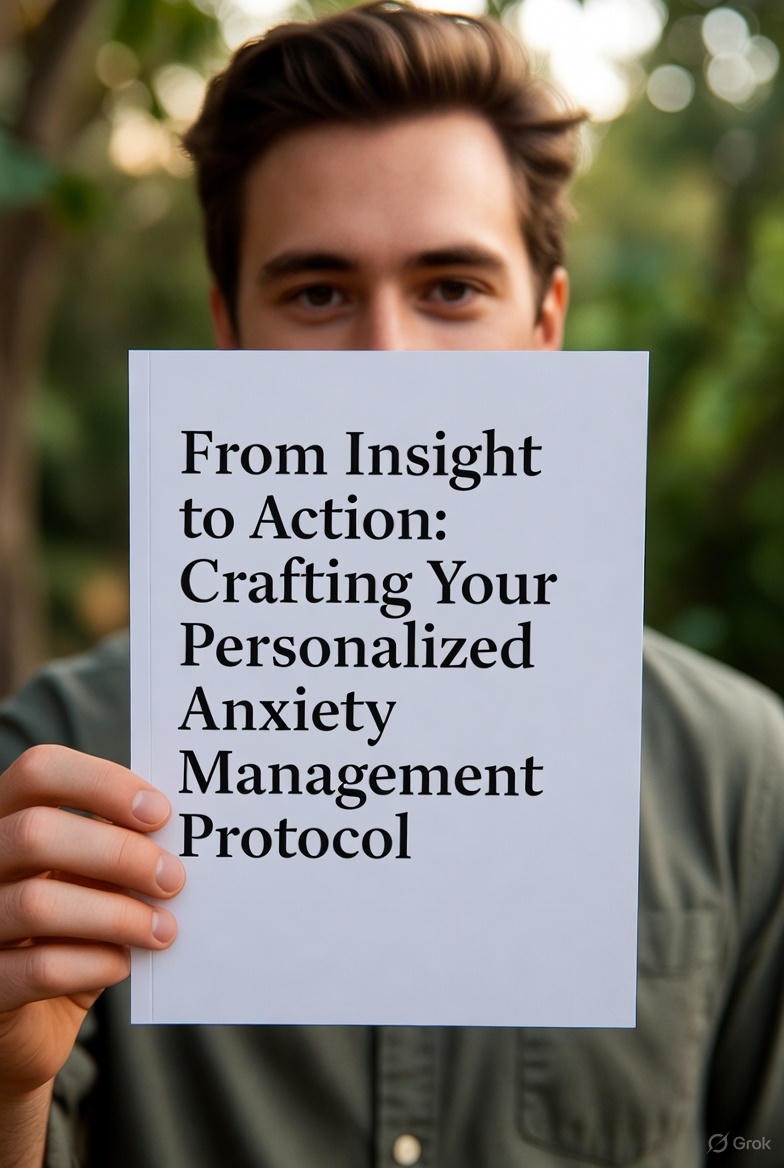
Understanding the specialized approaches for GAD is a formidable first step, but knowledge alone is not power—it is potential power. The true transformation occurs when this knowledge is translated into a structured, living, breathing personal protocol. This phase moves from theory to praxis, from learning techniques to architecting a sustainable daily life infused with them. A personalized protocol is not a rigid set of rules; it is a flexible, responsive framework built on self-experimentation, compassionate observation, and data-informed iteration.
The first and most critical principle is personalization over prescription. What works wonders for one person—say, vigorous running—might heighten anxiety for another who requires the gentle sway of Tai Chi. One individual might find immediate cognitive relief with CBT worksheets, while another needs to first calm their body through somatic tracking before they can engage their thinking brain. Your protocol must be yours alone, built on honest self-assessment. This begins with a comprehensive self-audit, which can be structured around key domains:
With this audit in hand, you move to strategic selection and sequencing. You do not need to implement all nine approaches at once—that would be a recipe for overwhelm. Instead, think in terms of building layers, starting with the foundation.
Start with the Foundational Layer (Lifestyle & Physiology): Before layering on complex cognitive work, ensure the biological substrate is supported. This is where data from a wearable device becomes indispensable. Use it to establish baselines and then implement one or two changes:
Monitor the impact of these changes not just by feel, but through your biometric data. Did your average sleep score improve? Did your resting heart rate trend downward? This objective feedback provides motivation and direction.
Add the Skills Layer (Therapeutic Techniques): Once the foundation feels steadier, introduce one core psychological or somatic skill. Choose based on your self-audit:
Practice this single skill consistently for at least two weeks before assessing its impact. The goal is not perfection, but familiarity and integration. The Oxyzen.ai blog offers practical guides on starting and maintaining these types of daily mindfulness and regulation practices.
Create Your Integration Dashboard: This is where your protocol comes alive as a cohesive system. Use a simple journal, note-taking app, or a dedicated wellness planner to create a weekly view that includes:
This dashboard becomes your command center, allowing you to see the connections between your actions, your body's responses, and your subjective experience. It turns management from a vague intention into a tangible process.
Embrace Iteration, Not Perfection: Your protocol will evolve. A technique that works during a low-stress period may fail during a crisis, necessitating a shift to a more somatic, grounding approach. Your nutritional needs may change. This is normal. The protocol is a living document. Regularly—perhaps monthly—review your dashboard, your biometric trends, and your personal sense of efficacy. Ask: "Is this still serving me? What needs to be added, removed, or adjusted?"
The power of a personalized protocol lies in its ability to give you agency. When anxiety surges, you are no longer a passive victim of a mysterious force. You have a playbook. You can check your data: "My HRV is low, I need rest." You can deploy a skill: "I'm catastrophizing; let me complete a thought record." You can turn to a foundational anchor: "It's time for my evening wind-down routine." This shifts your identity from "someone with GAD" to "someone who is skillfully and actively managing my nervous system." It is the ultimate application of specialized knowledge to create a life of greater calm and control.
Generalized Anxiety Disorder is a formidable condition on its own, but its complexity—and the challenge of treatment—multiplies exponentially when it coexists with other mental or physical health conditions. This co-occurrence, known as comorbidity, is the rule rather than the exception. Studies suggest that over 90% of individuals with GAD will meet criteria for at least one other disorder in their lifetime. Therefore, a truly specialized approach must account for and address these intertwined conditions, creating an integrated treatment plan that targets the whole person, not just a diagnostic slice.
The most common and clinically significant comorbidities include:
1. GAD and Major Depressive Disorder (MDD): This is perhaps the most frequent pairing, often termed "comorbid anxiety and depression." They feed each other in a vicious, self-perpetuating cycle. The relentless worry, fatigue, and agitation of GAD can erode joy and hope, paving the way for depression. Conversely, the lethargy, pessimism, and anhedonia of depression can make coping with anxiety feel impossible, increasing avoidance and worry about one's own state. An integrated approach here is critical. While SSRIs/SNRIs are often effective for both, therapy must be nuanced. CBT might initially focus more on behavioral activation (a depression target) to generate energy and engagement, before layering in cognitive restructuring for worry. Mindfulness-Based Cognitive Therapy (MBCT) is specifically designed to prevent depressive relapse and is highly effective for this comorbid pair by teaching detached awareness from both anxious and depressive thought patterns.
2. GAD and Other Anxiety Disorders: GAD frequently overlaps with Social Anxiety Disorder (fear of negative evaluation), Panic Disorder (recurrent panic attacks), and Specific Phobias. This creates a "anxiety about anxiety" meta-layer. For example, someone with GAD may develop panic attacks, and then live in constant fear of the next attack, which becomes a new source of pervasive worry. Treatment must first create a hierarchy. Often, stabilizing the pervasive, background worry of GAD through foundational lifestyle and cognitive work creates the stability needed to then conduct exposure therapy for the specific panic or social fears. Somatic therapies can be particularly helpful here, as they teach tolerance of the intense physical sensations that bridge GAD and panic.
3. GAD and Somatic Symptom Disorders/Chronic Illness: The mind-body link is undeniable. GAD often manifests as persistent, unexplained physical symptoms: chronic pain, headaches, gastrointestinal distress (Irritable Bowel Syndrome is a common comorbidity), and dizziness. This can lead to a cycle of health anxiety—worrying that the physical symptom is a sign of a serious disease—which in turn increases stress and exacerbates the symptom. An integrated approach requires close collaboration between mental health and medical providers. Treatment focuses on:
4. GAD and Attention-Deficit/Hyperactivity Disorder (ADHD): This comorbidity is often overlooked in adults. The restlessness and difficulty concentrating of GAD can mirror ADHD symptoms. Conversely, the chronic underperformance, disorganization, and impulsivity of ADHD can generate profound, pervasive anxiety about failing in life. Stimulant medications for ADHD can sometimes worsen anxiety, requiring careful balancing. Therapeutically, strategies must be adapted. A person with this combo may find traditional CBT worksheets overwhelming; a more active, hands-on, or technology-assisted approach may be needed. Skills training in external organization (planners, reminders, systems) can reduce anxiety-provoking chaos, while mindfulness training can target both attentional control and anxious rumination.
Crafting an Integrated Comorbidity Treatment Plan:
The key is sequential, prioritized, and collaborative care.
Navigating multiple conditions is undeniably challenging, but it also presents an opportunity for profound healing. By treating the interconnected system rather than isolated symptoms, you can achieve a more robust and comprehensive recovery. It requires a clinician who sees you as more than a diagnosis, and a personal commitment to tracking how interventions for one condition affect the others. This complex journey underscores the importance of having clear support and answers; a resource like the Oxyzen FAQ can help address common questions about integrating technology with multifaceted treatment plans.
Human beings are wired for connection. Our nervous systems are literally calibrated through co-regulation—the process by which a calm, present person can help soothe an agitated one. For the individual with GAD, who often lives in a state of internal hyper-alertness, positive social connection isn't just a nice-to-have; it is a potent therapeutic agent and a cornerstone of sustainable management. However, anxiety itself often erects barriers to this very connection through avoidance, irritability, and the fear of being a burden. Thus, building and leveraging a "scaffolding of support" must be an intentional, strategic component of any specialized protocol.
Understanding the "Why": How Support Alleviates Anxiety
Social support functions through multiple mechanisms:
Building Your Support Scaffolding: A Tiered Approach
Not all support is equal, and different relationships serve different functions. Think in tiers:
Navigating the Challenges: Setting Boundaries and Communicating Needs
Support is a two-way street that requires skill from the person with GAD as well.
Ultimately, building community is an act of courage for someone with GAD. It requires leaning into the very vulnerability that anxiety screams to avoid. But each positive connection is a brick in a fortress against isolation, a real-time experiment in safety that teaches your nervous system, over and over, that you are not alone. Hearing how others have navigated this journey can be profoundly encouraging; reading real testimonials from individuals who have integrated tools and community can provide hope and practical ideas.
Possessing the knowledge of what specialized approaches can help is one battle. The often-frustrating reality of accessing that care—affordably, timely, and with a qualified provider—is another. Navigating the mental healthcare system can feel like a labyrinth designed to exacerbate anxiety. A strategic, persistent approach is required to turn this obstacle course into a clear pathway.
Step 1: Clarifying Your Needs and Goals
Before you search, define your target. Revisit your self-audit and protocol ideas. Are you seeking:
Knowing this will determine where you look and what questions you ask.
Step 2: The Provider Search – Casting a Wide Net
Step 3: The Vetting Conversation – Asking the Right Questions
When you contact a potential provider, have a shortlist of questions ready. This is your interview:
Their answers should inspire confidence and align with your desired approach.
Step 4: Overcoming Financial Barriers
Cost is a primary obstacle. Strategies include:
Step 5: Preparing for and Maximizing Your Care
Once you have an appointment:
Advocating for Yourself: The Most Important Skill
The system can be impersonal and discouraging. Persistence is key. If one provider isn't a fit, it is not a failure—it's data. Move to the next. You are seeking a professional relationship that is foundational to your healing. It is worth the search. Remember, you are not just a patient seeking a service; you are a consumer investing in your well-being, and you have the right to informed, respectful, and effective care. This journey of finding the right support reflects a broader commitment to holistic well-being, a value that guides the team at Oxyzen as they develop tools to support this very path.
Your Trusted Sleep Advocate (Sleep Foundation — https://www.sleepfoundation.org/)
Discover a digital archive of scholarly articles (NIH — https://www.ncbi.nlm.nih.gov/
39 million citations for biomedical literature (PubMed — https://pubmed.ncbi.nlm.nih.gov/)
experts at Harvard Health Publishing covering a variety of health topics — https://www.health.harvard.edu/blog/)
Every life deserves world class care (Cleveland Clinic -
https://my.clevelandclinic.org/health)
Wearable technology and the future of predictive health monitoring. (MIT Technology Review — https://www.technologyreview.com/)
Dedicated to the well-being of all people and guided by science (World Health Organization — https://www.who.int/news-room/)
Psychological science and knowledge to benefit society and improve lives. (APA — https://www.apa.org/monitor/)
Cutting-edge insights on human longevity and peak performance
(Lifespan Research — https://www.lifespan.io/)
Global authority on exercise physiology, sports performance, and human recovery
(American College of Sports Medicine — https://www.acsm.org/)
Neuroscience-driven guidance for better focus, sleep, and mental clarity
(Stanford Human Performance Lab — https://humanperformance.stanford.edu/)
Evidence-based psychology and mind–body wellness resources
(Mayo Clinic — https://www.mayoclinic.org/healthy-lifestyle/)
Data-backed research on emotional wellbeing, stress biology, and resilience
(American Institute of Stress — https://www.stress.org/)


