


Anxiety Reduction Through Sleep: Breaking the Insomnia-Anxiety Cycle
How improving sleep can break the cycle of anxiety and insomnia.
How improving sleep can break the cycle of anxiety and insomnia.
%402x.svg)
It’s 2:37 AM. The world is silent, but your mind is a roaring metropolis of worry. A forgotten task, an ambiguous text, a looming deadline—each thought lights up a new street of anxiety, illuminating a labyrinth with no exit. You check the clock. You calculate the hours of sleep you might still get. The calculation itself becomes another source of panic. This is the Insomnia-Anxiety Cycle, a self-perpetuating vortex where worry steals sleep, and a lack of sleep fuels deeper worry. It’s a nightly reality for millions, yet the escape route isn't found in more willpower or another cup of calming tea. It’s found in understanding the profound, biological conversation between your nervous system and your sleep architecture.
For generations, we treated sleep and mental health as separate domains. Anxiety was a psychiatric concern; insomnia was a behavioral one. Modern neuroscience has shattered this divide. We now know that the relationship between sleep and anxiety is not just correlational—it's causal, bidirectional, and rooted in the very fabric of our brain physiology. Poor sleep doesn’t just make you tired; it actively hyper-activates the brain’s fear center (the amygdala), weakens the prefrontal cortex (our rational commander), and disrupts the emotional processing that happens during crucial sleep stages. Conversely, anxiety triggers a flood of stress hormones like cortisol, which are designed to keep us alert and vigilant—the exact opposite state required for restful sleep.
This article is your map out of the labyrinth. We will embark on a deep exploration of the intricate, two-way street between anxiety and sleep. We’ll move beyond surface-level “sleep hygiene” tips and into the core mechanisms: how specific sleep stages act as overnight therapy for emotional regulation, how the autonomic nervous system dictates your ability to fall asleep, and how chronic sleep disruption rewires the brain for heightened reactivity. More importantly, we will translate this science into actionable strategy. You will learn not just why you’re stuck, but how to break free, using evidence-based techniques to calm your nervous system, protect your sleep cycles, and leverage data-driven insights from modern technology.
This journey requires a shift from fighting symptoms to nurturing a foundational biological process. It’s about transforming your relationship with rest, making it a non-negotiable pillar of mental resilience. As you’ll discover, the path to a calmer mind truly begins the moment your head hits the pillow.

To dismantle the insomnia-anxiety cycle, we must first see it clearly in all its frustrating, recursive glory. This isn't a simple "bad night" causing a "grumpy morning." It is a closed-loop system where the consequence of one problem becomes the cause of the other, spinning faster and tighter with each revolution.
The cycle typically ignites with a period of heightened stress or anxiety. This could be a major life event—a job change, a loss, financial pressure—or the cumulative effect of daily worries. Anxiety, in its essence, is a state of perceived threat. Your body’s primal survival systems activate: the sympathetic nervous system (the "fight-or-flight" response) releases adrenaline and cortisol, your heart rate increases, and your mind enters a state of hyper-vigilance, scanning for danger. Biologically, this state is the antithesis of sleep. Evolution did not design us to fall peacefully unconscious while a saber-toothed tiger prowled nearby. So, you lie in bed, physically aroused and mentally alert, while the clock ticks.
Here is where the first feedback loop is established: Anxiety → Sleep Onset Insomnia. The harder you try to sleep, the more you become a spectator to your own inability to do so. "Why can't I sleep? I need to sleep. If I don't sleep, tomorrow will be a disaster." This "performance anxiety" about sleep itself is called sleep effort, and it is one of the most potent fuel sources for chronic insomnia. Your bed, once a place of rest, becomes a battleground associated with frustration and failure.
Now, loop two engages: Sleep Deprivation → Heightened Anxiety. After a night of poor sleep, you don't just wake up tired. Neuroscience shows you wake up with a brain primed for anxiety. The amygdala, your brain’s alarm bell, becomes approximately 60% more reactive on insufficient sleep. Meanwhile, the prefrontal cortex—the region responsible for executive functions like emotional regulation, rational decision-making, and fear modulation—is impaired. It’s like disconnecting the brakes on your emotional response system while stepping on the accelerator. Small stressors feel magnified. Emotional resilience is depleted. You move through the day in a state of nervous irritability, which, as evening approaches, creates a heightened background level of anxiety... setting the stage for another difficult night.
The third, more insidious loop is the Cognitive and Behavioral Reinforcement. Over time, you develop habits that reinforce the cycle. You might start dreading bedtime, staying up later to avoid the struggle (conditioned arousal). You may spend excessive time in bed "trying" to sleep, which further weakens the association between bed and rest. You might consume more caffeine to cope with daytime fatigue, which then interferes with sleep pressure at night. Each adaptation, though understandable, deepens the rut.
Breaking this cycle requires interrupting these feedback loops simultaneously. You must address the physiological hyper-arousal, dismantle the cognitive anxiety about sleep, and rebuild healthy sleep behaviors. The following sections will provide the tools for this multi-front mission. For those seeking a deeper dive into the neuroscience of sleep and stress, our comprehensive resource library on the Oxyzen blog offers ongoing analysis and breakdowns of the latest research.
Sleep is not a uniform state of unconsciousness. It is a highly active, structured, and purposeful biological process composed of distinct stages that cycle throughout the night. Each of these stages plays a unique and critical role in emotional regulation, acting as a form of overnight therapy for the psychological experiences of the day. When we cut this process short, we are not just losing rest—we are missing our brain’s essential maintenance window for mental health.
Stage 1 & 2 (Light Sleep): The Wind-Down. As you drift from wakefulness, you enter light sleep. This is where the body begins to disengage from the external world. Muscle activity slows, and heart rate begins to descend. From an anxiety perspective, this stage represents the initial down-regulation of the sympathetic nervous system. It's the gateway where the physical tension of the day should start to melt away. For someone with anxiety, difficulty transitioning smoothly through this stage is common, as the "engine" of worry is still idling too high.
Stage 3 (Deep Sleep or Slow-Wave Sleep): The Physiological Reset. This is the most restorative physical stage. During deep sleep, growth hormone is released, facilitating tissue repair and immune function. For the anxious mind, its most crucial role is in cortisol regulation. Deep sleep acts as a powerful brake on the hypothalamic-pituitary-adrenal (HPA) axis—your body's central stress response system. It reduces cortisol levels, effectively "resetting" your stress meter for the next day. Without sufficient deep sleep, you wake up with a higher baseline of stress hormones, leaving you biologically primed to perceive the world as more threatening. Furthermore, deep sleep is believed to be crucial for clearing metabolic waste from the brain, including beta-amyloid, in a process facilitated by the glymphatic system.
REM (Rapid Eye Movement) Sleep: The Emotional Integrator. If deep sleep is for the body, REM sleep is for the mind, particularly the emotional mind. During REM, your brain is almost as active as when you're awake, but your body is paralyzed (to prevent acting out dreams). This stage is where the magic of emotional processing happens.
When sleep is fragmented or cut short, we disproportionately lose these later, REM-heavy cycles. The result? We carry the unprocessed, high-intensity emotional residue of yesterday into today. We lack the neurochemical reset that dampens reactivity. In essence, we face a new day with an emotional backlog, making us more susceptible to anxiety. This is why after a good night's sleep, a previous day's problem can seem more manageable, and after a bad night's sleep, a minor inconvenience can feel catastrophic.
Understanding this staged therapy is the first step to valuing and protecting your sleep architecture. It’s not about just "being unconscious" for 8 hours; it's about ensuring your brain has enough uninterrupted cycles to perform this vital emotional maintenance. As we’ll explore later, tracking these stages can provide powerful insights into your resilience, a core function of advanced wearables that we detail in our FAQ on sleep stage accuracy.
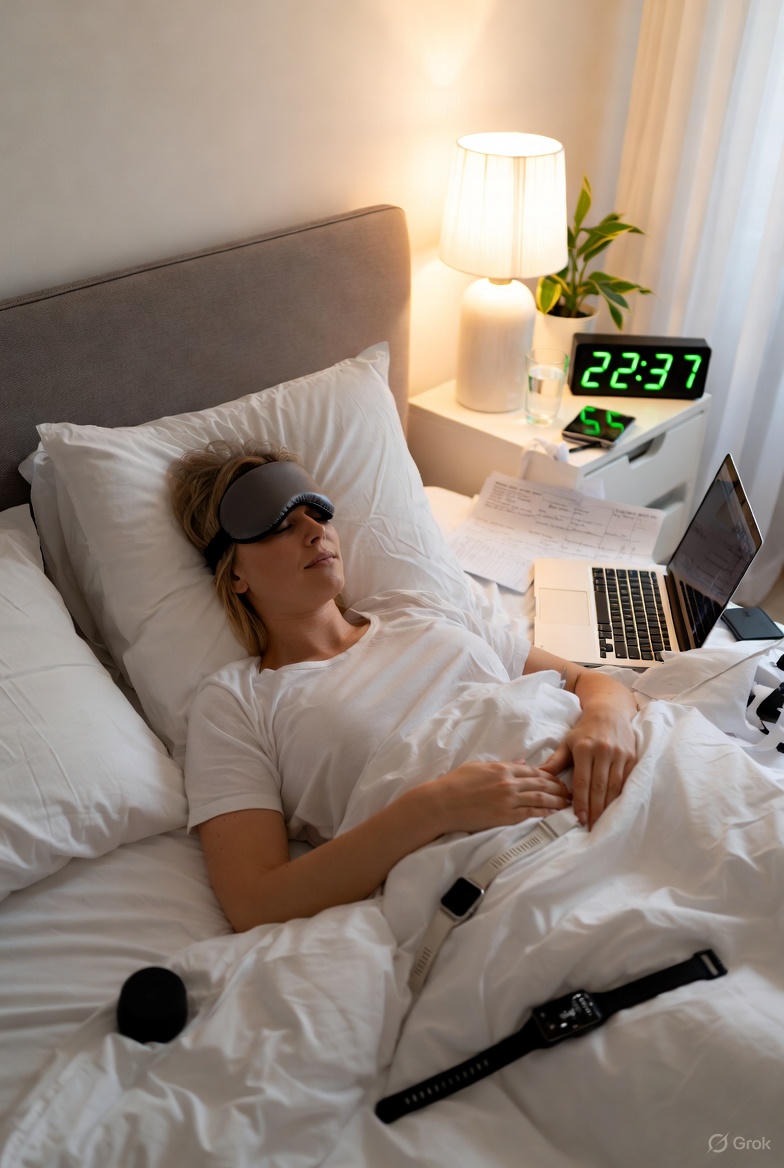
At the heart of the insomnia-anxiety connection lies a master control system: the Autonomic Nervous System (ANS). This involuntary network regulates everything from your heartbeat and digestion to your breathing and body temperature—and it is the ultimate gatekeeper of sleep. The ANS has two primary branches that work in a delicate, yin-yang balance: the Sympathetic Nervous System (SNS) and the Parasympathetic Nervous System (PNS).
The Sympathetic Nervous System: The Accelerator. This is your "fight-or-flight" system. It mobilizes your body for action in response to perceived threats. It increases heart rate, blood pressure, and respiration, dilates pupils, and shunts blood to muscles. It also releases stress hormones like cortisol and adrenaline. In modern life, the "threat" is rarely a physical predator; it's a work email, a social conflict, or the obsessive worry about not sleeping. When the SNS is dominant at bedtime, sleep is impossible. Your body is, quite literally, prepared for battle, not for slumber.
The Parasympathetic Nervous System: The Brake. Often called the "rest-and-digest" or "feed-and-breed" system, the PNS promotes relaxation, recovery, and conservation of energy. It slows the heart rate, stimulates digestion, and allows for repair and regeneration. The activation of the PNS is the essential precondition for sleep onset. It is the physiological signature of safety and calm.
Anxiety, by definition, is a state of sympathetic dominance. Chronic anxiety means your foot is consistently on the accelerator, even when you're trying to park for the night. The goal of breaking the insomnia-anxiety cycle, therefore, is not just a psychological one; it is a fundamental physiological retraining: to learn how to consciously engage your parasympathetic brake.
Key to this understanding is Heart Rate Variability (HRV). HRV is not your heart rate, but the subtle variation in the time interval between heartbeats. It is a direct, non-invasive window into your ANS balance.
Here’s the crucial part: Sleep and HRV have a bidirectional relationship. High HRV facilitates the onset of deep, restorative sleep. In turn, deep, restorative sleep enhances parasympathetic activity and raises HRV. Conversely, poor sleep lowers HRV, which makes you more stress-reactive the next day, which then makes it harder to sleep the next night—another vicious cycle.
Therefore, one of the most powerful strategies for reducing anxiety and improving sleep is to actively work on improving your HRV by stimulating your parasympathetic nervous system. Techniques like diaphragmatic breathing, meditation, and progressive muscle relaxation aren't just "relaxing"; they are direct levers to pull to shift your ANS balance. They signal safety to your brain and body, allowing the gatekeeper to open the door to sleep. Monitoring your HRV trends can provide objective feedback on whether your stress-management and sleep strategies are truly working at a physiological level, a topic we explore in depth on our blog about nervous system resilience.
Knowing you need to engage the parasympathetic nervous system is one thing. Actually doing it when your mind is racing is another. Traditional advice like "just relax" is not only unhelpful, it can be aggravating. The following techniques are evidence-based, structured methods to systematically down-regulate an aroused nervous system and decouple the association between bed and anxiety. They target both the cognitive (mind) and somatic (body) components of pre-sleep arousal.
1. Stimulus Control Therapy: Reclaiming the Bed for Sleep.
This is a cornerstone of Cognitive Behavioral Therapy for Insomnia (CBT-I). The principle is to break the conditioned association between the bed/bedroom and activities like worrying, being awake, or trying to sleep. The rules are simple but powerful:
2. Paradoxical Intention: Removing Sleep Effort.
This technique directly targets the performance anxiety of trying to sleep. The instruction is to get into bed and try to stay awake as long as possible. Keep your eyes open and resist sleep. By removing the pressure to sleep, you eliminate the "trying" that creates anxiety and sympathetic arousal. Ironically, by giving yourself permission to stay awake, you often remove the very barrier preventing sleep.
3. The "Brain Dump" or Constructive Worry Period.
Schedule a "worry time" 1-2 hours before bed. For 15-20 minutes, sit with a notebook and write down every worry, task, and thought swirling in your mind. Don't censor. Once your time is up, close the book and tell yourself, "I have addressed my concerns for today. My job now is to rest." This ritual contains worry to a specific time, preventing it from invading the bedtime hour. It externalizes worries from your mind onto paper, making them feel more manageable.
4. Diaphragmatic Breathing (The 4-7-8 Technique).
This is a direct parasympathetic nerve stimulator. Breathe in slowly through your nose for a count of 4. Hold your breath for a count of 7. Exhale slowly and completely through your mouth, making a "whoosh" sound, for a count of 8. Repeat this cycle 4-6 times. The extended exhale is key—it triggers the vagus nerve, the main component of the PNS, slowing your heart rate and promoting calm.
5. Body Scan Meditation & Progressive Muscle Relaxation (PMR).
These practices move focus away from the racing mind and into physical sensation. In a body scan, you mentally "sweep" from your toes to your head, noticing sensations without judgment. PMR involves systematically tensing and then fully relaxing each muscle group in the body. This teaches you to recognize the physical signature of tension (a common companion to anxiety) and consciously release it, sending a powerful "all is safe" signal to the brain.
6. Sensory Grounding (The 5-4-3-2-1 Method).
When anxiety feels overwhelming, this technique anchors you in the present moment. Identify:
Implementing even one or two of these techniques consistently can create a significant shift in your pre-sleep state. The goal is to create a personalized, predictable wind-down ritual that tells your biology, in no uncertain terms, that the workday is over and it is now safe to rest. For more personalized strategies and user experiences with establishing these routines, you can find inspiration in our community’s testimonials and stories.
You cannot out-meditate a double espresso. The substances we consume are potent modulators of our nervous system and directly interfere with or support the sleep architecture we’ve just outlined. Managing anxiety and insomnia requires a strategic approach to what you put into your body, particularly in the hours leading up to bedtime. This isn't about drastic diets, but about understanding the levers you pull with every cup, snack, or meal.
The Caffeine Conundrum: More Than a Morning Jolt.
Caffeine is a central nervous system stimulant. It works by blocking adenosine receptors in the brain. Adenosine is a neurotransmitter that accumulates throughout the day, creating "sleep pressure"—the feeling of sleepiness. By blocking these receptors, caffeine masks fatigue and promotes alertness. However, the half-life of caffeine is 5-6 hours. That means if you have a coffee at 4 PM, at 10 PM, half of that caffeine is still active in your system.
Alcohol: The Deceptive Sedative.
Alcohol is a sedative; it can help you fall asleep faster. This is where its benefit ends. As alcohol is metabolized, it creates a cascade of disruptive effects:
Blood Sugar Stability: The Unsung Hero.
Large swings in blood glucose can trigger the release of cortisol and adrenaline to stabilize levels. A blood sugar crash in the middle of the night is a common, though often unrecognized, cause of awakening with a racing heart and anxiety.
Hydration & Micronutrients.
Think of your evening nutrition as the foundation you lay for your nervous system's overnight repair work. By minimizing chemical disruptors and providing stable fuel, you create an internal environment conducive to the deep, reparative sleep that actively manages anxiety. For more on the science of how daily habits intersect with biometrics, our blog offers continuous research updates.
In the journey to break the insomnia-anxiety cycle, subjective feeling—"I feel tired," "I feel anxious"—is important, but it's often incomplete and influenced by daily moods. This is where the power of objective biometric data becomes transformative. By moving beyond guesswork, you can identify hidden patterns, measure the true impact of your lifestyle, and gain motivation from tangible progress. Modern wearable technology, particularly advanced smart rings, has made this deep physiological insight accessible 24/7.
Key Metrics That Tell the Story:
Connecting the Dots: The Cause-and-Effect Journal.
Data alone is just numbers. The power comes from correlation. By reviewing your biometric data alongside a simple daily log, you can become a detective on your own case.
These are not anecdotes; they are data-driven insights. They remove shame and self-blame, replacing them with clarity and agency. You learn what truly works for your unique physiology. This process of discovery is central to our mission at Oxyzen, where we believe empowerment comes from understanding your own body's language.
From Insight to Action:
Armed with this knowledge, you can move from generic advice to personalized intervention. If data shows you consistently lack deep sleep, you can double down on strategies to boost it (cooler room, consistent schedule, avoiding alcohol). If your HRV plummets after certain events, you can implement proactive recovery protocols. This creates a positive feedback loop: better habits → improved biometrics → reduced anxiety and better sleep → motivation to maintain better habits.

Your bedroom is more than a place to store your bed; it should be a carefully engineered capsule designed for one primary function: promoting physiological de-arousal. For an anxious nervous system, a poorly tuned environment is a constant, low-grade source of stimulation that fights against your desire to rest. Optimizing your sleep sanctuary is a powerful, non-negotiable step in signaling safety to your brain. Every element should whisper, "You are safe here. You can let go."
1. The Primacy of Darkness.
Light is the most potent external cue for your circadian rhythm. Even small amounts of ambient light—from a streetlamp, a charging LED, or a digital clock—can suppress melatonin production, the hormone that triggers sleepiness.
2. The Cool Factor.
Core body temperature must drop to initiate sleep. A room that is too warm impedes this natural process. The optimal range for most people is between 60-67°F (15.5-19.5°C).
3. The Sound of Silence (or Consistent Noise).
Unexpected, intermittent noises—a car alarm, a creaking house, a partner's snoring—can trigger micro-arousals, pulling you out of deep sleep and activating the stress-response system, even if you don't fully wake.
4. The "Brain-Off" Zone.
This is perhaps the most critical environmental shift for anxiety. Screans emit blue light (disrupting melatonin) and deliver psychologically activating content (work emails, stressful news, social comparison). They keep your brain engaged and your SNS humming.
5. The Scent of Safety.
Smell is directly linked to the limbic system, the emotional center of the brain. Certain scents can promote parasympathetic activity.
6. Order and Calm.
Clutter is visual noise. A chaotic room can subconsciously contribute to a feeling of unease and a "busy" mind.
Transforming your bedroom into a sleep sanctuary is an act of respect for your nervous system. It removes obstacles and creates positive cues. It tells your overactive amygdala, "There is no threat here." This environmental engineering works in tandem with your internal practices, creating a holistic cocoon for recovery. For ideas on how others have designed their ideal sleep environment, you can browse real-world examples in our user testimonials section.
Within each of us ticks a master biological clock—the suprachiasmatic nucleus (SCN) in the brain—that orchestrates the 24-hour circadian rhythm. This rhythm governs not just sleep and wakefulness, but also body temperature, hormone secretion (like cortisol and melatonin), digestion, and even mood regulation. For someone with anxiety and insomnia, a disrupted or weakly entrained circadian rhythm is often a root cause. Think of it not as a sleep schedule, but as the fundamental temporal architecture for your entire physiology. A strong, stable rhythm provides predictability and anchors for a nervous system prone to chaos.
The Cortisol-Melatonin Seesaw.
These two hormones are the yin and yang of your daily energy and sleep cycle, directly controlled by your SCN.
In the insomnia-anxiety cycle, this rhythm is often flattened or phase-shifted.
The Prime Zeitgeber: Light.
Light, especially blue-wavelength light, is the most powerful "zeitgeber" (time-giver) for your SCN. Morning light exposure is like pressing the "start" button on your daily cycle. It suppresses melatonin, boosts cortisol appropriately, and sets the timer for melatonin release ~14 hours later.
Secondary Zeitgebers: Consistency is Key.
Your SCN also locks onto other regular daily events:
The Impact on Anxiety:
A robust circadian rhythm creates predictability for your biology. When your body can reliably predict when to be alert and when to rest, it operates more efficiently and with less stress. A disrupted rhythm, however, creates internal dissonance—hormones are released at conflicting times, energy crashes and surges occur unpredictably, and the brain's systems are out of sync. This internal chaos is a fertile ground for anxiety. By fiercely protecting your circadian rhythm, you are not just improving sleep; you are installing a fundamental pillar of biochemical stability that the anxious mind can rely upon. The journey of understanding and harnessing these biological rhythms is a core part of our story and vision for holistic wellness.
Anxiety and sleep are not night-shift issues with a day-shift solution; they are 24-hour phenomena. The quality of your sleep is profoundly influenced by the architecture of your day. The choices you make from the moment you wake—how you move, what you think, how you socialize—lay the neurological and physiological groundwork for the night to come. Building resilience against anxiety requires a holistic approach that views every hour as either contributing to or detracting from your sleep capital.
Movement: The Double-Edged Sword of Exercise.
Physical activity is one of the most potent anti-anxiety and pro-sleep interventions available, but its timing and intensity are critical.
Sunlight & Nature: The Original Mood Stabilizers.
As covered in the circadian rhythm section, morning light is non-negotiable. Beyond circadian regulation, exposure to natural light, especially in green spaces, has documented anxiolytic effects.
Cognitive Hygiene: Managing the Mental Load.
Your daytime cognitive habits directly fuel or deplete the mental energy required to quiet the mind at night.
Social Connection: The Neurochemical Buffer.
Loneliness and social isolation are significant risk factors for both anxiety and poor sleep. Positive social interaction releases oxytocin, a hormone that counters stress and promotes feelings of safety.
The Cumulative Effect:
None of these habits acts in isolation. A day that includes morning light, moderate exercise, mindful breaks, and positive connection creates a neurochemical and physiological profile that is primed for calm. It builds up your "resilience reservoir," so when evening comes, you are not starting from a deficit of stress and arousal. You have a surplus of regulation to draw upon. Tracking how these daily behaviors correlate with your nighttime biometrics—like seeing your HRV rise on days you exercise and connect with friends—provides powerful positive reinforcement, a process many users detail when sharing their Oxyzen journey.
The strategies outlined so far are powerful, evidence-based tools for breaking the insomnia-anxiety cycle. However, it is crucial to recognize that anxiety and chronic insomnia can sometimes be symptoms of deeper, underlying conditions that require professional intervention. There is no shame in this; seeking help is a sign of strength and a critical step toward reclaiming your health. Understanding the red flags and knowing the pathways to professional support is an essential part of a holistic approach.
Red Flags: When to Seek Professional Guidance.
Consider consulting a healthcare provider—such as a primary care physician, psychiatrist, or psychologist—if you experience any of the following:
The Professional Toolkit: What Help Can Look Like.
Integrating Professional Help with Self-Care.
Professional treatment does not replace the daily habits we've discussed; it supercharges them. A therapist can help you tailor and adhere to a wind-down routine. A doctor can interpret your biometric data (like HRV and sleep stages) in the context of your overall health. Sharing objective data from a tracking device can provide your clinician with a richer picture of your symptoms than subjective recall alone, leading to more personalized care. For common questions on how technology can complement professional care, our FAQ section provides further insights.
Breaking the Stigma.
Mental health is health. Just as you would see a doctor for a persistent physical injury, seeking care for persistent psychological distress is logical and necessary. It is a proactive investment in your long-term well-being and your ability to experience restful, restorative sleep. By combining professional guidance with empowered self-management, you build the most comprehensive defense against the insomnia-anxiety cycle.
For many with anxiety, technology is often seen as part of the problem—the source of blue light, information overload, and 24/7 connectivity. However, when designed with intention, technology can pivot to become a core part of the solution. This is the promise of advanced, health-focused wearable technology, specifically the emerging category of smart rings. Unlike phones that demand attention, a smart ring operates passively in the background, transforming from a disruptive device into a compassionate biofeedback tool that fosters awareness and guides positive change.
Why a Ring? The Unobtrusive Advantage.
The form factor of a ring is uniquely suited for sleep and all-day stress tracking.
Core Capabilities for Anxiety and Sleep Management.
A sophisticated smart ring moves beyond step counting to provide the precise metrics central to our discussion:
From Data to Wisdom: The Feedback Loop.
The true power lies not in the data itself, but in the feedback loop it creates.
A Tool, Not a Tyrant.
The goal is to use this technology mindfully—to inform, not to obsess. It should empower you to listen to your body, not ignore it in favor of a score. The most effective use is to check your metrics once or twice a day (e.g., morning readiness score, evening wind-down reminder) and then let the ring do its silent work. This aligns perfectly with our mission at Oxyzen—to provide elegant, insightful technology that fades into the background while bringing your well-being into the foreground. By turning the invisible processes of your nervous system into visible, understandable trends, a smart ring can be your most trusted ally in the journey to break the insomnia-anxiety cycle for good.
Breaking the insomnia-anxiety cycle is a monumental achievement, but the true challenge often lies in maintaining that hard-won peace over months and years. Life is not a controlled laboratory; it brings stress, travel, illness, and unexpected disruptions. The goal, therefore, is not perfection, but resilience—the ability to bend without breaking and to quickly return to equilibrium. This phase is about transitioning from active "repair" to intelligent "maintenance," building a lifestyle where good sleep and emotional regulation are the default, not a daily battle.
Shifting from Discipline to Identity.
The most sustainable habits are those that become part of who you are, not just what you do. This is a subtle but powerful mental shift.
Creating a Flexible Framework, Not a Rigid Rulebook.
A brittle routine shatters at the first sign of disruption. A resilient routine has built-in flexibility.
Mastering the Recovery Bounce-Back.
Relapse into poor sleep or heightened anxiety is not a failure; it's data. The key is to shorten the recovery window.
Leveraging Your Biometric Compass.
In this maintenance phase, objective data from a device like a smart ring becomes your most trusted guide, moving from a diagnostic tool to a navigational one.
Cultivating Self-Compassion: The Ultimate Buffer.
Research shows that self-criticism activates the threat center of the brain (amygdala), while self-compassion activates the caregiving and soothing system. Berating yourself for a poor night's sleep is literally neurologically counterproductive.
Sustainability is the art of weaving these principles into the fabric of your life so seamlessly that they no longer feel like a separate "sleep project." They become the quiet, confident rhythm of a life lived in greater balance. For ongoing support and community stories on maintaining this balance, many find encouragement in the shared experiences documented in our blog and testimonials.
For centuries, we perceived the gut as merely a digestive organ. Today, we understand it as a complex, intelligent ecosystem—often called the "second brain"—that communicates directly with the central nervous system via a biochemical superhighway: the gut-brain axis. This bidirectional dialogue involves the vagus nerve, the immune system, and a vast community of microbes (the gut microbiome). Disruptions in this axis are now implicated in a wide range of conditions, including—critically—both anxiety and sleep disorders. Optimizing gut health is no longer a fringe wellness trend; it is a central strategy for calming the mind and securing restorative sleep.
The Vagus Nerve: The Information Superhighway.
The vagus nerve is the longest cranial nerve, connecting the brainstem to the heart, lungs, and digestive tract. It is the primary conduit for parasympathetic ("rest-and-digest") signals. Approximately 80-90% of the fibers in the vagus nerve are afferent, meaning they carry signals from the gut to the brain. Your gut is constantly sending messages about its state to your brain, which directly influences mood and stress response.
The Microbiome's Mood-Altering Chemicals.
Your gut bacteria are prolific chemists. They produce a significant portion of your body's neurotransmitters.
Inflammation: The Common Enemy of Gut and Brain.
A disrupted gut microbiome (dysbiosis) and a "leaky gut" (increased intestinal permeability) can lead to systemic inflammation. Inflammatory cytokines can cross the blood-brain barrier, activating the brain's microglial cells (immune cells of the brain). This neuroinflammation is a known driver of anxiety, depression, and can interfere with the neurotransmitters and brain structures involved in sleep regulation.
Practical Strategies for a Sleep-Supportive Gut.
Listening to Your Gut.
Pay attention to digestive symptoms like bloating, gas, or discomfort. These are not just local issues; they are signals on the gut-brain axis that may be contributing to your overall anxiety and sleep quality. Improving gut health is a slow, steady process—it can take months for the microbiome to shift significantly. But the payoff is a more stable foundation for both mental and sleep health. The journey toward holistic wellness is a multi-system endeavor, a philosophy that is central to our story and product development at Oxyzen, where we view the body as an interconnected whole.
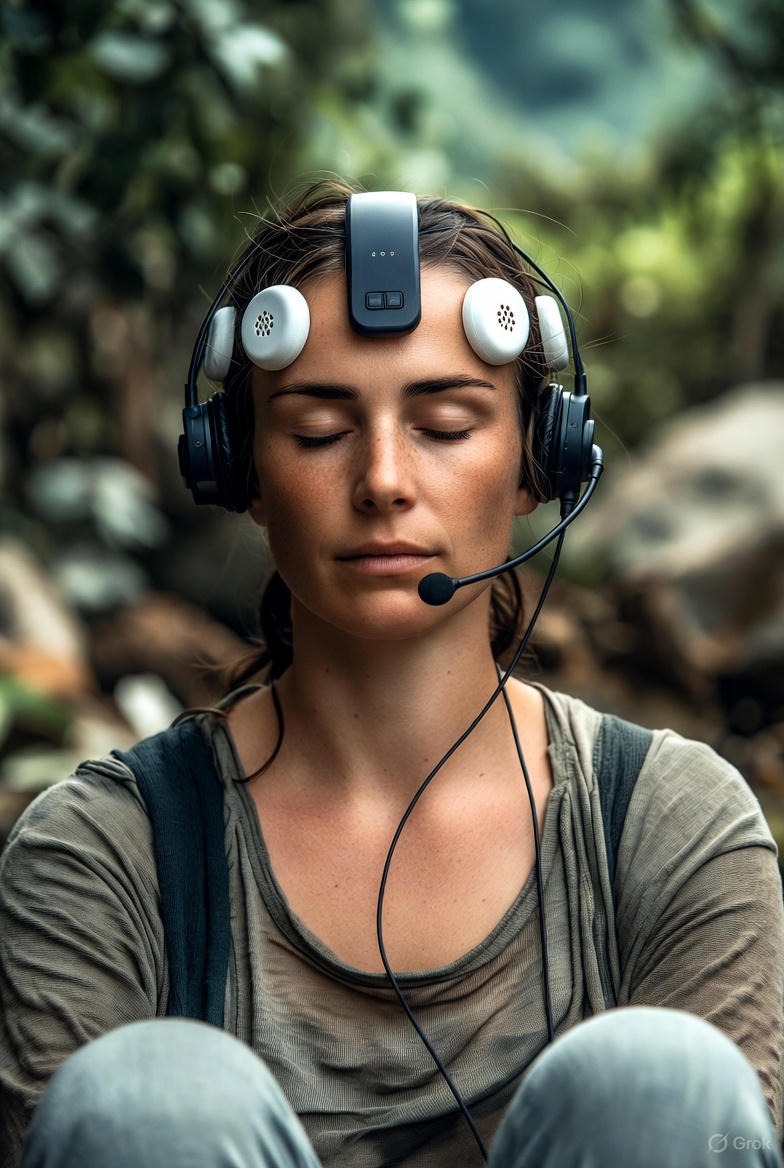
Once you have established the foundational habits of sleep hygiene, circadian rhythm management, and gut health, you can explore advanced tools that offer more direct and potent control over your autonomic nervous system (ANS). These practices, grounded in both ancient wisdom and modern science, are like precision instruments for recalibrating your stress response and deepening your capacity for relaxation. They are not for every day, but for strategically building resilience and accelerating recovery.
The Master Lever: Advanced Breathwork.
Beyond basic diaphragmatic breathing, specific rhythmic patterns can induce distinct physiological states.
Controlled Stressors: Cold Exposure.
The principle of hormesis—where a short, acute stressor makes the system more resilient—is at play here. Intentional cold exposure (e.g., cold showers, ice baths) is a potent ANS trainer.
Heart Rate Variability Biofeedback (HRV-B):
This is the process of using real-time feedback (from a sensor) to learn how to consciously increase your HRV, a direct marker of ANS balance and vagal tone.
Integrating Advanced Practices.
These are powerful tools, not daily chores. Use them strategically:
The key is to listen to your body and your biometrics. If your readiness score is low, perhaps gentle breathing is better than an intense cold plunge. These practices empower you to become an active participant in shaping your nervous system's state, moving from being a victim of anxiety to being the architect of your own calm. For technical questions on how wearable devices can support these practices, our FAQ provides detailed guidance.
The insomnia-anxiety cycle does not exist in a hormonal vacuum. Fluctuations in sex hormones—estrogen, progesterone, testosterone—profoundly influence neurotransmitter activity, body temperature regulation, and stress response, creating distinct vulnerability windows throughout life. Understanding these phases allows for tailored strategies and, importantly, reduces self-blame. What you are experiencing is not a personal failing; it is a biological shift that requires a adapted approach.
Puberty and Adolescence: The First Great Shift.
The surge of hormones during puberty resets the circadian rhythm, typically delaying the sleep-wake cycle. Teens biologically become "night owls."
The Menstrual Cycle: A Monthly Rhythm.
For many, anxiety and sleep quality fluctuate with the cycle.
Pregnancy and Postpartum: The Rollercoaster.
Perimenopause and Menopause: The Great Disruptor.
This 5-10 year transition is arguably the most significant sleep disruptor for women, yet it is vastly under-discussed.
Andropause (Age-Related Low Testosterone in Men):
A gradual decline in testosterone can also impact sleep and mood.
The Universal Truth: Adaptability.
The takeaway is that your approach to managing anxiety and sleep must be fluid. What works at 25 may not work at 45. Listening to your body, tracking symptoms (and hormones, if possible), and being willing to adapt your protocol is essential. This life-stage lens brings compassion to the journey, reminding us that we are dynamic biological beings. For more personal stories on navigating these transitions, our community's shared experiences on the Oxyzen blog offer support and solidarity.
After traversing the science of sleep architecture, the vagaries of the nervous system, the influence of gut and hormones, and an array of behavioral and technological tools, the final step is synthesis. This is where you move from knowledge to empowered action by designing a personalized, living protocol. Think of this not as a rigid prescription, but as a curated toolkit and a flexible plan that you own and refine over time. Here is a step-by-step framework to build your blueprint for breaking the insomnia-anxiety cycle for good.
Phase 1: The Assessment (Week 1-2)
Phase 2: Foundational Implementation (Weeks 3-6)
Start with the non-negotiable pillars. Choose one or two to focus on per week to avoid overwhelm.
Phase 3: Strategic Deepening (Weeks 7-12)
Now, layer in more targeted strategies based on your assessment.
Phase 4: Integration and Flexibility (Ongoing)
The Role of Technology in Your Protocol.
In this blueprint, your wearable becomes your co-pilot.
Embodying the Identity.
Finally, reinforce the identity shift: "I am a person who sleeps deeply and manages stress with skill." This internal narrative will sustain you when motivation wanes. Remember, the goal is not a perfect sleep score every night, but a resilient system that allows you to navigate life's inevitable challenges without spiraling into chronic anxiety and insomnia.
You now possess not just information, but a comprehensive map and a diverse set of tools. The journey to lasting calm and restorative sleep is a personal one, but it is not a solitary one. From the scientific community to the shared wisdom of others on a similar path, support is available. To see how others have built their protocols and transformed their relationship with sleep and anxiety, exploring real user testimonials can provide both inspiration and practical ideas. Your journey toward breaking the cycle begins with a single, informed step.
Your Trusted Sleep Advocate (Sleep Foundation — https://www.sleepfoundation.org/)
Discover a digital archive of scholarly articles (NIH — https://www.ncbi.nlm.nih.gov/
39 million citations for biomedical literature (PubMed — https://pubmed.ncbi.nlm.nih.gov/)
experts at Harvard Health Publishing covering a variety of health topics — https://www.health.harvard.edu/blog/)
Every life deserves world class care (Cleveland Clinic -
https://my.clevelandclinic.org/health)
Wearable technology and the future of predictive health monitoring. (MIT Technology Review — https://www.technologyreview.com/)
Dedicated to the well-being of all people and guided by science (World Health Organization — https://www.who.int/news-room/)
Psychological science and knowledge to benefit society and improve lives. (APA — https://www.apa.org/monitor/)
Cutting-edge insights on human longevity and peak performance
(Lifespan Research — https://www.lifespan.io/)
Global authority on exercise physiology, sports performance, and human recovery
(American College of Sports Medicine — https://www.acsm.org/)
Neuroscience-driven guidance for better focus, sleep, and mental clarity
(Stanford Human Performance Lab — https://humanperformance.stanford.edu/)
Evidence-based psychology and mind–body wellness resources
(Mayo Clinic — https://www.mayoclinic.org/healthy-lifestyle/)
Data-backed research on emotional wellbeing, stress biology, and resilience
(American Institute of Stress — https://www.stress.org/)


