Better Sleep Naturally After 40: What Your Body Needs Now
Sleep needs change after 40 due to hormonal shifts and aging processes. This age-specific guide addresses what your midlife body requires for quality rest, including strategies for temperature regulation, hormone support, stress management, and sleep architecture optimization for mature adults.
Better Sleep Naturally After 40: What Your Body Needs Now
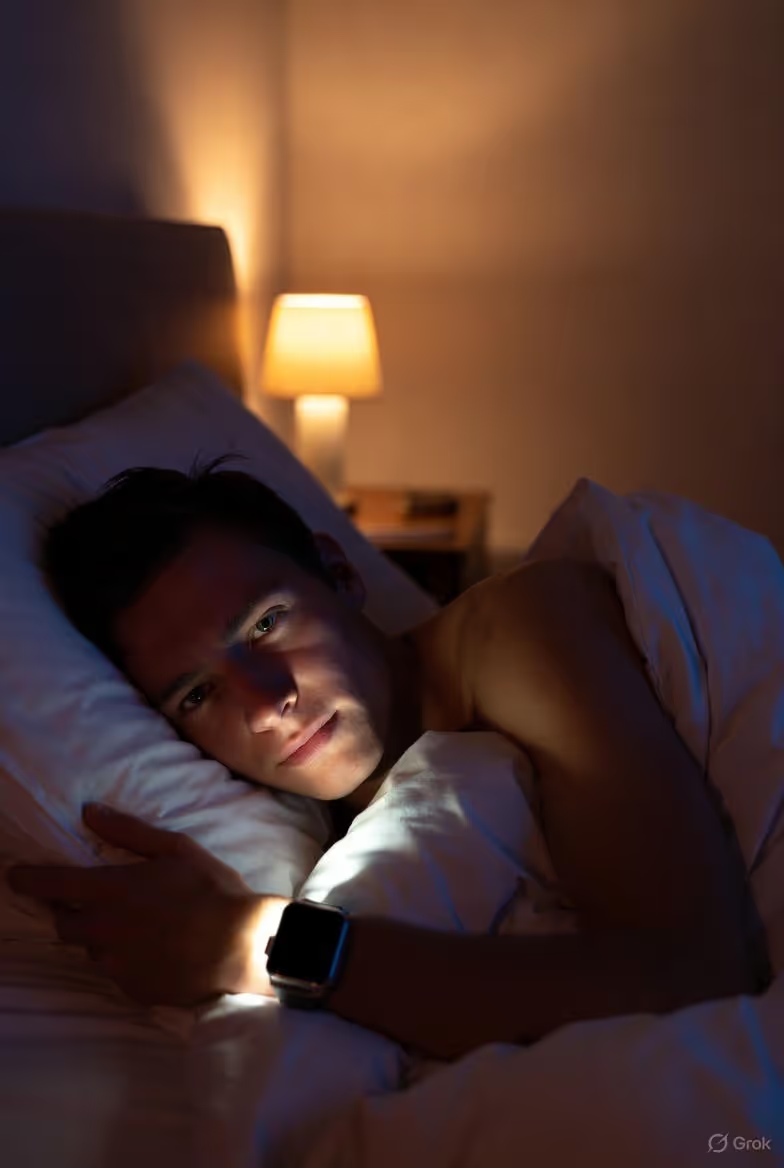
You close your eyes, willing sleep to come, but your mind is a browser with too many tabs open. Or perhaps you fall asleep easily, only to jolt awake at 3 a.m., staring at the ceiling as your brain launches into a detailed review of every mildly awkward interaction you’ve had since 1998. You’re not alone, and it’s not your fault. If you’ve crossed the threshold of 40 and found that the once-simple act of sleeping has become a frustrating puzzle, you’ve arrived at the right place.
The narrative that sleep “naturally” deteriorates with age is only half the story. It’s not that your need for quality rest diminishes; it’s that the rules of the game have changed. The strategies that worked in your 20s and 30s—crashing after a late night, burning the candle at both ends, or relying on sheer exhaustion—no longer apply. Your body is communicating in a new language of hormones, circadian rhythms, and recovery needs. The good news? By learning to listen and respond to what your body truly needs now, you can reclaim deep, restorative sleep. This isn’t about fighting your biology but partnering with it. We’ll explore the powerful, natural shifts happening within you and provide a actionable blueprint for the best sleep of your life, using both timeless wisdom and cutting-edge technology, like the insights provided by advanced wellness wearables from innovators like Oxyzen.
This journey moves beyond generic “sleep hygiene” tips. We’re diving deep into the why behind the midnight wake-ups, the afternoon slumps, and the feeling of waking up tired. We’ll connect the dots between your sleep quality and everything from metabolic health and temperature regulation to stress resilience and cognitive function. By the end of this comprehensive guide, you’ll understand exactly what your body is asking for and how to provide it, transforming your sleep from a source of frustration to a pillar of your vitality.
The Great Sleep Shift: Why Your 40s Change Everything
For decades, sleep might have felt like a mostly automatic process. Now, it demands more intention. This isn’t a decline but a significant transition, driven by a symphony of biological changes. Understanding this “why” is the first, crucial step to crafting your effective “how.”
The Hormonal Recalibration Perimenopause and andropause (the male equivalent) are not distant future events; they are processes that often begin in the 40s. Fluctuating and declining levels of estrogen, progesterone, and testosterone play a direct and profound role in sleep architecture. Estrogen helps regulate body temperature and promotes REM sleep. Progesterone has a natural calming, sedative effect. As these levels become erratic, the result can be increased sleep latency (trouble falling asleep), more frequent awakenings, and notorious night sweats that shatter sleep cycles. For men, declining testosterone can reduce deep, slow-wave sleep, which is critical for physical repair and recovery.
The Circadian Rhythm Adjustment Your internal master clock, located in the brain’s suprachiasmatic nucleus, becomes less robust with age. It may start to run slightly faster, leading you to feel sleepy earlier in the evening and wake earlier in the morning—a pattern known as Advanced Sleep Phase Syndrome. Furthermore, the production of melatonin, the sleep-signaling hormone, often decreases and becomes less responsive to light cues. This means your body’s natural signal to wind down is quieter, making you more susceptible to the sleep-disrupting effects of evening blue light from screens.
The Changes in Sleep Architecture Even without hormonal shifts, the structure of sleep itself evolves. The percentage of deep, slow-wave sleep (Stage 3) begins a gradual decline. This is the most physically restorative phase, where tissue growth and repair occur, and the immune system strengthens. We also experience a reduction in REM sleep, the stage vital for memory consolidation, learning, and emotional processing. What increases? Lighter sleep stages (N1 & N2), from which we are more easily awakened. This is the biological basis for that “lighter” sleep feeling.
The Lifestyle Amplifier These biological shifts are often amplified by the life stage of your 40s and beyond. Career peaks, caring for aging parents, parenting teenagers, financial planning—all contribute to elevated, chronic stress levels. This keeps cortisol (the alertness hormone) elevated at night when it should be at its lowest. Furthermore, metabolism naturally slows, and muscle mass can begin to decline if not maintained, both of which impact energy expenditure and recovery needs during sleep.
Recognizing this “Great Sleep Shift” is not cause for despair, but for empowerment. It explains the symptoms and provides the map for the solution: a sleep strategy tailored for your body’s current operational manual. It’s about working with these changes, not against them. For a deeper look at how technology can help you track these subtle biological changes, our blog features ongoing research into personalized wellness tracking.
Beyond Counting Sheep: Rethinking Sleep Quality vs. Quantity
We’ve been culturally obsessed with the magic “8-hour” number, but after 40, the equation becomes far more nuanced. Quality decisively trumps quantity. You can spend 9 hours in bed and wake feeling wretched if those hours were fragmented and shallow. Conversely, 6 hours of consolidated, deep, and REM-rich sleep can leave you feeling remarkably refreshed. The goal, therefore, shifts from logging time to optimizing the architecture of your sleep.
What is Sleep Quality, Really? High-quality sleep is efficient and structured. It’s characterized by:
Sleep Efficiency: The percentage of time in bed actually spent sleeping. (Aiming for 85% or higher is excellent).
Sleep Latency: Falling asleep within 15-20 minutes of lights out.
Sleep Consolidation: Minimal awakenings after sleep onset (especially those longer than 5 minutes).
Cycle Completion: Progressing smoothly through the 90-minute cycles of light, deep, and REM sleep multiple times per night.
After 40, the challenge is protecting the integrity of these cycles. A hot flash, a trip to the bathroom, or a partner’s snore can cause an arousal that fragments a cycle, robbing you of its most valuable stages.
The Metrics That Matter To move beyond guesswork, you need data. This is where modern wellness technology becomes invaluable. Instead of wondering “how did I sleep?”, you can know. A device like a smart ring from Oxyzen tracks key biomarkers all night:
Heart Rate Variability (HRV): Your HRV during sleep is a powerful indicator of recovery and autonomic nervous system balance. A higher sleeping HRV generally indicates better recovery and resilience.
Resting Heart Rate (RHR): Your RHR typically drops to its lowest point during deep sleep. Tracking its nightly trend can show your body’s efficiency in winding down.
Respiratory Rate: Changes in your breathing rate can signal sleep disturbances or stress.
Body Temperature: Nocturnal temperature trends are crucial, especially for women experiencing hormonal flux. A stable core temperature is essential for maintaining sleep.
Movement: Quantifying restlessness provides a direct proxy for sleep fragmentation.
By observing these metrics, you move from subjective feeling (“I tossed and turned”) to objective insight (“My deep sleep was 40% lower than my baseline, and my nocturnal heart rate was elevated”). This allows for targeted interventions, which we’ll explore in later sections. For those new to this kind of data, our FAQ page explains how these metrics are collected and what they mean for your daily life.
The Story Your Sleep Tells Your sleep data is a nightly report card on your daytime life. A sudden dip in HRV and spike in RHR might reflect an intense workout, an emotional stressor, or the onset of illness. Consistently low deep sleep might point to circadian misalignment or excessive evening alcohol. This biofeedback loop is transformative: it connects daily choices directly to nocturnal outcomes, fostering a powerful sense of agency. As noted in many user experiences shared in our testimonials, this awareness is often the first step toward meaningful change.
Your Circadian Code: Aligning with Your Body's Master Clock
Your circadian rhythm is the 24-hour internal orchestra conductor of your biology. It governs not just sleep and wakefulness, but also hormone release, digestion, cellular repair, and brain function. After 40, this conductor can become less authoritative, easily thrown off by modern life’s dissonance. Harmonizing with your circadian code is arguably the most powerful natural sleep intervention available.
Light: The Prime Zeitgeber Light is the most potent cue (“zeitgeber”) for your master clock. The problem is our environment: dim indoor light by day and bright artificial light by night. To strengthen your rhythm:
Morning Sunlight: View bright, outdoor light within 30-60 minutes of waking. This signals “daytime,” suppresses melatonin, and sets a timer for its release about 12-14 hours later. Even on a cloudy day, outdoor light intensity far surpasses indoor lighting.
Daytime Brightness: Seek bright light throughout the day. This reinforces the wake signal and builds “sleep pressure” (adenosine accumulation) healthily.
Evening Dimness: As the sun sets, dim your lights. Use lamps instead of overhead lights. This simulates the natural progression into night.
Blue Light Management: 2-3 hours before bed, block blue wavelengths with amber glasses or use device settings. Remember, it’s not just screens; it’s also LED and fluorescent bulbs.
Temperature: The Overlooked Rhythm Your core body temperature follows a circadian wave: highest in the late afternoon and lowest around 4-5 a.m. Sleep initiates as your core temperature drops. To facilitate this:
Cool Your Environment: A bedroom temperature of 65-68°F (18-20°C) is ideal for most. This external coolness helps drive the necessary internal temperature drop.
Take a Warm Bath/Shower: Paradoxically, a warm bath 1-2 hours before bed causes vasodilation. As you get out, blood rushes to the extremities, rapidly releasing heat and accelerating the core temperature drop, signaling sleep readiness.
Mind Your Bedding: Use breathable, natural fabrics like cotton or bamboo to avoid overheating during the night.
Food as a Timing Cue When you eat sends powerful signals to peripheral clocks in your organs. Late-night eating can misalign these clocks with your central brain clock.
Establish a Feeding Window: Aim to finish eating 2-3 hours before bedtime. This allows digestion to complete before sleep, reducing metabolic work and potential reflux.
Consistency is Key: Try to eat meals at roughly the same times each day.
Morning Fuel: A protein-rich breakfast further anchors your circadian rhythm by breaking the overnight fast and providing sustained energy.
Movement and Timing Exercise is a strong zeitgeber, but its timing matters more after 40. While any exercise is better than none, vigorous exercise too close to bedtime can raise core temperature and stimulate the nervous system, delaying sleep for some. Gentle, restorative movement like yoga or stretching in the evening, however, can be beneficial. The best guide is your own data—track how evening exercise affects your sleep metrics on a device like Oxyzen’s smart ring to find your personal sweet spot. To understand the technology that makes this personalized tracking possible, you can learn more about Oxyzen and its precise sensors.
By treating light, temperature, food, and movement as deliberate tools to synchronize your circadian rhythm, you build a robust, predictable sleep-wake cycle. This foundational stability makes you resilient to the occasional unavoidable disruption and sets the stage for deeper, more consolidated sleep.
The Nutrition-Sleep Connection: Eating for Evening Rest
You are not just what you eat; you sleep how you eat. After 40, metabolism and digestion become more sensitive, and the nutritional demands for sleep support evolve. The right evening nutrition can build the biochemical precursors for sleep hormones, while the wrong choices can lead to inflammation, blood sugar swings, and digestive distress that sabotage rest.
Macronutrients for Sleep Support
Complex Carbohydrates (in moderation): A small serving of complex carbs at dinner (e.g., sweet potato, quinoa, oats) can help tryptophan cross the blood-brain barrier. Tryptophan is converted to serotonin and then melatonin. The key is pairing them with protein and fat to blunt blood sugar spikes.
Protein: Adequate protein throughout the day provides the tryptophan and other amino acids needed for neurotransmitter synthesis. A light, protein-rich snack before bed (e.g., a small handful of almonds, Greek yogurt) may help stabilize blood sugar overnight and prevent early morning awakenings.
Healthy Fats: Omega-3 fatty acids (from fish, walnuts, flax) support brain health and may improve sleep quality. Monounsaturated fats (avocado, olive oil) aid in nutrient absorption and provide sustained energy.
Key Micronutrients and Where to Find Them
Magnesium: The ultimate relaxation mineral. It regulates melatonin, calms the nervous system, and relaxes muscles. Deficiencies are common. Sources: Leafy greens, pumpkin seeds, almonds, avocados, dark chocolate.
Potassium: Works with magnesium to support muscle relaxation and nerve function. Sources: Bananas, sweet potatoes, spinach, beans.
Calcium: Helps the brain use tryptophan to make melatonin. Sources: Dairy, sardines, fortified plant milks, kale.
B Vitamins (B6, B9, B12): Essential for converting tryptophan into serotonin and melatonin. B6 is particularly important. Sources: Chickpeas, salmon, poultry, spinach (B6); leafy greens, legumes (B9); animal products, nutritional yeast (B12).
Zinc: Plays a role in melatonin production. Sources: Oysters, beef, pumpkin seeds, lentils.
The Evening Meal Framework Your goal for the last meal of the day is to promote satiety, minimize digestion, and provide sleep-supportive nutrients.
The Plate: Fill half with non-starchy vegetables (for fiber and nutrients), one-quarter with lean protein, and one-quarter with complex carbohydrates or extra vegetables/fat.
Timing: Aim to finish eating at least 2-3 hours before bed. This is critical for allowing digestion to complete and for the core body temperature to drop.
Hydration Strategy: Stay well-hydrated during the day, but taper fluid intake 1-2 hours before bed to minimize disruptive nighttime trips to the bathroom.
Foods and Substances to Limit or Avoid
Alcohol: It’s a sedative, not a sleep aid. It suppresses REM sleep, fragments sleep architecture in the second half of the night, and dehydrates you. Even one drink can impact sleep quality after 40.
Caffeine: Its half-life lengthens with age. Avoid caffeine after 2 p.m., and be mindful of hidden sources (chocolate, some medications, green tea).
High-Glycemic, Sugary Foods: These cause rapid blood sugar spikes and crashes, which can trigger cortisol release and awaken you.
Heavy, Fatty, or Spicy Meals: Require more digestive effort, increase the risk of acid reflux, and can raise core body temperature.
Think of your evening meal as a strategic part of your sleep protocol, not just sustenance. By focusing on nutrient density, timing, and balance, you provide your body with the raw materials it needs to build a peaceful night. For more personalized insights on how your diet affects your biometrics, our community often shares their discoveries on our blog for further reading.
Movement as Medicine: How Exercise Rewires Your Sleep
The relationship between movement and sleep is a virtuous cycle: good sleep enhances exercise performance, and appropriate exercise promotes deeper, more efficient sleep. After 40, the type, intensity, and timing of movement become especially important for harnessing its sleep benefits without causing excess stress or inflammation.
The Sleep-Enhancing Effects of Exercise Regular physical activity:
Increases Sleep Drive: Expends energy, building up healthy sleep pressure (adenosine) by day.
Boosts Deep Sleep: Particularly aerobic exercise has been shown to increase the duration of slow-wave sleep, which is critical for physical restoration and growth hormone release.
Reduces Anxiety & Stress: Acts as a buffer against the day’s stressors, lowering cortisol and adrenaline levels by bedtime.
Helps Regulate Circadian Rhythms: Morning or afternoon exercise reinforces the daytime “alert” signal.
Aids Temperature Regulation: Exercise raises core temperature acutely; the subsequent drop hours later can facilitate sleep onset.
Finding Your Movement Sweet Spot After 40 The “no pain, no gain” mentality is counterproductive for sleep. Overtraining or high-intensity exercise too close to bedtime can elevate cortisol and core temperature, impairing sleep. The goal is to find forms of movement that build resilience without overtaxing your system.
Aerobic Exercise (Cardio): Activities like brisk walking, cycling, or swimming are fantastic for sleep. Aim for at least 150 minutes of moderate-intensity cardio per week, ideally finished at least 3 hours before bed.
Strength Training: Preserving and building muscle mass is crucial for metabolic health and hormone balance, which indirectly supports sleep. Strength training can also improve sleep quality. Schedule it for mornings or early afternoons when possible.
Mind-Body & Recovery Movement: This is often the missing piece. Yoga, Tai Chi, and gentle stretching in the evening are profoundly effective. They calm the nervous system (shifting it from “fight-or-flight” to “rest-and-digest”), release physical tension, and can serve as a moving meditation to quiet the mind.
Non-Exercise Activity Thermogenesis (NEAT): Don’t underestimate the power of all-day movement—taking the stairs, gardening, pacing while on the phone. This consistent low-level activity contributes to overall energy expenditure and sleep drive.
Listening to Your Body with Data This is where personalized tracking shines. A wellness ring that measures HRV and resting heart rate can tell you if your body is recovered from yesterday’s workout or still under stress. If your morning HRV is low and your RHR is elevated, it might be a signal for a gentle recovery day instead of an intense session. Pushing through on a stressed system can deepen fatigue and worsen sleep. Learning this language of recovery is a game-changer. You can read real stories about how users have adapted their fitness routines based on this data in our testimonials section.
The Evening Wind-Down Movement Ritual Incorporate a 10-15 minute routine of gentle stretching or restorative yoga poses before bed. Focus on areas that hold tension—hips, shoulders, neck, and lower back. Poses like legs-up-the-wall, child’s pose, and gentle spinal twists can signal to your body and mind that it’s time to transition to rest. This practice bridges the gap between an active day and a still night, making sleep feel like a natural, welcome progression.
The Stress-Sleep Paradox: Calming a Hypervigilant Nervous System
Chronic stress is the arch-nemesis of sleep after 40. While acute stress can make you tired, the low-grade, persistent stress of modern life activates the sympathetic nervous system (“fight-or-flight”) and keeps it activated, directly opposing the parasympathetic state (“rest-and-digest”) required for sleep. Your body, wired for survival, interprets that 3 a.m. worry spiral as a potential threat, making a return to sleep impossible.
How Chronic Stress Hijacks Sleep
Cortisol Dysregulation: Stress spikes cortisol. Ideally, cortisol should be high in the morning and hit its lowest point around midnight. Chronic stress can flatten this curve, leaving cortisol elevated at night, which suppresses melatonin and keeps you in a state of alertness.
Hyperarousal: Both mentally and physically. The mind races with planning or worrying, while muscles remain tense, the heart rate stays elevated, and breathing is shallow.
Sleep Fragmentation: Even if you fall asleep, a stressed nervous system is primed to wake at the slightest disturbance—a sound, a movement, or even an internal shift.
Techniques to Activate the "Rest and Digest" State The goal is to consciously activate your parasympathetic nervous system before bed. This is a skill that must be practiced.
Diaphragmatic (Belly) Breathing: This is the most direct lever to pull. Lying down, place a hand on your belly. Inhale slowly through your nose for 4-5 seconds, feeling your belly rise. Exhale slowly through your mouth for 6-7 seconds, feeling your belly fall. This stimulates the vagus nerve, the main nerve of the parasympathetic system. Do this for 5-10 minutes before sleep or if you wake up at night.
Progressive Muscle Relaxation (PMR): Systematically tense and then relax each muscle group in your body, starting from your toes and moving up to your forehead. This teaches your body the tangible difference between tension and relaxation.
Guided Sleep Meditations or Body Scans: These audio guides talk you through releasing attention from your thoughts and into physical sensations, effectively quieting the “monkey mind.” They are widely available on apps and streaming services.
Gratitude Journaling: Right before bed, write down 3 specific things you are grateful for from the day. This simple practice shifts cognitive focus from anxiety and lack to safety and abundance, a state more conducive to sleep.
Creating a "Worry Dump" Ritual If racing thoughts are your primary barrier, don’t try to fight them in bed. Instead, schedule “worry time” 1-2 hours before bed. Sit with a notebook for 15 minutes and write down every concern, to-do, and idea. Get it all out on paper. Then, physically close the notebook and tell yourself, “It’s all captured here. I don’t need to hold it in my mind tonight.” This cognitive offloading is remarkably effective.
The Role of Consistent Routine Stress thrives on unpredictability. A consistent, calming pre-sleep routine acts as a powerful cue, signaling to your nervous system that it is safe to power down. This routine should start 60-90 minutes before your target bedtime and consist of screen-free, relaxing activities: reading a physical book (nothing thrilling), listening to calm music, gentle stretching, or having a caffeine-free tea. Consistency is what trains your brain to associate these activities with the impending shift into sleep mode.
By making nervous system regulation a daily practice, you build resilience against daytime stressors and create the internal stillness necessary for sleep to take hold. It’s about creating a buffer zone between the stimulus of the day and the silence of the night. For more resources on managing stress and its impact on biometrics, explore the articles and guides available on our comprehensive blog.
Your Sleep Sanctuary: Engineering the Ideal Bedroom Environment
You can have perfect circadian alignment and stellar stress management, but if your bedroom works against you, sleep will remain a struggle. After 40, environmental sensitivity often increases. Your sleep sanctuary should be a carefully engineered cave designed for one purpose only: deep, uninterrupted restoration. This involves optimizing all five senses for sleep.
Sight: The Power of Darkness Complete darkness is non-negotiable for optimal melatonin production. Even small amounts of light from streetlights, digital clocks, or power strips can pass through closed eyelids and disrupt sleep cycles.
Blackout Solutions: Invest in high-quality blackout curtains or a sleep mask. Ensure all LED indicators (on TVs, chargers, etc.) are covered with black electrical tape.
Light from Within: If you need a light for bathroom trips, use a dim, red or amber nightlight. These wavelengths are least disruptive to melatonin.
Sound: The Quest for Silence or Soothing Noise Unexpected noises are a common cause of sleep fragmentation, pulling you from deeper stages into lighter sleep or full wakefulness.
White Noise/ Pink Noise: A constant, ambient sound like a fan, white noise machine, or app can mask disruptive noises (traffic, a partner snoring, a creaky house). Pink noise, which has more bass frequency, has even shown promise in some studies for improving sleep stability and memory.
Earplugs: Simple foam earplugs can be highly effective if you find noise machines distracting.
Touch: The Foundation of Comfort Your mattress, pillows, and bedding are the physical interface of sleep.
The Mattress: There is no single “best” mattress. It should support your spine’s natural alignment and be comfortable for your preferred sleeping position. If your mattress is over 7-10 years old, it’s likely due for a replacement. Test them when possible.
Pillows: Your pillow should keep your head and neck aligned with your spine. Side sleepers generally need a thicker, firmer pillow than back or stomach sleepers.
Bedding: Choose natural, breathable fabrics like cotton, linen, or bamboo. They wick moisture and help regulate temperature better than synthetics. After 40, temperature regulation is key, so have layers you can easily adjust.
Temperature: The Goldilocks Zone As discussed, a cool room is essential. Reinforce this with:
Breathable Pajamas: Opt for loose, natural fabrics.
Bed Cooling Technology: Consider a cooling mattress pad, a bed fan like the BedJet, or simply using a fan to circulate air.
The Warm Feet Trick: If your feet are cold, wear socks. Dilated blood vessels in the feet help release core heat.
Smell: The Olfactory Pathway to Relaxation Your sense of smell has a direct pathway to the brain’s limbic system, which governs emotion and memory.
Lavender: Studies consistently show lavender aroma can lower heart rate and blood pressure, promoting relaxation. Use a diffuser with essential oil or a linen spray lightly on your pillow.
Other Calming Scents: Chamomile, sandalwood, and bergamot can also be soothing.
Keep it Light: The scent should be subtle, not overwhelming.
The "For Sleep Only" Rule Crucially, reclaim your bedroom as a place for sleep (and intimacy) only. Remove work materials, televisions, and avoid using your phone in bed. This strengthens the brain’s association between the bedroom environment and sleep, making it easier to “switch off” when you enter it. This philosophy of creating a dedicated, optimized space for wellness aligns with our core mission at Oxyzen, which you can read more about in our story.
Mastering the Wind-Down: The 90-Minute Pre-Sleep Ritual
Sleep is not an on/off switch; it’s a gradual descent. Trying to jump from the high-stimulus of modern life directly into bed is like slamming a car from 70 mph into park—it’s jarring and damaging. After 40, this transition phase becomes critical. A deliberate, consistent wind-down ritual acts as a bridge, guiding your nervous system, mind, and body from wakefulness into sleep readiness.
The Physiology of the Descent A successful wind-down ritual addresses the key physiological changes needed for sleep:
Lowering Core Body Temperature.
Melatonin Release.
Cortisol Decline.
Parasympathetic Nervous System Activation.
Mental Disengagement from Stressors.
A Sample 90-Minute Blueprint This is a framework to adapt. Start 90 minutes before your target sleep time (not when you get in bed).
Minutes 90-60: The Digital Sunset & Physical Transition
T-90: Put all phones, tablets, and laptops on silent and place them in another room to charge. This is the single most effective act you can do.
Dim the Lights: Switch to lamps and use warm-toned bulbs. If you have smart lights, set them to a sunset schedule.
Evening Hygiene: Take a warm shower or bath. This triggers the beneficial temperature drop. Brush your teeth, floss, and complete your skincare routine—these acts are powerful psychological cues that the day is ending.
Minutes 60-30: Quieting the Mind & Body
Prepare for Tomorrow: Spend 5 minutes laying out clothes, preparing lunch, or making a simple to-do list for the next day. This prevents last-minute planning in bed.
Gentle Movement: 10-15 minutes of gentle stretching, restorative yoga, or using a foam roller. Focus on releasing tension in the neck, shoulders, hips, and jaw.
Herbal Tea: Sip a cup of caffeine-free herbal tea like chamomile, passionflower, or valerian root in a dim room.
Minutes 30-0: The Final Approach
Reading: Read a physical book or a dedicated e-ink reader (without backlight). Choose fiction or non-stimulating material—nothing work-related or overly exciting.
Relaxation Practice: Spend the final 10-15 minutes in bed practicing diaphragmatic breathing, a short guided meditation, or a body scan.
Lights Out: At your target sleep time, turn out the lights. If you share a bed, coordinate with your partner to minimize disturbances.
Troubleshooting Common Hurdles
“I don’t have 90 minutes.” Start with 30. Even a shortened, consistent routine is powerful. Begin with the digital sunset and 10 minutes of reading.
“My partner has a different schedule.” Use eye masks, earplugs, and white noise. Communicate the importance of your ritual and see if they can minimize disturbances during your wind-down.
“My mind still races.” Go back to the “worry dump” journaling earlier in the evening. If a thought arises in bed, calmly tell yourself, “I’ll handle that tomorrow,” and return focus to your breath.
The power of this ritual is in its consistency. It builds a powerful Pavlovian response: these actions now predict sleep soon. Over time, simply starting your routine will trigger physiological changes that make falling asleep easier and more predictable. It’s a gift of predictability you give to your increasingly sensitive system.
Navigating Mid-Life Sleep Disruptors: Hot Flashes, Pain, and Bathroom Trips
Even with a perfect environment and routine, specific physiological challenges common after 40 can interrupt sleep. Addressing these proactively is key to moving from fragmented sleep to consolidated rest.
Managing Night Sweats and Hot Flashes For many in perimenopause and menopause, this is the primary sleep thief. The sudden feeling of intense heat leads to kicking off covers, sweating, and then often feeling chilled.
Temperature Regulation Tech: Use moisture-wicking, breathable pajamas and bedding. A cooling mattress pad or a bed fan that pulls heat away from the body can be revolutionary.
Layer Your Bedding: Use multiple thin layers (sheets, light blankets) instead of one thick duvet. This allows for easy, minimal-disruption adjustment.
Cooling Pillows: Gel-filled or breathable pillows can help keep your head cool.
Keep Water Handy: Have a glass of ice water by the bed to cool down quickly if needed.
Addressing Aches, Pains, and Stiffness Joint pain, arthritis, or general stiffness can make it hard to get comfortable and stay asleep.
Strategic Support: Use pillows for positional support. Side sleepers can place a pillow between their knees to align hips. Back sleepers may benefit from a pillow under their knees.
Evening Anti-Inflammatories: Discuss with your doctor about the timing of any anti-inflammatory medications. A gentle evening yoga or stretching routine focused on the affected areas can increase blood flow and reduce stiffness.
Topical Solutions: CBD creams, arnica gel, or other topical pain relievers applied before bed can provide localized relief without systemic side effects.
Mattress Evaluation: Ensure your mattress is providing adequate support and pressure relief. A medium-firm mattress is often best for pain management.
Reducing Nocturia (Nighttime Bathroom Trips) Waking up to urinate more than once per night significantly fragments sleep.
Fluid Management: Front-load your hydration earlier in the day. Drastically reduce fluid intake 1-2 hours before bedtime.
Limit Diuretics: Avoid alcohol and caffeine entirely in the evening, as they directly increase urine production.
Evaluate Medications: Some medications, like diuretics for blood pressure, may contribute. Talk to your doctor about the timing of your doses—sometimes taking them in the morning can help.
Address Underlying Causes: Nocturia can be a symptom of other conditions like sleep apnea, overactive bladder, or (for men) an enlarged prostate. If lifestyle changes don’t help, consult a healthcare professional.
Safe Passage: If you do need to get up, use dim, motion-activated red nightlights to guide you. Avoid turning on bright bathroom lights, which will suppress melatonin and make it harder to fall back asleep.
The "Falling Back Asleep" Protocol When you do wake up—which will happen—have a plan. The anxiety about not sleeping is often worse than the awakening itself.
The 15-Minute Rule: If you’re awake for more than 15-20 minutes, get out of bed. Go to a dimly lit chair and read a boring book (no screens). Do not check the time.
Practice Relaxation: Do some diaphragmatic breathing or a simple meditation in the chair.
Return to Bed Only When Sleepy: When you feel drowsy again, return to bed. This prevents the association of your bed with frustration and wakefulness.
By developing specific strategies for these common disruptors, you reclaim a sense of control. You may not eliminate every wake-up, but you can dramatically shorten their duration and impact, preserving the integrity of your sleep cycles. For support on how wellness tracking can help identify triggers for these disruptions, you can visit our support and FAQ page.
The Smart Ring Revolution: Personalized Data for Your Sleep Journey
In the quest for better sleep after 40, intuition and generic advice can only take you so far. The final piece of the puzzle is objective, personalized data. This is the realm of advanced wellness wearables, and the smart ring represents a quiet revolution. Worn on your finger, it provides continuous, clinical-grade insights into the very biomarkers that define sleep quality and overall recovery, all without the bulk or discomfort of a wrist device.
Why a Smart Ring? The Oxyzen Advantage Devices like the Oxyzen smart ring are uniquely positioned for sleep tracking. The finger provides a great pulse point for accurate heart rate and HRV measurement. Being worn on the finger, it is also less likely to be affected by arm movements during sleep, potentially offering more consistent data than some wrist-based devices. Furthermore, its form factor is unobtrusive, making it comfortable to wear 24/7, which is crucial for capturing your full circadian rhythm and recovery picture.
The Key Nighttime Metrics and What They Tell You Wearing a ring like Oxyzen transforms your understanding of your sleep by tracking:
Sleep Stages (Light, Deep, REM): See not just how long you slept, but the architecture of that sleep. You can correlate nights with high deep sleep to days you exercised early, or nights with low REM to evenings you had alcohol.
Sleep Latency & Awakenings: Objectively measures how long it takes you to fall asleep and how fragmented your sleep was, removing guesswork.
Resting Heart Rate (RHR): Your nighttime RHR and its trend over time are a clear indicator of recovery and autonomic balance. A lower RHR during sleep is generally positive.
Heart Rate Variability (HRV): This is your body’s resilience score. A higher HRV during sleep indicates a strong, adaptable nervous system and good recovery. It’s one of the best single metrics for overall wellness.
Respiratory Rate: Changes can signal sleep disturbances, stress, or even the onset of illness.
Skin Temperature Trends: Monitoring your nocturnal temperature can be incredibly revealing, especially for identifying the onset of fever, hormonal fluctuations, or environmental sleep disruptions.
From Data to Action: The Biofeedback Loop The true power lies in connecting this nocturnal data to your daytime choices—the biofeedback loop.
Experiment and Learn: See in real time how a late cup of coffee affects your deep sleep. Notice how a 20-minute meditation before bed raises your overnight HRV. Observe the impact of an evening glass of wine on your resting heart rate and sleep fragmentation.
Personalize Your Routine: The data allows you to fine-tune the strategies in this guide. Maybe your ideal room temperature is 67°F, not 65°. Perhaps strength training in the afternoon works better for you than morning cardio. The ring provides the evidence.
Motivation and Accountability: Seeing tangible proof of progress—a rising HRV trend, increased deep sleep, fewer awakenings—is profoundly motivating. It turns the abstract goal of “better sleep” into a measurable, rewarding journey.
Beyond Sleep: A 24/7 Wellness Companion A device like Oxyzen doesn’t just track sleep; it monitors your readiness for the day. A morning report showing low HRV and elevated RHR might suggest you need a lighter day, prioritizing recovery. It can track daily activity, stress moments, and overall trends, providing a holistic view of your mind-body state. This comprehensive approach to understanding wellness is at the heart of what we do, and you can discover more about our mission and vision.
Embracing this technology is
The Hormone-Sleep Tango: Balancing Chemistry for Restful Nights
As we navigate our 40s and beyond, the intricate dance between our hormones and sleep becomes impossible to ignore. It’s a two-way street: sleep quality directly impacts hormone production and regulation, and hormonal fluctuations profoundly disrupt sleep. Moving from a state of imbalance to harmony requires understanding the key players in this delicate system.
The Central Players: Melatonin, Cortisol, Sex Hormones, and Growth Hormone
Melatonin: The Darkness Hormone
Often called the “sleep hormone,” melatonin is produced by the pineal gland in response to darkness. After 40, its production can become weaker and less responsive to light cues.
The Challenge: Diminished amplitude of the melatonin rhythm means a weaker “sleep signal” at night.
Support Strategies: Reinforce your circadian rhythm with strict light hygiene. Ensure complete darkness at night and seek bright morning light. Discuss with a healthcare provider whether a small, timed dose (0.3-1 mg) of supplemental melatonin 30-60 minutes before bed might help reset your clock, but this is a tool for regulation, not a nightly sleeping pill.
Cortisol: The Stress Hormone
Cortisol should follow a steep diurnal rhythm—high in the morning to help you wake, then gradually declining to hit its lowest point around midnight.
The Challenge: Chronic stress flattens this curve, leaving cortisol levels inappropriately elevated at night. This directly antagonizes melatonin, keeping you in a state of alertness.
Support Strategies: The stress-management techniques in Section 6 are critical here. Additionally, adaptogenic herbs like ashwagandha and rhodiola, under professional guidance, may help modulate the body’s stress response and support a healthier cortisol curve.
Sex Hormones: Estrogen, Progesterone, and Testosterone
This is often the epicenter of sleep disruption in mid-life.
Estrogen: Helps regulate body temperature, promotes REM sleep, and influences serotonin pathways. Its decline and fluctuation can lead to hot flashes, night sweats, and lighter sleep.
Progesterone: Has a natural calming, sedative effect. Its decline can increase anxiety and make it harder to fall asleep.
Testosterone: Primarily produced during deep sleep in both men and women. Low levels can reduce deep sleep, creating a vicious cycle. In men, low T is also linked to sleep apnea.
Support Strategies: This is a complex area requiring professional guidance. Solutions may range from lifestyle and dietary interventions (phytoestrogens, stress reduction) to bioidentical hormone replacement therapy (BHRT) for some individuals. Tracking sleep data can provide objective evidence to bring to your healthcare provider about the impact of hormonal shifts.
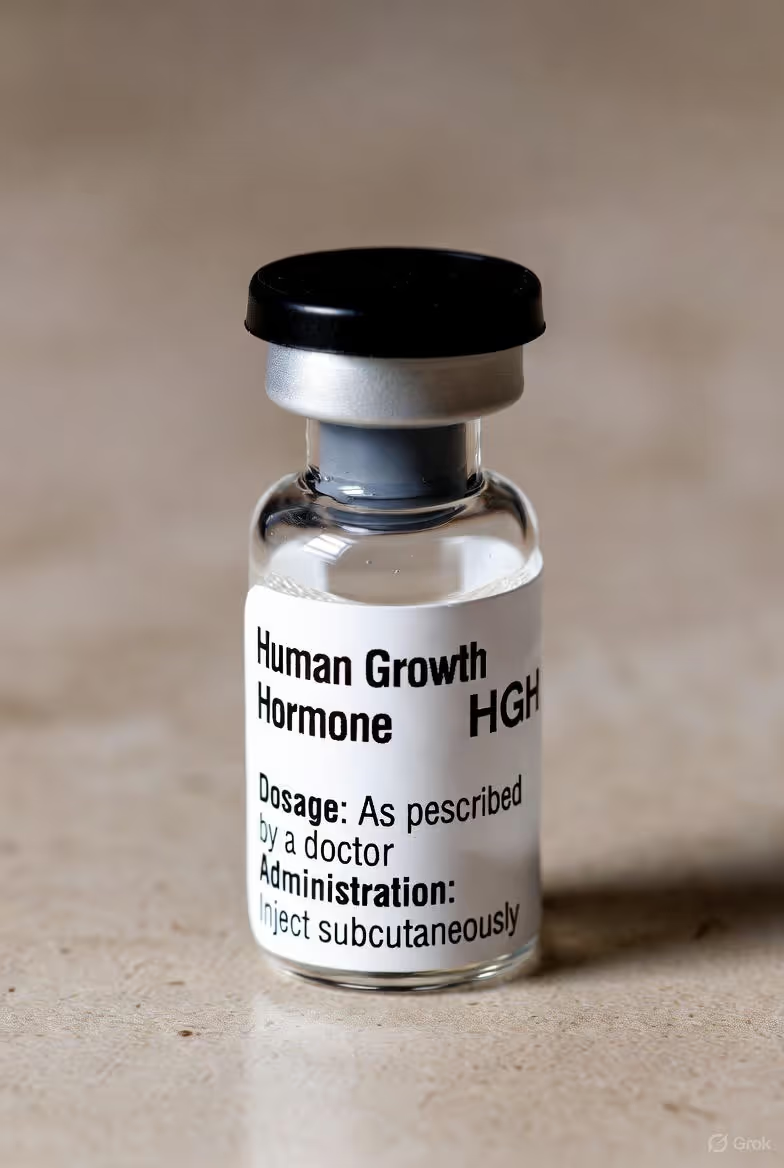
Human Growth Hormone (HGH): The Repair Hormone
Approximately 75% of HGH is released during deep, slow-wave sleep. It’s essential for tissue repair, muscle growth, bone density, and metabolic function.
The Challenge: The age-related decline in deep sleep directly reduces HGH output, impacting recovery and body composition.
Support Strategies: Prioritizing deep sleep is the primary lever. This means optimizing all previous sections—managing stress, timing exercise correctly (especially strength training), avoiding alcohol and late-night eating, and creating an ideal sleep environment. High-intensity interval training (HIIT) has also been shown to boost HGH, but time it carefully to avoid sleep disruption.
The Gut-Brain-Sleep Axis: An Unexpected Connection
Emerging research reveals a powerful connection between your gut microbiome, brain function, and sleep. Your gut is often called your “second brain,” producing many of the same neurotransmitters as your brain, including about 90% of your body’s serotonin (the precursor to melatonin).
The Dysbiosis-Disruption Link: An imbalance in gut bacteria (dysbiosis) can promote inflammation and disrupt the production of sleep-regulating neurotransmitters. Poor sleep, in turn, can negatively alter gut flora.
Dietary Support for the Axis:
Prebiotics: Feed your good bacteria with fiber-rich foods like garlic, onions, leeks, asparagus, bananas, and oats.
Probiotics: Consume fermented foods like yogurt, kefir, sauerkraut, kimchi, and kombucha. A diverse microbiome is a resilient one.
Polyphenols: Found in brightly colored fruits, vegetables, dark chocolate, and green tea, these act as fuel for beneficial microbes.
The Inflammation Connection: Chronic low-grade inflammation, often stemming from the gut, is linked to poorer sleep quality and disorders like insomnia. An anti-inflammatory diet rich in omega-3s (fatty fish, walnuts) and antioxidants (berries, leafy greens) supports both gut and sleep health.
By viewing your hormones and gut health as integral parts of your sleep ecosystem, you can move beyond surface-level fixes and create foundational change. It’s about creating an internal environment where sleep-promoting chemistry can thrive. For more detailed explorations on how lifestyle impacts these biological systems, our blog offers continuous research updates.
Sleep Apnea and Beyond: Identifying and Addressing Sleep Disorders
While the strategies covered so far address the common sleep disruptions of mid-life, it’s vital to recognize when you might be facing a clinical sleep disorder. Undiagnosed disorders like sleep apnea don’t just cause fatigue; they pose serious risks to cardiovascular health, cognitive function, and longevity. After 40, the prevalence of these disorders increases significantly.
Obstructive Sleep Apnea (OSA): The Silent Interruption
OSA occurs when the throat muscles relax during sleep, blocking the airway. Breathing repeatedly stops and starts, often with loud snoring or choking sounds. Each event causes a micro-arousal, fragmenting sleep and dropping blood oxygen levels.
Key Symptoms Beyond Snoring:
Witnessed pauses in breathing (reported by a partner).
Gasping or choking at night.
Excessive daytime sleepiness, despite adequate time in bed.
Morning headaches.
Waking with a dry mouth or sore throat.
High blood pressure that’s difficult to control.
Nighttime sweating (unrelated to hot flashes).
Why Risk Increases After 40: Muscle tone decreases, including in the upper airway. Weight gain, common in mid-life, can increase tissue around the neck. Hormonal changes can also affect airway collapsibility.
The Data Connection: A smart ring like Oxyzen can provide clues. Consistently elevated nighttime heart rate and low blood oxygen saturation (SpO2) readings are strong indicators worth investigating. Frequent movement and very low deep sleep can also be red flags.
Insomnia: When Sleeplessness Becomes Chronic
Insomnia is characterized by persistent difficulty falling asleep, staying asleep, or waking too early, despite adequate opportunity for sleep, leading to daytime impairment. After 40, it often becomes intertwined with stress, health conditions, and medication use.
Cognitive Behavioral Therapy for Insomnia (CBT-I): This is the gold-standard, first-line treatment. It’s more effective and sustainable than sleep medication. CBT-I involves:
Sleep Restriction: Temporarily limiting time in bed to match actual sleep time, building sleep drive.
Stimulus Control: Re-strengthening the bed-sleep connection (as discussed in the “For Sleep Only” rule).
Cognitive Restructuring: Challenging and changing unhelpful beliefs about sleep (e.g., “I’ll never sleep,” “I must get 8 hours”).
The Role of Tracking: Data can help challenge catastrophic thinking. Seeing that you did, in fact, get 2.5 hours of deep sleep (even if you feel you were awake all night) can be a powerful cognitive tool in CBT-I.
Restless Legs Syndrome (RLS) and Periodic Limb Movement Disorder (PLMD)
RLS causes uncomfortable, irresistible urges to move the legs, typically in the evenings when at rest. PLMD involves involuntary leg jerks or twitches during sleep, which can cause awakenings.
Potential Contributors: Iron deficiency is a common cause. Other factors include peripheral neuropathy, kidney disease, and certain medications.
Management: A medical evaluation is crucial. Treatment may include iron supplementation (if deficient), lifestyle changes, or medication.
When to Seek Professional Help
Consult a sleep specialist or your physician if you experience:
Loud, chronic snoring with witnessed breathing pauses.
Daytime sleepiness that interferes with daily life (e.g., falling asleep while driving, in meetings).
Persistent difficulty falling or staying asleep for more than 3 weeks.
Symptoms of RLS that disrupt your or your partner’s sleep.
Your wellness tracker consistently shows very low SpO2, highly elevated nighttime heart rate, or extreme restlessness.
Diagnosis often involves a sleep study (polysomnography), which can be done in a lab or at home. Treatment for OSA may include a CPAP machine, oral appliance therapy, or positional therapy. Addressing a sleep disorder can be life-changing, reducing the risk of heart disease, stroke, diabetes, and dramatically improving daily energy and mood. If you’re using a wellness device and notice concerning patterns, our support team and FAQ can help you understand what the data might indicate for your next steps.
The Mindful Sleeper: Cultivating the Right Mental Attitude for Rest
After optimizing the physical and biological aspects of sleep, we arrive at the most subtle yet powerful frontier: the mind. Your beliefs, attitudes, and relationship with sleep itself can either be the final barrier or the ultimate catalyst. Cultivating the mindset of a “mindful sleeper” means releasing the struggle and anxiety around sleep and embracing a state of conscious surrender.
Deconstructing Sleep Anxiety and Performance Pressure
Ironically, the more we try to sleep, the more elusive it becomes. This creates “sleep effort” and performance anxiety, where the bed becomes a place of pressure rather than peace.
Identify Catastrophic Thoughts: Notice thoughts like, “If I don’t sleep tonight, tomorrow will be ruined,” or “I’m damaging my health right now.” These thoughts trigger stress chemicals, directly opposing sleep.
Cognitive Reframing: Practice replacing catastrophic thoughts with more balanced ones. For example: “My body knows how to sleep. Even rest in bed is beneficial.” Or, “Some nights are better than others. I’ve gotten through this before.”
Let Go of the 8-Hour Mandate: This arbitrary number can be a tyrant. Focus on how you feel, not the clock. Use data from your tracker to see your personal sleep architecture, not just duration.
Acceptance and Commitment Therapy (ACT) Principles for Sleep
ACT is a mindfulness-based approach that is highly effective for insomnia. It involves:
Acceptance: Acknowledging wakefulness or anxiety without fighting it. Instead of “I need to get rid of this anxiety,” try “I notice I’m feeling anxious right now.” This creates space around the feeling, reducing its power.
Cognitive Defusion: Seeing your thoughts as just thoughts, not facts. Imagine your anxious thoughts as leaves floating down a stream, or as a radio playing in another room. You notice them, but you don’t have to buy into them.
Committed Action: Choosing to engage in behaviors aligned with your values (like health and well-being) regardless of your sleep on any given night. You commit to your wind-down routine because it’s a healthy practice, not because it guarantees a certain sleep outcome.
The Practice of Non-Attachment
This is a key mindfulness principle. It means doing the work (the wind-down, the light management, the stress reduction) and then releasing your grip on the result.
The Bedtime Mantra: As you finish your routine and lie down, you might adopt a phrase like, “I’ve done all I can to prepare for sleep. Now I release the outcome and allow my body to do what it knows how to do.”
Focus on the Process, Not the Prize: Find satisfaction in the ritual itself—the feeling of clean sheets, the warmth of tea, the pleasure of a good book. Let the routine be its own reward. This shift in focus removes the performance pressure from the act of falling asleep.
Gratitude and Heart-Centered Practices
Shifting your emotional state before bed from lack (of sleep) to abundance can calm the nervous system.
Heart-Focused Breathing: As you lie in bed, place your hand on your heart. Breathe slowly and gently into that area, imagining your breath flowing in and out of your heart center. This can foster feelings of safety and care.
Gratitude Recap: Silently review moments from your day you felt grateful for. It could be as simple as a warm cup of coffee, a smile from a stranger, or a task completed. This practice activates the parasympathetic nervous system.
Using Technology Mindfully
Even your wellness tracker can become a source of anxiety if you obsess over scores. Use it as a curious scientist, not a judge.
Look for Trends, Not Nightly Scores: A single night of poor sleep data is noise. Look at weekly and monthly trends to see the real impact of lifestyle changes.
Let Data Inform, Not Dictate: If you had a poor “sleep score” but feel reasonably alert, trust your feeling. The data is one input, not the final verdict.
Take Breaks: If checking your sleep data each morning causes stress, consider taking a week off from viewing it. Reconnect with your subjective sense of rest.
By cultivating this mindful attitude, you break the cycle of fear and frustration that surrounds poor sleep. You learn to meet wakefulness with curiosity rather than panic, and to appreciate rest as a state of being, not just a prelude to unconsciousness. This mental shift is often the final, liberating piece that allows deep, natural sleep to finally flourish. For stories of how others have transformed their relationship with sleep and wellness, our community’s real experiences offer inspiration and connection.
Building Your Personalized Sleep Protocol: A 14-Day Integration Plan
Knowledge is only power when applied. This section is your practical playbook for integrating everything you’ve learned into a cohesive, personalized protocol. We’ll move from theory to action with a flexible 14-day plan designed to help you experiment, observe, and refine what works uniquely for you.
Phase 1: Days 1-7 – Foundation and Observation
The goal of this week is not perfection, but consistent implementation of foundational habits and establishing a baseline.
Daily Non-Negotiables:
Morning Light: Within 30 minutes of waking, get 10-15 minutes of outdoor light exposure (or use a bright light therapy lamp if before sunrise).
Digital Sunset: Set a firm time 90 minutes before bed to power down all screens (phones, tablets, laptops, TV).
Wind-Down Ritual: Spend the last 60 minutes before bed in screen-free, calming activities (reading, gentle stretching, listening to music, conversation).
Consistent Wake Time: Wake up at the same time every day, even on weekends (± 30 minutes). This is the most powerful anchor for your circadian rhythm.
Focus on Tracking: Wear your wellness tracker (like an Oxyzen ring) consistently. Each morning, note your subjective feeling (“I feel rested,” “I’m tired”) before looking at the data. Then, review key metrics: Sleep Duration, Deep/REM Sleep, Resting Heart Rate, and HRV. Record these in a simple journal alongside notes on your previous day’s activities (e.g., “evening workout,” “had wine with dinner,” “high-stress workday”).
Day-by-Day Focus (add these to your non-negotiables):
Day 1-2: Optimize your sleep environment. Install blackout curtains, set room temperature to 65-68°F, remove electronics.
Day 3-4: Focus on evening nutrition. Finish eating 3 hours before bed. Experiment with a light, magnesium-rich snack (e.g., a few almonds) if needed.
Day 5-6: Implement a 5-minute pre-sleep breathing or meditation practice as part of your wind-down.
Day 7: Review your week’s data. Look for one correlation (e.g., “On days I walked in the afternoon, my deep sleep was higher”).
Phase 2: Days 8-14 – Refinement and Personalization
This week is about using your observations to fine-tune and solve problems.
Continue All Phase 1 Non-Negotiables.
Targeted Experimentation: Based on your Week 1 insights, choose 1-2 areas to experiment with:
If sleep latency is high: Experiment with a warm bath 90 minutes before bed. Or, try a very small dose of melatonin (0.3 mg) 30 minutes before bed for a few nights to see if it helps reset your clock.
If deep sleep is low: Experiment with the timing of exercise. Try a morning workout instead of an evening one, or introduce a 20-minute afternoon walk.
If nighttime awakenings are frequent: Strictly enforce a 2-hour fluid cutoff before bed. Experiment with a tablespoon of almond butter before bed to stabilize blood sugar.
If HRV is consistently low: Prioritize a daily 10-minute mindfulness or yoga session. Experiment with an adaptogen like ashwagandha (consult a professional first).
The “Two-Thirds Rule” for Wind-Down: Your wind-down ritual should be approximately two-thirds as long as your intended sleep period. If you aim for 7.5 hours of sleep, your wind-down should be about 5 hours long. This doesn’t mean 5 hours of intense ritual; it means the process of downshifting begins then: no more high-stress work, intense arguments, or stimulating movies.
Creating Your “Sleep Recipe”: By Day 14, you should have a clear sense of what moves the needle for you. Compile your personal recipe. For example:
*“My best sleep happens when I get morning sun, finish eating by 7 pm, take a warm shower at 8:30 pm, read fiction from 9-9:45 pm, do 5 minutes of diaphragmatic breathing in bed, and keep the room at 66°F. I avoid evening alcohol and high-intensity workouts after 4 pm.”*
This recipe becomes your personalized protocol, your north star. It’s not rigid, but it’s your proven formula to return to when sleep goes off track.
Troubleshooting and Adapting
Life happens. The protocol must be adaptable.
For Travel/Jet Lag: Use light strategically. Upon arrival, seek sunlight at the local “morning” time to reset your clock. Consider short-term melatonin use.
During High-Stress Periods: Double down on your wind-down ritual and breathwork. You may need to temporarily accept slightly poorer sleep while managing the stressor, but don’t abandon your routine.
When Sick: Sleep is medicine. Abandon all rules except comfort. Let your body rest as much as it needs.
Remember, this is a living system. Your needs may change with seasons, life circumstances, and hormonal shifts. Revisit and tweak your protocol every few months. The journey to better sleep is one of lifelong curiosity and self-care, supported by both ancient wisdom and modern tools. To continue learning and adapting, a wealth of evolving resources can be found on our comprehensive blog.
The Ripple Effect: How Mastering Sleep Transforms Your Waking Life
Investing in sleep is not a selfish act of withdrawal; it’s the foundational investment that fuels every other aspect of your life. When you consistently achieve restorative sleep, the benefits cascade outward, creating positive ripples in your physical health, mental acuity, emotional balance, and overall vitality. This is the ultimate payoff.
Cognitive Clarity and Enhanced Brain Function
Sleep is essential for brain maintenance and optimization.
Memory Consolidation: During deep and REM sleep, the brain sorts, files, and strengthens memories from the day. This enhances learning, skill acquisition, and long-term memory recall.
Glymphatic System Clearance: The brain’s unique waste-clearing system is most active during deep sleep. It flushes out metabolic debris, including beta-amyloid proteins associated with Alzheimer’s disease. Quality sleep is literally a nightly brain cleanse.
Improved Focus & Decision-Making: A well-rested prefrontal cortex—the CEO of your brain—has better executive function. You’ll experience sharper focus, clearer thinking, better judgment, and enhanced problem-solving abilities.
Emotional Resilience and Mental Well-being
Sleep and mood are inextricably linked.
Emotional Regulation: Sleep deprivation amplifies activity in the brain’s amygdala (the fear center) while weakening its connection to the prefrontal cortex (the rational regulator). This makes you more reactive, irritable, and prone to anxiety and negative thinking.
Stress Resilience: Quality sleep lowers baseline cortisol and improves HRV, meaning you start the day from a calmer, more resilient place. You can handle daily hassles without being thrown off balance.
Reduced Depression & Anxiety Risk: Chronic sleep disruption is a significant risk factor for the development and exacerbation of mood disorders. Restoring sleep is often a core component of treatment.
Physical Health and Metabolic Harmony
The body does its most critical repair work during sleep.
Metabolic Health: Sleep regulates insulin sensitivity. Poor sleep increases insulin resistance, raising the risk for weight gain, type 2 diabetes, and metabolic syndrome.
Cardiovascular Repair: Blood pressure dips during deep sleep, giving your heart and blood vessels a rest. Consistent good sleep lowers the risk of hypertension, heart attack, and stroke.
Immune Competence: Deep sleep boosts the production of cytokines, proteins that fight infection and inflammation. Skimping on sleep can make you more susceptible to illnesses and reduce vaccine efficacy.
Hormonal Balance: As detailed earlier, sleep regulates the hormones controlling appetite (leptin and ghrelin), stress (cortisol), and repair (growth hormone).
The Confidence of Self-Knowledge
Perhaps one of the most profound, less tangible benefits is the regained sense of agency. Using tools like the Oxyzen smart ring moves you from feeling like a victim of poor sleep (“I’m just a bad sleeper”) to becoming an empowered architect of your own well-being.
You understand your body’s unique signals.
You can predict how choices will affect your rest.
You can advocate for yourself with healthcare providers using concrete data.
You develop a deep trust in your body’s ability to heal and restore when given the right conditions.
This journey of mastering sleep after 40 is, fundamentally, a journey back to yourself. It’s about respecting your body’s evolving needs and providing it with the conditions it requires to thrive. The result is not just more sleep, but more life—more energy for your passions, more patience for your loved ones, more clarity for your purpose, and more resilience for the challenges ahead. It’s the cornerstone of aging not just with grace, but with power and presence. To see how this philosophy is embedded in the tools we create, you can explore our story and vision.
Looking Ahead: Sustaining Your Sleep Success for Years to Come
Mastering sleep is not a destination reached after 14 days; it’s a lifelong practice of tuning and listening. Your body will continue to change, and your sleep protocol must evolve with it. The mindset and tools you’ve acquired are for the long haul. Here’s how to ensure your sleep success endures.
The Quarterly Sleep Audit
Every three months, set aside time for a formal “Sleep Audit.”
Review Your Data: Look at your 90-day trends in your wellness app. Are your HRV and deep sleep holding steady? Is there a seasonal trend (e.g., worse sleep in winter)?
Re-evaluate Your “Recipe”: Is your current wind-down ritual still enjoyable and effective? Have new stressors or lifestyle changes crept in that need addressing?
Check Your Environment: Are blackout curtains still effective? Has your mattress lost its support? Do you need different bedding for a new season?
Consult Your Body: How do you feel? Has your energy, mood, or recovery from exercise changed?
This proactive check-in prevents slow, unnoticed drift back into poor habits.
Adapting to Life’s Transitions
Anticipate and plan for known disruptors.
Perimenopause & Menopause: If you haven’t already, establish a relationship with a knowledgeable healthcare provider. Continue tracking to provide objective data on sleep disruption. Be open to reevaluating strategies, as needs may shift dramatically during this transition.
Empty Nesting & Retirement: These major life changes can disrupt daily structure, a key circadian cue. Be intentional about creating a new routine that includes social connection, purpose, and physical activity to preserve sleep-wake cycles.
New Medications: Always ask about the sleep-related side effects of any new prescription. Some medications for blood pressure, depression, or allergies can impact sleep architecture. Track closely when starting something new.
The Role of Community and Continuous Learning
Sleep science is not static.
Stay Curious: Follow reputable sources for the latest research on sleep, circadian biology, and wellness. Our blog is regularly updated with insights that can inform your practice.
Share Your Journey: Talking about sleep with friends or in supportive communities (like those formed around wellness technology) can provide tips, normalize challenges, and reinforce commitment. Reading others' successes in our testimonials can renew your motivation.
Educate Your Circle: Help your partner, family, or roommates understand the importance of your sleep sanctuary and wind-down ritual. Their support can make implementation much easier.
Embracing the Long Game: Sleep as a Non-Negotiable Pillar
Ultimately, sustaining success means elevating sleep to the status of a non-negotiable pillar of health, alongside nutrition and exercise. It is the bedrock upon which everything else is built.
Schedule Sleep: Treat your bedtime and wind-down with the same respect as an important meeting. Block it in your calendar.
Reframe “Sacrifice”: Choosing to leave a party early or skip a late-night show isn’t missing out; it’s choosing to invest in your tomorrow’s energy, mood, and health.
Practice Self-Compassion: There will be off nights, tough weeks, and periods of disruption. The goal is resilience, not perfection. When sleep falters, return to your protocol with kindness, not criticism.
By now, you possess a comprehensive understanding of what your body needs for better sleep after 40. You have a map that covers the biological shifts, the environmental tweaks, the nutritional supports, the mental strategies, and the technological tools. You are equipped not with a rigid set of rules, but with a principle-based framework for creating your own restorative sleep, night after night, for years to come.
The path to better sleep naturally is a journey of returning home—to the innate wisdom of your body and the profound need for rest that is your birthright. It is one of the most powerful investments you can make in the quality of your next chapter. We at Oxyzen are honored to be a part of that journey, providing the precise, personalized data that illuminates your path forward. Here’s to your deep, restorative sleep and the vibrant, energized days that follow.



%402x.svg)