The Complete Guide to Understanding Your Sleep Tracking Data
Understanding your sleep tracking data transforms numbers into actionable insights. This comprehensive guide teaches you to analyze patterns, identify problems, correlate behaviors with outcomes, and make evidence-based decisions that actually improve your rest quality based on objective measurements.
The Complete Guide to Understanding Your Sleep Tracking Data
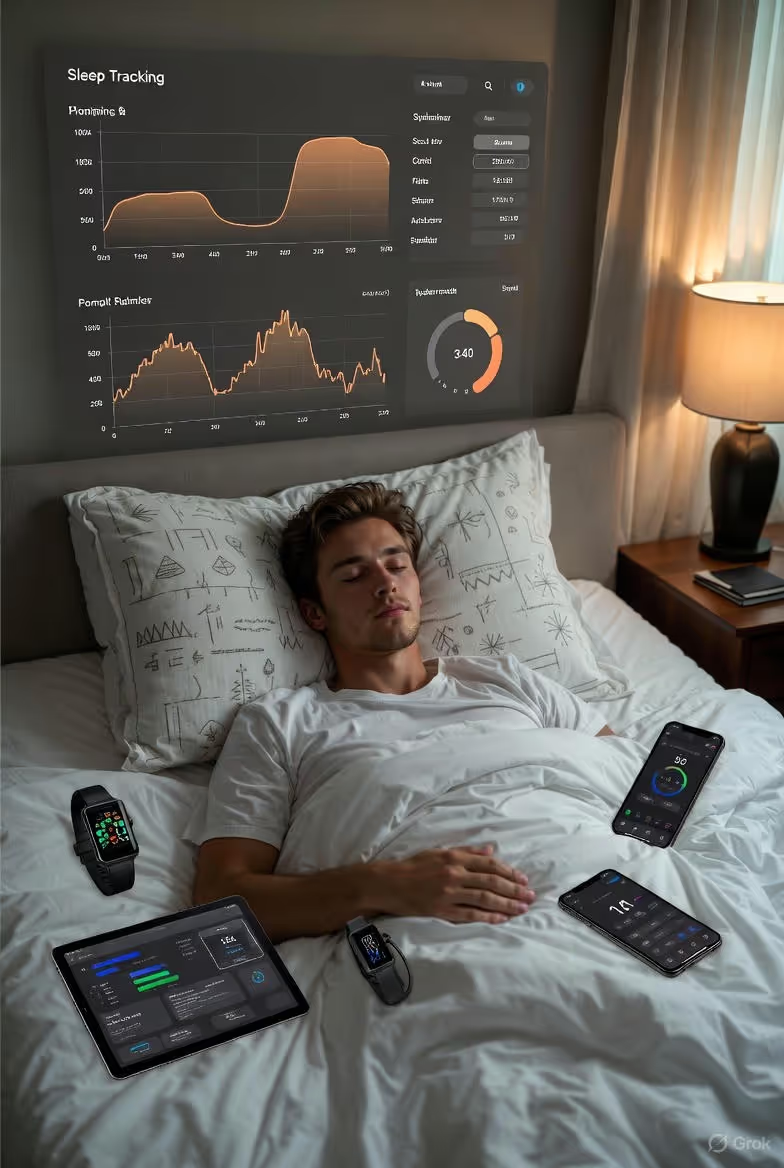
You wake up. It’s 7 AM. The alarm was gentle, but your body feels heavy, your mind foggy. You slept for eight hours, so why don’t you feel rested? For generations, we relied on this crude metric—time in bed—as the sole measure of sleep’s success. But just as counting steps transformed our understanding of daily activity, a new revolution is illuminating the night. Your sleep is no longer a mysterious black box; it’s a rich, decipherable dataset waiting to be understood.
Welcome to the frontier of personal wellness: sleep tracking data. If you’ve recently strapped on a smart ring or a wearable, you’ve unlocked a trove of information—graphs, scores, percentages, and stages that can seem as cryptic as an ancient scroll. Terms like "sleep latency," "heart rate variability (HRV)," and "REM density" populate your morning report, promising insight but often delivering confusion. This data holds the key to unlocking truly restorative sleep, yet without a guide, it’s just numbers.
This isn't just about getting more sleep; it's about engineering better sleep. By learning to interpret the signals from your body at night, you can move from guessing to knowing. You can identify the hidden stressors sabotaging your slumber, pinpoint the habits that lead to waking up refreshed, and ultimately, use the night to fuel your days with unparalleled energy and clarity. Whether your goal is improved athletic recovery, sharper mental focus, better mood regulation, or simply feeling good when your eyes open, it all starts with understanding the story your sleep data is telling.
The journey from raw data to personal transformation begins here. In this guide, we will demystify every metric, chart, and score your device provides. We'll translate the biological symphony of your sleep cycles into actionable insights. You’ll learn not just what your sleep looks like, but more importantly, why it looks that way, and what you can actually do about it. Let’s turn that morning fog into crystal-clear understanding.
The New Science of Sleep: Beyond Counting Sheep
For centuries, our understanding of sleep was limited to observable behavior: closed eyes, rhythmic breathing, and a loss of consciousness. The real breakthrough came in the 1950s with the development of polysomnography (PSG)—the clinical "gold standard" for sleep study. In a lab, wires and electrodes would measure brain activity (EEG), eye movements (EOG), muscle tone (EMG), heart rate, and breathing. From this, scientists mapped the architecture of sleep, identifying the cyclical journey through light sleep, deep sleep, and REM (Rapid Eye Movement) sleep.
While incredibly accurate, PSG is impractical for daily life. This is where modern wearable technology, like advanced smart rings from innovators such as Oxyzen, has created a paradigm shift. By harnessing miniaturized sensors—including photoplethysmography (PPG) to optically measure blood flow, accelerometers for movement, and temperature sensors—these devices provide a proxy for that lab-grade data, right on your finger. They use sophisticated algorithms to interpret signals like heart rate, heart rate variability, and movement to estimate your sleep stages and quality throughout the night.
This move from the lab to the home is revolutionary. It provides longitudinal data—night after night, week after week—offering a picture far more valuable than a single night in a strange bed covered in wires. It reveals your personal sleep baseline and how it fluctuates with your lifestyle. You’re no longer getting a snapshot; you’re watching a movie of your nocturnal health.
However, it’s crucial to understand the distinction between estimation and diagnosis. Your wearable provides highly insightful estimates of sleep stages and quality. It is not a medical device and cannot diagnose sleep disorders like sleep apnea or insomnia. Think of it as an incredibly knowledgeable sleep coach, not a sleep doctor. Its power lies in showing you trends, correlations, and the impact of your daily choices, empowering you to become the expert on your own sleep. For those seeking to dive deeper into the technology enabling this, you can discover how Oxyzen works on our homepage.
Understanding this foundation of how sleep is tracked sets the stage for making sense of your own personal data dashboard each morning.
Decoding Your Sleep Dashboard: A Metric-by-Metric Breakdown
Opening your sleep app can feel overwhelming. A cascade of numbers, graphs, and a single, sometimes-judgmental, "Sleep Score" stares back. Let's break down each core component so you can read your dashboard like a pro.
The Sleep Score: Your Overall Nightly Grade This composite number (often out of 100) is a weighted algorithm that synthesizes various data points. While each brand has its own formula, it generally factors in:
Duration: Did you get enough total sleep?
Quality: How "deep" and restorative was your sleep?
Regularity: Did you go to bed and wake up at consistent times?
Restfulness: How much did you toss, turn, or wake up?
Think of your Sleep Score not as an absolute grade, but as a daily benchmark against yourself. A score of 85 one night and 72 the next is more informative than a static 85 every night—it prompts the question: "What was different?"
Total Sleep Time vs. Time in Bed This is the first critical distinction. Your "Time in Bed" starts when you get in and ends when you get up. Your "Total Sleep Time" is exactly that—the actual minutes you were ascertained to be asleep. The difference between these two numbers is your "wakefulness" or "sleep inefficiency." A healthy sleeper might have an efficiency of 90-95%, meaning only 5-10% of bedtime is spent awake. Consistently low efficiency can be a key flag to investigate.
Sleep Stages: The Architecture of Your Night This is the core architecture. Your night is composed of cycles, each lasting about 90 minutes, containing four stages:
Awake: Brief periods of wakefulness you typically don't remember. Some are normal.
Light Sleep (N1 & N2): The gateway to sleep and the most prevalent stage (often 50-60% of the night). It's essential for memory consolidation and metabolic health.
Deep Sleep (N3 or Slow-Wave Sleep): The physically restorative phase. This is when tissue repair, immune strengthening, and growth hormone release peak. It's harder to be awakened and typically dominates the first half of the night.
REM Sleep: The mentally restorative phase. Characterized by rapid eye movements, dreaming, and a brainwave state similar to being awake. Crucial for emotional processing, memory, and learning. REM periods lengthen in the second half of the night.
Your device’s graph shows the "hypnogram"—a timeline of your journey through these stages. A healthy hypnogram looks like rolling hills, with deep sleep early on and REM peaks later. Frequent spikes into "awake" or jagged, fragmented cycles tell a different story.
Sleep Latency: How Long It Takes to Fall Asleep This measures the minutes from when you intend to sleep (lights out, device in sleep mode) to when you actually fall asleep. A typical range is 10-20 minutes. Consistently longer latencies (over 30 minutes) may indicate an overactive mind, poor sleep hygiene, or timing issues. Very short latencies (under 5 minutes) can be a sign of significant sleep deprivation or a disorder.
Wake After Sleep Onset (WASO): The Fragmentation Factor This is the total time you spend awake after initially falling asleep. It measures sleep fragmentation. A small amount of WASO is normal, but prolonged or frequent awakenings disrupt your sleep cycles and impair restoration. Tracking WASO helps you identify culprits like noise, light, pain, or caffeine too late in the day.
By understanding what each of these metrics represents, you move from seeing a jumble of data to reading a coherent story about your night. For more detailed explanations on specific metrics and what they mean for you, our blog is a great resource for further reading.
The Hidden Biometrics: Heart Rate, HRV, and Temperature
Beyond sleep stages, advanced wearables track profound physiological markers that offer a deeper layer of insight into your nervous system and recovery status. These are the "vital signs" of your sleep.
Resting Heart Rate (RHR) During Sleep Your heart rate naturally dips during sleep, reaching its lowest point (your nocturnal resting heart rate) typically during deep sleep. Tracking this trend is powerful:
A lower nocturnal RHR generally indicates better cardiovascular fitness and efficient autonomic nervous system function.
A sudden spike in your average nightly RHR can be an early warning sign of oncoming illness, excessive stress, dehydration, or overtraining.
A gradual elevation over time might suggest declining fitness or chronic stress.
By establishing your personal baseline, you can see how your body is truly handling your daily life.
Heart Rate Variability (HRV): The Master Metric of Recovery HRV is the nuanced measure of the time variation between individual heartbeats, measured in milliseconds. Contrary to intuition, a higher HRV is generally better. It indicates a resilient, adaptable autonomic nervous system—specifically, a strong "rest-and-digest" (parasympathetic) tone.
During sleep, your HRV should rise as your body shifts into recovery mode. Your device will track your nightly average HRV or a sleep-specific HRV reading.
A high or increasing overnight HRV trend suggests good recovery, effective stress management, and quality sleep.
A low or decreasing trend is a red flag. It signals that your body is under strain—from physical stress (a hard workout), psychological stress, poor sleep, or illness—and is struggling to recover.
HRV is arguably the most sensitive non-invasive indicator of your overall stress and recovery balance. It’s the metric that tells you whether your body is thriving or just surviving.
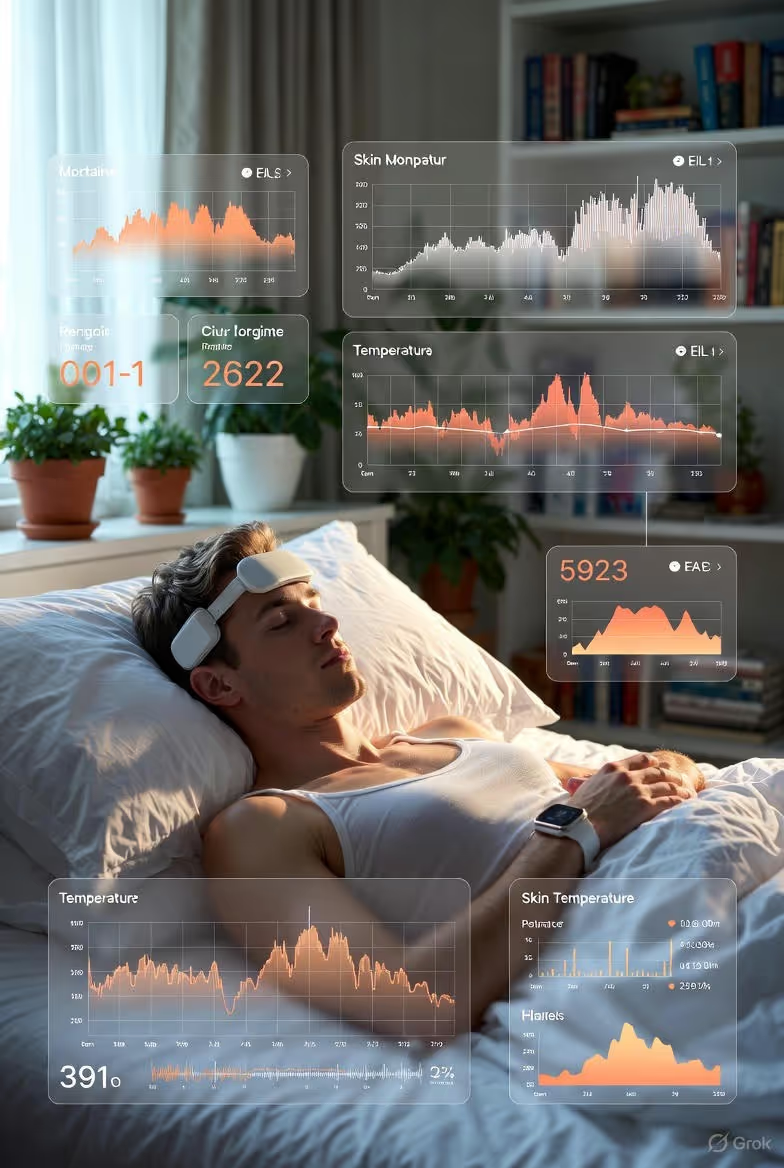
Skin Temperature Trends Your core body temperature follows a circadian rhythm, dropping to initiate sleep and rising to promote wakefulness. Wearables track the subtle changes in your skin temperature, which correlates with this cycle.
A smooth, predictable decline in skin temperature as you fall asleep is ideal.
Disruptions or elevated nighttime temperature can fragment sleep and reduce deep sleep. This can be caused by a room that's too warm, hormonal fluctuations, or inflammation in the body.
Some devices also use temperature to help predict menstrual cycle phases or identify potential signs of fever.
When you combine these hidden biometrics with your sleep stage data, you get a holistic picture. You might see a night with decent sleep duration but a plummeting HRV, telling you that despite the hours logged, your body was fighting something. This is the true power of modern sleep tracking: moving beyond simple duration to a profound understanding of physiological restoration. To see how real people use these insights to change their lives, explore the real customer reviews and experiences at Oxyzen.
What "Good Sleep" Really Looks Like: Establishing Your Baseline
With an understanding of the metrics, the next crucial step is defining what "good" means—for you. Chasing generic, population-based ideals can be counterproductive. The goal is to discover your personal baseline.
The Myth of the 8-Hour Mandate While 7-9 hours is the recommended range for adults, individual needs vary genetically. Some thrive on 6.5; others need a solid 9. Your task is to find your "sweet spot"—the amount of sleep after which you wake up naturally (without an alarm) feeling refreshed and can maintain stable energy throughout the day. Your sleep tracking data over several weeks, including weekends when you can sleep in, will help pinpoint this number.
The Stage Percentages: Your Personal Blueprint General guidelines suggest:
Light Sleep: 50-60%
Deep Sleep: 10-25% (often 1-2 hours total)
REM Sleep: 20-25% (often 1.5-2 hours total)
However, your personal blueprint is unique. A 25-year-old athlete may naturally get more deep sleep for physical repair. A 50-year-old may see a gradual, normal decline in deep sleep but maintain robust REM. The key is consistency in your own patterns. A sudden, sustained drop in your typical deep sleep percentage is more significant than not hitting a textbook 20%.
How to Find Your Baseline:
Track Consistently: Wear your device every night for at least 2-4 weeks. This accounts for natural cyclical variations.
Normalize Conditions: Try to do this during a period of relatively "normal" life—not on vacation, not during extreme stress or illness, and while maintaining a consistent sleep schedule as much as possible.
Calculate Averages: After this period, calculate your average scores: Total Sleep Time, Sleep Score, Deep Sleep %, REM %, Nightly HRV, and RHR.
Note How You Feel: Keep a simple journal. Rate your morning energy, mood, and afternoon focus on a scale of 1-10. The goal is to correlate your subjective feeling with your objective data.
This personalized baseline becomes your north star. It’s the standard against which you measure the impact of lifestyle experiments, travel, stress, and new routines. Deviations from your baseline are your body’s way of sending you a message. For instance, if your baseline HRV is 50ms and it drops to 35ms for three nights in a row, it’s a clear signal to prioritize recovery. Understanding this is central to our vision and values at Oxyzen: empowering personalized health insight.
The Day-Night Connection: How Your Day Sabotages or Enhances Your Sleep
Your sleep quality is not determined when you turn off the lights. It’s the culminating event of your entire day. Every choice, from your morning coffee to your evening scroll, sends signals to your circadian rhythm and nervous system.
The Culprits: What Drags Your Scores Down
Caffeine & Alcohol: Caffeine has a half-life of 5-6 hours. A 3 PM coffee can still be blocking sleep-promoting adenosine at 9 PM. Alcohol, while sedating initially, is a major disruptor. It suppresses REM sleep in the first half of the night and causes rebound awakenings and fragmentation as it metabolizes, often spiking heart rate.
Late, Heavy Meals: Digesting a large meal close to bedtime raises core temperature and keeps your body working, not resting. It can also exacerbate acid reflux, causing awakenings.
Blue Light & Mental Stimulation: Evening screen time emits blue light that suppresses melatonin production. More insidious is the cognitive and emotional stimulation from work emails, intense shows, or social media—it activates the "fight-or-flight" (sympathetic) nervous system when you need "rest-and-digest."
Poor Stress Management: Unmanaged daytime anxiety follows you to bed. High cortisol levels at night are a primary cause of long sleep latency, fragmented sleep, and reduced deep sleep.
Lack of Daylight & Movement: Insufficient bright light exposure in the morning fails to properly anchor your circadian rhythm. Sedentary days can lead to insufficient "sleep pressure"—the build-up of adenosine that makes you feel sleepy.
The Heroes: Habits That Elevate Your Sleep
Morning Sunlight: Viewing bright, outdoor light within 30-60 minutes of waking is the most powerful cue to set your internal clock. It suppresses melatonin, boosts daytime alertness, and makes it easier to fall asleep later.
Strategic Exercise: Regular exercise, particularly earlier in the day, promotes deeper sleep and lowers stress hormones. Evening exercise can be fine for many, but if you see elevated nighttime heart rates or trouble falling asleep, try shifting it earlier.
Nutritional Timing: Aim to finish eating 2-3 hours before bed. A small, sleep-promoting snack (like kiwi, tart cherry juice, or a handful of almonds) is fine if needed.
The Wind-Down Ritual: This is non-negotiable. Create a 60-minute buffer zone before bed. This means dim lights, no screens, and engaging in calming activities like reading a physical book, gentle stretching, listening to calm music, or meditation. This tells your nervous system the day is over.
Your sleep data is the ultimate biofeedback tool for these choices. Did your Deep Sleep% plummet after a late-night work sprint? Did your HRV soar after a day of hiking and an early dinner? The data provides objective proof, moving you from anecdote to evidence-based living. For more ideas on building a better wind-down routine, explore our blog for more wellness tips.
Sleep Consistency: Why Your Schedule Matters More Than You Think
You can get 8 hours of sleep every night, but if those hours are at different times, you’re likely still accumulating "social jet lag"—a chronic misalignment between your internal body clock and your actual sleep schedule. Consistency is arguably as important as duration for long-term health.
Circadian Rhythm: Your Internal Timekeeper Your body operates on a roughly 24-hour cycle governed by a "master clock" in the brain (the suprachiasmatic nucleus). This clock regulates the timing of sleep, hormone release (cortisol, melatonin), digestion, and even body temperature. When you go to bed and wake up at wildly different times, you confuse this clock, leading to a state of internal desynchrony.
The Power of a Fixed Wake-Up Time The single most effective habit for sleep consistency is a fixed wake-up time—even on weekends. Your wake time is the primary anchor for your circadian rhythm. By getting light exposure at the same time each day, you create a stable framework. Your body will then naturally begin to feel sleepy at a consistent time in the evening.
What Your Data Shows: Look for these metrics related to consistency:
Sleep Timing Variability: Many apps show a chart of your bedtime and wake time across the week. The goal is tight, consistent lines, not zig-zags.
Impact on Scores: You will likely notice that nights following a consistent schedule yield higher Sleep Scores, better HRV, and more stable stage distributions, even if the total time is slightly less. Nights after a late weekend binge will show more fragmentation and less deep/REM sleep.
The Social Jet Lag Effect: Pushing your schedule more than 60-90 minutes on weekends creates jet lag without the travel. Monday morning feels terrible because your body is, in essence, in a different time zone. The data doesn’t lie: you’ll see longer sleep latency Sunday night, worse efficiency, and a groggy Monday report.
Committing to consistency is a gift to your future self. It creates a robust, predictable rhythm that makes falling asleep easier, improves sleep quality, and stabilizes daytime energy and mood. It’s the foundation upon which all other sleep optimizations are built.
Navigating the Data: Spotting Trends, Not Obsessing Over Dailies
In our quest for optimization, it’s easy to fall into the trap of "sleep performance anxiety"—watching the live tracking graph or fixating on a single night’s poor score. This anxiety itself can become a sleep disruptor. The true power of this technology lies in longitudinal analysis: spotting trends over weeks and months.
The Big Picture View: Weekly & Monthly Averages A single night of poor sleep is meaningless noise. It happens to everyone. What matters is the trend line. Use your app’s weekly and monthly view religiously.
Is your average Sleep Score trending up, down, or holding steady over the last month?
Is your weekly average HRV increasing (good) or decreasing (concerning)?
Are you seeing a gradual erosion of Deep Sleep percentage, or is it stable?
These are the questions that lead to meaningful insight. A down-trend in HRV over three weeks is a clear signal to audit your stress, training load, or diet, regardless of a few good nights sprinkled in.
Correlation is Not Causation (But It’s a Great Clue) Your device shows you correlations. "On nights after you logged a late meal, your deep sleep was 15% lower." Or "On days you logged a mindfulness session, your sleep latency dropped by 10 minutes." These are powerful clues for your own personal n=1 experiments. The data invites you to test a change: "If I stop eating after 8 PM for two weeks, does my deep sleep average improve?"
When to Ignore the Data: There will be anomalies. A high score when you feel terrible, or a low score when you feel great. The sensors can have off nights (loose fit, unusual movement). Always lead with subjective feeling. The data is there to explain your feelings, not to dictate them. If you feel rested, you are rested, regardless of the score.
Avoiding Obsession: Set boundaries. Check your sleep data once in the morning to gain insight for your day, then close the app. Do not check it during the night. Do not base your entire self-worth on a number. Use it as a curious, compassionate guide, not a harsh judge. If you find yourself becoming anxious, take a week off from looking at the scores and just focus on the feeling. For support on using your device without stress, our FAQ page offers helpful guidance.
The Impact of Lifestyle Factors: Exercise, Diet, and Stress
Your sleep data is a mirror reflecting your entire lifestyle. Three of the most powerful levers you can pull are exercise, nutrition, and stress management. Let’s see how they directly imprint on your nightly report.
Exercise: The Type and Timing Matter
Cardiovascular & Resistance Training: Consistent exercise is profoundly sleep-promoting. It increases sleep pressure (adenosine), reduces anxiety, and can help regulate circadian rhythms. In your data, look for increased deep sleep and improved sleep efficiency on days you work out.
The Timing Puzzle: For most, morning or afternoon exercise is ideal. Vigorous exercise too close to bedtime (within 1-2 hours) can raise core temperature and stimulate the nervous system, leading to longer sleep latency and elevated nighttime heart rate. Check your data: If your sleep latency spikes on evenings you train late, shift your workout earlier.
Nutrition: You Are What You Eat (And When You Eat It)
Macronutrient Balance: Diets severely lacking in complex carbohydrates can sometimes reduce REM sleep. Heavy fat intake close to bed can disrupt sleep. A balanced diet supports balanced sleep.
The Fasting Window: Time-restricted eating (e.g., a 12-14 hour overnight fast) can align with circadian biology and improve sleep metrics for some. However, going to bed very hungry can also cause awakenings. Notice if your WASO increases on nights with a very long fast.
Key Sleep Nutrients: Deficiencies in magnesium, zinc, and B vitamins can impair sleep. Some find that supplementing with magnesium glycinate improves subjective sleep quality and reduces restlessness—a change often visible in a lower "toss and turn" count.
Stress & Mindfulness: Calming the Nervous System This is the most direct connection. Your daytime emotional state is the preview of your nighttime physiology.
Acute Stress: A tough conversation or looming deadline can cause a visible spike in your nighttime heart rate and a drop in HRV for that single night.
Chronic Stress: This is the silent killer of sleep quality. It leads to elevated cortisol at night, which fragments sleep and decimates deep sleep. You’ll see this as a pattern of low deep sleep %, high WASO, and a suppressed, declining HRV trend.
The Antidote - Mindfulness & Relaxation: Practices like meditation, deep breathing (e.g., 4-7-8 breathing), and progressive muscle relaxation directly activate the parasympathetic nervous system. The data validates this: practitioners often see shorter sleep latency, less fragmentation, and a higher, more resilient HRV. It’s one of the most effective "hacks" for improving your sleep architecture without changing anything else.
By using your sleep data to observe the impact of these factors, you move from generic advice to personalized prescription. You learn that for your body, a 7 PM workout is fine, but a post-8 PM meal is disruptive. This is the essence of bio-hacking: using data to make informed decisions that optimize your biology.
Advanced Insights: Respiratory Rate, Blood Oxygen, and Movement
As sensor technology advances, newer wearables are providing even more granular data that can offer clues to sleep quality and overall health. Let’s explore these advanced metrics.
Respiratory Rate (RR): The Silent Rhythm This is the number of breaths you take per minute during sleep. For adults, a typical range is 12-20 breaths per minute. It’s a remarkably stable metric night-to-night for a healthy individual.
Trending Value: A sudden, sustained increase in your average nighttime respiratory rate can be a very early indicator of an oncoming respiratory infection (like a cold or COVID-19), increased stress/anxiety, or the onset of a condition like sleep apnea.
Monitoring: Watching for deviations from your personal baseline (e.g., your normal 14 bpm creeping up to 17 bpm for several nights) can give you a heads-up to take extra care of your health.
Blood Oxygen Saturation (SpO2) This measures the percentage of oxygen-carrying hemoglobin in your blood. While awake, it’s typically 95-100%. During sleep, it’s normal for it to dip slightly due to changes in breathing patterns.
Significant Dips: However, frequent or large drops in SpO2 (usually below 90%) during sleep can be a primary indicator of sleep apnea, a disorder characterized by repeated breathing interruptions. These dips cause micro-awakenings that fragment sleep and strain the cardiovascular system.
Important Note: A wearable SpO2 reading is for trend observation and screening, not diagnosis. If your data shows consistent, significant overnight dips, it is a powerful signal to consult a sleep specialist for a professional evaluation.
Movement & Restlessness Your device’s accelerometer tracks gross body movement. Some apps provide a "restlessness" score or a graph of movement events.
Normal Movement: We all shift position 20-40 times per night. This is normal and prevents soreness.
Excessive Restlessness: A high level of tossing and turning, especially when correlated with spikes in heart rate, can indicate discomfort (wrong temperature, poor mattress), pain, stress, or sleep disorders like periodic limb movement disorder.
Correlation with Stages: You’ll typically see movement peaks during lighter sleep and brief awakenings (WASO). Deep sleep is characterized by very little movement.
These advanced metrics add another layer of diagnostic power to your personal tracking. They transform your device from a sleep coach into a broader wellness guardian, offering insights that extend far beyond your sleep stages. Understanding these nuances is part of our commitment to providing comprehensive insight, which you can learn more about on our about page.
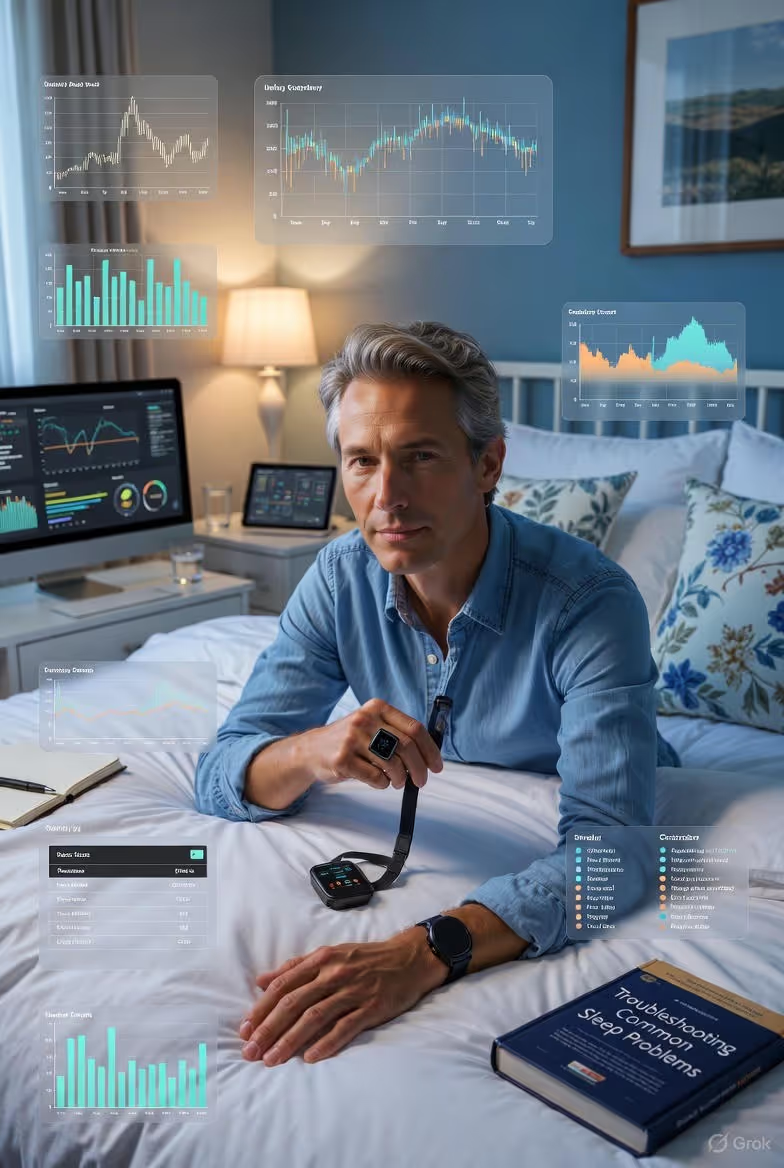
Troubleshooting Common Sleep Problems with Data
Now, let’s apply everything we’ve learned. When you see a problem in your data, it’s a puzzle to solve. Here’s how to diagnose and address some of the most common issues.
Problem: "I Can't Fall Asleep" (High Sleep Latency)
Data Clue: Sleep Latency consistently >30 minutes.
Potential Causes & Fixes:
Blue Light & Stimulation: Check your pre-bed routine. Implement a strict 60-minute screen-free wind-down.
Mind Racing: High stress or anxiety. Correlate with daytime logs. Introduce evening meditation or a "brain dump" journaling session 1 hour before bed.
Poor Timing: Going to bed before your body is ready. Use your consistent wake time to naturally pull your bedtime earlier over time. Don’t force yourself into bed.
Caffeine/Nicotine: Audit intake times. Enforce a "last call" for caffeine at least 8-10 hours before bedtime.
Problem: "I Wake Up Too Often" (High WASO / Fragmentation)
Data Clue: High Wake After Sleep Onset, jagged hypnogram.
Potential Causes & Fixes:
Environment: Noise, light, or temperature fluctuations. Use your data: was it a hotter night? Were there noise events? Consider blackout curtains, white noise, and optimizing bedroom temperature (cooler is generally better).
Alcohol: Check correlation. Even 1-2 drinks can cause rebound awakenings in the second half of the night. Try a 30-day alcohol-free experiment and watch your WASO plummet.
Sleep Apnea: If paired with snoring, daytime fatigue, and observed SpO2 dips, consult a doctor.
Need to Urinate: Limit fluids 90 minutes before bed.
Problem: "I Don't Feel Rested" (Adequate Time, Low Scores)
Data Clue: Decent Total Sleep Time but low Sleep Score, low Deep/REM sleep percentages.
Potential Causes & Fixes:
Low Sleep Efficiency: You’re in bed but not sleeping enough of it. Focus on sleep restriction: only go to bed when truly sleepy, get up at a fixed time, and avoid long, anxious lies-in.
Lack of Deep Sleep: Often linked to stress, alcohol, or late exercise. Prioritize stress management and shift any intense workouts earlier.
Lack of REM Sleep: Can be linked to alcohol (which suppresses REM), certain medications, or irregular schedules. Focus on consistency and review substances with a doctor.
Misaligned Circadian Rhythm: Inconsistent schedule. Double down on a fixed wake time and morning light.
Problem: "My HRV is Crashing"
Data Clue: A sustained downward trend in nightly HRV over 1-2 weeks.
Potential Causes & Fixes:
Overtraining: Are you exercising harder without adequate recovery? Incorporate more rest days or deload weeks.
Psychological Stress: Are you under unusual work or emotional strain? Double down on mindfulness, nature time, and social connection.
Imminent Illness: Your body is fighting something. Prioritize extra sleep, hydration, and nutrition. Consider scaling back.
Poor Diet/Dehydration: Inadequate fuel or water intake stresses the system.
By using your data as a detective’s tool, you move from suffering a problem to systematically solving it. Each night’s report becomes feedback for the next day’s choices, creating a virtuous cycle of improvement.
From Insight to Action: Crafting Your Personalized Sleep Optimization Plan
You’ve gathered the data, decoded the metrics, and identified your trends and trouble spots. Now comes the most critical phase: turning this profound self-knowledge into a concrete, personalized plan for change. Information without action is merely trivia. This section will guide you through building a sustainable sleep optimization protocol based squarely on what your unique data is telling you.
The Philosophy of "One Change at a Time" The most common mistake in optimization is overhauling your entire life overnight. This is unsustainable and makes it impossible to know which change actually worked. The scientific approach is isolated variable testing.
Identify Your Priority: Based on your trend analysis, what is your single biggest sleep obstacle? Is it high sleep latency? Low deep sleep? Crashing HRV? Choose one.
Design a Micro-Experiment: Select one small, specific intervention aimed at that priority. For example: "For the next 14 days, I will stop all caffeine consumption after 2 PM to see its effect on my sleep latency and sleep efficiency."
Hold Everything Else Constant: As much as life allows, try not to change your exercise routine, diet, or other habits during this period. This ensures any shift in your data can be attributed to your experiment.
Analyze the Results: After the period, compare your average data for the two weeks of the experiment to the two weeks prior. Did your sleep latency drop? Did your deep sleep increase? Your data will give you a clear, objective answer.
Building Your Sleep Protocol: A Tiered Approach Think of your sleep optimization as a pyramid. You build a wide, solid foundation before adding advanced techniques.
Tier 1: The Non-Negotiable Foundation (Addresses 80% of issues) This is the bedrock of good sleep. If these aren’t solid, advanced hacks are useless.
Light: Get 10+ minutes of morning sunlight. Dim artificial lights after sunset. Use blue light filters or avoid screens 60+ minutes before bed.
Schedule: Fix your wake-up time within a 30-minute window, 7 days a week. Let your bedtime find its natural place based on sleepiness.
Environment: Optimize your bedroom for darkness, quiet, and coolness (65-68°F or 18-20°C is ideal for most). Your sleep data will show less WASO and more stable temperature trends.
Wind-Down: Implement your consistent 60-minute pre-sleep ritual of calm, screen-free activities.
Tier 2: Lifestyle Leverage Once the foundation is set, use your data to fine-tune daily habits.
Exercise Timing: If your data shows late exercise disrupts you, firmly shift workouts to morning or afternoon.
Nutritional Cues: Based on correlations, set your "last meal" time and experiment with the composition of your evening meal (e.g., lighter, more complex carbs).
Stress Inoculation: Schedule a daily 10-15 minute stress reduction practice (meditation, deep breathing, walk in nature). Watch for its impact on your Sleep Score and HRV over weeks.
Tier 3: Precision Refinement These are targeted strategies for specific data-driven goals.
To Increase Deep Sleep: Ensure your bedroom is very cool. Consider a hot bath 1-2 hours before bed (the subsequent rapid cooldown promotes deep sleep). Minimize alcohol completely. Examine your data for any late-day stressors.
To Boost REM Sleep: Focus on schedule consistency, especially ensuring you get enough total sleep (REM periods lengthen later in the night). Address alcohol use. If you are on medication, discuss REM impacts with your doctor (do not adjust medication on your own).
To Elevate HRV: Prioritize vagus nerve stimulation—humming, slow diaphragmatic breathing (5-6 breaths per minute), meditation. Ensure you are not in a chronic calorie deficit or overtraining. Deep, consistent sleep itself is the best HRV booster.
By creating a plan rooted in your personal baseline and tested through micro-experiments, you move from chasing generic tips to executing a bespoke strategy for restorative sleep. This process of continual refinement is at the heart of a data-informed wellness journey, a principle you can explore further in the brand journey and vision of Oxyzen.
Special Considerations: Travel, Shift Work, and Life Stages
Life is not a controlled laboratory. Your sleep will face inevitable disruptions from travel, non-traditional work schedules, and the natural progression of aging. The goal isn't perfection; it's intelligent adaptation. Your sleep data is the perfect tool to navigate these challenges with minimal damage.
Conquering Jet Lag with Data Jet lag is the acute misalignment of your internal clock with a new time zone. Your data helps you measure and mitigate it.
Pre-Travel Preparation: If traveling east, gradually shift your bedtime and wake time 15-30 minutes earlier each day for a few days before you leave. If traveling west, shift later. Your device will show you if this "phase advance" or "delay" is working by tracking your sleep latency and efficiency during this prep period.
The Power of Light: Upon arrival, use light exposure strategically to reset your clock. For eastward travel, seek bright morning light and avoid afternoon/evening light. For westward travel, seek afternoon/evening light. Your wearable’s sleep timing graph will show how quickly your sleep schedule "snaps" to the new local time.
Data-Informed Patience: Track your Sleep Score, HRV, and RHR. They will likely take a hit for several days. Use this as objective proof to be kind to yourself—schedule lighter meetings, avoid intense workouts, and don't judge your performance. Watch for the metrics to stabilize as a sign your body has adjusted.
The Shift Worker's Survival Guide For those working nights or rotating shifts, sleep is an uphill battle against biology. Data becomes your essential ally in managing the unavoidable strain.
Maximizing "Anchor Sleep": Even on a changing schedule, try to protect a core block of sleep that occurs at the same time every day, if possible. Your data will show this consistency is protective for your scores.
Strategic Darkness & Light: After a night shift, wear blue-light-blocking glasses on your commute home. Make your bedroom an impenetrable cave of darkness (blackout curtains, eye mask). Before your night shift, seek bright light exposure to signal "wake time" to your confused clock.
Monitoring the Cost: Be vigilant with your HRV and RHR trends. Shift work is a chronic stressor. A consistently depressed HRV is a sign you must double down on recovery during your off days—prioritizing sleep, nutrition, and stress management. This isn't just about sleep quality; it's about long-term health risk mitigation.
Sleep Across the Lifespan Your sleep architecture naturally evolves. Understanding this prevents unnecessary anxiety.
Young Adulthood (20s-30s): Typically robust deep sleep, stable architecture. The main disruptors are lifestyle: social schedules, alcohol, stress. Data is great for establishing a healthy baseline.
Middle Age (40s-50s): A natural, gradual decline in deep sleep percentage often begins. Sleep becomes more fragile and easier to fragment. WASO may increase slightly. This makes consistency and optimal sleep hygiene more critical than ever. Data helps you distinguish this normal decline from problematic disruptions.
Later Years (60+): Total sleep time may decrease, and sleep becomes more polyphasic (napping more common). The circadian rhythm can advance, leading to earlier bedtimes and wake times. The focus shifts to sleep quality over quantity—maximizing the restorative value of the sleep you get. Tracking can help ensure that changes aren't due to new medications or underlying health issues.
In all these scenarios, your sleep data provides objectivity. It tells you what "normal for this situation" looks like and helps you gauge the effectiveness of your countermeasures, turning chaotic life events into managed experiments. For more community-sourced tips on managing sleep during travel, our blog features a wealth of shared experiences.
Beyond Sleep: Correlating Data with Daytime Performance & Mood
The ultimate validation of your sleep optimization efforts isn't a higher Sleep Score; it's a better waking life. The most sophisticated analysis links your nocturnal data to your daytime reality. This is where sleep tracking transitions from a niche interest to a core component of holistic life management.
Creating Your Own Correlation Dashboard Start a simple daily log (many apps have this feature) to track:
Energy Levels: Rate your morning alertness, afternoon slump, and overall daily energy on a scale of 1-10.
Mood & Emotional Resilience: Note your general mood (anxious, calm, irritable, joyful) and how you handled stressors.
Cognitive Performance: Subjectively rate your focus, memory, and creativity.
Physical Performance: Log workout results, perceived exertion, and recovery.
Key Daily Choices: Note exercise timing/intensity, alcohol, large meals, and high-stress events.
After a month, look for powerful patterns. You might discover:
"On mornings after my HRV was above 60ms, my morning energy rating is consistently 8 or higher."
"When I get less than 15% deep sleep, my afternoon focus rating plummets."
"My workout performance is 10% better on days following a Sleep Score over 85."
These personal insights are transformative. They provide the "why" that fuels motivation. You’re no longer just trying to "sleep better"; you’re directly investing in tomorrow’s presentation, workout, or peaceful interaction with your family.
The Performance-Ready State For athletes and fitness enthusiasts, this correlation is direct and quantifiable.
Recovery Readiness: Your overnight HRV and RHR are premier markers of recovery. A low HRV/high RHR suggests incomplete recovery, signaling the need for a light training day or rest, regardless of how you "feel." Pushing through often leads to injury or illness.
Sleep for Gains: Deep sleep is when growth hormone pulses. Consistently low deep sleep can impair muscle repair and adaptation. If strength gains are stalling, check your deep sleep trend alongside your nutrition.
Precision Tapering: Before a race or competition, you can use your sleep data to ensure you are truly peaked. An upward trend in HRV and consistently high Sleep Scores in the days prior are objective indicators of a super-compensated, ready physiology.
Mood and Mental Health Connections The sleep-mood link is a two-way street of profound influence.
REM & Emotional Processing: REM sleep is crucial for processing emotional experiences. Fragmented REM can correlate with increased emotional reactivity and anxiety the next day.
Sleep Deprivation & Negativity Bias: Even modest sleep restriction amplifies the brain's response to negative stimuli. You may notice that after poor sleep nights, your mood log shows more irritability and less patience.
Data as an Early Warning System: For those managing mental wellness, a sustained downturn in sleep metrics (especially efficiency and REM) can be an early objective sign of a looming depressive or anxious episode, allowing for proactive self-care or professional consultation.
By bridging the night and day, you stop seeing sleep as an isolated event and start viewing it as the foundational input for your 24-hour cycle. It empowers you to plan your demanding tasks, important conversations, and tough workouts for when your data predicts you’ll be at your best. To see how others have made these powerful connections, browse through real customer reviews and experiences at Oxyzen.
When to Seek Professional Help: The Limits of Self-Tracking
While personal sleep trackers are powerful wellness tools, they have boundaries. It is vital to recognize when your data is waving a red flag that warrants professional medical attention. Self-tracking empowers you to be a better partner to your healthcare provider, not a replacement for one.
Red Flags in Your Data: Time for a Doctor's Visit Consult a sleep physician or your primary care doctor if you observe these patterns persistently:
Consistently Low Blood Oxygen (SpO2): Frequent dips below 90%, especially if accompanied by snoring, gasping sounds (noted by a partner), and excessive daytime sleepiness. This is the primary data clue for sleep apnea, a serious condition linked to hypertension, heart disease, and stroke.
Chronic, Severe Insomnia: If despite excellent sleep hygiene, your data shows sleep latency consistently over 60 minutes and/or sleep efficiency below 75% for more than three months, you may have chronic insomnia disorder. Cognitive Behavioral Therapy for Insomnia (CBT-I) is the gold-standard treatment and is highly effective.
Uncontrollable Daytime Sleepiness: If you are getting what seems like adequate sleep (7+ hours) per your tracker but still experience overwhelming sleepiness while driving, working, or in conversations, this could indicate narcolepsy, idiopathic hypersomnia, or another sleep disorder.
Extreme Leg Movements & Restlessness: If your movement graph shows very frequent, periodic movements throughout the night (every 20-40 seconds) and you have an urge to move your legs when at rest in the evening, you may have Periodic Limb Movement Disorder or Restless Legs Syndrome.
Unexplained Deterioration Without Lifestyle Cause: A sudden, sustained drop in all metrics (score, HRV, efficiency) that you cannot link to stress, diet, or exercise may indicate an underlying medical issue (e.g., thyroid disorder, infection, cardiac issue).
How to Prepare for Your Appointment: The Data-Driven Patient Walking in with your data transforms the conversation. It provides objective evidence beyond "I'm tired."
Bring Trend Graphs: Print or screenshot your weekly/monthly views showing the problematic metrics (SpO2 dips, sleep latency, WASO).
Share Your Sleep Diary: Correlate your data log with your subjective notes on energy and mood.
Ask Informed Questions: "My device shows my SpO2 drops an average of 15 times per hour below 90%. Does this warrant a sleep study?" or "My data shows I'm getting 8 hours in bed but only 6 hours of actual sleep with high fragmentation. Could this be insomnia?"
Discuss Device Limitations: Be transparent. "This is from my consumer wearable, which estimates sleep stages via heart rate and movement. I know it's not a medical PSG, but the trends have been consistent."
A good doctor will appreciate this detailed, evidence-based approach. It can lead to faster, more accurate referrals and diagnoses. For any technical questions about what your specific device is measuring, our FAQ page is a great place to start.
The Future of Sleep Tracking: AI, Personalization, and Proactive Health
The field of sleep technology is not static; it’s accelerating. The devices and insights of tomorrow will make today’s tracking look rudimentary. Understanding this trajectory helps you see the long-term value of engaging with your data now.
From Descriptive to Predictive and Prescriptive Analytics Current trackers are largely descriptive: they tell you what happened last night. The next leap is predictive and prescriptive.
Predictive: Algorithms will analyze your multi-week data, combined with your daily calendar and habits, to forecast your sleep quality for the coming night. "Based on your 3 PM espresso and late work meeting, your model predicts a 40% chance of high sleep latency tonight."
Prescriptive: Beyond prediction, the system will offer personalized, micro-interventions. "To counteract the late caffeine, consider a 20-minute evening walk and our guided breathing exercise at 9:30 PM." It will learn which prescriptions work best for you.
Hyper-Personalized Insights Through AI Artificial intelligence will move us beyond population averages to truly individual baselines. The AI will learn:
Your unique ideal sleep duration window.
Your personal optimal bedtime based on your circadian rhythm type (true "night owl" vs. "morning lark" biology).
Which lifestyle factors impact you the most (e.g., "For you, a late meal affects deep sleep more than alcohol does.").
Integration with the Smart Home & IoT Your smart ring will seamlessly communicate with your environment.
It will signal your smart lights to begin a sunset simulation 60 minutes before your optimal bedtime.
It will adjust your thermostat to cool the bedroom as you fall asleep and warm it slightly before your wake time.
It will silence notifications and phone calls when it detects you’ve entered deep sleep.
Longitudinal Health Biomarker Sleep data will be integrated with other health metrics (glucose levels, blood pressure, fitness data) in a central health AI. This will allow for the detection of subtle, early signs of metabolic, cardiovascular, or neurological conditions long before clinical symptoms appear. Your sleep patterns will be a core, continuous screening tool for lifelong health.
By starting your journey now, you are not just improving your next night’s sleep. You are building a rich dataset of your normal, training the algorithms of the future, and positioning yourself at the forefront of proactive, personalized health care. This future-focused, data-empowered vision is what drives the innovation at companies like ours—you can learn more about this mission on our about page.
Mastering Your Mindset: Cultivating a Healthy Relationship with Sleep Data
As we reach the culmination of this guide, we must address the meta-skill that determines whether this technology becomes a liberating tool or a source of anxiety: your mindset. The most advanced data in the world is useless—or harmful—if framed incorrectly.
Adopting a Curious, Non-Judgmental Stance View your sleep data through the lens of a scientist exploring a fascinating subject: you. Replace judgmental thoughts ("My score is terrible, I failed") with curious inquiry ("Fascinating, my deep sleep was low. What variable was different yesterday? Let's investigate."). This shift from performance to exploration is fundamental. The data is feedback, not a report card.
Embrace Your Individuality You are not a statistic. The "ideal" hypnogram does not exist. Your goal is to find your optimal pattern, the one that makes you feel and function at your best. One person might thrive on 6.5 hours with 20% REM; another needs 8.5 with 15% deep sleep. Your personal baselines and correlations are your only meaningful benchmarks.
The "Why" Over the "What" Always seek to understand the cause behind the number. A low score is just an output. The value lies in tracing it back to the input: the late argument, the poor meal choice, the missed wind-down. This reframes the data as a guide for daytime living, not just a nighttime scorekeeper.
Knowing When to Disconnect There will be nights you forget to wear your device, or the battery dies. There will be periods of life (vacation, grief, illness) where obsessing over scores is counterproductive. Give yourself permission to take a break from tracking. Sometimes, the best thing for your sleep is to simply… sleep, without an audience. Trust the habits you’ve built.
The Ultimate Metric: How You Feel This cannot be overstated. Your subjective feeling is the ground truth. If you wake up feeling refreshed, vibrant, and ready for the day, you had a good night’s sleep—regardless of what the numbers say. If you feel terrible despite a score of 90, listen to your body. The device is an assistant; you are the CEO of your own well-being.
By mastering this mindset, you ensure that the technology serves you, not the other way around. You become the empowered interpreter of your own story, using data as one of many valuable chapters, not the entire book. This balanced, intelligent approach is what allows you to harness the power of sleep tracking for a lifetime of better rest and better health.
The Deep Dive: Advanced Analysis of Your Sleep Architecture
Now that you have a command of the core metrics, we can explore a more sophisticated layer of analysis. This involves looking at the relationships between your sleep stages, their timing, and their continuity. This advanced view reveals the true quality of your sleep architecture—the structural integrity of your night.
Cycle Analysis: The Rhythm of Restoration A healthy night isn't just about total minutes in each stage; it's about how those stages are organized into complete, undisturbed cycles.
Cycle Duration & Count: The classic 90-minute cycle is an average. Your personal cycles may range from 70 to 120 minutes. Over 7-8 hours of sleep, you should typically see 4-6 complete cycles. Significantly fewer cycles suggest you are either not getting enough sleep or your sleep is so fragmented that cycles are being aborted.
Cycle Progression: Look at the order within each cycle on your hypnogram. A clean cycle flows: Light Sleep → Deep Sleep → Light Sleep → REM Sleep. Disruptions appear as sudden jumps from Deep Sleep back to "Awake," or a complete absence of Deep Sleep in a cycle. This fragmentation robs you of restorative benefits.
First Cycle Deep Sleep: The first sleep cycle of the night typically contains the highest proportion of deep sleep. This is your body's priority repair shift. If your data shows shallow first cycles, it's a strong indicator of high homeostatic sleep pressure (you're exhausted) or significant sleep inertia from alcohol or medications.
REM Expansion: In later cycles (cycles 3, 4, and 5), REM sleep periods should lengthen. This is where emotional and cognitive processing peaks. If your REM periods remain short throughout the night, it can signal issues with sleep continuity or substance interference.
Sleep Inertia & Your Morning Data Sleep inertia is the groggy feeling upon waking. Its severity and duration are influenced by which sleep stage you are awakened from.
Waking from Deep Sleep: Causes the most severe inertia, often lasting 30+ minutes. Your data can reveal if your alarm consistently cuts off a deep sleep phase. If your "time woke up" on the graph is in a deep sleep valley, consider adjusting your bedtime or using a smarter alarm that wakes you in a light sleep window.
Waking from Light or REM Sleep: Results in much lighter inertia. Some advanced apps now offer "smart alarm" features that use your movement and heart rate to attempt to wake you in a light sleep window near your desired time.
Post-Waking Physiology: Check your heart rate graph for the 30 minutes after your marked wake-up time. A smooth, gradual increase from your sleeping RHR to your daytime resting rate is ideal. A sudden, jagged spike suggests a jarring awakening, often correlated with feeling worse.
The Interplay of HRV and Sleep Stages Heart Rate Variability doesn't just provide a nightly average; its fluctuation during the night is highly informative.
HRV During Deep Sleep: You should see your highest HRV values during deep sleep periods. This is when parasympathetic ("rest and digest") dominance is maximal. If your HRV remains flat or low during your deep sleep phases, it suggests your nervous system isn't fully disengaging, potentially due to lingering stress or an unsuitable sleep environment.
HRV Dips During Awakenings: Brief awakenings (WASO) will typically correspond with sharp, temporary dips in HRV as your sympathetic system briefly kicks in. Frequent dips create a sawtooth pattern, illustrating the physiological cost of fragmentation.
REM Sleep HRV: HRV during REM is interesting—it can be variable and often lower than in deep sleep, reflecting the brain's active, dream-laden state. Tracking this can help you understand your personal pattern.
By analyzing these intricate relationships, you move from a static report card to a dynamic understanding of your sleep's flow and efficiency. This depth of insight allows for precision tuning that generic advice could never provide.
Sleep & Specific Health Goals: Tailoring Your Data Interpretation
Your sleep data is not a one-size-fits-all tool. How you interpret it should be aligned with your primary health and performance objectives. The same metric can hold different significance for an athlete versus someone managing stress or a chronic condition.
For the Athlete & Fitness Enthusiast: The Recovery Dashboard For this group, sleep is the primary recovery modality. The focus shifts heavily to biomarkers of physical restoration.
Priority Metrics: Deep Sleep % and Nightly HRV are your north stars. They are direct indicators of physiological repair and autonomic nervous system recovery.
The Overtraining Alarm: A consecutive 3-day trend of declining HRV and rising resting heart rate, coupled with lower deep sleep, is a near-certain sign of overreaching/overtraining. Your data is telling you to insert a rest or deload day before performance drops or injury occurs.
Nutrient Timing Correlation: Experiment with evening protein intake or tart cherry juice and monitor for improvements in deep sleep and next-day muscle soreness. Your data provides the proof of concept.
Game-Day Readiness: Before a competition, ideal data shows a rising HRV trend, excellent sleep efficiency, and robust deep sleep in the 2-3 nights prior. This objective data can boost confidence more than subjective feeling alone.
For the Stress-Prone & Mentally Focused: The Nervous System Reset If managing anxiety, enhancing focus, or sustaining mental output is your goal, sleep data helps you measure your nervous system's resilience.
Priority Metrics: Sleep Latency, WASO, and REM Sleep %. These reflect your mind's ability to disengage and process. HRV remains critical as the master gauge of stress load.
The Wind-Down Feedback Loop: Use your sleep latency data to rigorously test different evening routines. Does 30 minutes of reading lower latency more than 30 minutes of light stretching? Your data will reveal your personal optimal shutdown sequence.
REM as Emotional Processing: Track your REM sleep after emotionally charged days. You may see an increase in REM duration or density—this is your brain doing necessary work. Protecting sleep after stress is non-negotiable for emotional equilibrium.
Cognitive Correlation: Link your Sleep Score and REM data to days you need peak focus. You'll likely find that high-REM nights precede days of better problem-solving and creativity.
For Metabolic & Longevity Focus Sleep is a powerful regulator of metabolism and a pillar of longevity. Here, consistency and quality impact foundational biology.
Priority Metrics: Sleep Consistency (timing), Sleep Efficiency, and Overnight Heart Rate. Irregular timing and poor efficiency disrupt circadian-regulated hormones like cortisol, ghrelin, and leptin.
The Glucose Connection: While most wearables don't yet measure glucose, poor sleep data (high fragmentation, low HRV) predicts impaired glucose tolerance the next day. If you use a continuous glucose monitor (CGM), correlate your sleep scores with morning fasting glucose and metabolic stability.
Temperature & Longevity: Emerging research links lower core body temperature during sleep to longevity mechanisms. A stable, declining skin temperature trend during your sleep may be a positive marker worth nurturing through a cool sleep environment.
The Big Picture: For longevity, focus on the trend of trends. Is your average Sleep Score and HRV gently improving or at least holding steady year-over-year? This longitudinal stability is the goal.
By aligning your data interpretation with your goals, you filter out noise and focus on the signals that matter most to your desired outcome. This targeted approach is the essence of personalized health optimization, a topic we explore in various contexts on our blog for further reading.
The Impact of Diet & Supplementation: A Data-Driven Guide
What you consume is a direct intervention in your body's biochemistry, and its effects are clearly written in your sleep data. Moving beyond generic advice, you can use your metrics to discover your personal tolerances and triggers.
Macronutrients and Meal Timing: The Nightly Audit
Late Carbohydrates: For some, a moderate portion of complex carbs (e.g., sweet potato, oats) at dinner can facilitate the transport of tryptophan into the brain, aiding serotonin and melatonin production. In your data, look for a potential improvement in sleep latency. For others, especially if insulin sensitive, it may cause restless sleep. Watch for changes in restlessness or wake-ups.
Dietary Fats: Heavy, greasy meals close to bed demand significant digestive effort, which can raise core temperature and increase movement. This often manifests as decreased sleep efficiency and more WASO in the first half of the night.
Protein Timing: Consuming protein before bed, particularly casein (a slow-digesting protein), can provide a steady stream of amino acids for overnight repair. Athletes may see a correlation with slightly improved deep sleep percentages or better next-day recovery scores.
The Fasting Window: Time-restricted eating (e.g., 16:8) can improve sleep for some by aligning food intake with circadian biology. However, going to bed extremely hungry can increase cortisol and cause awakenings. If experimenting with fasting, monitor your sleep latency and WASO—if they worsen, consider a smaller, protein-focused snack before your fasting window begins.
Supplements: Testing with Objective Metrics The supplement space is full of claims. Your sleep data allows you to validate them on an individual level.
Magnesium Glycinate/Threonate: Often touted for sleep. When testing, look for a decrease in sleep latency, an increase in measured "restfulness" (less tossing/turning), and potentially a slight bump in deep sleep. A lack of change in your data suggests you may not be deficient or this form isn't effective for you.
Melatonin: A powerful chronobiotic (timing agent), not a sedative. It's most effective for shifting circadian rhythm (jet lag, shift work). If used for general sleep, your data should show a reduced sleep latency. Crucially, monitor for any increase in grogginess (sleep inertia) or changes in your sleep stage architecture, as high doses can sometimes suppress REM.
L-Theanine & Apigenin: These are calming agents. When testing, look for improvements in the ease of falling asleep (latency) and reductions in nighttime anxiety-linked awakenings (WASO), rather than dramatic changes in stage percentages.
The Golden Rule: Test one supplement at a time for at least 7-10 nights, then compare your average data to the 7-10 nights prior. This isolates the variable and provides clear, personal evidence of efficacy or lack thereof.
Hydration & Electrolytes Dehydration stresses the body and can elevate resting heart rate. Conversely, drinking large volumes of fluid right before bed guarantees disruptive bathroom trips.
Data Clue: An unexplained, gradual creep in your nighttime RHR could be a sign of chronic under-hydration.
Strategy: Front-load hydration during the day and taper off 60-90 minutes before bed. If you are prone to leg cramps at night, which disrupt sleep, an evening electrolyte supplement containing magnesium and potassium might reduce restlessness—visible in your movement graph.
Using your sleep data to navigate nutrition turns dietary choices from a guessing game into a science. You cease following trends and start building a personalized, evidence-based nutrition protocol for recovery. For community insights on what has worked for others, you can explore real customer reviews and experiences at Oxyzen.
Optimizing Your Sleep Environment with Biofeedback
Your bedroom is your sleep sanctuary. While general principles exist (dark, quiet, cool), your sleep data provides biofeedback to fine-tune this environment to perfection for your biology.
Temperature: Finding Your Personal Perfect Degree The recommended 65-68°F (18-20°C) is a starting point. Your skin temperature data can guide you to your ideal.
Experiment: Over a two-week period, adjust your thermostat in 1-degree increments. Keep other factors constant.
Analyze: Look for the temperature setting that correlates with the highest sleep efficiency, the least restlessness (movement graph), and the most stable skin temperature decline. You may find you sleep best at 67°F while your partner prefers 64°F—data can help settle the debate.
Bedding as a Tool: If you can't control the room temp, use your data to choose bedding. A night with lighter blankets that resulted in less waking might indicate you sleep "hot."
Light: Beyond Blackout Curtains Even tiny amounts of light can fragment sleep by suppressing melatonin and disrupting circadian signals.
Data Detective: Do you have unexplained brief awakenings (WASO spikes) at a consistent time, like when a streetlight turns on or the moon shifts position? This could be a light culprit.
The Dawn Simulation Advantage: Some smart lights can simulate sunrise, gradually increasing in brightness before your wake time. If using this, watch for a reduction in sleep inertia scores and a smoother heart rate rise in the morning.
Sound: The Spectrum of Silence Sound disruption is a major cause of fragmented sleep, even if you don't consciously wake.
Identifying Noise Pollution: Correlate nights with poor sleep efficiency or elevated RHR with environmental logs. Did a neighbor have a late party? Was there street noise?
White vs. Pink Noise Testing: If using a sound machine, test different types. "White noise" (equal intensity across frequencies) may work for some, while "pink noise" (more intensity at lower frequencies, like rainfall) has been linked in studies to increased deep sleep stability. Use your deep sleep % and sleep continuity metrics to see which, if any, benefits you personally.
The Partner Factor: Snoring or movement from a partner is a common disruptor. Your hypnogram will show clear fragmentation. This data can be the objective motivator to seek solutions like separate blankets, a mattress that reduces motion transfer, or encouraging a partner to seek their own sleep health evaluation.
The Holistic Audit Use a week of "baseline" data with your current environment. Then, make one change—e.g., install blackout shades, add a white noise machine, get a new pillow. Compare the next week's averages. This methodical approach ensures you invest in changes that yield measurable returns in your restorative sleep. It’s a principle of living intentionally, which aligns closely with our company's mission and vision.
Navigating Hormonal Cycles & Sleep
For individuals with menstrual cycles, sleep architecture and biometrics fluctuate predictably throughout the month. Tracking sleep alongside your cycle reveals a powerful pattern, allowing you to anticipate and adapt rather than struggle against your biology.
The Two-Phase Sleep Pattern
Follicular Phase (Post-Period to Ovulation): Estrogen rises. For many, this is the "easy sleep" phase. Data often shows better sleep efficiency, easier sleep onset (lower latency), and more robust deep sleep. HRV may be higher, reflecting a more resilient stress response. This is an ideal time for intense training and demanding cognitive work.
Luteal Phase (Post-Ovulation to Period): Progesterone rises, then falls. This phase presents sleep challenges. Core body temperature is elevated, which can directly reduce deep sleep and increase fragmentation. Data may show:
Increased sleep latency.
More nighttime awakenings (higher WASO).
A noticeable dip in deep sleep percentage.
Lower HRV and higher RHR in the days leading up to menstruation, reflecting systemic premenstrual stress.
Using Data for Cycle Syncing
Anticipate, Don't Fight: When your data shows the luteal phase dip beginning, shift your expectations and self-care. It's not that you're "failing" at sleep; your physiology has changed.
Adjust Your Environment: Be extra vigilant about a cool sleep environment during the luteal phase. You might need to lower the thermostat or use lighter bedding.
Modify Expectations: Consider scheduling demanding tasks for your follicular phase when your sleep data is typically stronger. Use the luteal phase for more restorative activities, gentler workouts, and extended wind-down routines.
Track for Health Insights: Extremely severe sleep disruptions, especially if coupled with very low HRV, can be indicative of conditions like PMDD (Premenstrual Dysphoric Disorder) or underlying hormonal imbalances. This objective data is invaluable for discussions with a gynecologist or endocrinologist.
Menopause & Perimenopause Transition This life stage brings a profound shift in sleep patterns, primarily driven by declining estrogen and progesterone, which can cause hot flashes, night sweats, and increased anxiety.
Data Signatures: Look for clear spikes in skin temperature and heart rate coinciding with awakenings. Sleep architecture can become highly fragmented, with deep sleep often decreasing significantly.
Empowerment Through Tracking: Data removes the "it's all in your head" stigma. It objectively shows the physiological storm disrupting sleep. This can guide treatment discussions (e.g., HRT, non-hormonal options) and help evaluate their effectiveness by tracking reductions in temperature spikes and wake-ups.
By integrating cycle tracking with sleep data, you gain a compassionate, strategic understanding of your body's rhythms, turning a source of monthly frustration into a map for empowered self-care.
The Psychology of Sleep: Addressing Behavioral & Cognitive Barriers
Sometimes, the biggest obstacle to good sleep isn't your environment or diet, but your own mind. Conditions like psychophysiological insomnia are maintained by behaviors and thoughts that your data can help you identify and dismantle.
Performance Anxiety & The "Obsessive Clock Watch" The mere act of tracking can, for some, create pressure to perform. You see your score drop, which creates anxiety, which worsens sleep, creating a vicious cycle.
Data Symptom: You may see excellent sleep efficiency and scores on nights you "don't try," and worse scores on nights you "really need a good sleep."
The Intervention: Use the "Data Holiday." Schedule a week where you wear the device but forbid yourself from looking at the app. This breaks the cycle of evening anxiety and morning judgment. Trust the habits you've built.
Reframe the Tool: Remind yourself the data is for spotting long-term trends, not judging daily performance. Its purpose is curiosity, not assessment.
Conditioned Arousal & The Bedroom For those with chronic insomnia, the bed itself can become a cue for anxiety and wakefulness instead of sleep.
Data Clue: Persistently high sleep latency even when subjective sleepiness is high.
Data-Assisted Stimulus Control: This is a core component of CBT-I. The rule is: if you're not asleep within ~20 minutes (use your latency data as a guide, not a clock-watch), get out of bed. Do something quiet and boring in dim light until you feel sleepy again. Your sleep data will initially show lower time in bed and possibly lower total sleep, but crucially, it will show a dramatic improvement in sleep efficiency (time asleep/time in bed). Over weeks, this re-associates the bed with sleep, not struggle, and total sleep time naturally rebounds.
Rumination & The Overactive Mind The inability to "turn off your brain" is a primary driver of long sleep latency and nighttime awakenings.
Correlation Exercise: Log evenings where you had racing thoughts. You'll likely see a direct correlation with long latency and high WASO in your data.
The "Scheduled Worry" Tactic: Use your data as motivation to implement a cognitive strategy. In the early evening, spend 15 minutes writing down all worries and to-dos. Then, literally schedule a time to address them tomorrow. Tell your brain the work is done. At night, if thoughts intrude, reassure yourself: "It's on the list for tomorrow." Over time, this can reduce the frequency of data-documented rumination-driven awakenings.
Using Data to Build Sleep Confidence Each night of good data, objectively showing efficient sleep and healthy cycles, is evidence that counters the belief "I'm a bad sleeper." This builds "sleep confidence"—the secure expectation that you can sleep well. This confidence is one of the most powerful sleep aids of all. For support and community in this journey, our FAQ and support pages can be helpful resources.
Long-Term Tracking: From Weekly Reports to Annual Reviews
The most profound insights from sleep tracking are not found in a single night or week, but in the panoramic view of months and years. This longitudinal perspective transforms data from a daily feedback tool into a lifelong health record.
Establishing Your Seasonal Baselines Your sleep is not meant to be identical in January and July. It naturally varies with seasons due to changes in light, temperature, and social rhythms.
Winter Patterns: Longer nights may lead to slightly longer total sleep time. However, less sunlight can disrupt circadian rhythms for some, potentially lowering scores or HRV (Seasonal Affective Disorder influence). Your data provides objective evidence of this shift.
Summer Patterns: Shorter nights, more social activity, and heat can decrease total sleep time and increase fragmentation. You might see a slight dip in average Sleep Score but a potential rise in HRV due to more outdoor activity.
The Value: Knowing your seasonal norms prevents unnecessary alarm. A summer dip in deep sleep might be normal for you, not a crisis. This allows you to adapt your habits seasonally (e.g., using a light therapy lamp in winter, being stricter with cooling in summer).
The Annual Health Audit Once per year, conduct a formal review of your sleep data.
Compare Year-Over-Year Averages: Calculate your annual averages for key metrics: Sleep Score, Total Sleep Time, HRV, RHR. Are they stable, improving, or declining? A gentle, age-related decline in deep sleep is normal; a sharp drop is a signal.
Life Event Correlation: Overlay your data with your life timeline. Can you see the sleep impact of a new job, a period of grief, the birth of a child, a training marathon, or a major vacation? This teaches you about your personal resilience and recovery patterns.
Lifestyle Change Analysis: Did you start meditating in March? Take a look at the HRV trend from April onward. Did you cut out alcohol in October? Compare your deep sleep and WASO averages from Q4 to Q3. This annual review provides undeniable proof of what habits serve your long-term well-being.
Sleep Data as a Predictive Health Log In the context of lifelong health, your sleep trends can be early-warning systems.
Gradual Creeps: A slow, year-over-year increase in your average RHR or decrease in average HRV, independent of fitness, could prompt earlier cardiovascular screening.
Architecture Shifts: Significant changes in sleep stage distribution over years may be relevant to neurological health discussions with a doctor.
The Empowerment: Walking into a doctor's office with a year's worth of data showing a troubling trend is infinitely more powerful than saying "I'm tired."
By committing to long-term tracking, you are no longer just optimizing for tomorrow. You are investing in a deep understanding of your body's narrative over time, making you the most knowledgeable steward of your own health. This commitment to long-term wellness is a core part of the story behind Oxyzen.
Integrating Sleep Data with Your Broader Wellness Ecosystem
Your sleep does not exist in a vacuum. Its true power is unlocked when combined with data from other aspects of your life. This integrated view creates a holistic dashboard of your well-being.
The Fitness Triad: Sleep, HRV, and Activity Modern fitness platforms allow you to connect your wearable data.
Recovery Score: Many apps now synthesize last night's sleep (duration, quality), last night's HRV, and recent activity load to generate a daily "Readiness" or "Recovery" score. This score should dictate your day's intensity. A low score says "go easy," even if you feel subjectively okay.
Training Load Correlation: Watch how your sleep metrics respond to increases in training volume or intensity. An adaptive body will maintain or improve sleep quality with appropriate load. A maladaptive response will show immediate degradation in deep sleep and HRV, signaling overreach.
Nutrition & Glucose Tracking For those using Continuous Glucose Monitors (CGM), the correlation is stark.
Sleep Impacts Glucose: Poor sleep efficiency and low deep sleep reliably lead to higher fasting glucose and greater glucose spikes after meals the next day.
Glucose Impacts Sleep: A large glucose spike from a late, sugary meal can cause a crash during the night, triggering a cortisol release that wakes you up (visible as a WASO spike and heart rate jump).
The Feedback Loop: Use this data to adjust evening meals. If you see poor sleep after a certain dinner, check your glucose response. This creates a powerful loop for optimizing both metabolic and sleep health.
Mindfulness & Mental Wellness Apps Sync your data with apps that track mood, meditation, and stress.
Quantifying "Calm": Does a 10-minute meditation before bed reliably lower your sleep latency by 5 minutes? Does logging a "stressed" mood in your journal app predict a 10-point lower Sleep Score? These correlations turn abstract concepts into measurable cause and effect.
Behavioral Prescription: The data can tell you precisely what minimum effective dose of mindfulness you need for a sleep benefit, personalizing your mental training.
The Unified Dashboard Vision The future of wellness lies in a unified platform that doesn't just show parallel streams of data (sleep here, fitness there, glucose over here) but intelligently integrates them to show causal relationships.
Example Insight: *"Your sleep latency was 40% higher than usual last night. Contributing factors likely include: your afternoon cortisol spike (logged stress event), your elevated heart rate during evening wind-down, and your higher-than-usual glucose variability after dinner."*
Prescriptive Insight: *"To improve tonight's sleep score, consider: a 15-minute meditation after work, avoiding screens after 9 PM, and choosing a dinner with more fiber and less refined carbohydrate."*
By seeking out these integrations, you stop managing discrete metrics and start managing your holistic state. You become the conductor of your personal symphony of data, creating a harmonious output of health and performance. To explore how different tools and habits come together, our blog offers continued exploration.



%402x.svg)