


The Complete List of Smart Ring Benefits for Every Lifestyle
A comprehensive list of smart ring benefits for various lifestyles.
A comprehensive list of smart ring benefits for various lifestyles.
%402x.svg)
Forget clunky wristbands and watches that buzz incessantly. The future of personal health and performance tracking is disappearing from sight, literally, and appearing on your finger. The smart ring, once a niche gadget, has exploded into the mainstream, offering a powerhouse of biometric insights in a form so subtle, you’ll forget it’s even there—until its life-changing data gently nudges you toward a better version of yourself.
We live in an age of quantified self, but also one of information overload and digital burnout. A smart ring cuts through the noise. It’s not another screen demanding your attention; it’s a silent guardian, continuously collecting the most intimate signals from your body—heart rate, blood oxygen, sleep cycles, temperature trends, and nervous system activity—to paint a holistic, 24/7 picture of your well-being.
This isn’t just for elite athletes or Silicon Valley biohackers. From the stressed executive and the new parent to the dedicated artist and the active retiree, the smart ring is becoming an indispensable tool for navigating modern life. It translates the cryptic language of your physiology into actionable insights, empowering you to optimize not just how you move, but how you rest, recover, and ultimately, how you live.
In this definitive guide, we’ll explore the vast landscape of smart ring benefits, moving far beyond simple step counting. We’ll delve into how this elegant piece of technology can enhance every facet of your existence, providing tailored value for your unique lifestyle. Whether you’re looking to unlock peak performance, achieve deeper sleep, manage stress, or simply gain a profound understanding of your body’s rhythms, the journey starts here. To understand the core technology enabling this revolution, you can discover how Oxyzen works at the forefront of this innovation.
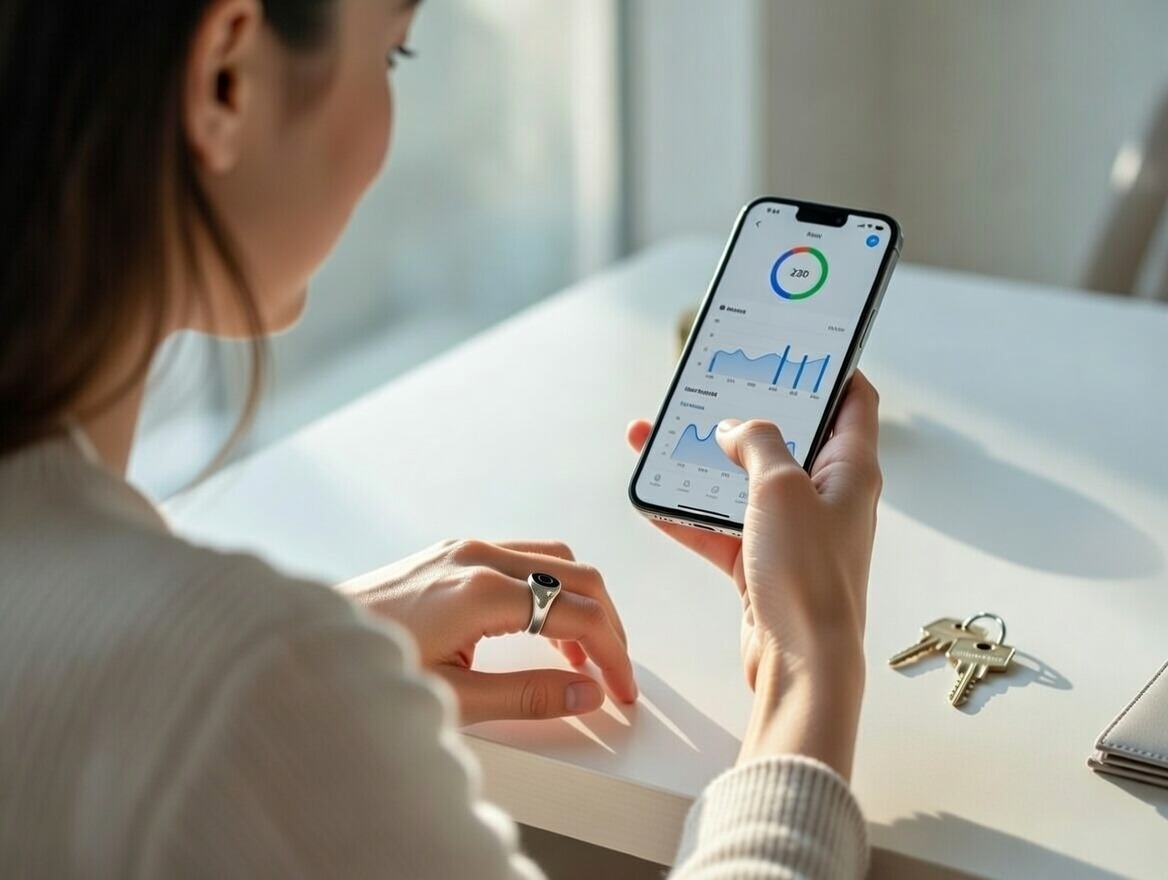
Imagine having a personal health consultant with you every moment of the day and night, one that never sleeps and requires no appointment. This is the foundational promise of the smart ring: continuous, passive health monitoring. Unlike a smartwatch you charge nightly or a fitness band you might remove for a formal event, a smart ring’s greatest strength is its wearability. It becomes a part of you, gathering data across the full spectrum of your life—during work meetings, intense workouts, deep sleep, and everything in between.
This constant data stream creates a dynamic biometric baseline unique to you. Instead of sporadic measurements that capture you at a single, possibly unrepresentative moment (like a doctor’s office reading), a smart ring establishes your personal normal. It learns what a resting heart rate of 58 feels like for your body, what your typical sleep architecture looks like, and what your daytime heart rate variability (HRV) averages. When deviations occur—a resting heart rate that’s 10% higher than normal, a sleep rhythm that’s unusually fragmented, or a body temperature that begins to creep up—the ring can flag them as potential signs of oncoming illness, overtraining, or excessive stress.
The magic lies in the sensors. Advanced models pack photoplethysmography (PPG) sensors to measure blood flow, accelerometers for movement, and skin temperature sensors into a ring-sized package. The finger is an ideal location for this, as the capillaries are close to the surface, providing strong, consistent signals for metrics like blood oxygen saturation (SpO2) and heart rate, often more reliably than the wrist, especially during sleep or high-movement activities.
For the busy professional, this means getting a nudge that your stress levels have been elevated for three days straight, prompting you to schedule a meditation break. For a parent, it could mean noticing a subtle temperature trend in a child before a full fever manifests. For the traveler, it provides insight into how jet lag is truly affecting your physiology, not just your subjective feeling of fatigue. This uninterrupted vigilance transforms reactive healthcare into proactive health stewardship. You’re no longer guessing about your well-being; you have a data-driven compass guiding your daily choices. For real-world examples of this impact, the real customer reviews at Oxyzen testimonials page share powerful stories of this continuous monitoring in action.

Sleep is the ultimate biohacker’s tool, yet for generations, it remained a mysterious black box. We knew it was important, but we had little insight into its quality, structure, or how our daily habits sabotaged it. The smart ring has changed that, effectively putting a sleep lab on your finger. It is, without a doubt, one of the most transformative benefits this technology offers.
While other devices track sleep, the smart ring’s form factor gives it a distinct advantage. It’s comfortable enough to wear all night without distraction, and its finger placement yields superior accuracy for key sleep metrics. It goes far beyond just telling you how long you slept. Advanced sleep analysis breaks down your night into the crucial stages:
But the analysis goes deeper. By tracking your sleep latency (how long it takes to fall asleep), sleep efficiency (percentage of time in bed actually spent sleeping), and nighttime disturbances, the ring provides a quantifiable sleep score. You can see the direct impact of that late-afternoon coffee, the evening scroll through social media, or the calming effect of a warm bath before bed.
Perhaps most powerful is the correlation feature. Your smart ring doesn’t view sleep in isolation. It connects the dots, showing you how your daytime activity, evening meal timing, alcohol consumption, or stress levels from the previous day directly impacted your sleep architecture. Over time, you become a master of your own sleep hygiene, making informed adjustments to create the perfect environment for restorative rest. This is the core of moving from feeling “tired” to understanding exactly why and having a clear path to fix it.
In our always-on culture, stress has become a constant, low-grade hum in the background of our lives. The danger is that chronic stress operates silently, damaging our health long before we consciously recognize we’re overwhelmed. The smart ring acts as an objective, real-time stress barometer, measuring what you cannot always feel.
The primary metric for this is Heart Rate Variability (HRV). Contrary to what the name might imply, a higher HRV is generally better. It represents the subtle, millisecond variations in time between your heartbeats, indicating a flexible and resilient nervous system. When you are relaxed, your HRV is higher. When you are stressed—whether from a work deadline, an emotional conflict, or physical exhaustion—your sympathetic nervous system (“fight or flight”) kicks in, making your heart beat more monotonously and lowering your HRV.
Your smart ring tracks your HRV throughout the day and, most importantly, during sleep to establish a baseline. It can then alert you to significant dips, serving as an early warning system. You might receive a notification that your “body battery” is low or that your stress levels have been high, prompting you to take a breathing exercise, a short walk, or simply pause and reset.
This technology empowers you to manage stress responsively, not reactively. Instead of waiting until you snap at a colleague or collapse with exhaustion, you can intervene at the physiological level. You can test which stress-management techniques actually work for your body: does a 5-minute meditation appraise your HRV? Does a 20-minute walk in nature? The ring provides the proof. For the executive, it can signal the need to delegate before a crisis. For the caregiver, it can be a reminder to schedule moments of self-preservation. By making the invisible visible, the smart ring becomes a cornerstone of sustainable performance and long-term mental wellness. For deeper dives into managing modern stress, explore our blog for more wellness tips and research-backed strategies.

The fitness tracking world has long been dominated by steps and calories burned—valuable metrics, but a tragically incomplete picture of physical health and performance. The smart ring redefines the fitness companion by focusing on what happens around the workout: readiness, recovery, and the quality of effort, not just the quantity.
For the athlete and fitness enthusiast, the most critical question each morning is not “How many steps did I get yesterday?” but “Is my body ready to perform today?” A smart ring answers this with a holistic “Readiness Score” or “Recovery Index.” This score synthesizes data from your sleep (quality and duration), your overnight HRV (nervous system recovery), your resting heart rate (cardiovascular strain), and your temperature trends. A high score suggests your body is primed for a challenging session. A low score is a clear recommendation to prioritize active recovery, stretching, or rest to avoid injury and overtraining.
During activity, the ring provides crucial effort metrics. By tracking your heart rate throughout a workout, it can estimate your VO2 Max over time (a key indicator of cardiovascular fitness), track time spent in different heart rate zones (fat burn, cardio, peak), and ensure you’re training at the right intensity for your goals. Post-workout, the recovery tracking begins immediately, showing you how long it takes for your heart rate to return to baseline—a powerful indicator of your fitness level and how hard you pushed.
This approach cultivates a smarter, more intuitive relationship with exercise. It moves you away from punishing daily grind and towards a cyclical philosophy of stress + rest = growth. It validates the importance of rest days and helps you align your training intensity with your body’s actual capacity, leading to better results, fewer plateaus, and a dramatically reduced risk of burnout or injury.
Fitness isn’t confined to the hour spent in the gym. Our long-term health is profoundly influenced by what scientists call Non-Exercise Activity Thermogenesis (NEAT)—the calories we burn through all daily movement outside of formal exercise. This includes walking, taking the stairs, gardening, fidgeting, and even standing. For the vast majority of people with sedentary jobs, NEAT is the low-hanging fruit for metabolic health.
The smart ring excels as an invisible coach for this realm of everyday activity. Its constant wear means it captures all movement, providing a more complete picture of your daily energy expenditure than a device you might only wear during workouts. It can gently encourage you with reminders to move after a period of prolonged sitting, helping to combat the negative effects of a desk-bound lifestyle on posture, circulation, and metabolism.
Beyond steps, it can track active minutes and provide insights into your general mobility patterns. For older adults or those in rehabilitation, this can be a crucial motivator and safety net, ensuring a consistent level of daily activity is maintained. The ring’s data can reveal subtle declines in overall movement that might precede stiffness or loss of function, allowing for early intervention.
Furthermore, by combining movement data with continuous heart rate monitoring, the ring can provide a more accurate estimate of your total daily caloric burn than formulas based on age, weight, and height alone. This empowers more informed nutritional choices, whether your goal is maintenance, weight loss, or fueling for performance. It turns the entire day into an opportunity for wellness, making health a seamless part of living, not a separate chore to be scheduled.

For women, the smart ring offers a uniquely powerful benefit: a non-invasive, continuous window into reproductive health and cyclical physiology. By leveraging its ability to track basal body temperature (BBT) and heart rate trends 24/7, it provides far superior insights for cycle tracking and fertility awareness than manual, once-a-day measurements.
The principle is well-established: a woman’s resting body temperature shows a biphasic pattern throughout her menstrual cycle, dipping slightly just before ovulation and then rising and remaining elevated during the luteal phase (post-ovulation). Traditional BBT tracking requires taking your temperature at the exact same time every morning, before any movement or talking—a protocol prone to error and disruption. A smart ring automatically captures your most reliable resting temperature during sleep, creating a flawless, hands-free chart.
When combined with trend data on resting heart rate (which often rises in the luteal phase) and HRV (which can dip pre-menstrually), the ring paints a comprehensive picture of the entire cycle. This empowers women with accurate data to:
This turns the smart ring into a deeply personal health tool, moving cycle tracking from a calendar-based guess to a data-driven science and fostering a more intuitive, empowered connection with one’s own body. The brand journey and vision at Oxyzen is deeply connected to creating technology that understands and serves diverse, holistic health needs like these.
One of the most clinically significant features of advanced smart rings is continuous skin temperature tracking. While it doesn’t provide a medical-grade core temperature reading, it tracks the trend of your temperature relative to your own personal baseline with remarkable sensitivity. This trend analysis is where its power lies as an early warning system.
Your body’s temperature isn’t static; it follows a daily circadian rhythm, typically lowest during sleep and highest in the late afternoon. It also fluctuates with your menstrual cycle, alcohol consumption, and intense exercise. The smart ring learns your unique rhythm. A sustained elevation from this personal baseline—often days before you feel symptoms or develop a fever measurable by a traditional thermometer—can be one of the earliest signs your body is fighting something off, be it an infection, virus, or inflammatory response.
This proactive insight is invaluable. It allows you to act early: prioritizing sleep, increasing hydration, reducing stress, and perhaps socially distancing before you become contagious. For frequent travelers, parents, or anyone in close-contact environments, it’s a layer of personal biosecurity.
Beyond temperature, the continuous monitoring of other vitals creates a holistic early-detection web. An unusually elevated resting heart rate over several nights, coupled with a depressed HRV and rising temperature, is a strong multi-parameter signal from your body that it is under significant strain. This objective data empowers you to listen to your body’s whispers, so you never have to hear its screams.
The ultimate goal of all health optimization is not just to live longer, but to live better for longer—to compress morbidity and extend our healthspan. The smart ring is a powerful tool in this lifelong pursuit, acting as a dashboard for your biological age and overall physiological resilience.
Many of the metrics it tracks are direct biomarkers of aging and systemic health:
By providing daily feedback on these pillars, the smart ring transforms abstract health goals into daily, manageable behaviors. It shows you in real-time how a week of consistent sleep lowers your resting heart rate. It demonstrates how regular aerobic exercise gradually improves your VO2 Max estimate. It proves how stress management practices improve your HRV.
This long-term data trail is perhaps its greatest gift. Over months and years, you can see trends that a yearly physical would never capture. You can see the positive impact of lifestyle changes and, conversely, catch negative drifts early. It encourages a mindset of investing in your “health capital” daily, making small, sustainable deposits—through movement, nutrition, recovery, and mindfulness—that compound over a lifetime. It’s the ultimate tool for anyone committed to aging with vitality, independence, and grace.
In a world of beeping, buzzing, and flashy wearables, the smart ring offers a refreshing alternative: discreet intelligence. It proves that advanced technology doesn’t have to be ostentatious or intrusive. For many, this is a non-negotiable benefit. A smart ring fits seamlessly into any wardrobe and any social or professional setting where a smartwatch might be deemed inappropriate or distracting.
Crafted from materials like titanium, ceramic, and tungsten carbide, modern smart rings are durable, lightweight, and often indistinguishable from high-quality traditional jewelry. They are water-resistant for daily life and designed for 24/7 wear. This discreet nature solves the “wearability gap” that plunks other trackers. You’re far more likely to wear a comfortable ring continuously than a bulky device that needs nightly charging and clashes with your attire.
This constant wear, in turn, is what unlocks all the profound health benefits discussed. The data is comprehensive because the device is always there. It doesn’t judge; it just observes. It allows you to engage with your health data on your own terms—glancing at the app when you choose—rather than having it pushed at you via a screen on your wrist throughout the day. For the style-conscious, the professional, the minimalist, or anyone who values subtlety, the smart ring is the only wearable that truly integrates technology into life without disrupting its flow. If you have questions about wearability and design, our comprehensive FAQ addresses the most common queries about smart ring life.
In an era of data breaches and algorithmic black boxes, the smart ring offers something profoundly personal: your data, telling your story. The insights generated belong to you, creating a private, longitudinal health journal written in the language of biomarkers. This data sovereignty is empowering.
You become the expert on your own body. Instead of relying on generic health advice, you can run personal experiments. What happens to my sleep score if I stop caffeine after 2 PM? How does my HRV respond to a digital detox weekend? Does my body temperature trend change when I switch to a plant-based diet? The ring provides the objective results.
This deep self-knowledge transforms conversations with healthcare professionals. You no longer go to a doctor with vague symptoms like “I’m tired all the time.” You can bring data showing a pattern of poor sleep efficiency, elevated nighttime heart rate, and low HRV. This shifts the dialogue from investigating a mystery to collaboratively interpreting clear signals, leading to more efficient and personalized care.
Ultimately, the smart ring’s data fosters a mindset of agency and curiosity. It turns health from a passive state (being “healthy” or “unhealthy”) into an active, engaging process of observation, learning, and optimization. You are no longer a passenger in your body; you have the dashboard and the controls. To see how this philosophy is built into our products, you can learn more about our mission and values.
The true power of a modern smart ring is amplified when it connects to the larger digital health ecosystem. It is designed not to be a data silo, but a centralized health hub on your finger, seamlessly syncing with the other apps and services you use to manage your well-being.
Through partnerships and API integrations, your ring’s rich data can flow into platforms like Apple Health, Google Fit, and Strava. This creates a unified health profile. Your ring’s recovery score can advise your workout app on today’s recommended training load. Your sleep data can inform your meditation app to suggest a wind-down routine. Your activity data can complete the calorie equation in your nutrition tracker.
For smart home enthusiasts, this integration can extend into your environment. Imagine your ring detecting that you’ve entered deep sleep and signaling your thermostat to lower the temperature slightly for optimal rest. Or, upon detecting an unusually stressed HRV pattern after work, it could trigger your smart lights to adopt a calming hue.
This interconnectedness makes the smart ring the most personal piece of the Internet of Things (IoT). It acts as a biometric authenticator and a context-aware sensor for your digital life, all while performing its primary role. It ensures that the invaluable physiological data it collects doesn’t just sit in a single app, but works harmoniously across your entire toolkit to create a smarter, more responsive, and truly personalized approach to living well. For more on how technology integrates into holistic wellness, our blog is a dedicated resource for ongoing discovery.
Travel disrupts every single health rhythm our bodies cling to for stability—sleep, eating, activity, and light exposure. The result is often a fun trip overshadowed by groggy days, sleepless nights, and a lingering sense of disorientation known as jet lag. For the modern traveler, whether a digital nomad or a vacationing family, the smart ring serves as a biometric passport, providing the data needed to navigate time zones and maintain wellness anywhere in the world.
The core of its utility lies in its continuous monitoring during transit and adaptation. As you cross continents, your smart ring doesn't just track the change on a map; it quantifies the internal chaos. It shows you, in real data, how your circadian rhythm is struggling to realign. You can see your body temperature cycle, which is a core marker of your internal clock, falling out of sync with the local day-night cycle. Your sleep data reveals the stark fragmentation: increased awake time, a severe reduction in precious deep and REM sleep, and a plummeting sleep score.
But this isn't just about diagnosis; it's about empowerment. With this insight, you can deploy science-backed countermeasures strategically. The ring helps you answer critical questions: When is the best time to seek or avoid light in your new location to shift your clock faster? Should you take a melatonin supplement tonight based on your current sleep-readiness metrics? By observing how your body responds to a short nap upon arrival (does it help or further disrupt your nighttime sleep?), you can make personalized adjustments.
Furthermore, the ring acts as a vigilant guardian of your health in unfamiliar environments. It can detect the early signs of travel-induced stress, dehydration from dry cabin air, or even the onset of illness ("traveler's malaise") through subtle upticks in resting heart rate and skin temperature. This allows you to proactively hydrate, rest, and care for yourself before a minor issue ruins your itinerary. For the business traveler, it ensures you step into a critical meeting in a foreign city feeling recovered and sharp, not fighting fatigue. It transforms travel from a brute-force assault on your biology into a navigable journey where you remain in command of your well-being.
Parenting is a journey of constant vigilance, often powered by intuition and worry. The smart ring brings a layer of objective, data-driven insight to family health, offering unparalleled peace of mind. For new parents, in particular, it becomes a silent partner in navigating the fragile early months, but its utility extends throughout childhood and even to caring for aging parents.
Consider the application for postpartum recovery. For a new mother, the ring can track the physiological marathon of childbirth and the ensuing recovery. It monitors sleep deprivation not as a vague feeling of exhaustion, but as quantifiable data on sleep stages and disturbances. It can track trends in resting heart rate and HRV, offering clues about physical recovery and emotional strain, potentially flagging signs that warrant a conversation with a healthcare provider about postpartum mood changes. For both parents, understanding their own sleep deficits allows for better teamwork and self-care during an intensely demanding period.
For older children and teenagers, a smart ring (with appropriate models and privacy controls) can be a powerful educational tool. It can make abstract concepts like "getting enough sleep" or "managing stress" tangible. A teenager can see the direct correlation between late-night screen use and a ruined sleep score, or between exam stress and a lowered HRV. It fosters an early understanding of body awareness and healthy habits, framed in the engaging language of data and technology.
On a practical health level, the ring’s early-warning capabilities are a parent’s ally. That subtle, sustained elevation in a child’s skin temperature trend could be the signal to cancel plans and prioritize rest before a full-blown fever and illness take hold. Monitoring sleep quality can help identify issues like sleep apnea or restless legs that a child might not be able to articulate. In a multi-generational household, similar gentle monitoring can help adult children keep a respectful, data-informed eye on the wellness trends of their elderly parents, noting changes in activity or sleep that might merit a check-in. It’s technology that enhances care, connection, and intuition within the family unit.
In the high-stakes world of corporate leadership, performance is the ultimate currency. Yet, for decades, executive performance has been managed with crude tools: endless coffee, sheer willpower, and burnout as a badge of honor. The smart ring changes this paradigm, giving the modern executive a biometric dashboard for cognitive and physical resilience, providing the edge needed to perform sustainably under pressure.
The executive’s day is a series of cognitive sprints: decision-making meetings, high-stakes presentations, and complex strategic analysis. Peak cognitive function is non-negotiable. The smart ring provides the foundational metrics that predict this function: sleep quality and HRV. A leader can start their day by checking a "Readiness Score." A high score, backed by excellent sleep and strong nervous system recovery (high HRV), signals a green light for demanding intellectual work and critical decisions. A low score is a data-driven mandate to delegate, schedule lighter analytical tasks, and incorporate strategic recovery blocks into the calendar.
The ring is also a masterful stress auditor. It objectively quantifies the physiological cost of a contentious board meeting, a difficult firing, or a quarterly earnings call. By seeing the direct impact of these events on their HRV and resting heart rate, an executive learns to identify their most significant stressors and, more importantly, which recovery techniques truly work for them. Does a 10-minute mindfulness exercise between meetings lower the stress load? Does a 20-minute walk outside reset the nervous system? The data provides the answer, allowing for the creation of a personalized, high-performance routine.
This leads to smarter work-life integration, not just balance. The executive can use recovery data to protect their time off genuinely, ensuring weekends and vacations are actually restorative, not just a change of scenery while still checking email. By optimizing sleep and managing stress reactively, they protect against the degenerative effects of chronic cortisol elevation, safeguarding long-term health, strategic clarity, and leadership longevity. In this context, the smart ring isn’t a wellness gadget; it’s a critical piece of professional equipment for sustaining elite performance. The real customer experiences shared in Oxyzen testimonials include numerous stories from professionals who have reclaimed their edge through this precise application.
Creativity is often romanticized as a mysterious, fleeting muse. Yet, anyone who depends on creative output—writers, musicians, designers, programmers—knows that while inspiration is unpredictable, the conditions for its arrival can be cultivated. The smart ring serves as a biometric tuner, helping artists understand and engineer the physiological states most conducive to deep focus and creative flow.
Flow state, that magical zone of effortless concentration and productivity, has recognizable physiological correlates: a calm yet focused nervous system, often indicated by a moderate, stable heart rate and a harmonious HRV pattern. The smart ring helps creators identify the personal precursors to this state. Does a morning meditation practice create a physiological signature that often leads to a productive writing session? Does a certain quality of sleep reliably set the stage for a day of fluid design work?
Conversely, the ring reveals the enemies of creativity. It can show how a poor night's sleep, characterized by low deep sleep, leads to a day of fragmented attention and cognitive rigidity. It can quantify how financial anxiety or a difficult interpersonal interaction (seen as a depressed HRV) creates a mental "noise" that drowns out subtle creative ideas. This allows the creator to manage their creative capacity proactively. Seeing a low recovery score in the morning might prompt a schedule reshuffle, moving administrative tasks to that day and protecting prime creative hours for later in the week when physiology is better aligned.
Furthermore, the ring aids in managing the intense, project-driven cycles common in creative work. The "crunch time" before a deadline or a gallery opening often involves late nights and heightened stress. The ring provides guardrails, offering objective warnings when the physiological cost is becoming too high, signaling the need for a strategic break to prevent a total creative burnout. By connecting the dots between body and muse, the smart ring helps the artist build a sustainable, long-term practice, turning sporadic inspiration into a reliable craft.
For the biohacker, life is an ongoing series of optimized experiments. The goal is to tweak variables—diet, supplements, exercise protocols, sleep hygiene—to push the boundaries of human performance and longevity. The smart ring is the biohacker's most vital piece of lab equipment, providing the continuous, multivariate data stream needed to run n=1 (single-subject) experiments with scientific rigor.
Before the smart ring, biohacking was often guesswork. You might try a new nootropic or switch to a keto diet and feel different, but subjective feeling is plagued by placebo and bias. The ring introduces objective, correlative evidence. The protocol is powerful:
This allows for incredibly personalized optimization. One biohacker might discover that high-intensity exercise in the evening ruins their sleep, while another thrives on it. One might find that a particular probiotic strain improves their sleep efficiency, while another sees no effect. The ring turns the body into a readable system.
It also enables the tracking of advanced biomarkers over time. Trends in estimated VO2 Max show the impact of cardio training. The decay rate of heart rate after exercise (heart rate recovery) is a direct metric of cardiovascular fitness. Nighttime HRV becomes the ultimate scorecard for total daily stress and recovery. For the dedicated biohacker, this isn't just about wellness; it's about the thrilling pursuit of peak human potential, guided by data from their most personal source. For those eager to dive into this world of experimentation, our blog offers a wealth of related articles and research on cutting-edge health optimization.
We intuitively know our environment affects us—a stuffy room makes us drowsy, a walk in nature calms us. The smart ring moves this from intuition to insight by acting as a proxy environmental sensor, revealing how your body actually responds to the conditions around you, and in some advanced integrations, allowing you to change those conditions automatically.
The most direct example is sleep environment optimization. Your ring’s sleep and temperature data can reveal powerful correlations. Does your sleep score consistently drop when your bedroom temperature is above 70°F? Does your deep sleep increase when you use a white noise machine? By tracking your physiological response night after night, you can scientifically determine your ideal sleep sanctuary setup.
This concept extends to air quality and altitude. While the ring itself doesn't measure PM2.5 particles, your body's response to poor air quality might be visible in elevated resting heart rate or respiratory rate during sleep. Similarly, when traveling to or exercising at altitude, the ring can track how your blood oxygen saturation (SpO2) dips and how your heart rate elevates to compensate, providing clear data on your acclimatization process.
The future—and present, in some ecosystems—lies in integration with smart home technology. Imagine a system where your smart ring, detecting the elevated skin temperature and heart rate of oncoming sleep, signals your smart thermostat to begin lowering the temperature to your pre-determined ideal. Or, upon detecting signs of heightened stress (low HRV) after a work call, it triggers your smart lights to adopt a calming, warm hue and plays a specific playlist through your speakers.
In this role, the smart ring closes the loop between personal biometrics and the external world. It stops us from guessing about our comfort and starts a conversation between our physiology and our surroundings, creating a truly responsive and personalized living environment that actively contributes to our well-being.
Building a lasting healthy habit is one of the most challenging human endeavors. We often fail because the feedback loop is too slow or intangible. Going to the gym for a week doesn’t instantly change how our clothes fit. Meditating for a few days doesn’t magically erase anxiety. The smart ring accelerates and solidifies habit formation by serving as an immediate, objective accountability partner that provides positive reinforcement for tiny wins.
It makes the benefits of good habits viscerally clear. When you start a consistent sleep routine, you don't have to wait a month to feel better. You see your sleep score climb and your deep sleep increase the very next morning. When you incorporate daily walks, you don't just hope it's helping; you watch your resting heart trend downward over weeks. This rapid, positive feedback is neurologically powerful, reinforcing the desired behavior.
The ring also provides gentle, non-judgmental accountability for lapse. Skipping a workout or having a late night out isn't just a vague moral failure; it's a data point. You can see the exact impact: a lower readiness score, a higher resting heart rate. This reframes the lapse as useful information rather than a reason to quit entirely. It encourages the mindset, "Okay, that set me back. Now I know, and I'll prioritize recovery today."
For habits like hydration, mindfulness, or regular movement breaks, you can set simple, data-informed goals. "I want to maintain an average HRV above 50ms this month." "I want to achieve a sleep score of 85+ on four nights this week." These goals are based on your direct physiology, not arbitrary external standards. Hitting them creates a deep sense of accomplishment tied directly to your body’s health. This transforms the arduous journey of habit formation into an engaging, data-driven game where you are both the player and the beneficiary. If you're starting this journey and have questions, our support and FAQ page is a great resource for getting the most from your device.
Health is often more sustainable and enjoyable when it's a shared journey. The smart ring introduces a new, positive dimension of social connection, moving beyond competitive leaderboards to shared, supportive health ecosystems among families, partners, and close friends.
Within a family or between partners, syncing wellness data (with full consent) can foster empathy and teamwork. A partner can see, rather than just hear, how a sleepless night with a sick child impacted their spouse's recovery metrics, fostering understanding and prompting supportive actions like handling the morning routine. Couples working on health goals together can share trends, celebrating each other's improvements in sleep or activity. It turns health from a solitary pursuit into a pillar of the relationship.
For friends with similar goals—training for a marathon, managing stress, or improving sleep—smart rings create a private, supportive network. You can share readiness scores before a planned group workout, deciding collectively if an intense session is wise or if an active recovery day would be better. This shared data promotes intelligent, collective recovery and prevents the peer pressure that often leads to overtraining.
This application must be handled with utmost respect for privacy and boundaries. The power lies not in surveillance, but in consensual visibility for the purpose of support. It allows loved ones to cheer each other on based on real progress, offer help when the data shows prolonged stress, and build a culture of mutual wellness accountability. In a world of digital connection that often feels superficial, this represents a profound use of technology to deepen real-world bonds around the shared value of health.
The wearables market has historically had blind spots. Traditional wrist-based devices can be problematic for individuals with certain physical disabilities, skin sensitivities, or visual impairments. The smart ring, by virtue of its alternative form factor and data presentation, offers a significant step toward more inclusive and accessible health technology.
For individuals with limb differences or mobility issues that make wearing a wrist device uncomfortable or impractical, a ring can be a viable and comfortable alternative for tracking general activity, sleep, and vital trends. Its lightweight, unobtrusive design is less likely to interfere with assistive devices or cause discomfort.
The data interface, primarily app-based, also holds potential for greater accessibility. While visual charts are standard, the rich data can be integrated with screen readers, and trends can be communicated through haptic alerts (like a gentle vibration for a movement reminder) or auditory summaries. For those managing chronic conditions where tracking trends is vital—such as POTs (Postural Orthostatic Tachycardia Syndrome) where heart rate changes are key, or chronic fatigue syndrome where monitoring activity and sleep is critical—the passive, continuous monitoring of a ring provides invaluable longitudinal data for patient and provider, often with less burden than active logging.
Furthermore, its discretion is a form of social accessibility. For anyone who feels self-conscious or stigmatized by wearing a visible medical or fitness tracker, the smart ring offers a completely private way to monitor health. It normalizes the gathering of health data as a simple aspect of modern life, not a marker of being "sick" or "different." This aligns with a core principle of modern wellness: that proactive health monitoring is a universal tool for empowerment, not just for the athletic or the already-well. Our company mission and story is deeply rooted in creating technology that is both advanced and universally empowering.
The smart ring we’ve described is powerful, but it is merely the first chapter. The trajectory of this technology points toward a future where the ring becomes an even more integral, anticipatory, and multifaceted part of our lives. We are moving from tracking to true predictive and interactive health intelligence.
On the near horizon, we can expect advances in non-invasive blood glucose monitoring and blood pressure estimation. While these present significant engineering challenges, research is fervent. Success here would be revolutionary, offering diabetics and hypertensive individuals a continuous, pain-free window into these critical metrics, transforming disease management.
Advanced stress and emotional state detection is another frontier. By analyzing micro-patterns in heart rate, HRV, and skin temperature conductivity (EDA/GSR), future algorithms may be able to distinguish more nuanced states—not just "stress" vs. "calm," but perhaps signs of focused flow, cognitive overload, or specific emotional triggers, offering even more precise recommendations for intervention.
The ring’s role as a secure authenticator and digital key will expand. Your unique cardiac rhythm (heartbeat) can serve as a biometric password for devices, cars, and doors. Its constant wear makes it ideal for secure, frictionless authentication, more reliable than fingerprints or facial recognition in many scenarios.
Finally, integration with Artificial Intelligence will be the ultimate game-changer. An AI health coach, trained on your years of granular biometric data, lifestyle logs, and even genetic information, could move beyond describing trends to offering prescriptive, personalized guidance. "Based on your current low HRV and elevated temperature, and your calendar showing a big presentation tomorrow, I recommend a 20-minute meditation at 4 PM and lights out by 10:15 PM tonight." This transforms the ring from a dashboard into a true copilot for your health.
The smart ring stands at the confluence of minimalistic design, biomedical engineering, and data science. It promises a future where understanding and optimizing our health is as effortless, continuous, and personal as the beat of our own heart. To stay updated on these evolving benefits and the technology behind them, the Oxyzen homepage is your portal to the future of wearable intelligence.
The sheer volume of data a smart ring generates—heart rate points, sleep stage percentages, temperature trends, HRV readings—can feel overwhelming. The true magic, and perhaps its most sophisticated benefit, isn't in the raw data collection, but in its intelligent synthesis. The modern smart ring platform is designed to translate millions of data points into a coherent, actionable biometric narrative, moving you from information overload to personal wisdom.
This is achieved through algorithmic interpretation and personalized scoring. Instead of presenting you with a spreadsheet of nightly SpO2 values, the ring’s companion app provides a simple Sleep Score that weighs the duration, structure, and restoration of your sleep. Your Readiness or Recovery Score doesn't just average numbers; it contextualizes them. It understands that a slightly elevated resting heart rate is less concerning if accompanied by a sky-high HRV (a sign of positive adaptation from a hard workout), but is a red flag if paired with a low HRV and poor sleep (a sign of potential illness or overtraining).
These algorithms learn you. Over time, they become more accurate because they filter noise and identify what’s truly significant for your unique physiology. They answer the question we all have when looking at data: "So what?" Is this a normal fluctuation, or is it a meaningful deviation I should act upon? The ring’s software guides you, highlighting trends, not just outliers.
Furthermore, the best platforms offer guided journaling and correlation tools. You can log a cup of coffee, a stressful event, a new supplement, or a workout type. Weeks later, you can ask the app: "What was my average deep sleep on nights after I had alcohol?" or "How does my HRV compare on days I meditate versus days I don't?" This transforms passive observation into active discovery. You stop being a data collector and become a detective of your own well-being, uncovering the hidden levers that most powerfully affect your personal system. This journey from raw metrics to profound self-knowledge is the ultimate promise of the technology, a theme explored in depth in the related articles on our blog.
Viewing health through a purely financial lens may seem clinical, but it's a powerful perspective. Chronic disease and acute health crises carry staggering personal and economic costs. The smart ring makes a compelling financial case as a preventative health investment, potentially saving users significant money over time by promoting behaviors that stave off expensive medical interventions.
Consider the leading drivers of healthcare expenditure: cardiovascular disease, metabolic disorders like diabetes, and mental health conditions often exacerbated by chronic stress and poor sleep. The smart ring directly targets the modifiable risk factors for these conditions. By incentivizing and validating improvements in sleep, physical activity, and stress management, it encourages the lifestyle choices that are the first line of defense against chronic illness.
The economic benefit operates on multiple levels:
In essence, the smart ring shifts the economic model of health from paying to treat sickness to investing in sustained wellness. The upfront cost of the device is dwarfed by the potential long-term savings from avoided co-pays, medications, and lost income. It’s an investment in your most valuable asset: your ability to live a healthy, productive, and independent life.
Beyond wellness, the smart ring is evolving to incorporate features that enhance personal safety, offering peace of mind to users and their loved ones. This "guardian angel" aspect leverages its constant wear and connectivity to provide security in discreet, powerful ways.
The most direct application is in emergency detection and alerting. Advanced algorithms can be trained to recognize patterns indicative of a fall or a sudden medical event, such as a precipitous drop in blood oxygen combined with lack of movement. In such a scenario, the ring could trigger an alert on your connected phone to call emergency services or notify designated emergency contacts with your location. For elderly individuals living alone, athletes training in remote areas, or anyone with specific health concerns, this feature is transformative.
Another growing area is location sharing and geo-fencing for vulnerable populations. Parents could allow temporary location sharing via their child’s ring during a school trip or a night out with friends. For individuals with cognitive conditions like early-stage dementia, a caretaker could receive a notification if the wearer moves outside a predefined safe zone (geo-fence).
It’s crucial to address the data security aspect head-on. The intimacy of this data demands the highest level of protection. Reputable manufacturers employ bank-level encryption for data both in transit (from ring to phone) and at rest (on servers). They have clear, transparent privacy policies about what data is collected, how it is anonymized and aggregated for research, and, most importantly, that the raw biometric data belongs to the user. Understanding these policies is key. You can learn more about our data governance and security principles to see how a responsible company approaches this critical responsibility.
This combination of proactive health monitoring and reactive safety features makes the smart ring a comprehensive guardian, watching over both long-term well-being and immediate physical security.
In an era of conscious consumption, the environmental footprint of our technology matters. Compared to the fast-upgrade cycle of smartphones and even many smartwatches, a well-made smart ring presents a compelling case as a more sustainable and ethical wearable choice.
Durability and Longevity are the first pillars of sustainability. High-end smart rings are crafted from premium, scratch-resistant materials like titanium and ceramic, designed to last for years, not just until the next model is released. Their software is updated over-the-air, extending the functional life of the hardware. This stands in contrast to the planned obsolescence and fragile construction of many consumer electronics.
The reduced e-waste impact is significant. A single, durable ring that tracks health, fitness, sleep, and potentially replaces other gadgets (like a basic pedometer or sleep tracker) means fewer devices manufactured, shipped, and eventually discarded. Its small size also means a smaller physical footprint at end-of-life, though responsible recycling programs are still essential.
From an ethical manufacturing standpoint, leaders in the space are increasingly prioritizing transparent supply chains, conflict-free minerals, and responsible labor practices. The higher price point of a quality ring often reflects these values, supporting companies that invest in ethical production rather than race to the bottom on cost.
Finally, the ring’s core function promotes a low-energy, high-awareness lifestyle. By encouraging better sleep, efficient exercise, and stress management, it indirectly supports a more balanced, less resource-intensive way of living. The user becomes more attuned to their body's natural rhythms, which often align with simpler, healthier, and less consumption-driven patterns. Choosing a smart ring, therefore, can be a choice for personal and planetary wellness.
A device is only as valuable as the ecosystem that supports it. One of the underrated benefits of choosing a smart ring from an established brand is access to a knowledgeable community and structured support system. This turns a purchase into an entry point to a shared journey of discovery.
Customer Support is the first layer. Having access to experts who can help interpret unusual data, troubleshoot syncing issues, or provide guidance on getting the most accurate readings is invaluable. A robust FAQ and support portal is a sign of a company invested in user success, not just a sale.
Beyond troubleshooting, the user community—often found in dedicated forums, social media groups, or within the app itself—becomes a powerful resource. Here, users share personal experiments (“Has anyone tried using the ring to track caffeine sensitivity?”), compare notes on recovery strategies, and offer motivation. Seeing how others with similar lifestyles or goals are using their data fosters learning and inspiration. For someone using the ring for a specific purpose like fertility tracking or marathon training, connecting with a niche within that community can provide tailored advice and solidarity.
Finally, many companies supplement their technology with expert content. This includes articles written by sleep scientists, workouts designed by trainers that incorporate recovery data, and meditation guides from mindfulness experts. This content, like that found on the Oxyzen blog, helps users bridge the gap between having data and knowing what to do with it. It educates and empowers, ensuring the ring is a catalyst for lasting change, not just a repository of numbers. This holistic approach—device, data, community, and expertise—is what creates truly transformative outcomes.
With the market expanding, selecting the right smart ring is a critical decision that will shape your experience. The choice should be guided not by a generic "best of" list, but by a framework of personal alignment with your primary goals, lifestyle, and values.
Start by identifying your "North Star Metric." What is the single most important thing you want to improve or understand?
Next, scrutinize the ecosystem and app experience. The hardware is only half the product. Download the companion app if possible, or review screenshots and videos. Is the data presentation clear and insightful? Does it offer the journaling and correlation tools you desire? Is it compatible with the other health apps (Apple Health, Google Fit, Strava) you use?
Finally, consider the company behind the ring. Research their mission, customer service reputation, and update history. A company with a clear vision for ongoing software improvement and a track record of listening to its community, like the one detailed in our story, is more likely to provide a device that grows in value over time. Your ring is a long-term health partner; choose a brand you trust to be on that journey with you.
The first month with a smart ring is a unique period of discovery and calibration. To move from excitement to effective integration, follow this phased approach for your first 30 days.
Weeks 1 & 2: The Observation Phase
Week 3: The Connection Phase
Week 4: The Integration Phase
The goal of the first month is not radical transformation, but relationship-building. You are building a relationship with your data, learning to trust its signals, and understanding the rhythm of your own body. This foundational period of non-judgmental observation is what separates fleeting novelty from lasting, data-informed lifestyle change.
Once you’ve moved past the basics, the smart ring reveals deeper layers of utility. For the power user, these advanced strategies unlock next-level personalization and insight.
As with any emerging technology, misconceptions exist. Clarifying these concerns is essential for making an informed decision.
Myth 1: "It's just a less convenient smartwatch."
Reality: It’s a fundamentally different device with a different purpose. A smartwatch is an interactive command center for your digital life (notifications, apps, calls). A smart ring is a passive, dedicated biometric sensor designed for 24/7 wear and minimal interaction. It excels at the continuous monitoring that watches often fail at due to discomfort, battery life, and user removal.
Myth 2: "The data isn't medical grade, so it's useless."
Reality: While not a replacement for diagnostic medical equipment, its power lies in trend analysis and personal baselines. A doctor's EKG gives a clinical snapshot; your ring shows how your heart behaves across seasons, sleep cycles, and life events. This longitudinal, contextual data is incredibly valuable for preventative health and provides insights no single clinical test ever could.
Myth 3: "It will make me obsessed or anxious about my health."
Reality: This is a matter of mindset, facilitated by good app design. The goal is awareness, not obsession. The best platforms highlight meaningful trends over daily fluctuations, preventing users from fixating on a single night's poor sleep score. They encourage looking at the weekly average, fostering a more balanced, macro view of health.
Myth 4: "The finger is a bad place for accurate readings."
Reality: For optical heart rate and SpO2, the finger can be superior to the wrist. The capillaries are denser and closer to the surface, and the ring suffers less from motion artifact during sleep and typing (where watches often fail). For temperature, the finger pad provides a stable, consistent skin temperature reading ideal for tracking trends.
Concern: "What about my data privacy?"
Addressing It: This is a valid and critical concern. The responsibility lies with the user to choose reputable brands with transparent, publicly-available privacy policies. Look for companies that state clearly: data is encrypted, you own your raw data, and any aggregated data used for research is anonymized. Don't hesitate to reach out to a company's support to ask these questions directly.
We have journeyed through a comprehensive landscape—from the foundational 24/7 monitoring and deep sleep analysis to the nuanced applications for travelers, parents, executives, and creators. We've explored its role as a biohacker's lab, an environmental sensor, a habit-forming partner, and even a lens for financial and ethical choices.
The unifying thread is this: the smart ring is a tool for reclaiming agency. In a world of external demands and generic health advice, it returns the focus to the internal, the subjective, and the personal. It gives you a language—the objective language of physiology—to understand your unique body's needs, responses, and rhythms.
This is not the end of the exploration, but a powerful beginning. The data from your finger is the starting point for better conversations—with your doctor, your coach, your partner, and most importantly, with yourself. It empowers you to move from guessing to knowing, from following generic advice to crafting a personalized protocol for living well.
The next step is to take this knowledge and apply it. To move from reading about potential to experiencing transformation. Whether your goal is to finally master your sleep, unlock sustained energy, manage stress with precision, or simply understand the magnificent, complex system that is you, the technology is now at your fingertips. Literally.
Ready to begin your own story? Discover how Oxyzen is designed to be your guide on this journey. And to see the tangible impact this can have, read the powerful, real-world transformations shared in our user testimonials. Your most insightful health partner awaits.
Your Trusted Sleep Advocate: Sleep Foundation — https://www.sleepfoundation.org
Discover a digital archive of scholarly articles: NIH — https://www.ncbi.nlm.nih.gov/
39 million citations for biomedical literature :PubMed — https://pubmed.ncbi.nlm.nih.gov/
Experts at Harvard Health Publishing covering a variety of health topics — https://www.health.harvard.edu/blog/
Every life deserves world class care :Cleveland Clinic - https://my.clevelandclinic.org/health
Wearable technology and the future of predictive health monitoring :MIT Technology Review — https://www.technologyreview.com/
Dedicated to the well-being of all people and guided by science :World Health Organization — https://www.who.int/news-room/
Psychological science and knowledge to benefit society and improve lives. :APA — https://www.apa.org/monitor/
Cutting-edge insights on human longevity and peak performance:
Lifespan Research — https://www.lifespan.io/
Global authority on exercise physiology, sports performance, and human recovery:
American College of Sports Medicine — https://www.acsm.org/
Neuroscience-driven guidance for better focus, sleep, and mental clarity:
Stanford Human Performance Lab — https://humanperformance.stanford.edu/
Evidence-based psychology and mind–body wellness resources:
Mayo Clinic — https://www.mayoclinic.org/healthy-lifestyle/
Data-backed research on emotional wellbeing, stress biology, and resilience:
American Institute of Stress — https://www.stress.org/


