


How to Create a Stress-Reducing Workspace (Even in a Cubicle)
Prevent stress-related illness by managing workplace stress to reduce risks for hypertension, depression, and immune dysfunction.
Prevent stress-related illness by managing workplace stress to reduce risks for hypertension, depression, and immune dysfunction.
%402x.svg)
In the hum of fluorescent lights and the endless sea of fabric-covered partitions, a silent epidemic thrives: workplace stress. It’s not just the looming deadlines or the demanding inbox; it’s the very environment we inhabit for eight, ten, twelve hours a day. Our workspaces, especially the ubiquitous cubicle, are often designed for utility, not humanity. They can be incubators for anxiety, back pain, and mental fatigue, subtly eroding our well-being and productivity one monotonous day at a time.
But what if your cubicle could become a sanctuary? What if the very space you associate with pressure could be transformed into a source of calm, focus, and even rejuvenation? This is not a fantasy of corner offices and panoramic views. This is a practical, science-backed revolution you can initiate today, right where you sit. The modern understanding of wellness has shifted from a mere lifestyle add-on to a foundational component of peak performance. As we spend a significant portion of our lives at work, integrating well-being into our professional environment is no longer a luxury—it's a necessity for sustainable success.
This guide is your blueprint. We’ll move beyond cliché advice and dive deep into the psychology, ergonomics, and sensory design that can convert any confined space into a personalized oasis of calm. We’ll explore how tangible changes to your sight, sound, touch, and even air can rewire your nervous system for resilience. Furthermore, we’ll examine how the latest personal technology, like advanced wellness wearables, can provide the data-driven insights needed to personalize your approach and track your progress from stressed to serene. For instance, integrating feedback from a device like a smart ring can help you understand how your environmental tweaks are directly impacting your physiological stress levels, a topic we explore in depth on the Oxyzen.ai blog.
Your journey to a peaceful, productive workspace starts here. Let's begin by understanding the enemy: the anatomy of the stressful workspace itself.

We often think of stress as purely psychological—a reaction to a difficult boss or a complex project. But a significant, and frequently overlooked, source of stress is physical and environmental. Your cubicle or desk is not a neutral container; it’s an active participant in your nervous system's daily drama. To transform it, we must first dissect its stress-inducing elements.
The Sensory Assault: The modern office is a minefield for the senses. Visually, we're bombarded by harsh, flickering fluorescent lighting, cluttered surfaces, and the chaotic movement of people and screens. This visual noise forces our brains into a state of constant, low-grade alertness, draining cognitive resources. Auditorily, the open-plan office or cubicle farm is a symphony of distress: overlapping conversations, printer whirrs, phone notifications, and keyboard clatter. This unpredictable noise triggers a primal threat response, elevating cortisol levels as our brains struggle to filter irrelevant stimuli. Olfactorily, stale air, artificial scents from cleaning products, or even a colleague's strong perfume can cause headaches, distraction, and aversion.
The Ergonomic Agony: Physical discomfort is a direct line to mental stress. A chair that forces your spine into a C-shape, a monitor set too low causing neck strain, or a mouse that cramps your hand—all send constant pain signals to your brain. This chronic, low-level pain is interpreted by your body as a persistent threat, keeping your stress response subtly but perpetually engaged. The resulting tension headaches, back pain, and eye strain are not just physical ailments; they are symptoms of an environment at war with your body's design.
The Psychological Weight of Chaos and Lack of Control: A cluttered, disorganized desk is more than an eyesore; it’s a cognitive burden. Studies in neuroscience show that visual clutter competes for your attention, reducing your ability to focus and process information. Each unfinished task represented by a pile of papers, each tangled cable, acts as a tiny, nagging reminder of incomplete goals. This creates what psychologists call "attentional capture," silently siphoning your mental energy. Furthermore, the standardized, impersonal nature of most cubicles strips away personal agency. When you have no control over your immediate environment—the light, the layout, the decor—it can foster feelings of helplessness, a core component of chronic stress.
The impact of these factors isn't abstract. Research consistently links poor workspace design to increased rates of burnout, higher absenteeism, and decreased cognitive performance. The environment is literally writing a stress script for your body and mind to follow. But this also presents our greatest opportunity: by rewriting that environmental script, we can author a new story of calm and control. This fundamental belief—that technology and design should serve human well-being—is at the core of our mission at Oxyzen.ai.
Understanding these stressors is the critical first step. Now, we turn to the most powerful tool at your disposal for counteracting them: the deliberate, science-informed management of your personal space and sensory input.
Before you buy a single plant or ergonomic accessory, you must address the foundational layer of your workspace: order. Decluttering is not just an aesthetic exercise; it is a profound neurological and psychological reset. A clear space creates the literal and metaphorical room for calm to enter.
The Neuroscience of a Clear Desk: Your brain's prefrontal cortex, responsible for focus and executive function, has limited processing capacity. When your visual field is filled with irrelevant objects, your brain unconsciously processes each one, a phenomenon known as "visual noise." This creates cognitive load, leaving less mental bandwidth for the task at hand. By decluttering, you reduce this cognitive tax, freeing up mental energy for deep, focused work. It’s akin to closing the dozens of unnecessary tabs open in your brain's browser.
The Physical Decluttering Process (A Mindful Ritual):
Conquering Digital Clutter: The Invisible Stressor: Your physical space is only half the battle. A chaotic digital workspace can be equally, if not more, draining. A desktop littered with unnamed files, an inbox with thousands of unread emails, and countless browser tabs create a pervasive sense of being overwhelmed.
Maintenance: The 5-Minute Daily Tidy: Clutter is a process, not a permanent state. Invest the last five minutes of your workday in resetting your space. File papers, clear coffee cups, and straighten your monitor and keyboard. This simple ritual provides closure to your workday and ensures you return to a sanctuary, not a crime scene, the next morning. This commitment to daily, intentional maintenance mirrors the philosophy behind personalized wellness tech—it’s about consistent, small actions that lead to transformative results, a principle you can explore further in our FAQ.
By establishing this foundation of order, you've already significantly lowered the ambient stress in your environment. You've created a canvas of calm. Now, we can begin to paint on it with elements that actively engage your senses in a restorative way, starting with the most dominant sense: sight.

What you see directly dictates how you feel. Your visual cortex is the primary processing center for environmental information, and it’s in constant conversation with your amygdala, the brain's fear and stress center. To build a stress-reducing workspace, you must become the curator of your own visual field, consciously designing it to signal safety, focus, and calm to your brain.
The Great Light Shift: Banishing the Fluorescent Glare: Overhead fluorescent lighting is one of the worst offenders in office stress. Its harsh quality, potential for imperceptible flicker, and unflattering spectrum can cause eye strain, headaches, and a general sense of agitation.
The Biophilic Boost: Bringing Life Inside: Biophilia is the innate human tendency to seek connections with nature. Integrating natural elements is one of the most powerful stress-reduction tools available.
The Psychology of Color in a Confined Space: Color psychology is nuanced, but some general principles apply to small spaces.
The Art of Personal Curation: Your space should reflect you, but with intention. Choose 3-5 meaningful items: a photo of loved ones, a memento from a favorite trip, a piece of art that inspires you. Display them thoughtfully, not densely. This personalization reinforces your identity and agency, combating the depersonalization of corporate space. It tells your brain, "This is my territory, a place of safety."
By mastering your visual environment, you directly influence your neurobiology, guiding it away from threat detection and toward focused tranquility. Next, we address the often-uncontrolled cacophony that can shatter that visual calm: sound.
While you can close your eyes to block sight, you cannot close your ears. Sound is a relentless, 360-degree input, and in a shared workspace, it is often the number one complaint and stress trigger. Unwanted noise isn't just annoying; it triggers a physiological stress response, releasing cortisol and adrenaline as your body prepares for potential danger. The key to sonic sanity is not necessarily silence, but control over your soundscape.
Understanding Noise Stress: The most stressful sounds are those that are unpredictable, uncontrollable, and meaningful—like a conversation you can't help but overhear or a sudden, startling phone ring. This type of noise forces your brain to constantly switch attention, a process called "task-switching" that is incredibly costly to productivity and mental energy. It fractures concentration and keeps you in a state of low-grade alert.
Strategies for Acoustic Control:
The Power of Polite Communication: Your auditory environment is a shared resource. Don't suffer in silence. If a nearby colleague has a habit of loud calls, have a polite, collaborative conversation. Frame it around your own needs: "I'm struggling to focus on this report. Would you mind keeping it down a touch, or should I pop my headphones in?" Often, people are unaware of their volume. For team-wide issues, advocate for "quiet hours" or designated "focus zones" in your office culture.
The Sound of Your Own Making: Be mindful of the noise you generate. A keyboard with quiet switches, a silent mouse, and turning off unnecessary notification sounds on your phone and computer are acts of sonic kindness that contribute to a calmer environment for everyone. This ethos of mindful contribution to a collective well-being is something we value deeply, as reflected in the real-world impacts shared in our testimonials.
By taking command of your auditory space, you reclaim a massive portion of your cognitive resources. You move from a state of reactive distraction to one of proactive focus. With sight and sound now serving you, we turn to the physical interface between your body and your work: the realm of ergonomics and touch.
Physical discomfort is a direct, live wire to mental stress. An aching back, a stiff neck, or sore wrists aren't just minor annoyances; they are constant signals of distress being sent to your brain. Ergonomics isn't about expensive, futuristic chairs—it's the science of fitting the workspace to the worker to minimize strain and maximize comfort and efficiency. By aligning your body properly, you disarm a primary source of physiological stress.
The Gold Standard: The Neutral Posture: Imagine a plumb line running through your body from the side. Your ears should be over your shoulders, your shoulders over your hips. This is the neutral, relaxed posture your spine is designed for. Your workspace setup should facilitate this, not fight against it.
The Five-Point Ergonomic Setup:
The Monitor Mantra: Top at Eye Level: The top line of text on your primary monitor should be at or slightly below your natural eye level. This allows you to view the middle of the screen with a slight downward gaze, which is most relaxing for your neck and eyes. Use monitor stands, books, or adjustable monitor arms to achieve this. The monitor should be about an arm's length away. If you use a laptop, a laptop stand and an external keyboard/mouse are essential to avoid the dreaded "laptop hunch."
The Dynamic Element: Movement is Non-Negotiable: The perfect static posture is a myth. The best posture is your next posture. Our bodies are built for movement.
Investing time in your ergonomic setup is an investment in your long-term well-being. It removes a constant, low-grade source of physical stress, freeing up your nervous system to handle cognitive challenges instead of bodily complaints. For personalized guidance on how your body responds to these changes, tools that monitor physiological markers can be invaluable—learn more about this approach on our blog.
With your body now supported, we can engage the more subtle senses that deeply influence mood and stress levels, beginning with the often-ignored sense of smell.

Of all our senses, smell has the most direct pathway to the brain's emotional and memory centers, the amygdala and hippocampus. A scent can trigger a vivid memory or shift your mood in an instant, bypassing conscious thought. Meanwhile, the very air you breathe—its quality, temperature, and movement—plays a fundamental role in cognitive function and perceived stress. In a sealed cubicle, mastering these invisible elements is a powerful stealth strategy for well-being.
Aromatherapy: The Science of Scent for Focus and Calm: Essential oils and natural scents aren't just pleasant; they have measurable psychophysiological effects.
Application Methods for the Office:
Beyond Scent: The Fundamentals of Air Quality: You can't thrive in stale, dead air.
By consciously curating the air you breathe and the scents within it, you engage the limbic system—the emotional core of your brain—directly. You can use this connection to signal "it's time to focus" or "it's time to relax," creating an invisible architecture of calm around you. This sophisticated, data-informed approach to environmental wellness is at the heart of what we do at Oxyzen.ai.
Now, we integrate all these sensory and physical principles into the final, crucial layer: the psychology of boundaries and ritual, which turns a well-equipped space into a true sanctuary.
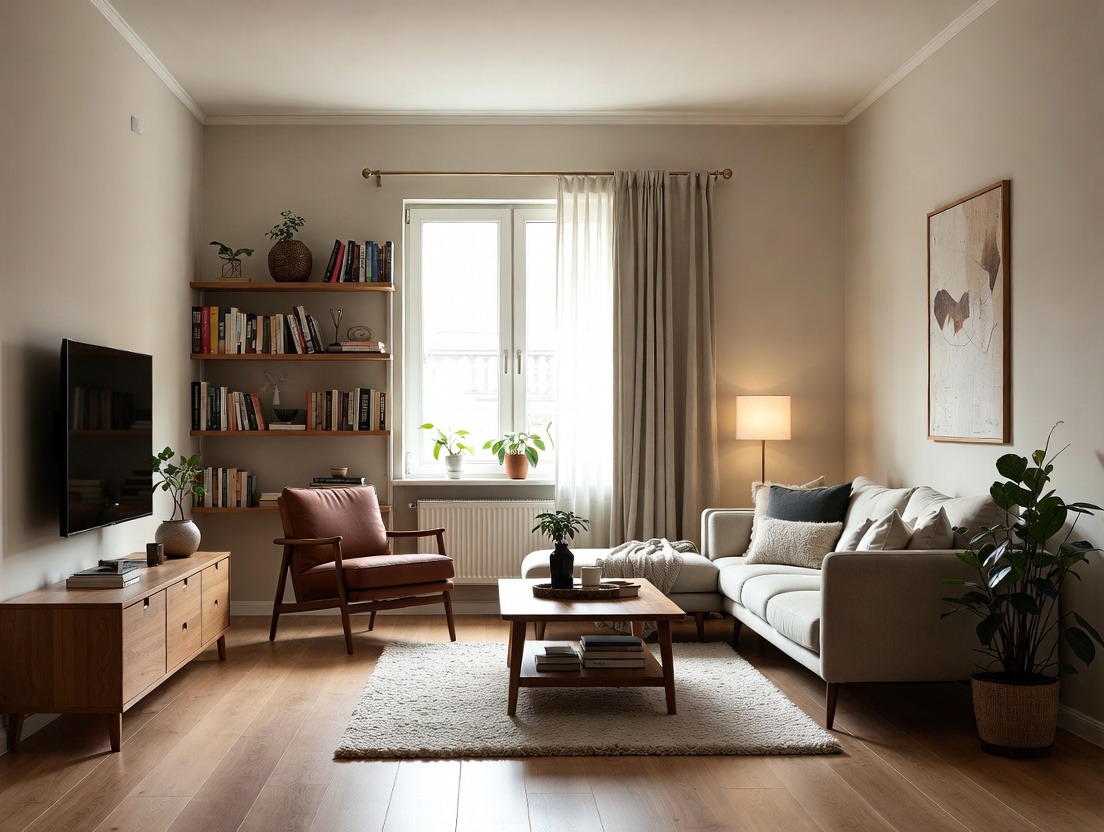
You can have the perfect ergonomic chair, the most serene lighting, and a delightful scent in the air, but if your mind is constantly pulled into the collective chaos of the office, your sanctuary will crumble. The final, and perhaps most critical, element of a stress-reducing workspace is psychological. It's about establishing invisible boundaries and personal rituals that protect your mental space and reinforce your sense of autonomy and control.
Cultivating a "Cocoon" Mindset: Your cubicle walls, however short, are your domain. Mentally reinforce this boundary. When you step into your space, consciously transition your mindset from "public office" to "personal work cocoon." This cognitive shift helps you filter out external distractions and claim ownership over your experience. It's the mental equivalent of closing a door.
The Power of Ritual to Frame Your Day: Rituals are patterned behaviors that signal to your brain a change in state. They are incredibly effective for managing transitions, especially the fraught transition into and out of work mode.
Visual Cues for Focus and Privacy: Use subtle, non-verbal signals to communicate your need for focus to colleagues and to yourself.
Managing Digital Intrusions: Your psychological boundaries must extend into the digital realm. The constant ping of notifications is a modern-day assault on attention.
Establishing these psychological structures transforms your workspace from a passive location into an active partner in your well-being. It empowers you to manage the unmanageable aspects of shared office life. For many, pairing these environmental and behavioral strategies with personalized data creates an unstoppable formula for resilience, a journey documented by many of our users at Oxyzen.ai/testimonials.
But knowledge and ritual alone are not enough. To make lasting change, you need a framework for implementation. The next section provides your actionable, step-by-step battle plan.
Overwhelm is the enemy of action. This guide has provided a wealth of strategies, but trying to implement them all at once is a recipe for failure and frustration. The key is systematic, incremental change. This section provides your personalized, phased blueprint to transform your cubicle from a stress incubator to a personal sanctuary, one deliberate step at a time.
Phase 1: The Foundation Week (Days 1-7) – Declutter and Claim Your Space
Phase 2: The Sensory Integration Month (Weeks 2-4) – Layer in Calm
Phase 3: The Ritual and Resilience Season (Month 2 and Beyond) – Cement the Habits
This blueprint is not rigid. Adapt it to your budget, office policies, and personal preferences. The goal is consistent progress, not perfection. Each small victory builds your sense of control and reduces your overall stress load.
With a plan in hand, let's address the practical realities and constraints you might face in a typical corporate environment.
The ideal vision can clash with office policies, tight budgets, and the limitations of a standard-issue cubicle. This section is about ingenuity—achieving the principles of a stress-reducing workspace within real-world constraints. Remember, the goal is influence, not total overhaul.
Working with (or Around) Office Policy:
The Thrifty Wellness Warrior's Guide:
The Minimalist's Approach: If your space or style is minimalist, focus on quality over quantity. One perfectly chosen piece of art, one exquisite, ergonomic tool, one stunning plant in a simple pot. The principle of "less but better" inherently reduces visual noise and stress. Your sanctuary can be defined by spaciousness and intentionality.
Advocating for Change: If you encounter resistance, frame requests around productivity and well-being, not just comfort. Use data: "Studies show that natural light reduces eye strain and improves sleep, leading to better focus. Could we explore options for my area?" Propose low-cost pilot programs. Sometimes, transforming your own space so effectively becomes the best argument for broader change, inspiring colleagues and even management. This journey of advocacy and demonstrating value through results is a story we're familiar with at Oxyzen.ai/our-story.
Now, let's look ahead and integrate the most advanced tool in the modern wellness arsenal: technology that provides you with a personal, quantitative feedback loop.
We've transformed your workspace through sensory design, ergonomics, and psychology. But how do you know what's truly working? Is the lavender scent actually lowering your stress, or is it the new chair? In the modern era of wellness, we can move beyond guesswork and into the realm of personalized data. By leveraging personal technology, you can create a feedback loop that turns your cubicle sanctuary into a continuously self-optimizing system for well-being.
From Intuition to Insight: Our perception of stress is often subjective and delayed. We might not notice our jaw is clenched or our heart rate is elevated until we have a headache. Wearable wellness technology, like advanced smart rings or sensors, provides an objective, real-time window into your physiological state. They measure biomarkers like:
Conducting Personal "Workspace Experiments": This is where it gets exciting. Use your data to run simple A/B tests on your environment.
Integrating Tech Seamlessly: The goal is for technology to be an invisible guide, not a distraction.
This data-driven approach demystifies well-being. It turns your cubicle sanctuary into a living lab, where you are both the scientist and the subject, empowered to make informed choices that compound into profound benefits for your health and performance. To delve deeper into how this technology works and its potential, our comprehensive FAQ is an excellent resource.
Your environment is now a tuned instrument for well-being. In our final section for this portion, we'll solidify this transformation by exploring how to protect and propagate the calm you've created, ensuring it lasts.
You've done the work. You've decluttered, optimized your senses, aligned your body, and perhaps even begun to gather data on your new state of calm. Your cubicle is no longer just a workstation; it's a curated ecosystem designed for your well-being. But like any garden, a sanctuary requires ongoing care and protection. The final, crucial skill in your arsenal is sustainability—the ability to defend your peace from encroachment and to extend its principles beyond your desk, creating ripples of calm in your wider work life.
The Art of the Graceful Boundary: As your space becomes more inviting and you become more focused, you may paradoxically attract more interruptions. "Your spot looks so calm!" can be a precursor to an unplanned 30-minute chat. Protecting your psychological and temporal boundaries is an act of self-respect, not rudeness.
Cultivating Mental Detachment: Leaving Work at Work: The ultimate goal of a stress-reducing workspace is to enable you to be fully present at work so you can be fully present after work. When your workspace is chaotic, worries spill out with you. A sanctuary helps contain them.
Scaling the Philosophy: From Cubicle to Culture: Your personal transformation can become a positive contagion. You become a living case study for the benefits of a human-centered workspace.
The Iterative Mindset: Your Sanctuary Evolves: Your needs will change with different projects, seasons of life, and even times of day. The sanctuary is not a static museum piece. It's a dynamic, responsive extension of you.
By mastering sustainability, you ensure that your investment in your workspace pays perpetual dividends. You build not just a place to work, but a resilient practice of self-care that fortifies you against the inevitable pressures of professional life. This journey from passive occupant to active architect of your environment is the very essence of modern, empowered wellness.
Now, let's broaden the lens. A truly holistic approach to work-life well-being acknowledges that while the environment is powerful, it is part of a larger system that includes your habits, your team dynamics, and your relationship with technology itself.
Your cubicle sanctuary is a fortress, but even the strongest fortress needs a healthy, resilient inhabitant. The environment you've created sets the stage, but the play is performed by you—your body, your mind, your habits. This section connects the dots between your optimized workspace and the holistic lifestyle practices that ensure you have the energy and mindset to thrive within it. We move from designing your space to designing your day.
Fueling Focus: Nutrition and Hydration at Your Desk: The wrong fuel can sabotage even the most serene environment. The afternoon crash is often a dietary event, not a lighting failure.
Micro-Movements and Postural Resets: We addressed ergonomics for sitting, but the body needs more than just proper alignment—it needs motion.
Cognitive Shifting and Mental Renewal: Your brain needs variety just as your body does. The most productive workday isn't eight hours of the same task.
Integrating these habits transforms your sanctuary from a mere location into an active partner in a comprehensive wellness protocol. You become the synchronized operator of both space and self. Next, we must address the double-edged sword that sits at the heart of that space: the technology we use to do our work.
Your computer, phone, and apps are the engines of your productivity, yet they are also the primary vectors of distraction and digital stress. A serene physical space can be utterly undermined by a chaotic digital one. This section is about applying the same principles of intentionality and control to your technology, transforming it from a source of stress into a seamless extension of your sanctuary mindset.
From Reactive to Proactive: Mastering Notifications: Every ping, buzz, and banner is a micro-interruption, pulling you out of your flow and triggering a dopamine-driven itch to check. This constant context-switching is a major cognitive drain.
Application and Browser Hygiene: Just as you decluttered your desk, declutter your digital view.
Intentional Tool Selection: Choosing for Focus, Not Features: Every app and service is vying for your attention. Choose tools that support deep work, not fragmentation.
By taking conscious control of your digital environment, you complete the circle. Your physical sanctuary is no longer besieged by digital intrusions. The harmony between your space, your habits, and your tools creates a unified field of focus. This principle of seamless, human-centered integration is what drives innovation in personal wellness technology, a vision detailed at Oxyzen.ai/our-story.
With our personal ecosystem now fully optimized, we turn our attention outward. Wellness is not a solo sport; it is profoundly influenced by the social and emotional climate of our workplace.
You can have the perfect ergonomic setup and a flawless digital workflow, but a toxic interaction with a colleague can evaporate your calm in seconds. The social environment is the weather system of your workspace—it can be sunny and energizing or stormy and debilitating. While you can't control others, you can cultivate skills and strategies to navigate social dynamics in a way that protects your peace and contributes to a collectively healthier atmosphere.
Cultivating Empathetic Communication: Stress is often contagious, but so is calm. The way you communicate can de-escalate tension and build psychological safety.
Managing Difficult Interactions with Grace: Not every interaction will be easy. Having a toolkit for difficult conversations preserves your mental energy.
Building Your Micro-Community of Support: Create positive social connections that act as a buffer against stress.
Navigating the human element with intention ensures your hard-won sanctuary isn't undermined by social friction. Instead, your calm presence and constructive communication become part of the sanctuary you offer to others, creating a virtuous cycle. For more resources on building resilience and managing interpersonal dynamics, our blog offers ongoing insights.
As we near the conclusion of this comprehensive guide, it's time to look at the ultimate purpose of all this effort: not just to reduce stress, but to unlock a higher level of sustainable performance, creativity, and fulfillment in your work.
Viewing your workspace transformation as merely "stress reduction" sells it short. The true outcome is performance amplification. By systematically removing friction, discomfort, and distraction, you are not just creating a nicer place to sit—you are engineering an environment for your brain to operate at its highest potential. This is where the effort yields tangible, professional returns.
The Cognitive Dividend of a Calm Environment: Stress hijacks the prefrontal cortex, the brain's executive center responsible for complex thinking, decision-making, and focus. By lowering ambient stress, you free up this precious cognitive real estate.
The Creative Spark in a Serene Mind: Creativity is not born from chaos; it arises from a mind that is relaxed yet alert, able to make novel connections. Your sanctuary provides the "incubation space" that creativity requires.
The Sustainability of Success: Preventing Burnout: Peak performance isn't a sprint; it's a marathon. The traditional "grind" culture leads to burnout—a state of emotional, physical, and mental exhaustion. Your sanctuary is an anti-burnout machine.
The return on your investment is clear: higher quality work, delivered more efficiently, with greater satisfaction and less wear and tear on your well-being. Your cubicle sanctuary becomes the engine room of a thriving, sustainable career.
In our final section, we'll tie all these threads together into a forward-looking vision, positioning your personal transformation within the larger, exciting evolution of the workplace itself.
The global conversation about work is undergoing a seismic shift. We are moving away from the industrial-age model of bodies in seats for fixed hours, toward a human-centric model that values outcomes, well-being, and flexibility. In this transformation, you are not a passive participant. By creating your stress-reducing workspace, you have built a personal prototype for the future of work—one that places human physiology, psychology, and potential at its center.
From Cubicle Farm to Ecosystem of Well-Being: The open-plan office and the standardized cubicle were designed for cost-efficiency and managerial oversight. The future is being designed for human performance. Your sanctuary demonstrates that giving an individual control over their micro-environment—light, sound, air, ergonomics—is not a perk, but a prerequisite for excellence. You are providing a living proof-of-concept that can inform office redesign, remote work policies, and hybrid models.
The Data-Informed Employee: The era of guessing what works for employee well-being is ending. Just as you might use personal data to optimize your environment, forward-thinking organizations are beginning to use aggregated, anonymized data to design healthier workplaces. They are measuring air quality, noise levels, and space utilization to create environments that, by design, support focus and reduce stress. You, by engaging with your own data, are at the vanguard of this movement, advocating for a workplace where decisions are informed by human biology.
The Integration of Technology and Humanity: The fear that technology will dehumanize work is being countered by a new wave of technology designed to augment humanity. Your sanctuary likely integrates both low-tech (plants, wood) and high-tech (noise-canceling algorithms, biometric sensors) elements seamlessly. This fusion points to a future where technology's role is to handle the repetitive, the administrative, and the analytical, freeing humans to do what we do best: think creatively, solve complex problems, and connect empathetically. Your mindful use of tech within your sanctuary models this balanced relationship.
Your Role as a Cultural Architect: Every time you put on your headphones to enter a focus block, you are voting for a culture of deep work. Every time you take a mindful lunch break, you are challenging the culture of perpetual busyness. Every time you have a graceful boundary conversation, you are building a culture of respect. Your individual actions, rooted in the principles of your sanctuary, are powerful levers for cultural change. As more individuals prototype their own ideal work conditions, the collective demand for human-centered work environments becomes irresistible.
Your journey to create a stress-reducing workspace, therefore, is much more than a personal productivity hack. It is a quiet, profound act of leadership. You are not just adapting to the world of work; you are participating in its redesign. You are demonstrating that the path to greater innovation, productivity, and profit is paved with well-being, autonomy, and respect for the human spirit.
This journey, of course, is continuous. The landscape of work and wellness technology will keep evolving. To stay at the forefront of understanding how your environment, habits, and biology intersect, continuous learning is key. For the latest research, practical tips, and insights into the technology shaping this future, we invite you to explore our blog and become part of the conversation.
By reaching this point, you have equipped yourself with a comprehensive philosophy and a detailed toolkit. You have moved from being at the mercy of your environment to becoming its master architect. The hum of the office remains, but it is now outside the walls of your sanctuary—a space you have intentionally crafted not just for work, but for a thriving, resilient, and profoundly human professional life.
Your Trusted Sleep Advocate: Sleep Foundation — https://www.sleepfoundation.org
Discover a digital archive of scholarly articles: NIH — https://www.ncbi.nlm.nih.gov/
39 million citations for biomedical literature :PubMed — https://pubmed.ncbi.nlm.nih.gov/
Experts at Harvard Health Publishing covering a variety of health topics — https://www.health.harvard.edu/blog/
Every life deserves world class care :Cleveland Clinic - https://my.clevelandclinic.org/health
Wearable technology and the future of predictive health monitoring :MIT Technology Review — https://www.technologyreview.com/
Dedicated to the well-being of all people and guided by science :World Health Organization — https://www.who.int/news-room/
Psychological science and knowledge to benefit society and improve lives. :APA — https://www.apa.org/monitor/
Cutting-edge insights on human longevity and peak performance:
Lifespan Research — https://www.lifespan.io/
Global authority on exercise physiology, sports performance, and human recovery:
American College of Sports Medicine — https://www.acsm.org/
Neuroscience-driven guidance for better focus, sleep, and mental clarity:
Stanford Human Performance Lab — https://humanperformance.stanford.edu/
Evidence-based psychology and mind–body wellness resources:
Mayo Clinic — https://www.mayoclinic.org/healthy-lifestyle/
Data-backed research on emotional wellbeing, stress biology, and resilience:
American Institute of Stress — https://www.stress.org/


