Daily Health Optimization: The Circadian Rhythm Advantage
The health benefits of aligning your daily routine with your circadian rhythm.
Daily Health Optimization: The Circadian Rhythm Advantage
Imagine a symphony. Not one performed in a concert hall, but an internal, biological masterpiece conducted within you, 24 hours a day. This is your circadian rhythm. It’s the silent maestro orchestrating your sleep, energy, mood, digestion, and even your cellular repair. When this rhythm is in tune, you feel vibrant, focused, and resilient. When it’s off-beat, you experience fatigue, brain fog, weight gain, and a creeping sense of being out of sync with your own life.
In our modern world of constant artificial light, 24/7 connectivity, and on-demand everything, we have declared a quiet war on this ancient biological clock. We burn the midnight oil, cross time zones in hours, and stare into blue-light screens long after the sun has set. The cost? A global epidemic of sleep deprivation, metabolic disorders, and compromised mental health.
But what if you could stop fighting your biology and start collaborating with it? This is the promise of daily health optimization through the circadian rhythm advantage. It’s not about another restrictive diet or grueling fitness fad. It’s about aligning your daily habits—when you sleep, eat, work, and move—with your body’s innate, powerful 24-hour cycles. This alignment is the ultimate biohack, a foundational key to unlocking sustained energy, mental clarity, robust immunity, and long-term vitality.
And now, for the first time in history, we have the tools to move beyond guesswork. Advanced wearable technology, like the smart rings from innovators such as Oxyzen, provides an intimate, continuous window into your personal rhythm. This data transforms abstract principles into a personalized, actionable blueprint for living in harmony with your internal clock.
This comprehensive guide will take you deep into the science of circadian biology and reveal how you can harness its profound power for a transformed life.
The Master Clock: Unpacking Your Body's Internal Symphony
At the core of your circadian rhythm lies a tiny, powerful region in your brain called the suprachiasmatic nucleus (SCN). Nestled in the hypothalamus, this cluster of about 20,000 nerve cells acts as your body’s primary pacemaker—the conductor of the symphony. It doesn’t keep time in a vacuum; it’s exquisitely tuned to the most reliable environmental cue on Earth: the light-dark cycle.
How It Works: Specialized photoreceptor cells in your retina, entirely separate from those used for vision, detect the intensity and, crucially, the color wavelength of ambient light. At dawn, the high concentration of blue light in morning sunlight streams in, signaling the SCN. The SCN responds by broadcasting a "daytime" signal throughout your body, primarily by suppressing the production of melatonin, the sleep-inducing hormone, and triggering a cascade of cortisol (your natural wake-up alertness hormone). As dusk falls and blue light fades, the SCN’s signal changes, allowing melatonin levels to rise, ushering in sleepiness and initiating nighttime repair processes.
But the SCN doesn’t micromanage every cell. Instead, it sets the tempo for a network of peripheral clocks found in virtually every organ and tissue—your liver, gut, heart, muscles, and fat cells. These peripheral clocks follow the SCN’s lead, timing their local functions to the appropriate phase of the 24-hour cycle.
The Hormonal Cadence: Your endocrine system operates on a precise circadian schedule:
Cortisol: Peaks in the early morning (around 6-8 AM), providing natural alertness and energy to start your day. It should gradually decline throughout the afternoon and evening.
Melatonin: Begins rising in the evening, peaking in the middle of the night to sustain deep, restorative sleep, and falls to low levels by morning.
Insulin Sensitivity: Your body is most sensitive to insulin (better at processing glucose) in the morning and becomes progressively more resistant as the day goes on.
Growth Hormone & Repair: Pulsates primarily during deep, slow-wave sleep, driving tissue repair, muscle growth, and cellular detoxification.
When your lifestyle aligns with this master schedule, your systems work in harmonious concert. When you live against it—like eating a large meal at midnight or getting bright light exposure late at night—you send conflicting signals. The peripheral clocks in your liver and gut get confused, falling out of sync with the SCN. This state, known as circadian misalignment or "chrono-disruption," is the root cause of the rhythm’s disadvantage. Understanding this master clock is the first step to reclaiming its power, a journey where tools from Oxyzen can offer invaluable personal insights into your unique rhythm.
Chrono-Disruption: The Silent Saboteur of Modern Health
We live in an age of unprecedented circadian challenge. Our biology evolved under the consistent, predictable rhythm of the sun, but our environment now sings a siren song of constant stimulation. This mismatch creates a pervasive, often unnoticed, state of chrono-disruption that systematically undermines our health. It’s not just about feeling tired; it’s a systemic dysfunction with far-reaching consequences.
The Primary Culprits:
Artificial Light at Night (LAN): This is the most potent disruptor. The blue-rich LED light from smartphones, laptops, TVs, and even household bulbs mimics midday sun, directly inhibiting melatonin production. Your brain receives a false "daytime" signal, delaying sleep onset and degrading sleep quality.
Irregular Schedules: Shift work, social jet lag (the difference between weekend and weekday sleep times), and inconsistent meal times confuse your peripheral clocks. A study in the International Journal of Obesity found that social jet lag is associated with increased risk of metabolic disease, independent of sleep duration.
Around-the-Clock Eating: Frequent grazing or late-night meals force your digestive system and liver metabolism to work during their biological "night," a time slated for rest and repair. This disrupts blood sugar regulation and fat metabolism.
Caffeine & Alcohol Timing: Consuming caffeine too late in the day can block adenosine (a sleep-promoting neurotransmitter) and delay your sleep phase. Alcohol, while initially sedating, fragments sleep architecture and suppresses vital REM sleep.
The Health Toll: The data is alarming and conclusive. Chronic circadian misalignment is linked to:
Metabolic Dysfunction: Increased risk of obesity, Type 2 diabetes, and non-alcoholic fatty liver disease. Shift workers, for example, have a 29% higher risk of becoming overweight or obese.
Cardiovascular Strain: Higher incidence of hypertension, coronary events, and stroke. The American Heart Association notes that shift work is a significant risk factor for heart disease.
Compromised Immunity: Disrupted rhythms weaken immune response, making you more susceptible to infections and reducing vaccine efficacy.
Cognitive & Mental Decline: Impaired memory, focus, and executive function. Strong links exist to mood disorders like depression and bipolar disorder.
Accelerated Aging & Cancer Risk: Circadian genes are involved in DNA repair. Disruption can lead to cellular dysfunction and is classified as a probable carcinogen by the WHO for shift work.
This isn't merely about "bad habits"; it's a fundamental conflict between our biology and our environment. Recognizing this silent saboteur is critical. The first step toward mitigation is awareness, and many are now turning to objective data from devices like smart rings to understand their personal disruption patterns, as discussed in community experiences on the Oxyzen blog.
Light: The Prime Zeitgeber and How to Harness It
"Zeitgeber" is a German term meaning "time giver." In circadian science, it refers to the external cues that synchronize your internal clock with the environment. The most powerful zeitgeber, by an order of magnitude, is light. Harnessing light correctly is the single most effective action you can take to optimize your circadian rhythm.
The Science of Light Spectrum: Not all light is created equal. Your circadian photoreceptors are most sensitive to short-wavelength blue light (around 460-480 nm). This is abundant in the clear blue sky of morning. As the sun sets, the atmosphere scatters shorter wavelengths, leaving the longer, warmer red and orange hues of dusk. Your clock is designed to follow this spectral shift.
Your Daily Light Protocol:
Morning (Within 30-60 Minutes of Waking): Seek at least 10-30 minutes of bright, outdoor light. This does not mean staring at the sun. A walk outside, having your coffee on the porch, or simply sitting by a window with a clear view of the sky will do. This morning light exposure performs several critical functions:
It provides a strong "wake-up" signal to your SCN, sharply suppressing melatonin.
It sets the precise timing for your circadian phase, anchoring your rhythm for the day.
It boosts cortisol (in a healthy, rhythmic way) and serotonin, enhancing mood and alertness.
Daytime: Maintain bright light exposure throughout the day. Work near windows if possible. This sustains alertness and reinforces the daytime signal.
Evening (2-3 Hours Before Bed): Initiate a "light sunset."
Dim overhead lights.
Use lamps with warm-white bulbs.
On all electronic devices, enable night mode or blue-light filtering software (like f.lux or built-in OS settings). Remember, this is a filter, not an eliminator—it's best to still reduce overall screen brightness and usage.
Consider wearing blue-light-blocking glasses if screen use is unavoidable.
Night: Make your bedroom a light sanctuary. Pitch darkness is the goal. Use blackout curtains, cover or remove LED indicators (chargers, electronics), and use a dim red nightlight if needed (red light has the least impact on melatonin).
This practice of managing light isn't just theoretical; it's a cornerstone of modern wellness routines. For those tracking their physiological data, consistent light hygiene often leads to observable improvements in sleep scores and readiness metrics, a topic frequently explored by users sharing their Oxyzen testimonials.
The Circadian Plate: Syncing Nutrition with Your Biological Clock
You are not just what you eat; you are when you eat. Every organ involved in digestion—from your salivary glands to your liver—has its own circadian clock. Timing your meals to align with these metabolic rhythms can transform your energy, body composition, and overall health. This practice is often called circadian fasting or time-restricted eating (TRE).
The Metabolic Rhythm: Your body's ability to process food fluctuates dramatically throughout the day.
Morning & Early Afternoon: Insulin sensitivity is highest. Your pancreas is primed to secrete insulin efficiently, and your muscles are ready to uptake glucose for energy. This is the optimal window for consuming the majority of your calories, especially carbohydrates.
Late Afternoon & Evening: Insulin sensitivity declines. Metabolism slows as your body prepares for rest and repair. Eating large, carb-heavy meals during this phase forces your system to work against its natural inclination, often leading to elevated blood sugar, increased fat storage, and digestive discomfort.
Principles of Circadian-Aligned Eating:
Establish a Consistent Eating Window: Compress your daily food intake into an 8-12 hour window. For example, eating between 8 AM and 6 PM (a 10-hour window). This gives your digestive system a prolonged, consolidated rest period each night, which improves metabolic health and supports cellular autophagy (cleaning out damaged cells).
Eat a Substantial, Protein-Rich Breakfast: "Break fast" with a meal that includes protein and healthy fats. This signals to your metabolism that the day has begun, stabilizes blood sugar, and reduces cravings later. Studies show that a larger breakfast and a smaller dinner can aid in weight management, even with identical caloric intake.
Front-Load Your Calories: Aim to make lunch your largest meal of the day, when digestive capacity is at its peak. A helpful adage is: "Eat breakfast like a king, lunch like a prince, and dinner like a pauper."
Finish Early: Conclude your last meal at least 2-3 hours before your regular bedtime. This allows for proper digestion before sleep, preventing disruptions from blood sugar spikes and active gut processes. It also ensures you enter your fasted state aligned with your rising melatonin.
Resist Late-Night Snacking: This is a major disruptor. Nighttime eating is strongly linked to acid reflux, poor sleep, and metabolic dysfunction.
Macronutrient Timing Nuances:
Carbohydrates: Focus on complex carbs (whole grains, starchy vegetables) earlier in the day. If you are highly active in the evening, some post-exercise carbs can be appropriate.
Protein: Distribute protein intake across meals to support muscle protein synthesis throughout the day.
Fats: Healthy fats can be included in all meals but may promote satiety in the evening meal without spiking blood sugar.
Adopting this pattern doesn't require a drastic diet overhaul, but a shift in timing. The results can be profound, from improved energy levels to better body composition. Many find that using a wearable to track their sleep and recovery helps them fine-tune their eating window for optimal personal results, a common point of discussion in our community FAQ.
Movement in Rhythm: Timing Exercise for Maximum Benefit
Physical activity is a potent zeitgeber, second only to light. When you move your body, you send powerful timing signals to your muscles, heart, and metabolic systems. Strategically timing your exercise can enhance its benefits, improve sleep, and further entrain your circadian rhythm.
Exercise as a Synchronizer: Exercise stimulates the release of various hormones and elevates core body temperature. A carefully timed temperature rise can help advance or delay your circadian phase. Morning exercise, for instance, can help advance your clock (making you want to wake earlier), while late evening exercise might delay it (pushing your sleep time later).
The Ideal Timing Windows:
Early Morning (Upon Waking or After Morning Light): A fantastic way to cement your wake-up signal. Outdoor exercise like walking, running, or cycling provides the double benefit of movement and bright light exposure. This combo powerfully suppresses melatonin and boosts cortisol and endorphins for a vibrant start. It can also slightly advance your clock, helping if you're a night owl wanting to become more of a morning lark.
Late Afternoon/Early Evening (Between 3 PM and 7 PM): This is often considered the performance sweet spot. Core body temperature is naturally at its peak, muscle strength and flexibility are higher, reaction time is fastest, and the risk of injury may be lower. This is an ideal window for high-intensity interval training (HIIT), strength training, or skill-based sports.
Evening (Post-7 PM): The conventional wisdom warns against evening exercise due to its potential to disrupt sleep via elevated body temperature and adrenaline. However, the reality is more nuanced.
High-Intensity Exercise: Finishing vigorous workouts at least 2-3 hours before bed is advisable for most people.
Low-Intensity & Mind-Body Exercise: Gentle movement like yoga, tai chi, stretching, or a leisurely walk in the early evening can be incredibly beneficial. It helps relieve the day's stress, lowers cortisol, and promotes relaxation without overstimulation.
Listening to Your Body: The "best" time is also highly individual and should align with your chronotype (which we'll explore later) and daily schedule. A key indicator is how you feel afterward and how you sleep. Does a 6 PM HIIT session leave you buzzing and awake at midnight? Or does a 9 PM yoga session help you unwind? Personal data is invaluable here. Tracking your heart rate variability (HRV) and sleep quality with a device can reveal how your body personally responds to exercise at different times. This kind of personalized insight is at the heart of why many choose to learn more about smart ring technology.
Practical Application: Don't let perfect timing be the enemy of good exercise. Consistency is paramount. If your only window is late evening, stick with it, but opt for lower intensity. The goal is to make movement a regular, rhythmic part of your day, reinforcing your body's master clock.
The Chronotype Blueprint: Are You a Bear, Wolf, Lion, or Dolphin?
While we all operate on a 24-hour cycle, our individual genetic predispositions shift the timing of that cycle. This is your chronotype—your innate, biological tendency to be a morning person, an evening person, or somewhere in between. Popularized by sleep specialist Dr. Michael Breus, the animal chronotype model provides a practical and memorable framework. Understanding yours is not about labeling yourself but about creating a personalized schedule for maximum success and energy.
The Four Primary Chronotypes:
The Lion (The Early Riser):
Profile: Wakes up early, full of energy. Most productive in the morning. Prefers to get important work done before noon. Energy often dips in the early afternoon. Tends to wind down early and has little trouble falling asleep by 9 or 10 PM.
Optimal Schedule: Exercise in the morning. Tackle demanding cognitive work before lunch. Use afternoons for meetings and administrative tasks. An early dinner and bedtime are natural.
The Bear (The Sun-Follower):
Profile: The most common chronotype. Follows the solar cycle fairly closely. Wakes up without too much struggle, has steady energy throughout the day, with a possible post-lunch dip. Productive during standard 9-to-5 hours. Sleeps well but may not always feel fully rested.
Optimal Schedule: Good with morning or afternoon exercise. Peak productivity mid-morning through mid-afternoon. Should be mindful of the post-lunch dip (a good time for a walk). A fairly standard societal schedule works well.
The Wolf (The Night Owl):
Profile: Truly hits the snooze button. Feels groggy in the morning, with energy rising slowly. Comes alive in the late afternoon and evening. Most creative and productive at night. Struggles to fall asleep before midnight.
Optimal Schedule: Forcing a 5 AM workout is torture. Better to schedule exercise for late afternoon. Do routine tasks in the morning and save deep, creative work for the evening. Needs to be extremely diligent with evening light hygiene to avoid pushing bedtime even later. A later, smaller dinner works well.
The Dolphin (The Light, Anxious Sleeper):
Profile: Often intelligent, light sleepers with waking anxiety. May have irregular sleep patterns. Wakes up feeling tired, hits a peak of energy very late at night. Often suffers from insomnia. They are highly responsive to their environment.
Optimal Schedule: Needs a wind-down ritual. Exercise should be finished early in the day (never late). Stress management is critical. A consistent, calming evening routine is non-negotiable.
Why This Matters: Fighting your chronotype is a losing battle that leads to chronic sleep deprivation and underperformance. The goal is to flow with it. A Wolf will never be a Lion, but a Wolf can optimize their life to honor their natural rhythm. For instance, a Wolf might negotiate a later start to their workday or block their calendar for deep work in the evening. The key is self-knowledge, often illuminated by objective data on your sleep and activity patterns. This journey of self-discovery aligns with the core vision & values of personalized health technology.
Temperature & Sleep: The Cool Path to Deep Restoration
Core body temperature is not a static 98.6°F; it follows a distinct circadian rhythm, and this rhythm is intimately tied to the quality of your sleep. Mastering this thermal dance is a powerful, often overlooked, lever for sleep optimization.
The Thermal Rhythm: Your body temperature is highest in the late afternoon/early evening (part of that performance sweet spot). As bedtime approaches, it begins a crucial decline of about 1-3 degrees Fahrenheit. This drop is not a side effect of sleepiness; it is a primary driver of sleep initiation. The cooling process signals to the brain that it's time to rest, facilitating the release of melatonin and the transition into deep, slow-wave sleep.
How to Leverage the Temperature Drop:
Cool Your Sleeping Environment: The ideal bedroom temperature for most people is between 60-67°F (15.5-19.5°C). A cool, but not cold, room allows your body to dissipate heat efficiently. Experiment to find your perfect range.
Take a Warm Bath or Shower 1-2 Hours Before Bed: This may seem counterintuitive, but it's a proven technique. The warm water raises your skin temperature slightly. When you step out, your body rapidly releases that heat into the cooler environment, accelerating the core temperature drop and promoting drowsiness.
Wear Breathable Bedding: Use natural, breathable fabrics like cotton, linen, or moisture-wicking bamboo for pajamas and sheets. Avoid heavy, synthetic materials that trap heat.
Cool Your Core: Some find relief by placing a cool pack on pulse points like the wrists, neck, or feet. Using a fan for air circulation can also help.
Be Mindful of Evening Exercise: As mentioned, intense exercise too close to bedtime raises core temperature and can interfere with this natural cooling process, delaying sleep onset.
The Link to Sleep Architecture: A stable, cool environment supports the progression through sleep cycles. Temperature spikes during the night can cause micro-awakenings, fragmenting sleep and reducing time in restorative deep and REM sleep. This is why you might toss and turn on a hot night, even if you don't fully wake up.
Personalization Through Tech: How do you know if temperature is your issue? Advanced sleep trackers that measure skin temperature variation throughout the night can provide stunning insights. You might see a clear correlation between a warmer room and restless sleep or a poor HRV reading. This data turns a generic tip ("sleep in a cool room") into a personalized prescription ("keep your bedroom at 65°F for optimal deep sleep"). Exploring the capabilities of modern wearables can open your eyes to these subtle but powerful biological signals, a subject covered in-depth on the Oxyzen blog.
The Digital Sunset: Reclaiming Your Evening for Recovery
In our hyper-connected world, the greatest threat to our circadian evening wind-down is not outside our windows, but in our hands. The "Digital Sunset" is a non-negotiable ritual of disconnecting from stimulating technology to allow your nervous system to descend naturally into a state fit for sleep. It’s about creating a buffer zone between the frantic pace of the day and the quiet of the night.
Why It's Essential: Scrolling through social media, answering work emails, or watching thrilling content in bed creates a triple-whammy of disruption:
Blue Light Exposure: Directly suppresses melatonin.
Cognitive & Emotional Stimulation: Activates the sympathetic nervous system (fight-or-flight), increasing stress hormones like cortisol and adrenaline when they should be falling.
Contextual Association: Using your bed for anything but sleep and intimacy weakens the brain's powerful association between bed and rest.
Crafting Your Digital Sunset Protocol (60-90 Minutes Before Bed):
Set a Hard Stop: Designate a specific time when all non-essential screens go off. Use device features like "Focus" or "Do Not Disturb" modes to enforce this.
Charge Outside the Bedroom: The simple act of leaving your phone to charge in another room removes the temptation and eliminates the anxiety of notifications. An old-fashioned alarm clock replaces your phone’s function.
Replace Digital Consumption with Analog Activities:
Read a physical book (avoid backlit e-readers; if you must use one, ensure it has a warm front light).
Practice gentle stretching or restorative yoga.
Journal. Dump worries or to-do lists from your mind onto paper. Practice gratitude journaling to end the day on a positive note.
Listen to calming music, an audiobook, or a podcast (using a speaker, not headphones in bed).
Engage in light conversation with a partner.
Plan for the next day to alleviate morning anxiety.
Dim the Lights: As part of this ritual, physically dim the lights in your living space to mimic the natural sunset, reinforcing the light signal to your SCN.
The Mental Shift: The Digital Sunset is as much a psychological practice as a physiological one. It’s a declaration that your time for recovery is sacred and non-negotiable. It creates a predictable, calming rhythm that tells your brain, "The day's work is done. It is now time to restore." Users who adopt this practice often report the most dramatic improvements in sleep latency (time to fall asleep) and subjective sleep quality, a transformation shared in many real user experiences.
Consistency is King: The Power of a Fixed Schedule
If there is one golden rule in circadian health that supersedes all others, it is this: Be consistent. Your circadian rhythm thrives on predictability. It’s a clock, and clocks need regular cues to keep accurate time. Variable sleep and wake times are like changing time zones every few days—a recipe for permanent jet lag.
The Science of Entrainment: Entrainment is the process by which your internal clock synchronizes with external zeitgebers. Consistency strengthens entrainment. Going to bed and waking up at the same time each day (yes, even on weekends) is the most powerful behavioral signal you can send to your SCN. It solidifies the timing of your melatonin and cortisol curves, leading to more effortless sleep onset and waking.
The Domino Effect of an Irregular Schedule:
Social Jet Lag: A Saturday night bedtime of 1 AM and a Sunday morning wake time of 10 AM creates a 3+ hour shift. By Sunday night, your body expects to go to bed at 1 AM again, making a 10 PM bedtime for Monday feel impossible. You start the week already sleep-deprived and misaligned.
Confused Peripheral Clocks: Inconsistent meal times send mixed signals to your liver and gut. An irregular exercise schedule confuses your muscles and metabolic systems. This internal desynchrony undermines the very optimization you're seeking.
How to Build Consistency:
Prioritize Wake Time: Focus first on a fixed wake-up time. Even if you had a poor night's sleep, get up at the designated time and seek morning light. This will be the anchor that pulls the rest of your rhythm into place. The temptation to "sleep in" on weekends is strong, but try to keep the variation to under 60 minutes.
Calculate Backwards: Determine your ideal, non-negotiable wake-up time. Then, count back 7-9 hours to set your target bedtime. Protect this bedtime window.
Create a Wind-Down Buffer: Your consistent bedtime should follow your consistent Digital Sunset ritual. The ritual itself becomes a cue that sleep is approaching.
Be Patient but Firm: It can take 1-2 weeks for your body to fully adjust to a new, consistent schedule. The first few mornings may be difficult, but adherence is key. The reward is waking up naturally, without an alarm, feeling refreshed—a sign of a strongly entrained rhythm.
The Role of Tracking: Maintaining consistency is easier when you can see the results. Observing how a regular schedule improves your deep sleep percentage, heart rate variability, and resting heart rate provides powerful positive reinforcement. It turns an abstract "good habit" into a visually rewarding feedback loop. For those curious about how data can support this journey, the Oxyzen FAQ offers insights into the metrics that matter most.
The impact of your circadian rhythm extends far beyond the bedroom, governing the daily ebb and flow of your mental capabilities. Understanding your cognitive rhythm allows you to schedule tasks strategically, placing demanding work during your peak performance windows and less intensive tasks during natural dips.
The Daily Cognitive Wave: For most people (especially Bears and Lions), the pattern follows a predictable arc:
Peak (Late Morning): After the sleep inertia wears off (30-90 minutes after waking), most people experience a peak in alertness, focus, and logical analysis. This is the ideal window for your most demanding cognitive work: writing reports, coding, strategic planning, or deep learning.
Trough (Early to Mid-Afternoon): The famous "post-lunch dip." This is a biologically driven drop in alertness, not just about the meal. Reaction times slow, vigilance drops, and creativity may feel stifled. This is a poor time for critical decision-making or dangerous tasks.
Recovery (Late Afternoon): Alertness often sees a secondary, smaller peak. This can be a good time for collaborative work, meetings, or tasks requiring moderate focus.
Wind-Down (Evening): As melatonin rises, executive function declines. This is not the time for complex analysis but can be a surprisingly good window for insight and creativity for some chronotypes (especially Wolves). The relaxed, diffuse state of mind can allow for novel connections.
Leveraging Your Chronotype:
Lions: Your peak is early morning. Schedule all critical work before noon. Use afternoons for administrative tasks and meetings.
Bears: Your peak is mid-morning to mid-afternoon. Protect that block for focused work. Use the post-lunch dip for a walk or mundane tasks.
Wolves: Your trough is the entire morning. Your peak arrives late afternoon and evening. Schedule creative, deep work for this time. Use mornings for emails, calls, and routine maintenance.
Dolphins: Your energy is often scattered. You must capitalize on moments of clarity, which may come late morning or very late at night. Rigorous scheduling and stress management are key to creating windows of reliable focus.
Practical Application: Audit your weekly tasks. Categorize them as Deep Focus, Administrative, Creative, or Collaborative. Then, using your knowledge of your daily wave and chronotype, map them onto your weekly calendar. This is "circadian task scheduling," and it can dramatically increase productivity while reducing mental fatigue and frustration. It’s the art of working with your biology, not against it. For more strategies on harmonizing technology with human biology, explore the resources on our blog.
The Cortisol Curve: Mastering Your Stress Hormone Rhythm
Cortisol often gets a bad rap as the "stress hormone," but this characterization is incomplete and misleading. Cortisol is, in fact, an essential, life-sustaining hormone with a powerful circadian expression. It's the hormone of energy, alertness, and adaptation. The problem isn't cortisol itself, but a dysregulated cortisol rhythm—a curve that's flattened, inverted, or perpetually elevated. Mastering this curve is central to daily health optimization.
The Ideal Cortisol Curve: A healthy, rhythmic cortisol pattern looks like this:
Sharp Peak at Wake-up: Cortisol should surge within 30 minutes of waking (known as the cortisol awakening response or CAR). This is your body's natural alarm clock, providing the energy and mental clarity to start your day. A robust CAR is associated with better resilience and daytime alertness.
Gradual Decline Throughout the Day: Following the morning peak, cortisol levels should steadily decrease.
Gentle, Sustained Slope: The decline continues through the afternoon and evening.
Lowest Point at Midnight: Cortisol reaches its nadir around midnight, coinciding with the peak of melatonin, allowing for deep, uninterrupted sleep.
This elegant slope is a hallmark of a well-regulated hypothalamic-pituitary-adrenal (HPA) axis and a synchronized circadian rhythm.
Signs of a Dysregulated Curve (The Circadian Disadvantage):
Flatline Rhythm: A blunted morning peak and low overall cortisol. This is often seen in chronic fatigue, burnout, and adrenal exhaustion. You wake up feeling tired, not refreshed, and rely on caffeine to jump-start your day.
Inverted Rhythm: High cortisol in the evening and low cortisol in the morning. You feel wired but tired at night, struggle to fall asleep, and then can't wake up feeling alert. This is a classic pattern in chronic stress and circadian misalignment from late-night screen use.
Perpetually Elevated Cortisol: Consistently high levels throughout the day and night. This state of constant "fight-or-flight" is inflammatory, catabolic (breaks down tissue), and leads to anxiety, weight gain (especially abdominal fat), insulin resistance, and sleep fragmentation.
How to Reshape Your Curve:
Anchor Your Morning Peak: The single best action is morning light exposure. Bright light, especially sunlight, is the primary trigger for a healthy CAR. Pair this with a protein-rich breakfast and gentle movement (like a walk).
Support the Daytime Decline: Manage stress through circadian-aware breaks. The post-lunch dip is a natural time for a 20-minute walk or a short mindfulness practice instead of reaching for more caffeine, which can disrupt the afternoon slope.
Protect the Evening Nadir: This is where the Digital Sunset and light hygiene are non-negotiable. The calming of the nervous system via your evening ritual allows cortisol to fall as nature intended. Avoid high-intensity exercise, heavy meals, and stimulating conversations or media late at night.
Mind Your Caffeine: Consume caffeine only in the morning and ideally after your cortisol peak (about 90 minutes after waking). Avoid it after 2 PM (or 10-12 hours before bedtime) as it can blunt the evening decline.
Consider Adaptogens Intelligently: Some adaptogenic herbs like ashwagandha or rhodiola may help modulate the HPA axis and support a healthier rhythm, but they should be taken at appropriate times (often morning for rhodiola, evening for ashwagandha) and under guidance. They are not a substitute for foundational light, sleep, and stress-management practices.
Understanding your personal cortisol pattern was once the domain of expensive lab tests. Now, while wearables cannot measure cortisol directly, they can measure its proxy: heart rate variability (HRV). A low HRV, especially in the morning, often correlates with HPA axis dysregulation and a blunted or stressed state. Tracking your HRV trend alongside your habits provides a powerful feedback loop for managing your stress hormone rhythm, a key aspect of holistic wellness tracking discussed in our community's stories.
The Circadian Gut: Syncing Your Second Brain
Emerging research has unveiled one of the most fascinating circadian connections: the profound link between your master clock and your gut, often called your "second brain." Your gastrointestinal tract, its microbial inhabitants (the microbiome), and its functions operate on a potent 24-hour rhythm. Disrupting this gut clock doesn't just cause indigestion; it can ripple out to affect your immunity, mood, metabolism, and even your sleep.
The Rhythmic Gut:
Digestive Enzymes & Motility: Production of digestive enzymes and gut motility (the movement of food) are highest during the day and slow to a near halt at night. This is why late-night eating feels so uncomfortable—your gut is trying to rest.
The Gut Microbiome: Your trillions of gut bacteria have their own circadian rhythms. Different species are active at different times of day. A healthy, diverse microbiome follows a predictable cycle that supports daily functions. When you eat irregularly or late at night, you favor the growth of bacteria associated with inflammation and metabolic dysfunction.
The Gut-Brain Axis: The vagus nerve and various hormones create a constant two-way communication highway between your gut and brain. Circadian signals from the SCN help regulate gut permeability and immune function. In turn, signals from the gut influence brain function, including the production of neurotransmitters like serotonin (about 90% of which is made in the gut).
Consequences of a Disrupted Gut Clock:
Impaired Digestion & Nutrient Absorption: Eating at the wrong time means your body isn't secreting optimal levels of enzymes to break down food.
Dysbiosis: An imbalance in gut bacteria linked to bloating, IBS, inflammation, and weight gain.
Compromised Gut Barrier ("Leaky Gut"): Circadian disruption can increase intestinal permeability, allowing undigested particles and toxins into the bloodstream, triggering systemic inflammation.
Mood Disturbances: Disrupted gut rhythms can impair serotonin production and signaling, contributing to anxiety and low mood.
Sleep Interference: An active, digesting gut at night can prevent you from reaching the deep, restorative stages of sleep. Conversely, poor sleep negatively alters the microbiome in a vicious cycle.
Optimizing Your Circadian Gut:
Adhere to Time-Restricted Eating (TRE): This is the #1 intervention. Giving your gut a long, consistent overnight fast (12-16 hours) allows for the migrating motor complex (MMC) to sweep through and clean out debris, reduces inflammation, and helps re-establish a healthy microbial rhythm.
Eat Fermented Foods Consistently: Include probiotic-rich foods like yogurt, kefir, sauerkraut, and kimchi in your daily daytime diet to support microbial diversity.
Prioritize Fiber for Breakfast & Lunch: Feed your beneficial bacteria with prebiotic fibers (found in onions, garlic, asparagus, oats, apples) earlier in the day when they are primed to metabolize them.
Stay Hydrated on a Schedule: Drink the majority of your water during the day, tapering off in the evening to avoid disruptive nighttime trips to the bathroom.
Manage Stress: Psychological stress directly impacts gut motility, blood flow, and microbiome composition through the gut-brain axis. Your evening wind-down ritual is as much for your gut as it is for your mind.
By aligning your eating pattern with your gut's biological schedule, you transform your digestive health from a source of discomfort to a pillar of energy and resilience. This deep, systemic alignment is what modern wellness technology aims to illuminate, helping users connect daily habits to core physiological functions. For a deeper dive into how daily rhythms affect systemic health, explore our blog for more wellness tips.
Travel & Time Zones: The Ultimate Circadian Challenge and How to Conquer It
Jet lag is the most acute and undeniable experience of circadian misalignment. Crossing multiple time zones in hours forces your internal clock into a state of profound desynchrony with the external world. The fatigue, brain fog, and digestive woes are not just inconvenient; they are a sign that every system in your body is temporarily out of sync. However, with a strategic, circadian-informed approach, you can minimize jet lag's impact and adapt more rapidly.
Pre-Flight Preparation (The Proactive Phase):
Shift Gradually (If Possible): For trips crossing 3+ time zones, begin shifting your sleep and meal schedule by 60-90 minutes per day toward your destination's time zone for 3-4 days before departure. Go to bed and wake up earlier for eastward travel, later for westward travel.
Hydrate Relentlessly: Begin increasing your water intake 48 hours before flying. Cabin air is extremely dehydrating, which exacerbates fatigue.
Pack Circadian Tools: Bring an eye mask, noise-canceling headphones, blue-light-blocking glasses, and consider a small melatonin supplement (discussed below).
In-Flight Strategy (The Control Phase):
Set Your Watch Immediately: Upon boarding, set your watch to your destination's time and mentally commit to it.
Time Your Sleep with the Destination Night: Use your eye mask and headphones to sleep only if it is nighttime at your destination. If it's daytime at your destination, do everything to stay awake—watch movies, read, walk the aisle. This direct light exposure (or darkness) is a powerful reset cue.
Hydrate, Avoid Alcohol & Heavy Meals: Alcohol disrupts sleep architecture and is a diuretic. The combination of alcohol and high altitude is a guaranteed jet lag multiplier. Opt for water and light meals.
Use Blue-Light Blockers: If you need to use a device or are exposed to cabin lights during what should be your biological night, wear blue-light-blocking glasses.
Post-Arrival Reset (The Synchronization Phase):
Seek Daylight Strategically: Light is your primary reset tool. Use this simple rule:
For Eastward Travel (e.g., NY to Paris): You need to shift your clock forward. Seek bright morning light at your destination. This helps advance your clock (make you tired earlier in the evening). Avoid strong afternoon light.
For Westward Travel (e.g., LA to Tokyo): You need to shift your clock backward. Seek bright afternoon and early evening light. This helps delay your clock (keep you up later). Avoid morning light.
Time Your Meals: Eat according to local meal times immediately, even if you're not hungry. Food is a strong zeitgeber for peripheral clocks, especially in the liver and gut.
Consider Supplemental Melatonin: For eastward travel, taking 0.5-3 mg of melatonin 30-60 minutes before your target bedtime at the destination can help advance your sleep phase. It is less effective for westward travel. Always start with a low dose.
Be Patient with Exercise: Light movement like walking outside is excellent. Wait 24-48 hours before intense workouts to allow your cardiovascular system to adjust.
The Shift Work Parallel: For those who work irregular shifts, many principles apply: use bright light exposure strategically during your "day," enforce absolute darkness for sleep with blackout curtains, and maintain as consistent a sleep schedule as your rotation allows. Creating a personalized protocol is essential, and many find guidance and community support by reaching out with questions about managing non-traditional schedules with technology.
The Future is Rhythmic: Technology, Personalization & The Longevity Connection
We are on the cusp of a revolution in health optimization, one that moves from generic wellness advice to hyper-personalized, circadian-aware living. The convergence of wearable technology, artificial intelligence, and advanced circadian science is creating a future where your daily schedule is not dictated by a wall clock, but dynamically informed by your internal, biological clock.
The Next Generation of Wearables: Current devices track sleep stages, activity, and HRV. The future lies in more seamless, comprehensive, and predictive tracking:
Continuous Core Temperature Monitoring: Non-invasive, accurate tracking of the circadian temperature rhythm, providing a gold-standard signal of circadian phase.
Blood Glucose Integration: Real-time insights into how meal timing and composition affect your metabolic rhythm, personalizing the ideal eating window.
Cortimeter-like Functionality: While direct hormone sensing is complex, proxies through HRV, skin conductance, and temperature will become sophisticated enough to model stress hormone rhythms in real-time.
Environmental Sensors: Devices that measure personal light exposure (spectrum and intensity), noise levels, and ambient temperature to quantify your environmental zeitgebers.
AI-Powered Circadian Coaches: Imagine an AI that analyzes your wearable data, your calendar, and your personal goals to provide dynamic daily guidance:
"Your HRV indicates high recovery; schedule your intense workout for today."
"Your sleep data suggests a delayed phase; prioritize morning light and consider moving dinner 30 minutes earlier."
"You have a late work call tonight; here is an adjusted light and meal plan to minimize disruption."
The Longevity Imperative: The ultimate promise of circadian alignment is not just better days, but more years—and better years. The science is clear: robust circadian rhythms are a pillar of longevity.
Cellular Repair & Autophagy: Nighttime is when cellular cleanup processes peak. Consistent, high-quality sleep ensures efficient removal of damaged cells, a key anti-aging mechanism.
Reduced Systemic Inflammation: Circadian disruption is pro-inflammatory. Chronic inflammation is a root cause of nearly every age-related disease, from cardiovascular disease to neurodegeneration.
Genomic Stability: Circadian clock genes are involved in regulating DNA repair pathways. A stable rhythm supports genomic integrity over a lifetime.
Metabolic Health: Protecting insulin sensitivity through circadian eating is one of the most powerful ways to prevent age-related metabolic disease.
Embracing a rhythmic life is an investment in your healthspan. It is the recognition that we are not machines meant to run at a constant RPM, but biological organisms designed to flow with a cycle of activity and restoration. This philosophy is at the core of the mission of modern health tech companies: to empower individuals with the knowledge and tools to live in sync with their true nature.
Putting It All Together: Your 7-Day Circadian Reset Protocol
Theory is essential, but transformation requires action. This 7-day protocol is designed to systematically introduce circadian principles without overwhelm. It’s a reset to break old patterns and establish new, rhythmic ones. Approach it not as a rigid test, but as an experiment in self-discovery.
Day 1: Audit & Intention
Action: Go to bed and do a "Digital Sunset" 60 minutes before bed. Do not change anything else. Simply observe your current state. How hard is it to put the phone away? How do you feel?
Tracking Focus: Note your subjective sleep quality and energy the next morning.
Day 2: Light Anchor
Action: Within 30 minutes of waking, get 15 minutes of outdoor light. If you can’t go out, sit by the brightest window you have. Maintain your Digital Sunset.
Tracking Focus: Do you notice any difference in your morning alertness?
Day 3: Consistent Wake-Up
Action: Set a fixed wake-up time and stick to it, using your morning light anchor. Allow yourself to go to bed when tired, but get up at the same time.
Tracking Focus: How difficult was it to wake up? Did you wake naturally before the alarm?
Day 4: The Eating Window
Action: Compress your eating into a 12-hour window (e.g., 8 AM to 8 PM). Finish your last meal 3 hours before your target bedtime. Drink only water outside the window.
Tracking Focus: Notice energy levels and cravings in the evening.
Day 5: Move with the Rhythm
Action: Schedule some form of movement. Ideally, take a 20-minute walk outside in the morning or early afternoon. If you exercise in the evening, keep it gentle (yoga, stretching).
Tracking Focus: How did the timing of movement affect your energy and subsequent sleep?
Day 6: Optimize the Environment
Action: Make your bedroom a cave. Install blackout curtains or use an eye mask. Ensure the room is cool (65-68°F). Remove or cover all electronic lights.
Tracking Focus: Assess sleep depth and continuity. Did you wake up less during the night?
Day 7: Reflect & Plan
Action: Review your week. What felt easy? What was a challenge? Which practice made the biggest difference in how you felt? Choose one or two foundational habits (e.g., morning light + consistent wake time) to commit to for the next month.
Tracking Focus: Compare your subjective energy, mood, and focus to Day 1.
This protocol is a starting line, not a finish line. The goal is to build sustainable, layered habits. The most successful individuals often use objective data to stay motivated. Seeing a graph of improving sleep scores or HRV provides concrete proof that the changes are working at a biological level. For inspiration and to see how others have successfully reset their rhythms, you can read real customer reviews and experiences.
The Oura Ring & Beyond: A Case Study in Circadian Tracking
To understand the practical application of circadian science, it’s valuable to examine a pioneer in the field: the Oura Ring. While Oura is a specific product, its functionality represents the archetype of a modern circadian-tracking wearable and sets the stage for what innovators like Oxyzen are advancing. This case study illustrates how technology translates biological rhythms into actionable insights.
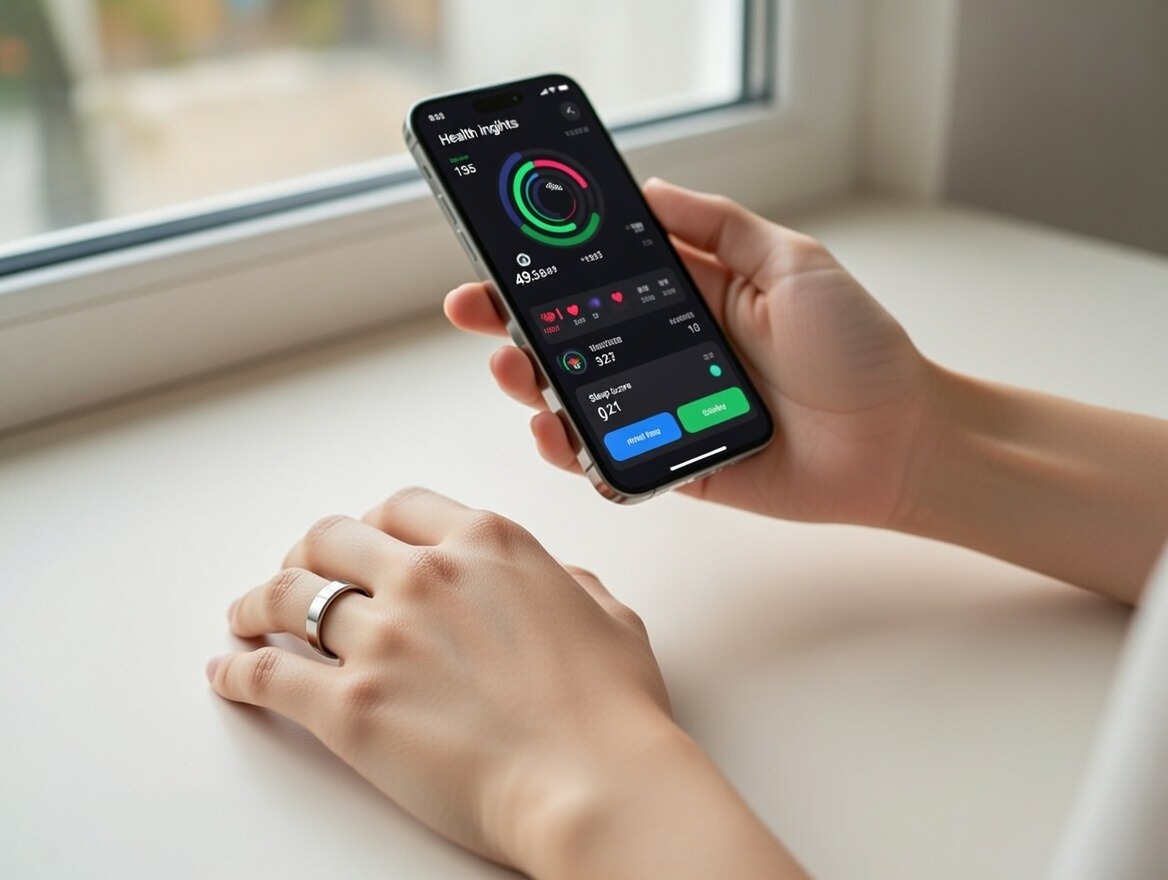
How a Smart Ring Captures Your Rhythm: Unlike wrist-worn devices, a ring worn on the finger provides a unique advantage: consistent contact with the vascular beds in the finger, allowing for highly accurate and continuous measurement of key physiological signals.
Body Temperature: The ring measures nighttime peripheral temperature and its variation. A distinct drop and stable low temperature correlate with deep sleep onset, while elevated temperature can indicate illness, inflammation, or a late meal.
Heart Rate Variability (HRV): This is the gold-standard, non-invasive metric for autonomic nervous system balance and recovery. A higher HRV (especially during sleep) indicates better parasympathetic ("rest-and-digest") tone and circadian stability. A downward trend is an early warning sign of stress, overtraining, or impending illness.
Resting Heart Rate (RHR): A lower sleeping RHR typically indicates better cardiovascular fitness and recovery. A elevated RHR can signal dehydration, stress, or that your body is fighting something.
Sleep Staging: By analyzing movement, heart rate, and temperature, the ring estimates time spent in light, deep, and REM sleep, as well as sleep latency and awakenings.
From Data to Circadian Insights: The magic is in the algorithms and the longitudinal view. The ring doesn't just give you last night's score; it shows you trends.
Readiness Score: A composite of your sleep, activity, and physiological stress (HRV, RHR, temperature). A high score suggests your body is primed for performance; a low score suggests you need recovery. This is a direct reflection of your circadian resilience.
Bedtime Guidance: By learning your personal rhythm, the app can suggest an ideal bedtime window to maximize the chance of sufficient deep and REM sleep.
Activity Impact: It shows how different types and timings of exercise affect your subsequent sleep and recovery metrics, helping you personalize your movement schedule.
The Evolution and The Future: While current devices are exceptional at monitoring, the next leap is into prescription and seamless integration. This is where the vision of companies pushing the envelope comes into focus. The future lies in:
Real-Time, Context-Aware Suggestions: "You've had low HRV for two nights. Your body needs rest. Consider a yoga session instead of HIIT today."
Deeper Biometric Integration: As mentioned, the addition of glucose, blood pressure, and advanced temperature sensing.
Ecosystem Connectivity: Your ring talking to your smart lights to simulate sunrise, or to your calendar to block focus time during your cognitive peak.
The takeaway is that technology is no longer a passive tracker; it is an active partner in circadian optimization. It provides the objective feedback necessary to move from guessing to knowing, making the principles in this article personally relevant and actionable. To discover how modern smart ring technology is evolving to meet these needs, a look at the latest innovations is enlightening.
Overcoming Common Obstacles & Sustaining Your Rhythm for Life
Adopting a circadian-optimized lifestyle is a profound shift, and like any meaningful change, it comes with challenges. Anticipating these obstacles and having strategies to overcome them is key to making this a sustainable, lifelong practice, not a fleeting experiment.
Obstacle 1: "My Social Life Revolves Around Late Nights."
Strategy: You don't have to become a hermit. Practice the 80/20 Rule. Be diligent with your rhythm 80% of the time (weekdays are easier). For the 20% (Friday dinner, a concert), plan and recover. Enjoy the late night, but the next day, get back on rhythm immediately—prioritize morning light, eat breakfast, and have a slightly earlier bedtime. Don't let one late night turn into a weekend of misalignment.
Obstacle 2: "I'm a Parent of Young Children."
Strategy: This is the ultimate test of circadian resilience. Focus on what you can control.
Maximize Your Morning Light: Even if it's 5 AM, get that light when you first wake up. It will help anchor you.
Tag-Team with a Partner: If possible, alternate who handles nighttime wake-ups to guarantee each partner some blocks of consolidated sleep.
Nap When the Baby Naps (Seriously): A 20-minute power nap before 3 PM can help alleviate sleep debt without disrupting your nighttime sleep drive.
Prioritize Nutrient-Dense Foods: When sleep is scarce, fueling your body with high-quality, circadian-friendly food (protein, healthy fats, fiber) is even more critical for energy.
Obstacle 3: "I Have Insomnia. Telling Me to 'Go to Bed Earlier' Makes It Worse."
Strategy: For those with sleep anxiety, the pressure to sleep is the enemy. Use Sleep Restriction Therapy principles:
Strict Wake Time: This is non-negotiable. Get up at the same time every day.
Get Out of Bed: If you're not asleep within 20-30 minutes, get up. Go to a dimly lit room and do something calming (read a physical book) until you feel sleepy. This breaks the association between bed and anxiety.
Focus on the Ritual, Not the Sleep: Your goal is not "8 hours of sleep." Your goal is to faithfully execute your 60-minute Digital Sunset wind-down ritual. Let sleep be a natural byproduct of that relaxation.
Obstacle 4: "I Travel Constantly for Work."
Strategy: Become a circadian ninja. Use the travel strategies outlined earlier. Your carry-on must contain: blue-light blockers, an eye mask, earplugs, and a portable sunrise alarm clock. Your first action upon entering a hotel room is to make it dark. Your first outing is to get timed light exposure.
Obstacle 5: "I Just Lack the Motivation."
Strategy: Connect to your "Why." Is it to have more patient energy with your kids? To perform better at work? To feel vibrant in your body again? Write it down. Then, start microscopically. Don't try to change everything. Commit to one thing: 5 minutes of morning sunlight. Master that for a week. Success with a tiny habit builds the momentum and self-trust to add another. Remember, perfection is the enemy of progress. A good rhythm maintained 70% of the time is far better than a perfect rhythm you abandon in two weeks.
For ongoing support, community, and answers to the nuanced questions that arise on this journey, remember that resources like our blog for additional resources and FAQ for support are designed to help you navigate these real-world challenges and sustain your progress.
The Mental Health Connection: Circadian Rhythms, Mood, and Anxiety
The link between a disrupted internal clock and mental health is not merely correlational; it is causal and bidirectional. Conditions like depression, bipolar disorder, seasonal affective disorder (SAD), and anxiety are deeply entwined with circadian biology. Understanding this connection offers a powerful, non-pharmacological avenue for managing mental wellbeing and building emotional resilience.
The Neurochemical Symphony on a Schedule: Your brain's production and sensitivity to key neurotransmitters follow a 24-hour rhythm:
Serotonin: A precursor to melatonin, serotonin influences mood, appetite, and cognition. Its synthesis is stimulated by morning sunlight. Low levels and disrupted rhythms are hallmarks of depression.
Dopamine: Involved in motivation, reward, and focus, dopamine also cycles. Disruption can lead to anhedonia (lack of pleasure) and poor concentration.
GABA: Your brain's primary inhibitory neurotransmitter, promoting calm and relaxation. Its activity is crucial for the transition into sleep, and its rhythm is easily disturbed by stress and poor sleep.
Cortisol & The HPA Axis: As discussed, a dysregulated cortisol curve—especially a flattened morning peak and elevated evening levels—is prevalent in major depression and anxiety disorders. This represents a state of chronic physiological stress.
Specific Conditions and Circadian Links:
Major Depressive Disorder (MDD): Up to 90% of patients with MDD report sleep disturbances. Research shows they often have delayed circadian phases (later melatonin onset), blunted circadian amplitude (smaller differences between day/night signals), and abnormal cortisol rhythms. Their internal rhythm feels weak and out of sync.
Bipolar Disorder: Perhaps the most dramatic example. Manic episodes are frequently preceded by significant sleep reduction, while depressive episodes are linked to hypersomnia. The circadian system is highly destabilized, and maintaining a strict, consistent daily routine (social rhythm therapy) is a core, evidence-based component of treatment.
Seasonal Affective Disorder (SAD): A direct result of insufficient zeitgeber strength during shorter winter days. The lack of morning light leads to a delayed circadian phase and serotonin deficiency. Light therapy, which mimics the missing zeitgeber, is the first-line treatment.
Anxiety: A hyper-aroused nervous system directly conflicts with the circadian need for a calm evening descent. Anxiety can delay sleep onset, and the resulting sleep deprivation then heightens amygdala reactivity (the brain's fear center), creating a vicious cycle.
Circadian Interventions for Mental Wellbeing:
Light Therapy as Medicine: For SAD and non-seasonal depression, daily morning light therapy (a 10,000-lux light box for 20-30 minutes upon waking) can be as effective as antidepressants for some individuals, with fewer side effects. It works by powerfully resetting the circadian phase and boosting serotonin.
Chronotherapy: This involves strategically timing sleep to reset the clock. In a controlled setting, sleep deprivation (one full night without sleep) can have a rapid, temporary antidepressant effect by "jump-starting" a stalled rhythm, followed by a carefully timed sleep schedule to lock in a new phase.
Interpersonal and Social Rhythm Therapy (IPSRT): A core treatment for bipolar disorder that focuses on stabilizing daily rhythms—sleep, meals, activity, and social interactions—to prevent mood episodes.
The Foundational Triad for Everyone: Regardless of diagnosis, reinforcing the basics is profoundly protective:
Morning Light Anchor: The most potent daily dose of "neurochemical reset."
Digital Sunset: Protects the evening GABA-glide and cortisol drop, essential for anxiety management.
Rock-Solid Consistency: The ultimate stabilizer for a vulnerable nervous system.
This approach reframes mental health management. It's not just about managing symptoms but about strengthening the fundamental temporal architecture of the brain. For many, tracking physiological markers like HRV provides an objective gauge of nervous system regulation, offering hope and agency. Exploring real user experiences with using data for mental wellbeing can be incredibly validating.
Hormonal Harmony: Circadian Rhythms in Women's Health & Endocrine Balance
While everyone operates on a circadian rhythm, women experience an additional, powerful layer of biological timing: the infradian rhythm, most notably the menstrual cycle. The interplay between the 24-hour circadian cycle and the 28-day (on average) menstrual cycle creates a unique and dynamic hormonal landscape. Optimizing circadian rhythms can significantly ease cycle-related symptoms, support fertility, and smooth the transition through perimenopause and menopause.
The Menstrual Cycle as a Hormonal Rhythm: The cycle's phases—menstruation, follicular, ovulation, luteal—are driven by the careful rise and fall of estrogen, progesterone, luteinizing hormone (LH), and follicle-stimulating hormone (FSH). These hormones don't just regulate reproduction; they influence energy, metabolism, brain function, and sleep.
Circadian Interactions:
Sleep Architecture Shifts: Core body temperature is intrinsically linked to both rhythms. It dips at night (circadian) but also rises post-ovulation due to progesterone (infradian). This dual influence can make sleep more fragmented in the luteal phase. Progesterone also has a sedating effect, which can increase sleepiness.
Metabolic Flexibility: Insulin sensitivity fluctuates with the cycle, often highest in the follicular phase and lower in the luteal phase. A circadian-aligned eating window becomes even more crucial during the luteal phase to support stable blood sugar and manage cravings.
Melatonin & Fertility: Melatonin is a powerful antioxidant that protects ovarian follicles and eggs. A robust circadian rhythm ensuring ample, high-quality melatonin production is now recognized as a factor in fertility. Shift work, which disrupts melatonin, is associated with increased risk of menstrual irregularities and subfertility.
Cortisol Cross-Talk: Chronic stress and a dysregulated cortisol rhythm can suppress hypothalamic function, leading to anovulatory cycles, exacerbating PMS, and worsening perimenopausal symptoms.
Circadian Strategies for Cycle Syncing:
Double Down on Light Hygiene: Protecting melatonin is paramount. In the luteal phase, when sleep may be more fragile, be extra diligent with your Digital Sunset and bedroom darkness.
Adapt Your Eating Window: Consider a slightly more restrictive eating window (e.g., 10 hours) during the luteal phase if experiencing strong cravings or bloating. Prioritize protein and magnesium-rich foods in the evening to support progesterone metabolism and relaxation.
Time Exercise with Your Energy: The follicular phase, with rising estrogen, often brings a surge in energy and stamina—a great time for high-intensity workouts. The luteal phase may be better suited for strength maintenance, yoga, and restorative movement. Listening to your body is key.
Manage Stress Proactively: Since the HPA axis (stress) and HPG axis (reproduction) are intimately linked, circadian stress-management practices like consistent routines, morning light, and evening wind-downs directly support hormonal balance.
Perimenopause & Menopause: As estrogen and progesterone decline, the circadian system can lose a stabilizing influence. Hot flashes, night sweats, and insomnia are common. Here, core circadian principles—cool sleeping environment, consistent schedule, light anchoring, and time-restricted eating—become first-line, essential therapies to manage symptoms and support metabolic health during this transition.
The Power of Awareness: Tracking both your daily circadian metrics (sleep, HRV) alongside your menstrual cycle creates a powerful, personalized map. You can see how your physiology shifts across the month and adjust your self-care accordingly. This bio-holistic approach empowers women to work with their bodies' natural rhythms, not against them. For more on harmonizing technology with the nuances of human biology, our blog offers related articles on this evolving topic.
Chronopharmacology: Timing Your Medications & Supplements for Maximum Efficacy
What if the effectiveness of a medication or supplement depended not just on the dose, but on the time of day it was taken? This is the premise of chronopharmacology—the study of how the body's circadian rhythms affect the pharmacokinetics (how the body processes a drug) and pharmacodynamics (how the drug affects the body) of treatments. Timing can influence potency, side effects, and even toxicity.
Why Timing Matters:
Enzyme Activity: Liver enzymes responsible for metabolizing drugs (the cytochrome P450 system) have circadian rhythms. Their activity can be higher during the day.
Receptor Sensitivity: The expression and sensitivity of drug receptors on cells can vary throughout the day.
Physiological Processes: Blood pressure, gastric acid secretion, and kidney function all cycle, affecting drug absorption, distribution, and excretion.
Practical Applications for Common Substances:
1. Blood Pressure Medications:
Fact: Blood pressure naturally dips at night (nocturnal dipping) and surges in the early morning. A lack of dipping is a major cardiovascular risk.
Guidance: Studies, such as the large Hygia Chronotherapy Trial, suggest that taking at least one BP medication at bedtime significantly improves nighttime blood pressure control and reduces cardiovascular events compared to morning dosing. Always consult your doctor before changing medication timing.
2. Corticosteroids (e.g., Prednisone):
Fact: Cortisol peaks in the early morning.
Guidance: To minimize disruption of the HPA axis, corticosteroids are often recommended to be taken in the morning with food to align with the body's natural cortisol rhythm.
3. Non-Steroidal Anti-Inflammatories (NSAIDs like Ibuprofen):
Fact: Pain perception and inflammatory markers often peak in the late afternoon/evening. The enzyme COX-2, a target for many NSAIDs, follows a circadian pattern.
Guidance: For conditions like osteoarthritis, where pain worsens as the day progresses, taking NSAIDs in the afternoon may provide better symptom control.
4. Statins (Cholesterol Medications):
Fact: The liver's cholesterol synthesis is highest at night.
Guidance: Many statins are more effective when taken in the evening or at bedtime.
5. Thyroid Medication (Levothyroxine):
Fact: It should be taken on an empty stomach for optimal absorption.
Guidance: Taking it first thing in the morning, at least 30-60 minutes before food or coffee, is standard. This also aligns with the body's natural thyroid hormone rhythm.
6. Supplements:
Melatonin: Should be taken 30-60 minutes before desired bedtime for sleep phase adjustment, not right at bedtime.
Magnesium: Often recommended in the evening due to its muscle-relaxing and calming properties.
Vitamin D: Since it's a fat-soluble vitamin that can interfere with sleep in some people, taking it with your largest meal (often lunch) is a common suggestion.
Iron: Absorption is better on an empty stomach, but it can cause GI upset. A compromise is taking it with vitamin C in the morning, away from coffee/tea and calcium.
A Critical Caveat: This is an emerging and complex field. Never alter the timing of prescription medication without explicit discussion and approval from your prescribing physician. Drug interactions, your specific condition, and the medication's formulation (immediate vs. extended release) are critical factors.
The broader lesson is that our bodies are not static. By being mindful of timing—even with over-the-counter supplements—we can enhance their benefit and minimize unintended effects, a principle that aligns with the precise, personalized approach of modern health optimization. For questions on integrating such nuanced practices, our FAQ section provides a resource.
The Social Jet Lag Epidemic & Redesigning Our Work Culture
Social jet lag is the chronic misalignment between your biological clock (determined by your chronotype) and your social clock (the timing imposed by work, school, and social obligations). It’s the reason the 7 AM alarm feels like torture for a Wolf, and why Monday mornings are universally dreaded. This isn't a personal failing; it's a structural flaw in a society that privileges a "one-size-fits-all" schedule, costing us dearly in health, productivity, and wellbeing.
Quantifying the Damage: Social jet lag is measured as the difference in mid-sleep times between your workdays and your free days. Even a 2-hour shift is significant.
Metabolic Health: Each hour of social jet lag is associated with an ~11% increase in the likelihood of heart disease. It's a predictor of obesity, insulin resistance, and higher HbA1c levels.
Mental Performance & Safety: Cognitive performance is suboptimal when forced to work during a biological trough. This has implications for everything from academic achievement to industrial accidents and medical errors. The Challenger shuttle disaster and the Exxon Valdez oil spill both occurred in the early morning hours, linked to human error during circadian lows.
Mood & Burnout: Chronic social jet lag is linked to higher rates of depression, burnout, and overall malaise. Living perpetually out of sync is a profound psychological stressor.
Toward a Chronotype-Aware World: A circadian-optimized society would move beyond the rigid 9-to-5 industrial model. Here’s what that could look like:
Flexible Start Times: Companies and schools could offer "core hours" for collaboration (e.g., 10 AM - 3 PM) with flexibility on either side. Lions could start at 7 AM and leave early; Wolves could start at 10 AM and work later. Studies at companies like Google and the U.S. Office of Personnel Management have found flexible schedules increase productivity and job satisfaction.
Strategic Scheduling of Critical Work: Hospitals could avoid scheduling complex surgeries during a surgeon's biological morning trough. Schools could schedule demanding subjects like math for older students later in the morning, when their delayed adolescent circadian rhythms allow for better alertness.
Embracing Asynchronous Work: The rise of remote work has opened the door to true schedule autonomy, allowing knowledge workers to design their days around their personal cognitive peaks.
Rethinking Shift Work: For essential 24/7 roles, rapid-rotating shift schedules (changing every few days) are more disruptive than slower rotations. Forward-thinking organizations provide education on circadian health, access to light therapy boxes for night workers, and design "nap pods" for strategic rest.
Individual Advocacy in a Non-Ideal System: While systemic change is slow, you can advocate for yourself:
Know Your Chronotype: Use it to block your calendar. Protect your biological peak hours for deep, focused work.
Communicate with Managers: Frame schedule flexibility as a productivity and wellness tool, not a perk. Present data on circadian science.
Optimize Your Immediate Environment: Use bright light at your desk, take walking meetings in the afternoon slump, and fiercely guard your post-work wind-down time to recover from the social jet lag imposed by your schedule.
Creating a world that respects our biological diversity is a grand challenge. It begins with awareness and the understanding that honoring our internal time is not self-indulgence—it is a fundamental requirement for a healthy, creative, and sustainable society. This vision of human-centric design is part of the broader mission and story driving innovation in health technology.
The Athlete's Edge: Precision Timing for Peak Performance & Recovery
For athletes, where marginal gains define victory, circadian optimization is no longer a wellness trend—it’s a critical component of sports science. Precision timing of training, nutrition, and recovery can enhance performance, reduce injury risk, and accelerate adaptation.
Performance Rhythms:
The Daily Peak: As noted, core body temperature, muscle strength, flexibility, and reaction time typically peak in the late afternoon/early evening (between 4 PM and 7 PM). This is when world records are most often broken. A meta-analysis in Sports Medicine confirmed that athletic performance can vary by 3-21% throughout the day, depending on the metric.
Chronotype Matters: A Lion will perform best in morning competitions, while a Wolf will truly shine in evening events. Forcing a Wolf to peak at 8 AM is a disadvantage.
Strategic Training Periodization:
Skill & Technique: Morning sessions, when the mind is fresh but muscles may be stiffer, can be ideal for low-intensity technical drill work and strategy.
Strength & Power: Schedule high-intensity training, heavy lifting, and sprint work for your personal performance window, often late afternoon. This aligns with peak neural drive and muscle function.
Endurance: While also benefited by afternoon physiology, endurance athletes often train in the morning to specifically adapt their bodies to race conditions, which frequently start in the AM.
Avoid Late-Night High-Intensity Training: It can disrupt sleep architecture and delay recovery by elevating core temperature and sympathetic nervous system activity too close to bedtime.
Nutritional Timing for the Athlete:
Pre-Workout: A meal 2-3 hours before training should be rich in carbohydrates and some protein. For early morning sessions, a smaller, easily digestible carb-rich snack 30-60 minutes prior can suffice.
Post-Workout Recovery: The "metabolic window" is more forgiving than once thought, but consuming protein and carbs within 2 hours after training helps replenish glycogen and initiate muscle repair. For evening workouts, this meal should still be consumed but kept lighter to avoid disrupting sleep.
The Recovery Fast: Aligning the overnight fast with sleep is crucial. The post-exercise meal should not be so late that it compromises sleep quality.
Sleep as the Ultimate Performance Enhancer:
Non-Negotiable Quantity & Quality: Growth hormone secretion during deep sleep is essential for tissue repair. REM sleep is critical for motor skill consolidation and cognitive recovery. Athletes like LeBron James and Roger Federer famously prioritize 10-12 hours in bed.
Tracking Recovery Metrics: Wearables provide objective data beyond subjective feel. Heart Rate Variability (HRV) is the North Star for athletes. A rising trend indicates good adaptation and readiness to train; a sharp drop is a red flag for overreaching, illness, or poor recovery, necessitating a down day.
The Nap Strategy: A 20-30 minute power nap before 3 PM can boost afternoon alertness and performance without causing sleep inertia or affecting nighttime sleep.
Competition Day Strategy: For competitions at sub-optimal times (e.g., a Wolf racing in the morning), strategic phase-shifting is required in the days prior using light exposure and meal timing to gradually move the performance peak. This is a sophisticated application of the travel jet lag protocols.
For the serious athlete or fitness enthusiast, a smart ring isn't just a sleep tracker; it's a recovery management system. It answers the daily question: "Should I push hard today, or do I need to prioritize restoration?" This data-driven approach to balancing stress and recovery is at the cutting edge of personal performance, a topic of great interest for those looking to learn more about smart ring technology in an athletic context.



%402x.svg)