


Daily Health Optimization: How Your Smart Ring Guides Better Choices
How a smart ring guides daily choices to optimize health.
How a smart ring guides daily choices to optimize health.
%402x.svg)
Imagine a world where your most important health decisions are guided not by guesswork or fleeting motivation, but by a deep, continuous stream of knowledge about your own body. A world where subtle, often imperceptible signals—a slight change in nighttime body temperature, a pattern in your heart’s rhythm during sleep, a gentle nudge that you’ve been sedentary for too long—are captured and translated into clear, actionable insights. This is the world made possible by the smart ring, a revolutionary piece of wearable technology designed not to shout for your attention, but to listen quietly to your physiology and empower you to live better, every single day.
We are at the dawn of a profound shift in personal wellness. The global wellness technology market, valued at a staggering $57.1 billion in 2025, is projected to explode to over $208 billion by 2035, fueled by our collective desire for proactive, personalized health management . At the heart of this revolution are wearable devices, which already command nearly half of this market . While smartwatches have been the dominant force, a new champion for discreet, continuous health tracking is emerging. At CES 2026, smart rings stepped decisively out of niche curiosity and into the spotlight as a mature, recognized category of wearable . Their promise is compelling: all the sophisticated biometric monitoring of advanced health tech, packaged in a form so comfortable and unobtrusive you can—and will—wear it 24/7.
This article is your comprehensive guide to harnessing that promise. We will explore how a smart ring moves far beyond being a simple data collector to become an intelligent health companion. It’s a tool that helps you optimize your sleep, manage stress, enhance recovery, and make daily choices that compound into long-term well-being. This isn’t about achieving arbitrary fitness goals; it’s about understanding your body’s unique language and creating a lifestyle that allows you to feel and perform at your best.
For a deeper look at the philosophy behind this technology and to explore a device built for this very purpose, you can learn more at Oxyzen.ai, where the journey to optimized health begins with understanding .
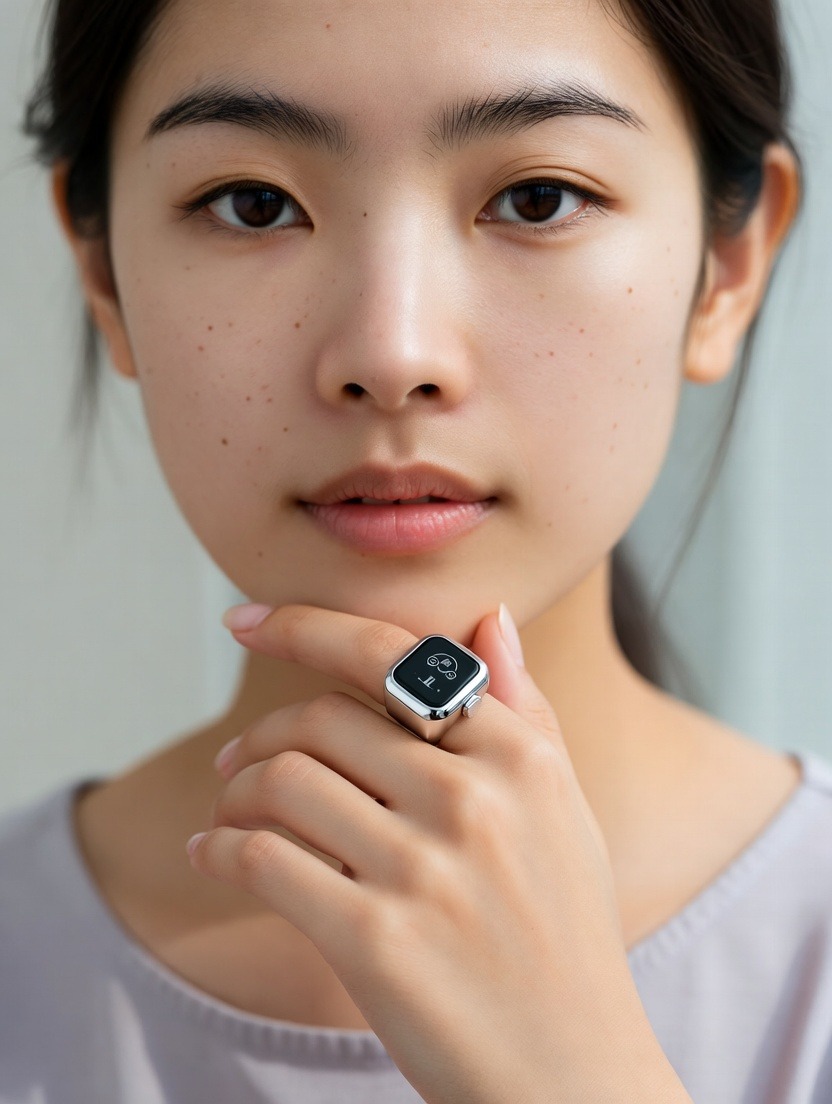
The journey of wearable health tech has been noisy—both literally and figuratively. From the early days of clunky pedometers to the buzz, beep, and glare of modern smartwatches, our quest for self-knowledge has often come with a side of digital distraction. This constant connectivity created a paradox: devices meant to improve our health began contributing to the very stress and information overload they were supposed to help manage. It’s a phenomenon often called “wearable fatigue,” where the initial excitement for a new gadget fades, replaced by the burden of another screen demanding our attention .
This is the precise problem the smart ring was born to solve. Its value proposition is not about packing more features into a smaller space, but about doing less, better. By eliminating the screen and the endless stream of notifications, smart rings refocus on their core mission: passive, precise, and persistent health monitoring without the digital noise . Their beauty lies in their limitations; by not trying to be a mini-smartphone on your wrist, they become a far more effective wellness tool.
But the revolution isn’t just about subtracting distractions. It’s about a fundamental advantage in data quality: unmatched wearability. The most sophisticated sensor is useless if you take the device off. Many people find smartwatches too bulky or uncomfortable to sleep in, creating a critical gap in their health data. How can you truly understand your recovery and readiness if you’re missing the 8-hour period when your body does its most vital repair work? A smart ring, with its lightweight, streamlined design (some models are as thin as 2.7mm and light as 4.4 grams), is engineered for 24/7 wear . This comfort is not a luxury; it’s the foundation for meaningful, longitudinal health insights.
The market is taking notice. While health tracking remains the dominant use case, the category is diversifying. At CES 2026, alongside rings boasting deeper biometric insights, we saw devices like the Pebble Index 01, which forgoes health tracking entirely to focus on simple productivity through voice note capture . This signals a maturation of the category—smart rings are no longer a novelty, but a platform being explored for a variety of focused, user-centric applications . For the health-conscious individual, however, the core appeal remains this powerful combination of clinical-grade sensing and jewelry-grade wearability, a silent revolution happening right on your finger.
Why a ring? Why not a bracelet, a patch, or an earring? The choice of the finger as the platform for this health technology is not an aesthetic whim; it is a decision grounded in biometric science. The finger, particularly the base of the finger, offers a unique vascular window into the body’s inner workings, providing signals that can be clearer and more consistent than those from the wrist.
Consider the primary sensor in most health wearables: the photoplethysmogram (PPG) optical heart rate sensor. It works by shining light into the skin and measuring how much is absorbed by the blood flowing underneath. The wrist is a bony area with tendons and less-dense vasculature. During movement, a device on the wrist can shift and lose optimal contact with the skin, leading to “motion noise” and less reliable data, especially during high-intensity activity. The finger, by contrast, has a dense capillary bed and a firmer, more consistent bone structure beneath. This allows the ring’s sensors to maintain a stable position against the skin, leading to a stronger, cleaner signal. This is one reason why smart rings are often cited as potentially more accurate for sleep tracking—a period of low movement where signal purity is paramount .
Furthermore, the finger provides excellent access for other key metrics:
This isn’t to say smart rings render wrist-worn devices obsolete. For the serious athlete needing real-time GPS mapping, pace data, and detailed workout metrics, a sports watch remains the superior tool . The smart ring isn’t meant to replace it; rather, it acts as the perfect companion. The watch guides your 60-minute workout, while the ring informs the other 23 hours of your day—your recovery, sleep, and overall readiness—painting a complete, 360-degree picture of your health. It’s about choosing the right tool for the right data, and for foundational, continuous biometrics, the finger holds a distinct and powerful advantage.
In a world obsessed with instant results and daily scores, the most transformative power of a smart ring is its ability to reveal what happens over time. A single night of poor sleep or a one-day spike in resting heart rate is just a data point, easily dismissed as an anomaly. The magic happens when you accumulate weeks and months of uninterrupted data. This allows the device—and more importantly, you—to establish your personal health baseline.
Your baseline is your body’s unique fingerprint. It’s your normal resting heart rate, your typical sleep structure, your average HRV, and your regular temperature rhythm. It’s not a comparison to population averages or generic ideals; it’s the definition of your normal. Harvard Health Publishing notes that the true value of health information lies in its integration with effective behavior change . But to change effectively, you must first know your starting point and recognize what a meaningful deviation looks like.
This longitudinal tracking enables several powerful insights:
A 2021 study published in Frontiers in Physiology underscores this point. Researchers found that participants using a biometric ring alongside personalized feedback showed significant, sustained improvements in metrics like sleep onset latency and VO2 max over a full year . The key was the combination of continuous data and long-term engagement. The ring provided the unblinking record of their physiology, allowing them to see their progress and stay accountable. This is the essence of building a personal baseline—it turns health from a daily guess into a documented journey. For a deeper dive into the stories of individuals who have transformed their well-being through such consistent tracking, the real-world experiences shared in Oxyzen.ai testimonials can be a powerful source of inspiration .
If there is one area where the smart ring shines with virtually unrivaled potential, it is sleep. Sleep is the cornerstone of health—the non-negotiable period when our bodies repair tissue, consolidate memory, regulate hormones, and clear metabolic waste. Yet, for generations, it has been a black box. We could guess at its quality based on how groggy we felt in the morning, but we lacked objective insight into what was actually happening. The smart ring, worn comfortably throughout the night, turns the light on in that black box, transforming sleep from a mystery into a masterable skill.
The value begins with unmatched comfort. As noted by experts reviewing wearable tech, a device’s comfort is directly linked to its accuracy for sleep tracking . A bulky watch can dig into your wrist, cause you to change your natural sleep position, or simply be annoying enough that you remove it. A lightweight ring, however, is designed to be forgotten. This means you wear it consistently, and the data it collects reflects your true, undisturbed sleep architecture.
Modern smart rings analyze sleep through a symphony of sensors, providing a detailed report that typically includes:
This data coalesces into more than just a score; it creates a feedback loop for positive change. The ring might reveal that your deep sleep is consistently low. The associated app could then suggest evidence-based interventions: establishing a consistent bedtime, reducing evening blue light exposure, or adjusting your room temperature. You implement a change, and the next night’s data shows you the result. This is the path to true sleep optimization—moving from feeling “OK” in the morning to knowing, with data-backed confidence, that you have given your body the recovery it needs.
The behavioral impact is significant. The aforementioned year-long study on biometric rings found that participants receiving guided feedback significantly improved their sleep onset latency—the time it takes to fall asleep—and maintained those gains . This demonstrates that when people are equipped with clear data about their sleep, they are empowered to make tangible, lasting improvements to their nightly routine, turning rest from a passive state into an active component of health optimization.
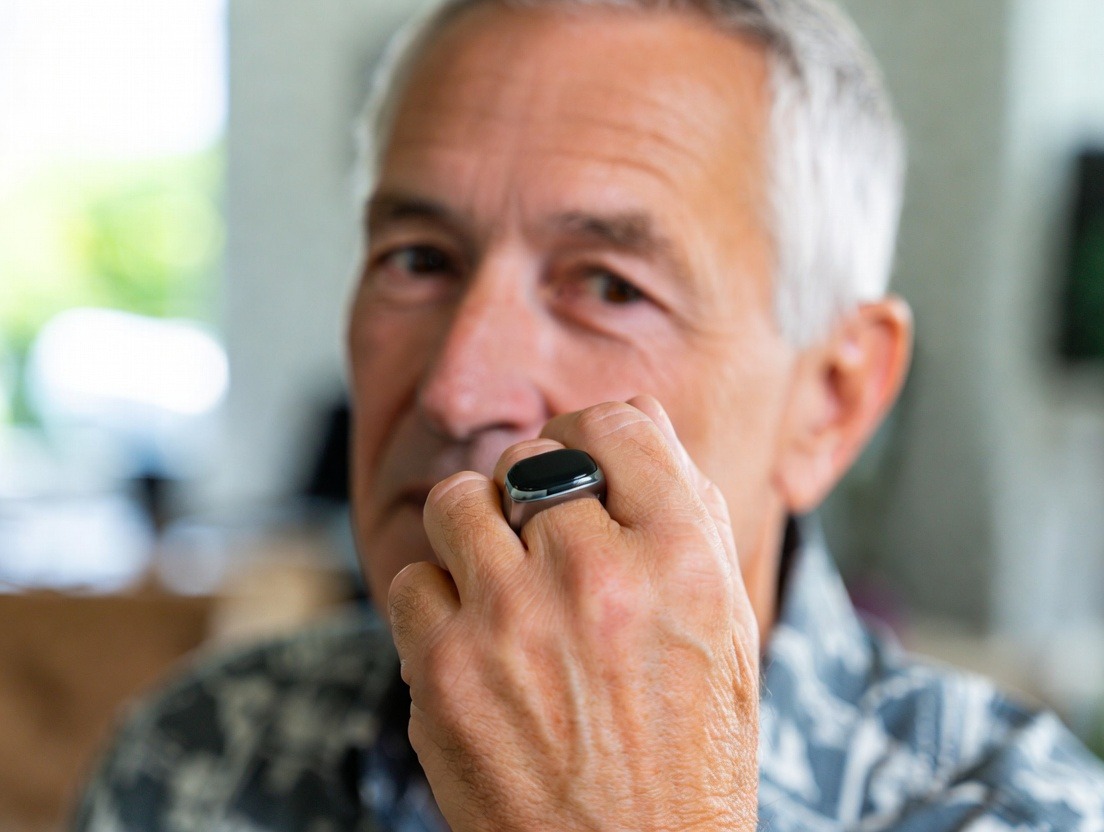
The fitness tracker revolution taught us to count steps, a simple metric that undoubtedly got millions of people moving. However, the next evolution in wellness is moving beyond generic, one-size-fits-all activity goals toward contextualized, readiness-based movement guidance. This is where the smart ring’s holistic data view creates a significant advantage over single-purpose fitness devices.
A standard pedometer or fitness tracker sees a step goal in isolation: you need 10,000 steps, go get them. A smart ring, however, views activity through the lens of your body’s overall condition. It asks a more sophisticated question: What kind of movement is my body prepared for today?
This judgment is based on a confluence of overnight data—your sleep quality, recovery score, HRV trend, and resting heart rate. After analyzing this data, your ring and its app might provide insights such as:
This approach aligns with the most effective athletic and wellness principles: periodization and autoregulation. It helps prevent the common trap of overtraining—forcing intense activity on a body begging for rest—which can lead to injury, burnout, and immune suppression. Conversely, it can gently nudge you off the couch on days when you feel tired but the data shows your body is actually well-recovered and would benefit from movement.
Furthermore, the smart ring excels at tracking non-exercise activity thermogenesis (NEAT)—the calories you burn from fidgeting, standing, walking to your car, and doing household chores. For most people, NEAT constitutes a significant portion of daily energy expenditure. A ring’s all-day wear provides a more complete picture of your total daily movement than a device you only put on for a gym session. It celebrates the small, consistent wins: taking the stairs, walking during a phone call, or pacing while waiting for your coffee. These micro-movements, guided by gentle reminders to stand or stretch after periods of inactivity, contribute massively to metabolic health, circulation, and energy levels over a lifetime.
The ring transforms activity from a standalone goal into an integrated component of a holistic health strategy. It provides the intelligence to move smarter, not just harder, ensuring your daily efforts support your long-term vitality. To explore how different smart ring technologies interpret activity data and provide guidance, you can find comparisons and detailed explanations in resources like the Oxyzen.ai blog .
In our modern, always-on world, stress is often a silent, chronic companion. We acclimate to a background hum of anxiety, deadlines, and digital overload, often failing to recognize its physiological toll until it manifests as burnout, irritability, or illness. The smart ring introduces a powerful tool for making the invisible visible: it gives you a quantifiable, real-time window into your nervous system state, primarily through the biomarker of Heart Rate Variability (HRV).
HRV is not your heart rate. While heart rate measures the average number of beats per minute, HRV measures the subtle variations in time between each heartbeat. A higher HRV generally indicates a more resilient, adaptable autonomic nervous system—one where the “rest-and-digest” (parasympathetic) branch is strong and can balance the “fight-or-flight” (sympathetic) branch. A lower or declining HRV trend can signal that your body is under excessive physical or psychological strain, leaving it less resilient to stress.
This is where 24/7 wear becomes critical. HRV is highly dynamic and context-dependent. By taking continuous measurements, especially during sleep when external influences are minimized, a smart ring can establish your unique HRV baseline and track meaningful trends. It can reveal:
Beyond HRV, other ring metrics form a constellation of stress data. An elevated resting heart rate, particularly upon waking, can be another sign of systemic stress. Changes in skin temperature rhythms and sleep architecture (such as reduced deep sleep) also provide corroborating evidence. Together, these biomarkers move stress management from the realm of subjective feeling (“I’m so stressed”) to objective observation (“My data shows my nervous system is under strain”).
Armed with this knowledge, you can move from passive victim to active manager of your stress. The ring’s insights can prompt you to:
This biofeedback loop is empowering. A study on wearable biometric rings highlighted that users who received personalized feedback showed significant improvements in HRV over time, linking the technology directly to enhanced physiological recovery . By learning to read and respond to your body’s stress signals, you build resilience, not just for today’s challenges, but for a lifetime of better balance and well-being.
For decades, nutrition advice has been a battleground of conflicting diets and generic guidelines. What if you could move beyond “eat this, not that” and understand how your body uniquely responds to food, hydration, and timing? Smart rings are beginning to bridge this gap, not by scanning your meals, but by monitoring how your physiology reacts to your nutritional choices, offering clues to personalize your approach to fueling your body.
The primary window into this realm is, once again, nocturnal biometrics. While you sleep, your body is freed from the demands of digestion and activity, allowing baseline metabolic and recovery processes to take center stage. Disruptions in these quiet hours can often be traced back to what you consumed—or didn’t—during the day.
Here’s how your ring’s data can become a guide for smarter nutritional choices:
The ring doesn’t tell you what to eat. Instead, it provides the physiological consequences of your eating habits. It turns nutrition into a personal science experiment. You can test how a high-protein breakfast affects your energy levels (via daytime heart rate trends), or whether reducing processed sugar improves your sleep depth. This biofeedback is a far more powerful motivator than any calorie count, helping you build an intuitive, personalized eating pattern that genuinely supports your health and performance goals.
The true promise of a smart ring unfolds not in days or weeks, but over months and years. This is where it transcends the fate of so many wearable gadgets that end up abandoned in a drawer. Its purpose shifts from providing novelty scores to facilitating profound, sustainable behavior change. The key mechanism for this is not through aggressive alerts or shaming notifications, but through what behavioral scientists call “nudges” and the powerful reinforcement of visible progress.
Wearable fatigue often sets in when a device becomes another source of guilt or a demanding taskmaster . Smart rings are designed to avoid this. They operate in the background, collecting data without demanding your constant attention. The insights come when you choose to engage with the app—a moment of reflection rather than interruption. This design fosters a healthier, more autonomous relationship with the technology.
Over time, this relationship cultivates deeper health literacy. You begin to internalize the connections:
These are the nudges. They aren’t commands from a device; they are informed choices you make based on a growing understanding of your body’s signals. The 2021 biometric ring study provides clinical support for this model. It found that improvements in health metrics like sleep and fitness were significantly greater and better maintained when the wearable was paired with personalized, long-term guided feedback . The ring provides the objective record, and the insights (whether from an app or your own analysis) provide the context for change.
Furthermore, the long-term data becomes an invaluable health asset. You create a comprehensive personal health timeline. This allows you to:
In this long game, the smart ring ceases to be a “tracker” and becomes a health companion. It’s a mirror reflecting the cumulative impact of your daily choices, empowering you to build a lifestyle where better health is not a distant goal, but a continuous, guided journey. For those interested in the vision behind creating such a companionable technology, the founding principles and journey are often best understood through a brand’s our story page .
As the smart ring market matures and expands, choosing the right device becomes both more exciting and more complex. With options now ranging from health-focused powerhouses to minimalist productivity tools, identifying your primary goal is the essential first step . Are you seeking deep health insights, subtle lifestyle nudges, or a blend of both? Once your mission is clear, evaluating the following key features will guide you to your perfect companion.
1. Sensor Suite & Accuracy: The Foundation of Insight
The quality of the advice is only as good as the quality of the data. Look for rings that offer a core set of validated sensors:
Consider the ring’s form factor as part of its accuracy. A sleek, low-profile design (like those around 2.7mm thick) isn’t just about looks; it ensures the sensors sit snugly against your skin for a consistent reading . Remember, the finger’ vascular advantage only matters if the fit is perfect.
2. Battery Life & Charging: The Enabler of 24/7 Wear
A device meant to be worn continuously must not be a charging burden. The best smart rings today offer 5 to 7 days of battery life on a single charge, with some premium models boasting up to 10 days or more . This eliminates daily charging anxiety and ensures you rarely miss data. Look for convenient charging solutions like compact docking cradles or cases that make topping up a simple, seamless part of your weekly routine.
3. Comfort, Fit & Design: The Human Factor
This is non-negotiable. A smart ring must first be a great ring. Key considerations include:
4. The Software & AI: The Brain Behind the Data
The hardware collects numbers; the software delivers wisdom. Evaluate the companion app for:
Finally, be wary of devices that promise medical-grade diagnostics without proper clearance. As Harvard Health Publishing cautions, while some rings have FDA-cleared features for afib detection, they are not substitutes for professional medical devices or advice . The smart ring’s supreme strength is in prevention, awareness, and lifestyle optimization—guiding your daily choices to build a healthier future. For answers to common technical and usage questions as you evaluate your options, consulting a comprehensive FAQ resource can be incredibly helpful .
After months of continuous wear, a smart ring generates a treasure trove of data—sleep scores, readiness metrics, activity graphs, and stress levels. For many users, this abundance can feel overwhelming, like staring at a cockpit of dials without knowing how to fly the plane. The true power, however, isn't in any single metric but in the synergistic story they tell when viewed together. Mastering this integration transforms isolated data points into your personal health command center, a dashboard for making informed daily decisions.
The most critical integration happens each morning. Instead of checking your sleep score in isolation, the most effective apps present a holistic readiness or recovery score. This number is an algorithmically weighted synthesis of your previous night's data. It might combine:
This single score, often on a scale of 1-100, provides an immediate, high-level answer to the question: "What is my body capable of today?" A score of 85+ suggests high readiness for intense work and exercise. A score of 60 might indicate you need a focused recovery day. This integrated snapshot is your first and most important guide.
Beyond the morning score, learning to see connections between metrics is where true insight lives. Consider these common patterns your dashboard reveals:
While app algorithms do the heavy lifting, you can deepen your understanding by becoming the integrator. This means occasionally journaling alongside your data. For one week, make brief notes on:
When you review your dashboard at the week's end, you'll see direct correlations the app might miss. You may discover that your highest HRV readings consistently follow days you eat salmon for dinner, or that your sleep latency spikes after late-afternoon coffee. This manual layer turns your dashboard from a reporting tool into a discovery platform for your unique bio-individuality.
The ultimate goal of this integrated dashboard is to foster informed intuition. Over time, you start to feel what the data will show. You develop a sixth sense for when your body needs fuel, rest, or movement. The dashboard ceases to be an external authority and becomes a confirming mirror for your own growing self-awareness, a cornerstone of genuine, lifelong health sovereignty. For those looking to see examples of how integrated data translates into real-world lifestyle changes, exploring real customer reviews can provide valuable, relatable context.
The journey of health optimization can sometimes feel solitary. You're alone with your data, your goals, and your daily choices. This is where the social layer of smart ring ecosystems introduces a powerful, often overlooked dimension of motivation and support. By safely and selectively connecting your journey to others, you can tap into the motivational power of community, shared experience, and even friendly competition.
Humans are inherently social creatures, and behavior change is significantly more sustainable when it's supported by a community. Many smart ring platforms are building features that move beyond simple data sharing to create meaningful social engagement:
A more formal, but profoundly impactful, social layer involves sharing your longitudinal data with healthcare professionals. Imagine visiting your doctor not with vague symptoms ("I'm tired"), but with a 3-month health timeline. You can show trends in sleep efficiency, resting heart rate variability, and activity levels. This objective data can:
This shifts the patient-provider relationship toward a collaborative, data-informed partnership focused on prevention and optimization, not just disease treatment.
It's crucial to approach the social layer with intentionality to avoid negative comparisons or obsession. The healthiest communities emphasize:
When used wisely, the social layer transforms the smart ring from a personal gadget into a connective tissue for positive change. It reminds us that while health is personal, the journey doesn't have to be lonely. It harnesses our natural social drives to reinforce the daily choices that lead to long-term well-being, creating a virtuous cycle of motivation and support.

As smart ring technology and its underlying algorithms grow more sophisticated, their applications are expanding far beyond basic sleep and activity tracking. For specific user groups and through advanced data modeling, these devices are becoming predictive health partners, offering insights that can align lifestyles with natural biological rhythms and even flag potential health issues before obvious symptoms arise.
For individuals who menstruate, the smart ring is emerging as a transformative tool for understanding the menstrual cycle. Traditional cycle tracking often relies on manual input of symptoms and basal body temperature (BBT) taken at one exact moment each morning. A smart ring automates and enriches this process dramatically.
By synthesizing these data streams, the ring can predict cycle phases with high accuracy. This allows users to plan their lives in harmony with their biology: scheduling demanding projects during the high-energy follicular phase, prioritizing rest and recovery in the luteal phase, and understanding that changes in mood, appetite, and athletic performance are normal, data-verified parts of their cycle. It empowers a level of body literacy that was previously inaccessible without meticulous, manual effort.
The true power of longitudinal biometric data lies in its ability to establish a deeply personal "normal." Once this baseline is solid—typically after 30-90 days of consistent wear—the ring's algorithms can detect meaningful deviations that may serve as early warning signals.
It is vital to state clearly: A smart ring is not a diagnostic medical device. It does not detect diseases like COVID-19, the flu, or heart conditions with specific diagnostic accuracy. What it provides is a sensitive indicator of general physiological disturbance. It tells you, "Your body is fighting something" or "Your system is under severe strain," which is an invaluable prompt to listen to your body, rest, and consult a healthcare professional if needed. This predictive, preventive capability represents the cutting edge of what personal wearable technology can offer: a window into your health's future, based on the clear patterns of its present.
The promise of smart rings is immense, but to use them effectively and avoid frustration, it is equally important to understand their boundaries. They are powerful guides and indicators, but they are not oracles, medical devices, or substitutes for professional care. A clear-eyed view of their limitations ensures you harness their strengths without falling into common traps of data obsession or misinterpretation.
The first key to setting expectations is grasping the nature of the measurements.
A significant risk with any biometric tracker is the development of orthosomnia—a paradoxical preoccupation with perfect sleep data that actually leads to worse sleep. Similarly, one can become anxious over a single day's "low" readiness score. To avoid this:
This is the most critical expectation to set. Your smart ring is a wellness tool, not a healthcare tool. Its role is in the realm of prevention, optimization, and lifestyle guidance.
By acknowledging these limitations, you empower yourself to use the technology with wisdom. You appreciate it for what it is—an incredibly sensitive personal biofeedback device—and you avoid the trap of expecting it to be what it's not. This balanced approach ensures the smart ring remains a helpful companion on your health journey, not a source of new anxiety. For further clarification on the intended use and capabilities of specific devices, consulting a detailed FAQ section is always recommended.
Armed with this feedback, you shift your approach:
The smart ring doesn't diagnose anxiety or depression—those are clinical conditions requiring professional care. What it does is provide objective, physiological correlates of your emotional state. It tells you when your nervous system is bearing a burden, giving you the opportunity to address it with behavioral tools. It bridges the gap between the subjective world of feeling and the objective world of biology, empowering you to manage your mental well-being with the same precision and care as your physical health. This holistic view is often rooted in a brand's core mission to unify mind and body wellness.
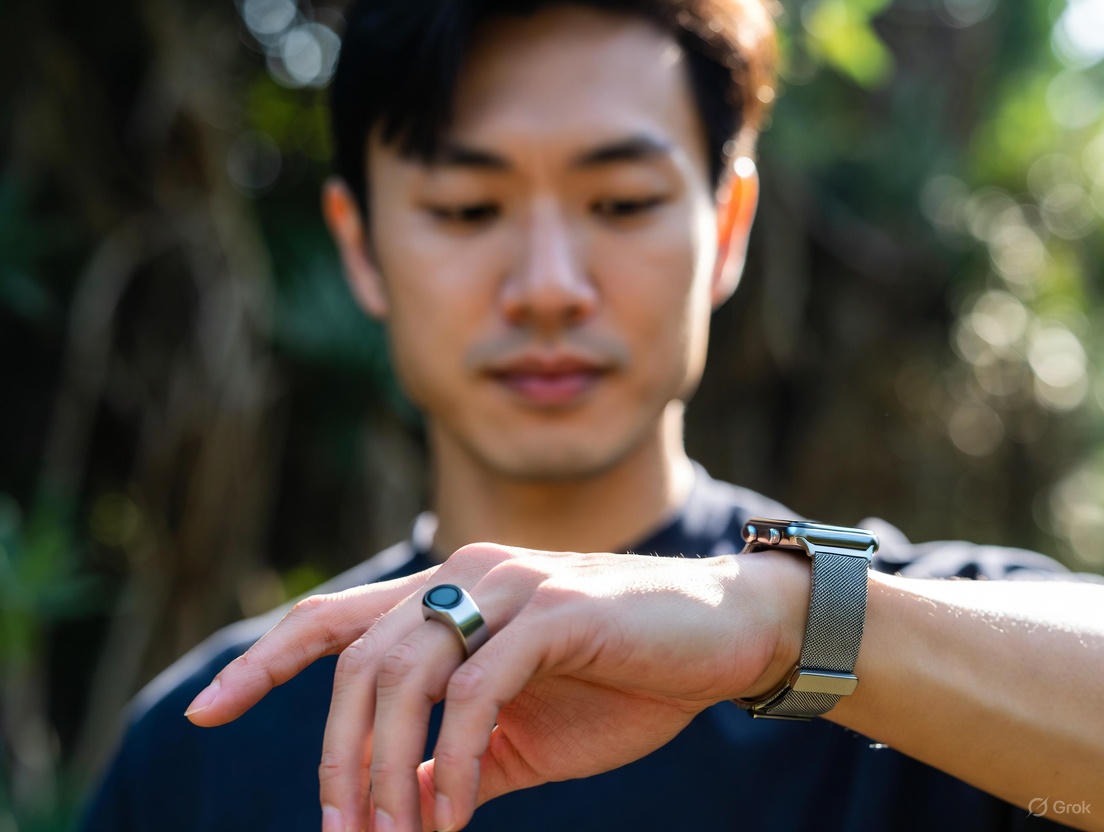
Our health is not created in a vacuum. It is in constant interaction with our environment: the light we see, the air we breathe, the temperature around us, and the noise we hear. While a smart ring cannot measure your room's air quality directly, it provides a brilliant workaround: it measures your body's response to your environment. By tracking how changes in your surroundings affect your core biomarkers, the ring becomes a tool for environmental optimization, helping you craft a living space that actively promotes recovery and vitality.
Light exposure is the most powerful zeitgeber (time-giver) for your internal clock. Your ring tracks the output of this clock through your sleep-wake consistency and your core body temperature rhythm.
Your body needs to drop its core temperature by about 1-2°F to initiate and maintain sleep. The ring's skin temperature sensor tracks this vital process.
Even if you don't fully wake up, ambient noise (traffic, a partner snoring) or an uncomfortable mattress can cause micro-arousals that fragment sleep architecture. Your ring's sleep staging and restlessness metrics are exquisitely sensitive to this.
You can use your ring to run simple week-long experiments:
By treating your environment as a set of adjustable dials and using your biomarkers as the output measure, you move from passively inhabiting a space to actively engineering it for health. Your smart ring is the diagnostic tool that shows which dials—light, temperature, noise—have the biggest impact on your recovery, allowing you to make targeted, high-impact changes. This process of creating a sanctuary for sleep and recovery is a fundamental pillar of sustainable health optimization.
The daily and weekly insights from a smart ring are invaluable for immediate course correction. However, its most profound gift may be the long-term perspective. After a year or more of consistent wear, you accumulate a dataset that transcends daily fluctuations—a longitudinal health record that reveals macro-level trends, seasonal patterns, and the subtle shifts associated with aging or lifestyle phases. This is the data that informs not just your next day, but your next decade.
Zooming out to a monthly or yearly view in your app can reveal patterns invisible in the weekly grind:
This long-term record becomes a powerful asset in preventative healthcare.
Just as businesses do, you can conduct an annual health review with your data:
This macro view transforms the smart ring from a lifestyle tool into a healthspan extension tool. It provides the evidence that daily choices compound into long-term trajectories. It shifts the focus from "How do I feel today?" to "How am I aging? How resilient is my system?" This empowers you to make decisions today that your 70-year-old self will thank you for, all guided by the unbroken story written in your own biometric data. For those interested in the long-term vision behind creating technology that supports a lifetime of wellness, the foundational story and values of pioneering companies often reflect this commitment.
As we reach the midpoint of this exploration, a compelling paradox stands at the center of the smart ring narrative: it is a piece of advanced technology whose ultimate purpose is to facilitate a more natural, intuitive, and human experience. It does not seek to turn us into cyborgs obsessed with self-quantification, but to reconnect us with the innate wisdom of our bodies that modern life has taught us to ignore.
We have seen how this unassuming device on your finger acts as a translator, decoding the subtle language of your physiology—the dip in HRV that whispers "stress," the temperature rise that hints at illness, the sleep architecture that shouts "recovery needed." By making this language clear, it returns agency to you. You are no longer guessing what your body needs; you are informed. The decision to rest, to move, to eat, or to meditate becomes an act of collaboration with your biology, not a struggle against it or a blind following of external trends.
The journey it guides is inward. The initial phase is about learning the data and the metrics. The intermediate phase, which we have detailed here, is about seeing the connections—the symphony between systems, the 24-hour circadian design, the critical balance of stress and recovery. The advanced phase, which we will explore next, is about internalizing these patterns to the point where the technology begins to fade into the background. You start to feel the low readiness before you see the score. You crave the walk because you know it will calm your nervous system. The ring's confirmation becomes a gentle nod, not a surprising revelation.
This path leads us away from the noise of fragmented health advice and toward the signal of our own unified being. It uses the precision of Silicon Valley to honor the ancient maxim: "Know thyself." The goal is not to live by the ring, but to reach a place where you live so in tune with yourself that you rarely need to check it. It is a tool for education and empowerment, on a path toward effortless, embodied well-being.
In the next and final portion of this comprehensive guide, we will tackle the practical implementation. We will compare leading smart ring platforms, provide a step-by-step 30-day integration plan, explore advanced data analysis for power users, and finally, envision the future of this technology as it becomes an invisible, indispensable part of our journey toward longer, healthier, and more vital lives. The partnership between human intuition and intelligent technology has never held more promise for transforming our daily health from a challenge into a guided, graceful practice.
Your Trusted Sleep Advocate: Sleep Foundation — https://www.sleepfoundation.org
Discover a digital archive of scholarly articles: NIH — https://www.ncbi.nlm.nih.gov/
39 million citations for biomedical literature :PubMed — https://pubmed.ncbi.nlm.nih.gov/
Experts at Harvard Health Publishing covering a variety of health topics — https://www.health.harvard.edu/blog/
Every life deserves world class care :Cleveland Clinic - https://my.clevelandclinic.org/health
Wearable technology and the future of predictive health monitoring :MIT Technology Review — https://www.technologyreview.com/
Dedicated to the well-being of all people and guided by science :World Health Organization — https://www.who.int/news-room/
Psychological science and knowledge to benefit society and improve lives. :APA — https://www.apa.org/monitor/
Cutting-edge insights on human longevity and peak performance:
Lifespan Research — https://www.lifespan.io/
Global authority on exercise physiology, sports performance, and human recovery:
American College of Sports Medicine — https://www.acsm.org/
Neuroscience-driven guidance for better focus, sleep, and mental clarity:
Stanford Human Performance Lab — https://humanperformance.stanford.edu/
Evidence-based psychology and mind–body wellness resources:
Mayo Clinic — https://www.mayoclinic.org/healthy-lifestyle/
Data-backed research on emotional wellbeing, stress biology, and resilience:
American Institute of Stress — https://www.stress.org/


