


Daily Stress and Immune Function: Protecting Your Health Long-Term
Chronic daily stress suppresses immune function; long-term management is crucial for preventing illness and supporting healing.
Chronic daily stress suppresses immune function; long-term management is crucial for preventing illness and supporting healing.
%402x.svg)
You wake up to the blaring of an alarm you already snoozed twice. Your mind, before your eyes even fully open, scrolls through a mental checklist: the project deadline, the unanswered emails, the grocery run, the nagging worry about a parent’s health, the background hum of news alerts. Your body responds before you do—a quickening heartbeat, a subtle tension in your shoulders, a shallow breath held in your chest. This is not an emergency. This is Tuesday.
For decades, stress was framed as a psychological experience—something to be managed with positive thinking or a weekend getaway. Modern science, however, has pulled back the curtain to reveal a profound physiological drama. The daily stress we dismiss as "just life" is conducting a silent, yet powerful, orchestra within our biology, with our immune system as one of its most sensitive instruments.
This constant pressure, often called chronic psychosocial stress, doesn't just leave us feeling frazzled. It rewires the very communication pathways between our brain and our body's defense network. It can suppress frontline immune vigilance, making us susceptible to every passing cold, while simultaneously stoking the smoldering fires of inflammation linked to long-term diseases like heart disease, diabetes, and autoimmune disorders. The implications are staggering: how we navigate our daily grind doesn't just affect our mood; it fundamentally programs our health resilience for years to come.
But here lies the pivotal opportunity. If daily stress is a key lever on our immune health, then understanding and measuring its impact becomes the first step toward reclaiming control. This isn't about eliminating stress—an impossible goal—but about navigating it with intelligence and precision. We are on the cusp of moving from vague advice like "reduce stress" to a new era of personalized, data-driven resilience.
This journey begins with unraveling the hidden biological connection between your hectic day and your body's ability to protect you. It involves learning the language of your nervous system, identifying your unique stress signatures, and deploying targeted, science-backed strategies to fortify your defenses. The goal is clear: to transform your relationship with daily stress from one of passive endurance to one of empowered management, thereby protecting your most valuable asset—your long-term health.

To understand stress and immunity, we must first move beyond the feeling and into the function. When your brain perceives a threat—be it a critical email, a near-miss in traffic, or a financial worry—it triggers the hypothalamus. This tiny brain region acts as a command center, sounding an alarm that cascades through two major systems: the sympathetic nervous system (SNS) and the hypothalamic-pituitary-adrenal (HPA) axis.
The SNS response is immediate, flooding your body with adrenaline and noradrenaline. Your heart races, pupils dilate, and blood is shunted to your muscles—the classic "fight-or-flight" readiness. Almost simultaneously, the HPA axis initiates a slower, more sustained reaction. The hypothalamus signals the pituitary gland, which in turn signals the adrenal glands to release cortisol, the primary stress hormone.
In an acute, short-term situation—like swerving to avoid an accident—this cascade is a masterpiece of evolutionary design. Cortisol, in this brief surge, is actually immunomodulatory. It prepares the body for potential injury by mobilizing energy and temporarily modulating inflammatory responses. The problem begins when the alarm never truly turns off. When the "threat" is a relentless inbox, a long commute, or chronic relationship strain, the HPA axis remains engaged, leading to dysregulated cortisol patterns.
This is where the silent sabotage of immunity begins. Cortisol receptors are found on almost every cell of the immune system. Under chronic elevation, cortisol starts to act like a blunt instrument. It can suppress the activity of key immune soldiers like Natural Killer (NK) cells and T-cells, which patrol for viruses and cancerous cells. It also prompts the body to produce more pro-inflammatory cytokines—signaling molecules that, in excess, create a state of persistent, low-grade inflammation. Imagine your immune system, confused by constant false alarms, becoming both weary (less responsive to new threats) and trigger-happy (over-reacting internally).
Furthermore, chronic stress accelerates cellular aging. It shortens telomeres, the protective caps on our chromosomes that erode as we age. Shorter telomeres are linked to weakened immune function and earlier onset of age-related diseases. A landmark study from UCSF found that women with the highest levels of perceived stress had telomeres shorter by the equivalent of at least one decade of additional aging compared to low-stress women.
This biological translation of daily hassles into immune dysfunction is no longer theoretical. It's a measurable, documented phenomenon. The key to intervening is not to wait for illness to manifest but to learn to read the early-warning signals the body is constantly sending. For a deeper dive into the science of stress physiology and how modern technology is making it visible, explore our blog for continuous updates and research breakdowns.
Cortisol is so central to the stress-immune dialogue that it demands its own examination. Often vilified, this steroid hormone is essential for life. Its natural, healthy rhythm follows a diurnal pattern: peaking around 30 minutes after waking (the cortisol awakening response, which helps us feel alert), gradually declining throughout the day, and reaching its lowest point around midnight to allow for restful sleep and immune system recharge.
Chronic stress corrupts this elegant rhythm. Common dysregulated patterns include:
Each of these patterns whispers a different warning to the immune system. Elevated evening cortisol, for instance, directly interferes with the production of melatonin and growth hormone, both of which are critical for immune cell regeneration. A flatlined rhythm suggests a system so overwhelmed it can no longer mount an appropriate response to any challenge, be it psychological or pathogenic.
The inflammation link is particularly insidious. While acute cortisol can suppress inflammation, chronically high levels can lead to glucocorticoid receptor resistance. Think of it like cortisol "yelling" at immune cells for so long that they stop listening. When the cells become deaf to cortisol’s regulatory signals, the body’s inflammatory response can run unchecked. This state of persistent, systemic inflammation is now recognized as a key driver ("inflammaging") in nearly every major chronic disease, from atherosclerosis to neurodegeneration.
Therefore, managing daily stress is, in large part, about stewarding our cortisol rhythm. The goal is to preserve its natural, healthy curve—a sharp, robust peak in the morning and a deep, quiet trough at night. Lifestyle choices directly shape this curve: exposure to natural morning light strengthens the peak; consistent sleep hygiene deepens the trough; while chronic worry, poor sleep, and inflammatory diets distort the entire waveform. Understanding your personal cortisol landscape is the first step toward correcting it, a concept at the heart of personalized wellness technology like that developed by Oxyzen, which focuses on translating such biological signals into actionable insights.
If cortisol dysregulation is the mechanism, then chronic, low-grade inflammation is the hazardous outcome. Inflammation, in its proper context, is a lifesaving immune response—the heat, redness, and swelling around a cut signifies a coordinated attack on invading pathogens. However, the type of inflammation sparked by daily stress is different. It’s systemic, invisible, and simmering below the surface.
When the HPA axis is persistently activated, it promotes the release of pro-inflammatory cytokines like IL-6, IL-1β, and TNF-α. These molecules travel through the bloodstream, affecting every organ. Over time, this "inflammaging" contributes to:
This creates a vicious, self-perpetuating cycle. Stress causes inflammation, and inflammation, in turn, can exacerbate the body's stress response, creating a feedback loop that steadily erodes health. For example, high IL-6 levels are associated with increased feelings of fatigue and social withdrawal—behaviors that can themselves become new sources of stress.
Breaking this cycle is paramount for long-term health protection. It requires a two-pronged approach: reducing the sources of inflammatory stress (psychological and lifestyle) while simultaneously bolstering the body's anti-inflammatory defenses through diet, movement, and recovery. It’s not merely about "de-stressing," but about building an anti-inflammatory lifestyle. The stories of individuals who have successfully navigated this challenge, reclaiming their health by understanding these links, can be profoundly inspiring, as seen in the real-world experiences shared by our community.
To see the stress-immune connection in its most dynamic form, we must look beyond hormones and cytokines to the master regulatory network: the autonomic nervous system (ANS). The ANS operates below our conscious awareness, controlling heartbeat, digestion, respiration, and, crucially, immune function. It has two primary branches that work in a delicate balance:
Chronic daily stress stamps down the SNS accelerator and inhibits the PNS brake. We exist in a state of sympathetic dominance—perpetually "on," vigilant, and catabolic (breaking down resources). In this state, the body is not allocating energy to the sophisticated, adaptive immune response. It's preparing for an immediate, physical threat that never comes.
The gateway to the PNS brake is the vagus nerve. This meandering "wandering nerve" is the primary channel of the mind-body connection. When activated (through deep breathing, meditation, or humming), it sends anti-inflammatory signals directly to immune organs like the spleen and gut, releasing acetylcholine that dampens cytokine production. This is known as the "cholinergic anti-inflammatory pathway."
Therefore, a key metric of immune resilience is vagal tone—the strength and responsiveness of your vagus nerve. Higher vagal tone is associated with better emotional regulation, faster recovery from stress, and a more robust immune response. It’s a marker of your system's flexibility, or heart rate variability (HRV)—the healthy variation in time between heartbeats. High HRV indicates a nervous system that can effortlessly switch between accelerator and brake, responding to challenges and then recovering efficiently. Low HRV suggests a stuck, rigid system, often synonymous with chronic stress and impaired immunity.
Monitoring and improving HRV and vagal tone through biofeedback and specific practices is thus not just an exercise in "wellness"; it's direct training for your immune system’s command center.
For generations, stress was a subjective report: "I'm stressed," or "I'm tired." We lacked the tools to move from this vague, symptom-focused understanding to a precise, physiological one. The rise of personal biometric technology has changed the game entirely. We can now quantify the previously unquantifiable.
Key biomarkers that serve as windows into the stress-immune relationship include:
The power of continuous tracking lies in uncovering personal patterns and baselines. You might discover that your HRV plummets not after a hard workout (which is normal), but after a day of back-to-back meetings. You might see that a poor night's sleep, marked by low deep sleep, reliably predicts a higher RHR and lower subjective energy for the next two days. This moves you from guessing to knowing.
This is the paradigm shift offered by advanced wellness wearables, particularly those that measure from the finger's rich vascular bed like a smart ring. By providing night-long, undisturbed biometric data, they paint a complete picture of your recovery landscape. They answer the critical question: Is my lifestyle—my stress, my exercise, my diet—helping or hindering my body's innate ability to repair and defend itself? For those curious about how this technology works and its advantages, answers to common questions can be found in our detailed FAQ.

If there is one single factor that ties daily stress to immune function, it is sleep. The relationship is a tight, bidirectional triangle: Stress disrupts sleep, poor sleep dysregulates stress hormones and amplifies inflammation, and both decimate immune competence.
During deep (slow-wave) sleep, the body enters a state of repair. Growth hormone is released, facilitating tissue repair and muscle growth. For the immune system, this is prime time. The production of cytokines, including those needed to fight infection, is boosted. T-cells, which require direct cell-to-cell contact, become more active and mobile. Meanwhile, the stress-hormone systems are dialed down, allowing for a healthy cortisol rhythm.
Disrupted sleep, whether from stress-induced insomnia, late-night screen time, or simply insufficient hours, sabotages this critical maintenance window. Studies show that people who sleep less than seven hours a night are nearly three times more likely to catch a cold than those who get eight hours or more. A single night of partial sleep deprivation has been shown to reduce NK cell activity the following day.
Furthermore, sleep deprivation creates a vicious cycle with stress. It heightens amygdala reactivity (the brain's fear center) and weakens prefrontal cortex regulation, making you more emotionally reactive to the next day's stressors. You become more easily stressed, which then makes it harder to sleep, further crippling your immune defenses.
Therefore, the first and most effective intervention for anyone under chronic stress is to fortify the foundation of sleep. This goes beyond just counting hours. It involves protecting sleep quality by creating a consistent wind-down routine, optimizing the sleep environment (cool, dark, quiet), and using biometric data to understand your unique sleep stages and disruptions. It’s about recognizing that the time between 10 PM and 2 AM is not just "rest"—it's an active, essential immune system workshop.
The body perceives stress in many forms, and a pro-inflammatory diet is one of the most potent and consistent sources of physiological stress. The modern "Western" diet—high in refined sugars, processed carbohydrates, industrial seed oils, and processed meats—acts like a constant, low-grade assault on the immune system.
Sugar and refined carbs are particularly immunocompromising. A high intake spikes blood glucose and insulin, leading to the production of advanced glycation end products (AGEs) and oxidative stress, both of which fuel inflammation. Studies have shown that consuming 100 grams of sugar (roughly the amount in a liter of soda) can reduce the phagocytic capacity of white blood cells for up to five hours.
Conversely, an anti-inflammatory, nutrient-dense diet is a form of daily immune support and stress resistance. Key components include:
Nutritional stress also includes patterns like chronic undereating or erratic meal timing, which the body interprets as a form of scarcity, potentially elevating cortisol. The goal is to use food not just as fuel, but as information—signaling to your body that the environment is safe, resources are abundant, and it can focus its energy on long-term health maintenance rather than constant firefighting. Learning to make these supportive choices is a journey, and our blog is dedicated to providing the science-backed nutritional strategies to support it.
Physical activity presents a fascinating paradox in the stress-immune equation. In the acute phase, a hard workout is a controlled, physiological stressor. It elevates cortisol, heart rate, and causes temporary inflammation and microscopic muscle damage. Yet, when followed by adequate recovery, this acute stress makes the entire system stronger, more efficient, and more resilient—a process known as hormesis.
Regular, moderate-intensity exercise is one of the most powerful anti-inflammatory and immunoregulatory lifestyle interventions available. It:
However, the dose is critical. The relationship between exercise volume/intensity and immune function is often described as a "J-curve." Moderate, regular activity provides significant protective benefits. But at the extreme end—characteristic of overtraining without adequate recovery—the balance tips. Excessive, chronic exercise without sufficient rest can lead to a state of sympathetic overdrive, suppressed immune function (particularly in the upper respiratory tract), and elevated injury risk, mirroring the effects of chronic psychological stress.
This underscores the need for listening to your body's signals. Pushing through extreme fatigue, ignoring persistent aches, or watching your HRV trend downward for days are signs that your "stress" from exercise is exceeding your recovery capacity. Intelligent training uses biometric feedback to walk the optimal line—applying enough stress to stimulate adaptation, while respecting the profound need for rest that allows the immune system to integrate those gains.
The field of psychoneuroimmunology (PNI) provides the scientific framework that validates what many cultures have intuitively known: the mind directly influences the body's defenses. Our thoughts, beliefs, and emotional patterns are not ephemeral; they have concrete biochemical consequences.
Cognitive patterns of chronic worry, pessimism, and rumination are associated with poorer immune response. For example, studies on caregivers—a population under extreme chronic stress—show significantly slower wound healing and poorer antibody responses to vaccines. Conversely, positive affective states like optimism, gratitude, and a sense of purpose are linked to better immune function and longevity.
This isn't about "positive thinking" as a platitude, but about targeted mental training that directly calms the nervous system and downregulates inflammatory pathways. Proven modalities include:
These practices work because they change the brain's default mode. They move us from a state of reactive threat-perception to one of grounded awareness. By doing so, they cut the fuel line at the source of the stress-immune dysfunction: the brain's interpretation of the world. For individuals and companies dedicated to building this kind of holistic, evidence-based resilience, understanding this mind-body science is core to the mission, a principle you can learn more about in our company's foundational story.
Understanding the science is only the first step. The transformative work lies in application—building a Personalized Resilience Blueprint. This is not a one-size-fits-all list of "wellness hacks." It is a dynamic, self-aware system built on a foundation of data and self-experimentation.
The construction of your blueprint follows a cycle:
This process demystifies wellness. It replaces guilt and guesswork with curiosity and agency. You become the scientist of your own biology, learning which levers most effectively move the needle on your resilience. The ultimate goal is to develop a suite of habits and awareness that allows you to navigate daily stressors without letting them hijack your biology, thereby creating a sustained, internal environment where your immune system—and your entire being—can thrive. This journey of personalized discovery is what drives the team at Oxyzen, whose story is rooted in empowering this very kind of self-knowledge.
For most of human history, managing our health has been an exercise in retrospection. We feel a scratchy throat and think, "I knew I was run down." We suffer through a sleepless night and blame the afternoon coffee. This reactive, symptom-chasing approach leaves us perpetually one step behind. The data-driven wellness revolution, powered by continuous biometric monitoring, flips this script. It moves us from reactive guessing to proactive knowing, transforming our relationship with stress and immunity from a mystery into a manageable science.
The cornerstone of this revolution is the concept of the quantified self. By gathering objective data on physiological processes like heart rate variability (HRV), resting heart rate (RHR), sleep stages, and body temperature, we create a dynamic map of our internal landscape. This map reveals what our conscious mind often misses: the subtle, cumulative toll of a stressful week, the profound impact of a single night of poor sleep on next-day resilience, or the inflammatory effect of a food we assumed was harmless.
Consider HRV. Once a metric confined to cardiology labs, it is now accessible as a daily wellness indicator. A higher HRV doesn't just indicate a fit cardiovascular system; it reflects a resilient, adaptable autonomic nervous system. When you track your HRV trend, you're not just looking at a number—you're reading a direct report on your body's readiness to handle stress and mount an effective immune response. A sustained downward trend is a clearer, earlier warning sign than feeling "a bit off"—it's your body whispering that its resources are stretched thin before it starts to scream with illness.
This continuous feedback loop is transformative. It provides objective validation of what works. You might feel that meditation helps, but when you see a consistent 5-8% increase in your nightly HRV on days you meditate, the practice moves from a "should-do" to a "must-do." Conversely, it reveals hidden drains. That "harmless" glass of wine with dinner might be shaving 20 minutes off your precious deep sleep, a trade-off you can now consciously evaluate.
The true power, however, lies in correlation and personalization. By layering lifestyle data (meals, workouts, work hours, subjective mood) atop your biometrics, you begin to see your unique patterns. Perhaps your data shows that workdays with more than four consecutive video calls reliably spike your resting heart rate and suppress your HRV. This isn't a failure; it's intelligence. It tells you that back-to-back social or cognitive demands are a primary stressor for your system, prompting you to build in five-minute breathing breaks between calls.
This shift from generic advice to personal insight is at the heart of modern wellness technology. The goal is to equip you with the knowledge to become an expert on your own biology, making informed decisions that fortify your long-term health. For a deeper exploration of the metrics that matter and how to interpret them, our blog is a continually updated resource for evidence-based guidance.
Navigating the sea of available biometric data can be overwhelming. To build an effective resilience blueprint, focus on a core set of interdependent metrics that form your daily dashboard for immune health. These indicators, when viewed together, provide a comprehensive picture of your stress load, recovery status, and systemic inflammation.
1. Heart Rate Variability (HRV): The Gold Standard of Resilience
As discussed, HRV is the time variation between successive heartbeats, controlled by the autonomic nervous system. A higher HRV (relative to your personal baseline) indicates strong vagal tone and a system that can easily switch between stress and recovery modes.
2. Resting Heart Rate (RHR): The Pulse of Metabolic Demand
Your RHR is the number of times your heart beats per minute while at complete rest. While influenced by fitness, it is exquisitely sensitive to stress, illness, and recovery. An elevated RHR (5-10+ bpm above your baseline) can indicate systemic stress, dehydration, impending illness, or insufficient recovery.
3. Sleep Architecture: The Foundation of Immune Repair
Moving beyond simple duration, deep sleep (slow-wave sleep) and REM sleep are the non-negotiable pillars of recovery.
4. Skin Temperature & Nighttime Physiology
Continuous core or skin temperature monitoring can reveal subtle shifts. A elevated nighttime temperature can be an early sign of inflammation, an immune response to an incoming pathogen, or the impact of hormonal fluctuations.
5. Respiratory Rate: The Window to Your Nervous System
The number of breaths you take per minute, especially during sleep, is a direct reflection of autonomic balance. A high or erratic respiratory rate indicates sympathetic activation, while a low, steady rate (typically 12-16 breaths per minute at rest) suggests parasympathetic dominance.
Monitoring this dashboard daily creates a feedback loop of unparalleled self-awareness. It turns the abstract goal of "managing stress for immunity" into a tangible practice of shepherding specific, life-sustaining numbers in the right direction. The mission of companies innovating in this space, like Oxyzen, is to make this sophisticated biometric insight accessible and actionable for everyone.
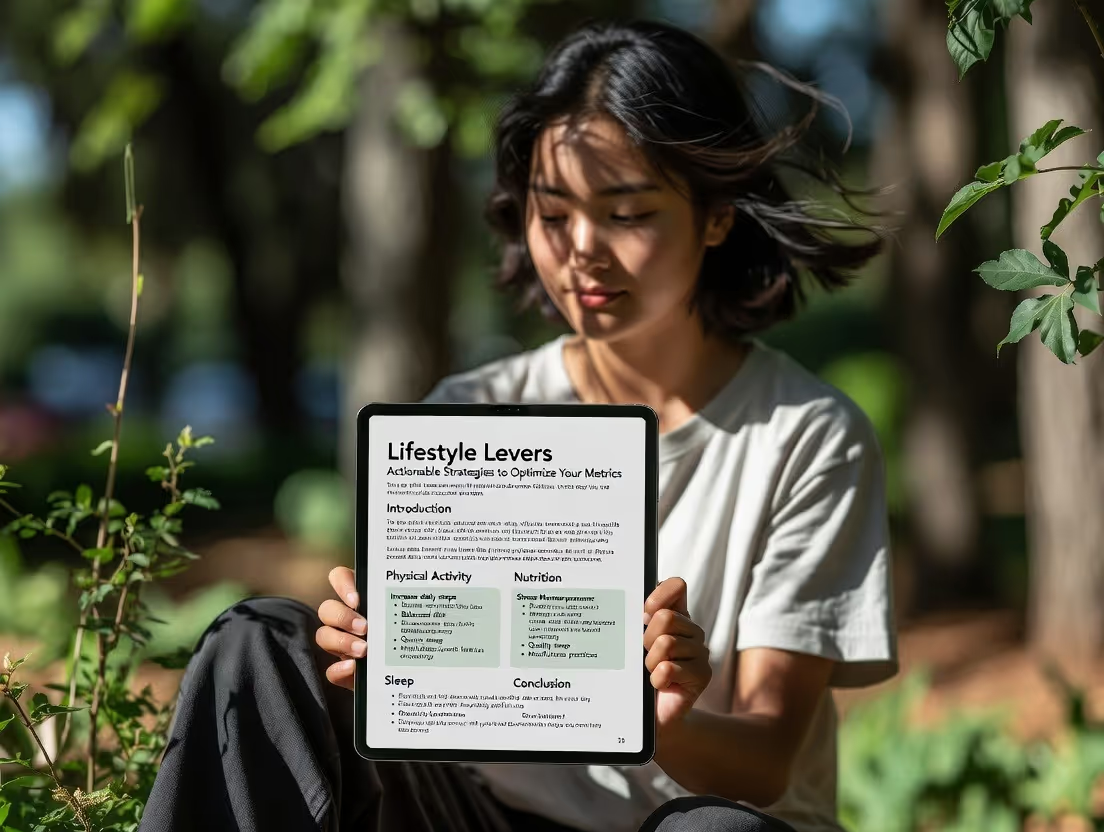
Armed with your personalized dashboard, the next step is to learn which levers most effectively move your metrics in a positive direction. These are not drastic overhauls, but targeted, science-backed adjustments to daily living that compound into profound shifts in resilience.
The Morning Anchor: Light, Movement, and Mindset
The first 60-90 minutes of your day set your biological rhythm.
The Workday Reset: Micro-Practices for Macro Impact
The workday is often a chronic stress drip. Interrupt the cycle with intentional resets.
The Evening Wind-Down: Engineering Recovery
The transition from day to night is critical for signaling safety to your nervous system.
The Movement Prescription: Train Smart, Not Just Hard
Align your exercise with your dashboard.
By treating these levers as experiments and observing their impact on your dashboard, you cultivate a sense of agency. You are no longer a passive recipient of stress; you are an active architect of your recovery. For individuals who have implemented these systems, the results often speak for themselves, a truth reflected in the transformative experiences shared by users of detailed wellness tracking.
No discussion of long-term immune health is complete without addressing the gut-immune axis. An estimated 70-80% of your immune tissue resides in your gut-associated lymphoid tissue (GALT). Your gut microbiome—the trillions of bacteria, viruses, and fungi living in your intestines—acts as a constant trainer and communicator for this immune army.
Chronic stress directly disrupts this delicate ecosystem. Cortisol and adrenaline can:
Therefore, supporting your gut is a direct strategy for building immune resilience against stress.
A healthy, diverse gut microbiome doesn't just improve digestion; it produces metabolites like short-chain fatty acids (e.g., butyrate) that have potent anti-inflammatory effects throughout the body and even influence brain health via the gut-brain axis. Cultivating your inner garden is one of the most powerful long-term investments you can make in stress-resistant immunity.
If you could only practice one intervention to immediately blunt the stress response and support immunity, it should be conscious breathing. Breathing is unique—it is both an automatic function and one we can voluntarily control. This makes it the most direct portal to influencing the autonomic nervous system.
When you are stressed, your breathing becomes shallow and rapid, originating from the chest. This pattern activates the sympathetic nervous system. By consciously shifting to slow, deep, diaphragmatic breathing, you stimulate the vagus nerve and trigger the parasympathetic response. The physiological shift is rapid:
Two highly effective, research-backed techniques are:
Incorporate these practices proactively, not just reactively. Set a reminder to do 2 minutes of box breathing mid-morning and mid-afternoon. Use the physiological sigh before a stressful meeting or when you feel overwhelmed. This trains your nervous system to default to a calmer state, creating a buffer against the inflammatory effects of daily stressors. It is the ultimate portable, zero-cost biohack for immune resilience.
Humans are fundamentally social creatures, and our relationships have a measurable impact on our physiology. Loneliness and social isolation are potent chronic stressors, associated with increased inflammation, elevated blood pressure, impaired immune function, and a significantly higher risk of all-cause mortality.
Positive social connection, on the other hand, acts as a powerful buffer. It:
However, not all social interaction is equal. Chronic conflict or being in "unreliable" relationships can be as stressful as loneliness. The key is the quality, not just the quantity, of connection.
In our digitally connected yet often lonely world, intentionally nurturing real-world social bonds is not a luxury; it is a core component of a robust immune defense strategy. Feeling seen, heard, and valued is a profound signal of safety to your body, downregulating the threat response and freeing immune resources for long-term health.
Beyond psychological stress, our modern environment is filled with subtle, constant physiological stressors that burden the immune system. Becoming aware of these "hidden drains" allows you to create a more supportive external ecosystem.
1. Circadian Disruptors:
2. Endocrine Disruptors and Toxins:
3. Electromagnetic Fields (EMFs) and Information Overload:
While the science on EMFs is evolving, chronic exposure to high levels from devices may contribute to oxidative stress. More concretely, the constant cognitive load and "alert fatigue" from notifications and endless information is a massive, underappreciated stressor. It keeps the brain in a state of high vigilance.
By auditing and optimizing your physical environment—your light, your air, your products, your information diet—you reduce the total "allostatic load" on your body, leaving more in reserve for your immune system to perform its vital, protective duties. For more detailed guidance on creating a wellness-supportive environment, our FAQ section addresses many common questions on this topic.
Theory and lists can feel abstract. Let's make it concrete by following "Alex," a knowledge worker and parent, as they apply these principles over a week, using their biometric dashboard as a guide.
Day 1 (Monday): Baseline
Day 2 (Tuesday): Recovery Focus
Day 3 (Wednesday): Stress Test
Day 4 (Thursday): Adaptation
Day 5 (Friday): Integration
This vignette illustrates the dynamic, responsive approach to health. Alex isn't following a rigid plan but is having a conversation with their body, using data as the translator. This responsive, personalized cycle is the essence of building sustainable, long-term immune health. It's a journey that requires curiosity and tools, a philosophy that guides the development of products designed to facilitate this very dialogue.

The true power of managing daily stress for immune function is revealed not in a single week, but over years and decades. While acute interventions help us avoid the common cold and recover from a stressful project, the profound benefit lies in chronic disease prevention and decelerated aging. This is the long game: using the insights from your daily dashboard to make micro-adjustments that compound into a radically different health trajectory.
The link between chronic stress and major diseases is well-established. Persistent HPA axis dysregulation and inflammation are upstream drivers of:
The goal of long-term tracking, therefore, shifts from simply "feeling good" to preserving function and resilience. Key biomarkers become leading indicators of systemic risk. For instance, a creeping, year-over-year increase in your resting heart rate or a gradual decline in your average HRV could signal rising allostatic load long before a clinical diagnosis. Similarly, persistent sleep fragmentation, even if you feel you're getting "enough hours," is a major modifiable risk factor for dementia.
This perspective transforms wellness from a hobby into a vital, proactive health strategy. You are building your "Healthspan"—the number of years you live in good health, free from chronic disease. The daily practices of stress management, sleep optimization, and intelligent movement are direct investments in this portfolio. By keeping your nervous system balanced and your inflammation low, you are actively delaying the onset of age-related decline. This long-term, preventive mindset is what inspires much of the research and development in personalized health technology, a vision you can learn more about from the team dedicated to this future.
For individuals under exceptional stress—high-performance executives, elite athletes, caregivers, or those navigating a major life crisis—the basic toolkit may need augmentation. Advanced recovery techniques are designed to drive the nervous system deeper into the parasympathetic state, accelerate tissue repair, and more aggressively combat inflammation.
1. Temperature Modulation:
2. Technology-Assisted Nervous System Regulation:
3. Targeted Nutritional & Supplemental Support:
During periods of extreme demand, certain adaptogens and nutrients can provide critical support. Always consult a healthcare provider before starting new supplements.
These advanced tools are not for everyday use but are powerful allies during intensive life chapters. Their effectiveness can be clearly monitored through your biometric dashboard—a successful protocol should be reflected in improving HRV, RHR, and sleep quality. For those exploring the frontier of recovery science, our blog often covers emerging research and user experiences with these modalities.
Information and techniques are useless without consistent implementation. The final, and perhaps most critical, piece of the puzzle is psychological: forging a Resilience Identity. This is the internal narrative that shifts your self-perception from "someone who should manage stress" to "someone who actively cultivates resilience as a core part of who I am."
Behavioral science shows that identity-based goals are far more sustainable than outcome-based goals. Instead of "I need to lower my stress" (outcome), the identity is "I am the kind of person who prioritizes recovery." This subtle reframe changes everything:
Building this identity requires:
Ultimately, protecting your long-term health is not a checklist; it's a practice. It's a daily recommitment to listening to your body's signals, respecting its needs, and making choices that honor your future self. This identity is the engine that drives lasting change.
We stand at the threshold of a new era in personal health, where continuous biometric monitoring is evolving from a fitness tracker to an integrated health companion. The future lies not in more data, but in smarter synthesis and actionable intelligence.
Imagine a device that doesn't just tell you your sleep score, but analyzes your sleep stages, HRV, and temperature to say: "Your deep sleep was low and your nighttime heart rate elevated. This pattern, combined with your elevated respiratory rate yesterday afternoon, suggests you may be fighting off a pathogen. Prioritize rest today, increase hydration, and consider reducing social engagements for 48 hours."
This is predictive and prescriptive wellness. Future systems will leverage artificial intelligence to:
The smart ring form factor is uniquely positioned for this future. Worn on the finger—a rich vascular bed—it can capture clinical-grade physiological data 24/7 without the inconvenience of a chest strap or the limited nighttime data of a wrist-worn device. It becomes an unobtrusive, always-on guardian of your resilience. This seamless integration of technology into the fabric of daily life for profound health insight is the cornerstone of the vision at Oxyzen.
The journey from daily stress to long-term immune resilience is both a science and an art. It begins with the fundamental understanding that the pressure of your daily life is not separate from your physical health—it is programming it, cell by cell, hormone by hormone.
We have traversed the biological pathways, from cortisol's dual nature to the vagus nerve's calming power. We've explored the quantifiable metrics that translate feeling into data, and the lifestyle levers—sleep, nutrition, movement, breath, and connection—that allow you to pull your physiology in a healthier direction. We've looked at the advanced tools for demanding times and, most importantly, the psychological shift required to make this a sustainable part of your life.
The common thread is awareness. You cannot manage what you do not measure, and you cannot improve what you do not understand. The modern tools of biometric tracking provide that awareness, turning the invisible links between mind and body into a visible, manageable dashboard.
This is not a pursuit of perfection. It is a practice of intelligent navigation. There will be days of high stress and poor sleep, weeks of celebration and indulgence. The goal is not to eliminate these, but to build a system—a resilient body and mind—that can encounter them, absorb the impact, and return to balance with grace and speed.
Your long-term health is your most valuable project. By taking a proactive, data-informed, and compassionate approach to managing daily stress, you are doing far more than avoiding burnout or the occasional cold. You are actively investing in a future of vitality, protecting your cognitive function, strengthening your heart, and empowering your immune system to be a vigilant guardian for decades to come.
The first step is simply to start paying attention. Listen to your body. Observe your patterns. Choose one lever to pull. The path to lifelong resilience is built one conscious, supportive choice at a time.
Ready to take the next step in your personalized health journey? Discover how integrated technology can illuminate your path to resilience. Explore how Oxyzen can be your guide.
Your Trusted Sleep Advocate: Sleep Foundation — https://www.sleepfoundation.org
Discover a digital archive of scholarly articles: NIH — https://www.ncbi.nlm.nih.gov/
39 million citations for biomedical literature :PubMed — https://pubmed.ncbi.nlm.nih.gov/
Experts at Harvard Health Publishing covering a variety of health topics — https://www.health.harvard.edu/blog/
Every life deserves world class care :Cleveland Clinic - https://my.clevelandclinic.org/health
Wearable technology and the future of predictive health monitoring :MIT Technology Review — https://www.technologyreview.com/
Dedicated to the well-being of all people and guided by science :World Health Organization — https://www.who.int/news-room/
Psychological science and knowledge to benefit society and improve lives. :APA — https://www.apa.org/monitor/
Cutting-edge insights on human longevity and peak performance:
Lifespan Research — https://www.lifespan.io/
Global authority on exercise physiology, sports performance, and human recovery:
American College of Sports Medicine — https://www.acsm.org/
Neuroscience-driven guidance for better focus, sleep, and mental clarity:
Stanford Human Performance Lab — https://humanperformance.stanford.edu/
Evidence-based psychology and mind–body wellness resources:
Mayo Clinic — https://www.mayoclinic.org/healthy-lifestyle/
Data-backed research on emotional wellbeing, stress biology, and resilience:
American Institute of Stress — https://www.stress.org/


