


Deep Sleep and Inflammation: The Healing Power of Rest
Understand deep sleep's role in reducing inflammation for healing and health. Learn how slow-wave sleep lowers inflammatory markers and why adequate rest prevents chronic inflammation.
Understand deep sleep's role in reducing inflammation for healing and health. Learn how slow-wave sleep lowers inflammatory markers and why adequate rest prevents chronic inflammation.
%402x.svg)
In the quiet hours of the night, as the world around you settles into silence, your body embarks on its most critical work. While you’re lost in dreams or deep in slumber, a sophisticated biological process unfolds—one that repairs tissues, consolidates memories, and, perhaps most importantly, regulates your body’s inflammatory response. We often think of sleep as a passive state, a simple pause from the day’s activities. In reality, it is an active and essential pillar of health, a time when your body shifts from defense to repair. At the heart of this nightly renewal is deep sleep, a specific stage of rest that scientists are now recognizing as a powerful, natural anti-inflammatory.
The connection between sleep and inflammation isn’t merely anecdotal; it’s a well-documented biological relationship. Chronic, low-grade inflammation is a stealthy contributor to many of the modern world’s most prevalent diseases, including heart disease, diabetes, autoimmune disorders, and neurodegenerative conditions like Alzheimer’s . Simultaneously, sleep disorders and deprivation have reached epidemic proportions, with an estimated 50 to 70 percent of Americans suffering from sleep-related problems . This is not a coincidence. Groundbreaking research is revealing that the body’s immune system and sleep-wake cycle are inextricably linked, communicating through a complex language of hormones, proteins, and neural signals.
This article will explore the profound healing power of rest, with a particular focus on deep sleep. We will journey into the science of how sleep modulates your immune system, the dangerous consequences of sleep loss, and the exciting role of modern technology—like smart rings—in helping us reclaim this fundamental aspect of wellness. By understanding this relationship, you can transform sleep from a luxury into a non-negotiable strategy for long-term health and vitality.

We live in a culture that often wears sleep deprivation as a badge of honor, equating busyness with productivity and sacrifice with success. Yet, this chronic state of sleep loss is fueling what experts recognize as a silent epidemic of systemic inflammation. The link is so potent that sleep deprivation is now associated with five of the top fifteen leading causes of death . This isn’t about feeling groggy after a single late night; it’s about the cumulative, cellular-level damage that occurs when the body is consistently denied the restorative deep sleep it requires.
At its core, inflammation is a natural and protective immune response. It’s your body’s way of signaling the immune system to heal and repair damaged tissue, as well as defend against foreign invaders like viruses and bacteria. This acute inflammation is a life-saving mechanism. The problem arises when this inflammatory response doesn’t switch off. Chronic, low-grade inflammation is like having a small fire smoldering inside your body, constantly damaging tissues and organs over time. This state is a key driver in the development of numerous chronic diseases .
So, how does poor sleep ignite this fire? Research points to several interconnected mechanisms:
This research moves the conversation beyond simple correlation. It demonstrates that consistently losing even 90 minutes of sleep triggers a lasting pro-inflammatory state that persists long after you’ve caught up on rest. As one senior author of the study noted, “Good, quality sleep reduces that inflammatory burden” . Conversely, neglecting sleep actively increases it, setting the stage for long-term health consequences that we are only beginning to fully understand.

To harness the anti-inflammatory power of sleep, we must first understand its architecture. Sleep is not a monolithic state but a dynamic cycle with distinct stages, each serving a unique purpose. The most physically restorative of these is deep sleep, also known as slow-wave sleep or N3 stage sleep. Imagine your nightly sleep as a series of 90-minute waves; deep sleep is the powerful trough where your body plunges into its most intensive repair work.
During deep sleep, measurable physiological changes occur:
This stage is not evenly distributed throughout the night. It is most abundant during the first half of your sleep period, with each cycle containing progressively less deep sleep and more REM (dream) sleep as the night progresses . This is why the initial hours of sleep are often considered the most critical for physical restoration.
Why is this stage so uniquely healing? Deep sleep acts as the command center for several vital anti-inflammatory and repair processes:
Without sufficient time in this deep, slow-wave stage, your body operates at a constant repair deficit. You may wake feeling unrefreshed, and over time, the cumulative lack of cellular repair and unregulated inflammation can manifest as chronic fatigue, slower recovery from illness or exercise, and increased susceptibility to disease. In essence, deep sleep is your body's nightly non-negotiable maintenance window. Skimping on it is like running a complex machine 24/7 without ever pausing for essential oil changes and part replacements—eventually, systems will begin to fail.
The relationship between sleep and the immune system is far from one-sided. It’s a sophisticated, two-way dialogue. While we’ve explored how sleep deprivation can cause inflammation, groundbreaking new research reveals the flip side: how inflammation and injury can actively summon deep sleep to facilitate healing. This discovery transforms our understanding of sleep from a simple state of rest to an actively induced therapeutic response.
A landmark 2024 study published in Nature provided a stunning illustration of this dialogue. Researchers investigated what happens after a life-threatening injury like a heart attack. They discovered a previously unknown biological circuit:
To confirm this circuit was essential for healing, the researchers performed a critical experiment. When they prevented monocytes from entering the brains of mice after a heart attack, the animals did not experience the normal increase in restorative deep sleep. Consequently, these mice suffered from worse inflammation in both the brain and heart and had a much poorer prognosis .
This research has profound implications. It suggests that the increased sleepiness we feel when we’re sick or injured isn't just a side effect of feeling unwell—it's a targeted, evolutionarily conserved healing strategy. “For any kind of injury, your body’s natural response would be to help you sleep so your body can heal,” explains sleep and inflammation specialist Rachel Rowe .
The study’s authors also found compelling evidence in humans. Patients who experienced acute coronary syndrome (like a heart attack) and reported poor sleep in the following weeks had a higher risk of serious cardiovascular problems over the next two years compared to those who slept well . This underscores a critical lesson for recovery: interrupting this naturally summoned deep sleep—whether due to hospital routines, pain, or poor sleep hygiene—can actively impair the healing process. The body’s wisdom in demanding rest after injury is a powerful argument for prioritizing uninterrupted sleep as a core component of any recovery plan.
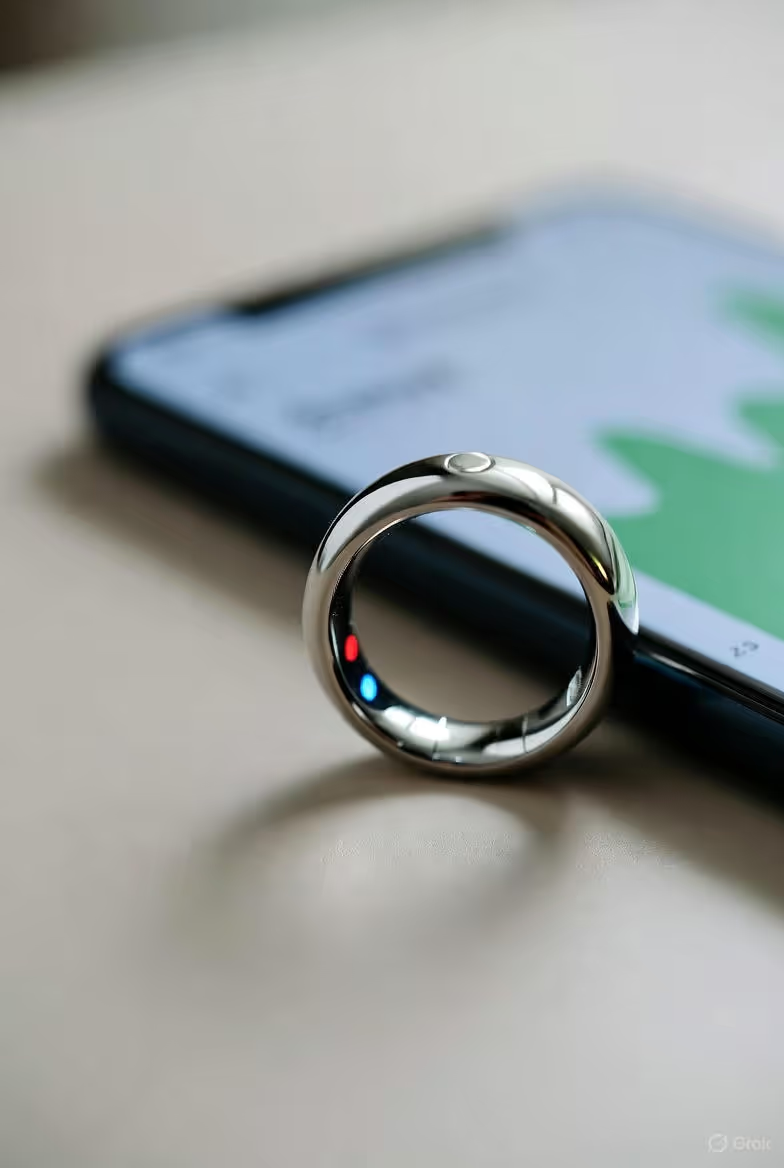
For decades, understanding our sleep required either subjective guesswork or an intimidating overnight stay in a sleep lab hooked up to a polysomnography (PSG) machine. The digital health revolution has changed that, bringing sophisticated physiological monitoring into our daily lives. At the forefront of this shift for sleep science is an unlikely device: the smart ring. These unassuming, finger-worn wearables are evolving from simple activity trackers into powerful clinical tools that provide unprecedented insight into our restorative sleep patterns.
Smart rings leverage a unique biological advantage: the vascular anatomy of the finger. The finger has thin skin, minimal subcutaneous fat, and a dense network of capillaries close to the surface. This provides an ideal optical window for the primary sensor technology used: photoplethysmography (PPG). A ring shines a green light onto the finger and measures the light reflected back by blood flow. With each heartbeat, blood volume changes, creating a high-fidelity signal that can be used to derive heart rate, heart rate variability (HRV), respiratory rate, and even blood oxygen saturation . This finger-based placement often results in a cleaner signal with fewer motion artifacts compared to wrist-worn devices, as the fingers generally move less than the wrists during sleep.
But how accurately can a ring truly measure something as complex as sleep stages? A comprehensive 2025 systematic review of smart rings in clinical medicine analyzed data from 107 studies and approximately 100,000 participants. It found that smart rings demonstrated impressively high accuracy for key metrics: heart rate (r² = 0.996), heart rate variability (r² = 0.980), and overall sleep detection (93–96% sensitivity) . For context, sleep detection sensitivity refers to the device's ability to correctly identify when you are asleep, which is a fundamental first step.
When it comes to distinguishing between light, deep, and REM sleep, the technology is advanced but should be understood as a highly educated estimate. Sleep stages are formally defined by brain wave patterns measured via EEG, which a ring cannot directly access. Instead, smart rings (and other advanced wearables) use sophisticated proprietary algorithms that analyze a suite of biometric clues in real-time:
The clinical review noted that studies on popular rings like the Oura showed strong performance, with sensitivity for sleep detection often above 95% . This means they are excellent at recognizing when you are asleep. The journey of this technology from a niche fitness gadget to a device with documented clinical applications—including predicting inflammatory disease flares and detecting infections days before symptoms—marks a paradigm shift . It empowers individuals with continuous, objective data about their most potent recovery tool: sleep.
Viewing your sleep through the lens of biometric data moves you beyond the simple question of "How long did I sleep?" and into the more meaningful realm of "How restorative was my sleep?" The metrics provided by a modern smart ring form a narrative about your nervous system balance, recovery capacity, and, by proxy, your inflammatory state. Learning to interpret this story is key to using the technology proactively for health.
Three core metrics are particularly telling when it comes to gauging the quality of your deep sleep and its anti-inflammatory potential:
These metrics don't exist in isolation. They interact dynamically. For example, you might log a solid 8 hours in bed, but if your biometric data shows a high and variable RHR, low HRV, and minimal deep sleep, your body is telling you that the sleep was not physiologically restorative. This kind of pattern—adequate time in bed without quality rest—is a hallmark of what researchers call "non-restorative sleep" and is strongly tied to elevated inflammatory markers .
By tracking these trends over time, you can start to identify your personal triggers. You might discover that a late afternoon coffee, an intense evening workout, or a period of work stress doesn’t just make you feel tired—it creates a measurable biometric signature of poor recovery that, if sustained, could foster a pro-inflammatory internal environment.
The dialogue between sleep and inflammation has a dark side: it can quickly spiral into a self-perpetuating vicious cycle. This is where poor sleep doesn't just contribute to inflammation, but the resulting inflammation actively erodes your ability to achieve deep, restorative sleep. Breaking this cycle is critical, as it underpins the progression of numerous chronic health conditions.
Let’s trace the steps of this damaging loop:
This cycle explains why simply “trying to sleep better” can feel futile for someone already caught in its grip. The inflammation itself becomes a barrier to sleep. Understanding this loop is the first step toward targeted intervention—it highlights that reducing inflammation and improving sleep must be addressed simultaneously. Strategies that calm the nervous system, reduce inflammatory triggers in diet and lifestyle, and protect the integrity of deep sleep become essential tools for breaking the cycle and reclaiming health.

Knowledge of the deep sleep-inflammation connection is only powerful if it leads to action. The biometric data from a smart ring provides the objective feedback, but the transformation happens when you use that information to deliberately craft an environment and routine that champions deep, restorative sleep. Think of it as building a personal sleep sanctuary—a set of non-negotiable conditions that signal to your brain and body that it is time to descend into healing rest.
Your action plan should focus on three pillars: Environment, Routine, and Mindset.
Pillar 1: Optimize Your Sleep Environment
Your bedroom should be a temple for sleep. This goes beyond a comfortable mattress.
Pillar 2: Establish a Consistent Wind-Down Routine
Your body thrives on predictability. A consistent pre-sleep ritual acts as a series of cues that trigger the release of sleep-promoting hormones and the wind-down of the sympathetic nervous system.
Pillar 3: Adopt a Pro-Sleep, Anti-Inflammatory Daytime Mindset
Your daily choices lay the foundation for your night.
Use your smart ring data not as a source of stress, but as an objective guide. Notice how implementing one of these changes—like an earlier digital sunset or a cooler room—affects your deep sleep duration and HRV the following morning. This creates a positive feedback loop, where your actions lead to measurable improvements, motivating you to sustain your healthy sleep sanctuary.
Prioritizing deep sleep is not a short-term wellness trend; it is a foundational, long-term investment in your healthspan—the period of your life spent in good health. The anti-inflammatory benefits of consistent, quality sleep compound over time, acting as a powerful shield against the chronic diseases that dominate modern healthcare. By safeguarding your deep sleep, you are engaging in a proactive form of medicine that is both free and profoundly effective.
Consider deep sleep as the keystone habit for metabolic and cardiovascular health. The hormonal orchestra conducted during slow-wave sleep regulates appetite (balancing leptin and ghrelin), improves insulin sensitivity, and helps manage blood pressure. The NIH-funded research provides a mechanistic explanation: sleep restriction creates a more inflammatory immune environment that can accelerate conditions like clonal hematopoiesis, directly linked to heart disease risk . By getting sufficient deep sleep, you are actively cooling this internal fire and protecting your vascular system.
Perhaps the most compelling long-term argument involves brain health. During deep sleep, the brain’s glymphatic system is most active, acting like a nightly power wash to clear out the metabolic debris of the day, including the beta-amyloid proteins implicated in Alzheimer’s disease . This cleansing process is thought to be crucial for maintaining cognitive function and memory as we age. Chronic sleep deprivation not only hampers this clearance but can also lead to a measurable decrease in the size and integrity of brain regions like the hippocampus, which is vital for memory . In this way, deep sleep is quite literally a nightly preventative maintenance session for your brain.
The evidence suggests that the benefits of this practice are cumulative and protective. As noted by Dr. Marishka K. Brown of the National Center on Sleep Disorders Research, the mechanistic insights from sleep research “support findings from larger population studies, which have shown that sleep can have a protective effect against a variety of conditions, including heart disease, cancer, and dementia” .
Making this shift requires a change in perspective. It means viewing the pursuit of deep, uninterrupted sleep with the same seriousness as maintaining a healthy diet or exercise regimen. It’s about creating a lifestyle that doesn’t just accommodate sleep but is designed around it. For those seeking to understand this journey on a deeper level, including the technology that can guide it, exploring resources like our comprehensive blog can provide ongoing support and discovery . The path to reducing inflammation and building resilient health is, quite literally, paved with good nights.
As sleep tracking technology becomes ubiquitous, navigating the market with a critical eye is essential. Not all devices are created equal, and understanding their strengths and limitations will help you choose a tool that empowers rather than misleads. The goal is to find a device that provides meaningful, actionable data to support your journey toward better sleep, not one that induces "orthosomnia"—an unhealthy preoccupation with perfect sleep scores.
When evaluating a sleep tracker, particularly for insights into deep sleep and recovery, consider these key factors:
It is also crucial to understand what these devices cannot do:
Ultimately, the most powerful feature of any sleep tracker is its ability to show you your own trends in response to your life. Use it to run personal experiments: What happens to my deep sleep and HRV when I drink alcohol? When I exercise in the morning versus the evening? When I manage my stress with meditation? This personalized feedback loop is where the true value lies, transforming a piece of technology into a partner in your health journey. For a deeper dive into the science behind these devices and how to interpret their data, you can find extensive resources and discussions on our dedicated blog .
We have journeyed from the cellular level—where sleep deprivation reprograms immune stem cells—to the systemic level, where chronic inflammation fuels disease, and back to the brain, where healing injuries actively summon the deep sleep we need to recover. This intricate dance between rest and inflammation reveals a fundamental truth: Sleep is not a passive state but an active, essential, and potent anti-inflammatory therapy.
The science is unequivocal. Consistently achieving deep, slow-wave sleep:
Neglecting this deep sleep, whether through lifestyle, stress, or untreated sleep disorders, initiates a vicious cycle where inflammation begets poor sleep, and poor sleep begets more inflammation—a cycle at the root of our most prevalent chronic diseases.
The modern challenge is that we are often blind to the quality of our own sleep. This is where the convergence of ancient biological wisdom and modern technology becomes so powerful. Advanced wearable technology, particularly in the form of the smart ring, now offers us a clear window into this hidden world. By providing objective data on heart rate variability, sleep stage consistency, and nighttime biometric trends, these tools empower us to move from guessing about our rest to strategically optimizing it.
The call to action is clear. Begin by auditing your sleep environment and habits. Use the data available to you—whether from a sophisticated device or simply from tuning into how you feel—to identify one or two changes you can make to protect and promote your deep sleep. Remember, this isn’t about perfection; it’s about consistent practice and creating a lifestyle that respects sleep as the non-negotiable pillar of health that it is.
In the next portion of this exploration, we will delve even deeper into personalized strategies, exploring how diet, targeted supplementation, and managing specific health conditions intersect with sleep and inflammation. We will also look at the future of sleep technology and how it is integrating with healthcare to create a more proactive, preventative model of wellness. The journey to lasting health is a marathon, not a sprint, and it is a journey that is profoundly supported by the healing power of restful nights.
The connection between your dinner plate and your sleep quality is more direct and powerful than most realize. Food is not just fuel; it’s information that signals to your immune system and circadian biology. The modern diet, high in refined sugars, processed fats, and low in fiber, is a primary driver of systemic inflammation and a common saboteur of deep sleep. Conversely, adopting an anti-inflammatory dietary pattern can be one of the most effective strategies for calming the body and setting the stage for restorative rest.
The mechanisms are multifaceted. First, certain foods directly stimulate the production of pro-inflammatory cytokines. A high-sugar meal, for instance, can cause rapid spikes and crashes in blood glucose, triggering the release of inflammatory messengers like IL-6 and TNF-alpha. Over time, this contributes to insulin resistance, which is itself an inflammatory state. This low-grade metabolic inflammation disrupts the normal function of the hypothalamus, the brain region that regulates sleep-wake cycles .
Second, the gut microbiome plays a starring role in this dialogue. Your gut is home to trillions of bacteria that produce a vast array of neuroactive and immunomodulatory compounds. An imbalance in gut bacteria (dysbiosis), often caused by a low-fiber, high-processed-food diet, increases intestinal permeability ("leaky gut"). This allows bacterial endotoxins like LPS (lipopolysaccharide) to enter the bloodstream, provoking a persistent immune response and systemic inflammation. This inflammatory state is strongly linked to poorer sleep quality and reduced slow-wave sleep .
Furthermore, your gut bacteria are essential for producing key sleep-regulating neurotransmitters. About 95% of your body’s serotonin, the precursor to the sleep hormone melatonin, is synthesized in the gut. A diverse, healthy microbiome supports optimal production of these critical chemicals.
To harness nutrition for better sleep and lower inflammation, focus on these dietary pillars:
By viewing food as foundational medicine, you create an internal environment that is primed for recovery. A calm, well-nourished body is a body ready to dive deep into the restorative waves of slow-wave sleep.
If inflammation is the smoldering fire within, chronic stress is the bellows that fans its flames. At the center of this relationship is cortisol, your body’s primary stress hormone. In an acute crisis, cortisol is life-saving—it mobilizes energy, sharpens focus, and modulates immune activity. However, when stress becomes chronic, the finely-tuned cortisol rhythm disintegrates, creating havoc for both sleep and inflammatory balance.
A healthy cortisol curve follows a distinct 24-hour pattern, known as the cortisol awakening response (CAR). It should peak sharply 30-45 minutes after waking (giving you that "get up and go" feeling), gradually decline throughout the day, and reach its lowest point around midnight to allow for the secretion of melatonin and the initiation of deep sleep. This daily rhythm is a core component of your circadian biology.
Chronic stress flattens this curve. Instead of a sharp morning peak and low evening trough, you may experience blunted morning cortisol (leading to fatigue and brain fog) and elevated evening cortisol (making it impossible to wind down). This dysregulation has a double-edged impact:
Breaking this cycle requires deliberate practices that lower overall stress load and restore a healthy cortisol rhythm:
By managing the cortisol conundrum, you don’t just feel less stressed—you actively reprogram your hormonal and immune systems to support deep, healing sleep and a less inflammatory state.
We’ve touched on the gut microbiome’s role in inflammation, but its influence extends directly into the brain regions that govern sleep. This gut-brain axis is a bidirectional communication superhighway involving neural, endocrine, and immune pathways. The state of your gut doesn’t just influence your digestion; it sends constant signals that can either promote tranquility or trigger alertness, directly impacting your sleep architecture.
The vagus nerve is the primary physical conduit of this axis. This long, wandering nerve transmits information from the gut to the brainstem. When your gut is healthy and calm, it sends parasympathetic ("rest-and-digest") signals up the vagus nerve, promoting relaxation and sleep readiness. When the gut is inflamed or irritated, it can send distress signals that activate the brain’s stress and alertness centers.
Furthermore, gut bacteria produce a plethora of neuroactive metabolites:
Emerging research paints a compelling picture. Studies have found that individuals with insomnia often have a less diverse gut microbiome compared to good sleepers. Other research shows that probiotic supplementation with specific strains (like Lactobacillus and Bifidobacterium) can lead to improvements in sleep quality and reductions in perceived stress, likely by modulating this gut-brain communication.
To cultivate a gut environment that supports—not sabotages—your sleep, consider these actionable steps:
Nurturing your gut is a long-term investment in systemic calm. A peaceful gut ecosystem sends signals of safety to the brain, paving the way for undisturbed, deep sleep and a more resilient inflammatory response.
The oft-repeated advice to "get 8 hours of sleep" is a dangerous oversimplification. While a general guideline, optimal sleep is deeply personal, influenced by an interplay of your innate chronotype, your genetics, and biological factors like sex and age. Understanding your personal sleep biology is the next frontier in using rest as a targeted anti-inflammatory strategy.
Chronotype is your body’s natural predisposition for sleep and wake times. It’s not a choice or a habit; it’s genetically encoded. The spectrum ranges from early "larks" who peak in the morning to late "owls" who are most alert in the evening, with most people falling somewhere in between ("hummingbirds"). Fighting against your chronotype—for example, forcing an owl to wake at 5 a.m. for work—creates a state of chronic social jet lag. This misalignment between your internal clock and social demands is associated with higher levels of inflammation, metabolic dysfunction, and mental fatigue. The key is to align your life as closely as possible with your natural rhythm. Owls can protect sleep by maximizing consistency, prioritizing a dark sleep environment, and using bright light therapy in the evening (not morning) if they need to shift slightly earlier.
Genetics also play a crucial role. Variations in genes like CLOCK and PER influence the timing and strength of your circadian rhythm. Other genes affect your sleep drive and your vulnerability to sleep deprivation. For instance, a small percentage of the population carries a genetic variant that allows them to function seemingly well on just 6 hours of sleep—but they are the exception, not the rule. For most, ignoring genetic need leads to deficit. While consumer genetic testing can offer some insights, the most practical genetic tool is paying attention to your body’s signals. How much sleep do you need to wake without an alarm and feel rested? That is your genetic requirement.
Sex and Hormonal Fluctuations create another layer of personalization. Women, on average, have a slightly higher requirement for sleep than men and are at a significantly higher risk for insomnia. This is heavily influenced by the menstrual cycle, pregnancy, and menopause. Estrogen and progesterone are powerful neuroactive hormones that influence sleep architecture:
Men, while less affected by monthly cycles, see a gradual decline in testosterone with age, which is also associated with reduced sleep quality and increased sleep-disordered breathing.
The takeaway is that a one-size-fits-all approach to sleep is ineffective. Personalization is power. Use tools like a smart ring not to chase a generic score, but to learn your unique patterns. Track how your sleep metrics shift with your menstrual cycle, during periods of stress, or when you travel across time zones. This self-knowledge allows you to adapt your routine—adjusting bedtime, diet, or exercise—in harmony with your biology, not in conflict with it. This respectful alignment is the surest path to consistent, restorative sleep and lower inflammation.
For millions, poor sleep isn’t a choice or a bad habit; it’s the symptom of a clinical sleep disorder. These conditions are not just about fatigue—they are powerful drivers of systemic inflammation and must be addressed as root causes. The two most common and inflammatory disorders are Obstructive Sleep Apnea (OSA) and Chronic Insomnia Disorder.
Obstructive Sleep Apnea (OSA) is characterized by repeated episodes of complete or partial upper airway collapse during sleep, leading to breathing pauses (apneas) and drops in blood oxygen saturation (hypoxemia). Each event ends with a micro-arousal to restart breathing, fragmenting sleep and preventing deep sleep. The inflammatory consequences are severe:
Chronic Insomnia Disorder, defined as difficulty falling or staying asleep at least three nights per week for three months, is also profoundly inflammatory. The constant state of hyperarousal—both cognitive and physiological—creates a sustained stress response. Research shows that individuals with insomnia have higher levels of circulating CRP and IL-6 even after controlling for other factors. Their bodies exist in a persistent, low-grade alarm state.
The critical message is this: If you suspect a sleep disorder, seeking diagnosis and treatment is one of the most impactful anti-inflammatory interventions you can make.
If your smart ring data consistently shows very low deep sleep, frequent awakenings, or significant oxygen desaturations, or if you experience loud snoring, witnessed breathing pauses, or excessive daytime sleepiness, consult a healthcare provider. A sleep study (polysomnography) may be recommended. Treating an underlying sleep disorder is often the master key that unlocks the door to deep, restorative sleep and a calmer inflammatory profile.
The evolution of wearable sleep technology is rapidly moving beyond simple retrospective tracking into the realms of predictive analytics and proactive health guidance. The next generation of devices, including advanced smart rings, are poised to become true health sentinels, capable of detecting subtle deviations in your physiology that signal rising inflammation or impending illness long before you feel symptoms.
This shift is powered by several converging advancements:
The ultimate goal is a shift from reactive healthcare to true prevention. By providing a continuous, objective stream of physiological data, these tools empower individuals and their doctors to see trends over time. For someone with an autoimmune condition, spotting a gradual increase in resting heart rate and sleep fragmentation could predict a flare, allowing for earlier intervention. For anyone, spotting the early signs of burnout or metabolic dysfunction can prompt lifestyle changes before a disease diagnosis.
As this field progresses, the focus will be on clinical validation and responsible data use. The most impactful technologies will be those that partner with researchers to prove their predictive power in peer-reviewed studies and that prioritize user privacy and clear, helpful communication over fear-inducing alerts. The future of sleep tech is not about more data for data's sake; it's about creating a personalized, early-warning system that helps you safeguard your most valuable asset: your health.
In our quest for deep, restorative sleep, we often focus on what to add to our routine. Yet, some of the most impactful work involves identifying and eliminating the subtle, pervasive habits that actively steal our sleep and fuel inflammation. These modern "sleep thieves" are woven into the fabric of 21st-century life, making them easy to overlook but devastating in their cumulative effect.
The most insidious thieves often masquerade as relaxation or necessity:
Unmasking these thieves requires honest self-auditing. Use your sleep tracker data to run experiments. Compare your deep sleep and HRV on nights with and without a late meal or evening alcohol. The objective feedback is often the motivation needed to evict these stealthy saboteurs for good, clearing the path for truly restorative rest.
Life is not a controlled sleep lab. Stress, travel, shifting schedules, and social obligations will inevitably disrupt your ideal routine. The goal is not perfection, but resilience—the ability to navigate these challenges and return to restorative sleep patterns quickly. Building a personalized toolkit of evidence-based strategies allows you to adapt and protect your sleep-inflammation balance no matter what comes your way.
Your toolkit should contain strategies for three key scenarios:
1. For Acute Stress and a Racing Mind:
When anxiety or tomorrow's to-do list keeps you awake, you need tools to activate the parasympathetic nervous system.
2. For Circadian Disruption (Jet Lag, Shift Work):
When your internal clock is out of sync, you need to use light, dark, and timing as powerful reset tools.
3. For Maintaining Consistency in a Busy Life:
Protect your sleep priority with non-negotiable boundaries.
The most resilient sleepers are not those who never have a bad night; they are those who have a plan for recovery. They know that one poor night is not a catastrophe, but a signal to double down on their toolkit the next day to prevent it from becoming an inflammatory cycle.
The need for deep, restorative sleep is lifelong, but the challenges and requirements change dramatically as we age. Understanding these shifts allows us to adapt our strategies compassionately and effectively, ensuring that sleep continues to serve its vital anti-inflammatory and reparative role at every stage.
In Childhood and Adolescence, sleep is the bedrock of development. Deep sleep is when growth hormone is released, neural connections are solidified, and learning is consolidated. The primary modern thief is early school start times, which are fundamentally misaligned with the naturally delayed circadian rhythm of teenagers. This chronic sleep restriction during a critical developmental window is linked to increased inflammatory markers, mental health struggles, and poorer academic outcomes. Advocacy for later start times and education on sleep hygiene are crucial at this life stage.
In Adulthood, the challenge becomes balancing sleep with the relentless demands of career, family, and social life. This is the stage where sleep is most easily sacrificed, yet the foundation for long-term health is being laid. The focus should be on protecting sleep duration and quality against erosion. This is where mastering the sleep thieves and building resilience is paramount. It’s also the time when underlying sleep disorders like sleep apnea often emerge and must be addressed.
In the Menopausal Transition and Beyond, biological changes present new hurdles. The decline in estrogen and progesterone can lead to vasomotor symptoms (hot flashes/night sweats) that directly fragment sleep. The sleep architecture itself changes, with a natural reduction in deep slow-wave sleep and an increase in lighter sleep stages. This does not mean restorative sleep is impossible, but it requires refined strategies:
In Older Age, sleep often becomes more fragmented, with earlier bedtimes and wake times. The key is to distinguish between normal changes and treatable disorders. The urge to nap excessively during the day can undermine nighttime sleep drive. Prioritizing morning light exposure, daily physical activity (even a daily walk), and rigorous sleep hygiene helps preserve sleep quality. It’s also vital to review medications with a doctor, as many common prescriptions can interfere with sleep.
Across all ages, the constant is that sleep remains a non-negotiable pillar of health. The strategies may evolve, but the commitment to honoring rest as a form of healing and inflammation control should only deepen with time.
We have explored the sleep-inflammation connection as a personal health issue, but its scale aggregates into a societal emergency. Chronic sleep deprivation is not an individual failing; it is a public health crisis driven by cultural norms, economic pressures, and built environments that are hostile to biological need. This collective "sleep debt" is a significant, under-recognized driver of soaring healthcare costs, reduced productivity, and widespread chronic disease.
The statistics are staggering. The Centers for Disease Control and Prevention (CDC) has declared sleep deficiency a public health epidemic. More than a third of American adults regularly sleep less than the recommended minimum of 7 hours. The economic toll in the U.S. alone is estimated at over $411 billion annually in lost productivity and increased healthcare costs. When we view this through the lens of inflammation, the implications are even graver. A population swimming in pro-inflammatory cytokines is a population primed for higher rates of the conditions that burden our healthcare systems: heart disease, diabetes, depression, and Alzheimer's.
The roots of this crisis are systemic:
Addressing this requires a paradigm shift from viewing sleep as a personal luxury to recognizing it as a public health necessity. This means:
As individuals, we can advocate for these changes, but we can also start by shifting the culture in our own circles. Talk openly about prioritizing sleep. Respect others' sleep boundaries. By collectively valuing rest, we can begin to pay down the massive sleep debt that is inflaming our society's health.
Our journey through the science of deep sleep and inflammation reveals a story of profound biological wisdom. Sleep is not an empty pause in our lives; it is an active, non-negotiable, and potent therapeutic process. It is the time when your body diligently repairs cellular damage, rebalances your immune system, clears metabolic waste from your brain, and calms the fires of systemic inflammation.
The evidence is clear and compelling:
This knowledge empowers us to make a pivotal shift: from viewing sleep as the first thing to sacrifice when life gets busy, to seeing it as the foundational investment upon which all other health and productivity is built. It is the single most effective, freely available tool we have to modulate our inflammation and protect our long-term health.
The path forward is both personal and societal. Personally, it involves becoming a student of your own sleep. Use the tools available—from the basic principles of sleep hygiene to the advanced biometrics from a smart ring—not to foster anxiety, but to cultivate self-awareness. Identify your thieves, build your resilience toolkit, and tailor your approach to your unique chronotype and life stage. Treat underlying sleep disorders with the seriousness they deserve.
Societally, we must begin to challenge the structures and stigma that devalue rest. We must advocate for policies and cultural norms that respect our biological need for deep, restorative sleep.
The healing power of rest is real, measurable, and accessible every night. It is time to silence the noise, dim the lights, and honor this essential biological imperative. By embracing the night and reclaiming our sleep, we do more than just fight fatigue—we actively build a healthier, less inflamed, and more resilient body, ready to meet the challenges and joys of each new day.
Your Trusted Sleep Advocate: Sleep Foundation — https://www.sleepfoundation.org
Discover a digital archive of scholarly articles: NIH — https://www.ncbi.nlm.nih.gov/
39 million citations for biomedical literature :PubMed — https://pubmed.ncbi.nlm.nih.gov/
Experts at Harvard Health Publishing covering a variety of health topics — https://www.health.harvard.edu/blog/
Every life deserves world class care :Cleveland Clinic - https://my.clevelandclinic.org/health
Wearable technology and the future of predictive health monitoring :MIT Technology Review — https://www.technologyreview.com/
Dedicated to the well-being of all people and guided by science :World Health Organization — https://www.who.int/news-room/
Psychological science and knowledge to benefit society and improve lives. :APA — https://www.apa.org/monitor/
Cutting-edge insights on human longevity and peak performance:
Lifespan Research — https://www.lifespan.io/
Global authority on exercise physiology, sports performance, and human recovery:
American College of Sports Medicine — https://www.acsm.org/
Neuroscience-driven guidance for better focus, sleep, and mental clarity:
Stanford Human Performance Lab — https://humanperformance.stanford.edu/
Evidence-based psychology and mind–body wellness resources:
Mayo Clinic — https://www.mayoclinic.org/healthy-lifestyle/
Data-backed research on emotional wellbeing, stress biology, and resilience:
American Institute of Stress — https://www.stress.org/


