


Deep Sleep and Weight Loss: The Overnight Fat-Burning Phase
Explore the connection between deep sleep and overnight fat burning. Learn how slow-wave sleep triggers lipolysis, balances hunger hormones, and supports weight management efforts.
Explore the connection between deep sleep and overnight fat burning. Learn how slow-wave sleep triggers lipolysis, balances hunger hormones, and supports weight management efforts.
%402x.svg)
In the quiet hours of the night, while the conscious mind rests, your body enters a critical state of metabolic activity that could hold the key to sustainable weight management. For years, the weight loss conversation has revolved around diet and exercise, but emerging science reveals a third, equally vital pillar: deep, restorative sleep. Every night, your body cycles through a precisely orchestrated series of sleep stages, and the deepest of these—slow-wave sleep—functions as a powerful metabolic reset button. During this phase, your body doesn't just rest; it actively regulates the hormones controlling hunger, repairs tissues at a cellular level, and shifts its energy source toward stored fat. This article explores the profound connection between deep sleep and weight loss, explaining how the quality of your rest directly influences your waistline. By understanding and optimizing this overnight fat-burning phase, you can unlock a more natural, effective, and holistic approach to achieving and maintaining a healthy weight.

Type image caption here (optional)
Sleep is far from a uniform state of unconsciousness. It is a dynamic, cyclical process composed of distinct stages, each serving a unique physiological purpose. A full night's rest typically consists of four to five cycles, each lasting approximately 90 to 120 minutes. These cycles are divided into two primary categories: Non-Rapid Eye Movement (NREM) sleep and Rapid Eye Movement (REM) sleep. NREM sleep itself progresses through three stages of increasing depth, culminating in the most restorative phase of all.
The journey begins with NREM Stage 1 (N1), a brief, light transitional phase lasting just one to five minutes where you drift from wakefulness into sleep. Your heartbeat and breathing begin to slow, and muscles relax. It's easy to be awakened during this stage. This quickly progresses to NREM Stage 2 (N2), which constitutes the largest portion—about 45%—of an adult's total sleep time. During this stage of deeper relaxation, your body temperature drops, eye movements stop, and brain waves slow with occasional bursts of rapid activity. This stage is crucial for memory consolidation and preparing the body for deep sleep.
The pinnacle of physical restoration is NREM Stage 3 (N3), commonly known as deep sleep or slow-wave sleep. Characterized by the slowest brain waves (delta waves), this is the period when the body is least metabolically active and hardest to awaken from. If you are roused during deep sleep, you'll likely experience significant mental fogginess, known as sleep inertia. It is during this profound stage that critical repair work occurs: tissue growth and repair, muscle building, bone strengthening, and a robust release of growth hormone. For adults, deep sleep ideally makes up 10% to 20% of total nightly sleep, translating to roughly 40 to 110 minutes for someone getting the recommended seven to nine hours.
Finally, the cycle culminates in REM sleep. During REM, the brain becomes highly active, resembling its wakeful state, which is why this stage is associated with vivid dreaming. Your eyes dart rapidly behind closed eyelids, but your skeletal muscles become temporarily paralyzed—a state known as atonia—to prevent you from acting out your dreams. Breathing becomes faster and irregular, and your heart rate increases. REM sleep is essential for cognitive functions like learning, memory processing, and emotional regulation. As the night progresses, the duration of REM periods within each sleep cycle lengthens, with the longest REM bouts occurring in the final hours before waking.
Understanding this architecture is fundamental because each stage plays a non-negotiable role in health. Disruption to this delicate progression—whether by cutting sleep short, fragmenting it with disturbances, or altering its timing—can have cascading negative effects, particularly on the metabolic processes that govern weight.

Deep sleep is not merely a passive state of rest; it is an anabolically active period where your body shifts into repair and growth mode. Think of it as the night shift for a biological maintenance crew that works while the "office" (your conscious self) is closed. During this stage, your brain emits slow, synchronized delta waves, your muscles achieve their maximum state of relaxation, and your breathing and heart rate reach their lowest, most steady rhythms of the night.
The hormonal symphony conducted during deep sleep is central to its role in weight management. One of the most significant events is a major pulse of growth hormone (GH) secretion. This hormone is crucial for childhood growth, but in adults, it plays a key metabolic role. GH stimulates protein synthesis, promotes muscle growth and repair, and encourages the body to utilize fat stores for energy. Sufficient deep sleep ensures a robust GH release, supporting a healthier body composition.
Simultaneously, deep sleep is a period of metabolic recalibration. While the body's overall metabolic rate drops by about 15% during sleep compared to wakefulness, deep sleep creates a unique hormonal environment. It is during this stage that the body enhances its insulin sensitivity, a critical factor for how effectively it uses blood sugar for energy. Research indicates that selectively disrupting deep sleep, even for just a few nights, can induce a state of insulin resistance—a precursor to type 2 diabetes—in otherwise healthy young adults. This demonstrates that the quality of sleep, specifically deep sleep, is a powerful regulator of glucose metabolism.
Furthermore, deep sleep supports the immune system by promoting the production of cytokines, proteins that help fight infection and inflammation. Chronic, low-grade inflammation is a known contributor to obesity and metabolic syndrome. By facilitating a strong immune response and reducing inflammation, deep sleep helps create a internal environment more conducive to weight loss and overall metabolic health.
The cognitive benefits are also intertwined with metabolic health. Deep sleep is essential for memory consolidation and brain detoxification. The brain's glymphatic system, which clears away metabolic waste products like beta-amyloid (associated with Alzheimer's disease), is most active during deep sleep. A well-rested brain is better equipped for the executive function and impulse control needed to make healthy food choices throughout the day. In essence, deep sleep doesn't just repair the body; it resets the mind, creating a foundation of physical and mental readiness that makes sustainable weight management possible.
When you shortchange your sleep, you do more than just wake up groggy. You trigger a cascade of hormonal imbalances that directly sabotage your weight loss efforts by hijacking your appetite regulation system. Two key hormones—ghrelin and leptin—sit at the center of this metabolic storm.
Ghrelin, often dubbed the "hunger hormone," is primarily secreted by the stomach. Its levels rise before meals, signaling to your brain that it's time to eat. Leptin, in contrast, is the "satiety hormone." It is produced by fat cells and communicates to your brain that you have sufficient energy stores, promoting feelings of fullness.
Sleep deprivation catastrophically disrupts this delicate balance. Research consistently shows that insufficient sleep elevates ghrelin levels and suppresses leptin levels. One seminal study found that men who slept only 4 hours per night had significantly higher ghrelin and lower leptin compared to when they slept 10 hours. This one-two punch sends powerful and conflicting signals to your brain: you feel hungrier (more ghrelin) and less satisfied after eating (less leptin), a perfect recipe for increased caloric intake.
But the hormonal disruption doesn't stop there. Sleep loss also activates the body's stress response system, leading to elevated levels of cortisol. Chronically high cortisol not only promotes the storage of visceral fat—the dangerous fat that accumulates around your organs—but also further stimulates appetite and cravings, particularly for high-calorie, high-carbohydrate "comfort foods".
Perhaps most insidiously, sleep deprivation changes what you crave. Neuroimaging studies reveal that a tired brain shows heightened activity in the reward centers when presented with images of unhealthy, high-calorie foods like pizza, donuts, and candy, compared to healthier options like fruits and vegetables. At the same time, the prefrontal cortex—the region responsible for impulse control and rational decision-making—becomes less active. This neural shift means you're not only driven to seek more food but are specifically driven toward the very foods that undermine weight loss.
Sleep specialist Dr. Esra Tasali summarizes this powerfully: "Lack of sleep increases our drive to eat... Our ability to inhibit the impulse to eat is diminished". The result is a tangible increase in daily calories. In a landmark real-world study led by Dr. Tasali, adults who were coached to extend their sleep by an average of 1.2 hours per night spontaneously reduced their daily calorie intake by an average of 270 calories. This demonstrates that simply prioritizing sleep can create a meaningful calorie deficit without any conscious dieting, highlighting sleep's role as a fundamental tool for appetite regulation.

The relationship between sleep and metabolism is bidirectional and profound. While a common misconception is that sleep "boosts" metabolism, the truth is more nuanced: quality sleep protects and regulates a healthy metabolism, while sleep deprivation actively impairs it. Metabolism slows by about 15% during sleep, reaching its lowest point in the early morning hours. This reduction is normal and reflects the body's decreased energy needs during a state of rest. However, chronic sleep loss leads to dysregulation that persists throughout the day, making it harder for your body to efficiently process energy.
One of the most significant metabolic consequences of poor sleep is impaired glucose metabolism. Research from the University of Chicago showed that restricting healthy young adults to just 4 hours of sleep for six nights reduced their glucose tolerance—the ability to clear sugar from the blood—by a staggering 40%. Their cells became resistant to insulin, the hormone that allows glucose to enter cells for energy. This state of insulin resistance forces the pancreas to produce more insulin, leading to elevated blood sugar and insulin levels, which promotes fat storage and is a direct pathway to type 2 diabetes.
Sleep deprivation also appears to alter the body's substrate utilization—what type of fuel it prefers to burn. A revealing study placed participants on a calorie-restricted diet under two conditions: one with 8.5 hours in bed and another with only 5.5 hours. After two weeks, both groups lost similar total weight, but the composition of that loss was drastically different. The well-rested group lost weight that was more than 50% fat. The sleep-deprived group, however, lost significantly more lean body mass (muscle) and less fat. Losing muscle is metabolically detrimental because muscle tissue is metabolically active and burns calories even at rest. This study suggests that without adequate sleep, your body becomes less efficient at tapping into fat stores for energy, undermining the very goal of weight loss.
Furthermore, lack of sleep creates more opportunities to eat. The extra waking hours, especially in the late evening, often lead to unplanned snacking. These additional calories, frequently from poor-quality snacks, are consumed at a time when the body's circadian rhythm is preparing for rest, further disrupting metabolic harmony.
The cumulative effect is a metabolic system thrown out of sync. As one review concluded, sleep deprivation is associated with "increased oxidative stress, glucose intolerance, and insulin resistance". Over time, this dysfunctional state makes weight gain easier and weight loss far more difficult, creating a vicious cycle where poor metabolism and poor sleep reinforce each other.
Epidemiological data paints a compelling and consistent picture: shorter sleep duration is strongly linked to higher body weight and an increased risk of obesity. This association holds true across various populations and age groups, suggesting a fundamental biological connection.
Large-scale observational studies have repeatedly found that adults who regularly sleep less than 6-7 hours per night have a significantly higher Body Mass Index (BMI) and are more likely to be classified as obese. For instance, data from the National Health and Nutrition Examination Survey (NHANES) showed markedly higher obesity rates in adults averaging under 7 hours of sleep. The risk isn't trivial; one meta-analysis of prospective studies concluded that short sleep duration was consistently associated with future weight gain and obesity.
The relationship extends beyond adulthood. In children and adolescents, the link between insufficient sleep and obesity risk is even more strongly established. The reasons are multifactorial, including the hormonal disruptions already discussed, but also behavioral factors like increased screen time, consumption of energy-dense foods, and decreased physical activity due to fatigue.
Critically, it's not just about average sleep length. Emerging research highlights that the consistency of sleep is equally important. A study of over 6,000 older adults used wrist actigraphy to measure sleep objectively. It found that greater night-to-night variability in sleep duration—having irregular sleep times from one day to the next—was associated with higher odds of obesity, independent of how long they slept on average. Each one-hour increase in the standard deviation of sleep duration increased the odds of obesity by 63% in men and 22% in women. This "social jet lag," where sleep schedules differ vastly between weekdays and weekends, confuses the body's internal clock and metabolic processes.
Furthermore, the timing of sleep matters. A large international study of nearly 137,000 people found that a late bedtime was strongly associated with obesity and abdominal fat. Compared to those with a bedtime between 8 p.m. and 10 p.m., people who went to sleep at midnight or later had a 20% greater risk of obesity. For those with bedtimes between 2 a.m. and 6 a.m., the risk jumped to 35-38%. The researchers speculate that delaying bedtime disrupts circadian rhythms, elevating cortisol and promoting abdominal fat storage.
These patterns underscore that weight management is not solely a daytime pursuit. The decisions governing when and how long you sleep create a metabolic baseline that either supports or undermines your conscious efforts to eat well and exercise. Prioritizing sufficient, consistent, and well-timed sleep is not a passive act; it is an active strategy for weight regulation.
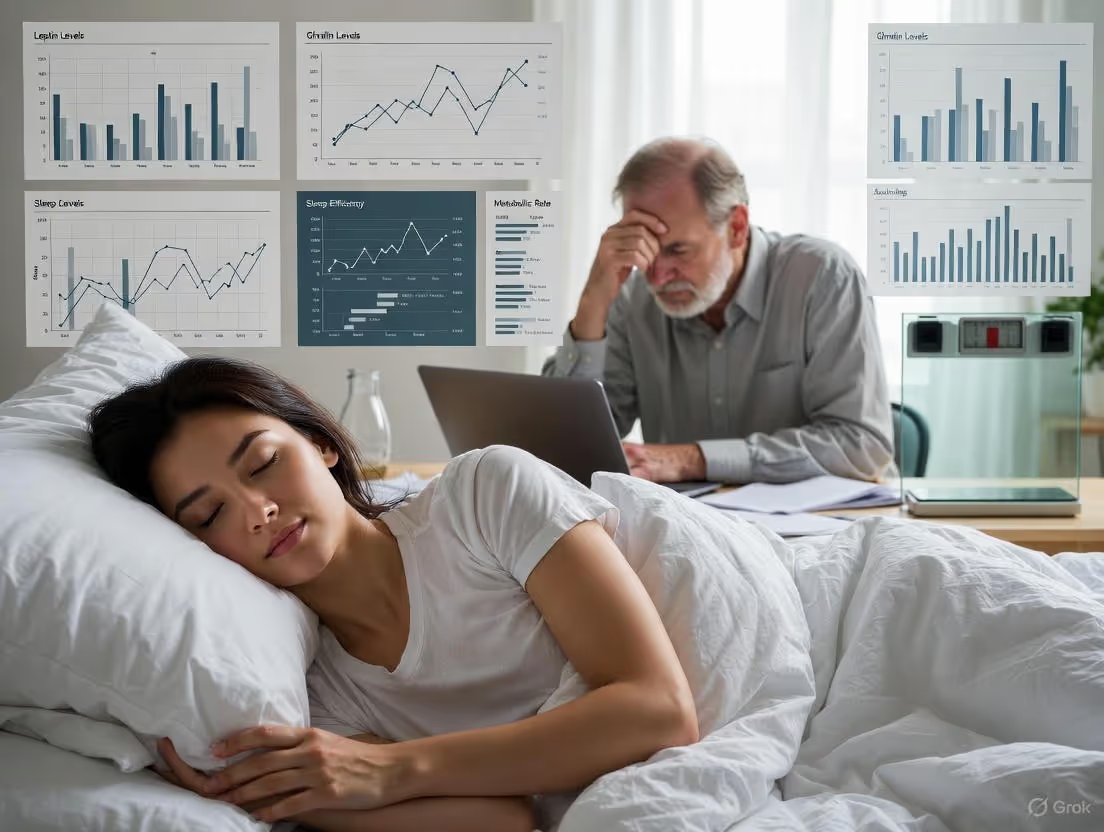
While clocking 7-9 hours in bed is the essential first step, what happens during those hours is critical. Sleep quality—the depth and continuity of your sleep—is paramount for unlocking its metabolic benefits. You can be in bed for eight hours but if your sleep is fragmented by frequent awakenings, or if you fail to cycle adequately into deep and REM stages, you will not reap the full restorative rewards.
Sleep hygiene refers to the set of habits and environmental conditions that promote consistent, uninterrupted sleep. It is the foundation of sleep quality. Key pillars of strong sleep hygiene include:
The consequences of poor sleep quality are significant. Conditions like obstructive sleep apnea (OSA) are prime examples. OSA causes repeated breathing interruptions throughout the night, leading to hundreds of micro-awakenings that prevent the sufferer from reaching or maintaining deep sleep. This results in chronically poor sleep quality, daytime fatigue, and a dramatically increased risk of obesity, hypertension, and diabetes. Importantly, the relationship is cyclical: obesity is a major risk factor for OSA, and OSA promotes weight gain, creating a difficult-to-break feedback loop.
Investing in sleep hygiene is an investment in your metabolic health. It requires intentionality in a world designed for 24/7 activity, but the returns—improved hormone regulation, better appetite control, and a more efficient metabolism—are foundational to any successful weight management plan. For personalized guidance on improving your sleep habits, exploring resources like our blog can offer practical, science-backed strategies.
Your bedroom's temperature is more than a matter of comfort; it's a lever for metabolic activation. A fascinating and practical strand of sleep science reveals that sleeping in a cooler environment can directly stimulate calorie-burning processes. The ideal range for this benefit, according to research, is around 66°F (19°C).
The mechanism revolves around a special type of fat called brown adipose tissue (BAT), or brown fat. Unlike white fat, which stores energy, brown fat is metabolically active and burns calories to generate heat—a process called thermogenesis. Its primary role is to help maintain your core body temperature. While more prevalent in infants, adults retain deposits of brown fat, primarily in the neck and shoulder area.
When you sleep in a cool room, your body must work to maintain its core temperature of 98.6°F. This mild thermal challenge activates your brown fat. As Bridgette Agee, RN, explains, "Lowering the room temperature before sleep turns on your body’s thermoregulatory functions to keep you warm. The action also activates brown fat cells that require energy from the white fat stores". In essence, your body borrows energy from your white fat reserves to fuel the heat production in brown fat, leading to a net increase in calorie expenditure overnight.
A study from the National Institutes of Health placed five men in climate-controlled rooms for four months. After a month of sleeping at 66°F, scans showed they had increased their brown fat volume and improved their insulin sensitivity. Notably, these positive metabolic changes were reversed after four weeks of sleeping at a warmer 81°F, demonstrating that the effect is sustained by consistent exposure to the cooler environment.
Beyond the brown fat effect, a cool room is simply more conducive to high-quality sleep. The body's core temperature naturally drops to initiate sleep. A cooler room facilitates this drop, helping you fall asleep faster. Conversely, a room that is too warm can increase wakefulness and reduce both deep (slow-wave) and REM sleep.
Implementing the thermostat strategy is straightforward:
This simple environmental tweak doesn't replace the need for sufficient sleep duration, but it optimizes the metabolic quality of the sleep you get. It’s a passive, effortless way to ensure your body is not just resting, but actively working in your favor throughout the night. For more insights into how environmental factors influence wellness, you can explore the science and stories behind our holistic approach on our website.
In the quest for better sleep and metabolic health, knowledge is power. You cannot optimize what you do not measure. This is where the modern advantage of sleep tracking technology becomes invaluable. While not as precise as a clinical polysomnography test, consumer-grade wearables like smart rings and watches provide remarkable insights into your personal sleep patterns, helping you move from guesswork to guided improvement.
These devices use a combination of sensors (like accelerometers to measure movement and optical heart rate monitors) to estimate sleep stages—light, deep, and REM—as well as total sleep time, consistency, and disruptions. The data reveals powerful trends: Do you get more deep sleep on nights you exercise? Does your resting heart rate spike after a late meal? Does your sleep duration plummet on nights you use your phone in bed?
Dr. Esra Tasali notes the potential of this technology: "Wearables have allowed people to become more aware of their sleep needs and patterns... They might notice that improvement on [health] metrics correlate with better sleep, which can, in turn, lead to a change towards healthier sleep behaviours". This feedback loop is transformative. Seeing a direct correlation between a 7:30 p.m. caffeine cut-off and an increase in deep sleep provides tangible motivation to maintain that habit.
The impact of tracking is supported by data. According to a SleepFoundation.org survey, individuals who use a sleep tracker are more than two and a half times more likely to report waking up feeling "very alert" compared to non-trackers. Tracking fosters mindfulness and accountability, turning sleep from an afterthought into a daily health metric you actively manage.
However, the data itself is just the first step. The crucial next phase is personalized interpretation and action. As Dr. Tasali points out, people often don't know what to do with the information they collect. This is where guided solutions become important. The goal is to move from generic advice ("get more sleep") to personalized strategies ("on nights when you finish work after 8 p.m., a 20-minute meditation before bed increases your deep sleep by 15%").
By consistently tracking your sleep alongside other variables like diet, exercise, and stress, you can begin to identify the unique levers that most impact your restorative rest. This data-driven self-experimentation empowers you to become the architect of your own sleep hygiene, building habits that directly support your weight management and overall wellness goals. For those curious about how detailed tracking integrates into a holistic health system, you can learn more about how our smart ring technology is designed for this purpose on our FAQ page.
The theoretical connection between sleep and weight is compelling, but it is the controlled intervention studies that provide the most actionable proof. These experiments move beyond observation to demonstrate that actively improving sleep causes beneficial changes in appetite and calorie intake.
One of the most cited laboratory studies, published in the Annals of Internal Medicine, placed overweight adults on a calorie-restricted diet under two sleep conditions: 8.5 hours in bed versus 5.5 hours in bed. After two weeks, the difference was stark. While total weight loss was similar, the composition of the loss was dramatically different. The well-rested group lost weight that was more than half fat. In contrast, the sleep-restricted group lost 55% less fat and 60% more lean muscle mass. This finding is a metabolic nightmare, as losing muscle lowers your resting metabolic rate, making future weight loss harder and regain easier.
Perhaps even more persuasive is research conducted in a real-world, home-environment setting. A 2022 study led by Dr. Esra Tasali at the University of Chicago recruited overweight adults who typically slept less than 6.5 hours per night. The intervention was simple yet profound: participants received personalized sleep hygiene counseling with the goal of extending their time in bed to 8.5 hours.
The results were remarkable. Participants successfully increased their sleep duration by an average of 1.2 hours per night. Without any dietary instructions or changes to their exercise routines, this extra sleep led them to spontaneously reduce their daily calorie intake by an average of 270 calories. Some participants even reduced their intake by over 500 calories per day. Over time, this self-generated calorie deficit could lead to significant weight loss—approximately 26 pounds over three years from this single change.
Dr. Tasali emphasized the accessibility of this approach: "Interestingly, we found an association between an increase in sleep duration and a decrease in calorie intake. Even an extra 30 minutes of sleep reduced the number of calories consumed". This demonstrates that improvement doesn't require perfection; small, consistent gains in sleep can yield meaningful results.
These studies shift the paradigm. They show that sleep extension is not merely a supportive act for weight loss; it can be a primary, proactive driver of reduced caloric intake. By addressing the fundamental hormonal drivers of hunger and reward-seeking behavior, improving sleep equips individuals with a powerful internal tool for appetite regulation. It reframes the weight loss journey, suggesting that before starting a restrictive diet, one might first look to the bedroom to ensure the body's natural satiety systems are fully functional and ready to cooperate. The inspiring journeys of individuals who have transformed their health by prioritizing rest are a testament to this powerful connection.
The journey through the science of sleep and weight loss leads to an inescapable and empowering conclusion: deep, restorative sleep is a non-negotiable pillar of metabolic health and effective weight management, standing equal to nutrition and physical activity. The evidence is robust and multifaceted. From the hormonal recalibration that tames hunger (reducing ghrelin, restoring leptin) to the metabolic optimization that improves insulin sensitivity and promotes fat utilization, the body performs its most crucial weight-regulating work during the overnight fast.
We have seen that sleep deprivation creates a perfect storm for weight gain: it increases appetite, heightens cravings for junk food, impairs calorie-burning metabolism, and promotes the loss of precious calorie-burning muscle when dieting. Conversely, prioritizing sleep—aiming for 7-9 hours of consistent, high-quality rest—does the opposite. It naturally curbs appetite, supports better food choices, protects metabolic rate, and ensures the body loses fat, not muscle.
The most hopeful insight is that this is a highly accessible strategy. You can start tonight. It doesn't require a gym membership, a special diet, or a prescription. It begins with a commitment to your own rest and the implementation of basic sleep hygiene: a cool, dark room; a consistent bedtime; and a digital curfew. As research proves, even a 30-minute increase in sleep can begin to shift your hormonal balance toward satiety and away from constant craving.
In a world obsessed with quick fixes and complex diet schemes, the solution is strikingly simple and profoundly natural. By giving your body the deep sleep it requires, you are not being passive or indulgent. You are actively engaging a powerful, innate biological system for self-regulation. You are setting the stage for your daytime efforts to succeed. You are, quite literally, burning fat in your sleep.
This article has laid the foundation by exploring the critical "why" behind the sleep-weight connection. The conversation, however, does not end here. In the next portion of this deep dive, we will move from understanding to action. We will explore practical, step-by-step protocols for diagnosing your own sleep deficiencies, crafting a personalized sleep optimization plan, and integrating sleep-centric strategies with nutrition and exercise for synergistic results. We'll also examine common sleep disorders like apnea, discuss the role of strategic napping, and look at how to maintain these habits for lifelong metabolic health. The path to sustainable weight loss isn't just about what you do during the day—it's fundamentally about how you recharge at night. To continue learning about creating a holistic wellness lifestyle that honors this balance, we invite you to explore the vision and values that guide our work.
Before you can optimize your sleep, you must first understand your starting point. Many people significantly misjudge both the quantity and quality of their sleep, making objective measurement the crucial first step. While the feeling of morning grogginess or daytime fatigue are clear subjective signals, they don't tell the full story of what happens across the night.
The gold standard for sleep measurement is polysomnography (PSG), conducted in a sleep lab. However, for everyday tracking and insight, consumer wearable technology has become remarkably sophisticated. Devices like smart rings and watches use a combination of actigraphy (movement sensing), photoplethysmography (PPG) for heart rate monitoring, and increasingly, heart rate variability (HRV) and peripheral arterial tone (PAT) to estimate sleep stages (light, deep, REM), total sleep time, sleep efficiency, and disruptions.
Interpreting this data requires context. For example, a night with higher-than-usual deep sleep might correlate with an intense workout two days prior (showing the delayed recovery effect). A spike in nighttime resting heart rate could be linked to late alcohol consumption, high stress, or an oncoming illness.
Action Step: Conduct a two-week sleep audit. Use a wearable tracker if possible, or simply maintain a detailed sleep diary. Note bedtime, wake time, estimated sleep duration, and key factors from the day: caffeine/alcohol intake, exercise, stress levels, and evening screen time. Look for patterns. The goal is to move from asking "Do I get enough sleep?" to answering "What specific behaviors help or hurt my sleep quality?" For a deeper understanding of how this data integrates into a complete wellness picture, you can explore the insights shared by our community of users who track their holistic health journey.
With diagnostic data in hand, you can now build a targeted protocol. Effective sleep optimization is not about rigid, one-size-fits-all rules, but about systematically experimenting with levers to find what works for your unique physiology and lifestyle. Think of it as engineering your environment and habits for metabolic success.
Your circadian rhythm is your master biological clock, and light is its primary regulator. Mismanaged light exposure is one of the most common disruptors of modern sleep.
As previously established, a drop in core body temperature is a key signal for sleep onset. You can actively facilitate this.
Implementation Tip: Don't change everything at once. Start with one lever—perhaps establishing a strict digital sunset or cooling your bedroom—and track its effect on your data for one week. Then, add or adjust another. This methodical approach turns sleep optimization into a personalized science experiment with you as the beneficiary. For additional resources and science-backed strategies to refine your protocol, our blog offers a wealth of ongoing research and practical tips.
What and when you eat doesn't just affect your energy levels; it directly communicates with your circadian biology and influences the metabolic mode your body enters during sleep. Strategic nutrition can prime your body for overnight fat utilization and protect your sleep architecture.
Key Concept: The goal is not to eat specific "fat-burning" foods before bed, but to create a metabolic and hormonal environment where your body can seamlessly enter a fasted, restorative, and repair-focused state overnight. Your dietary choices in the evening should support, not compete with, this goal.
Physical activity is a potent, non-negotiable driver of sleep quality, particularly deep sleep. It exerts its effects through multiple pathways: reducing sleep latency (time to fall asleep), increasing slow-wave sleep duration, stabilizing mood, and regulating circadian rhythms through body temperature fluctuations.
This is a critical synergy. Exercise (particularly strength and endurance training) creates micro-damage and metabolic stress. Deep sleep is the primary time when the body repairs this damage, releases growth hormone, and restores energy stores. Better sleep leads to better recovery, which leads to improved performance and capacity for more exercise—a virtuous cycle. Conversely, poor sleep impairs recovery, increases injury risk, and reduces exercise motivation and capacity.
Actionable Insight: If you are struggling with sleep, consider exercise not as an optional add-on, but as a core component of your sleep prescription. Even a single session can improve sleep the following night, and consistent practice builds long-term resilience in your sleep architecture.
Even with the best protocols, real-world challenges arise. Effectively managing these disruptors is what separates a fragile routine from a resilient one.
Stress activates the hypothalamic-pituitary-adrenal (HPA) axis, flooding your system with cortisol and adrenaline—hormones designed for wakefulness and alertness. Chronic stress keeps this system in a state of low-grade activation, directly opposing the state of relaxation required for sleep.
Screens are a triple threat: they emit sleep-suppressing blue light, deliver psychologically stimulating content, and keep your mind engaged in the waking world.
Sometimes, poor sleep is not just about habits; it's a medical condition. Two of the most common, obesity-related disorders are:
If you consistently implement good sleep hygiene but still struggle with unrefreshing sleep, loud snoring, or extreme daytime fatigue, seeking professional medical evaluation is the most important step you can take. For common questions about how wellness technology can assist in identifying potential issues, our FAQ page provides detailed guidance.
Napping is a double-edged sword in the quest for metabolic health. When used strategically, it can mitigate the damage of sleep deprivation and boost cognitive function. When used haphazardly, it can fragment nighttime sleep and weaken circadian drive.
The Verdict: A nap is not a replacement for poor nighttime sleep. However, as a targeted tool to cope with an occasional sleep deficit or boost afternoon performance, a short, early nap can be a valuable part of a holistic sleep-health strategy. It's a tactical retreat, not a substitute for the essential nightly campaign of deep, restorative sleep.
The market is flooded with supplements promising perfect sleep. While some have solid evidence, they should be viewed as adjuncts to—not replacements for—behavioral and environmental optimization. The foundation must come first.
Philosophy of Use: Start with one supplement at a low dose to assess tolerance. Track its effect on your sleep metrics and how you feel upon waking. The goal is subtle support, not a knockout punch. The real "magic pill" is the consistent practice of the behavioral protocols outlined earlier. For further information on how natural support integrates with technology-driven wellness, our story details our philosophy on holistic, evidence-based health.
Optimizing sleep for weight loss isn't a 30-day challenge; it's a lifestyle redesign. The ultimate goal is to weave these principles into the fabric of your daily life until they become automatic, resilient habits that support your metabolic health for decades.
Adhering to a sleep-centric lifestyle yields compounding returns:
The journey to harnessing the overnight fat-burning phase begins with a single night of prioritizing rest. It expands into a comprehensive, loving approach to self-care that honors the profound biological truth: you are not separate from your biology; you are your biology. By nurturing your sleep, you nurture the very system that governs your health, your weight, and your vitality.
Changing deeply ingrained behaviors, especially around sleep, is a psychological endeavor as much as a physiological one. Lasting success depends on understanding and working with the principles of habit loop formation, motivation, and identity shift.
Every habit consists of a three-part loop: Cue → Routine → Reward. To build new sleep habits, you must deliberately engineer each part.
The most profound behavioral shift occurs when you stop focusing on what you want to achieve (lose weight, sleep better) and start focusing on who you wish to become.
Each time you act in accordance with your new identity—even in a small way—you reinforce it. You're not trying to be a good sleeper; you are a good sleeper, and your actions prove it.
Willpower is a finite resource that depletes throughout the day. Relying on willpower to force yourself into a strict sleep routine is a recipe for failure. The solution is environmental design to make good choices effortless and bad choices difficult.
By mastering the psychology behind your routines, you build a sleep-centric lifestyle that feels natural and self-reinforcing, rather than a constant battle of discipline.
Once the foundational habits are solid, you can explore advanced, precision-based strategies to further enhance the quality of your restorative sleep and its metabolic payoff. This is the realm of biohacking—using data and experimentation to make personalized adjustments.
HRV is a powerful, non-invasive metric that reflects the balance of your autonomic nervous system (ANS). A higher HRV generally indicates greater parasympathetic ("rest-and-digest") dominance and better recovery capacity, while a lower HRV can signal stress, fatigue, or overtraining.
Beyond foundational supplements like magnesium, consider these timed strategies:
Historical and anthropological evidence suggests humans may have a natural predisposition to biphasic sleep—a longer period at night, sometimes with a waking interval, and a shorter rest in the afternoon. While forcing this isn't necessary, listening to your body's signals can be informative.
Fine-tuning is an ongoing process of self-experimentation. The rule is: change one variable at a time, track it for at least one week, and measure the effect against your core sleep metrics (deep sleep, HRV, RHR, and subjective feeling).
No journey is linear. You will have nights of poor sleep despite perfect habits, periods of stress that disrupt your routine, or weight loss plateaus even when you're sleeping well. The key is a systematic, non-judgmental troubleshooting approach.
If weight loss stalls despite good sleep and diet:
A single poor night is meaningless in the long-term trend. The damage occurs when one bad night triggers anxiety that ruins the next night, starting a vicious cycle.
Your protocol must be adaptable, not brittle.
Setbacks are not failures; they are data points. Analyze them calmly, adjust your approach, and move forward with the confidence that you have a strong foundation to return to.
We have focused intensely on the sleep-weight connection, but it's vital to recognize that the benefits of mastering your sleep extend far beyond the scale. Deep, restorative sleep is the ultimate foundational pillar upon which all other aspects of physical and mental health are built.
Chronic sleep deprivation is classified as a carcinogen by the World Health Organization and is a significant risk factor for:
True wellness emerges from the synergistic interaction of Sleep, Nutrition, and Movement. Each pillar supports the others:
When you optimize your sleep, you are not just fixing one thing; you are upgrading the operating system for your entire life. This holistic impact is at the core of our mission, which you can explore further in our story of creating technology designed to empower this very synergy.
We began this journey by revealing a hidden truth: that some of your most powerful work for weight management and metabolic health is done not in the gym or the kitchen, but in the profound quiet of your own bed, during the deep sleep phase. You now possess a complete map—from the cellular science of hormone regulation to the practical art of habit formation—to harness this innate, overnight fat-burning potential.
The path forward is clear:
This is not a quick fix. It is a lifetime investment in the most fundamental resource you have: your biology. By choosing to prioritize and protect your sleep, you are choosing to work with your body, not against it. You are choosing to give it the conditions it needs to regulate appetite, burn fat efficiently, repair itself, and thrive.
The promise of this approach is not just a smaller number on the scale. It is waking up energized, thinking clearly, managing stress with grace, and enjoying the vitality that comes from a body in harmonious function. It is the profound realization that the secret to a healthier, leaner, more vibrant life isn't found in another restrictive diet or exhausting workout plan—it's found in giving yourself permission to rest deeply, fully, and consistently.
Tonight, as you prepare for bed, remember: you are not just going to sleep. You are entering your metabolic reset zone. You are activating your overnight fat-burning phase. You are engaging in the most ancient and essential form of healing. Close your eyes, trust the process, and let your body do its transformative work.
Your Trusted Sleep Advocate: Sleep Foundation — https://www.sleepfoundation.org
Discover a digital archive of scholarly articles: NIH — https://www.ncbi.nlm.nih.gov/
39 million citations for biomedical literature :PubMed — https://pubmed.ncbi.nlm.nih.gov/
Experts at Harvard Health Publishing covering a variety of health topics — https://www.health.harvard.edu/blog/
Every life deserves world class care :Cleveland Clinic - https://my.clevelandclinic.org/health
Wearable technology and the future of predictive health monitoring :MIT Technology Review — https://www.technologyreview.com/
Dedicated to the well-being of all people and guided by science :World Health Organization — https://www.who.int/news-room/
Psychological science and knowledge to benefit society and improve lives. :APA — https://www.apa.org/monitor/
Cutting-edge insights on human longevity and peak performance:
Lifespan Research — https://www.lifespan.io/
Global authority on exercise physiology, sports performance, and human recovery:
American College of Sports Medicine — https://www.acsm.org/
Neuroscience-driven guidance for better focus, sleep, and mental clarity:
Stanford Human Performance Lab — https://humanperformance.stanford.edu/
Evidence-based psychology and mind–body wellness resources:
Mayo Clinic — https://www.mayoclinic.org/healthy-lifestyle/
Data-backed research on emotional wellbeing, stress biology, and resilience:
American Institute of Stress — https://www.stress.org/


