The Deep Sleep Assessment: Are You Getting Enough?
Assess whether you're getting enough deep sleep with this evaluation guide. Discover self-assessment tools, tracking interpretation, symptom checklists, and decision criteria for adequate restorative rest.
The Deep Sleep Assessment: Are You Getting Enough?
In the silent, dark hours of the night, a profound biological alchemy takes place. While your conscious mind rests, your body and brain embark on a critical journey of repair, consolidation, and restoration. This isn't just about feeling rested in the morning; it's about the very foundations of your health, cognition, and longevity. Yet, for millions, this essential process is fractured, shallow, and insufficient. We obsess over diet and exercise, meticulously tracking calories and steps, while remaining blissfully—and dangerously—ignorant of the quality of our sleep, particularly its deepest, most vital phase: deep sleep.
How do you know if you're getting enough? Is it simply a matter of waking up without an alarm clock, or is there a deeper, more measurable truth to uncover? The answer lies far beyond subjective feeling. In the modern era of quantifiable health, guessing is no longer good enough. We need a Deep Sleep Assessment—a comprehensive, data-informed understanding of our sleep architecture to diagnose deficiencies, uncover root causes, and architect a personalized path to true recovery.
This article is your definitive guide to that assessment. We will move beyond superficial sleep tips and delve into the neuroscience of deep sleep, the silent symptoms of deprivation, and the cutting-edge tools—like advanced wellness wearables from innovators like Oxyzen—that bring invisible biological processes into the light. By the end, you will not only understand the "why" behind deep sleep's non-negotiable role but also possess the framework to answer, with confidence: "Am I getting enough?"
The Unseen Architect: What Deep Sleep Actually Does Inside Your Body
We often speak of sleep as a monolithic state, a simple "off" switch for the brain. This could not be further from the truth. Sleep is a complex, cyclical architecture composed of distinct stages, each with a specialized function. Deep sleep, or slow-wave sleep (SWS), is the cornerstone of this structure. It's the period, typically occurring in the first half of the night, when your brain waves slow to a synchronized, rhythmic pulse of large, slow oscillations. You are hardest to awaken, and if you are, you’re likely to feel groggy and disoriented—a testament to the intense work happening beneath the surface.
But what is that work? Think of deep sleep as your biological maintenance crew, working the night shift on your most critical infrastructure.
Physical Restoration and Cellular Repair: This is when human growth hormone (HGH) is primarily secreted. Contrary to its name, HGH is not just for growth in children; in adults, it’s the master regulator of tissue repair, muscle growth, cell regeneration, and bone building. It’s your body’s most potent anti-aging and recovery hormone. Deep sleep is when your body repairs the micro-tears in muscles from the day’s exertion, fights inflammation, and rejuvenates your skin and organs. Without sufficient deep sleep, this repair cycle is truncated, leaving you in a state of chronic, low-level physical breakdown.
The Brain’s Cleansing Cycle: The Glymphatic System: One of the most revolutionary discoveries in neuroscience this century is the glymphatic system—the brain’s unique waste-clearance system. During deep sleep, the glial cells in your brain literally shrink, allowing cerebrospinal fluid to flush through the neural tissues at a rapid pace. This process washes away metabolic debris, including toxic proteins like beta-amyloid, which is closely associated with Alzheimer’s disease. Essentially, deep sleep is your brain’s nightly detox and power wash. Skimping on it means allowing neurotoxic waste to accumulate.
Memory Consolidation and Cognitive Fortification: Deep sleep is critical for moving memories from the temporary, fragile storage of the hippocampus to the long-term, stable repository of the neocortex—a process called memory consolidation. But it’s not just about storage; it’s about integration and insight. Studies show that deep sleep strengthens the neural connections that form memory and weakens the irrelevant ones, essentially curating and organizing your mental hard drive. It’s during this stage that the brain practices and solidifies motor skills (like learning a piano piece or a golf swing) and can even facilitate creative problem-solving. You literally "sleep on a problem" and wake with a solution because deep sleep has restructured the information.
Metabolic and Endocrine Rebalancing: Deep sleep plays a crucial role in regulating hormones that control appetite (leptin and ghrelin), insulin sensitivity, and stress response (cortisol). Poor deep sleep throws these systems into chaos: leptin (the "I’m full" hormone) decreases, ghrelin (the "I’m hungry" hormone) increases, and cells become more resistant to insulin. This creates a perfect storm for weight gain, cravings for high-calorie foods, and an increased risk of Type 2 diabetes. It’s why chronic sleep loss is a primary, yet often overlooked, factor in metabolic disorders.
Understanding these functions transforms deep sleep from a luxury to a biological imperative. It’s not just about being tired; it’s about allowing your body to perform the fundamental processes that sustain your physical health, mental clarity, and long-term vitality. As we explore the signs of deprivation, keep these critical nightly duties in mind—each symptom is a direct result of one of these systems failing to get its required maintenance window.
The Silent Thief: Recognizing the Subtle and Not-So-Subtle Signs of Deep Sleep Deprivation
Deep sleep deprivation rarely announces itself with a loud, obvious crash. Instead, it’s a master of stealth, eroding your well-being in ways you might attribute to aging, stress, or a busy lifestyle. You may be accruing a deep sleep debt without even knowing it. Here’s how to spot the thief in the night.
The Cognitive Fog: This is often the first and most pervasive sign. It’s not simple sleepiness; it’s a thick mental haze.
Impaired Concentration: You find yourself rereading the same paragraph, losing your train of thought mid-sentence, or struggling to follow complex conversations.
Compromised Decision-Making: You become more impulsive or, conversely, paralyzed by simple choices. The prefrontal cortex, which governs executive function, is particularly starved for the restoration deep sleep provides.
Memory Lapses: Forgetting why you walked into a room, missing appointments, or struggling to recall specific words are classic signs. The memory consolidation process is incomplete.
Diminished Creativity: That spark of insight, the ability to connect disparate ideas, feels dulled. The integrative work of deep sleep hasn’t happened.
The Emotional Toll: Your emotional resilience is tightly bound to your sleep quality.
Mood Volatility: You’re irritable, quick to frustration, or emotionally brittle. Small setbacks feel like major catastrophes.
Anxiety and Rumination: The brain’s fear center (the amygdala) becomes hyperreactive on poor sleep, while the rational prefrontal cortex is dampened. This leads to a heightened state of "fight or flight" and a tendency to get stuck in negative thought loops.
Loss of Empathy and Social Cues: You may find yourself less attuned to others’ feelings or misinterpreting social signals. Deep sleep is crucial for processing social and emotional experiences.
The Physical Manifestations:
Persistent Fatigue and Non-Restorative Sleep: You clock 8 hours in bed but wake up feeling as if you never slept at all. This is a hallmark of poor sleep quality, especially a lack of deep sleep, regardless of sleep quantity.
Increased Pain Sensitivity: Deep sleep has natural pain-relieving, anti-inflammatory properties. Without it, chronic aches and pains (headaches, back pain, muscle soreness) are amplified.
Frequent Illness: Your immune system releases cytokines—protective proteins—during deep sleep. Deprivation leaves you more susceptible to common infections like colds and flu, and can impair your body’s response to vaccines.
Slow Recovery: Workouts leave you wiped for days. Minor injuries or strains take longer to heal. The physical repair and HGH release of deep sleep are missing.
The Metabolic Red Flags:
Intense Cravings: You crave sugar, refined carbs, and salty snacks. This is your brain screaming for quick energy to combat fatigue, driven by the hormonal imbalance of leptin and ghrelin.
Unexplained Weight Gain: Despite consistent diet and exercise, the scale creeps up. The metabolic slowdown and insulin resistance fostered by poor deep sleep create a stubborn weight-loss barrier.
Feeling "Wired but Tired": You’re exhausted, yet you feel a jittery, anxious energy, often fueled by caffeine and sugar, masking the underlying fatigue.
If several of these signs resonate, you are likely running a deep sleep deficit. But self-diagnosis has limits. The next step in a true Deep Sleep Assessment is moving from subjective symptoms to objective data. For this, the modern wellness toolkit has evolved far beyond the basic step counter. To truly understand your sleep architecture, you need insights that were once only available in a clinical sleep lab. This is where the story of accessible sleep tracking begins—a journey you can explore further in resources like the Oxyzen blog, which delves into the evolution of personal health monitoring.
Beyond the Lab: The Rise of Personal Sleep Technology and the Smart Ring Revolution
For decades, the polysomnogram (PSG) conducted in a sterile sleep lab was the gold standard for diagnosing sleep disorders. While incredibly accurate, it was expensive, inaccessible, and a terrible way to sleep naturally—wired up with electrodes, in a strange bed. The data was a single snapshot, not reflective of your sleep in your own environment over time.
The first wave of consumer sleep trackers, primarily wrist-based devices and smartphone apps, democratized sleep awareness. They introduced concepts like sleep stages and duration to the masses. However, they came with significant limitations. Wrist-based optical heart rate sensors can be inaccurate during sleep due to arm movement under pillows. Their algorithms for distinguishing sleep stages, especially the crucial difference between light and deep sleep, were often rudimentary and based largely on movement—a poor proxy for brain state.
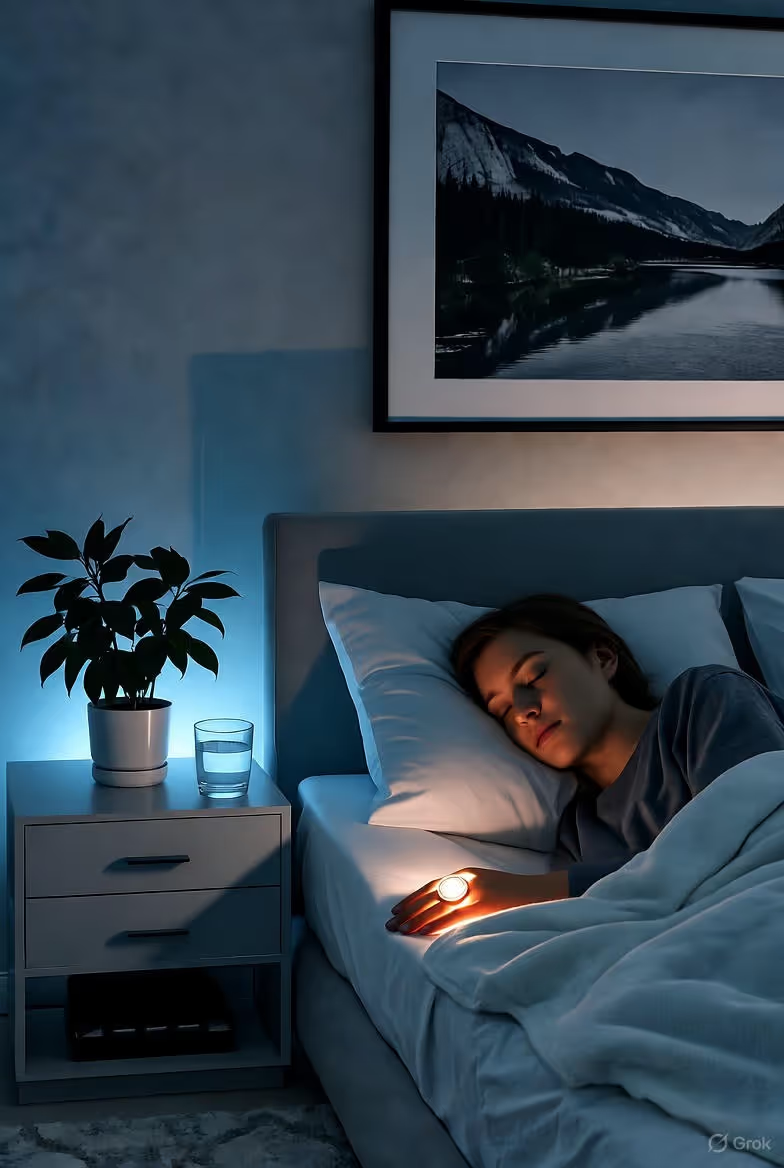
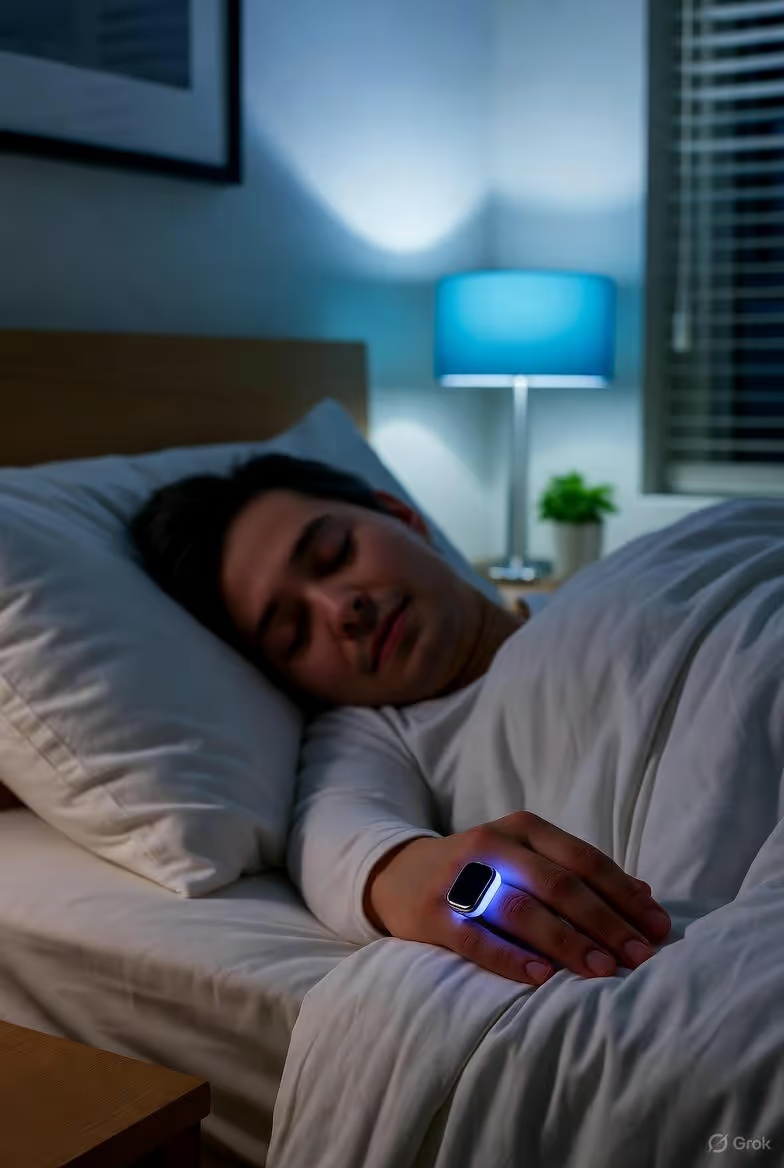
Enter the smart ring: the most significant evolution in personal sleep and wellness tracking. Worn on the finger, it represents a paradigm shift in data collection for several reasons:
1. The Optimal Physiological Position: The finger contains rich vascular beds, allowing for a strong, consistent photoplethysmogram (PPG) signal to measure heart rate and heart rate variability (HRV). Crucially, the hands are often still during sleep, minimizing motion artifact—the primary source of error for wrist-worn devices. This results in medical-grade, continuous physiological data throughout the night.
2. Comprehensive Multi-Sensor Fusion: Advanced smart rings like those developed by Oxyzen don’t rely on a single data point. They synthesize multiple streams:
Continuous PPG: For heart rate, HRV (a key marker of recovery and nervous system balance), and blood oxygen saturation (SpO2).
A 3D Accelerometer: For precise body movement and respiration rate estimation.
Skin Temperature Sensors: Nocturnal body temperature is a core circadian rhythm signal and a critical component of sleep onset and architecture.
By fusing this data with sophisticated, validated algorithms, a smart ring can estimate sleep stages (awake, light, deep, REM) with a level of accuracy that now rivals much bulkier research-grade devices, all from the comfort of your own bed.
3. The 24/7 Wellness Form Factor: Unlike a watch you take off, a ring is designed to be worn continuously. This allows it to capture not just your night, but your day. It can track daytime stress through HRV, activity levels, and temperature trends, creating a holistic picture of how your lifestyle inputs (stress, exercise, timing of meals) directly affect your sleep output. This context is everything. Knowing you had poor deep sleep is one thing; seeing that it followed a day of high stress and a late, heavy dinner is the insight that empowers real change.
This technological leap means that a comprehensive Deep Sleep Assessment is now possible at home, over weeks and months. You can establish your personal baseline, identify patterns, and measure the impact of interventions with precision. It transforms sleep from a mysterious black box into a transparent, optimizable pillar of health. For those curious about how this technology translates into daily insights and actionable guidance, exploring the Oxyzen.ai/faq page can provide a deeper look into the user experience and the science behind the data.
Conducting Your Deep Sleep Assessment: The Five Core Metrics to Track
Armed with the right technology, the assessment moves from vague concern to concrete analysis. You are no longer asking, "Did I sleep well?" You are investigating specific, measurable components of your sleep physiology. Here are the five non-negotiable metrics to monitor in your Deep Sleep Assessment:
1. Deep Sleep Duration (Absolute & Percentage): This is the primary metric. Most adults need between 1.5 to 2 hours of deep sleep per night, which typically constitutes 15-25% of total sleep time. Track both the raw minutes and the percentage of your total sleep. Consistently logging less than 1 hour or below 15% is a clear red flag. Remember, this time is not contiguous; it’s accumulated across the first several sleep cycles of the night.
2. Sleep Consistency & Timing: Your circadian rhythm is the master clock that governs your sleep-wake cycle, including the timing of deep sleep. Going to bed and waking up at wildly different times each day (social jet lag) disrupts this rhythm and fragments your sleep architecture.
Track: Your bedtime and wake time variance. Aim for less than 30 minutes of difference, even on weekends.
Key Insight: Deep sleep is prioritized by the brain early in the sleep period. A significantly delayed bedtime doesn’t just shorten sleep; it can truncate your deep sleep window.
3. Sleep Latency & Efficiency:
Sleep Latency: The time it takes you to fall asleep. Ideally, this is between 10-20 minutes. Taking too long (e.g., >30 minutes) can indicate hyperarousal, anxiety, or poor sleep hygiene. Falling asleep instantly (<5 minutes) is often a sign of significant prior sleep deprivation.
Sleep Efficiency: The percentage of time in bed you are actually asleep. (Total Sleep Time / Time in Bed) x 100. Aim for 85% or higher. Low efficiency points to frequent awakenings or prolonged periods of lying awake, which severely disrupts sleep cycle progression.
4. Nocturnal Heart Rate Variability (HRV) & Resting Heart Rate (RHR): These are your nighttime vital signs, offering a window into your autonomic nervous system state.
Nighttime HRV: A higher HRV during sleep generally indicates a stronger, more resilient parasympathetic ("rest and digest") nervous system, which is the state conducive to deep sleep recovery. A low or dipping HRV can signal that your body is still in a stressed state.
Resting Heart Rate (RHR): Your RHR typically drops to its lowest point during deep sleep. Tracking your sleeping RHR trend (not just a single morning spot-check) is powerful. An elevated or rising trend overnight can indicate illness, overtraining, dehydration, or chronic stress impeding recovery.
5. Physiological Stress & Readiness Scores: Many advanced platforms synthesize your sleep data, HRV, RHR, and temperature into a single "Readiness" or "Recovery" score. This is a powerful heuristic for your Deep Sleep Assessment.
A consistently low score, despite adequate time in bed, is a glaring indicator that your sleep quality—and almost certainly your deep sleep—is inadequate. It’s your body’s aggregate report card on the previous night’s restoration.
Monitoring these metrics for at least two weeks establishes a baseline. The goal isn’t perfection every night—sleep naturally varies—but to identify clear, persistent trends and anomalies. This data becomes the foundation for the most important part of the assessment: connecting the dots between your daytime life and your nighttime recovery.
The Day-Night Connection: How Your Daily Habits Dictate Your Deep Sleep
Your sleep is not an isolated event. It is the direct result of your daily choices, your environmental exposures, and your psychological state. A deep sleep assessment is incomplete without auditing these key daytime factors that act as levers on your sleep physiology.
The Circadian Lever: Light Exposure Light is the most powerful zeitgeber (time-giver) for your circadian rhythm. Inconsistent light exposure is like constantly resetting a faulty clock.
Morning Sunlight: Viewing bright, outdoor light within 30-60 minutes of waking anchors your circadian rhythm, boosting daytime alertness and promoting a stronger sleep drive in the evening. It suppresses melatonin appropriately so it can rise powerfully later.
Evening Light Sabotage: Exposure to blue-wavelength light from screens (phones, TVs, laptops) in the 2-3 hours before bed suppresses melatonin production, delaying sleep onset and shifting your sleep architecture, often at the expense of deep sleep. The brain interprets this light as a signal that it’s still daytime.
The Biochemical Lever: Nutrition & Substance Use What you consume acts as a direct modulator of your nervous system and sleep chemistry.
Caffeine: Its half-life is 5-6 hours. A 3 PM coffee means 50% of that caffeine is still in your system at 9 PM, acting as an adenosine blocker (adenosine being the sleep-pressure molecule that builds up during wakefulness). This can significantly reduce deep sleep.
Alcohol: While it may induce sleepiness, alcohol is a potent REM and deep sleep suppressant. It metabolizes into aldehydes, which act as stimulants, leading to fragmented, shallow sleep in the second half of the night.
Evening Meals: A large, high-fat, or high-sugar meal close to bedtime forces your digestive system to work overtime, raising core body temperature and disrupting the natural cooling process essential for sleep initiation and depth.
The Physiological Lever: Exercise & Body Temperature Exercise is a double-edged sword for sleep, dictated by timing and intensity.
Timing: Regular exercise, particularly in the morning or afternoon, promotes deeper sleep by building sleep pressure and regulating circadian rhythms. However, intense exercise within 2-3 hours of bedtime can elevate core temperature, heart rate, and stimulate the sympathetic nervous system, making it harder to wind down.
The Thermoregulatory Link: Your body needs to drop its core temperature by about 1°C to initiate and maintain sleep. This is why a cool bedroom (around 65-68°F or 18-20°C) is so crucial. Smart rings that track your nocturnal distal body temperature (like the skin temperature on your finger) provide incredible insight into this process, showing you if your body is achieving the optimal cooling curve.
The Psychological Lever: Stress & The Unwind Period Unmanaged daytime stress leaves your nervous system in a state of hyperarousal, flooding your body with cortisol and adrenaline. If you don’t actively downshift before bed, you bring that state of "fight or flight" directly into the bedroom. The brain cannot transition into the deep, restorative parasympathetic state required for deep sleep if it’s still psychologically "on."
This holistic view is what separates a superficial sleep tracker from a true wellness companion. The mission at Oxyzen is built on this very principle: that understanding the interconnectedness of daily life and nightly recovery is the key to sustainable health. By correlating your daily habits (tracked seamlessly by a 24/7 wearable) with your nightly sleep scores, you move from guesswork to cause-and-effect understanding.
Your Personal Sleep Sanctuary: Optimizing the Pre-Sleep Ritual and Environment
Knowing the levers is one thing; pulling them consistently is another. The final hour before bed—and the environment in which you sleep—are your controlled zones for maximizing deep sleep potential. This is where you engineer the conditions for success.
Crafting the "Power-Down Hour": This is a non-negotiable buffer zone between your active day and sleep.
Digital Sunset: Implement a strict screen curfew 60 minutes before bed. If you must use a device, enable night shift/blue light filters at maximum strength, but better yet, read a physical book or magazine.
Embrace Dimmable, Warm Light: Swap overhead lights for lamps with warm-white bulbs (2700K or lower). Use candles (safely) or salt lamps. This signals melatonin production.
Activate the Parasympathetic Nervous System:
Light, Non-Sleepy Stretching or Yoga Nidra: Gentle movement can release physical tension.
Breathing Exercises: 4-7-8 breathing (inhale 4, hold 7, exhale 8) or simple box breathing are powerful tools to lower heart rate and cue relaxation.
Gratitude Journaling or a "Brain Dump": Writing down 3 things you're grateful for or dumping tomorrow's to-dos and current worries onto paper can quiet mental chatter.
Engineering the Optimal Sleep Environment:
Temperature: As noted, cool is key. 65-68°F (18-20°C). Use fans, air conditioning, or a cooling mattress pad if needed.
Darkness: Pitch black is the goal. Invest in blackout curtains or a high-quality sleep mask. Even small amounts of light from chargers or streetlights can fragment sleep. Consider covering any LED lights in the room.
Quietness: Use earplugs, a white noise machine, or a fan to mask disruptive sounds. Consistency of sound is more important than absolute silence.
The Bed Itself: Your mattress and pillow should support neutral spinal alignment. If you wake up with aches, it’s time for an audit. Bedding made of natural, breathable fibers (cotton, linen, bamboo) aids in thermoregulation.
The Ritual of Consistency: The most powerful tool is regularity. Performing the same sequence of calming activities at roughly the same time each night trains your brain and nervous system to anticipate sleep. This conditioned response is incredibly powerful for reducing sleep latency and improving sleep quality. For a deeper dive into creating personalized, effective nightly routines, you can find a wealth of practical guides and user-shared strategies on the Oxyzen blog.
When Self-Assessment Isn't Enough: Recognizing the Signs of a Sleep Disorder
While lifestyle factors are the most common culprits behind poor deep sleep, it is critical to know when your assessment points toward a potential medical sleep disorder. No amount of perfect sleep hygiene can overcome an underlying physiological condition. Here are the red flags that warrant professional consultation with a sleep specialist or your physician:
Chronic, Loud Snoring Interrupted by Pauses or Gasping: This is the hallmark of Obstructive Sleep Apnea (OSA). During these pauses (apneas), your breathing stops, causing oxygen levels to drop and triggering a micro-arousal to restart breathing. This fragmentation absolutely decimates deep sleep. Even if you don't remember waking up, you might be doing it hundreds of times a night. A smart ring that tracks nocturnal blood oxygen (SpO2) can be an excellent screening tool, showing you if you have frequent, significant dips in oxygen saturation—a key indicator of OSA.
An Overwhelming Urge to Move Your Legs, Especially at Night: Restless Legs Syndrome (RLS) creates uncomfortable, "creepy-crawly" sensations in the legs that are only relieved by movement. It can severely delay sleep onset and cause frequent awakenings.
Acting Out Dreams, Sometimes Violently: REM Sleep Behavior Disorder involves a loss of the normal muscle paralysis during REM sleep, causing people to physically enact their dreams, which can be dangerous.
Excessive Daytime Sleepiness That Impairs Function: Falling asleep uncontrollably during quiet activities (like reading, watching TV, or in meetings) could indicate disorders like Narcolepsy or severe, untreated sleep apnea.
Consistently Taking Over 30 Minutes to Fall Asleep or Waking for Prolonged Periods Most Nights, Despite Good Habits: This could indicate Chronic Insomnia Disorder, which often has cognitive-behavioral components that benefit from targeted therapy (CBT-I).
If your self-assessment, supported by wearable data showing persistent low SpO2, extreme fragmentation, or unrefreshing sleep despite long duration, points to any of these red flags, seek professional help. A home sleep test or in-lab polysomnogram may be the next step. For those navigating these concerns, the Oxyzen.ai/faq section often addresses how wearable data can be a helpful companion in conversations with healthcare providers.
From Data to Action: Interpreting Your Patterns and Building a Hypothesis
After 2-4 weeks of consistent tracking—monitoring both your nightly sleep metrics and your daily habits—you will move from data collection to insight generation. This is the analytical core of your Deep Sleep Assessment. Don't just look at single nights; look for patterns and correlations.
Step 1: Establish Your Baseline Averages. What is your typical deep sleep duration, latency, and efficiency? What is your average sleeping HRV and RHR? These are your personal norms.
Step 2: Identify Your "Best" and "Worst" Nights. Go beyond the scores. Look at the detailed nights. What did your deep sleep graph look like on a night you woke up feeling fantastic? Now, find your worst night. Compare the two.
Step 3: Correlate with Daytime Factors. This is the most critical step. For your worst nights, look back at the day before. Did you:
Have a stressful work event or argument?
Consume alcohol after dinner?
Have a late, heavy meal?
Skip your usual morning walk?
Look at screens until the minute you turned off the light?
Exercise intensely after 8 PM?
Conversely, for your best nights, what did the preceding day look like? Perhaps you:
Got sunlight in the morning.
Finished eating by 7 PM.
Did a moderate afternoon workout.
Spent 30 minutes reading before bed.
Step 4: Form a Testable Hypothesis. Based on your correlations, form a specific, actionable hypothesis. For example:
"I suspect that having more than one glass of wine with dinner reduces my deep sleep by 20%."
"I believe that my 30-minute afternoon walk is associated with higher nighttime HRV and better sleep efficiency."
"It seems that working past 9 PM increases my sleep latency and reduces my total deep sleep."
Step 5: Experiment and Validate. Now, you become a scientist of your own sleep. Intentionally test your hypothesis. For one week, eliminate the suspected negative factor (e.g., no evening alcohol) while keeping other habits consistent. Observe the data. Did your deep sleep improve? Then, reintroduce it and see if it degrades. Alternatively, add a positive habit (e.g., a 10-minute breathing exercise before bed) and track the change.
This iterative process of observation, hypothesis, experimentation, and validation is the essence of biohacking. It empowers you with personalized knowledge, moving you far beyond generic advice. It reveals what your unique body and mind need for optimal recovery. This journey of self-discovery through data is at the heart of Oxyzen's philosophy, a story of empowering individuals with knowledge that you can learn more about on our story page.
The Long-Term View: Deep Sleep as a Pillar of Lifelong Health and Performance
The ultimate goal of this Deep Sleep Assessment is not to achieve a perfect score every single night—that’s an unrealistic and stressful aim. The goal is to elevate your baseline, protect your deep sleep as the non-negotiable health asset it is, and understand its profound long-term implications.
Deep Sleep and Neurodegeneration: The link between chronically disrupted deep sleep and diseases like Alzheimer’s is becoming indisputable. Remember the glymphatic system? The beta-amyloid plaques that characterize Alzheimer’s are cleared during deep sleep. Poor sleep is now considered a major modifiable risk factor for cognitive decline. Investing in deep sleep is an investment in your long-term brain health and cognitive reserve.
Deep Sleep and Metabolic Health: As a regulator of insulin sensitivity and appetite hormones, deep sleep is a foundational element in preventing metabolic syndrome, obesity, and Type 2 diabetes. It’s as important as diet for metabolic regulation.
Deep Sleep and Immune Competence: In a world of constant environmental challenges, a robust immune system is your first line of defense. Deep sleep is when your adaptive immune system "learns" and strengthens. Prioritizing it is a powerful strategy for resilience.
Deep Sleep and Emotional & Psychological Resilience: By processing emotional memories and regulating the amygdala, deep sleep acts as a nightly therapy session. It builds your capacity to handle stress, maintain emotional balance, and stave off mood disorders like depression and anxiety.
Viewing deep sleep through this long-term lens transforms it from a daily chore to a daily investment. It is the ultimate performance enhancer, the most accessible anti-aging strategy, and a critical act of preventive medicine. The data and habits you cultivate through this assessment are not just for better mornings; they are for better decades.
Embracing the Journey: Your Path Forward Starts Now
You have now been equipped with the framework for a complete Deep Sleep Assessment. You understand the profound biology, the stealthy symptoms, the cutting-edge tools for measurement, and the daily levers you can pull. The path from exhausted and foggy to restored and vibrant is a journey of awareness and intentional action.
It begins with a single decision: to stop guessing about your sleep and start knowing. It continues with the commitment to observe the connections between your day and your night, to experiment with what works for you, and to treat your sleep sanctuary with the reverence it deserves. And it is sustained by the empowering clarity that comes from data—from seeing a graph that shows your deep sleep increasing, your HRV rising, and your readiness score reflecting true recovery.
This journey is deeply personal, but you are not alone. The field of personal wellness technology exists to be your guide, providing the objective feedback loop that makes transformation possible. Whether you are just beginning to explore this world or are ready to dive deep with the most advanced tools available, resources like the Oxyzen.ai homepage are a starting point for discovering how modern technology can illuminate your path to better sleep.
Your deep sleep is waiting to be reclaimed. Start your assessment tonight. Observe your tomorrow. And begin building the restored, resilient life that is built on the solid foundation of truly restorative sleep.
The Modern Saboteurs: How Technology, Stress, and Lifestyle Are Stealing Your Deep Sleep
We live in an age of unprecedented connection and convenience, yet these very advancements have created a perfect storm for sleep disruption. Our biology, honed over millennia, is now navigating a landscape it was never designed for: 24/7 artificial light, constant digital notifications, pervasive psychological stress, and sedentary indoor lifestyles. These modern saboteurs don't just shorten our sleep; they specifically target and degrade its deepest, most restorative stages.
The Always-On Culture and Hyperarousal: The boundary between work and rest has evaporated. Smartphones bring the office into our bedrooms, and social media feeds create a state of continuous partial attention. This "cognitive loafing" isn't relaxing—it keeps our sympathetic nervous system subtly engaged. The result is what sleep researcher Dr. Matthew Walker calls "conditioned arousal," where the bedroom environment becomes associated not with sleep, but with anxiety, work, and social comparison. This hyperarousal directly inhibits the transition into deep sleep, as the brain remains in a vigilant, theta-wave dominant state instead of descending into the slow delta waves of deep sleep.
Artificial Light and Circadian Confusion: Our circadian rhythm evolved to follow the sun. The dim, red-spectrum light of firelight after sunset naturally supported melatonin production. Today, we bombard our retinas with bright, blue-spectrum LED light long after dark. This isn't just about screens; it's about the pervasive ambient light in our homes. This constant photic stimulation delays melatonin onset by hours, pushing our entire sleep cycle later. Since deep sleep is prioritized in the early part of the night (the first two sleep cycles are typically the richest in deep sleep), a delayed bedtime often means we simply miss our biological deep sleep window, even if we sleep in later. The body cannot "make up" this lost deep sleep with extra light sleep or REM in the morning hours.
Temperature Dysregulation from Modern Living: We've insulated ourselves from natural temperature cycles. Central heating keeps our homes uniformly warm at night, directly opposing the body's need for a significant temperature drop to initiate and maintain deep sleep. The pre-sleep temperature drop is a potent signal for melatonin release and sleep onset. Without it, sleep is more shallow and fragmented. Furthermore, the materials in our bedding—often synthetic, non-breathable fabrics—trap heat and moisture, creating a microclimate that further impedes the body's cooling process.
Sedentary Lifestyles and Insufficient Sleep Pressure: Physical exertion builds adenosine, the chemical sleep pressure that accumulates in the brain throughout the day. This pressure is crucial for driving deep, consolidated sleep. Modern sedentary jobs and leisure (streaming, gaming) fail to build sufficient adenosine. The body hasn't earned its deep sleep through physical expenditure, leading to lighter, more restless sleep. Additionally, a lack of outdoor light exposure during the day weakens the amplitude of our circadian rhythm, reducing the strength of the sleep-wake signal and further fragmenting sleep architecture.
Dietary Patterns That Disrupt: The modern diet, high in processed sugars and carbohydrates, especially when consumed late, creates blood sugar rollercoasters that can trigger cortisol releases during the night to correct hypoglycemia. This cortisol spike is a direct antagonist to deep sleep. Furthermore, the widespread consumption of caffeine—not just in coffee but in sodas, teas, and pre-workout supplements—creates a long-acting adenosine blockade that can persist for 8-10 hours in some individuals, chemically preventing the brain from sensing its true sleep debt.
The insidious nature of these saboteurs is their normalization. We accept afternoon crashes, nighttime scrolling, and chronic low-grade fatigue as the cost of modern life. But this is the very trap. Recognizing these forces is the first step in reclaiming your sleep. The next step is to systematically audit your own life against these saboteurs—an exercise that becomes profoundly clear when you can see their direct impact on your physiological data from a device like a smart ring. For those navigating this modern sleep dilemma, connecting with a community and reading about others' journeys, such as those shared in Oxyzen testimonials, can provide both validation and practical strategies.
The Deep Sleep Blueprint: A 14-Day Protocol to Rebuild Your Sleep Foundation
Knowledge without action is merely trivia. Now that we understand the "why," it's time for the "how." This 14-day protocol is a structured, progressive approach to reset your sleep biology, amplify deep sleep, and turn your assessment into tangible improvement. Think of it not as a restrictive set of rules, but as a nurturing experiment in self-care.
Phase 1: Days 1-4 – The Foundation Reset The goal here is to remove the biggest, most obvious saboteurs and establish non-negotiable anchors.
Anchor Your Wake-Up Time: Choose a fixed wake-up time and stick to it every single day, weekends included. This is the single most powerful tool for setting your circadian rhythm. Use sunlight or a bright light lamp immediately upon waking.
Implement a Digital Curfew: All screens off 90 minutes before your target bedtime. Place phones and tablets in another room to charge. This is non-negotiable during this reset phase.
Eliminate Evening Alcohol & Caffeine After 2 PM: Remove these chemical disruptors completely to see your baseline physiology without them.
Cool Your Bedroom: Set your thermostat to 65-68°F (18-20°C). Use lighter bedding if needed.
Action: Do not obsess over sleep data these first four nights. Focus solely on executing these habits. Your body is adjusting.
Phase 2: Days 5-10 – The Ritual Integration Now, we build positive, sleep-promoting behaviors upon that stable foundation.
Introduce a "Power-Down" Ritual: Starting 60 minutes before bed, engage in a consistent, screen-free routine. This could include:
Light stretching or yoga (e.g., 10 minutes of gentle Yin poses).
Reading a physical book under warm lamplight.
A mindfulness or breathing practice (try a 10-minute guided body scan meditation).
Taking a warm (not hot) bath or shower 1-2 hours before bed. The subsequent cooldown mimics the body's natural temperature drop.
Optimize Your Last Meal: Finish dinner at least 3 hours before bedtime. Make it balanced with protein, healthy fats, and fiber to promote stable blood sugar overnight.
Introduce Daytime Light & Movement: Get at least 20 minutes of outdoor light exposure in the morning. Incorporate 30 minutes of moderate movement (a brisk walk, cycling) earlier in the day.
Action: Begin observing your sleep data. Look for changes in sleep latency and overall efficiency. Note how you feel upon waking.
Phase 3: Days 11-14 – The Refinement & Personalization With new habits in place, use your data to fine-tune.
Analyze Correlations: Look at your best nights during Phase 2. What was consistent? Was it the night you took a bath? The day you walked in the park? Start to identify what works specifically for you.
Experiment with One Variable: If your sleep latency is still high, experiment with adding a magnesium supplement (like magnesium glycinate) 60 minutes before bed, after consulting with a healthcare professional. If you're waking up hot, try moisture-wicking pajamas.
Practice Sleep Restriction (If Needed): If sleep efficiency is still below 85%, consider a gentle form of sleep restriction. Calculate your average actual sleep time (not time in bed) and limit your initial time in bed to that duration (minimum 6 hours). This builds stronger sleep pressure and can consolidate sleep. Gradually increase time in bed as efficiency improves.
Action: Formulate your personalized "Sleep Success Formula"—the combination of 3-5 habits that your data shows are most effective for you.
This protocol requires commitment but offers profound reward. It moves you from being a passive victim of poor sleep to an active architect of your own recovery. Documenting this journey can be incredibly motivating, and sharing successes and challenges with a supportive community, perhaps through platforms like the Oxyzen blog, can provide valuable accountability and insight.
Beyond the Basics: Advanced Biohacks for Optimizing Deep Sleep
Once you've mastered the foundational habits, you can explore targeted, evidence-based interventions to further enhance deep sleep quality and quantity. These "biohacks" are tools to experiment with, always guided by your personal data.
1. Nutritional Supplementation (with Caution and Professional Guidance):
Magnesium Glycinate or L-Threonate: Magnesium is a cofactor for hundreds of enzymatic processes, including those involved in nervous system regulation. Glycinate is known for its calming properties, while L-Threonate may have particular benefits for brain health and sleep. It can help quiet mental chatter and improve sleep quality.
Apigenin: A flavonoid found in chamomile, it acts as a positive allosteric modulator of GABA receptors (the brain's primary calming neurotransmitter). This can promote relaxation without the sedative hangover effect of pharmaceuticals.
Glycine: An amino acid that acts as an inhibitory neurotransmitter. Studies show 3 grams before bed can lower core body temperature, improve sleep efficiency, and reduce daytime sleepiness.
Important Note: Supplements are not a substitute for good sleep hygiene. They are adjuvants. Always consult with a healthcare provider before starting any new supplement regimen.
2. Technological Aids:
Pink or Brown Noise: While white noise contains all frequencies equally, pink noise emphasizes lower frequencies and has a more calming, even sound, like steady rain or wind. Studies suggest pink noise can increase slow-wave sleep amplitude and improve memory consolidation.
Temperature-Regulating Technology: Beyond a cool room, consider a mattress cooling pad (like the Chilipad or BedJet) or smart bedding that actively regulates temperature throughout the night, maintaining the ideal thermal curve for deep sleep.
CES (Cranial Electrotherapy Stimulation) Devices: Wearable devices like the Fisher Wallace Stimulator or Alpha-Stim deliver tiny microcurrents to the brain. FDA-cleared for insomnia, anxiety, and depression, they work by modulating neurotransmitter activity to promote a state of calm conducive to deep sleep.
3. Behavioral & Timing Strategies:
Strategic Caffeine Timing: If you choose to reintroduce caffeine, consume it before 10 AM to ensure it is fully cleared by bedtime. Consider your genetic sensitivity; some people metabolize caffeine much more slowly.
Carbohydrate Timing (for some): For individuals without metabolic issues, a small serving of complex carbohydrates (like a small bowl of oatmeal) 3-4 hours before bed can sometimes promote tryptophan uptake and serotonin production, aiding sleep. This is highly individual and should be tested carefully.
Daytime Fasting Windows: Aligning your eating window with daylight hours (e.g., finishing dinner by 6 PM) can help synchronize peripheral circadian clocks in your organs with your central brain clock, promoting more consolidated sleep.
4. Sensory Depreciation: For the ultimate deep sleep environment, consider moving beyond darkness and quiet to full sensory minimization.
Weighted Blankets: The deep pressure touch provided by a weighted blanket (typically 10% of body weight) can increase melatonin production and reduce cortisol, decreasing sleep latency and increasing sleep maintenance for many.
Earplugs + White Noise Combo: For extremely noise-sensitive individuals, using high-fidelity earplugs with a white noise machine can create an almost total auditory vacuum, eliminating unpredictable disturbances that trigger micro-arousals and fragment deep sleep.
The key with advanced biohacks is the "bio" part—they must be personalized. What sends one person into deep, restful sleep may have no effect—or a negative one—on another. This is where the feedback loop from a precise wearable is invaluable. You can test one intervention at a time for 3-5 nights and observe the objective change in your deep sleep duration, HRV, and readiness score. This data-driven approach prevents you from wasting time and money on strategies that don't work for your unique biology.
The Gender Divide: How Deep Sleep Needs and Challenges Differ for Men and Women
Sleep is not one-size-fits-all. Biological, hormonal, and social factors create distinct sleep landscapes for men and women. A thorough Deep Sleep Assessment must account for these differences.
Women's Sleep: The Hormonal Rollercoaster: A woman's sleep architecture is intimately tied to her menstrual cycle and life stages, making consistency more challenging.
The Menstrual Cycle: During the luteal phase (after ovulation), rising progesterone increases body temperature and can cause sleep fragmentation, reducing deep sleep. In the days before menstruation, dropping progesterone and estrogen can lead to insomnia, vivid dreams, and poorer sleep quality.
Pregnancy: The first trimester brings profound fatigue and often increased need for sleep, but frequent urination and nausea disrupt it. The third trimester is notorious for severely fragmented sleep due to physical discomfort, fetal movement, and high progesterone, leading to significant deep sleep debt.
Perimenopause and Menopause: This is a critical period for sleep disruption. The decline in estrogen leads to hot flashes and night sweats, which are classic deep sleep disruptors—causing sudden awakenings from thermal discomfort. The loss of progesterone, a soporific hormone, further compounds insomnia. The risk of sleep-disordered breathing also increases post-menopause.
Societal Factors: Women still disproportionately carry the "mental load" of household management and are more often the default parent for nighttime child wakings, leading to conditioned hypervigilance that fragments sleep.
Men's Sleep: The Lifestyle and Structural Risks: Men often face different, but no less serious, challenges to deep sleep.
Higher Prevalence of Obstructive Sleep Apnea (OSA): Men are 2-3 times more likely to have OSA, largely due to anatomical differences (fat distribution in the neck, airway shape). OSA is a direct, physical destroyer of deep sleep through constant arousal. The stereotypical loud snoring is a major red flag.
Later Circadian Preference ("Night Owls"): On average, men have a slightly later circadian phase than women. This can lead to social jet lag if work schedules demand early waking, truncating total sleep and the deep sleep window.
Underreporting of Sleep Issues: Cultural norms around stoicism may lead men to dismiss or underreport fatigue, attributing it to work stress rather than investigating potential sleep disorders.
Lifestyle Factors: Higher rates of evening alcohol consumption and risk-taking behaviors that impact sleep hygiene can be more prevalent.
The Common Goal, Different Paths: The need for deep, restorative sleep is universal. However, the assessment and intervention must be nuanced.
For Women: Tracking sleep alongside menstrual cycles (a feature in many advanced wellness apps) is crucial. It provides context, so a night of poor sleep during the luteal phase isn't seen as a failure but as a biological pattern. Interventions may focus more on thermal regulation (cooling mattress pads, moisture-wicking sleepwear) and stress management to counter hormonal volatility.
For Men: A stronger emphasis on OSA screening—using wearable SpO2 tracking to look for oxygen desaturations—is key. Prioritizing consistent bedtimes to align with natural tendencies and addressing lifestyle factors like alcohol are also critical.
Understanding these differences fosters self-compassion and targeted strategy. It also highlights why personalized data is so powerful; it reveals your unique patterns, not just population averages. For couples, this understanding can lead to better sleep partnerships—negotiating different needs for temperature, bedtime, and nighttime responsibilities. Learning about how different people approach these challenges, as seen in various Oxyzen testimonials, can provide relatable insights and solutions.
The Aging Paradox: Why Deep Sleep Declines with Age and How to Fight Back
One of the most consistent findings in sleep science is the stark decline in deep sleep as we age. A 70-year-old may get only 5-10% deep sleep, compared to the 15-25% of a young adult. This isn't just a normal part of aging to be accepted; it's a primary contributor to age-related decline that we must actively combat.
Why Does Deep Sleep Deteriorate?
Neurological Changes: The brain's sleep-generating structures, like the ventrolateral preoptic nucleus (VLPO), lose neurons over time. The strength of the circadian signal from the suprachiasmatic nucleus (SCN) weakens, leading to a shallower sleep-wake rhythm.
Structural Brain Changes: Age-related atrophy in the frontal lobes—the brain region that generates slow waves—directly reduces the power and abundance of deep sleep.
Medical Comorbidities & Medications: Chronic conditions like arthritis, heart disease, and an enlarged prostate cause pain or frequent urination that disrupts sleep. Many common medications (diuretics, beta-blockers, some antidepressants) have side effects that fragment sleep architecture.
Weakened Homeostatic Sleep Pressure: The build-up of adenosine during the day may become less robust, meaning the "sleep drive" isn't as strong by bedtime.
The Vicious Cycle of Aging and Poor Sleep: This decline isn't a passive observation; it's an active accelerator of aging.
Poor Sleep → Impaired Glymphatic Clearance → Neurodegeneration: Reduced deep sleep means less efficient clearing of beta-amyloid and tau proteins, raising the risk for Alzheimer's and other dementias.
Poor Sleep → Insulin Resistance & Inflammation → Chronic Disease: The metabolic dysfunction from poor sleep fuels diabetes, cardiovascular disease, and systemic inflammation.
Poor Sleep → Frailty & Falls: Poor recovery leads to muscle weakness, while daytime sleepiness and cognitive fog increase the risk of accidents.
How to Fight Back: The Anti-Aging Sleep Protocol Accepting this decline is not inevitable. While we cannot stop time, we can dramatically slow the erosion of our sleep quality.
Double Down on Circadian Hygiene: This becomes more important with age. Relentlessly prioritize morning light exposure and evening darkness. The weakened SCN needs stronger signals.
Optimize the Sleep Environment for Comfort: Address pain points proactively. Invest in an orthopedic mattress, consider a mattress elevator for acid reflux, and ensure a clear, safe path to the bathroom with nightlights to minimize disruption.
Prioritize Strength & Balance Training: Resistance exercise is a powerful stimulator of deep sleep. It builds adenosine pressure, promotes growth hormone release, and maintains muscle mass that supports overall health and stability.
Strategic Napping: If nighttime sleep is insufficient, a short, early afternoon nap (20-30 minutes, before 3 PM) can provide cognitive benefits without impairing nighttime sleep drive. It can help make up for some lost light sleep, though not deep sleep.
Medical Collaboration: Work with your doctor to review all medications for sleep-disrupting side effects. Aggressively manage conditions like sleep apnea, which is underdiagnosed in older adults and is a major thief of deep sleep.
Embrace Technology: Use a wearable not just to track, but to set gentle, non-negotiable reminders for bedtimes and wake times. The external structure compensates for the weakened internal clock.
The message is empowering: Deep sleep is a modifiable risk factor for healthy aging. By treating its preservation with the same seriousness as diet and exercise, we can directly influence our cognitive health, physical resilience, and quality of life in our later decades. This proactive approach to longevity is a core part of the vision behind holistic wellness platforms, a vision you can explore further in the narrative found on Oxyzen's "our story" page.
The Mind-Gut-Sleep Axis: How Your Second Brain Influences Your Deep Sleep
Emerging research is revealing a profound, bidirectional communication network: the gut-brain axis. Your gastrointestinal system, home to trillions of microbes (the gut microbiome), is in constant conversation with your central nervous system, and this dialogue has major implications for sleep.
The Vagus Nerve: The Information Superhighway The primary channel for this talk is the vagus nerve, the longest cranial nerve, which runs from the brainstem to the colon. It carries signals in both directions:
Brain → Gut (Top-Down): Stress and poor sleep can alter gut motility, increase intestinal permeability ("leaky gut"), and change the composition of the microbiome, promoting inflammation.
Gut → Brain (Bottom-Up): The microbiome produces a vast array of neuroactive compounds, including:
Serotonin (~90% is made in the gut): The precursor to melatonin, our sleep hormone.
GABA: The brain's primary calming neurotransmitter.
Short-Chain Fatty Acids (SCFAs): Like butyrate, produced from fermenting fiber, which have anti-inflammatory effects and can influence sleep regulation.
How Gut Health Disrupts Deep Sleep:
Dysbiosis & Inflammation: An imbalance in gut bacteria (dysbiosis) can lead to increased production of lipopolysaccharides (LPS), inflammatory endotoxins that can cross into the bloodstream. Systemic inflammation is a known disruptor of sleep, particularly deep sleep, and is linked to conditions like sleep apnea.
Disrupted Tryptophan Pathways: Tryptophan is an essential amino acid needed to produce serotonin and melatonin. Gut inflammation can shunt tryptophan down a different metabolic pathway (the kynurenine pathway), away from sleep-promoting serotonin production.
Nighttime Digestive Distress: Conditions like GERD (acid reflux) or IBS can cause discomfort that directly wakes you up or leads to lighter, more fragmented sleep to avoid pain.
Optimizing the Axis for Better Sleep:
Feed Your Microbiome Prebiotic Fiber: A diverse, fiber-rich diet (vegetables, fruits, legumes, whole grains, nuts, seeds) feeds beneficial bacteria that produce SCFAs and supportive neurotransmitters. Aim for 30+ different plant foods per week.
Incorporate Fermented Foods: Foods like yogurt, kefir, sauerkraut, kimchi, and kombucha introduce beneficial probiotic strains directly.
Time Your Meals: Allow 3-4 hours between your last meal and bedtime to complete the major part of digestion before sleep. A large, late meal forces your gut to work overtime, raising core temperature and potentially triggering reflux.
Manage Stress for Your Gut: Since stress harms the gut, daily practices like meditation, walking, or deep breathing are indirectly powerful sleep aids through this axis.
Consider a Targeted Probiotic: Some strains, like Lactobacillus helveticus and Bifidobacterium longum, have been studied for their potential to reduce anxiety and improve sleep quality. Research is ongoing, but promising.
Understanding this axis adds a crucial layer to your Deep Sleep Assessment. If you have chronic digestive issues and poor sleep, the link is likely significant. Improving one will positively impact the other. It turns your diet from just fuel into information that directly programs your sleep biology. For more on how holistic health tracking can illuminate these connections, the Oxyzen blog offers continued exploration into integrative wellness topics.
When Progress Plateaus: Troubleshooting Stubborn Deep Sleep Deficits
You've done everything "right." You have perfect sleep hygiene, a consistent schedule, a cool dark room, and you manage stress. Yet, your deep sleep percentage remains stubbornly low, and your recovery scores are mediocre. This plateau is frustrating but common. Here’s a systematic troubleshooting guide to break through.
Step 1: Re-examine Your Data for Hidden Clues.
Look at HRV Trends, Not Just Nightly Values: Is your HRV on a slow, gradual decline? This could indicate overtraining, a lingering subclinical illness, or chronic emotional stress that you've habituated to. Your body is in a prolonged state of stress adaptation, which blocks deep recovery.
Analyze Your Temperature Curve: Does your wearable show a flat or erratic nocturnal temperature curve instead of a smooth decline and rise? This could indicate circadian misalignment or thyroid dysfunction. A failure to cool sufficiently is a direct barrier to deep sleep.
Scrutinize Movement & Restlessness: Are you having periods of very high movement or frequent, brief awakenings you don't remember? This could point to undiagnosed Periodic Limb Movement Disorder (PLMD) or subtle sleep apnea events (not all apneas involve snoring).
Medications & Supplements: Revisit all over-the-counter and prescription drugs. Decongestants, some asthma medications, and even certain B-vitamin formulations taken at night can be stimulating. Some antidepressants (SSRIs) are known to suppress REM and can impact deep sleep.
Dietary Sensitivities: You might have a subtle food intolerance (e.g., to gluten or dairy) that causes low-grade inflammation or mild discomfort, enough to fragment sleep but not enough to cause clear daytime symptoms. Try an elimination diet under guidance.
Alcohol's Long Shadow: Even if you have just one drink with dinner, it may be suppressing your deep sleep more than you realize. Try a full 30-day alcohol elimination to see if it's the hidden culprit.
Step 3: Address Covert Stress and Unprocessed Emotions.
Repressed Emotional Load: You may be managing daytime stress well but carrying unresolved emotional baggage. This can create nighttime hyperarousal. Practices like journaling or working with a therapist can be crucial.
Subconscious Sleep Anxiety: The very act of tracking sleep can, for some, create performance anxiety ("I must get my deep sleep tonight"). This anxiety itself becomes the disruptor. Consider taking a 1-2 week "data holiday" where you follow your habits but don't look at the scores, breaking the cycle of obsession.
Step 4: Rule Out Medical and Sleep-Specific Disorders.
Upper Airway Resistance Syndrome (UARS): A cousin of sleep apnea, UARS involves increased breathing effort that causes micro-arousals without full apneas or major oxygen dips. It's notoriously hard to diagnose but is a major cause of unrefreshing sleep and deep sleep deficit. Symptoms include daytime fatigue, brain fog, and waking up with a clenched jaw or headaches.
Thyroid Dysfunction: Both hyper- and hypothyroidism can severely disrupt sleep architecture. A simple blood test can rule this out.
Iron Deficiency (without Anemia): Low ferritin levels (the storage form of iron), even without full-blown anemia, are strongly linked to Restless Legs Syndrome and poor sleep quality.
Step 5: Recalibrate Your Expectations and Metrics.
Genetic Predisposition: Some people genetically produce less slow-wave sleep. Your "optimal" may be at the lower end of the normal range. Focus on how you feel and perform, not just hitting an arbitrary percentage.
Aging: As discussed, a gradual, slow decline is normal. The goal is to optimize within your current decade, not compare to your 25-year-old self.
The Holistic Picture: Look at your Oxyzen recovery score or similar aggregate metrics. If your score is consistently high and you feel great, but your deep sleep is "only" 18%, you may be worrying over nothing. The body is an integrated system; trust the overall output.
Breaking through a plateau often requires playing detective with your own body. It's a process of elimination and refined experimentation. If, after thorough self-investigation, deficits remain, this is the point to seek a professional sleep medicine consultation armed with months of your personal data—a powerful tool for your clinician.
The Future of Sleep Optimization: Emerging Science and Personalized Medicine
We are on the cusp of a revolution in how we understand and optimize sleep. The future moves beyond generalized advice into truly personalized, predictive, and dynamic sleep medicine, powered by technology and advanced science.
Closed-Loop Sleep Systems: Imagine a wearable that doesn't just track but responds. Future devices may use real-time physiological data (heart rate, HRV, movement) to control your environment:
A smart thermostat that actively lowers the room temperature as you enter deep sleep and gently warms it towards morning to support waking.
A sound system that plays pink noise bursts timed to your slow brainwaves, shown in studies to enhance their amplitude and improve memory.
A lighting system that simulates a slow sunrise in sync with your final sleep cycle, promoting a cortisol awakening response at the optimal, natural time.
Genetic and Biomarker Profiling: Personalized sleep medicine will integrate data from:
Genetic Tests: Identifying variants in genes like DEC2 (the "short sleep" gene), PER3 (circadian rhythm genes), and those affecting caffeine metabolism to tailor sleep needs and habits.
Advanced Biomarkers: Regular testing of inflammatory markers (like CRP), cortisol rhythms (via saliva tests), and melatonin metabolites to create a biochemical sleep profile, guiding precise dietary, supplement, and lifestyle interventions.
Neurostimulation and Wearable Tech: Non-invasive brain stimulation techniques are being refined for home use.
Transcranial Alternating Current Stimulation (tACS): Wearable headbands that deliver gentle electrical currents at specific frequencies (e.g., slow-wave frequencies) to entrain brainwaves and potentially boost deep sleep. Early research is promising.
Real-Time Sleep Staging Feedback: Devices that can more accurately stage sleep in real-time (not just estimate afterward) could be used to trigger gentle auditory or tactile cues to stabilize and prolong beneficial stages.
AI-Powered Sleep Coaching: The next generation of wellness apps will use artificial intelligence to analyze your unique dataset—sleep, activity, diet, stress, menstrual cycle—and provide hyper-personalized, adaptive recommendations.
"Based on your high stress yesterday and elevated resting heart rate, your sleep drive may be weak. Consider a 20-minute walk after dinner instead of your usual intense workout."
"Your data shows a consistent dip in deep sleep 5 days before your period. Let's increase your magnesium dosage and prioritize cooling strategies during this window."
Integration with Healthcare Systems: Your longitudinal sleep data from a consumer wearable will seamlessly integrate with electronic health records. Your primary care physician or sleep specialist will have access to months of trended data, transforming a 10-minute conversation about "tiredness" into a data-rich consultation, leading to faster, more accurate diagnoses.
This future is not about more gadgets for gadget's sake; it's about creating a seamless, intelligent ecosystem that supports our biological need for restoration in a hostile modern environment. It represents a shift from reactive healthcare to proactive well-being, where sleep is the central, non-negotiable pillar. Companies at the forefront of this movement, like Oxyzen, are building the foundation for this integrated future, a topic often expanded upon in their public communications and about us section.
Conclusion of This Phase: Integrating Your Assessment into a Lifelong Practice
You have now journeyed through the complete framework of a Deep Sleep Assessment. You've moved from understanding deep sleep's critical biology, through recognizing its thieves, to mastering the tools and protocols for its reclamation. You've explored advanced strategies, individual differences, and even peered into the future of sleep science.
This is not the end of a process, but the beginning of a lifelong practice. Viewing your sleep through the lens of assessment turns it from a passive state into an active pillar of your health architecture. The goal is to cultivate Sleep Intelligence: the deep, intuitive understanding of how your lifestyle, environment, and choices directly manifest in your nightly recovery and daily vitality.
Your Ongoing Practice:
Maintain Awareness: Use your wearable not as a source of daily anxiety, but as a periodic check-in—like a compass. Review your trends weekly, not hourly.
Embrace Fluidity: Your sleep needs will change with travel, stress, illness, and life stages. Be kind to yourself and adapt your habits accordingly.
Prioritize Consistency Over Perfection: A missed night or a bad week is meaningless in the long run. What matters is the 80% adherence to your foundational habits—the fixed wake time, the dark cool room, the mindful wind-down.
Share Your Knowledge: The silent epidemic of sleep deprivation hurts our communities, workplaces, and families. By modeling good sleep habits and sharing your non-judgmental knowledge, you become a force for broader well-being.
The question that opened this exploration—"Are you getting enough?"—can now be answered not with a guess, but with data. Not with a shrug, but with a strategy. You possess the blueprint to assess, troubleshoot, and optimize the one-third of your life that determines the quality of the other two-thirds.
Your journey to reclaimed energy, sharper cognition, balanced emotions, and long-term health begins not with a complicated regimen, but with a single, deliberate night. Then another. Then a week. You are now the architect of your own restoration. Build wisely.
For continued learning, personalized insights, and to be part of a community dedicated to mastering the science of recovery, explore the comprehensive resources and technology available atOxyzen.ai. The path to deeper sleep and a more vibrant life is a continuous journey of discovery.



%402x.svg)