The Deep Sleep Environment: Light, Sound, and Temperature
Optimize your deep sleep environment with perfect light, sound, and temperature conditions. Discover specific evidence-based recommendations for environmental factors that significantly impact slow-wave sleep generation.
The Deep Sleep Environment: Mastering Light, Sound, and Temperature
There's a paradox at the heart of modern sleep. We spend more time than ever thinking about sleep—tracking it, optimizing it, worrying over it—yet genuine, restorative rest feels increasingly elusive. We chase the latest mattress technology, download meditation apps, and experiment with supplements, often overlooking the most fundamental layer of all: the physical sanctuary where sleep happens.
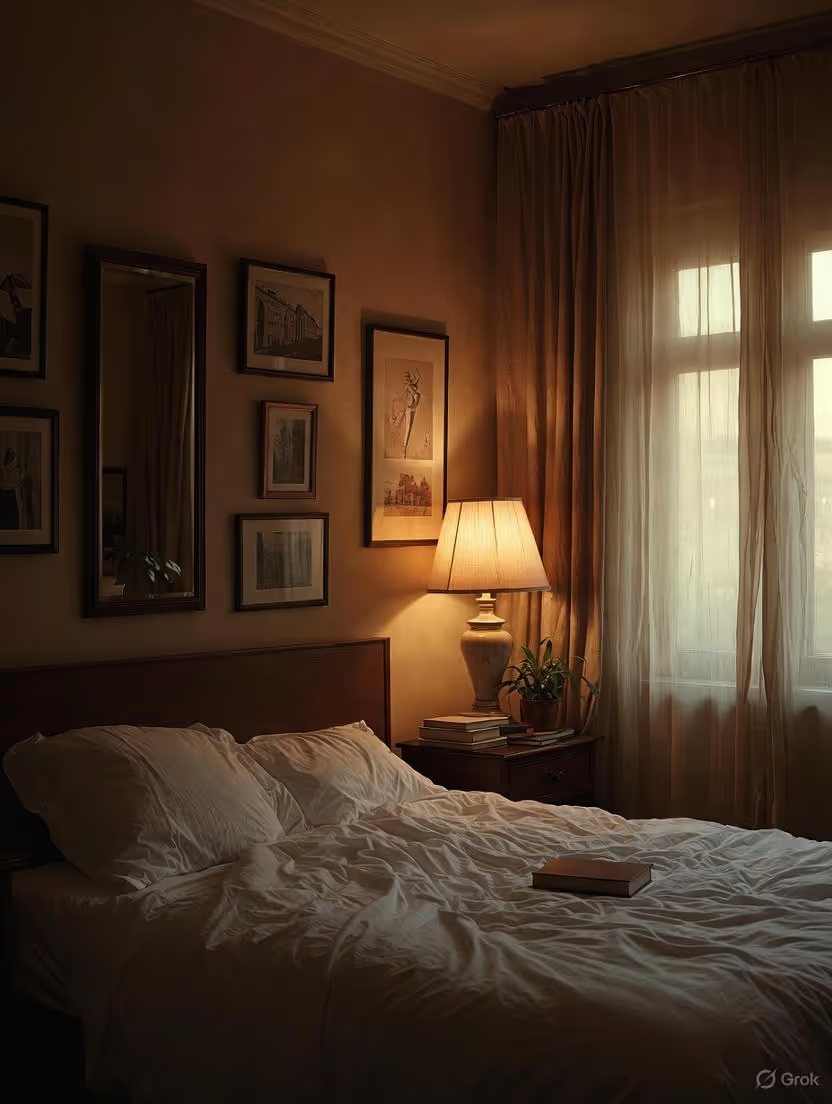
Your bedroom is not a passive container for your bed. It is an active ecosystem that communicates directly with your nervous system. Every photon of light, every decibel of sound, and every degree of temperature sends a signal to the ancient, subconscious parts of your brain that govern sleep and wakefulness. Get these signals wrong, and you wage a nightly war against your own biology. Get them right, and you create a primordial cave of restoration—a space engineered not for waking life, but for the essential, vulnerable state of sleep.
This journey begins with understanding that quality sleep is a multi-sensory experience. It’s about aligning your environment with the precise physiological requirements of your sleeping body and mind. In the following guide, we will dissect the three pillars of the deep sleep environment: light, sound, and temperature. We will move beyond generic advice into the nuanced science of how each factor influences your sleep architecture—from the onset of drowsiness to the quality of your deep, slow-wave sleep and REM cycles.
The goal is not to create a sterile laboratory, but a personalized sanctuary. By mastering these environmental levers, you reclaim control over your sleep and, by extension, your daytime energy, mood, and long-term health. The transformation starts tonight, in the very air and atmosphere of your bedroom.
Your Brain's Master Clock: How Light Dictates Sleep and Wakefulness
To understand light’s power over sleep, you must first meet the suprachiasmatic nucleus (SCN). This tiny region in your hypothalamus, no larger than a grain of rice, is the master conductor of your circadian rhythm. It orchestrates the 24-hour symphony of hormonal releases, temperature fluctuations, and sleep-wake cycles that govern your life. But the SCN doesn't have a built-in watch; it sets its time by one primary cue: light.
Specialized photoreceptor cells in your eyes, sensitive even to low levels of light, send direct signals to the SCN about environmental brightness. When these cells detect light—particularly light rich in blue wavelengths—they sound the alarm. The SCN responds by suppressing the production of melatonin, the hormone that signals darkness and prepares your body for sleep. This is why staring at a smartphone in bed or having a too-bright bedside lamp can leave you feeling "tired but wired," mentally exhausted yet physiologically alert.
The impact is profound and goes far beyond just feeling awake. Disrupted circadian rhythms, often caused by improper light exposure, are linked to more than just poor sleep. Research connects them to metabolic issues, mood disorders, and compromised immune function. By mismanaging light, we don't just lose sleep; we destabilize a core biological rhythm essential to overall health.
The principle for sleep is simple: bright, blue-rich light for alertness during the day; dim, warm light for relaxation at night. Mimicking the natural progression of the sun is the single most effective thing you can do to strengthen your circadian rhythm. This isn't just about turning off lights at bedtime; it's about proactively shaping your light exposure for hours leading up to it, training your brain that night is coming.
Daytime Strategy: Seek out bright, natural daylight, especially in the morning. This robust light signal firmly anchors your SCN, boosting daytime alertness and strengthening the subsequent drive for sleep at night.
Evening Strategy: Begin a "light diet" 2-3 hours before bed. Dim overhead lights and shift to warmer, lower-intensity lighting sources.
Fortunately, you don't need to live by candlelight. Modern technology offers elegant solutions. Smart bulbs and apps allow you to automate this sunset simulation, gradually shifting the color temperature in your home from cool white to warm amber as evening progresses. The key is intention—treating light not just as illumination, but as a powerful drug for your brain's sleep center.
Decoding Light Temperature: Why Your Bulbs Matter as Much as Your Blackout Curtains
When selecting a light bulb, most of us look at wattage for brightness. But for sleep, the critical metric is color temperature, measured in Kelvins (K). This scale describes the hue of the white light emitted, ranging from warm, reddish glows to cool, bluish daylight simulators.
Warm White (2000K - 3000K): This range emits a cozy, amber light similar to sunset or candlelight. It contains minimal blue wavelength light, making it ideal for evening and sleep preparation. This is the target zone for all bedroom lighting.
Natural White (3100K - 4500K): A cleaner, brighter white that mimics midday light. It can feel energetic and is often best suited for home offices, kitchens, and bathrooms where alertness and task performance are priorities.
Cool White/Daylight (4600K+): This is intense, blue-rich light that simulates a bright sky. It is highly stimulating to the circadian system and should be strictly avoided in the evening.
The science behind this is precise. Blue light wavelengths are short and high-energy. They are uniquely effective at stimulating the melanopsin photoreceptors in your eyes that communicate with the SCN. A bulb with a temperature of 6500K (cool daylight) will bombard these receptors, shouting "DAYTIME!" to your brain, while a 2700K bulb (warm white) will whisper "evening," allowing melatonin levels to rise naturally.
Actionable Lighting Plan for Your Sleep Sanctuary:
Audit Your Bedroom Bulbs: Check every light source—overhead fixtures, table lamps, closet lights. Replace any bulbs above 3000K with warm white alternatives (2700K is ideal).
Embrace Dimmers: Install dimmer switches or use dimmable bulbs. Gradually lowering light intensity in the hour before bed is a potent signal for sleep onset.
Create Lighting Layers: Abandon the single, harsh overhead light. Use softer, low-level lamps for evening reading and winding down. Consider installing red or amber nightlights for safe navigation without resetting your circadian clock.
Become a Screen Sentinel: Device screens are concentrated sources of blue light. Enable night shift/night mode features (which warm the screen's color temperature) at sunset and institute a strict digital curfew at least 60 minutes before bed. For a deeper dive into managing technology for wellness, our blog offers a dedicated guide on creating a pre-sleep ritual.
By curating the color temperature of your environment, you stop fighting your biology and start cooperating with it. You're not just choosing a bulb; you're choosing the hormonal environment that will govern your transition into sleep.
The Final Frontier of Darkness: Achieving True Optical Silence for Sleep
Dimming the lights is the first step, but achieving true darkness is the non-negotiable final stage for deep sleep. Even small amounts of ambient light—the glow of a power strip, light seeping under the door, or streetlights filtering through blinds—can be processed by your eyes and subtly fragment sleep.
Melatonin, often called the "hormone of darkness," is not just a sleep initiator; it's a maintainer. Its secretion needs darkness to continue. Light exposure at night, even during brief awakenings you don't remember, can suppress melatonin and make it harder to fall back asleep or maintain deep sleep stages.
Transforming your bedroom into a true darkroom requires a tactical approach:
Blackout is Non-Negotiable: Invest in high-quality blackout curtains or shades. Test them by standing in the room during the day; you should be able to achieve near-total darkness. Don't forget to cover any other light leaks from windows or doors.
Hunt and Eliminate Artificial Glow: Spend one night identifying every tiny light source: charging LEDs, electronics displays, air purifier indicators, digital clocks. Use black electrical tape, light dimming stickers, or simply turn devices away from the bed. A dark room should have zero glowing dots.
Master the Middle-of-the-Night Wake-Up: If you need to get up, resist the urge to flip on a bright light. Use a very dim, red-tinted nightlight. Red light has the least power to suppress melatonin and shift circadian rhythms, making it the safest for nocturnal navigation.
The payoff for this diligence is substantial. Studies show that individuals who sleep in pitch-black environments experience more stable melatonin production, spend more time in restorative slow-wave sleep, and report higher subjective sleep quality. In essence, darkness is the nutrient that feeds deep sleep. By creating optical silence, you give your brain the unambiguous signal that it's safe to fully switch off and repair.
The Sound of Silence: How Noise Sabotages Sleep and How to Fix It
If light is the obvious sleep disruptor, noise is the stealthy saboteur. Your ears don't have eyelids. Even in sleep, your auditory system continues to monitor the environment for threats. A sudden noise—a car alarm, a barking dog, a door slamming—triggers a micro-arousal, a brief shift in brainwave patterns toward wakefulness. You may not remember waking up, but the architecture of your sleep is fractured, cutting short valuable deep sleep and REM cycles.
The World Health Organization has identified environmental noise as a significant pollutant, estimating it disturbs the sleep of nearly a quarter of the population. In urban environments, this is a constant battle against traffic, neighbors, and city life. But the enemy isn't just volume; it's inconsistency. The unpredictable nature of intermittent noises is far more disruptive to sleep than a continuous, steady hum.
This is where the science of sound masking comes in. Instead of fighting for impossible perfect silence, the goal is to create a consistent, predictable sound backdrop that drowns out erratic noises. The most researched tool for this is white noise.
Understanding Your Sound Options:
White Noise: This contains all audible frequencies at equal intensity, sounding like static or a tuned-out radio. A 2021 study on New Yorkers found that white noise significantly improved sleep by reducing "wake after sleep onset" (WASO) and helping participants fall asleep faster in high-noise environments.
Pink & Brown Noise: These are "softer" variations. Pink noise (like steady rain) emphasizes lower frequencies, while brown noise (like a deep waterfall) is even richer and deeper. Some emerging research suggests pink noise may enhance deep sleep, though more evidence is needed.
Creating Your Acoustic Buffer:
Start Simple: A basic box fan or air purifier can generate an effective mask of white noise. The consistent airflow provides a dual benefit of sound and cooling.
Consider a Dedicated Machine: White noise machines offer a range of sound profiles (white, pink, brown, nature sounds) and often have timers and volume controls.
Use Technology Wisely: Numerous smartphone apps and smart speakers can generate masking sounds. If you go this route, place the device across the room and keep the volume low (around the level of a soft shower). Dr. Sogol Javaheri of Harvard Medical School cautions that overly loud white noise may itself disrupt sleep or affect hearing over time.
Seal Sound Leaks: Improve your room's acoustics with simple fixes. Add thick rugs, heavy curtains, and weather stripping to doors. These dampen sound vibrations and create a more hushed environment.
The objective is not to add noise, but to add consistency. By masking the unpredictable cracks, bangs, and beeps of the night with a steady, soothing soundscape, you protect the fragile structure of your sleep cycles. For those curious about how other users have integrated sound management into their overall sleep hygiene, real-world experiences can be found in our customer testimonials.
The Goldilocks Zone: Unlocking the Science of the Perfect Sleep Temperature
While light and sound set the stage, temperature is the lead actor in the sleep drama. Your core body temperature is not a fixed number but a curve that dances to the rhythm of your circadian clock. In preparation for sleep, your body initiates a clever cooling process: blood vessels near your skin dilate (vasodilation), sending heat from your core to your extremities to be released. This drop in core temperature, which begins about two hours before bedtime, is one of the most powerful physiological signals that it's time to sleep.
The ideal bedroom temperature facilitates this natural cooling. The consensus from sleep experts and major foundations is clear: the optimal range for most adults is between 60°F and 67°F (15.5°C to 19.5°C). Psychologist Michelle Drerup of the Cleveland Clinic poetically advises us to think of the bedroom as a "cave"—it should be cool, dark, and quiet.
Why is this range so critical? When your bedroom is too warm (above 70°F or 21°C), it creates a thermal barrier. Your body struggles to offload heat, disrupting the cooling initiation process. This leads to:
Increased restlessness and difficulty falling asleep.
More frequent awakenings throughout the night.
A significant reduction in slow-wave sleep (deep sleep) and REM sleep, the most restorative stages for physical recovery and memory consolidation.
On the other hand, a room that is too cold (below 60°F or 15.5°C) can also be problematic. Your body will shiver and work to generate heat, which can cause tension and prevent you from relaxing fully into sleep. The goal is to find your personal "Goldilocks zone" within that 60-67°F range where your body can effortlessly regulate its temperature downward.
It's also important to note that needs change with age. Infants and toddlers, with less developed thermoregulation systems, often sleep better in a slightly warmer environment of 65-70°F. As we age, our circulation and temperature sensitivity can change, so personal experimentation within the safe range remains key.
Your Body's Nightly Cooldown: Thermoregulation and Sleep Architecture
To appreciate why temperature control is non-negotiable, we must look at what happens in the brain during different sleep stages. Thermoregulation—the body's ability to maintain its core temperature—is closely tied to the progression of the sleep cycle.
During non-REM sleep, particularly as you descend into slow-wave sleep (Stages 3 & 4), your body's thermoregulatory responses are still active but blunted. A cool environment is essential to enter and maintain this deep, physically restorative phase. Research shows that a higher core body temperature is directly associated with a decrease in this precious slow-wave sleep.
The relationship becomes even more fascinating during REM (Rapid Eye Movement) sleep, the stage associated with dreaming and memory processing. During REM, your body's primary temperature regulation mechanisms—like sweating and shivering—essentially switch off. You become poikilothermic, meaning your body temperature is more influenced by the room's ambient temperature. This is why a room that's too hot can abruptly shorten or fragment REM cycles; your brain, sensing discomfort from overheating, may pull you into a lighter stage of sleep or wake you up entirely.
This science underscores a crucial point: temperature isn't just about comfort as you drift off. It's a dynamic variable that your brain monitors all night long to govern the depth, quality, and progression of your sleep architecture. An environment that is consistently too warm doesn't just make you toss and turn; it actively robs you of the most valuable phases of your sleep cycle.
Practical Temperature Mastery: From Thermostat Tactics to Bedding Science
Knowing the ideal temperature is one thing; maintaining it throughout the night is another. It requires a layered strategy that addresses the room's ambient temperature, your bedding, and even your pre-sleep routine.
Master the Ambient Environment:
Thermostat as a Sleep Tool: Set your thermostat to drop to 65-67°F (18-19°C) 30-60 minutes before your bedtime. This pre-cooling aligns perfectly with your body's natural temperature decline.
Strategic Airflow: Use a fan. Even if the air isn't cold, the movement across your skin enhances heat loss through convection and evaporation. Position a fan to circulate air in the room, not just blow directly on you if that's uncomfortable.
Control Heat Buildup: During the day, keep blinds or curtains closed on sun-facing windows. This prevents your bedroom from becoming a solar oven that radiates heat all night.
Engineer Your Micro-Environment (The Bed):
Your mattress, pillows, and bedding create a microclimate around your body. This is where you have immense control.
The Mattress Matters: Many modern mattresses and mattress toppers are engineered with cooling technologies like gel-infused memory foam, phase-change materials, or breathable latex. If you "sleep hot," investing in a cooling mattress can be transformative. One study even found that a high heat-capacity mattress increased conductive heat loss and boosted slow-wave sleep.
Bedding as a Thermostat: Choose natural, breathable fabrics. Cotton, linen, and bamboo are excellent for sheets and pillowcases as they wick moisture and allow heat to escape. In warmer months, ditch the heavy comforter for a lightweight quilt or blanket.
The Paradox of Warm Feet: If you have chronically cold feet, wearing a pair of loose socks to bed can help. By warming your extremities, you prevent vasoconstriction (tightening of blood vessels) and can actually facilitate the body's overall heat redistribution process.
Optimize Your Body's Preparation:
Your nighttime routine can prime your internal thermostat. While a cold shower might seem logical, it can be counterproductive by activating your sympathetic nervous system (the "fight or flight" response). Instead, try this research-backed method:
The Warm Bath Trick: Taking a warm bath or shower 1-2 hours before bed is remarkably effective. The warm water dilates your blood vessels at the surface. When you step out, the rapid evaporation and heat loss from this dilated surface area triggers a more pronounced drop in core temperature, strongly signaling sleep readiness.
By combining ambient control, smart bedding choices, and physiological priming, you create a holistic temperature management system. This system doesn't just help you fall asleep; it actively guards the quality of your sleep all night long. For more detailed product insights and how they integrate into a holistic sleep system, you can explore the full story behind our own approach to wellness technology.
The Synergy of Sensory Design: When Light, Sound, and Temperature Work as One
Individually, managing light, sound, and temperature will improve your sleep. But the true magic—the transformation from improved sleep to truly deep, restorative sleep—happens when these three elements are harmonized. They work not in isolation, but in a powerful synergy that cues your nervous system for total shutdown.
Consider the cascade of an ideal pre-sleep routine:
Two hours before bed: You dim the lights, switching to warm-toned lamps. This begins the melatonin release.
One hour before bed: You take a warm bath, initiating your body's core temperature drop. You turn on your white noise machine, establishing a consistent sound blanket.
30 minutes before bed: You lower the thermostat to 65°F. You get into bed with breathable cotton sheets.
Lights out: In pitch darkness, with a cool, quiet, and dark environment, your body has received every possible signal that it is safe to descend into deep, uninterrupted sleep. The light management supports melatonin, the cool temperature supports slow-wave sleep, and the sound masking protects the fragility of REM.
This isn't just theory. The sensory input from your environment directly influences sleep latency (how fast you fall asleep), sleep efficiency (percentage of time in bed actually spent sleeping), and the all-important sleep architecture (the balance of light, deep, and REM sleep). When your environment is misaligned, your brain must work against it, leading to shallow, fragmented sleep. When it's aligned, your brain is freed to perform its essential nocturnal work of repair, detoxification, and consolidation.
The Quantified Sanctuary: Using a Smart Ring to Measure and Refine Your Sleep Environment
All the advice in the world is only as good as the results it produces. How do you know if 65°F is better for you than 67°F? Does pink noise give you more deep sleep than white noise? Did blackout curtains actually reduce your nighttime awakenings? This is where objective data becomes your most powerful tool for personalization, and modern wearable technology like the Oxyzen Smart Ring turns your sleep sanctuary into a quantified laboratory.
A smart ring worn overnight acts as a personal sleep scientist on your finger. By leveraging sensors to track physiological signals like heart rate, heart rate variability (HRV), and body temperature, it can provide precise feedback on how your environmental tweaks are affecting your sleep biology.
Key Metrics to Watch When Experimenting:
Deep Sleep & REM Sleep Duration: This is the ultimate report card. After making a change (e.g., lowering the thermostat), check if your deep and REM sleep percentages increase over the next several nights. The Oxyzen Smart Ring, for instance, provides analysis of these distinct sleep phases.
Resting Heart Rate (RHR) and HRV: During deep sleep, your RHR should reach its lowest point of the day, and HRV (a marker of nervous system recovery) should increase. A disruptive environment will blunt these positive trends.
Sleep Consistency: Look at your time to fall asleep and the number of awakenings. Effective environmental control should reduce sleep latency and minimize disturbances.
Body Temperature Trends: Some advanced wearables can track subtle skin temperature changes, offering direct insight into your thermoregulation throughout the night.
The Experimentation Protocol:
Change One Variable at a Time: For one week, focus solely on temperature. Set a strict schedule, track the data, and note how you feel.
Establish a Baseline: Wear your ring for a few nights with your "normal" environment to establish a baseline for comparison.
Analyze Holistically: Don't just look at sleep score. Dive into the granular data on sleep stages and physiological markers.
Listen to Subjective Feel: Data is crucial, but so is how you feel in the morning. Combine the objective metrics with your subjective sense of refreshment.
This data-driven approach takes the guesswork out of sleep optimization. It moves you from following general advice to discovering your personal sleep formula. You're no longer just creating a bedroom; you're engineering a bio-compatible habitat for restoration. To see how this technology fits into a broader philosophy of accessible, data-informed wellness, you can learn more about our mission and development journey.
Conclusion: Reclaiming Your Primordial Right to Rest
The journey to perfect sleep is not found in a pill or a single magical product. It is built, layer by layer, in the environment you consciously create each night. By mastering the triumvirate of light, sound, and temperature, you do something profound: you return your body to the conditions it evolved to sleep in. You replace the chaos of the modern world with the predictable rhythms of a primal cave—dark, quiet, and cool.
This is not a trivial act of home decoration. It is a radical form of self-care and biological respect. In a culture that prizes constant connectivity and productivity, designing a space dedicated solely to disconnection and repair is a rebellious and necessary act. The quality of your sleep is the foundation of your mental clarity, emotional resilience, physical health, and immune strength.
Start tonight. Audit one thing. Swap out a bright bulb for a warm one. Download a white noise app. Turn the thermostat down one degree. Each small adjustment is a signal to your nervous system that you are its ally. Observe the changes, track your progress if you can, and be patient. The architecture of good sleep is built over time.
You now hold the blueprint. The power to transform your nights—and by extension, your days—lies in the very air and atmosphere of your bedroom. Take that power, and build your sanctuary.
Ready to dive deeper? For more science-backed guides on sleep hygiene, circadian rhythms, and optimizing your wellness routine, explore the curated resources on our blog. If you have specific questions about applying these principles or about the technology that can help, our comprehensive FAQ is an excellent place to find answers.
The Internal Landscape: How Your Body’s Own Biology Influences Sleep Quality
While you meticulously engineer your external sleep sanctuary, a parallel and equally complex process unfolds within you. Your body is not a passive sleeper; it is an active participant, governed by intrinsic rhythms and biological needs that powerfully dictate the quality of your rest. Mastering your sleep environment is only half the battle—the other half is understanding and aligning with your internal physiology. This section explores the fascinating internal systems that must harmonize with your perfectly crafted "cave" to unlock truly restorative sleep.
Your journey into sleep is initiated and maintained by a delicate interplay of hormones, neurotransmitters, and organ systems. Think of your external environment—the cool, dark, quiet room—as the concert hall. Your internal biology is the orchestra, with each section needing to be in tune and on cue for the symphony of sleep to play out flawlessly. Disruptions from within, such as digestive activity at the wrong time, pain signals, or hormonal imbalances, can drown out even the most perfectly set stage.
This means that optimal sleep requires a holistic, two-pronged approach. You must become an expert not only in bedroom design but also in body literacy. By learning how your dietary choices, exercise timing, stress levels, and even hydration influence your internal sleep machinery, you gain the power to synchronize your inner world with your outer sanctuary. The result is a seamless transition from wakefulness to sleep, where your environment supports your biology, and your biology is primed to receive the benefits of that environment.
Let’s move beyond the bedroom and into the body, starting with the master hormonal conductor that responds directly to the darkness you’ve so carefully created.
Melatonin: The Hormone of Darkness and Your Sleep’s On-Switch
You’ve engineered darkness in your bedroom, but what happens next? The darkness itself is just a signal. The chemical interpreter of that signal is melatonin, a pineal hormone often called the "hormone of darkness" or the body's natural "on-switch" for sleep. Understanding melatonin is crucial because it bridges your perfect external environment with your internal sleep readiness.
Melatonin’s primary role is not to knock you out, but to orchestrate the timing of sleep. It acts as a powerful hormonal signal to your brain and body that nighttime has arrived, initiating a cascade of physiological changes that promote drowsiness, lower core body temperature, and prepare you for rest. Its secretion follows a reliable circadian pattern: levels begin to rise in the early evening, peak in the middle of the night, and gradually fall by morning.
However, melatonin production is exquisitely sensitive to light, especially blue light. This is why your efforts with blackout curtains and warm lighting are so critical. Even a brief pulse of bright light hitting your retina at night can suppress melatonin secretion, effectively telling your brain, "It's daytime, stay alert." This sensitivity underscores why creating true optical silence is a non-negotiable foundation for deep sleep.
Beyond the Basics: Factors That Influence Your Melatonin Rhythm:
Age: Melatonin production is highest in children and begins a natural, gradual decline in adulthood. This is one reason why sleep patterns often change and fragment as we age.
Dietary Sources: While the body produces its own melatonin, certain foods contain small amounts or precursors. Tart cherries, walnuts, tomatoes, and oats have been studied for their potential to support melatonin levels. However, they are complementary to, not a replacement for, good sleep hygiene.
Timing of Light Exposure: Your morning light exposure is just as important as your evening darkness. Getting bright, natural light soon after waking helps set your circadian clock, making the evening melatonin rise stronger and more predictable.
It’s also vital to distinguish between endogenous (self-produced) melatonin and supplemental melatonin. Supplements can be a useful short-term tool for specific situations like jet lag or shift work disorder, but they are not a magic bullet for chronic insomnia. Relying on supplements without fixing underlying environmental and behavioral issues—like the light leaks you’ve now learned to eliminate—is like trying to fill a bathtub with the drain open. For guidance on the appropriate use of sleep aids within a holistic routine, resources like our blog can provide further context.
The takeaway is clear: Your lifestyle and environment are the primary regulators of your most powerful sleep hormone. By honoring natural light-dark cycles, you work with your melatonin rhythm, not against it, allowing this internal conductor to guide you smoothly into sleep.
Cortisol: The Stress Hormone’s Role in Sleep and Wakefulness
If melatonin is the sleep "on-switch," then cortisol is best understood as one of the primary "off-switches" for sleep and the major "on-switch" for wakefulness. Produced by the adrenal glands, cortisol is a vital hormone that helps regulate metabolism, immune function, and—most importantly for sleep—your stress response and energy levels throughout the day.
A healthy cortisol rhythm is the yin to melatonin's yang. It should follow a predictable 24-hour pattern: levels are highest in the early morning (around 6-8 AM), providing the alertness and energy boost to start your day. They then gradually decline throughout the afternoon and evening, reaching their lowest point around midnight, which allows melatonin to rise and sleep to occur.
Problems arise when this rhythm becomes dysregulated. Chronic stress, anxiety, and poor lifestyle habits can flatten or invert this natural curve. Instead of dropping in the evening, cortisol levels remain elevated. This creates a state of physiological hyper-arousal directly at odds with sleep. You may lie in your perfectly dark, cool room feeling mentally exhausted but physically "wired," with a racing heart and busy mind—a classic sign of high nighttime cortisol.
Common Culprits of Dysregulated Cortisol:
Psychological Stress: Unmanaged work pressure, relationship conflicts, or financial worries.
Lifestyle Stressors: Intense evening workouts, late-night heavy meals, or excessive caffeine consumption, especially in the afternoon.
Circadian Disruptors: Inconsistent sleep schedules and excessive nighttime screen time can confuse the hormonal signaling between cortisol and melatonin.
Strategies to Support a Healthy Cortisol Rhythm:
Morning Sunlight: Exposure to bright light within an hour of waking powerfully reinforces the high point of your cortisol rhythm, making the subsequent decline more pronounced.
Stress Management Rituals: Incorporate daily practices like mindfulness meditation, deep breathing exercises, or gentle yoga in the evening. These activities activate the parasympathetic nervous system ("rest and digest"), which counteracts the stress-driven cortisol response. Research shows that even 10-15 minutes of daily meditation can lower overall cortisol levels.
Nutrient Support: A diet rich in whole foods, stable blood sugar, and key nutrients like vitamin C, magnesium, and omega-3 fatty acids supports healthy adrenal function. Avoiding sugar crashes is particularly important, as blood sugar dips can trigger cortisol release.
Caffeine & Exercise Timing: Treat caffeine like a medication with a long half-life. Consume it only before noon if you are sensitive. Similarly, finish vigorous exercise at least 3 hours before bedtime, as it is a potent physiological stressor (even though it's beneficial) that raises cortisol.
Managing cortisol is about respecting your body’s need for a smooth transition from the active, alert state of day to the restorative, quiet state of night. By lowering your physiological "volume" in the evening, you allow the gentle whisper of melatonin to be heard, making the passage into sleep natural and effortless. For many, tracking this balance is key, and reviewing real user experiences with wellness technology can offer insights into this process.
The Gut-Brain Axis: How Digestion and Gut Health Dictate Sleep Quality
Perhaps the most surprising and profound internal regulator of sleep is your gut. Far from being just a digestive tube, your gastrointestinal system is in constant, bidirectional communication with your brain via the gut-brain axis. This superhighway of nerves, hormones, and immune signals means that what happens in your gut doesn't stay in your gut—it directly influences your mood, stress levels, and yes, your sleep.
Your gut microbiome—the trillions of bacteria residing in your intestines—plays a starring role. These microbes help produce a slew of neurotransmitters and neuroactive compounds. Crucially, about 90% of your body's serotonin, a neurotransmitter that stabilizes mood and is the direct precursor to melatonin, is produced in the gut. An unhealthy or imbalanced gut microbiome can disrupt this production line, potentially affecting both your ability to manage stress (via serotonin) and your ability to initiate sleep (via melatonin).
Furthermore, the timing and content of your last meal send powerful signals via this axis. A large, heavy, or spicy meal too close to bedtime forces your digestive system into overdrive, raising core body temperature and stimulating activity when it should be winding down. This can lead to discomfort, acid reflux, and fragmented sleep as your body prioritizes digestion over restoration.
Optimizing the Gut-Brain Axis for Sleep:
Timing of Your Last Meal: Aim to finish your last major meal at least 3 hours before bedtime. This allows for significant digestion to occur before you lie down, aligning your body's priorities.
Evening Food Choices: Choose foods that are easy to digest and may even promote sleep. A small snack combining complex carbohydrates with a bit of protein (e.g., a small bowl of oatmeal, a banana with almond butter) about 60 minutes before bed can support tryptophan uptake and stabilize blood sugar overnight. Avoid high-fat, high-sugar, and heavily processed foods in the evening.
Focus on Gut-Health Promoters: A diet rich in diverse fiber from fruits, vegetables, and whole grains feeds beneficial gut bacteria. Fermented foods like yogurt, kefir, sauerkraut, and kimchi introduce beneficial probiotics. A healthy gut ecosystem supports the production of sleep-friendly neurotransmitters.
Limit Sleep Disruptors: Alcohol, while initially sedating, is a major sleep disruptor. It metabolizes into aldehydes that can cause nighttime awakenings, suppress REM sleep, and destabilize blood sugar. Similarly, excessive caffeine can irritate the gut lining and disrupt microbial balance.
By viewing your evening meal as part of your sleep hygiene protocol, you use the gut-brain axis to your advantage. You nourish your microbiome in a way that supports—rather than sabotages—the production of chemicals that calm your brain and promote stable, uninterrupted sleep.
Hydration and Sleep: Navigating the Delicate Balance
Water is fundamental to every cellular process, and sleep is no exception. However, hydration presents a unique paradox for the sleeper: you need to be adequately hydrated for optimal physiological function, but drinking too much too close to bedtime guarantees disruptive middle-of-the-night trips to the bathroom—a phenomenon known as nocturia.
The goal is strategic hydration: ensuring optimal fluid levels during the day to minimize the need for intake at night. When you are even mildly dehydrated, your body may signal thirst, which can be enough to cause subtle awakenings. Furthermore, some research suggests dehydration can increase levels of the stress hormone cortisol, creating the very state of arousal you’re trying to avoid.
Creating a Sleep-Smart Hydration Plan:
Front-Load Your Fluids: Consume the majority of your daily water intake in the morning and afternoon. A good rule is to stop drinking large quantities of fluids 1.5 to 2 hours before bed.
Mind Your Electrolytes: Pure water alone can sometimes pass through the system quickly if electrolytes are out of balance. Including mineral-rich foods (leafy greens, nuts, seeds) or ensuring you get adequate sodium, potassium, and magnesium from your diet helps your body retain and utilize the water you drink more effectively.
Limit Diuretics: Be mindful of substances that increase urine production. This includes caffeine and alcohol, especially in the hours before bed.
The Evening Sip Strategy: If you’re thirsty before bed, take a few small sips of water to quench your thirst, but don’t gulp down a full glass. Herbal teas like chamomile or lemon balm can be a soothing, hydrating ritual that also provides relaxation benefits without a diuretic effect.
Mastering hydration is a perfect example of the nuanced, holistic thinking required for deep sleep. It’s about listening to your body’s needs and timing them in harmony with your sleep schedule, preventing a basic biological need from becoming a nightly disruption.
The Impact of Pain and Physical Discomfort on Sleep Architecture
No amount of environmental perfection can override significant physical pain. Pain and sleep have a bidirectional, vicious-cycle relationship. Pain makes it difficult to fall asleep and stay asleep, leading to sleep deprivation. In turn, sleep deprivation lowers your pain threshold, increases inflammation, and reduces the production of natural pain-relieving hormones, making you more sensitive to pain the following day.
Even low-grade, chronic discomfort—from a slightly unsupportive mattress, a pillow that misaligns your neck, or tight muscles—can cause micro-awakenings throughout the night. You may not fully remember them, but they persistently pull you out of deep and REM sleep, resulting in non-restorative sleep and waking up feeling unrefreshed.
Addressing Pain for Better Sleep:
Invest in Your Sleep Surface: Your mattress and pillow are not luxuries; they are orthotic devices for one-third of your life. Ensure they provide proper support and alignment for your body type and preferred sleep position. Don’t underestimate the value of a high-quality, body-supporting mattress; as highlighted in our story of product development, it’s often the cornerstone of physical comfort.
Establish a Pre-Sleep Stretching Routine: Gentle stretching or yoga in the evening can release muscular tension accumulated during the day. Focus on areas prone to holding stress, like the hips, lower back, shoulders, and neck.
Consider Temperature Therapy: The application of heat (a heating pad) or cold (an ice pack) before bed can soothe aches and reduce inflammation, making it easier to get comfortable.
Mind-Body Techniques: Practices like progressive muscle relaxation (systematically tensing and then releasing muscle groups) or guided imagery can help distract the brain from pain signals and promote relaxation.
By proactively managing pain and physical discomfort, you remove a major barrier to uninterrupted sleep. This allows your meticulously crafted cool, dark, quiet environment to work its magic on a body that is truly ready to rest and heal.
Your Internal Sleep Symphony: Syncing Biology with Environment
We’ve now explored the key internal players: the hormonal duet of melatonin and cortisol, the influential gut-brain axis, the balancing act of hydration, and the disruptive power of pain. The ultimate goal is to conduct this internal symphony in harmony with your external sanctuary.
Think of it this way: Your evening routine should be a coordinated effort to lower cortisol, promote melatonin, calm digestion, achieve comfort, and align with the falling temperature and growing darkness of your room. When these internal and external factors are synced, the transition into sleep is not a struggle but a natural, inevitable descent.
This holistic view empowers you. Instead of viewing sleep as something that just happens to you, you see it as a state you can actively cultivate from the inside out and the outside in. You become the architect of both your space and your physiology. In the next portion of this guide, we will explore the behavioral and psychological pillars—the routines, mindsets, and daily habits—that bind this entire system together into a sustainable practice for lifelong sleep health.
This journey inward complements your work on your external environment, moving you closer to mastering the complete art and science of deep, restorative sleep. For those seeking to understand the full scope of factors that influence rest, from environment to behavior, our comprehensive FAQ is a valuable resource for connecting all the dots.
The Behavioral Blueprint: Daily Habits and Routines That Build Unshakeable Sleep
You have engineered the perfect external sanctuary and gained insight into your internal biology. Now, we bridge these two worlds with the most powerful tool you possess: your daily behavior. The architecture of deep sleep is not built in the moments before you close your eyes; it is constructed hour by hour, from the moment you wake up. Your daily habits are the rituals that train your nervous system to expect, embrace, and excel at sleep. This section delves into the behavioral blueprint—the consistent, purposeful actions that synchronize your lifestyle with your sleep needs, transforming good sleep from a hopeful occurrence into a predictable certainty.
Think of your circadian rhythm as a stable but sensitive internal clock. Every choice you make—when you eat, move, expose yourself to light, and wind down—sends it a signal. Inconsistent or conflicting signals (like bright light at night or vigorous exercise before bed) create a kind of "circadian noise," confusing your body's natural timing. Conversely, consistent, well-timed habits act like a precise daily schedule for your biology, reinforcing a strong, clear rhythm that makes sleep onset and maintenance effortless.
This approach moves beyond mere "sleep hygiene" tips to embrace Sleep Rhythm Training. It's the understanding that sleep is the outcome of your entire day, not an isolated event. By designing days that have a clear and deliberate arc from activity to rest, you build what sleep scientists call a high "sleep drive" (homeostatic sleep pressure) aligned with a strong "sleep signal" (circadian timing). The result is a powerful, natural pull toward sleep each evening.
Let's explore the daily habits that form this behavioral blueprint, starting with the single most impactful one: consistency.
The Power of Consistency: Why Your Sleep Schedule is Your Foundation
If you could only do one thing to improve your sleep, it should be this: Go to bed and wake up at the same time every day, even on weekends. This is the non-negotiable cornerstone of sleep health, more foundational than any mattress or supplement. Why is it so powerful?
Your suprachiasmatic nucleus (SCN), the brain's master clock, thrives on predictability. A consistent sleep-wake schedule trains the SCN to anticipate and prepare for sleep. At your designated time, it will more robustly initiate the cascade of sleep-promoting processes: melatonin release, core temperature drop, and a shift toward relaxed brainwave patterns. Inconsistency, like sleeping in on Saturday, is the equivalent of giving your internal clock jet lag every weekend. By Sunday night, your SCN is confused, making it harder to fall asleep and setting you up for a groggy Monday morning—a phenomenon aptly named "social jet lag."
The Science of Sleep Regularity: Research has moved beyond just measuring sleep duration to studying sleep regularity—the day-to-day consistency of sleep timing. A landmark study published in Scientific Reports found that irregular sleep patterns were associated with a higher risk of poor cardiometabolic health, independent of sleep duration. Irregularity disrupts the circadian regulation of metabolism, blood pressure, and inflammation.
How to Build an Ironclad Sleep Schedule:
Set Your Non-Negotiable Wake Time: Choose a realistic wake-up time you can maintain 365 days a year. This is your anchor. Use a dawn simulator alarm or immediate morning light exposure to reinforce it.
Work Backward to Bedtime: Based on your wake time and your needed sleep duration (e.g., 7.5 hours), calculate your target bedtime. Begin your wind-down routine 60-90 minutes before this.
Be Patient and Gradual: If your current schedule is far off, adjust in 15-30 minute increments every few days until you reach your target. Do not try to shift by hours in one night.
Handle Weekend Temptation: If you wish to stay up slightly later on a weekend, try to wake up no more than an hour past your usual weekday time. This minimizes circadian disruption. The "recovery sleep" of sleeping in often leads to lower-quality, fragmented sleep anyway.
Your sleep schedule is the bedrock. All other habits rest upon it. By honoring this consistency, you build a rhythm of reliability that your brain and body can trust implicitly.
The Daytime Foundation: How Light, Movement, and Nourishment Fuel Nightly Sleep
Deep sleep is earned during the daylight hours. Your actions from morning through afternoon build the sleep pressure (homeostatic drive) and circadian alignment necessary for a crash-free descent into sleep at night.
Morning Light: The Prime Zeitgeber "Zeitgeber" is German for "time giver." It's an environmental cue that synchronizes your internal clock. The most powerful zeitgeber is morning sunlight. Exposure to bright, natural light within 30-60 minutes of waking does several critical things:
It sharply halts melatonin production.
It sets your cortisol rhythm for a healthy peak and decline.
It firmly anchors your circadian phase, making it easier to feel sleepy roughly 14-16 hours later. Action: Step outside for 10-15 minutes. Even on a cloudy day, outdoor light is far more intense than indoor lighting. View the sky without sunglasses if safe to do so.
Daytime Movement: The Sleep Pressure Builder Physical activity increases adenosine, a neurotransmitter that accumulates in the brain throughout the day to create sleep pressure. It also helps regulate mood and reduce anxiety, which can quiet a racing mind at night. Consistency matters more than intensity for sleep benefits.
Timing Matters: Finish vigorous exercise (e.g., running, HIIT, competitive sports) at least 3 hours before bedtime. The stimulating effect of raised core temperature and stress hormones like cortisol and epinephrine can interfere with sleep onset.
Evening-Friendly Movement: Gentle movement like walking, stretching, or restorative yoga in the evening can actually promote relaxation by easing muscle tension and activating the parasympathetic nervous system.
Strategic Nourishment: Fueling the Rhythm Your eating patterns are powerful circadian signals. The goal is to align food intake with your body's metabolic rhythms.
Prioritize a Protein-Rich Breakfast: Eating a substantial breakfast with protein helps stabilize blood sugar and energy levels for the day, preventing late-night cravings.
Sync Meals with Daylight: Try to consume the majority of your calories during daylight hours. A consistent eating window (e.g., 12 PM to 8 PM) can reinforce circadian rhythms.
Mind the Caffeine Half-Life: Caffeine has a half-life of 5-6 hours. A coffee at 3 PM means a quarter of its caffeine is still in your system at 9 PM. Set a personal cutoff time, ideally before 2 PM.
By treating your daytime as the preparation phase for sleep, you build up the necessary physiological momentum to carry you seamlessly into rest. For more detailed guides on integrating these daytime habits, our blog offers a wealth of related resources.
The Wind-Down Ritual: Designing a Buffer Zone Between Day and Night
The modern mind does not have an off switch; it has a dimmer. The wind-down ritual is the process of gradually turning that dimmer from "bright alertness" to "soft rest." It is a dedicated buffer zone—ideally 60 to 90 minutes—that separates the stresses and stimuli of the day from the peace of the sleep sanctuary. This ritual is not passive; it's an active, deliberate sequence of calming activities that trigger the parasympathetic nervous system ("rest and digest").
An effective wind-down ritual accomplishes three things:
Cognitive Disengagement: It helps you release the worries, to-do lists, and mental chatter of the day.
Physiological De-arousal: It actively lowers heart rate, blood pressure, and nervous system activity.
Conditioning: Performed consistently, it becomes a powerful Pavlovian cue, where the start of the ritual signals to your brain that sleep is imminent.
Components of a Powerful Wind-Down Ritual:
The Digital Sunset: This is rule number one. Shut off all non-essential screens (phones, tablets, TVs) at least 60 minutes before bed. The combination of blue light and engaging content is profoundly alerting. Place your phone in another room to charge.
Embrace Dull Activities: Engage in calming, low-stimulation pursuits. This could be reading a physical book (fiction is often better for escape), listening to calming music or an audiobook, or engaging in light tidying.
Incorporate Relaxation Techniques:
Gentle Stretching or Yoga: Focus on slow, held stretches that release physical tension.
Deep Breathing: Practice the 4-7-8 technique (inhale for 4, hold for 7, exhale for 8) to activate the vagus nerve and promote calm.
Gratitude Journaling: Write down three things you are grateful for. This practice shifts mental focus from anxiety to positivity, reducing cortisol levels.
The Sensory Shift: Make this ritual multi-sensory. Use dim, warm lighting. Drink a cup of caffeine-free herbal tea (chamomile, passionflower). Apply a calming scent like lavender via a diffuser or lotion.
Your wind-down is your nightly declaration that the day is over. It is the essential psychological bridge you build to cross from the world of doing into the world of being—asleep.
Mindfulness, Meditation, and the Quiet Mind
For many, the body is ready for sleep, but the mind refuses to cooperate. Racing thoughts, replaying the day's events, or worrying about tomorrow create a state of cognitive arousal that is fundamentally incompatible with sleep. This is where mindfulness and meditation move from wellness buzzwords to essential sleep tools.
Mindfulness, at its core, is the practice of observing your present-moment experience—thoughts, feelings, bodily sensations—without judgment. When applied to sleep, it helps you break the cycle of reactive thinking. You learn to see the thought "I have so much to do tomorrow" not as a command to start planning, but as a passing mental event that you can acknowledge and let go.
How Mindfulness Supports Sleep:
Reduces Pre-Sleep Anxiety: It creates distance from worrisome thoughts.
Decreases Physiological Arousal: Regular practice is linked to lower cortisol levels and increased heart rate variability (a marker of relaxation).
Improves Sleep Quality: Clinical studies on Mindfulness-Based Stress Reduction (MBSR) and mindfulness for insomnia have shown significant improvements in sleep parameters.
Simple Practices for the Sleep-Seeker:
Body Scan Meditation: While lying in bed, slowly bring your attention to each part of your body, from your toes to the top of your head, noticing any sensations without trying to change them. This anchors you in the body and away from the thinking mind.
Observing the Breath: Simply focus on the natural rhythm of your inhalation and exhalation. When your mind wanders (which it will), gently return your focus to the breath. This builds the "letting go" muscle.
"Bedtime" Not "Worry Time": If persistent worries haunt you, institute a "worry journal" session earlier in the evening. Write down all concerns and potential solutions. Then, mentally close the book on them. Tell yourself, "It's on the page, and I can address it tomorrow."
These practices train your mind to settle. They are skills that improve with consistency. Over time, you cultivate a default state of greater calm that extends into the night, making the transition into sleep a peaceful surrender rather than a frustrated struggle.
Navigating the Night: What to Do When You Can't Sleep
Even with the best environment and habits, you will occasionally find yourself awake in the middle of the night. How you respond to this awakening is critical. The worst thing you can do is lie in bed for more than 20-30 minutes becoming frustrated and anxious. This trains your brain to associate the bed with wakefulness and worry—a phenomenon called psychophysiological insomnia.
You must break the association between bed and alert frustration. Follow this 20-Minute Rule:
Notice the Clock: If you estimate you've been awake for more than 20 minutes, get out of bed. Do not check your phone or a bright clock, as this can increase anxiety and suppress melatonin.
Go to a Dedicated "Awake Space": Move to a dimly lit chair or another room. Engage in a boring, low-stimulation activity under warm light. Read a dull book, listen to a soft podcast, or do some light knitting. Avoid screens, food, work, or anything engaging.
Return Only When Sleepy: When you feel drowsy (your head nodding, eyes heavy), return to bed. If sleep doesn't come within another 20 minutes, repeat the process.
Other Helpful Mid-Night Strategies:
The Paradoxical Intention: Instead of trying hard to sleep, try to stay awake (keep your eyes open in the dark). This can reduce performance anxiety around sleep.
Focus on Rest, Not Sleep: Remind yourself that quiet rest in a dark room is still beneficial, even if you're not asleep. This takes the pressure off.
Avoid Clock-Watching: Turn your clock away from you. The anxiety of watching time pass is profoundly alerting.
By having a plan for the night, you remove the fear of wakefulness. You become the calm captain of your ship, even in unexpected waters, knowing that your consistent habits will guide you back to sleep in time.
Syncing Behavior with Biology and Environment
The true power of the behavioral blueprint lies in its integrative nature. Each habit is a thread that connects your internal biology to your external environment.
Your consistent schedule reinforces the hormonal rhythms of cortisol and melatonin.
Your morning light anchors your clock, which is protected by your evening darkness.
Your daytime movement builds sleep pressure, which is released in your cool, comfortable bed.
Your wind-down ritual lowers cognitive arousal, allowing you to appreciate the quiet sanctuary you've created.
This is the complete picture: a lifestyle engineered for sleep. You are no longer just reacting to tiredness; you are proactively constructing each day as a pathway to deep, restorative rest. In the next and final portion of this guide, we will look at the tools and technologies that can help you measure, refine, and maintain this holistic system for the long term, ensuring your sleep sanctuary evolves with you.
By mastering your behavior, you take ultimate ownership of your sleep. You become the architect of your days and the guardian of your nights. For continued learning and support on this journey, remember that resources like our detailed FAQ are available to answer specific questions that arise as you implement these strategies.
The Toolbox for Sleep Mastery: Technology, Measurement, and Long-Term Adaptation
You have become an architect—designing your environment, a physiologist—understanding your internal rhythms, and a behavioral scientist—crafting daily rituals. Now, we equip you with the modern toolbox to measure, refine, and sustain this mastery for life. True optimization requires feedback. In our quest for deep sleep, subjective feeling is essential, but objective data is transformative. This final section explores how technology, strategic supplementation, and a mindset of lifelong adaptation turn your sleep practice from a static routine into a dynamic, evolving system that grows with you.
We live in an unprecedented era of self-quantification. While this can lead to obsession, when used wisely, data provides a powerful mirror, reflecting the direct impact of your choices on your sleep biology. It moves you from guessing ("I think I slept better") to knowing ("My deep sleep increased by 12% when I lowered the room temperature by 2 degrees"). This feedback loop is the engine of personalization.
However, technology is merely a servant to principle. The core tenets of darkness, quiet, coolness, consistency, and wind-down remain immutable. The tools we discuss—from wearables to apps—are best used to honor and fine-tune these principles, not to circumvent them. They help answer the nuanced questions: "What is my ideal temperature?" "Is this specific meditation practice working for my nervous system?"
Alongside measurement, we must also thoughtfully address the role of aids and supplements, navigating a landscape filled with both potent solutions and empty promises. Finally, we'll adopt a lens of adaptation, recognizing that your sleep needs will change with age, lifestyle, and circumstance, and your approach must be flexible enough to evolve.
Let's open the toolbox, beginning with the most personal of data-gathering devices: the sleep tracker.
The Quantified Self: Using Sleep Trackers for Insight, Not Anxiety
Sleep tracking technology has evolved from basic movement detectors to sophisticated biometric monitors. Modern devices, particularly those worn on the finger or wrist, use a combination of photoplethysmography (PPG) to measure heart rate and heart rate variability (HRV), accelerometers for movement, and sometimes skin temperature sensors. Advanced algorithms use this data to estimate sleep stages (light, deep, REM), wakefulness, and key metrics like resting heart rate and HRV.
The Intelligent Use of Sleep Trackers:
Focus on Trends, Not Nightly Scores: A single night's data is a snapshot subject to many variables. The real power is in observing patterns over weeks and months. Look for trends: Is your average deep sleep increasing? Is your time to fall asleep decreasing? This longitudinal view reveals what's truly working.
Use Data to Experiment: This is the tracker's greatest gift. Form a hypothesis: "If I stop caffeine after 12 PM, my sleep depth will improve." Implement the change for a week and observe the trend in your data. Then try another variable. You become a scientist of your own sleep.
Understand the Limitations: Consumer devices are estimators, not medical-grade polysomnography. They are excellent at detecting sleep vs. wake and measuring physiological trends (HRV, RHR), but their sleep stage classification has margins of error. Trust the broad trends (more/less deep sleep) more than the precise minute-by-minute staging.
Beware of Orthosomnia: This is a clinically recognized condition where an unhealthy preoccupation with perfect sleep data creates anxiety and insomnia. If tracking is making you more anxious about sleep, take a break. The goal is better sleep, not a perfect score.
Key Metrics to Watch and What They Mean:
Resting Heart Rate (RHR): A lower overnight RHR generally indicates better recovery. A trend of rising RHR can signal overtraining, illness, or chronic stress.
Heart Rate Variability (HRV): This is the beat-to-beat variation in your heart rate. A higher HRV typically indicates a more resilient, relaxed nervous system (parasympathetic dominance). It's one of the best objective markers of recovery and readiness.
Sleep Consistency: The tracker's report on how consistent your bedtime and wake time are—a direct measure of your foundational habit.
Wake After Sleep Onset (WASO): The total time spent awake after initially falling asleep. This is a key metric for evaluating how your environment (noise, temperature, comfort) is protecting your sleep maintenance.
By using a tracker as a guide for experimentation and trend-spotting, you move beyond generic advice to a truly personalized sleep protocol. This data-driven approach is central to modern wellness, and understanding it is part of the comprehensive support we aim to provide, as detailed in our mission to empower through insight.



%402x.svg)