


The Evolution of Wearable Health Tech (From Pedometers to Smart Rings)
The history of wearable health tech, from simple pedometers to smart rings.
The history of wearable health tech, from simple pedometers to smart rings.
%402x.svg)
We strap them to our wrists, slip them on our fingers, and even wear them on our clothes. They hum with silent activity, a constant, gentle pulse of data flowing from our bodies into the digital ether. Wearable health technology has transcended gadget status to become a personal companion in our pursuit of well-being. But how did we get here? The journey from the simple, clunky pedometer of the 1960s to today's sleek, AI-powered smart ring like those from innovators such as Oxyzen is not merely a story of miniaturization. It is a profound narrative about a fundamental shift in human consciousness—a move from passive health observance to proactive, personalized, and preventative self-care.
This evolution mirrors our deepest desires: to understand the intricate workings of our own bodies, to foresee potential health storms on the horizon, and to harness data not for corporate gain, but for personal empowerment. For decades, health data was locked away in annual doctor's visits or episodic hospital trips. Today, it streams continuously from our very skin, offering a living, breathing portrait of our health. This article traces that remarkable arc, exploring the pivotal inventions, cultural shifts, and technological breakthroughs that have brought us to the dawn of a new era. We stand at the precipice where wearable tech is becoming truly wearable—unobtrusive, elegant, and seamlessly integrated into our lives, culminating in devices that don't sit on your wrist, but quietly adorn your finger, gathering the most intimate data while you sleep, work, and live.
Long before the terms "step goal" or "active calories" entered our lexicon, humanity had a fascination with measuring movement. The conceptual ancestor of all wearable health tech is the pedometer. Its origins are surprisingly grand, with Leonardo da Vinci sketching a design for a mechanical device to measure distance in the 15th century. However, the modern journey begins in 1960s Japan with Dr. Yoshiro Hatano and his manpo-kei—the "10,000-step meter."
Dr. Hatano’s invention was born not from a desire for corporate wellness programs or social media bragging rights, but from genuine public health concern. Researching the rising sedentary lifestyles in postwar Japan, he calculated that the average person took between 3,500 and 5,000 steps a day. He theorized that increasing this to 10,000 steps would burn approximately 500 extra calories, helping to combat obesity and related diseases. The manpo-kei was a clunky, mechanical device worn on the belt that used a swinging pendulum arm to count steps. It was a blunt instrument—susceptible to false counts from bumps or jostles, with no memory, no connectivity, and a single, monolithic metric: the step.
Yet, its impact was revolutionary. It introduced the core philosophy that would define wearables for decades: quantification as motivation. For the first time, physical activity could be reduced to a number, a target, a game to be won. The 10,000-step benchmark, though later debated for its one-size-fits-all approach, became a global mantra, a simple, digestible health goal for the masses.
The 1980s and 1990s saw the pedometer evolve from a niche health tool to a mass-market novelty. Plastic, battery-powered versions became common giveaways at health fairs and corporate wellness initiatives. They clipped to belts and waistbands, their tiny LCD screens displaying the hard-earned step count. The data was ephemeral—often resetting overnight—and the accuracy was questionable. But the seed was planted. People began to internalize the idea that their daily habits could be tracked, measured, and, crucially, improved.
This era established the first critical pillar of wearable health tech: the foundation of behavioral awareness. The pedometer didn't diagnose illness or analyze sleep stages; it simply held up a mirror to our daily inertia. It asked a silent, powerful question: "Have you moved enough today?" The simplicity was its strength and its ultimate limitation. Health, as we would soon learn, was far more complex than a single metric. But without this first step—this literal counting of steps—the sophisticated ecosystem of biometrics that followed would never have found a willing audience. The journey toward holistic health tracking, which you can explore in greater depth on our blog dedicated to wellness technology, began with this most basic unit of human movement.
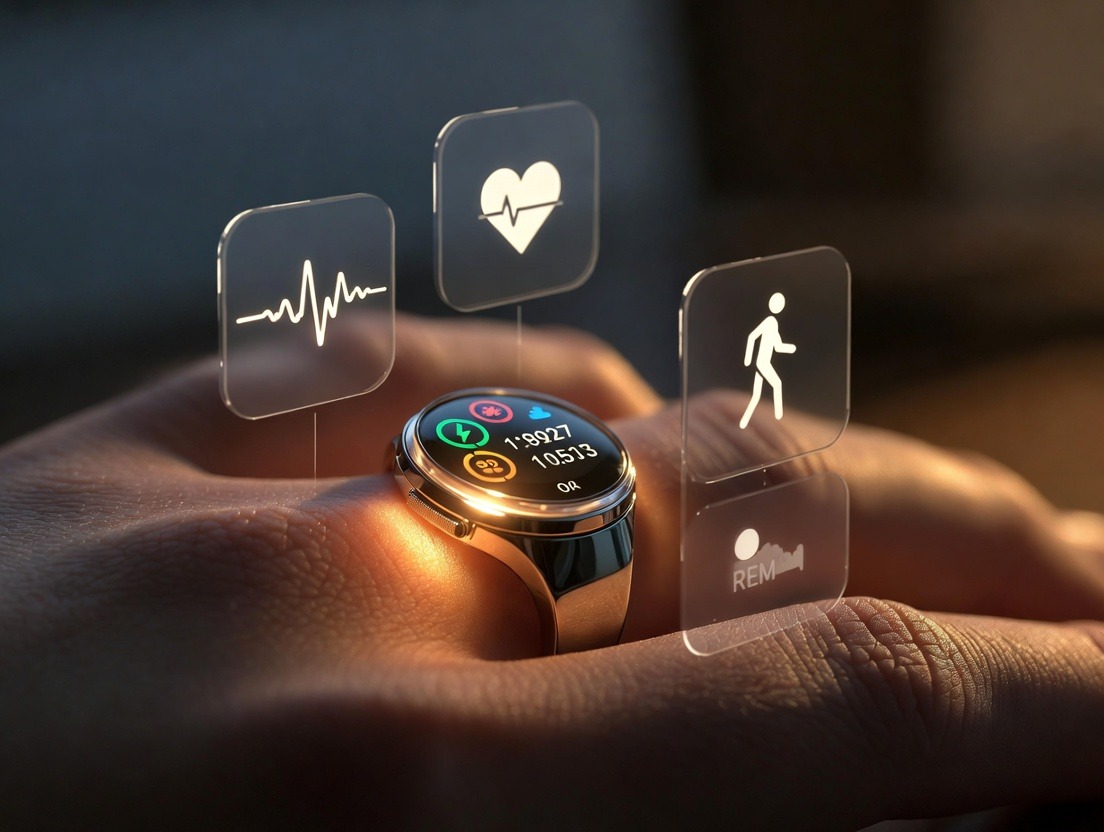
If the pedometer planted the seed, the wristwatch cultivated the garden. The transition from the hip to the wrist marked the second major evolutionary leap, transforming wearable tech from a tool you carried to an accessory you wore. This shift was about more than convenience; it was about constant, passive contact with the body, unlocking a new tier of biometric potential.
The digital watch of the 1980s, with its calculator and mini-games, hinted at the wrist's potential as a tech platform. But the true revolution began with the integration of the heart rate monitor. In the early 2000s, companies like Polar and Suunto popularized chest-strap monitors that transmitted heart rate data to a wristwatch. This was a revelation for athletes, providing real-time feedback on exercise intensity. However, the chest strap was uncomfortable for all-day wear, maintaining the device's status as a specialized fitness tool, not a lifestyle health companion.
The breakthrough came with the development of optical heart rate monitoring (PPG – Photoplethysmography). This technology uses tiny LED lights on the back of a device to shine light into the skin and measure the minute changes in blood volume with each heartbeat. By miniaturizing this technology, the stage was set for the first true 24/7 health and fitness tracker.
Enter the Fitbit Flex (2013) and the Jawbone UP. These early "activity trackers" were simple bands focused on steps, sleep (via crude movement detection), and silent alarms. They synced via Bluetooth to smartphones, creating a historical record of daily activity. The wrist was now a legitimate data hub. Soon after, companies like Garmin and Apple pushed the envelope further. The Apple Watch, launched in 2015, was a paradigm shift. It wasn't just a fitness tracker; it was a powerful smartwatch that happened to have profound health capabilities. It brought PPG heart rate monitoring to the mainstream, enabling continuous heart rate tracking, workout intensity metrics (like VO2 Max estimates), and later, ECG functionality.
This era established several critical precedents:
The wristwatch revolution mainstreamed the concept of the "quantified self." It made health data personal, immediate, and visually engaging. However, it also introduced new challenges: device bulk, constant charging, screen addiction, and the "smartwatch tan line." The wrist was conquered, but the quest for a more seamless, less intrusive, and more biometric-rich form factor was just beginning. The limitations of the wrist would soon pave the way for an even more intimate location: the finger.
Wearable devices are only as powerful as the intelligence behind them. The third critical phase in this evolution wasn't about a new sensor or body location, but about the connective tissue that gave raw data meaning: the smartphone and its application ecosystem. This period of smartphone symbiosis turned inert streams of numbers into actionable health intelligence.
Early pedometers stored data until you manually recorded it in a logbook. The first digital step counters had a simple LCD reset at midnight. The transformative shift occurred when Bluetooth Low Energy (BLE) technology allowed wearables to silently, efficiently, and continuously communicate with a nearby smartphone. The smartphone became the wearable's brain—its storage facility, its visual interface, and its connection to the cloud.
This symbiosis enabled several revolutionary features:
This phase democratized health data analysis. You no longer needed a degree in biostatistics to understand your own body's signals. The app did the heavy lifting, presenting insights in clean charts, digestible scores, and friendly notifications. However, this reliance on the smartphone also created a chain of dependency. Forgetting your phone meant losing data context. App interfaces varied wildly in quality. And the constant pings of notifications could itself become a source of the stress these devices were trying to mitigate.
The smartphone symbiosis proved that the future of wearables was in connected intelligence. It set the stage for the next leap, where the devices themselves would become smarter, processing more data on-device and integrating even more seamlessly, not just with our phones, but with our overall lifestyle and aesthetic preferences. This journey toward seamless integration is a core part of the Oxyzen story and vision.

For decades, the health wearable narrative was dominated by our waking hours: steps, active minutes, workout intensity. The silent, still hours of the night were a data black hole. The fourth major evolution came when wearable tech turned its sensors inward, into the darkness, and sparked a global sleep tracking awakening. This shifted the focus from output to recovery, recognizing that health is not just what you do, but how you restore.
Early sleep tracking was primitive. Devices like the first Fitbit models used accelerometers to detect prolonged periods of inactivity at night and simply labeled it "sleep." It was a binary state: asleep or awake. The revelation came with the combination of accelerometer data and optical heart rate monitoring. By analyzing subtle movement patterns and the nuanced dips and variations in heart rate throughout the night, algorithms could begin to estimate sleep stages: Light, Deep, and REM (Rapid Eye Movement) sleep.
This was a monumental shift in personal health awareness. People discovered that spending 8 hours in bed did not equate to 8 hours of quality sleep. They saw the disruptive impact of late-night alcohol, evening screen time, or caffeine on their deep sleep graphs. The concept of "sleep architecture" moved from sleep labs to the mainstream. Wearables started providing Sleep Scores, highlighting time spent in restorative stages, and noting periods of restlessness or awakening.
The impact was profound:
However, this era also exposed the limitations of wrist-based sleep tracking. Sleeping with a bulky watch could be uncomfortable, potentially affecting the very sleep it was trying to measure. The constant glow of a screen, even in "theater mode," could be intrusive. The search for a more comfortable, natural form factor for 24/7 wear—especially during sleep—gained urgency. This demand for comfort and accuracy during the body's most vulnerable state became a primary driver for the development of the smart ring, a device you could forget you were wearing. For users curious about the accuracy and comfort of different form factors, our FAQ on tracking technology dives deeper into these questions.
The sleep tracking awakening taught us that vital health signals are emitted around the clock. It underscored the need for a wearable that could gather data authentically during all life's phases—especially the quiet, restorative one-third spent in bed. The stage was now set for technology to move beyond the wrist, to a place where it could disappear entirely into our daily routine.
As wearables cemented their place on the wrist and in our sleep routines, a hunger grew for a more complete picture. The fifth evolutionary wave was the expansion of biometric diversity. Engineers and product developers raced to pack more clinical-grade sensors into consumer devices, transforming the wearable from a fitness coach into a potential health sentinel.
This phase was fueled by miniaturization and sensor innovation. The simple accelerometer and optical heart rate sensor were joined by a suite of new capabilities:
This explosion of data created a new challenge: data overload. Users were now bombarded with dozens of metrics. What did a slight dip in overnight SpO2 mean? Was a low HRV score cause for alarm? The role of the wearable company shifted from simply providing data to providing context and clinical relevance. Algorithms now had to synthesize these diverse signals—heart rate, HRV, temperature, movement—into unified, understandable scores for Stress, Recovery, and Readiness.
This era proved that consumers were ready for—and eager for—more sophisticated health data. It blurred the line between consumer wellness and medical-grade monitoring. However, it also highlighted a critical truth: sensor placement is everything. The wrist, while convenient, is a suboptimal location for some of these measurements. It's prone to motion artifact, temperature readings can be affected by ambient air, and the fit can vary dramatically. For the most accurate, consistent readings of core biomarkers like temperature and HRV, a more stable, vasculature-rich, and temperature-stable location on the body was needed. The search for the optimal biometric window led innovators back to a ancient piece of personal real estate: the finger.
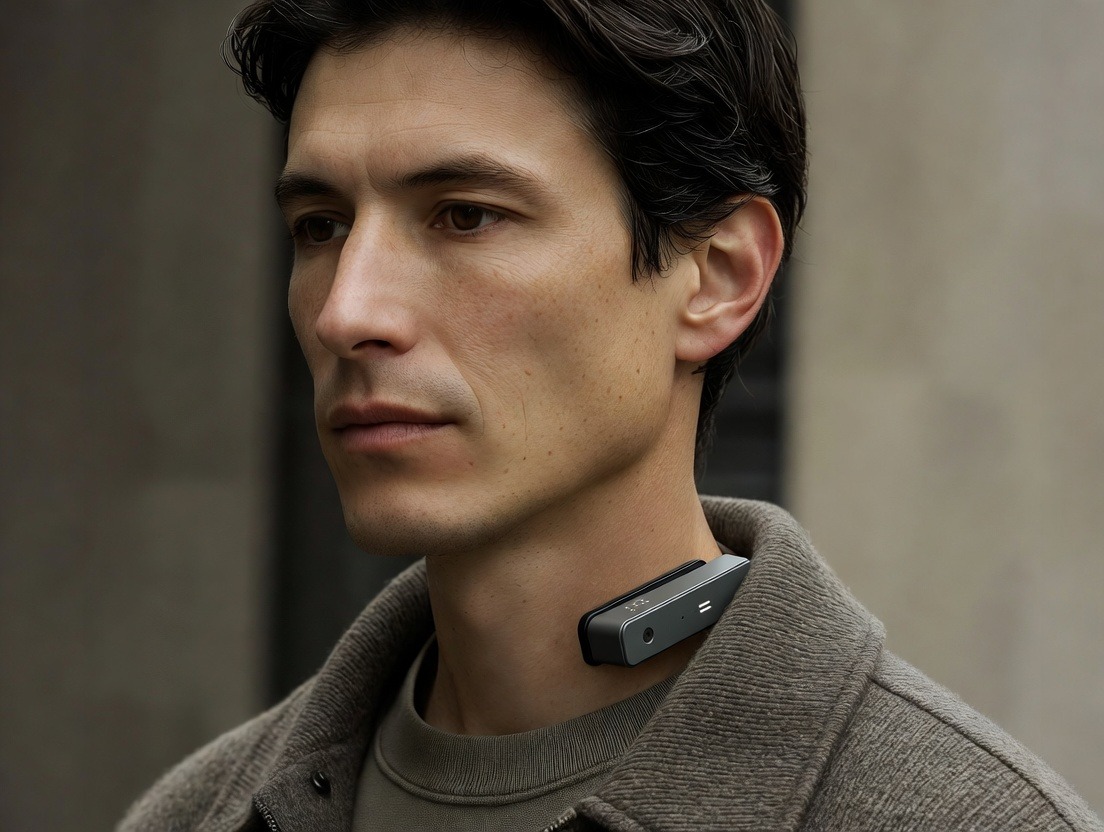
By the late 2010s, a clear dissonance had emerged. The capabilities of wearable tech were profound and growing, but the primary form factor—the wrist-worn smartwatch or tracker—was hitting practical and social limits. This sparked the sixth evolutionary phase: the form factor rebellion. A growing segment of users began to ask: "Must health tech be so… techy?"
The wristwatch form factor presented several inherent conflicts:
The rebellion took shape in the exploration of alternatives. Companies experimented with smart clothing, smart earrings, and even smart skin patches. But the solution that gained the most compelling traction was the smart ring.
The ring form factor offered a tantalizing value proposition:
Early entrants like the Oura Ring pioneered this space, proving there was a massive market for a discreet, recovery-focused device. They demonstrated that when given a choice, a significant number of consumers prioritized comfort, battery life, and focused health insights over the smartphone-on-your-wrist functionality of a smartwatch.
This rebellion wasn't about rejecting data, but about demanding a more human-centric design. It recognized that for technology to be truly integrated into a health-focused lifestyle, it needed to fade into the background. The goal shifted from creating the most feature-packed device to creating the most unconsciously wearable one. This philosophy is central to the design ethos behind Oxyzen's approach to wearable wellness.
The concept of a smart ring had flickered in the imaginations of futurists for years, but turning it into a reliable, accurate, and desirable consumer product was a formidable engineering challenge. The seventh chapter in our story is the emergence of the smart ring as a viable, mainstream category, led by a handful of pioneers who served as the crucial proof of concept.
The challenges were significant. How do you fit a battery, multiple sensors (PPG, temperature, accelerometer), Bluetooth chip, and charging components into a ring-sized package that remains comfortable, durable, and aesthetically pleasing? How do you ensure accurate readings when fingers vary so much in size and vascularity? How do you manage heat dissipation from the electronics in such a confined space?
Oura Ring (Generation 2, launched in 2018) is widely credited with breaking the smart ring into the collective consciousness. Its focus was laser-sharp: sleep, readiness, and activity. It didn't try to be a smartwatch. It offered no notifications, no screen. Its value was in its curated, algorithmically-processed insights delivered via a smartphone app. By prioritizing sleep and recovery above all else, and presenting data through simple, color-coded scores (Sleep Score, Readiness Score), Oura found a passionate audience among biohackers, athletes, and anyone frustrated with poor sleep. Its success proved that a dedicated, single-purpose health device worn on the finger had a massive market.
Earlier, the Motiv Ring (2017) had also entered the scene with a similar, sleek titanium design focused on activity, heart rate, and sleep. While it faced challenges and eventually discontinued, it further validated the form factor's appeal.
These first-generation smart rings established the foundational value proposition:
However, these pioneers also revealed the category's early limitations. The closed ecosystems and subscription models for advanced data analysis sparked debate about data ownership and ongoing costs. Accuracy, while good, was sometimes questioned against medical-grade equipment. The rings were also primarily wellness devices, with limited "smart" capabilities or integration into broader digital health ecosystems.
The success of Oura and others was a clarion call to the industry. It demonstrated that the future of personal health sensing wasn't necessarily on the wrist. It opened the floodgates for investment, innovation, and competition in the ring form factor. The proof of concept was undeniable: a significant segment of the market wanted a health companion, not a entertainment hub, and they wanted it to be as discreet as a piece of jewelry. This validation paved the way for the next generation of smart rings, which would aim to integrate smarter features, open platforms, and even more advanced health monitoring, a journey you can follow through real user experiences and testimonials.
Collecting biometrics is one thing. Understanding what they mean for you is another. The eighth evolutionary leap is the sophisticated marriage of Artificial Intelligence (AI) and biomarker data, moving wearable tech from a descriptive diary of your past to a potentially predictive and prescriptive health advisor.
Early wearables told you what you did: "You slept 6 hours and 23 minutes last night." The AI-powered wearable of today aims to tell you what it means and what you should do: "Your deep sleep was 15% lower than your baseline, and your resting heart rate is elevated. Your Recovery Score is low. Your body may be fighting something; consider prioritizing rest today."
This transformation is powered by two key AI applications:
This shift is monumental. It turns the wearable from a reporter into a coach and sentinel. We see this in features like:
This era marks the point where wearable tech begins to deliver on the original promise of preventative health. It's not about diagnosing disease (a task for medical professionals) but about giving you the insights to prevent the conditions that lead to disease—chronic sleep deprivation, unmanaged stress, and improper recovery. The device becomes a partner in a conversation about your health, powered by an intelligence that knows you better over time. For those interested in the cutting-edge of how this technology is applied, exploring the science behind Oxyzen's insights offers a deeper look.
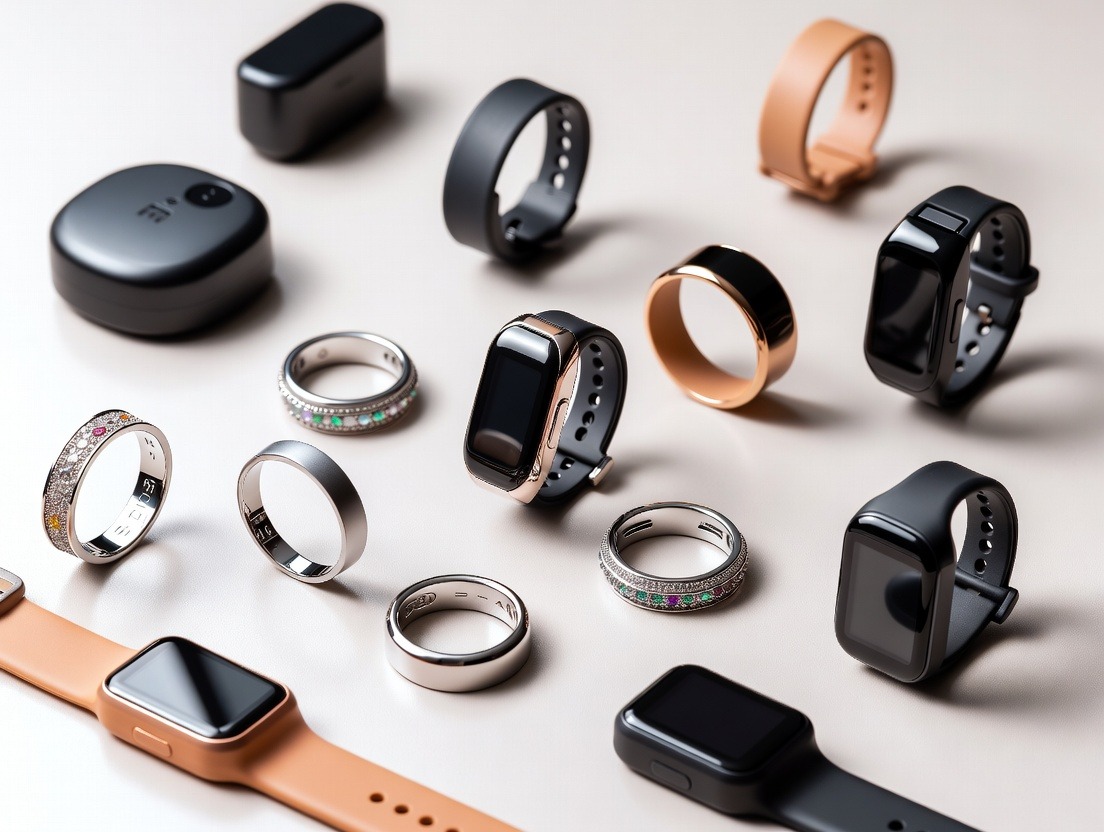
Following the proof of concept and powered by AI, the smart ring market has exploded into a vibrant and competitive modern ecosystem. No longer a niche for early adopters, smart rings are now a legitimate consumer electronics category with diverse players catering to different needs, from hardcore athletes to wellness enthusiasts to those simply seeking better sleep. This ninth phase is defined by feature diversification, rigorous scrutiny of accuracy, and rapid market expansion.
Today's leading smart rings, including Oura (Gen 3), Ultrahuman Ring Air, Circular Ring, and newcomers like Oxyzen, offer a sophisticated suite of features that often rival or surpass wrist-based devices in specific areas:
Core Feature Set:
The Accuracy Debate:
As the market grows, so does scientific and consumer scrutiny. Key questions are:
Market Expansion and Segmentation:
The ecosystem is no longer one-size-fits-all.
This vibrant ecosystem signals that the smart ring is here to stay. It is forcing innovation across the entire wearable industry, pushing smartwatches to improve battery life and recovery features, and validating the consumer desire for minimalist, health-focused design. The ring has carved out its own essential niche in the wearable tapestry.
In a world of constant notifications, bright screens, and digital clutter, a powerful counter-movement has gained strength: the pursuit of digital minimalism and intentional living. The tenth phase in our evolution is where technology meets this philosophy head-on, and the smart ring emerges as its ultimate wearable champion. This is about more than aesthetics; it's about the unobtrusive ideal—technology that serves you without demanding your attention.
The modern smartwatch, for all its utility, is an inherently attention-seeking device. Its screen is a portal to endless apps, messages, and distractions. It buzzes, beeps, and lights up, constantly pulling your focus outward. For many seeking better mental well-being, this is antithetical to their goals. The smart ring, in contrast, is designed to be forgotten.
This minimalist design philosophy manifests in several key ways:
This pursuit of the unobtrusive ideal answers a growing cultural fatigue with invasive tech. People want tools that support their health and goals without dominating their sensory space. The smart ring proves that the most powerful health tool can be the one you notice the least. It represents a maturation in our relationship with technology—from a captivating toy to a respectful, silent partner. It acknowledges that sometimes, the best way to help someone improve their well-being is to quietly observe, analyze, and wait for them to ask for the report. This philosophy of subtle support is what differentiates the ring in a crowded market, a sentiment echoed in the experiences shared by our community.
We stand at the culmination of these evolutionary waves, looking toward the horizon. The final phase in this portion of our story is not about a single device, but about its destiny: integration. The future of the smart ring, and wearable tech as a whole, lies in its ability to cease being a standalone gadget and become a seamless node in a broader, holistic health ecosystem—a true holistic health dashboard.
The smart ring is the perfect continuous physiological data stream. But physiology is only one piece of the wellness puzzle. The complete picture includes:
The next frontier is the secure, user-controlled integration of these disparate data streams. Imagine a dashboard where:
The smart ring, with its always-on, comfortable wearability, is poised to be the anchor data source in this integrated system. Its continuous physiological readout provides the baseline against which all other lifestyle choices can be measured.
This future requires open platforms, robust data privacy standards (like true on-device processing), and user-centric design that puts the individual in control of their own health data universe. Companies that succeed will be those that view their ring not as a closed garden, but as a key that unlocks a wider world of personalized health insight. This vision of connected, comprehensive wellness is at the heart of what modern companies are building. To see how this philosophy translates into a product designed for your entire wellness journey, you can learn more about the integrated Oxyzen approach.
The most profound promise of the modern smart ring lies not in tracking what you did yesterday, but in alerting you to what might happen tomorrow. This is the era of proactive prevention, where these devices evolve from historical recorders into early warning systems, leveraging their 24/7 wearability and sophisticated algorithms to detect deviations that signal potential health disruptions.
The principle is rooted in baseline physiology. By continuously monitoring your resting heart rate, heart rate variability, respiratory rate, and skin temperature for weeks, a smart ring’s AI establishes a deeply personal “normal.” It knows your body’s unique rhythms. When subtle but sustained deviations occur—often so small you’d never feel them—the system can flag an anomaly.
Real-World Applications of the Early Warning System:
This proactive capability marks a fundamental shift in healthcare agency. It moves us from a reactive model (“I feel sick, I’ll go to the doctor”) to a preventative and predictive model (“My data suggests my body is under unusual stress; I’ll take preventive steps”). The smart ring becomes a personal health guardian, whispering insights based on physiology, not just symptoms. For individuals seeking to understand these nuanced signals in the context of their own lives, resources like the Oxyzen blog offer ongoing exploration of these topics.
While early wearables were marketed to the everyman, the modern smart ring has found an intensely dedicated audience among elite and amateur athletes alike. It has become a secret weapon, not for tracking workouts in the moment (though it does that), but for mastering the critical 23 hours outside the gym or off the track. In the world of performance, recovery is training.
For athletes, the smart ring delivers on several non-negotiable fronts:
1. Quantifying the Intangible: Recovery Readiness
An athlete’s most important question each morning is: “How hard can I push today?” The answer lies in their nervous system’s state, not in their motivation. Smart rings provide a daily Readiness or Recovery Score—a synthesized metric from HRV, resting heart rate, sleep quality, and temperature.
This transforms programming from static periodization to dynamic, adaptive training. An athlete or coach can adjust the day’s plan based on objective biological feedback, not just a pre-written schedule. This is the cornerstone of “living autoregulation.”
2. Sleep as the Ultimate Performance Enhancer
Athletes have long known sleep is crucial, but smart rings provide the granular proof. They don’t just track duration; they break down the architecture:
An athlete can see how a late training session, caffeine timing, or travel directly impacts their deep sleep percentage. This data empowers them to optimize their sleep hygiene with the same precision they apply to their nutrition—tweaking routines to maximize the quality of their most potent recovery tool.
3. Identifying Staleness and Overtraining Syndrome (OTS)
Overtraining Syndrome is a nightmarish plateau of fatigue, poor performance, and mood disturbances that can take months to recover from. The smart ring’s longitudinal data is the earliest detection system available. A trending downward trajectory in HRV coupled with a gradual elevation in resting heart rate, despite adequate sleep, is a classic, data-backed red flag for impending OTS. Catching this trend early allows for immediate intervention—a planned deload week or active recovery—preventing a season-derailing crash.
4. Environmental and Altitude Adaptation
For endurance athletes training at altitude or in extreme conditions, the ring’s continuous SpO2 and respiratory rate tracking are invaluable. They provide real-time feedback on how the body is acclimatizing, signaling when an athlete is struggling with oxygen saturation or respiratory strain, enabling safer and more effective high-altitude training camps.
The athlete’s adoption of smart ring technology underscores a critical truth: peak performance is not about constant output; it’s about strategic strain followed by intelligent recovery. The ring provides the intelligence. It closes the feedback loop between effort and effect, making the invisible visible and turning rest into an active, optimized component of the training plan. This data-driven approach to holistic performance is a philosophy shared by many in the field, including the teams behind advanced wearable solutions. You can discover how users apply these insights in real-world testimonials from active individuals.
The application of smart rings extends far beyond the gym and the pursuit of peak performance. One of the most significant and growing areas of impact is in the management of chronic health conditions. Here, the device transitions from a wellness tool to a potential remote patient monitoring (RPM) companion, offering continuous, objective data that can bridge the gap between infrequent doctor visits.
Sleep Apnea and Respiratory Monitoring:
One of the most clinically validated uses is in screening for sleep-disordered breathing. While not a replacement for a formal polysomnogram (PSG), a smart ring’s combination of nighttime SpO2 tracking, heart rate variability, and pulse wave amplitude can be highly indicative of apnea events. It can detect repetitive oxygen desaturations and associated autonomic arousals (spikes in heart rate). This data can empower an individual to seek a formal diagnosis and, after diagnosis, help track the effectiveness of CPAP therapy or other interventions by showing improvements in overnight oxygen stability and sleep continuity.
Cardiovascular Health:
For individuals with hypertension, heart failure, or arrhythmias like atrial fibrillation (AFib), continuous data is gold.
Metabolic Health (Diabetes & Thyroid):
Subtle shifts in basal metabolic rate (BMR) and core body temperature can be early indicators of metabolic dysfunction. For individuals with thyroid conditions, temperature tracking can provide daily feedback that correlates with thyroid hormone levels. For those with diabetes or insulin resistance, understanding how sleep quality and stress (via HRV) impact next-day glucose control (when paired with a CGM) is a powerful area of biohacking.
Mental Health and Neurology:
The link between physiological markers and mental state is strong. For conditions like anxiety, depression, and PTSD:
The value for chronic condition management is twofold: empowerment and efficiency. Patients are empowered with daily insights into their own bodies, fostering greater engagement in their care. For healthcare providers, a summarized report of weeks of continuous data is exponentially more valuable than a patient’s recollection of how they’ve “felt” since their last appointment. It turns episodic care into continuous partnership. While smart rings are not diagnostic devices, they are exceptional phenotype characterization tools, helping individuals and their doctors understand the unique daily patterns of their conditions. For questions on how this data can be used responsibly, our FAQ section addresses common concerns.
As smart rings collect our most intimate biometrics—our sleep patterns, our stress levels, our temperature rhythms—they generate a data stream that is profoundly personal. This raises the paramount question of the 21st century: Who owns and controls this digital blueprint of our biology? Navigating the privacy paradigm is the essential, non-negotiable challenge that will determine the long-term trust and success of this technology.
The concerns are legitimate and multifaceted:
The Path to Trust: Principles for Ethical Wearables
For companies and users to move forward with confidence, certain principles must become industry standards:
For the conscious consumer, due diligence is key. Before purchasing a device, read the privacy policy. Look for companies that are transparent about their data practices, prioritize on-device analytics, and treat user data not as an asset to monetize, but as a sacred trust. The future of wearable health depends not just on better sensors, but on an unwavering commitment to ethical data stewardship. Understanding a company’s values is crucial; their founding story and mission often reveals their true stance on these critical issues.
If privacy is the existential challenge, battery life is the perennial practical one. A device meant to be worn 24/7 loses its core value if it must be removed daily for charging, creating data gaps and user friction. The evolution of the smart ring has been, in part, a quest for seamless sustainability—achieving a user experience where charging is a rare, brief interruption rather than a daily chore.
The smart ring enjoys a fundamental advantage over the smartwatch in this battle: it has no screen. The display is consistently the single largest power drain in any portable device. By eliminating it, rings start with a massive energy budget surplus. This allows them to focus power on the essential trio: sensors, processor, and Bluetooth transmitter.
Engineering the Endurance Ring:
Modern smart rings achieve their 5-7 day (and in some cases, longer) battery life through a combination of strategies:
The Charging Experience:
The charging ritual itself is part of the sustainability equation. The best systems are simple and fast.
The Future: Energy Harvesting
The true horizon for seamless sustainability is energy harvesting—powering the device from the user’s own body or environment. Research is ongoing into:
While these technologies are not yet efficient enough to fully power a modern smart ring, they may one day enable “trickle charging” that extends battery life to weeks or months, or even creates a perpetually charged device for basic tracking.
The battery life achievement of the smart ring is a key component of its unobtrusive ideal. It respects the user’s time and attention, minimizing maintenance and maximizing continuous data flow. It proves that advanced health sensing can be both powerful and power-efficient, a lesson the broader wearable industry is keenly learning.
As smart rings claim to measure everything from deep sleep minutes to illness onset, a critical and ongoing conversation surrounds accuracy and validation. Can we trust the numbers coming from a device on our finger? This question is not just academic; it’s essential for user trust and for the technology’s potential integration into more formal healthcare pathways.
It’s vital to distinguish between two types of accuracy:
The Validation Landscape:
The “Black Box” Challenge:
The greater hurdle is often not the sensor data, but the proprietary algorithms that turn that data into scores (Sleep, Readiness, Stress). These algorithms are complex and rarely published for peer review. A “Readiness Score of 72” is not a universally defined metric; it’s a company’s specific interpretation of your data. The validation here is more subjective: Does the score feel intuitively correct and actionable in your life? Does a low score predict a bad day? Does acting on its advice lead to better outcomes?
For the industry to mature, there must be:
For the informed user, the approach is one of confident skepticism. Trust the trends more than any single data point. Use the ring as a guide to your body’s signals, not as a medical device. Correlate its insights with your own subjective feelings. When used this way, even a device with minor margins of error provides transformative value by making the invisible visible. For a deeper dive into the science and methodology behind the metrics, research-focused content on platforms like our blog can provide valuable context.
From a single pioneering product just a few years ago, the smart ring market has rapidly expanded into a crowded and dynamic competitive landscape. This explosion of choice is a testament to the form factor’s validated demand and signals a vibrant, innovative phase in the industry’s evolution. Let’s survey the key players and their strategic positions.
The Established Leader: Oura
The Agile Challenger: Ultrahuman Ring Air
The European Contender: Circular Ring
The Discreet Newcomer: Oxyzen
The Sleeping Giants: Samsung & Apple
The most anticipated movement in the landscape is the potential entry of the tech titans. Samsung has confirmed the development of a “Galaxy Ring,” and Apple holds numerous patents for ring-based wearables. Their entry would:
Market Segmentation is Emerging:
The landscape is no longer monolithic. We see segmentation:
This competition is ultimately fantastic for the consumer. It drives rapid innovation in sensor accuracy, battery life, design, and software. It forces companies to compete on privacy policies, pricing models, and user experience. The crowded ring is a sign of a healthy, growing market, one where the true winner is the individual seeking the perfect, personalized key to understanding their own body.
In the world of wearables, design is not merely about aesthetics; it is the primary interface between technology and the human experience. For the smart ring, this relationship is especially intimate. It must succeed not just as a piece of tech, but as a piece of personal adornment. The winning design philosophy of this generation is where style authentically meets substance, creating an object that is as psychologically comfortable as it is physically comfortable.
The Pillars of Modern Smart Ring Design:
1. Material Integrity:
Gone are the plasticky, toy-like finishes of early wearables. The modern health ring is crafted from materials that signal quality, durability, and skin-friendliness.
2. Form and Profile:
The goal is unobtrusive thinness. A thick, chunky ring is uncomfortable for typing, sleeping, and wearing under gloves. Leading designs strive for a profile that resembles a modest signet ring or a classic band. The sensor bump on the inner circumference is engineered to be as low-profile as possible while maintaining skin contact, often through a gentle, ergonomic curvature that nests against the finger.
3. The Disappearing Act:
The most elegant designs have no visible screens, buttons, or charging ports on the exterior. The technology is completely concealed. The ring appears as a solid, continuous band. Charging is achieved via hidden inductive pins on the interior, and status is communicated through minimalist LED lights tucked discreetly under the rim or via the companion app. This “disappearing act” is the ultimate triumph of design—it makes the technology implicit, not explicit.
4. Finish and Personalization:
To cater to personal style, companies offer:
5. The Psychology of Discreetness:
This design philosophy serves a deeper psychological purpose. A device that looks like jewelry, not a gadget, reduces “observer effect”—the tendency for people to change their behavior because they know they are being monitored. When the device is invisible to others and nearly invisible to you, the data it collects is more likely to reflect your authentic, unstyled life. It also removes any social stigma or “tech bro” association, making health tracking feel like a personal, private journey rather than a performative one.
The design of devices like the Oura Ring, the Ultrahuman Ring Air, and Oxyzen’s offering exemplify this philosophy. They understand that for a device to be worn every moment, it must be an object of desire, not just utility. It must align with personal identity. By marrying medical-grade sensors with jeweler’s intent, they have created a new product category: healthwear—technology you wear not because you have to, but because you want to.
As we stand at the current pinnacle—a comfortable, powerful, AI-driven ring on the finger—it’s natural to look forward. The evolution is far from over. The road ahead for smart rings and wearable tech points toward deeper integration, greater intelligence, and more profound personalization. Here are the trajectories that will define the next chapter.
1. Non-Invasive Blood Biomarker Monitoring:
The holy grail. Research is feverishly ongoing into using optical sensors (PPG, spectroscopy) and electrochemical sensors to measure biomarkers directly from interstitial fluid or blood vessels through the skin. The goal: a ring that could continuously track:
2. Advanced Nervous System Mapping:
Beyond basic HRV, future devices may use more sophisticated PPG waveform analysis and EDA to better dissect the balance between the sympathetic and parasympathetic nervous systems. This could lead to more nuanced stress and resilience metrics, and even biofeedback training protocols directly from the ring to help users learn to modulate their stress response in real time.
3. Deeper Ecosystem and Medical Integration:
4. The “Smart” Ring Evolves (Subtly):
Smart features will become more refined and context-aware. Think:
5. Sustainability and Circular Economy:
As the market grows, so will its environmental footprint. The leaders will be those who design for:
The road ahead is incredibly exciting. The smart ring has proven its core value proposition. Now, it will iterate, specialize, and integrate. It will move from telling us about our bodies to having a contextual conversation with our bodies and our world. It will become less of a device we check, and more of an ambient intelligence that supports our well-being silently, proactively, and personally. To stay abreast of these developments as they unfold, following thought leadership on platforms like our blog is a valuable way to glimpse the future of personal health technology.
Your Trusted Sleep Advocate: Sleep Foundation — https://www.sleepfoundation.org
Discover a digital archive of scholarly articles: NIH — https://www.ncbi.nlm.nih.gov/
39 million citations for biomedical literature :PubMed — https://pubmed.ncbi.nlm.nih.gov/
Experts at Harvard Health Publishing covering a variety of health topics — https://www.health.harvard.edu/blog/
Every life deserves world class care :Cleveland Clinic - https://my.clevelandclinic.org/health
Wearable technology and the future of predictive health monitoring :MIT Technology Review — https://www.technologyreview.com/
Dedicated to the well-being of all people and guided by science :World Health Organization — https://www.who.int/news-room/
Psychological science and knowledge to benefit society and improve lives. :APA — https://www.apa.org/monitor/
Cutting-edge insights on human longevity and peak performance:
Lifespan Research — https://www.lifespan.io/
Global authority on exercise physiology, sports performance, and human recovery:
American College of Sports Medicine — https://www.acsm.org/
Neuroscience-driven guidance for better focus, sleep, and mental clarity:
Stanford Human Performance Lab — https://humanperformance.stanford.edu/
Evidence-based psychology and mind–body wellness resources:
Mayo Clinic — https://www.mayoclinic.org/healthy-lifestyle/
Data-backed research on emotional wellbeing, stress biology, and resilience:
American Institute of Stress — https://www.stress.org/


