


The Genetics of Sleep Patterns: What You Inherited
Your innate preference for morning or evening activity is largely inherited through genes that influence your circadian rhythm.
Your innate preference for morning or evening activity is largely inherited through genes that influence your circadian rhythm.
%402x.svg)
You've always been the night owl, thriving when the world is quiet, while your partner is up with the sun, inexplicably cheerful before the first coffee. Or perhaps you're the one who needs a solid eight hours to function, while your sibling seems to operate perfectly on six. For decades, we've chalked this up to personal habit, discipline, or lifestyle. But what if the script for your sleep—your chronotype, your need for duration, even your susceptibility to insomnia—was written long before you were born, encoded in the very blueprint of your being?
Welcome to the fascinating frontier of sleep genetics. This isn't just about feeling tired; it’s about uncovering the hereditary codes that govern our most essential restorative process. The emerging science reveals that our sleep patterns are not merely a product of our choices but a complex inheritance, a dance between ancient genes and modern life. Understanding this genetic legacy is more than academic—it’s the key to personalizing your approach to health, productivity, and well-being. It moves us from fighting our natural rhythms to strategically partnering with them.
In this exploration, we will delve into the double helix of the night. We'll uncover the specific genes that dictate if you're an early bird or a night owl, examine how DNA influences your sleep architecture and vulnerability to disorders, and trace these genetic threads through family trees and evolutionary history. This knowledge empowers a fundamental shift: from generic sleep advice to a truly personalized understanding of your unique rest needs. And with modern tools like advanced wellness wearables, such as those developed by Oxyzen, we can now move beyond guesswork, using precise data to harmonize our lifestyle with our genetic design for optimal health.

The concept of being a "morning person" or "night owl" is formally known as your chronotype—your natural predisposition to the timing of sleep and wakefulness. This isn't a simple preference; it's a biological imperative driven by your circadian rhythm, an approximately 24-hour internal clock that regulates not just sleep, but hormone release, body temperature, and metabolism. And the master conductor of this intricate symphony is your DNA.
Groundbreaking genome-wide association studies (GWAS) have identified specific genetic variants strongly linked to chronotype. One of the most significant genes is PER2 (Period Circadian Regulator 2). A tiny mutation in this gene can shift your entire rhythm. For instance, a variant known as the "early riser" mutation causes the PER2 protein to degrade more slowly, effectively making the internal day longer and pushing individuals to wake—and sleep—earlier. Conversely, variations in the CRY1 (Cryptochrome Circadian Regulator 1) gene have been associated with delayed sleep phase disorder, where the circadian clock runs significantly slower than 24 hours, making it extraordinarily difficult to fall asleep and wake at socially conventional times.
But it's not a one-gene show. The CLOCK (Circadian Locomotor Output Cycles Kaput) gene, a core component of the circadian machinery, also plays a starring role. Certain polymorphisms in the CLOCK gene are associated with eveningness, as well as differences in sleep duration and even susceptibility to mood disorders. Furthermore, genes like BMAL1 and REV-ERBα interact in a complex feedback loop, generating the oscillations that define our daily cycle.
The takeaway is profound: Your tendency to hit snooze or spring out of bed is not a moral failing. It's a genetically influenced trait, as inherent as your eye color.
This genetic programming manifests in clear physiological differences. Morning types typically experience a quicker rise in core body temperature and cortisol (the awakening hormone) upon waking. Their melatonin (the sleep hormone) levels peak and decline earlier in the evening. Night owls operate on a delayed schedule, with melatonin rising later, making them alert well into the night and sluggish in the early morning. This isn't just about sleep timing; it cascades into daily life, influencing peak cognitive performance, ideal workout times, and even when we should tackle complex decisions.
Understanding your genetic chronotype is the first step toward true sleep harmony. Instead of forcing a night owl into a 5 a.m. boot camp, we can design schedules that align with their peak biological windows. This genetic self-knowledge, paired with precise tracking from a device like a smart ring from Oxyzen, allows you to move from societal expectation to biological optimization, reducing sleep debt and enhancing overall vitality.
While chronotype gets most of the attention, your genetics exert a powerful influence over what happens after you fall asleep—the very structure, or architecture, of your sleep. Sleep is not a monolithic state but a cyclical journey through different stages: light sleep (N1 & N2), deep sleep (N3, or slow-wave sleep), and REM (Rapid Eye Movement) sleep. The proportion and cycling of these stages are crucial for physical restoration, memory consolidation, and emotional regulation, and they are surprisingly heritable.
Research on twins, particularly identical twins raised apart, provides compelling evidence. These studies show that the amount of deep sleep (slow-wave sleep) and REM sleep you get has a significant genetic component, with heritability estimates ranging from 40% to 55%. This means nearly half of the variation in how much restorative deep sleep you experience can be traced to your genes.
Specific genetic markers are beginning to tell this story. For example:
Your genetic blueprint also dictates your sleep efficiency—the percentage of time in bed you're actually asleep. Some people inherit a knack for "sleeping like a log," while others may genetically be lighter, more vigilant sleepers, a trait that may have been advantageous in ancestral environments where threat detection was key.
This genetic layer explains why two people who sleep the same number of hours can feel drastically different in the morning. One, genetically predisposed to abundant deep sleep, wakes restored. The other, with a genetic architecture lighter on deep sleep, may wake feeling unrefreshed despite the same duration. This is where passive, all-night tracking becomes invaluable. A device that measures heart rate variability and movement can provide insights into your unique sleep stages and efficiency, helping you understand your personal architecture. You can explore how detailed sleep staging works to better interpret your own data in the context of your inherited patterns.

For many, disrupted sleep isn't a choice but a nightly battle with a clinical condition. The role of genetics in sleep disorders is among the most robust and clinically significant areas of sleep science. Understanding this link transforms these conditions from personal struggles into medical realities with biological roots.
Insomnia: Once considered purely psychological, insomnia has a heritability of approximately 30-40%. Researchers have identified numerous genetic loci associated with insomnia risk. These genes often overlap with those involved in neuropsychiatric traits like depression and anxiety, as well as metabolic and cardiovascular conditions. This explains the common comorbidity and suggests a shared genetic pathway. A variant near the MEIS1 gene, for instance, has been strongly linked to both restless legs syndrome (a major cause of insomnia) and insomnia itself.
Restless Legs Syndrome (RLS): This sensorimotor disorder has a very clear genetic component, especially when it begins at a younger age. Specific variants in genes like BTBD9, MEIS1, and MAP2K5/SKOR1 are implicated, affecting iron metabolism and dopaminergic pathways in the brain.
Narcolepsy: This severe disorder of sleep-wake regulation has a potent genetic link, particularly to genes in the Human Leukocyte Antigen (HLA) complex on chromosome 6. The vast majority of people with narcolepsy with cataplexy carry a specific variant, *HLA-DQB1*06:02. This points to an autoimmune mechanism, where the immune system mistakenly attacks the neurons that produce hypocretin (orexin), a neuropeptide crucial for maintaining wakefulness.
Obstructive Sleep Apnea (OSA): While anatomical factors (like jaw structure and neck circumference, which are also heritable) are primary, genetics contribute to the risk. Genes influencing facial structure, obesity risk, respiratory control, and inflammation all play a part in an individual's susceptibility.
This genetic knowledge is empowering. It reduces stigma, provides a clearer path for diagnosis (especially in disorders like narcolepsy), and guides treatment. For example, knowing a family history of RLS might lead someone to have their iron levels checked proactively. It also highlights the importance of personalized medicine in sleep health. If you're exploring solutions for persistent sleep issues, understanding the potential hereditary factors is a critical first step. Our FAQ section addresses common questions about how tracking data can complement professional medical advice for sleep concerns.
To understand why we have such variation in sleep genetics, we must look through the lens of evolution. The persistent diversity in chronotypes and sleep patterns across humanity suggests these traits were not evolutionary mistakes, but adaptive advantages. This concept is known as the "sentinel theory" or "rooster hypothesis."
In small, ancestral hunter-gatherer groups, having everyone on the same sleep schedule would have been a vulnerability. If all members of a tribe were in deep sleep simultaneously, they would be easy prey and miss critical environmental cues. Genetic variation in sleep timing and depth created a natural watch system. The early risers would be alert at dawn, preparing for the day, while the night owls would naturally stay vigilant into the later hours, guarding the camp. This staggered vigilance would have increased the overall survival chances of the group.
Furthermore, different sleep needs and patterns may have adapted to different ecological niches or seasonal changes. A person who required less sleep might have been more valuable during times of migration or threat, while those who needed more deep sleep may have had enhanced physical recovery, beneficial for grueling labor.
Our modern 9-to-5, uniformly lit world is a radical departure from this evolutionary context. The genetic night owl is forced into a morning lark's schedule, and the genetically deep sleeper is interrupted by artificial noises and lights. This "evolutionary mismatch" is a root cause of much modern sleep pathology and societal "sleep debt." Our genes are still optimized for a life of natural light, physical daily exertion, and safety in numbers with varied sleep schedules—not for 24/7 digital illumination, sedentary jobs, and solitary, silent apartments.
Recognizing this mismatch allows for compassion and strategy. We can't change our genes, but we can create modern environments and routines that better respect our ancient blueprints. This might mean using blackout curtains and blue-light filters for night owls on early schedules, or creating secure, quiet sleep sanctuaries for light sleepers. It’s about negotiating a truce between your Paleolithic genetics and your 21st-century life.
The debate is age-old: is it nature or nurture? With sleep, the answer is decisively "both," in a complex, lifelong duet. Heritability estimates give us a percentage, but they don't tell the whole story. Your genes load the gun, but your environment pulls the trigger.
Heritability in Action: Twin studies provide the clearest window. If a trait is 50% heritable, it means that about half of the differences between individuals in a population can be attributed to genetic differences. For sleep duration and quality in middle-aged adults, heritability estimates often fall between 30% and 45%. However, this influence isn't static. The genetic effect on sleep patterns appears to be stronger in childhood, lessens during adolescence (as social pressures explode), and may increase again in stable adulthood.
The Powerful Role of Environment (Nurture): No matter your genetic predisposition, environmental and behavioral factors have a massive impact. These are the modifiable levers we can pull:
The critical concept is gene-environment interaction. A person with a genetic predisposition to light sleep may be fine in a quiet country home but develop chronic insomnia in a noisy city apartment. A night owl gene variant might cause minimal issue for a freelance graphic designer but create severe dysfunction for a school teacher.
This is why personalized data is so transformative. By tracking your sleep alongside your daily habits (exercise, caffeine, stress), you can begin to see the unique interplay between your genetic tendencies (your "nature") and your lifestyle choices (your "nurture"). This empowers you to identify which environmental tweaks yield the biggest return for your specific biology. For a deeper dive into how lifestyle factors interact with biology, our blog features numerous case studies and guides.
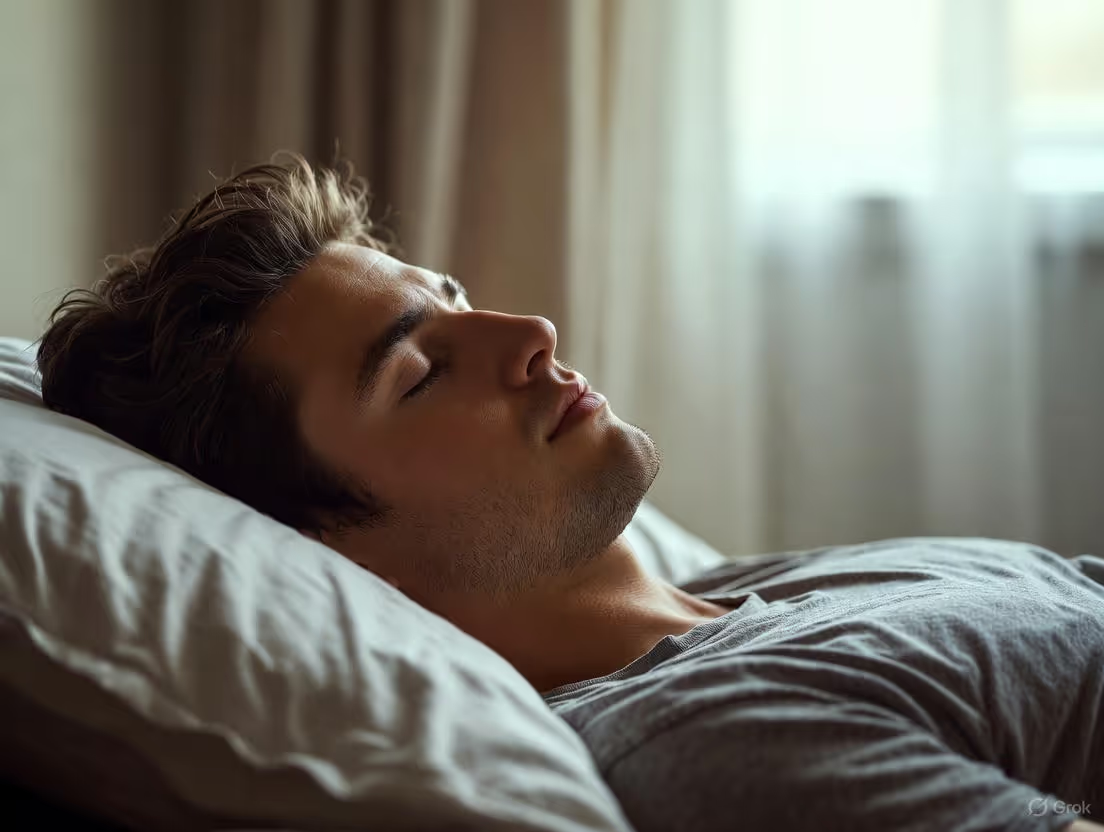
Before the advent of consumer genetic testing, the most accessible tool for understanding your hereditary sleep traits was right in front of you: your family. A detailed family sleep history is a living, breathing genetic report, offering clues that pure DNA data cannot.
Think beyond simple questions like "Do you sleep well?" Probe deeper into patterns that may echo your own:
Compiling this history does more than satisfy curiosity. It has practical, proactive health implications. A strong family history of obstructive sleep apnea, especially when combined with inherited physical traits like a narrow jaw or large neck circumference, is a powerful red flag to seek a sleep study. A lineage of early-onset insomnia might encourage you to prioritize sleep hygiene and stress management from a young age as protective measures.
This narrative approach complements hard data. When you see a pattern of low deep sleep in your own tracking data, and then recall your mother and sibling complaining of never feeling rested, a picture of genetic predisposition comes into focus. It transforms personal frustration into a recognized family trait, guiding you toward more sympathetic and effective management strategies. It also provides compelling context when discussing your health with a physician. At Oxyzen, we believe in the power of this holistic story, which is why our approach is rooted in connecting data to your unique life narrative.
The rise of direct-to-consumer genetic testing has brought the promise of personalized sleep insights to our fingertips. Companies like 23andMe and AncestryDNA offer reports on genetic predispositions for being a "morning person," having a specific sleep duration, and even for traits like movement during sleep. But what can these tests truly tell you, and what are their limits?
What They Can Tell You (The Snapshot):
The Crucial Limitations (The Blurry Picture):
The most powerful approach is to use genetic testing as the foundational map, and sleep tracking as the real-time GPS. Your DNA report might say you have a 70% likelihood of being a night owl. Your Oxyzen smart ring data—showing you consistently fall asleep after 1 a.m. and have low readiness scores on early mornings—provides the live confirmation and quantifies the impact of that predisposition on your daily life. This combination is where true personalization begins, moving from abstract probability to actionable, daily insight. For those curious about how technology bridges this gap, you can learn more about the science behind our tracking technology.
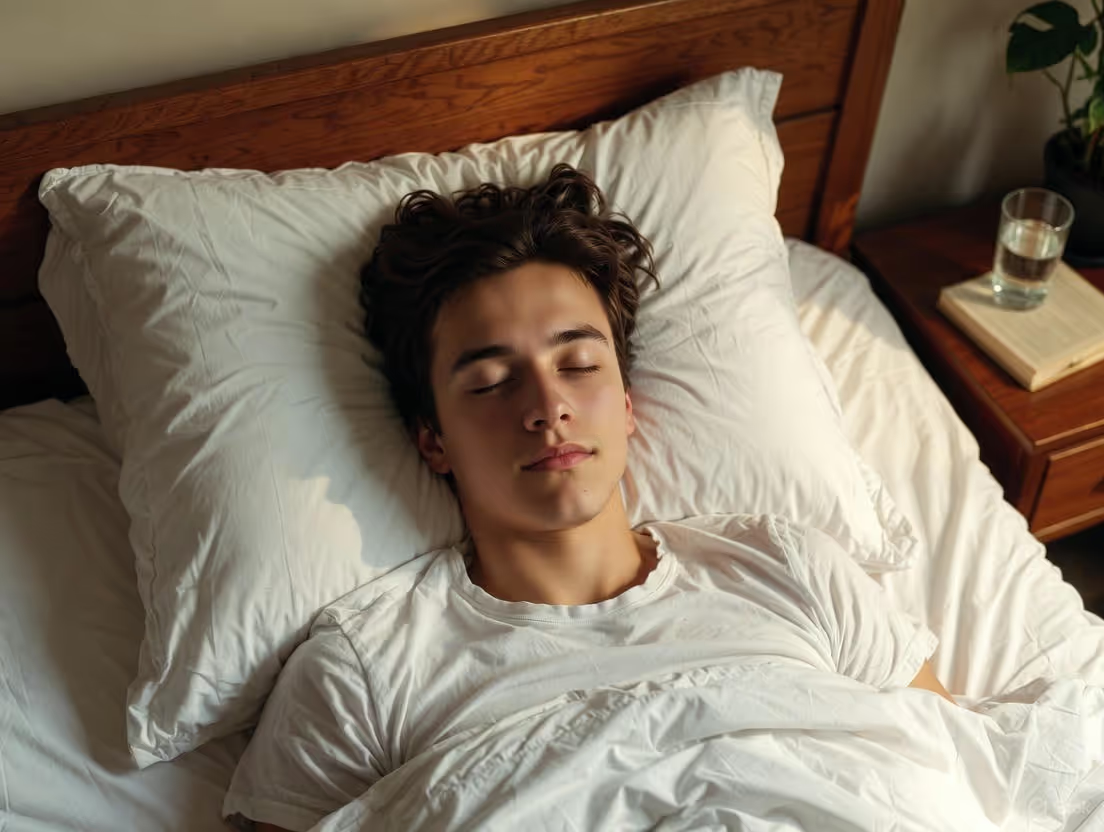
The link between sleep and mental health is undeniable. What’s now becoming clear is that this link is often forged in the genes we inherit. There is a significant genetic overlap between sleep traits and psychiatric conditions, revealing a shared biological pathway that influences both our rest and our emotional resilience.
Large-scale genetic studies have uncovered that many of the genetic variants associated with insomnia are also associated with a higher risk for:
This overlap suggests that some of the same biological mechanisms—perhaps involving neurotransmitter systems (like serotonin and dopamine), stress response (the HPA axis), or neural plasticity—underpin both poor sleep regulation and vulnerability to mood disorders. It creates a classic chicken-or-egg dilemma that is, in many cases, genetically pre-programmed.
For example, a genetic profile that predisposes someone to shallow, fragmented sleep may also lower their threshold for experiencing anxiety. The resulting poor sleep then exacerbates the anxiety, which further degrades sleep, creating a vicious, genetically-primed cycle. Similarly, the CLOCK gene variants linked to eveningness are also associated with higher rates of depression and bipolar disorder, potentially due to the chronic social jetlag and circadian misalignment experienced by night owls in a morning-centric world.
Understanding this shared genetic risk is not about determinism, but about empowerment and early intervention. It highlights that prioritizing sleep is not just about physical energy; it is a foundational pillar of genetic mental health risk management. For someone with a family history of depression, cultivating excellent sleep hygiene is as crucial as any other preventative measure.
This also underscores the value of objective sleep data. Mood is subjective and can be difficult to track. Sleep data, however, provides an objective, quantifiable biomarker. Seeing a correlation between a week of poor sleep efficiency and a dip in your self-reported mood can be a powerful motivator for change. It turns an abstract feeling into a manageable data point, allowing you to intervene on the sleep side to support the mental health side. Reading about real user experiences can illustrate how others have discovered and acted on these critical connections.
Armed with the knowledge of your genetic inclinations, the goal shifts from generic advice ("get 8 hours") to personalized strategy ("optimize your sleep based on your blueprint"). This is the applied science of sleep genetics. Here’s how you can translate this knowledge into daily action, creating a life in harmony with your inherited design.
If You're Genetically a Night Owl:
If You're Genetically an Early Bird:
If You Have a Genetic Predisposition to Light or Fragmented Sleep:
For Everyone: The Power of Tracking
This is where theory meets practice. A smart ring or advanced tracker becomes your personal sleep laboratory. It can:
By combining genetic awareness with behavioral tracking, you move from guessing to knowing. You stop fighting your nature and start working with it. This is the core of modern, personalized wellness. To see how this philosophy is put into action through technology, you can discover more about our mission and approach.
We stand at a remarkable convergence point: the decoding of the human genome is meeting the explosion of passive, precise biometric tracking. This convergence is revolutionizing sleep from a vague concept of "rest" into a rich, data-driven pillar of precision health. The future of sleep is not one-size-fits-all advice; it is hyper-personalized insight that aligns your daily life with your genetic code.
The Next Frontier in Sleep Science:
Research is rapidly moving beyond simple chronotype and duration genes. Scientists are exploring the genetics of sleep quality biomarkers like slow-wave activity (the power of deep sleep) and REM density. They are investigating how our genes influence our individual response to sleep deprivation—why some people crash after one bad night while others are more resilient. Furthermore, the field of chronopharmacology—timing medication intake to your circadian rhythm for maximum efficacy and minimal side effects—is poised to be transformed by genetic personalization.
The Role of Advanced Wearables:
This is where a device like the Oxyzen smart ring transitions from a simple tracker to a vital interpreter. Future integrations may involve (with user consent) securely combining anonymized genetic predisposition data with continuous physiological monitoring. Imagine your device knowing your genetic likelihood for low deep sleep and then providing tailored, real-time recommendations: "Based on your low heart rate variability tonight, a 20-minute daytime nap is recommended to supplement your deep sleep," or "Your data shows you're experiencing social jetlag consistent with an evening chronotype; consider adjusting your light exposure this weekend."
A Proactive, Preventative Health Model:
This technology enables a shift from reactive to proactive health. By understanding your genetic sleep risks—be it for insomnia, sleep apnea, or circadian rhythm disorders—and monitoring your real-time vitals, you can take preventative action long before a clinical disorder manifests. Your sleep data becomes a continuous, early-warning system for overall health, intimately connected to cardiovascular, metabolic, and mental well-being.
The phrase "beauty sleep" is due for a scientific upgrade. It might more accurately be called "metabolic repair sleep." The genetic pathways that govern your sleep are intricately and bi-directionally linked with those that regulate your metabolism, appetite, and weight. This isn't just about being tired and reaching for a sugary snack; it's a hardwired, hormonal conversation dictated by your DNA.
The master link is, once again, your circadian clock. Genes like CLOCK and BMAL1 don't just oscillate in your brain's suprachiasmatic nucleus; they are expressed in metabolic tissues throughout your body—your liver, pancreas, fat cells, and gut. They create peripheral clocks that time the release of insulin, the processing of fats, and the secretion of hunger hormones. When your sleep is genetically mismatched or behaviorally disrupted, these peripheral clocks fall out of sync with the central brain clock and with each other, a state known as circadian misalignment.
This genetic-metabolic link manifests in powerful ways:
Understanding your genetic sleep profile is therefore a critical piece of your metabolic health puzzle. If you have a family history of type 2 diabetes and know you're a genetically light sleeper, prioritizing sleep quality becomes as important as diet and exercise for prevention. Tracking tools provide the missing link here. By correlating nights of poor sleep (marked by low heart rate variability and high restlessness) with next-day biometrics like elevated resting heart rate or subjective food cravings, you get a clear, personal map of this connection. It moves the concept from scientific fact to personal reality, offering a powerful motivator for change. For more on how holistic tracking illuminates these body systems, our blog features in-depth explorations.
For elite athletes and dedicated fitness enthusiasts alike, training regimens are meticulously planned. Yet, the most powerful performance-enhancing "drug" is often neglected: sleep. And its efficacy is, in part, genetically determined. Your inherited sleep patterns dictate your recovery speed, injury resilience, and even your ideal time to train or compete.
Deep Sleep as Genetic Physical Repair: The secretion of human growth hormone (HGH), essential for muscle repair, tissue growth, and bone building, is pulsatile and heavily concentrated during deep, slow-wave sleep. The amount of deep sleep you get—a trait with high heritability—directly influences this physiological recovery process. An athlete genetically blessed with robust, efficient deep sleep will clear metabolic waste from muscles, repair micro-tears, and restore glycogen stores more effectively than one with a genetic profile for lighter, more fragmented sleep, even if their total sleep time is identical.
Circadian Rhythms and Peak Performance: Your chronotype genes dictate your daily performance curve. Studies show that strength, flexibility, reaction time, and anaerobic power all fluctuate in a circadian pattern. A genetically morning person will hit their peak physical metrics hours before a night owl. Forcing a night owl athlete into an early-morning competition is like asking them to perform in a biological fog, increasing injury risk and guaranteeing sub-optimal output. Smart coaches and athletes are now using genetic insights and daily readiness scores from wearables to periodize training intensity, scheduling high-load sessions during biologically optimal windows.
Inflammation and Immunity: Intense exercise creates controlled inflammation. Sleep, particularly deep sleep, is when the body actively resolves this inflammation. Genes involved in sleep regulation, like those controlling interleukin and cytokine signaling, also govern this inflammatory response. Poor sleep genetics can mean a slower, less efficient recovery from inflammation, leading to prolonged soreness, higher risk of overtraining syndrome, and increased susceptibility to upper respiratory infections—a classic sign of an athlete pushing beyond their recovery capacity.
This is where the passive, continuous monitoring of a smart ring becomes an essential part of an athlete's toolkit. It provides an objective readiness score—a composite of sleep quality, heart rate variability (HRV), resting heart rate, and body temperature. For an athlete, this isn't just about feeling "good." It's hard data. A low readiness score due to poor sleep, even if they feel mentally pumped, is a scientific red flag to dial back intensity, prioritize recovery, and avoid injury. It allows training to be guided by the body's actual state, not just the mind's ambition. This data-driven approach to recovery is central to our philosophy; you can learn more about how we integrate these metrics.
You may inherit your mother's aptitude for languages or your father's knack for spatial reasoning. But you also inherit the underlying neurological machinery that consolidates and strengthens those skills: your sleep-dependent memory system. The genetics of sleep profoundly shape how you learn, remember, and create.
The process of memory consolidation—where short-term memories are stabilized and integrated into long-term storage—is not a passive byproduct of sleep but an active, genetically influenced process occurring primarily during deep sleep and REM sleep.
This genetic link explains why some people seem to "sleep on a problem" and wake with a solution, while others don't. It also highlights the critical importance of sleep for students of all ages. A teenager with a strong genetic eveningness tendency, forced to wake at 6 a.m. for school, is not only sleepy; they are trying to learn and memorize complex information during their biological trough, with a brain that hasn't completed its essential consolidation work from the night before.
By tracking your sleep stages, you gain insight into your personal cognitive recovery tool. Seeing a correlation between a night of abundant REM sleep and a day of fluid creativity or motor skill improvement makes the science tangible. It argues for protecting sleep before a major learning endeavor or creative project, framing it not as lost time but as an active, genetically-optimized part of the performance itself.
Your sleep is not static. It evolves dramatically from infancy to old age. While lifestyle and health play major roles, this evolution is also directed by a shifting genetic script. Understanding how your sleep genetics express themselves differently throughout life helps normalize age-related changes and identify when something may be going off track.
Childhood and Adolescence: In early childhood, sleep is long and deep, with high amounts of slow-wave sleep crucial for a rapidly developing brain and body. The genetic influence is strong but often masked by the overwhelming biological drive for sleep. Adolescence brings a seismic, genetically-driven shift: a pronounced phase delay in circadian rhythm. This isn't just teenage rebellion; it's a biological fact driven by hormonal changes and a slowing of the internal clock's period. The same PER3 gene variants that influence adult chronotype are at play here, making teens biologically wired to fall asleep and wake later.
Adulthood: As we enter stable adulthood, genetic predispositions come into sharpest focus. The heritability of sleep traits peaks during these decades. Your inherited chronotype, sleep duration need, and architecture become your baseline "sleep personality." This is the stage where the mismatch between genetic design and societal demands (work, parenting) often creates the greatest conflict and sleep debt.
Middle to Older Age: From midlife onward, several genetically-influenced changes typically occur:
The key is distinguishing normal genetic aging from pathology. Waking up once or twice a night in your 60s may be part of your genetic aging script. Waking up every hour feeling panicked is not. Tracking provides the longitudinal data to see your personal aging trend. Is your deep sleep slowly, gradually decreasing (a normal trend), or has it plummeted suddenly (a red flag)? This objective history is invaluable for healthcare discussions, helping to separate benign changes from potential sleep disorders like sleep apnea, which becomes more common with age. For those navigating sleep changes later in life, our FAQ offers support and context for common questions.
Men and women face different sleep challenges and experiences, and biology—down to the chromosomal and hormonal level—plays a defining role. While societal and psychological factors are significant, the genetic and endocrine differences create distinct sleep landscapes.
The Hormonal Symphony: From puberty through menopause, female sleep is intimately tied to the fluctuating hormones of the menstrual cycle, pregnancy, and perimenopause.
Genetic Vulnerabilities: Beyond hormones, genetic predispositions express themselves differently by sex.
The Impact of Tracking: For women, biometric tracking is especially powerful because it can correlate subjective feelings with objective data across hormonal cycles. Seeing a predictable dip in sleep stability or HRV in the days before menstruation, for example, validates the experience and allows for proactive adjustments (e.g., stricter sleep hygiene during that window). During perimenopause, tracking can help distinguish between nights disrupted by hot flashes (visible as spikes in skin temperature and wakefulness) and other causes of insomnia, guiding more targeted treatment strategies. Sharing and reading testimonials from other women navigating similar hormonal sleep journeys can provide both validation and practical community wisdom.
This may be the most empowering concept in modern genetics: while you cannot change the DNA sequence you inherited, you can change how those genes are expressed. This is the science of epigenetics—the study of heritable changes in gene function that do not involve changes to the underlying DNA sequence. Think of your genome as the hardwired computer hardware. Epigenetics is the software that runs on it, and crucially, you have some control over the programming.
Your lifestyle choices create chemical "tags" (like methyl groups) that attach to your DNA or the histone proteins it wraps around, effectively turning genes "on" or "off." Sleep, both its quality and timing, is both a target of and a driver of epigenetic change.
How Poor Sleep Epigenetically Harms Health:
How Good Habits Can Epigenetically Optimize Your Genetic Legacy:
This is the flip side—your behavior can write a healthier script over your inherited risks.
In essence, you are not a prisoner of your genetic sleep report. A person with a high genetic risk for insomnia can, through impeccable sleep hygiene, stress reduction, and a stable routine, potentially keep those risk genes "turned down low." Conversely, someone with a robust genetic sleep profile can sabotage it with chronic night-shift work, poor diet, and high stress, triggering negative epigenetic changes.
Tracking provides the feedback loop for this epigenetic experiment. When you see your sleep scores and HRV improve after a month of a new meditation practice or a cleaner diet, you are likely witnessing not just better habits, but the positive epigenetic rewiring of your stress and sleep pathways in action. It makes the abstract concept of "gene expression" a tangible, manageable part of daily wellness. To explore more about the lifestyle science behind optimal wellness, our blog offers continued learning.
You cannot change your PER2 gene variant, but you can absolutely change the light hitting your retina at 10 p.m. This is the practical frontier of sleep genetics: engineering your personal environment to be the most supportive, compatible stage for your inherited sleep play to perform. Since your genes are fixed, the environment must adapt.
Light: The Primary Zeitgeber ("Time Giver"):
Temperature: The Underrated Cue:
Your core body temperature needs to drop by about 1-2 degrees Fahrenheit to initiate and maintain sleep. This process is governed by your circadian rhythm.
Sound and Safety:
If you have a genetic predisposition to light or fragmented sleep, noise control is critical.
Schedule and Routine:
Your routine is a behavioral scaffold for your genetic rhythm.
By deliberately designing these environmental factors, you are effectively speaking your circadian clock's language. You are providing the consistent, robust time cues it needs to overcome genetic vulnerabilities or social pressures. A smart ring acts as your environmental auditor, showing you the direct result of these changes. Did cooling your room by two degrees increase your deep sleep? Did wearing blue-blockers improve your sleep latency? The data provides the proof, turning environmental design from a guessing game into a precise science. For inspiration on creating your ideal sleep sanctuary, you can discover stories from our community.
While personal tracking and genetic awareness are revolutionary tools for self-knowledge, they exist within a larger healthcare ecosystem. They are best viewed as powerful adjuncts to, not replacements for, professional medical diagnosis and care. Knowing how and when to bridge the gap between personal data and professional guidance is a critical part of a responsible wellness strategy.
When to Seek Professional Help:
Use your genetic self-knowledge and tracking data as a guide to identify potential red flags that warrant a clinical consultation:
How to Prepare for a Sleep Specialist Appointment:
The Synergy of Data and Diagnosis:
A sleep specialist can interpret your personal data in a clinical context. They may order a polysomnogram (PSG), the gold-standard sleep study, to get an even more detailed picture. Your at-home data helps them tailor their questions and focus their investigation. Post-diagnosis, your tracker becomes a vital tool for treatment adherence and efficacy monitoring. For someone with sleep apnea, does using the CPAP machine improve their deep sleep percentage and overnight HRV? For someone with insomnia undergoing CBT-I, does the behavioral therapy lead to measurable improvements in sleep efficiency?
This integrated approach—self-knowledge from genetics and biometrics, combined with professional expertise—represents the future of personalized sleep medicine. It creates an informed partnership between you and your healthcare provider, with data as the common language. For answers to common questions about how personal wellness technology complements medical care, please visit our comprehensive FAQ.
Our journey through the genetics of sleep patterns reveals a profound truth: sleep is not a uniform commodity but a deeply personal, biologically orchestrated phenomenon. From the chronotype genes that set your daily rhythm to the epigenetic influences that allow you to reshape your genetic expression, you are the steward of a complex, inherited sleep legacy.
We have moved from the microscopic—specific SNPs in clock genes—to the macroscopic—how these genes influence your metabolism, athletic recovery, cognitive sharpness, and aging process. We've seen how this inheritance is expressed differently across genders and how it interacts powerfully with every facet of your lifestyle and environment.
The ultimate goal of this knowledge is not to foster a sense of genetic determinism, but to ignite a revolution in personal agency. You are no longer blindly following generic sleep advice that may be fundamentally misaligned with your design. Instead, you are empowered to:
This is the promise of modern wellness: a seamless integration of ancient inheritance and cutting-edge technology. By understanding the genetics of your sleep patterns, you stop fighting your nature and start partnering with it. You transform sleep from a source of frustration or guilt into a predictable, manageable, and powerfully restorative foundation for every aspect of your health and potential.
The journey to optimal sleep is a lifelong exploration of self. We are here to provide the tools and insights to illuminate that path. To continue this exploration and discover how technology can help you live in harmony with your unique biology, we invite you to learn more about Oxyzen.
Knowledge is potential power; action is kinetic. Let’s synthesize everything we’ve learned into a concrete, step-by-step protocol you can implement over the next 21 days—the approximate time it takes to form a new habit and for your circadian system to meaningfully adjust.
Phase 1: Days 1-7 – The Observation & Audit Week
Do not try to change anything yet. Your goal is to collect a baseline.
Phase 2: Days 8-14 – The Environmental Optimization Week
Now, begin to engineer your surroundings, making one key change every 2-3 days.
Phase 3: Days 15-21 – The Behavioral Integration Week
Integrate habits that directly influence your sleep biology.
This protocol isn’t rigid dogma; it’s a framework for experimentation. Your genetic profile dictates which levers are most important for you. The night owl must prioritize evening light management. The light sleeper must become a fanatic about their sleep sanctuary. Your data from precise tracking technology is the compass that guides your personal experimentation, showing you what truly works for your unique system.
For many, the most profound sleep struggle is not with their own biology, but with a world that is fundamentally misaligned with it. The genetically programmed night owl in a 7 a.m. start culture, the deep-sleep-needing individual in a noisy urban environment, the shift worker whose entire schedule is a circadian insult—these are real-world challenges. Let’s develop survival and thriving strategies for these clashes.
For the Obligate Night Owl in a Morning World:
For the Shift Worker (The Ultimate Circadian Challenge):
For the Light Sleeper in a Noisy/Disruptive Environment:
In all these scenarios, the role of a tracker is to quantify the toll of the mismatch and the benefit of your counter-strategies. Seeing that your resting heart rate is 5-10 bpm higher during a week of shift work validates the strain. Seeing it lower as you implement light-management strategies proves your interventions are working. This objective feedback is crucial for maintaining the motivation to persist with often-inconvenient adaptations. For community support and shared experiences from others navigating similar mismatches, our community stories can be a valuable resource.
We are on the cusp of a revolution in how we understand and manage sleep. The convergence of three fields—genomics, biometric sensing, and artificial intelligence—is poised to make truly personalized sleep medicine a widespread reality.
The Next Generation of Genetic Insight:
The Evolution of Wearable Technology:
AI-Driven Personalization:
This is the brain that makes sense of the data deluge. Advanced algorithms will:
This future is not about technology for its own sake. It’s about returning agency and intimacy to our relationship with sleep. It’s about having a profoundly detailed understanding of your own body’s language, so you can respond with exactly what it needs. This vision of deeply personalized, data-empowered wellness is at the heart of our mission at Oxyzen.
Our exploration has been deeply personal, but the implications of sleep genetics extend far beyond the individual. Understanding the hereditary nature of sleep patterns and disorders has profound consequences for public health, education, workplace policy, and societal well-being.
Reducing Stigma, Increasing Compassion:
Framing sleep issues through a genetic and biological lens helps dismantle the damaging moral narratives around sleep ("lazy," "undisciplined," "weak"). A teenager struggling to wake for school is not defiant; they are biologically delayed. An employee with insomnia is not incompetent; they may be managing a heritable condition. This shift can foster more supportive environments at home, school, and work.
Revolutionizing Education:
The science on adolescent sleep phase delay is unequivocal. Public health advocacy, informed by genetics, should push for later school start times for middle and high school students. This isn't coddling; it's aligning education schedules with adolescent biology to improve learning outcomes, mental health, and safety. A student who is genetically awake will learn more effectively.
Designing Healthier Workplaces:
Targeted Screening and Prevention:
Public health initiatives can use genetic and familial risk factors to target screening. For example, encouraging individuals with a strong family history of sleep apnea to get screened earlier, even if they are not obese. Including sleep health questions in routine physical exams, with a focus on family history, can catch disorders decades earlier.
Driving Research and Innovation:
Public funding for sleep genetics research must be prioritized. Understanding the genetic basis of sleep can unlock insights into a myriad of linked conditions—from Alzheimer’s to cardiovascular disease to metabolic syndrome. Sleep is a foundational pillar of health, and its genetics are a master key.
By elevating sleep genetics from a niche personal interest to a public health priority, we can begin to design a society that respects, rather than fights, our fundamental biological needs. This creates a world where everyone has a better chance of achieving the restorative sleep their unique genome requires. For organizations and individuals looking to be part of this shift, learning about our foundational vision is a starting point.
The conversation about genetic inheritance inevitably turns toward the future. If you are a parent, planning to become one, or simply an influential figure in a young person’s life, your understanding of sleep genetics becomes a gift you can give to the next generation. This is about more than just your own sleep; it’s about nurturing healthier sleep patterns from the start and breaking potential cycles of sleep dysfunction.
Modeling Healthy Sleep Behaviors:
Children learn through observation. By prioritizing your own sleep, managing your environment, and speaking about sleep as a valued, non-negotiable part of health (not a luxury or sign of laziness), you instill that value in them. Show them your wind-down routine. Explain why you wear blue-light glasses. Let them see you protect your sleep time.
Recognizing and Respecting Their Unique Blueprint:
Creating a Genetically-Supportive Sleep Environment for Kids:
The Power of Knowledge:
As your children grow into teenagers and adults, share your family sleep history with them. Explain what you’ve learned about your own genetic tendencies. This knowledge empowers them to understand their own bodies, make informed choices, and seek help proactively if they struggle. You are giving them a user manual for their own nervous system.
This legacy-building extends the value of your personal sleep journey far beyond yourself. It contributes to a future where sleep is understood, respected, and optimized from the very beginning of life, setting up generations for better health, resilience, and fulfillment. It’s a profound way to use personal insight for collective good—a theme central to our company’s ethos and community.
We have traversed the entire landscape—from the microscopic dance of nucleotides in your clock genes to the macroscopic impact on public health and future generations. Now, we arrive at the synthesis: how to carry this knowledge forward as a living, breathing part of your lifelong health journey. Sleep is not a project with a finish line; it is a dynamic, ongoing relationship with your own biology.
Adopt a "Sleep Stewardship" Mindset:
Think of yourself not as a passive recipient of sleep (good or bad), but as an active steward of your sleep biology. Your genes are the foundational terrain; your lifestyle and environment are the climate you create on that terrain. A good steward observes, learns, adapts, and intervenes with respect for the underlying system. Some days the terrain is easy (deep sleep comes readily); other days, a storm of stress or illness rolls in, and your stewardship requires more active management.
Your Sleep Toolkit: A Dynamic Triad:
Maintain three core tools in your kit, adjusting their use as your life changes:
Embrace Fluidity, Not Rigidity:
Your sleep needs and patterns will change. Illness, stress, travel, hormonal shifts, and aging will all alter the landscape. The goal is not to rigidly force your sleep back to a “perfect” 25-year-old’s standard, but to fluidly adapt your strategies. A "good night's sleep" at 60 may look different on a tracker than at 30, but the feeling of restoration is the same. Use your data to understand your new normal, not to lament an old one.
Connect to Community:
You are not alone in this journey. Sharing experiences—the challenge of being a night owl parent, the frustration of perimenopausal insomnia, the discovery of a new strategy that works—reduces isolation and sparks new ideas. Seek out communities, online or in person, that discuss sleep science and personal experimentation. Learning from others' stories can be as valuable as raw data. Our blog is one such place for shared discovery.
Final Empowerment:
You now hold a profound truth: Your sleep is uniquely, intimately yours. It is a signature written in the language of your ancestors and expressed in the context of your one precious life. The science of sleep genetics does not lock you into a fate; it liberates you into understanding. It replaces confusion with clarity, guilt with strategy, and struggle with agency.
You have inherited a blueprint. Now, you have the tools to build a life of restorative sleep upon it. This is the ultimate promise of personalized wellness: to live not at odds with your nature, but in graceful, empowered alignment with it. The journey continues, and it begins anew every single night.
To explore the tools that can illuminate your personal path and join a community dedicated to this same journey, we invite you to discover what Oxyzen can offer you. Your story of better sleep, informed by your unique genetics, is waiting to be written.
Your Trusted Sleep Advocate: Sleep Foundation — https://www.sleepfoundation.org
Discover a digital archive of scholarly articles: NIH — https://www.ncbi.nlm.nih.gov/
39 million citations for biomedical literature :PubMed — https://pubmed.ncbi.nlm.nih.gov/
Experts at Harvard Health Publishing covering a variety of health topics — https://www.health.harvard.edu/blog/
Every life deserves world class care :Cleveland Clinic - https://my.clevelandclinic.org/health
Wearable technology and the future of predictive health monitoring :MIT Technology Review — https://www.technologyreview.com/
Dedicated to the well-being of all people and guided by science :World Health Organization — https://www.who.int/news-room/
Psychological science and knowledge to benefit society and improve lives. :APA — https://www.apa.org/monitor/
Cutting-edge insights on human longevity and peak performance:
Lifespan Research — https://www.lifespan.io/
Global authority on exercise physiology, sports performance, and human recovery:
American College of Sports Medicine — https://www.acsm.org/
Neuroscience-driven guidance for better focus, sleep, and mental clarity:
Stanford Human Performance Lab — https://humanperformance.stanford.edu/
Evidence-based psychology and mind–body wellness resources:
Mayo Clinic — https://www.mayoclinic.org/healthy-lifestyle/
Data-backed research on emotional wellbeing, stress biology, and resilience:
American Institute of Stress — https://www.stress.org/


