


Health Metrics Explained: Recovery Patterns and Optimization
Explaining recovery patterns and how to optimize them.
Explaining recovery patterns and how to optimize them.
%402x.svg)
You know the feeling. You push yourself hard—a grueling workout, a demanding project, a week of poor sleep. Your body and mind feel depleted, like a phone battery blinking red. For years, we've relied on vague, subjective cues to gauge our recovery: "I feel tired," or "My muscles are sore." But what if you could see that recovery happening in real-time? What if you could track the precise physiological patterns that tell you not just if you’re recovering, but how well and why?
Welcome to the new frontier of personal wellness: the era of quantified recovery. No longer a guessing game, recovery is emerging as the most critical, data-rich pillar of holistic health. It's the invisible work your body does while you sleep, relax, and go about your day. It's the process that determines whether your hard work translates into strength, resilience, and vitality, or into burnout, injury, and fatigue.
Modern wearable technology, particularly advanced smart rings like those developed by Oxyzen, has lifted the veil on these hidden processes. By continuously monitoring key physiological signals, these devices provide an unprecedented window into your autonomic nervous system, your cellular repair, and your body’s subtle cries for help or sighs of relief. This isn't just about counting steps; it's about decoding the complex language of your biology to optimize your life.
In this deep exploration, we will demystify the core health metrics that define recovery. We'll move beyond simply reading numbers to understanding the patterns they form—the stories they tell about your stress, sleep, training, and lifestyle. More importantly, we'll translate this knowledge into actionable strategies for optimization. Whether you're a performance-driven athlete, a busy professional seeking sustainable energy, or simply someone committed to aging vibrantly, mastering your recovery patterns is the ultimate key to unlocking your potential.
Let’s begin by understanding the very foundation of how we measure our body’s state: the metrics that serve as our guideposts on the path to true wellness.
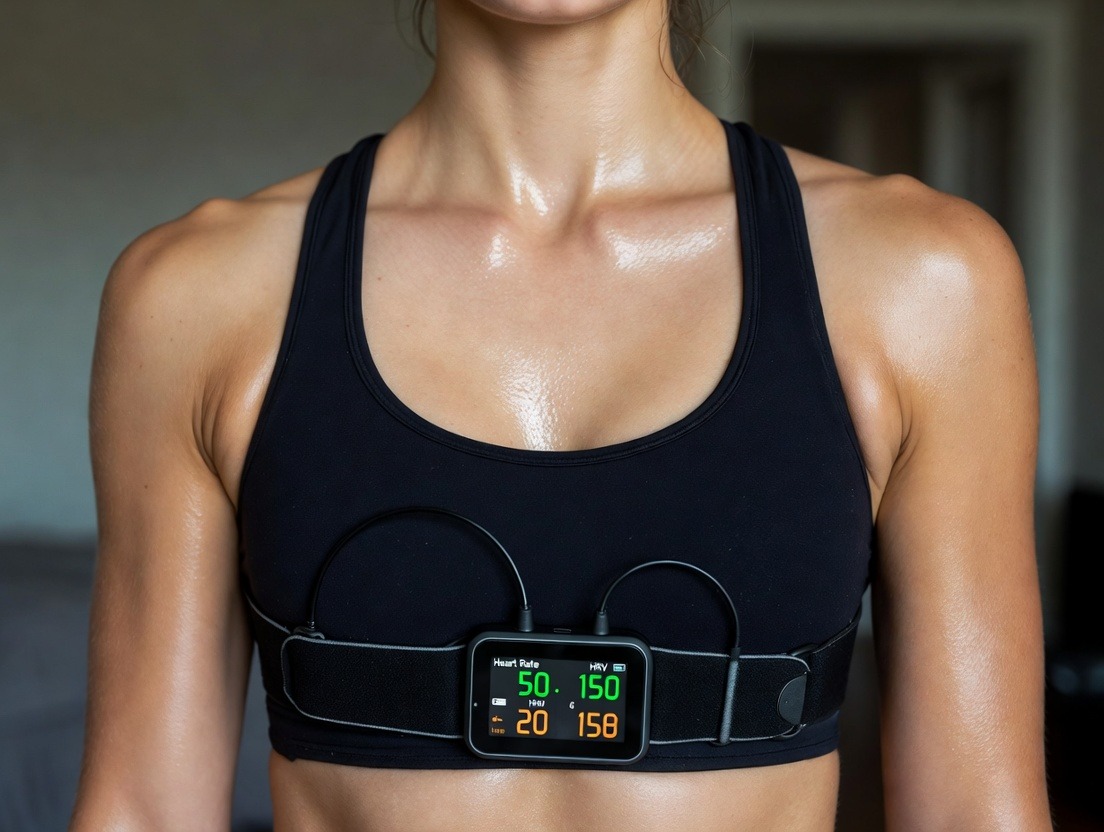
To navigate the landscape of recovery, you need a reliable map. That map is drawn by four fundamental biometrics: Heart Rate Variability (HRV), Resting Heart Rate (RHR), Skin Temperature, and Blood Oxygen Saturation (SpO2). Individually, they are vital signs. Together, interwoven and interpreted in context, they form a dynamic picture of your physiological balance.
Heart Rate Variability (HRV): The Gold Standard of Resilience
Contrary to popular belief, a healthy heart does not beat with the monotonous regularity of a metronome. The tiny, millisecond fluctuations in the time intervals between each heartbeat are what we call Heart Rate Variability. A higher HRV (greater variability) generally indicates a robust, adaptable autonomic nervous system. Your body is efficiently balancing its "gas pedal" (sympathetic nervous system for stress and action) and "brake pedal" (parasympathetic nervous system for rest and digest).
When you are well-recovered, resilient, and healthy, your HRV tends to be higher. It suggests your body has the resources to handle stress and is in a state conducive to repair. A downward trend in your HRV, however, can be an early warning signal. It often indicates that your body is under strain—be it from physical overtraining, emotional stress, poor sleep, or even the onset of illness. For a deeper dive into how devices measure this crucial metric, you can explore our FAQ on sensor technology.
Resting Heart Rate (RHR): Your Body’s Idle Speed
Your Resting Heart Rate is exactly what it sounds like: the number of times your heart beats per minute when you are completely at rest, typically measured during sleep or upon first waking. It’s a beautifully simple metric with profound implications. A lower RHR often signifies greater cardiovascular fitness and efficient heart function, as a strong heart can pump more blood with fewer beats.
For recovery tracking, the trend and context of your RHR are key. A sudden, unexplained elevation in your nocturnal or morning RHR is one of the clearest signs your body is fighting something. It could be mounting stress, dehydration, inadequate recovery from exercise, or an impending infection. Your body is essentially revving its engine while parked, signaling that resources are being diverted to address an internal challenge.
Skin Temperature: The Subtle Fever Curve
While core body temperature is tightly regulated, the temperature at your skin—especially your finger—can reveal important trends. Continuous monitoring via a smart ring captures your distal skin temperature throughout the night. A sustained elevation in your nightly skin temperature baseline is a classic sign of inflammation, which is a core component of the body's stress response.
This inflammation can be driven by intense training (muscle repair), diet, hormonal cycles, or, most notably, illness. Seeing this trend alongside a rising RHR and falling HRV creates a powerful triad of data confirming your body is in a state of heightened defense, urging you to prioritize rest.
Blood Oxygen Saturation (SpO2): The Breath of Life at the Cellular Level
Measured as a percentage, SpO2 indicates how much oxygen your red blood cells are carrying from your lungs to the rest of your body. While typically stable in healthy individuals (95-100% at sea level), dips during sleep can be highly informative. Frequent or significant nocturnal dips may point to sleep-disordered breathing, like sleep apnea, which severely fragments sleep and taxes the cardiovascular system.
Even without a clinical condition, watching your SpO2 profile helps you understand how well your body is oxygenating itself during its critical repair phase. Poor oxygenation overnight undermines every other recovery process.
The Symphony, Not the Solo
The true magic lies not in obsessing over any single daily number, but in observing the relationships and trends between these metrics over time. Think of them as an orchestra. A high, stable HRV (the cello's rich tone) combined with a low, steady RHR (the soft bass line) and stable skin temp (the harmonious strings) plays the symphony of recovery. When one instrument falls out of tune—a spiking RHR, a plunging HRV—the entire harmony is disrupted, alerting you to listen closer to what your body needs. To see how real people use these insights, browse authentic user experiences in our testimonials.
If the four metrics are the instruments, the Autonomic Nervous System (ANS) is the conductor, silently directing the physiological orchestra 24/7. Understanding the ANS is essential to interpreting your recovery data, as it is the primary system that all these metrics reflect.
The Sympathetic ("Fight or Flight") and Parasympathetic ("Rest and Digest") Balance
The ANS operates through two primary branches in a delicate, dynamic balance:
Recovery, in its purest physiological sense, is the state where the PNS is dominant and able to perform its restorative work without excessive interference from the SNS.
How Your Metrics Reflect ANS Activity
Your wearable data is a direct readout of this balance:
The Modern Dilemma: Stuck in "Fight or Flight"
The problem of modern life is chronic, low-grade sympathetic dominance. Constant emails, social media pressure, poor sleep hygiene, and even excessive "go-go-go" training keep the accelerator lightly but persistently pressed. This state, often called "sympathetic overdrive," leaves little room for the parasympathetic system to engage fully. The result? You might sleep for 8 hours but never truly enter deep, restorative states. Your body is in a constant state of readiness, which is exhausting and depleting over time.
Your recovery metrics are your dashboard lights for this state. A chronically low HRV and elevated RHR are classic signs that your ANS balance is tilted too far toward stress, hindering your body's innate ability to heal, adapt, and thrive. Recognizing these patterns is the first step toward retraining your nervous system for better balance—a concept we will explore in depth later. For foundational principles on our approach to this balance, you can learn about our mission and values.

While the ANS sets the stage, sleep is where the main act of recovery takes place. It is not passive downtime; it is an intensely active period of cellular renovation, memory consolidation, and metabolic regulation. Tracking sleep duration is just the opening chapter; the quality and architecture of your sleep tell the real recovery story.
Beyond Hours: The Stages of Sleep and Their Restorative Roles
Sleep progresses in cycles of approximately 90 minutes, each containing distinct stages:
A healthy recovery pattern shows sufficient time in both deep and REM sleep, with minimal disruptions fragmenting these critical stages.
How Recovery Metrics Illuminate Sleep Quality
Your wearable doesn't just guess at sleep stages; it infers them through the very metrics we've discussed:
The Vicious Cycle of Poor Sleep
Poor recovery leads to poor sleep, and poor sleep devastates recovery metrics. A high-stress day (low HRV, high RHR) makes it harder to fall asleep and reduces deep sleep. That night of poor sleep results in even higher RHR and lower HRV the next day, impairing your stress resilience and creating a negative feedback loop. Breaking this cycle requires intentional intervention, starting with a data-informed understanding of your personal sleep patterns. For more strategies on mastering this cycle, our blog features extensive resources on sleep hygiene.
Recovery cannot be assessed in a vacuum. It is the necessary response to strain—the physical, mental, and emotional loads you place on your system. To understand if you are recovering well, you must first understand how hard your body is working. Modern wearables quantify this load through the lens of "readiness" or "strain" scores, which are sophisticated amalgamations of your core metrics and activity data.
Physical Strain: More Than Just Steps
Physical strain encompasses all bodily exertion. While step count and active minutes are basic proxies, advanced algorithms now estimate your overall physiological load by tracking:
The goal is to capture your total daily energy expenditure and cardiovascular demand, as this determines the scale of repair work needed overnight.
Mental & Emotional Stress: The Invisible Load
This is where technology gets truly insightful. Your body's physiological response to a looming deadline, a difficult conversation, or financial worry is remarkably similar to its response to a hard workout: heightened SNS activity. Wearables capture this by monitoring:
The Balance Equation: Strain vs. Recovery Capacity
Think of your body as a battery. Strain is the power drain. Recovery—through sleep, nutrition, and relaxation—is the recharge. Your daily readiness score is essentially your "charge level" each morning. If you consistently drain more than you recharge (high strain + poor recovery metrics), you operate at a deficit. This leads to cumulative fatigue, decreased performance, and heightened injury or illness risk—a state often called "overreaching," which can slide into "overtraining syndrome."
By quantifying both sides of this equation, you can make informed decisions. A low readiness score despite a light activity day might point to unmanaged mental stress or poor sleep. Conversely, a high readiness score might give you the green light to safely push your workout intensity. This empowers you to practice strategic strain: applying the right load at the right time for positive adaptation, rather than breakdown.
With a grasp of the core metrics, their governing system (ANS), and the load they respond to, we now arrive at the most critical skill: interpretation. Raw data is noise; interpreted trends are knowledge. The single biggest mistake is overreacting to a single day's number. The true story of your recovery—and your health—is written in the patterns over time.
Why One Data Point is a Useless Snapshot
Your HRV today is 45 ms. Is that good or bad? In isolation, it's meaningless. For you, an HRV of 45 might be spectacular if your baseline is 35, or it might be alarming if your baseline is 65. Similarly, an RHR of 58 bpm might be normal for a fit individual but high for someone whose norm is 48. Your data is personal. The only valid comparisons are to your own historical averages.
Establishing Your Personal Baselines
The first few weeks with a recovery tracker are a discovery phase. During this time, aim for relative consistency in sleep and routine to allow the device to establish your personal baselines for HRV, RHR, skin temp, and sleep. These baselines are your "normal." They are the calm sea level from which all waves—positive and negative—are measured.
Identifying Meaningful Patterns and Deviations
Once baselines are set, you become a detective looking for significant deviations:
Context is King: The Annotation Habit
The final, human element is context. The data tells you what is happening; your life log tells you why. Get into the habit of using your app's note or tag function. Tag days with: "Intense Leg Day," "Poor Sleep - neighbor's dog," "Big Presentation," "Drank Alcohol," "Ate late," "Feel fantastic."
Over weeks, you will build a powerful, personalized corpus of knowledge. You'll see clearly that alcohol, even one drink, tanks your HRV and raises your skin temp. You'll confirm that your optimal sleep occurs when you finish eating 3 hours before bed. This is the transformation from passive tracking to active self-knowledge.
Your recovery dashboard is not a fate handed down by biology; it is a mirror reflecting your daily choices. Every decision—from what you put on your fork to how you spend your evening—pulls a physiological lever, for better or worse. By understanding these levers, you move from being a passenger to being the pilot of your own health.
Nutrition: Fueling Recovery or Fanning Inflammation
Food is information that directly influences your metrics.
Caffeine & Stimulants: The Double-Edged Sword
Caffeine's long half-life means that an afternoon coffee can still be blocking adenosine receptors at 10 PM, delaying sleep onset and reducing sleep quality. This creates a ripple effect: poorer sleep leads to higher RHR and lower HRV the next day, prompting more caffeine use—a vicious cycle. Tracking can help you find your personal "caffeine curfew."
Mindfulness & Relaxation: Activating the "Brake" on Demand
This is where you can actively hack your ANS. Practices like deliberate deep breathing, meditation, and gentle yoga stimulate the vagus nerve, promoting parasympathetic activity. The effect can be seen in real-time: a 10-minute meditation session can often produce an immediate, measurable bump in HRV and a drop in RHR. Consistently practicing these techniques can raise your HRV baseline, building your resilience reservoir. To understand how we integrate this philosophy into our products, read about our founding story and vision.
Environmental Factors: Even room temperature, light exposure (especially blue light at night), and noise pollution can subtly influence sleep architecture and next-day readiness. Your data helps you optimize your environment for recovery.
By experimenting with one lever at a time—say, moving dinner two hours earlier for a week—and observing the resultant trend in your metrics, you gain empirical, personal evidence for what works for you. This turns wellness from a set of generic rules into a personalized science.

For the fitness enthusiast or athlete, recovery data is the ultimate performance-enhancing tool. It closes the loop between effort and adaptation, transforming training from a practice of blind effort into one of intelligent stimulus. This is the principle of quantified autoregulation: letting your body's daily state guide your training intensity.
The Principle of Adaptive Training
Traditional training plans are linear and prescriptive: "Monday: 5x400m intervals." But what if Monday follows a terrible night's sleep and a high-stress weekend? A prescriptive plan forces you to execute, likely digging a deeper recovery hole. An adaptive approach, informed by your readiness score, might swap the intervals for light aerobic work or mobility. You train the body you have today, not the one you wish you had.
Identifying Overtraining vs. Productive Fatigue
This is a crucial distinction that metrics make clear.
Periodization and Deloading: Planned Recovery for Gains
The smart use of recovery data allows for dynamic periodization. Instead of guessing when to deload, you let your metrics guide you. A planned deload week every 3-5 weeks, or when your trends show accumulating fatigue, is a strategic investment. During this week, you reduce volume by 40-60% and intensity. You will likely see your HRV soar and RHR plummet by the week's end, signaling you are fully recovered, supercompensated, and ready to hit new personal bests in the next training block.
Workout Timing and Recovery Optimization
Your daily readiness score can also guide when you train. On a high-readiness day, schedule your most demanding session. On a low-readiness day, honor the data—make it a recovery day focused on sleep, nutrition, and gentle movement like walking or foam rolling. This "train high, rest low" pattern maximizes the payoff from hard sessions and minimizes the risk of injury from training in a fatigued state.
By integrating recovery metrics into your training philosophy, you stop working against your body and start working with it. This leads to more consistent progress, fewer injuries, and a longer, more enjoyable athletic journey.
One of the most profound utilities of continuous recovery tracking is its role as a sentinel for your immune system. Often, your biometrics can signal an oncoming illness days before you feel the first sniffle or scratchy throat. Learning to recognize these patterns turns your device into a powerful early warning system.
The Pre-Symptomatic Signature: Your Body's Distress Flare
When your immune system mobilizes to fight a pathogen (virus, bacteria), it initiates an inflammatory cascade. This is a massive physiological stressor, and your metrics reflect it with striking consistency:
Seeing this triad—↑RHR, ↓HRV, ↑Temp—is a strong indication that your body is diverting resources to a battle, even if you still feel "fine."
Differentiating Illness from Other Stressors
The pattern of an immune response can look similar to extreme physical overtraining or severe mental stress. Context is your differentiator. Ask: Have I been exposed to someone sick? Are there local bugs going around? If your training has been normal and stress is managed, an acute deviation in these metrics strongly points toward illness.
Actionable Response: The "Green Light, Yellow Light, Red Light" System
Post-Illness Recovery: Don't Rush Back
A common mistake is resuming full activity as soon as symptoms subside. Your metrics will tell you the truth: your RHR may still be elevated, and your HRV depressed. This "recovery gap" means your body is still rebuilding. Use your readiness score to guide a gradual return. A lingering low score post-illness is a mandate for continued rest to avoid relapse. This data-driven patience can shorten your total recovery time from weeks to days. For user stories on how this early detection has made a difference, see real-world examples in our testimonials.
Your body is not a static machine; it operates on a finely tuned 24-hour cycle known as your circadian rhythm. This internal clock, governed by light exposure, regulates everything from hormone release (cortisol, melatonin) to body temperature, digestion, and, crucially, your recovery processes. Optimizing recovery isn't just about what you do, but when you do it.
The Daily Cycle of Your Metrics
Your core recovery metrics follow a predictable, healthy diurnal pattern when your circadian rhythm is aligned:
Disruptions to this smooth, rhythmic wave—like a flat HRV line, an RHR that doesn't drop at night, or a blunted temperature drop—are signs of circadian misalignment.
The Enemies of Rhythm: Light, Timing, and Routine
The primary driver of your circadian clock is light, especially blue-wavelength light.
Chronotype Awareness: Are You a Bear, Wolf, Lion, or Dolphin?
Your personal expression of the circadian rhythm is your chronotype—your genetically influenced tendency to be a morning person, night owl, or somewhere in between. Fighting your chronotype is a losing battle for recovery. A night owl forced to wake at 5 AM will consistently show poorer morning readiness scores. Recovery optimization involves honoring your chronotype as much as possible by scheduling demanding work and training during your natural energy peaks and allowing your sleep schedule to align with your natural tendencies.
By using your recovery data to audit and then optimize your daily rhythms—prioritizing morning light, minimizing evening light, and stabilizing your schedule—you synchronize your lifestyle with your biology. This alignment reduces systemic stress, improves sleep efficiency, and creates the stable, rhythmic foundation upon which peak recovery can occur.
We've explored how lifestyle affects metrics, but the loop flows powerfully in the other direction as well: the data you see can directly influence your psychological state, creating either a virtuous or vicious cycle. Mastering this mind-body feedback loop is the final piece of holistic recovery optimization.
Data Anxiety: When Tracking Becomes Stressful
A common pitfall, especially for detail-oriented individuals, is "data anxiety" or "wearable stress." Obsessively checking your HRV every morning, feeling defeated by a "low readiness" score, or fretting over a single night of poor sleep data can itself become a source of sympathetic activation. This anxiety literally worsens the very metrics you're worried about, creating a self-fulfilling prophecy of poor recovery.
Cultivating a Healthy Relationship with Your Data
The goal is to shift from a judgmental, reactive stance to a curious, observational one.
Positive Reinforcement and Behavioral Change
Conversely, seeing positive data can be incredibly reinforcing and calming, stimulating the very parasympathetic state you seek. Witnessing your HRV climb after a month of consistent meditation, or seeing your deep sleep increase after committing to a screen curfew, provides tangible, positive feedback. This reinforces the healthy behavior, strengthens your sense of agency, and reduces health anxiety. It proves that your actions have direct, measurable consequences, empowering you to stay the course.
The Ultimate Goal: Embodied Awareness
The highest purpose of recovery tracking is not to create a dependency on a device, but to use it as a teacher to develop embodied awareness. Over months of observation, you begin to internalize the correlations. You start to feel when your HRV is likely low (a sense of wired fatigue, irritability). You learn to recognize the bodily sensations that precede a drop in recovery. The device trains you to become exquisitely attuned to your own physiology, so that eventually, you can make wise choices based on internal cues, using the data only for periodic check-ins.
This journey—from data obsession to data-informed intuition—is where true wellness autonomy lies. It’s about using technology not as a crutch, but as a catalyst for a deeper, more trusting relationship with the most sophisticated system you'll ever own: your own body. For continued learning on this journey, our blog offers a wealth of articles on mindful tech use and wellness.
We have journeyed through the metrics, the systems, the influences, and the mindset. Now, let's synthesize this knowledge into a practical, actionable framework—a weekly and daily practice you can adopt to systematically optimize your recovery and, by extension, your health and performance.
The Weekly Audit: Your "Recrapy" (Recovery Therapy) Session
Once a week, set aside 15 minutes for a data review. Don't do this daily to avoid micromanagement.
The Daily Ritual: Morning Readiness & Evening Wind-Down
The Adaptation Cycle: Plan, Execute, Measure, Learn
This framework turns recovery into a continuous improvement cycle:
This is not about achieving perfect scores every day—that's impossible and counterproductive. It's about building resilience: the ability to withstand stressors and bounce back efficiently. Over time, you will see your baseline HRV rise, your RHR become lower and more stable, and your sleep improve. You will recover faster from illness, handle stress with more grace, and get more positive adaptation from your training.
You have now built a comprehensive foundation in the science and practice of recovery. You understand the language of your metrics and possess the tools to influence them. In the next portion of this guide, we will delve even deeper into advanced optimization strategies, explore the intersection of recovery with specific health goals like weight management and cognitive performance, and examine the future of personalized health technology. The journey to mastering your recovery—and unlocking your fullest potential—continues.
The knowledge of how to read your recovery data is power. The practice of using it to make daily, informed choices is transformation. You are no longer guessing; you are conducting the symphony of your own biology with increasing confidence. But the journey from foundational understanding to true mastery involves refining your techniques, addressing deeper challenges, and strategically aligning recovery with your most ambitious life goals. This is where we move from reactive correction to proactive optimization.
In this next phase of our exploration, we will tackle the nuanced aspects of recovery that separate good outcomes from exceptional ones. We’ll confront the pervasive issue of burnout, not as a psychological concept, but as a measurable physiological state. We’ll examine how recovery principles must adapt to the natural transitions of life, from shifting hormones to the aging process. Finally, we’ll connect the dots between nightly recovery and your most aspirational objectives: body composition, mental sharpness, and lifelong vitality.
Mastery is not about a perfect score every day. It’s about building a system so robust that you can navigate life’s inevitable stressors—the hard training blocks, the intense work projects, the personal challenges—without crashing. It’s about cultivating a deep reservoir of resilience that allows you to perform, adapt, and thrive over the long term.
Let’s begin by addressing one of the greatest thieves of modern potential: the slow burn of chronic stress that leads to systemic depletion.
Burnout is often described as emotional exhaustion. In reality, it is a whole-body physiological state of profound dysregulation. It’s not a switch that flips overnight; it’s a slow, insidious erosion of your biological capacity to cope. Your recovery metrics are the canaries in the coal mine, providing an unmistakable early-warning system long before you utter the words “I’m burned out.”
The Biometric Signature of Pre-Burnout
While acute stress causes sharp deviations, the path to burnout is marked by a gradual, sustained degradation of your baseline. Watch for these chronic trends over a period of 3-6 weeks:
Differentiating Burnout from Overtraining
The patterns can look similar, but the context provides the key:
The Recovery Debt Spiral
This is the dangerous positive feedback loop of burnout. Chronic stress (↓HRV, ↑RHR) leads to poor sleep. Poor sleep further degrades your metrics the next day, lowering your resilience and making you more reactive to stressors. You become trapped in a spiral where your capacity to recover shrinks as the demand to recover grows. Breaking this spiral requires radical, not incremental, intervention.
The Prescription for Systemic Recalibration
Reversing a burnout trajectory is not about adding one meditation. It’s a strategic downshift:
By treating your recovery dashboard as a vital sign panel for your systemic health, you can catch the burnout trajectory early and enact a recovery plan that is as serious and structured as any training plan. This is the ultimate form of self-preservation in a high-demand world.
Your hormones are the master chemical messengers orchestrating metabolism, energy, mood, reproduction, and—critically—recovery. They operate in a delicate, rhythmic dance with your nervous system. Your wearable data doesn’t measure hormones directly, but it provides a brilliant indirect readout of their ebb and flow, offering insights especially valuable for women navigating hormonal cycles and for anyone managing age-related shifts.
The Cortisol-Melatonin Seesaw and Your Daily Rhythm
These two key hormones are locked in an inverse relationship dictated by light and stress, and their balance is written in your metrics.
Menstrual Cycle Insights: A Phased Approach to Recovery
For women, the menstrual cycle is not a bug in the system; it’s a feature. Hormonal fluctuations across the cycle create predictable changes in core body temperature, metabolism, and nervous system state, all visible in recovery data.
Tracking these patterns over cycles empowers you to work with your biology, not against it. It turns subjective PMS feelings into objective, predictable physiological phases, allowing for compassionate and strategic self-management.
Testosterone, Growth Hormone, and the Anabolic Window
While not gender-specific, these anabolic (building) hormones are crucial for recovery from stress and strain.
Optimizing Lifestyle for Hormonal Support
Your data guides you to habits that support hormonal harmony:
By viewing your recovery metrics through a hormonal lens, you gain a more nuanced, powerful understanding of your body’s natural rhythms, enabling you to optimize not just daily, but cyclically and seasonally. For more on personalizing health tracking, our blog features detailed guides on this topic.
The principles of recovery are universal, but their application must be intelligently adapted as we age and as our life roles evolve. The 25-year-old elite athlete and the 50-year-old knowledge worker are both seeking peak performance—it just looks different. Recovery metrics become even more critical with age, not as a sign of decline, but as a precision tool for sustaining vitality.
Why Recovery Demands Change with Age
Several physiological shifts make recovery less forgiving and more strategic:
The Metrics Tell the New Story
These shifts appear clearly in the data. An aging individual might see:
The Strategic Pivot: From Peak Performance to Sustainable Performance
The goal shifts from achieving maximal output to optimizing consistency, resilience, and healthspan.
For the Modern Professional: Recovery as a Non-Negotiable Business Tool
For the knowledge worker, performance is cognitive, emotional, and endurance-based. The "stress" is mental, but the physiological toll is identical.
Whether you’re an aging athlete or a leader at the peak of your career, the message is the same: Your recovery capacity is your foundational currency. Investing in it through mindful practice and data-informed habits is the single most impactful thing you can do to sustain high-level performance for decades. To understand how our technology supports this lifelong journey, discover the story behind our product's development.
Food is more than calories; it’s information and building material. The concept of nutritional periodization involves strategically timing your nutrient intake to support your body’s changing recovery needs throughout the day and in response to specific stressors. Your recovery metrics provide the feedback loop to personalize this powerful approach.
The Macronutrient Clock: What to Eat and When for Optimal Metrics
Hydration: The Most Overlooked Recovery Lever
Even mild dehydration (a loss of just 1-2% of body water) increases plasma osmolality, making your blood thicker. Your heart has to work harder, directly elevating your RHR both at rest and during activity. Dehydration is also a potent stressor, contributing to lower HRV. Simply ensuring consistent, adequate water intake throughout the day is one of the simplest ways to improve your recovery metrics and reduce unnecessary cardiovascular strain.
Inflammation Modulation Through Diet
Chronic, low-grade inflammation is a silent recovery killer, often visible in a gradually rising skin temperature baseline and suppressed HRV. Your diet is your primary tool to modulate this.
Intermittent Fasting & Time-Restricted Eating: A Data-Informed Approach
While popular, these practices are not universally beneficial for recovery. For some, they can be a significant stressor.
The Personalization Protocol: If experimenting with fasting, do it consciously. Maintain your normal training for 2-3 weeks while implementing the eating window. Observe the trend in your recovery scores. If they decline, it may be a sign the practice is adding, not reducing, stress to your system. Your data tells you what works for your unique physiology.
By treating nutrition as a recovery tool and using your metrics to assess its efficacy, you move beyond generic diet rules to a truly personalized, functional eating strategy that fuels your resilience.
Your biology does not exist in a vacuum. It is in constant conversation with your environment—the light, air, sound, and temperature that surround you 24/7. By intentionally designing your environment, especially your sleep sanctuary, you can create external conditions that passively promote optimal internal recovery. Your biometric data is the tool to measure the effectiveness of each change.
Light: The Master Circadian Regulator
This is the most powerful environmental lever.
Temperature: The Sleep Switch
Your body needs to drop its core temperature by about 1-2°F to initiate and maintain sleep.
Sound & Noise Pollution: The Fragmentation Factor
Even if you don’t fully wake up, noise can cause micro-arousals, pulling you out of deep or REM sleep into lighter stages. This fragments your sleep architecture, reducing its restorative power. It often appears as increased "toss and turn" counts or a higher-than-normal sleeping heart rate.
Air Quality & Oxygenation
The air you breathe during sleep matters. Poor ventilation, allergens, or dry air can irritate airways, potentially contributing to subtle breathing disruptions (even without sleep apnea) and inflammation.
The "Recovery Sanctuary" Audit
Use a week of baseline data, then make one environmental change at a time (e.g., install blackout curtains, set the thermostat to 67°F, add a white noise machine). Observe the impact over the next week in your:
By methodically optimizing your environment, you create a ecosystem that consistently nudges your nervous system toward "rest and digest," making high-quality recovery the default, not the struggle.
The foundational quartet of HRV, RHR, skin temp, and SpO2 provides a remarkably complete picture. However, the frontier of wearable technology is rapidly expanding to include more direct and nuanced biomarkers. Understanding these emerging metrics gives us a glimpse into the future of personalized recovery and a deeper layer of insight today.
Respiratory Rate (RR): The Silent Signal of Systemic Load
Often overlooked, your breaths per minute at rest is a profoundly stable and informative metric.
Heart Rate Variability (HRV) Frequency Bands: A Deeper Dive
While your device gives you a single HRV number (often the rMSSD or SDNN calculation), the underlying signal can be broken down into frequency bands, much like a music equalizer. Research-grade analysis looks at:
While most consumer wearables don't display this publicly, the algorithms often use this deeper analysis to generate your readiness scores. Understanding that your HRV score synthesizes this complex information reinforces why it's such a powerful summary metric for autonomic balance.
Electrodermal Activity (EDA) or Skin Conductance: Measuring Nervous System Arousal
This metric measures subtle changes in the skin's ability to conduct electricity, which increases with sweat secretion—a process controlled entirely by the sympathetic nervous system.
The Composite Score: The "Readiness" or "Body Battery" Algorithm
This is where the real magic happens. Your device’s readiness score (like Oura’s Readiness, Whoop’s Recovery, or Garmin’s Body Battery) is not a single metric. It’s a proprietary algorithm that weighs and interprets all the above data points—HRV, RHR, RR, temperature, sleep data, and sometimes activity—relative to your personal baseline.
The Future: Continuous Glucose Monitoring (CGM) & Metabolic Recovery
The next integration frontier is metabolic health. CGMs provide a real-time view of blood glucose levels. When paired with recovery data, the insights are groundbreaking:
By appreciating these advanced and emerging biomarkers, you understand that your recovery score is the tip of a very sophisticated iceberg. It represents a holistic, systems-biology assessment of your physiological state, making it an incredibly reliable guide for daily decision-making.
Until now, we’ve framed recovery as the goal itself. But in reality, optimal recovery is the engine that drives progress toward your most important life goals. Whether you want to lose fat, sharpen your mind, or live a long, healthy life, neglecting recovery sabotages your efforts. Here’s how the dots connect.
Weight Management and Body Composition
The old paradigm was "calories in, calories out." The new paradigm understands that hormonal context dictates where those calories go. Recovery metrics are a proxy for that hormonal context.
Cognitive Performance, Creativity, and Emotional Regulation
Your brain is your most energy-hungry organ, and it is exquisitely sensitive to recovery status.
Longevity and Healthspan: The Ultimate Recovery Goal
Longevity isn’t just about adding years to life, but life to years—maintaining function and vitality. The biological hallmarks of aging (like genomic instability, mitochondrial dysfunction, and altered cellular communication) are all accelerated by chronic stress and poor recovery.
In essence, every goal is a recovery goal. You cannot out-train, out-think, or out-diet poor recovery. By making the optimization of your core biomarkers the foundation of your strategy, you align your daily habits with your deepest aspirations for a healthy, high-performing body and mind. For a community of people pursuing these goals, read about the experiences of others on their journey.
We stand at an extraordinary inflection point in personal health. The smart ring on your finger is not an end point; it is the central hub of a rapidly expanding ecosystem of data, insights, and personalized guidance. The future of recovery optimization lies in seamless integration, predictive intelligence, and truly tailored health strategies.
From Data Silos to Integrated Health Dashboards
The current challenge is that our health data is often fragmented: workouts on one app, nutrition on another, sleep on your ring, blood tests in a PDF. The future is interoperability.
Predictive Analytics and Proactive Coaching
Today’s technology is largely descriptive (telling you what happened). The next wave is predictive and prescriptive.
The Rise of Multimodal Sensing and Non-Invasive Blood Biomarkers
The sensor fusion of tomorrow will go far beyond the finger.
Ethical Considerations and Data Ownership
As technology grows more intimate, important questions arise:
The trajectory is clear: recovery optimization is moving from a manual, analytical practice to a semi-automated, guided experience. Your wearable will become less of a tracker and more of an always-on health partner, using your unique biometric blueprint to help you navigate daily choices for a healthier, more resilient life. This is the core of our vision for the future at Oxyzen.
Knowledge without action is merely trivia. This guide culminates in a practical, step-by-step framework to build your own personalized recovery protocol. Use this as a living document, adapting it as you learn more from your data and as your life evolves.
Phase 1: The Discovery Month (Weeks 1-4)
Phase 2: The Single-Lever Experiment (Weeks 5-8)
Phase 3: Systematic Integration & Advanced Tuning (Ongoing)
Building Your Resilience Reservoir: The Long-Game Strategies
When to Seek Professional Guidance
Your data is powerful, but it has limits. Use it to inform conversations with professionals:
Your personalized recovery protocol is your ultimate act of self-care. It is a dynamic, living system that honors your unique biology and empowers you to show up as your best self, day after day, year after year. This is not the


