


Health Metrics Explained: Understanding HRV Numbers Simply
A simple explanation of Heart Rate Variability (HRV) numbers.
A simple explanation of Heart Rate Variability (HRV) numbers.
%402x.svg)
You’ve just woken up. Before you even open your eyes, you grab your phone to check the overnight report from your smart ring or fitness tracker. Sleep score: 87 – not bad. Resting heart rate: 58 BPM – right in your normal zone. And then you see it: your Heart Rate Variability (HRV). The number is different from yesterday. It’s lower. A tiny spike of anxiety flutters in your chest. Is this bad? What does this mean? Should I push through my workout today or take it easy?
If this ritual sounds familiar, you’re not alone. In the age of biometrics at our fingertips, HRV has emerged as one of the most insightful, yet most misunderstood, numbers in personal health. For decades, it was a metric confined to cardiology clinics and elite athlete training rooms. Today, it’s beamed directly to our wrists and finger rings, a raw data point shrouded in mystery for the average user.
Most guides drown you in complex physiology, leaving you more confused than when you started. They talk about milliseconds, RMSSD, and frequency domains but fail to answer the fundamental question: What does my HRV number actually tell me about my body right now?
This isn’t just academic. This number is a direct line to your nervous system, a real-time report card on your resilience, recovery, and overall stress load. Misunderstanding it can lead to misinformed decisions—overtraining when you need rest, ignoring signs of impending illness, or mistaking chronic stress for normalcy.
Forget complex graphs and scientific jargon. Consider this your decoder ring. This guide will translate the silent language of your heartbeat into simple, actionable wisdom. We’ll move beyond the “what” to the “so what,” empowering you to use your HRV not as a source of stress, but as a powerful tool for a more balanced, resilient, and healthier you. By the end, you won’t just see a number; you’ll understand the story it’s trying to tell.
Let’s begin by demystifying the most basic question of all.
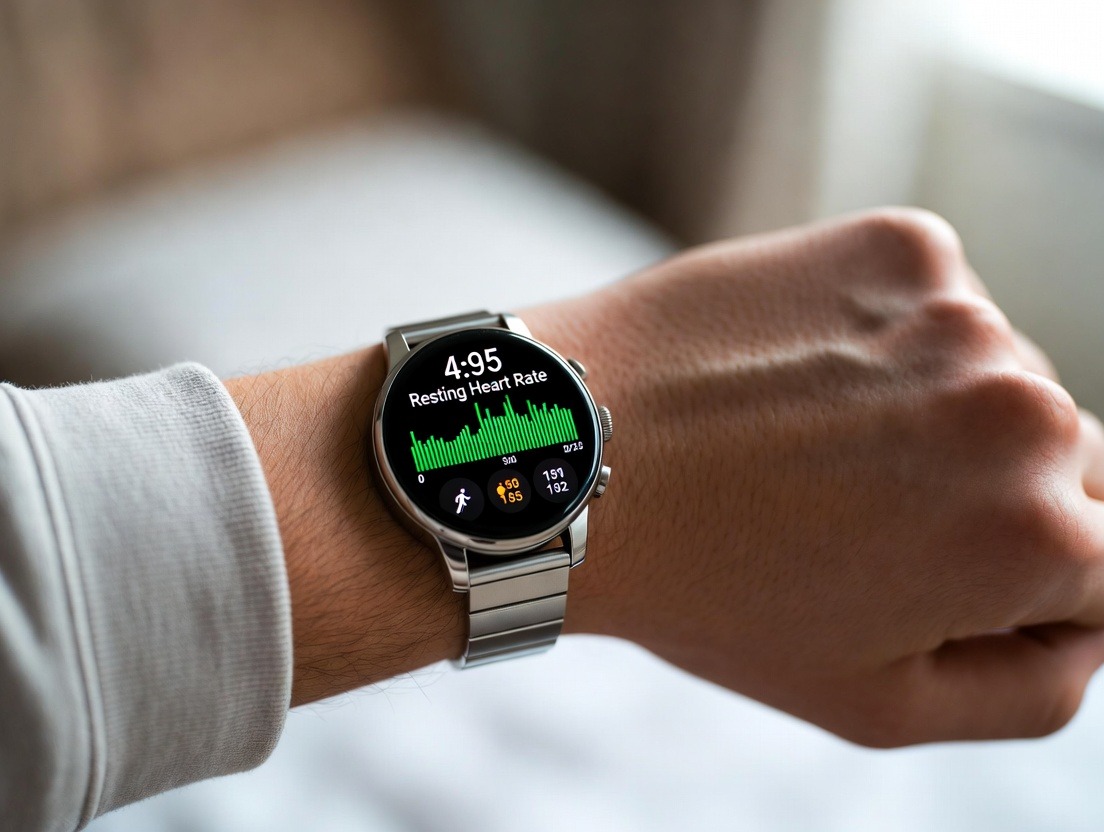
Close your eyes and picture a beating heart. Most of us imagine a steady, rhythmic thump-thump-thump, as reliable and even as a ticking clock. This is the first and most critical misconception to shatter. A healthy heart does not beat with the monotonous regularity of a metronome. In fact, if it did, it would be a sign of serious distress.
Heart Rate Variability is exactly what it sounds like: the variation in time between consecutive heartbeats. This interval is measured in milliseconds and is known as the R-R interval. If your heart beats at exactly 60 beats per minute, you might assume there is precisely 1,000 milliseconds between each beat. In reality, one interval might be 985 ms, the next 1,012 ms, the next 1,002 ms. This subtle, constant fluctuation is your HRV.
Think of it like a skilled drummer. An amateur keeps a simple, rigid beat. A master drummer listens to the rest of the band, subtly speeding up and slowing down, adding tiny pauses and emphases to create a richer, more dynamic, and responsive performance. Your heart is that master drummer, and your body is the band it’s listening to.
The conductor of this performance is your autonomic nervous system (ANS). This is the unconscious control center regulating everything from digestion to pupil dilation. It has two primary branches engaged in a constant, delicate tug-of-war:
HRV is the biomarker of this tug-of-war. High HRV generally indicates a strong, responsive parasympathetic influence—your body is relaxed, recovered, and adaptable. It can smoothly apply the brakes. Low HRV suggests the sympathetic system is dominant or that overall system flexibility is poor—your foot is consistently on the gas, or your brakes are worn out. Your body is under stress, fatigued, or not recovering well.
It’s crucial to understand: HRV is not a measure of fitness in the traditional sense. A Tour de France cyclist may have a phenomenally low resting heart rate but a surprisingly low HRV the morning after a brutal mountain stage. Their fitness is supreme, but their body is deep in recovery mode, signaling the need for rest. Conversely, someone with a modest fitness level but a very low-stress, balanced lifestyle might exhibit a higher HRV. It’s a measure of neuro-cardiac fitness—the health and responsiveness of the connection between your brain and your heart.
This is why, when you check your smart ring data each morning, that HRV number is so much more than a random digit. It’s a snapshot of your nervous system’s balance. It answers the question: Is my body primed for challenge, or is it pleading for peace? As we explore how this vital sign is captured, you’ll see why the technology on your finger is revolutionary. For a deeper look at the sensors that make this possible, you can always explore the technology behind devices like Oxyzen.
To trust your HRV data, it helps to know where it comes from. The journey of this metric from a specialized clinical tool to a daily wellness indicator is a story of technological triumph.
The clinical gold standard for measuring HRV is an electrocardiogram (ECG or EKG). This medical device uses electrodes placed on the skin to detect the tiny electrical currents generated by your heart with each beat. It produces a highly precise waveform where each major spike (the QRS complex, specifically the R-wave) marks a heartbeat. The time between these R-waves is measured with extreme accuracy, providing the raw data for HRV calculation.
For decades, this meant HRV assessment was stationary, wired, and brief—a snapshot taken in a doctor’s office. Then came photoplethysmography (PPG). This is the technology in your smart ring, fitness tracker, and many smartphone apps. PPG uses a tiny LED light to shine into the skin on your wrist or finger. A sensor measures the amount of light reflected back. Since blood absorbs light, the subtle changes in light reflection with each pulse wave correspond to your heartbeat.
It’s a brilliant, non-invasive workaround. While not quite as precise as a medical-grade ECG for detecting the exact millisecond of each electrical impulse, modern PPG sensors, especially those in finger-worn devices, are remarkably accurate for calculating beat-to-beat intervals during rest. The finger offers a stronger pulse signal than the wrist, making smart rings a particularly reliable form factor for this measurement.
But collecting the raw intervals is only half the battle. How do we get a single, meaningful number from thousands of tiny fluctuations? This is where HRV Analysis comes in. Scientists and engineers use mathematical methods to make sense of the data. The two most common types you’ll encounter are:
For daily, practical use, focus on RMSSD from a time-domain analysis. It’s robust, understandable, and perfect for tracking trends over time. Your device does the heavy lifting, turning a river of light-based pulse data into a clear, actionable RMSSD number.
This seamless translation of complex physiology into a simple dashboard is the magic of modern wearables. But the number in isolation is meaningless. Its true power is unlocked through personal context. To understand what the company behind your device believes about this data, you can read about Oxyzen's mission and values.
Knowing what HRV is and how it’s measured leads to the most important question: Why should you care? In a world saturated with health metrics—steps, calories, sleep stages—what makes HRV worth your attention?
The answer is profound: HRV is a non-invasive window into your autonomic nervous system, providing biofeedback you can actually use. Unlike your weight or even your resting heart rate, which are lagging indicators of general health, HRV is a leading indicator of your physiological and psychological state. It often changes before you consciously feel different.
Here are the transformative reasons to make HRV a cornerstone of your wellness practice:
1. It’s Your Personalized Recovery Score.
For anyone who trains—from weekend warriors to professional athletes—HRV is a game-changer. It answers the critical question: Am I recovered enough for today’s workout? Pushing hard when your HRV is significantly depressed can lead to overtraining, injury, and burnout. Conversely, seeing a strong, high HRV can give you the green light to give your all. It moves you from training by a rigid calendar to training by how your body actually feels.
2. It’s an Objective Stress Barometer.
Stress isn’t just a feeling; it’s a physiological cascade. Deadlines, arguments, financial worries, and even over-scheduling trigger your sympathetic nervous system. HRV provides an objective measure of this load. You might tell yourself you’re “handling the stress,” but a consistently low or declining HRV trend is your body saying otherwise. It’s a call to action to incorporate more recovery practices.
3. It Can Predict Illness (Sometimes Before Symptoms).
One of the most fascinating applications of HRV is its predictive power. A sudden, unexplained drop in your baseline HRV can be an early warning sign of an oncoming cold, flu, or other infection. Your body’s immune response creates internal stress, which your nervous system registers before you feel a sore throat or fatigue. Monitoring HRV can give you a heads-up to prioritize rest, hydration, and self-care.
4. It Tracks Your Resilience & “Battery Level.”
Think of HRV as your body’s “buffer” or “bandwidth.” A high HRV suggests you have a large buffer to handle physical, mental, and emotional challenges without becoming overwhelmed. A low HRV indicates your bandwidth is narrow; even small stressors can feel monumental. Tracking it over months and years can show you how lifestyle changes—better sleep, meditation, changed nutrition—are genuinely improving your fundamental resilience.
5. It Connects Mind and Body.
HRV is uniquely bi-directional. It reflects mental states (anxiety lowers it, calm elevates it), and you can actively influence it with mental practices. This makes it a powerful tool for biofeedback training. By using breathing exercises or meditation while watching your HRV rise in real-time on an app, you learn to consciously activate your parasympathetic nervous system. You build a skill for self-regulation.
In essence, tracking HRV transforms you from a passenger in your body to an informed pilot. You gain an instrument panel that shows not just your speed (heart rate) but your engine’s efficiency and readiness (HRV). It empowers proactive, rather than reactive, health choices. For practical guidance on applying these insights, our blog is filled with resources on recovery and stress management.

Here is the single most important principle for using HRV effectively: Never compare your HRV to someone else’s. Ever.
This is the trap that causes endless confusion and anxiety. You see a friend post their “amazing” HRV of 120 ms, look down at your own reading of 45 ms, and immediately think something is wrong. This is like comparing your shoe size to theirs and wondering why yours is different. HRV is profoundly individual.
A multitude of factors create your unique, innate HRV setpoint:
Therefore, the only meaningful comparison is you vs. you. Your mission is to establish your personal baseline and then watch for meaningful deviations from it.
How to Find Your Baseline:
Your baseline isn’t a single number; it’s a range. To find it, you need consistent data collected under similar conditions. The best practice is to take a reading first thing in the morning, before getting out of bed, coffee, or checking your phone. This provides a controlled, resting snapshot.
Once you know your baseline, you can interpret daily readings:
The story of your health is not written in a single day’s number, but in the trend over time. A gradual upward trend in your baseline over months is a fantastic sign of improved resilience. A gradual downward creep is a signal to audit your lifestyle. This personalized approach is what makes HRV so powerful. For answers to common questions about establishing your baseline, our FAQ section provides detailed guidance.
Your HRV is a dynamic number, responding to the myriad inputs of your daily life. Understanding these key influencers empowers you to become a master gardener, tending to the factors that help your HRV—and thus your resilience—flourish. Let’s break down the major levers.

Sleep is the most potent recovery tool for your nervous system. Quality and quantity are both critical. During deep (N3) and REM sleep, parasympathetic activity dominates, allowing for physical repair, memory consolidation, and nervous system recalibration.
Physical activity has a complex, dose-dependent relationship with HRV.
While acute stress (a near-miss in traffic) causes a brief HRV dip, it’s chronic, unmanaged stress that does the real damage. Constant work pressure, relationship strife, or financial worry keep your sympathetic nervous system subtly engaged, suppressing your parasympathetic tone and lowering your HRV baseline. It’s like leaving a light on 24/7—it drains your battery.
What you put in your body directly fuels—or hinders—your nervous system.
This is where you have direct, voluntary control. Your breath is the remote control for your autonomic nervous system.
By becoming aware of these influencers, you move from being a passive observer of your data to an active participant in your well-being. You can start to run experiments: “If I get 8 hours of sleep instead of 6, what happens to my number?” “If I meditate for 10 minutes at lunch, how does my afternoon stress feel?” This is the essence of using HRV as a guide. To see how others have used this data to transform their routines, browse real user testimonials and stories.
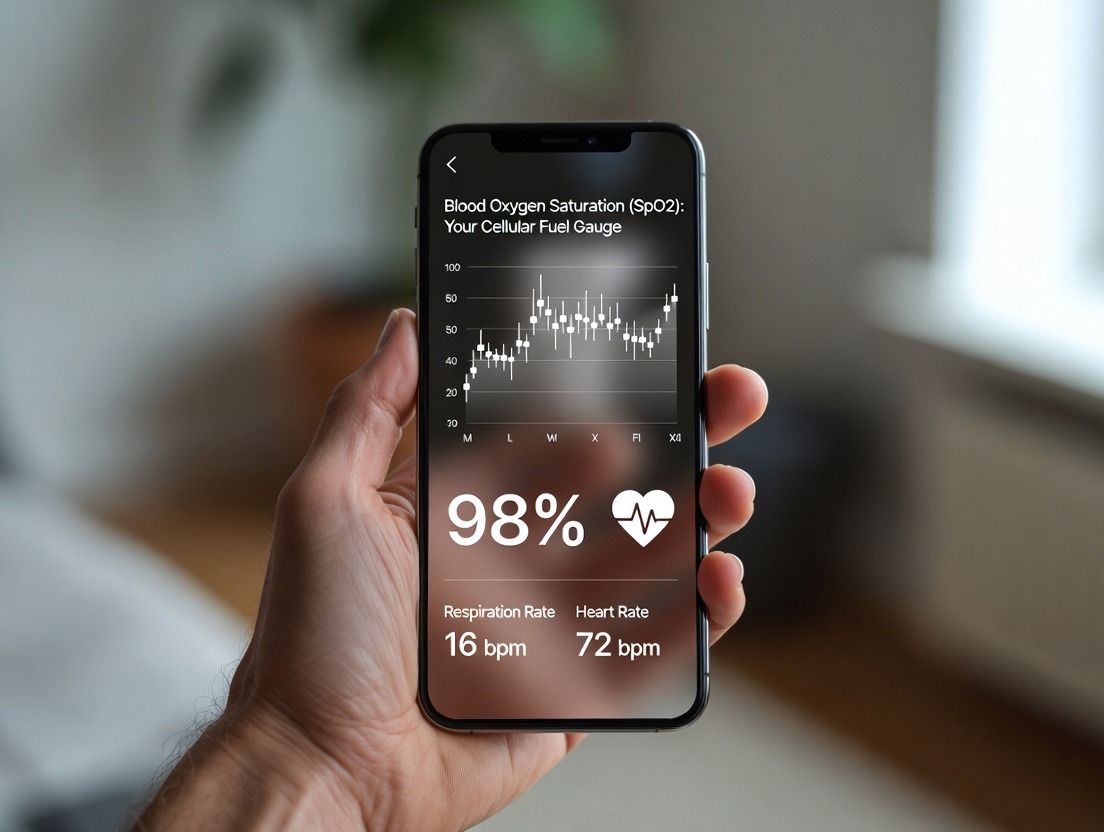
You have your device. You’ve tracked your baseline. You understand the influencers. Now, what do you do with today’s number? Let’s walk through a practical, step-by-step framework for daily interpretation that avoids panic and promotes intelligent action.
Step 1: Check the Context, Not Just the Number.
Before you even look at the HRV value, ask yourself about yesterday:
This contextual checklist is your primary decoder. A low HRV after a heavy leg day and a late-night dinner is expected. A low HRV after a restful day off is more puzzling and potentially concerning.
Step 2: Compare to Your Personal Baseline (Not Yesterday).
Our instinct is to compare to yesterday. Resist this. Daily fluctuations are normal. Instead, look at your rolling average (e.g., 7-day average) and your established personal range.
Step 3: Apply the “So What?” Test.
This is where you make it actionable.
For a YELLOW FLAG (Low HRV):
For a BLUE SKY (High HRV):
For a GREEN LIGHT (Normal HRV):
The Golden Rule: Track Trends, Not Drops.
A single low reading is a data point. A sustained drop over 3-5 days, especially with an elevated RHR, is a trend that demands attention. It could indicate:
Conversely, a sustained upward trend over weeks or months is a beautiful indicator that your lifestyle changes are fundamentally improving your autonomic health and resilience.
By following this framework, you transform a mysterious millisecond value into a daily conversation with your body. It becomes a guide for sustainable performance and well-being. For more nuanced strategies on interpreting data trends, our blog offers advanced guides and case studies.
As HRV has entered the mainstream, a fog of myths has followed. Let’s clear the air with some straight talk, separating evidence-based fact from pervasive fiction.
Myth 1: “A Higher HRV is Always Better.”
The Truth: While a higher baseline over time is generally a positive indicator of resilience, context is everything. An acutely, abnormally high HRV that’s far outside your personal range can sometimes be a sign of other issues, like certain types of fatigue or even the onset of overtraining syndrome in some individuals. Furthermore, the goal isn’t to achieve the highest possible number, but to achieve a stable, optimal HRV that supports your health and goals. Chasing an arbitrary high score can lead to its own form of stress (“HRV anxiety”).
Myth 2: “My HRV Should Be the Same Every Day.”
The Truth: This is perhaps the most harmful misconception. HRV is meant to be variable. It is a reflection of a dynamic, living system responding to a changing environment. If your HRV were the same every day, it would mean your nervous system is not responding to life—a sign of poor health. Daily fluctuations are normal and expected. The key is understanding the pattern and magnitude of those fluctuations relative to your personal norm.
Myth 3: “I Can’t Improve My HRV Because It’s Genetic.”
The Truth: Genetics set the stage, but lifestyle conducts the play. While you inherit a predisposition, research is clear that modifiable factors have a massive impact. Consistent aerobic exercise, strength training, quality sleep, stress management (like meditation), and good nutrition have all been shown to improve HRV over time. You have tremendous power to shift your baseline upward through daily habits.
Myth 4: “HRV is Only for Athletes.”
The Truth: The benefits of HRV monitoring extend far beyond the gym or track. For the non-athlete, it’s an unparalleled tool for managing modern life stress. It can help you identify your personal stress thresholds, understand the impact of your work schedule on your body, optimize your sleep, and prevent burnout. Anyone interested in the connection between their mind, lifestyle, and physical health can benefit from this insight.
Myth 5: “A Single Low Reading Means I’m Unhealthy or Overtraining.”
The Truth: Jumping to conclusions from one data point is the cardinal sin of biohacking. A single low reading is a snapshot, not a movie. It could be due to one bad night’s sleep, a single stressful event, a heavy meal, or a hard workout. Overtraining and poor health are indicated by trends—a persistent suppression of HRV over days or weeks, coupled with other signs like elevated resting heart rate, mood changes, and performance decline. Never diagnose yourself based on one morning’s reading.
Myth 6: “All Devices Measure HRV the Same Way.”
The Truth: This is critical for consumers to understand. Not all HRV data is created equal.
By dispelling these myths, you can approach your HRV data with clarity, confidence, and a focus on what truly matters: long-term trends and personalized insights. The journey of understanding this metric is part of a larger story about knowing oneself, a principle at the heart of Oxyzen's mission to empower personal health discovery.
Of all the factors influencing HRV, sleep shares the most intimate and powerful relationship with it. They are in a constant, bidirectional dialogue: Sleep quality directly determines your morning HRV, and your daytime habits (reflected in HRV) profoundly impact your sleep.
Think of sleep as the nightly maintenance shift for your nervous system. During the different stages:
How Sleep Affects HRV:
A night of short, fragmented, or poor-quality sleep denies your body this essential recovery window. The sympathetic system doesn’t get its full “off” time, leading to a measurably lower HRV the next morning. You wake up with a physiological debt. Conversely, a night of long, consolidated, high-quality sleep, rich in deep and REM stages, is like a spa treatment for your ANS, typically resulting in a higher morning HRV. It’s your body’s way of saying, “Thank you, I’m recovered.”
How HRV Informs Sleep:
Your daytime HRV patterns can be a predictor of your upcoming sleep. A day marked by high stress and low HRV can make it harder to fall asleep (sympathetic activation) and can reduce sleep quality. Furthermore, monitoring your HRV during sleep (via your smart ring) provides insights more nuanced than simple sleep staging.
Actionable Insights from the Sleep-HRV Connection:
This symbiotic relationship makes tracking both together incredibly powerful. It creates a virtuous cycle: good sleep begets high HRV, which supports better stress management and decision-making during the day, which leads to better sleep. Breaking the cycle requires looking at both metrics in tandem.

In our “always-on” culture, stress has become a background hum we often learn to ignore—until it screams. HRV cuts through subjective feelings (“I’m fine”) to provide an objective, physiological measure of your stress load. It tells the story your mind might be suppressing.
Acute vs. Chronic Stress: The HRV Signature
Using HRV as a Stress Management Tool:
The Mind-Body Feedback Loop:
Here’s the most empowering part: You can use your mind to change your HRV, and improving your HRV can change your mind. Practices like coherent breathing (~5.5 breaths per minute) and heart-focused meditation create “physiological coherence,” where heart rhythm patterns become smooth and ordered. This state is reflected in an immediate increase in HRV and is associated with reduced stress, improved emotional regulation, and clearer thinking.
By monitoring your HRV, you turn the invisible force of stress into something you can see, measure, and manage. It empowers you to take breaks not just when your calendar allows, but when your body demands. It’s the foundation of sustainable performance in any field. For more on building resilience and managing stress, our blog offers a library of practical techniques.
For the fitness enthusiast, HRV is the ultimate tool for transitioning from guesswork to precision. It moves you from following a pre-written program to following a biologically personalized program. This is the frontier of intelligent training.
The Ideal Training Cycle: Stress + Recovery = Adaptation.
Fitness improves through a simple cycle: you apply a stressor (workout), you recover, and your body adapts to be stronger for the next time. The problem with traditional programming is that it assumes your recovery ability is constant. It’s not. HRV tells you where you are in that cycle each morning.
How to Use HRV for Daily Training Decisions:
This framework, often called HRV-Guided Training, can be summarized simply:
Preventing Overtraining Syndrome (OTS):
OTS is a state of prolonged fatigue and performance decline caused by an imbalance between training and recovery. It’s notoriously difficult to self-diagnose until it’s severe. HRV is one of the most sensitive early-warning systems.
Finding Your Sweet Spot:
Over time, HRV data helps you find the optimal training “dose” for your life. You might discover that three high-intensity sessions a week keep your baseline stable, but four cause a gradual decline. You might see that you recover better from evening workouts than morning ones, or that you need two full rest days after a leg day. This is the art and science of becoming your own best coach.
Important Caveat: HRV-guided training is most effective for endurance and mixed-modal athletes. For pure, maximal strength and power athletes, the relationship can be more nuanced, but HRV remains a superb tool for monitoring overall recovery and systemic fatigue.
By integrating this feedback, you train smarter, not just harder. You align your effort with your body’s readiness, leading to better results, fewer injuries, and a more enjoyable, sustainable fitness journey. This principle of personalized, data-informed wellness is central to the vision behind tools like the Oxyzen smart ring.
We are what we eat—and your HRV is a direct reflection of this ancient wisdom. While sleep and stress may be the primary conductors of your autonomic orchestra, nutrition provides the instruments and the sheet music. What you consume doesn't just fuel your muscles; it fundamentally influences the cellular environment, hormonal balance, and inflammation levels that your nervous system operates within. Understanding this connection allows you to eat for resilience, not just for calories.
Your body responds to meals and beverages not over weeks, but over hours. Observing these acute effects can be enlightening.
The Alcohol Effect: The Great Suppressor
Alcohol is one of the most potent, predictable depressors of HRV. Its impact is twofold:
The Heavy Meal Drag
A large, rich, or high-fat meal, especially close to bedtime, forces your body to divert significant energy to digestion (the "rest-and-digest" parasympathetic response). While this sounds parasympathetic, the sheer metabolic load can be a stressor, increasing heart rate and reducing HRV overnight as your body works hard to process the meal. Eating your last meal 2-3 hours before sleep typically leads to a more recovered morning HRV reading.
Hydration: The Simple Lever
Dehydration reduces blood volume, making your heart work harder to circulate blood, increasing sympathetic tone. Even mild dehydration can lower HRV. The solution is beautifully simple: consistent, adequate water intake throughout the day is one of the easiest ways to support a healthy HRV baseline.
Beyond acute effects, your long-term dietary patterns lay the foundation for your nervous system's health.
Inflammation: The Silent Foe of HRV
Chronic, low-grade systemic inflammation is a key antagonist of autonomic balance. Pro-inflammatory markers are associated with reduced parasympathetic activity and lower HRV. Diets high in ultra-processed foods, refined sugars, trans fats, and certain industrial seed oils can promote this inflammatory state. Conversely, diets rich in anti-inflammatory foods support a higher HRV baseline:
Gut-Brain Axis: The Second Brain Speaks
Your gut and brain are in constant communication via the vagus nerve, the main parasympathetic highway. An unhealthy gut microbiome (dysbiosis) can promote inflammation and send stress signals to the brain, lowering HRV. Diets rich in diverse fibers (from vegetables, fruits, whole grains) and fermented foods (yogurt, kefir, kimchi, sauerkraut) help cultivate a healthy gut ecosystem, which in turn supports a calmer, more resilient nervous system—a connection reflected in higher HRV.
Blood Sugar Stability: Avoiding the Rollercoaster
Diets that cause sharp spikes and crashes in blood glucose create a physiological stress response, triggering sympathetic activation. Consistent blood sugar dysregulation is linked to lower HRV. Eating balanced meals with a combination of fiber, healthy fats, and protein helps maintain glycemic stability, providing steady energy for your nervous system.
By viewing food as information for your nervous system, you can make choices that not only fuel your workouts but also build a foundation of inner calm and resilience, clearly visible in your trending HRV data. For more insights on how nutrition interacts with biometric data, our blog covers the latest research and user experiences.
Your HRV is a living biography, telling the story of your life through the lens of your nervous system. It is not a static number but a dynamic one that evolves with age, responds to life stages, and reflects the cumulative impact of your lifestyle choices. Understanding these broader patterns frees you from daily comparison and helps you focus on your own lifelong trajectory of health.
One of the most well-established facts in physiology is that HRV tends to decrease with age. This is a normal part of the aging process, related to several factors:
However—and this is critical—the rate of this decline is not fixed. It is heavily modulated by lifestyle. A sedentary, stressed 50-year-old may have an HRV lower than the average for their age, resembling that of a much older individual. Conversely, a highly active, fit, and stress-resilient 60-year-old may have an HRV that rivals a typical 40-year-old's. Your lifestyle choices can effectively "slow down" your autonomic aging. This makes HRV a powerful marker of your biological age versus your chronological age.
Biological sex hormones create distinct patterns in HRV that are important to recognize, especially for those who menstruate.
For Cisgender Women & People Who Menstruate:
The menstrual cycle exerts a rhythmic influence on the autonomic nervous system, often visible in HRV data.
For Cisgender Men:
HRV tends to be less cyclically variable on a monthly basis, though circadian and seasonal rhythms still apply. The focus is more on consistent lifestyle factors and long-term trends.
For All: Major hormonal transitions—like pregnancy, perimenopause, menopause, or androgen therapy—will significantly impact HRV. During these times, it's especially important to focus on personal baselines and trends rather than absolute numbers or comparisons.
Your HRV chronicles your life's chapters.
This lifelong perspective is the antidote to daily data anxiety. The goal is not to have the highest number on any given Tuesday. The goal is to nurture a resilient, responsive nervous system throughout your life. By making choices that support your HRV—managing stress, staying active, eating well, sleeping deeply—you are not just optimizing for today's workout. You are investing in your capacity to handle future challenges, enjoy greater vitality, and age with grace and health. This profound, long-term vision of wellness is at the core of Oxyzen's story and purpose.
For those ready to move beyond the basics, the world of HRV holds deeper layers of insight. Your morning RMSSD is a fantastic summary statistic, but it's just the headline. By exploring other metrics, measurement timings, and the concept of reactivity, you can gain a more nuanced, powerful understanding of your autonomic nervous system's capabilities.
While RMSSD is the workhorse for daily tracking, other calculations exist, each revealing a slightly different aspect of the story.
You can actively train to increase coherence through specific breathing techniques and emotional refocusing exercises, using real-time HRV feedback to guide you.
Your resting HRV is like checking a car's engine while it's parked. HRV Reactivity is like taking it for a drive. It measures how your HRV responds to a stressor and, crucially, how quickly it recovers afterward. This is a powerful indicator of autonomic flexibility and resilience.
The Test:
What It Tells You:
Training your recovery—through practices like coherent breathing and meditation—can improve this reactivity profile, making you more physiologically "anti-fragile."
While the morning reading is a clean, controlled snapshot, some advanced devices and apps allow you to look at HRV throughout the day and night.
By exploring these advanced concepts, you graduate from simply checking a score to engaging in a sophisticated dialogue with your own physiology. It turns data into deep self-knowledge. For technical questions on how specific devices capture this data, our FAQ section provides detailed support.
Knowledge is only power when it's applied. Now that you understand the language of HRV, it's time to build your personal protocol—a flexible, responsive system for using this data to make better daily decisions and craft a lifestyle that builds lasting resilience. This is not about rigid rules, but about developing an intuitive partnership with your body.
Goal: Collect clean baseline data without intervention.
Goal: Implement the daily decision framework.
Goal: Systematically identify what works for YOU.
Choose one lifestyle factor at a time and modify it for 1-2 weeks while holding others relatively constant. Observe the impact on your HRV trend.
The results of these self-experiments are your ultimate guide. They move you from generic advice to personalized, proven protocols.
Assemble a menu of practices you know, from your experiments, improve your metrics. When you see a yellow or red flag, go to your toolkit.
Your Toolkit Might Include:
Goal: Shift focus from daily scores to quarterly and yearly trends.
By following this phased plan, you transform HRV from a fascinating data point into the core of a responsive, sustainable, and deeply personalized health operating system. It puts you in the driver's seat of your own well-being. To see how others have implemented their own action plans, our testimonials page shares real-world journeys.
Your HRV is a powerful narrator, but it tells only one part of your body’s complex story. To truly understand your health and performance, you must listen to the entire ensemble. HRV gains its deepest meaning when correlated with other key biomarkers. Think of it as a dashboard: HRV is your engine readiness light, but you also need the fuel gauge, temperature reading, and speedometer to drive intelligently. This integrated approach prevents misinterpretation and provides a multidimensional view of your state.
If HRV is the brake pedal’s responsiveness, Resting Heart Rate is the engine’s idle speed. Together, they form the most critical duo for tracking recovery and stress.
The Synergy of Signals:
Practical Use: Always view these two metrics together. An app that displays them side-by-side on a daily readiness score is invaluable. A drop in HRV is more concerning if accompanied by a rise in RHR. This partnership is the cornerstone of effective recovery management.
Sleep is the primary recovery intervention, and HRV is the primary outcome measure. Looking at them in isolation misses the point of their relationship.
Beyond Sleep Duration:
While total sleep time matters, HRV helps you assess the quality of that time. Correlate your morning HRV with these detailed sleep metrics:
This integration allows you to be a sleep scientist in your own life. You can test hypotheses: Does reading instead of scrolling before bed increase my deep sleep and next-day HRV? Does a cooler room temperature make a measurable difference? The data provides the answer.
Most advanced wellness platforms synthesize multiple data points into a single “Readiness,” “Recovery,” or “Body Battery” score. Understanding how HRV weighs into this algorithm empowers you to trust—or question—the score.
What Goes Into a Readiness Score?
Typically, these scores are a weighted blend of:
How to Use It:
For the truly dedicated, HRV can be part of an even larger self-quantification practice.
By weaving HRV into this tapestry of data, you move from fragmented numbers to a coherent, holistic story about your health. You’re no longer just tracking; you’re conducting a symphony of biomarkers. To learn more about the technology that brings this holistic dashboard to life, explore how Oxyzen integrates these metrics seamlessly.
Your Trusted Sleep Advocate: Sleep Foundation — https://www.sleepfoundation.org
Discover a digital archive of scholarly articles: NIH — https://www.ncbi.nlm.nih.gov/
39 million citations for biomedical literature :PubMed — https://pubmed.ncbi.nlm.nih.gov/
Experts at Harvard Health Publishing covering a variety of health topics — https://www.health.harvard.edu/blog/
Every life deserves world class care :Cleveland Clinic - https://my.clevelandclinic.org/health
Wearable technology and the future of predictive health monitoring :MIT Technology Review — https://www.technologyreview.com/
Dedicated to the well-being of all people and guided by science :World Health Organization — https://www.who.int/news-room/
Psychological science and knowledge to benefit society and improve lives. :APA — https://www.apa.org/monitor/
Cutting-edge insights on human longevity and peak performance:
Lifespan Research — https://www.lifespan.io/
Global authority on exercise physiology, sports performance, and human recovery:
American College of Sports Medicine — https://www.acsm.org/
Neuroscience-driven guidance for better focus, sleep, and mental clarity:
Stanford Human Performance Lab — https://humanperformance.stanford.edu/
Evidence-based psychology and mind–body wellness resources:
Mayo Clinic — https://www.mayoclinic.org/healthy-lifestyle/
Data-backed research on emotional wellbeing, stress biology, and resilience:
American Institute of Stress — https://www.stress.org/


