


The Health Metrics That Predict Immune System Function
Metrics that can predict how well your immune system is functioning.
Metrics that can predict how well your immune system is functioning.
%402x.svg)
Imagine a vast, silent army operating within you every second of every day. Its soldiers number in the trillions, its communication network is more complex than any internet, and its sole mission is your survival. This is your immune system—not a single organ, but a dynamic, intelligent, and deeply personal ecosystem of defense.
For decades, understanding this internal fortress meant waiting until it failed. A relentless flu, a slow-healing wound, constant fatigue—these were the only clues we had. We reacted to illness instead of predicting resilience. But what if you could listen to the daily language of your immune health? What if you had a dashboard showing not just if you’re sick, but how strong your defenses are likely to be when the next challenge arrives?
The frontier of wellness is shifting from reactive to predictive. Groundbreaking research now reveals that your body broadcasts a constant stream of data—subtle biomarkers and physiological rhythms—that powerfully predict the state of your immune function. These are not abstract medical concepts; they are tangible, measurable metrics woven into the fabric of your daily life: your sleep, your heart, your temperature, and your energy.
This article is your map to that internal landscape. We will journey beyond the basics of vitamin C and handwashing to explore the core physiological metrics that serve as the immune system’s most telling vital signs. By learning to read these signals, you gain an unprecedented power: the power to fortify your defenses from within, to make informed choices that build resilience, and to move from hoping you’re healthy to knowing you are prepared.
This is where technology meets biology. Advanced personal sensors, like the smart rings from innovators such as Oxyzen, are now translating this complex biological symphony into actionable insights you can see on your phone. They decode the whispers of your body into a clear picture of your immune readiness. We’ll explore how this continuous, passive monitoring is revolutionizing personal health, moving us from annual check-ups to a real-time understanding of our most critical system.
Your immune system is talking. It’s time we learned to listen.
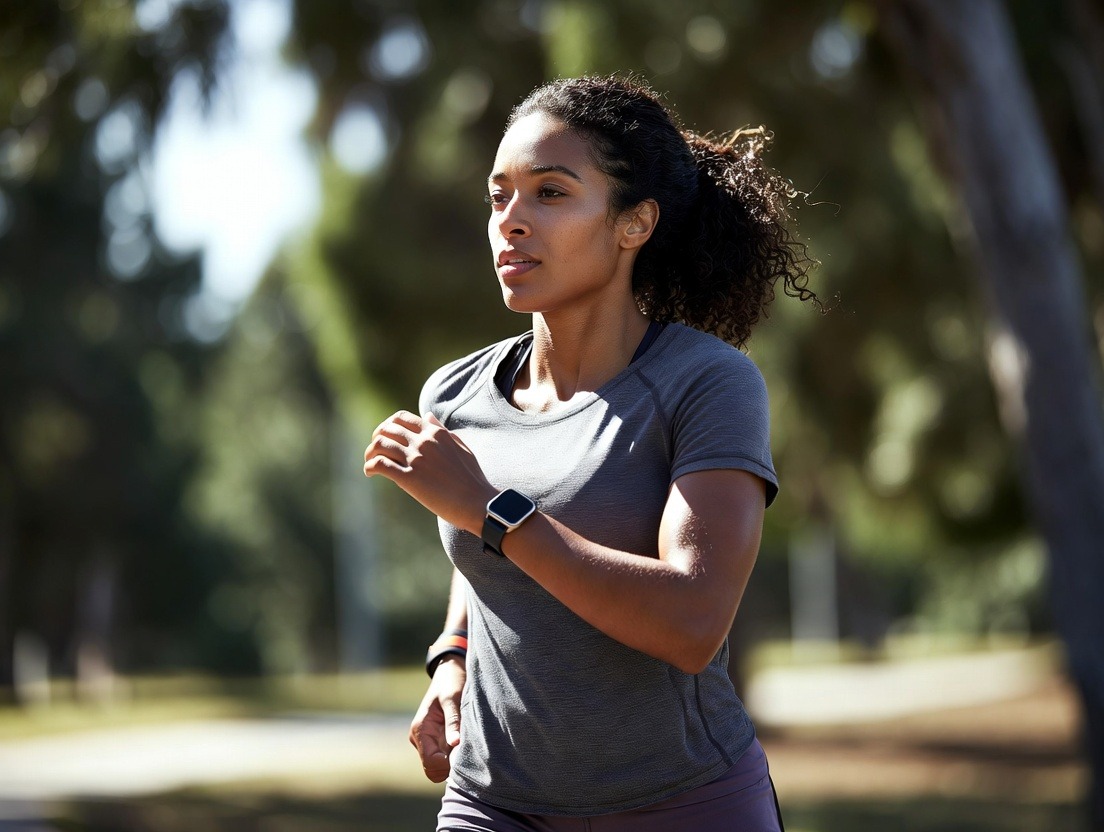
We stand at the precipice of a revolution in personal health—the shift from diagnosing disease to predicting wellness. For too long, immunology was the domain of the laboratory, a world of complex cell counts and antibody titers that only became relevant once you were in a doctor’s office. The concept of a "strong" or "weak" immune system was vague, anecdotal, and largely mysterious to the individual. You might have said you "have a good immune system" if you avoided office colds, but you had no concrete data to support that claim, nor any insight into what made it so.
This paradigm is crumbling. A convergence of longitudinal health studies, big data analytics, and sensor miniaturization has revealed a profound truth: the functional state of your immune system is reflected in a suite of foundational physiological metrics. These metrics—like Heart Rate Variability (HRV), resting heart rate, body temperature, and sleep architecture—are the immune system’s downstream outputs. They are the ripple effects of the immense, cellular-level activity happening within you. When your immune system is primed, balanced, and ready, these metrics settle into optimal, resilient patterns. When it is under silent siege—from stress, latent inflammation, or the early stages of an infection—these patterns shift, often days before you feel a single symptom.
This is the core of predictive immunity. It’s the understanding that we can observe the weather patterns of the body to forecast the health of the internal landscape. A dip in your nightly HRV isn't just a number; it’s a signal that your autonomic nervous system is tilted toward stress (sympathetic dominance), a state that directly suppresses certain immune functions. A subtle, sustained elevation in your resting temperature might indicate low-grade inflammation, a chronic fire that exhausts immune resources over time.
Enter the modern smart ring. Unlike smartphones or watches that sit on the highly variable wrist, a ring on your finger provides 24/7 access to the rich vascular bed of the finger, allowing for clinical-grade, continuous monitoring of these precise metrics while you live your life. Companies like Oxyzen are at the forefront, designing devices that act not as simple trackers, but as personal biometrical interpreters. They silently collect this predictive data, using advanced algorithms to establish your personal baselines and then highlight meaningful deviations.
The promise is extraordinary: to see a "immune resilience score" or receive a notification that your body is showing signs of strain before you crash. It transforms wellness from a guessing game into a data-informed practice. It empowers you to connect the dots between a poor night's sleep, a stressful week at work, and that nagging feeling of being "run down." By making the invisible visible, this technology hands you the reins. You can learn, as we will in the following sections, exactly which metrics matter most and how to influence them. The journey to a fortified immune system begins not with a pill, but with a point of data.
If you had to choose one single metric to gauge your body's overall resilience, capacity to handle stress, and immune readiness, Heart Rate Variability (HRV) would be the strongest candidate. Despite its name, HRV has nothing to do with how fast your heart beats. Instead, it measures the subtle, millisecond variations in the time intervals between each heartbeat. A healthy, resilient heart does not tick like a metronome; it dances to a complex rhythm orchestrated by your autonomic nervous system (ANS).
Think of your ANS as your body’s autopilot, with two primary controls: the sympathetic nervous system (SNS), your "gas pedal" for fight-or-flight responses, and the parasympathetic nervous system (PNS), your "brake pedal" for rest, digest, and recover. These two systems are in a constant, delicate tug-of-war, and HRV is the direct readout of their battle. High HRV indicates a strong, adaptable PNS and a balanced ANS—your body can quickly rev up to meet a challenge and then smoothly downshift to recover. Low HRV signals SNS dominance—a body stuck in a state of high alert, with limited capacity for repair and restoration.
The link to immunity is direct and powerful. Chronic stress and SNS dominance trigger the release of hormones like cortisol. In acute bursts, cortisol is anti-inflammatory and helpful. But when cortisol is persistently elevated, it becomes immunosuppressive. It inhibits the production of lymphocytes (key white blood cells) and reduces the effectiveness of natural killer (NK) cells—your body's special forces against viruses and cancer cells. A body in constant "fight-or-flight" is a body that cannot afford to allocate resources to long-term defense projects; it is focused solely on immediate survival.
Conversely, when your PNS is active (a state often called "rest-and-digest" but more accurately "rest-and-defend"), your body enters repair mode. This is when immune function thrives. Studies show that higher HRV is correlated with:
Monitoring your HRV, particularly your nighttime HRV when external influences are minimized, provides a daily report card on your nervous system balance and, by extension, your immune system's operational environment. A sustained drop in your baseline HRV is a clear, early warning sign that your resilience is depleted and your immune defenses may be compromised. It’s a signal to prioritize sleep, manage stress, and dial back intense training. Tools like the Oxyzen ring track this critical metric effortlessly, giving you a window into this master regulatory system. By learning to nurture a higher HRV, you aren't just managing stress—you are actively programming your body for optimal immune vigilance.

While HRV listens to the spaces between the beats, your Resting Heart Rate (RHR) is the steady, underlying drum itself. Measured in beats per minute (bpm), your RHR is the number of times your heart contracts while you are completely at rest—typically during sleep or upon first waking. It is a deceptively simple metric with profound implications for cardiovascular fitness, metabolic efficiency, and, crucially, systemic inflammation.
A lower RHR (generally, for adults, below 60 bpm is considered good, and athlete levels can be in the 40s) typically indicates a strong, efficient heart muscle. Each powerful contraction pumps a large volume of blood, delivering oxygen and nutrients throughout the body without needing to work as fast. This efficiency reduces wear and tear on the entire cardiovascular system. Conversely, a higher RHR forces the heart to work harder, increasing cardiac strain and energy expenditure even at rest.
The immune connection lies in the relationship between RHR and inflammation. Your immune system uses inflammation as a primary weapon—it’s the heat, swelling, and redness that surrounds a wound or infection, a controlled burn to destroy pathogens. However, when inflammation becomes chronic and systemic—often due to poor diet, inactivity, obesity, or unresolved stress—it’s like a low-grade fever that never breaks. This chronic inflammatory state has a direct, stimulating effect on the heart, often leading to a sustained elevation in RHR.
Think of it this way: if your body is constantly fighting invisible fires (inflamed tissues), your circulatory system is on permanent high alert, requiring a faster pump to shuttle immune cells and repair materials. Therefore, a creeping rise in your baseline RHR can be one of the earliest and most accessible signs of this hidden, immune-draining inflammation. Research consistently links higher RHR with increased levels of inflammatory markers like C-reactive protein (CRP).
Furthermore, an acute, unexplained spike in your RHR, especially your sleeping RHR, is one of the most reliable early warnings of an oncoming illness. Often 24-48 hours before you feel a sore throat or fatigue, your body has already mounted its defense. This immune activation increases metabolic rate and body temperature, forcing your heart to work harder to circulate blood and distribute heat. For users of advanced wearables, seeing a graph where their nightly RHR jumps 5-10 bpm above their personal baseline is a clear signal to hydrate, rest, and support their body—potentially heading off a full-blown illness.
Tracking your RHR over time provides a clear picture of your body's inflammatory load and its readiness to respond to threats. It’s a foundational metric that connects the dots between your lifestyle, your heart’s workload, and the silent activity of your immune army.
The human body is a meticulously regulated thermal machine, maintaining a core temperature within a narrow, healthy range—typically around 97.0–99.0°F (36.1–37.2°C). This "baseline" temperature, known as Basal Body Temperature (BBT), is far from a static number. It follows a delicate, predictable circadian rhythm, dipping to its lowest point in the early morning hours and rising throughout the day to peak in the late afternoon. This rhythm is driven by your metabolism and hormonal cycles, and its stability is a hallmark of robust health.
Temperature is a direct proxy for metabolic and immune activity. Think of your metabolism as a fire: when it burns efficiently, it produces a steady, consistent heat. When immune activity ramps up, it’s like throwing more fuel on that fire. This is why fever is a classic symptom of infection—it’s a deliberate, strategic raising of the body’s thermostat to create a hostile environment for pathogens and to accelerate immune cell function.
Therefore, deviations from your personal temperature rhythm are packed with information:
Modern wearable technology has transformed temperature from a spot-check into a continuous story. A smart ring like Oxyzen measures your peripheral temperature thousands of times a night, building a precise map of your unique thermal landscape. This allows you to move beyond the question "Do I have a fever?" to the more insightful questions: "What is my body's normal thermal rhythm?" and "Is it deviating in a way that suggests hidden stress or early illness?" By understanding your body's thermal language, you gain insight into the metabolic cost of your immune function and can spot dysregulation long before it manifests in more obvious ways.

Sleep is not a passive state of inactivity; it is an intense, architecturally complex period of repair, reorganization, and immune system deployment. It’s the nightly maintenance shift for your biological machinery. "Sleep architecture" refers to the cyclical structure of sleep stages—Light Sleep, Deep Sleep (Slow-Wave Sleep), and REM (Rapid Eye Movement) sleep—that you progress through multiple times each night. Each stage plays a distinct, non-negotiable role in immune health.
Deep Sleep (Slow-Wave Sleep): This is the most physically restorative phase. It’s when human growth hormone (HGH) is primarily released, driving tissue repair and muscle growth. For the immune system, deep sleep is the command center for the adaptive immune system. This is the sophisticated branch that "remembers" past invaders. During deep sleep, studies show that the body actively strengthens immunological memory. T-cells, which coordinate attacks and remember specific pathogens, are activated and their function is enhanced. If you skimp on deep sleep, you impair your body's ability to learn from past infections and mount a targeted defense in the future.
REM Sleep: While often associated with dreaming and cognitive processing, REM sleep is also vital for immune regulation. It appears to play a role in balancing the innate immune system—the rapid-response, generalist forces that provide first-line defense. The communication between the brain and immune system is highly active during REM, helping to regulate inflammatory pathways. Disrupted REM sleep has been linked to heightened inflammatory responses.
Sleep Continuity: Beyond the stages, the unbroken continuity of sleep is critical. Frequent awakenings (micro-arousals you may not even remember) fragment the sleep cycle, preventing you from spending adequate time in the deeper, more restorative stages. This fragmentation has been shown to directly increase markers of inflammation, like interleukin-6 (IL-6) and CRP.
The consequences of poor sleep architecture are stark. Research shows that individuals who sleep less than six hours a night are more than four times more likely to catch a cold when exposed to the virus compared to those sleeping over seven hours. Vaccinations also produce a weaker antibody response in sleep-deprived individuals.
Tracking your sleep with a device that goes beyond simple movement to analyze heart rate and temperature variability (like the technology discussed on the Oxyzen blog) provides a detailed report on your sleep architecture. You can see not just "how long" you slept, but how well you cycled through the necessary stages. Seeing a lack of deep sleep or a fragmented sleep pattern is a direct insight into a night when your immune system’ critical repair and memory-consolidation work was likely interrupted. Prioritizing sleep quality isn’t about feeling less groggy; it’s about ensuring your internal army gets its nightly briefing and redeployment orders.
Often overlooked in favor of flashier metrics, your Respiratory Rate (RR)—the number of breaths you take per minute—is a fundamental vital sign with a quiet, profound connection to your autonomic nervous system and recovery state. At rest, a typical adult breathes 12 to 20 times per minute. Like heart rate, a lower resting respiratory rate generally indicates greater efficiency and a state of calm, driven by a dominant parasympathetic nervous system.
Every breath is intimately tied to your heart via the "respiratory sinus arrhythmia," a natural phenomenon where your heart rate speeds up slightly on the inhale (SNS nudge) and slows down on the exhale (PNS nudge). This is why long, slow exhales are calming—they directly stimulate the vagus nerve, the main conduit of the PNS. Therefore, your resting respiratory rate is a live readout of your autonomic balance. A high RR, especially at night, suggests your body is in a state of stress or effort, even while asleep.
The immune connection operates through this same nervous system pathway. A calm, efficient respiratory pattern reflects a "rest-and-defend" state, where resources can be allocated to immune surveillance and regulation. A rapid, shallow breathing pattern is a hallmark of sympathetic arousal, which, as we've established, shifts resources away from long-term immune functions and toward immediate survival.
Furthermore, an acute increase in your resting or sleeping respiratory rate can be an exceptionally early and sensitive marker of physiological strain or the onset of illness. Before a fever or cough develops, the body's increased metabolic demand to fight an infection can manifest as a need for more oxygen and greater expulsion of carbon dioxide, leading to a faster breathing rate. For athletes, a higher-than-normal morning RR can indicate incomplete recovery from training, a time when the immune system is also known to be temporarily suppressed.
Monitoring this metric provides a beautifully simple window into your body’s level of calm and efficiency. A low, steady RR is the breath of resilience. By practicing diaphragmatic breathing and observing how your RR responds to stress and recovery, you can directly influence the nervous system environment in which your immune system operates. It’s a reminder that sometimes, the most powerful health metric is the one that mirrors the simple, essential rhythm of life itself.

After a period of physical or psychological stress, how quickly does your body return to its resting state? This ability to "bounce back," known as Heart Rate Recovery (HRR), is a powerful indicator of cardiovascular fitness, autonomic nervous system function, and—you guessed it—systemic resilience. HRR is typically measured as the drop in heart rate in the first minute after ceasing intense exercise. A rapid drop (e.g., a decrease of 20-30 beats or more in the first minute) is a sign of a robust parasympathetic nervous system quickly re-engaging to calm the body down.
This rapid recovery is not just about athletic performance; it's a metaphor for overall physiological adaptability. A body that can swiftly downshift from a stress response is a body that minimizes the duration of immune-suppressing cortisol spikes and inflammatory cascades. It spends less time in a resource-draining "fight-or-flight" mode and more time in "rest-and-repair."
Conversely, a slow HRR suggests autonomic imbalance and poor vagal tone. The stress response lingers, prolonging the window of immune suppression. Studies have linked a slower HRR to higher levels of systemic inflammation and a greater risk of chronic disease. It indicates a system that is less adaptable, more easily knocked off balance, and slower to return to its homeostatic "sweet spot" where immune function is optimized.
In the context of daily life monitored by a wearable, HRR isn't just about post-workout numbers. It’s a principle that applies to all stressors. How quickly does your heart rate descend after a stressful meeting? How rapidly does your nighttime HRV recover after a day of poor sleep or intense travel? The speed and completeness with which your physiology returns to baseline is a daily test of your resilience reserves.
By focusing on improving your HRR through consistent cardio exercise, stress-management techniques, and proper recovery, you are training your body’s internal "reset button." You are enhancing your system's ability to withstand storms and calm the waters quickly afterward. This creates a more stable, less inflammatory internal environment where your immune system is not constantly being yanked between states of alarm and recovery, allowing it to perform its steady, vigilant duty more effectively.
The relationship between exercise and immunity is famously described as a "J-curve." Moderate, regular physical activity is one of the most potent immune boosters known. It improves circulation, allowing immune cells to patrol more effectively; it reduces chronic inflammation; and it helps manage stress hormones. However, at the extreme end—think prolonged, high-intensity training without adequate recovery—the curve dips downward. Overtraining leads to a well-documented phenomenon of immune suppression.
This creates the "Goldilocks Zone" for immune health: not too little movement, not too much strain, but just the right balance of activity and recovery. The problem is that "overtraining" isn't just for elite athletes. It can happen to anyone who consistently pushes their body beyond its current capacity to recover, whether through excessive exercise, chronic work stress, or sleep deprivation.
This is where the synthesis of data becomes critical. No single metric in isolation can perfectly define this balance. However, by observing a constellation of metrics, you can spot the signs of tipping from productive stress into destructive strain:
When your wearable data shows this pattern, it’s a clear signal that your body’s recovery resources are depleted. In this state, the priority shifts from building fitness to preserving immunity. The immune system itself becomes stressed, with increased vulnerability to upper respiratory infections—a common complaint among exhausted individuals and athletes.
Smart technology helps you define your personal Goldilocks Zone. By establishing baselines, it can alert you when your activity is consistently outpacing your recovery. It turns the abstract concept of "overtraining" into a tangible, data-driven insight. This empowers you to make smart decisions—to swap a high-intensity interval training (HIIT) session for a walk or a yoga class, to prioritize an early bedtime, or to ensure you’re fueling properly. As explored in resources like the Oxyzen blog, this balanced approach is key to sustainable wellness. By respecting the balance between stress and recovery, you use activity as the powerful immune-boosting tool it is meant to be, avoiding the pitfall where too much of a good thing becomes harmful.

Your immune system doesn't operate at a constant level 24 hours a day. It is governed by a powerful internal timekeeper: your circadian rhythm. This roughly 24-hour cycle, synchronized primarily by light exposure, regulates nearly every physiological process, from hormone release to digestion to cell regeneration. Immune function is exquisitely circadian.
Different immune cells are programmed to be most active at specific times. For instance, the migration of naive T-cells to lymph nodes—where they await activation—peaks during the rest phase (night for humans). The inflammatory response also follows a daily pattern, which is why symptoms of autoimmune diseases like rheumatoid arthritis often worsen in the morning. This temporal organization is efficient; it allows the body to anticipate daily challenges (like pathogen exposure during waking hours) and allocate energy for repair and memory consolidation during sleep.
When your lifestyle is misaligned with your circadian rhythm—through irregular sleep schedules, late-night screen exposure, jet lag, or shift work—you create circadian disruption. This is more than just feeling tired; it's like giving confusing and contradictory orders to your immune army. The well-orchestrated patrol schedule breaks down. Research shows that circadian disruption leads to:
How do you measure your circadian alignment? The metrics we've discussed are its outputs. A robust, predictable Body Temperature rhythm (low at night, higher by day) is a primary marker. Stable, high-quality Sleep on a consistent schedule is another. Even HRV and RHR follow daily patterns that should be consistent when your rhythm is healthy.
Living in alignment means honoring the light-dark cycle: seeking bright morning light to anchor your rhythm, reducing blue light in the evening, eating meals within a consistent daytime window, and maintaining a regular sleep-wake schedule even on weekends. By doing so, you ensure your immune cells are on the right patrol at the right time, maximizing their efficiency and your overall defense. It turns out that one of the most profound ways to support your immune system is also one of the simplest: live in sync with the sun.
A stunning discovery in neuroscience over the past decade has revealed a critical, sleep-dependent process with major implications for immune health: the glymphatic system. Think of it as the brain's dedicated waste-clearance network. During deep, non-REM sleep, the glial cells in your brain literally shrink, increasing the interstitial space by over 60%. This allows cerebrospinal fluid to rush in and flush out metabolic debris that has accumulated during the day, including toxic proteins like beta-amyloid (associated with Alzheimer's disease).
What does brain detox have to do with immunity? The connection is twofold. First, a clean, well-maintained brain is a better regulator of the entire body's systems, including the complex neuro-immune axis (the communication highway between the brain and immune system). Chronic buildup of inflammatory waste products in the brain can itself trigger neuroinflammation, which dysregulates systemic immune responses.
Second, and more directly, the glymphatic system has been found to facilitate the exchange of immune cells between the brain and the peripheral immune system. It’s a channel for communication. Poor glymphatic function, driven by poor sleep, may hinder this vital dialogue, potentially impairing the brain's ability to signal for immune support when needed and to regulate inflammation effectively.
This underscores the non-negotiable importance of deep, high-quality sleep. It’s not just for memory consolidation and physical repair; it is the only time when this essential brain-cleansing process kicks into high gear. Disrupted or insufficient sleep means a partial or incomplete "nightly wash" for your most vital organ, leaving behind pro-inflammatory debris that can cloud cognitive function and compromise immune regulation.
Tracking your sleep, with a particular focus on the amount and quality of deep sleep, gives you an indirect window into the likely efficacy of this glymphatic cleanse. It adds another layer of urgency to prioritizing those solid 7-9 hours. You are not just resting; you are powering up your brain's maintenance crew and ensuring clear lines of communication with your immune defenses throughout your body. This deep biological housekeeping is a foundational, yet often overlooked, pillar of long-term immune resilience.
We have journeyed through ten distinct yet deeply interconnected physiological metrics. It’s crucial to understand that your immune system does not read these signals in isolation. It integrates them into a holistic picture of your current state—a picture of either resilience or vulnerability. This is the true power of continuous biometric monitoring: seeing the pattern.
A single night of poor sleep with a low HRV might be a blip caused by a late meal. But when you see that blip coupled with a 5-beat rise in your RHR, a 0.4°F elevation in your skin temperature, and a jump in your respiratory rate, a clear story emerges. Your body is broadcasting a multi-system alert: "Under significant stress. Fighting something. Resources depleted."
This integrated picture is your Immune Readiness Dashboard. It moves you beyond vague feelings of being "run down" to a precise, data-driven understanding of your defensive capacity. It allows for truly personalized intervention:
This is the future of proactive wellness. By living with this awareness, you transition from being a passenger in your body to being its informed pilot. You learn your unique responses and gain the tools to navigate toward a state of robust health. For those interested in how this integrated approach is applied through technology, the Oxyzen about page details a mission centered on this very principle of holistic, data-empowered well-being.
In the final portion of this article, we will explore how to actively improve these predictive metrics, building a lifestyle that doesn't just avoid illness, but cultivates profound, daily immune resilience. We'll provide actionable strategies for enhancing your HRV, stabilizing your circadian rhythm, and optimizing your sleep, turning the insights from your personal dashboard into a blueprint for unwavering health.
Understanding the predictive health metrics is only half the battle—the transformative step lies in applying this knowledge to forge a lifestyle of proactive, robust immunity. Your body's dashboard provides the real-time feedback; now, we build the playbook for optimal performance. This journey is not about perfection or drastic overhauls, but about consistent, informed nudges that compound over time to create a biological fortress.
Think of it as training for life's unpredictable challenges. Just as an athlete doesn't train only on the day of the competition, you don't "boost" your immune system only when you feel a tickle in your throat. Resilience is built daily, in the small decisions that shape your sleep, movement, nutrition, and mind. By targeting the core metrics we've outlined, you engage in system-level upgrades that enhance your body's innate intelligence and defensive power.
This section moves from the "what" to the "how." We will translate the science of HRV, circadian rhythms, and recovery into practical, sustainable habits. We'll explore how nutrition acts as information for your immune cells, how targeted movement builds resilience, and how mastering your stress response is perhaps the most potent immunomodulator of all. Furthermore, we'll address how to interpret your data without obsession, creating a harmonious partnership between technology and intuition.
Your unique data stream is your guide. Let's use it to build a life where your immune system isn't just functional, but formidable.
The adage "you are what you eat" finds profound truth in immunology. Every meal is a conversation with your immune system, providing the building blocks for immune cells, the fuel for their activity, and the signals that can either calm or incite inflammation. Nutritional immunology isn't about singular "superfoods," but about constructing a dietary pattern that supports the complex, energy-intensive work of defense and regulation.
The Macronutrient Foundation:
The Micronutrient Commanders: Certain vitamins and minerals act as essential co-factors for immune cell production and function.
The goal is an anti-inflammatory, prebiotic-rich, whole-food dietary pattern—akin to a Mediterranean-style diet. This pattern directly supports a healthy gut microbiome, your largest immune organ, home to 70-80% of your immune cells. By feeding your microbiome fiber, you cultivate allies that train your immune system to distinguish friend from foe. Observing how dietary choices affect metrics like resting heart rate and skin temperature can provide personal feedback; a meal high in processed foods and sugar may trigger a noticeable, though subtle, inflammatory rise in these markers overnight.
As outlined by the J-curve, exercise is a powerful dial we can turn to optimize immune function. The key is turning it strategically, using your biometric feedback to guide intensity and volume. The goal is to apply a hormetic stress—a beneficial, adaptive challenge—without tipping into the zone of chronic strain that leads to suppression.
The Immune-Boosting Sweet Spot:
The Critical Role of Recovery: This cannot be overstated. The immune benefits of exercise are conferred during the recovery period. It is when your body adapts and becomes stronger. This is where your wearable data becomes indispensable.
By aligning your movement with your recovery capacity, you use exercise as a precise tool. You avoid the all-too-common cycle of pushing hard, getting sick, and restarting. Instead, you build a sustainable practice that cumulatively elevates your baseline resilience. For more on balancing activity with recovery, the insights shared on the Oxyzen blog often highlight user experiences with this precise challenge.
If nutrition is the fuel and exercise is the training, then stress management is the master coaching of your immune system. Psychosocial stress is not a vague, "all in your head" phenomenon; it is a physiological cascade with direct, measurable consequences for immunity. As we've seen, chronic stress leads to sympathetic dominance, elevated cortisol, and a resultant suppression of key immune functions.
Therefore, cultivating a resilient stress response isn't just for mental well-being; it's a non-negotiable pillar of immune competence. The objective is not to eliminate stress (an impossibility), but to change your relationship with it and enhance your capacity to return to balance quickly—to improve that all-important Heart Rate Recovery from life's daily stressors.
Evidence-Based Practices for Nervous System Regulation:
Your biometrics offer the perfect feedback loop for stress mastery. After a mindfulness session, check your HRV. Following a walk in the park, note your RHR. This tangible feedback reinforces the value of these practices, moving them from abstract "good for you" activities to concrete, measurable tools in your immune-resilience toolkit. You begin to see that managing a work deadline with conscious breathing isn't just about feeling calmer in the moment; it's about protecting your immune cell production for the week ahead.
We cannot simply "prioritize" sleep; we must engineer the conditions for it to be deep, continuous, and aligned with our circadian biology. Sleep optimization is the single most effective lever you can pull to improve nearly every predictive immune metric simultaneously.
Creating a Sleep-Conducive Environment:
The Pre-Sleep Ritual (The "Sleep Ramp"): The hour before bed should be a gradual descent into rest, not an abrupt crash.
By perfecting your sleep hygiene, you are directly investing in your glymphatic cleanse, your deep-stage immune memory consolidation, and your next day's HRV. Your wearable will show you the results: longer deep sleep segments, fewer awakenings, and a more pronounced nocturnal dip in heart rate and temperature. This is the data-driven proof that you are giving your immune system its essential nightly repair shift.
Circadian hygiene extends beyond sleep to encompass all daily behaviors that synchronize your internal clock. It’s about creating external rhythms that your biology can lock onto, optimizing the timing of everything from eating to exercising to light exposure.
Light: The Master Zeitgeber
Meal Timing (Chrononutrition):
Timing of Exercise: For most people, morning or afternoon exercise aligns best with circadian biology, when core body temperature and hormone levels are optimal for performance. Vigorous exercise too close to bedtime can be stimulating for some, delaying sleep onset. However, gentle evening movement like walking or yoga can be beneficial. Your personal data on sleep onset latency and resting heart rate after evening workouts will guide you to your ideal cutoff time.
By practicing circadian hygiene, you create order and predictability for your entire physiology. This reduces internal stress and allows your immune system to operate on its optimal, pre-programmed schedule. You'll likely see this reflected in a more robust daily temperature rhythm and more stable energy levels—both signs of a system in harmonious sync.
Intentional, controlled exposure to extreme temperatures—both hot and cold—are ancient practices with modern scientific backing for immune modulation. They act as hormetic stresses, challenging the body in a way that triggers adaptive, strengthening responses.
Cold Exposure (Cryotherapy):
Heat Therapy (Sauna/Hot Baths):
Both practices should be approached gradually and are contraindicated for certain health conditions. They are powerful adjuncts that, when used wisely, can add another layer of toughness and adaptability to your immune system, training it to handle physiological stress with greater efficiency.
No discussion of immune resilience is complete without a deep dive into the gut. The gastrointestinal tract houses the largest concentration of immune cells in the body—the gut-associated lymphoid tissue (GALT). It is not a passive tube but a dynamic immune interface, constantly sampling trillions of microbes (the microbiome) and food particles to decide what is safe and what is a threat.
A diverse, balanced gut microbiome is fundamental to a well-educated, appropriately reactive immune system. Dysbiosis (an imbalanced microbiome) is linked to a leaky gut barrier, systemic inflammation, autoimmune conditions, and increased susceptibility to infection.
Strategies for a Immune-Supportive Gut:
The state of your gut can subtly influence systemic metrics. Chronic low-grade inflammation from the gut may contribute to a slightly elevated resting heart rate or basal temperature. As you improve your gut health, you may notice improvements in these markers, as well as in energy and mood—all signs of a quieter, more effective immune system. The gut is truly ground zero for immune health, and nurturing it is one of the most profound long-term investments you can make.
Supplements should fill gaps, not replace a poor diet. They are the "special forces" support for your nutritional foundation, particularly useful in addressing common deficiencies or providing targeted support during times of increased need.
Considerations for Immune Support:
The principle is targeted and informed use. Your biometrics can help here, too. If you are traveling (a known immune stressor), under high work stress, or see your HRV dipping and RHR climbing, that might be a strategic time to ensure your foundational supplements (like Vitamin D) are covered. For more nuanced questions on supplementation and health technology, resources like the Oxyzen FAQ can provide helpful, brand-specific context.
With a constant stream of data at your fingertips, a crucial skill to develop is mindful interpretation. The goal is insight, not anxiety. Your wearable is a tool for self-awareness, not a judge of your worth.
Healthy Data Practices:
The ultimate metric is how you feel—your energy, mental clarity, and sense of vitality. The quantitative data should illuminate and explain the qualitative experience, not contradict it. When they align, you have achieved a deep understanding of your body. This mindful partnership with technology allows you to harness its power without becoming enslaved to it, using it to craft a life that feels as good as the data says it should.
Now, we synthesize everything into a actionable, personalized plan. This is not a one-size-fits-all prescription, but a framework you adapt based on your unique data, lifestyle, and goals.
Step 1: Establish Your Baseline (The Assessment Phase)
Step 2: Identify One Lever (The Focus Phase)
Step 3: Evaluate & Integrate (The Refinement Phase)
Step 4: Create Your Resilience Triggers (The Proactive Phase)
This iterative, data-informed process turns immune resilience from an abstract concept into a personalized engineering project. It’s empowering, sustainable, and effective. For inspiration from others on a similar journey, the Oxyzen testimonials page shares real-world stories of how data has guided personal health transformations.
By embracing this integrated approach—merging the ancient wisdom of lifestyle medicine with the modern precision of biometric feedback—you step into a new paradigm of health. You are no longer waiting for your body to send an SOS in the form of illness. You are listening to its daily language of resilience, and responding with informed care. This is the ultimate prevention: a life lived in intelligent harmony with your own biology, building a defense so robust that it allows you to engage with the world with energy, confidence, and vitality.
We have mapped the internal landscape of predictive immune metrics and equipped ourselves with a practical toolkit for building day-to-day resilience. This journey, however, does not end at the boundaries of our own skin. The science of predictive immunity is not just a personal wellness trend; it is the vanguard of a broader shift in how we conceptualize public health, clinical medicine, and our collective biological destiny. As we integrate these insights into our lives, we simultaneously contribute to a larger data ecosystem that has the potential to redefine human health on a global scale.
This final portion of our exploration looks outward and forward. We will examine how personal biometric data, aggregated and anonymized, is fueling a revolution in epidemiological forecasting and precision medicine. We'll confront the ethical frontiers of this deeply personal data and discuss the imperative for responsible stewardship. Finally, we will synthesize a holistic vision—one where individual empowerment through technology fosters not only personal vitality but also a more resilient, health-literate society.
The story of immune intelligence is evolving from a narrative of personal optimization to one of interconnected biological wisdom. Your data is a pixel; together, we are beginning to see the picture.
When you wear a device that tracks your resting heart rate, sleep, and temperature, you are generating a rich, longitudinal health dataset. In isolation, this data empowers you. When aggregated anonymously across thousands or millions of users, it transforms into a powerful public health instrument—a real-time, population-level biosensor network.
This concept, often called digital epidemiology or participatory sensing, is already yielding profound insights:
This "data dividend" turns personal wellness tracking into a civic contribution. By opting in to share anonymized data for research (always with explicit consent and robust privacy controls), users of platforms like Oxyzen can become part of a massive, proactive health observatory. This shifts public health from a reactive, lagging discipline to a predictive, leading one. It represents a new social contract for health data, where personal benefit and public good are aligned. For those interested in how a company views its role in this ecosystem, the Oxyzen our-story page often details its philosophy on data responsibility and user empowerment.
The traditional medical model often operates on population averages. A treatment or recommendation is deemed effective if it works for a statistically significant portion of a trial group. However, as the science of predictive metrics makes clear, our baselines and physiological responses are intensely personal. This variability is the core challenge and promise of precision medicine—the tailoring of medical care to the individual characteristics of each patient.
Continuous biometric data is the missing link that can bring precision to immune and preventative care.
In this future, your doctor wouldn't just see a snapshot from an annual physical. They could, with your permission, review a dashboard of your longitudinal trends, understanding your unique "health signature." This facilitates a collaborative partnership where you, armed with self-knowledge from your daily data, and your clinician, armed with medical expertise, co-create a truly personalized health plan. The move from "How are you feeling?" to "Let's look at what your data shows about your resilience this past month" represents a seismic shift in the clinical conversation.
The power of continuous physiological monitoring is inseparable from profound ethical questions. We are entrusting devices with our most intimate data: not just where we are, but how our bodies are functioning at a deep, unconscious level. Navigating this new terrain requires a robust ethical framework built on transparency, user sovereignty, and justice.
Core Ethical Imperatives:
As users, we must be informed digital citizens. We should ask: Who owns our data? Can we export it? How is it anonymized for research? Choosing technology partners who prioritize these ethical considerations is a critical part of adopting this new wellness paradigm. Engaging with a company's FAQ and privacy policy is a responsible first step. The goal is to build a future where the benefits of biometric intelligence are widely shared without creating new forms of surveillance or inequality.
Our earlier discussion on stress mastery touched on the brain-immune link. The field of psychoneuroimmunology (PNI) provides the deep science behind this connection, and modern data allows us to see it in real-time. PNI studies the intricate, bidirectional communication network linking your thoughts, emotions, central nervous system, and immune cells.
This communication happens via shared chemical languages: neurotransmitters, hormones, and cytokines. A period of anxiety (psychology) triggers the release of cortisol and norepinephrine (neuroendocrinology), which bind to receptors on immune cells (immunology), altering their behavior. Conversely, an activated immune system releases inflammatory cytokines that can signal the brain, leading to "sickness behavior"—fatigue, low mood, and social withdrawal.
Your wearable data provides a living map of this interaction:
By making the psycho-neuro-immune axis visible, we can move beyond the platitude that "stress is bad for you" to a precise understanding of how our mental and emotional states become biology. This empowers targeted interventions. Cognitive Behavioral Therapy (CBT) for anxiety, for example, isn't just "thinking differently"; it's a practice that can, over time, rewire physiological responses and be validated by improved HRV trends. The data becomes a feedback loop for mental wellness, proving that caring for your mind is one of the most direct ways to care for your immune system.
Your immune system does not operate in a sterile vacuum. It is in constant dialogue with your external environment. Beyond diet and exercise, a suite of often-overlooked environmental factors profoundly influence immune function, and many of their effects can be inferred through your biometric data.
Key Environmental Levers:
Wearing a biometric device can help you become a detective of your own environmental sensitivities. You may start to see correlations between days spent in a polluted city center and your metrics versus days spent in a cleaner, greener locale. This awareness empowers you to make changes: investing in an air purifier, prioritizing time in nature, or choosing natural cleaning products. It reinforces that immune health is not just about what you put in your body, but about the total environment you create around it.
Immune function is not static across a lifetime. It follows a trajectory of development, peak performance, and gradual decline—a process known as immunosenescence. However, this decline is not a fixed fate; it is a slope that can be dramatically flattened by lifestyle. Predictive metrics give us the tools to monitor and modify this trajectory at every stage.
The wearable of the future may provide age-adjusted metrics, showing not just your raw HRV, but how your HRV compares to healthy baselines for your age cohort. This contextualizes the data, turning it into a motivational tool for healthy aging. The goal is to compress morbidity—to live vibrantly for as long as possible, with a robust immune system supporting that vitality until the very end.
As the ecosystem of health technology expands, a critical challenge emerges: fragmentation. You might have a smart ring for biometrics, a separate app for nutrition logging, another for mindfulness, and your electronic health record in a siloed patient portal. The true power of predictive health is unlocked when these data streams converge into a unified, interoperable dashboard.
This integrated view creates a holistic narrative:
The future lies in open APIs (Application Programming Interfaces) and platforms that allow users to permission their data to flow between trusted applications. This empowers you to be the curator and interpreter of your total health story. Companies that embrace this open, user-centric philosophy, prioritizing integration over walled gardens, will lead the next wave of wellness innovation. For the engaged user, seeking out platforms that offer or plan for this kind of integration is a key step in maximizing the value of their data.
The metrics we've focused on—HRV, RHR, temperature, sleep—are the robust, well-validated first wave of predictive immune data accessible via wearables. The frontier of biosensing, however, is rapidly advancing. The next decade will likely bring non-invasive monitoring of biomarkers that are currently only accessible via blood draws or clinical tests.
On the Horizon:
The smart ring or wearable of the future may incorporate optical or electrochemical sensors to measure some of these analytes. This will further blur the line between consumer wellness and clinical diagnostics, placing even more power—and responsibility—in the hands of individuals.
In the 20th century, health literacy meant understanding basic anatomy, knowing when to see a doctor, and following prescription instructions. In the 21st century, immune literacy must become a core component of our education. It is the understanding of how our immune system works, what influences it, and how to interpret the data our bodies provide to nurture it.
This involves:
Schools, workplaces, and wellness platforms all have a role to play in building this literacy. An immune-literate population is an empowered one: less susceptible to health misinformation, more proactive in self-care, and better equipped to partner with healthcare providers. It reduces the burden on healthcare systems by shifting focus upstream to prevention. Resources like the Oxyzen blog aim to contribute to this literacy, translating complex science into actionable knowledge for their community.
We began this exploration by imagining the immune system as a silent, internal army. We have now equipped ourselves with the reconnaissance tools to listen to its communications, the engineering principles to fortify its barracks, and the strategic wisdom to deploy its forces effectively. The journey through predictive metrics is, ultimately, a journey back to a deeper connection with the self.
This is not a path of biohacking obsession or sterile data worship. It is a path of informed intuition. It is about using objective data to refine your subjective sense of well-being. It’s about noticing that you feel a bit off, checking your metrics to see a dip in recovery, and having the clarity to choose rest over exertion. It’s about seeing the positive impact of a new habit reflected in your baseline, reinforcing your commitment.
The promise of this technology, embodied in devices that seamlessly integrate into life like the Oxyzen ring, is a future where we are no longer strangers to our own physiology. We are active participants in our health, co-authors of our resilience story. We move from a paradigm of fighting illness to one of cultivating wellness.
This proactive, predictive approach to immune health represents one of the most significant opportunities to enhance human potential in our time. It promises more energy for our passions, more vitality for our relationships, and more resilience for life's inevitable challenges. By embracing the science, the tools, and the daily practices outlined here, you are not just avoiding the next cold. You are investing in a foundation of health that will support you in living fully, vibrantly, and resiliently for years to come.
Your Trusted Sleep Advocate: Sleep Foundation — https://www.sleepfoundation.org
Discover a digital archive of scholarly articles: NIH — https://www.ncbi.nlm.nih.gov/
39 million citations for biomedical literature :PubMed — https://pubmed.ncbi.nlm.nih.gov/
Experts at Harvard Health Publishing covering a variety of health topics — https://www.health.harvard.edu/blog/
Every life deserves world class care :Cleveland Clinic - https://my.clevelandclinic.org/health
Wearable technology and the future of predictive health monitoring :MIT Technology Review — https://www.technologyreview.com/
Dedicated to the well-being of all people and guided by science :World Health Organization — https://www.who.int/news-room/
Psychological science and knowledge to benefit society and improve lives. :APA — https://www.apa.org/monitor/
Cutting-edge insights on human longevity and peak performance:
Lifespan Research — https://www.lifespan.io/
Global authority on exercise physiology, sports performance, and human recovery:
American College of Sports Medicine — https://www.acsm.org/
Neuroscience-driven guidance for better focus, sleep, and mental clarity:
Stanford Human Performance Lab — https://humanperformance.stanford.edu/
Evidence-based psychology and mind–body wellness resources:
Mayo Clinic — https://www.mayoclinic.org/healthy-lifestyle/
Data-backed research on emotional wellbeing, stress biology, and resilience:
American Institute of Stress — https://www.stress.org/


