


Health Tracking Basics: Understanding Normal vs Concerning Patterns
Learning to distinguish normal fluctuations from concerning trends.
Learning to distinguish normal fluctuations from concerning trends.
%402x.svg)
For decades, health data was a mystery relegated to annual doctor visits—a snapshot in time, often devoid of context. We’d get a number, be told it was “fine” or “a bit high,” and return to our lives, hoping our bodies were cooperating behind the scenes. Today, that paradigm has been irrevocably shattered. The advent of sophisticated, personal health tracking technology has handed us a continuous, real-time feed of our most intimate biological rhythms. We can now see our heart dance during a stressful meeting, watch our body temperature shift overnight, and quantify the quality of our sleep. This is nothing short of a revolution in self-knowledge.
But with great data comes great responsibility, and a common dilemma. The moment you strap on a smart ring or watch, you’re plunged into a sea of charts, graphs, and numbers. Is a heart rate of 52 bpm at rest a sign of elite athleticism or a worrisome bradycardia? Is waking up twice a night a normal sleep cycle or the beginnings of insomnia? The line between a normal fluctuation and a concerning pattern can feel frustratingly blurry, turning empowerment into anxiety.
This guide exists to draw that line with clarity. Understanding the difference between normal variability and potential red flags is the single most important skill you can develop as a user of health technology. It transforms raw data into actionable wisdom. It’s the difference between chasing arbitrary metrics and engaging in true, personalized wellness. By learning the language of your body’s signals, you move from being a passive observer to an active, informed participant in your long-term health. The journey begins not with fear of the abnormal, but with a deep appreciation for your unique, dynamic baseline. Let’s build that foundation.
Before we can identify what’s abnormal, we must first define what’s normal—and crucially, normal for you. Modern health devices track a dizzying array of metrics, but five form the essential pillars of daily physiological insight: Heart Rate, Heart Rate Variability (HRV), Skin Temperature, Respiratory Rate, and Blood Oxygen Saturation (SpO2). Each tells a story, and together, they create a multi-dimensional portrait of your well-being.
Your Resting Heart Rate (RHR) is your heart’s idle speed. The widely cited “normal” range is 60-100 beats per minute (bpm), but that’s a vast oversimplification. A normal pattern for a dedicated endurance athlete might sit comfortably in the 40s or 50s, while a healthy, sedentary individual might have a baseline in the 70s. The key is trend. A concerning pattern isn’t a single number, but an unexplained trend—a gradual creep upward of 5-10 bpm over several weeks, which can indicate heightened stress, dehydration, the onset of illness, or overtraining. Conversely, a sudden, sharp drop outside your norm also warrants attention.
Heart Rate Variability (HRV), often misunderstood, is not about your heart rate itself but the variation in time between each heartbeat. A higher HRV generally indicates a resilient, adaptable nervous system (your body is good at shifting between stress and relaxation modes). A lower HRV suggests your body is under strain—be it from physical stress, illness, or mental fatigue. Your personal baseline is paramount here. A value of 40 ms might be excellent for one person and low for another. The most telling pattern is a sustained drop from your personal average, often a premier early warning sign of impending sickness or burnout.
Skin Temperature, measured continuously by a device like a smart ring, is exquisitely sensitive. A normal pattern shows a predictable circadian rhythm, dipping at night to facilitate sleep and rising during the day. A concerning pattern is a persistent elevation—even a mere 0.5°C to 1.0°C above your nightly baseline—which can signal inflammation, infection, or hormonal shifts days before other symptoms appear. This is where the power of continuous vs. periodic monitoring truly shines, catching subtle shifts a single daily check would miss.
Respiratory Rate (breaths per minute) and Blood Oxygen Saturation (SpO2) are vital sign powerhouses. A normal respiratory rate for adults at rest is 12-20, while SpO2 is typically 95% or higher. Concerning patterns include a consistently elevated resting respiratory rate (a potential sign of cardiac or pulmonary stress) or repeated, significant dips in SpO2 during sleep (which may suggest sleep apnea). Tracking these overnight provides a window into processes you’re completely unaware of.
The ultimate goal is to establish your personal zone of normalcy. This takes time—at least two to four weeks of consistent wear under your typical lifestyle conditions. Tools like the Oxyzen smart ring are designed to calculate and display this personal baseline, turning abstract numbers into a personalized health fingerprint. Once you know your unique rhythm, deviations become meaningful signals, not just noise. For a deeper exploration of how these metrics work together, our article on the science behind modern health tracking technology provides an excellent primer.
Sleep is the cornerstone of health, and it’s also one of the most complex processes to track. A basic sleep score can be motivating, but true understanding comes from dissecting the components: Duration, Stages, Restlessness, and Latency. Knowing what’s typical and what’s a cry for help is the difference between obsessing over a bad night and making impactful changes.
Duration seems straightforward, but the “8-hour rule” is a myth. Normal adult sleep duration typically ranges from 7 to 9 hours, but your genetic need is individual. The concerning pattern is a chronic shortfall from your personal requirement. If you need 8.5 hours to feel refreshed but consistently log 6.5, you’re building a significant sleep debt, regardless of what generalized charts say.
Sleep Stages—Light, Deep, and REM—each play a critical role. A normal pattern shows a cyclical architecture throughout the night: you move from light to deep sleep in the first half of the night, with REM (dream) sleep periods lengthening in the second half. Deep sleep is for physical restoration, REM for cognitive and emotional processing. A concerning pattern isn’t necessarily one night of skewed stages (that happens), but a chronic deficit in one. Persistently low deep sleep can hinder recovery and immune function, while suppressed REM can impact memory and mood regulation.
Restlessness and Fragmentation are where many sleep trackers provide immense value. It’s normal to have brief micro-awakenings you don’t remember. However, a concerning pattern is high fragmentation—dozens of prolonged disturbances or awakenings that fracture sleep architecture. This often manifests as a high “awake” time or a graph that looks jagged instead of smooth. This can be caused by environmental factors (noise, light, partner disturbance), sleep apnea (often paired with SpO2 dips), or pain.
Sleep Latency (time to fall asleep) is a direct window into your nervous system. A normal latency is between 10-20 minutes. Consistently taking over 30 minutes to fall asleep (if given the opportunity) may point to anxiety, poor sleep hygiene, or circadian rhythm misalignment. Conversely, “crashing” into sleep in under 5 minutes chronically can be a sign of significant prior sleep deprivation or a sleep disorder.
The magic of tracking is connecting cause and effect. You can see how a late meal spikes your nighttime skin temperature and reduces deep sleep, or how an afternoon coffee elongates your sleep latency. This feedback loop is instrumental to build healthy habits that stick. Remember, a single night of poor data is a blip; look for weekly trends. And if your data reveals persistent, unexplained disturbances—like frequent awakenings or low oxygen—it provides a powerful, objective starting point for a conversation with a healthcare professional. For those focused on long-term vitality, combining these insights with our 50 healthy aging tips a smart ring helps implement daily can create a powerful wellness strategy.
In our always-on world, stress is inevitable. But its impact on our body is not a mystery—it’s quantifiable. Your autonomic nervous system (ANS), which governs your “fight-or-flight” (sympathetic) and “rest-and-digest” (parasympathetic) states, leaves clear fingerprints in your physiological data. Interpreting this “stress-readiness” dashboard is key to balancing exertion with recovery.
Heart Rate Variability (HRV) is Your North Star. As mentioned, HRV is your body’s most honest answer to the question, “How stressed are you?” A normal, healthy pattern shows daily and weekly oscillation. It’s expected to see a lower HRV on days of heavy physical training, intense mental work, or emotional stress. It should then rebound on rest days or after a good night’s sleep. This oscillation is a sign of resilience. A concerning pattern is a suppressed, flatlined HRV—when your number stays stubbornly low near or below your baseline for days on end, despite adequate sleep. This indicates your system is stuck in a state of chronic stress and is not recovering. It’s a major red flag for impending burnout, overtraining, or illness.
Resting Heart Rate (RHR) Tells a Supporting Story. In a well-recovered state, your RHR should be at or below your personal baseline. A classic concerning pattern is an elevated morning RHR (by 7+ bpm) upon waking. This is often a sign your body is working harder than it should be—fighting off an infection, dealing with dehydration, processing alcohol, or struggling with intense residual stress from the previous day.
The Rise of the Composite “Readiness” or “Recovery” Score. Many platforms, including the Oxyzen app, synthesize HRV, RHR, sleep data, and sometimes temperature into a single, easy-to-grasp score. This is incredibly useful for guiding daily decisions.
Using this dashboard effectively turns reactive health management into proactive stewardship. It answers the perennial question, “Do I push or do I rest?” with data, not guesswork. It allows you to strategically time your hardest efforts and honor your body’s need for repair. This is the essence of preventive health monitoring, moving from treating illness to optimizing resilience. For athletes and busy professionals alike, this data is a game-changer. To see how users apply these insights, browse real-world experiences in our customer reviews and user testimonials.

The step count is the gateway metric, but it’s a crude tool. 10,000 steps of leisurely shopping are not physiologically equivalent to 10,000 steps of hilly hiking. Modern tracking delves deeper into Active Minutes, Heart Rate Zones, and Activity Trends to gauge not just movement, but meaningful exertion and its balance with recovery.
Active Minutes & Heart Rate Zones: The true measure of exercise is sustained, elevated heart rate. Tracking devices categorize effort into heart rate zones (e.g., Zone 2 for fat-burning, Zone 5 for maximum effort). A normal, healthy pattern includes a mix: plenty of low-intensity movement (walking, daily life), regular moderate-intensity activity (brisk walking, cycling), and occasional high-intensity intervals. The concerning pattern is either chronic under-shooting (all minutes in sedentary or very light categories, never raising your heart rate for sustained periods) or chronic over-shooting (constantly pushing into high-intensity zones without adequate low-intensity recovery days, leading to the suppressed HRV and elevated RHR we discussed).
The Non-Exercise Thermogenesis (NEAT) Gap. This is the energy you burn from everything that isn’t sleeping, eating, or sports. A desk-bound day can have dangerously low NEAT, even if you hit the gym for 45 minutes. A normal pattern shows consistent, light movement throughout the day (standing, walking to the kitchen, taking the stairs). A concerning pattern is long, unbroken sedentary blocks (3+ hours without a significant movement break), which research links independently to health risks, regardless of exercise.
Recovery as an Active Component. A balanced activity profile intentionally schedules low-intensity days. A normal pattern shows your activity graph and your recovery/readiness score in a dance—high activity followed by a slightly lower readiness score, then perhaps a lighter day allowing recovery to rebound. A concerning pattern shows two opposite but equally problematic graphs: 1) A flat activity line (consistently sedentary), or 2) A consistently high, spiky activity line paired with a flatlined, low recovery score (the highway to overtraining).
The goal is to move from chasing a single number (steps) to achieving a balanced, periodized week of movement that supports your overall energy and health goals. This nuanced view of activity supports different health goals, whether it’s weight management, training for an event, or simply maintaining mobility. By integrating with other apps, as discussed in our guide on wellness ring integration with other health apps, you can create a holistic picture of your calorie expenditure and fitness progress.
For roughly half the population, a key layer of physiological understanding is cyclical. The menstrual cycle is not a bug in the system; it’s a feature—a powerful, approximately 28-day rhythm that influences nearly every metric a health tracker measures. Recognizing these patterns as normal is crucial to avoiding unnecessary concern and, instead, leveraging the data for empowerment.
A Symphony of Metrics: A normal, ovulatory cycle creates a predictable, beautiful pattern in your data:
Concerning Patterns vs. Cyclical Shifts: The danger lies in misinterpreting a normal luteal phase rise in RHR or dip in HRV as a sign of illness or poor recovery. The key is to view data through the cyclical lens. However, truly concerning patterns do exist:
Tracking these rhythms transforms the cycle from a monthly inconvenience into a predictable framework for planning. You can schedule intense workouts when energy is high (follicular phase), prioritize recovery and stress management in the luteal phase, and understand that a higher RHR on day 24 is likely hormonal, not a sign of failing fitness. This is personalized wellness at its most profound. For those seeking comfortable, 24/7 wear to capture this data reliably, exploring hypoallergenic material options is a critical first step.
While many metrics offer insights into readiness and recovery, signals related to your cardiovascular and respiratory systems—specifically Heart Rate (HR) during activity and rest, and Blood Oxygen Saturation (SpO2)—provide more direct windows into fundamental organ function. Understanding their normal ranges and concerning deviations is paramount.
Heart Rate During Activity: The Exercise Response Curve. A normal, healthy cardiovascular system responds to exercise in a predictable way: heart rate rises steadily with increased workload, peaks at a level appropriate for age and fitness, and then recovers swiftly when activity stops. Heart Rate Recovery (HRR)—the number of beats your heart rate drops in the first minute after peak exercise—is a powerful indicator of fitness and cardiac health. A normal HRR is a drop of 15-25 beats or more in the first minute. A concerning pattern is a blunted or slow HRR (e.g., a drop of only 10-12 beats), which can be associated with lower fitness levels or, if a new change, other cardiovascular concerns.
Resting Heart Rate (RHR) Revisited: The Trend is the Truth. We’ve discussed RHR in stress and cycles, but from a purely cardiac perspective, a sustained, unexplained elevation in your baseline RHR is a signal worth investigating. While day-to-day fluctuations are normal, a trend line that climbs 10+ bpm over several weeks and plateaus at this new, higher level, despite no changes in training or stress, should prompt a medical consultation.
Blood Oxygen Saturation (SpO2): The Silent Nightwatchman. During waking hours at sea level, SpO2 should be consistently 95-100%. Minor, brief dips are normal. The critical tracking happens overnight. It is normal for SpO2 to dip slightly during sleep (often to 92-94%) due to reduced breathing effort. Concerning patterns are repeated, significant desaturations below 90%, especially if they last for 10 seconds or more and are associated with snoring or gasping (which a partner might report). These “dips per hour” are a key screening metric for Obstructive Sleep Apnea (OSA), a serious condition where breathing repeatedly stops and starts.
This overnight SpO2 tracking is one of the most significant health benefits of wearable tech. It can detect a potentially serious condition that often goes undiagnosed for years. While a consumer device is not a medical diagnostic tool, it can provide strong, objective evidence to take to a doctor, who can then order a formal sleep study. The accuracy revolution in health tracking technology has made this level of insight accessible from the comfort of your own bed.
Skin temperature, measured continuously by a wearable, is a metabolic and inflammatory proxy far more sensitive than the occasional forehead scan. Its patterns reveal the subtle, internal “weather” of your body, forecasting storms of illness long before you feel symptoms and highlighting the quiet inflammation of chronic stress.
The Circadian Thermostat: A normal, healthy pattern shows a clear 24-hour rhythm. Temperature is lowest in the early morning hours (around 4-5 AM), begins to rise before you wake (part of the cortisol awakening response), peaks in the late afternoon or early evening, and falls again as melatonin rises to initiate sleep. This rhythm is a hallmark of a robust circadian system.
The Illness Forecaster: This is where temperature tracking becomes powerful. A concerning pattern, often the very first sign of viral or bacterial invasion, is a sustained elevation above your personal nightly baseline. You may feel perfectly fine, but your smart ring detects that your body has raised its internal thermostat, expending energy to fight an invader. This elevation can begin 24-48 hours before a sore throat, cough, or fatigue manifests. Seeing this pattern is a cue to prioritize rest, hydration, and sleep—potentially shortening the illness’s duration or severity.
The Inflammation Marker: Beyond acute illness, a subtler concerning pattern is a chronically elevated baseline temperature, or a dampened circadian rhythm where the nightly dip is less pronounced. This can indicate low-grade, systemic inflammation driven by factors like poor diet, chronic stress, autoimmune activity, or an unresolved injury. It’s your body running a perpetual, low-grade “fever” of stress.
The Recovery Indicator: After intense exercise, particularly strength training that causes muscle micro-tears, a localized (and sometimes systemic) temperature increase is normal due to inflammation and repair processes. However, if this elevation doesn’t resolve within 48 hours, it may signal inadequate recovery or overreaching.
Interpreting temperature data requires context. A high temperature reading during a hot yoga class is normal. A high reading while you’re sleeping in a cool room is not. By providing this continuous context, a device acts as an early-warning system and a feedback loop for lifestyle interventions. If you see a pattern of elevated nighttime temps, you can investigate: Is my room too warm? Did I eat too late? Am I fighting something off? Am I chronically stressed? This level of insight is at the heart of how modern health tracking technology enables personalized wellness.
Our thoughts and feelings are not confined to our minds; they echo powerfully through our physiology. While no wearable can measure “happiness” or “anxiety” directly, it can track their profound physical manifestations. Learning to see the signature of mental and emotional stress in your data is a critical step in holistic self-care.
The Signature of Acute Stress: A sudden, stressful event—a work argument, a near-miss accident—triggers an immediate “fight-or-flight” response. In your data, you’ll see a sharp, simultaneous spike in heart rate and a plunge in HRV. Skin conductance (if measured) would spike. This is a normal, adaptive survival response. The concerning pattern is not the spike itself, but an inability to return to baseline—if your HRV stays low and your heart rate stays elevated for hours after the event has passed.
The Insidious Pattern of Chronic Mental Load: This is more common and more damaging than acute spikes. The mental load of a demanding job, caregiving, or financial worries creates a state of persistent, low-grade sympathetic nervous system arousal. The data signature is subtler but clear: a suppressed, flatlined HRV that lacks its normal daily oscillation, a resting heart rate baseline that trends 5-10 bpm higher than your true physiological baseline, and often, increased sleep fragmentation as your mind struggles to disengage at night. Your body is in a constant state of readiness for a threat that never arrives, depleting its recovery resources.
The Mind-Body Feedback Loop for Resilience: Here, tracking becomes an intervention tool. Practices like meditation, deep breathing, and mindful walks are proven to activate the parasympathetic (“rest-and-digest”) nervous system. You can see this work in your data: a guided meditation session may result in a noticeable, real-time rise in HRV and drop in heart rate. Over time, consistent practice can elevate your HRV baseline and lower your RHR baseline.
By viewing your mental state through this physiological lens, you depersonalize stress. It’s not a “you” problem; it’s a measurable load on your nervous system. This data provides the motivation to prioritize recovery not as a luxury, but as a physiological necessity. It answers the question, “Do I need to meditate today?” with a graph that says, “Yes, your nervous system is begging for it.” For those beginning this journey, our guide on how a wellness ring helps build healthy habits offers practical steps to start.
We’ve journeyed through the core metrics, dissecting their normal rhythms and concerning deviations. But the ultimate power of health tracking lies not in examining these signals in isolation, but in synthesizing them. A single metric can tell a story, but the confluence of multiple metrics tells the truth. This is the art of moving from data to diagnosis (of your lifestyle) to actionable wisdom.
The Art of Correlation: Connecting the Dots. The real insights explode when you learn to correlate metrics with each other and with your lifestyle log.
Establishing Your Rules of Thumb. Over time, you’ll develop personal algorithms. For example: “If my HRV is below X and my RHR is above Y and my sleep was under 6 hours, I will automatically swap my run for a walk.” Or, “Two nights of elevated temperature + a 5% drop in HRV = I take a ‘sick protocol’ day.”
The Role of AI and Advanced Platforms. This synthesis is where advanced platforms like Oxyzen excel. Instead of forcing you to be a data scientist, their algorithms do the heavy lifting. They establish your personal baselines across all metrics, detect subtle deviations in the trend lines you might miss, and present a unified Readiness or Recovery score that synthesizes the story for you. They provide the “so what?” after the “what.” To see how this works in practice, from unboxing to daily mastery, our expert user mastery guide walks you through the process.
This synthesis turns your health tracker from a novelty into a true partner in well-being. It provides the objective feedback needed to make smarter daily choices that compound into monumental long-term health benefits. You are no longer guessing; you are strategically managing your most valuable asset—your body—based on its own communicated needs. The final step is integrating this intelligence seamlessly into your life, which is where we turn next, exploring how to build a sustainable, data-informed wellness practice without becoming a slave to the numbers.

You now possess a deep understanding of the individual metrics and their symphonic interplay. The data is rich, the insights are profound, but a critical challenge remains: how do you integrate this stream of information into your daily life without it becoming a source of obsession or anxiety? The goal is not to be ruled by the numbers, but to let them inform a more intuitive, responsive, and empowered lifestyle. This requires building a personal framework—a set of principles and habits that turn data into deliberate action.
Shifting from Micro-Management to Macro-Trends. The most common pitfall for new users is the daily score obsession. Checking your sleep score the moment you wake up and letting it dictate your mood is a recipe for burnout. The key mindset shift is to stop focusing on the daily datapoint and start observing the weekly trend line. Your body operates on cycles, not 24-hour sprints. A normal, healthy pattern includes off days. One night of poor sleep or a low readiness score is not a failure; it’s data. A concerning pattern is three or more consecutive days of degraded scores without an obvious cause (like a known illness or intense travel). Your framework should include a rule like: “I only worry if I see a three-day downward trend. For a single low day, I simply observe and carry on.”
The 80/20 Rule of Data-Informed Living. Aim to make data-driven decisions 20% of the time to get 80% of the benefit. You don’t need to consult your app for every activity. Instead, use your established baselines and trends to set general guidelines.
The Lifestyle Log: The Essential Context. Raw physiological data without context is like reading a mystery novel with half the pages missing. The “why” behind a low HRV or high RHR is found in your daily log. A robust personal framework includes a simple habit of noting clear potential influencers:
After a few weeks, you’ll start to see undeniable correlations. You’ll see the exact HRV penalty of two glasses of wine, or how your body reacts to a 6 AM flight. This isn’t about judgment; it’s about informed choice. You may decide the social connection of that glass of wine is worth the predictable dip in recovery, and plan a lighter next day accordingly. This is the pinnacle of informed agency. For those wondering how to start this logging practice seamlessly, our guide on making the wellness ring perfect for beginners covers practical integration tips.
Preventing Data Anxiety: The "So What?" Test. For every metric or score that gives you pause, run it through this simple filter:
If you have an explanation and a simple action, let go of the worry. If a concerning trend persists without explanation, that is your signal to consult a professional, armed with concrete, trended data. This framework turns anxiety into actionable inquiry.
Building this sustainable practice is what separates those who benefit long-term from those who abandon their device in a drawer. It’s the bridge between the fascinating world of biometrics and a calmer, more intentional, and healthier daily life. As you solidify this framework, you’ll naturally begin to notice broader, long-term patterns that tell an even bigger story about your health trajectory.
While daily and weekly data guide immediate choices, the true transformative power of continuous health tracking unfolds over months and years. This longitudinal view moves beyond managing today’s recovery and into the realm of healthspan optimization—prolonging the period of life spent in good health. Your long-term trend lines become a personalized, objective report card on your lifestyle and a powerful early-warning system for age-related decline.
The Graceful (or Not-So-Graceful) Arc of Change. As we age, certain physiological changes are expected. The art of healthy aging is slowing this decline. Long-term tracking gives you a front-row seat to your own arc.
Catching Subclinical Shifts. This is where long-term data is revolutionary. Many chronic conditions—like hypertension, metabolic syndrome, or sleep apnea—develop insidiously over years. Before a doctor can diagnose them, your body shows subtle signs. A smart ring can catch these subclinical shifts:
Noticing these micro-trends a year or two earlier provides a crucial window for intervention through lifestyle medicine—diet, exercise, sleep, and stress modification—potentially preventing or delaying the onset of full-blown disease. This is the core of how health tracking technology has changed preventive medicine.
The Motivation of the Macro-View. Seeing a multi-year chart can be incredibly motivating. When you implement a new habit—say, consistent aerobic exercise or a regular meditation practice—you can look for its signature not just in tomorrow’s HRV, but in the slope of your HRV trend line over the next six months. Did your new habit flatten the decline? That is powerful, positive reinforcement that your efforts are paying off at the deepest cellular level. It turns abstract health goals into visible, gratifying progress on a chart. For a comprehensive approach to leveraging this data for longevity, our resource on 50 healthy aging tips a smart ring helps implement daily is an invaluable companion to this long-term view.
When to Act: Translating Data into Professional Healthcare Conversations
This is perhaps the most important skill in your health-tracking arsenal: knowing when to transition from self-monitoring to professional consultation. Wearables are powerful screening and awareness tools, but they are not doctors. The appropriate use of your data is to empower a more productive, evidence-based conversation with a healthcare provider, not to self-diagnose.
Red Flags: The Patterns That Warrant a Doctor’s Visit. Certain data patterns should prompt you to schedule an appointment. These are not one-off readings, but persistent trends:
How to Prepare for the Appointment: Be a Data-Prepared Patient. Walking into a doctor’s office and saying “my smart ring says I’m stressed” is not helpful. Walking in with organized, trended data is revolutionary.
What to Expect: The Current Medical Landscape. Be aware that not all clinicians are yet fully versed in consumer wearable data. Some are enthusiastic early adopters; others may be skeptical. Present your data humbly, as one piece of your subjective health story. The goal is to add objective, longitudinal data to the standard snapshot of an in-office blood pressure check or a remembered symptom history. Your prepared information can help narrow the diagnostic focus, leading to more targeted (and potentially fewer) tests.
The ideal outcome is a collaborative partnership. You become an engaged, informed participant, bringing continuous data from your real-world life. Your doctor brings clinical expertise, diagnostic tools, and medical authority. Together, you can make better decisions. For many, this data becomes the key to diagnosing previously elusive conditions like mild sleep apnea, atrial fibrillation (via irregular heart rhythm alerts), or post-viral syndromes. To understand what specific data clinicians find most actionable, explore our article on what doctors find most useful in wellness ring data.
As we embrace the incredible potential of biometric tracking, a responsible and empowered user must also understand its limitations and the ethical landscape surrounding this deeply personal data. A critical mind is as important as a curious one.
Understanding Accuracy and Validation. Not all sensors are created equal. The photoplethysmography (PPG) sensor in a ring or watch is measuring blood flow at the wrist or finger—an inherently noisier signal than a chest-strap ECG or a medical-grade pulse oximeter. This is why trends are everything. Consumer devices are exceptionally good at showing you changes and directions (Is my HRV going up or down? Is my RHR trending higher?). They are less reliable for absolute, clinical-grade values at any single moment. A reading of 92% SpO2 on a ring might be 94% on a medical device—but if your ring consistently shows you at 97% and suddenly shows 92% for several nights, the relative drop is highly meaningful and likely real. Trust the direction, not the absolute number. The field is advancing rapidly, however, and the accuracy revolution in health tracking technology is bringing consumer devices closer to clinical-grade reliability every year.
The "Obsess-ification" of Health and Orthosomnia. A real psychological phenomenon has emerged: “orthosomnia,” where the pursuit of perfect sleep data paradoxically causes insomnia and anxiety. Similarly, an obsessive focus on HRV or steps can lead to unhealthy behaviors. This is why the personal framework discussed earlier is non-negotiable. Technology should be a servant, not a master. If you find your mood is dictated by your scores, or you’re compulsively checking your app, it’s time for a digital detox or a rules reset. Remember, the data is a tool to support well-being, not the definition of it.
Data Privacy: Your Most Sensitive Information. Your biometric dataset—your heart rhythms, sleep patterns, temperature cycles—is arguably more sensitive than your credit card number. It can reveal your state of health, your stress levels, and even predict illness. Therefore, scrutinizing a company’s privacy policy is not optional.
Engaging with health technology wisely means embracing its power while respecting its limits. It means being an advocate for your own privacy and a critical consumer of the insights provided. This balanced approach ensures that your journey into self-quantification remains empowering, safe, and sustainable for the long term. For those with further questions on this crucial topic, our FAQ section addresses common concerns about data use and device security.
With a solid understanding of what to track and how to interpret it, the final practical step is selecting the right device. The market is flooded with options—watches, rings, clips, and patches. Your choice should be dictated by your personal goals, lifestyle, and the specific insights you value most. This isn’t about the “best” device overall, but the best device for you.
Form Factor: The Ring vs. The Watch. This is the primary decision point, and each has profound implications for data quality and user experience.
The Sensor Suite: What’s Non-Negotiable? Based on what you’ve learned, prioritize devices that measure the core pillars:
The Ecosystem: App Intelligence is Everything. The hardware collects data; the software delivers insight. A beautiful device with a poorly designed app is useless. Look for an app that:
Matching Device to Primary Goal:
Investing time in this selection process ensures your tool aligns with your intentions, leading to higher engagement and more meaningful results. For a detailed, side-by-side look at how leading options compare, our comparison chart of top wellness ring brands is an essential resource to inform your final decision. And when you're ready to explore, the Oxyzen shop is designed as your main storefront for discovering the product that fits your journey.
Looking Ahead: The Future of Personal Health Intelligence
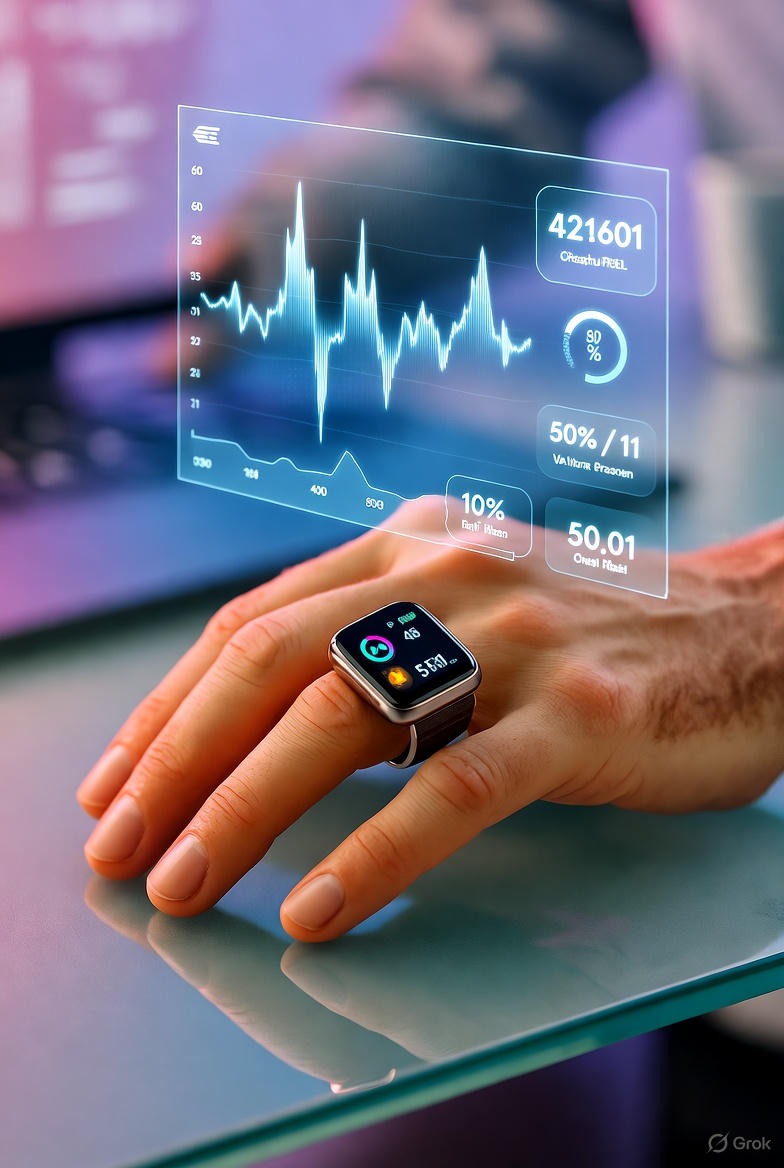
We stand at the very beginning of a new era in personal health. The devices we use today, as sophisticated as they seem, are the prototype—the Model T of biometric intelligence. Understanding the trajectory of this technology helps us use today’s tools more effectively and prepares us for the even more profound insights to come. The future is moving from tracking to true prediction, and from generalized data to hyper-personalized guidance.
Predictive Analytics and True Early Warning. Current technology is largely descriptive and diagnostic (telling you what happened last night). The next frontier is predictive analytics. By applying advanced machine learning to longitudinal datasets from millions of users, algorithms will learn to identify pre-symptomatic patterns for common conditions. Imagine an alert: “Your combined trends in resting heart rate, HRV, and skin temperature over the past 10 days show a pattern that has historically preceded a migraine in you. Consider increasing hydration and prioritizing stress management today.” Or a broader warning: “Your metabolic flexibility markers are trending in a direction associated with pre-diabetic onset. A dietary adjustment may be beneficial.” This shifts the paradigm from reactive healthcare to proactive, pre-emptive self-care.
Multimodal Sensing and Non-Invasive Blood Chemistry. The future wearable will look beyond optical PPG sensors. Research is accelerating in non-invasive sensing through sweat, interstitial fluid, and even breath analysis. We are moving toward devices that can estimate glucose trends, electrolyte balance, cortisol levels, and markers of inflammation (like CRP) continuously and without a single needle prick. This will provide a real-time dashboard of your metabolic and hormonal state, closing a massive gap in current consumer health data. For a glimpse into what's on the horizon, explore our thoughts on health tracking technology in 2025 and what's possible.
Deep Integration with Clinical Care and AI Health Coaches. The wall between consumer wellness and clinical medicine will continue to crumble. We will see secure, patient-approved data pipelines that allow your longitudinal trends to populate a section of your Electronic Health Record (EHR). Your doctor will be able to see your 6-month HRV trend before your annual physical. Furthermore, contextual AI—powered by your unique data—will evolve from giving insights to being a personal health coach. It will know your patterns, your goals, and your lifestyle constraints, and will offer hyper-personalized, real-time recommendations: “You’ve had a high-stress week and your data shows accumulated fatigue. I’ve rescheduled your high-intensity workout for a recovery walk. Here’s a 10-minute breathing exercise to do before your big meeting.”
The Ethical and Societal Imperative. This powerful future comes with immense responsibility. Issues of data equity, algorithmic bias, and access will become paramount. Will this technology widen health disparities or help close them? The conversation around privacy and ownership of our biological data will intensify. As a community of users, advocating for ethical design, transparent algorithms, and inclusive access is part of our role in shaping this future positively.
Embracing today’s health tracking basics is not just about optimizing your current well-being; it is about building the literacy and habits needed to navigate and thrive in this incredible future of hyper-personalized, predictive, and participatory health. You are not just a user of technology; you are an early pioneer in a fundamental shift in how humanity cares for itself.
This concludes the foundational portion of our comprehensive guide. You now possess the knowledge to interpret your body’s signals, integrate data wisely into your life, understand long-term trends, engage with professionals, and choose your tools. The journey from data points to health intelligence is ongoing, personal, and deeply empowering. We invite you to continue exploring, asking questions, and using this knowledge to write your own story of sustained wellness. For ongoing learning and deeper dives into specific topics, our blog is continually updated with resources written to support you every step of the way.
Knowledge is power, but only when applied. You now understand the "what" and "why" behind your health metrics. This section is dedicated to the "how"—practical, actionable strategies to analyze your data efficiently and, most importantly, use it to build unshakeable, health-promoting habits that last a lifetime.
The Weekly Review: Your Strategic Health Meeting. Instead of daily micro-checks, institute a dedicated Weekly Data Review. Set aside 20-30 minutes each week (Sunday evening is ideal) to look at your trends holistically.
This ritual transforms data from a passive stream into an active planning tool. It fosters a calm, strategic relationship with your numbers.
Habit Stacking with Biofeedback: The Ultimate Reinforcement Loop. Habit stacking—adding a new behavior onto an existing one—is a proven method for building routines. Now, add a layer of biofeedback to make it irresistible.
This method, often enhanced by features in devices like the Oxyzen ring, turns abstract health goals into concrete, context-aware actions. Your body's own signals become the cue and the reward, creating a self-reinforcing system for wellness. For more on this neuroscience-backed approach, our piece on how a wellness ring helps build healthy habits offers a detailed blueprint.
The "N=1" Experimentation Mindset. You are your own most important research subject. Use your tracker to run personal experiments.
Overcoming Plateaus and Data Blindness. After months of tracking, you may hit a plateau or simply stop noticing the data. This is normal. Revitalize your practice by:
Mastering these practical strategies ensures your health tracker remains a dynamic tool for growth, not a source of static noise. It bridges the gap between awareness and transformation.
Your health tracking journey is not static; it unfolds across different chapters of life, each with unique physiological priorities and challenges. Tailoring your data interpretation and goals to your current life stage—and to specific, intense scenarios like travel or illness—maximizes relevance and utility.
For the Athlete and Serious Fitness Enthusiast: Here, the margin for gains is slim, and the risk of overtraining is high. Data becomes your coach.
For the High-Performing Professional Under Chronic Stress: For this group, the battle is against systemic burnout, not physical overtraining.
For the Health-Conscious Individual Focused on Longevity (Aging Well): The focus shifts from acute performance to preserving function and detecting early deviations.
Navigating Intense Scenarios: Travel and Illness.
Understanding these contextual frameworks helps you filter the noise and focus on the signals that matter most for your current chapter, ensuring your health tracking practice evolves with you.
Humans are social creatures, and our wellness journeys are often enriched by connection. The rise of health tracking has given birth to communities—from online forums to friendly competition among friends—centered on data. Engaging with these communities can provide motivation, insight, and support, but it must be done with a mindful approach to avoid comparison and misinformation.
The Benefits of a Data-Informed Community.
The Pitfalls: Comparison and The "Biometric Olympics". The dark side of community is the innate human tendency to compare.
Best Practices for Responsible Sharing.
A community, when approached with the right mindset, can be the mirror that reflects your progress, the sounding board for your questions, and the cheerleader for your efforts. It turns a solitary pursuit of data into a shared journey toward well-being. For a look at how real people are navigating their journeys, our testimonials page shares authentic, contextual stories from users.

Even the most advanced technology can encounter hiccups. Anomalies in your data are not always biological; sometimes they are technological. Knowing how to identify and troubleshoot common sensor errors prevents misinterpretation and ensures you're working with clean, reliable information.
The "Bad Data" Telltale Signs. Learn to spot when the graph is lying.
Common Causes and Fixes.
The "Biological vs. Technological" Sanity Check. When you see a weird data point, ask:
When to Reset and Recalibrate. If problems persist after checking fit and cleanliness, a software reset of the device or a re-pairing with your phone can often clear glitches. Remember, after a reset, it may take 24-48 hours to re-establish stable baselines.
By becoming a savvy user who can distinguish signal from noise, you maintain confidence in your data. This ensures your decisions are based on physiological truth, not technological artifact. For persistent technical issues, your first stop should always be the manufacturer's FAQ and support page.
A high-quality health tracker is an investment. Unlike a purchase for fleeting entertainment, this is an investment in your most valuable asset: your long-term health and productivity. Framing the cost through the lens of value, prevention, and potential savings can clarify the decision.
Cost vs. Value: The Preventive Math. Consider the potential costs of not having insight:
A device that helps you avoid even one of these scenarios can pay for itself many times over, not just in money, but in time, healthspan, and life quality. It's a tool for enabling preventive health monitoring at a personal level.
Understanding the Price Spectrum. Devices range from $50 basic fitness bands to $500+ advanced smart rings and watches.
Evaluating the Total Cost of Ownership. Look beyond the sticker price.
Making Your Decision. Align your investment with your primary goal.
Ultimately, the question isn't "Can I afford this device?" but "Can I afford not to have this level of insight into the only body I have?" For a structured approach to this decision, our guide on making the final purchase decision provides a helpful checklist.
You have journeyed from the basics of individual metrics to the synthesis of long-term trends, from personal frameworks to community engagement, and from technical troubleshooting to considered investment. This comprehensive foundation transforms you from a passive wearer of technology into an active architect of your own well-being.
You now possess the literacy to read your body's signals, distinguishing the music of normal variability from the discord of concerning patterns. You have strategies to integrate this awareness without anxiety, to run personal experiments, and to navigate life's different chapters with data-informed grace. You understand the limits and ethics of the technology, ensuring you use it as a responsible guide.
This is not the end of learning; it is the beginning of a new, more intimate relationship with your health. The path forward is one of continuous curiosity and application.
The modern tools of health tracking—epitomized by comfortable, powerful devices like the Oxyzen smart ring—have democratized access to knowledge that was once the sole domain of research labs. This is a profound privilege. Use this knowledge not to extend your life on a chart, but to deepen the health, vitality, and presence you bring to every day of the life you have.
Continue Your Journey: For ongoing exploration, from the specifics of sensor technology to the future of wearables, our complete blog library is your resource. To experience the integration of these principles into a seamless product, begin your discovery at the Oxyzen shop.
Your Trusted Sleep Advocate (Sleep Foundation — https://www.sleepfoundation.org/)
Discover a digital archive of scholarly articles (NIH — https://www.ncbi.nlm.nih.gov/
39 million citations for biomedical literature (PubMed — https://pubmed.ncbi.nlm.nih.gov/)
experts at Harvard Health Publishing covering a variety of health topics — https://www.health.harvard.edu/blog/)
Every life deserves world class care (Cleveland Clinic -
https://my.clevelandclinic.org/health)
Wearable technology and the future of predictive health monitoring. (MIT Technology Review — https://www.technologyreview.com/)
Dedicated to the well-being of all people and guided by science (World Health Organization — https://www.who.int/news-room/)
Psychological science and knowledge to benefit society and improve lives. (APA — https://www.apa.org/monitor/)
Cutting-edge insights on human longevity and peak performance
(Lifespan Research — https://www.lifespan.io/)
Global authority on exercise physiology, sports performance, and human recovery
(American College of Sports Medicine — https://www.acsm.org/)
Neuroscience-driven guidance for better focus, sleep, and mental clarity
(Stanford Human Performance Lab — https://humanperformance.stanford.edu/)
Evidence-based psychology and mind–body wellness resources
(Mayo Clinic — https://www.mayoclinic.org/healthy-lifestyle/)
Data-backed research on emotional wellbeing, stress biology, and resilience
(American Institute of Stress — https://www.stress.org/)


