


Health Tracking Technology: The Photoplethysmography (PPG) Method
A technical explanation of the PPG method, which uses light to measure blood flow and heart rate.
A technical explanation of the PPG method, which uses light to measure blood flow and heart rate.
%402x.svg)
Imagine a technology so subtle it can be woven into the band of your watch or the curve of a ring, yet so powerful it can listen to the silent story of your blood. A story not told in words, but in light and shadow, pulse and flow. This is not science fiction; it is the daily reality for millions who wear wellness trackers and smart rings. At the heart of this silent revolution is a method with a formidable name: Photoplethysmography, or PPG. It is the foundational magic behind the heart rate readings on your wrist, the sleep scores on your phone, and the stress alerts on your finger.
But what is PPG, really? Beyond the buzzword lies a fascinating interplay of physics, physiology, and data science. It is a window into your autonomic nervous system, a proxy for your cardiovascular health, and a constant, passive biographer of your body’s inner state. From its origins in 1930s hospital labs to its current status as a consumer-grade health oracle, PPG has undergone a radical transformation. It promises a future of proactive wellness, where your device doesn’t just track steps but understands rhythms—the rhythm of your heart, your breath, and your recovery.
Yet, with great data comes great responsibility. How accurate is this flickering light on your wrist? What can it truly tell you about your health, and where does it fall short? This deep dive into Photoplethysmography will demystify the technology that is quietly redefining our relationship with our own bodies. We will trace its journey from clinical tool to personal companion, explore the rich physiological insights hidden in its signal, and examine how modern smart rings are pushing its boundaries to deliver not just data, but actionable wisdom for a more balanced, restful life.

Photoplethysmography, often called the workhorse of wearable health monitoring, is elegantly simple in concept yet profoundly complex in application. At its core, PPG is an optical technique that measures changes in blood volume in the microvascular bed of tissue—most commonly in your wrist, finger, or earlobe. The long name breaks down logically: Photo (light), plethysmo (increase in volume), and graphy (to write). Quite literally, it “writes with light” the story of your blood flow.
The principle operates on a straightforward optical trick. A small LED, typically green light in modern wearables, shines into the skin. A photodetector, positioned nearby, waits to catch the light that bounces back. Here’s the crucial part: blood absorbs light more effectively than the surrounding tissue. So, with each heartbeat, a surge of fresh, oxygen-rich blood pulses through your capillaries, momentarily increasing light absorption. Less light reflects back to the sensor. Between beats, blood volume decreases, so more light bounces back. This rhythmic fluctuation in reflected light—the “plethysmogram”—is a direct visual representation of your pulse. The sensor isn’t “feeling” your heartbeat; it’s seeing it in the subtle, heartbeat-by-heartbeat dance of light and shadow beneath your skin.
It’s essential to distinguish PPG from an electrocardiogram (ECG), the clinical gold standard for measuring heart electrical activity. An ECG measures the heart's electrical depolarization and repolarization through electrodes on the skin. It tells you what the heart’s electrical system is doing. PPG, conversely, measures the hemodynamic consequence of that electrical activity—the actual physical pulse wave that results from a heartbeat. Think of it this way: if the heart’s electrical signal is the ignition spark in a car engine (ECG), the PPG signal is the subsequent movement of the pistons and the flow of fuel through the lines. They are correlated but measure fundamentally different phenomena. This distinction explains why PPG-derived heart rate can sometimes differ from ECG, especially during intense motion or when peripheral blood flow is poor.
The raw PPG waveform itself is a treasure trove of information. A single pulse wave contains distinct features:
The shape, amplitude, and timing of these components are influenced by everything from arterial stiffness and blood pressure to breathing and autonomic nervous system activity. By decoding this waveform, algorithms can extract far more than just heart rate; they can infer heart rate variability (HRV), respiration rate, blood oxygen saturation (SpO2), and even signs of vascular aging. This optical pulse wave, captured passively and continuously, forms the foundational biometric layer for the modern wearable ecosystem, enabling a shift from reactive medicine to proactive, personalized wellness insights.
The journey of PPG from a bulky, niche clinical instrument to a miniaturized consumer health powerhouse is a testament to decades of engineering innovation. Its story begins not in Silicon Valley, but in 1930s medical labs. The first practical photoplethysmograph was invented by German physiologist Karl Matthes in the 1930s, using an incandescent lamp and a photocell to monitor blood volume changes in the ear. For decades, PPG remained firmly in the domain of clinical physiology and anesthesiology, used primarily in hospital pulse oximeters to non-invasively monitor a patient’s blood oxygen levels during surgery. These devices, while revolutionary, were large, expensive, and tethered to a bedside console.
The first seismic shift came with the advent of Light-Emitting Diodes (LEDs) and phototransistors in the 1970s and 80s. LEDs provided a stable, low-power, and monochromatic light source—perfect for the specific wavelengths needed for PPG. This miniaturization enabled the development of the clip-on pulse oximeter, a device that became a ubiquitous standard of care in hospitals worldwide. Yet, it was still a single-point measurement device, not a continuous monitor.
The true consumer revolution was ignited by the convergence of three technological waves in the early 21st century. First, the proliferation of smartphones created a universal platform with processing power and a display. Second, the “quantified self” movement created cultural demand for personal data. Third, and perhaps most critically, advances in micro-electromechanical systems (MEMS) and ultra-low-power chip design allowed for the creation of sensor packages small enough to fit into a wristwatch.
The choice of light color marked a pivotal evolution. Early consumer devices often used infrared (IR) light, similar to hospital systems. IR penetrates skin deeply but is highly susceptible to motion artifact. The breakthrough for wearables was the adoption of green light LEDs. Green light (typically around 520-550nm) is absorbed strongly by red blood cells (specifically hemoglobin) and doesn’t penetrate as deeply as IR. This actually becomes an advantage: it primarily captures the robust blood flow in the capillaries just beneath the skin, providing a stronger, cleaner signal for the heart rate at the wrist, even if it’s less ideal for SpO2. The later integration of red and infrared LEDs alongside green allowed modern devices like the Oura Ring and high-end smartwatches to add blood oxygen sensing (SpO2) and advanced sleep staging to their repertoire.
Today, the evolution continues at a breakneck pace. We’re seeing the integration of multi-wavelength LED arrays (e.g., green, red, IR), active noise cancellation via accelerometers to filter out motion, and sophisticated AI-driven algorithms that can parse the signal for ever-more-subtle insights. The sensor has moved from the wrist to the finger in the form of smart rings, a location that often provides a stronger, less noisy signal due to better vascular access and reduced motion. This evolution from a clinical tool to an intimate, always-on personal health guardian represents one of the most significant democratizations of health technology in history, putting a potent diagnostic-grade sensing modality into a form factor we can wear 24/7 without a second thought.
To the untrained eye, a PPG waveform is a simple, repeating squiggle. To a physiologist or a well-trained algorithm, it is a rich, dynamic text brimming with information about the state of your cardiovascular and autonomic nervous systems. Deconstructing this signal is key to understanding the true potential of your wearable device. Let’s translate the peaks and valleys into physiological insights.
The most basic metric, Heart Rate (HR), is calculated simply by counting the peaks (pulses) per minute. But the magic lies in the spaces between the peaks. Heart Rate Variability (HRV) is a critical measure of autonomic nervous system function, derived from the precise time intervals between successive heartbeats (known as RR intervals, though technically from the pulse peaks in PPG). It’s a common misconception that a healthy heart beats like a metronome. In fact, a healthy heart exhibits complex variability. A higher HRV generally indicates a strong, resilient parasympathetic (“rest-and-digest”) nervous system, allowing the heart to respond flexibly to demands. A chronically low HRV can be a sign of stress, fatigue, overtraining, or poor recovery. Your wearable’s “readiness” or “recovery” score is heavily influenced by this single metric derived from the PPG signal, offering a window into whether your body is primed for stress or in need of restful living.
Your breathing leaves a clear signature on the PPG waveform, a phenomenon known as Respiratory Sinus Arrhythmia (RSA). As you inhale, your heart rate naturally increases slightly; as you exhale, it decreases. This causes a gentle, wave-like modulation of both the heart rate and the amplitude of the PPG waveform itself. Advanced algorithms can isolate this modulation to derive your Respiration Rate—all without a single chest strap or breath sensor. Monitoring this passively, especially during sleep, can provide clues about sleep quality, stress, and even the onset of respiratory conditions.
The shape of the PPG pulse wave is a biomarker in itself. The steepness of the rising anacrotic limb, the time it takes to reach the systolic peak (Pulse Transit Time), and the prominence of the dicrotic notch are all influenced by arterial stiffness and blood pressure. While consumer wearables are not FDA-cleared to measure blood pressure directly, the correlation between PPG waveform morphology and vascular health is a hotbed of research. Some devices already offer “vascular age” or “arterial stiffness” insights based on this analysis, pointing toward a future where wearables could provide early warnings of cardiovascular risk.
Finally, by using two wavelengths of light (typically red and infrared), PPG performs the principle of pulse oximetry. Oxygenated hemoglobin (HbO2) and deoxygenated hemoglobin (Hb) absorb red and infrared light differently. By comparing the pulsatile (AC) components of the signals at these two wavelengths, the device can calculate the percentage of oxygen-saturated hemoglobin in your blood—your SpO2. This metric, once confined to hospitals, is now tracked nightly by wearables to screen for sleep apnea and general respiratory health.
In essence, the humble PPG waveform is a composite signal. It is a carrier wave of your heartbeat, amplitude-modulated by your breathing, and shape-modulated by your vascular health. Decoding it is an exercise in layered listening, and it is from this complex listening that our devices build the story of our well-being.
Harnessing the raw PPG signal is only the first step. The true value for the user lies in the sophisticated secondary metrics that algorithms distill from this foundational data. These are the numbers and scores that populate your wellness app, transforming abstract light fluctuations into actionable health insights. Let’s explore the key pillars of this derived health dashboard.
Heart Rate Variability (HRV): The Gold Standard for Recovery & Resilience
As introduced, HRV is arguably the most significant advanced metric from PPG for daily wellness. It is the ultimate indicator of your body’s balance. Think of your autonomic nervous system as a seesaw. On one side is the sympathetic system (“fight-or-flight”); on the other, the parasympathetic (“rest-and-digest”). High HRV suggests the seesaw can move easily—you can ramp up effectively for a workout or a work challenge (sympathetic activation) and then descend smoothly into deep recovery (parasympathetic dominance). Low HRV suggests the seesaw is stuck, often in a stressed, sympathetic-leaning state. For the wellness seeker, tracking HRV trends is more valuable than any single reading. A sustained dip can be an early warning to prioritize sleep, manage stress, or skip an intense workout—core tenets of a restful living for high-achievers philosophy where performance is built on the foundation of strategic rest.
Respiration Rate: The Silent Signpost of Stress and Sleep
Your breathing rate is a vital sign that most of us never think about, typically resting between 12-20 breaths per minute. PPG-derived respiration rate is a passive, continuous log of this sign. During the day, an elevated resting respiration rate can be a subtle, physiological cue of anxiety or stress, often appearing before we consciously feel overwhelmed. During sleep, it’s a cornerstone of quality assessment. Normal, steady breathing is associated with deep, restorative sleep stages. Erratic, paused, or elevated breathing can indicate disruptions, from mild sleep disturbances to more serious conditions like sleep apnea. By charting this metric overnight, your device builds a picture of your respiratory health and sleep continuity.
Blood Oxygen Saturation (SpO2): The Nocturnal Guardian
While daytime SpO2 is typically stable (97-100% for healthy individuals), nighttime is when it can tell a compelling story. Drops in blood oxygen levels during sleep (nocturnal desaturation) are a key marker for sleep-disordered breathing. By tracking this metric, wearables can identify potential sleep apnea events, where breathing repeatedly stops and starts, leading to oxygen dips. This has empowered countless users to seek professional diagnosis for a condition that often goes unnoticed. Furthermore, tracking SpO2 can be useful in understanding acclimatization to altitude or monitoring general wellness during illness.
Sleep Staging: Architecting Your Night
PPG is the primary sensor powering wearable sleep analysis. By combining heart rate, HRV, respiration rate, and body movement (from an accelerometer), sophisticated algorithms can make educated inferences about sleep stages: Light, Deep, and REM sleep. The patterns matter: deep sleep is crucial for physical recovery and immune function, while REM sleep is tied to memory consolidation and mood regulation. PPG-based sleep tracking provides a longitudinal view of your sleep architecture, helping you correlate lifestyle choices—like evening screen time, caffeine intake, or a restful living diet with foods that calm your nervous system—with the quality of your rest. It moves you from knowing you slept “poorly” to understanding how your sleep was fragmented.
Stress and Recovery Scores: The Holistic Synthesis
This is where the art of algorithm meets the science of PPG. Platforms like Oura, Whoop, and Garmin synthesize PPG-derived data (HR, HRV, respiration) with activity and user input to generate composite scores. A Readiness or Recovery Score tells you your body’s capacity to perform, heavily weighted by your overnight HRV and sleep quality. A Stress Score monitors signs of autonomic imbalance (like elevated resting heart rate or low HRV) throughout the day. These scores are designed to be integrative and actionable, guiding you to train, work, or rest intelligently. They embody the principle that data is only as good as the behavioral change it inspires, a theme central to creating a sustainable, weekly restful living plan for structure and sustainability.
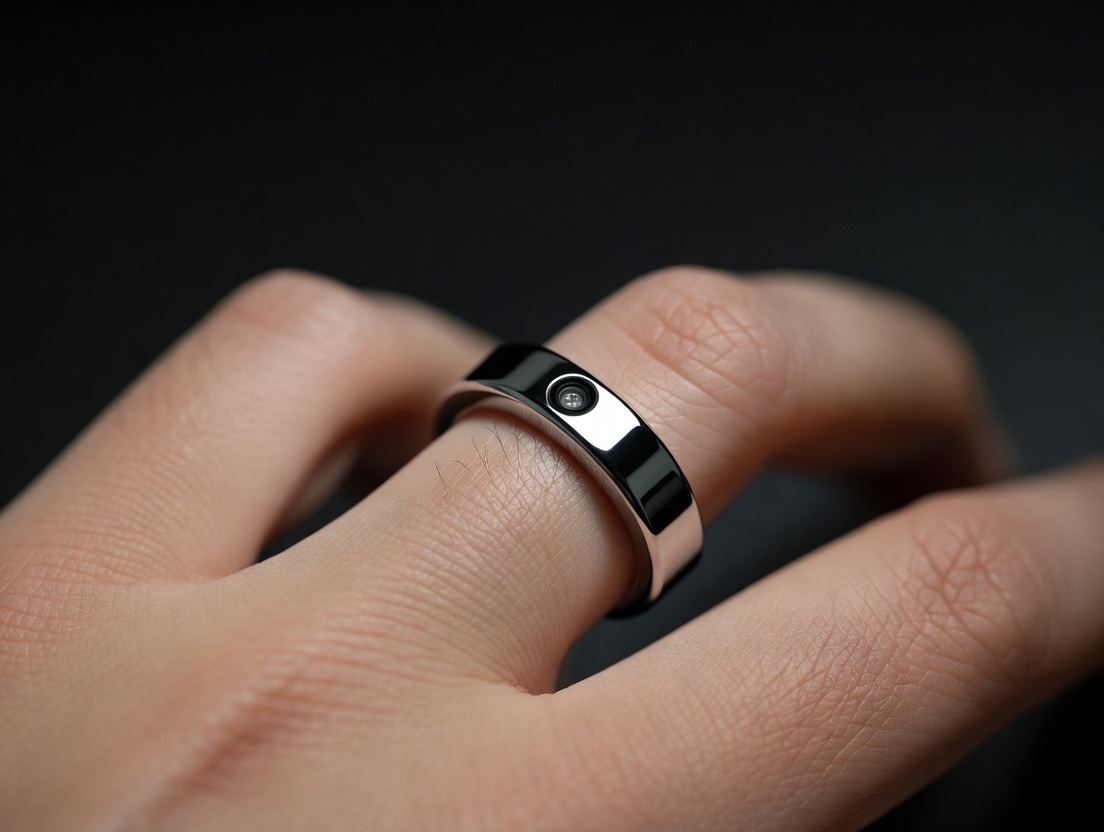
The wearable market is dominated by the wrist, but a compelling challenger has emerged: the smart ring. For PPG technology specifically, the finger presents a uniquely advantageous anatomical location, often allowing it to capture a cleaner, more reliable signal. This is why medical-grade pulse oximeters have always used the finger. Let’s explore the inherent advantages that make the finger an ideal home for advanced PPG sensing.
Superior Vascular Access and Signal Strength
The fingertips are among the body’s most vascular areas, packed with capillary beds and arteriovenous anastomoses (shunts that regulate blood flow and temperature). This rich, dense network of blood vessels provides a stronger, more pulsatile signal for the PPG sensor compared to the wrist. The wrist bones (carpals) and tendons can create “dead zones” where blood flow is less accessible, leading to the “wrist search” many watch users experience during workouts. The finger’s consistent, robust blood flow translates to a higher signal-to-noise ratio, the holy grail of sensor design, which in turn can improve the accuracy of derived metrics like HRV and SpO2.
Reduced Motion Artifact: The Stability Factor
This is arguably the ring’s greatest advantage. A wristwatch is attached to a highly mobile joint. Typing, gesturing, lifting weights—all introduce significant noise into the PPG signal. While accelerometers help cancel this noise, it’s a constant battle. A ring on the finger, however, experiences less pronounced and different types of motion. During activities like walking or running, the finger moves relatively linearly compared to the wrist’s complex rotation. During desk work, the ring hand is often stationary. This inherent stability means the raw PPG data is cleaner to start with, requiring less aggressive algorithmic filtering that can sometimes discard valid physiological data along with the noise.
24/7 Wearability and Consistent Data
For physiological tracking, consistency is king. Data gaps create blind spots. Many people cannot or do not sleep with a bulky watch on their wrist, creating a critical data gap for sleep and recovery metrics. A smart ring, by contrast, is designed for continuous wear. Its small, smooth form factor is unobtrusive during sleep, making it an ideal form factor for comprehensive, all-day-and-night monitoring. This seamless data collection is essential for building a complete picture of circadian rhythms, recovery cycles, and long-term trends. It enables the kind of uninterrupted insight necessary for truly understanding patterns and making effective lifestyle adjustments, such as those suggested in our guide on restful living through the seasons and adapting your approach.
Discreetness and Lifestyle Integration
Beyond pure physiology, the smart ring offers a social and practical advantage. It doesn’t look like a tech device; it looks like jewelry. This discreetness reduces “tech fatigue” and makes it easier to wear in formal settings or during activities where a watch is impractical. This lowers the barrier to consistent use, which is the single most important factor in generating meaningful long-term health data. By fitting effortlessly into your life, it supports the very restful living boundaries we seek—protecting your energy without adding digital clutter or social distraction.
While smartwatches offer unmatched screen-based interactivity and notifications, the smart ring is a focused, optimized device for one primary job: being the best possible, most consistent biometric sensor you can wear. In the world of PPG, the finger isn’t just an alternative location; for many applications, it is the optimal one.
The promise of medical-grade insights from a consumer device is alluring, but a critical eye is essential. How much can we trust the numbers from our rings and watches? The truth about PPG accuracy is nuanced: it is exceptionally good at some things, reasonably good at others, and inherently limited in key areas. Understanding these boundaries is crucial for interpreting your data responsibly and avoiding “data anxiety.”
The Motion Problem: PPG’s Achilles’ Heel
PPG’s fundamental limitation is its vulnerability to motion. The technique measures tiny changes in light absorption. Any movement that changes the sensor’s contact with the skin or alters blood flow locally (like muscle contractions) creates noise that can drown out the physiological signal. While accelerometer-based algorithms and tighter form factors (like rings) mitigate this, high-intensity, dynamic activities—especially those involving gripping or pronounced hand movement (e.g., weightlifting, cycling, typing)—can still corrupt the signal. During these times, heart rate readings may be inaccurate or drop out entirely. This is why many athletes still pair wearables with chest-strap ECG monitors for training precision.
The Individuality Variable: Skin Tone, Tattoos, and Physiology
PPG is an optical method, and skin is its medium. Factors that affect light penetration and reflection can impact signal quality. Early studies indicated that darker skin tones, which contain more melanin (a light-absorbing pigment), could potentially lead to noisier signals or less accurate SpO2 readings with certain sensor configurations. The industry has made significant strides by using multiple wavelengths and advanced algorithms to compensate, but it remains an area of ongoing research and ethical design focus. Similarly, tattoos, scars, or even very cold skin (which reduces peripheral blood flow) can create challenges. The best devices are those tested across diverse populations.
Absolute vs. Trend Data: What Your Device Is Best For
This is the most important concept for users to grasp. For most wellness applications, trend data is more valuable than absolute precision. Is your nightly HRV exactly 42 milliseconds or 45? The exact number matters less than knowing it has dropped 30% from your baseline over the past three nights. Is your sleep score a perfect 90 or an 87? The trend showing a steady decline after starting a new work project is the critical insight. Consumer PPG devices are phenomenal trend-monitoring tools. They excel at showing you directional changes in your physiology in response to lifestyle, stress, training, and sleep. They are less reliable as diagnostic tools for pinpoint, clinical measurements. Using them to observe patterns empowers you; obsessing over single-point readings can be counterproductive to the calm and focus that restful living aims to cultivate.
The Calibration Challenge: No Universal Baseline
Unlike a thermometer that measures against a fixed standard, many PPG-derived metrics (like HRV and composite scores) are highly personal. Your “good” HRV is unique to you and cannot be compared to someone else’s. This requires a “baselining” period—often a week or more of consistent wear—for the device to learn your normal. Jumping to conclusions before this period is complete is a common mistake. Furthermore, these algorithms are proprietary “black boxes.” Different brands use different formulas to calculate sleep stages or recovery scores from the same underlying PPG signal, which is why a Garmin, an Oura, and an Apple Watch might give you slightly different readings. The key is to pick one ecosystem and follow its trends consistently.
In summary, treat your PPG device as a highly intelligent, personal biographer, not a medical device. Its power lies in revealing your unique patterns and correlations, guiding you toward experiments in sleep, diet, and stress management. It is a compass, not a GPS—it shows you direction, not an exact, clinically validated coordinate.
Sleep is the most significant pillar of recovery and long-term health, and it is the domain where PPG technology truly shines. In the stillness of the night, free from motion artifact, the PPG sensor can perform its most sensitive listening. The data collected forms a multi-dimensional portrait of your sleep, moving far beyond simple duration to reveal quality, architecture, and disturbances.
The Pillars of PPG Sleep Analysis
Modern sleep algorithms are multi-sensor symphonies, with PPG conducting the core physiological section. Here’s how the data streams combine:
By fusing these data points, your device constructs a hypnogram—a graph of your sleep stages throughout the night. This reveals not just how long you slept, but how you slept: Did you get enough crucial deep sleep? Was your REM fragmented? How long did it take you to fall asleep?
Identifying Sleep Disruptions and Apnea
One of the most profound applications of overnight PPG is screening for sleep-disordered breathing. By tracking respiration rate and SpO2 simultaneously, the device can flag periods of suspected apnea or hypopnea (shallow breathing). A pattern of repeated SpO2 dips, often accompanied by a rise in heart rate as the body briefly arouses to resume breathing, is a strong indicator to seek a professional sleep study. This has brought a previously under-diagnosed condition into the realm of personal awareness, enabling millions to take the first step toward treatment.
Correlating Lifestyle with Sleep Quality
The real power of sleep tracking is in the correlation. Your device provides the “what”; you provide the “why.” This is where it becomes a tool for empowered self-experimentation. You might discover that:
By reviewing your sleep data alongside your daily journal (which many apps include), you move from guesswork to knowledge. You learn which of your behaviors are allies of rest and which are its adversaries, allowing you to craft a personalized sleep hygiene protocol that goes beyond generic advice.

In our always-on world, stress is often a silent tax on our physiology, accruing long before we feel mentally overwhelmed. The autonomic nervous system (ANS) is the control panel for this stress response, and PPG provides one of the few practical windows into its activity in daily life. By tracking the balance between the sympathetic (SNS) and parasympathetic (PNS) branches, your wearable becomes a real-time barometer for your internal state of tension or calm.
HRV: The Direct Line to Your PNS
As established, Heart Rate Variability is the most direct PPG-derived metric for ANS balance. High HRV indicates strong parasympathetic (“rest-and-digest”) tone and neurocardiac resilience. When you are relaxed, recovered, and healthy, your PNS is dominant, and your HRV is higher. During acute stress—be it physical (a hard workout), emotional (a work conflict), or psychological (anxiety)—the sympathetic nervous system takes over, releasing catecholamines like adrenaline that increase heart rate and reduce HRV. By monitoring your HRV trends, you can see the physiological footprint of stress and recovery that your conscious mind might miss. A sustained drop in HRV is your body’s way of saying, “I am carrying a load.”
Daytime Stress Scores: Reading the Physiological Tea Leaves
Building on HRV, resting heart rate (RHR), and heart rate patterns, many devices now offer continuous stress monitoring. This isn’t a measure of your emotional feelings, but of your physiological arousal. The algorithm looks for signs of SNS activation: an elevated heart rate relative to your baseline when you’re physically still, combined with low, erratic HRV. When it detects this pattern for a prolonged period, it may assign a high “stress” score or notify you. This can be a powerful moment of awareness. You might be sitting calmly at your desk, but your physiology reveals you are in a state of high alert, perhaps due to an overflowing inbox or a subconscious worry. This biofeedback creates an opportunity for intervention—a chance to step away, practice a minute of breathing, or implement a digital detox to enhance restful living and break the cycle of hyper-stimulation.
Recovery and Readiness: Synthesizing the Night’s Data
The pinnacle of PPG-based ANS insight is the morning Readiness or Recovery Score. This composite metric synthesizes your overnight PPG data (sleep duration, quality, HRV, RHR, respiratory rate) into a single, actionable number. It answers the question: “Based on how my body recovered last night, how much capacity do I have to take on stress today?”
This guidance moves health tracking from retrospective journaling to prospective planning. It helps you align your daily actions with your body’s actual capacity, fostering a sustainable rhythm of stress and recovery rather than a relentless, draining push.
The story of PPG is far from finished. We are on the cusp of a new era where this foundational sensor will become even more intelligent, integrated, and predictive. The convergence of artificial intelligence, new sensing modalities, and large-scale health datasets is set to unlock capabilities that currently seem like science fiction.
AI and Machine Learning: From Detection to Interpretation
Current algorithms are largely rules-based: If heart rate drops and movement is low, then label it as sleep. The next generation uses deep learning neural networks trained on massive datasets of PPG signals paired with gold-standard measurements (like polysomnography for sleep). These AI models don’t just follow rules; they learn complex, subtle patterns in the waveform that are invisible to traditional analysis. This will lead to dramatic improvements in accuracy, especially for tricky areas like sleep stage classification during periods of disturbance, and the detection of more nuanced physiological states. AI will move the device from telling you what happened to suggesting why it might have happened and what to do about it.
Multi-Wavelength and Multi-Modal Fusion: A Broader Spectrum
Future PPG sensors will move beyond the standard green/red/IR triumvirate. Research is exploring the use of yellow, orange, and even violet light to probe different blood components and skin layers. Furthermore, the fusion of PPG with other biosensors in a single wearable will create a holistic health picture. Imagine a device that combines:
Correlating, for instance, a stress spike from PPG (elevated HR) with a confirmed sympathetic surge from EDA provides immensely richer context than PPG alone. This multi-modal approach is key to moving from generic metrics to highly personalized insights.
Non-Invasive Blood Pressure and Glucose Monitoring: The Holy Grails
Two of the most sought-after future applications are continuous, non-invasive blood pressure (NIBP) and blood glucose monitoring. Both are active areas of intense research using advanced PPG techniques. For blood pressure, methods like Pulse Transit Time (PTT)—measuring the time delay between the ECG heartbeat and the PPG pulse arrival at the wrist—show promise. For glucose, some approaches use multi-wavelength PPG to detect the subtle optical signatures of glucose in the interstitial fluid. While not yet available in consumer devices, proof-of-concept studies are advancing rapidly. Success here would be transformative, turning a wellness device into a critical management tool for hypertension and diabetes.
Longitudinal Biomarkers and Predictive Analytics
The ultimate promise lies in the longitudinal dataset. Worn for years, a PPG device builds a unique, continuous map of your physiology. AI could analyze this map to identify subtle, early deviations from your personal baseline that might precede illness. It could provide personalized benchmarks for healthy aging or flag the early signs of conditions like atrial fibrillation (irregular heartbeat) or metabolic syndrome. This shifts the paradigm from tracking to predicting, from wellness to true preventive health. In this future, your ring might not just tell you you’re tired; it might advise you to see a doctor based on a subtle, weeks-long change in your pulse wave morphology—a true guardian for long-term health and the connection between restful living and longevity.
Data is inert without action. The flood of information from a PPG-equipped device can be empowering, but it can also lead to confusion or obsession. The true art lies in integrating these insights into a sustainable, holistic wellness practice—using the data as a guide, not a gospel. The goal is to enhance self-awareness and inform positive choices, not to become enslaved to a score.
From Numbers to Narratives: Building Self-Awareness
The first step is to shift your mindset from chasing perfect numbers to understanding your personal story. Instead of asking, “Is my HRV good?” ask, “What does a high HRV day feel like for me? What did I do differently?” Use the data to connect external events with internal states. You might log in your app’s journal feature: “High-stress work presentation at 3 PM” and later see the corresponding physiological spike. Or note, “30-minute evening walk in nature,” and observe a calmer nighttime heart rate. This builds a powerful feedback loop. You begin to recognize the physical sensations of stress and recovery in your own body, independent of the device. This mindful awareness is the cornerstone of any wellness journey, aligning perfectly with principles of how restful living improves relationships and mood by making you more attuned to your own needs.
Actionable Triggers: Simple Rules for Better Living
To avoid data paralysis, establish simple, clear “if-then” rules based on your metrics. These are personalized protocols that turn insight into action.
These rules create a direct bridge between data and behavior without requiring daily deep analysis.
Avoiding Data Anxiety and Obsession
It’s crucial to set boundaries with your device to prevent it from becoming a source of stress itself—a phenomenon sometimes called “orthosomnia” (an unhealthy preoccupation with perfect sleep data). Strategies include:
By using PPG data as one insightful voice among many—including your own intuition, medical advice, and how you genuinely feel—you create a balanced, integrated practice. The technology becomes a tool for self-compassion and intelligent self-regulation, guiding you toward a more attuned and resilient life.
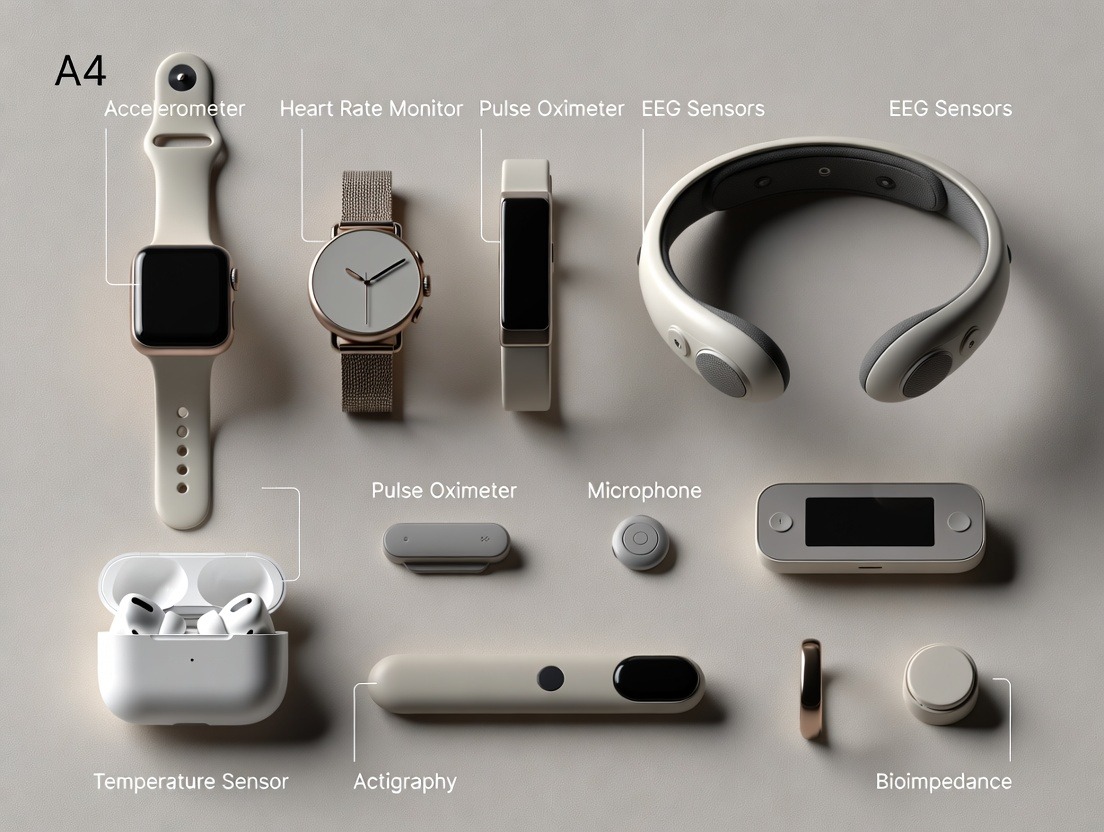
With the market saturated with options, selecting the right PPG-enabled device can be daunting. The core choice often boils down to form factor: the versatile smartwatch or the focused smart ring. Your decision should hinge on your primary goals, lifestyle, and what you value most in a wearable.
The Smartwatch: The All-in-One Powerhouse
Smartwatches (Apple Watch, Garmin, Fitbit, Samsung Galaxy Watch) are multimedia command centers.
The Smart Ring: The Specialized Biometric Sentinel
Smart rings (Oura Ring, Ultrahuman Ring, Circular Ring) are single-purpose devices optimized for health sensing.
Key Decision Factors: What’s Your ‘Job to Be Done’?
Ask yourself these questions:
Beyond the Form Factor: The Ecosystem Matters
Finally, consider the software and the community. The best hardware is useless with a poor algorithm. Investigate the app’s user experience, the clarity of its insights, and the quality of its educational content. Does it offer actionable guidance, or just dump data on you? Does it support the integrative wellness journey you’re on, perhaps offering content on foods that calm your nervous system or guided breathwork sessions? The ecosystem that helps you understand and act on your data is as important as the sensor that collects it. Choose the device whose philosophy and presentation resonate with your personal path to well-being.
Understanding PPG technology and its derived metrics is the first step. The true transformation, however, begins when you learn to optimize the data collection itself and translate the abstract numbers into tangible, life-enhancing habits. This isn't about gaming the system for a perfect score; it's about creating the conditions for your body to function at its best and using the feedback loop of your device to confirm what works uniquely for you. It's about moving from passive observation to active co-creation of your health.
The Fundamentals of a Clean Signal
Your device can only be as insightful as the data it collects. Ensuring a strong, clean PPG signal is foundational. This starts with proper wear. For a smart ring, this means a snug but comfortable fit—it should not slide easily over your knuckle with gentle pulling, but should also not leave deep indentations or feel tight. Finger choice matters; the index, middle, and ring fingers typically provide the best blood flow. Consistency is key: wearing the device in the same location every night improves the reliability of trend data.
Environmental and physiological factors also play a role. Very cold hands can constrict peripheral blood vessels, weakening the PPG signal. If you notice gaps in your overnight data, especially in winter, ensuring your hands are warm before bed can help. Similarly, poor hydration thickens the blood, which can subtly affect the signal's characteristics. Good hydration supports not only a clearer signal but also the very physiological processes—like recovery and circulation—that you're trying to measure.
Establishing Your Personal Baseline: The Critical First Month
The single most important period with a new PPG device is the first 30 days. This is your baselining phase. During this time, the algorithms are learning your normal. Your unique resting heart rate, your range of HRV, your typical sleep architecture. It is absolutely counterproductive to compare your initial scores to others or to even judge them harshly against your own expectations. The goal is to collect data under your regular, unmodified lifestyle to establish a true starting point.
Resist the urge to immediately overhaul your life because of a low score in week one. Instead, live normally. Go to work, exercise, socialize, and sleep as you typically would. This creates an honest portrait of your baseline physiology. After this period, you'll have a powerful frame of reference. You'll know what "normal" looks like for you, which makes deviations—both positive and negative—infinitely more meaningful. Only then can you begin the work of intentional experimentation.
The Art of the Self-Experiment: Correlating Lifestyle with Physiology
With a solid baseline established, your device becomes a laboratory for self-discovery. This is where the journey gets personal and powerful. The scientific method becomes your best tool: form a hypothesis, change one variable, and observe the results in your data.
For example:
You can run similar controlled experiments on countless variables:
The key is to change only one significant variable at a time and observe for at least 3-4 days to account for natural variability. Your PPG data provides the objective, physiological truth to these experiments, cutting through placebo effects or subjective bias. It turns wellness from a guessing game into an informed practice.
Your smart ring or watch is a brilliant reporter, but it is not the coach, the chef, or the therapist. The most successful users treat their device as the central dashboard in a broader ecosystem of wellness practices. These complementary practices are the levers you pull to directly influence the very metrics your PPG sensor is tracking. They create a virtuous cycle: practices improve biomarkers, and positive biomarker feedback reinforces the practices.
Nutrition as Foundational Input
What you eat directly fuels—or disrupts—the systems PPG monitors. Strategic nutrition can optimize heart rate variability, lower resting heart rate, and stabilize energy.
Movement and Exercise: The Dose-Response Relationship
PPG data excels at revealing your individual response to training load—the balance between strain and adaptation.
Mindfulness and Nervous System Training
Directly calming the autonomic nervous system is the most potent way to improve HRV and stress resilience. These practices don't just change your mind; they change your measurable physiology.
By weaving these practices into your life, you stop being a passive consumer of health data and become an active architect of your own well-being. Your device then serves as your biofeedback monitor, confirming that your actions are having the intended physiological effect and guiding you toward what works best for your unique biology.
In our quest for optimization, it's alarmingly easy to cross the line from empowered self-awareness into a state of anxious hyper-vigilance. The very data meant to liberate us can become a source of confinement, a new set of numbers to obsess over and fail. This phenomenon—sometimes called "orthosomnia" in the context of sleep or "data anxiety" more broadly—is the shadow side of the wearable revolution. A healthy relationship with your PPG device requires recognizing and actively mitigating these risks.
Recognizing the Signs of Data Anxiety
How do you know if you've tipped from using data to being used by it? Warning signs include:
When the tool meant to support restful living becomes a source of unrest, its purpose has been inverted.
Strategies for a Healthier Data Relationship
Cultivating a balanced perspective is a conscious practice. Implement these guards:
Understanding the Limits: When to See a Professional
Your PPG device is a wellness tool, not a diagnostic device. It is crucial to understand its boundaries. While it can flag potential issues—like consistent sleep disturbances or an irregular heart rhythm pattern—it cannot provide a diagnosis.
Your device is best used as a conversation starter with healthcare professionals, providing them with longitudinal data they would never otherwise have. It empowers you to be a proactive participant in your health, but it does not replace their expertise.
The one-size-fits-all approach to health is obsolete. PPG technology's real power is revealed when we examine how different populations with unique physiological demands and challenges can leverage its insights. For athletes, shift workers, and those managing chronic conditions, a wearable isn't a luxury; it can be a critical tool for navigating specific, high-stakes environments.
The Athletic Edge: Precision Recovery and Performance Optimization
For the competitive athlete or dedicated fitness enthusiast, the margin between peak performance and overtraining is razor-thin. PPG provides the objective data to walk that line.
The Shift Worker's Guide: Resynchronizing a Disrupted Clock
Shift work is a profound physiological stressor, misaligning the endogenous circadian clock with environmental and social cues. This desynchrony leads to well-documented health risks. PPG data can be a lifeline for managing this unnatural rhythm.
Managing Chronic Conditions: A Daily Log of Invisible Trends
For individuals managing conditions like hypertension, anxiety disorders, or Long COVID, symptoms can be subjective and variable. PPG provides an objective, daily log of physiological trends that can correlate with symptom flares and inform management.
In each case, PPG technology moves from generic wellness tracking to a personalized management system, adapting to the unique pressures and priorities of the individual's life.
As PPG sensors become more capable and ubiquitous, they generate an exponentially growing stream of intimate physiological data. This data isn't just about steps; it's a continuous readout of your internal state—your stress, your sleep, your potential illnesses. This raises profound ethical questions that extend far beyond the individual, touching on privacy, commercial exploitation, and the very nature of human autonomy in a quantified world.
The Value and Vulnerability of Your Biometric Data
Your PPG data profile is arguably more sensitive than your social security number or credit card. It is a unique biological signature that reveals not just who you are, but how you are—and how you might be in the future. This data has immense value:
The central question becomes: Who owns this digital shadow of your body?
Current Landscape: A Murky Sea of Terms and Conditions
Most users blindly click "Agree" on lengthy Terms of Service and Privacy Policies. Within these documents, companies typically state that they own the aggregated, anonymized data. They use this to train their AI models. But "anonymization" of such rich, longitudinal data is notoriously difficult. When combined with other data points (location, purchase history, etc.), re-identification is often possible. Furthermore, policies often allow for data sharing with "third-party partners" for "service improvement," a vague term that can cover a multitude of commercial uses.
Potential Futures: Utopian and Dystopian Visions
The path forward forks dramatically:
Actionable Steps for User Protection
While the macro-ethical landscape evolves, individuals can take steps to protect themselves:
The promise of PPG is a future of hyper-personalized, preventative health. The peril is a future of biometric determinism and loss of privacy. Navigating this frontier requires not just technological literacy, but ethical vigilance. It demands that we, as users, ask not only "What can this device do for me?" but also "What is being done with the essence of me that it captures?"
Throughout this deep exploration, a central theme has emerged: PPG technology is not an end in itself. It is a sophisticated means to a profoundly human end—a life of sustainable vitality, resilience, and presence. When viewed through the right lens, the data from your device becomes the foundational feedback for a modern philosophy of restful living. This philosophy rejects hustle culture and burnout, instead advocating for a rhythmic, intentional life where activity and rest, stress and recovery, are in conscious balance. PPG is the compass that helps you navigate toward that balance.
From External Metrics to Internal Wisdom
The ultimate goal of any self-tracking practice should be interoceptive awareness—the keen sensitivity to the internal sensations of your own body. In the beginning, you need the device to tell you your heart is racing from a stressor you didn't consciously notice. Over time, through the constant correlation of external data with internal feeling, you train this innate sense. You begin to feel the subtle tension that precedes a stress spike, or the gentle dip in energy that signals a need for recovery. The device becomes a training wheel, and the aim is to eventually ride on your own embodied wisdom. This journey from external quantification to internal qualification is the heart of moving from data obsession to true restful living.
Creating a Personalized Rhythm of Effort and Ease
Restful living is not about doing nothing; it's about doing what matters with full capacity, and then fully recovering. PPG data provides the blueprint for your personal rhythm. It answers:
The Long-Term View: Healthspan, Not Just Lifespan
Finally, PPG facilitates a shift in perspective from chasing short-term fitness goals to cultivating long-term healthspan—the number of years lived in good health. The longitudinal data from a wearable, worn for years, is a unprecedented record of your aging process. You can observe how your baseline HRV, sleep architecture, and recovery capacity change over time. This allows you to measure the impact of your lifestyle choices not in days, but in decades. Are your habits supporting a resilient physiology that will carry you vibrantly into later years? This connects directly to the profound connection between restful living and longevity. By using PPG to guide a life of balanced stress, deep recovery, and mindful living, you are not just optimizing for tomorrow's workout; you are investing in the quality of every tomorrow to come.
In this integrative vision, the smart ring or watch ceases to be a piece of tech and becomes a partner in a conscious life. It is the silent advisor reminding you that your best performance is built on the foundation of profound rest, that your clarity is dependent on your calm, and that the most important metric of all is not on any dashboard, but is the felt sense of vitality and peace in your own being. The story written by the light on your skin becomes, in the end, the story of how you learned to truly listen to yourself.
Your Trusted Sleep Advocate: Sleep Foundation — https://www.sleepfoundation.org
Discover a digital archive of scholarly articles: NIH — https://www.ncbi.nlm.nih.gov/
39 million citations for biomedical literature :PubMed — https://pubmed.ncbi.nlm.nih.gov/
Experts at Harvard Health Publishing covering a variety of health topics — https://www.health.harvard.edu/blog/
Every life deserves world class care :Cleveland Clinic - https://my.clevelandclinic.org/health
Wearable technology and the future of predictive health monitoring :MIT Technology Review — https://www.technologyreview.com/
Dedicated to the well-being of all people and guided by science :World Health Organization — https://www.who.int/news-room/
Psychological science and knowledge to benefit society and improve lives. :APA — https://www.apa.org/monitor/
Cutting-edge insights on human longevity and peak performance:
Lifespan Research — https://www.lifespan.io/
Global authority on exercise physiology, sports performance, and human recovery:
American College of Sports Medicine — https://www.acsm.org/
Neuroscience-driven guidance for better focus, sleep, and mental clarity:
Stanford Human Performance Lab — https://humanperformance.stanford.edu/
Evidence-based psychology and mind–body wellness resources:
Mayo Clinic — https://www.mayoclinic.org/healthy-lifestyle/
Data-backed research on emotional wellbeing, stress biology, and resilience:
American Institute of Stress — https://www.stress.org/


