The Healthy Aging Tips That Fight Cellular Aging: Your Science-Backed Blueprint for a Longer, Healthier Life
For centuries, humanity has chased the elusive fountain of youth. From mythical springs to miracle elixirs, the quest has often been shrouded in mystery and mystique. But today, that quest has moved from folklore to the forefront of science, from alchemy to biology. The secret to longevity isn't hidden in a remote jungle; it's written in our very cells.
We are standing at a revolutionary crossroads in our understanding of aging. It is not an inevitable, passive decay, but a dynamic, malleable biological process—one we can influence profoundly through our daily choices. Modern science has shifted the paradigm: aging is not just about the number of candles on your cake. It’s about biological age—the functional state of your cells and systems, which can be years, even decades, younger or older than your chronological age. This is the concept of cellular aging, and it represents the most powerful lever we have for extending not just our lifespan, but, more importantly, our healthspan—the period of life spent in good health.
This comprehensive guide is your evidence-based roadmap to influencing that cellular clock. We will move beyond superficial advice and dive deep into the molecular mechanisms of aging, exploring practical, actionable strategies that target the root causes. From the food on your plate to the sleep you get, from how you move to how you manage stress, every aspect of your lifestyle sends signals to your cells, telling them either to degrade or to regenerate.
And in this modern pursuit, technology is becoming a indispensable ally. Devices like advanced smart rings are now offering us a real-time window into our bodies' inner workings—tracking sleep quality, heart rate variability, stress levels, and recovery with clinical-grade precision. This continuous, personal bio-data allows us to move from generalized guesswork to personalized, precise interventions. Companies at the forefront of this fusion of wellness and technology, like Oxyzen, are pioneering ways to make this deep health insight accessible and actionable right from your finger. You can discover how Oxyzen works to turn data into a personalized aging-wellness strategy.
Our journey begins here, by unpacking the very science of why we age at a cellular level. Understanding this "why" is the first, crucial step to mastering the "how" of healthy aging.
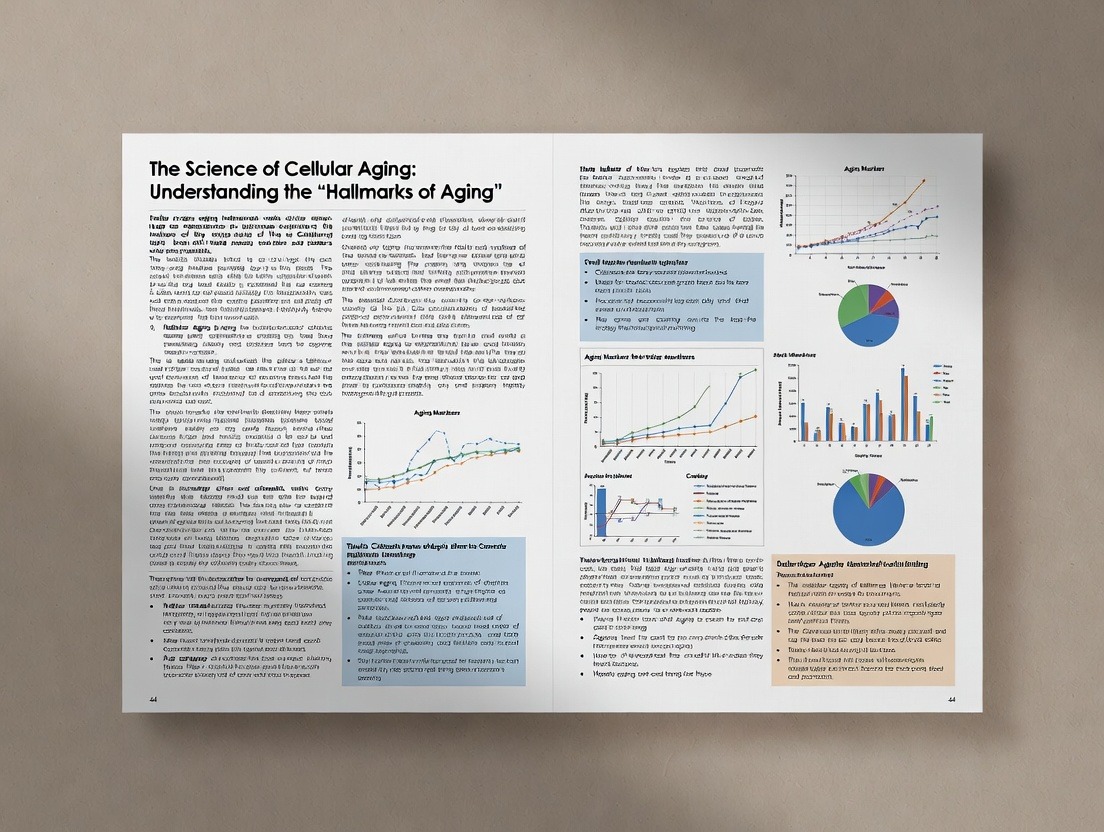
The Science of Cellular Aging: Understanding the "Hallmarks of Aging"
To fight something effectively, you must first understand it. Aging isn't a single event; it's a complex cascade of biological changes that occur over time. In a landmark paper, scientists identified nine "Hallmarks of Aging"—interconnected cellular and molecular processes that are considered fundamental contributors to the aging process and the onset of age-related diseases. These are not just symptoms of aging; they are its root causes. Let's demystify the key players.
Genomic Instability: The Accumulation of Cellular Typos
Imagine your DNA as the master instruction manual for building and maintaining you. Every day, each of your trillions of cells faces thousands of assaults on this manual from sources like ultraviolet radiation, environmental toxins, and byproducts of your own metabolism. These assaults cause damage—little "typos" in the genetic code. Your cells have sophisticated repair crews to fix these typos, but over a lifetime, the damage can accumulate. This genomic instability leads to malfunctioning cells, which can become senescent (a state we'll explore shortly) or, in the worst case, cancerous. Protecting your DNA from damage and supporting its repair systems is a frontline defense against aging.
Telomere Attrition: The Fraying Ends of Your Biological Clock
Picture the plastic tips (aglets) on the ends of your shoelaces that prevent them from fraying. Your chromosomes have similar protective caps called telomeres. Each time a cell divides, these telomeres get slightly shorter. When they become too short, the cell can no longer divide and becomes senescent or dies. This process is a fundamental counter for cellular aging. While telomere shortening is natural, the rate at which it happens is highly variable and influenced by oxidative stress, inflammation, and lifestyle. Certain lifestyle interventions have been shown to support the activity of telomerase, an enzyme that can maintain telomere length.
Epigenetic Alterations: The Dimmer Switches of Your Genes
Your genes are not your destiny; they are more like a piano. The epigenome is the pianist—it decides which keys (genes) are played, how loudly, and when. Epigenetics involves chemical modifications (like methylation) that sit on top of your DNA and turn genes on or off without changing the underlying sequence. As we age, these patterns can become dysregulated—genes that should be on turn off, and genes that promote inflammation or cancer turn on. Crucially, these epigenetic changes are heavily influenced by environment and lifestyle. The food you eat, the stress you feel, and the toxins you're exposed to all send signals that adjust these dimmer switches. This is a profound concept: you are not just inheriting genes; you are actively writing your epigenetic story every day.
Loss of Proteostasis: When Cellular Housekeeping Breaks Down
Cells are bustling factories that produce thousands of proteins. Proteostasis is the cell's quality control system—ensuring proteins are folded into their correct shapes, damaged ones are repaired, and useless ones are cleared out. With age, this system becomes less efficient. Misfolded proteins start to accumulate, forming toxic clumps that interfere with cellular function. This breakdown is a key driver in neurodegenerative diseases like Alzheimer's and Parkinson's. Supporting your cellular "cleanup crew," primarily through a process called autophagy, is a critical anti-aging strategy.
Deregulated Nutrient Sensing: Stuck in "Growth Mode"
Your cells have sophisticated systems to sense the availability of nutrients, particularly sugars, proteins, and fats. Key pathways like mTOR and insulin/IGF-1 signaling act as master regulators. When food is abundant, these pathways are activated, promoting growth and storage. But chronic overactivation from constant eating, especially of processed foods and sugars, is like keeping your foot on the cellular accelerator forever. It accelerates aging, increases inflammation, and inhibits cellular repair processes like autophagy. Periods of nutrient scarcity (e.g., through fasting) put the foot on the brake, shifting the cell into repair and maintenance mode—a potent anti-aging signal.
Mitochondrial Dysfunction: The Power Plant Failure
Mitochondria are the power plants of your cells, generating the energy currency (ATP) that fuels everything you do. As they produce energy, they also generate reactive oxygen species (ROS), or free radicals, as a byproduct. With age, mitochondria become less efficient, produce less energy, and leak more ROS. This damages the mitochondria themselves and other cellular components in a vicious cycle. Maintaining mitochondrial health—through exercise, specific nutrients, and avoiding metabolic toxins—is essential for sustaining energy and slowing cellular aging.
Cellular Senescence: The "Zombie Cells" That Refuse to Die
Sometimes, a cell becomes so damaged it should self-destruct for the greater good of the tissue. But instead, it enters a state called senescence—it stops dividing but refuses to die. These "zombie cells" are not benign. They secrete a potent cocktail of inflammatory signals, growth factors, and enzymes that degrade surrounding tissue. This is known as the Senescence-Associated Secretory Phenotype (SASP). SASP poisons neighboring healthy cells, drives chronic inflammation ("inflammaging"), and contributes to virtually every age-related condition, from osteoarthritis to atherosclerosis. Clearing out these senescent cells (with emerging senolytic therapies) or preventing their accumulation is a hot frontier in longevity science.
Stem Cell Exhaustion: The Depletion of Your Repair Reserve
Stem cells are your body's repair and renewal system. They sit in tissues, waiting to divide and differentiate into specialized cells to replace those lost to damage or aging. With time, our reservoirs of these vital cells dwindle, and the remaining ones become less effective at their jobs. This exhaustion impairs tissue repair and regeneration, leading to the thinning of skin, slower wound healing, and declining organ function. Supporting your endogenous stem cell niches through lifestyle and, in the future, through advanced therapies, is key to maintaining regenerative capacity.
Altered Intercellular Communication: The Breakdown of Community
Cells don't operate in isolation; they communicate through chemical signals, direct contact, and even tiny vesicles. As aging progresses, this communication network becomes noisy and dysfunctional. Pro-inflammatory signals increase, while the signals that coordinate repair and homeostasis fade. This systemic disruption contributes to the chronic, low-grade inflammation that underpins most age-related diseases. Rebalancing this communication—largely by reducing the inflammatory burden—is essential for systemic health.
Understanding these nine hallmarks provides the "why" behind every piece of advice that follows. The strategies for healthy aging are effective precisely because they target one or more of these fundamental processes. Now, let's translate this science into the most powerful, accessible tool you have: your nutrition.
Nutrition for Longevity: Eating to Outsmart Your Biological Clock
You truly are what you eat—down to the cellular level. Every meal is an opportunity to send anti-aging signals to your body or to accelerate degenerative processes. Longevity nutrition isn't about restrictive dieting; it's about strategic nourishment that directly targets the hallmarks of aging. It's about eating for cellular repair, mitochondrial efficiency, and genetic expression.
The Pillars of an Anti-Aging Plate
An optimal longevity diet is predominantly plant-based, rich in color, fiber, and phytonutrients, and strategically includes high-quality fats and proteins. It prioritizes food quality and timing.
Phytonutrient Power: The vibrant colors in plants—the deep purple of blueberries, the bright orange of turmeric, the rich green of spinach—come from phytonutrients. These compounds are potent antioxidants and anti-inflammatory agents. Sulforaphane in broccoli sprouts activates detoxification pathways. Resveratrol in grapes (and famously in red wine) influences sirtuin pathways linked to longevity. Curcumin in turmeric is a powerful anti-inflammatory. Aim for a "rainbow" intake to harness this broad-spectrum protection.
Quality Protein: Adequate protein is essential for maintaining muscle mass (sarcopenia is a major age-related decline), supporting immune function, and cellular repair. Prioritize lean, complete sources: fatty fish (rich in omega-3s), pasture-raised eggs, legumes, and, in moderation, grass-fed meats. The amino acid leucine, found in these foods, is particularly important for stimulating muscle protein synthesis.
Healthy Fats are Fundamental: Your brain and cell membranes are mostly fat. Omega-3 fatty acids (from fatty fish, walnuts, flaxseeds) are powerfully anti-inflammatory and support brain health and cell membrane fluidity. Monounsaturated fats (from olive oil, avocados, nuts) are heart-healthy staples of longevity diets like the Mediterranean diet. Avoid pro-inflammatory trans fats and limit processed seed oils high in omega-6s.
Time-Restricted Eating: Harnessing the Power of When You Eat
While what you eat is paramount, when you eat is a close second. Time-Restricted Eating (TRE), a form of intermittent fasting, involves consuming all your daily calories within a consistent window of time (typically 8-12 hours) and fasting for the remaining 12-16 hours. This isn't primarily about calorie restriction; it's about giving your body a prolonged break from digestion.
During the fasting window, several anti-aging mechanisms are activated:
Autophagy is Induced: The cellular "clean-up" process is ramped up, clearing out damaged proteins and organelles.
Insulin Sensitivity Improves: Your cells become more responsive to insulin, reducing metabolic strain.
Deregulated Nutrient Sensing is Addressed: The mTOR pathway is downregulated, shifting cells from growth mode to repair and maintenance mode.
Mitochondrial Efficiency is Enhanced: Cells optimize their energy production.
A practical start is a 12-hour fast (e.g., finish dinner by 8 PM, eat breakfast at 8 AM). Many find a 14:10 or 16:8 schedule sustainable and beneficial. Tools like a smart ring from Oxyzen can be invaluable here, as they can track metabolic shifts and help you understand how your body responds to different eating windows, allowing for a personalized approach. You can read our complete guide on using data to optimize nutrition timing.
Foods to Embrace, Foods to Minimize
Embrace:
Leafy Greens & Cruciferous Vegetables: Kale, spinach, broccoli, cauliflower. Rich in fiber, vitamins, and compounds that support detoxification.
Berries: Nature's antioxidant powerhouses. Blueberries, strawberries, and raspberries combat oxidative stress and support brain health.
Nuts and Seeds: Almonds, walnuts, chia, and flaxseeds. Excellent sources of healthy fats, fiber, and minerals.
Legumes: Beans, lentils, and chickpeas. Provide plant-based protein, fiber, and resistant starch that feeds a healthy gut microbiome.
Herbs and Spices: Turmeric, ginger, garlic, rosemary, oregano. Concentrated sources of anti-inflammatory and antioxidant compounds.
Green Tea: Contains EGCG, a catechin linked to improved brain function, fat burning, and longevity pathways.
Minimize:
Added Sugars and Refined Carbs: These cause blood sugar spikes, promote glycation (where sugars bind to and damage proteins like collagen), and fuel chronic inflammation. They are primary drivers of deregulated nutrient sensing.
Ultra-Processed Foods: Often high in unhealthy fats, sugars, salt, and artificial additives, they promote inflammation and disrupt gut health.
Excessive Alcohol: While moderate consumption (particularly of red wine) is debated, excessive intake is a toxin that damages the liver, promotes inflammation, and disrupts sleep.
Charred and Processed Meats: Can contain advanced glycation end products (AGEs) and other compounds that may promote inflammation and cellular damage.
Nutrition sets the foundational tone for cellular health. But to build upon that foundation, we must move—and move in very specific, strategic ways. The next section reveals how exercise does far more than build muscle; it acts as a direct hormonal and genetic signal for youthfulness.
The Movement Prescription: How Exercise Rewrites Your Aging Code
If there were a pill that could improve cardiovascular health, build muscle and bone density, sharpen your mind, boost your mood, enhance insulin sensitivity, reduce systemic inflammation, and trigger cellular cleanup processes, it would be hailed as the greatest medical breakthrough of the century. That "pill" exists—it's called exercise. Physical activity is arguably the most potent, broad-spectrum, and accessible intervention for slowing cellular aging. It doesn't just make you look younger; it makes your cells function younger.
Exercise as a Genetic and Epigenetic Modulator
When you exercise, you're doing much more than burning calories. You are sending powerful signals that alter your gene expression. Muscle contraction releases myokines—hormone-like signaling molecules that travel throughout your body. These myokines have anti-inflammatory effects, improve brain function, and enhance metabolism. Exercise also directly influences your epigenetics, changing the methylation patterns on genes related to inflammation, metabolism, and stress resistance. It's like a software update for your cellular operating system.
The Three Non-Negotiable Pillars of Longevity Training
A comprehensive movement plan for aging well isn't just about daily steps. It incorporates three distinct, equally important modalities:
1. Resistance Training: The Bulwark Against Sarcopenia The age-related loss of muscle mass and strength, known as sarcopenia, is a primary driver of frailty, loss of independence, and metabolic decline. Muscle is metabolically active tissue—it burns calories at rest and is a key site for glucose disposal. Resistance training (lifting weights, using resistance bands, bodyweight exercises) is the only way to effectively combat sarcopenia.
Cellular Impact: Stimulates mitochondrial biogenesis (creation of new mitochondria), improves protein synthesis, and supports stem cell function in muscle tissue.
Practical Application: Aim for 2-3 sessions per week, targeting all major muscle groups. Focus on progressive overload—gradually increasing weight, reps, or sets to provide a continual challenge.
2. High-Intensity Interval Training (HIIT): The Mitochondrial Tune-Up HIIT involves short bursts of all-out effort (like 30-second sprints) followed by periods of active recovery. This pattern is uniquely powerful for improving cardiovascular fitness and, most importantly, mitochondrial health.
Cellular Impact: HIIT creates a beneficial hormetic stress that prompts your mitochondria to become more efficient, produce less oxidative waste, and replicate. Studies show it can reverse age-related decline in mitochondrial function. It also powerfully upregulates autophagy.
Practical Application: Even one 20-minute HIIT session per week can yield significant benefits. Example: On a stationary bike, cycle as hard as possible for 30 seconds, then pedal lightly for 90 seconds. Repeat 6-8 times.
3. Low-Intensity Steady State (LISS) & Movement: The Foundation of Recovery & Metabolism This includes walking, hiking, gentle cycling, and swimming. It's the glue that holds your fitness together, promoting circulation, joint health, recovery, and metabolic flexibility (your body's ability to efficiently switch between burning carbs and fat for fuel).
Cellular Impact: Promotes lymphatic drainage, reduces chronic stress hormone levels, and supports overall metabolic health without excessive strain.
Practical Application: Aim for a high daily step count (7,000-10,000+) and/or 150+ minutes of moderate activity per week. This is often best tracked with a wearable device; a wellness tracking device like an Oxyzen smart ring can provide invaluable feedback on your daily activity levels, heart rate zones, and even your recovery score to prevent overtraining.
The Critical Role of Mobility and Balance
Aging well isn't just about being strong; it's about being able to move freely and safely. Incorporating mobility work (like dynamic stretching, yoga, or tai chi) and balance exercises preserves functional independence and prevents falls—a major cause of injury in later life. These practices also reduce stiffness, improve proprioception (body awareness), and can lower stress.
Listening to Your Body: The Art of Recovery
More is not always better. Intense exercise creates micro-tears and metabolic stress; the adaptation and strengthening happen during recovery. Overtraining leads to elevated cortisol (a stress hormone), systemic inflammation, impaired immune function, and stalled progress. Signs include persistent fatigue, poor sleep, irritability, and plateauing performance. Tracking metrics like Heart Rate Variability (HRV)—a key indicator of your autonomic nervous system's balance and recovery status—can provide objective data on whether you should train hard or prioritize rest. This is where the insight from a detailed wearable can be transformative, helping you personalize your movement prescription like never before.
Having fueled our bodies with the right foods and strengthened them with strategic movement, we now turn to a pillar of health that is often sacrificed in our busy lives, yet one that is non-negotiable for cellular repair: sleep.
Sleep: The Non-Negotiable Foundation of Cellular Repair and Detox
In our productivity-obsessed culture, sleep is often viewed as a luxury or an inconvenience. From a cellular aging perspective, this could not be more misguided. Sleep is the most potent, natural, and essential period of daily repair and regeneration that your body undergoes. Skimping on sleep doesn't just make you groggy; it actively accelerates every hallmark of aging. Prioritizing sleep is not passive; it is an active, powerful anti-aging intervention.
The Stages of Sleep and Their Restorative Roles
Sleep is not a monolithic state. It cycles through stages, each with a distinct purpose:
Non-REM Stage 3 (Deep Sleep): This is the most physically restorative phase. Blood pressure drops, breathing slows, and tissue growth and repair occur. The pituitary gland releases pulses of growth hormone, which is crucial for muscle repair, bone building, and fat metabolism. Deep sleep is also prime time for cellular repair processes, including the critical clearing of metabolic waste from the brain.
REM (Rapid Eye Movement) Sleep: This is the mentally restorative phase, essential for memory consolidation, learning, emotional processing, and creativity. The brain is highly active, pruning unnecessary neural connections and strengthening important ones.
Disrupting this cycle—through short sleep duration or poor-quality, fragmented sleep—robs your body of these essential restorative windows.
Sleep Deprivation: A Driver of Accelerated Aging
Chronic poor sleep creates a perfect storm for cellular aging:
Impairs Glymphatic Clearance: During deep sleep, the brain's glymphatic system becomes 10x more active, flushing out toxic metabolic waste products, including beta-amyloid proteins associated with Alzheimer's disease. Poor sleep allows these toxins to accumulate.
Disrupts Hormonal Balance: Sleep loss elevates cortisol (stress hormone) and ghrelin (hunger hormone) while suppressing leptin (satiety hormone). This combination promotes fat storage, insulin resistance, and cravings for unhealthy foods.
Fuels Systemic Inflammation: Even one night of poor sleep can increase markers of inflammation like IL-6 and CRP. Chronic sleep deprivation sustains a state of low-grade "inflammaging."
Shortens Telomeres: Multiple studies have linked short sleep duration and poor sleep quality to shorter telomere length in white blood cells, a biomarker of accelerated cellular aging.
Hampers Mitochondrial Function: Sleep is essential for mitochondrial repair and biogenesis. Lack of sleep leads to less efficient, more reactive mitochondria.
Cultivating Elite Sleep Hygiene: Your Practical Guide
Great sleep is a skill you can cultivate. This is known as sleep hygiene:
Embrace Circadian Rhythm Consistency: Your body thrives on routine. Go to bed and wake up at the same time every day, even on weekends. This stabilizes your internal clock (circadian rhythm), which governs sleep-wake cycles, hormone release, and even body temperature.
Master the Light Environment: Light is the primary driver of your circadian rhythm. Get bright, natural light exposure (especially morning sunlight) to signal "awake time." In the evening, minimize blue light from screens. Use blue-light blocking glasses, device night modes, and dim ambient lights 2-3 hours before bed.
Optimize Your Sleep Sanctuary: Your bedroom should be a cave: cool (around 65°F or 18°C), completely dark (use blackout curtains and cover LED lights), and quiet (use a white noise machine if needed). Invest in a comfortable mattress and pillows.
Wind Down Ritually: Create a 60-minute pre-sleep buffer zone. This is for calming activities: reading a physical book, gentle stretching, meditation, taking a warm bath (the subsequent drop in body temperature promotes sleepiness), or listening to calming music. Avoid work, intense exercise, and stressful conversations.
Be Mindful of Stimulants and Food: Caffeine has a half-life of 5-6 hours; avoid it after 2 PM. While alcohol may induce sleepiness, it severely fragments sleep architecture, suppressing crucial REM sleep. Avoid large, heavy meals close to bedtime.
Leveraging Technology for Sleep Insight
You can't optimize what you don't measure. Modern sleep trackers, especially those that use advanced sensors like those in a smart ring, go far beyond simple movement detection. They can estimate time spent in each sleep stage, track nighttime heart rate and HRV, measure blood oxygen saturation, and identify disturbances. This data transforms sleep from a vague concept into a quantifiable biomarker. By reviewing your sleep data, you can see the direct impact of that late-night coffee, evening workout, or stressful day on your sleep architecture and recovery score. For a deeper dive into interpreting this data, you can always explore our blog for more wellness tips on sleep optimization.
Sleep cleanses and repairs the brain and body. But what happens when the brain is constantly bathed in the corrosive chemicals of chronic stress? Our next section tackles the silent accelerator of aging that lives in our minds.
Stress Mastery: Taming the Silent Accelerant of Cellular Aging
Stress is not inherently bad. Acute stress—the "fight or flight" response—is an evolutionary survival mechanism, sharpening your focus and mobilizing energy. The problem for modern humans is chronic stress. The constant drip of work deadlines, financial worries, relationship strains, and digital overload keeps our bodies in a persistent, low-grade state of alarm. This chronic activation of the stress-response system is a profound driver of cellular aging, eroding our health from the inside out.
The Physiology of Chronic Stress: Cortisol and the HPA Axis
When you perceive a threat, your hypothalamus-pituitary-adrenal (HPA) axis is activated. This culminates in the release of cortisol from your adrenal glands. Cortisol's job is to mobilize glucose for energy, suppress non-essential functions (like digestion and reproduction), and modulate inflammation. In the short term, this is adaptive. However, when the "danger" signal never turns off, you develop dysregulated HPA axis function, leading to consistently elevated or dysregulated cortisol levels. This hormonal imbalance has devastating cellular consequences.
How Chronic Stress Ages Your Cells
Telomere Erosion: Perhaps the most direct link is between stress and telomeres. The enzyme telomerase, which maintains telomere length, is inhibited by chronic psychological stress and elevated cortisol. Studies show that individuals with high perceived stress have significantly shorter telomeres—equivalent to a decade of additional aging compared to low-stress individuals.
Fuels "Inflammaging": Chronic stress promotes a pro-inflammatory state. Cortisol is initially anti-inflammatory, but with constant secretion, cells become resistant to its effects, allowing inflammation to run rampant. Stress also activates inflammatory gene pathways via a master switch called NF-kB.
Impairs Mitochondrial Function: Stress hormones can damage mitochondria, reducing their efficiency and increasing their production of damaging free radicals.
Disrupts Cellular Cleanup: High cortisol levels inhibit autophagy, the essential process of clearing out cellular debris. Garbage piles up inside cells, impairing function.
Accelerates Brain Aging: Chronic stress shrinks the prefrontal cortex (responsible for decision-making and self-control) and enlarges the amygdala (the fear center). It also inhibits the birth of new neurons in the hippocampus, a key region for memory.
Building Your Stress Resilience Toolkit
The goal isn't to eliminate stress (an impossibility) but to change your relationship with it and build resilience—the ability to bounce back more quickly. This requires both "stress brakes" and "resilience builders."
The "Stress Brakes" (Immediate Down-Regulation):
Diaphragmatic Breathing: The fastest way to hack your nervous system. Slow, deep breaths (e.g., 4-second inhale, 6-second exhale) stimulate the vagus nerve, switching you from "fight-or-flight" (sympathetic) to "rest-and-digest" (parasympathetic) mode.
The Physiological Sigh: A double-inhale through the nose followed by a long exhale through the mouth. Popularized by Dr. Andrew Huberman, this is a powerful, rapid tool to reduce acute stress and calm the mind.
Grounding Techniques: The "5-4-3-2-1" method (name 5 things you see, 4 you can touch, 3 you can hear, 2 you can smell, 1 you can taste) pulls you out of anxious thoughts and into the present moment.
The "Resilience Builders" (Long-Term Buffers):
Regular Mindfulness or Meditation: Consistent practice literally rewires the brain. It strengthens the prefrontal cortex, shrinks the amygdala, and reduces baseline activity in the default mode network (the brain's "inner critic"). Even 10 minutes a day can build significant resilience over time.
Nature Immersion ("Forest Bathing"): Spending time in nature, mindfully engaging the senses, lowers cortisol, reduces heart rate and blood pressure, and boosts mood. It's a potent antidote to digital and urban overload.
Cultivating Social Connection: Loneliness and social isolation are profound stressors. Meaningful, supportive relationships release oxytocin, a hormone that buffers stress and promotes feelings of safety and trust.
Creative Expression: Engaging in hobbies like music, art, writing, or gardening provides a state of "flow," where self-consciousness and the sense of time fall away. This is deeply restorative for the nervous system.
Using Data to Identify Your Stress Patterns
Stress isn't always obvious. You might be in a state of chronic, low-grade stress without consciously feeling "stressed out." This is where biometric data becomes crucial. Heart Rate Variability (HRV) is the gold-standard, non-invasive metric for assessing your autonomic nervous system balance. A higher HRV generally indicates a more resilient, adaptable system (good stress recovery), while a lower, less variable HRV can indicate chronic stress, overtraining, or poor recovery. By tracking HRV trends with a device like an Oxyzen ring, you can identify hidden stressors—perhaps that extra cup of coffee, a poor night's sleep, or an unresolved work conflict—and adjust your lifestyle accordingly. Seeing the tangible impact of a meditation session or a walk in nature on your HRV can be a powerful motivator to maintain these healthy habits.
Having addressed the internal environment of our minds, we must now consider the external environment we bathe our cells in daily. The air we breathe, the water we drink, and the products we use are the silent substrates of our cellular health.
Environmental Toxins and Detoxification: Reducing the Invisible Burden
Every day, your body performs a miraculous balancing act. It takes in nutrients and oxygen to build and energize, while simultaneously identifying, neutralizing, and eliminating a myriad of potentially harmful substances. This latter process is detoxification. While our bodies are exquisitely designed for this task, the modern world presents an unprecedented toxic load that can overwhelm our innate systems, creating a constant, low-grade biological strain that fuels inflammation and accelerates aging.
Understanding the Modern Toxic Burden
We are exposed to a silent cocktail of chemicals through our air, water, food, and personal care products. While each exposure might be small, the cumulative effect—the body burden—is significant. Key offenders include:
Endocrine Disruptors: Chemicals that mimic or interfere with your body's hormones. Examples: Bisphenol-A (BPA) in plastics and receipts, phthalates in fragrances and vinyl, and certain pesticides. They are linked to metabolic dysfunction, reproductive issues, and cancer.
Heavy Metals: Such as lead, mercury, arsenic, and cadmium, which can accumulate in tissues, generating oxidative stress and damaging mitochondria. Sources include contaminated water, certain fish (mercury), and old paint (lead).
Persistent Organic Pollutants (POPs): Long-lasting chemicals like PCBs and dioxins that build up in the food chain and our own fat tissue, acting as chronic inflammatory agents.
Airborne Particulates and Volatile Organic Compounds (VOCs): From vehicle exhaust, industrial emissions, and off-gassing from furniture, paints, and cleaning products. They cause oxidative stress and respiratory inflammation.
How Toxins Drive Cellular Aging
This chemical burden directly assaults the hallmarks of aging:
Oxidative Stress & Mitochondrial Damage: Many toxins generate free radicals, overwhelming our antioxidant defenses and damaging cellular components, including DNA and mitochondria.
Epigenetic Disruption: Toxins can alter DNA methylation and other epigenetic marks, silencing protective genes and activating harmful ones.
Impaired Protein Folding & Cellular Cleanup: Toxins can misfold proteins and inhibit autophagy and other detox pathways, allowing cellular damage to accumulate.
Chronic Inflammation: The body's immune response to these foreign substances creates a state of persistent, low-grade inflammation ("inflammaging").
Practical Strategies for Reducing Your Toxic Load
You cannot avoid all toxins, but you can dramatically reduce your exposure through conscious choices:
1. Clean Up Your Diet:
Choose Organic When Possible: Prioritize the "Dirty Dozen" (produce with highest pesticide residues) like strawberries, spinach, and apples. The "Clean Fifteen" (like avocados and onions) are safer conventional choices.
Filter Your Water: Invest in a high-quality water filter (like reverse osmosis or activated carbon) to remove heavy metals, chlorine, and other contaminants. Avoid drinking from plastic bottles.
Mind Your Cookware: Ditch non-stick pans with PFOA/PFAS coatings. Opt for stainless steel, cast iron, or ceramic.
2. Transform Your Home Environment:
Improve Indoor Air Quality: Use HEPA air purifiers, especially in bedrooms. Increase ventilation. Introduce houseplants known for air purification (e.g., snake plant, peace lily).
Choose Natural Cleaning & Personal Care Products: Many conventional products contain phthalates, synthetic fragrances, and harsh chemicals. Opt for products with simple, recognizable ingredients. Resources like the Environmental Working Group's (EWG) Skin Deep database are invaluable.
Be Wary of Plastics: Never heat food in plastic containers. Avoid storing fatty or acidic foods in plastic. Use glass or stainless steel for food and drinks.
3. Support Your Body's Natural Detox Pathways: Your liver, gut, kidneys, skin, and lungs are your detox organs. Support them with lifestyle, don't punish them with harsh "cleanses."
Liver Support: Cruciferous vegetables (broccoli, cauliflower, kale) contain sulforaphane, which upregulates Phase II liver detoxification enzymes.
Gut Health: A healthy gut microbiome prevents toxins from being reabsorbed. Fiber from diverse plants feeds beneficial bacteria.
Sweat: Regular exercise and sauna use promote the excretion of some heavy metals and BPA through sweat.
Hydration: Ample clean water is essential for kidney function and flushing water-soluble toxins.
The Role of Technology in Environmental Awareness
While you can't track every chemical, you can monitor your body's overall response to your environment. Prolonged exposure to indoor air pollutants or a high-toxin day might manifest as disrupted sleep, elevated resting heart rate, or a depressed HRV. By correlating these biometric markers with your activities and environment, you gain a holistic picture of your toxic load's impact. This awareness empowers you to make changes, whether it's investing in an air purifier after noticing poor sleep during high-pollen days or switching to natural cleaning products. For those curious about the intersection of environmental health and personal data, learning more about smart ring technology can show how modern tools help illuminate these hidden connections.
Our environment extends beyond chemicals to include a vast, internal ecosystem that plays a starring role in our health: the gut microbiome. This community of trillions of microbes is our next frontier in the fight against cellular aging.
The Gut-Brain-Axis and Microbiome: Your Internal Ecosystem for Longevity
For decades, the gut was viewed as a simple digestive tube. Today, we understand it as a complex, dynamic ecosystem—a second brain and a command center for systemic health. Housing trillions of bacteria, viruses, fungi, and other microbes (collectively, the microbiome), your gut does far more than process food. It is in constant, bidirectional communication with your brain via the gut-brain-axis, influences your immune system (70-80% of which resides in the gut), and produces vital neurotransmitters and metabolites that directly impact cellular aging. A diverse, balanced microbiome is a cornerstone of a long, healthy life.
The Microbiome's Direct Impact on Aging Hallmarks
Your gut bugs are active participants in your biology:
Modulating Inflammation: A healthy microbiome produces short-chain fatty acids (SCFAs) like butyrate from fermenting dietary fiber. Butyrate is a primary fuel for colon cells and has potent anti-inflammatory effects throughout the body. A dysbiotic (imbalanced) microbiome, often dominated by pro-inflammatory species, leaks bacterial endotoxins into the bloodstream, driving systemic "inflammaging."
Supporting the Gut Barrier: A single layer of cells separates your gut contents from your bloodstream. A healthy microbiome strengthens these cell junctions, maintaining a tight "gut barrier." Dysbiosis and poor diet can lead to "leaky gut," allowing undigested food particles and toxins into circulation, triggering chronic immune activation.
Producing Vital Compounds: Gut bacteria produce essential vitamins (like B vitamins and Vitamin K), influence the metabolism of hormones, and even generate neurotransmitters. For example, about 90% of your body's serotonin (a key mood regulator) is produced in the gut.
Influencing Telomere Length: Emerging research suggests a link between gut microbiome composition and telomere length, potentially mediated through inflammation and metabolic health.
Cultivating a Longevity-Promoting Microbiome
You are the gardener of your internal ecosystem. Its health is primarily shaped by what you feed it.
1. Feed the Good Bugs: PREbiotics PREbiotics are the non-digestible fibers that serve as food for your beneficial bacteria. They are the fertilizer for your microbial garden. Excellent sources include:
Allium vegetables: Garlic, onions, leeks
Asparagus
Jerusalem artichokes
Chicory root
Green bananas
Oats and barley
2. Add Beneficial Strains: PRObiotics (with Strategy) PRObiotics are live beneficial bacteria found in fermented foods and supplements. While supplements can be useful in specific contexts (like after antibiotics), the most robust approach is through diverse, traditional fermented foods:
Yogurt & Kefir: Look for "live and active cultures," unsweetened varieties.
Sauerkraut & Kimchi: Ensure they are refrigerated and unpasteurized.
Kombucha: A fermented tea beverage (watch for sugar content).
Miso & Tempeh: Fermented soy products.
3. Embrace Dietary Diversity No single food grows all beneficial bacteria. Aim for 30+ different plant-based foods per week (including fruits, vegetables, nuts, seeds, legumes, whole grains). Each plant offers unique fibers and phytonutrients that feed different microbial species, promoting biodiversity—a key marker of a resilient microbiome.
4. Protect Your Microbiome: What to Avoid
Artificial Sweeteners: Some, like saccharin and sucralose, can negatively alter gut bacteria composition.
Excessive Antibiotics: They are life-saving medicines, but their overuse (and consumption in conventionally raised meat) decimates gut flora. Only use when absolutely necessary and always follow up with probiotic and prebiotic support.
Chronic Stress: As discussed, stress disrupts the gut-brain axis, altering gut motility, secretion, and permeability, harming your microbial residents.
The Gut-Brain Connection in Aging
The communication along the vagus nerve between the gut and brain is a two-way street. Stress can damage the gut, and a damaged gut can signal stress and inflammation to the brain. This vicious cycle is implicated in age-related cognitive decline, mood disorders, and neurodegenerative diseases. Supporting your gut is, therefore, a direct investment in your brain health and cognitive longevity. As research into "psychobiotics" (probiotics with mental health benefits) grows, the link becomes ever clearer.
Understanding and nurturing this internal world is a profound act of self-care. As we continue to build our anti-aging protocol, we now turn to two powerful, targeted practices that create beneficial stress to strengthen our cells: cold and heat exposure.
Harnessing Hormesis: The Rejuvenating Power of Cold & Heat Exposure
What if you could deliberately apply short, sharp bursts of "good stress" to your body to trigger powerful, system-wide anti-aging adaptations? This concept is called hormesis. It's the principle that a low-dose exposure to a stressor that is damaging at high doses can activate protective, repair-based pathways, making the organism stronger and more resilient. Two of the most accessible and potent hormetic practices are deliberate cold and heat exposure. These aren't just fads; they are ancient tools with modern scientific validation for enhancing longevity.
Cold Exposure: Turning On Your Cellular Furnace
When you immerse yourself in cold water (an ice bath, cold plunge, or even a cold shower), your body undergoes a dramatic physiological shift. This acute cold stress triggers a cascade of beneficial responses:
Activates Brown Adipose Tissue (BAT): Unlike white fat that stores energy, brown fat burns energy to generate heat. Cold exposure activates BAT, improving metabolic rate, glucose disposal, and insulin sensitivity. BAT activity is associated with leanness and metabolic health.
Boosts Mitochondrial Biogenesis: The need to generate heat stimulates the creation of new, more efficient mitochondria in your muscles and brown fat.
Reduces Inflammation: Cold exposure has a potent anti-inflammatory effect, lowering pro-inflammatory cytokines. It's a natural way to combat "inflammaging."
Enhances Mood and Resilience: The shock triggers a massive release of norepinephrine and dopamine, leading to improved focus, elevated mood, and a sense of well-being that can last for hours. It also trains your nervous system to remain calm under stress.
May Stimulate Autophagy: Some animal studies suggest cold stress can upregulate autophagy, the cellular cleaning process.
Getting Started Safely: Always consult a doctor first, especially if you have cardiovascular issues. Start gradually: end your regular shower with 30-60 seconds of cold water. Progress to full cold showers, then consider ice baths (50-59°F / 10-15°C) for 2-5 minutes. Focus on controlled breathing to manage the initial shock.
Heat Exposure (Sauna): The Cardiovascular and Cellular Cleanse
Regular sauna use, particularly dry Finnish-style sauna, is strongly linked to reduced mortality from cardiovascular disease and all causes. The heat stress induces a "cardio-mimetic" response—it mimics the effects of moderate exercise on the cardiovascular system.
Improves Cardiovascular Function: Heat dilates blood vessels, improves endothelial function, lowers blood pressure, and increases heart rate (similar to moderate cardio). This is a powerful workout for your vascular system.
Induces Heat Shock Proteins (HSPs): This is a key hormetic mechanism. HSPs are "chaperone proteins" that help other proteins fold correctly, repair damaged ones, and prevent aggregation. They are crucial for maintaining proteostasis. Sauna use upregulates HSP production.
Promotes Detoxification: Sweating is a minor but useful pathway for excreting heavy metals like cadmium, lead, and BPA.
Increases Growth Hormone Release: An acute sauna session can trigger a significant, transient spike in growth hormone, which supports muscle maintenance and repair.
Enhances Mood and Relaxation: The deep relaxation following a sauna session lowers cortisol and promotes parasympathetic nervous system activity, improving sleep.
Protocol for Benefits: Studies showing significant benefits typically use sessions of 20-30 minutes at 174–194°F (79–90°C), 4-7 times per week. Always hydrate well before and after. Cool down gradually afterward. Infrared saunas operate at lower temperatures but may offer similar benefits through direct tissue heating.
The Synergy of Contrast Therapy (Cold & Heat)
Alternating between heat and cold—sauna followed by a cold plunge or shower—is known as contrast therapy. This creates a powerful "pumping" effect on the circulatory and lymphatic systems, may further enhance HSP production, and is renowned for accelerating muscle recovery by reducing inflammation and flushing metabolic waste. It's the ultimate hormetic one-two punch for resilience.
Integrating Hormesis with Biofeedback
Hormetic practices are stresses. The goal is to apply the right dose—enough to stimulate adaptation but not so much that it leads to exhaustion or overtraining. This is where biometric feedback is critical. After a cold plunge or sauna session, monitor your recovery metrics. A positive response might be an elevated HRV the following morning, indicating good adaptation. A negative response might be a plummeting HRV and elevated resting heart rate, suggesting you overdid it. Using a device that tracks these variables, like those detailed in real customer reviews of Oxyzen, can help you personalize the frequency and intensity of your hormetic practices for optimal benefit.
Having explored targeted physical stressors, we now examine a subtler but equally pervasive factor: the electromagnetic environment and our relationship with technology itself. In a digital age, can our tools be harnessed for health rather than hindrance?
Digital Wellness & EMF Awareness: Navigating the Modern Landscape for Cellular Health
We live in an electronically saturated world. Our health and aging journey is now inextricably linked with our digital habits and the invisible sea of electromagnetic fields (EMFs) we swim in. This section isn't about fear-mongering; it's about cultivating awareness and balance. Digital wellness involves using technology as a tool for enhancement without letting it become a source of chronic stress and biological disruption. It’s about being the conscious user, not the used.
The Blue Light Conundrum: Beyond Sleep Disruption
We touched on blue light's role in sleep, but its impact is broader. The high-energy blue light emitted by LEDs, smartphones, and computers doesn't just suppress melatonin. Chronic exposure, especially during daytime hours, can increase oxidative stress in retinal cells and may contribute to digital eye strain and headaches. The constant visual stimulation also keeps the brain in a state of high alert, contributing to cognitive overload and mental fatigue—a subtle but chronic stressor.
Actionable Strategies:
Use Night Mode/Temperature Settings: Activate "Night Shift" or similar features 24/7, setting your screens to a warmer, amber hue to reduce blue light exposure at all times, not just before bed.
Take Regular Screen Breaks: Follow the 20-20-20 rule: every 20 minutes, look at something 20 feet away for at least 20 seconds.
Consider Blue-Light Blocking Glasses: For heavy computer users, these can be beneficial, especially in the afternoon and evening.
Electromagnetic Fields (EMFs): Understanding the Spectrum and Adopting a Prudent Avoidance Strategy
EMFs are invisible areas of energy emitted by all electrical devices. They exist on a spectrum from extremely low frequency (ELF - from power lines, wiring) to radiofrequency (RF - from Wi-Fi, Bluetooth, cell towers). The science on the long-term health effects of low-level, non-ionizing EMF exposure is complex and ongoing, with some studies suggesting potential for increased oxidative stress and other biological effects. A "prudent avoidance" strategy is a reasonable, low-cost approach for those focused on minimizing all potential aging stressors.
Practical Tips for Prudent Avoidance:
Distance is Your Friend: EMF intensity drops dramatically with distance. Keep your Wi-Fi router away from where you spend the most time (especially bedrooms). Don't carry your phone directly on your body; use a bag.
Airplane Mode at Night: When you don't need to be connected, switch your phone to Airplane Mode. This turns off the RF transceiver. Better yet, charge it in another room.
Wired Over Wireless: Where convenient, opt for wired connections (Ethernet for internet, wired headphones instead of Bluetooth). This reduces your immediate RF exposure.
Minimize Device Use in Bed: The combination of mental stimulation, blue light, and close-proximity EMF is a triple threat to restorative sleep. Make your bed a device-free zone.
Using Technology Intentionally for Health Enhancement
This is the flip side—the powerful positive. Wearable technology, when used with intention, can be one of the greatest allies in your healthy aging arsenal.
From Data to Insight to Action: The key is moving from passive data collection to active insight. A device that tracks sleep, HRV, activity, and body temperature isn't just giving you numbers; it's giving you a personalized report card on how your lifestyle choices are affecting your biology. Did your HRV dip after a stressful meeting? Did your deep sleep increase after a week of consistent sauna use? This feedback loop allows for precise, personalized experimentation.
Mindfulness in the Digital Age: Use apps for good. Meditation apps (like Calm, Headspace) can guide your resilience practice. Use calendar blocks to protect time for deep work, movement, and recovery. Technology can structure your environment for health if you command it to do so.
Community and Support: Online communities built around health and longevity can provide motivation, shared knowledge, and a sense of belonging. The story behind companies creating these wellness tools often reflects this mission of community empowerment. For instance, you can learn about the brand journey and vision of Oxyzen to see how technology and wellness philosophy converge.
The goal of digital wellness is to create a symbiotic relationship with technology—one where you harness its power for biofeedback and connection while establishing firm boundaries to protect your sleep, focus, and nervous system from its potential downsides. It is the practice of being digitally literate about your own biology.
As we integrate these layers of lifestyle intervention, a powerful question arises: how do we measure progress? How do we know if our cells are truly getting younger? The final section of this portion introduces the cutting-edge world of biomarkers and testing, moving us from guesswork to guided, personalized precision.
Biomarkers & Testing: Measuring Your Biological Age and Tracking Progress
In the journey to slow cellular aging, hope and hype abound. The only way to navigate this landscape with confidence is through objective measurement. Biomarkers are measurable indicators of a biological state or condition. By tracking the right biomarkers, you move from following generic advice to executing a personalized longevity protocol. You can answer the most important question: "Is what I'm doing actually working to make my cells younger?"
The Gold Standard: Comprehensive Blood Chemistry
An annual (or biannual) deep dive into your blood work is non-negotiable. It's a snapshot of your metabolic, inflammatory, and hormonal health. Key panels to discuss with your healthcare provider include:
Metabolic Panel: Glucose, insulin (fasting and possibly post-prandial), HbA1c (3-month average blood sugar). This assesses your risk for insulin resistance and metabolic syndrome.
Lipid Panel: Look beyond basic cholesterol. Advanced tests like NMR Lipoprofile measure LDL particle number and size (small, dense LDL is more atherogenic).
Inflammatory Markers: High-sensitivity C-reactive protein (hs-CRP) is a key gauge of systemic inflammation. Homocysteine (linked to cardiovascular and brain health) is another.
Hormone Panels: Thyroid hormones (TSH, Free T3, Free T4), sex hormones (testosterone, estradiol), and cortisol (ideally through a 4-point saliva test to see its diurnal rhythm).
Nutrient Status: Vitamin D (crucial for immune function and gene regulation), Magnesium, and B12 levels.
Emerging Longevity Biomarkers
Beyond standard blood work, several specialized tests are becoming more accessible, offering a closer look at cellular aging processes:
Biological Age Clocks: These are perhaps the most exciting advancements. They use algorithms to analyze patterns of DNA methylation (the epigenetic marks we discussed) across your genome to estimate your biological age. Popular clocks include the Horvath clock, the PhenoAge clock, and the newer DunedinPACE clock, which aims to measure the pace of aging. Companies like Elysium, TruDiagnostic, and others offer direct-to-consumer tests. Tracking your biological age over time is the ultimate metric for your longevity protocol's efficacy.
Telomere Length Testing: While more variable and controversial as a standalone metric (it's just one hallmark), measuring the length of telomeres in your white blood cells can provide insight into cellular replicative history and stress exposure. It's best used as one data point among many.
Advanced Metabolic & Functional Tests:
Omega-3 Index: Measures the percentage of EPA and DHA in your red blood cells, giving a true picture of your long-term omega-3 status.
Organic Acids Test (OAT): A urine test that provides insights into mitochondrial function, neurotransmitter metabolism, oxalate levels, and gut microbiome markers.
Comprehensive Stool Analysis: For assessing gut microbiome diversity, pathogens, inflammation (calprotectin), and digestive function.
The Power of Continuous Biometric Monitoring
While lab tests provide periodic deep dives, continuous biometrics from wearables provide the daily and weekly context. They show you how your lifestyle modulates your physiology in real-time. This is the bridge between the annual doctor's visit and your daily choices.
Heart Rate Variability (HRV): Your north star for nervous system balance and recovery readiness.
Resting Heart Rate (RHR): A lower RHR generally indicates better cardiovascular fitness and efficiency.
Sleep Architecture: Quantifying deep sleep, REM sleep, and disturbances.
Body Temperature & Metabolic Data: Some advanced devices can track subtle shifts in body temperature, which can indicate metabolic rate, ovulation, or the onset of illness.
The synergy is powerful: Your annual blood test and biological age clock set the long-term trajectory and identify major areas of focus (e.g., high inflammation, insulin resistance). Your continuous biometrics tell you, day by day, whether your interventions (diet change, stress management, exercise) are moving the needle on your physiology in the right direction. For example, you might start a new dietary protocol to lower inflammation (hs-CRP). You can then watch your nightly HRV and resting heart rate to see if your body is showing signs of reduced stress and improved recovery in the short term, well before your next blood draw.
This data-driven approach demystifies the process. It turns healthy aging from an abstract goal into a tangible, measurable project. For common questions on how to interpret this data or choose the right tools, many find answers by visiting a comprehensive support and FAQ resource dedicated to wellness technology.
Nutraceuticals & Longevity Supplements: Strategic Support for Cellular Defenses
The supplement aisle is a minefield of hype and hope. For every molecule with promising preclinical data, there are a dozen products making unfounded claims. The goal here is not to replace the powerful foundation of lifestyle but to strategically fill gaps, amplify beneficial pathways, and provide targeted support where diet and environment may fall short. Think of supplements as specialized tools in a well-stocked workshop, not as magic bullets. They work best on the solid ground of a healthy lifestyle.
Foundational Support: The Non-Negotiables
Before exploring advanced compounds, ensure your nutritional foundations are solid. These are supplements with overwhelming evidence for general health and deficiency prevention, which indirectly support all anti-aging processes.
Vitamin D3 + K2: Vitamin D is less a vitamin and more a hormone master regulator, influencing over 1,000 genes involved in immune function, cell growth, and inflammation. Modern indoor lifestyles make deficiency rampant. K2 works synergistically to direct calcium into bones (where you want it) and away from arteries (where you don't). Dosage is highly individual; aim for a blood level of 40-60 ng/mL.
Omega-3 Fatty Acids (EPA & DHA): While attainable from fatty fish, most people don't consume enough. High-quality fish oil or algal oil (for vegans) is critical for modulating inflammation, supporting brain cell membranes, and cardiovascular health. Look for products with high concentrations of EPA and DHA and that are third-party tested for purity (free of heavy metals and oxidation).
Magnesium: Involved in over 300 enzymatic reactions, including energy production, DNA repair, nerve function, and muscle relaxation. Modern soil depletion and diet make insufficiency common. Forms like magnesium glycinate or L-threonate are well-absorbed and gentle.
A High-Quality Multivitamin/Mineral: Not a substitute for a poor diet, but a sensible insurance policy to cover potential micronutrient shortfalls, ensuring your cellular machinery has all the necessary co-factors to run efficiently.
Targeted Longevity Compounds: The Emerging Evidence
This category includes molecules that directly interact with the hallmarks of aging. The evidence varies from strong human data to promising but preliminary. Consultation with a knowledgeable healthcare provider is essential before starting any new regimen.
1. For Metabolic Health & Nutrient Sensing (mTOR/AMPK):
Berberine: Often called "nature's metformin," this plant compound activates AMPK, the cellular energy sensor. This improves insulin sensitivity, supports healthy blood lipid levels, and may promote mitophagy (cleanup of old mitochondria). It’s a powerful tool for metabolic health.
Metformin: A prescription drug, but one being seriously investigated for its longevity potential (the TAME Trial). It improves insulin sensitivity, reduces inflammation, and may inhibit mTOR. This is strictly a doctor-supervised intervention.
2. For Mitochondrial Function & Antioxidant Defense:
Ubiquinol (Reduced CoQ10): A crucial component of the mitochondrial electron transport chain. Production declines with age. Supplementation supports cellular energy production and acts as a fat-soluble antioxidant within mitochondria. Especially relevant for those on statin medications, which deplete CoQ10.
Pyrroloquinoline Quinone (PQQ): Not just an antioxidant; it actually stimulates mitochondrial biogenesis—the creation of new mitochondria. It works synergistically with CoQ10.
Alpha-Lipoic Acid (ALA): A unique antioxidant that is both water- and fat-soluble, allowing it to work throughout the cell. It helps regenerate other antioxidants like vitamins C and E and glutathione. The R-form (R-ALA) is the bioactive version.
3. For Cellular Cleanup & Autophagy:
Spermidine: A polyamine found in aged cheese, wheat germ, and mushrooms. It is a potent inducer of autophagy. Studies link higher dietary spermidine intake to reduced cardiovascular mortality and longer lifespan. Supplementation is a way to ensure consistent intake.
Fisetin: A senolytic flavonoid found in strawberries. While human trials are ongoing, preclinical data shows it can selectively help clear senescent "zombie" cells. It also has antioxidant and anti-inflammatory properties.
4. For Epigenetic & Sirtuin Support:
Nicotinamide Riboside (NR) or Nicotinamide Mononucleotide (NMN): These are precursors to NAD+, a vital coenzyme that declines dramatically with age. NAD+ is fuel for sirtuins (proteins involved in DNA repair and metabolic regulation) and is essential for mitochondrial function. Boosting NAD+ levels is a major focus of longevity research. NMN and NR are the leading supplement strategies, with NMN often considered the more direct precursor.
The Critical Principle of "Cycling" and Context
More is not better. The body adapts. The hormetic principle applies to supplements too. Consider "cycling" certain supplements—taking them for 8-12 weeks followed by a 4-week break—to prevent receptor downregulation and maintain effectiveness. Furthermore, your need for supplements is not static. It depends on your diet, stress levels, exercise intensity, and overall health. The data from biomarkers and wearables can provide clues. For example, persistently low HRV and poor recovery might indicate a need to reassess your stack, perhaps prioritizing magnesium and adaptogens over stimulatory compounds. You can explore our blog for more wellness tips on interpreting biometrics in the context of supplementation.
The world of nutraceuticals is complex and personal. It requires a mindset of experimentation and measurement, not blind faith. As we build this comprehensive picture of physical health, we must now turn to a factor that is equally powerful, yet often overlooked in longevity discussions: the social and psychological fabric of our lives.
Community, Purpose & Psychological Wellbeing: The Overlooked Longevity Factors
You could have the perfect diet, an impeccable exercise regimen, and a cabinet full of precision supplements, but if you are lonely, disengaged, or devoid of meaning, you are missing a fundamental ingredient for a long and vibrant life. The data is unequivocal: strong social ties and a sense of purpose are not just "nice-to-haves"; they are robust predictors of longevity, on par with not smoking and outranking obesity and physical inactivity. They operate through powerful biological pathways that directly influence the hallmarks of aging.
The Mortality Risk of Loneliness
Chronic loneliness and social isolation are not just feelings; they are biological states of emergency. The stress of perceived social threat triggers the same HPA axis and sympathetic nervous system response as physical danger, but without the resolution. This leads to:
Elevated Inflammation: Loneliness is linked to higher levels of pro-inflammatory cytokines like IL-6 and CRP, fuelling "inflammaging."
Compromised Immune Function: Socially isolated individuals show poorer antibody response to vaccines and greater susceptibility to infection.
Accelerated Cognitive Decline: Lack of social and cognitive engagement is a major risk factor for dementia.
Poor Health Behaviors: Loneliness often correlates with less physical activity, poorer sleep, and higher rates of smoking and alcohol use.
The famous Roseto Effect—where a close-knit Italian-American community in Pennsylvania had drastically lower rates of heart disease than neighboring towns—highlighted the protective power of social cohesion decades ago. That power remains undiminished.
Ikigai and Purpose: Why You Wake Up in the Morning
The Japanese concept of Ikigai—the intersection of what you love, what you are good at, what the world needs, and what you can be paid for—encapsulates the life-extending power of purpose. Studies show that individuals with a strong sense of purpose have:
Lower risks of cardiovascular events, cognitive impairment, and disability.
Better-regulated hypothalamic-pituitary-adrenal (HPA) axis responses to stress.
Longer telomeres.
Purpose provides a cognitive buffer against stress. It reframes challenges as meaningful pursuits rather than mere threats. It gets you out of bed with agency, which promotes physical activity and social engagement, creating a virtuous cycle.
Cultivating Your Social Fitness and Purpose
Like physical fitness, social and purpose-driven health require intentional exercise.
Building Social Fitness:
Prioritize Depth Over Breadth: A few close, reliable relationships are more protective than a hundred casual acquaintances. Invest time in deepening connections.
Create Rituals: Regular, scheduled activities (weekly dinners, monthly hiking trips, book clubs) build the infrastructure for sustained connection.
Embrace Intergenerational Connection: Engaging with both younger and older people breaks echo chambers, provides perspective, and strengthens community bonds.
Practice Digital Intentionality: Use technology to facilitate real-world connection (planning a meet-up) rather than replace it (passive scrolling).
Discovering and Nurturing Purpose:
Reflect on "Flow": When do you lose track of time? What activities make you feel most engaged and capable? These are clues to your innate strengths and passions.
Start Small: Purpose doesn't have to be a grand, world-changing mission. It can be mentoring a colleague, tending a community garden, or perfecting a craft. Consistency in small acts of contribution builds a powerful identity.
Reframe Your Narrative: View your life as a story you are authoring. How do past challenges contribute to your strengths? How can your current skills be directed toward something larger than yourself? This narrative work is powerfully therapeutic.
The Biometric Connection to Community
Remarkably, the quality of your social world can be reflected in your physiology. A day filled with positive social interactions may correlate with a higher nighttime HRV and better sleep efficiency. Conversely, a conflict or a day spent in isolation might show up as a depressed HRV and elevated resting heart rate. This isn't about judgment; it's about awareness. Noticing how different social contexts affect your nervous system can guide you to seek out more of what nourishes you and set better boundaries against what drains you. Reading about real customer experiences with Oxyzen, many users report noticing these precise correlations, turning abstract social advice into a tangible, data-informed practice.
Having fortified our bodies with strategic nourishment and our minds with purpose, we now look forward. The horizon of longevity science is blazing with possibilities that were once pure science fiction. What does the future hold for directly intervening in the aging process itself?
The Future of Longevity: Senolytics, Gene Therapies, and the Next Frontier
We are transitioning from an era of slowing aging to one with the potential to reverse aspects of it. This is the frontier of rejuvenation biotechnology—therapies that aim to repair, remove, replace, or reprogram the damaged components detailed in the hallmarks of aging. While much of this is still in clinical or preclinical stages, understanding these directions is crucial for separating realistic hope from hyperbolic fiction.
Senolytics: Clearing the "Zombie Cells"
As we discussed, senescent cells accumulate with age and secrete harmful inflammatory signals (SASP). Senolytics are a class of drugs designed to selectively induce apoptosis (programmed cell death) in these senescent cells while sparing healthy ones.
The Pioneers: The first senolytic cocktails identified were Dasatinib (a cancer drug) + Quercetin (a flavonoid), and Fisetin (found in strawberries). Early human trials have shown promise in reducing senescent cell burden in patients with idiopathic pulmonary fibrosis and diabetic kidney disease.
The Future: Next-generation, more specific senolytics are in development. The goal is periodic "clean-out" treatments—perhaps once or twice a year—to reset tissue health, reduce inflammation, and improve function. Imagine a treatment that could alleviate osteoarthritis by clearing senescent cells from joints, or improve arterial health by clearing them from blood vessels.
Stem Cell Therapies and Reprogramming: Replenishing the Repair Reserve
As stem cells exhaust themselves with age, our capacity to heal and regenerate wanes. This field aims to restore that capacity.
Exogenous Stem Cell Therapies: Involves introducing younger, healthier stem cells (often derived from the patient's own tissues or from donors) into aged tissues to promote repair. While still controversial and largely unproven for general longevity, research is active in specific age-related conditions.
Cellular Reprogramming: This is a revolutionary approach. It involves using a cocktail of transcription factors (like the Yamanaka factors) to reset the epigenetic clock of adult cells, turning them back into a more youthful, pluripotent state. In mice, partial reprogramming has restored eyesight, repaired injured muscles, and improved organ function without causing tumors. The challenge is achieving this "rejuvenation" reset without taking the cell all the way back to an embryonic state. This is perhaps the most profound potential future therapy—a true biological age reset.
Gene Therapies and Gene Editing
Telomerase Gene Therapy: Introducing the gene for telomerase (the enzyme that maintains telomeres) into cells is being explored. In mice, this has extended lifespan and improved health. The major concern is the risk of cancer, as cancer cells often hijack telomerase to become immortal. Extremely precise control would be needed.
CRISPR and Epigenetic Editing: Beyond cutting DNA to fix genetic diseases, CRISPR technology is being adapted to edit the epigenome—to rewrite the methylation patterns that go awry with age. This could allow scientists to turn back on silenced tumor-suppressor genes or turn off overactive inflammatory genes.
The Integration with Personalized Data
The future of these therapies will be intensely personalized. Your unique aging fingerprint—your biological age clock readout, your specific senescent cell burden in different tissues, your epigenetic landscape—will determine which combination of therapies you receive and when. Wearable and implantable biosensors will provide continuous feedback on the therapy's effectiveness and safety. This is the ultimate convergence of deep biology and deep data. Companies building the data-gathering infrastructure of today, like Oxyzen, are part of the ecosystem that will make these personalized interventions possible tomorrow. You can learn more about the vision & values driving this kind of integrative health technology.
This future is exhilarating but requires cautious optimism. These interventions will likely be most effective when built upon the solid foundation of lifestyle medicine we've detailed. You cannot reprogram a cell thriving in a toxic, inflammatory environment and expect a good outcome. The fundamentals will always matter.
Now, we arrive at the culmination. How do we take this vast body of knowledge—from the cellular to the communal, from the ancient to the cutting-edge—and weave it into the fabric of a single, sustainable life? Let's build your protocol.
Building Your Personalized Longevity Protocol: A Step-by-Step Integration Guide
Overwhelm is the enemy of action. The goal of this guide is not to have you overhaul your entire life overnight. That is a recipe for burnout. The goal is to provide a framework for intelligent, sequential, and personalized experimentation. Think of it as a series of upgrades to your biological software, installed one stable version at a time.
Phase 1: The Foundational Audit (Weeks 1-4)
Before you change anything, you must understand your starting point. This phase is about measurement and mindful observation.
Establish Your Biomarker Baselines: Schedule a comprehensive blood test with your doctor. Request the panels discussed earlier (metabolic, lipids, inflammatory, hormones, nutrients). Consider an at-home biological age test (like an epigenetic clock) for a baseline metric you can track long-term.
Gather Your Biometric Data: If you don’t already, start using a wearable device consistently. For 30 days, simply wear it and live your normal life. The goal is to collect baseline data on: Sleep (duration, stages, consistency), Daily Readiness/HRV, Resting Heart Rate, and Activity. Do not try to change behaviors yet. Just observe.
Conduct a Lifestyle Journal: For one week, keep a simple log. Note:
What and when you eat (no calorie counting, just patterns).
Your energy levels at different times of day.
Your mood and perceived stress.
Your social interactions—which energized you, which drained you?
Define Your "Why": In one sentence, write down your primary motivation for pursuing healthy aging. Is it to be mobile and play with grandchildren? To maintain cognitive sharpness for your career? To travel actively in retirement? This "why" will be your anchor when motivation wanes.
Phase 2: Master the Non-Negotiables (Weeks 5-12)
With your baselines in hand, begin implementing the core pillars that deliver 80% of the benefits. Address them one at a time, adding a new one every 2-3 weeks.
Habit 1: Sleep Optimization. Using your baseline data, set one goal. Example: "I will get in bed by 10:30 PM with devices away, aiming for 7.5 hours of sleep, 5 nights per week." Use your wearable to track progress. Once this feels automatic (2-3 weeks), move on.
Habit 2: Nutritional Foundation. Don't overhaul your diet. Make one foundational shift. Example: "I will include a protein source and two different colored vegetables at both lunch and dinner." Or, "I will stop eating 3 hours before my target bedtime." Focus on adding good foods, not just restricting bad ones.
Habit 3: Strategic Movement. Based on your activity baseline, add one new element. If you're sedentary, the goal is "30-minute walks, 4 days a week." If you're active but don't lift, the goal is "Two 30-minute full-body resistance sessions per week." If you do both, add "One 20-minute HIIT session per week."
Habit 4: Stress Braking. Introduce a daily 5-10 minute down-regulation practice. This could be diaphragmatic breathing upon waking, a 10-minute meditation before bed, or a daily "physiological sigh" whenever you feel tension. The key is daily consistency.
At the end of Phase 2, you will have built a robust, automated foundation. Re-check one or two key biomarkers (like hs-CRP or fasting insulin) if possible, and notice the trends in your wearable data. Has your average HRV improved? Has your deep sleep increased? This positive reinforcement is critical.
Now you can layer in more sophisticated strategies based on your unique data, interests, and goals.
Targeted Supplementation: Using your blood work and biometrics, identify 1-2 potential gaps. For example, low Vitamin D, high inflammation, or poor recovery scores. Research one targeted supplement (e.g., Vitamin D3+K2, a high-quality fish oil, or magnesium glycinate). Introduce it one at a time and monitor your biometrics and subjective feelings for 4-6 weeks before considering another.
Experiment with Hormesis: Introduce a weekly sauna session or end your showers with 2 minutes of cold water. Monitor your sleep and HRV the following day. Does it enhance your recovery or detract from it? Personalize the dose.
Deepen Your Social/Community Ties: Based on your journal, intentionally schedule one connecting activity per week that aligns with your "why." Join a hiking group, take a class, or schedule a regular coffee with a friend.
Environmental Refinement: Make one household swap per month. Replace a toxic cleaning product, buy an air purifier for your bedroom, or switch to glass food containers.
The Principle of Continuous Feedback and Iteration
Your protocol is a living document, not a stone tablet. It should evolve with you.
Quarterly Check-ins: Every 3 months, review your wearable data trends. Are you plateauing? Have new stressors emerged? Tweak one variable at a time.
Annual Biomarker Reassessment: Repeat your comprehensive blood work and, if you choose, your biological age test annually. This is your ultimate report card. Is your biological age decelerating relative to your chronological age? Are your inflammatory markers down?
Listen to Subjective Feelings: Data is crucial, but so is how you feel. More energy, clearer skin, stable mood, and better resilience are all valid success metrics.
For support on this iterative journey, from interpreting data to troubleshooting plateaus, a wealth of information can be found in dedicated resources like our comprehensive FAQ and community forums.
Conclusion: The Longevity Mindset
Fighting cellular aging is not a destination; it is a lifelong practice. It is the ultimate expression of self-respect and curiosity. It moves health from a passive state of "not being sick" to an active pursuit of vitality, resilience, and extended possibility.
The strategies outlined here—from nourishing your mitochondria to nurturing your relationships, from optimizing your sleep to contemplating future therapies—are all threads in the same tapestry. They are unified by a single principle: your daily choices are signals that instruct your cells on how to age.
You have the power to send rejuvenating signals. Start with one. Measure its effect. Build from there. Embrace the process of becoming a student of your own biology. The most sophisticated tool in this endeavor is not in a lab or a pill bottle; it is your conscious attention, guided by evidence and refined by personal data.
The journey to a longer, healthier life begins not with a drastic leap, but with the next mindful choice you make. What signal will you send today?



%402x.svg)