


Healthy Aging Tips: The Gut Health and Longevity Connection
The connection between gut health and overall longevity.
The connection between gut health and overall longevity.
%402x.svg)
For centuries, the quest for longevity has been painted in broad strokes: eat your vegetables, exercise regularly, get enough sleep. While these pillars remain timeless, a revolutionary frontier in aging science has emerged from a place few thought to look—deep within our own digestive tract. We are on the cusp of a paradigm shift, where the secret to a vibrant, extended life is not found in a remote mountain spring, but in the complex, dynamic universe of our gut microbiome.
This isn't just about avoiding bloating or indigestion. Cutting-edge research is revealing that the trillions of bacteria, fungi, and viruses residing in our intestines act as a master control center, influencing everything from brain health and immune resilience to chronic inflammation and cellular repair. The state of your gut may, in fact, be the single most significant predictor of how well you age.
Think of your body as a magnificent, ancient city. Your gut microbiome is the vast, intricate network of infrastructure beneath the streets—the water lines, power grids, and communication cables. When this infrastructure is well-maintained and diverse, the city above thrives: energy flows, messages are sent clearly, and defenses are strong. But when it becomes compromised, clogged, or imbalanced, the entire system begins to falter. Lights flicker, communications break down, and the city becomes vulnerable to decay. This internal ecosystem doesn't just digest your food; it digests your very experience of time on a cellular level.
As we embark on this deep exploration, we'll unravel the profound connection between your gut and the aging process. We'll move beyond probiotic clichés to understand the mechanisms at play, and provide you with a science-backed, actionable roadmap to cultivate a gut environment that doesn't just add years to your life, but life to your years. This journey into your inner world is the future of personalized wellness, and it begins with a single, transformative realization: to age well, you must first listen to your gut.
We’ve been culturally conditioned to view our gastrointestinal system in purely utilitarian terms: food goes in, waste comes out. This could not be further from the truth. Your gut is a living, breathing, intelligent organ system—often called the "second brain"—that communicates constantly with every other part of your body, including your actual brain. It houses over 70% of your immune system and contains more neurons than your spinal cord. This "enteric nervous system" operates with a startling degree of autonomy, but its messages reverberate throughout your entire being.
The true protagonists in this story are the 100 trillion microorganisms that call your gut home. This collective, known as the gut microbiota, outnumbers your own human cells. Their genetic material, the microbiome, is a vast library of functions that your human genome simply doesn't encode. These microbes are not freeloaders; they are active, essential partners in your survival. They break down indigestible fibers into vital nutrients, produce key vitamins like B and K, train your immune system to distinguish friend from foe, and fortify the gut lining—a critical barrier between your internal environment and the outside world.
But how does this relate to aging? The connection is direct and multifaceted. As we age, our microbiome naturally undergoes changes. Often, it becomes less diverse—like a rainforest shrinking to a monoculture farm. This loss of microbial richness, termed "dysbiosis," is strongly correlated with the hallmarks of aging: increased systemic inflammation (often called "inflammaging"), weakened immune defense, declining cognitive function, and muscle loss. Researchers are now finding that the microbiomes of healthy 90-year-olds often more closely resemble those of healthy 30-year-olds than their frail counterparts of the same age. The gut, therefore, isn't just a mirror reflecting your age; it is a lever that can actively influence the rate and quality of the aging process itself.
Understanding this transforms our approach. Nurturing gut health is no longer a niche concern for digestive comfort; it is a foundational strategy for systemic longevity. By learning to care for this internal ecosystem, we gain agency over inflammation, metabolic health, and even our mental clarity. It’s the ultimate form of preventative medicine, working from the inside out.
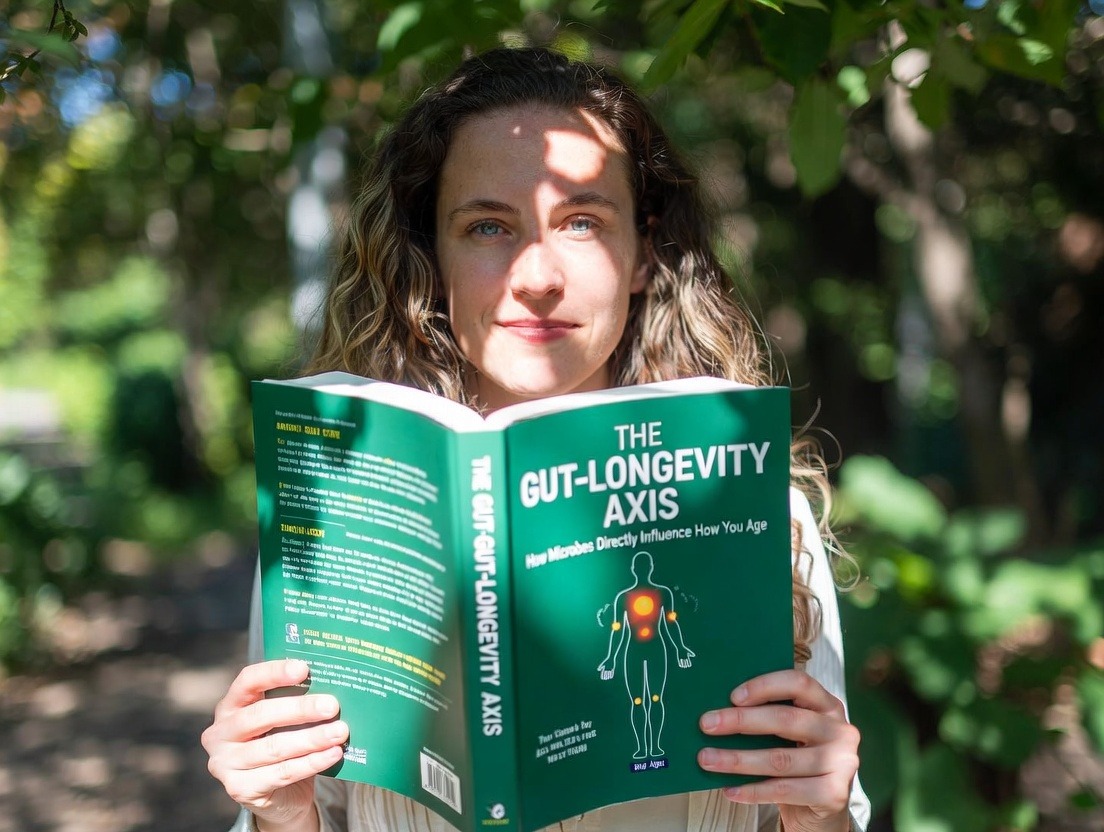
To grasp the gut's power over longevity, we must move beyond correlation and into the realm of mechanism. Exactly how do these microscopic inhabitants sway such monumental processes like cellular aging and systemic decline? The answer lies in a series of powerful dialogues between your gut and your body's aging pathways.
First, let's talk about inflammaging—the chronic, low-grade inflammation that silently accelerates aging and fuels diseases from arthritis to Alzheimer's. A healthy, diverse gut microbiome maintains a strong, selective intestinal barrier. Think of this barrier as a well-guarded border with tightly regulated checkpoints. Beneficial microbes help produce compounds that reinforce the "wall" (the gut lining) and ensure it stays intact. However, in a state of dysbiosis, harmful bacteria can proliferate. These "bad actors" produce toxins and metabolites that weaken this barrier, leading to a condition poetically and accurately known as "leaky gut" (or increased intestinal permeability).
When the barrier is leaky, bacterial fragments, undigested food particles, and toxins seep into the bloodstream. Your immune system, seeing these foreign invaders, sounds a constant, system-wide alarm. This persistent immune activation is the engine of inflammaging. It's like having a small fire smoldering in your basement 24/7, slowly damaging the structure of your entire house (your body). By cultivating a healthy microbiome, you seal the leaks and douse this foundational fire, directly slowing one of the primary drivers of aging.
Second, your gut microbes are master metabolite producers. They ferment dietary fibers to create short-chain fatty acids (SCFAs) like butyrate, acetate, and propionate. Butyrate isn't just fuel for your colon cells; it's a potent epigenetic signaler. It influences gene expression, turning on genes that promote anti-inflammatory responses, enhance insulin sensitivity, and support the integrity of the blood-brain barrier. It's as if your gut bugs are manufacturing tiny, precise repair kits and sending them via bloodstream to tissues throughout your body, instructing them to function in a more youthful, resilient way.
Finally, the gut-brain axis is a critical longevity highway. Via the vagus nerve and through microbial metabolites, your gut sends direct signals to your brain. These signals influence neuroinflammation, the production of brain-derived neurotrophic factor (BDNF—a fertilizer for brain cells), and even the synthesis of neurotransmitters like serotonin (over 90% of which is made in the gut). A dysregulated microbiome is linked to accelerated brain aging, mood disorders, and neurodegenerative diseases. In contrast, a thriving one supports cognitive reserve, emotional resilience, and a sharp mind—cornerstones of what we call "healthspan."
This axis is where modern technology, like the advanced sensing of a smart ring from Oxyzen, can offer profound insights. By tracking physiological markers of stress, sleep quality, and recovery, you can see the external manifestations of this internal dialogue, helping you connect lifestyle choices to gut-brain health in real-time.
The conversation around gut health has been dominated by probiotics—the live beneficial bacteria found in supplements and fermented foods like yogurt and kimchi. While important, this is a narrow view. Swallowing a probiotic pill while maintaining a poor diet is like planting a few rare flowers in a toxic, barren field; they're unlikely to thrive. Building a gut microbiome that actively promotes longevity requires a holistic, ecosystem-based approach. Here are the five foundational pillars:
1. Dietary Diversity: Feed the Multitude. Your microbiome is a vast community with varied tastes. The single greatest predictor of a healthy, resilient microbiome is the diversity of plants in your diet. Different fibers (prebiotics) feed different bacterial species. Aim for 30+ different plant-based foods per week—this includes fruits, vegetables, legumes, nuts, seeds, herbs, spices, and whole grains. Each color and type provides unique phytonutrients and fibers that selective microbes feast on. Think of it as casting a wide net to recruit the most robust and helpful microbial workforce.
2. The Power of Prebiotic Fibers. Prebiotics are the non-digestible fibers that serve as food for your beneficial bacteria. They are the fertilizers of your inner garden. Excellent sources include garlic, onions, leeks, asparagus, Jerusalem artichokes, dandelion greens, bananas, oats, and apples. Consistently including these foods ensures your good bacteria have the fuel they need to produce those beneficial SCFAs and outcompete harmful species.
3. Strategic Fermented Foods (Probiotics). Here is where traditional probiotics shine. Regular consumption of live-culture fermented foods introduces beneficial strains and can modestly increase microbial diversity. Incorporate a variety: sauerkraut, kimchi, kefir, kombucha, miso, tempeh, and high-quality, plain yogurt. The key is consistency and variety, not megadoses from a single supplement.
4. The Polyphenol Bounty. Polyphenols are antioxidant compounds found in plants that are poorly absorbed by us but are beloved by our gut microbes. They act as premium fuel and have anti-inflammatory effects. Load up on deeply colored berries, dark chocolate (85%+), green tea, coffee, olives, and artichokes. Your microbes will convert these into powerful, bioavailable metabolites that benefit your entire system.
5. Lifestyle as a Microbial Modulator. Your gut doesn't exist in a vacuum. Sleep, stress, and movement are powerful microbiome regulators. Chronic stress and poor sleep can decimate beneficial species and promote dysbiosis. Regular physical activity, particularly moderate aerobic exercise, has been shown to increase microbial diversity and the production of beneficial metabolites. Managing these pillars isn't separate from gut health—it's integral to it.
This comprehensive approach builds resilience from the ground up. For those seeking to quantify how lifestyle choices impact their physiology, tools that provide personalized data are invaluable. You can explore our blog for more wellness tips on integrating these pillars into a busy modern life.

We touched on "leaky gut" earlier, but its role in aging is so pivotal it deserves its own deep dive. The scientific term—increased intestinal permeability—describes a breakdown of the tight junctions that hold the cells of your intestinal lining together. This lining is supposed to be a selective barrier, allowing digested nutrients to pass into the bloodstream while keeping harmful substances contained. When these junctions loosen, the gates are left ajar.
The consequences are systemic. As bacterial endotoxins (like LPS—lipopolysaccharide) leak into circulation, they trigger a massive immune response. Immune cells release a flood of inflammatory cytokines—signaling molecules like TNF-alpha, IL-6, and IL-1beta. This isn't a localized reaction; it's a body-wide state of emergency. This persistent, low-grade inflammatory cascade is the very essence of inflammaging.
What makes this particularly insidious for aging is that inflammation is a primary driver of all major age-related diseases:
Therefore, healing and sealing the gut lining is arguably one of the most potent anti-aging interventions available. This goes beyond taking a supplement. It involves removing common irritants (like excessive alcohol, processed foods, and for some, gluten or dairy), incorporating gut-soothing nutrients (like L-glutamine, zinc carnosine, and collagen peptides), and, most importantly, fostering a microbiome that itself produces barrier-strengthening compounds like butyrate.
The state of your gut barrier determines whether your body is in a state of repair or a state of siege. By making choices that fortify this internal border, you directly reduce the inflammatory load that ages your cells prematurely. It's a fundamental shift from fighting individual diseases to calming the underlying fire that feeds them all.
One of the greatest fears associated with aging is the loss of mental acuity—the fog, forgetfulness, and decline that can rob us of our independence and connection to the world. The exciting news from the frontier of neuroscience is that our gut health plays a starring role in determining our cognitive fate. This gut-brain connection is a two-way superhighway of communication, and we have significant influence over the traffic.
The communication happens through multiple channels:
The practical implications are profound. Studies have shown that individuals with Alzheimer's disease have distinctly different gut microbiomes compared to healthy age-matched controls. While correlation isn't causation, animal studies are compelling: transplanting gut bacteria from aged mice into young mice impairs their cognitive function, and vice versa.
So, what does a "brain-healthy" gut protocol look like? It mirrors the pillars of longevity but with extra emphasis on:
Nurturing your gut is, in essence, a daily act of brain care. It builds cognitive reserve—the brain's resilience to pathology. For a deeper look at how technology can help you track the lifestyle factors that influence this critical axis, learn more about smart ring technology and its application in holistic health monitoring.
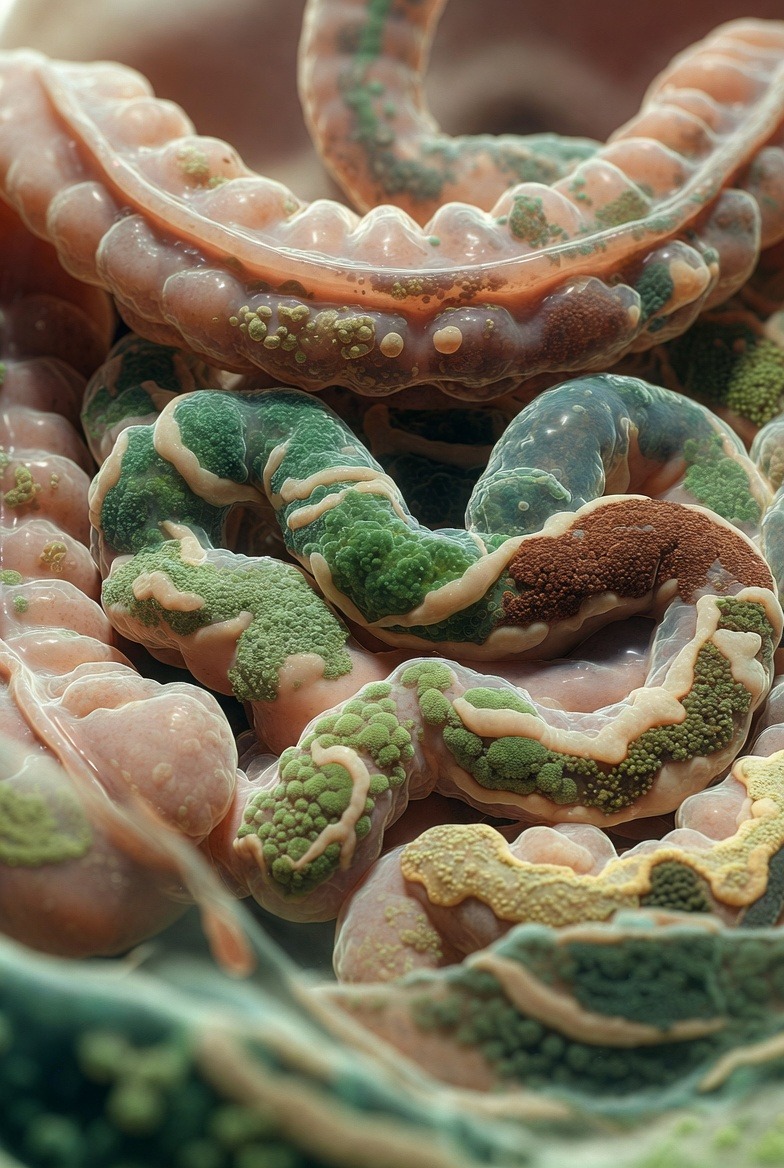
If you want a robust immune system that lasts a lifetime, look to your gut. Approximately 70-80% of your immune tissue resides in your gut-associated lymphoid tissue (GALT). This isn't a coincidence; it's a strategic placement. Your digestive tract is the body's largest interface with the external environment, constantly sampling a flood of dietary and microbial antigens. Your gut microbiome is the lifelong trainer for this massive immune army.
From infancy, our microbes teach our immune system the critical lesson of tolerance—distinguishing between a harmless food particle, a beneficial bacterium, and a dangerous pathogen. A diverse, balanced microbiome promotes the development of regulatory T-cells (Tregs), which act as peacekeepers, calming excessive immune responses and preventing autoimmune reactions. In contrast, a depleted, low-diversity microbiome fails to provide this essential training, which can lead to an immune system that is both hyper-reactive (leading to allergies, autoimmune conditions, and inflammaging) and senescent (exhausted and ineffective at fighting real threats like viruses and cancer cells).
This immune-microbe dialogue has direct longevity consequences. As we age, our immune system naturally undergoes a process called immunosenescence—it becomes slower to respond, less accurate, and more prone to chronic inflammation. A thriving microbiome can slow this decline. The SCFAs produced by good bacteria, particularly butyrate, provide energy to immune cells and help maintain the integrity of the gut barrier, preventing the constant immune activation from leaky gut that prematurely exhausts the system.
Furthermore, recent research highlights the role of the microbiome in the effectiveness of immunotherapies for cancer. Patients with a more diverse gut microbiome often respond better to these groundbreaking treatments. The microbes appear to modulate the immune response, helping it to more effectively target cancer cells.
The action plan for immune resilience is clear: Focus on diversity. Every time you eat a variety of plant fibers, you're providing housing and resources for different bacterial species that, in turn, support different aspects of immune function. It's a symbiotic defense pact. Avoiding unnecessary antibiotics, managing stress, and getting regular sleep are also non-negotiable, as they directly impact the stability of this microbial immune training ground. To understand how consistent lifestyle tracking can help you maintain these immune-supportive habits, you can read our complete guide on holistic health monitoring.
The modern Western diet is defined by many deficiencies, but perhaps the most consequential for our gut health and longevity is the Fiber Gap. The average adult consumes only about 15 grams of fiber per day, while recommendations from longevity-focused nutritionists and institutions like the American Heart Association suggest 30 to 50 grams daily for optimal health. This deficit represents a crisis for our gut microbes.
Fiber, specifically soluble and fermentable fiber, is the primary food (prebiotic) for our beneficial gut bacteria. Without adequate fiber, these microbes starve. They cannot produce the beneficial SCFAs that protect our gut lining, calm inflammation, and fuel our metabolism. A starving microbiome becomes less diverse and more susceptible to takeover by harmful, inflammatory species that can thrive on sugars and fats instead. This shift contributes directly to the dysbiosis that underpins accelerated aging.
Closing the Fiber Gap is not about consuming overwhelming amounts of bran. It's a strategic and enjoyable culinary shift:
The benefits of closing this gap extend far beyond regular digestion. Studies link high-fiber diets to reduced risk of heart disease, stroke, type 2 diabetes, and colorectal cancer—all major detractors from healthspan. By feeding your microbiome, you're activating your most powerful internal pharmacy, one that produces compounds no pill can fully replicate. It is the most direct action you can take to shift your internal ecology toward longevity.
We lavish attention on our skin, our hair, our heart, but we rarely think about the single-cell-thick lining of our small intestine—the barrier that separates our inner world from the chaos of the digestive tract. This lining, if spread out, would cover the surface of a tennis court. Its health is the bedrock of systemic well-being and a non-negotiable component of healthy aging.
A healthy gut lining has two critical jobs:
When this lining is damaged—by chronic stress, NSAIDs (like ibuprofen), excessive alcohol, processed foods, infections, or dysbiosis—the tight junctions loosen. This is the "leaky gut" we've discussed. The consequences are, as you now know, systemic inflammation. But the lining itself requires specific nutrients to repair and maintain itself, a process that happens every 3-5 days.
Key nutrients for gut lining integrity include:
Caring for your gut lining is proactive medicine. It's ensuring that the gateway to your body is secure and selective. This focus on barrier health, combined with a diverse microbiome, creates a synergistic effect: a strong lining contains and supports a healthy microbiome, and a healthy microbiome produces the compounds (like butyrate) that keep the lining strong. It's the ultimate symbiotic relationship at the core of longevity.

In our pursuit of longevity, it's just as important to know what to remove as what to add. Our modern environment is fraught with factors that can disrupt our delicate gut ecosystem, often without us realizing the cumulative damage. Here are the five most pervasive culprits:
1. The Standard Western Diet (High in Ultra-Processed Foods, Low in Fiber): This is the arch-nemesis. Diets high in refined sugars, industrial seed oils, and artificial additives while being low in fiber promote the growth of inflammatory bacteria and yeast, starve beneficial species, and directly irritate the gut lining. It's a triple assault on the microbiome.
2. Chronic Unmanaged Stress: When your brain perceives chronic stress (work, financial, relational), it diverts resources away from "non-essential" functions like digestion and repair. It alters gut motility, reduces blood flow to the intestines, and can change the composition of the microbiome itself. The stress hormone cortisol can directly increase intestinal permeability.
3. The Overuse and Misuse of Antibiotics: While lifesaving for bacterial infections, antibiotics are notoriously indiscriminate—they wipe out vast swathes of both harmful and beneficial bacteria. A single course can alter your microbiome for months or even years. The key is to use them only when absolutely necessary (as prescribed by a doctor) and to actively support gut repopulation afterward.
4. Chronic Sleep Deprivation: Poor sleep quality or insufficient sleep (less than 7 hours regularly) is linked to decreased microbial diversity and increased gut permeability. Sleep is when the body and the microbiome engage in critical repair and regulatory processes. Disrupting this rhythm disrupts the entire ecosystem.
5. Environmental Toxins and Non-Nutrient Chemicals: Pesticides on non-organic produce (like glyphosate), artificial sweeteners, and emulsifiers found in processed foods (polysorbate 80, carboxymethylcellulose) have been shown in studies to harm the gut microbiome and damage the intestinal lining. They are pervasive in the modern food supply.
Awareness is the first step to mitigation. We can't avoid all of these all the time, but we can create buffers. We can choose whole foods over processed ones, develop a daily stress-resilience practice (even 10 minutes of meditation), prioritize 7-9 hours of sleep, use antibiotics judiciously, and opt for organic produce when possible, especially for the "Dirty Dozen." It's about reducing the total toxic load on an ecosystem we now know is central to our survival and vitality.
One of the most liberating and crucial lessons in modern nutrition is this: there is no single "perfect" longevity diet for everyone. The explosion of research into the microbiome has revealed that individual responses to food are profoundly personal, largely dictated by the unique composition of our gut bacteria. A food that is anti-inflammatory for one person may cause a glucose spike or bloating in another, based on their microbial inhabitants.
This concept was elegantly demonstrated in landmark studies like the Weizmann Institute's research, which showed that even identical twins can have vastly different glycemic responses to the same foods, correlated with differences in their microbiomes. Your microbes produce unique enzymes that determine how you break down and metabolize the foods you eat.
What does this mean for you? It means moving beyond dogmatic diets (keto! vegan! paleo!) and toward a personalized, data-informed approach. It involves becoming a keen observer of your own body. How do you feel after eating oats? Do fermented foods energize you or cause discomfort? Does a high-fat meal leave you feeling sharp or sluggish?
While advanced stool tests can provide a snapshot of your microbiome, you can start personalization today with simple practices:
This is where technology becomes a powerful ally in personalized wellness. A device that provides objective data on how your body is responding—tracking physiological stress, sleep patterns, and recovery—can help you connect the dots between dietary choices and their systemic effects far more accurately than subjective feeling alone. For those interested in this level of personalized insight, you can discover how Oxyzen works to correlate lifestyle inputs with biometric outputs. The goal is to become the expert on your own body, using science as your guide, to build the diet that uniquely supports your gut and your longevity journey.
We have explored the what and the why of the gut-longevity connection. Now, we turn to the practical, daily how. Building a gut ecosystem that defies biological age is not a passive process; it is an active cultivation, akin to tending the most important garden you will ever own. This cultivation extends far beyond the plate, weaving into the very fabric of your daily rhythms and routines. Your lifestyle is the environment in which your microbiome either thrives or withers.
Circadian Rhythms and Your Gut's Clock: Your gut microbes have their own circadian rhythms, synchronized with your own sleep-wake cycle through meal timing, light exposure, and hormone fluctuations. Disrupting this rhythm—through shift work, erratic eating, or late-night screen exposure—can harm microbial diversity and function. A key practice is time-restricted eating (TRE), such as confining all eating to a 10-12 hour window (e.g., 8 am to 6 pm). This gives your gut a predictable period of rest and repair, enhancing microbial balance and metabolic health. Consistency in meal times, even on weekends, helps regulate this internal clockwork.
The Movement Microbiome: Physical activity is a potent prebiotic. Regular exercise, particularly a mix of cardiovascular and resistance training, has been consistently shown to increase the abundance of beneficial, SCFA-producing bacteria like Faecalibacterium prausnitzii and Akkermansia muciniphila (a keystone species associated with a healthy gut lining and leanness). Exercise stimulates gut motility, reduces inflammation, and may even promote the growth of microbes that help mitigate exercise-induced stress. The effect is dose-dependent—moderate, consistent exercise is key, as extreme, prolonged endurance without adequate recovery can increase intestinal permeability and stress the system.
Conscious Connection and Stress Alchemy: We’ve addressed chronic stress as an assault, but transforming your relationship with stress is a cultivation tool. Practices like mindful eating—eating slowly, without distraction, savoring each bite—improves digestion and signals safety to the nervous system, which in turn supports gut function. Meditation, deep breathing exercises, and spending time in nature (which exposes you to diverse environmental microbes) shift the body from a sympathetic ("fight-or-flight") to a parasympathetic ("rest-and-digest") state. This state is essential for proper digestion, nutrient absorption, and microbial harmony. It's not about eliminating stress, but about building a robust nervous system that can navigate it without collateral damage to your inner ecosystem.
The Hydration-Homeostasis Link: Adequate, clean water intake is fundamental for mucosal production in the gut, which forms a protective layer over the lining, and for maintaining healthy bowel motility. Dehydration can lead to constipation, which alters the microbial environment and allows harmful bacteria to overgrow. Herbal teas, like ginger or peppermint, can offer additional gut-soothing benefits. The goal is to support the fluid environment in which your microbial community lives and communicates.
Integrating these practices creates a symphony of support for your gut. They are the non-dietary levers of longevity. For individuals seeking to understand how their daily routines impact these biological systems, leveraging data can be transformative. Many find that using a wearable device provides the feedback loop necessary to connect habits like sleep consistency, recovery, and activity levels to their overall sense of well-being, offering a window into this internal cultivation. You can explore our blog for more wellness tips on building these resilient daily rhythms.
The concept of "feeding your gut bugs" moves from abstract to concrete when we stock our kitchens with purpose. While dietary diversity is the overarching rule, certain foods are veritable superfuels for a longevity-promoting microbiome. Let's move beyond the usual suspects (garlic, onions) and explore the full spectrum of the prebiotic pantry.
The Allium Family: Garlic, onions, leeks, shallots, and chives are rich in inulin and fructooligosaccharides (FOS). These fibers are exceptionally effective at stimulating the growth of bifidobacteria, which are crucial for crowding out pathogens and producing beneficial acids. Tip: Consuming them raw (minced in dressings, salsas) provides different benefits than cooked (which can be gentler for sensitive systems).
The Tubers: Jerusalem artichokes (sunchokes) and jicama are among the richest sources of inulin. A little goes a long way—start with small portions to avoid gas. Chicory root, often found in "fiber" supplements and some coffee alternatives, is another powerful inulin source.
The Resistant Starch Squad: This is a special type of starch that resists digestion in the small intestine and arrives intact in the colon, where it ferments. It is a premier fuel for butyrate production. Sources include:
The Seaweed Shelf: Edible seaweeds like nori, wakame, and kelp contain unique polysaccharides (like fucoidan and alginate) that are fermented by specific gut bacteria. These fibers can increase the production of acetate and propionate and may help modulate immune function.
The Unexpected Boosters:
Building meals around these ingredients is a direct investment in your microbial capital. A day might include: overnight oats with green banana (resistant starch), a lunch salad with lentils, raw onion, and asparagus, a snack of an apple with almond butter (pectin fiber), and a dinner featuring roasted sunchokes and a piece of dark chocolate. This diverse, targeted fueling strategy ensures your microbial workforce is not just present, but thriving, productive, and actively manufacturing your body's own anti-aging compounds.
The world of probiotics can be confusing. Shelves are lined with expensive supplements, while traditional fermented foods offer a time-tested alternative. What's the right strategy for longevity? The answer is nuanced and depends on your goals and context.
Fermented Foods: The Holistic, Nutrient-Dense Choice
Fermented foods like kimchi, sauerkraut, kefir, kombucha, miso, and tempeh are the cornerstone of a gut-nourishing diet. Their benefits are multi-faceted:
Probiotic Supplements: The Targeted, Therapeutic Tool
High-quality probiotic supplements have their place, but they are more like a targeted antibiotic than a daily food. They are best used strategically:
Critical Caveats for Longevity Seekers:
The Verdict: For foundational, daily support of a longevity-promoting microbiome, prioritize a variety of traditionally fermented foods. View them as a food group. Use high-quality, strain-specific probiotic supplements as a short-term, targeted intervention for specific goals or recovery scenarios, ideally under the guidance of a knowledgeable practitioner. The goal is to cultivate your own native, diverse garden, not to perpetually seed it with temporary, store-bought plants.
A glowing, resilient complexion has long been a visible marker of health and youth. While we chase topical serums and creams, the most powerful skincare regimen may originate in the gut. The gut-skin axis is a well-established pathway where inflammation, immune dysregulation, and oxidative stress in the gut manifest directly on the skin.
The mechanisms are clear:
Conditions like rosacea have been strongly linked to small intestinal bacterial overgrowth (SIBO). Acne vulgaris is increasingly viewed not just as a skin-deep issue, but one connected to gut permeability and systemic inflammation. When dermatological treatments fail, addressing gut health often provides the missing piece.
What does a gut-first approach to skin longevity look like?
This axis beautifully illustrates a core principle of healthy aging: the body is an integrated system. You cannot compartmentalize organ health. A vibrant gut ecosystem doesn't just promise a longer life; it promises a life marked by the external radiance that reflects internal harmony. For stories of how individuals have approached their wellness from an integrated, systems-based perspective, you can read real customer reviews and experiences that often highlight these interconnected benefits.
In our constant dietary chatter about what to eat, the powerful variable of when to eat has been relatively overlooked. Chrononutrition—the alignment of food intake with circadian biology—is a profound modulator of gut health and longevity. Intermittent fasting and time-restricted eating are not just weight-loss trends; they are practices that can reset and rejuvenate your microbiome.
The Science of the Digestive Rest Period: When you are in a fasted state (typically 12+ hours after your last meal), several beneficial processes occur:
Time-Restricted Eating (TRE) in Practice: The most sustainable approach is to gradually narrow your daily eating window. Aim for 12 hours, then move toward 10 (e.g., 9 am to 7 pm). Consuming all calories within this window has been shown to improve microbial diversity, reduce systemic inflammation, improve insulin sensitivity, and support healthier circadian rhythms—all key longevity markers.
Important Considerations for Longevity:
The rhythm of fasting and feasting is an ancient one, encoded in our biology. By reintroducing this rhythm, we give our gut—and its microbial inhabitants—the predictable cycle of work and rest it needs to maintain balance, efficiency, and resilience. It is a temporal architecture for health, structuring not just our days, but the very environment in which our longevity-promoting microbiome flourishes.
Antibiotics are one of modern medicine's greatest achievements, saving millions of lives. Yet, for the microbiome, they are akin to a forest fire—devastatingly indiscriminate. A single course can reduce microbial diversity by 30% or more, with effects that can persist for months or years. Some keystone species may never fully return. In the context of longevity, where microbial diversity is currency, this presents a critical challenge: how do we navigate necessary antibiotic use while preserving our microbial heritage?
Before and During Antibiotic Use:
The Critical Recovery Phase (The 1-3 Months After):
This is where active, intentional restoration is paramount.
This careful, respectful approach to antibiotics honors their life-saving role while mitigating their collateral damage to our long-term health infrastructure. It reframes them as a powerful, sometimes necessary, intervention that requires an equally strategic recovery plan—a plan centered on the deliberate and patient rebuilding of your internal ecosystem, which is the very foundation of your future healthspan.
We intellectually understand stress is bad for the gut, but the lever works both ways: by directly managing stress, we administer a powerful, direct therapy to our microbiome. This moves stress management from a vague "self-care" notion to a targeted, non-negotiable longevity protocol. The vagus nerve is the physical conduit for this therapy.
Vagal Tone: The Gut's Communication Superhighway: The vagus nerve is the main component of the parasympathetic nervous system. High "vagal tone" means the nerve is active and efficient, promoting a state of calm, rest, and optimal digestion. Low vagal tone is linked to inflammation, poor gut motility, and dysbiosis. Crucially, vagal tone can be strengthened through practice.
Practices for Vagal Toning and Direct Gut Support:
When you engage in these practices, you are not just "calming your mind." You are sending a direct, biochemical telegram down the vagus nerve to your gut, saying: "All is well. You can switch from defense to maintenance and repair. Digest, absorb, and nurture the microbial allies." This shifts the gut environment from one of threat and inflammation to one of growth and symbiosis.
In our quantified world, the impact of these practices can often be seen in physiological markers. A device that tracks heart rate variability (HRV)—a key indicator of vagal tone and nervous system balance—can provide real-time feedback on how effectively your stress management techniques are working, allowing you to personalize your approach. To understand the vision behind creating technology that empowers this level of personal insight, you can learn more about our brand journey and founding story.
Once the foundational pillars of diet and lifestyle are firmly in place, we can explore the realm of targeted nutraceuticals and herbs. These are not substitutes for a poor diet, but they can act as powerful allies, accelerating repair, modulating the immune response, and selectively nourishing beneficial microbes. Think of them as specialized tools for fine-tuning your internal ecosystem.
For Gut Lining Integrity (Repairing the Barrier):
For Selective Microbial Modulation:
Important Considerations:
These advanced tools can be powerful components of a gut-healing and longevity-enhancing protocol, but they are the scaffolding, not the foundation. The foundation will always be the daily, consistent choices of food, fiber, and lifestyle that you make.
In the age of personalized health, many seek concrete data about their inner world. Gut microbiome testing has exploded in popularity, offering a snapshot of the bacterial composition in your stool. While not a diagnostic medical tool, these tests can provide fascinating insights and motivation. However, interpreting the results requires nuance.
What At-Home Tests Can (and Cannot) Tell You:
Key Markers to Look For in a Longevity Context:
How to Use Test Results Wisely:
Testing can be a powerful educational tool, demystifying your inner ecosystem and providing a tangible link between your actions and your internal state. It moves the conversation from generic advice to personalized insight. For those who are data-driven and want to understand their body's unique responses to complement such insights, integrating biometric tracking can create a powerful holistic picture. To see how others have used personalized data in their wellness journey, you can read real customer reviews and experiences.
The dialogue between your gut and your endocrine system is a continuous, sophisticated conversation that profoundly impacts aging. Your microbiome acts as an endocrine organ itself, influencing the production, metabolism, and recycling of your body's critical hormones.
The Estrobolome and Healthy Estrogen Metabolism: A subset of your gut bacteria, termed the "estrobolome," produces enzymes that metabolize estrogen. A healthy, diverse estrobolome helps maintain balanced estrogen levels by facilitating its proper excretion. Dysbiosis can disrupt this process, leading to either estrogen dominance (linked to increased risk of breast and endometrial cancers, fibroids, and PMS) or excessively low estrogen (impacting bone health, heart health, and brain function). High-fat, low-fiber diets and antibiotics can disrupt the estrobolome, while lignans from flaxseeds and fibers from cruciferous vegetables support healthy metabolism.
Testosterone and Inflammation: Chronic systemic inflammation driven by leaky gut and dysbiosis can suppress the hypothalamic-pituitary-gonadal (HPG) axis, leading to lower testosterone production in both men and women. Low testosterone is associated with decreased muscle mass, reduced libido, fatigue, and increased fat accumulation—all detractors from healthspan. Calming gut inflammation is therefore a foundational strategy for supporting healthy hormone levels.
Insulin Sensitivity and Metabolic Health: As we’ve covered, SCFAs like butyrate improve insulin sensitivity. A disrupted microbiome, often low in SCFA-producers, is a key contributor to insulin resistance, metabolic syndrome, and type 2 diabetes. These conditions accelerate aging by promoting glycation (sugar-damaged proteins), inflammation, and vascular damage.
Thyroid Conversion: The conversion of the inactive thyroid hormone T4 to the active T3 occurs partly in the gut and is influenced by gut bacteria and overall gut health. Inflammation and dysbiosis can impair this conversion, leading to symptoms of hypothyroidism (fatigue, weight gain, brain fog) even with "normal" lab values.
Practical Implications for Hormonal Longevity:
By nurturing your gut, you create a stable, low-inflammatory internal environment where your endocrine system can function with precision and balance. This is hormonal health built from the ground up, far more sustainable and systemic than simply replacing declining hormones without addressing the root environment that may be contributing to their decline.
The implications of your gut health extend beyond your own lifespan; they ripple through generations. The microbiome is, in part, an inherited legacy. The initial seeding of a newborn's gut occurs during birth (vaginal delivery provides a foundational microbial "fingerprint" from the mother), continues through breastfeeding (human milk oligosaccharides are prebiotics designed to feed specific infant gut bacteria), and is shaped by the home environment, pets, and diet in early childhood.
This early colonization is critical for lifelong immune programming, metabolism, and even brain development. Disruptions in this process—through C-sections (though often necessary), formula feeding, or early antibiotic use—are associated with a higher statistical risk of asthma, allergies, autoimmune conditions, and obesity later in life.
What This Means for Aging Adults and Future Generations:
This generational perspective adds a profound layer of meaning to the pursuit of gut health. It transforms it from a personal optimization project into an act of stewardship—a commitment to leaving a biological legacy of resilience for your lineage. It connects the deeply personal science of the microbiome to the timeless human values of family and care for the future. To understand the foundational values behind a company dedicated to empowering long-term health, you can learn more about our vision & values.
Theory is essential, but implementation is where life changes. Here is a sample 7-day protocol integrating the dietary, lifestyle, and mindset principles we've discussed. This is not a rigid prescription, but a template to inspire and adapt to your own preferences, culture, and schedule.
Daily Foundational Habits (Do Your Best Every Day):
7-Day Meal & Focus Template:
Day 1 – Reset & Hydrate
Day 2 – Fiber Diversity Day
Day 3 – Fermented Food Focus
Day 4 – Prebiotic Power Day
Day 5 – Gut-Lining Nourishment
Day 6 – Omega-3 & Polyphenol Focus
Day 7 – Mindful Eating & Rest
This protocol is a living example of how to weave the principles into a weekly rhythm. The goal is not perfection, but consistent practice, noticing how different foods and rhythms make you feel. Your energy, sleep, digestion, and mood are your most important biofeedback tools.
Many people begin their gut health journey because of a specific disorder: IBS, SIBO, GERD, or IBD. These are not separate from the longevity conversation; they are acute manifestations of the same core imbalances—dysbiosis, impaired barrier function, and immune dysregulation—that drive accelerated aging. Addressing them is therefore a direct investment in long-term healthspan.
Small Intestinal Bacterial Overgrowth (SIBO): This is an overgrowth of bacteria in the small intestine, where they shouldn't be in high numbers. It causes bloating, gas, and nutrient malabsorption.
Irritable Bowel Syndrome (IBS): A functional disorder characterized by abdominal pain and altered bowel habits (IBS-C, IBS-D, IBS-M).
Inflammatory Bowel Disease (IBD - Crohn's, Ulcerative Colitis): Autoimmune conditions involving chronic inflammation of the digestive tract.
The principle is the same: view the disorder not as a life sentence, but as a loud signal from your gut ecosystem, demanding a more sophisticated, systemic approach to care. Managing these conditions effectively is one of the most direct ways to reduce your overall inflammatory burden and add quality years to your life. For further resources and support on navigating complex health journeys, our FAQ and support page can be a helpful starting point.
We stand at the precipice of a revolution in how we understand and manipulate the gut microbiome for longevity. The science is moving from observation to intervention at a breathtaking pace.
Next-Generation Probiotics & Postbiotics:
Fecal Microbiota Transplantation (FMT) and Beyond:
While currently used primarily for recurrent C. diff infections, FMT is being researched for a range of conditions from IBD to obesity and even neurological disorders. The future likely holds "Microbial Ecosystem Therapeutics"—carefully designed, lab-grown consortia of bacteria tailored to correct specific dysbiotic patterns, moving beyond the crude transfer of a whole stool sample.
AI and Personalized Nutrition:
Artificial intelligence is being used to analyze an individual's microbiome data, genetics, and continuous biometrics (from devices like smart rings) to generate hyper-personalized dietary and supplement recommendations. Imagine an app that, based on your morning heart rate variability, sleep score, and recent microbiome readout, suggests the optimal breakfast to lower your predicted inflammatory response for the day.
Continuous Gut Monitoring:
The ultimate frontier is non-invasive, real-time monitoring of the gut environment. Imagine a swallowable sensor that measures pH, gas profiles (hydrogen, methane for SIBO), and bacterial metabolites, transmitting data to your phone. This would provide a dynamic picture of how your gut responds to every meal and stressor, bringing an unprecedented level of personalization to gut health management.
These emerging technologies promise to turn gut health from an art into a precise science. They align perfectly with the mission of companies focused on personalized health data. To learn more about smart ring technology and how it fits into this future of integrated, data-driven wellness, exploring the capabilities of modern wearables is a great step. The convergence of microbiology, data science, and wearable tech is creating a future where we won't just age; we will navigate the aging process with intelligence, agency, and grace, guided by a deep understanding of the silent power within us.
Your Trusted Sleep Advocate: Sleep Foundation — https://www.sleepfoundation.org
Discover a digital archive of scholarly articles: NIH — https://www.ncbi.nlm.nih.gov/
39 million citations for biomedical literature :PubMed — https://pubmed.ncbi.nlm.nih.gov/
Experts at Harvard Health Publishing covering a variety of health topics — https://www.health.harvard.edu/blog/
Every life deserves world class care :Cleveland Clinic - https://my.clevelandclinic.org/health
Wearable technology and the future of predictive health monitoring :MIT Technology Review — https://www.technologyreview.com/
Dedicated to the well-being of all people and guided by science :World Health Organization — https://www.who.int/news-room/
Psychological science and knowledge to benefit society and improve lives. :APA — https://www.apa.org/monitor/
Cutting-edge insights on human longevity and peak performance:
Lifespan Research — https://www.lifespan.io/
Global authority on exercise physiology, sports performance, and human recovery:
American College of Sports Medicine — https://www.acsm.org/
Neuroscience-driven guidance for better focus, sleep, and mental clarity:
Stanford Human Performance Lab — https://humanperformance.stanford.edu/
Evidence-based psychology and mind–body wellness resources:
Mayo Clinic — https://www.mayoclinic.org/healthy-lifestyle/
Data-backed research on emotional wellbeing, stress biology, and resilience:
American Institute of Stress — https://www.stress.org/


