


The Healthy Aging Tips That Preserve Skin Health From Inside
Tips to preserve skin health through internal wellness, not just topical care.
Tips to preserve skin health through internal wellness, not just topical care.
%402x.svg)
For decades, the beauty industry has sold us a powerful, yet flawed, narrative: youthful skin is a product of what you put on it. We’ve invested in serums, creams, and treatments, building elaborate external rituals in pursuit of a radiant complexion. But what if the most profound secret to ageless skin isn’t found in a jar, but within the intricate, dynamic systems of your own body? The emerging, science-backed truth is that skin health is not a surface-level concern—it is a direct, visible reflection of your internal wellness. Every line, glow, texture, and tone tells the story of your cellular vitality, hormonal harmony, and metabolic efficiency.
This marks a paradigm shift from “anti-aging,” a battle against inevitability, to “healthy aging,” a celebration of supporting your body’s innate capacity to thrive. True radiance is cultivated from the inside out, a holistic process where your daily choices—from the food you eat to the quality of your sleep—script the narrative of your skin’s future. It’s a story written by mitochondria, collagen fibers, and the delicate balance of your microbiome.
Modern technology now allows us to move beyond guesswork in this internal journey. Imagine having a personal, 24/7 wellness consultant, not in a lab coat, but worn discreetly on your finger. Advanced smart rings, like those developed by pioneers in the field, are providing unprecedented, granular data on the very physiological processes that govern skin health: sleep architecture, heart rate variability (HRV), body temperature trends, and stress and recovery states. This isn't just about tracking steps; it's about decoding your body's unique language of wellness, empowering you to make precise, personalized choices that support longevity and radiance at a cellular level.
In this comprehensive guide, we will dismantle the myths of surface-level care and embark on a deep exploration of the internal pillars of skin health. We’ll journey through the science of cellular aging, the gut-skin axis, the silent damage of chronic stress, and the foundational roles of sleep, hydration, and targeted nutrition. This is the new frontier of beauty—a fusion of ancient wisdom and cutting-edge biohacking, where your most powerful tool for a luminous complexion is the conscious, data-informed care of your whole self.

Your skin is far more than a passive wrapping. It is your body’s largest organ, a sophisticated, multi-layered interface between your internal environment and the outside world. To view it merely as a canvas is to misunderstand its fundamental nature. It is, in fact, a dynamic billboard, constantly broadcasting real-time updates about your nutritional status, hormonal fluctuations, inflammatory levels, and metabolic health.
At a structural level, the components that give skin its youthful appearance—plumpness, firmness, and elasticity—are internally manufactured. Collagen and elastin, the protein fibers that create scaffolding and bounce, are produced by fibroblast cells deep within the dermis. Hyaluronic acid, a magnetic molecule that can hold up to 1,000 times its weight in water, is synthesized internally to maintain hydration. The skin’s lipid barrier, crucial for keeping moisture in and irritants out, is built from fats you consume. When internal resources are scarce—be it specific amino acids, essential fatty acids, or key vitamins—production of these critical substances slows, leading to thinning, dryness, and wrinkles.
Furthermore, the skin is a primary site for detoxification and immune response. Issues like persistent dullness, unexplained rashes, or adult acne are rarely just “skin problems.” They are often visible flags for internal imbalances: a gut microbiome in distress, a liver overloaded with toxins, a hormonal system like cortisol or insulin running amok, or a state of chronic, low-grade systemic inflammation. This inflammation, often silent and without overt symptoms, is a primary accelerator of cellular aging (a process called “inflammaging”). It degrades collagen, impairs skin repair, and disrupts the healthy function of skin cells.
Therefore, the first and most critical step in preserving skin health is a shift in perspective. See your complexion not as an isolated feature to be painted over, but as the most honest feedback system you possess. A sudden flare-up, a loss of luminosity, or increased sensitivity is your body’s way of communicating. The modern approach to healthy aging listens to this communication. By leveraging tools that provide internal metrics, such as the detailed recovery and readiness scores from a device like the Oxyzen ring, you can begin to correlate lifestyle choices with their visible impact. Did a night of poor sleep, flagged by your ring’s sleep stage analysis, lead to puffy eyes and a sallow tone? Did a period of high stress, indicated by a dip in your HRV, precede a breakout? This connection turns skincare from a reactive to a profoundly proactive endeavor. To understand the root of these signals, we must dive deeper into the engine of aging itself: our cells.
To preserve skin youthfulness from the inside, we must first understand the fundamental biological processes of aging at the cellular level. Two key players dominate this arena: telomeres and free radicals, with mitochondria serving as the crucial, energetic bridge between them.
Telomeres are often described as the protective plastic caps on the ends of your shoelaces (your chromosomes). Each time a cell divides, these telomeres shorten slightly. When they become too short, the cell can no longer divide and becomes senescent (dysfunctional and inactive) or dies. This process is a primary driver of aging across all tissues, including skin. Shorter telomeres in skin cells are linked to thinner epidermis, impaired barrier function, and reduced wound-healing capacity. The rate of telomere shortening isn't just predetermined by genetics; it is dramatically influenced by lifestyle factors. Chronic stress, poor nutrition, lack of sleep, and oxidative stress can accelerate shortening, while healthy behaviors can help protect them.
This is where free radicals, or reactive oxygen species (ROS), enter the story. These unstable molecules, produced naturally through metabolism and in greater volumes through exposure to UV radiation, pollution, and unhealthy foods, seek to stabilize themselves by stealing electrons from healthy cells. This theft causes oxidative damage—a literal rusting of cellular components, including DNA, proteins (like collagen and elastin), and cellular membranes. This damage directly degrades skin structure, leading to wrinkles, loss of elasticity, and uneven pigmentation.
The mitochondria, the powerplants of your cells, are both a major source and a key victim of free radicals. As mitochondria produce energy (ATP), they also generate ROS as a byproduct. When functioning optimally, they are kept in check by the body’s antioxidant defenses. However, as we age or live sub-optimally, mitochondrial efficiency declines, leading to increased ROS "leakage" and a vicious cycle of damage. Since skin has high energy demands for repair and regeneration, mitochondrial health is paramount for a vibrant complexion.
The goal of healthy aging is not to eliminate these processes—they are natural—but to modulate them in our favor through mitochondrial support and antioxidant defense. This means providing our cells with the nutrients they need to produce energy cleanly (like CoQ10, B vitamins, and magnesium) and flooding our system with dietary antioxidants (from colorful fruits and vegetables) to neutralize excess free radicals. The state of your internal energy production and oxidative stress isn't invisible. You can glean insights into this metabolic milieu through biomarkers like resting heart rate and HRV, which reflect autonomic nervous system balance and, by extension, cellular stress. Tracking these metrics with a wearable like the Oxyzen ring can help you identify which activities or habits deplete your cellular resilience and which enhance it, allowing you to craft a lifestyle that supports telomere health, mitochondrial vitality, and, ultimately, radiant skin. One of the most powerful ways to support this cellular environment is through the gut, our body's central command for inflammation and nutrient absorption.
The concept that gut health directly influences skin health—termed the “gut-skin axis”—has moved from fringe theory to established scientific fact. Your gastrointestinal tract is home to trillions of microorganisms, collectively known as the gut microbiome. This complex ecosystem functions like an internal garden, and its state of harmony or dysbiosis (imbalance) has profound, visible effects on your complexion.
The connection operates through several key mechanisms:
Nurturing your internal garden is therefore a non-negotiable pillar of inside-out skin health. This involves:
The effects of gut interventions on skin aren't always immediate, but they are deeply transformative. Improving your microbiome can calm inflammation, reduce breakouts, strengthen the skin’s barrier, and enhance that elusive “glow” from within. Monitoring how dietary changes affect not just your digestion but also your overall physiological stress and recovery, perhaps through a tool that tracks your body's daily readiness, can provide powerful feedback. You can learn more about how holistic data tracking informs wellness choices in resources available on the Oxyzen.ai blog. While the gut is a master regulator of inflammation, another internal force—stress—wields a uniquely potent and direct influence on how quickly our skin ages.

If the gut-skin axis is a foundational influence, the stress-skin connection is a direct, high-speed channel. When we perceive stress—be it psychological, emotional, or physical—our body’s ancient survival mechanism, the hypothalamic-pituitary-adrenal (HPA) axis, kicks into gear. This culminates in the release of cortisol, our primary stress hormone. In short, acute bursts, cortisol is adaptive. But in our modern world of constant deadlines, digital overload, and perpetual worry, cortisol often remains chronically elevated, creating a cascade of damage that is written clearly on our skin.
Cortisol’s impact on skin health is multi-faceted and profoundly aging:
Managing stress is thus not a luxury for mental well-being; it is a critical skincare protocol. The challenge is that we are often poor judges of our own physiological stress load. We may feel “fine” while our nervous system is stuck in a state of high alert. This is where Heart Rate Variability (HRV) becomes a revolutionary metric. HRV measures the subtle variations in time between your heartbeats, and it is a direct, non-invasive window into the balance of your autonomic nervous system. A higher HRV generally indicates a more resilient, relaxed state (parasympathetic dominance), while a lower, less variable HRV suggests sustained stress (sympathetic dominance).
By using a device that accurately tracks HRV, like a smart ring which provides readings from the vasculature-rich finger, you can move from guessing to knowing. You can see which activities (meditation, walking in nature, deep breathing) genuinely improve your recovery score, and which ones (late-night work, arguments, poor sleep) deplete it. This data empowers you to build a personalized stress-resilience toolkit. For those seeking to understand the technology behind this kind of personalized feedback, our story delves into the mission of creating tools for precisely this kind of empowered self-care. One of the most powerful, and often neglected, tools for mitigating stress and repairing skin is not an activity, but a state: deep, restorative sleep.
While you sleep, your skin—and your entire body—enters a state of intense renovation and repair. Calling sleep “beauty rest” is not a quaint saying; it’s precise biological truth. During deep, slow-wave sleep, human growth hormone (HGH) secretion peaks. HGH is a master repair hormone, stimulating collagen production, thickening the dermis, and facilitating cell turnover. Simultaneously, the body’s production of cortisol drops to its lowest point, allowing repair processes to proceed unhindered by this catabolic force.
The mechanics of skin-specific overnight repair are remarkable:
However, not all sleep is equal. The quality and architecture of your sleep—the cyclical journey through light, deep, and REM stages—are what determine its restorative power. Waking up frequently, failing to reach sustained deep sleep, or having a disrupted sleep cycle (e.g., from blue light exposure or inconsistent bedtimes) severely impairs these critical processes. You might be in bed for 8 hours, but if your deep sleep is fragmented, your skin is not getting the repair signal it needs.
This is why simply tracking “time in bed” is insufficient. Advanced sleep tracking, which measures heart rate, HRV, body temperature, and movement, can provide a detailed map of your sleep stages. It can reveal if you’re getting enough deep and REM sleep, if your sleep is restless, or if you experience frequent awakenings. By analyzing this data, you can identify the lifestyle levers to pull: perhaps you need to adjust your room temperature (a factor easily tracked via nocturnal skin temperature trends), establish a stricter wind-down routine to lower your pre-sleep cortisol, or time your exercise and meals differently.
Understanding your personal sleep architecture is the first step to optimizing it. When you improve your sleep quality, you are essentially prescribing yourself a nightly dose of internal reparative therapy. The visible results—reduced puffiness, brighter eyes, plumper skin, and a more even tone—are the outward signs of profound internal restoration. This foundational pillar of repair is utterly dependent on another simple, yet chronically overlooked, element: water.
Hydration is the most fundamental, yet most frequently underestimated, element of inside-out skin health. The comparison of water to a “serum” is apt: it is the primary delivery system and solvent for every single metabolic process in your body, including those that build and maintain your skin. When you are optimally hydrated on a cellular level, every other intervention—nutrients, antioxidants, sleep—works more effectively.
The biochemistry of skin hydration is a two-tiered system:
The critical insight is that drinking water addresses the internal tier, which is the absolute prerequisite for the external tier to function. You cannot moisturize your way out of systemic dehydration. Furthermore, proper hydration is essential for:
But how much is enough? The old “eight glasses a day” rule is a crude generalization. Hydration needs are highly individual, influenced by body size, activity level, climate, and diet. A more reliable indicator is the color of your urine (aim for pale straw) and paying attention to subtle thirst cues, which often precede overt dryness.
Technology can now provide sophisticated proxies for hydration status. Trends in your nightly body temperature and heart rate data, as tracked by a wearable ring, can offer clues. Dehydration can lead to a higher resting heart rate and affect thermoregulation. Observing how these metrics change when you consciously increase your water intake can be a powerful motivator. For a community of people using data to optimize fundamentals like hydration, the Oxyzen.ai testimonials page shares real-world experiences. The water you drink forms the river that carries the most crucial cargo for skin health: the nutrients you consume.
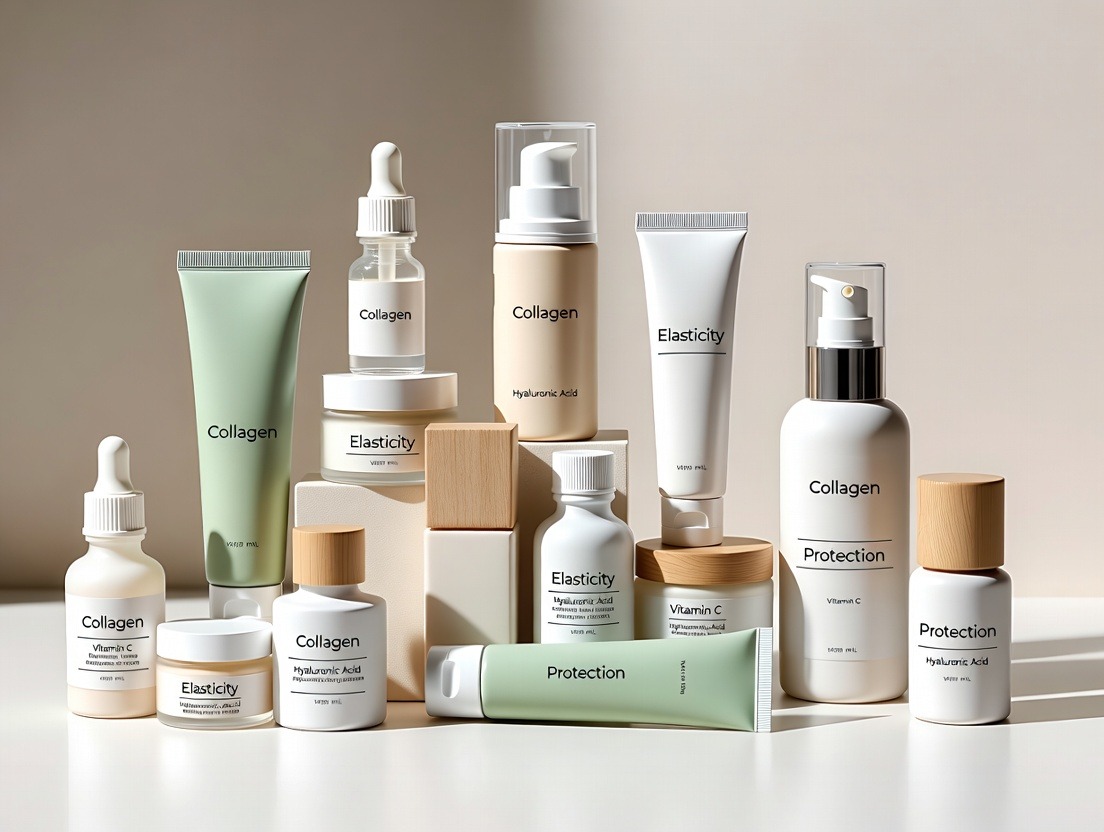
You literally are what you eat, and your skin provides the most immediate evidence of this. The proteins, fats, and carbohydrates you consume are broken down and reassembled into the very structures of your skin. Think of your diet as a pharmacy, supplying the raw materials for construction, the antioxidants for defense, and the co-factors for every enzymatic reaction. A targeted, nutrient-dense diet is the most direct form of internal skincare.
Here are the key “prescriptions” from the skin food pharmacy:
1. The Collagen Cohort:
2. The Fat Force:
3. The Antioxidant Army:
4. The Mineral Support Staff:
This nutrient-focused approach shifts eating from mere calorie consumption to strategic nourishment. By building your meals around these skin-supportive foods, you provide the literal building blocks for repair and the defensive arsenal against aging. Tracking how dietary changes correlate with metrics like inflammation (through resting heart rate or HRV trends) and sleep quality can turn nutrition into a precise science. For those with questions on how to integrate this with technology, our FAQ page offers detailed guidance. Beyond these foundational nutrients, specific compounds have emerged as potent, research-backed allies in the fight against internal aging.
While a perfect, whole-foods diet is the ideal foundation, modern life, soil depletion, and individual biochemical needs can create gaps. Strategic supplementation can act as a powerful adjunct, ensuring your internal skin pharmacy is fully stocked. It’s critical to view supplements as supplements—they enhance, not replace, a healthy diet. Before starting any new regimen, consultation with a healthcare professional is advised.
Here are some of the most well-researched compounds for internal skin support:
1. Collagen Peptides: This is one of the most popular and researched categories. Hydrolyzed collagen peptides are short chains of amino acids that are highly bioavailable. Multiple studies show that consistent supplementation (typically 10-15 grams daily) can significantly improve skin elasticity, hydration, and density while reducing wrinkles. It provides a direct source of the raw materials (glycine, proline) for your body’s own collagen production.
2. Hyaluronic Acid (HA): Known as a topical moisturizer, oral HA supplements work from within. They are shown to increase skin moisture, improve smoothness, and reduce wrinkles by supporting the body’s own HA synthesis in the dermis, helping to bind water in the skin.
3. Ceramides: These lipid molecules are the essential "mortar" in the skin’s barrier. Oral supplementation with ceramides derived from plants or wheat has been shown to improve skin hydration, reduce TEWL, and smooth roughness by reinforcing the skin’s natural barrier function.
4. Astaxanthin: A powerhouse carotenoid antioxidant derived from microalgae. Its unique molecular structure allows it to embed itself in cell membranes, providing protection against oxidative damage from both the water-soluble and fat-soluble sides. Studies indicate it can improve skin elasticity, moisture levels, and reduce the appearance of fine lines, while also offering internal protection against UV-induced damage.
5. Pycnogenol (French Maritime Pine Bark Extract): A potent blend of proanthocyanidins and other antioxidants. It’s clinically shown to improve skin hydration and elasticity, reduce hyperpigmentation, and boost the effectiveness of endogenous antioxidant systems. It also supports capillary health, improving microcirculation to the skin.
6. Nicotinamide Riboside (NR) or Nicotinamide Mononucleotide (NMN): These are precursors to NAD+, a coenzyme that declines sharply with age and is essential for mitochondrial function, DNA repair, and cellular energy production. By supporting NAD+ levels, these supplements target the very engine of cellular aging, with potential downstream benefits for all tissues, including skin.
The key to effective supplementation is consistency and quality. Furthermore, using objective data can help you assess their impact. Are you seeing an improvement in your sleep quality (perhaps deeper sleep cycles) after starting magnesium? Is your resting heart rate trending lower, suggesting reduced inflammation, after adding a high-quality omega-3? A wellness tracker provides this feedback loop, turning supplementation from a shot in the dark into a measured experiment on yourself. To see how continuous data collection forms the bedrock of this personalized approach, you can learn more about how Oxyzen works. As we support our bodies with nourishment, we must also be mindful of internal processes that can directly damage these very structures, such as glycation.
If collagen is the steel girders of your skin’s support structure, then sugar is the corrosion that weakens it. This damaging process is called glycation, and its end products—aptly named Advanced Glycation End Products (AGEs)—are a major contributor to aged, sagging skin.
The biochemistry is straightforward: when sugar molecules (glucose, fructose) circulating in your bloodstream encounter proteins like collagen and elastin, they bind to them in a haphazard, non-enzymatic reaction. This initial binding forms a temporary structure. However, with sustained high blood sugar levels—from a diet rich in refined carbohydrates and added sugars—these bonds undergo a series of chemical rearrangements, forming permanent, cross-linked structures called AGEs.
The consequences for your skin are dire:
Glycation is an internal process, but it is fueled directly by dietary choices. The goal is not to eliminate all carbohydrates—the body needs glucose for energy—but to avoid the spikes in blood sugar that provide the fuel for this damaging reaction. This means prioritizing low-glycemic, fiber-rich carbohydrates (like vegetables, legumes, and whole grains) over refined sugars and flours, and combining carbs with protein, fat, and fiber to slow their absorption.
Your body’s ability to manage blood sugar is also intimately tied to stress (via cortisol) and sleep. Poor sleep and high stress both increase insulin resistance, making blood sugar spikes more likely. Therefore, tracking metrics that reflect metabolic and stress health becomes a powerful anti-glycation strategy. Observing how your nightly body temperature or morning resting heart rate responds to a high-sugar meal can be an eye-opening way to connect diet to internal physiology. Managing this internal chemistry is a lifelong practice, but it is complemented by another timeless principle: the profound impact of physical movement.
Exercise is often celebrated for its body-sculpting effects, but its impact on skin health is profound and operates through multiple, interconnected physiological channels. Consistent, mindful movement is one of the most potent “medicines” for promoting a youthful complexion from the inside out.
1. Enhanced Circulation and Oxygenation: When you exercise, your heart pumps more vigorously, increasing blood flow throughout your body. This surge delivers a greater volume of oxygen and essential nutrients to skin cells while simultaneously carrying away metabolic waste products more efficiently. The result is a post-workout “glow” that is more than superficial—it’s a sign of nourished, revitalized tissue.
2. Induction of Antioxidant Defenses: Physical activity, particularly moderate-intensity exercise, creates a mild, transient increase in oxidative stress. In response, your body upregulates its own endogenous antioxidant defense systems (like glutathione and superoxide dismutase). This is a form of hormesis—a beneficial adaptation that makes your cells more resilient to oxidative damage from all sources, including UV radiation and pollution.
3. Reduction of Chronic Stress and Inflammation: As previously established, chronic stress and inflammation are skin’s nemeses. Exercise is a powerful modulator of both. It lowers cortisol levels over time, increases the production of endorphins (natural mood elevators), and stimulates the release of anti-inflammatory cytokines. This creates an internal environment that is far less conducive to inflammatory skin conditions and the breakdown of collagen.
4. Improved Insulin Sensitivity: Regular exercise makes your cells more responsive to insulin, helping to regulate blood sugar levels. As we just learned, stable blood sugar is critical for preventing the glycation of collagen and elastin. In this way, exercise acts as a direct anti-glycation agent.
5. Support of Detoxification: While the skin is a minor detox organ compared to the liver and kidneys, increased circulation and sweating during exercise can support the elimination of toxins through the skin’s pores, potentially reducing the burden on other systems.
The key is balance and consistency. Extreme, prolonged endurance exercise without adequate recovery can have the opposite effect, increasing oxidative stress and cortisol. A mix of cardiovascular exercise, strength training (which boosts HGH), and flexibility/mobility work is ideal. Monitoring your body’s response to exercise is crucial. A wellness tracker can tell you if your workout was effectively stressful (leading to a temporary dip in HRV followed by a strong rebound) or overly stressful (leading to a prolonged suppression of recovery metrics). It can also highlight the critical importance of rest days for allowing the anti-inflammatory and reparative benefits of exercise to fully manifest. This holistic view of activity and recovery is central to the mission of companies focused on whole-person wellness, a philosophy you can explore further in our about us section. The final, unifying principle in this internal health ecosystem is the rhythm that governs it all: your circadian rhythm.

Your body is not a static machine; it is a symphony of oscillating biological processes that follow a roughly 24-hour cycle, known as circadian rhythms. These rhythms, governed by a master clock in the brain (the suprachiasmatic nucleus) and peripheral clocks in every organ—including your skin—regulate everything from hormone release and cell repair to body temperature and gene expression. Harmonizing your lifestyle with these innate rhythms is a powerful, often overlooked strategy for optimizing skin health.
Your skin cells have their own circadian clock. Key functions are timed to specific periods of the day and night:
Disrupting this cycle—through irregular sleep schedules, excessive blue light exposure at night, or eating late—confuses your skin’s clocks, impairing its ability to optimally protect and repair. This “circadian misalignment” is linked to accelerated skin aging, a weakened barrier, and exacerbation of conditions like psoriasis and eczema.
How to Optimize Your Skin’s Circadian Rhythm:
Technology can provide remarkable insight into your personal circadian health. A smart ring that tracks nocturnal body temperature is capturing a core circadian output—your core body temperature naturally dips at night to facilitate sleep and repair. A consistently flattened or erratic temperature curve can indicate circadian disruption. Similarly, the consistency of your sleep onset and wake times, as logged by the device, is a direct measure of rhythm stability. By using this data to gently nudge your habits into alignment with your biology, you work with your body’s natural intelligence, not against it. For a deeper understanding of how this kind of biodata tracking forms the foundation of a modern wellness practice, a wealth of information is available on the Oxyzen.ai blog.
As we move beyond the foundational pillars of nutrition, sleep, and stress management, we enter the exciting realm of advanced biohacking—where science and technology converge to offer personalized, data-driven strategies for skin longevity. This is no longer about general wellness tips; it's about leveraging specific compounds, targeted lifestyle interventions, and precise feedback to optimize your unique physiology. By understanding concepts like hormesis, autophagy, and epigenetic influence, we can craft a proactive regimen that doesn't just slow aging but actively enhances your body's resilience and repair capacities.
The journey inward now takes a more technical turn, exploring the sophisticated systems your body uses to maintain order and vitality. We'll investigate how controlled stressors can strengthen your skin, how your cells' internal recycling program impacts your complexion, and how your lifestyle directly communicates with your genes. This is where modern tools, like the nuanced data from a smart ring, transition from informative to indispensable, providing the real-time feedback necessary to navigate these advanced concepts effectively.
The principle of hormesis is a cornerstone of biohacking and healthy aging. It describes the paradoxical beneficial effect of a low-dose stressor that, at higher doses, would be harmful. In essence, it's "what doesn't kill you makes you stronger," applied at a cellular level. By strategically applying mild, controlled stressors, we can upregulate our body's intrinsic defense and repair systems, leading to greater resilience over time—a concept directly applicable to skin health.
Several hormetic practices have a direct, positive impact on the skin:
1. Controlled Cold Exposure (Cryotherapy or Cold Plunges):
2. Heat Exposure (Sauna Therapy):
3. Hyperbaric Oxygen Therapy (HBOT):
4. Intermittent Hypoxia (Altitude/Controlled Breathwork):
Implementing Hormesis Safely: The key is the dose. These should be short, controlled, and followed by adequate recovery. Pushing too far into the stress zone is counterproductive. This is where physiological tracking is critical. After a cold plunge or sauna session, how does your Heart Rate Variability (HRV) look the next morning? A dip followed by a strong rebound indicates a positive hormetic response. A sustained low HRV suggests you overdid it. Tracking your body temperature recovery after heat stress, or your sleep quality after a new practice, provides the data you need to personalize the "dose" for optimal benefit. It turns self-experimentation into a precise science, a philosophy central to modern wellness technology as explored on the Oxyzen.ai blog. These hormetic stressors often work by activating a deeper, cellular cleansing process: autophagy.
Autophagy, derived from Greek meaning "self-eating," is the body's essential, innate process of cellular housekeeping. It is a regulated, orderly mechanism where cells identify, degrade, and recycle damaged or dysfunctional components—from misfolded proteins and worn-out organelles to invasive pathogens. Think of it as your cells' internal recycling and renovation program. This process is crucial for maintaining cellular health, and its decline is a hallmark of aging. For skin, robust autophagy is non-negotiable for a clear, youthful complexion.
How Autophagy Directly Benefits Skin:
How to Stimulate Autophagy for Skin Health:
Tracking Your Autophagy Triggers: How do you know if your lifestyle is effectively supporting autophagy? While direct measurement is complex, you can track highly correlated proxies. Deep sleep quality is a major indicator—more deep sleep suggests a better environment for cellular cleanup. HRV is another; a higher HRV often correlates with better metabolic flexibility and stress resilience, conditions under which autophagy thrives. If your wellness tracker shows improved sleep scores and HRV when practicing TRE or after regular exercise, it's a strong sign you're supporting your cellular renewal pathways. For those curious about the technological precision behind such tracking, you can discover how Oxyzen works. The lifestyle choices that influence autophagy are a perfect example of how our behaviors send direct signals to our genes, a field known as epigenetics.
For decades, we believed our genetic blueprint was our destiny. The science of epigenetics has revolutionized this view. "Epi-" means "above" or "on top of." Epigenetics refers to the molecular modifications that sit on top of your DNA, switching genes on or off without changing the underlying sequence. Think of your DNA as the computer hardware; epigenetics is the software that determines which programs run. Crucially, these epigenetic marks are highly influenced by lifestyle and environment—what you eat, how you sleep, your stress levels, your exposure to toxins. This is the mechanism by which your daily choices directly "talk" to your genes, influencing health, aging, and specifically, skin vitality.
Key Epigenetic Mechanisms Impacting Skin:
Lifestyle Factors as Epigenetic Modulators for Skin:
The Empowerment of Epigenetics: The message is profoundly hopeful: you are not a prisoner of your genetic inheritance. You are its curator. Every meal, every workout, every good night's sleep, and every moment of managed stress is sending instructions to your genome, influencing which skin-health genes are expressed. By using data from a wellness tracker, you gain insight into the physiological outcomes of these epigenetic inputs. Seeing a positive trend in your resting heart rate (suggesting reduced inflammation) or sleep consistency after adopting a nutrient-dense diet is evidence that you are positively influencing your epigenetic landscape for healthier skin. This personalized, data-informed approach to wellness is at the heart of our mission, which you can learn more about in our story. With this understanding of gene expression, we can now explore how to personalize these principles for the two most fundamental skin types: oily/acne-prone and dry/aging.
While the internal pillars of health benefit all skin, the emphasis and specific protocols can be tailored based on your primary skin concerns. Understanding the underlying internal drivers allows for a more targeted, effective strategy.
Internal Protocol for Oily & Acne-Prone Skin:
The goal here is to manage inflammation, balance hormones, and support detoxification pathways.
Internal Protocol for Dry, Sensitive & Aging Skin:
The goal here is to support barrier function, enhance hydration, and boost collagen/elastin synthesis.
In both cases, a device that tracks sleep stages, HRV, and body temperature provides objective feedback. Someone with acne might see breakouts correlate with periods of low HRV and poor sleep. Someone with dry skin might see improvements in texture when their deep sleep scores are consistently high. This data allows for truly personalized refinement of these protocols. For community insights and real-world examples of this personalization, user experiences shared in testimonials can be enlightening. Beyond personalization, modern technology offers us the most direct window into our internal state we've ever had.
We have entered an era where "listen to your body" can be translated into actionable, quantitative data. A data-driven skincare routine moves beyond generic advice and scheduled applications, using your body's real-time biometric signals to guide your daily choices for optimal skin health. This represents the ultimate fusion of internal care and external application.
Key Biometric Markers and Their Skin Health Implications:
Creating Your Feedback Loop:
This turns skincare into a personalized science experiment. You are no longer following trends; you are responding to your body's unique language. For answers to common questions on implementing this data-driven approach, our comprehensive FAQ page is a valuable resource. As we integrate this data into our lives, we must also acknowledge a significant, often invisible, external aggressor: environmental pollution.
Our skin is our primary interface with the environment, and in the modern world, that environment is laden with invisible aggressors: airborne particulate matter (PM2.5, PM10), polycyclic aromatic hydrocarbons (PAHs), heavy metals, cigarette smoke, and ozone. These pollutants don't just sit on the surface; they penetrate the skin, generating a massive onslaught of free radicals, triggering inflammation, degrading collagen and elastin, disrupting the skin barrier, and even altering gene expression (through those epigenetic mechanisms). This process, known as "pollutaging," is a major independent contributor to premature skin aging, hyperpigmentation, and conditions like eczema and acne.
Internal Defense Strategies Against Pollutaging:
By building a robust internal defense system, you make your skin more resilient. It's not about avoiding the environment—that's impossible—but about ensuring your body has the resources to withstand it. This proactive, intelligence-based approach to wellness is what modern health technology aims to empower, a vision detailed in our about us section. As we build resilience, we must also consider how to integrate all these strategies into a sustainable, lifelong practice.
Knowledge is only powerful when applied consistently. The challenge of healthy aging isn't in understanding the concepts, but in weaving them seamlessly into the fabric of your daily life to create a sustainable, long-term blueprint. This is where strategy meets habit, and where technology transitions from a novelty to a foundational tool for self-regulation and motivation.
Steps to Create Your Personalized Healthy Aging Blueprint:
The Role of Community and Support: Sharing journeys and insights can be incredibly motivating. Reading about others who have used data to transform their health, such as the experiences shared in Oxyzen.ai testimonials, can provide inspiration and practical ideas for your own blueprint. Remember, the most sophisticated plan is useless without implementation. The final piece of the puzzle is understanding the powerful tools that can make this implementation seamless and insightful.
The pursuit of internal health for external radiance has been historically hampered by one major limitation: a lack of accessible, objective, and continuous personal data. We relied on subjective feelings, infrequent blood tests, and generic guidelines. The advent of sophisticated, consumer-friendly smart rings is dismantling this barrier, ushering in a new era of hyper-personalized wellness that is perfectly aligned with the inside-out approach to skin health.
Why the Ring Form Factor is a Game-Changer for Health Data:
Specific Skin-Health Applications of Smart Ring Data:
This technology democratizes access to the kind of biometric feedback once available only in clinical settings. It empowers you to become the leading expert on your own body. For a deeper look at the innovation driving this category and its potential to redefine personal health, you can explore our story. As we close this portion of our exploration, we have moved from the cellular foundations to the cutting-edge tools that make personalized, internal skincare a tangible reality. We have equipped you with the knowledge of the "why" and the "how," and introduced the "tool" that can guide your journey. In the final installment, we will bring all these threads together, providing a practical, actionable framework for creating your own customized plan, troubleshooting common setbacks, and embracing a lifelong mindset of healthy, radiant aging from the inside out.
Your Trusted Sleep Advocate: Sleep Foundation — https://www.sleepfoundation.org
Discover a digital archive of scholarly articles: NIH — https://www.ncbi.nlm.nih.gov/
39 million citations for biomedical literature :PubMed — https://pubmed.ncbi.nlm.nih.gov/
Experts at Harvard Health Publishing covering a variety of health topics — https://www.health.harvard.edu/blog/
Every life deserves world class care :Cleveland Clinic - https://my.clevelandclinic.org/health
Wearable technology and the future of predictive health monitoring :MIT Technology Review — https://www.technologyreview.com/
Dedicated to the well-being of all people and guided by science :World Health Organization — https://www.who.int/news-room/
Psychological science and knowledge to benefit society and improve lives. :APA — https://www.apa.org/monitor/
Cutting-edge insights on human longevity and peak performance:
Lifespan Research — https://www.lifespan.io/
Global authority on exercise physiology, sports performance, and human recovery:
American College of Sports Medicine — https://www.acsm.org/
Neuroscience-driven guidance for better focus, sleep, and mental clarity:
Stanford Human Performance Lab — https://humanperformance.stanford.edu/
Evidence-based psychology and mind–body wellness resources:
Mayo Clinic — https://www.mayoclinic.org/healthy-lifestyle/
Data-backed research on emotional wellbeing, stress biology, and resilience:
American Institute of Stress — https://www.stress.org/


