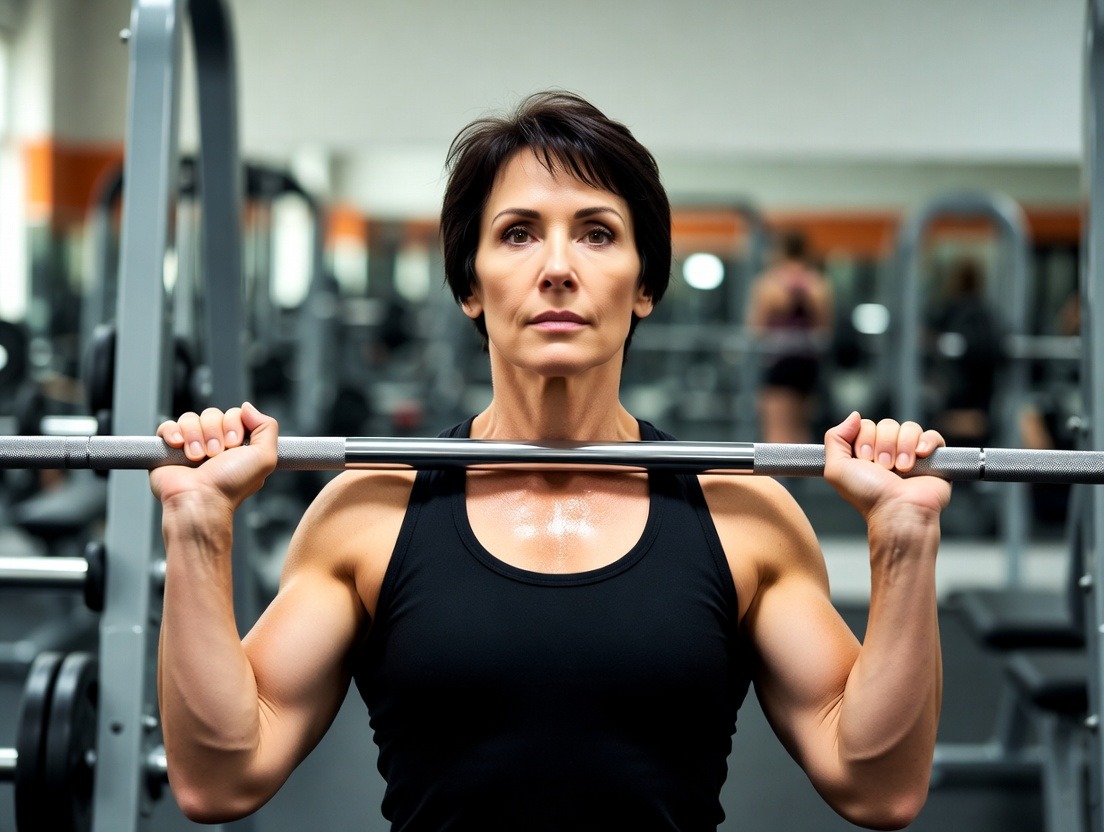
The Silent Thief: How to Protect Your Bone Density and Build a Foundation for Lifelong Strength
You can’t see it happening. You can’t feel it. For decades, it progresses without a single symptom, quietly, steadily. Then one day, a minor slip, a stumble from a curb, a sudden twist—and what should be a simple fall becomes a life-altering fracture. This is the insidious nature of bone density loss, often dubbed "the silent thief" of aging.
For generations, we’ve accepted brittle bones, stooped posture, and loss of height as inevitable companions of growing older. But what if that narrative is fundamentally flawed? A seismic shift is occurring in our understanding of skeletal health. Emerging science reveals that our bones are not inert scaffolding, but dynamic, living tissue—a vibrant reservoir of mineral strength and metabolic activity that responds powerfully to the inputs we provide.
This isn't just about avoiding a broken hip at 80. It's about preserving the vitality to hike mountains at 50, to lift your grandchildren with ease at 60, and to maintain your independence and confidence for every single year of your life. Bone health is the literal foundation of an active, empowered aging journey. The best part? It’s never too early to start, and it’s certainly never too late to make impactful changes.
The strategies we’ll explore go far beyond the standard advice to "drink your milk." We are entering an era of personalized, data-driven wellness, where understanding the subtle rhythms of your own body is key. Modern tools, like the advanced biometric tracking from smart rings such as those developed by Oxyzen, are putting unprecedented power in our hands. Imagine having insights into how your sleep quality directly affects recovery, how your daily activity patterns influence bone stress, or how your heart rate variability signals your body's readiness to build strength. This is the new frontier of proactive health.
This comprehensive guide will dismantle myths, dive deep into the biochemistry of bone remodeling, and provide a practical, step-by-step framework for building and maintaining unshakeable bone density. We’ll move from the cellular level to your kitchen, from the gym floor to the frontiers of technology, equipping you with everything you need to build a skeleton that lasts a lifetime.
The Living Scaffold: Understanding Bone as a Dynamic Organ
Most of us think of our skeleton as a static, chalk-like framework—the picture on a Halloween decoration. This couldn’t be further from the truth. Bone is a remarkably dynamic, living, and metabolically active organ system. To protect it, we must first understand how it works.
At its core, bone health is a constant, elegant dance between two specialized cell types: osteoblasts and osteoclasts. Think of osteoblasts as the master builders. Their sole job is to synthesize new bone matrix, laying down a collagen-rich protein scaffold and then mineralizing it with calcium and phosphate crystals. Osteoclasts, on the other hand, are the careful renovators. They resorb, or break down, old or damaged bone, clearing the way for fresh, stronger material.
This continuous process is called bone remodeling. In a healthy young adult, this cycle is in perfect balance, with formation slightly exceeding resorption, leading to net gains in bone mass and density. Peak bone mass—the maximum density and strength your skeleton will ever achieve—is typically reached in your late 20s.
Here’s the pivotal shift: around age 30 to 35, the balance begins to tip. Very gradually, bone resorption starts to outpace formation. We lose about 0.5% to 1% of our bone mass per year. For women, the decline accelerates dramatically in the first 5-10 years after menopause due to the drop in estrogen, a key bone-protective hormone. This is when the risk of osteoporosis—a condition of porous, fragile bones—rises substantially.
But this fate is not preordained. The rate of loss is not a fixed number. It is a variable profoundly influenced by the signals we send our bodies every single day. Our bones are genius adapters; they respond to mechanical stress, nutritional status, hormonal cues, and even our sleep and stress levels. They are, in essence, a biological record of our lifestyle.
Understanding this dynamic nature is the first step toward taking control. It means recognizing that every weight-bearing step, every serving of leafy greens, and every good night’s sleep is a direct deposit into your bone bank. Conversely, periods of inactivity, poor nutrition, or chronic stress are withdrawals. By learning to read your body’s signals—a task made easier with granular health data from devices like the Oxyzen smart ring—you can move from guesswork to precision in supporting this critical remodeling process. For a deeper look at how technology is personalizing wellness, you can explore our blog for more insights.
Beyond Calcium: The Nutritional Symphony for Strong Bones
When we say "bone health," calcium instinctively comes to mind. While it is the primary mineral, treating it as a solo act is one of the biggest mistakes we can make. Building dense bone is a complex nutritional symphony, requiring a full orchestra of vitamins, minerals, and co-factors to work in harmony. Let’s meet the key players.
Calcium: The star of the show, providing hardness and strength. The body cannot produce it, so daily intake is non-negotiable. Goal: 1,000 mg daily for most adults, 1,200 mg for women over 50 and men over 70. Best Sources: Dairy (yogurt, kefir, cheese), sardines and canned salmon with bones, fortified plant milks, tofu made with calcium sulfate, collard greens, and almonds.
Vitamin D: The indispensable conductor. Without adequate Vitamin D, your body can only absorb 10-15% of dietary calcium. It also regulates bone remodeling and supports muscle function, which is critical for balance and fall prevention. Goal: 600-800 IU daily, though many adults need 1,000-2,000 IU+ based on sun exposure and blood levels. Best Sources: Sunlight (UVB rays), fatty fish (salmon, mackerel), egg yolks, fortified foods, and supplements.
Magnesium: The unsung hero. Over 50% of the body’s magnesium is stored in bone. It is required to convert Vitamin D into its active form and helps incorporate calcium into the bone matrix. A deficiency can directly impair bone crystal formation. Goal: 310-420 mg daily. Best Sources: Leafy greens (spinach, Swiss chard), nuts and seeds (pumpkin seeds, almonds), legumes, avocados, and dark chocolate.
Vitamin K2: The traffic director. Think of calcium as cars and Vitamin K2 as the GPS that directs them to the correct destination (bones) and away from hazardous areas (soft tissues like arteries). It activates proteins that bind calcium to the bone matrix. Goal: No formal RDA, but 90-120 mcg daily is often cited. Best Sources: Fermented foods (natto is king, followed by sauerkraut), hard cheeses, and egg yolks from pasture-raised chickens.
Protein: The structural framework. Bone is about 50% protein by volume. Collagen provides the flexible mesh upon which minerals are deposited. Adequate protein intake is crucial for maintaining muscle mass, which protects bones and prevents falls. Goal: 1.0 to 1.2 grams per kilogram of body weight daily for older adults. Best Sources: Lean meats, poultry, fish, eggs, dairy, legumes, lentils, and tofu.
Other Key Players: Zinc, boron, silicon, and Vitamin C are all essential co-factors in collagen synthesis and bone mineralization. A diet rich in colorful fruits and vegetables provides these micronutrients along with alkaline compounds that may help preserve calcium balance.
The takeaway? Focus on a whole-foods, nutrient-dense diet. A plate that regularly includes leafy greens, high-quality proteins, healthy fats, and fermented foods delivers the synergistic support your bones crave. It’s a holistic approach to nourishment that benefits every system in your body. For those navigating specific dietary questions, our comprehensive FAQ section offers additional guidance on integrating nutrition with wearable tech insights.
The Power of Load: How Exercise Builds Unbreakable Bones
If nutrition provides the raw materials for bone, then mechanical load is the foreman that tells the body where and how much to build. Bones adapt to the forces placed upon them through a principle called Wolff’s Law. In simple terms: bone grows stronger in response to stress and weaker in its absence. This is why astronauts lose bone density in zero gravity, and why a tennis player’s dominant arm has denser bones.
To effectively stimulate bone growth, we need to move beyond gentle walking. We need to strategically challenge our skeleton. There are three primary pillars of bone-building exercise:
1. Weight-Bearing Impact Activities These are exercises where you work against gravity while staying upright. The impact sends micro-stresses through the skeleton, triggering osteoblast activity.
High-Impact (Best for younger adults or those with strong bones): Running, jogging, jumping rope, stair climbing, hiking, tennis, and dance.
Low-Impact (Excellent for beginners or those with osteoporosis/joint issues): Brisk walking, using an elliptical machine, low-impact aerobics, and stair-step machines.
2. Strength Training (Resistance Exercise) This is non-negotiable for bone health. When muscles pull on bones during resistance, it creates powerful osteogenic (bone-forming) stimuli. The key is progressive overload—gradually increasing weight, resistance, or repetitions.
Focus on Major Muscle Groups: Squats, lunges, deadlifts, push-ups, rows, and overhead presses.
Tools: Free weights, resistance bands, weight machines, or your own bodyweight.
Goal: 2-3 sessions per week, targeting all major muscle groups.
3. Balance and Posture Training While not directly building density, this pillar is critical for fracture prevention. It strengthens the stabilizing muscles, improves proprioception (your sense of body position), and reduces the risk of falls.
Practices: Tai Chi, Yoga, Pilates, and simple single-leg stands.
Integration: Try brushing your teeth while standing on one leg, or incorporate balance poses into your daily routine.
Creating Your Bone-Building Protocol: A synergistic weekly plan might include:
Monday: Strength training (lower body focus)
Tuesday: 30-minute brisk walk or low-impact cardio
Wednesday: Rest or gentle yoga
Thursday: Strength training (upper body focus)
Friday: High- or low-impact activity of choice (dance class, hike, tennis)
Saturday: Active recovery (gardening, leisure walk)
Sunday: Balance-focused practice (Tai Chi or a yoga flow)
Listening to your body is paramount. Tracking your heart rate variability (HRV) and sleep quality with a device like the Oxyzen ring can provide invaluable feedback on your recovery status, helping you optimize your training to build bone without risking overtraining or injury. It’s about training smarter, not just harder.
The Hormonal Maestro: Balancing Biochemistry for Bone Integrity
Our hormones are the master conductors of the bone remodeling symphony. They send the signals that turn osteoblast and osteoclast activity up or down. When this endocrine system is in harmony, bone balance is maintained. When it falls out of tune, bone loss accelerates. Understanding these key players is essential.
Estrogen: Perhaps the most famous guardian of bone density in women. It suppresses osteoclast activity (bone breakdown) and promotes the life span of osteoblasts (bone building). The dramatic drop in estrogen during menopause is the primary driver of rapid bone loss in the first post-menopausal decade. Supporting hormonal balance through lifestyle is crucial.
Testosterone: Critical for both men and women, though present in higher levels in men. It stimulates bone formation and protein synthesis, supporting both bone and muscle mass. Age-related declines in testosterone contribute to bone loss in aging men.
Cortisol: The double-edged sword. In acute bursts, this stress hormone is vital. However, chronic elevated cortisol is a potent bone thief. It directly inhibits osteoblasts, impairs calcium absorption, and breaks down muscle tissue. Managing chronic stress is not a wellness luxury; it is a bone health imperative.
Insulin and Blood Sugar Balance: Chronically high blood sugar and insulin resistance create an inflammatory state that is toxic to bone. Advanced Glycation End Products (AGEs) can make collagen brittle. A diet low in refined sugars and processed carbs supports stable blood sugar and a healthier bone matrix.
Thyroid Hormones: Both an underactive (hypothyroidism) and overactive (hyperthyroidism) thyroid can disrupt bone remodeling. Over-replacement of thyroid medication can also accelerate bone loss. Proper management of thyroid conditions is key.
Strategies for Hormonal Harmony:
Stress Resilience: Incorporate daily practices like meditation, deep breathing, time in nature, or hobbies that bring joy. This actively lowers chronic cortisol output.
Sleep Hygiene: Prioritize 7-9 hours of quality sleep per night. Sleep is when growth hormone (another bone supporter) is released and repair processes peak.
Phytoestrogen Foods: For women, incorporating moderate amounts of whole-food phytoestrogens (like flaxseeds, tempeh, lentils) may provide mild supportive effects.
Healthy Fats: Hormones are built from cholesterol. Include sources of omega-3s (fatty fish, walnuts) and monounsaturated fats (avocado, olive oil) for foundational support.
Avoid Endocrine Disruptors: Reduce exposure to plastics (BPA), pesticides, and certain personal care products that can mimic or interfere with natural hormones.
Monitoring your body’s signals through biometrics can reveal how your lifestyle impacts these systems. For instance, consistently low HRV and poor sleep scores on your wellness tracker are direct indicators of high allostatic load (chronic stress), which translates to a hormonal environment conducive to bone loss. By using data to guide your stress management and recovery, you take a proactive, scientific approach to protecting your hormonal—and skeletal—health. Discover how our technology is designed with this holistic view in mind by learning about Oxyzen's mission and values.
The Gut-Bone Axis: How Your Microbiome Influences Your Skeleton
One of the most exciting frontiers in modern medicine is the understanding of the gut microbiome—the trillions of bacteria living in our intestines—as a virtual endocrine organ that communicates with every system in the body, including our skeleton. This is known as the gut-bone axis.
The connection works through several powerful mechanisms:
1. Nutrient Absorption: Your gut bacteria are essential for digesting and metabolizing the very nutrients bones need. They help break down complex fibers, produce short-chain fatty acids (SCFAs) that improve mineral absorption (particularly calcium), and synthesize certain B vitamins and Vitamin K2.
2. Immune System Modulation: Chronic, low-grade inflammation is a key driver of bone resorption. A healthy, diverse microbiome helps regulate the immune system, keeping inflammatory cytokines in check. An imbalanced microbiome (dysbiosis) can lead to "leaky gut" and systemic inflammation, which activates osteoclasts and accelerates bone loss.
3. Direct Production of Bioactive Compounds: Certain beneficial gut bacteria, such as Lactobacillus and Bifidobacterium strains, have been shown in studies to directly reduce bone loss by decreasing inflammation and intestinal permeability. They also play a role in producing the active form of Vitamin K2 (menaquinone).
4. Hormonal Interaction: The microbiome influences the metabolism of sex hormones like estrogen through an enzyme called beta-glucuronidase. A healthy gut supports proper estrogen recycling, which is particularly important for post-menopausal bone health.
Cultivating a Bone-Healthy Microbiome:
Feed the Good Bacteria: Consume a wide variety of prebiotic fibers. These are food for your probiotics. Think: onions, garlic, leeks, asparagus, bananas, oats, and Jerusalem artichokes.
Consume Fermented Foods: Regularly add probiotic-rich foods to your diet: live-culture yogurt, kefir, sauerkraut, kimchi, kombucha, and miso.
Diversity is Key: Aim for 30+ different plant-based foods per week (fruits, veggies, nuts, seeds, legumes, whole grains) to foster microbial diversity.
Limit Bone-Damaging Inputs: Excessive alcohol, artificial sweeteners, and a diet high in ultra-processed foods and sugars can damage gut lining and promote dysbiosis.
Nurturing your gut is a foundational, long-term strategy for bone integrity. It turns your digestive system into an ally, optimizing every bite of bone-building food you eat. The journey to a healthier gut—and stronger bones—is a personal one, and hearing from others can be inspiring. You can read real user experiences on how focusing on holistic health metrics changed their approach to wellness.
The Invisible Enemies: Lifestyle Factors That Secretly Weaken Bones
While we diligently focus on what to add for bone health, it’s equally critical to identify and minimize the stealthy saboteurs that actively deplete our skeletal reserves. These factors often fly under the radar, causing insidious damage over time.
Chronic Stress & Elevated Cortisol: We touched on this hormonally, but it bears repeating as a lifestyle factor. The constant "fight-or-flight" mode not only floods your system with bone-resorbing cortisol but also leads to poor sleep, digestive issues, and unhealthy coping mechanisms—a perfect storm for bone loss.
Smoking: A direct poison to bone cells. Nicotine and other chemicals in cigarettes directly inhibit osteoblast function, reduce blood flow to bones, impair calcium absorption, and lower estrogen levels. Smokers have a significantly higher risk of fracture and slower healing times.
Excessive Alcohol Consumption: More than one drink per day for women and two for men is detrimental. Alcohol is toxic to osteoblasts, interferes with calcium and Vitamin D metabolism, increases cortisol, and raises the risk of falls due to imbalance.
Sedentary Behavior: Sitting is the new smoking for overall health, and bones are no exception. Prolonged inactivity tells your body that strong bones are unnecessary. Even if you exercise for an hour, 8-10 hours of daily sitting creates a catabolic (breaking-down) background signal.
Chronic Dieting & Nutrient Deficiencies: Yo-yo dieting, extreme calorie restriction, and eating disorders like anorexia are devastating for bone density. The body, in a state of perceived starvation, shuts down "non-essential" processes like reproduction and bone building to preserve energy for vital organs.
Certain Medications: Long-term use of some drugs can accelerate bone loss. The most common are:
Glucocorticoids (e.g., prednisone): Potently suppress osteoblasts and increase bone resorption.
Proton Pump Inhibitors (PPIs for acid reflux): Can reduce calcium absorption.
Some antidepressants, anti-seizure medications, and cancer treatments. (Crucial Note: Never stop prescribed medication without consulting your doctor. Awareness allows for proactive monitoring and mitigating strategies.)
Environmental Toxins: Heavy metals like lead and cadmium can accumulate in bone, displacing calcium and weakening structure. Some pesticides and industrial chemicals may act as endocrine disruptors.
Mitigation Strategy: The "Subtraction" Mindset Protecting your bones requires a vigilant audit of your daily life.
Acknowledge Stress: Implement a non-negotiable daily stress reduction ritual.
Move Consistently: Break up sitting every 30 minutes with 2-3 minutes of standing, walking, or stretching. A smart ring that reminds you to move can be a powerful ally here.
Audit Intake: Be honest about alcohol and eliminate smoking. Seek support if needed.
Review Medications: Have an annual "medication review" with your doctor or pharmacist to discuss bone health.
Choose Whole Foods: This minimizes exposure to pesticides and harmful additives while maximizing nutrient intake.
By consciously subtracting these negative inputs, you remove the obstacles that prevent your positive efforts (nutrition, exercise) from achieving their full effect. It’s about creating a physiological environment where building strong bones is the default path of least resistance.
Precision Health: Leveraging Data and Technology for Personalized Bone Support
We’ve moved beyond the era of one-size-fits-all health advice. The future of bone health—and all wellness—lies in personalization. This is where modern technology, particularly wearable biometric devices, transforms passive hope into active, informed strategy.
Imagine having a 24/7 lab on your finger that provides insights into the very systems that govern bone health. This is the power of advanced smart rings like Oxyzen. Let’s explore how specific data points translate to actionable bone protection strategies.
1. Sleep Analytics & Recovery:
The Connection: Deep sleep (Slow-Wave Sleep) is when growth hormone, essential for tissue repair and bone building, is primarily secreted. Poor sleep increases cortisol and inflammation.
The Data: Tracking sleep stages, duration, and consistency via a smart ring provides objective feedback.
The Action: If your data shows poor sleep efficiency or insufficient deep sleep, you can prioritize sleep hygiene: consistent bedtime, a dark/cool room, caffeine curfew, and wind-down routines. You’ll see the direct impact of these changes in your nightly report.
2. Heart Rate Variability (HRV) & Stress:
The Connection: HRV is your body’s most accurate measure of recovery and autonomic nervous system balance. A high HRV indicates good resilience and a relaxed "rest-and-digest" state. A low or declining HRV signals high stress (physical or emotional) and elevated cortisol.
The Data: Your ring tracks your HRV trend over time, giving you a daily "readiness" score.
The Action: On days with low readiness, you might choose a gentle walk over intense strength training, prioritize meditation, or say no to extra obligations. This prevents you from pushing your body into a deeper catabolic (bone-loss) state.
3. Activity & Movement Patterns:
The Connection: Consistent, daily movement is key for bone stimulus, but so is avoiding prolonged sedentary periods.
The Data: Track active minutes, step count, and periods of prolonged inactivity.
The Action: Set movement alerts to stand up every hour. Use step goals to ensure you’re hitting your weight-bearing impact. Monitor your activity balance throughout the week to prevent over- or under-training.
4. Body Temperature & Circadian Rhythm:
The Connection: A stable circadian rhythm supports healthy hormone release (cortisol, growth hormone). Nocturnal body temperature variations are a key marker of circadian health.
The Data: Continuous temperature sensing can reveal circadian disruptions and even predict illness onset, which can sideline your bone-healthy habits.
The Action: Use the data to reinforce consistent sleep/wake times and light exposure, your body’s primary circadian cues.
By synthesizing this data, you move from guessing to knowing. You can correlate how a week of poor sleep impacts your HRV and workout performance. You can see how a stressful work project manifests physiologically and take steps to buffer its effects. This empowers you to make micro-adjustments in real-time, creating a truly personalized and dynamic bone health protocol. To understand the philosophy behind this integrated approach to data and wellness, you can discover Oxyzen's story and vision.
The Foundation: Building Peak Bone Mass in Your 20s and 30s
Think of your bone density as a retirement savings account. The years of your youth—from adolescence through your mid-30s—are your prime earning and depositing years. This is the window to build peak bone mass (PBM), the maximum amount of bone mineral density your skeleton will ever attain. The higher your peak, the more reserve you have to draw from as natural, age-related decline begins. Investing during this phase is the single most powerful long-term strategy for preventing osteoporosis.
Why This Decade is Non-Negotiable: Bone modeling (growth in size and shape) is highly active through adolescence. By your late 20s, modeling slows and remodeling becomes the dominant process. While you can still build bone density through intense exercise in your 30s, the efficiency of this process is at its peak. After about age 35-40, the focus shifts decisively from accumulation to preservation and minimization of loss.
Action Plan for Your 20s & 30s:
Nutrition for Maximal Deposit:
Calcium & Protein Synergy: This is the time to ensure consistently high intake. Aim for 1,000-1,300 mg of calcium daily through food first. Pair calcium-rich meals with adequate protein (aim for 1.6-2.2 g per kg of body weight if highly active) to provide the collagen matrix.
Emphasis on Vitamin D: Get levels checked. Optimize sun exposure with safe practices and supplement if needed to reach a serum level of 40-60 ng/mL. This ensures maximal calcium absorption.
No "Crash Diet" Zone: Avoid extreme calorie restriction, fasting fads, or cutting out entire food groups. The body needs ample energy and nutrients to build bone.
Exercise: The High-Impact Years:
Go Hard (Safely): This is the ideal life stage for high-impact, osteogenic exercises. Incorporate running, jumping (plyometrics), high-intensity interval training (HIIT), and heavy strength training.
Strength Train with Purpose: Focus on compound, progressive lifts: squats, deadlifts, lunges, bench presses, and rows. Building significant muscle mass now creates stronger mechanical pull on bones and establishes a lifelong habit.
Be Athletic: Play sports—tennis, basketball, soccer. The multidirectional forces are superb for bone stimulation.
Lifestyle Foundations:
Establish Sleep Hygiene: Make 7-9 hours of quality sleep a non-negotiable habit. It’s when growth hormone peaks.
Eliminate Saboteurs: If you smoke, quit. Keep alcohol moderate. These habits directly undermine your peak bone-building efforts.
The Role of Technology: Even in your 20s and 30s, data is powerful. Using a smart ring to track sleep consistency, activity intensity, and HRV recovery can help you optimize your training, avoid burnout, and ensure your lifestyle truly supports your ambitious bone-building goals. It provides accountability and a clear picture of your body’s responses. For more resources tailored to building healthy habits early, consider exploring related content on our blog.
This decade is your golden opportunity. The deposits you make now—in density, strength, and healthy habits—will pay compound interest for the rest of your life, providing a buffer of strength that makes the natural aging process far less daunting.
The Pivotal Years: Proactive Strategies for Your 40s and 50s
Welcome to the maintenance and preparation phase. For most people, bone density plateaus in the early 40s and then begins its very gradual descent. For women, perimenopause—the 5-10 year transition leading to menopause—begins during this time, heralding significant hormonal shifts. This decade is not about passive acceptance; it’s about strategic defense. The goal is to hold the line, minimize the rate of loss, and enter the post-menopausal years with the strongest possible position.
Understanding the Shift:
Hormonal Changes: Estrogen and progesterone levels begin to fluctuate and decline during perimenopause. Testosterone also gradually decreases in both men and women. This changes the bone remodeling landscape, subtly favoring resorption.
Metabolic Shifts: Metabolism may slow, and muscle mass can begin to decline more noticeably if not actively preserved (a process called sarcopenia). This reduces the bone-stimulating pull of muscle.
Life Stressors: Career peaks, family demands, and caring for aging parents can lead to heightened stress and neglected self-care.
Action Plan for Your 40s & 50s:
Nutrition: Precision and Adjustment:
Double Down on Nutrient Density: With potentially changing calorie needs, every bite must count. Prioritize vegetables, quality proteins, and healthy fats. Ensure calcium (1,000 mg) and Vitamin D (may need 1,500-2,000 IU) intake remains robust.
Protein is Paramount: Increase protein intake to at least 1.0-1.2 g per kg of body weight to combat sarcopenia and support bone matrix. Distribute it evenly across meals.
Embrace Gut Health: Prioritize probiotic and prebiotic foods to optimize nutrient absorption and manage inflammation, which can rise during hormonal transitions.
Exercise: Smarter, Not Just Harder:
Strength Training is Non-Negotiable: This becomes your #1 exercise priority. It preserves muscle, directly stimulates bone, and supports metabolism. Focus on maintaining strength and power. Consider working with a trainer to perfect form and ensure progressive overload safely.
Impact, Adapted: You may need to modify high-impact activities. Switch from running to jogging, or add incline walking. Incorporate lower-impact plyometrics like heel drops or low box jumps. Listen to your joints.
Balance & Mobility: Formally integrate balance training (Tai Chi, yoga) 2-3 times per week. This is critical fall prevention.
Lifestyle & Monitoring:
Master Stress Management: This is the time to become an expert. Chronic stress cortisol directly attacks bone. Find your sustainable practices—meditation, forest bathing, journaling—and make them sacred.
Prioritize Sleep: Sleep disturbances often begin in perimenopause. Address them proactively (cooling mattress pads, cognitive behavioral therapy for insomnia). Protect your deep sleep.
Consider a DEXA Scan: Talk to your doctor about getting a baseline bone mineral density (BMD) test around age 50, or earlier if you have risk factors. Knowledge is power.
Leverage Data for Fine-Tuning: This is where a device like the Oxyzen ring becomes invaluable. Monitor your HRV trends to see how hormonal shifts and stress affect your resilience. Use sleep data to tackle disruptions. Let your activity data ensure you’re hitting your strength and balance targets. It provides an objective dashboard during a time of subjective bodily change.
This decade is about becoming the expert CEO of your own health. It requires a more nuanced, attentive approach than your 20s and 30s. By being proactive, you can navigate the hormonal transition not as a period of loss, but as a pivot toward empowered, intelligent self-care that sets the stage for a vibrant second half of life.
Navigating Menopause and Andropause: The Hormonal Transition
This phase represents the most significant biochemical shift for bone health in the adult lifespan. For women, menopause (the cessation of menstrual periods) and the years immediately following are characterized by a sharp drop in estrogen. For men, andropause (or late-onset hypogonadism) involves a more gradual decline in testosterone. Both transitions create a high-risk window for accelerated bone loss. Navigating them with intention is crucial.
The Estrogen Cliff (Menopause): Within the first 5-7 years post-menopause, women can lose up to 20% of their bone density due to the loss of estrogen’s protective suppression of osteoclasts. This is the fastest rate of bone loss in a woman’s life. Symptoms like hot flashes, sleep disruption, and mood changes can further undermine bone-healthy habits.
The Testosterone Slope (Andropause): In men, declining testosterone reduces the stimulus for bone formation and muscle protein synthesis. The loss is slower but steady, contributing to an increased risk of osteoporotic fractures later in life, a fact often overlooked.
Strategic Action Plan for the Transition:
For Women in (Post)Menopause:
Medical Consultation & Personalized Assessment: Discuss your bone health and overall symptom profile with a knowledgeable healthcare provider. Options may include:
Hormone Therapy (HT/MHT): For women under 60 or within 10 years of menopause, HT can be highly effective at relieving symptoms and preventing bone loss. It’s a personal decision to be made after a thorough discussion of individual risks and benefits.
Non-Hormonal Medications: If hormones aren’t right for you, drugs like bisphosphonates or selective estrogen receptor modulators (SERMs) may be considered for those with osteoporosis or high fracture risk.
Nutritional Intensification:
Protein: Aim for the higher end of the range (1.2 g/kg or more) to counteract muscle loss.
Calcium & Vitamin D: Ensure consistent daily intake (1,200 mg Ca, 800-2000+ IU Vit D).
Phytoestrogens: Incorporate whole-food sources like flaxseed, tempeh, and lentils; their effect is mild but supportive.
Exercise Non-Negotiables: Strength training is your anchor. Impact exercise may need to be lower (e.g., brisk walking with a weighted vest). Balance training becomes a daily imperative.
For Men in Andropause:
Testosterone Assessment: If experiencing symptoms like low energy, loss of muscle mass, and low libido, have testosterone levels checked. Lifestyle changes are first-line therapy.
Lifestyle as Medicine: Intensify all foundational habits—strength training, high-protein diet, stress management, and optimal sleep—as they naturally support testosterone production.
Avoid Bone Toxins: Limit alcohol and eliminate smoking, as their effects are more damaging in the context of declining testosterone.
Universal Strategies for Both Genders:
Fall Prevention Becomes Primary: Make your home safe (remove rugs, improve lighting). Continue balance exercises religiously.
The Central Role of Data: During this volatile hormonal period, subjective feelings can be misleading. Objective biometrics are a lifeline.
Use sleep tracking to manage insomnia and optimize recovery.
Monitor HRV and resting heart rate as barometers of stress and adaptation. A sustained drop in HRV can signal you’re not recovering from life’s new demands.
Let activity data keep you accountable to your strength and balance regimen when motivation wavers.
Community and Support: This transition can be isolating. Seek support groups, work with a health coach, or share your wellness journey with friends. The Oxyzen community, for instance, offers a space to connect with others on a similar path and share strategies.
This phase requires courage, adaptability, and self-compassion. It’s not about fighting aging, but about skillfully adapting your strategies to meet your body’s new needs. By combining medical guidance, intensified lifestyle habits, and the insights from personalized data, you can move through this transition not as a victim of biology, but as an active, informed participant in your long-term health.
Building Resilience: Fortifying Bone Health in Your 60s, 70s, and Beyond
Entering the later decades of life brings a shift in focus from prevention alone to resilience and preservation. The goal is no longer just to slow bone loss, but to actively maintain strength, function, and—most critically—independence. While the natural remodeling balance continues to favor resorption, the rate of loss can still be profoundly influenced. This is the time to hone and adapt the strategies you’ve built, with an even sharper focus on safety, consistency, and the integration of technology as a guardian.
The New Priorities:
Fracture Prevention as the Ultimate Goal: Every strategy funnels into this. A fracture, especially a hip fracture, can be a catastrophic, life-altering event for an older adult.
Maintaining Muscle Mass (Sarcopenia Defense): Muscle and bone are inextricably linked ("the muscle-bone unit"). Loss of muscle strength directly increases fall risk and reduces the osteogenic pull on bone.
Supporting Overall Function: Balance, mobility, and the ability to perform daily tasks (like climbing stairs or carrying groceries) are the real-world metrics of success.
Action Plan for Your 60s and Beyond:
Nutrition: Combatting Anorexia of Aging A natural decline in appetite and senses (taste/smell) can lead to inadequate nutrition, a condition known as "anorexia of aging." This is a direct threat to bone.
Prioritize Protein at Every Meal: The anabolic resistance of aging means the body uses protein less efficiently. Spread 1.0-1.2 g/kg of body weight across at least three meals. Consider a protein-rich supplement shake if whole food intake is insufficient.
Focus on Nutrient Density with Easy-to-Eat Foods: Opt for calcium-rich yogurt, sardines, soft-cooked greens in soups, and fortified cereals. Cook with herbs and spices to enhance flavor without salt.
Hydration is Key: Dehydration can cause dizziness and increase fall risk. Aim for consistent fluid intake throughout the day.
Consider Supplementation: A high-quality multivitamin/mineral, additional Vitamin D (as guided by blood tests), and possibly a protein supplement can be prudent insurance against deficiencies.
Exercise: The Safe and Essential Triad The mantra becomes "move it or lose it," with supreme attention to safety.
Strength Training (Adapted but Essential): Continue! Use lighter weights, resistance bands, or bodyweight with support (e.g., chair squats). Focus on functional movements: sitting to standing, heel raises, gentle overhead presses. Supervision or a trained partner is highly recommended.
Balance & Stability (Daily Practice): This is as crucial as brushing your teeth. Practice: Tai Chi, heel-to-toe walking, standing on one leg while holding a sturdy chair. Many community centers offer excellent classes.
Weight-Bearing Movement (Low-Impact Consistency): Daily walking is paramount. If mobility is an issue, seated marching, water aerobics, or using a recumbent bike provide beneficial movement without high impact.
Lifestyle & Technology: The Guardian Angels
Fall-Proof Your Environment: Conduct a thorough home safety audit. Install grab bars in bathrooms, ensure excellent lighting, remove loose rugs, and keep pathways clear.
Vision and Hearing Checks: Impaired senses are a major fall risk. Regular check-ups are non-negotiable.
Medication Review: Annually review all medications (prescription and over-the-counter) with your doctor or pharmacist to identify any that cause dizziness or drowsiness.
The Critical Role of Wearable Data: For the older adult, a smart ring like Oxyzen transitions from an optimization tool to a safety and awareness system.
Fall Detection & Alerts: Some advanced devices can detect hard falls and alert emergency contacts—an invaluable feature for those living alone.
Activity & Inactivity Monitoring: Family members or caregivers can (with permission) view gentle activity trends to ensure a loved one is maintaining their daily movement, providing peace of mind.
Sleep & Recovery Tracking: Poor sleep directly impacts daytime balance and reaction time. Monitoring sleep can help address issues like sleep apnea, which is common and treatable.
Vital Signs Trends: Long-term tracking of resting heart rate and HRV can provide early indications of illness or undue stress, prompting a timely doctor's visit.
Aging with strong bones is not about chasing the density of a 30-year-old. It’s about maintaining enough strength and stability to live life fully—to travel, garden, play with great-grandchildren, and enjoy autonomy. It requires a gentle fierceness: the fierceness to insist on movement, to prioritize nourishment, and to use every tool available, from a resistance band to a biometric ring, to safeguard your foundation. This proactive approach is at the heart of our philosophy, which you can learn more about in our company's story.
Beyond the Basics: Cutting-Edge and Emerging Strategies for Bone Support
While the fundamentals of nutrition, exercise, and lifestyle are timeless, scientific understanding continues to evolve. Exploring these emerging frontiers can provide additional tools for those looking to leave no stone unturned in their quest for optimal skeletal health.
1. The Importance of Vibration and Low-Level Signals: Whole-body vibration (WBV) platforms, which deliver gentle, high-frequency vibrations, have shown promise in research. The theory is that these micro-stresses stimulate bone cells (osteocytes) to signal for increased formation. While not a replacement for weight-bearing exercise, WBV may be a beneficial adjunct, particularly for those with limited mobility. Similarly, low-intensity pulsed ultrasound (LIPUS) is an FDA-approved technology used to heal non-union fractures, and research is ongoing into its potential for stimulating bone growth in osteoporotic sites.
2. Nutritional Bioactives and Herbal Support:
Omega-3 Fatty Acids (DHA/EPA): Beyond reducing inflammation, some studies suggest they may improve calcium balance and enhance bone formation.
Polyphenols (from fruits, vegetables, tea, dark chocolate): Compounds like resveratrol and quercetin have demonstrated osteogenic properties in cell studies, likely through antioxidant and anti-inflammatory pathways.
Magnesium L-Threonate: A specific form of magnesium being researched for its ability to cross the blood-brain barrier, it may support bone-brain axis health, potentially influencing hormonal regulation.
Traditional Herbs: Ayurvedic herbs like Cissus quadrangularis and Traditional Chinese Medicine herbs like Eucommia ulmoides have long histories of use for bone healing and are subjects of modern research.
3. The Chronobiology of Bone: Timing Matters. Just as our sleep follows a circadian rhythm, bone remodeling does too. Research indicates osteoclast activity (breakdown) follows a circadian pattern. This underscores the profound importance of regular sleep-wake cycles and meal timing. Eating in alignment with your circadian rhythm (e.g., larger meals earlier in the day, avoiding late-night eating) and getting bright morning light may support healthier bone metabolism.
4. Red Light Therapy (Photobiomodulation): Preliminary research suggests that specific wavelengths of red and near-infrared light can penetrate tissue and may stimulate mitochondrial function in bone cells, potentially enhancing healing and formation. While home devices are proliferating, more clinical research in humans is needed to define optimal protocols for bone density.
5. The Promise of "Exercise Mimetics" and Future Pharmaceuticals: Scientists are investigating drugs that can mimic the molecular signaling pathways activated by exercise, potentially offering a way to confer bone (and muscle) benefits for those who are unable to engage in physical activity. While this is futuristic, it highlights the central role of mechanical signaling.
A Word of Caution and Integration: These emerging strategies should be viewed as adjuncts, not replacements, for the foundational pillars. Their efficacy is often amplified when the basics are already solidly in place. Always discuss new supplements or therapies with your healthcare provider, especially if you have underlying conditions or take medications.
The most cutting-edge tool available today, however, is personalized data integration. The ability to correlate your sleep patterns (chronobiology), your HRV (stress/recovery status), and your activity levels provides a real-time, personalized dashboard. It allows you to experiment safely—for instance, does adding a magnesium supplement improve your deep sleep score? Does a morning walk in the sunlight stabilize your daily activity rhythm? This biofeedback loop turns you into an active researcher on your own body. For those eager to dive deeper into the science behind wellness tech, our blog features ongoing discussions on these very topics.
Putting It All Together: Your Personalized, Actionable Bone Health Blueprint
Knowledge is only powerful when applied. This section transforms the preceding chapters into a clear, customizable, and actionable plan. Think of this as your master blueprint for building and maintaining lifelong skeletal strength.
Step 1: The Foundation Assessment (Week 1) Before you change anything, observe. Gather your baseline data.
Nutrition Log: For 3 days, honestly record everything you eat and drink. Note your typical calcium, protein, and vegetable intake.
Movement Audit: How many days do you strength train? How many steps do you average? How many hours are you sedentary?
Lifestyle Snapshot: Rate your sleep quality (1-10), stress level (1-10), and note habits like alcohol or smoking.
Tech Baseline: If using a device like Oxyzen, note your average sleep score, HRV, and resting heart rate for the week.
Step 2: The Core Protocol Pillars (Implement from Week 2) Build one habit from each pillar every 2-3 weeks. Don’t overhaul your life overnight.
Pillar A: Nutrition (Start Here)
Habit 1: Add one serving of a calcium-rich food to one meal daily (e.g., yogurt at breakfast, collard greens with dinner).
Habit 2: Ensure a palm-sized portion of protein at lunch and dinner.
Habit 3: Add one fermented food to your diet 3x per week (kefir, sauerkraut).
Habit 4: Take a Vitamin D3 supplement (dose determined by your doctor or a blood test).
Pillar B: Exercise (Add Once Nutrition Habits Feel Stable)
Habit 1: Perform two 20-minute strength sessions per week (focus on squats, push-ups, rows—use bodyweight or light weights).
Habit 2: Add 10 minutes of brisk walking to your day, 5 days a week.
Habit 3: Integrate 5 minutes of balance work daily (e.g., single-leg stands while brushing teeth).
Habit 4: Progressively increase the weight or resistance in your strength sessions every 3-4 weeks.
Pillar C: Lifestyle & Recovery
Habit 1: Establish a 30-minute wind-down routine before bed (no screens, read, meditate).
Habit 2: Practice 5 minutes of deep breathing or mindfulness upon waking.
Habit 3: Set a timer to stand and stretch for 2 minutes every hour during sedentary work.
Habit 4: Schedule and protect your workout and meal-prep times in your calendar as non-negotiable appointments.
Step 3: Integration & Personalization with Data This is where your blueprint becomes uniquely yours. Use your wearable data to make informed adjustments:
If your SLEEP SCORE is low: Prioritize Pillar C, Habit 1. Experiment with an earlier dinner or blackout curtains. Monitor the change in your data.
If your HRV is trending down: Emphasize recovery. Maybe swap a planned intense workout for a walk or yoga (Pillar B, Habit 2/3). Double down on stress management (Pillar C, Habit 2).
If your ACTIVITY is consistently low: The inactivity alerts from your device are your cue to act. Commit to Pillar B, Habit 2, and Pillar C, Habit 3.
Track your progress: Use the ring’s long-term trends. Is your resting heart rate gradually lowering? Is your sleep becoming more consistent? These are powerful indicators of improving systemic health and a more bone-friendly internal environment.
Step 4: The Support System
Professional Team: Build your squad: a primary care doctor, a registered dietitian, a physical therapist or certified personal trainer (especially for form).
Community: Find your people. A walking group, an online community focused on healthy aging, or friends with similar goals. Sharing the journey increases accountability and joy. Seeing how others use their data for motivation can be incredibly powerful, as seen in the real-world stories shared by Oxyzen users.
Continuous Learning: Stay curious. Revisit this blueprint every 3 months. Tweak what isn’t working. Celebrate what is.
This blueprint is not a rigid prescription but a dynamic framework. Your life, your preferences, and your body’s responses are the variables that fill it in. By combining timeless principles with modern, personalized feedback, you are no longer just hoping for strong bones—you are engineering them, day by day, habit by habit, with confidence and clarity.
The Ripple Effect: How Strong Bones Transform Your Overall Health and Vitality
Investing in bone health is often viewed through a narrow lens: avoid fractures. But the benefits of a robust skeleton cascade outward, creating a powerful ripple effect that touches every aspect of your physical and mental well-being. This holistic payoff is the true motivation for the journey.
1. The Foundation for Muscular Strength and Metabolism. Strong bones enable powerful muscles. You cannot safely build significant muscle mass without a sturdy skeletal frame to anchor to and to withstand the forces of heavy lifting. This muscle, in turn, is your body’s primary metabolic engine, regulating blood sugar, managing weight, and burning calories even at rest. Bone health and metabolic health are a virtuous cycle.
2. The Posture and Confidence Connection. Osteoporosis can lead to vertebral compression fractures, resulting in kyphosis—the stooped "dowager’s hump" posture. This isn’t just cosmetic. It compresses lungs, impairs digestion, and can lead to chronic pain. Strong bones support an upright, open posture. Standing tall physically translates to feeling more confident, capable, and engaged with the world. Your posture broadcasts and reinforces your vitality.
3. The Independence Dividend. This is the most profound effect. The ability to live independently—to drive, shop, cook, travel, and manage your own home—rests on physical capability. That capability rests on a foundation of bone and muscle strength. Protecting your bones is an investment in your future autonomy, dignity, and freedom of choice.
4. Reduced Systemic Inflammation. Many bone-healthy practices—eating anti-inflammatory foods, exercising, managing stress, nurturing gut health—directly lower chronic inflammation. This inflammation is a root driver of nearly every major age-related disease: heart disease, diabetes, dementia, and yes, osteoporosis itself. By caring for your bones, you are inherently cooling systemic inflammation.
5. Enhanced Brain Health and Cognitive Function. The connection is fascinating. Weight-bearing exercise increases blood flow to the brain and stimulates the release of brain-derived neurotrophic factor (BDNF), a fertilizer for brain cells. The discipline and self-efficacy gained from maintaining a bone-healthy lifestyle also build cognitive reserve. Furthermore, the reduction in fall risk directly protects against traumatic brain injuries.
6. Improved Balance and Grace. The balance training that is essential for fall prevention sharpens your proprioception and neuromuscular coordination. This leads to more graceful, intentional movement. You become more agile and stable, not just less likely to fall, but more connected to your body in space.
7. The Psychological Empowerment. Taking proactive, evidence-based steps for your health fosters a powerful sense of agency. You move from a passive passenger in your aging process to the active pilot. This shift in mindset—from fear of decline to confidence in resilience—is perhaps the most transformative benefit of all. It infuses every day with purpose and optimism.
In essence, a bone-healthy lifestyle is a proxy for a vitality-rich life. The same habits that deposit mineral into your hips and spine also energize your cells, calm your nervous system, and sharpen your mind. It is the ultimate integrative approach. Every step you take, every vegetable you eat, every weight you lift, and every night of good sleep you achieve is not a single act, but a stone cast into the pond of your well-being, creating ripples that extend far beyond your skeleton. For more inspiration on living a fully integrated, data-informed wellness life, we invite you to explore our broader vision and resources.
Your Questions Answered: Navigating Common Concerns and Myths
As you embark on or deepen this journey, questions and misconceptions will arise. Let’s address some of the most common ones with clarity and evidence-based insights.
Myth 1: "Bone loss is inevitable and untreatable with lifestyle." Reality: While some age-related bone loss is natural, the rate of loss is highly modifiable. Lifestyle factors can influence up to 50-70% of your peak bone mass and dramatically slow age-related decline. You have immense control over your skeletal destiny.
Myth 2: "I'm too old to start strength training." Reality: It is never too late. Studies show that even nonagenarians (people in their 90s) can increase muscle mass and strength with safe, supervised resistance training. The benefits in improved balance, function, and bone stimulus are profound at any age. Start slowly, focus on form, and seek guidance.
Myth 3: "Dairy is the only/best source of calcium." Reality: While dairy is an excellent and efficient source, it is not the only one. Many people are lactose intolerant or choose plant-based diets. Fortified plant milks, leafy greens (kale, bok choy), canned fish with bones, tofu, and almonds are all great sources. The key is ensuring adequate daily intake from a variety of foods you enjoy.
Myth 4: "If I have osteoporosis, I should avoid exercise to prevent fractures." Reality: This is dangerously incorrect. Inactivity leads to further bone and muscle loss, increasing fracture risk. The correct approach is to engage in safe, prescribed exercise. This includes weight-bearing activities, carefully programmed strength training (often avoiding forward flexion of the spine), and intensive balance work. Always work with a physical therapist or trainer experienced in osteoporosis.
Myth 5: "A bone density scan (DEXA) is only for elderly women." Reality: While routine screening often starts at 65 for women and 70 for men, earlier testing is crucial if you have risk factors: a family history of osteoporosis, a prior fracture as an adult, long-term steroid use, early menopause, or conditions like rheumatoid arthritis or celiac disease. Talk to your doctor about the right timing for you.
Myth 6: "Supplements can replace a poor diet." Reality: Supplements are meant to supplement—to fill in gaps—not replace a nutrient-poor diet. Whole foods provide a complex matrix of vitamins, minerals, fiber, and phytonutrients that work synergistically. A pill cannot replicate this. Focus on food first, then use supplements strategically (like Vitamin D, which is difficult to get from food alone).
Myth 7: "Tracking my health data is obsessive or only for athletes." Reality: Biometric tracking is a tool for self-knowledge. For bone health, understanding your sleep, recovery (HRV), and activity patterns provides objective feedback that subjective feelings can miss. It helps you connect cause and effect (e.g., "when I drink alcohol, my deep sleep plummets") and make empowered adjustments. It’s for anyone who wants to be an active participant in their health journey. If you have questions about how this technology integrates into daily life, our FAQ section provides clear, practical answers.
Addressing Concerns:
"It's overwhelming. Where do I start?" Start with one thing. Commit to a 10-minute walk daily, or add a serving of vegetables to dinner. Master one habit before adding the next. Use the blueprint in the previous section.
"What if I have a health condition that limits me?" Your plan must be tailored. Consult with your healthcare team. There is almost always a modified version of every healthy habit. Seated exercises, gentle water therapy, and dietary adjustments can all be made.
"How do I stay motivated?" Focus on how you feel—the energy, the strength, the better sleep—not just an abstract DEXA score. Use a community for support. And let your data be your motivator; seeing positive trends in your biometrics is a powerful reward.
Dispelling these myths empowers you to move forward with confidence, separating fact from fiction on your path to lifelong strength.
The Future of Bone Health: Prevention, Personalization, and Empowerment
We stand at the precipice of a revolution in how we manage lifelong health, and bone density is a central part of that story. The future moves beyond reactive treatment of osteoporosis toward continuous, proactive preservation. This future is characterized by three intersecting pillars: advanced prevention, hyper-personalization, and individual empowerment.
1. The Shift to Lifelong Prevention Models. The healthcare system is slowly recognizing that the most cost-effective and humane approach is to prevent osteoporosis from developing in the first place. This means:
Early Education: Integrating bone health literacy into school curriculums and young adult wellness programs.
Mid-Life Interventions: Making DEXA scans and lifestyle coaching as routine as cholesterol checks for at-risk individuals in their 40s and 50s.
Public Health Initiatives: Community-based fall prevention programs and accessible strength-training facilities for older adults.
2. The Era of Hyper-Personalization. One-size-fits-all is over. The future lies in regimens tailored to your unique biology.
Genetic Profiling: Understanding polymorphisms in genes related to Vitamin D receptors, collagen formation, and bone turnover can guide precise nutritional and exercise recommendations.
Microbiome Analysis: Personalized probiotic and prebiotic recommendations based on your unique gut flora to optimize the gut-bone axis.
Continuous Biometric Monitoring: This is where devices like the Oxyzen ring evolve from trackers to predictive health partners. Future algorithms may analyze your sleep, activity, and HRV data to predict periods of higher bone turnover or fall risk, prompting pre-emptive action.
3. Technology as a Seamless Health Partner. Wearables will become more sophisticated, comfortable, and integrated.
Advanced Sensors: Future rings or patches may non-invasively track biomarkers of bone turnover or nutrient status from interstitial fluid.
AI-Powered Coaching: Your device’s AI, informed by your continuous data and the latest clinical research, could provide real-time, contextual advice: "Your recovery score is high today—it’s a great day for your heavy strength session," or, "Your sleep has been fragmented this week, prioritize a rest day and magnesium-rich foods."
Integrated Care Platforms: Your anonymized, aggregated health data could be securely shared with your healthcare team, providing them with a rich, continuous picture of your health between appointments, enabling truly collaborative care.
4. Empowerment Through Democratized Knowledge. The greatest shift is psychological. People are no longer passive patients but informed health CEOs. They have access to research, community support, and the tools to understand their own bodies. This demystifies medicine and places the power of daily action squarely in the individual’s hands. The narrative changes from "aging is decay" to "aging is a process I can influence with intelligence and grace."
This future is not a distant dream; it is being built today by researchers, clinicians, and innovators committed to redefining aging. It is a future where a fragility fracture becomes a rare event, not a common expectation. It’s a future where we don’t just add years to life, but life to years—vibrant, strong, and independent years.
Your journey toward protecting your bone density is a direct step into this future. By embracing a holistic strategy, leveraging personalized data, and taking ownership of your daily habits, you are not just building stronger bones. You are pioneering a new model of empowered, proactive health that will serve as your foundation for a life truly well-lived.
Beyond the Basics: Deep Dive into Specialized Topics for Unshakeable Bones
Having established the comprehensive framework, we now venture into the nuanced territories that often determine long-term success. This section addresses specific conditions, explores the science behind micronutrient synergy, and provides detailed protocols to tailor your approach with expert precision.
Navigating Bone Health with Comorbid Conditions
A one-size-fits-all approach fails when managing complex health landscapes. Here’s how to adapt your bone-building strategy when navigating common comorbidities.
The Challenge: Chronic systemic inflammation directly accelerates bone resorption. Additionally, long-term use of glucocorticoids (e.g., prednisone) is a major risk factor for medication-induced osteoporosis.
Adapted Strategy:
Anti-Inflammatory Nutrition as Core Therapy: This is non-negotiable. Emphasize omega-3 fatty acids (fatty fish, algae oil), turmeric (with black pepper), ginger, and a rainbow of antioxidant-rich fruits and vegetables. Rigorously limit processed foods, sugars, and refined oils that fuel inflammation.
Protein Priority: Inflammation increases protein catabolism. Aim for 1.2-1.5 g/kg of protein to support both muscle and bone matrix.
Exercise with Joint Intelligence: Focus on low-impact, non-jarring weight-bearing activities (swimming, cycling, elliptical) paired with gentle strength training using resistance bands or water-based exercises to preserve muscle without exacerbating joint pain.
Proactive Medical Management: Discuss bone-protective medications (like bisphosphonates) early if you are on chronic steroids. Monitor Vitamin D levels closely, as deficiency is rampant in these populations.
The Challenge: Malabsorption of calcium, Vitamin D, magnesium, and other bone-critical nutrients. Inflammation and often lower body weight further compound risk.
Adapted Strategy:
Nutrient Repletion Under Guidance: Work with a dietitian specializing in GI health. You will likely need higher-dose, highly bioavailable supplements (e.g., calcium citrate over carbonate, sublingual Vitamin D). Regular blood monitoring is essential.
Focus on Gut Healing: Implement a gut-repair protocol (which may involve specific probiotics like Lactobacillus strains, bone broth, glutamine) under professional supervision to improve the absorptive surface area.
Consistent, Gentle Weight-Bearing: Even during flares, seek to maintain movement. Seated or recumbent exercises can help maintain muscle stimulus.
3. Thyroid Disorders:
The Challenge: Hyperthyroidism (overactive thyroid) accelerates bone turnover, leading to net loss. Over-treatment of hypothyroidism with thyroid hormone can have a similar effect.
The Critical Note: Properly treated hypothyroidism is not a direct risk; the risk comes from the disease being uncontrolled or from over-medication.
Adapted Strategy:
Optimal Medication Management: The goal is a TSH in the low-normal to mid-normal range. Have your levels checked regularly and adjust medication carefully with your endocrinologist.
Ensure Adequate Calcium & Vitamin D: This is especially important if you have a history of hyperthyroidism or thyroid cancer treatment.
Standard Bone-Healthy Exercise: No major modifications are needed if thyroid levels are stable, making consistency in strength and impact training all the more vital.
4. Diabetes (Type 1 & Type 2):
The Challenge: Hyperglycemia leads to the formation of Advanced Glycation End-products (AGEs), which make bone collagen brittle. Insulin resistance and chronic inflammation are also detrimental. There is an increased risk of falls due to neuropathy or vision complications.
Adapted Strategy:
Glycemic Control as Bone Therapy: Maintaining stable blood sugar is one of the most powerful things you can do for your bones. A low-glycemic, whole-food diet benefits both systems simultaneously.
Fall Prevention Focus: Meticulous foot care, regular vision checks, and exceptional balance training are paramount.
Weight-Bearing Exercise for Insulin Sensitivity: Strength training and impact exercise improve glucose uptake in muscles, creating a powerful positive feedback loop for bone and metabolic health.
The unifying principle across all conditions is collaboration. Build a team: your specialist, a knowledgeable dietitian, and a physical therapist. Use biometric data from a tool like the Oxyzen ring to monitor your body’s response to treatments and lifestyle changes, providing objective evidence of what works for your unique physiology. For those managing complex health profiles, our FAQ section offers additional insights on integrating wearable data into a holistic care plan.
The Mineral Matrix: A Deep Dive into Micronutrient Synergy
We’ve named the key players, but the magic is in their interaction. Let’s examine the intricate biochemical dance of micronutrients that transforms ingested minerals into integrated bone.
The Calcium Absorption Cascade:
Stomach Acid: The journey begins with adequate stomach acidity to ionize calcium from food and supplements (calcium citrate is less dependent on this than carbonate).
Vitamin D’s Directive: In the small intestine, active Vitamin D (calcitriol) upregulates the production of calcium-binding proteins (calbindin), which act like ferries, shuttling calcium from the gut lumen into the bloodstream.
Magnesium’s Co-Factor Role: Magnesium is a required co-factor for the enzymes that convert Vitamin D from its storage form (25-OH-D) to its active form (1,25-(OH)2-D). Without sufficient magnesium, Vitamin D cannot perform its job, regardless of blood levels.
Vitamin K2: The Traffic Cop Mechanism:
Osteocalcin Activation: Vitamin K2 "carboxylates" the protein osteocalcin. In its uncarboxylated form, osteocalcin is inactive. Once activated by K2, osteocalcin undergoes a conformational change that gives it a high affinity for calcium ions and the hydroxyapatite mineral in bone.
Matrix Gla Protein (MGP) Activation: Similarly, K2 activates MGP, a potent inhibitor of vascular calcification. This is the "traffic directing" function: guiding calcium into bone (via osteocalcin) and away from arteries (via MGP).
The Trace Element Ensemble:
Boron: Supports the metabolism of calcium, magnesium, and Vitamin D. It may reduce urinary excretion of calcium and magnesium.
Silicon: Essential for the synthesis and stabilization of collagen, the organic bone matrix. Found in oats, barley, root vegetables, and mineral water.
Zinc: A co-factor for over 300 enzymes, including alkaline phosphatase, which is crucial for bone mineralization.
Strontium (as citrate, not the drug ranelate): At trace dietary levels (found in root vegetables, grains, and seafood), this bone-seeking mineral may support healthy remodeling. Note: High-dose supplemental strontium is controversial and not recommended without medical supervision.
Practical Application: The Synergistic Meal A bone-building meal isn’t about one ingredient; it’s about combinations.
Example Plate: Wild salmon (Vitamin D, protein, omega-3s) with a side of sautéed kale (calcium, Vitamin K1, magnesium) in olive oil, served with a quinoa (magnesium, silicon, protein) pilaf and a glass of kefir (calcium, Vitamin K2, probiotics).
Supplement Strategy: If supplementing, consider a synergistic approach. Take Vitamin D with a meal containing fat for absorption. Take magnesium at night (it aids sleep). Consider a Vitamin K2 (MK-7) supplement with your largest meal of the day. Always separate calcium supplements from high-iron meals or thyroid medication by at least 4 hours.
This deep understanding moves you from a nutrient checklist to a symphony conductor, orchestrating your intake for maximal biological harmony and integration.
Periodized Training for Bones: A Year-Round Exercise Blueprint
Just as athletes periodize their training to peak for events, you can structure your bone-building exercise to maximize adaptation, prevent plateaus, and avoid injury. This 16-week macrocycle model is adaptable to all fitness levels.
Phase 1: Foundation & Adaptation (Weeks 1-4)
Goal: Re-establish movement patterns, improve connective tissue resilience, and build consistency.
Strength: 2x per week. Bodyweight or light resistance. Focus on FORM: chair-assisted squats, wall push-ups, bent-over rows with light bands, glute bridges.
Impact: 3x per week. 15-20 minutes of brisk walking, gentle stair climbing, or low-impact aerobics.
Recovery: Emphasize sleep and hydration. Use your Oxyzen data to ensure your HRV is stable or improving.
Phase 2: Hypertrophy & Load (Weeks 5-8)
Goal: Increase muscle mass and bone-loading stimulus.
Strength: 3x per week. Increase weight/resistance to a level where the last 2 reps of a set of 10-12 are challenging. Introduce new variations: goblet squats, dumbbell presses, lat pulldowns.
Impact: 3x per week. Increase intensity. Add intervals: e.g., 1 minute of jogging or skipping in place for every 4 minutes of walking. Introduce low box step-ups.
Balance: 3-4x per week. Add dynamic challenges: standing on a cushion, gentle Tai Chi flows.
Recovery: Monitor sleep depth closely. Increased load requires increased repair. Ensure protein intake is adequate.
Phase 3: Strength & Power (Weeks 9-12)
Goal: Improve neuromuscular efficiency and apply faster, more osteogenic forces.
Strength: 2-3x per week. Focus on heavier weight, lower reps (6-8). Perfect squats with barbell or heavy dumbbells, weighted step-ups, push-press.
Power/Plyometrics: 1-2x per week (on non-strength days). LOW-IMPACT OPTIONS: Medicine ball throws, quick step-ups, heel drops (lifting heels and dropping gently to create a small impact). Only for those with no joint issues or osteoporosis.
Impact & Balance: Maintain 2x per week of moderate impact (brisk hiking, dancing) and balance work.
Recovery: This is the most demanding phase. Your HRV and readiness scores are crucial. Be prepared to take an extra rest day if your data indicates insufficient recovery.
Phase 4: Active Recovery & Skill (Weeks 13-16)
Goal: Deload to allow for supercompensation (where bone and muscle actually rebuild stronger), prevent burnout, and focus on movement quality.
Strength: 1-2x per week. Light to moderate weight, higher reps (15-20). Focus on mobility and full ranges of motion.
Impact: Low-intensity, enjoyable movement: swimming, long nature walks, cycling.
Balance & Mobility: Daily focus. Try a new yoga or Tai Chi class. Work on flexibility.
Assessment: At the end of this phase, reassess. How do you feel? Have you gained strength? Consider tracking progress with simple tests: how many chair squats in 30 seconds? How long can you hold a single-leg stand? Then, restart the cycle at Phase 1 with slightly higher baselines.
This periodized approach respects your body’s need for variation and recovery, making your bone-building journey sustainable, effective, and engaging for years to come.
The Psychology of Adherence: Building Unbreakable Habits
The most perfect plan is useless without adherence. Lasting change is built not on willpower, but on psychology and smart system design.
1. Harness the Power of Identity:
Don’t say: "I’m trying to exercise more."
Say and believe: "I am the kind of person who values strength and takes care of their body." This identity shift makes actions feel congruent, not like a chore. Every time you choose the stairs or lift weights, you are voting for this identity.
2. Master Habit Stacking & Environment Design:
Habit Stacking: Attach a new bone-health habit to an existing one.
"After I pour my morning coffee, I will take my Vitamin D and K2."
"During the opening credits of my evening show, I will do my balance exercises."
Environment Design: Make the right choice the easy choice.
Keep resistance bands by your desk.
Pre-chop vegetables for the week on Sunday.
Place your workout clothes next to your bed the night before.
Set up "move" reminders on your smart ring or phone to break up sedentary time.
3. Utilize Technology for Positive Reinforcement:
Leverage Your Data: Don’t just collect it, use it for motivation. Seeing a 90% sleep score, a rising HRV trend, or achieving a 30-day activity streak provides powerful, positive reinforcement that willpower cannot match. It turns abstract health into a tangible, winnable game.
Social Accountability: Share your goals and progress (if comfortable) with a friend, a family member, or within a supportive community. The Oxyzen app community, for example, can be a place to connect with others sharing similar journeys, providing encouragement and shared learning.
4. Reframe Your Mindset: From "Have To" to "Get To":
Instead of: "I have to go to the gym."
Reframe: "I get to move my body and make it stronger today. I’m investing in my future independence."
Instead of: "I can’t eat that dessert."
Reframe: "I choose to fuel my bones with nourishing foods because I respect my body."
5. Practice Self-Compassion & the "Never Zero" Rule: You will have off days. The key is to prevent a single missed workout or a poor food choice from becoming a pattern of abandonment.
The "Never Zero" Rule: On your worst day, do the smallest version of your habit. Can’t do a 30-minute workout? Do 3 minutes of stretching. Can’t cook a perfect meal? Have a piece of fruit and some nuts. Doing something—anything—maintains the identity and the rhythm.
Self-Talk Matters: Speak to yourself as you would a good friend. "Today was tough, but I’ll get back on track tomorrow. One day doesn’t define my journey."
By engineering your environment, identity, and feedback loops, you build systems that make adherence the natural, almost effortless outcome. This transforms the pursuit of strong bones from a taxing effort into an integrated, rewarding part of who you are.
Advanced Tracking: Interpreting Your Biometric Data for Bone Health Optimization
With a sophisticated wearable like the Oxyzen ring, you have access to a stream of physiological data. Let’s translate these metrics into actionable intelligence for your bone health blueprint.
1. Heart Rate Variability (HRV): Your Recovery Compass
What it is: The variation in time between heartbeats. A higher HRV generally indicates a more resilient autonomic nervous system (good balance between stress and recovery).
Bone Health Interpretation:
Consistently High or Rising HRV: Your body is in a good state to repair and build. This is the ideal environment for bone formation. It’s a green light to engage in your heavier strength training and impact work.
Sudden or Sustained Drop in HRV: Indicates high stress (physical from overtraining, or emotional/psychological). In this state, cortisol is elevated, which favors bone resorption. This is a red flag to prioritize recovery. Swap intense exercise for walking, yoga, or meditation. Focus on sleep and nutrition.
Action: Check your HRV trend each morning. Let it guide your daily exercise intensity and stress management choices.
2. Resting Heart Rate (RHR): The Baseline Metric
What it is: Your heart rate at complete rest, best measured during deep sleep.
Bone Health Interpretation:
A gradually lowering RHR over months is a sign of improved cardiovascular fitness and often correlates with better autonomic balance—a positive indirect indicator for bone health.
A sudden, unexplained increase in RHR (by 5-10+ bpm) can be an early sign of illness, dehydration, or excessive fatigue. Pushing through exercise in this state can be counterproductive and increase injury risk.
Action: Note your baseline RHR (typically 50-70 bpm). Watch for sustained elevations and respond with rest.
3. Sleep Architecture: The Anabolic Window
What it is: The breakdown of light, deep, and REM sleep.
Bone Health Interpretation:
Deep Sleep (Slow-Wave Sleep): This is when growth hormone (GH) secretion peaks. GH is critical for bone formation and repair. Consistently low deep sleep means missed opportunities for daily bone remodeling.
Sleep Consistency: Going to bed and waking at wildly different times disrupts circadian rhythms, which can dysregulate the hormones involved in bone metabolism (cortisol, GH).
Action: Prioritize habits that increase deep sleep: consistent bedtime, a cool/dark room, avoiding alcohol and large meals before bed. Use your ring’s sleep score as direct feedback on what works for you.
4. Body Temperature & Readiness Scores
What it is: Nocturnal temperature deviation and composite scores (like a "Readiness" or "Recovery" score) that synthesize multiple metrics.
Bone Health Interpretation:
Elevated nocturnal temperature can indicate your body is fighting something (like a minor infection) or is inflamed, shifting resources away from repair and building.
A low "Readiness" score is a holistic warning from your body. It synthesizes poor sleep, low HRV, and elevated RHR into a simple "take it easy today" message.
Action: Respect these composite scores. On low-readiness days, your "exercise" should be restorative: gentle walking, mobility work, and extra focus on nutrition and hydration.
Creating Your Feedback Loop:
Observe: For two weeks, simply wear your ring and live normally. Establish your personal baselines.
Experiment: Make one change (e.g., start a magnesium supplement, begin a wind-down routine). Observe the effect on your sleep score and HRV over the next 7-10 days.
Correlate: Notice patterns. Do heavy strength training days consistently lower your next-day HRV? Does a weekend of poor sleep predict a lower readiness score on Monday?
Adapt: Use these insights to personalize your blueprint. Maybe you need two full recovery days after leg day. Maybe you need to be stricter with your 10 p.m. screen curfew.
This process turns abstract health concepts into a personal science experiment, where you are both the researcher and the subject, empowered by continuous, objective data. For a deeper understanding of how this technology is designed to empower users, you can learn more about Oxyzen’s core philosophy.
The Social Dimension: Building a Community for Strength
Humans are social creatures, and our health behaviors are profoundly influenced by those around us. Intentionally cultivating a bone-healthy social environment can be a game-changer for long-term adherence and enjoyment.
1. Find or Form Your "Bone Crew":
Exercise Buddies: A commitment to meet a friend for weekly strength training sessions or walks increases accountability and makes the activity social and fun.
Cooking Clubs: Start a monthly "bone-building potluck" where each person brings a dish rich in a key nutrient (e.g., a calcium-rich dish, a Vitamin K2-rich dish). Share recipes and strategies.
Online Communities: Engage with forums or social media groups focused on healthy aging, strength training over 50, or nutritional approaches like the Mediterranean diet. The shared purpose provides motivation and a wealth of collective wisdom.
2. Involve Your Family:
Make it Intergenerational: Frame strength training as "staying strong to play with the grandkids." Involve family in active outings like hiking or gardening.
Educate and Inspire: Share what you’re learning about bone health, especially with younger female relatives. Your journey can inspire them to start building peak bone mass early.
Cook Together: Preparing nutrient-dense meals as a family activity passes on healthy habits and strengthens bonds.
3. Work with Professionals Who "Get It":
Seek out a physical therapist or trainer who specializes in osteoporosis or aging. Their expertise and encouragement are invaluable.
Find a dietitian who looks at health through a functional or integrative lens, who will consider your gut health and inflammation, not just calorie counts.
Choose a physician who is proactive about prevention and is willing to discuss DEXA scans and lifestyle strategies, not just medication.
4. Share Your Data (Selectively): Sharing your biometric trends with a trusted coach, trainer, or even an accountability partner can provide an external source of insight and encouragement. They might notice a correlation you missed ("every time you travel for work, your sleep tanks—let’s plan for that").
The Ripple Effect: By building your community, you do more than support your own health. You become a node in a growing network of people redefining what it means to age—moving from a culture of fear and decline to one of strength, proactivity, and shared vitality. Your journey can inspire others to begin their own, creating a powerful positive feedback loop that extends far beyond yourself. To see how community plays a role in the wellness journey, explore the stories and experiences shared by others.



%402x.svg)