The Healthy Aging Tips That Protect Cognitive Function
Tips focused on protecting and maintaining cognitive function as you age.
The Healthy Aging Tips That Protect Cognitive Function: Your Blueprint for a Sharp Mind
Imagine looking back on a lifetime of memories—not through a hazy fog, but with vivid clarity. Imagine engaging in passionate debates with your grandchildren, learning a new language at 70, or starting a creative venture at 80, all powered by a mind that remains agile, curious, and resilient. This isn’t science fiction; it’s the attainable future of healthy aging.
For decades, we viewed cognitive decline as an inevitable side effect of growing older—a slow, passive surrender of memory and mental sharpness. But a revolution in neuroscience has flipped this script entirely. We now understand that the brain possesses a remarkable lifelong capacity for change, known as neuroplasticity. Your cognitive destiny is not a pre-written script dictated by genes alone; it is a living story you compose daily through your choices, habits, and environment.
This comprehensive guide is your evidence-based blueprint for protecting and enhancing cognitive function. We will move beyond generic "brain games" to explore the interconnected pillars of a brain-healthy life: from the food on your plate and the quality of your sleep to the rhythm of your movement and the depth of your social connections. Furthermore, we will examine how modern technology, specifically the nuanced data from advanced wellness wearables like smart rings, is empowering individuals to make precise, personalized interventions. Companies like Oxyzen are at the forefront of this shift, providing continuous, non-invasive insights into the physiological metrics most critical for brain health.
Your journey to a sharper, more protected mind begins now. Let’s build it together.
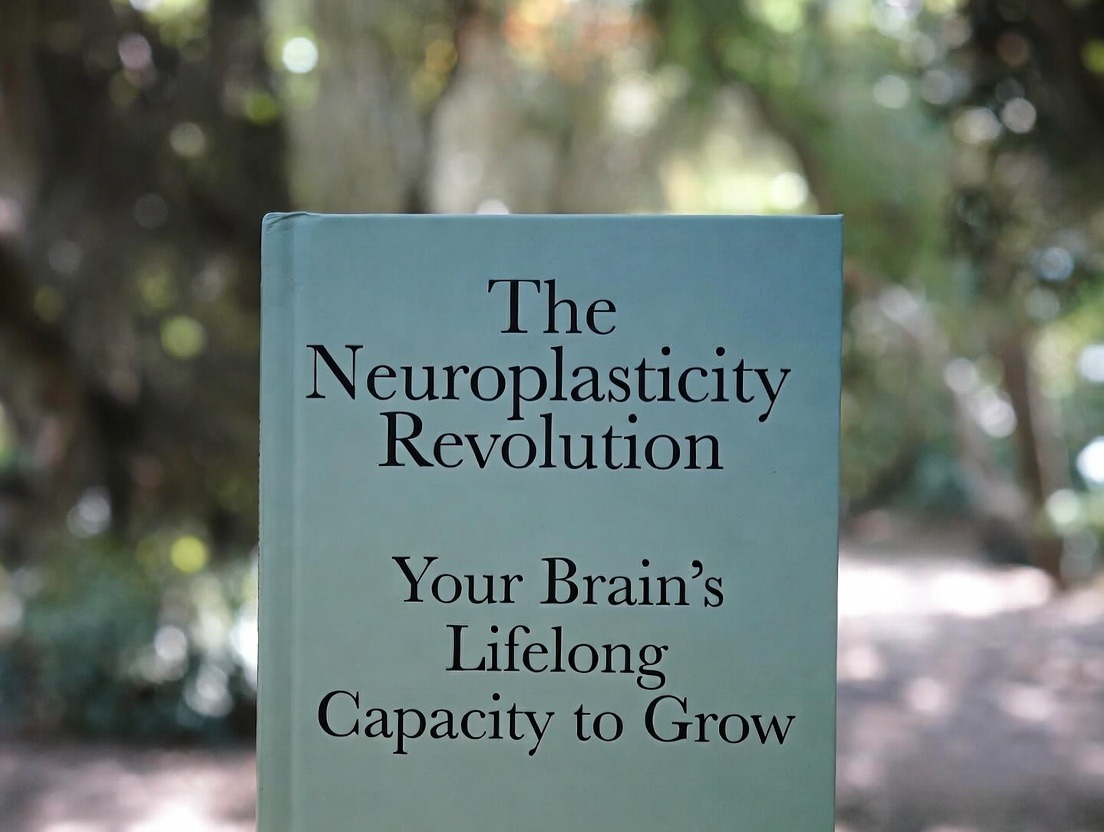
The Neuroplasticity Revolution: Your Brain’s Lifelong Capacity to Grow
The old adage that you “can’t teach an old dog new tricks” is one of the most damaging myths ever perpetuated about the brain. For most of the 20th century, conventional science held that the adult brain was a static, hardwired organ—you were born with a set number of neurons, and it was all downhill from there. The groundbreaking discovery of neuroplasticity shattered this dogma.
Neuroplasticity is the brain’s innate ability to reorganize itself by forming new neural connections throughout life. This means your brain’s structure and function are dynamic, changing in response to your experiences, learning, and even your thoughts. Think of it not as a fixed computer, but as a vast, living forest where new pathways can be carved and strengthened with use, while neglected ones fade.
How does this directly impact aging? Two key mechanisms are at play:
Synaptic Plasticity: The strength of communication between neurons at junctions called synapses. "Fire together, wire together." Repeated mental activity strengthens these connections, making thought patterns and memories more efficient and robust.
Neurogenesis: The birth of new neurons, primarily in the hippocampus—a brain region critical for learning and memory. While the rate slows with age, this process continues into late adulthood, fueled by specific lifestyle factors.
This isn’t just theoretical. Landmark studies, like the Nun Study, provided profound real-world evidence. Researchers followed a group of Catholic sisters, many of whom lived past 100 with exceptional mental clarity. Posthumous brain examinations revealed something astonishing: some nuns whose brains showed the physical hallmarks of advanced Alzheimer’s disease had exhibited no signs of cognitive decline while alive. Their cognitive reserve—built through a lifetime of rich intellectual activity, education, and social engagement—had allowed their brains to compensate for physical damage.
Your daily life is your neuroplasticity lab. Every time you:
Struggle to learn a new skill (like playing an instrument or speaking Italian).
Navigate a new route home without GPS.
Engage in a complex conversation or solve a challenging puzzle. …you are not just using your brain; you are remodeling it. You are depositing resources into your cognitive reserve bank, building a buffer against future wear and tear.
Understanding this is the foundational first step. It transforms cognitive health from a passive hope into an active pursuit. The following sections detail exactly how to harness this power through actionable, daily protocols. For a deeper dive into the science of how daily habits shape your brain’s biology, you can explore related research and insights on our blog.
Pillar 1: Nourishment for the Mind – The MIND Diet and Beyond
You are quite literally what you eat, and this is nowhere more true than in your brain. Comprising just 2% of body weight, this energy-intensive organ consumes roughly 20% of your daily calories and nutrients. The right foods can dampen inflammation, combat oxidative stress, and provide the raw materials for building new brain cells. The wrong ones can accelerate cognitive aging.
Enter the MIND diet (Mediterranean-DASH Intervention for Neurodegenerative Delay). This isn't a fad but a hybrid of two of the world’s most-respected eating patterns—the Mediterranean and DASH (Dietary Approaches to Stop Hypertension) diets—specifically tailored for brain health. Research, including studies from Rush University, has shown it can reduce the risk of Alzheimer’s disease by up to 53% in adherents.
The MIND diet emphasizes ten brain-healthy food groups and advises limiting five harmful ones. Here’s your actionable guide:
Foods to Embrace (The Brain’s Best Friends):
Leafy Green Vegetables: (Kale, spinach, collards, arugula). Aim for six or more servings per week. They are packed with brain-protective vitamins like K, lutein, and folate.
Other Vegetables: Go for color and variety. At least one other vegetable daily.
Berries: (Especially blueberries and strawberries). Two or more servings per week. They are flavonoids powerhouses, shown in studies to improve memory function.
Nuts: Five or more servings per week. A source of healthy fats, antioxidants, and vitamin E.
Olive Oil: Make it your primary cooking oil. Its monounsaturated fats and polyphenols are potent anti-inflammatories.
Whole Grains: (Oats, quinoa, brown rice). Three or more servings daily for steady energy and fiber.
Fish: (Salmon, mackerel, sardines). At least once a week for omega-3 fatty acids (DHA and EPA), critical for neuronal structure.
Legumes: (Beans, lentils, chickpeas). Four or more meals per week for plant-based protein and fiber.
Poultry: (Chicken, turkey). Two or more times per week.
Wine: One glass daily, if desired (primarily red, for resveratrol). This is optional and should be discussed with a doctor.
Foods to Mindfully Limit (The Brain’s Adversaries):
Red Meat: Less than four servings per week.
Butter and Margarine: Less than a tablespoon daily.
Cheese: Less than one serving per week.
Pastries and Sweets: Limit aggressively. Their refined sugars and trans fats are profoundly inflammatory.
Fried and Fast Food: Less than once per week.
Beyond the Plate: The Gut-Brain Axis Your dietary strategy must also consider your gut microbiome. The gut and brain are in constant, bidirectional communication via the vagus nerve and inflammatory pathways. A diet rich in diverse fibers and fermented foods (like yogurt, kefir, sauerkraut) supports a healthy gut ecosystem, which in turn produces neurotransmitters and compounds that reduce brain inflammation. A simple rule: feed your gut flora to protect your neural network.
Pillar 2: Movement as Medicine – How Exercise Rewires the Aging Brain
If there were a pill that could improve memory, elevate mood, enhance focus, stimulate new brain cell growth, and reduce the risk of dementia by 30-50%, it would be the most prescribed medication on earth. That "pill" exists: it’s called physical exercise.
Exercise is the single most potent trigger of neuroplasticity. It acts through a powerful cascade of biological effects:
Boosts Brain-Derived Neurotrophic Factor (BDNF): Think of BDNF as "Miracle-Gro for the brain." This protein supports the survival of existing neurons and encourages the growth and differentiation of new ones, particularly in the hippocampus.
Improves Cerebral Blood Flow: It enhances vascular health, ensuring a rich, efficient delivery of oxygen and nutrients to hungry brain tissues.
Reduces Inflammation: Chronic systemic inflammation is a key driver of cognitive decline. Regular activity modulates the immune system, lowering inflammatory markers.
Manages Key Risk Factors: It directly combats hypertension, insulin resistance, and high cholesterol—all major contributors to vascular dementia.
The Optimal Exercise Protocol for Cognitive Health The best routine is the one you will do consistently, but science points to a powerful combination:
Aerobic Exercise ("Cardio"): 150 minutes per week of moderate-intensity activity (e.g., brisk walking, cycling, swimming) or 75 minutes of vigorous activity. This is the cornerstone for boosting BDNF and cardiovascular health. A famous study showed that just 40 minutes of brisk walking, three times a week, increased hippocampal volume in older adults by 2% in one year—effectively reversing age-related shrinkage by 1-2 years.
Resistance Training ("Strength"): 2-3 sessions per week. Lifting weights or using resistance bands isn't just for muscles; it improves executive function, attention, and memory. It may also increase levels of another key growth factor, IGF-1, which supports brain health.
Coordination & Balance: Activities like tai chi, dance, or yoga integrate physical movement with mental focus and spatial awareness, engaging multiple brain regions simultaneously.
The critical insight is that every move counts. Non-exercise activity thermogenesis (NEAT)—the energy expended for everything that isn’t sleeping, eating, or sports—is also vital. Fidgeting, gardening, taking the stairs: it all contributes to your brain's metabolic health. This is where holistic tracking with a device like the Oxyzen smart ring becomes invaluable. By monitoring your all-day activity levels, heart rate variability, and sleep quality in response to movement, you can move beyond guesswork to understand your body’s unique needs and recovery patterns. You can discover how Oxyzen’s precise tracking supports an active lifestyle by correlating these metrics to help you optimize not just exercise duration, but its timing and quality for maximal cognitive benefit.
Pillar 3: The Restorative Power of Sleep – Your Nightly Brainwash
We often sacrifice sleep in the name of productivity, unaware that we are undermining the very cognitive machinery we seek to employ. Sleep is not a passive state of rest; it is an active, essential neurological process for memory consolidation, metabolic clearance, and emotional regulation. During deep sleep, your brain engages in a vital cleansing ritual.
The recently discovered glymphatic system acts as the brain's waste-removal network, and it is most active during slow-wave sleep. Think of it as a nightly power wash that flushes out metabolic debris, including toxic proteins like beta-amyloid, which are implicated in Alzheimer's disease. Chronic sleep deprivation allows this "neural trash" to accumulate, creating a toxic environment for neurons.
Sleep Architecture and Cognitive Protection:
Stage 3 (Deep NREM Sleep): Critical for physical restoration, memory consolidation (especially declarative facts and events), and glymphatic clearance.
REM Sleep: The stage most associated with vivid dreams. It is crucial for emotional processing, creativity, and consolidating procedural memories (skills and habits).
Actionable Strategies for Cognitive Sleep Hygiene:
Prioritize Consistency: Go to bed and wake up at the same time every day, even on weekends. This regulates your circadian rhythm, your brain's master clock.
Create a True Wind-Down Ritual: The hour before bed should be screen-free. The blue light from devices suppresses melatonin, the sleep hormone. Instead, try reading (physical book), light stretching, or listening to calm music or a podcast.
Optimize Your Environment: Cool (around 65°F or 18°C), dark, and quiet. Consider blackout curtains and a white noise machine if needed.
Mind Stimulants and Depressants: Caffeine has a half-life of 5-6 hours; avoid it after 2 PM. While alcohol may induce sleepiness, it dramatically fragments sleep architecture, severely reducing restorative deep and REM sleep.
Leverage Daytime Habits: Morning sunlight exposure anchors your circadian rhythm, and daily exercise (but not too close to bedtime) promotes deeper sleep.
Understanding your personal sleep architecture is key. Generalized advice can only go so far. Advanced sleep tracking from a wearable like the Oxyzen ring provides personalized data on your unique sleep stages, disturbances, and Sleep Score. You can see precisely how late meals, evening screen time, or a stressful day impact your deep sleep percentage. This objective feedback loop allows you to experiment and refine your sleep hygiene practices for optimal cognitive restoration. For common questions on how this technology works, our FAQ page provides detailed support.
Pillar 4: Stress Resilience – Taming Cortisol to Protect Your Hippocampus
Stress is an inevitable part of life. In acute, short bursts, it can be performance-enhancing. However, chronic, unmanaged stress is a neurotoxin. It bathes the brain in sustained high levels of the hormone cortisol, which has a particularly damaging effect on the hippocampus—the brain's memory center and a hub for neurogenesis. Over time, this can lead to neuronal atrophy, impaired memory, and increased vulnerability to depression and dementia.
The goal isn't to eliminate stress, but to build resilience—your ability to adapt, recover, and even grow from stressors.
Science-Backed Stress Management Techniques:
Mindfulness & Meditation: Regular practice (even 10-15 minutes daily) has been shown to physically increase gray matter density in the prefrontal cortex (involved in executive function) and decrease amygdala size (the brain's fear center). It reduces the body's baseline production of stress hormones and inflammatory chemicals.
Controlled Breathwork: Techniques like diaphragmatic breathing or the 4-7-8 method activate the parasympathetic nervous system—the body's "rest and digest" counterbalance to the stress response. This instantly lowers heart rate and blood pressure.
Nature Immersion ("Forest Bathing"): Spending mindful time in green spaces reduces cortisol, lowers blood pressure, and improves mood and focus, likely through a combination of phytoncides (airborne chemicals from plants), fresh air, and disconnection from digital stressors.
Purposeful Social Connection: As will be detailed in the next pillar, supportive relationships are a powerful stress buffer. Simply talking through a problem can alter your physiological response to it.
The Quantification of Calm: HRV One of the most powerful biomarkers for stress resilience is Heart Rate Variability (HRV). Unlike a static heart rate, HRV measures the subtle, millisecond variations between heartbeats. A higher, more variable HRV indicates a healthy, adaptable nervous system that can switch efficiently between stress and recovery modes. A low, rigid HRV is a sign of chronic stress, burnout, or poor recovery.
This is not guesswork. By monitoring your HRV trend through a precise wearable, you gain an objective window into your nervous system state. You can see how a difficult meeting, a poor night's sleep, or a calming meditation session directly impacts your physiological resilience. This data empowers you to make informed decisions: perhaps scheduling a demanding task when your HRV is high, or prioritizing rest when it's low. At Oxyzen, we believe this kind of personalized, data-driven insight is the future of proactive health management. You can read real user experiences of how tracking HRV changed their approach to stress.
Pillar 5: The Social Brain – Why Relationships Are Neural Nutrients
Human beings are wired for connection. Our brains did not evolve in isolation; they are fundamentally social organs. Meaningful relationships aren't just emotionally fulfilling—they are a biological necessity for cognitive health. Loneliness and social isolation, conversely, are now recognized as significant risk factors for cognitive decline and dementia, comparable to smoking or obesity.
Social engagement protects the brain through multiple pathways:
Cognitive Stimulation: Conversations require us to listen, process information, empathize, recall memories, and formulate responses—a full-brain workout.
Emotional Regulation: Sharing burdens and joys with others helps regulate the stress response system discussed earlier.
A Sense of Purpose: Being needed and valued by others provides a powerful motivational framework that keeps the mind engaged with life.
Building a Cognitively Protective Social Network: It's not about the number of Facebook friends, but the quality and depth of your connections.
Prioritize Face-to-Face Interaction: While digital tools can maintain ties, in-person interaction involves richer sensory data (body language, tone, touch) that more fully engages the brain's social circuitry.
Cultivate Multigenerational Ties: Relationships with both peers and people from different generations provide diverse perspectives and cognitive challenges.
Engage in Shared Activities: Join a book club, volunteer, take a class, or play a team sport. Shared goals and cooperative effort strengthen bonds and provide built-in social interaction.
Be a Proactive Connector: Don't wait for invitations. Reach out, schedule regular check-ins, and be the person who fosters community.
The story of a brand is often rooted in a desire to solve human problems. At Oxyzen, our mission was born from a recognition of the deep connection between holistic wellness—including the often-overlooked social and emotional dimensions—and human potential. You can learn more about the vision and values that drive our work on this front.
Pillar 6: Targeted Cognitive Training – Beyond Crossword Puzzles
Just as you need to challenge your muscles to keep them strong, your brain benefits from targeted, novel, and progressively difficult mental exercise. However, not all "brain training" is created equal. The key principle is "cognitive enrichment"—seeking out complex, new learning that pushes you beyond your comfort zone.
Effective Cognitive Training Strategies:
Learn Something Truly New: Picking up a new language, learning to play a musical instrument, or mastering a complex skill like woodworking or coding. These activities engage multiple brain regions (sensory, motor, auditory, memory) and force the creation of new neural networks.
Engage in Strategic Games: While crossword puzzles rely on crystallized intelligence (retrieving existing knowledge), games like chess, bridge, Go, or certain strategic video games challenge fluid intelligence—problem-solving, working memory, and adaptive thinking.
Practice "Dual N-Back" Training: This specific working memory exercise has shown some of the most promising results in peer-reviewed studies for improving fluid intelligence. It involves remembering a sequence of both auditory and visual cues that continuously updates.
Incorporate "Neurobics": Brain aerobics that use your senses in novel ways. Try getting dressed with your eyes closed, using your non-dominant hand for tasks, or taking a new route on your daily walk. These break automatic patterns and force your brain to pay attention.
The Role of Curiosity: Cultivate a beginner's mind. Ask questions, explore topics you know nothing about, visit a museum with a fresh perspective. The state of active curiosity primes the brain for learning and growth. For a continuous stream of ideas and inspiration on engaging your mind, consider exploring our blog for more wellness and cognitive tips.
Pillar 7: The Auditory and Vascular Connection – Protecting Your Brain’s Inputs
Cognitive health is deeply connected to the health of your senses and your cardiovascular system. Two of the most significant, yet modifiable, risk factors are hearing loss and hypertension.
Hearing Loss: A Catalyst for Social and Cognitive Isolation Age-related hearing loss (presbycusis) is far from benign. Straining to hear causes cognitive load, diverting precious brain resources from memory and processing to the basic task of decoding sounds. This can lead to:
Social Withdrawal: Frustration and embarrassment in conversations lead people to avoid social situations, depriving the brain of critical stimulation.
Increased Risk of Dementia: Multiple longitudinal studies show that untreated hearing loss is one of the largest modifiable risk factors for dementia. The proposed mechanisms include increased cognitive load, brain atrophy from reduced auditory input, and social isolation.
Action: Have your hearing checked regularly. If hearing aids are recommended, use them. Modern devices are discreet and effective, and treating hearing loss is a powerful intervention for maintaining cognitive vitality.
Hypertension: The Silent Threat to Your Neural Network High blood pressure is often called the "silent killer" for a reason. It damages the delicate vasculature throughout the body, and the brain's intricate network of small arteries is especially vulnerable. This damage can lead to:
Vascular Dementia: Caused by reduced blood flow and mini-strokes that kill small clusters of brain cells.
Increased Risk of Alzheimer's: Hypertension promotes inflammation and may impair the clearance of amyloid proteins.
Action: Monitor your blood pressure. The MIND diet, regular exercise, stress management, and limiting sodium are your first lines of defense. Know your numbers and work with your doctor to keep them in a healthy range (typically below 120/80 mmHg).
Monitoring your body's signals is a theme of modern prevention. Just as you might track steps, paying attention to physiological trends like resting heart rate and heart rate variability (from devices like the Oxyzen ring) can provide early insights into your cardiovascular stress and recovery balance, prompting lifestyle adjustments long before a clinical problem arises.
Pillar 8: Purpose and Lifelong Learning – The Fuel for Cognitive Vitality
A sense of purpose is more than a philosophical concept; it is a potent neuroprotective agent. Having clear goals, values, and a reason to get out of bed in the morning is associated with a lower risk of cognitive impairment, disability, and mortality. Purpose provides cognitive engagement and emotional resilience.
Cultivating Purpose in Later Chapters:
Reframe "Retirement": Move from an identity of stepping away from work to one of stepping toward new missions. What problems do you want to solve? What knowledge do you want to share?
Legacy Projects: Write a memoir or family history. Mentor younger people in your field. Volunteer for a cause you're passionate about. Create art or music.
Embrace "Eldership": Recognize the value of your accumulated wisdom, perspective, and emotional regulation—qualities that are often undervalued but desperately needed.
Lifelong Learning as a Lifestyle: Formal education doesn't end with a diploma. Commit to being a perpetual student.
Take a Course: Online platforms (Coursera, edX, MasterClass) or local community colleges offer endless opportunities.
Deep Dive into a Topic: Pick a period of history, a scientific field, or a philosophical tradition and immerse yourself in it for a year.
Teach Others: One of the most powerful ways to cement your own learning is to explain it to someone else.
This journey of purposeful growth is one we champion. We built Oxyzen not just as a product, but as a companion for individuals committed to understanding themselves and optimizing their long-term potential. Our mission is to empower this journey of lifelong wellness.
Pillar 9: Environmental Optimization – Crafting a Brain-Healthy World
Your cognitive health is shaped not just by what you do, but by the environment you inhabit. From the air you breathe to the light you see, small tweaks can have a cumulative protective effect.
Key Environmental Factors:
Air Quality: Chronic exposure to air pollution (especially fine particulate matter, PM2.5) is linked to systemic inflammation, neuroinflammation, and an increased risk of cognitive decline. Use air purifiers in your home, especially in bedrooms.
Light Exposure: Get bright, natural light (especially in the morning) to regulate circadian rhythms and boost mood. In the evening, reduce exposure to blue wavelengths to protect melatonin production.
Cognitive Decluttering: Chronic distraction and multitasking fragment attention and increase stress. Designate deep-work zones and times, free from digital interruptions.
Safety First: Prevent head injuries. Wear seatbelts, use helmets for cycling/sports, and "fall-proof" your home (remove tripping hazards, install grab bars, ensure good lighting).
Creating an environment conducive to health is a form of self-respect. It removes friction from making good choices and surrounds you with cues that support your cognitive goals.
Pillar 10: The Role of Proactive Monitoring – From Guesswork to Precision
For too long, health has been reactive. We wait for symptoms to appear, then seek treatment. The future of healthy aging—and particularly cognitive protection—is proactive, personalized, and data-informed. You cannot optimize what you do not measure.
This is where the convergence of neuroscience and wearable technology becomes transformative. By continuously tracking key physiological metrics, you move from generic advice to personalized insight.
Critical Metrics for Cognitive Health:
Sleep Architecture: Not just duration, but the balance of deep, REM, and light sleep. This is your direct window into your brain's nightly restoration and cleansing cycle.
Heart Rate Variability (HRV): Your body's most honest readout of stress, recovery capacity, and autonomic nervous system balance.
Resting Heart Rate (RHR): A fundamental indicator of cardiovascular fitness and systemic stress.
Activity & Recovery Balance: Ensuring you are moving enough, but also allowing for adequate physiological recovery, which is when repair and growth happen.
A device worn on the finger, like the Oxyzen smart ring, is uniquely positioned for 24/7, comfortable tracking of these biomarkers. It provides a holistic picture of how your lifestyle choices—that extra glass of wine, that intense workout, that stressful day—actually translate into your body's readiness and resilience. This creates a powerful feedback loop, empowering you to make precise, confident adjustments to your daily protocol for protecting your most valuable asset: your mind. To understand the full scope of how this technology integrates into a wellness-focused life, you can learn more about Oxyzen’s comprehensive approach.
Pillar 11: Integrating the Pillars – Building Your Sustainable Protocol
Knowledge is only power when applied. The final, most crucial pillar is integration. The goal is not to perfectly execute eleven separate tasks, but to weave these principles into a sustainable, enjoyable, and personalized lifestyle tapestry. Trying to change everything at once is a recipe for burnout. The key is gradual, consistent implementation.
Your Action Plan for Integration:
Conduct a Personal Audit: Honestly assess where you stand on each pillar. Where are your strengths? Which areas need the most attention? Pick one or two to focus on initially.
Start Small and Stack Habits: Don't try to meditate for 30 minutes on day one. Start with 3 minutes. Use "habit stacking": After I pour my morning coffee, I will take three deep, diaphragmatic breaths. After my lunch, I will take a 10-minute walk.
Synergize Your Efforts: Look for activities that check multiple boxes. A brisk walk with a friend in a park combines Movement, Social Connection, Stress Reduction (nature), and Cognitive Stimulation (conversation).
Embrace the 80/20 Rule: Be consistent 80% of the time. Perfection is not only impossible but stressful. Allow for flexibility and enjoyment.
Use Technology as Your Ally, Not Your Master: Let your wearable data inform you, not anxiety you. Look at weekly trends, not minute-by-minute fluctuations. Use the insights to celebrate wins and curiously investigate setbacks.
Remember, the journey of protecting your cognitive function is a marathon of a thousand small, daily steps. It is about building a life that naturally nourishes and challenges your brain. It is about moving from fear of decline to the empowerment of growth. By understanding the science and applying these pillars with self-compassion and consistency, you are not just adding years to your life—you are adding vibrant, connected, sharp life to your years.
Pillar 12: Deep Dive into Neuro-Nutrients – Beyond the MIND Diet
While the MIND diet provides an excellent framework, understanding the specific "star players" within these foods allows for more targeted nourishment. These are compounds with direct, evidence-based actions on brain cells, inflammation, and neuronal communication.
1. Omega-3 Fatty Acids (DHA & EPA): The Brain's Structural Engineers DHA (docosahexaenoic acid) is the most abundant omega-3 in the brain, constituting over 30% of the fatty acids in neuronal membranes. It is essential for:
Maintaining Membrane Fluidity: Allows for optimal communication between neurons.
Promoting Synaptogenesis: The formation of new synapses.
Sources: Fatty fish (salmon, mackerel, sardines, herring) are the most direct sources. For vegetarians/vegans, ALA from flaxseeds, chia seeds, and walnuts can convert to DHA/EPA, but the conversion rate is very low (often <10%). Algal oil supplements are a direct vegan source of DHA.
2. Polyphenols & Flavonoids: The Antioxidant and Signaling Masters These plant compounds do far more than combat oxidative stress. They activate cellular signaling pathways that enhance neuroplasticity.
Curcumin (from Turmeric): Potent anti-inflammatory and antioxidant. It can cross the blood-brain barrier and has been shown to reduce amyloid plaques in animal studies and improve memory in human trials. Tip: Consume with black pepper (piperine) to increase bioavailability by 2000%.
Epigallocatechin Gallate (EGCG from Green Tea): Supports the production of BDNF and enhances the connectivity between brain regions involved in working memory.
Resveratrol (from grapes, berries, red wine): Activates sirtuins, proteins involved in cellular defense and longevity pathways.
Anthocyanins (from blueberries, blackberries, purple sweet potatoes): Improve neuronal signaling and have been directly linked to delayed memory decline.
3. Choline & Phospholipids: The Raw Materials for Neurotransmitters Choline is a precursor to acetylcholine, a neurotransmitter critical for learning, memory, and mood. As we age, acetylcholine production can decline.
Sources: Egg yolks (one of the richest sources), liver, salmon, chickpeas, and cruciferous vegetables like broccoli.
Phosphatidylserine (PS): A phospholipid that is a key component of neuronal membranes. Supplementation has shown promise in improving memory, concentration, and learning in older adults with cognitive decline.
4. The B-Vitamin Trio: B9, B12, B6 – The Methylation Managers These vitamins are co-factors in the methylation cycle, a process essential for DNA synthesis, neurotransmitter production, and the detoxification of homocysteine. Elevated homocysteine is a major, modifiable risk factor for vascular dementia and Alzheimer's disease.
Action: Ensure adequate intake of folate (B9, from leafy greens), B12 (from animal products or fortified foods/supplements—absorption decreases with age), and B6 (from poultry, fish, potatoes). A simple blood test can check homocysteine levels.
Practical Application: Think of your plate as a pharmacy. Aim for a weekly intake that includes fatty fish, a rainbow of berries and vegetables, turmeric in your cooking, eggs, and green tea. For individuals with specific dietary restrictions or heightened needs, targeted supplementation under a doctor's guidance can be a powerful adjunct. To explore how daily habits intersect with these nutritional needs, our blog features deeper dives on nutrient timing and cognition.
Pillar 13: The Nootropic Frontier – Smart Use of Cognitive Enhancers
"Nootropic" is a broad term for substances that may improve cognitive function, particularly executive functions, memory, creativity, or motivation. They range from caffeine to prescription drugs. The key is evidence, safety, and personalization. This is not about "Limitless" pills, but about subtle, sustainable support.
Category 1: The Well-Established & Generally Safe
Caffeine + L-Theanine: This is a classic synergy. Caffeine (100-200mg) improves alertness and focus. L-Theanine (100-200mg), an amino acid from green tea, promotes relaxed alertness by increasing alpha brain waves and mitigating caffeine's jittery side effects. It's a smoother, more focused energy.
Creatine Monohydrate: Known for athletic performance, creatine also plays a vital role in brain energy metabolism. Studies show it can improve short-term memory and reasoning in vegetarians/vegans (who have lower baseline creatine) and in older adults, especially under conditions of sleep deprivation or stress.
Bacopa Monnieri: An adaptogenic herb with a long history in Ayurvedic medicine. Robust research indicates it significantly improves memory formation and recall, though its effects may take 8-12 weeks of consistent use to manifest.
Category 2: Promising but Requiring More Caution & Research
Lion's Mane Mushroom: This medicinal mushroom may stimulate the production of Nerve Growth Factor (NGF), crucial for the maintenance and growth of neurons. Preliminary human studies and a wealth of anecdotal reports suggest benefits for mild cognitive impairment and mood.
Rhodiola Rosea: An adaptogen prized for reducing mental fatigue and improving performance during stressful tasks. It works in part by modulating cortisol and supporting neurotransmitter systems.
Critical Guidelines for Nootropic Exploration:
Foundations First: Nootropics are add-ons, not replacements for sleep, nutrition, and exercise. They cannot compensate for a poor lifestyle.
Single-Ingredient Introduction: Never start a stack of multiple new substances. Introduce one at a time, at a low dose, and monitor your response for several weeks.
Quality is Paramount: The supplement industry is poorly regulated. Choose brands that use third-party testing (e.g., USP, NSF, Informed-Sport) for purity and potency.
Consult a Professional: Especially if you have underlying health conditions or take medications. A functional or naturopathic doctor can provide personalized guidance.
Listen to Your Body & Data: How do you feel? More importantly, how is your sleep HRV, resting heart rate, and sleep quality affected? A nootropic that gives you a mental boost but destroys your sleep and recovery metrics is ultimately harming your long-term cognitive health. Using a wearable like the Oxyzen ring to track these objective biomarkers provides a crucial feedback loop, helping you distinguish a true enhancer from a stressful stimulant.
Pillar 14: Managing Comorbidities – Protecting Your Brain from Systemic Threats
The brain does not exist in a vacuum. Its health is inextricably linked to the health of the entire body. Several common medical conditions, if poorly managed, dramatically accelerate cognitive decline.
1. Type 2 Diabetes & Insulin Resistance ("Type 3 Diabetes") The link is so strong that some researchers refer to Alzheimer's as "Type 3 Diabetes." The brain is an energy-intensive organ, and it relies on a steady supply of glucose. Insulin resistance in the brain impairs neurons' ability to use glucose, leading to cellular starvation. It also promotes inflammation and amyloid plaque formation.
Action Plan: The MIND diet, regular exercise (especially strength training to improve glucose sensitivity), and weight management are your primary defenses. Monitoring blood glucose and HbA1c levels is non-negotiable.
2. Cardiovascular Disease (Hypertension, Atherosclerosis) As discussed, a healthy heart pumps blood efficiently to the brain. Hypertension damages delicate cerebral blood vessels, while atherosclerosis can block them, leading to vascular dementia—the second most common form of dementia after Alzheimer's.
Action Plan: Beyond diet and exercise, regular monitoring of blood pressure and lipid profiles is essential. Heart Rate Variability (HRV) is a powerful, proactive metric here. A declining HRV trend can be an early warning sign of increasing cardiovascular stress before blood pressure spikes.
3. Chronic Inflammation Systemic, low-grade inflammation (measured by markers like CRP) is a common pathway through which obesity, poor diet, inactivity, and chronic stress damage the brain.
Action Plan: Adopt an anti-inflammatory lifestyle: an omega-3 rich, plant-based diet; regular moderate exercise; stress management; and prioritizing sleep (which reduces inflammatory cytokines).
4. Depression and Chronic Stress These are not just "mental" issues; they are neurological conditions. Chronic depression is associated with hippocampal shrinkage. As covered, chronic stress elevates cortisol, which is directly neurotoxic.
Action Plan: Treat mental health with the same seriousness as physical health. Therapy (CBT is highly effective), social connection, exercise (a potent antidepressant), and sometimes medication are critical interventions for brain protection.
Managing these conditions requires a holistic view of your health data. It's about connecting the dots between your daily habits, your physiological outputs, and your long-term risks. The mission behind Oxyzen was born from a desire to provide that integrated, continuous view—to move from managing isolated symptoms to optimizing the interconnected system that is you. You can read more about our story and vision for integrated health here.
Pillar 15: Hormonal Balance and Cognitive Aging
Hormones are powerful chemical messengers that profoundly influence brain function. The decline of certain hormones with age is linked to changes in cognition, memory, and mood. While hormone replacement therapy (HRT) is a complex and personal medical decision, understanding the connections is key.
1. Estrogen in Women: Estrogen has neuroprotective properties. It promotes synaptic plasticity, enhances glucose metabolism in the brain, and acts as an antioxidant. The precipitous drop in estrogen during menopause coincides with many women reporting "brain fog," memory lapses, and difficulty concentrating.
Considerations: The timing of HRT is critical. The "critical window hypothesis" suggests that initiating therapy around the time of menopause may provide cognitive and cardiovascular benefits, while starting it many years later may not and could carry risks. This is a decision that must be made in deep consultation with a knowledgeable healthcare provider, considering personal and family medical history.
2. Testosterone in Men: Low testosterone in aging men is associated with poorer performance on visual and verbal memory tests, slower processing speed, and a higher risk of Alzheimer's disease. Testosterone supports neuronal health, influences mood, and impacts overall vitality.
Considerations: Testosterone replacement therapy (TRT) is not a cognitive enhancer for men with normal levels and carries risks (like increased red blood cell count). However, for men with clinically diagnosed low testosterone, treatment may improve cognitive parameters alongside other symptoms like fatigue and low libido.
3. Thyroid Hormones: Both an overactive (hyperthyroidism) and underactive (hypothyroidism) thyroid can mimic dementia. Hypothyroidism, in particular, can cause brain fog, slowed thinking, and depression. It's one of the most reversible causes of cognitive impairment.
Action: A simple TSH blood test can screen for thyroid dysfunction. It should be part of any workup for cognitive changes.
The Lifestyle Connection: Lifestyle powerfully modulates hormonal balance. Regular exercise, a healthy body weight, adequate sleep, and stress management all help maintain more optimal hormonal milieu as we age. This is another area where holistic tracking is invaluable, as sleep disruption and high stress are major disruptors of hormonal harmony.
Pillar 16: Sensory Engagement – Stimulating Your Brain Through All Five Portals
The brain thrives on novel, rich sensory input. Each sense provides a unique pathway to stimulate neural activity and build cognitive reserve. Deliberately engaging your senses is a form of environmental enrichment for your mind.
Smell (Olfaction): The olfactory nerve has a direct pathway to the hippocampus and amygdala (memory and emotion centers). This is why smells can trigger powerful, vivid memories.
Practice: Use aromatherapy with essential oils like rosemary (for alertness), peppermint (for focus), or lavender (for calm). Cook with a variety of fragrant spices. Stop and literally "smell the roses" on a walk.
Touch (Tactile Sense): Tactile stimulation activates the somatosensory cortex.
Practice: Engage in activities with varied textures: gardening with bare hands, pottery, knitting, or even using a stress ball. Prioritize positive physical contact like hugs or petting an animal.
Taste: Mindful eating is a full-brain sensory experience.
Practice: Slow down. When eating a berry, focus on its texture, its sweetness, its tartness. Try a "flavor safari"—tasting new and exotic foods to challenge your palate and brain.
Practice: Listen to complex music (like classical or jazz), learn to identify bird calls, or simply spend time in quiet to appreciate subtle ambient sounds. As mentioned, protect your hearing aggressively.
Sight: Visual novelty stimulates the occipital cortex and beyond.
Practice: Visit an art museum and study the details of a painting. Go to a new neighborhood and observe the architecture. Try drawing or photography, which forces you to see the world differently.
Integrating these practices combats the sensory monotony that can accompany routine, keeping your brain's perceptual networks active and engaged. For more ideas on creating an enriching daily routine, our blog offers a wealth of practical wellness content.
Pillar 17: Digital Hygiene – Navigating the Modern Mindfield
Our digital environment is the newest and perhaps most potent environmental factor affecting our brains. The constant barrage of notifications, the infinite scroll, and the pressure to multitask are reshaping neural circuits, often for the worse. Digital hygiene is the practice of managing technology use to protect and enhance cognitive function.
The Cognitive Costs of Poor Digital Habits:
Attentional Fragmentation: Each notification creates a "task switch," depleting finite cognitive resources and reducing the depth of focus. We train our brains for continuous partial attention.
Impaired Memory: Why remember when you can Google? This "cognitive offloading" can atrophy our natural memory muscles.
Sleep Disruption: Blue light emission suppresses melatonin, and engaging content activates the mind, directly opposing the wind-down needed for restorative sleep.
Social Comparison & Stress: Curated social media feeds can fuel anxiety and loneliness, activating the brain's stress pathways.
Principles of Cognitive Digital Hygiene:
Schedule Deep Work Blocks: Use techniques like the Pomodoro method (25 minutes of focused work, 5-minute break). During these blocks, turn off all notifications and use website blockers if necessary.
Consolidate Notification Checks: Designate specific times to check email and social media (e.g., 10 AM, 2 PM, 5 PM), rather than responding to every ping. This reclaims control over your attentional stream.
Create Tech-Free Zones/Times: The bedroom is paramount. Charge your phone outside the room. The dinner table is another key zone for fostering real social connection.
Consume Intentionally, Not Passively: Ask, "What is my purpose for picking up this device?" Before mindlessly opening an app. Subscribe to quality, long-form content instead of only grazing headlines.
Use Technology for Good: Leverage apps for meditation (Calm, Headspace), brain training (Elevate, Peak), or learning (Duolingo, Brilliant). Use a smart ring not as another distraction, but as a silent biofeedback tool that provides actionable insights without interrupting your flow.
The goal is to make technology a tool you master, not a master that tools you. It's about designing an information environment that supports, rather than sabotages, your cognitive goals.
Pillar 18: The Power of Narrative and Autobiographical Memory
Our sense of self is built upon a narrative—the story of our lives that we construct and reconstruct. Engaging with your personal story is not mere reminiscence; it is a complex cognitive act that strengthens identity, integrates experiences, and fosters emotional resilience, all of which are protective for the aging brain.
Why Life Review Matters for Cognition:
Engages Multiple Brain Networks: Recalling autobiographical memories involves the hippocampus (memory), the prefrontal cortex (organization, sequencing), and the default mode network (self-referential thought).
Strengthens Episodic Memory: The "muscle" of remembering specific events is exercised.
Promotes Cognitive Integration: Connecting past experiences to present understanding and future goals is a high-level executive function.
Combats Depression and Fosters Purpose: Finding meaning and continuity in one's life story is a core component of psychological well-being in later life.
How to Practice Narrative Engagement:
Keep a Journal: Not just a diary of events, but a journal of reflections, lessons learned, and moments of gratitude.
Create a Legacy Project: Write your memoir, record oral history interviews with family, or compile a photo album with detailed captions. Tools like StoryCorps provide excellent guides.
Engage in Guided Life Review: Use prompts: "What was the most pivotal decision of your life?" "Who were your most influential mentors?" "What are you most proud of?"
Share Stories Socially: Storytelling within families or friend groups is a powerful social and cognitive activity. It passes on wisdom and solidifies the narrative.
This pillar connects deeply to Pillar 5 (The Social Brain) and Pillar 8 (Purpose). A coherent, valued life narrative is the ultimate cognitive reserve, providing a stable sense of self that can weather the changes aging brings. This human-centric focus on story and meaning is central to the philosophy at Oxyzen—we believe data is most powerful when it helps you live a more engaged, meaningful life. Learn more about our company's mission and values.
Pillar 19: Intermittent Fasting and Metabolic Flexibility
Emerging research points to the cognitive benefits of not just what we eat, but when we eat. Intermittent Fasting (IF)—cycling between periods of eating and fasting—may enhance brain function by improving metabolic flexibility and activating cellular cleanup processes.
Potential Cognitive Mechanisms of IF:
Enhanced Autophagy: During fasting, cells upregulate autophagy, a process of "self-eating" where damaged cellular components are cleared out and recycled. This includes the removal of dysfunctional proteins and organelles from neurons, akin to a deep cellular clean.
Improved Insulin Sensitivity: Fasting periods lower baseline insulin, making cells more responsive. As discussed, brain insulin sensitivity is crucial for neuronal energy use.
Increased BDNF: Some animal and human studies suggest IF can boost BDNF levels, promoting neuroplasticity.
Ketone Body Production: In longer fasts, the liver produces ketone bodies from fat, which are an efficient, alternative fuel for the brain. Some research suggests ketones may be a "cleaner" fuel that reduces oxidative stress in neurons.
Popular IF Protocols (Start gently and consult a doctor if you have health conditions):
16:8 Method: Fast for 16 hours (e.g., finish dinner by 8 PM, eat next meal at 12 PM). This is often the most sustainable.
5:2 Method: Eat normally for 5 days, and consume only ~500-600 calories on 2 non-consecutive days.
Critical Nuances:
Quality Still Reigns: IF is not a license to eat junk food during feeding windows. Adhere to MIND diet principles.
Hydration is Key: Drink plenty of water, herbal tea, and black coffee (if tolerated) during fasting periods.
Listen to Your Body: IF is not for everyone, especially those with a history of eating disorders, certain metabolic conditions, or who are underweight. Monitor your biomarkers. If your HRV plummets and your resting heart rate increases consistently on an IF schedule, it may be a sign of excessive physiological stress. Use data, not dogma, to guide you.
It's a Tool, Not a Religion: Periodic, mindful eating breaks (like a 12-hour overnight fast) can be beneficial even if you don't adopt a strict protocol.
Pillar 20: Building Your Personalized Cognitive Protection Plan
Now we synthesize everything into a living, breathing action plan. This is not a rigid set of rules, but a flexible framework you adapt over your lifespan.
Step 1: Establish Your Baseline (The Audit)
Medical: Get a physical with key bloodwork (lipid panel, HbA1c, fasting glucose, homocysteine, B12, TSH, CRP).
Lifestyle: Honestly assess your current status on diet, exercise, sleep, stress, and social engagement.
Biometric: If possible, establish baseline biometric trends using a wearable (like resting heart rate, HRV, sleep stages). This gives you objective starting points. For questions on how to best use this technology, our FAQ is a great resource.
Step 2: Set S.M.A.R.T. Goals in One or Two Pillars Don't overhaul everything. Based on your audit, choose 1-2 priority areas.
Example Goal (Sleep): "I will increase my average deep sleep by 10% over the next 2 months by implementing a 30-minute, screen-free wind-down routine and keeping my bedroom at 67°F."
Example Goal (Social): "I will have one meaningful, in-person social connection per week, either by joining a weekend hiking group or scheduling a coffee date with a friend."
Step 3: Design Your Environment for Success
Food: Stock your kitchen with brain-healthy foods. Prep veggies on weekends.
Tech: Set up app limits and notification schedules on your phone.
Social: Put recurring events on your calendar.
Sleep: Invest in blackout curtains and set a phone alarm to start your wind-down ritual.
Step 4: Implement, Track, and Iterate
Start your new habits.
Track subjectively: How is your energy, mood, focus?
Track objectively (if possible): What are your biometrics doing? Is your Sleep Score improving? Is your HRV trending upward? This data from a tool like the Oxyzen ring removes guesswork and shows you the tangible impact of your changes.
Review Monthly: What's working? What's not? Tweak your approach. Remember the 80/20 rule—consistency beats perfection.
Step 5: Plan for Lifelong Evolution Your plan will change. At 50, your focus may be on intense exercise and career mastery. At 70, it may shift toward social connection, legacy projects, and balance. Your cognitive protection plan is a lifelong companion, evolving as you do.
The culmination of these twenty pillars is a life lived with intention—a life where every day presents an opportunity to invest in the health and vitality of your mind. It is the most rewarding project you will ever undertake.
Pillar 21: Navigating Key Life Transitions – Your Cognitive Game Plan
Cognitive health is not a static goal but a dynamic process that must adapt to life's major shifts. Each transition brings unique challenges and opportunities for your brain.
The Career Shift/Pre-Retirement (Ages 50-65): This period often involves peak professional responsibility coupled with planning for the next chapter. The risks here are chronic stress, sleep neglect, and a looming "identity vacuum" as career winds down.
Cognitive Strategy:
Proactively Cultivate Non-Work Identity: Start investing time now in hobbies, volunteer work, or side projects that can provide purpose post-career. This builds neural networks independent of your job.
Master Stress Decompression: With high-stakes work, your post-work recovery is critical. Use biometric feedback like HRV to identify which activities truly help you recover (e.g., a walk in nature vs. scrolling through news).
Initiate "Cognitive Budgeting": Begin to shift mental energy from solely work-related problem-solving to learning new, unrelated skills. This primes your brain for novelty.
The Retirement Transition (Ages 65-75): The sudden removal of a structured routine and social network is a profound cognitive and psychological shift. The risk is passive days lacking in novelty and challenge.
Cognitive Strategy:
Design a New "Rhythm of Life": Don't fall into a void. Create a weekly schedule that includes fixed commitments: a Monday class, a Wednesday volunteer shift, a Friday social lunch. Structure protects the brain from apathy.
Double Down on Social Fabric: Be intentional about replacing workplace camaraderie. Join clubs, take group fitness classes, or become a regular at a community center.
Embrace the Role of "Apprentice" Again: This is the perfect time to dive into that language, instrument, or craft you've postponed. The struggle of learning is potent neuroplasticity fuel.
The Later Years (Ages 75+): The focus may shift from aggressive growth to steadfast maintenance and adaptation. Physical limitations may arise, requiring creative adjustments to core pillars.
Cognitive Strategy:
Adapt Movement: If running is no longer possible, shift to swimming, tai chi, or chair yoga. The goal is consistent, safe activity that boosts circulation and BDNF.
Prioritize Sensory Input: When mobility decreases, the world can become smaller. Consciously enrich your environment with music, art, fragrant plants, and varied textures.
Simplify to Optimize: It may be time to focus on the non-negotiable fundamentals: sleep quality (using tracking to catch disturbances), nutrient-dense meals (addressing potential absorption issues), and one or two deeply meaningful social relationships.
Throughout all transitions, your wearable data acts as an impartial guide. Is your new retirement routine improving your sleep stability? Is a new medication affecting your resting heart rate? This continuous feedback allows for graceful, data-informed adaptation. For stories of how individuals have used such insights during life changes, our testimonials page offers real-world inspiration.
Pillar 22: The Social Ecosystem – Building Your Cognitive Support Team
Protecting your brain is not a solitary endeavor. You are the CEO of your cognitive health, but you need a skilled board of advisors and a supportive community.
Assembling Your Professional Support Team:
A Primary Care Physician (PCP) Who Listens: Find a PCP who views you as a whole person, is open to discussing prevention, and will order relevant baseline tests (homocysteine, inflammation markers, Vitamin D).
A Neurologist or Geriatric Psychiatrist (For Specialists): Establish a relationship before a crisis. A baseline cognitive assessment can be invaluable for future comparison.
A Nutritionist/Dietitian: To help translate the MIND diet into practical, enjoyable meals, especially if managing other conditions like diabetes.
A Physical Therapist/Trainer: Crucial for designing safe, effective exercise programs that adapt to your changing body and prevent injury.
A Therapist or Counselor: For maintaining emotional resilience, processing life transitions, and developing robust stress-management skills.
Building Your Personal Support Network:
The "Accountability Partner": A friend or spouse with similar health goals. Check in weekly on meals, workouts, or meditation streaks.
The "Social Stimulus" Circle: The friends who engage you in debate, introduce you to new ideas, or share your curiosity. They provide the "cognitive challenge" component of socializing.
The "Community" Group: This could be a faith group, book club, volunteer organization, or alumni association. It provides a sense of belonging and structured social interaction.
Intergenerational Connections: Relationships with both younger and older people. Mentoring provides cognitive stimulation and purpose, while learning from older mentors provides perspective.
Encourage your support team to understand your holistic approach. Share articles, discuss your wearable data trends (e.g., "My deep sleep improves when we have our walking dates!"), and make brain-healthy choices a social activity. The mission behind creating Oxyzen was always to foster this kind of empowered, community-oriented approach to wellness, not just to sell a device. Learn more about the human story behind our technology.
Pillar 23: Financial and Legal Preparedness – Reducing Cognitive Load and Stress
Financial worry and legal uncertainty are massive, chronic cognitive stressors. Getting your affairs in order is one of the most direct ways to protect your brain's executive function and emotional resources. It frees up mental bandwidth for growth and engagement.
The Essential "Peace of Mind" Documents:
Durable Power of Attorney (for Finances): Names someone to manage your financial affairs if you become unable to do so.
Advanced Healthcare Directive/Living Will: Specifies your wishes for medical care if you cannot communicate.
Will and/or Trust: Ensures your assets are distributed according to your wishes, minimizing family conflict.
A "Master Document": A single, secure place (shared with your attorney or a trusted family member) listing all accounts, passwords (via a password manager key), insurance policies, and professional contacts.
The Cognitive Benefit: Completing these tasks:
Reduces the "Background Stress" Load: The vague, nagging worry about "getting things in order" is resolved, lowering ambient cortisol.
Prevents Crisis Decision-Making: In a health emergency, the cognitive load on you and your family is dramatically reduced, allowing focus on recovery, not logistics.
Empowers Your Support Team: It gives your chosen advocates clear guidance, preventing conflict and confusion that would otherwise weigh on your mind.
Consider this an essential pillar of preventive cognitive care. Schedule a meeting with an estate attorney as you would a physical exam. The mental clarity and calm it provides are profound neuroprotective agents.
Pillar 24: Embracing a Growth Mindset About Aging Itself
Perhaps the most fundamental pillar of all is your internal narrative about aging. Stanford psychologist Carol Dweck's concept of the Growth Mindset—the belief that abilities can be developed through dedication—applies powerfully to how we view our aging brains.
The Fixed Mindset Trap: "I'm getting older, so it's natural to be forgetful." "I'm too old to learn that." This belief becomes a self-fulfilling prophecy, leading to behavioral passivity and cognitive disengagement.
Cultivating a Cognitive Growth Mindset:
Reframe "Senior Moments": Instead of attributing a forgotten name to "aging," think, "My recall is slower today; I need to practice my memory techniques." See lapses as cues for strategy, not as decline.
Celebrate Effort, Not Just Ease: Praise yourself for the struggle of learning a new smartphone app, not just for mastering it. The struggle is the neuroplastic change happening.
Surround Yourself with Role Models: Seek out and read about vibrant, cognitively sharp older adults—artists, scientists, activists, community leaders. Their examples rewire your expectations of what is possible.
Use Empowering Language: Replace "I have to prevent decline" with "I get to build and maintain my cognitive vitality." The former is fear-based; the latter is opportunity-based.
This mindset is the psychological engine that drives all other pillars. It turns the daily choices from chores into empowering acts of self-creation. It is the story you tell yourself about the next chapter of your life.
Pillar 25: The Future of Cognitive Health – Technology, Personalization, and Prevention
We stand at the dawn of a new era in brain health, moving from reactive treatment to continuous, personalized prevention. The convergence of neuroscience, biometrics, and AI will define the future.
The Emerging Landscape:
Digital Biomarkers: Beyond HRV and sleep, future wearables may track subtle gait changes, vocal patterns, or eye movements that serve as early indicators of neurological shifts, long before clinical symptoms appear.
Personalized Nootropic & Nutrition: Advances in genomics and gut microbiome testing will allow for hyper-personalized supplement and food plans tailored to your unique biology for optimal brain function.
AI-Powered Health Coaching: Imagine an AI that synthesizes your wearable data, dietary log, and calendar to say: "Your HRV is low today, likely from yesterday's intense meeting. I suggest a 20-minute meditation instead of a HIIT workout, and prioritize an early bedtime."
Virtual Reality for Cognitive Therapy: VR will be used not just for gaming, but for cognitive rehabilitation, memory palace training, and providing stimulating sensory experiences for those with limited mobility.
Your Role in This Future: You are not a passive passenger. You are an active participant and data collaborator. By engaging with technologies like the Oxyzen smart ring today, you:
Build Your Longitudinal Health Dataset: This is your most valuable asset. Years of your own biometric trends are far more informative than a single doctor's visit.
Become an Expert on Your Own Body: You learn your personal patterns, triggers, and optimal recovery strategies.
Contribute to the Greater Good: Anonymous, aggregated data from engaged users helps researchers identify broader patterns in healthy aging, accelerating discoveries for everyone.
The future belongs to those who are proactive, quantified, and curious about their own biology. It is a future where we don't just live longer, but we live with sharper minds and fuller engagement for all our years.
Conclusion: Weaving the Tapestry of a Vibrant Mind
We have traversed a comprehensive landscape—from the microscopic action of BDNF on a neuron to the profound power of your life story, from the food on your fork to the data on your finger. The path to protecting cognitive function is not a single road, but a rich, interconnected ecosystem.
Remember the core truths:
Your Brain is Dynamic: Neuroplasticity is your lifelong superpower. You are never too old to build a stronger, more resilient brain.
The Pillars are Interdependent: Sleep affects mood, which influences social engagement, which reduces stress, which improves metabolic health, which fuels the brain. A victory in one pillar is a victory for all.
Personalization is Key: Your blueprint will look different from anyone else's. Use curiosity and data to discover what works uniquely for you.
Consistency Over Perfection: The 80/20 rule reigns. It is the small, daily habits, practiced consistently over decades, that build an impregnable cognitive reserve.
You Are Not Alone: Build your support team, share your journey, and remember that protecting your mind is the ultimate act of self-respect and a gift to those who love you.
This journey is not about fearing decline, but about embracing vitality. It is about building a life so rich in engagement, purpose, and health that cognitive protection becomes a natural byproduct. You have the science, you have the strategies, and you have the power of your own daily choices.
Start where you are. Use what you have. Do what you can. Your sharp, vibrant future mind is waiting.



%402x.svg)