


Healthy Aging Tips: Purpose, Passion, and Mental Wellness
The role of purpose, passion, and mental wellness in healthy aging.
The role of purpose, passion, and mental wellness in healthy aging.
%402x.svg)
For generations, aging was viewed through a lens of inevitable decline—a slow sunset of capability, vitality, and joy. But a profound revolution is underway. Today, a new narrative of healthy aging is emerging, one not defined by the mere absence of disease, but by the vibrant presence of purpose, the warmth of passion, and the resilient foundation of mental wellness. This isn't about chasing an impossible fountain of youth; it's about cultivating a rich, meaningful, and engaged life at every chapter.
Modern science and timeless wisdom are converging to reveal that our later decades can be a period of immense growth, contribution, and satisfaction. The key lies not in a single magic pill, but in a holistic integration of mindset, lifestyle, and community. This comprehensive guide is your roadmap to that reality. We will journey beyond basic nutrition and exercise—though those are crucial—to explore the core psychological and existential pillars that transform aging from something to be endured into an adventure to be embraced.
In this exploration, we will harness insights from gerontology, positive psychology, and neuroscience. We will also see how modern technology, like the advanced biometric tracking from Oxyzen smart rings, can provide an unprecedented window into our physical and mental states, offering data-driven feedback to empower our choices. The goal is to equip you with actionable strategies to build a life that isn't just longer, but significantly deeper, more connected, and more joyful.
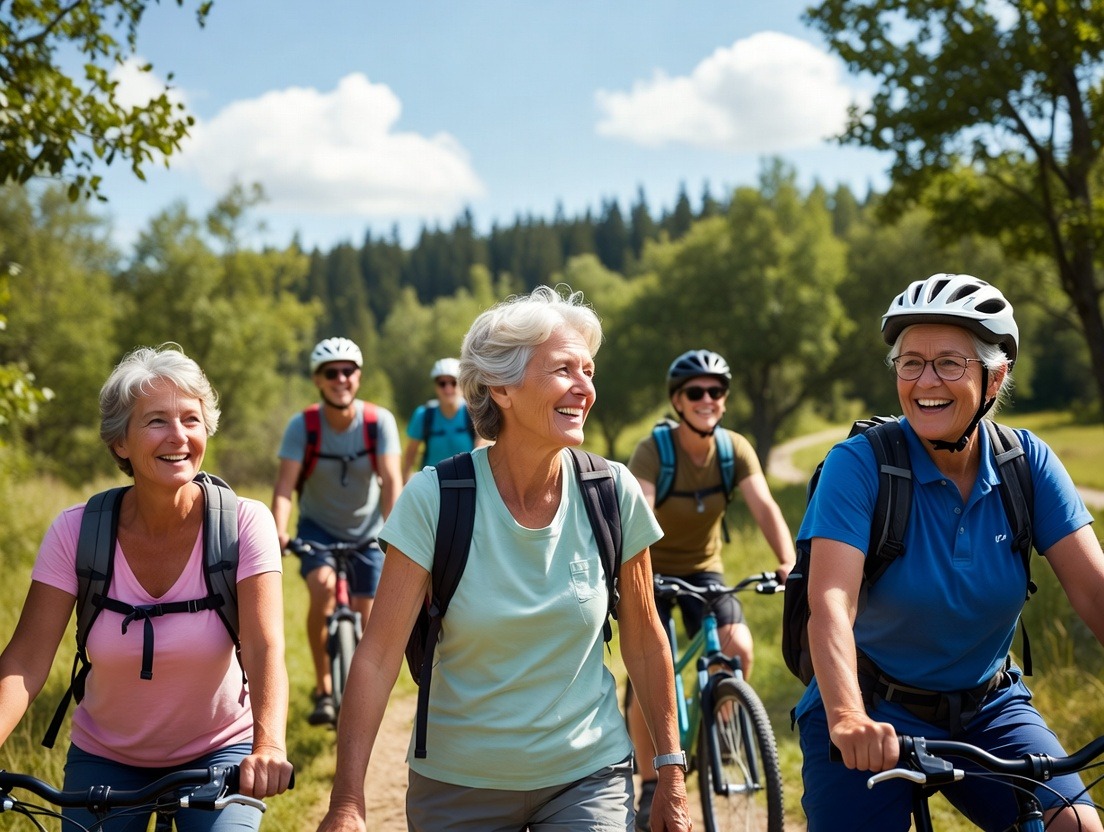
The journey to healthy aging begins in the mind. For too long, cultural scripts have programmed us to dread getting older, associating it with loss, irrelevance, and frailty. This "decline narrative" is not just psychologically harmful—it can become a self-fulfilling prophecy. A landmark study from Yale University found that individuals who held more positive perceptions of their own aging lived 7.5 years longer than those with negative perceptions, even after accounting for age, gender, socioeconomic status, and health status.
This phenomenon, known as "stereotype embodiment," shows that the stories we tell ourselves about aging directly impact our physiology, from stress hormone levels to cardiovascular health. Rethinking aging, therefore, is our first and most critical task. It involves shifting from a pathology-focused model (what's wrong) to a growth-focused model (what's possible).
Consider the concept of "neuroplasticity"—the brain's lifelong ability to form new neural connections. Once thought to cease in early adulthood, we now know our brains remain malleable and capable of learning and adaptation well into our 80s and 90s. This isn't just about doing crossword puzzles; it's about engaging in novel, complex, and challenging activities that force the brain to build new pathways. Learning a new language, mastering a musical instrument, or navigating a new city are all potent exercises in neurogenesis.
Furthermore, older adults often exhibit a cognitive trait called "wisdom," which neuroscience links to the balanced activation of the prefrontal cortex. This wisdom encompasses better emotional regulation, more nuanced problem-solving that considers multiple perspectives, and a heightened ability to navigate social complexities. In essence, the aging brain can become more integrated, trading raw processing speed for depth of understanding and emotional intelligence.
The modern tools for wellness are evolving to support this new mindset. By tracking key physiological metrics like heart rate variability (HRV), sleep architecture, and activity levels, devices like the Oxyzen ring offer tangible, objective feedback. Seeing how a calm, purposeful day positively impacts your HRV, or how a night of deep sleep follows an engaging social outing, reinforces the powerful mind-body connection at the heart of healthy aging. For a deeper look at the technology enabling this awareness, you can explore how Oxyzen works.
Purpose is not a luxury; it is a fundamental human need and a critical determinant of healthspan. The groundbreaking "Blue Zones" research, which studies populations with exceptional longevity, consistently identifies a strong sense of purpose—what the Okinawans call "Ikigai" and the Nicoyans call "Plan de Vida"—as a common thread. Purpose is the "why" that gets you out of bed in the morning. It provides direction, creates resilience in the face of adversity, and infuses daily actions with meaning.
But purpose is not a static, one-time discovery you make in your 20s and file away. It is dynamic, evolving with each life stage. Retirement, children leaving home, or shifts in physical ability are not endpoints but transitions that invite a reevaluation and renewal of purpose. This might mean shifting from career-based purpose to mentorship, from hands-on parenting to community-building, or from physical pursuits to creative or intellectual ones.
Cultivating purpose involves a blend of introspection and action. Start by reflecting on these questions:
The answers often point toward domains where your values, passions, and the world's needs intersect. Purpose can be grand—launching a non-profit—or beautifully local and personal—being the reliable neighbor who walks the dogs on your street, the dedicated grandparent who passes on family stories, or the volunteer who reads at the local library.
The health benefits of a robust purpose are staggering. A 2019 study in JAMA Network Open found that adults with a high sense of life purpose had a significantly lower risk of death from cardiovascular, blood, and digestive conditions. Purpose is linked to lower levels of inflammatory cytokines, better sleep quality, and a stronger immune response. In short, having a reason to live powerfully influences your body's will to live.
Technology can serve as a mirror for purpose. When your daily actions align with a deeper "why," it often manifests in physiological calm and balance. A smart ring that tracks stress and recovery can become a fascinating tool for this alignment, helping you see which purposeful activities truly nourish your system. Many users share how this data has helped them refine their commitments; you can read their experiences in our testimonials.

If purpose is your compass, passion is the wind in your sails. Passion is the intense enthusiasm or excitement for something—a hobby, a cause, a creative pursuit, a field of study. It is the joyful engagement that makes the pursuit of purpose feel less like an obligation and more like an adventure. While purpose provides meaning, passion provides energy.
A common misconception is that passions are innate and fixed. In reality, passions are often developed. They are the result of sustained investment and attention. The aging process offers a unique opportunity to revisit old, abandoned passions or to deliberately cultivate new ones. Perhaps you loved painting as a teenager but set it aside for a career. Retirement or a scaled-back schedule can be the perfect time to reconnect with that love. Or maybe you've always been curious about astronomy, woodworking, or gardening—now is the moment to begin.
Neurologically, engaging in passionate activities releases dopamine, the "feel-good" neurotransmitter associated with reward and motivation. It also induces a state of "flow," a concept coined by psychologist Mihaly Csikszentmihalyi, described as a state of complete immersion and focused energy where time seems to disappear. Flow states are not only profoundly satisfying but are also associated with lower cortisol levels and enhanced cognitive function.
Here’s how to actively nurture passion in later life:
Passionate engagement creates a positive feedback loop for health. The joy it generates reduces stress, which improves sleep and lowers inflammation. The social connections it often fosters combat loneliness. The cognitive challenge it presents keeps the brain agile. To explore more ideas for engaging activities that promote holistic wellness, our blog is a dedicated resource full of inspiration and science-backed strategies.
Mental wellness is the bedrock upon which purpose and passion can thrive. It's more than just the absence of mental illness; it's a state of well-being in which an individual realizes their own abilities, can cope with the normal stresses of life, can work productively, and is able to contribute to their community. In the context of aging, mental wellness involves proactively building cognitive reserve, emotional resilience, and psychological flexibility.
Cognitive Reserve & Brain Fitness: Think of cognitive reserve as your brain's buffer against age-related changes or damage. You build it through a lifetime of education, complex work, and engaging leisure. Continuing to challenge your brain is crucial. This goes beyond simple puzzles. Effective brain training involves:
Emotional Resilience & Mindfulness: Resilience is the ability to bounce back from setbacks. It's a skill that can be strengthened through practices like mindfulness and meditation. Mindfulness—paying non-judgmental attention to the present moment—has been shown to reduce age-related brain atrophy, particularly in the hippocampus (central to memory), and to strengthen connections in the default mode network, involved in self-awareness and compassion. Regular practice, even just 10 minutes a day, can significantly lower perceived stress and improve emotional regulation.
Psychological Flexibility & Acceptance: This is the capacity to stay in contact with the present moment and change or persist in behavior when doing so serves valued ends. It involves accepting difficult thoughts and feelings without being controlled by them. For aging adults, this might mean acknowledging physical limitations without letting them define one's entire identity, or grieving a loss while still finding space for gratitude and joy.
Modern biometrics offer incredible support for mental wellness. By monitoring your sleep patterns, you can see the direct impact of a stressful day or a mindful evening on your sleep quality. Tracking your heart rate variability (HRV) provides a window into your autonomic nervous system balance, showing you when your body is in stressed "fight-or-flight" mode versus restorative "rest-and-digest" mode. This data empowers you to make informed choices, like taking a breathing break when your stress levels are elevated, directly linking daily practices to physiological outcomes. For those curious about the science behind these metrics, our FAQ section provides detailed explanations.
Human beings are inherently social creatures, and our need for meaningful connection does not diminish with age—it becomes more critical. In fact, renowned psychologist Susan Pinker places social integration at the top of the list for longevity predictors, ahead of well-known factors like quitting smoking or exercising. Profound loneliness, on the other hand, carries a health risk equivalent to smoking 15 cigarettes a day.
Social connection protects health through multiple pathways. It modulates stress responses—a comforting conversation can literally calm your nervous system. It provides a sense of belonging and security, which buffers against anxiety and depression. It also encourages healthier behaviors; we are more likely to take a walk, eat well, or see a doctor if we have people in our lives who care.
However, social networks often naturally contract with age due to relocation, retirement, or the loss of friends and partners. This makes the intentional cultivation of new connections a vital skill for healthy aging. It's important to distinguish between different types of connection:
Building and maintaining this web requires initiative:
The data from a wellness tracker can subtly underscore the importance of connection. You might notice that on days with rich social interaction, your sleep scores are higher or your resting heart rate is lower. This biological feedback reinforces that investing time in people is not a distraction from self-care—it is a core component of it. Our company's own story and mission are rooted in the belief that technology should enhance human connection and self-understanding, not replace it.

Physical activity is arguably the most potent, evidence-based "drug" in the healthy aging arsenal. But the goal shifts from aesthetic fitness or peak performance to "functional longevity"—maintaining the strength, mobility, balance, and stamina to live independently and do the things you love for as long as possible. Movement is the physical expression of purpose and passion, whether it's gardening, playing with grandchildren, traveling, or dancing.
A holistic movement plan for healthy aging rests on four pillars, each serving a unique physiological purpose:
1. Strength & Power Training: Sarcopenia, the age-related loss of muscle mass and strength, begins as early as our 30s and accelerates later in life. It is a primary driver of frailty, loss of independence, and metabolic decline. Resistance training is the antidote. It's never too late to start. Building muscle:
2. Balance & Stability Work: Falls are a leading cause of injury and loss of independence in older adults. Balance is a use-it-or-lose-it skill. Simple daily practice—like standing on one foot while brushing your teeth, walking heel-to-toe, or taking Tai Chi or yoga—strengthens the neural pathways and muscles that keep you upright and confident.
3. Cardiovascular Conditioning: Heart and lung health remain paramount. Aim for activities that elevate your heart rate for sustained periods—brisk walking, cycling, swimming, or water aerobics. This improves circulation, lowers blood pressure, enhances cognitive function, and boosts overall energy levels. The concept of "zone 2" cardio—where you can hold a conversation but not sing—is particularly beneficial for building aerobic base without excessive stress.
4. Flexibility & Mobility: This is about maintaining the range of motion in your joints. It's what allows you to tie your shoes, look over your shoulder while driving, or reach for a top shelf. Dynamic stretching (moving while you stretch) and practices like yoga or gentle Pilates are excellent.
The role of technology here is transformative. A smart ring can help you tailor your movement regimen by showing you how your body recovers from different types of exercise. It can reveal whether you're getting enough low-intensity activity throughout the day (NEAT - Non-Exercise Activity Thermogenesis) or if you're pushing too hard without adequate rest, which can lead to injury and burnout. This personalized feedback loop helps you practice movement as true medicine—listening to your body's signals and respecting its need for both exertion and recovery.
Nutrition in the context of healthy aging moves beyond simple calorie counting or fad diets. It becomes a strategy for reducing inflammation, supporting cognitive function, preserving muscle mass, and protecting cellular integrity. The food you eat is the raw material from which your body repairs and rebuilds itself every single day.
Key nutritional pillars for aging well include:
1. Prioritize Protein: To combat sarcopenia, protein needs actually increase with age. Distribute protein intake evenly across meals (aim for 25-30 grams per meal) to maximize muscle protein synthesis. Sources like lean poultry, fish, eggs, legumes, tofu, and Greek yogurt are excellent. For some, a high-quality protein supplement may be helpful, especially around resistance training sessions.
2. Embrace a Rainbow of Plants: Fruits, vegetables, legumes, nuts, seeds, and whole grains are packed with phytonutrients, antioxidants, and fiber. These compounds fight oxidative stress (a key driver of aging), feed a healthy gut microbiome (crucial for immunity and even mood), and reduce systemic inflammation. The Mediterranean and MIND diets, which are rich in these foods, are consistently linked to slower cognitive decline and longer healthspans.
3. Choose Healthy Fats Wisely: The brain is nearly 60% fat. Healthy fats are essential for cognitive health. Focus on monounsaturated fats (olive oil, avocados, nuts) and omega-3 fatty acids (fatty fish like salmon, walnuts, flaxseeds). Omega-3s are potent anti-inflammatories and are vital for maintaining brain cell structure.
4. Mind the Micronutrients: Pay special attention to nutrients that often become harder to absorb or are commonly deficient:
5. Practice Time-Restricted Eating (Intermittent Fasting): Giving your digestive system a regular, extended break (e.g., a 12-14 hour overnight fast) can improve metabolic flexibility, enhance cellular cleanup processes (autophagy), and help regulate weight. It's important to approach this under guidance, especially if you have underlying health conditions.
Biometric feedback can be a powerful ally in nutritional experimentation. By tracking how different foods and meal timings affect your blood glucose trends (if your device measures it), sleep quality, and next-day energy/recovery scores, you can move away from generic diet advice and towards a truly personalized nutrition plan. You might discover, for instance, that a heavy meal late at night disrupts your deep sleep, or that a breakfast high in protein leads to more stable energy throughout the morning.

Sleep is not passive downtime; it is an intensely active period of restoration, consolidation, and repair. For healthy aging, sleep quality is arguably as important as sleep quantity. During deep sleep (slow-wave sleep), growth hormone is released, facilitating tissue repair and muscle growth. During REM sleep, the brain processes emotions, consolidates memories, and engages in creative problem-solving.
Age-related changes in sleep architecture are normal—lighter sleep, more frequent awakenings, and less time in deep sleep. However, poor sleep should not be dismissed as an inevitable nuisance. Chronic sleep disruption is linked to an increased risk of Alzheimer's disease (due to impaired clearance of brain toxins like beta-amyloid), depression, weight gain, hypertension, and a weakened immune system.
To defend and enhance your sleep, consider these strategies:
1. Protect Your Circadian Rhythm: Your body's internal clock thrives on consistency. Go to bed and wake up at roughly the same time every day, even on weekends. Get exposure to bright natural light (especially morning sunlight) to anchor your rhythm and avoid bright blue light from screens for at least 1-2 hours before bed.
2. Optimize Your Sleep Environment: Make your bedroom a cave—cool, dark, and quiet. Consider blackout curtains, a white noise machine, and ensuring the room temperature is around 65°F (18°C). Reserve your bed for sleep and intimacy only, not for work or watching TV.
3. Cultivate a Pre-Sleep Wind-Down Ritual: Signal to your nervous system that it's time to shift into rest mode. This could involve gentle stretching, reading a physical book, listening to calming music, or practicing a short gratitude meditation.
4. Be Mindful of Substances: Limit caffeine intake to the morning, avoid alcohol close to bedtime (it fragments sleep architecture), and be cautious with late-night heavy meals or excessive fluids.
This is where advanced sleep tracking becomes invaluable. A device like the Oxyzen ring can track not just how long you slept, but the architecture of your sleep—how much time you spent in light, deep, and REM stages. It can show you your sleep latency (how long it takes to fall asleep) and your sleep consistency. By correlating your daily habits (exercise timing, meal composition, stress levels) with your sleep data, you gain a powerful, personalized blueprint for what truly helps you achieve restorative rest. For a comprehensive understanding of how sleep tracking technology has evolved, our blog features several in-depth articles on the subject.
Stress is an inevitable part of life, but chronic, unmanaged stress—"distress"—is a primary accelerator of biological aging. It shortens telomeres (the protective caps on our chromosomes), increases systemic inflammation, weakens the immune system, and damages the hippocampus, a brain region vital for memory. The goal for healthy aging is not to eliminate all stress, but to build a robust toolkit to manage it and to recover from it efficiently.
The first step is awareness. Often, we operate in a state of low-grade, chronic stress without fully recognizing its physical signatures: shallow breathing, muscle tension, a racing mind, irritability. Modern wearables shine a light on this invisible state by tracking your Heart Rate Variability (HRV). HRV is the subtle variation in time between heartbeats. A higher, more variable HRV generally indicates a resilient, adaptable nervous system that can switch flexibly between stress and recovery modes. A low, less variable HRV often suggests a system stuck in a state of chronic stress (sympathetic dominance).
With awareness as the foundation, you can build your resilience toolkit:
1. Breath as an Anchor: The breath is the most direct portal to your autonomic nervous system. Simple, deliberate breathing practices can swiftly downshift your physiology.
2. Nature Immersion ("Forest Bathing"): Spending mindful time in nature—shinrin-yoku—has been proven to lower cortisol levels, blood pressure, and pulse rate. It's not about hiking for exercise, but about sensory engagement: listening to leaves rustle, smelling damp earth, observing patterns of light.
3. Reframing & Cognitive Restructuring: Much of our stress comes from our perception of events. Practice identifying catastrophic or rigid thoughts ("This is a disaster," "I can't handle this") and gently reframing them ("This is a challenge," "I can handle this one step at a time").
4. Purposeful Recovery: Actively schedule downtime. View recovery—whether it's a 20-minute nap, a quiet walk, or an hour with a novel—not as laziness, but as a necessary, productive component of health, akin to strength training for your nervous system.
Using a device that provides real-time stress notifications or a daily "readiness" score based on your HRV and sleep can prompt you to take a micro-break or employ a breathing technique before stress accumulates into physical symptoms. This transforms stress management from a theoretical concept into a responsive, data-informed practice. Users often report this as one of the most impactful features; you can discover how others have integrated it into their lives.

The desire to learn is a hallmark of a vibrant, aging mind. Lifelong learning strengthens cognitive reserve, fosters neuroplasticity, provides social engagement, and is a profound source of purpose and self-esteem. In the modern era, the barriers to learning have never been lower. The key is to move beyond passive consumption (like watching TV) to active, effortful learning.
Strategies for Engaging the Ageless Mind:
The neurological benefits are clear: engaging in novel, complex learning increases the density of white matter (the brain's information highways) and promotes the creation of new synapses. It also provides a sense of agency and progress, countering feelings of stagnation that can sometimes accompany life transitions.
Your journey with technology itself can be a primary learning adventure. Understanding the biometric data from a wellness tracker, learning to interpret the trends, and experimenting with lifestyle changes to affect those metrics is a practical, impactful, and personalized course in human physiology and self-management. It turns you into the lead scientist in your own lifelong study of well-being. For support and answers on this journey, our dedicated support page is always available.
By this point, a clear theme has emerged: healthy aging is not a single action but a synergistic lifestyle system. Purpose, passion, mental wellness, connection, movement, nourishment, sleep, and stress management are not isolated levers to pull; they are interwoven threads in a single tapestry. The final step is to consciously weave them together into a sustainable, personalized protocol that works for your unique life, values, and circumstances.
This is not about creating a rigid, punishing schedule. It is about designing a supportive framework that makes the healthy choice the easier, more appealing choice. Think of it as curating your life environment—both physical and social—to naturally steer you toward vitality.
Start with an Audit: Take a week to gently observe your current life without judgment. Use a journal or the notes app on your phone. When do you feel most energized? Most drained? What activities align with your sense of purpose? When do you feel connected? How is your sleep? A device like the Oxyzen ring can provide objective data to complement your subjective observations, showing you the physiological correlates of your daily experiences.
Identify Keystone Habits: Look for one or two small, manageable changes that will have a ripple effect. This is the concept of a "keystone habit." For one person, it might be a daily 20-minute morning walk. This simple act provides movement, exposure to nature (stress reduction), and can become a social activity if done with a friend (connection). It might also improve sleep and mood, creating positive momentum. For another, it might be committing to a weekly volunteer shift, which builds purpose, community, and a reason to be active.
Design Your Environment for Success:
Embrace Iteration, Not Perfection: Your protocol is a living document, not a carved stone tablet. Some weeks you will thrive in all areas; other weeks, due to travel, illness, or family needs, you may only manage the bare minimum. The key is flexibility and self-compassion. Use your biometric data not as a report card to judge yourself, but as a neutral guide. Did a stressful week at work crater your HRV? That's valuable information, not a failure. It tells you that next time, you might need to double down on sleep and breathing exercises during a demanding period.
The ultimate goal is to build a life so rich in purpose, connection, and engaging activity that the practices of healthy aging become not a chore, but the natural byproduct of living well. Technology, when used wisely, serves as a compassionate guide on this journey, offering insights that help you align your daily habits with your long-term vision for vitality. To learn more about the philosophy behind creating such integrated wellness solutions, we invite you to read about our company's mission and vision.
Building a personalized protocol is an ongoing practice of alignment. It requires you to become both the architect and the gentle observer of your own life. After the initial audit and identification of keystone habits, the next phase is about creating feedback loops and fostering a mindset of compassionate consistency.
Implement Feedback Loops: Your protocol needs a mechanism for course correction. This is where the marriage of subjective feeling and objective data becomes powerful. At the end of each week, spend 15 minutes reflecting. Ask yourself:
This practice moves you from guessing to knowing. You might discover that your beloved weekly tennis game, while socially fun, leaves you with poor sleep and a low readiness score, suggesting you need more post-game recovery protocols. Or you might see that your quiet days of gardening are reflected in remarkably balanced HRV. This feedback allows you to tailor your activities not just for enjoyment, but for sustainable physiological benefit.
The Power of Ritual Over Routine: A routine is something you do automatically. A ritual is the same action imbued with meaning and presence. Transforming healthy habits into rituals deepens their impact. Don’t just "go for a walk." Make it a sensory walk: feel the ground under your feet, listen for five distinct sounds, notice the changing light. Don’t just "eat dinner." Practice a gratitude meal: take one minute to silently appreciate the journey of the food to your plate and the hands that prepared it. This mindful layer activates the parasympathetic nervous system, turning a health task into a nourishing ritual for mental wellness.
Building Your Personal Board of Directors: No one ages in a vacuum. Your social connections form your advisory board. Intentionally cultivate relationships with people who inspire different aspects of your protocol. You might have a "movement buddy," a "book club philosopher," a "mentor" you turn to for purpose-driven advice, and a "compassionate listener" for emotional support. Different connections nourish different parts of your holistic health. This board provides accountability, perspective, and shared joy, making the journey less solitary and more sustainable.
The aim is to reach a state where your protocol feels less like a prescribed list and more like the authentic expression of who you are and how you wish to live. It becomes your personal blueprint for thriving, adaptable to seasons of change but unwavering in its core commitment to your well-being.
Healthy aging transcends personal vitality; it finds its deepest resonance in contribution. The act of giving back—of sharing your time, wisdom, and energy—creates a powerful positive feedback loop that enriches the giver as much as the receiver. This is the stage where purpose, passion, and connection culminate in legacy, which is not about leaving something for people, but about leaving something in people.
Contribution counteracts the societal narrative of older adulthood as a period of taking and decline, reframing it as a time of invaluable giving. The forms this takes are as diverse as humanity itself:
Mentorship & Wisdom Transmission: You possess a wealth of tacit knowledge—lessons learned not from textbooks but from lived experience. Offering mentorship, formally or informally, to younger people in your field, family, or community is a profound gift. It provides you with a sense of relevance and continuity, while offering them guidance that can save years of trial and error.
Volunteering with Strategic Intent: Move beyond generic volunteering to find a cause that aligns precisely with your values and skills. A retired engineer might tutor students in STEM. A former chef might volunteer at a community kitchen focusing on nutrition education. A person with a calm demeanor might provide companion care at a hospice. This strategic alignment ensures your contribution is impactful and deeply fulfilling.
Civic & Community Engagement: Engaging in local governance, neighborhood associations, or advocacy work empowers you to help shape the world you live in. This fosters a powerful sense of agency and interconnectedness, combating feelings of powerlessness and strengthening the social fabric for everyone.
Creative & Storytelling Legacy: Writing a family history, creating art, compiling a cookbook of traditional recipes, or recording oral histories preserves culture and provides future generations with a tangible connection to their roots. This creative act is a gift to the future and a meaningful, passionate project for the present.
The health benefits of contribution, often called the "helper's high," are well-documented. Altruistic behavior releases oxytocin and endorphins, reducing stress and producing feelings of warmth and well-being. Studies show that older adults who volunteer regularly have lower mortality rates, fewer depressive symptoms, and better functional ability than those who do not. It provides a structured social role, a sense of daily purpose, and the cognitive stimulation of engaging with new challenges and people.
Your wellness technology can even track the physiology of giving. You might notice that on days you volunteer, your stress graph shows a notable calm afterward, or your sleep is particularly deep. This data beautifully quantifies what we intuitively know: that contributing to something larger than ourselves is a fundamental human need and a cornerstone of a life well-lived.
A core component of healthy aging is not the avoidance of change or loss—an impossible task—but the cultivation of resilience to navigate life’s inevitable transitions with grace and adaptability. These transitions can be anticipated, like retirement or children leaving home, or unanticipated, like the loss of a spouse, a health diagnosis, or a global event that disrupts routine. Resilience is the muscle that allows you to bend without breaking, to find footing on shifting ground.
Resilience is built not in the calm, but in the storm. It is forged through practice. Here is how to strengthen it:
1. Develop a Flexible Identity: Our identities are often tied to our roles: "I am a teacher," "I am a caregiver," "I am a runner." Transitions can violently strip these roles away. Cultivating a more flexible, core identity based on enduring values (e.g., "I am a curious learner," "I am a compassionate connector," "I am someone who faces challenges with grace") provides an unshakable foundation when external roles change.
2. Practice Radical Acceptance (Not Resignation): Acceptance is acknowledging reality as it is, without wasting energy fighting against facts you cannot change. This is not passive resignation or giving up. It is the crucial first step that frees up energy to ask, "Now that this is the situation, what is the next best step I can take?" Accepting a new physical limitation, for instance, allows you to creatively adapt your passions and purpose rather than mourn an old version of yourself.
3. Maintain a "Both/And" Perspective: Life is rarely all good or all bad. Resilience involves holding space for complex, conflicting emotions. You can grieve the loss of a friend and feel profound gratitude for the time you had. You can be frustrated by a health setback and determined to explore new ways of being active. This emotional agility prevents you from being overwhelmed by any single feeling.
4. Leverage Your Built Toolkit: This is where every pillar we’ve discussed converges. In a time of transition, your purpose provides a guiding light, your passions offer solace and engagement, your social connections provide practical and emotional support, your movement practice manages stress hormones, and your mindfulness skills help you stay present amidst anxiety. Your protocol becomes your life raft.
5. Find Meaning in Adversity: Viktor Frankl’s seminal work, Man’s Search for Meaning, posits that our primary drive is not pleasure, but the discovery and pursuit of meaning. Even in suffering, we have the freedom to choose our attitude. Asking, "What can this difficulty teach me?" or "How can I grow from this?" transforms a passive experience into an active, meaning-making one. This doesn’t make the pain disappear, but it can prevent despair.
Technology can be a quiet ally during transitions. During periods of grief or stress, sleep and recovery metrics often suffer. Seeing this objectively can be a validation of your experience, reminding you to be gentle with yourself. It can also provide a neutral benchmark for recovery, showing you the slow, non-linear journey back to baseline as you process and adapt, offering subtle encouragement that healing, though gradual, is occurring. For stories of how others have used holistic data to navigate life’s challenges, our testimonials page shares real user journeys.
In the journey of healthy aging, modern wearable technology, particularly sophisticated devices like smart rings, has evolved from a novelty to a profound partner in self-awareness. It acts as a 24/7 biometric translator, converting the silent language of your body—your heartbeats, your sleep cycles, your temperature shifts—into a comprehensible narrative you can use to make informed decisions.
This is not about biohacking for optimization’s sake, nor about fostering anxiety over every data point. It is about cultivating a deeper, more respectful relationship with your physical self. For the aging individual, this technology offers several unique superpowers:
1. Objective Baselines & Personal Norms: As we age, "normal" becomes highly personal. What’s a normal resting heart rate or sleep duration for a 70-year-old can vary wildly from person to person. A wearable learns your unique baselines over time. This means it can alert you to significant deviations from your normal, which can be more meaningful than comparing to population averages. A sustained elevation in resting heart rate or a drop in HRV might be an early signal of oncoming illness, stress overload, or overtraining, allowing for proactive rest or a doctor’s visit.
2. Uncovering Subtle Patterns: The human mind is poor at correlating cause and effect over long timeframes. Did that second glass of wine really affect your sleep? Does your weekly volunteering actually lower your stress? A device tracks these patterns relentlessly. You might discover that caffeine after 2 PM fragments your deep sleep, or that your morning meditation consistently improves your afternoon HRV. These are personalized insights that generic health advice cannot provide.
3. Motivating Positive Behavior Change: Seeing the direct, graphical impact of a behavior can be a powerful motivator. When you see a "readiness" score improve after a week of consistent sleep hygiene, or your "stress" graph stay stable during a typically chaotic day because you practiced breathing exercises, it provides tangible reinforcement. This positive feedback loop makes it easier to maintain healthy habits.
4. Facilitating Better Healthcare Conversations: Walking into a doctor’s office with months of trend data on your sleep, resting heart rate, and activity levels is transformative. Instead of saying, "I’ve been tired lately," you can say, "My deep sleep has decreased by 40% over the last three months, and my nighttime heart rate has increased, despite no change in my routine." This objective data leads to more precise, productive conversations with healthcare providers.
The most advanced devices, like the Oxyzen ring, integrate these metrics into a holistic picture. They don’t just tell you you slept 7 hours; they show the balance of light, deep, and REM sleep and how it aligns with your circadian rhythm. They don’t just count steps; they assess the quality of your activity and its impact on your recovery. This holistic view is essential because the pillars of aging are interconnected—poor sleep undermines stress resilience, which affects motivation to move and connect. To understand the philosophy behind creating technology that respects this interconnection, you can delve into our company’s founding story and values.
Understanding the theory is one thing; integrating it into your life is another. This 30-day blueprint is designed not as a rigid program, but as a gentle, guided exploration to help you install key habits and experience their synergistic effects. Use it as a flexible scaffold.
Weeks 1 & 2: The Foundation of Observation & Connection
Weeks 3 & 4: Integration of Movement & Purpose
Throughout the 30 Days: Leverage Technology
This blueprint is about progress, not perfection. The goal is to spark awareness and create small wins that build momentum. For ongoing support and a community of like-minded individuals on this journey, remember that our blog is a constantly updated resource for tips, science, and inspiration.
Even with the best intentions and a clear plan, the path to healthy aging is punctuated with internal and external obstacles. Recognizing these common roadblocks allows you to disarm them before they derail your progress.
1. The "All-or-Nothing" Mindset: This is the belief that if you can’t do something perfectly (e.g., a 60-minute workout, a pristine diet), you shouldn’t do it at all. It leads to boom-and-bust cycles.
* Antidote: Embrace the 80/20 rule and the power of "something is better than nothing." A 10-minute walk is infinitely better than no walk. Choosing the healthier option for 80% of your meals is sustainable; demanding 100% is not. Celebrate consistency over perfection.
2. The Myth of "It’s Too Late": This is a pernicious belief that past choices have irrevocably set your course, and no change now can make a meaningful difference.
* Antidote: Cite the science. Research on exercise, cognitive training, and even smoking cessation shows that positive changes at any age yield significant benefits. The body and brain retain a remarkable capacity for repair and adaptation, a concept known as "plasticity." Your next healthy choice is always the most important one.
3. Social Isolation & Lack of a "Tribe": Wanting to build new habits but feeling you have no one to do them with can be demoralizing.
* Antidote: Become the architect of your social world. Use platforms like Meetup.com to find local groups for hiking, book clubs, or board games. Join an online course with a community forum. Be the person who invites a neighbor for a walk. Your initiative can create the tribe you seek. Remember, our mission at Oxyzen is rooted in enhancing human well-being, which inherently includes fostering connection.
4. Physical Discomfort or Chronic Conditions: Pain, fatigue, or managing a chronic illness can make standard health advice feel irrelevant or impossible.
* Antidote: Practice radical adaptation. Redefine "exercise" as "movement within your capacity." This could be chair yoga, aquatic therapy, or breathwork. Focus on the pillars you can influence powerfully, like cultivating purpose through learning or connection, or optimizing nutrition and sleep for your specific condition. Work with a physical therapist or health coach who specializes in adaptive fitness.
5. Information Overwhelm: The sheer volume of conflicting health advice can lead to paralysis.
* Antidote: Personalize, don’t generalize. Use a trusted source (like your wearable’s data or a healthcare provider) to filter the noise. Ask, "Does this advice resonate with me?" and "What does my own body’s feedback tell me?" Start with one small, evidence-based change at a time. For clear, concise answers to common questions about using technology in this way, our FAQ section is designed to cut through the overwhelm.
The key to overcoming these traps is self-compassion. Treat yourself with the same kindness and encouragement you would offer a dear friend on a challenging journey. Acknowledge the obstacle, then gently pivot to the next smallest step forward.
The field of longevity and healthy aging science is advancing at a breathtaking pace. While the core principles of lifestyle medicine remain timeless, new frontiers are opening that promise to further empower our choices. Understanding these horizons helps us maintain a sense of hope and excitement about the future.
1. The Gut-Brain Axis & the Microbiome: We are only beginning to understand the profound role our gut bacteria play in brain health, inflammation, and even mood. Emerging research suggests that a diverse, healthy gut microbiome may protect against cognitive decline and influence stress resilience. The future points to personalized probiotics and dietary recommendations based on individual microbiome analysis to support mental wellness and immune function as we age.
2. Senolytics & Cellular Rejuvenation: Senescent cells are "zombie" cells that have stopped dividing but refuse to die, secreting inflammatory compounds that damage surrounding tissues. They accumulate with age and are linked to multiple age-related diseases. Senolytic therapies (drugs or supplements) are being researched to selectively clear these cells. While still largely in clinical trials, this field represents a paradigm shift from treating diseases to targeting a fundamental aging process itself.
3. Advanced Biomarkers & Predictive Analytics: The future of wearables lies in multi-omics integration—correlating data from your wearable (physiology) with insights from your genome, epigenome, and metabolome. This could lead to hyper-personalized, predictive health insights. Imagine your device, noticing subtle shifts in your HRV, skin temperature, and sleep, combined with your genetic risk profile, suggesting a specific dietary tweak or screening test months before any symptom appears.
4. Digital Therapeutics & VR for Cognitive/Mental Health: Prescription-grade digital apps for cognitive behavioral therapy (CBT) and mindfulness are already here. The future includes the use of virtual reality (VR) for cognitive training, exposure therapy for anxiety, and even to provide immersive, calming experiences for those with mobility limitations or dementia, reducing isolation and agitation.
5. The Rise of the "Age-Tech" Ecosystem: Technology will become increasingly integrated and ambient. Smart homes will automatically adjust lighting to support circadian rhythms, sensors will detect falls or changes in gait patterns, and AI coaches will provide real-time, contextual wellness nudges. The smart ring will likely act as the central hub in this ecosystem, providing the core biometric data that powers these intelligent environmental adaptations.
The ethical application of this technology is paramount. The goal must always be to augment human agency, connection, and dignity—not to create a panopticon of health surveillance or to fuel anxiety. The most powerful tool will remain the informed, empowered individual making daily choices aligned with their values. As we explore these new frontiers, you can stay informed on the latest responsible innovations by following our blog for ongoing updates.
This concludes the first third of our comprehensive guide to Healthy Aging. We have laid the essential groundwork, exploring the philosophical shift from decline to ascent, and delving deep into the core pillars of Purpose, Passion, Mental Wellness, Social Connection, Movement, Nourishment, Sleep, and Stress Management. We have discussed how to integrate these into a personal protocol, navigate transitions, and use modern technology as a wise partner.
The journey continues as we will next explore in even greater depth: the nuances of age-specific nutrition, advanced movement strategies for resilience, the art of building intergenerational communities, the management of specific age-related health considerations with lifestyle, and a detailed exploration of how to craft a legacy that brings lasting fulfillment. The path to a vibrant, purposeful later life is rich with possibility, and we have only just begun to map its most rewarding trails.
As we transition deeper into the practical application of healthy aging principles, nutrition demands a more granular focus. Moving beyond the broad pillars of protein and plants, we must understand how the aging digestive system, changing metabolism, and specific nutrient needs require a refined, strategic approach to eating. This is not about restriction; it's about strategic nourishment to power cellular repair, cognitive function, and sustained energy.
The Protein Priority: Quality, Timing, and Digestion
The need for increased protein is clear, but absorption can become less efficient with age due to reduced stomach acid and enzymatic output. This makes the quality and context of protein intake critical.
Phytonutrients as Pharmacopeia: Targeting Inflammation and Cognition
The colors on your plate are direct indicators of phytonutrient content. These plant compounds have specific, therapeutic-like effects.
Hydration: The Overlooked Essential
Thirst sensation diminishes with age, making chronic, low-level dehydration a common and serious risk. Dehydration exacerbates constipation, increases fall risk (via dizziness), impairs cognitive function, and stresses the kidneys.
Nutrient Synergy and Anti-Nutrients
Foods are not eaten in isolation. Understanding synergies maximizes benefits:
The ultimate goal is to see food as information and fuel for cellular repair. Your biometric data can be a guide here. If you track glucose, you can see how different carbohydrate sources (oats vs. white bread) affect your personal stability. Noting energy levels and sleep quality after meals rich in different food groups turns nutrition from a generic prescription into a personal experiment in vitality.
For the aging body, exercise goals evolve from aesthetics to resilience—the capacity to withstand, recover from, and adapt to physical and emotional stressors. This requires a sophisticated approach that balances stress and recovery, challenges all energy systems, and prioritizes injury prevention.
The Four-Legged Stool of Resilient Movement:
1. Strength: Beyond Weightlifting
2. Cardiovascular Health: Train Your Heart's Variability
3. Mobility: The Symphony of Movement
Mobility is strength through a full range of motion. It is the opposite of stiffness.
4. Balance: A Neuromuscular Skill
Balance requires constant, subconscious communication between your eyes, inner ears, muscles, and brain.
The Critical Role of Recovery:
In resilience training, the adaptation happens during recovery, not the workout. This is where technology shines.
This intelligent, listen-to-your-body approach to movement ensures you build a body that is not just capable, but durable and adaptable for the long term.
Social connection is vital, but intergenerational connection is transformative. It is a potent antidote to ageism, loneliness, and cognitive stagnation for older adults, and a source of wisdom, stability, and perspective for the young. Building these bridges requires intentionality in a world often segregated by age.
The Mutual Benefits: A Two-Way Street
Practical Pathways to Connection:
Overcoming the "Awkward Gap":
Initial interactions can feel stilted. Focus on curiosity as the bridge.
The health impact is profound. Studies show that older adults with strong intergenerational ties have better cognitive function, lower rates of depression, and even improved physical health markers. They report a stronger sense of meaning. For younger people, these relationships are linked to lower levels of anxiety and higher academic/career motivation. It is a societal prescription for well-being. As we build tools for wellness at Oxyzen, we envision them being used to support these vital human connections, not replace them.
A proactive approach to healthy aging involves anticipating common health shifts and using lifestyle as a first-line defense and management strategy. This is integrative medicine in action—partnering with your doctor while empowering yourself.
1. Cardiovascular & Metabolic Health (Blood Pressure, Cholesterol, Blood Sugar):
2. Joint Health & Arthritis:
3. Cognitive Health & Memory Concerns:
4. Sarcopenia & Frailty Prevention:
The philosophy here is proactive adaptation. Instead of waiting for a diagnosis and reacting, you use lifestyle to build a body and mind so resilient that it either delays the onset of age-related conditions or manages them so effectively they barely impact your quality of life. Your wearable data provides the ongoing feedback to fine-tune this approach, making you an active participant in your own healthspan. For more detailed guidance on using data in this way, our FAQ section offers practical advice.
Your Trusted Sleep Advocate: Sleep Foundation — https://www.sleepfoundation.org
Discover a digital archive of scholarly articles: NIH — https://www.ncbi.nlm.nih.gov/
39 million citations for biomedical literature :PubMed — https://pubmed.ncbi.nlm.nih.gov/
Experts at Harvard Health Publishing covering a variety of health topics — https://www.health.harvard.edu/blog/
Every life deserves world class care :Cleveland Clinic - https://my.clevelandclinic.org/health
Wearable technology and the future of predictive health monitoring :MIT Technology Review — https://www.technologyreview.com/
Dedicated to the well-being of all people and guided by science :World Health Organization — https://www.who.int/news-room/
Psychological science and knowledge to benefit society and improve lives. :APA — https://www.apa.org/monitor/
Cutting-edge insights on human longevity and peak performance:
Lifespan Research — https://www.lifespan.io/
Global authority on exercise physiology, sports performance, and human recovery:
American College of Sports Medicine — https://www.acsm.org/
Neuroscience-driven guidance for better focus, sleep, and mental clarity:
Stanford Human Performance Lab — https://humanperformance.stanford.edu/
Evidence-based psychology and mind–body wellness resources:
Mayo Clinic — https://www.mayoclinic.org/healthy-lifestyle/
Data-backed research on emotional wellbeing, stress biology, and resilience:
American Institute of Stress — https://www.stress.org/


