


Heart Health and Lifestyle: Tracking the Connection Daily
Tracking the daily connection between your lifestyle and heart health.
Tracking the daily connection between your lifestyle and heart health.
%402x.svg)
Our heart is more than a symbol of emotion—it is the tireless engine of our existence, beating roughly 100,000 times a day to power every thought, movement, and dream. For decades, we've understood the broad strokes of heart health: eat well, exercise, manage stress. But this knowledge has often felt abstract, a set of guidelines disconnected from the minute-by-minute reality of our lives. We log our workouts, occasionally check our blood pressure, and hope we're on the right track. Meanwhile, the subtle, daily interactions between our lifestyle choices and our cardiovascular system remain invisible, silent, and largely unmeasured.
This is changing. We are standing at the frontier of a revolution in personalized health, moving from episodic check-ups to continuous, intelligent understanding. The connection between lifestyle and heart health is no longer a mystery to be studied in annual increments; it is a dynamic, daily dialogue we can now learn to listen to. The key lies in moving from intention to insight—transforming everyday behaviors into tangible, actionable data that reveals how your unique heart responds to the world.
This article is your guide to that new frontier. We will embark on a deep exploration of how modern technology, particularly the advent of intelligent, wearable devices like advanced smart rings, is illuminating the profound connection between your daily life and your lifelong heart health. We’ll move beyond theory into practical, data-driven understanding, showing you not just what to do, but how to see the impact of what you do.
Imagine knowing not just that sleep is important, but seeing how a night of poor rest directly impacts your heart rate variability the next afternoon. Or understanding not just that exercise is good, but observing how your cardiovascular system recovers from a specific workout, tailoring your training for maximum benefit. This is the power of daily tracking: it closes the feedback loop between action and outcome, empowering you to become the true author of your health narrative. At Oxyzen, we believe this personalized, continuous insight is the future of preventive wellness, turning the abstract goal of a "healthy heart" into a lived, daily reality.
Your heart is a profoundly intelligent organ, constantly adapting to your internal and external environment. Every choice you make—from the food you eat to the stress you feel to the quality of your sleep—initiates a silent biochemical and neurological conversation with your cardiovascular system. For most of human history, we could only infer this conversation from long-term, often dire, consequences. Today, we have the tools to listen in real-time.
At its core, this conversation is governed by the autonomic nervous system (ANS), the unconscious control center for your vital functions. The ANS has two main branches: the sympathetic ("fight-or-flight") and the parasympathetic ("rest-and-digest"). Your heart is the ANS's most eloquent speaker. A stressful email can trigger a sympathetic surge, releasing catecholamines like adrenaline, causing your heart rate to spike and blood vessels to constrict. Conversely, a few minutes of deep breathing activates the parasympathetic response, slowing your heart rate and promoting vasodilation. These aren't just momentary blips; they are the linguistic units of a continuous dialogue about your state of being.
Lifestyle factors are the vocabulary of this dialogue:
The problem has been that we only received delayed, summarized transcripts of this conversation—like a yearly blood pressure reading or a cholesterol panel. These are vital, but they are averages, missing the dynamic story of your days and weeks. To truly manage heart health, we need a live translation. This is where daily tracking shifts the paradigm. By monitoring key physiological signals continuously, we move from guessing about our lifestyle's impact to observing it directly. It's the difference between knowing a language exists and being able to understand every word spoken. For those beginning this journey of understanding, a wealth of resources on connecting daily habits to wellness data can be found on our blog, where we break down the science into actionable insights.
When we think of heart tracking, pulse is often the first—and sometimes only—metric that comes to mind. While resting heart rate (RHR) is a fundamental vital sign, it is merely the opening sentence in a much richer story. To truly understand the conversation between your lifestyle and your heart, you need to interpret a broader set of physiological narratives. Modern wearable technology has made access to these narratives not just possible, but seamless.
Heart Rate Variability (HRV): The Metric of Resilience
If you listen to a metronome, the ticks are perfectly evenly spaced. A healthy, thriving heart is not a metronome. The time interval between beats naturally fluctuates by milliseconds. This is Heart Rate Variability, and it is arguably one of the most insightful biomarkers for overall health and fitness. A higher HRV generally indicates strong parasympathetic ("rest-and-digest") activity and good autonomic nervous system balance, meaning your body is resilient and can adapt efficiently to stress. A lower HRV can signal that your system is under strain—from overtraining, poor sleep, illness, or chronic stress. Tracking HRV daily provides a direct line into your nervous system's state, offering early warnings before you might even feel fatigued.
Resting Heart Rate (RHR): The Baseline of Effort
Your RHR, measured when you are fully at rest (often best taken during sleep), is a classic indicator of cardiovascular fitness. A lower RHR typically suggests a more efficient heart muscle that doesn't need to work as hard to pump blood. Lifestyle factors like consistent aerobic exercise can lower RHR over time, while dehydration, stress, or illness can cause temporary elevations. Observing your RHR trend is like watching the baseline fuel consumption of your engine.
Heart Rate Trends During Activity & Recovery: The Story of Strain and Adaptation
How high does your heart rate climb during a brisk walk or a workout? More importantly, how quickly does it return to baseline afterward? The speed of your heart rate recovery (HRR) is a powerful predictor of cardiovascular health and fitness. A fast recovery indicates a robust, efficient system. Slower recovery can be a sign of overexertion, inadequate fitness, or other underlying strain. Daily tracking allows you to see not just the effort, but the quality of your rebound from it.
Blood Oxygen Saturation (SpO2): The Fuel Gauge
Measured as a percentage, SpO2 indicates how much oxygen your red blood cells are carrying. While typically stable in healthy individuals at rest, it can dip during sleep (potentially signaling sleep apnea) or at high altitudes. Consistently tracking SpO2, especially overnight, can reveal patterns related to respiratory and circulatory efficiency that directly impact heart workload.
Skin Temperature & Sleep Metrics: The Contextual Framework
Data points like nighttime skin temperature and detailed sleep staging (deep, light, REM) provide essential context. Disruptions in sleep architecture or elevated nighttime temperature can explain why your HRV is low or your RHR is high on a given morning, linking cause directly to effect.
Together, these metrics form an interconnected dashboard of cardiovascular well-being. They tell a story of stress, recovery, fitness, and resilience. A device that can capture this data seamlessly, like a smart ring worn 24/7, becomes more than a tracker; it becomes a personal bio-feedback tool. For a deeper dive into how these metrics are captured and interpreted by modern wearables, our FAQ page answers common technical and practical questions. At its core, this holistic view aligns with the Oxyzen mission: to provide a complete, nuanced picture of your wellness, empowering smarter daily decisions.

The traditional model of heart health assessment is episodic: a blood pressure cuff at the doctor's office, a pulse check during a workout, a conscious moment of checking your own wrist. These snapshots, while valuable, suffer from a fundamental flaw—they are profoundly influenced by the moment they are taken. "White coat syndrome," where blood pressure spikes in a clinical setting, is a classic example. They miss the vast, informative landscape of your physiology as it lives and breathes throughout your day and night.
This is where the paradigm of continuous, unobtrusive monitoring fundamentally changes the game. By gathering data across the full spectrum of your life—during work, workouts, meals, relaxation, and most importantly, sleep—you build a rich, longitudinal dataset. This data paints a true picture, not a posed portrait.
The Unmatched Insight of Sleep Data
Sleep is the most consistent, prolonged, and revealing physiological state we engage in every single day. It is when your body repairs, your brain consolidates memories, and your cardiovascular system gets essential restorative downtime. A device that tracks your sleep automatically captures your truest resting heart rate, your most reliable HRV, and your blood oxygen trends without any behavioral interference. Nighttime is when key warning signs, like the heart rate patterns associated with sleep apnea, become visible. This data is simply inaccessible through daytime spot-checks.
Capturing Life's Unscripted Moments
How does your heart respond to a difficult commute, a challenging meeting, or a joyful social interaction? What is the physiological cost of a poor night's sleep on your next-day stress resilience? Continuous monitoring captures these cause-and-effect relationships in real life. You can see the sympathetic spike from an afternoon coffee, the calming effect of an evening walk, or the impact of a late, heavy meal on your sleep quality and next-morning metrics. This turns abstract health principles into personal, undeniable truths.
The Unobtrusive Form Factor
To be truly continuous, a device must be effortless to wear. This is where the smart ring form factor shines. Unlike a watch that may be removed for charging, during certain activities, or because it's cumbersome to sleep in, a well-designed ring becomes a part of you. It doesn't interfere with typing, sports, or sleep. You forget it's there, but it never forgets to listen to your body's signals. This passive, always-on approach ensures data integrity and completeness—there are no gaps in your story. The comfort and seamless integration of such a device is something we've heard directly from our community; you can read their experiences in their own words on our testimonials page.
The 24/7 advantage transforms health tracking from a task into a background truth. It provides the context that makes data meaningful, moving us from "My heart rate is 72 BPM" to "My resting heart rate is consistently 5 BPM lower and my HRV 15% higher on nights after I finish work by 6 PM and avoid screens before bed." This level of insight is the foundation of genuine, personalized lifestyle change. It's a principle born from a vision of seamless health integration, a story you can explore further in our story.
Embarking on a journey of daily biometric tracking is empowering, but it can also be overwhelming. A constant stream of data has the potential to create anxiety, foster obsessive habits, or lead to misinterpretation. The goal is not to become a slave to the numbers, but to use them as a wise guide. Success lies in learning to navigate the noise—to separate meaningful signals from normal, daily fluctuations. Let’s explore common pitfalls and the strategies to rise above them.
Pitfall 1: Obsessing Over Single Data Points
This is the most frequent trap. You wake up, see your HRV is 10 points lower than yesterday, and immediately assume you’re “unhealthy” or “overtrained.” In reality, physiology is dynamic. A single-day dip can be caused by a hard workout, a slightly later meal, a stressful dream, or even hormonal fluctuations. It’s a snapshot, not the whole movie.
Pitfall 2: Misattributing Causes (The Confirmation Bias)
You have a bad night of sleep and feel tired. You check your data and see a low HRV. You conclude, "My HRV is low because I slept poorly." While likely true, it could also be that an underlying stressor (like a brewing illness or high training load) caused both the poor sleep and the low HRV. The human brain is quick to find simple, linear explanations.
Pitfall 3: Comparing Your Metrics to Others
It’s natural to be curious, but comparing your absolute HRV or RHR to a friend’s or an online forum’s averages is a recipe for frustration. These metrics are highly individual, influenced by age, genetics, fitness modality, and even the specific device you’re using. Someone else’s “good” number is irrelevant to your body.
Pitfall 4: Ignoring the “Feel” for the “Data”
This is the opposite of ignorance—it’s data dogmatism. You feel energetic and excited for a workout, but your readiness score is low, so you skip it and feel defeated. Or, you feel exhausted, but your numbers are “green,” so you push through a hard session and crash afterward. The data is a powerful advisor, but you are the CEO of your body.
Pitfall 5: Data Fatigue and Loss of Consistency
The novelty of tracking can wear off, leading to skipped days or complete abandonment. When the data feels like a chore or a source of guilt, the practice is no longer serving you.
By anticipating these pitfalls, you can approach your data with a balanced, curious, and compassionate mindset. This allows you to harness the incredible power of daily tracking without being derailed by its potential challenges, keeping you on a steady path toward deeper understanding and better health.
Understanding your data is the first step. The next, more active step is deliberately using lifestyle interventions to shift that data in a positive direction. This is where you move from observation to experimentation. Modern research, corroborated by the lived experience of thousands of biohackers, shows that specific practices have direct, measurable effects on cardiovascular metrics. Let’s examine the science behind key interventions and how you can expect to see them reflected in your tracking.
1. Controlled Breathwork: The Direct Dial to Your Nervous System
Few interventions are as immediate and powerful as intentional breathing. Slow, deep, diaphragmatic breathing (typically at a rate of 4-6 breaths per minute) stimulates the vagus nerve, the main conduit of the parasympathetic nervous system.
2. Strategic Movement: Beyond Burning Calories
All movement is not created equal in its effect on the heart. The data helps you differentiate:
3. Cold Exposure: The Hormetic Stressor
Brief, controlled exposure to cold (cold showers, ice baths) is a form of hormesis—a beneficial stress that strengthens the system. It causes vasoconstriction followed by a powerful rebound vasodilation, releases norepinephrine, and can reduce systemic inflammation.
4. Meditation & Mindfulness: Quieting the Mental Noise
Chronic mental chatter and anxiety keep the sympathetic nervous system subtly engaged. Meditation practices that cultivate present-moment awareness and non-reactivity have been shown in numerous studies to reduce cortisol, lower blood pressure, and improve ANS function.
5. Nutrition & Phytonutrients: The Building Blocks of Resilience
Beyond macros, specific nutrients directly support cardiovascular physiology.
By applying these interventions and watching your data, you engage in the most personalized science experiment possible: N=1. You learn what your body uniquely responds to, empowering you to build a lifestyle toolkit proven by your own physiology. For those curious about the real-world application of these interventions, our community often shares their personal experiments and results; you can find some of these experiences in our testimonials.
One of the most powerful, yet underutilized, applications of daily heart health tracking is its potential to enhance your relationship with healthcare professionals. Walking into a doctor’s office with months of personalized physiological data transforms you from a passive patient describing symptoms into an active partner presenting evidence. This can lead to more productive, precise, and preventive care. However, this integration requires thoughtful approach and clear communication.
Shifting the Paradigm: From Symptom Reporting to Data Presentation
Traditionally, a doctor sees a snapshot: your blood pressure and heart rate in the clinic, maybe an annual EKG, and your description of how you’ve felt since your last visit. This leaves vast gaps. With longitudinal data, you can say:
This kind of information provides context, reveals patterns invisible in a 15-minute appointment, and can guide diagnostic questioning.
Preparing for the Conversation: How to Present Your Data Effectively
To make this collaboration work, preparation is key:
Areas Where Data is Particularly Impactful
Understanding the Limitations
It is crucial to remember that consumer wearables are wellness tools, not medical devices. They provide trends and indications, not diagnoses. Never change medication or ignore acute symptoms based on wearable data alone. Their value is in prevention, early detection of patterns, and motivating lifestyle change. A trusted healthcare professional is essential for interpreting these patterns in a full clinical context. For common questions on the difference between wellness tracking and medical monitoring, our FAQ provides clear guidance.
By bringing your data to the table, you foster a collaborative, proactive healthcare model. You equip your doctor with a richer story of your health, empowering both of you to make more informed decisions for your long-term cardiovascular well-being. This partnership aligns with a broader vision of empowered patienthood, a value deeply embedded in our story and mission.

We are on the cusp of the next great leap in personal health: the shift from descriptive and diagnostic analytics to predictive and prescriptive insights. Today’s tracking tells us what happened yesterday and what our current state is. The near future, powered by artificial intelligence and ever-more sophisticated biometrics, will tell us what is likely to happen tomorrow and what we should do about it today. This transforms heart care from a reactive endeavor into a truly proactive system of prevention.
The Foundation: Massive, Longitudinal Datasets
Predictive analytics are only as good as the data they train on. The proliferation of comfortable, always-on wearables is creating an unprecedented repository of longitudinal human physiological data, linked with user-reported lifestyle factors. When anonymized and aggregated, these datasets allow algorithms to detect subtle, pre-symptomatic patterns that no human doctor could possibly recognize in a single patient.
Early Illness Detection: The Canary in the Coal Mine
We already see hints of this. Many users report that their wearable data (a sustained, unexplained drop in HRV coupled with a rise in RHR) alerted them to an oncoming cold or flu 24-48 hours before symptoms appeared. In the future, AI models trained on millions of data streams could identify the unique physiological signature of much more serious conditions, like the onset of atrial fibrillation, the risk of a hypertensive crisis, or early signs of metabolic syndrome. The goal isn’t to diagnose, but to provide a high-probability risk alert, prompting the user to seek professional evaluation at the earliest, most treatable stage.
Personalized Prescriptive Insights: Your AI Health Coach
Beyond prediction lies prescription. Imagine your wellness app not just saying, “Your recovery is poor today,” but analyzing the past week’s data and suggesting: “Your data suggests cumulative stress from work deadlines and insufficient low-intensity movement. To rebalance your nervous system before your immune metrics decline further, we recommend: 1) A 30-minute nature walk today instead of your planned HIIT session, 2) A 15-minute guided breathwork session before your 3 PM meeting, and 3) Prioritizing 8 hours in bed tonight with your usual wind-down routine.”
This moves from generic advice (“get more sleep”) to a contextual, actionable prescription based on your unique physiological response patterns.
Dynamic Medication & Treatment Optimization
For those managing chronic conditions like hypertension or heart failure, predictive wearables could work in tandem with healthcare providers. Data on daily activity, sleep, stress, and circadian blood pressure/heart rate rhythms could inform dynamic medication dosing or timing, optimizing for efficacy and minimizing side effects. It enables a feedback loop where treatment is continuously fine-tuned by real-world results.
The Role of Advanced Biomarkers
Future wearables will likely incorporate new sensing modalities. Continuous, non-invasive blood pressure monitoring, advanced ECG capabilities, biomarkers in sweat (like cortisol or lactate), and even blood glucose trends via optical sensors are in development. Fusing these data streams will create a multidimensional picture of cardiovascular health, making predictions vastly more accurate.
Ethical Considerations and the Human Touch
This future is exhilarating but requires careful navigation. Data privacy, security, and ownership are paramount. Algorithms must be transparent and avoid bias. Crucially, predictive analytics should augment, not replace, human judgment and the doctor-patient relationship. The role of the physician will evolve from sole diagnostician to interpreter of complex AI-generated insights and guide for personalized care plans.
This journey toward predictive health is not science fiction; it is the logical next step in the democratization of health knowledge. It represents the ultimate promise of daily tracking: a world where we can see trouble coming from afar and have the knowledge and tools to change our course. Leading this charge requires not just technology, but a profound commitment to user-centric design and ethical responsibility—principles you can learn more about on our about us page. The heart health revolution is just beginning.
Theory and technology are compelling, but nothing resonates like real human stories. These case studies illustrate how individuals, armed with the insight from daily tracking, have made meaningful, lasting connections between their lifestyle and their heart health. Names and minor details have been altered for privacy, but the physiological outcomes and journeys are authentic, compiled from common patterns observed in the wellness tracking community.
Case Study 1: The “Healthy” Executive with Hidden Stress
Case Study 2: The New Mother Navigating Sleep Deprivation
Case Study 3: The Retiree Optimizing for Longevity
These cases demonstrate that the power of tracking is not in the numbers themselves, but in the personal narratives they reveal and the empowered actions they inspire. From managing high-stress careers to navigating major life changes to optimizing for vitality at any age, the connection between daily life and heart health, once illuminated, becomes a guiding light for sustainable well-being.
While a sophisticated heart health tracker is a central hub for physiological data, it is most powerful when integrated into a broader ecosystem of wellness tools. This holistic approach recognizes that heart health is influenced by a symphony of factors—mental, nutritional, social, and environmental. By connecting insights from your wearable with other data streams and practices, you build a comprehensive, actionable picture of your well-being.
1. The Digital Journal: Capturing the Subjective Layer
Your feelings, mood, energy levels, and dietary choices are qualitative data that give context to your quantitative biometrics. Using a simple note-taking app or a dedicated journaling platform (like Day One or even the notes section in your health app) allows you to tag your days.
2. Nutrition Tracking Apps: Beyond Calories
Rather than obsessive calorie counting, use nutrition apps (like Cronometer, MyFiber, or even photos) to track micronutrient intake, fiber, or specific food groups. The goal is to correlate patterns.
3. Mindfulness & Meditation Apps: Quantifying the Calm
Apps like Calm, Headspace, or Waking Up provide guided sessions and track your consistency. Their data—minutes meditated, streaks—combines powerfully with your physiological data.
4. Fitness and Training Platforms
If you follow a structured training plan (on platforms like TrainingPeaks, Strava, or even a Peloton), syncing this data creates a complete picture of strain and recovery.
5. Environmental Sensors
Your surroundings profoundly impact your heart. Basic sensors can fill in this context.
Creating Your Unified Dashboard
The key is not to have 10 apps open at once. Look for platforms that allow for integration. Many advanced health platforms can pull in data from Apple Health or Google Fit, which act as central repositories. The goal is to periodically review—perhaps in a weekly “health audit”—to see the intersections between your sleep (from your ring), your activity (from Strava), your mood (from your journal), and your nutrition (from your photos).
This ecosystem approach transforms isolated data points into a coherent story. It acknowledges that a healthy heart isn’t just about a strong muscle; it’s about a nourished, calm, well-rested, and actively engaged human being living in a supportive environment. For more resources on building and optimizing this kind of holistic health system, our blog offers ongoing tips and integration guides.

Technology provides the map, but mindset determines the journey. Sustaining a heart-healthy life powered by daily insight requires more than knowledge; it requires a specific psychological framework. This is the mindset of mastery—a blend of curiosity, self-compassion, consistency, and long-term vision that turns tracking from a project into a permanent, enriching aspect of your life.
1. Embrace a Scientist’s Curiosity, Not a Judge’s Verdict
The most sustainable mindset is that of a fascinated observer running a lifelong experiment on the single most interesting subject: yourself. When data is “bad,” react not with frustration (“I failed”), but with curiosity (“Fascinating! What caused this?”). A low HRV isn’t a grade; it’s a data point prompting a hypothesis: “Was it the late work call? The extra glass of wine? That argument?” This neutral curiosity removes emotion and shame, making the process engaging rather than daunting.
2. Practice Radical Self-Compassion
You will have off days, weeks, and even months. Life happens. The mindset of mastery understands that the path to health is non-linear. It involves parties, vacations, grief, and stress. On days when your data reflects this reality, respond with compassion, not criticism. Ask, “What does my body need to recover from this?” instead of “Why did I ruin my progress?” This kindness prevents the shame spiral that often leads to abandoning healthy habits altogether. It’s the understanding that resilience is built through cycles of stress and recovery, not through perfection.
3. Focus on Consistency Over Perfection
The 80/20 rule is paramount here. You don’t need a perfect score every day. Aim for consistency in the foundational habits—sleep, movement, nutritious food, stress management—80% of the time. The 20% allows for flexibility, joy, and real life. Your data will show that a consistent 80% creates a robust, resilient baseline that can easily absorb the 20% of outliers without crashing. It’s the steady drumbeat of good habits, not the occasional fanfare of perfect ones, that writes the story of long-term health.
4. Zoom Out: Think in Seasons and Years, Not Days and Weeks
A master chess player thinks ten moves ahead. Apply this to your heart health. A single stressful day is meaningless in the context of a year-long trend of improving HRV. A week of poor sleep during a work crunch is a blip if you return to good habits immediately after. Regularly review your 90-day and annual trends. This long-term perspective builds patience and fortitude. It helps you see that true health is a marathon of tiny, daily choices, not a sprint to a temporary goal.
5. Let Data Deepen Your Intuition, Not Replace It
The ultimate goal of tracking is to internalize the lessons so deeply that your intuition becomes data-informed. Initially, you rely on the app to tell you you’re stressed. Over time, you begin to feel the early signs of sympathetic arousal and instinctively take a few deep breaths. You start to crave movement not because your step count is low, but because you know how good it makes your cardiovascular system feel and perform. The technology becomes a training wheel, eventually leading to a more embodied, intuitive connection with your own body.
6. Connect to a Deeper “Why”
Finally, anchor your practice in a profound personal purpose. Is your “why” to be energetic and present for your children? To travel actively in retirement? To manage a genetic predisposition proactively? To simply feel vibrantly alive each day? When the novelty of the data wears off, this deeper “why” will be the engine that drives your consistency. It transforms the routine from “I should check my sleep score” to “I am investing in my vitality for the life I want to live.”
Cultivating this mindset is the final, and perhaps most important, piece of the puzzle. It ensures that the incredible power of daily tracking serves you for a lifetime, fostering not just a healthier heart, but a more aware, compassionate, and empowered you. This holistic view of wellness—encompassing data, action, and mindset—is at the core of our philosophy, which you can explore further in our about us section. It’s about building a life where heart health is not a chore, but a natural expression of conscious living.
In the world of wellness, myths and oversimplifications abound. When it comes to heart health, these misconceptions can lead us astray, causing us to focus on the wrong metrics or pursue strategies that are ineffective or even counterproductive. Armed with data and a deeper understanding, we can cut through the noise. Let's dismantle some of the most persistent heart health myths.
Myth 1: A Low Resting Heart Rate is Always a Sign of Superior Fitness.
Myth 2: You Must Exercise Intensely for an Hour Every Day for Heart Health.
Myth 3: If You're Not Having Symptoms, Your Heart is Fine.
Myth 4: All Dietary Fat is Bad for Your Heart.
Myth 5: Stress Only Affects Your Mental Health, Not Your Physical Heart.
Myth 6: You Can't Improve Your Heart Health After a Certain Age.
Myth 7: Tracking Leads to Hypochondria and Unnecessary Anxiety.
By confronting these myths with science and personal data, we free ourselves from unhelpful dogma. We can adopt a more nuanced, personalized, and effective approach to caring for our hearts, one that is responsive to the true signals of our unique bodies.
We’ve established that recovery is not passive; it’s an active process that is as important as the stressor itself. Beyond basic sleep and rest, there exists a tier of advanced practices specifically designed to enhance parasympathetic ("rest-and-digest") tone, reduce inflammation, and accelerate physiological rebound. These are the tools that can take your heart health and daily readiness from good to exceptional.
1. Non-Sleep Deep Rest (NSDR) and Yoga Nidra
NSDR is a state of deep, conscious relaxation that is achieved while awake. Protocols like Yoga Nidra ("yogic sleep") or guided body scans systematically relax the nervous system.
2. Strategic Heat Exposure (Sauna)
Regular sauna use has been shown in studies (like the famous Finnish research) to have profound cardiovascular benefits, mimicking some effects of moderate exercise.
3. Vagus Nerve Stimulation (VNS) Techniques
The vagus nerve is the superhighway of the parasympathetic system. Directly stimulating it can enhance its tone.
4. Photobiomodulation (Red Light Therapy)
Exposure to specific wavelengths of red and near-infrared light is believed to enhance cellular energy production (in the mitochondria) and reduce inflammation.
5. Precision Supplementation for Cardiovascular Support
Certain supplements, backed by research, can directly support heart function and recovery. This should always be discussed with a healthcare professional.
The Principle of Stacking
The most powerful approach is to "stack" these techniques synergistically. For example: A post-workout routine of a 15-minute sauna session, followed by a cold shower (stimulating vagal tone and reducing inflammation), and then a 10-minute Yoga Nidra session before bed. Track this combination for a week and compare it to a week without it. The data will reveal the compound effect on your sleep metrics and next-day readiness.
Mastering recovery is where high-level heart health optimization happens. It turns your body into a system that not only withstands stress but thrives because of it, using targeted practices to rebuild stronger. For practical guides on implementing these advanced techniques, our community often shares their protocols and results, some of which are curated on our blog.
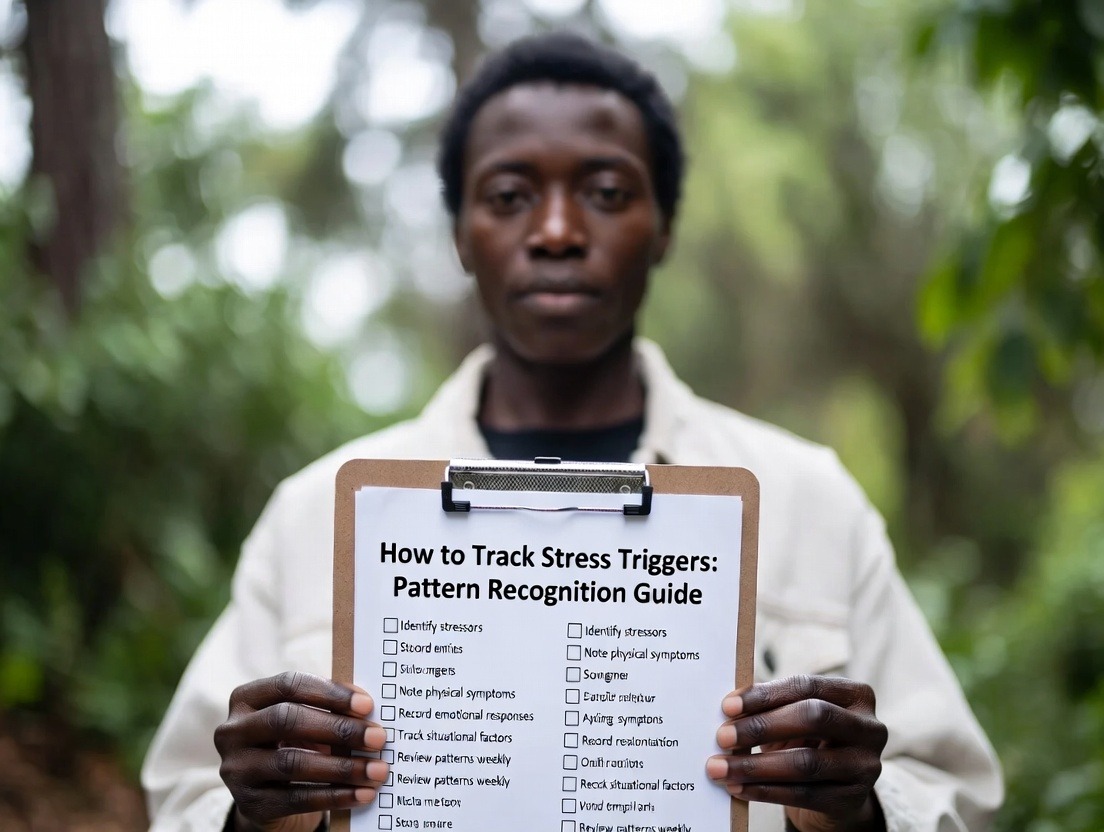
We often think of heart health as a solitary pursuit—a personal regimen of diet, exercise, and sleep. Yet, a overwhelming body of research points to a startling truth: the quality of our social connections is one of the most powerful predictors of cardiovascular health and longevity. Loneliness and social isolation carry a risk comparable to smoking. Daily tracking now allows us to see this social-physiological link play out in our own lives, in real-time.
The Physiology of Connection
Positive social interactions—feeling heard, supported, and valued—trigger the release of oxytocin and endorphins. These neurochemicals counteract stress hormones, promote feelings of safety, and support parasympathetic nervous system activity. They lower blood pressure, reduce inflammation, and improve heart rate variability. Conversely, chronic loneliness, social conflict, or a lack of perceived support creates a persistent state of low-grade threat, keeping the sympathetic nervous system engaged. This leads to elevated cortisol, higher resting heart rate, poorer sleep, and increased systemic inflammation—all visible in your biometric data.
Seeing the "Social Signature" in Your Data
With daily tracking, you can begin to map your social wellbeing onto your physiology.
Using Data to Foster Connection
This insight is not meant to make you anxious about socializing but to empower you to prioritize it as a legitimate health intervention.
The Power of Shared Goals and Community
Engaging in a health journey within a community—a running group, a meditation class, or even an online forum focused on wellness tracking—multiplies motivation and success. Shared experiences create accountability and reduce the sense of struggle. Knowing others are on a similar path makes the daily practices more sustainable. This is why building a community around authentic wellness is so important to us; you can sense this shared mission in our story.
By acknowledging and tracking the social heart, we complete the holistic picture. A healthy heart is not just fed by kale and strengthened by running; it is nourished by laughter, secured by love, and made resilient by a web of meaningful connections. Your wearable data can become a mirror, reflecting not just your physical state, but the health of your relational world, guiding you to invest in the connections that truly make your heart stronger.
As we stand at the convergence of biometric technology, artificial intelligence, and a growing cultural emphasis on preventive health, the future of heart health is not one of fear and disease management, but of empowered vitality and personalized optimization. The journey we’ve outlined—from understanding the silent conversation to integrating advanced recovery and social connection—paints a picture of what is possible right now. But this is just the beginning. Let’s envision the road ahead and how you can navigate it to build a lifetime of heart resilience.
The Evolving Personal Health Dashboard
The future wearable will not be a separate device, but a seamlessly integrated suite of sensors—perhaps in a ring, smart fabric, or even a discreet patch—that provides a continuous, clinical-grade stream of data: continuous blood pressure, blood glucose trends, advanced ECG, hydration status, and core biomarkers from interstitial fluid. This data will flow into an AI-powered health platform that acts less like a logbook and more like a truly intelligent personal health assistant.
Predictive, Prescriptive, and Preventative
As discussed, this AI will move beyond description (“you slept poorly”) to true prediction (“based on your current stress load and sleep debt, you have a 65% chance of catching a cold in 3 days if you don't recover”) and prescription (“here is your customized recovery protocol for the next 48 hours to avoid it”). It will seamlessly integrate with your electronic health records, providing your doctor with a rich, pre-visit report that highlights relevant trends and potential concerns, making annual check-ups vastly more productive.
Personalized Nutrition and Lifestyle Genomics
Your data will be combined with insights from your own genome (Are you more sensitive to caffeine? Do you metabolize fats efficiently? What is your innate inflammatory tendency?) to create hyper-personalized nutrition and lifestyle plans. You won’t follow a generic “Mediterranean diet,” but a “Your-Name-Here Diet” optimized for your unique cardiovascular and metabolic phenotype, with your biometrics providing real-time feedback on its efficacy.
Democratization of Long-Term Healthspan
This future is fundamentally democratic. It puts the tools for understanding and optimizing one of our most vital organs into the hands of everyone, not just elite athletes or the wealthy. It shifts the healthcare economy from a costly, reactive “sick-care” system to a proactive, affordable “health-care” system focused on maintaining vitality. The goal is no longer just to add years to life, but to add life to years—ensuring those years are spent with energy, clarity, and an active, resilient heart.
Your Role in This Future: The Conscious Participant
This promising future requires an active participant: you. Technology is an enabler, but agency is the driver. Your role is to:
This vision is not a distant sci-fi dream. It is the logical extension of the tools and principles available to us today. It starts with the simple, profound act of paying attention—of choosing to listen to the daily dialogue between your lifestyle and your heart. By starting that practice now, you are not just improving your today; you are stepping into the forefront of a healthier, more vibrant future for yourself. This commitment to empowering that first step is what drives everything we do at Oxyzen. For any remaining questions on beginning or deepening this journey, our comprehensive FAQ is always a helpful resource.
Our journey through the intricate, dynamic connection between daily life and heart health has traversed from fundamental physiology to futuristic vision. We began by learning to listen to the silent conversation between our choices and our cardiovascular system, translated through metrics like HRV and resting heart rate. We discovered the game-changing power of 24/7, unobtrusive monitoring, which transforms abstract health advice into personal, undeniable truth.
We learned to decode our days, seeing the direct imprint of nutrition, exercise, stress, and sleep on our biometrics, and then to move from observation to action—building personalized, iterative lifestyle plans informed by our unique data. We navigated the potential pitfalls of tracking, adopting the mindset of a compassionate scientist. We explored advanced interventions, from breathwork to recovery stacking, that can elevate our resilience, and we debunked the myths that hold us back.
Crucially, we expanded our view beyond the individual, recognizing the profound impact of our social world and professional partnerships on our heart's health. We envisioned a future where predictive, AI-enhanced insights make proactive vitality the norm.
Now, these threads must be woven together into the fabric of your daily life. The ultimate finding from all this data and exploration is both simple and profound: Your heart's health is not a destination, but a daily practice. It is the sum of countless small, conscious choices—the decision to take the stairs, to put down your phone an hour before bed, to breathe deeply during a stressful moment, to reach out to a friend, to choose the nutrient-dense meal, to listen to your body's need for rest.
The smart ring, the app, the data—they are not the point. They are the mirror, the compass, and the feedback loop. They exist to serve your awareness, to close the gap between action and outcome, and to provide the motivation that comes from visible progress. They empower you to move from a generic, one-size-fits-all approach to a curated, personalized path of well-being.
Your heart is your lifelong companion. For too long, its language has been a mystery, spoken only in the stark terms of crisis. Today, we have the privilege of learning that language in the gentle vocabulary of daily rhythms. We can hear its whispers of strain and its sighs of recovery. We can partner with it, support it, and strengthen it through the way we live each hour.
So, begin where you are. Choose one thread from this tapestry—perhaps better sleep, or mindful movement, or stress management—and start paying attention. Observe, connect, and act. Let the data be your guide, but let your own lived experience be your ultimate authority. Build your heart-smart life one day, one choice, one heartbeat at a time.
The connection between lifestyle and heart health is no longer a theoretical concept to be studied; it is a living, breathing relationship to be nurtured. By tracking it daily, you take the most powerful step possible: you become the active author of your own vitality, crafting a story of health that is not left to chance, but built with intention, insight, and care, every single day. To continue this journey with the latest insights and community support, we invite you to explore the resources on our blog and learn more about the tools that can support you at Oxyzen. Your heart’s strongest chapters are yet to be written.
Your Trusted Sleep Advocate (Sleep Foundation — https://www.sleepfoundation.org/)
Discover a digital archive of scholarly articles (NIH — https://www.ncbi.nlm.nih.gov/
39 million citations for biomedical literature (PubMed — https://pubmed.ncbi.nlm.nih.gov/)
experts at Harvard Health Publishing covering a variety of health topics — https://www.health.harvard.edu/blog/)
Every life deserves world class care (Cleveland Clinic -
https://my.clevelandclinic.org/health)
Wearable technology and the future of predictive health monitoring. (MIT Technology Review — https://www.technologyreview.com/)
Dedicated to the well-being of all people and guided by science (World Health Organization — https://www.who.int/news-room/)
Psychological science and knowledge to benefit society and improve lives. (APA — https://www.apa.org/monitor/)
Cutting-edge insights on human longevity and peak performance
(Lifespan Research — https://www.lifespan.io/)
Global authority on exercise physiology, sports performance, and human recovery
(American College of Sports Medicine — https://www.acsm.org/)
Neuroscience-driven guidance for better focus, sleep, and mental clarity
(Stanford Human Performance Lab — https://humanperformance.stanford.edu/)
Evidence-based psychology and mind–body wellness resources
(Mayo Clinic — https://www.mayoclinic.org/healthy-lifestyle/)
Data-backed research on emotional wellbeing, stress biology, and resilience
(American Institute of Stress — https://www.stress.org/)


