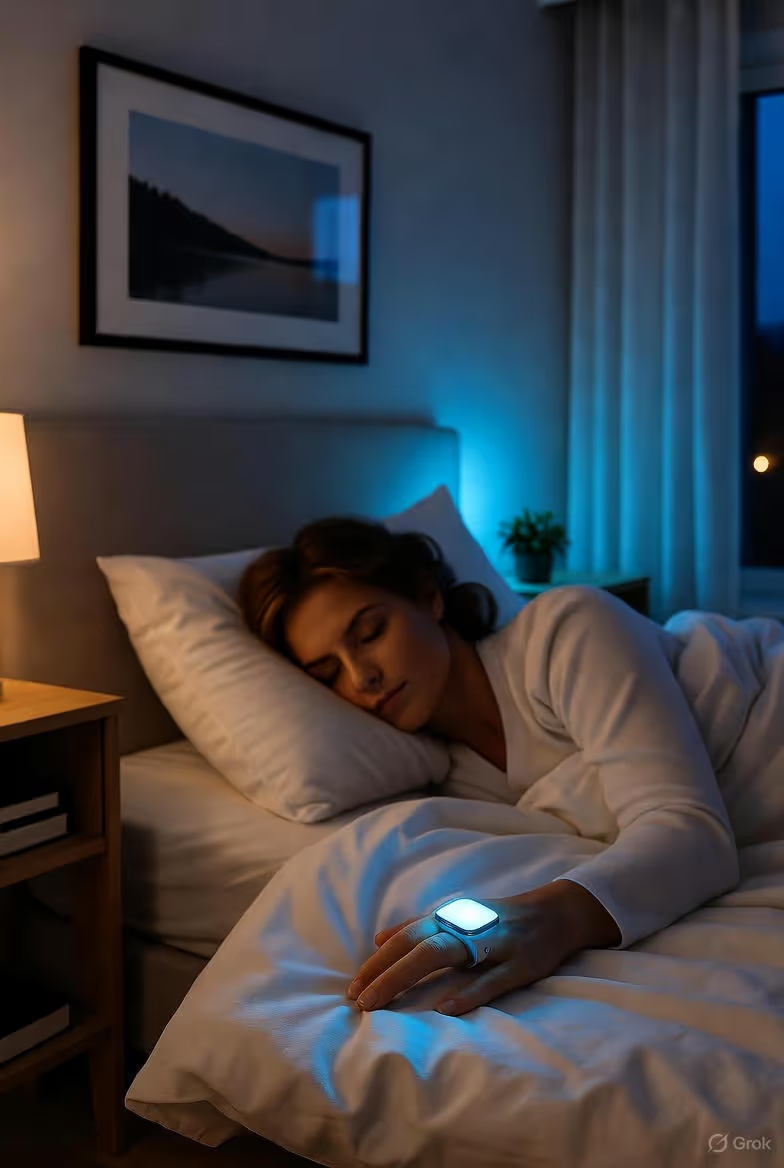
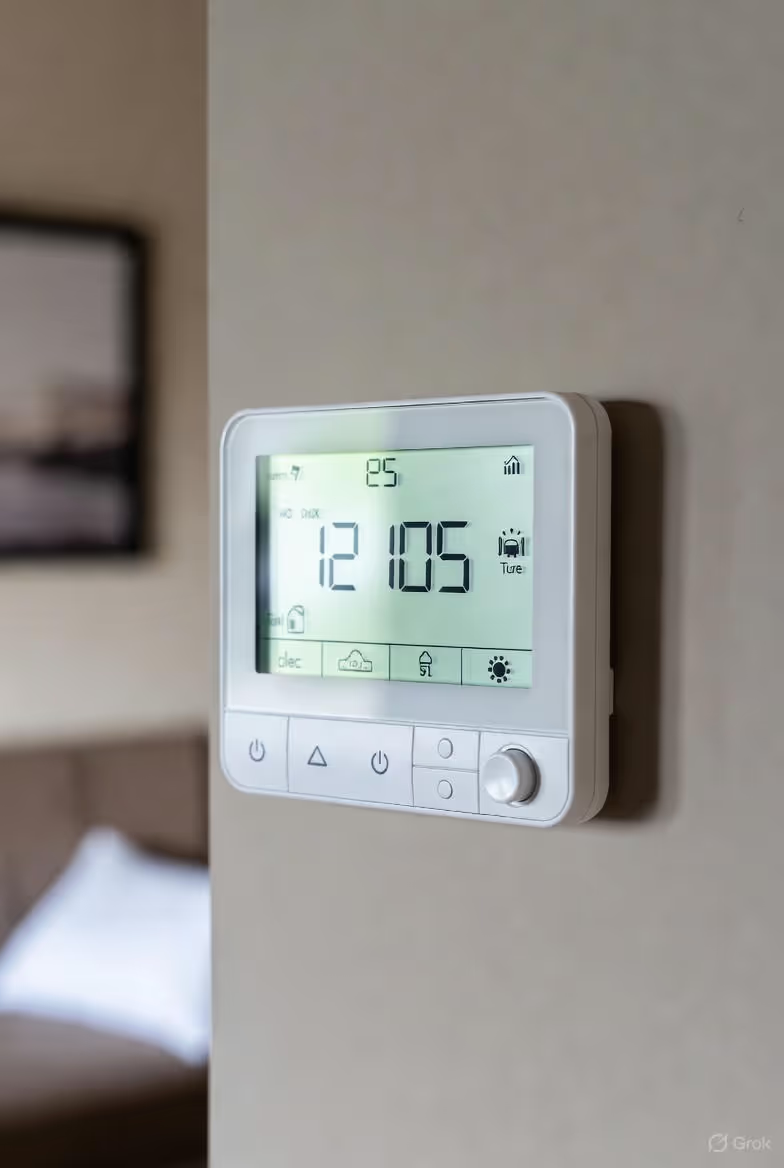
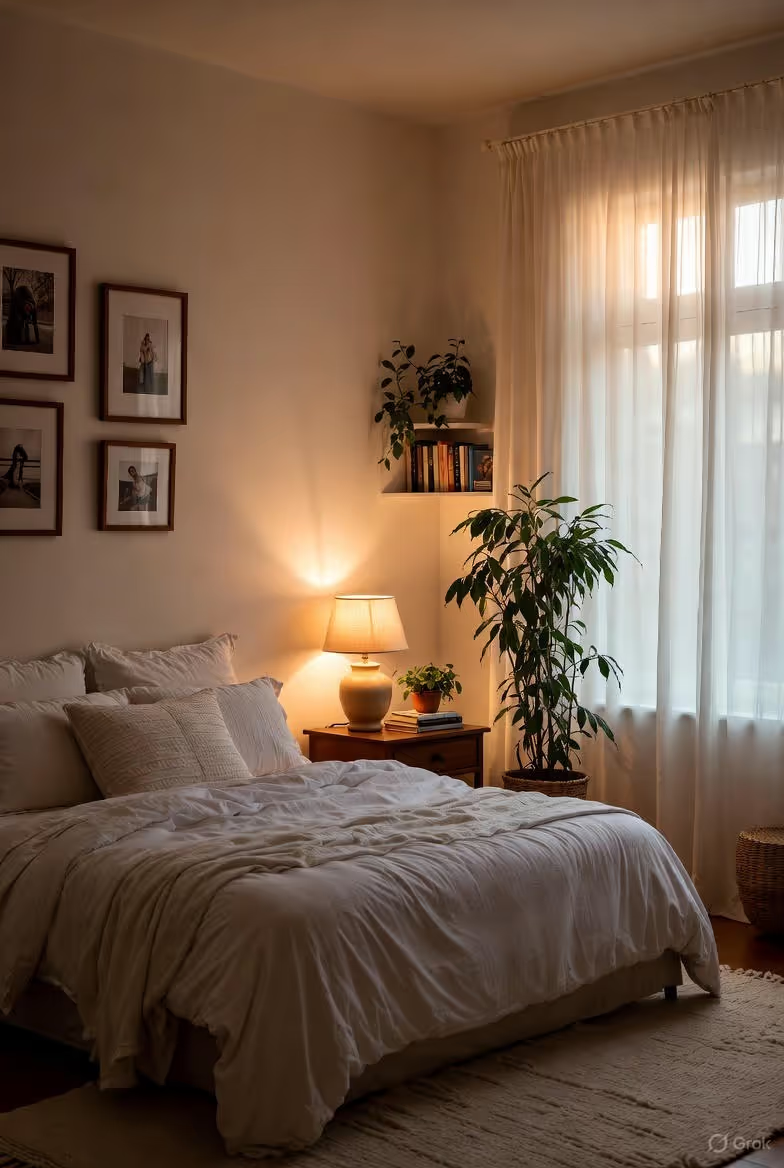
Bedroom environment factors like temperature, light, and noise have a significant impact on your sleep score.
The Silent Architect of Your Sleep: How Your Bedroom Environment Builds or Breaks Your Night
You've meticulously tracked your caffeine intake, nailed your wind-down routine, and invested in the "perfect" mattress. Yet, your sleep score—that elusive, data-driven verdict on your night's rest—remains stubbornly low. You wake feeling foggy, your smart ring reports fragmented sleep stages, and the promised rejuvenation of eight hours feels like a myth. What's missing from the equation?
Often, the most powerful factor is hiding in plain sight: the very room you sleep in. Your bedroom is not a passive backdrop to your slumber; it is an active, dynamic ecosystem that interacts with your biology every single night. It is the silent architect of your sleep, constructing a foundation for deep restoration or, inadvertently, engineering a night of tossing, turning, and poor sleep metrics.
In the age of quantified health, we’ve become adept at tracking the internal variables—heart rate variability, breathing rate, and sleep duration. But these metrics are merely the output, the final report card. The inputs, the environmental variables that directly sculpt these physiological signals, are frequently overlooked. Light, temperature, sound, and air quality don't just affect how you feel you slept; they directly and measurably alter the architecture of your sleep cycles, which is precisely what devices like the Oxyzen smart ring capture and translate into your nightly sleep score.
This deep dive explores the profound and often surprising science behind your bedroom environment. We'll move beyond generic "sleep hygiene" tips and into the realm of environmental sleep engineering. By understanding how each sensory input—from the color temperature of your alarm clock to the weight of your blanket—talks to your nervous system, you can transform your bedroom from a simple place to lie down into a precision-engineered sleep sanctuary. The goal is not just a higher number on your app, but a tangible, visceral improvement in how you recover, think, and feel every single day. Let's begin by deconstructing the very concept of a sleep score and how your environment writes its data.
Decoding the Sleep Score: What Your Smart Ring Is Really Measuring
Before we can optimize our environment, we must first understand what we're optimizing for. A sleep score is not a random grade; it's a composite algorithm interpreting multiple biometric signals to assess the quality of your restorative rest. While algorithms vary, most sophisticated devices like the Oxyzen smart ring analyze a core set of physiological events that are exquisitely sensitive to your surroundings.
The Pillars of Your Sleep Score:
Sleep Duration: The straightforward total time spent asleep. While important, it's just the opening chapter. An eight-hour stretch of light, restless sleep is fundamentally different from a six-hour period of deep, consolidated rest.
Sleep Stages (Cycling): This is the core architecture. Your night should consist of repeated cycles (typically 90-120 minutes each) moving through:
Light Sleep (N1 & N2): The transition into sleep and a period of mental and physical preparation. It's crucial but less restorative.
Deep Sleep (N3 or Slow-Wave Sleep): The non-negotiable physical restoration phase. This is when tissue repair, immune function strengthening, and growth hormone release peak. An environment that prevents you from reaching or maintaining deep sleep is robbing you of critical recovery.
REM Sleep: The stage of intense brain activity, dreaming, and cognitive processing—essential for memory consolidation, learning, and emotional regulation.
Restlessness & Awakenings: The frequency and duration of times you stir, shift, or wake up briefly. These events, often caused by environmental disruptions, fracture sleep continuity and prevent you from completing full, healthy cycles.
Physiological Markers: This is where the environment speaks directly to your body.
Resting Heart Rate (RHR): A lower, stable RHR during sleep indicates efficient recovery. A spike can signal a stress response triggered by noise, temperature, or poor air quality.
Heart Rate Variability (HRV): A key metric of your nervous system's resilience. High HRV during sleep suggests a dominant "rest and digest" (parasympathetic) state, the ideal condition for repair. Environmental stressors can suppress HRV.
Respiratory Rate: A stable, slow breathing rate indicates calm, autonomic nervous system balance. Disruptions can cause erratic or elevated rates.
The Environment-Score Connection: A Story in Data
Imagine two nights. On Night One, your room is a perfect 67°F, pitch black, and silent. Your Oxyzen ring likely records a smooth descent into deep sleep, long periods of stable HRV, and minimal restlessness. Your score: 92.
On Night Two, you fall asleep with the TV on. The changing light and sound suppress your melatonin and cause micro-arousals you don't consciously remember. Your body struggles to enter deep sleep. The room gets stuffy, and a slight rise in CO2 levels triggers a more shallow breathing pattern. Your ring data shows elevated resting heart rate, suppressed HRV, and frequent stage shifts. Your score: 74.
The difference isn't just in the algorithm; it's in your biology. Your bedroom environment is the conductor of this physiological orchestra. A disruptive environment forces your body to maintain a low level of vigilant stress, preventing the full surrender needed for top-tier sleep. To learn more about how these biometrics are captured and interpreted, our FAQ page offers a detailed look at the technology behind the metrics.
Now, let's explore the most potent environmental conductor of them all: light.
The Intruder in the Night: How Light Pollution Sabotages Your Sleep Architecture
Light is our brain's primary timekeeper. It is the most powerful environmental cue for our circadian rhythm, the internal 24-hour clock that governs sleep, hormone release, and metabolism. When it comes to sleep, light isn't just about seeing or not seeing; it's a biological directive.
The Melatonin Hijacking
As dusk falls, specialized cells in your retina (even through closed eyelids) detect the warm, long wavelengths of sunset and signal the pineal gland to release melatonin, the "hormone of darkness." Melatonin is your body's physiological signal that it's time to sleep, lowering core body temperature and promoting drowsiness.
Artificial light, especially in the blue spectrum (emitted by LEDs, screens, and energy-efficient bulbs), mimics midday sun. It acts as a melatonin suppressant. A 2011 study in the Journal of Clinical Endocrinology & Metabolism found that exposure to room light before bedtime shortened melatonin duration by about 90 minutes. Even dim light (equivalent to a hallway nightlight) has been shown to fragment sleep and reduce sleep depth.
Impact on Your Sleep Score: This suppression delays sleep onset (hurting your duration metric) and, more critically, disrupts the timing and quality of your sleep stages. You may spend less time in restorative deep sleep and experience more awakenings. Your smart ring will detect the physiological agitation of a confused circadian system.
Engineering Darkness: A Practical Guide
Creating a truly dark environment is a non-negotiable foundation. It's not just about turning off the overhead light.
Blackout is Non-Negotiable: Invest in high-quality blackout curtains or shades. Test them by standing in your room during the day—if you can see your hand in front of your face, light is leaking in. Consider a blackout sleep mask as a personal, portable solution.
Hunt the Glow: Conduct a "glow audit" at night. Cover or remove every LED: chargers, smoke detectors, air purifiers, digital clocks (or switch to a red-light display). Electrical tape is a sleep hacker's best friend.
The 90-Minute Wind-Down: Implement a digital sunset. At least 90 minutes before bed, switch devices to "Night Shift" or "Blue Light Filter" modes. Better yet, read a physical book or engage in a screen-free activity. Apps that force warm color temperatures can help, but avoiding screens is the gold standard.
Mind the Morning Light: Your environment strategy is 24 hours. Getting bright, natural light within 30 minutes of waking resets your circadian clock for the following night, strengthening the signal for darkness later. For more strategies on crafting a holistic sleep routine, explore our blog for deeper dives into circadian health.
By treating light as a drug—a powerful stimulant to be carefully dosed—you give your body the clear, unambiguous signal it needs to initiate and maintain the complex, restorative processes that lead to a soaring sleep score.
The Thermostat of Sleep: Finding Your Body's Perfect Th
ermal Goldilocks Zone
If light is the conductor of your sleep orchestra, temperature is the metronome, setting the pace for your entire night's journey. The relationship between your core body temperature and sleep is one of the most direct and well-established in sleep science. Getting it wrong is a guaranteed way to depress your sleep score.
The Biology of the Nightly Cool-Down
Sleep initiation is thermally triggered. As part of your circadian rhythm, your core body temperature naturally begins to drop in the evening, reaching its lowest point in the middle of your sleep period. This drop is a prerequisite for sleep onset. To cool down, your body redirects heat from its core to the extremities (hands and feet) through dilated blood vessels—which is why you might have cold feet when you first get into bed.
An environment that's too warm impedes this crucial heat dissipation. Your body must work harder to cool down, increasing restlessness and preventing the descent into deep sleep. An environment that's too cold forces your body to expend energy on thermogenesis (creating heat), also causing restlessness and potentially triggering awakenings.
The Magic Number and Why It's Not About Comfort
Extensive research, including studies from the Sleep Foundation, points to a bedroom ambient temperature of around 60-67°F (15.5-19.5°C) as the ideal range for most people to facilitate this thermal journey. However, this is not about personal daytime comfort; it's about creating the optimal thermal gradient that allows your body to do its job efficiently.
Practical Thermal Engineering for Your Bedroom
Prioritize Cool & Consistent: Set your thermostat to drop to ~65°F (18°C) for the duration of your sleep. Consistency is key—avoid temperatures that fluctuate wildly.
Layer Your Bed, Not Your Room: This is the pro tip. Use multiple layers of bedding (a moisture-wicking fitted sheet, a breathable duvet, a lightweight blanket) rather than one heavy comforter. This allows you to make micro-adjustments throughout the night without disrupting the room's ambient temperature. Natural fibers like cotton, linen, and wool are superior for breathability.
The Pre-Sleep Ritual: Take a warm bath or shower 60-90 minutes before bed. This might seem counterintuitive, but it causes a rapid rise in core temperature followed by a compensatory, accelerated drop as you get out, signaling strongly to your brain that it's time for sleep.
Cool Your "Thermal Windows": Your head, hands, and feet are key thermoregulators. Using a cooling pillow or simply sticking a foot out from under the covers can provide immediate relief and facilitate the core cooling process.
Impact on Your Sleep Score: A too-warm room will show up as increased restlessness, more frequent awakenings, and suppressed deep sleep. A too-cold room may show similar restlessness. When your ring detects a night of stable, low resting heart rate and long periods of undisturbed sleep, it’s often a sign your body wasn't fighting a thermal battle. The founders of Oxyzen understood this intricate dance between environment and physiology, which is why precise temperature tracking is a cornerstone of the ring's analytics, a focus born from our own journey to solve personal wellness puzzles.
Sound and Silence: Navigating the Auditory Landscape of Sleep
In the primordial past, absolute silence was a danger signal. Our brains are hardwired to process sounds during sleep, maintaining a low-level vigilance for threats. This evolutionary hangover means that even sounds that don't wake you can still be degrading your sleep quality by triggering micro-arousals—brief shifts to a lighter stage of sleep that fragment its restorative continuity.
The Spectrum of Sleep-Disrupting Noise
Intermittent, Unpredictable Sounds: These are the worst offenders. A door slamming, a dog barking, a car alarm, a partner snoring. Their unpredictability triggers a stress response (a spike in cortisol and heart rate) as the brain assesses potential danger.
Low-Frequency Noise: The rumble of traffic, an HVAC system, a distant train. While often considered "white noise," these can be particularly insidious, contributing to increased stress hormone levels even when you feel accustomed to them.
Information-Rich Sounds: A television left on, a podcast with speaking, music with lyrics. Your brain continues to process the language and meaning, preventing it from fully disengaging.
Strategies for Sonic Sanity
The goal isn't always absolute silence (which can be unsettling), but rather a consistent, predictable, and non-informational auditory backdrop.
White, Pink, and Brown Noise: These sounds contain all audible frequencies at equal energy (white), or with energy that decreases as frequency increases (pink and brown). They act as an "acoustic mask," drowning out erratic external noises with a constant, predictable hum. Many people find pink or brown noise (which has a deeper, rain-like sound) more soothing than white noise.
Soundproofing Investments: For chronic noise issues, consider:
Heavy curtains to dampen street noise.
Door sweeps to block hallway sound.
Acoustic panels for echo reduction (though often more critical for home offices).
A simple, powerful fan provides both cooling and masking noise.
Earplugs Done Right: High-fidelity musician's earplugs or custom-molded options can attenuate harmful noise without creating an uncomfortable vacuum seal or blocking all sound, which some find disorienting.
The Partner Snore & Other Intimate Noises: This requires diplomacy and technology. Encourage a partner to seek a sleep apnea evaluation if snoring is loud and irregular. Meanwhile, a white noise machine on your nightstand or comfortable in-ear sleep headphones playing masking sounds can be a relationship saver.
Impact on Your Sleep Score: Auditory disruptions directly cause the "restlessness" and "awakenings" metrics to spike. They prevent sustained periods in deep and REM sleep. By creating a controlled sonic environment, you allow your sleep architecture to build itself without constant interruptions, which will be reflected in a smoother, higher-scoring sleep graph on your Oxyzen app. For real-world examples of how small environmental tweaks lead to big score changes, our testimonials page shares stories from users who transformed their sleep by tackling noise.
The Air You Sleep In: How Humidity, Allergens, and CO2 Shape Your Night
You are what you eat, but you also sleep how you breathe. The composition and quality of the air in your bedroom is a silent, invisible variable that has a profound impact on respiratory health, nervous system regulation, and, consequently, your sleep score. We spend nearly a third of our lives breathing this air in a vulnerable, recumbent state.
The Invisible Triggers: Allergens and Particulates
Dust mites, pet dander, mold spores, and pollen are common bedroom allergens. When you lie down, you're in closer proximity to them in your bedding and mattress. Inflammation in your nasal passages and airways from an allergic response can lead to:
Congestion and mouth breathing (which dries the mouth, increases snoring, and is less efficient for oxygen exchange).
Increased restlessness as your body struggles for clear airways.
Direct inflammation that can disrupt the nervous system's ability to settle into deep rest.
The Humidity Balance: A Delicate Dance
Too Dry (<30% relative humidity): Dries out mucosal membranes in your nose and throat, making you more susceptible to irritation, coughing, and infections. It can also lead to static electricity and discomfort.
Too Humid (>60% relative humidity): Creates a breeding ground for dust mites and mold. It can also make it feel harder to breathe and cause you to feel clammy and restless.
The Silent Accumulator: Carbon Dioxide (CO2)
This is a rarely discussed but critical factor, especially in modern, well-insulated bedrooms. As you exhale throughout the night, CO2 levels rise. High concentrations of CO2 (levels above 1,000 ppm are common in closed bedrooms) have been linked in studies to:
Reduced sleep depth and increased awakenings.
Morning headaches and grogginess.
Impaired cognitive function—essentially, your brain is bathing in a waste product.
Engineering Your Sleep's Atmosphere
Purify Strategically: A true HEPA air purifier running on a low, quiet setting in your bedroom can dramatically reduce particulate and allergen load. Place it near the bed but not pointing directly at you to avoid a draft.
Humidity Control: Use a hygrometer to monitor. A humidifier (for dry climates/seasons) or a dehumidifier (for damp climates/basements) can maintain the ideal 40-50% range.
Ventilate, Ventilate, Ventilate: This is the simplest and most effective way to manage CO2. Crack a window open, even just an inch, if outdoor temperatures and noise allow. If not, ensure your bedroom door is open to allow air exchange with the rest of the house. Running the HVAC fan periodically can also help.
Bedding Hygiene: Wash sheets and pillowcases weekly in hot water (130°F). Use allergen-proof covers for your mattress and pillows. These are physical barriers against dust mites.
Impact on Your Sleep Score: Poor air quality can lead to elevated respiratory rates, increased nighttime movement (as your body seeks clearer air), and more frequent transitions to lighter sleep stages. Optimizing your air is like giving your body a clean, efficient fuel source for the night's recovery work. It’s a fundamental aspect of our holistic vision at Oxyzen, which you can read more about in our company mission.
The Psychology of Space: Order, Color, and Mental Clutter
Your bedroom environment communicates with your subconscious long before you close your eyes. A space cluttered with unfinished work, chaotic piles of clothes, or bright, stimulating colors sends a signal of "unfinished business" and alertness to a brain that needs to feel safe, secure, and permitted to shut down.
Visual Clutter = Cognitive Load
The "Bedroom-as-Storage-Unit" problem is a modern sleep epidemic. Piles of laundry, a desk overflowing with work, exercise equipment gathering dust—each item is a visual to-do list item. This creates low-grade cognitive anxiety, making it harder for your mind to disengage from the tasks and worries of the day. Research in neuroscience shows that clutter competes for your attentional resources, even when you're not consciously focusing on it.
The Chromatic Code: How Color Influences the Mind
Color psychology is not just marketing fluff; different wavelengths of light (which color is) have measurable effects on arousal and emotion.
Stimulating Colors: Bright reds, oranges, and harsh whites can increase heart rate and feelings of energy or anxiety—antithetical to sleep.
Calming Colors: Soft, muted, and cooler tones are generally associated with relaxation. Blues, greens, lavenders, and warm greys are often recommended. They evoke feelings of serenity, spaciousness, and stability.
Crafting a Psychologically Soothing Sanctuary
The Clutter-Free Zone: Implement a strict policy: the bedroom is for sleep, intimacy, and relaxation only. Remove work materials, electronics (charge them in another room), and exercise equipment. Invest in closed storage (baskets, drawers, a closet organizer) to get visual clutter out of sight.
Intentional Color Palette: Repainting is the most impactful change. If that's not possible, introduce calming colors through bedding, a large area rug, and artwork. Choose a minimalist aesthetic with clean lines and a few intentional, peaceful pieces rather than many busy ones.
Scent as a Signal: Introduce calming, non-stimulating scents through a diffuser with essential oils like lavender, chamomile, or cedarwood. The olfactory bulb has a direct pathway to the brain's limbic system (emotion and memory center), making scent a powerful Pavlovian tool for sleep. Always use scents safely and moderately.
The "Power-Down" Ritual for Your Room: Spend 5 minutes before bed tidying the room—fluffing pillows, folding a blanket, putting away stray items. This physical act is a signal to your brain that the day's chaos is being put in order, literally and figuratively.
Impact on Your Sleep Score: A psychologically chaotic environment contributes to elevated pre-sleep cognitive arousal. This can delay sleep onset (hurting duration) and increase sleep latency metrics. It can also lead to more nighttime worrying or "brain chatter" if you wake up, making it harder to fall back asleep. By designing a space that whispers "rest" instead of "perform," you give your mind permission to fully disengage, paving the way for the deep, uninterrupted cycles that yield a high score. For further inspiration on creating holistic wellness spaces, our blog features numerous guides on environment and mindset.
The Tactile Layer: How Your Mattress, Bedding, and Pajamas Interface With Your Body
Your skin is your body's largest organ, and for 8 hours, it is in intimate contact with your sleep surface. This tactile interface—the pressure, texture, and temperature of your bedding—provides constant sensory feedback to your nervous system. Discomfort here is a direct line to restlessness and poor sleep architecture.
The Mattress: Your Sleep's Foundation
There is no single "best" mattress. The right one aligns your spine and accommodates your sleeping position while regulating temperature and pressure.
Spine Alignment: In a side position, your spine should be straight from neck to tailbone. In back or stomach positions, it should maintain its natural curve. An unsupportive mattress causes misalignment, leading to pain and constant micro-adjustments.
Material Matters:
Memory Foam: Contours closely, can sleep hot. Look for gel-infused or open-cell versions.
Latex: Responsive, buoyant support, naturally cooler and more breathable.
Innerspring: Traditional bounce and airflow, but can transfer motion.
Hybrid: Combines coils for support with foam/ latex for comfort, often excelling in temperature regulation.
The Lifespan: Most mattresses degrade significantly after 7-10 years. An old mattress is a prime suspect in unexplained sleep score declines.
Bedding: The Thermoregulatory and Sensory Layer
This is where you fine-tune the temperature and feel.
Sheets: Material is everything. Long-staple cotton (like Egyptian or Pima), linen, and Tencel lyocell are breathable, moisture-wicking, and soft. High thread count isn't always better—it can reduce breathability.
Weighted Blankets: Grounded in Deep Touch Pressure (DTP) therapy, they can increase melatonin production and reduce cortisol for some people, particularly those with anxiety. They are not for everyone and can be too hot or restrictive. Start with a weight around 10% of your body weight.
Pillows: Support your neck, not just your head. Side sleepers need a thicker, firmer pillow to fill the space between ear and shoulder. Back sleepers need a medium pillow, stomach sleepers a very thin one (or none).
Pajamas: The Second Skin
Like sheets, opt for natural, breathable fibers. Tight, synthetic fabrics can restrict movement, trap heat, and cause irritation. The goal is to forget you're wearing anything at all.
The Process of Elimination: If your sleep score is low and you suspect your tactile environment, try a simple test. Sleep for a few nights in a different bed (a good hotel, a guest room) and note the change in your Oxyzen data. Sometimes, the contrast reveals what you've grown accustomed to at home.
Impact on Your Sleep Score: Physical discomfort is a leading cause of restlessness and wake-ups. Your ring will detect the increased movement and the physiological stress response to pain or overheating. Investing in this tactile layer is investing in uninterrupted sleep cycles. It’s a tangible upgrade that our users frequently report as a game-changer, a sentiment echoed in many of the experiences shared by the Oxyzen community.
Electromagnetic Fields and Digital Disturbances: The Modern Sleep Saboteur
We live in an invisible soup of man-made electromagnetic fields (EMFs) from Wi-Fi routers, cell phones, Bluetooth devices, and power lines. While the long-term health effects remain a complex and debated topic, the potential for EMFs to disrupt sleep is an area of growing interest in biohacking and wellness circles. The mechanism is theorized to involve interference with the body's own subtle electrical signals (like those governing the pineal gland's melatonin production) and potential increases in cellular stress.
The "Always-On" Problem
More concrete than general EMFs is the psychological and physiological impact of our always-connected devices. The mere presence of a smartphone in the bedroom, even on silent, has been shown in studies to:
Increase cognitive arousal (the "fear of missing out" or anticipation of notifications).
Emit small amounts of light.
Generate anxiety through its symbolic representation of work and social obligations.
Creating a Low-Electronic Sanctuary
This is about creating a boundary between your restorative space and the digital world.
The Out-of-Sight, Out-of-Mind Mandate: Charge all phones, tablets, and laptops in another room. Use a traditional alarm clock or a dedicated sunrise alarm clock. This is the single most effective change you can make.
Reduce RF Exposure at Night: Turn your phone to Airplane Mode if it must be in the room. Consider turning off your Wi-Fi router on a timer overnight. This not only reduces EMF exposure but can improve household security and give everyone a digital break.
Minimize "Dirty Electricity": Unplug unnecessary electronics from outlets near your bed (lamps are fine, but chargers, TVs, and unused appliances can create electromagnetic "noise"). Using a simple power strip you can switch off can simplify this.
The Body's Grounding Connection: Some preliminary research and a wealth of anecdotal evidence suggest that "grounding" or "earthing"—making direct skin contact with the Earth's surface—may help stabilize the body's bioelectrical environment. While sleeping on a grounding mat is an option, the simpler, proven tactic is to spend time barefoot on grass or soil during the day.
A Balanced, Precautionary Approach
You need not fear modern technology, but you should respect its potential to intrude on a primal biological process. Adopting a precautionary principle—minimizing unnecessary exposures, especially during the vulnerable window of sleep—is a rational step in environmental sleep engineering.
Impact on Your Sleep Score: While hard to isolate, the cumulative effect of digital anxiety and potential EMF disruption may contribute to elevated resting heart rate, lower HRV, and more fragmented sleep. By creating a clean, low-electronic zone, you remove a layer of potential interference, allowing your body's natural rhythms to operate without modern static. It’s part of a proactive philosophy towards wellness that we believe in, a philosophy you can learn more about in our company's story.
Putting It All Together: The Art of the Personal Sleep Sanctuary Audit
You are now armed with the deep science behind seven key environmental pillars. Knowledge, however, is only power when applied. The final step is systematic, personal implementation. You are the lead scientist in your own sleep lab. This process is not about achieving perfection overnight, but about methodical observation, experimentation, and iteration—guided by your own biometric data.
The Step-by-Step Sanctuary Audit:
Baseline & Observe (One Week): For one week, make no changes. Simply wear your Oxyzen ring and sleep as you normally do. Each morning, note not just your score, but your subjective feeling. Also, jot down one environmental observation: "Was stuffy," "Heard traffic at 4 AM," "Felt too warm."
The Pillar Scan: Using the sections above as a checklist, walk through your bedroom at night and during the day. Be ruthlessly observant.
Light: Is it truly dark? Do LEDs glow?
Temperature: What does the thermostat say at 3 AM?
Sound: What do you hear in the dead of night? A fridge? Pipes?
Air: Does it feel fresh or stale in the morning? Any musty smells?
Psychology: What do you see from your pillow? Clutter? Work?
Tactile: Are there aches? Do you wake up sweaty?
Digital: Where is your phone? Is the Wi-Fi on?
Prioritize & Intervene (The One-Variable Rule): Choose ONE pillar to tackle per week. Start with the easiest win or the one you suspect is most damaging. For example:
Week 1: Light. Install blackout curtains and tape over every LED.
Week 2: Temperature. Set the thermostat to 66°F and switch to linen sheets.
Week 3: Digital. Banish the phone to the kitchen for charging.
Measure & Refine: After each intervention week, review your Oxyzen sleep score data and your subjective notes. Did deep sleep increase? Did restlessness decrease? Did you feel better? This data-driven feedback loop is crucial. It turns guesswork into a science.
Iterate and Integrate: Move to the next pillar. Over 6-8 weeks, you will have transformed your environment piece by piece, with clear data showing what worked.
The Role of Your Smart Ring as Your Guide
This process is impossible without objective feedback. Your Oxyzen ring is the compass for this journey. It translates the invisible—the micro-arousals from noise, the suppressed deep sleep from heat, the elevated heart rate from clutter-induced anxiety—into visible, actionable data. It tells you if your intervention on light pollution worked, not just if you think it did.
Your bedroom is not just a room. It is the most important health clinic you will ever visit. By architecting it with intention, using the principles of light, temperature, sound, air, psychology, touch, and digital hygiene, you are not just chasing a higher score. You are systematically building the preconditions for physical repair, cognitive consolidation, and emotional resilience. You are honoring one of the most fundamental pillars of human health. The journey to reclaim your sleep starts tonight, with a single, observant look around the room you call your own.
For a comprehensive resource that answers common questions on implementing these strategies with your wellness tech, be sure to visit our support and FAQ hub.
The Rhythm of Rest: Aligning Your Bedroom with Your Chronobiology
We have engineered the physical space—the light, the sound, the air. But what of the temporal space? Your bedroom exists in time as well as in dimensions. Its relationship with your unique internal timing, your chronotype, is the final masterstroke in environmental sleep optimization. You can have the perfect cave, but if you’re trying to sleep when your biology is wired for alertness, the battle is half-lost before it begins.
Understanding Your Internal Clock: The Lark, The Owl, and The Third Bird
Chronotype is your genetically predisposed inclination for sleeping and waking at particular times. It’s not a lifestyle choice; it’s a hardwired biological reality, influenced by the length of your PER3 gene, among other factors.
Morning Types (Larks): Naturally wake early, feel peak alertness in the morning, and experience a strong dip in energy and an early melatonin onset in the evening.
Evening Types (Owls): Struggle to wake early, hit peak alertness in the late afternoon or evening, and have a significantly delayed melatonin release.
Intermediate Types (Hummingbirds): The majority fall here, with a moderate bias toward one side or the other.
The Mismatch That Breaks Sleep
The modern 9-to-5 world is built for Larks. Owls forced into this schedule suffer from social jetlag—a persistent disconnect between their social clock and biological clock. This isn’t just about being groggy; it’s associated with higher risks for metabolic disorders, depression, and cardiovascular issues. For the Owl in a Lark’s world, even a perfect bedroom environment may not fully compensate for fighting their core rhythm.
Tailoring Your Sanctuary to Your Time
Your bedroom strategy should flex to support your chronotype, not fight it.
For the Owl (Delayed Sleep Phase):
Morning Light Strategy: Critical. Upon waking (even if it feels early), seek bright, blue-rich light immediately. Use a sunrise simulation alarm clock that gradually floods the room with light. Consider a light therapy box for 20-30 minutes at your desk each morning. This resets your circadian clock earlier.
Evening Darkness Rigor: Be militant about eliminating blue light after sunset. Owls are especially sensitive to evening light, which further delays their clock. Use blue-blocking glasses religiously if screens are unavoidable.
Bedroom as a Late Sanctuary: Accept that your wind-down will start later. Design your evening routine to be a gradual, appealing surrender to your delayed rhythm.
For the Lark (Advanced Sleep Phase):
Evening Light Strategy: To prevent excessively early waking, you may benefit from gentle light exposure in the early evening to slightly delay your clock. A walk at dusk can help.
Morning Darkness Maintenance: Use blackout curtains to prevent the first rays of dawn from triggering an awakening even earlier than desired. Your room must be a fortress against early light.
Embrace the Early Quiet: Your bedroom can be a haven for morning meditation or reading before the world wakes, aligning your environment with your natural early rise.
Impact on Your Sleep Score: A misaligned chronotype shows up as long sleep latency (time to fall asleep) for Owls trying to bed early, and early morning awakenings for Larks. It can fragment sleep and compress the vital sleep stages. When your environment supports your innate rhythm, you fall asleep more easily, sleep more soundly through your allotted time, and wake more naturally—all of which are key inputs for a high sleep score. Understanding this personalized biology is central to the Oxyzen philosophy of individualized data; our story delves into why personalization is not a feature, but the foundation.
The Partner Problem: Synchronizing Sleep in a Shared Sanctuary
For many, the bedroom is not a solitary retreat but a shared ecosystem. The clash of chronotypes, thermostats, noise tolerances, and movement can turn the sleep sanctuary into a diplomatic negotiation. The sleep score of one can profoundly affect the other, creating a feedback loop of disruption.
The Common Disruptors:
The Snore Symphony: Snoring is more than a noise nuisance; it can be a sign of obstructive sleep apnea (OSA), a serious health condition. For the partner, it’s a direct cause of sleep fragmentation through noise-induced awakenings.
The Thermostat War: The classic battle. One prefers an igloo, the other a sauna. This direct thermal discomfort prevents both from reaching their ideal temperature for sleep.
The Movement Maestro: Tossing, turning, or restless leg syndrome can physically jostle the bed, transmitting movement and causing micro-arousals in the other person.
The Light & Sound Mismatch: One needs a podcast to sleep, the other needs tomb-like silence. One reads with a lamp, the other needs pitch black.
Strategies for Diplomatic Sleep Harmony:
Address Snoring Medically First: Encourage a sleep study. It could save your partner’s health and your sleep. For non-apnea snoring, positional therapy (encouraging side-sleeping) or mandibular advancement devices can help.
The Split-Bedding Solution: This is revolutionary for temperature control. Use two separate duvets or comforters of different weights (a warm one for the cold sleeper, a light one for the hot sleeper) on a shared mattress. This allows each person to regulate their microclimate without compromise.
Invest in Motion Isolation: A high-quality mattress with excellent motion isolation (memory foam or latex hybrids often excel here) is worth its weight in gold. Consider a split king adjustable base if preferences diverge dramatically, allowing for different head elevations and positions on the same bed frame.
Personalized Audio: For the partner who needs sound, use in-ear sleep headphones or a pillow speaker connected to their own device. For the partner who needs silence, a white noise machine on their side can mask the other’s audio and create a consistent buffer.
Strategic Lighting: Individual reading lights with focused, warm beams prevent light spill onto the other pillow. For the light-sensitive partner, a high-quality sleep mask gives them full control over their darkness.
The Communication Imperative:
This cannot be a passive-aggressive cold war. Frame the conversation around shared health and mutual care. Use the objective data from your Oxyzen rings: "My data shows I’m having 12 wake events a night, often when the room gets above 70 degrees. Can we experiment with the thermostat?" or "Your ring is showing very low blood oxygen levels when you snore; maybe we should both get checked out?" This depersonalizes the issue and makes it a collaborative optimization project.
Impact on Your Sleep Score: Partner disruption is a major source of "restlessness" and "awakenings." Your ring can literally detect the moment your partner’s alarm goes off or they get up, often showing a corresponding spike in your own heart rate. By proactively engineering for harmony, you protect not only your own sleep architecture but your relationship. It’s a tangible application of wellness tech for the greater good of the household, a concept our users often celebrate in their shared experiences with Oxyzen.
Beyond the Night: How Daytime Behaviors Echo in Your Evening Environment
Your bedroom doesn’t exist in a vacuum. The choices you make from the moment you wake create physiological ripples that hit the shores of your sleep hours later. The environment of your day sets the stage for the environment of your night. This is the concept of sleep pressure and circadian rhythm in action.
The Two-Process Model of Sleep:
Sleep is governed by two main systems:
Circadian Rhythm (Process C): Your internal ~24-hour clock, dictating the timing of sleepiness and alertness.
Sleep-Wake Homeostasis (Process S): The build-up of sleep pressure (via the neurotransmitter adenosine) the longer you are awake, dictating the drive for sleep.
Your daytime environment and behaviors directly manipulate both processes.
Daytime Levers for Nighttime Sleep:
Light: The Prime Timekeeper: Getting bright, outdoor light within 30-60 minutes of waking is the most powerful signal to set your circadian clock. It suppresses lingering melatonin, boosts cortisol (healthily) to promote alertness, and starts the timer for melatonin release roughly 12-14 hours later. An hour of morning light can be more effective for sleep than an hour of evening meditation.
Exercise: The Pressure Regulator: Physical activity, especially aerobic exercise, increases adenosine buildup, strengthening your sleep drive. It also helps regulate body temperature rhythms and reduces stress hormones. However, timing matters. Finishing vigorous exercise at least 3 hours before bed allows your core temperature and adrenaline to return to baseline. Gentle evening movement like yoga or stretching can be beneficial.
Nutrition & Hydration: A large, heavy, or spicy meal too close to bedtime forces your digestive system to work overnight, raising core temperature and potentially causing discomfort. Caffeine has a half-life of 5-6 hours; a 3 PM coffee means 1.5 cups' worth of caffeine is still in your system at 9 PM. Alcohol, while sedating, is a REM sleep suppressant and leads to fragmented second-half sleep.
Stress & The Cognitive Environment: A day filled with high cognitive load and unmanaged stress leaves your nervous system in a sympathetically dominant ("fight or flight") state. This heightened arousal echoes into the night, making it difficult for the "rest and digest" (parasympathetic) system to take over. Your bedroom then becomes not a sanctuary, but a quiet room where the day's anxieties finally get their turn to speak.
Creating a Pro-Sleep Day:
Morning Light Ritual: Make it non-negotiable. Drink your coffee by a sunny window, take a 10-minute walk, or commute part of the way outside.
Schedule Sweat Smartly: Aim for consistent morning or afternoon workouts. If evening is your only option, opt for lower-intensity sessions.
The Caffeine & Alcohol Curfew: Set a firm cutoff for caffeine at least 8 hours before bedtime. Limit alcohol, and have your last drink at least 3 hours before sleep.
Wind-Down Before the Bedroom: Start your transition 90 minutes out. This includes dimming lights, putting away work, and engaging in a calming activity. Don't wait until your head hits the pillow to begin processing the day.
Impact on Your Sleep Score: Poor daytime habits show up as delayed sleep onset (you're not tired enough), fragmented sleep (especially in the second half due to alcohol or digestion), and elevated nighttime heart rate (from lingering stress). Your Oxyzen ring tracks your daytime readiness and activity; viewing this data holistically shows how a day of poor recovery or high stress predicts a night of low sleep quality. It closes the loop, proving your bedroom environment is the final, crucial piece of a 24-hour wellness puzzle. For more on connecting daily habits to nightly recovery, our blog offers extensive guides on holistic habit stacking.
The Quantified Sanctuary: Using Your Smart Ring to Test, Tweak, and Triumph
We have moved from theory to strategy. Now, we enter the phase of mastery: the feedback loop. This is where a generic sleep tips article ends, and your personal sleep optimization journey truly begins. Your smart ring is the linchpin. It transforms your bedroom from a static space into a living laboratory, providing the objective data needed to move from guesswork to precision.
From Data Points to Actionable Insights:
Your Oxyzen ring provides a stream of biometric data. The art is in interpreting it to diagnose environmental issues.
High Restlessness Score + Frequent Awakenings:
Investigate: Temperature (too hot/cold), tactile discomfort (mattress/pillow), partner movement, noise (intermittent sounds), or pain.
Experiment: Change thermostat by 2 degrees. Try a new pillow. Use a white noise machine. Note the change in data.
Low Deep Sleep Percentage:
Investigate: Temperature (too warm is a major suppressant), light pollution (even small amounts), alcohol consumption, late exercise, or high daytime stress.
Experiment: Improve blackout conditions, enforce a stricter alcohol curfew, add an earlier cooling period before bed.
Low Sleep Score Despite Long Duration:
Investigate: This is classic "low-quality" sleep. Look at sleep stage fragmentation (lots of wake/light, little deep/REM). Suspect environmental disruptions preventing deep, consolidated cycles.
Experiment: Conduct a full sensory audit—light, sound, air. Implement changes one at a time.
Delayed Sleep Onset (Long Sleep Latency):
Investigate: Evening light exposure (screens), late caffeine, insufficient sleep pressure (sedentary day), or circadian misalignment (Owl chronotype).
Experiment: Implement a digital sunset, move caffeine cutoff earlier, add morning light exposure.
The "One Change, One Week" Protocol:
The scientific method is simple.
Hypothesize: "I think the streetlight coming through the blinds is reducing my deep sleep."
Intervene: Install blackout curtains.
Measure: Observe your Oxyzen data for the next 5-7 nights, specifically the deep sleep graph and overall score.
Analyze: Did deep sleep increase by a meaningful average? Did restlessness decrease?
Conclude & Iterate: If yes, the hypothesis was correct. Lock in that change. Move to the next variable.
Creating Your Personal Sleep Baseline:
Over time, you will learn your personal patterns. You’ll see how a stressful Monday impacts your Tuesday night HRV. You’ll learn that for you, a room at 68°F yields 20% more deep sleep than at 72°F. This self-knowledge is empowering and irreversible. The ring becomes not just a tracker, but a teacher. If you ever have questions about interpreting your specific data streams, our comprehensive FAQ and support hub is designed to help you become your own best sleep scientist.
When the Environment Isn't Enough: Recognizing the Limits and Seeking Help
With meticulous attention, you can engineer a world-class sleep sanctuary. But what if, after optimizing light, temperature, sound, air, and routine, your sleep score remains stubbornly low, and you still wake feeling unrefreshed? It is crucial to recognize the boundaries of environmental intervention. Your bedroom can create the perfect conditions for sleep, but it cannot force sleep to happen if underlying physiological or psychological barriers exist.
Red Flags That Signal a Deeper Issue:
Chronic, loud snoring, gasping, or observed pauses in breathing: This is the hallmark of sleep apnea, a condition where the airway collapses, causing repeated awakenings and oxygen desaturation. No amount of white noise can fix this; it requires medical diagnosis and treatment (like CPAP therapy).
An overwhelming, irresistible urge to move your legs, especially in the evening (Restless Legs Syndrome - RLS): This neurological sensorimotor disorder creates profound discomfort that environmental tweaks cannot alleviate.
Persistent insomnia (taking over 30 minutes to fall asleep or wake up and can't return to sleep, at least 3 nights a week for 3 months) despite perfect sleep hygiene.
Extreme daytime sleepiness, like falling asleep during conversations or while driving, suggesting severely fragmented or insufficient sleep.
A sleep score that shows consistent, dramatic fragmentation with no clear environmental correlate.
The Path Forward: Partnering with Professionals
Start with Your Data: Your Oxyzen ring data is a powerful starting point for a doctor. Graphs showing low blood oxygen, extremely high resting heart rate, or consistent sleep fragmentation are objective evidence, far more compelling than "I'm tired."
Consult Your Primary Care Physician: Share your concerns and your data. They can rule out underlying conditions like thyroid disorders, anemia, or anxiety that can disrupt sleep.
See a Sleep Specialist: For suspected sleep apnea, RLS, or chronic insomnia, a board-certified sleep medicine physician is essential. They may recommend an at-home sleep test or an in-lab polysomnography to get a comprehensive diagnosis.
Consider Cognitive Behavioral Therapy for Insomnia (CBT-I): For chronic insomnia, CBT-I is the gold-standard, first-line treatment. It addresses the cognitive and behavioral patterns that perpetuate sleeplessness and is more effective long-term than sleep medication.
The Integrative Mindset:
Think of it this way: you are building the perfect greenhouse (your bedroom environment). But if the plant (you) has a nutrient deficiency or a pest problem (a sleep disorder), the perfect greenhouse alone won't make it thrive. Environmental optimization is foundational and necessary, but for some, it is not sufficient. Seeking help is not a failure of your sanctuary; it is the next logical step in your commitment to restorative sleep. Our mission at Oxyzen has always been to empower users with knowledge, and that includes knowing when to seek expert guidance—a value embedded in our company's approach.
The Future of the Sleep Sanctuary: Emerging Tech and Biohacking Frontiers
The frontier of sleep environment optimization is rapidly expanding, moving beyond passive design into interactive, responsive, and personalized biohacking. The "smart bedroom" is evolving from a gimmick into a legitimate tool for sleep enhancement. Here’s a glimpse at what’s on the horizon and already at our fingertips.
Responsive Climate Control: Imagine a mattress pad or bedding system with biometric sensors that gently warms your feet at sleep onset to promote vasodilation and cooling, then subtly cools your torso as the night progresses to maintain optimal thermal conditions. Devices like the ChiliPad or BedJet are early iterations, but future systems will integrate directly with your wearables.
Dynamic Light & Soundscapes: Beyond simple white noise, future systems will use biometric feedback to adjust soundscapes in real-time. If your heart rate spikes, the system might introduce a deeper, more resonant brown noise to guide you back into deep sleep. Lighting systems will not just dim, but shift spectrum throughout the evening, bathing the room in melatonin-boosting amber hues and providing a true simulated dawn that aligns with your sleep cycles.
Advanced Air Quality Management: Smart air purifiers already adjust fan speed based on particulate detection. The next step is integration with CO2 and VOC (volatile organic compound) sensors that not only clean the air but actively ventilate by controlling a smart vent or window opener when CO2 levels rise above your personal threshold.
Biometric-Integrated Sleep Surfaces: The future mattress or pillow will be a diagnostic tool. It will detect sleep positions, respiratory effort, heart rate, and movement without a wearable. Coupled with AI, it could adjust firmness or elevation to alleviate snoring or improve spinal alignment based on your real-time position.
The Role of Your Smart Ring as the Hub:
In this future ecosystem, your Oxyzen ring won’t just be a tracker; it will be the central command hub. Its accurate, clinical-grade biometrics will provide the real-time data stream that informs all other devices. It will tell your lights when to dim based on your melatonin-ready HRV dip, signal your climate system to begin cooling as your core temperature drops, and inform your soundscape when you enter a light sleep phase vulnerable to disruption.
A Note of Caution Amidst the Promise:
The goal of technology should be to facilitate natural sleep biology, not to override it. The risk is creating an over-engineered, stimulus-rich environment that itself becomes a source of anxiety or dependency. The bedrock will always be the foundational, low-tech principles: darkness, quiet, coolness, and a clutter-free mind. Tech should automate and perfect these principles, not complicate them.
Impact on Your Sleep Score: These advancements promise to move sleep optimization from a static, one-size-fits-all setup to a dynamic, personalized, and adaptive process. The potential is for sleep scores to become not just a report card, but a real-time communication tool between your body and your environment, leading to previously unattainable levels of sleep consistency and quality. Staying informed about these intersections of wellness and technology is a passion we explore regularly; you can discover more on our blog.
Conclusion of Part One: Your Bedroom, Reclaimed
We have journeyed from the macroscopic—the walls, the air, the light that defines your bedroom—to the microscopic, the biometric whispers of your heart and breath that tell its true story. We’ve seen how this space is not inert, but interactive; not just a location, but a living partner in your health.
The core truth is this: Your sleep score is an echo of your environment. The data on your Oxyzen app is the final expression of a complex conversation between your biology and your bedroom. A high score is the signature of a successful dialogue—one where your surroundings said "rest" in every language they know: through darkness, through coolness, through silence, through clean air, and through psychological safety.
This first portion of our exploration has equipped you with the deep knowledge and tactical blueprint to begin that dialogue. You have learned to:
Decode what your sleep score is truly measuring.
Hunt and eliminate light pollution, the great melatonin thief.
Find and defend your personal thermal Goldilocks zone.
Craft a sonic environment that masks chaos with calm.
Breathe easy by managing allergens, humidity, and CO2.
Declutter not just your floor, but your mind’s eye.
Choose a tactile interface (mattress, bedding) that supports, not distracts.
Reduce digital and electromagnetic static.
Align your space with your innate chronotype.
Negotiate harmony in a shared sleep space.
Connect your daytime choices to your nighttime restoration.
Use your smart ring as a scientific tool for testing and refinement.
Recognize when to seek professional guidance.
This is not a checklist to be completed in a weekend, but a philosophy to be adopted. Start with one pillar. Measure the change. Feel the difference. Let the improvement in your sleep score—and more importantly, in your waking energy—fuel your next intervention.
Your bedroom is the most important room in your home. It is your nightly regeneration chamber, your cognitive reset button, your emotional recalibration space. By reclaiming it as a true sanctuary, engineered for the singular purpose of profound rest, you are investing in the foundation of every other aspect of your life: your health, your mood, your creativity, and your resilience.
The journey to exceptional sleep is a journey of reclaiming your environment and, in doing so, reclaiming your days.
Part Two: Optimizing the Body Within the Sanctuary
Your sanctuary is now a masterpiece of environmental engineering. But the vessel that enters this space—your own body—is the final, most complex variable in the sleep equation. Even within the perfect cave, the quality of your restoration is dictated by the biochemical and behavioral state you bring to bed. This next portion of our exploration shifts focus inward, examining how to prepare the mind and body to be a willing partner to your perfect environment, turning a high sleep score from a possibility into a predictable outcome.
The Biochemical Ballet: Nutrients, Nootropics, and Nightly Chemistry
What you consume is information that shapes your physiology for hours. Your evening nutrition and supplementation strategy can either be a lullaby or a alarm bell for your nervous system. Understanding this biochemical ballet allows you to curate an internal environment primed for sleep.
The Key Players in Sleep Biochemistry:
Adenosine: The homeostatic sleep pressure molecule that accumulates throughout the day. Caffeine works by blocking adenosine receptors, which is why timing its intake is critical.
Melatonin: The darkness hormone that signals sleep timing. Its production requires its precursor, tryptophan, and co-factors like magnesium and Vitamin B6.
GABA (Gamma-Aminobutyric Acid): The brain's primary inhibitory neurotransmitter, responsible for calming neuronal activity. Many sleep aids work on the GABA system.
Glycine: An amino acid that acts as an inhibitory neurotransmitter, lowering core body temperature and promoting deep, slow-wave sleep.
Cortisol: The stress hormone that should follow a diurnal rhythm—high in the morning, low at night. Elevated evening cortisol is a prime inhibitor of sleep onset.
Strategic Nutrition for Sleep:
The Last Meal: Aim to finish eating 2-3 hours before bedtime. This allows digestion to complete, so your body isn't diverting energy to your gut while you sleep. If you need a small snack, choose one that combines complex carbohydrates with a bit of protein or healthy fat (e.g., a small bowl of oatmeal, a slice of turkey, a handful of almonds). This can help shuttle tryptophan into the brain.
Macronutrient Balance: Diets very low in carbohydrates can sometimes disrupt sleep, particularly REM sleep, in some individuals. Conversely, a large, high-glycemic meal right before bed can spike and crash blood sugar, causing awakenings.
Hydration with a Cutoff: Dehydration can cause nocturnal leg cramps and dry mouth, disrupting sleep. However, hydrating too close to bedtime guarantees disruptive bathroom trips. Front-load your hydration during the day and taper off 1-2 hours before bed.
Supplementation: A Targeted, Cautious Approach
Foundation First (Magnesium Glycinate/Bisglycinate): Magnesium is a cofactor in over 300 enzymatic reactions, including melatonin production and GABA function. The glycinate form is particularly prized for sleep due to the added glycine. It's often the most effective starting point.
Melatonin: A Timing Tool, Not a Sedative: Melatonin is best used to shift circadian timing (e.g., for jet lag or adjusting a delayed schedule) or as a short-term reset. Doses of 0.3mg to 1mg are often more effective than the 5-10mg pills commonly sold. It is not a "knock-out" pill for anxiety-induced insomnia.
Adaptogens for Stress (Ashwagandha, Rhodiola): These herbs help modulate the HPA axis and can lower elevated evening cortisol levels, particularly beneficial for those whose sleep is disrupted by stress. Ashwagandha (KSM-66 or Sensoril extracts) taken in the evening has shown promise in improving sleep quality.
Theanine & Apigenin: L-Theanine (from green tea) and Apigenin (found in chamomile) promote relaxation by supporting GABA and reducing excitatory neurotransmitters. They are gentle, non-sedating options for calming an active mind.
A Critical Warning: Supplements are not benign. They can interact with medications and have side effects. Always consult with a healthcare provider before starting a new supplement regimen, especially if you have underlying health conditions.
Impact on Your Sleep Score: Poor nutritional timing can cause awakenings (digestion, bathroom trips) and suppress deep sleep. Strategic use of evidence-based supplements can improve sleep latency (time to fall asleep), sleep efficiency, and increase deep sleep percentages, which your Oxyzen ring will track as tangible improvements in your nightly graph. It's a powerful example of how internal and external environments work in concert, a synergy we discuss in our resources on holistic wellness tracking.
The Mind's Bedroom: Cognitive and Behavioral Rituals for Mental Shutdown
You can have the body of a relaxed sleeper but the mind of a hyper-vigilant CEO. The "monkey mind"—the relentless chatter of planning, worrying, and processing—is one of the most common barriers to sleep in a well-designed environment. Your cognitive environment needs its own wind-down routine.
The Physiology of a Racing Mind:
Anxiety and rumination activate the sympathetic nervous system ("fight or flight"), increasing heart rate, blood pressure, and the stress hormone cortisol. This state is biologically incompatible with the parasympathetic ("rest and digest") dominance required for sleep initiation. Your smart ring will see this as an elevated resting heart rate and low heart rate variability (HRV) as you try to fall asleep.
Proven Rituals for Cognitive Closure:
The Brain Dump Journal: 60-90 minutes before bed, take 5-10 minutes to write down everything on your mind. Use a "to-worry" list, a "to-do" list for tomorrow, or a stream-of-consciousness journal. The act of externalizing thoughts onto paper signals to your brain that they have been captured and can be dealt with later, freeing up cognitive RAM.
Gratitude Journaling: Shifting focus from anxieties to appreciations has a demonstrable calming effect on the nervous system. Listing 3-5 specific things you are grateful for from the day can induce a positive, peaceful state conducive to sleep.
Progressive Muscle Relaxation (PMR): This involves systematically tensing and then relaxing each muscle group in the body, from toes to forehead. It teaches you to recognize the sensation of physical relaxation, which often pulls the mind along with it. It's highly effective for physical tension that stems from mental stress.
Guided Imagery or Sleep Meditations: Following a calm, spoken narrative directs your mind away from its own chaotic thoughts and into a prescribed, peaceful scenario. This leverages the brain's natural tendency to focus on a single task, preventing it from bouncing between worries.
The "5-4-3-2-1" Grounding Technique: If you're in bed and feel anxious, this sensory exercise can halt a spiral. Acknowledge: 5 things you can see, 4 things you can feel, 3 things you can hear, 2 things you can smell, and 1 thing you can taste. It forces engagement with the present, safe moment.
Creating a "Worry Window":
Schedule a 15-minute "worry period" in the early evening—say, 7:00 PM. During this time, you are allowed to actively think about your concerns and even problem-solve. When the time is up, and worries arise later, you can consciously tell yourself, "I've already addressed that during my worry window; now is time for rest." This builds cognitive discipline.
Impact on Your Sleep Score: An unstoppable mind directly increases sleep onset latency. It can also cause more frequent awakenings during the night, especially in the early hours when sleep is lighter. Implementing cognitive shutdown rituals leads to a smoother descent into sleep, as seen in a rapid drop in heart rate upon lying down, and more consolidated sleep periods. These behavioral strategies are a core part of the lifestyle integration that devices like Oxyzen are designed to support, as echoed in user stories of transformation.
The Power of the Power Nap: Strategic Daytime Recovery Without Nighttime Cost
For those with sleep debt or high physical demands, the strategic nap can be a potent tool. However, done incorrectly, it can erode your sleep drive and sabotage your night, negatively impacting your sleep score. The key is to nap by design, not by default.
The Science of the Nap:
Naps work by providing a burst of slow-wave sleep (deep sleep) and/or REM sleep, depending on their length and timing. They can improve alertness, cognitive performance, and mood. The goal is to harness these benefits without reducing your homeostatic sleep pressure (adenosine buildup) so much that you can't fall asleep at night.
The Rules of the Strategic Nap:
Timing is Everything: The post-lunch dip (circadian lull around 1-3 PM) is the ideal biological window for napping. Napping too late in the day (after 4 PM for most) can impede nighttime sleep.
Keep it Short (The "Power Nap"): 10-20 minutes. This primarily provides Stage 2 sleep, which boosts alertness and motor performance without entering deep sleep. You avoid sleep inertia (that groggy feeling) because you don't drop into deep slow-wave sleep.
Or Go Long (The "Full Cycle Nap"): 90 minutes. This allows you to complete a full sleep cycle, including deep sleep and REM. You'll wake from REM sleep, which is a lighter stage, reducing inertia. This is more restorative but requires more time and planning.
Avoid the "Danger Zone" (30-60 minutes): Waking up from deep sleep within this window causes the worst sleep inertia—you feel worse than before the nap.
Crafting the Nap Environment:
A nap isn't just collapsing on the couch. To make it effective and prevent it from dragging on:
Set an Alarm: Obvious but critical. Never nap "until you wake up."
Create a Mini-Sanctuary: Dim the lights, reduce noise (use earplugs or white noise if needed), and ensure a comfortable temperature. This allows you to fall asleep faster, maximizing the short nap window.
Consider Caffeine Before (The "NASA Nap"): Drink a small cup of coffee immediately before your 20-minute nap. The caffeine takes about 25 minutes to hit your bloodstream, so it will kick in just as you're waking up, synergistically combating any residual inertia and boosting alertness.
Impact on Your Sleep Score: An ill-timed or too-long nap will show up as increased sleep latency and potentially reduced deep sleep at night, as your sleep drive was partially satisfied. A well-executed power nap, however, should have minimal negative impact and may even improve nighttime sleep efficiency by reducing overall fatigue and stress. Tracking your daytime "naps" (if your device allows) and your subsequent night's sleep provides personal data on how you respond, completing the feedback loop for 24-hour recovery management.
Sleep in Motion: Mastering Sleep While Traveling and in Unfamiliar Environments
This is the ultimate test of your sleep optimization skills. You're stripped of your sanctuary, thrown into unfamiliar beds, time zones, and climates. "Travel insomnia" and poor sleep scores on the road are common but not inevitable. With a proactive strategy, you can take your sanctuary with you in spirit.
The Triple Threat of Travel Sleep Disruption:
Circadian Desynchronization (Jet Lag): Crossing time zones confuses your internal clock. Your body wants to sleep and wake based on your home time, not local time.
The "First-Night Effect": In new environments, one brain hemisphere often remains in a lighter, more vigilant state—an evolutionary holdover for detecting threats in unfamiliar territory.
Environmental Novelty: Different bed, pillows, noise profile, light exposure, and air quality.
The Travel Sleep Toolkit:
Pre-Travel Preparation (For Jet Lag):
Gradually Shift Before You Go: 3-4 days before travel, gradually shift your sleep and meal times toward your destination schedule by 60-90 minutes per day.
Strategic Light Exposure: Use light as your drug. Upon arrival, seek bright morning light if you've traveled east (to advance your clock). Seek bright afternoon/evening light if you've traveled west (to delay your clock). Apps can calculate exact light exposure schedules.
The Portable Sanctuary Kit:
Light Control: A high-quality sleep mask (contoured, blackout) is non-negotiable. Consider portable blackout stickers or a TentLab Snooz Shade for hotel windows.
Sound Control: White noise machine app on your phone (on airplane mode) paired with wireless sleep earbuds, or a tiny physical white noise machine.
Tactile Familiarity: Bring your own pillowcase (familiar scent/texture) and consider a compact travel pillow you trust.
Scent Anchor: A small vial of a calming essential oil (lavender) you use at home. Dab it on your travel pillowcase to create a familiar olfactory cue.
Hotel Room Optimization Ritual:
Upon Entry: Conduct a 5-minute audit. Set the thermostat to 66-68°F. Unplug or cover blinking LEDs. Check window light leaks. Arrange furniture if needed to move the bed away from a noisy wall or AC unit.
Recreate Your Ritual: Faithfully execute your home wind-down routine—reading, journaling, meditation—even in the small hotel space. Consistency is your anchor.
Impact on Your Sleep Score: Expect a dip on the first night or two—this is normal due to the First-Night Effect. The goal is to mitigate the crash and recover faster. Your Oxyzen ring becomes indispensable here, showing you if your interventions are working (e.g., did using your white noise app prevent the spike in awakenings from hallway noise?). It turns a stressful sleep situation into a data-driven experiment. For frequent travelers, this proactive approach is a game-changer, a topic we often explore in our community-driven content and guides.
The Athlete's Edge: Sleep Optimization for Peak Physical Recovery
For anyone engaged in serious physical training—from the weekend warrior to the elite athlete—sleep is not merely rest; it is the primary anabolic recovery window. The bedroom environment and sleep habits become a critical part of the training regimen, directly influencing performance gains, injury risk, and metabolic health.
Why Athletes Need More and Better Sleep:
Hormone Optimization: The majority of Growth Hormone (GH) and testosterone, crucial for muscle repair and adaptation, is released during deep sleep (slow-wave sleep).
Glymphatic Clearance: The brain's waste-clearing system is most active during sleep, removing metabolic byproducts that accumulate from intense cognitive and physical stress.
Inflammation Regulation: Poor sleep increases pro-inflammatory cytokines, which can impair recovery and increase the perception of muscle soreness.
Motor Memory Consolidation: Skill learning and neuromuscular coordination are solidified during sleep, particularly REM sleep.
Environmental & Behavioral Tweaks for the Active Individual:
Increased Sleep Need: Recognize that training increases sleep requirement. While 7-9 hours is standard, athletes may need 9+ hours of quality sleep, including more time in deep and REM stages.
Post-Workout Timing: As discussed, finish intense training at least 3 hours before bed. The post-exercise rise in core temperature and catecholamines (adrenaline, noradrenaline) needs time to subside. Gentle mobility or yoga in the evening can be beneficial.
The Inflammation-Sleep Loop: Since intense training causes inflammation, prioritize anti-inflammatory dietary choices, especially in the evening. Tart cherry juice (natural source of melatonin and anti-inflammatory compounds), omega-3s, and turmeric can support this.
Thermoregulation is Paramount: Athletes may be more sensitive to temperature fluctuations. A cool room (toward the lower end of the 60-67°F range) is even more critical to facilitate the heat dissipation needed after a day of elevated metabolic activity.
Nutrition for Overnight Repair: Ensure adequate protein intake throughout the day. A casein-rich snack (like cottage cheese or Greek yogurt) before bed can provide a slow-release of amino acids throughout the night, supporting muscle protein synthesis during the fasting period.
Tracking Recovery, Not Just Activity:
An athlete's Oxyzen data is a treasure trove. Key metrics become performance indicators:
Resting Heart Rate (RHR): A morning RHR elevated 5-7+ BPM above your weekly average is a classic sign of incomplete recovery, overtraining, or impending illness.
Heart Rate Variability (HRV): The north star metric for autonomic nervous system balance. A consistently low or dropping HRV trend indicates systemic stress and insufficient recovery. It’s a signal to dial back intensity, prioritize sleep, and double-down on environmental optimization.
Sleep Score & Deep Sleep: Correlate these with training load. Did a day of heavy squats lead to an increase in deep sleep percentage (as the body demanded more repair)? Or did it lead to a poor score and low HRV (suggesting the load was too high or recovery insufficient)?
Impact on Your Sleep Score: For an athlete, the sleep score is a direct recovery score. A high score after hard training indicates the body is effectively using the sanctuary for repair. A low score is an early warning system to adjust training, nutrition, or stress management before performance declines or injury occurs. This advanced application of wellness tech aligns perfectly with the mission of Oxyzen to provide actionable, physiological insights for peak human performance.
The Hormonal Symphony: How Sleep Environment Influences Endocrine Health
Sleep is the grand conductor of your endocrine system. The delicate nightly release and inhibition of hormones govern everything from metabolism and fertility to stress resilience and cellular repair. Disrupt the sleep environment, and you disrupt this symphony, with consequences that extend far beyond daytime fatigue.
Key Hormones Dictated by Sleep Quality:
Cortisol: Should be low at night. A disruptive environment (noise, light, stress) can cause nocturnal cortisol spikes, breaking down tissue, promoting fat storage (especially visceral fat), and suppressing immune function.
Growth Hormone (GH): Primarily secreted in deep sleep pulses. GH is essential for muscle growth, tissue repair, bone strength, and metabolism. Fragmented sleep from a poor environment severely blunts GH release.
Leptin & Ghrelin (The Hunger Hormones): Sleep deprivation or poor-quality sleep decreases leptin (the "I'm full" hormone) and increases ghrelin (the "I'm hungry" hormone). This is a biochemical recipe for increased appetite, cravings for high-calorie foods, and weight gain—all triggered by a disruptive bedroom.
Insulin Sensitivity: Poor sleep makes your cells more resistant to insulin, leading to higher blood sugar and an increased risk of type 2 diabetes. This effect can occur after just a few nights of restricted or fragmented sleep.
Reproductive Hormones (Testosterone & Estrogen): Testosterone production is closely linked to sleep quantity and quality, with levels peaking during REM sleep. Chronic sleep disruption can lower testosterone. In women, sleep irregularities can disrupt the balance of estrogen and progesterone.
Environmental Levers for Hormonal Balance:
Protect Deep Sleep at All Costs: Since GH and testosterone release are tied to deep sleep, every strategy we've covered—darkness, cool temperature, and silence—is actually a hormone optimization strategy. This makes your sleep sanctuary a hormone-health clinic.
Regulate the Cortisol Rhythm: A consistent, early wind-down routine in a psychologically calming space (free of work clutter) helps ensure cortisol follows its natural downward trajectory in the evening. Morning light exposure then provides the clean, strong signal for a healthy cortisol spike to promote wakefulness.
The Blood Sugar Connection: Because sleep affects insulin sensitivity, your pre-bed nutrition choices become even more important. Avoiding large, sugary snacks close to bedtime helps prevent a metabolic disturbance that could further disrupt sleep in a vicious cycle.
The Long-Term View:
You cannot "hack" hormone health with supplements alone if your foundational sleep architecture is flawed due to a poor environment. Optimizing your bedroom is a proactive, preventative measure for metabolic health, body composition, and reproductive wellness. It is upstream medicine.
Impact on Your Sleep Score: While your Oxyzen ring doesn't measure hormones directly, it measures their physiological footprints. Low deep sleep correlates with blunted GH. Elevated nighttime heart rate and low HRV correlate with dysfunctional cortisol patterns. Morning resting heart rate can reflect metabolic stress. By chasing a higher sleep score through environmental mastery, you are indirectly but powerfully curating a healthier hormonal landscape. This deep, systemic benefit is at the heart of why we built Oxyzen—to reveal these hidden connections, as detailed in our founding story and vision.
Advanced Biohacking: Pushing the Boundaries of Sleep Optimization
For those who have mastered the fundamentals and seek the outermost margins of improvement, the world of advanced sleep biohacking offers intriguing, if sometimes experimental, protocols. These approaches use technology and precise interventions to target specific aspects of sleep physiology.
Disclaimer: Many of these are emerging and may not have extensive long-term human trials. They should be approached with caution, researched thoroughly, and ideally undertaken with guidance. The foundation of darkness, coolness, and quiet remains paramount.
Targeted Modalities:
Photobiomodulation (PBM) / Red Light Therapy: Exposure to specific wavelengths of red and near-infrared light (660nm, 850nm) has been shown in studies to improve mitochondrial function, reduce inflammation, and increase melatonin production. Some biohackers use a brief session of red light (from a panel or mask) in the evening to potentially enhance sleep quality and morning alertness. Crucially, this is not blue light and should be dim.
Pulsed Electromagnetic Field (PEMF) Therapy: PEMF devices deliver low-frequency electromagnetic waves intended to support cellular repair and reduce inflammation. While research is ongoing, some users report deeper sleep and improved recovery when using PEMF mats or devices before bed.
Vagal Nerve Stimulation (VNS): The vagus nerve is the main conduit of the parasympathetic ("rest and digest") system. Techniques to stimulate it—like deep, slow diaphragmatic breathing (4-7-8 breath), humming, or cold exposure to the face—can rapidly increase HRV and promote relaxation before sleep. Wearable vagus nerve stimulators also exist.
Sleep State Tracking and Acoustic Stimulation: Advanced systems (like Dreem, now discontinued, or research prototypes) use EEG headbands to detect your sleep stages in real-time. During deep sleep, they play precisely timed acoustic pulses (pink noise) that are believed to enhance and stabilize slow-wave oscillations—the hallmark of deep sleep. This is "closed-loop" auditory stimulation.
Floatation (REST) Therapy: Floating in a sensory deprivation tank (saturated Epsom salt water at skin temperature, in pitch black and silence) induces profound relaxation and has been shown to increase theta brain waves (associated with deep meditation and the transition to sleep) and lower cortisol. Regular sessions can improve overall sleep quality.
The Biohacker's Mindset: Quantify Everything
The advanced biohacker doesn't just try a device; they A/B test it against their own biometrics. They would:
Establish a 2-week baseline with their Oxyzen ring, tracking deep sleep %, HRV, and sleep score.
Introduce the new intervention (e.g., 10 minutes of evening red light therapy) for 2 weeks.
Compare the average biometrics from the intervention period to the baseline.
Determine if the change is meaningful and worth the cost/effort.
Impact on Your Sleep Score: These advanced tools aim to move the needle on the most valuable metrics: increasing deep sleep percentage, boosting overnight HRV, and reducing sleep latency. Their effect, if any, will be captured clearly in your sleep score trends and detailed graphs. They represent the frontier of taking active control over your neurobiology, but they are additions to, not replacements for, the perfect foundational environment. For those fascinated by the intersection of data and peak performance, our community and resources are a hub for exploring these evolving conversations.
The Lifelong Sanctuary: Adapting Your Sleep Environment Through Life's Stages
Your sleep needs and environmental sensitivities are not static. They evolve with age, health status, and life circumstances. The sanctuary that served you at 25 may not work at 45 or 65. Recognizing and adapting to these changes is key to maintaining a high sleep score for life.
Pregnancy and Postpartum:
Changes: Hormonal shifts, physical discomfort, frequent urination, anxiety, and later, a newborn's schedule.
Adaptations: Extra pillow fortresses for support (body pillows), cooler room temperature (pregnancy increases core temp), a dim nightlight for safe bathroom trips, and sound machines to mask household noises during precious nap windows. The sleep sanctuary becomes a survival tool.
Perimenopause and Menopause:
Changes: The most dramatic environmental challenge due to hot flashes and night sweats. Estrogen decline can also increase sensitivity to noise and light.
Adaptations: Temperature becomes enemy #1. A cooling mattress pad (like BedJet or ChiliPad) is often life-changing. Moisture-wicking bamboo bedding. Multiple light blankets for quick removal. Even a small fan directly on the bedside table. Darkness and noise control remain critical as sleep becomes more fragile.
Andropause (Age-Related Testosterone Decline in Men):
Changes: Often leads to more fragmented sleep, earlier morning awakenings, and reduced deep sleep.
Adaptations: Reinforce all foundational pillars with extra rigor. Light exposure becomes crucial—morning light to strengthen circadian rhythms. Ensuring the room is cool enough to support deeper sleep. Managing stress becomes even more important as hormonal resilience wanes.
The Senior Years:
Changes: Circadian rhythm advances (sleepier early evening, earlier awakening). Reduced melatonin production. More frequent nighttime bathroom trips (nocturia). Increased sensitivity to pain and discomfort.
Adaptations:
Light: Maximize bright light exposure, especially in the morning and afternoon, to strengthen a weakening circadian signal.
Safety & Convenience: Ensure a clear, well-lit path to the bathroom (motion-activated red nightlights). A comfortable, accessible bedside setup.
Comfort: Prioritize pressure-relieving mattresses and supportive pillows to manage aches. Room temperature may need to be slightly warmer due to decreased circulation.
Sound: White noise can be especially helpful if sleep is lighter and more easily disturbed.
The Philosophy of Adaptive Optimization:
Your Oxyzen ring is your guide through these transitions. A sudden, unexplained dip in your sleep score or deep sleep in your 40s or 50s isn't just "getting older"; it's a data point. It prompts the question: "Has my thermal needs changed? Do I need to revisit my mattress? Is my circadian rhythm shifting?" It allows you to adapt proactively rather than suffer passively.
Impact on Your Sleep Score: Life stages will apply new pressures to your score. The goal is not to maintain the exact same score at 60 as at 30, but to use the data to understand your new normal and optimize within that new context. It keeps you in dialogue with your changing body, ensuring your sanctuary evolves with you. This lifelong journey of optimization is what we support at every stage, a commitment you can learn more about through our company's values.



%402x.svg)