
How Blue Light Destroys Deep Sleep Hours Before Bed

It’s 10:37 PM. You’ve finally powered down your laptop after a marathon work session, sent your last text, and settled into bed with a final, mindless scroll through social media. The room is dark, your body is still, but your mind feels… wired. An hour later, you’re still staring at the ceiling. When sleep finally comes, it’s fitful and shallow. You wake feeling drained, as if you never truly shut down. Sound familiar?

This modern malaise has a prime suspect, one that’s beaming directly into your eyes from the very devices you rely on: blue light. We’ve all heard the warnings to avoid screens before bed, but most of us dismiss it as a minor concern, a trade-off for modern life. What we fail to grasp is the profound, biological sabotage happening beneath the surface. Blue light isn’t just making it slightly harder to fall asleep; it’s systematically dismantling the architecture of your deep, restorative sleep—hours before your head even touches the pillow.

This is not about feeling a bit tired. This is about the systematic erosion of your cognitive function, emotional resilience, cellular repair, and long-term health. Deep sleep, or slow-wave sleep, is the non-negotiable foundation of human restoration. It’s when your brain cleanses metabolic waste, consolidates memories, and your body repairs tissue, boosts immune function, and regulates hormones. To compromise deep sleep is to compromise the very core of your well-being.

In this exploration, we will dismantle the simplistic “screens are bad” narrative and reveal the precise, neuroscientific chain reaction triggered by blue light exposure. We’ll journey from the photons hitting your retina to the altered brainwaves in your deepest sleep cycles, uncovering why the damage is done long before you try to sleep and how the consequences cascade into your waking life. We will also look to the future of personalized mitigation, where technology like the advanced sensors in a smart ring from Oxyzen can move us from generic advice to precise, individual recovery strategies. The goal is not to instill fear, but to provide the knowledge and tools to reclaim your sleep and, by extension, your vitality. The journey to deeper sleep begins by understanding the invisible enemy stealing it from you.
The Invisible Saboteur: Defining Blue Light in Our Digital World

Type image caption here (optional)

To understand the enemy, we must first define it. Light is more than just illumination; it’s a spectrum of electromagnetic energy visible to the human eye. This spectrum, running from violet to red, is measured in wavelengths (nanometers). Blue light occupies a potent portion of this spectrum, roughly between 380 and 500 nanometers. It’s naturally abundant in sunlight, where it plays a crucial role: during the day, it boosts attention, reaction times, and mood—it’s nature’s caffeine.

The problem isn’t blue light itself, but the dose, timing, and source. In our evolutionary past, the setting sun meant a rapid diminishment of blue wavelengths, replaced by the warmer, red-heavy light of fire. This served as a universal signal to our biology: day is ending; prepare for rest.

Our digital age has shattered this natural cycle. We have flooded our environments with artificial blue light emitted from Light Emitting Diodes (LEDs)—the backbone of modern energy-efficient lighting, smartphones, tablets, computer monitors, and televisions. These devices emit a significant peak in the blue wavelength range. Compared to the gentle, full-spectrum fade of a sunset, our screens are like holding a miniature, high-intensity sun inches from our faces, at precisely the time our biology expects darkness.

Consider the data: a typical LED-backlit tablet screen can emit blue light levels that are, in terms of circadian impact, comparable to a sunny day. A 2018 study published in the journal Chronobiology International found that evening exposure to LED screens suppressed melatonin production—the key sleep hormone—by over 20% compared to dim light. We are not dealing with a gentle glow, but a potent biological signal.

This omnipresence makes blue light an invisible saboteur. It’s not just the deliberate “screen time” before bed; it’s the ambient exposure from the overhead kitchen lights, the e-reader, the dashboard display in the car, the streetlamp filtering through the blinds. It creates a perpetual, low-grade “digital daylight” that envelops our evenings, silently disrupting our internal clocks. To learn more about how technology is being designed to solve the problems it creates, you can explore the philosophy behind Oxyzen.
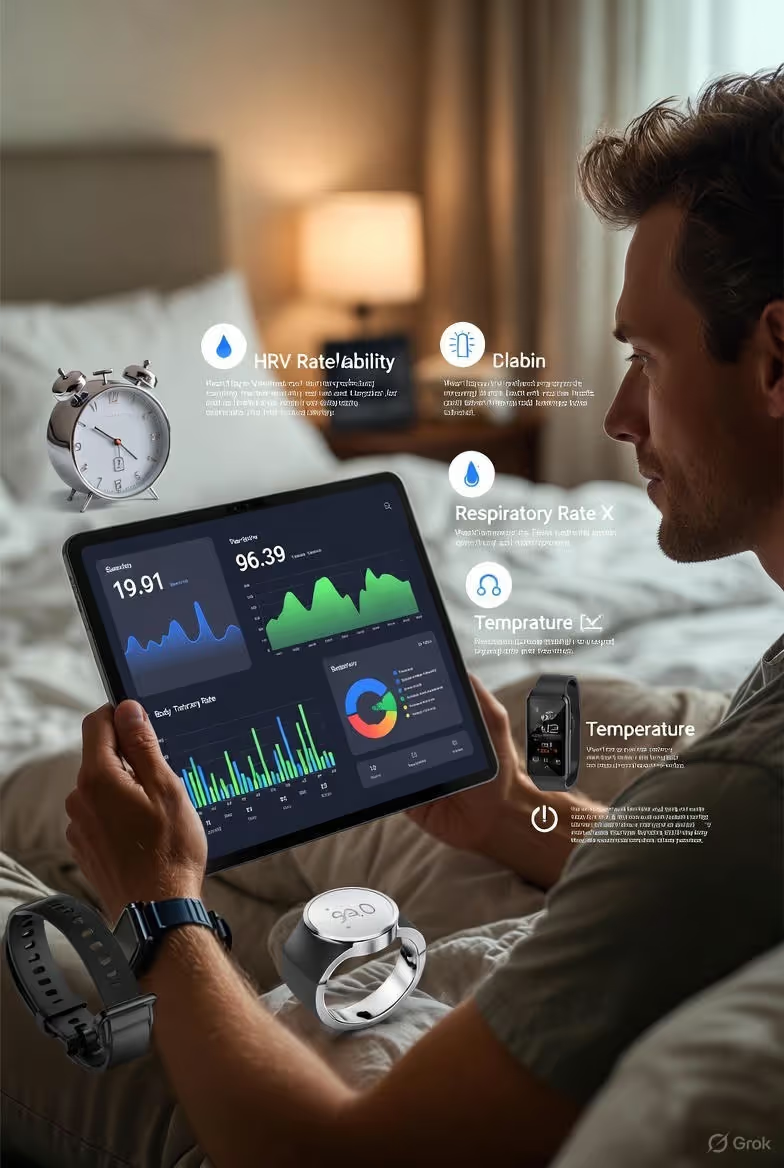
Your Body's Ancient Clock: How Circadian Rhythm Governs Sleep

To comprehend why blue light is so disruptive, we must meet the master conductor of human biology: the circadian rhythm. This is not a metaphor, but a physical system—a 24-hour internal clock embedded in the suprachiasmatic nucleus (SCN), a tiny region of the brain’s hypothalamus. This master clock orchestrates nearly every physiological process in your body, from hormone release and body temperature fluctuation to digestion and, most critically, your sleep-wake cycle.

Your circadian rhythm is designed to be exquisitely sensitive to one primary environmental cue: light. It operates on a fundamental loop. In the morning, sunlight—rich in blue wavelengths—enters your eyes. Specialized photoreceptor cells in the retina, called intrinsically photosensitive retinal ganglion cells (ipRGCs), are tuned to detect this blue light. They act like biological light meters, sending a direct signal via the retinohypothalamic tract to the SCN. This signal is a clear command: “It is day. Halt melatonin production. Increase cortisol for alertness. Raise body temperature. Initiate daytime functions.”

As daylight fades and blue light exposure ceases, the SCN’s command changes. It signals the pineal gland, deep in the brain, to begin secreting melatonin. Melatonin is not a sleeping pill; it’s a hormonal whisper of darkness. It circulates through your body, lowering core temperature, promoting feelings of drowsiness, and priming all systems for sleep onset and maintenance. This melatonin pulse typically begins 2-3 hours before your natural bedtime, creating a window of opportunity for sleep.

The entire system is a feedback loop of precision, honed over millennia. However, it lacks discernment. Your SCN cannot differentiate between the blue light of a midday sky and the blue light from a 10 PM Netflix binge. When ipRGCs detect blue light after sunset, they send the same, catastrophic alert to the SCN: “Daytime detected!” The SCN responds by slamming the brakes on melatonin production. The hormonal cascade toward sleep is abruptly halted.

The result is what scientists call “circadian phase delay.” Your entire internal schedule is pushed later. Your body is tricked into believing it’s earlier than it is, delaying sleepiness, shortening total sleep time, and most damagingly, compressing and disrupting the later sleep stages—particularly deep sleep—which are tightly scheduled to occur in the first half of the night. By hijacking this ancient clock, blue light doesn’t just make you stay up later; it degrades the quality of the sleep you eventually get. For those tracking their wellness metrics, understanding this rhythm is key, a topic often discussed in resources like the Oxyzen blog.

From Retina to Pineal Gland: The Biological Chain Reaction of Evening Blue Light

Let’s trace the precise, domino-like biological chain reaction that occurs when blue light hits your eyes after dark. This journey from photon to physiological chaos explains why the damage is so immediate and profound.

Step 1: The Capture. It begins at the retina. While rods and cones handle vision, the ipRGCs contain a light-sensitive protein called melanopsin. Melanopsin is uniquely sensitive to short-wavelength light—peaking in the blue range. When you look at a screen, these cells are vigorously stimulated.

Step 2: The False Alarm. The activated ipRGCs send an electrical signal directly along a dedicated neural pathway to the SCN. This is not a vague suggestion; it’s a high-priority alert broadcast to the brain’s central timing headquarters.

Step 3: The Command Halt. The SCN, receiving this “daylight” signal, immediately inhibits the paraventricular nucleus, which in turn ceases its activation of the pineal gland. The pineal gland’s production line for melatonin is shut down. Research shows that even relatively dim screen exposure (˜30 lux) can suppress melatonin by 50% or more. A bright tablet at full brightness can suppress it by over 90%, effectively blinding your brain to the fact that it’s nighttime.

Step 4: The Cascading Hormonal Shift. With melatonin suppressed, the hormonal balance shifts. Cortisol, the stress and alertness hormone, which should be at its daily nadir in the evening, may remain elevated. Body temperature, which should be dropping to facilitate sleep onset, stays higher. Heart rate variability decreases.

Step 5: The Neurological Aftermath. This hormonal confusion creates a state of “quiet alertness” in the brain. The prefrontal cortex—responsible for rational thought and willpower—becomes fatigued, while more primal, emotional, and reward-seeking networks remain active. This is why late-night screen time often leads to poor decisions, emotional reactivity, and compulsive scrolling. The brain is in a biological twilight zone, too aroused for sleep but too dysregulated for purposeful wakefulness.

This chain reaction isn’t a slow process. Significant melatonin suppression can begin within minutes of exposure. The critical insight is that this sabotage occurs in the evening, during the crucial melatonin ramp-up period. You are not merely pushing back bedtime; you are actively dismantling the preparatory biological foundation for deep, stable sleep. The stage is set for a night of fragmented, shallow rest long before you decide to turn off the light.
Deep Sleep: The Non-Negotiable Foundation of Human Restoration

To understand what we’re losing, we must appreciate what deep sleep provides. Sleep is not a monolithic state. Throughout the night, we cycle through stages: light sleep (N1 & N2), deep sleep (N3, or slow-wave sleep), and REM (rapid eye movement) sleep. While all stages are important, deep sleep is the cornerstone of physical and mental restoration.

Deep sleep is characterized by slow, high-amplitude brain waves called delta waves. During this stage, your brain and body engage in critical, non-negotiable maintenance work:

  • Cerebral Cleansing: The brain’s glymphatic system, a waste-clearance network, kicks into high gear during deep sleep. It flushes out metabolic debris, including toxic proteins like beta-amyloid, which is associated with Alzheimer’s disease. Think of it as a nightly power wash for your neurons.
  • Physical Repair & Growth: The body releases growth hormone, which is essential for tissue repair, muscle growth, bone building, and cell regeneration. This is when your body recovers from the day’s wear and tear.
  • Immune System Fortification: Deep sleep enhances the efficiency of T-cells and cytokines, strengthening your immune memory and defense system. Chronic poor sleep is one of the most reliable predictors of susceptibility to illness.
  • Memory Consolidation: Declarative memories—facts, figures, experiences—are transferred from the short-term storage of the hippocampus to the long-term storage of the neocortex, solidifying learning and knowledge.
  • Metabolic & Hormonal Regulation: Deep sleep helps regulate glucose metabolism and insulin sensitivity. Disrupting it is a direct path to increased risk of type 2 diabetes and weight gain.

We cannot “catch up” on deep sleep at will. It is predominantly front-loaded in the night, occurring in the longest, most robust periods during the first two sleep cycles. When blue light delays sleep onset, you are directly robbing yourself of these prime, irreplaceable deep sleep windows. The later sleep cycles contain progressively less deep sleep. Lose the first hour, and you may have lost over 50% of your night’s deep sleep potential. This isn’t about grogginess; it’s about depriving your brain and body of their most vital recovery period. For individuals using advanced tracking to optimize this, devices like those from Oxyzen provide detailed insights into sleep stages, helping quantify this loss.

The Pre-Bed Paradox: Why "Night Mode" and Common Advice Fall Short

Armed with the knowledge of blue light’s impact, many of us have adopted popular countermeasures. We enable “Night Shift” or “Night Mode” on our devices, applying a warm, amber tint to the screen. We might use blue-light-blocking glasses or download filtering apps. While well-intentioned, these solutions often create a dangerous paradox: they provide a psychological sense of solving the problem while only addressing a fraction of it, leading to even more pre-bed screen time.

The science reveals the shortcomings:

  1. Intensity and Content Matter More Than Hue: “Night Mode” reduces, but does not eliminate, blue light emission. More importantly, it does nothing to reduce the luminance (brightness) or the cognitive-engagement of the content. A brightly lit, engaging social media feed in amber light is still a potent stimulant. The mental arousal from checking work email or engaging in a heated debate online triggers cortisol and adrenaline, which are far more powerful sleep disruptors than the residual blue light from a filtered screen.
  2. The Myth of "Winding Down" with Screens: The common advice to “avoid screens an hour before bed” is often interpreted as “switch from my laptop to my phone.” This misses the point entirely. The passive consumption of a thrilling TV show or the interactive pull of a video game keeps your brain in a high-processing state, delaying the onset of the quiet, wandering mental state conducive to sleep.
  3. Blue-Blocking Glasses Are a Partial Shield: While quality blue-blocking glasses (with amber or red lenses) can effectively block the melatonin-suppressing wavelengths, they again do nothing for psychological stimulation. They can also create a false sense of security, extending screen time later into the night.

The true paradox is that by relying on these half-measures, we often extend our exposure to the very devices causing the problem. We think, “My screen is yellow now, so it’s fine,” and we scroll for another 45 minutes, subjecting our brains to a prolonged period of cognitive engagement and light exposure (even if filtered) that continues to delay sleep and compress the sleep architecture. The most effective strategy is a behavioral one: a deliberate, screen-free wind-down ritual. For those seeking structured guidance on building such rituals, the Oxyzen blog offers practical, science-backed tips.

Beyond Melatonin: The Multisystem Assault of Blue Light on Sleep Quality

Melatonin suppression is the headline, but blue light’s assault on sleep is a multisystem attack. Its effects ripple through your entire physiology, degrading sleep quality in several simultaneous ways.

  • Sleep Architecture Fragmentation: Blue-light-induced circadian delay doesn’t just shorten sleep; it fragments it. The sleep stages become less distinct and more chaotic. You may experience more frequent, micro-arousals (brief awakenings you don’t remember), spending less time in the stable, uninterrupted blocks of deep and REM sleep. This is like trying to rebuild a house with constant, small earthquakes shaking the foundation.
  • Heart Rate and Nervous System Dysregulation: Evening blue light exposure can keep your sympathetic nervous system (the “fight or flight” system) subtly activated. Instead of the smooth transition to parasympathetic (“rest and digest”) dominance needed for sleep, your heart rate remains elevated, and heart rate variability (HRV)—a key marker of recovery and resilience—stays low. You enter sleep in a state of higher physiological stress.
  • Core Temperature Confusion: For deep sleep to initiate, your core body temperature must drop, facilitated by melatonin and increased blood flow to the extremities to release heat. Blue light, by halting melatonin, interferes with this cooling process. You may feel superficially tired but remain too “warm” internally for deep, restorative sleep to take hold efficiently.
  • Next-Day Sleep Drive Disruption: The circadian misalignment caused by evening blue light doesn’t end when you wake up. It can blunt your sleep drive (homeostatic sleep pressure) the following day, making you feel both fatigued and wired by evening, trapping you in a vicious cycle. Your body’s signals for sleep and wakefulness become blurred and unreliable.

This multisystem view clarifies why simply taking a melatonin supplement while continuing screen habits is ineffective. You are attempting to replace one missing chemical signal while ignoring a symphony of other physiological processes—from brainwave patterns to nervous system state—that have been thrown into discord. The result is often sleep that feels superficial, unrefreshing, and fails to deliver the promised restoration, a frustration many express before finding data-driven solutions, as seen in Oxyzen user testimonials.

The Hidden Culprits: Ambient Light and Your Home Environment

While the smartphone in your hand is the obvious villain, the ambient light pollution in your modern home is a hidden, pervasive accomplice. We have lit our interiors like perpetual afternoon, unknowingly extending the biological day.

  • Overhead LED Lighting: The standard cool-white LED bulbs in most homes and offices have a high correlated color temperature (CCT), often 5000K or higher, emitting a stark, blue-rich light perfect for daytime focus but disastrous for evenings. Simply sitting under these lights after dinner is enough to provide a significant dose of circadian-disrupting light.
  • Dimmers Are Not the Answer: Dimming a cool-white LED does not change its spectral composition; it just makes a blue-rich light dimmer. The ipRGCs in your eyes are sensitive to even low levels of this wavelength.
  • Streetlights and Digital Clocks: The intrusion of external light pollution, especially blue-white LED streetlights, through windows can impact sleep quality. Even the small, piercing LED of a charging brick, smoke detector, or alarm clock can create enough point-source light in a dark room to be subtly alerting.
  • The Pre-Sleep Routine Trap: Your entire evening routine likely takes place under this hostile lighting. Cooking under bright kitchen LEDs, brushing your teeth in a blazing bathroom, then reading in a brightly lit living room—all of this constitutes a sustained pre-bed light bath that primes your SCN for wakefulness.

The environmental fix requires a conscious shift toward circadian-friendly lighting as evening progresses. This means replacing cool-white bulbs with warm-white (2700K or lower) LEDs in lamps and fixtures used after sunset. Utilizing dim, warm-toned bedside lamps instead of overhead lights for the last 1-2 hours before bed is transformative. The goal is to mimic the natural progression of sunset indoors, allowing your melatonin to rise unimpeded. Creating this sanctuary is a core part of holistic sleep hygiene, a concept supported by the mission to integrate wellness seamlessly into daily life, as reflected in Oxyzen’s approach to environmental harmony.
Quantifying the Damage: How Much Deep Sleep Are You Really Losing?

The abstract concept of “losing sleep” becomes powerfully motivating when we attach real numbers to it. Research quantifies the tangible cost of evening blue light exposure.

  • The 90-Minute Penalty: A seminal study from Harvard Medical School found that reading a light-emitting e-reader before bed, compared to a printed book, delayed the onset of melatonin by over 90 minutes. It also reduced overall melatonin secretion by over 50%. Participants took longer to fall asleep, had reduced REM sleep, and felt more groggy the next morning. This was from a single, controlled session of reading.
  • Deep Sleep Reduction: Research using polysomnography (the gold standard of sleep measurement) shows that light exposure before sleep, particularly blue light, decreases the percentage and stability of deep N3 sleep. One study indicated a reduction of 10-15% in deep sleep duration following evening screen exposure. For someone who should get 90 minutes of deep sleep, that’s a loss of 9-13.5 minutes of prime restoration—every single night.
  • The Cumulative Debt: This is not a one-off deficit. The loss compounds. Chronic shallow sleep leads to a phenomenon known as “sleep debt,” where the drive for deep sleep increases, but the disrupted architecture prevents you from achieving it. This creates a state of constant, low-grade recovery deficit.
  • The REM Shift and Compression: With sleep onset delayed, the first REM period (which normally occurs about 90 minutes after falling asleep) is often truncated or missed. The later REM periods become more dominant but can be fragmented. This disrupts emotional processing and creative consolidation, which are primary functions of REM sleep.

These numbers translate to real-world consequences: a slower physical recovery from exercise, poorer concentration and memory recall, increased irritability, and a heightened perception of stress. Your subjective feeling of “I slept okay” is often a poor indicator of this objective, quantitative loss in restorative quality. This gap between feeling and fact is why objective tracking has become so valuable for the health-conscious, a need that Oxyzen’s smart ring technology is designed to meet.

The Modern Consequence: From Brain Fog to Burnout – The Waking Life Impact

The theft of deep sleep by evening blue light is not contained to the night. It unleashes a cascade of dysfunction into every aspect of your waking life, creating a spectrum of modern maladies often misattributed to “just being busy.”

  • Cognitive Impairment (Brain Fog): Without the cerebral cleansing and memory consolidation of deep sleep, toxic metabolic byproducts accumulate in the brain. The result is impaired attention, slowed processing speed, difficulty with executive function (planning, decision-making), and a pervasive “brain fog.” You’re working harder to think less clearly.
  • Emotional Dysregulation: A sleep-deprived brain is an emotionally volatile brain. The amygdala (the fear and emotion center) becomes hyperreactive, while its connection to the rational prefrontal cortex weakens. This leads to increased stress, anxiety, irritability, and a reduced capacity to manage daily frustrations. Small setbacks feel like crises.
  • Metabolic Dysfunction: Deep sleep is crucial for insulin sensitivity. Lose it, and your body becomes less efficient at processing glucose, increasing cravings for sugary, high-carb foods and elevating the risk of weight gain and insulin resistance. It’s a direct biological link between late-night screen habits and metabolic syndrome.
  • Accelerated Aging and Cellular Stress: The reduction in growth hormone and increased systemic inflammation associated with poor deep sleep accelerates cellular aging. It also impairs the body’s antioxidant defenses, leaving cells more vulnerable to damage.
  • The Burnout Pipeline: Combine chronic cognitive fatigue, emotional fragility, and physical malaise, and you have the perfect recipe for burnout. You are operating in a perpetual state of energy deficit, depleting your reserves without adequate overnight restoration. This state is unsustainable, leading to exhaustion, cynicism, and reduced professional efficacy.

Understanding this chain from photon to life impact is crucial. That late-night work email or entertainment binge isn’t a harmless trade-off for productivity or relaxation; it’s a direct withdrawal from your next day’s cognitive capital, emotional stability, and physical health. It’s a high-interest loan against your well-being. For anyone navigating these pressures, finding tools to measure and manage this balance is critical, a subject of many frequently asked questions at Oxyzen.

From Awareness to Action: Building Your Personal Light Hygiene Protocol

Knowledge is only power if it leads to action. Moving from understanding the problem to implementing a solution requires creating a personalized “Light Hygiene” protocol. This is a set of deliberate habits designed to protect your circadian rhythm and safeguard your deep sleep. It’s about becoming the architect of your evening environment, not a passive victim of it.

A truly effective protocol is multi-layered, addressing both light and behavior. Here is a framework to build your own:

Layer 1: The Environmental Overhaul (Start 2-3 Hours Before Bed)

  • Switch to Warm Light: Replace cool-white bulbs in key evening areas (bedside lamps, living room lamps) with warm-white LEDs (2700K or lower). Consider smart bulbs that can automatically shift color temperature at sunset.
  • Embrace Darkness: Use blackout curtains to block external light pollution. Eliminate or cover all tiny LED indicators in the bedroom (chargers, electronics). A completely dark room is non-negotiable for optimal sleep.
  • Dim Early: As bedtime approaches, use fewer light sources and dim them progressively. Candlelight or salt lamps are excellent very-low-light options for the last 30 minutes.

Layer 2: The Digital Sunset (Begin 60-90 Minutes Before Bed)

  • Set a Firm Screen Curfew: This is the most impactful step. Decide on a time when all personal screens (phones, tablets, laptops, TV) are powered down for the night. Use an actual alarm clock instead of your phone.
  • Create a Charging Station Outside the Bedroom: Physically remove the temptation. Your bedroom should be a sanctuary for sleep and intimacy only.
  • If You Must Use a Device: Enable “Night Mode” and reduce brightness to the absolute minimum, ideally under 20%. Better yet, use e-ink devices like a Kindle (with the front light off or very low and warm) for any late reading.

Layer 3: The Behavioral Wind-Down (The 60-Minute Ritual)

  • Replace Scrolling with Substance: Fill the screen void with genuinely relaxing activities: reading a physical book, gentle stretching or yoga, listening to calming music or a podcast (using a non-smart speaker), practicing meditation or deep breathing, or having a quiet conversation.
  • Temperature Regulation: Take a warm bath or shower. The subsequent drop in core body temperature as you cool down is a strong sleep signal.
  • Mindfulness Practice: Spend 5-10 minutes journaling, practicing gratitude, or doing a body scan meditation to quiet the mental chatter and transition from “doing” to “being.”

The Personal Equation: How Age, Chronotype, and Genetics Affect Your Sensitivity

The blanket advice to “avoid blue light” fails to account for a critical truth: we are not all equally vulnerable. Your susceptibility to evening light is a deeply personal equation, shaped by age, innate chronotype, and genetics. Understanding where you fall on this spectrum is the key to customizing an effective defense.

The Age Factor: Why Teenagers and Older Adults Are on the Front Lines
Sensitivity to light’s circadian effects changes dramatically across the lifespan. Adolescents and young adults are uniquely vulnerable due to a biological double-whammy.

  • Delayed Phase Preference: During puberty, the circadian rhythm naturally shifts later. A teenager’s body wants to stay up late and sleep in. This biological shift, combined with high social and academic screen use in the evening, creates a perfect storm for severe circadian disruption. The blue light from devices amplifies and entrenches this delay, making an 11 PM bedtime feel like 8 PM to their brains. The consequences for academic performance, mood, and mental health are profound.
  • Greater Pupil Size & Lens Clarity: Younger eyes have larger pupils and clearer lenses, allowing more light—including blue light—to reach the retina. A 20-year-old may receive up to twice the circadian-effective light dose from a screen as a 60-year-old under the same conditions.
  • The Older Adult Paradox: As we age, the circadian rhythm often weakens and advances (the “early bird” tendency). While this might seem protective, older adults face other challenges. The eye’s lens yellows, filtering some blue light, but age-related sleep fragmentation and reduced melatonin production make the remaining circadian system more fragile. A disruptive light signal in the evening can cause disproportionate sleep maintenance problems, leading to the classic “wide awake at 3 AM” pattern.

Chronotype: The Lark, the Owl, and the Hummingbird
Your chronotype is your genetically predisposed preference for sleep and wake times. It exists on a spectrum from extreme “larks” (morning types) to extreme “owls” (evening types), with most people as “hummingbirds” in the middle.

  • Owls: Naturally delayed, they are most sensitive to evening light because their melatonin onset is already later. Evening light exposure can push them into an extreme, socially debilitating delay. For owls, morning light exposure is actually the most critical intervention to help shift their clock earlier.
  • Larks: With an early melatonin rise, they are more sensitive to light in the early evening and morning. Evening light may not delay their sleep onset as dramatically, but it can still suppress melatonin and fragment their sleep. For larks, protecting the evening from light is about preserving sleep quality, not just timing.
  • The Middle: The majority must still be vigilant. While not as exquisitely sensitive as the extremes, chronic exposure still degrades sleep architecture and next-day function.

Genetic Variability: The Melanopsin Code
The very machinery that detects light—the melanopsin protein in ipRGCs—varies from person to person due to genetics. Specific single-nucleotide polymorphisms (SNPs) in the OPN4 gene (which codes for melanopsin) are associated with:

  • Greater melatonin suppression in response to light.
  • Higher risk of Seasonal Affective Disorder (SAD).
  • Differing sensitivities to light’s alerting effects.

This means two people sitting side-by-side watching the same TV show may be experiencing drastically different levels of biological sabotage. One may suppress melatonin by 40%, the other by 70%. This genetic lottery explains why your friend can “sleep fine after TV” while you’re tossing and turning.

The Takeaway: Personalized Defense
A one-size-fits-all approach is futile. A teenager needs a different strategy than a 70-year-old. An owl must focus on morning light, while a lark fortifies the evening. The first step is self-observation: When do you naturally get tired? When do you wake without an alarm? Use this awareness to tailor your Light Hygiene protocol. For those seeking to quantify their personal patterns, wearable technology like the Oxyzen smart ring can provide invaluable, objective data on sleep timing and stability, moving you from guesswork to precision.

Beyond the Screen: The Blue Light in Your Diet and Medicine Cabinet

The light environment is the primary driver, but a complete picture of blue light’s assault must include two surprising, internal sources of disruption: your diet and your medications. These can amplify the external signal or mimic its effects, making your sleep even more fragile.

Dietary Disruptors: The Evening Meal’s Hidden Clock
What you eat, and when you eat it, sends powerful signals to your peripheral circadian clocks in organs like the liver and pancreas. Eating at the wrong biological time can create “metabolic jet lag.”

  • Late-Night Eating: Consuming a large meal, especially one high in refined carbohydrates and sugar, within 3 hours of bedtime can raise blood sugar and core body temperature, conflicting with the body’s natural pre-sleep cooling process. It also forces your digestive system into high gear when it should be powering down. This metabolic activity can be interpreted by the body as a “daytime” signal, blunting sleep depth.
  • Caffeine’s Long Shadow: Caffeine’s half-life is 5-6 hours. A 3 PM coffee means that at 9 PM, 50% of its adenosine-blocking, alertness-promoting effects are still active in your system. It directly antagonizes the sleep drive, making it harder to transition into deep sleep. For the sensitive, even morning caffeine can affect sleep quality.
  • Alcohol: The Seductive Saboteur: While alcohol is a sedative that can hasten sleep onset, it is a proven wrecker of sleep architecture. It suppresses REM sleep early in the night and leads to rebound arousal and fragmentation in the second half. Combined with evening blue light, which delays sleep onset, the two create a perfect trap: you use alcohol to counteract the alertness caused by screens, only to guarantee a night of non-restorative, fragmented sleep.

The Pharmaceutical and Supplement Impact
A range of common substances directly or indirectly affect the sleep-wake cycle.

  • Stimulant Medications: Prescription stimulants for ADHD (e.g., methylphenidate, amphetamines) are obvious disruptors, but many over-the-counter drugs contain stimulants like pseudoephedrine (in cold medicine) or high doses of B-vitamins, which can be energizing.
  • Corticosteroids: Medications like prednisone, if taken in the evening, can mimic cortisol’s alerting effect and severely disrupt sleep.
  • Melatonin Supplements – A Double-Edged Sword: Exogenous melatonin can be a useful tool for shift work or jet lag to shift the circadian clock. However, using it haphazardly as a nightly sleep aid without addressing light exposure is like using a bandage on a bullet wound. The blue light is still suppressing your natural production and disrupting downstream processes; you’re just adding back one chemical. The timing and dose are also critical—too much or too late can cause morning grogginess and further confuse the internal clock.
  • Diuretics & Beta-Blockers: These can disrupt sleep by increasing nighttime urination or, in the case of some beta-blockers, potentially reducing melatonin production.

The Holistic Protocol
Therefore, true light hygiene extends to “circadian hygiene.” It involves:

  • Establishing a Consistent Eating Window: Aim to finish eating 2-3 hours before bedtime.
  • Caffeine Curfew: For most, no caffeine after 2 PM.
  • Mindful Alcohol Consumption: Understanding its true cost on sleep recovery.
  • Medication Timing Review: In consultation with a doctor, see if the timing of necessary medications can be optimized for sleep.
  • Strategic Supplement Use: Using tools like melatonin only with purpose and knowledge, not as a substitute for behavioral change.

By managing these internal factors, you create a stable biological foundation, making your system more resilient to the inevitable external light exposures of modern life. For a deeper dive into the interaction of lifestyle and physiology, the Oxyzen blog offers continuous research insights.

The Tracking Revolution: Using Data to See Your Sleep’s Invisible Architecture

For centuries, sleep was a mystery—a subjective feeling of rest. The advent of consumer sleep tracking technology has revolutionized our ability to see the invisible. Now, we can move beyond “I slept badly” to “My deep sleep was fragmented, my REM was delayed, and my resting heart rate was elevated by 8 BPM.” This data is the flashlight illuminating the specific damage caused by blue light.

From Subjective Feeling to Objective Metric
Wearable devices, like advanced smart rings and watches, use a combination of sensors—photoplethysmography (PPG) to measure heart rate and heart rate variability (HRV), accelerometers to measure movement, and skin temperature sensors—to estimate sleep stages. While not as precise as a clinical polysomnogram, they provide highly reliable trend data.

  • Seeing the Delay: A tracker will clearly show a later sleep onset time on nights with heavy pre-bed screen use.
  • Visualizing Fragmentation: The sleep stage graph will show choppy, frequent transitions between light and deep sleep, instead of the clean, solid blocks of deep sleep in the first half of the night.
  • Quantifying the Cost: You can see the literal minutes of deep and REM sleep lost, and correlate it with your pre-bed behavior.

Heart Rate Variability (HRV): The Ultimate Biomarker of Recovery
HRV—the variation in time between heartbeats—is perhaps the most sensitive non-invasive metric of autonomic nervous system balance. High HRV indicates strong parasympathetic (“rest and digest”) tone and resilience. Low HRV indicates sympathetic (“fight or flight”) dominance and stress.

  • The Blue Light HRV Crash: Evening blue light exposure, by activating the SCN and suppressing melatonin, keeps the sympathetic nervous system subtly engaged. This is reflected in a lower nighttime HRV and a higher average resting heart rate during sleep. You may be asleep, but your physiology is in a state of higher stress, impeding recovery.
  • The Morning Readout: A tracking device will show you this data clearly. A night preceded by poor light hygiene will often show a depressed HRV score and an elevated resting heart rate, explaining the feeling of waking up tired despite being “in bed” for 8 hours.

The Power of the N-of-1 Experiment
This data turns you into a scientist of your own sleep. You can run personal experiments:

  • The A/B Test: For one week, strictly adhere to a 9 PM digital sunset and warm lighting. The next week, revert to old habits. Compare the average deep sleep minutes, sleep onset latency, and HRV scores. The difference is often staggering and provides undeniable personal motivation.
  • Identifying Personal Triggers: Maybe you discover that video conferences after 8 PM are more damaging than reading news on a tablet, due to the social stress component. Or that even using “Night Mode” after 10 PM drops your deep sleep by 15%.

Moving from Data to Wisdom
The goal of tracking is not obsession, but empowerment and insight. It closes the feedback loop between behavior and result, making the abstract concrete. It allows you to fine-tune your Light Hygiene protocol to what your body actually needs. For anyone serious about reclaiming their sleep, objective data is no longer a luxury; it’s an essential guide. This is the core value proposition of detailed wearables; you can explore how Oxyzen’s technology delivers these insights to foster this kind of self-knowledge.

The Long-Term Horizon: Chronic Disruption and the Link to Disease

Viewing blue light as a mere sleep disruptor is a catastrophic underestimation. When the circadian rhythm is chronically misaligned by nightly light exposure, it ceases to be a lifestyle issue and becomes a serious, systemic risk factor for disease. The research paints a concerning picture of the long-term horizon.

Metabolic Mayhem: Diabetes and Obesity
The link is robust and causal. Shift workers, the human model of chronic circadian disruption, have a 40-50% higher risk of developing type 2 diabetes.

  • Mechanism: Deep sleep is crucial for insulin sensitivity. Lose it, and cells become resistant to insulin’s “open for glucose” signal. The pancreas must pump out more, leading to hyperinsulinemia, fat storage, and eventually pancreatic burnout. Evening light exposure also directly alters the timing of liver clocks, disrupting glucose metabolism.
  • The Hunger Hormone Hijacking: Sleep deprivation from disrupted sleep increases ghrelin (the hunger hormone) and decreases leptin (the satiety hormone). This biological push toward overeating, combined with impaired metabolism, creates a powerful obesogenic environment.

Cardiovascular Consequences
Your heart and vasculature follow a strong circadian rhythm. Disrupting it has dire consequences:

  • Blood Pressure: Blood pressure naturally dips by 10-20% during deep sleep—a phenomenon called “nocturnal dipping.” Fragmented, shallow sleep blunts or eliminates this dip (“non-dipping”), which is a major independent risk factor for stroke and heart attack.
  • Inflammation: Circadian misregulation promotes a pro-inflammatory state. Chronic, low-grade inflammation is the bedrock of atherosclerosis (hardening of the arteries) and other cardiovascular diseases.

Neurological Decline: The Alzheimer’s Connection
This is perhaps the most alarming frontier. The brain’s glymphatic system, which flushes out neurotoxic waste like beta-amyloid and tau proteins, is almost exclusively active during deep sleep.

  • The Plumbing Clogs: Chronic blue light exposure, by reducing deep sleep, effectively turns down the pressure on this nightly brain wash. Beta-amyloid plaques begin to accumulate, a hallmark of Alzheimer’s disease. Studies show that even a single night of poor sleep increases beta-amyloid levels in the brain.
  • The Vicious Cycle: These accumulating toxins may then further damage the neurons and circuits responsible for generating deep sleep, creating a downward spiral of worsening sleep and accelerated pathology.

Mental Health: Anxiety, Depression, and Emotional Fragility
The circadian system is inextricably linked to mood regulation. The SCN has direct neural connections to brain centers involved in emotion.

  • Direct Biological Pathway: Chronic circadian disruption dysregulates the HPA axis (the stress response system), leading to abnormal cortisol rhythms. It also directly affects serotonin and dopamine pathways.
  • The Epidemic Correlation: While correlation isn’t causation, the parallel rise in evening screen exposure and rates of anxiety and depression, particularly among adolescents, is impossible to ignore. Treating circadian rhythm disorders is now a frontline intervention in many psychiatric approaches.

The conclusion is inescapable: protecting your evening from blue light is not a wellness fad; it is a preventative health measure. It is as critical for long-term health as diet and exercise. By safeguarding your deep sleep, you are investing in your metabolic, cardiovascular, cognitive, and emotional future. This profound connection between nightly habit and lifelong health is central to the mission of holistic wellness tracking, a principle you can learn more about in Oxyzen’s story.

The Shift Worker’s Dilemma and the Traveler’s Jet Lag

For some, evening blue light avoidance is a simple matter of habit change. For others—shift workers, frequent travelers, and new parents—it’s a constant battle against an inverted world. Their challenges highlight the fundamental power of light as a tool, which, when understood, can be used strategically for adaptation as well as protection.

The Shift Worker: Living Against the Sun
Nurses, factory workers, first responders: their survival depends on being alert at night and sleeping during the day. Blue light is both their enemy and their most potent ally.

  • The Enemy During Sleep: Daytime sleep is notoriously light and fragmented. The primary reason? Morning and afternoon blue light. Sunlight streaming through curtains, the blue-rich light of household activities, all scream “WAKE UP!” to their circadian system. For them, blackout curtains are not a luxury; they are a medical necessity. Creating a pitch-black, cave-like sleep environment is non-negotiable.
  • The Ally During Work: To stay alert and safe on a night shift, they must use blue light strategically. Bright, blue-enriched lighting in the workplace can help suppress melatonin and boost cognitive performance. Some may even use light therapy glasses during their shift. The key is to cease this bright light exposure 2-3 hours before their planned bedtime to allow melatonin to rise.
  • The Critical Transition: Wearing blue-blocking glasses on the commute home in the morning is a powerful tactic to protect the rising melatonin signal and facilitate daytime sleep.

The Traveler: Conquering Jet Lag with Photons
Jet lag is acute, painful circadian misalignment. Your internal clock is in London while your body is in New York. The fastest way to reset it is with precisely timed light exposure.

  • The Rule of Thumb: To shift your clock later (east-to-west travel), seek evening light in your new time zone. To shift your clock earlier (west-to-east travel), seek morning light and avoid afternoon/evening light.
  • Strategic Suppression: If you land in Paris at 8 AM from New York (your body thinks it’s 2 AM), getting bright morning light will aggressively suppress melatonin, helping your clock “jump” to the new day. Conversely, wearing blue-blockers that first evening can help you adjust.
  • The Calculator Age: Apps and algorithms can now provide personalized light exposure schedules based on your itinerary, turning your smartphone from a disruptor into a therapeutic tool.

The New Parent: Survival Mode
With sleep fragmented by necessity, the goal for new parents is to maximize the quality of every precious sleep window.

  • Protecting the Parent’s Sleep: During night feedings, use the absolute minimum light necessary. A dim, red-toned nightlight (red light has the least impact on melatonin) is ideal. Avoid checking the phone’s bright screen.
  • Establishing the Infant’s Rhythm: Exposure to natural daylight, especially in the morning, is crucial for setting an infant’s fledgling circadian clock, helping them eventually differentiate day from night.

For these groups, rigid “no blue light after sunset” rules are impractical. The advanced understanding is that light is a drug—a powerful circadian modulator. The principle shifts from blanket avoidance to strategic timing. You learn to dose it deliberately to promote alertness when you need it, and defend against it ruthlessly when you need sleep, regardless of what the sun is doing. This sophisticated dance with light is the frontier of personal performance, a topic full of insights and user experiences shared on platforms like the Oxyzen testimonials page.

The Future of Sleep: Personalized Light Environments and Adaptive Technology

We stand on the brink of a revolution in environmental health, where our living spaces will actively protect our biology. The future of sleep is not just about individual discipline, but about intelligent systems that create a seamless, circadian-supportive world.

Biologically Adaptive Lighting
Imagine lighting that doesn’t just turn on and off, but flows with the rhythm of the day.

  • Full-Spectrum Daytime Lighting: Office and school lighting that mimics the dynamic changes of natural daylight, with high blue content in the morning to promote alertness, gradually warming through the afternoon to ease the transition.
  • Automatic Evening Wind-Down: Home lighting systems synchronized with sunset, automatically dimming and shifting to warm amber and red tones after a set hour. Your living room lights would literally prepare your body for sleep.
  • Personalized Wavelength Control: Advanced LED systems that can tune out specific melatonin-suppressing wavelengths (around 480 nm) in the evening while maintaining good color vision, offering a true “circadian-friendly” mode for screens and ambient light.

The Context-Aware Smartphone
Your phone, the primary culprit, could become your greatest defender.

  • Beyond Night Mode: Future operating systems could use ambient light sensors, time of day, and even calendar data (e.g., “meeting at 7 AM tomorrow”) to automatically adjust not just color temperature, but brightness and even app functionality. It could fade to grayscale and disable stimulating notifications 90 minutes before your learned bedtime.
  • Integrated Sleep Coaching: Using data from your wearable, your phone could provide personalized feedback: “Your deep sleep was 22% lower last night. High screen use after 10:30 PM was the likely cause. Suggest a digital sunset at 10 PM tonight.”

Wearable Evolution: From Tracking to Intervening
Next-generation wearables will move from passive observers to active guardians.

  • Real-Time Light Sensing: A smart ring or device with an ambient light sensor could log your 24-hour light exposure, creating a “Light Diet” report. It could vibrate gently as a nudge if you’ve been in dim light all day or if you’re exposed to bright light too late.
  • Biometric Feedback Loops: Imagine a device that detects a pre-sleep spike in heart rate (from stress or an exciting show) and suggests a breathing exercise, or one that notes a low HRV and recommends an earlier bedtime.
  • Integrated Solutions: The wearable could communicate with your smart home system, triggering your lights to dim when it detects you’ve entered your wind-down routine based on lowered heart rate and stillness.

The Harmonized Habitat
The end goal is a habitat that breathes with you. When you walk into your home in the evening, the environment itself guides you toward rest. The technology fades into the background, working not as another demand on your attention, but as a silent steward of your biology. This vision of seamless, proactive wellness is the driving force behind integrative health technology, a future you can discover taking shape at Oxyzen.

Reclaiming the Night: Your Action Plan for a Digital Sunset

We have journeyed from the photon to the future. Now, we arrive at the practical synthesis. Knowledge without action is merely trivia. Here is your comprehensive, tiered action plan to reclaim your deep sleep from the digital onslaught. Start at Level 1 and advance as each becomes habitual.

Level 1: The Foundation (Non-Negotiable)

  • Set a Digital Curfew: Choose a time 60-90 minutes before your target bedtime. This is your Digital Sunset. At this time, all personal screens (phone, tablet, laptop, TV) are powered down for the night. Use an old-fashioned alarm clock.
  • Create a Bedroom Sanctuary: Your bedroom is for sleep and intimacy only. Remove all screens. Make it pitch black (use blackout shades, cover LED lights). Keep it cool (65-68°F or 18-20°C is ideal).
  • The Charging Station: Establish a charging station for all devices outside the bedroom. This physical barrier is the single most effective behavioral change you can make.

Level 2: Environmental Engineering

  • Install Warm Lighting: Replace cool-white bulbs in lamps used after sunset with warm-white (2700K or lower) LEDs. Use dimmers or low-wattage lamps for the last hour.
  • Embrace Analog Evenings: Re-discover offline wind-down activities: physical books, magazines, journaling with pen and paper, gentle stretching, listening to music or calming podcasts on a non-smart speaker, mindful conversation.
  • The 10-Minute Rule: If you must use a device after your curfew (for a critical reason), enable the warmest Night Mode, reduce brightness below 20%, and limit use to 10 minutes maximum.

Level 3: Personal Optimization

  • Discover Your Chronotype: Pay attention to your natural rhythms. Use a free questionnaire like the Munich Chronotype Questionnaire. Are you an owl needing morning light? A lark protecting the evening? Tailor your light exposure accordingly.
  • Run a Self-Experiment: Use a sleep tracker for two weeks. One week with strict Light Hygiene, one week without. Compare the data on deep sleep, resting heart rate, and HRV. Let the numbers motivate you.
  • Craft a 45-Minute Pre-Sleep Ritual: This is your behavioral anchor. It might look like: Warm tea > 10 minutes of light stretching > 5 minutes of gratitude journaling > 10 pages of a novel in dim light > lights out.

Level 4: Advanced Defense & Advocacy

  • Invest in Specialized Tools: Consider high-quality blue-blocking glasses (amber or red lenses) for unavoidable evening screen use (e.g., late work). Use smart bulbs that auto-adjust color temperature.
  • Become a Light Advocate: Talk about this with family, especially teenagers. Model good behavior. Create household “screen-free” zones or times. Educate your workplace about the benefits of circadian-friendly lighting.
  • Leverage Technology Wisely: Use apps that force grayscale mode on your phone at a set time. Use website blockers to prevent mindless scrolling after your curfew.

The journey to reclaim your sleep is a journey of reclaiming your attention, your health, and your vitality from the constant pull of the digital world. It begins with a single, deliberate act: putting the phone down, turning off the screen, and stepping into the nourishing darkness your biology craves. It is in that quiet space, free from the artificial day, that your body can finally do its deepest work. For ongoing support, community stories, and the latest research on making this sustainable, the Oxyzen blog is a dedicated resource.

Debunking the Myths: Separating Sleep Science from Sleep Hype

In the wellness arena, sleep advice is abundant—and often contradictory. Misinformation spreads quickly, creating confusion and leading people to adopt ineffective or even counterproductive strategies. To build a truly effective defense, we must dismantle the most pervasive myths surrounding blue light and sleep.

Myth 1: "I'm used to it. Screens don't affect me anymore."
This is perhaps the most dangerous and common belief. The circadian system does not "get used to" disruptive light in a beneficial way. What happens is masking. You may no longer feel as acutely alert, but the physiological suppression continues unabated. Studies comparing long-term night shift workers to day workers show their melatonin rhythms are still suppressed by light at night; they've just learned to sleep under suboptimal biological conditions. The damage—metabolic dysregulation, cardiovascular strain, fragmented sleep architecture—is still occurring. You haven't adapted; you've become desensitized to the warning signals while the internal damage accrues.

Myth 2: "I use Night Mode / Blue-Light Glasses, so I'm protected."
As covered, these are partial solutions that address only the spectral quality of light, not its intensity, timing, or, most importantly, its cognitive impact. A 2022 meta-analysis in Sleep Medicine Reviews concluded that while blue-light filtering can modestly help with sleep onset, the effects are small compared to the impact of reducing overall screen time and brightness. Believing this myth often leads to more exposure, negating any potential benefit. The glasses or filter become a license for extended use, keeping the brain cognitively and emotionally engaged—the primary driver of delayed sleep onset in many cases.

Myth 3: "I'll just take some melatonin to counteract it."
This reduces sleep to a single chemical transaction. Melatonin is the signal for darkness, not the mechanism of sleep itself. Artificially raising melatonin while bombarding your brain with alerting content and light is like whispering "be quiet" in a roaring nightclub. It ignores the symphony of other disrupted processes: elevated core temperature, sympathetic nervous system activation, altered heart rate variability, and delayed release of other sleep-regulating neurotransmitters. Supplemented melatonin may help you fall asleep, but it does little to protect the quality and architecture of the sleep that follows.

Myth 4: "Only bright screens are the problem. My e-reader/tablet on low is fine."
This myth confuses visual comfort with circadian impact. E-ink readers (like a basic Kindle without a front light) are excellent as they reflect ambient light. However, a tablet or e-reader with an LED front light, even on a low, warm setting, is still an active light source directed at your eyes. The ipRGCs are sensitive to very low levels of light. A 2015 study from the Lighting Research Center found that even at very low screen brightness (10-20 lux), two hours of exposure caused significant melatonin suppression in a dark room. The rule is simple: if it emits its own light, it has circadian potential. If it's reflective only (like paper), it's safe.

Myth 5: "It's only a problem right before bed. What I do earlier is fine."
While the 1-2 hours before bed are most critical, your cumulative light exposure throughout the evening sets the stage. Spending 6-10 PM under bright, cool-white overhead lighting while working or relaxing primes your SCN to a state of wakefulness, making it harder to wind down quickly. Think of it as a "light debt." The brighter and bluer your evening, the longer and darker your wind-down needs to be to reverse the signal. Consistency is key; a dim, warm environment from dinnertime onward is the ideal foundation for a strong sleep signal.

Myth 6: "Young people are more resilient; they can handle it."
As detailed in the sensitivity section, the opposite is true. Adolescents are biologically more vulnerable due to their phase delay and clearer ocular media. The myth of resilience confuses behavioral adaptation (staying up late) with biological invulnerability. The impact on their developing brains—on memory consolidation, emotional regulation, and neuroendocrine development—is likely more severe and long-lasting.

Debunking these myths clears the path for evidence-based action. It shifts the focus from silver-bullet solutions to holistic system management: reducing total dose, respecting timing, and prioritizing cognitive disengagement. It’s about creating a consistent environment that tells a coherent story to your biology, from dusk till dawn. For those navigating this sea of information, trusted, science-backed resources like the Oxyzen blog are invaluable for staying current.

The Ripple Effect: How Your Sleep Disruption Impacts Everyone Around You

Sleep disruption is not a solitary affliction. It radiates outward, affecting your relationships, your performance in social and professional groups, and even the collective health of society. The tired individual is a social node of diminished capacity, creating ripples of negative impact.

The Emotional Contagion of Fatigue
Sleep deprivation directly impairs the brain's ability to regulate emotions. The amygdala becomes hyper-reactive, and its connection to the prefrontal cortex weakens.

  • In Relationships: This manifests as increased irritability, reduced patience, poor conflict resolution, and a negative attribution bias (interpreting your partner's neutral actions as hostile). A study from the University of California, Berkeley, found that sleep-deprived couples had more frequent and intense conflicts and showed a 30% reduction in empathic accuracy—the ability to read each other's emotions. You are not just tired; you are a less competent and compassionate partner, friend, or parent.
  • The Family Unit: A parent’s fragmented sleep from evening screen use creates a home environment with less emotional bandwidth. Children are exquisitely sensitive to parental stress and irritability. Furthermore, parents model behavior; a household where screens dominate the evening normalizes circadian disruption for the next generation.

The Collaborative Cost: Teamwork and Collective Intelligence
In the workplace, a team is only as strong as its least-rested member.

  • Reduced Cognitive Bandwidth: Sleep-deprived individuals contribute less effectively to brainstorming, problem-solving, and complex decision-making. They are more rigid in their thinking and less creative.
  • Impaired Communication: Fatigue degrades verbal fluency and active listening skills. Miscommunications increase, and the subtle nuances of collaboration are lost.
  • Safety and Error Rates: In fields from healthcare to transportation, the data is unequivocal: sleep loss leads to more errors, accidents, and near-misses. When a team’s collective sleep reserve is low, the risk multiplies.

The Societal Burden: Healthcare and Economics
Zooming out, the mass sleep deprivation driven by our illuminated society carries a staggering economic and public health cost.

  • Healthcare Costs: Chronic sleep disruption is a primary risk factor for our most expensive diseases: diabetes, heart disease, obesity, depression, and Alzheimer's. The annual healthcare cost of sleep disorders in the United States alone is estimated to be hundreds of billions of dollars.
  • Lost Productivity: Presenteeism—being at work but functioning at a subpar level due to fatigue—is estimated to cost economies far more than absenteeism. The Rand Corporation calculated that sleep loss costs the U.S. economy up to $411 billion annually in lost productivity.
  • The Wisdom Deficit: A sleep-deprived society is a more impulsive, short-sighted, and less innovative society. Complex, long-term challenges like climate change or social inequality require prefrontal cortex function at a societal scale—the very function eroded by poor sleep.

Breaking the Chain: Becoming a Positive Node
The inverse is also true. By prioritizing your sleep, you become a node of resilience. You bring greater emotional stability, cognitive clarity, and patience to your interactions. You make fewer errors, communicate more effectively, and contribute more meaningfully to collaborative efforts. Protecting your sleep is therefore not a selfish act; it is a social responsibility. It is an investment in the health and harmony of your relationships and your community. Sharing this understanding is part of a larger mission to elevate collective well-being, a value you can see reflected in the community that has formed around Oxyzen's tools and vision.

Product Deep Dive: Evaluating Blue Light Solutions in a Crowded Market

With awareness comes a marketplace flooded with solutions. From cheap glasses to expensive panels, how does one navigate the options? Let’s evaluate the major categories through the lens of efficacy, convenience, and science.

1. Software Filters (Night Shift, f.lux, etc.)

  • What they do: Adjust the color temperature of your screen to a warmer, more amber hue.
  • Pros: Free, built-in, easy. They reduce the relative amount of blue light.
  • Cons: As established, they do not eliminate it, and they do nothing for brightness or cognitive engagement. They are a first step, not a solution. Efficacy: ★★☆☆☆

2. Blue-Light-Blocking Glasses
This category has extreme variability.

  • Clear or Lightly Tinted Lenses: Often marketed for "all-day use." These filter a negligible amount (10-20%) of blue light. They may reduce digital eye strain but offer minimal circadian protection.
  • Amber or Yellow Lenses: Filter a significant portion (e.g., 65-90%) of blue light in the critical ~480 nm range. These can be effective for evening use. Look for products that provide a spectral transmission graph.
  • Red or Dark Amber Lenses: Block nearly all blue and green light. These are the most effective for circadian protection and are used by researchers and shift workers. They dramatically distort color perception, making them unsuitable for tasks requiring color accuracy.
  • Key Consideration: Fit matters. Light leaking in from the sides reduces efficacy. Efficacy (for quality amber/red lenses): ★★★★☆

3. Circadian-Friendly Light Bulbs & Smart Lighting

  • Warm-White LEDs (2700K): The simplest, most effective upgrade for home lighting. They emit far less circadian-disrupting blue light than cool-white (5000K+) bulbs.
  • Tunable-White Smart Bulbs: (e.g., Philips Hue, Lifx) Allow you to program a schedule that automatically shifts from cool white during the day to warm white at night. This is a powerful tool for environmental engineering. Efficacy: ★★★★★ (for environmental management)
  • Low-Blue Light Fixtures: Some specialty fixtures are designed with phosphors that minimize the melatonin-suppressive spike.

4. Light Therapy Lamps & Wearables

  • For Morning/Alertness: These are designed to provide a strong dose of blue-enriched light to treat Seasonal Affective Disorder (SAD) or shift circadian clocks earlier. They are a therapeutic tool for specific timing, not an evening solution. Efficacy (for intended morning use): ★★★★★
  • Daytime Wearables: Light therapy glasses (like Luminette) deliver light directly to the eyes for portability. Again, a morning/alertness tool.

5. Screen Overlays & Privacy Filters
Physical filters that adhere to screens. They work similarly to tinted glasses, reducing blue light transmission. They are a good solution for fixed screens (monitors, laptops) but are less common for phones due to touch sensitivity and fit issues. Efficacy: Comparable to equivalent tinted glasses. ★★★☆☆

The Holistic Stack
No single product is a magic bullet. The most effective approach is a "stack":

  • Foundation: Behavioral change (Digital Sunset) + Environmental change (Warm home lighting).
  • First Aid: Quality amber-lens glasses for unavoidable evening screen work.
  • Automation: Tunable smart bulbs to remove the mental load.
  • Monitoring: A wearable sleep tracker to measure the impact of your interventions, providing objective feedback on what's working for you. This data-driven approach is what turns generic advice into a personalized protocol, a principle core to devices that offer comprehensive insights like those from Oxyzen.

The Mind-Body Bridge: Stress, Anxiety, and the Two-Way Street with Sleep

The relationship between evening light, sleep, and mental well-being is a two-way street of extraordinary complexity. Blue light doesn't just disrupt sleep which then causes stress; it directly fuels anxiety, which in turn further devastates sleep, creating a vicious, self-reinforcing cycle.

Blue Light as a Direct Anxiogenic Stimulant
Beyond melatonin suppression, evening light exposure activates the sympathetic nervous system—the biological seat of the stress response.

  • HPA Axis Activation: Light at night can stimulate the hypothalamic-pituitary-adrenal (HPA) axis, leading to elevated cortisol at a time it should be plummeting. This creates a state of "quiet anxiety"—a physiological arousal that may not feel like a panic attack but manifests as rumination, worry, and an inability to quiet the mind.
  • Impact on Neurotransmitters: Emerging research suggests light at night may alter the metabolism of key neurotransmitters like GABA (calming) and glutamate (excitatory) in brain regions like the prefrontal cortex and amygdala, reducing the brain's natural braking power on anxious thoughts.

The Anxious Mind as the Enemy of Sleep
When anxiety is elevated at bedtime, the very attempt to sleep becomes a stressor.

  • Cognitive Hyperarousal: The mind races with worries about the past day or the next. This is the antithesis of the quiet, unfocused mental state required for sleep onset.
  • Conditioned Arousal: The bed can become associated with frustration and anxiety rather than rest. This leads to psychophysiological insomnia, where simply entering the bedroom triggers alertness.
  • Sleep-State Misperception: Anxiety can heighten awareness of normal, brief nighttime awakenings, making sleep feel much more fragmented than it objectively is, fueling further sleep-related worry.

Breaking the Cycle: Interventions That Target Both
Effective strategies must address both the physiological light signal and the psychological state.

  • The Pre-Emptive Wind-Down: Starting your Digital Sunset 90 minutes before bed is as much about reducing cognitive and emotional stimulation as it is about reducing light. Stepping away from work emails, news cycles, and social media drama is critical.
  • Mindfulness and Meditation: Practices that cultivate present-moment awareness directly counter ruminative anxiety. Studies show that mindfulness-based stress reduction (MBSR) improves both subjective sleep quality and objective measures like sleep efficiency.
  • The "Worry Journal": A classic cognitive-behavioral therapy for insomnia (CBT-I) technique. Earlier in the evening, spend 15 minutes writing down all worries and to-dos. The act of externalizing them onto paper helps contain them, preventing the "brain dump" from happening in bed.
  • Diaphragmatic Breathing: Simple, slow, deep breathing (e.g., the 4-7-8 technique) activates the parasympathetic nervous system, directly counteracting the sympathetic arousal from both light and stress. It’s a portable tool to use when you feel evening anxiety rise.

This integrated view makes clear that true sleep hygiene is also anxiety hygiene. By controlling your light environment, you lower the physiological fuel for anxiety. By practicing mental deceleration, you create the internal conditions for sleep to flourish. They are inseparable partners in the quest for nocturnal restoration. For many, seeing the tangible correlation between a calm evening and improved sleep metrics on a device provides powerful positive reinforcement, a benefit noted in user experiences shared by Oxyzen customers.

The Lifelong Protocol: Adapting Your Sleep Defense from Adolescence to Golden Years

Our sleep needs and vulnerabilities are not static. The strategies that protect a 16-year-old are different from those for a 50-year-old executive or a 75-year-old retiree. A lifelong protocol evolves with your biology and life circumstances.

Adolescence & Early Adulthood (13-25): The Phase of Delayed Vulnerability

  • Core Challenge: A biologically delayed rhythm collides with early school start times and massive social/educational screen use.
  • Priority Actions:


    • Morning Light Exposure: Critical to help pull the circadian clock earlier. Encourage getting outside in the morning, even briefly.
    • Strict Evening Boundaries: Non-negotiable Digital Sunset. Charging stations outside the bedroom. Family-wide agreements to model behavior.
    • Education: Teach the why—connect screen habits to mood, academic performance, and athletic recovery. Empower them with knowledge.
    • Advocacy: Support later school start times where possible.

Prime Working Years (26-60): The Phase of Competing Demands

  • Core Challenge: Career, family, and social obligations create constant time pressure. Sleep is often sacrificed first. Evening is the only "me time."
  • Priority Actions:


    • Ruthless Prioritization: Frame sleep as the non-negotiable foundation of performance, not a luxury. Protect it like a critical business asset.
    • Strategic Unplugging: Use calendar blocks to protect your pre-sleep window. Communicate your Digital Sunset to colleagues/family to manage expectations.
    • Optimize the Environment: Invest in home automation (smart lights, blackout) to make the wind-down effortless.
    • Leverage Data: Use a wearable to identify specific triggers (e.g., late dinners, certain types of evening work) and optimize.

Middle to Later Years (60+): The Phase of Fragility & Advancement

  • Core Challenge: A naturally advancing rhythm and weakened circadian drive, combined with lens yellowing, reduced sleep pressure, and more frequent nighttime awakenings.
  • Priority Actions:


    • Defend the Evening Signal: Even more critical due to reduced melatonin production. Maintain a dark, warm evening environment. Be vigilant about ambient light.
    • Maximize Daytime Light & Activity: Strong, bright daylight exposure (especially morning) is crucial to reinforce a robust circadian signal and build sleep drive. Daily physical activity is non-negotiable.
    • Embrace a Regular Schedule: Consistency in sleep and wake times becomes paramount to support the aging circadian clock.
    • Mind the Medications: Review all medications with a doctor for sleep-disrupting side effects. Time them optimally.

Universal Constants Across the Lifespan:

  • Consistency: A regular schedule is the bedrock at any age.
  • Light-Dark Cycle: Seek bright days and dark nights, always.
  • The Bed-Bedroom Association: The sanctuary principle never expires.
  • Mind-Body Wind-Down: The need to transition from doing to being is lifelong.

Adopting this life-stage perspective fosters self-compassion and strategy. You're not failing if a tactic that worked at 30 needs adjustment at 50. You are adapting wisely to your changing biology. This journey of lifelong adaptation and learning is supported by resources designed to grow with you, a principle you can learn more about through Oxyzen's ongoing support.

Conclusion & Integrative Roadmap: Owning Your Circadian Destiny

We have traversed a vast landscape—from the quantum impact of a single photon to the societal ripple effects of collective sleep loss. The evidence is overwhelming, the mechanisms are clear, and the consequences are deeply personal. Blue light, the great enabler of our modern world, has become a silent thief of our most vital resource: deep, restorative sleep. But this is not a story of helplessness. It is a story of empowerment through understanding.

You now hold the map to reclaim your night. This is not about perfection; it is about direction and deliberate practice. Here is your integrative roadmap, a synthesis of all that we have covered, to guide your journey.

Phase 1: The Audit (Week 1)

  • Observe: For one week, log your evening habits without judgment. Note screen use, lighting, meal times, and your subjective feeling before bed and upon waking.
  • Measure: If possible, use a sleep tracker to establish a baseline. Note total sleep, deep/REM sleep estimates, resting heart rate, and HRV.
  • Identify: Pinpoint your single biggest disruptor (e.g., phone in bed, bright kitchen lights after 8 PM, late work on laptop).

Phase 2: The Foundation (Weeks 2-4)

  • Implement One Keystone Habit: Choose the highest-impact change from your audit. This is almost always: Establish a Digital Sunset and remove all screens from the bedroom. Commit to this for 21 days.
  • Optimize Your Environment: Perform a "light audit" of your home. Replace cool-white bulbs with warm-white (2700K) in evening areas. Install blackout curtains.
  • Craft a 45-Minute Ritual: Design a relaxing, screen-free bridge to sleep. Stick to it.

Phase 3: The Refinement (Month 2 & Beyond)

  • Expand Your Protocol: Layer in the next priority—maybe a caffeine curfew, or consistent meal timing.
  • Run Self-Experiments: Use your tracker to test one change at a time. Does wearing amber glasses for late work improve your deep sleep? Does a 10-minute meditation boost your HRV? Let data guide you.
  • Personalize: Consider your chronotype, age, and lifestyle. Are you an owl needing morning light? A shift worker needing strategic darkness? Tailor your approach.

Phase 4: The Integration (Ongoing)

  • Advocate: Share your knowledge and successes with your household, your team, your friends. Create a culture that values circadian health.
  • Adapt: As your life changes—new job, new baby, new age bracket—revisit and adapt your protocol. It is a living practice.
  • Focus on Progress, Not Perfection: There will be late nights, urgent emails, and nights of poor sleep. The goal is not a flawless record, but a strong default setting. Your body will thank you for the consistent effort.

The profound truth is this: You are the steward of your own biology. In a world designed to hijack your attention 24/7, the deliberate act of protecting your sleep is a radical declaration of self-worth. It is the ultimate investment in your cognitive sharpness, your emotional balance, your physical health, and your capacity to show up for your life.

Begin tonight. Not with a drastic overhaul, but with a single, powerful choice. Power down the screen. Step into the gentle dark. And give yourself the gift of depth—in your sleep, and in your waking life.

For continued guidance, community, and the tools to measure your progress on this lifelong journey, remember that you are not alone. Explore the research, stories, and technology that can support you at Oxyzen's resource hub. Your journey to deeper sleep starts now.

Citations:

Your Trusted Sleep Advocate: Sleep Foundation — https://www.sleepfoundation.org

Discover a digital archive of scholarly articles: NIH — https://www.ncbi.nlm.nih.gov/

39 million citations for biomedical literature :PubMed — https://pubmed.ncbi.nlm.nih.gov/

Experts at Harvard Health Publishing covering a variety of health topics — https://www.health.harvard.edu/blog/  

Every life deserves world class care :Cleveland Clinic - https://my.clevelandclinic.org/health

Wearable technology and the future of predictive health monitoring :MIT Technology Review — https://www.technologyreview.com/

Dedicated to the well-being of all people and guided by science :World Health Organization — https://www.who.int/news-room/

Psychological science and knowledge to benefit society and improve lives. :APA — https://www.apa.org/monitor/

Cutting-edge insights on human longevity and peak performance:

 Lifespan Research — https://www.lifespan.io/

Global authority on exercise physiology, sports performance, and human recovery:

 American College of Sports Medicine — https://www.acsm.org/

Neuroscience-driven guidance for better focus, sleep, and mental clarity:

 Stanford Human Performance Lab — https://humanperformance.stanford.edu/

Evidence-based psychology and mind–body wellness resources:

 Mayo Clinic — https://www.mayoclinic.org/healthy-lifestyle/

Data-backed research on emotional wellbeing, stress biology, and resilience:

 American Institute of Stress — https://www.stress.org/
