How Caffeine Increases Anxiety (And How to Quit or Moderate)
Explains how caffeine affects anxiety and how to reduce intake.
The Caffeine-Anxiety Paradox: Understanding the Jolt That Fuels Your Fears
For millions, the day doesn’t truly begin until that first sip of coffee. It’s a ritual of revival, a warm cup of promise for alertness and focus. Yet, for a growing number, this same ritual is followed by a less welcome companion: a creeping sense of nervousness, a racing heart, or a mind buzzing with worry. You’re not imagining it. The very compound that sharpens your focus—caffeine—is a potent, psychoactive stimulant with a well-documented, dose-dependent relationship with anxiety.
The global conversation around mental wellness is louder than ever, with anxiety disorders affecting hundreds of millions worldwide. Concurrently, we are in the dawn of a new era of hyper-personalized health, where discreet technology like smart rings provides an intimate, 24/7 window into our body’s stress responses, sleep quality, and recovery. This article exists at the intersection of these two realities. We will embark on a comprehensive, evidence-based exploration of caffeine’s intricate dance with our nervous system, dissecting exactly how a morning brew can morph into an afternoon of angst.
More than just identifying the problem, this guide is a roadmap to empowerment. We will move from understanding the “why” to mastering the “how”: how to objectively assess your caffeine intake, how to strategically moderate or quit based on your personal physiology and goals, and how to leverage modern wellness technology to guide your journey with data, not guesswork. By synthesizing the latest meta-analyses, physiological research, and practical health strategies, we aim to provide you with the knowledge to make informed choices about caffeine, transforming it from a source of anxiety back into a tool you truly control.
Your Brain on Caffeine: The Neurochemical Rollercoaster
To understand why caffeine can feel like a double-edged sword, we must first take a journey into the brain. At its core, caffeine’s primary mechanism is one of blockade and impersonation. It doesn’t add energy to your system; it cleverly hijacks the very system designed to make you feel tired.
The Adenosine Hijack: Stealing Your “Off” Switch
The key player in this story is adenosine, a neurotransmitter that accumulates in your brain throughout the day. Think of adenosine as a natural “sleep pressure” molecule. As it builds up, it binds to specific adenosine receptors (particularly A1 and A2A), slowing down neural activity, promoting drowsiness, and telling your body it’s time to rest and recover.
Caffeine is an adenosine receptor antagonist. Its molecular structure is strikingly similar to adenosine, allowing it to slip into these receptors and block them. However, unlike adenosine, caffeine doesn’t activate them. It just sits in the lock, preventing the real key from turning. This blockade is the direct source of caffeine’s famous alertness. With adenosine’s calming signals muted, the activity of other neurotransmitters like dopamine (associated with reward) and glutamate (the brain’s primary excitatory chemical) increases, leading to heightened arousal and focus.
The Domino Effect: Triggering a Stress Cascade
The story doesn’t end with blocked adenosine. By putting the brakes on your brain’s relaxation system, caffeine sets off a cascade of other effects that mirror the body’s natural stress response:
Adrenaline and Norepinephrine Surge: The increased neural activity is interpreted by your body as a potential threat, stimulating the release of adrenaline (epinephrine) and norepinephrine. These are your classic “fight-or-flight” hormones. They cause your heart rate and blood pressure to rise, shunt blood to your muscles, and release sugar into your bloodstream for quick energy—all physiological changes identical to anxiety symptoms.
Cerebral Blood Flow Changes: Research indicates that caffeine’s action can lead to relative hypoperfusion, or reduced blood flow, in the brain. While the full implications are still being studied, this vascular effect may contribute to the feeling of tension or pressure that some experience.
Disruption of GABA Balance: Gamma-aminobutyric acid (GABA) is your brain’s primary “brake pedal,” a neurotransmitter that promotes calm and relaxation. The stimulatory environment created by caffeine can indirectly suppress GABA activity, reducing your natural ability to counter excitatory signals and further tipping the scales toward anxious arousal.
This perfect storm of blocked relaxation and stimulated excitation is why, for many, caffeine doesn’t just feel like alertness—it feels like controlled panic. Your body is chemically primed for action, even if you’re just sitting at your desk.
Not everyone reacts to caffeine the same way. Your personal experience is dictated by two major factors: genetics and metabolism.
The ADORA2A Gene: This gene influences the structure of your brain’s adenosine A2A receptors. Certain variants make these receptors more or less susceptible to caffeine’s blockade. If your receptors bind easily with caffeine, you’re likely to feel its alerting effects more strongly—but you may also be more prone to the associated jitteriness and anxiety.
Liver Metabolism (The CYP1A2 Enzyme): After you swallow that coffee, your liver gets to work breaking it down. The enzyme CYP1A2 handles about 95% of this job. Genetic differences mean some people are “fast metabolizers,” clearing caffeine from their bloodstream quickly and feeling short-lived effects. Others are “slow metabolizers,” allowing caffeine to linger for hours, prolonging and potentially intensifying both the benefits and the side effects like anxiety.
Understanding this neurochemical rollercoaster is the first step toward taking control. It reveals that the jittery feeling isn’t a character flaw or an overreaction; it’s a predictable, physiological response to a powerful psychoactive substance. With this foundation, we can now examine what the data says about how much caffeine tips the scale from helpful to harmful.
The Dose Makes the Poison: Quantifying Caffeine’s Anxiety Risk
Knowing how caffeine affects the brain leads to the critical next question: How much is too much? The relationship between caffeine intake and anxiety is not linear; it’s a steep curve where the risk escalates dramatically beyond a certain threshold. Modern research, particularly large-scale meta-analyses, has begun to map this curve with striking clarity.
The 400mg Tipping Point: What the Meta-Analysis Reveals
A pivotal 2024 meta-analysis published in Frontiers in Psychology synthesized data from 14 studies involving healthy individuals without pre-existing psychiatric disorders. Its findings offer the most precise snapshot to date of caffeine’s dose-dependent impact on anxiety. The researchers used a statistical measure called Standardized Mean Difference (SMD) to quantify the effect. Here’s what they found:
Low-Dose Intake (Below 400mg/day): Consumption at this level showed a moderate increase in anxiety risk [SMD = 0.61]. This suggests that even what is considered a “normal” daily intake can heighten feelings of nervousness or subjective anxiety in the general population.
High-Dose Intake (400mg/day and above): This is where the graph spikes. Intake at or above 400mg per day was associated with a highly significant increase in anxiety risk [SMD = 2.86]. This effect size is substantial, indicating that exceeding this threshold makes experiencing pronounced anxiety symptoms far more likely.
The 400mg mark isn’t arbitrary. It aligns almost exactly with the upper limit of what major health organizations like the FDA and EFSA have long cited as a “safe” daily intake for most healthy adults. This meta-analysis provides a crucial mental health context for that physical safety guideline.
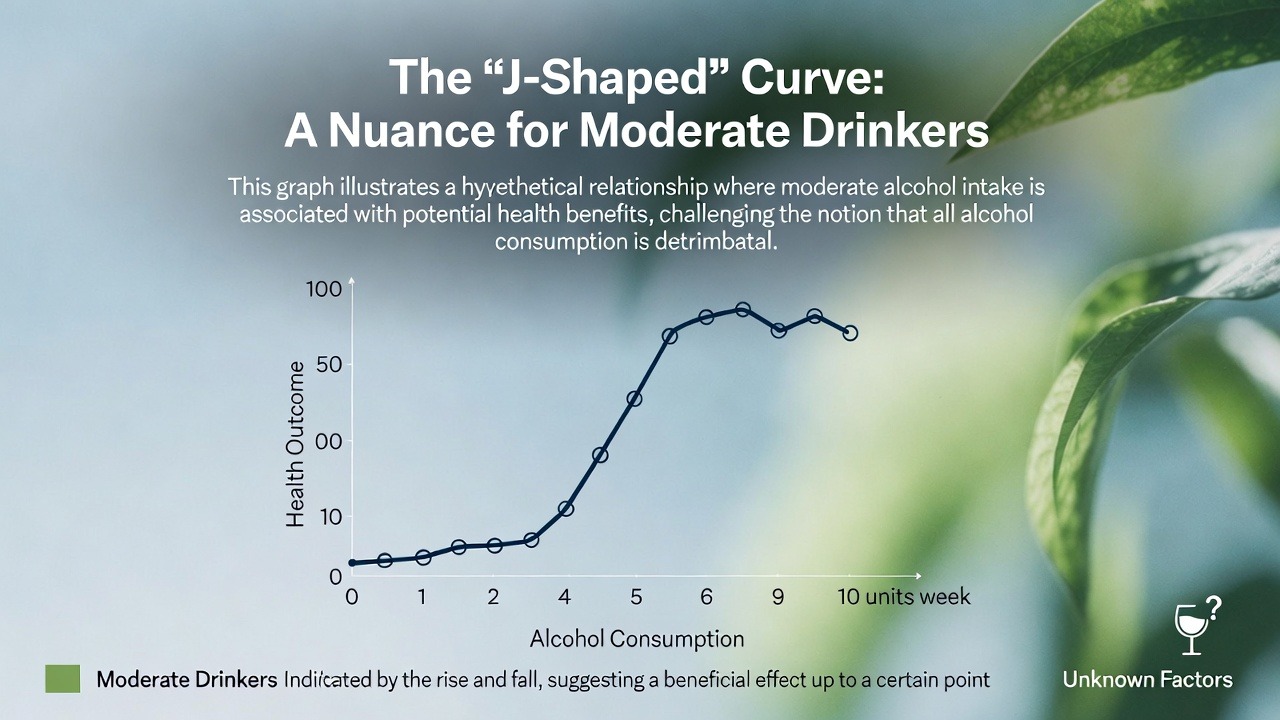
The “J-Shaped” Curve: A Nuance for Moderate Drinkers
Interestingly, the story may have a slight twist for very moderate consumers. A separate 2023 prospective cohort study of over 146,000 people in the UK Biobank found J-shaped associations between coffee consumption and risk of both depression and anxiety. This means the lowest risk was not found at zero consumption, but at a moderate point—specifically, around 2-3 cups per day.
This suggests there may be a small “sweet spot” where the mild stimulant and potential antioxidant effects of coffee could be neutral or even slightly protective for mood for some individuals, before the anxiety-inducing effects of higher doses take over. It’s crucial to note this benefit was most closely tied to ground coffee, milk coffee, and unsweetened coffee, not sugary or artificially sweetened varieties.
Hidden in Plain Sight: The Stealth Caffeine Audit
The greatest pitfall in managing caffeine intake is miscalculation. The 400mg limit can be stealthily exceeded by sources far beyond the coffee cup. Consider this common daily tally that easily surpasses the tipping point:
Morning: A large (16oz) brew-shop coffee (~330mg)
Afternoon: A can of cola (~40mg) and a piece of dark chocolate (~20mg)
Evening: A black tea for “relaxation” (~50mg) and an over-the-counter headache pill containing caffeine (~65mg)
Total: ~505mg
Common Caffeine Sources & Their Rough Content:
Brewed Coffee (8oz): 95-165mg
Espresso (1 shot): 64mg
Black Tea (8oz): 25-48mg
Green Tea (8oz): 25-29mg
Cola (12oz can): 35-45mg
Energy Drink (8oz): 70-100mg (some 16oz cans exceed 200mg)
Dark Chocolate (1oz): 12-20mg
Caffeine-Containing Analgesics (1 pill): Often 65-130mg
For someone already prone to anxiety, this “hidden” intake can be the critical factor that tips them from manageable stress into overwhelming anxiety. The first step toward moderation is therefore a rigorous, honest audit of all dietary and medicinal caffeine sources over several typical days. The dose unequivocally makes the poison, and for anxiety, the toxic threshold is closer than most people think.
Beyond the Jitters: How Caffeine Fuels Specific Anxiety Disorders
While caffeine can induce anxious feelings in anyone who overconsumes, its impact is particularly potent and problematic for individuals with diagnosed or predisposed anxiety conditions. Here, caffeine doesn’t just create background noise; it can amplify the core symptoms and even trigger acute episodes.
Caffeine and Panic Disorder: A Proven Trigger
The link between high-dose caffeine and panic attacks is one of the most robust in psychiatric research. Caffeine’s direct stimulation of the sympathetic nervous system produces somatic symptoms—racing heart, palpitations, shortness of breath, trembling—that are indistinguishable from the onset of a panic attack.
For someone with panic disorder, these physical sensations can become the catalyst for catastrophic thinking (“My heart is beating too fast—I’m having a heart attack!”), which then fuels a full-blown panic attack. Research underscores this danger: in a review of studies, more than 50% of participants with panic disorder experienced a panic attack following caffeine consumption, at doses typically over 400mg. Tellingly, none of the participants who received a placebo had an attack. This is not correlation; it’s a direct, chemical provocation.
Worsening Generalized Anxiety (GAD) and Social Anxiety
For those with Generalized Anxiety Disorder (GAD), characterized by persistent and excessive worry, caffeine acts as a constant “volume knob” turned up on the body’s arousal system. It perpetuates a state of physiological hyper-vigilance—elevated heart rate, muscle tension, restlessness—making it exponentially harder for the mind to calm down. The body’s stress signals become a feedback loop confirming the mind’s worried narratives.
Similarly, in social anxiety, where fear of scrutiny is paramount, caffeine’s physical effects (hand tremors, sweating, flushing) can become a source of intense self-consciousness and fear of negative evaluation. The individual may attribute these symptoms to their anxiety alone, not realizing the caffeine is significantly exacerbating them.
The Vicious Cycle: Caffeine, Sleep, and Anxiety
Perhaps the most insidious way caffeine fuels anxiety disorders is through its destruction of sleep architecture. Anxiety disorders and sleep disturbances are deeply comorbid; each worsens the other. Caffeine, with a half-life of 4-6 hours (and longer in slow metabolizers), directly sabotages sleep in several ways:
Delaying Sleep Onset: By blocking adenosine, it prevents the natural sleep drive from building effectively.
Reducing Sleep Quality: It suppresses deep, restorative slow-wave sleep and can fragment sleep with more awakenings.
Altering Sleep Perception: Even if one falls asleep, the sleep may be less restorative.
The consequence is chronic sleep deprivation, which is a powerful anxiogenic (anxiety-producing) state. Sleep loss heightens amygdala reactivity (the brain’s fear center), impairs prefrontal cortex function (needed for emotional regulation), and lowers stress resilience. Thus, a person with anxiety uses caffeine to combat fatigue from poor sleep, which then guarantees another night of poor sleep, leading to worse anxiety the next day—a classic vicious cycle. Breaking this cycle is often the first and most effective intervention in treating anxiety, and it almost always involves addressing caffeine intake.
Listening to Your Body: Recognizing the Personal Signs of Overconsumption
Medical guidelines and population studies provide essential frameworks, but anxiety is a deeply personal experience. The most important metrics are the signals from your own body and mind. Learning to decode these signs is critical for developing a healthy, individualized relationship with caffeine. This is where the philosophy of body literacy—the skill of interpreting your body’s unique language—becomes invaluable.
The Physical Symphony (or Cacophony) of Excess Caffeine
Your body will often sound the alarm of overconsumption long before your mind consciously recognizes a problem. Tune into these common physical cues:
Cardiovascular Distress: A heart that feels like it’s fluttering, pounding (palpitations), or racing (tachycardia) without physical exertion is a primary red flag.
Neuromuscular Tension: Noticeable hand tremors, jitteriness, or a general feeling of being “wired” or unable to sit still.
Gastrointestinal Upset: Caffeine increases stomach acid and colonic activity, which can manifest as acid reflux, nausea, or an urgent, irregular bowel habit.
Sensory Sensitivity: Feeling overstimulated by light, sound, or touch; tension headaches or migraines can also be triggered or worsened.
The Cognitive and Emotional Toll
The mental and emotional effects are where caffeine’s paradox becomes most apparent. The substance sought for clarity can ultimately cloud the mind:
From Focus to Fog: Difficulty concentrating, a scattered mind, or a feeling of mental “fogginess” can replace the desired sharpness.
The Irritability Spike: A short fuse, impatience, and uncharacteristic irritability are hallmark signs of caffeine overstimulation or the beginning of withdrawal as effects wear off.
Anxious Ruminations: The transition from normal worry to racing, intrusive, or catastrophic thoughts that are hard to control.
Mood Destabilization: Feelings of unease, nervousness, or a pervasive, low-grade dread that colors your day.
The Modern Tool for Body Literacy: The Smart Ring
Cultivating body literacy is a practice, and modern technology can serve as a powerful training aid. This is the unique value proposition of continuous, passive health monitoring with a device like a smart ring. Unlike a smartwatch that buzzes with notifications, a smart ring operates silently in the background, gathering objective physiological data 24/7.
For the caffeine-sensitive individual, this data can illuminate hidden connections:
Heart Rate Variability (HRV): This critical metric, which measures the variation in time between heartbeats, is a direct window into your autonomic nervous system. High HRV generally indicates good stress resilience and recovery, while low HRV signals a stressed, fatigued, or overloaded state. You can observe how your afternoon coffee correlates with a steep drop in your HRV for hours afterward—an objective sign of physiological stress, even if you subjectively feel “fine.”.
Resting Heart Rate (RHR): Monitor if your baseline RHR creeps up on days with higher caffeine intake.
Sleep Architecture: The ring can show precisely how caffeine delays your sleep onset, reduces your deep sleep, and fragments your night with awakenings, providing irrefutable evidence of its impact on your most critical recovery process.
Body Temperature Trends: Some advanced rings track subtle changes in peripheral body temperature, which can be linked to stress responses and circadian rhythm disruption.
By correlating your caffeine log with this biometric data in an app, you move from guessing to knowing. You might discover that even a single cup after 10 AM disrupts your sleep, or that you are a slow metabolizer whose anxiety peaks 3-4 hours after consumption. This personalized feedback loop is the ultimate tool for tailoring your intake to your unique biology, transforming caffeine management from a guessing game into a data-informed practice. Companies like Oxyzen are at the forefront of this personalized wellness technology, creating devices designed to provide these precise, actionable insights without disrupting your daily life.
The Biochemistry of Letting Go: Understanding Caffeine Withdrawal
Choosing to reduce or eliminate caffeine is a decision to regain control. However, the body, having adapted to a daily dose of a psychoactive substance, will protest. Understanding the science of caffeine withdrawal is not meant to deter you, but to empower you. When you can name and understand the process, it transforms from a mysterious ordeal into a predictable, manageable phase of healing.
Why Withdrawal Happens: Neuroadaptive Changes
Withdrawal symptoms are the clear signature of physical dependence. When you consume caffeine daily, your brain undergoes neuroadaptive changes to maintain equilibrium in its presence. The most significant adaptation is adenosine receptor upregulation.
The Process: Because caffeine is constantly blocking your A1 and A2A adenosine receptors, your brain responds by creating more of these receptors. It’s trying to hear adenosine’s “time to sleep” signal over caffeine’s noise.
The Consequence: When you suddenly remove caffeine, you have a surplus of wide-open adenosine receptors with no antagonist to block them. Adenosine now binds freely and in greater numbers than it would in a caffeine-naïve brain. This leads to an exaggerated, overwhelming signal of fatigue, drowsiness, and low energy—the primary symptoms of withdrawal.
Additionally, your body has grown accustomed to the artificial stimulation of adrenaline and dopamine. Their sudden absence contributes to the feelings of depressed mood, irritability, and lack of motivation.
The Symptom Timeline: What to Expect and for How Long
Caffeine withdrawal is a recognized clinical syndrome in the DSM-5. Its symptoms are predictable both in type and timing:
Onset: Symptoms typically begin 12 to 24 hours after the last dose. This is why the morning after skipping coffee is often the hardest.
Peak: Intensity usually peaks between 20 to 51 hours (approximately 1-2 days).
Duration: Most acute symptoms subside within 2 to 9 days. However, for very high-dose consumers, some residual effects like low energy or headaches can linger for up to two weeks.
The Withdrawal Symptom Checklist
Being prepared means knowing what might arise. The most common symptoms include:
Headache: Often described as a diffuse, throbbing pain, this is the most frequent symptom (occurring in about 50% of cases). It’s caused by caffeine’s vasoconstrictive effects wearing off, leading to increased blood flow in the brain.
Profound Fatigue and Drowsiness: This is the direct result of the adenosine receptor upregulation described above.
Dysphoric Mood: Feelings of depression, irritability, and a marked discontentedness.
Difficulty Concentrating (“Brain Fog”): Impaired cognitive performance and a feeling of mental sluggishness.
Flu-Like Symptoms: Some experience nausea, muscle aches, stiffness, or a general feeling of being unwell.
Increased Anxiety: Ironically, the process of withdrawal itself can provoke anxiety, both from the physical symptoms (a racing heart from withdrawal can mimic anxiety) and from the psychological challenge of facing the day without your usual crutch.
The Critical Distinction: Withdrawal vs. Underlying Anxiety
This last point is crucial. The anxiety felt during withdrawal is transient and substance-induced. It is a temporary state caused by your nervous system re-calibrating. This is fundamentally different from the anxiety you may have been using caffeine to (ineffectively) manage. One will pass as your body heals; the other requires different, more sustainable tools, which we will explore later. Keeping this distinction in mind—“this is my brain healing, not a relapse of my anxiety”—can provide the mental fortitude to push through the most challenging first week.
Crafting Your Exit Strategy: A Practical Guide to Tapering Off Caffeine
Armed with an understanding of why withdrawal happens, you can now approach reducing your intake not as a brutal test of willpower, but as a strategic, self-compionate process. The golden rule for minimizing discomfort is: never quit “cold turkey.” A gradual, structured taper is the single most effective way to sidestep severe withdrawal symptoms and set yourself up for long-term success.
Method 1: The Systematic Taper (The Measured Approach)
This method is ideal for the data-oriented person who wants maximum control. It requires a bit of math and preparation.
Establish Your Baseline: For 3-5 days, meticulously log all your caffeine sources to find your true daily average (e.g., 600mg).
Set a Goal and Timeline: Decide on your target (e.g., 100mg or zero). A safe reduction rate is about 10% of your baseline per week. For a 600mg habit, that’s 60mg less per week.
Implement the Taper:
Weeks 1-2: Reduce to ~540mg. This might mean switching one large coffee to a medium.
Weeks 3-4: Reduce to ~480mg. Perhaps replace an afternoon soda with sparkling water.
Continue this gradual step-down over 8-10 weeks. The slow pace allows your adenosine receptors to downregulate gently, avoiding shock.
Method 2: The Dilution Method (The Simple Blend)
This is a more intuitive approach, perfect for those whose caffeine comes primarily from coffee or tea.
Week 1: Make your coffee with 75% regular, 25% decaf.
Week 2: Move to a 50/50 blend.
Week 3: Use 25% regular, 75% decaf.
Week 4: Drink 100% decaf.
You maintain the ritual and volume of drinking, which satisfies the psychological habit, while steadily reducing the active dose.
Method 3: The Substitution & Elimination Method
This tactic focuses on removing specific sources from your routine one by one.
Phase 1 (Week 1): Identify your “lowest-hanging fruit”—perhaps the afternoon chocolate or the can of soda. Eliminate that source completely.
Phase 2 (Week 2): Tackle your secondary source, like the late-afternoon tea.
Phase 3 (Week 3+): Finally, address your primary source (morning coffee), using a taper or dilution method to reduce it.
Supportive Tactics for Any Method
Regardless of your chosen path, these strategies will smooth the journey:
Hydrate Aggressively: Dehydration magnifies headaches and fatigue. Aim for plenty of water, and consider herbal teas (peppermint, ginger, rooibos) for a warm, comforting, caffeine-free ritual.
Prioritize Sleep Hygiene: Go to bed 30 minutes earlier. Your body needs extra restorative sleep to heal. This is where your smart ring’s sleep data can be incredibly motivating, showing you the tangible improvements in your sleep score as caffeine leaves your system.
Time Your Reductions Wisely: Start your taper on a Friday, so the peak of any mild symptoms (days 1-2) falls on a weekend when you can rest.
Listen to Your Body with Data: Use your wellness tracker. If you see a drastic dip in your HRV or a spike in your resting heart rate on a reduction day, it’s objective feedback that you may need to slow your taper pace. Conversely, watching your sleep score climb and your stress score drop provides powerful positive reinforcement. You can learn more about leveraging data for wellness on our dedicated blog.
The goal is not suffering, but sustainable change. A slow, mindful taper honors the fact that you are recalibrating a complex neurochemical system. It’s an act of care, not deprivation.
The First Week: Navigating Acute Withdrawal with Grace and Strategy
The initial 5-7 days after a significant reduction in caffeine are often the most challenging. This is when acute symptoms peak. Having a concrete plan for this period is like having a map through a dense forest—it doesn’t remove the obstacles, but it shows you the path and reminds you that there’s an end point.
Day-by-Day Expectations and Action Plan
Days 1-2 (The Onset): Symptoms begin. Headache, fatigue, and irritability are common. Your Action Plan: This is not the time for heroics. Clear your schedule of non-essential demands. Stock up on caffeine-free comforts: herbal tea, broth, easy-to-digest foods. Begin a gentle headache protocol (see below). Go for a very slow, short walk in nature if you can—movement can boost endorphins.
Days 3-4 (The Peak): For many, this is the hardest hump. Fatigue can be profound, brain fog thick, and motivation at a low. Your Action Plan: Practice radical self-compassion. Remind yourself, “This is temporary. This is my brain healing.” Prioritize rest. Consider a 20-minute power nap if possible. Stay off stimulating screens; try an audiobook or calming music instead. Hydration is critical.
Days 5-7 (The Descent): The acute storm begins to clear. Headaches often subside first. Energy levels are still low but not crushing. Mental clarity starts to return in glimpses. Your Action Plan: Gently reintroduce very light activity, like stretching or yoga. Celebrate small wins—getting through a work meeting, cooking a meal. Continue to protect your sleep. Start to notice the positive changes: perhaps you’re falling asleep faster, or your hands aren’t shaking.
Symptom-Specific Relief Strategies
For Headaches: Stay ahead of the pain. At the first sign, take an over-the-counter pain reliever like ibuprofen or aspirin (note: avoid medications that contain caffeine, like some migraine formulas). Apply a cold compress to your forehead or neck. Gentle massage of the temples can help.
For Fatigue and Brain Fog: Do not mistake this for a need for caffeine. Honor the fatigue with rest. Short, 10-minute bouts of very gentle movement (walking, stretching) can paradoxically increase energy more than sitting still. Avoid heavy, sugary meals which can cause energy crashes. Small, protein-rich snacks are better.
For Irritability and Anxiety: Communicate with loved ones. A simple, “I’m cutting back on caffeine and might be a bit off this week,” manages expectations. Practice box breathing (inhale 4, hold 4, exhale 4, hold 4). A warm bath with Epsom salts (magnesium) can soothe a jangled nervous system.
The Power of Non-Caffeinated Rituals
A huge part of dependence is behavioral. Your 3 PM coffee break is a punctuation mark in your day. Create new, nourishing punctuation:
The 3 PM Reset: Instead of coffee, try five minutes of deep breathing at your desk, a walk around the block to get sunlight, or a cup of tart cherry juice (natural melatonin precursor) or a chicory root “coffee.”
The Morning Anchor: If your morning coffee ritual is sacred, replace the coffee with a elaborate tea ceremony for a flavorful herbal blend, or start your day with a large glass of lemon water and five minutes of intention-setting.
This first week is an investment. You are paying a short-term discomfort tax for long-term dividends in stable energy, calmer nerves, and deeper sleep. Every hour you get through is an hour closer to a new, more resilient normal.
Life After Caffeine: Building Sustainable Energy and Emotional Resilience
Successfully navigating withdrawal is a monumental achievement, but it’s just the beginning. The vacuum left by caffeine must be filled with sustainable, health-promoting practices. This phase is about building a new foundation for energy and emotional stability that doesn’t depend on an external chemical crutch. It’s about discovering that you can feel alert, focused, and calm—naturally.
Foundational Pillar 1: Sleep as the Ultimate Performance Enhancer
Without caffeine disrupting your sleep architecture, you have the opportunity to achieve truly restorative sleep. This is your new #1 source of energy.
Protect Your Sleep Sanctuary: Maintain a cool, dark, and quiet bedroom. Use your smart ring data religiously to establish your ideal bedtime and wake-up windows based on your personal circadian rhythm.
Understand Your Sleep Metrics: Pay attention to more than just duration. Aim to maximize your deep sleep (physical restoration) and REM sleep (mental/emotional processing) scores. Notice how factors like evening meals, alcohol, and screen time affect these metrics, and adjust accordingly. Many users find that insights from devices like the Oura Ring provide the detailed feedback needed to optimize this critical pillar of health.
Foundational Pillar 2: Nutrition for Stable Blood Sugar and Brain Health
The energy rollercoaster of caffeine is often compounded by the sugar crashes that accompany it. Shift to a diet that provides steady fuel.
Embrace Complex Carbohydrates and Protein: Combine fiber-rich carbs (oats, sweet potatoes, legumes) with quality protein (eggs, fish, lentils) at every meal to prevent blood sugar spikes and crashes that mimic anxiety.
Prioritize Omega-3s and Magnesium: Foods rich in omega-3 fatty acids (fatty fish, walnuts, flaxseeds) and magnesium (leafy greens, nuts, dark chocolate—caffeine-free!) are proven to support brain function and modulate the stress response.
Stay Hydrated: Chronic, low-level dehydration is a major cause of fatigue. Make water your primary beverage.
Foundational Pillar 3: Strategic Movement and Stress Modulation
You don’t need to run a marathon. The goal is to use movement to regulate your nervous system.
Morning Light and Movement: Within 30-60 minutes of waking, get outside for 10-15 minutes of natural light. This anchors your circadian rhythm and boosts morning alertness more effectively than caffeine. Pair it with gentle movement—a walk, some sun salutations.
Stress-Reducing Practices: Incorporate daily practices that actively lower cortisol and stimulate the parasympathetic (“rest-and-digest”) nervous system. This includes:
Mindfulness or Meditation: Even 5-10 minutes daily can rewire stress reactivity.
Vagal Nerve Toning: Practices like humming, singing, gargling, or cold exposure (a splash of cold water on the face) can quickly calm the stress response.
Yoga or Tai Chi: These combine movement with breathwork, perfect for embodied stress relief.
Foundational Pillar 4: The Art of Strategic Caffeine Use (If You Choose)
For some, total abstinence isn’t the goal. The objective is to transform caffeine from a daily dependency into a rare, intentional tool. This is “life-hacking” your biology.
The Zero-Tolerance Policy for Anxiety: If you have a history of panic disorder or severe anxiety, the safest path is likely permanent abstinence.
The Occasional Performance Enhancer: If you are generally non-anxious, you might reserve caffeine (a single, small dose) for rare situations that truly demand peak alertness—an important presentation, a long drive, or a specific athletic event.
The Key Rule: Never Two Days in a Row: To prevent receptor upregulation and dependence from re-forming, enforce a strict rule of never consuming caffeine on consecutive days. This preserves the “specialness” of the effect and prevents a slide back into daily use.
Life after caffeine is not a life of less energy; it’s a life of different energy. It’s a shift from borrowed, jittery, anxiety-prone stimulation to earned, calm, and enduring vitality. It’s the confidence that comes from knowing your focus and calm are generated from within, by a well-cared-for nervous system, not poured from a pot.
The Caffeine-Anxiety Paradox: Understanding the Jolt That Fuels Your Fears (Continued)
In the first part of our deep dive, we explored the powerful neurochemistry of caffeine, how it pushes the nervous system into a state mirroring anxiety, and laid out a practical, compassionate roadmap for reducing or eliminating it. We navigated the expected withdrawal and began building a new foundation for natural energy. Now, we move from the theory and initial steps into the long-term practice of managing anxiety and thriving without reliance on a chemical crutch.
This continuation is a masterclass in building emotional and physiological resilience. We will explore how to intelligently manage setbacks, optimize your body’s natural rhythms for unwavering energy, and leverage cutting-edge technology not just to track, but to truly understand and improve your mental fitness. This is about creating a sustainable, personalized system for well-being that stands strong long after the last traces of caffeine have left your system.
Recalibrating Your Baseline: What “Normal” Feels Like After Caffeine
After the withdrawal fog lifts, many people experience a period of curiosity and, sometimes, confusion. Having spent years or decades using caffeine to define their energy state, they must now learn to interpret their body’s natural, un-augmented signals. This phase is about recalibration—discovering your true, drug-free baseline.
The Emergence of Genuine Energy
Without the artificial peaks and valleys of caffeine, your energy begins to follow a more natural, circadian rhythm. You may notice:
Smoother Energy Curves: Instead of a frantic morning peak followed by a crushing afternoon slump, energy rises more gently after waking, sustains through the early afternoon, and then naturally winds down toward evening, preparing you for sleep.
Deeper, More Reliable Focus: The focus you experience is less frantic and more sustainable. It’s the difference between a spotlight shining intensely but erratically and a steady, broad beam of light. Tasks may feel more manageable without the background hum of jittery stimulation.
Emotional Stability: The irritability and mood swings that often accompanied caffeine crashes begin to fade. You might find yourself responding to minor stressors with more patience and less reactivity.
The “Flatline” Phase and Patience
It’s crucial to be prepared for a potential “flatline” period, often occurring a few weeks post-caffeine. The initial relief from anxiety and improved sleep is present, but you might feel a lack of the sharp, motivational “drive” you associated with caffeine. This is not a failure or a sign you need caffeine. It is often a sign of a dopamine system in recovery.
Caffeine indirectly boosts dopamine signaling. Your brain, used to this artificial boost, may take several weeks to months to upregulate its own natural dopamine production and receptor sensitivity. During this time, practice patience. The motivation and zest for life will return, but it will be intrinsically generated, not externally triggered.
Using Biometric Feedback for Reassurance
This is where passive health tracking becomes your greatest ally. When your mind doubts the process, your data can provide objective proof of progress. Look for these positive trends in your smart ring or tracker data:
Increased Heart Rate Variability (HRV): A rising HRV trend is one of the clearest biomarkers of improved autonomic nervous system balance and resilience. It means your body is better at adapting to stress and recovering effectively.
Lower and More Stable Resting Heart Rate (RHR): A decrease in your average RHR indicates less baseline sympathetic (“fight-or-flight”) nervous system activity.
Consistently High Sleep Scores: Improved sleep efficiency, more deep and REM sleep, and fewer nighttime awakenings are tangible rewards.
Lower Daily Stress Scores: Many devices now provide a composite “stress” score based on HRV, RHR, and activity. Watching this score trend downward is direct evidence of your calmer internal state.
By correlating how you feel with what the data shows, you move from subjective doubt to objective confidence. You’re not just “feeling a bit better”; you are measurably, physiologically more resilient. To see how others have used this data-driven approach to transform their wellness, you can explore real user experiences in our testimonials section.
Advanced Anxiety Management: Tools for the Newly Sensitive System
With caffeine no longer artificially stimulating your nervous system, you become more attuned to your genuine stress responses. This is a gift—it allows you to address real anxiety with precision tools rather than masking it with a stimulant. Here, we explore advanced, evidence-based practices to build long-term emotional regulation.
Cognitive Reframing: Changing Your Relationship with Arousal
A core component of anxiety is the catastrophic interpretation of physical sensations. A racing heart is interpreted as “I’m having a panic attack,” leading to more fear, which accelerates the heart further—a feedback loop.
Practice “Naming and Taming”: When you feel physiological arousal (e.g., a quickened pulse before a meeting), consciously label it: “This is my body’s natural energy mobilizing to help me focus.” Reframe it from a threat to a resource. This simple cognitive shift can prevent the spiral.
The 3-3-3 Grounding Rule: During moments of heightened anxiety, force your cognitive brain online by naming: 3 things you see, 3 things you hear, and moving 3 parts of your body. This breaks the cycle of internal rumination.
Breathwork as a Direct Neurological Lever
Breathing is the only autonomic function we can easily consciously control, making it a direct pathway to calm the nervous system. Move beyond simple “deep breathing” to more structured protocols:
Physiological Sigh: The fastest, most effective in-the-moment calmative. Inhale deeply through the nose, then take one more short “top-up” inhale to fully inflate the lungs. Then exhale slowly and completely through the mouth. Doing this just 1-3 times can rapidly lower heart rate and induce calm.
Box Breathing (Tactical Breathing): Inhale for a count of 4, hold for 4, exhale for 4, hold for 4. Repeat for 2-5 minutes. This pattern, used by Navy SEALs, reliably increases HRV and engages the parasympathetic system.
Extended Exhalation: Practices where the exhale is longer than the inhale (e.g., inhale 4, exhale 6) are particularly powerful for stimulating the vagus nerve and promoting a relaxation response.
Embodied Practices: Getting Out of Your Head
Anxiety lives in the mind’s projections of the future. Embodied practices bring you back to the safety of the present moment through physical sensation.
Cold Exposure: A deliberate, acute stressor like a 30-60 second cold shower triggers a massive adaptive response. It floods the system with norepinephrine (increasing alertness and focus) and, crucially, teaches your nervous system that it can tolerate a strong stressor and then return to baseline efficiently—building resilience.
Vagal Nerve Toning: The vagus nerve is the main highway of your parasympathetic “rest-and-digest” system. Strengthening its tone increases your capacity to calm down. Simple toning exercises include: loud gargling, humming or singing, gagging gently with a toothbrush, and laughter.
The Role of Adaptogens and Nutraceuticals (An Evidence-Based View)
While no supplement is a silver bullet, some have robust evidence for modulating the stress response. Always consult a healthcare professional before starting any new supplement.
L-Theanine: An amino acid found in green tea. It promotes alpha brain wave activity (associated with relaxed alertness) and has been shown to take the “edge” off caffeine. On its own, it can reduce subjective stress and physiological arousal.
Ashwagandha (Withania somnifera): A classic adaptogen. Multiple studies, including randomized controlled trials, show it can significantly reduce serum cortisol levels and subjective feelings of stress and anxiety over periods of 6-8 weeks.
Magnesium Glycinate or L-Threonate: Magnesium is a cofactor in hundreds of enzymatic processes, including those regulating the nervous system. Glycinate is known for its calming properties, while L-Threonate has shown promise in crossing the blood-brain barrier to support cognitive function.
Integrating these tools creates a robust, multi-layered defense against anxiety. You’re no longer simply avoiding a trigger (caffeine); you are actively fortifying your system.
Mastering Your Circadian Rhythm for All-Day Energy
The ultimate source of sustainable, calm energy is a well-aligned circadian rhythm. This 24-hour internal clock regulates not just sleep, but hormone release, body temperature, metabolism, and cognitive function. Caffeine brutally disrupts this rhythm. Now, you have the opportunity to become its master.
The Non-Negotiable: Morning Light Viewing
The most powerful circadian cue is sunlight, specifically the low-angle morning light rich in blue wavelengths.
The Protocol: Within 30-60 minutes of waking, get outside for 10-15 minutes of light viewing (without sunglasses). Don’t look directly at the sun, but let the light hit your eyes. On overcast days, aim for 20-30 minutes.
The Science: This light directly signals to your brain’s suprachiasmatic nucleus (SCN) that “day has begun.” It suppresses the sleep hormone melatonin, sets your cortisol rhythm for a healthy morning peak (providing natural energy), and starts the timer for melatonin release roughly 12-14 hours later.
Strategic Daytime Behaviors
Anchor Your Day with Movement: Morning exercise, even a brisk walk, further reinforces the wake signal to your body clock. It also raises your core body temperature, which then follows a healthier decline into the evening, promoting sleepiness.
Manage Your Light Environment: Seek bright light during the day, especially in the afternoon slump period. Consider a bright light therapy lamp at your desk if you work indoors. This helps maintain alertness naturally.
The Evening Wind-Down: Protecting Melatonin
The flip side of morning light is protecting the dark.
Dim Lights After Sunset: Reduce overhead bright lights in the evening. Use lamps and warmer (more amber) light bulbs.
Digital Sunset: Implement a strict “no screens” policy 60-90 minutes before bed. The blue light emitted is a potent melatonin suppressant. If you must use a device, enable a strong red-light filter/night shift mode and consider blue-blocking glasses.
Temperature Drop: Your body needs to drop its core temperature by about 1-2 degrees Fahrenheit to initiate sleep. A cool bedroom (65-68°F or 18-20°C) is essential. A warm bath 1-2 hours before bed can help by drawing blood to your skin’s surface, then cooling you down as you get into bed.
Fueling the Rhythm: Meal Timing
Eat Aligned with the Sun: Try to consume most of your calories during daylight hours. A large, late-night meal forces your digestive system to work when it should be resting, raising core temperature and disrupting sleep.
Morning Fuel: A protein-rich breakfast within an hour of waking helps stabilize blood sugar and provides the tyrosine needed to produce dopamine and norepinephrine for daytime alertness.
By honoring these rhythms, you create a powerful, self-reinforcing cycle of daytime energy and nighttime recovery. You begin to wake up before your alarm, feeling refreshed, and experience stable focus throughout the day—all without any chemical intervention.
Navigating Social & Professional Situations Caffeine-Free
One of the biggest practical challenges is navigating a world steeped in caffeine culture. From client coffee meetings to office break rooms, the pressure is subtle but constant. Having a strategy turns potential awkwardness into empowered choice.
The Art of the Polite Decline
You don’t owe anyone a detailed medical history. Have a few simple, graceful scripts ready:
For the Barista/Server: “Just a decaf today, please.” or “Do you have any herbal tea?”
For the Colleague Pressing a Coffee Run: “I’m all set for now, but thanks! I’ll join you for the walk though.”
For the Persistent Host: “I’m taking a little break from caffeine, but I’d love a glass of water/seltzer.” If pressed, a smile and a simple, “It just doesn’t agree with me anymore,” is a complete sentence.
Creating New Social Rituals
Reframe the “Coffee Meeting”: Suggest a “walking meeting” instead, or meet at a juice bar, tea house, or even a museum. The focus shifts from consumption to connection and conversation.
Host Caffeine-Free: When hosting, always have appealing alternatives ready: a selection of high-quality herbal teas (peppermint, chamomile, rooibos), sparkling water with citrus, or a crafted alcohol-free “mocktail.”
Managing Energy in Critical Professional Moments
The fear of lacking “edge” for a big presentation or deadline is real. Here’s how to generate that focus naturally:
The Pre-Event Power-Up: 90 minutes before your high-stakes event, do a 10-minute session of intense exercise (like burpees or sprint intervals) or a cold shower. This triggers a clean surge of epinephrine and norepinephrine, sharpening focus and reaction time.
Strategic Breathing: Use the physiological sigh right before you begin to calm nerves, or use box breathing during moments of pressure to maintain composure.
Posture and Power Posing: Adopt an expansive, confident posture for two minutes before entering a stressful situation. This can reduce cortisol and increase testosterone, influencing both your physiology and psychology.
By mastering these social scripts and alternative rituals, you remove the friction from your caffeine-free life. It becomes an integrated, effortless part of your identity, not a constant battle.
The Smart Ring as Your Anxiety & Recovery Coach
We’ve mentioned biometric tracking throughout, but its true power is realized when you move from passive observation to active closed-loop feedback. Your smart ring becomes less of a fitness tracker and more of a personal nervous system coach.
Moving Beyond Step Counts: The Critical Metrics
For anxiety and recovery, these are the data points that matter:
Heart Rate Variability (HRV): Your north star. It’s the single best non-invasive measure of autonomic nervous system balance. A higher HRV indicates greater resilience and recovery capacity. Track your HRV Balance or HRV Trend over time.
Resting Heart Rate (RHR): Your metabolic baseline. A lower, stable RHR generally indicates good fitness and recovery. A sudden, unexplained increase can be an early sign of illness, overtraining, or chronic stress.
Sleep Stages: Not just total time, but the balance of Light, Deep, and REM sleep. Deep sleep is for physical restoration; REM for emotional and cognitive processing. Both are vital for anxiety management.
Body Temperature (if available): Nocturnal temperature trends can predict illness, ovulation, and are a core circadian marker. A disrupted temperature rhythm often precedes poor sleep and mood.
Creating Your Personal “Owner’s Manual”
The goal is to use this data to discover your unique triggers and optimal routines.
Establish Correlations: Use the journal feature in your app. Note days with high stress scores or low HRV. What preceded them? A difficult conversation? A poor night’s sleep? A specific food? Conversely, note days you feel fantastic. What did you do?
Run Experiments: Hypothesis: “If I stop eating 3 hours before bed, my deep sleep will increase.” Test it for a week and let the data confirm or deny.
Identify Your Personal Recovery Levers: Does a 20-minute afternoon walk boost your evening HRV? Does 10 minutes of meditation before bed improve your sleep score? Does a late coffee (even decaf) disrupt your deep sleep? The data will tell you.
Predictive Insights and Avoiding Setbacks
Advanced algorithms can now provide predictive insights.
Readiness Scores: Many devices combine HRV, RHR, sleep, and temperature into a single “Readiness” or “Recovery” score. Learn to trust it. If your score is low, it’s your body asking for a lighter day—more rest, less intensity. Honoring this prevents burnout and anxiety flare-ups.
Stress Monitoring: All-day stress tracking can show you when you’re in a prolonged sympathetic state. Seeing a red “high stress” bar on your phone can be the cue to take five minutes for breathwork, interrupting the cycle before it escalates.
This is the frontier of personalized wellness. It’s about having a quantitative, objective conversation with your own body. You’re no longer guessing what “self-care” you need; the data guides you to the most effective interventions for your system. This approach is central to the mission of companies like Oxyzen, which aim to provide these precise, actionable insights to empower individuals on their wellness journey. For a deeper look at the technology and philosophy behind this, you can visit our about us page.
Handling Slip-Ups and Building Long-Term Resilience
The path to a caffeine-free or caffeine-moderate life is not a straight line. There will be moments of weakness, social pressures, or sheer curiosity that lead to a lapse. How you handle these moments determines your long-term success far more than the lapse itself.
Reframing the “Slip-Up”: It’s Data, Not Failure
The worst thing you can do is engage in catastrophic, all-or-nothing thinking: “I had a coffee, I’ve failed, I might as well go back to my old habits.” This is a cognitive distortion.
Instead, adopt a scientific, curious mindset:
The Intentional Experiment: “I consciously chose to have a coffee before that long drive to see its effect on my now-sensitive system.” This puts you in control, even in the lapse.
The Unplanned Lapse: If it happens unintentionally, treat it as a valuable data point. Observe the effects with detached curiosity: “Interesting. I feel jittery and my heart is racing. My sleep was fragmented. This confirms my decision to quit.”
The Strategic Reset Protocol
If you do consume caffeine, follow this protocol to minimize negative effects and get back on track:
Hydrate Immediately: Drink a large glass of water to help your liver metabolize the caffeine and counter its diuretic effect.
Move Your Body: Go for a brisk 15-20 minute walk. Exercise can help burn off the excess sympathetic nervous system energy and smooth the comedown.
Do Not Chain It: This is the golden rule. Never use more caffeine to treat a caffeine crash or withdrawal from a lapse. This is how relapse spirals begin. Accept the mild headache or fatigue as the cost of the experiment and let it pass.
Protect Your Next Sleep: Double down on your sleep hygiene that night. Your sleep data will likely show the impact—let that be your reminder and motivation.
Building Identity-Based Resilience
Ultimately, lasting change happens when a behavior becomes part of your identity. The shift is from “I can’t have caffeine” (a statement of deprivation) to “I don’t consume caffeine” (a statement of identity) or “I am a person who is sensitive to stimulants and values calm, stable energy.”
Affirm Your New Normal: Remind yourself of the benefits you’ve gained: “I love waking up without anxiety.” “I value my deep, restorative sleep.” “My hands don’t shake anymore.”
Share Your Journey: Talking about your positive experience (without preaching) solidifies it for you and may inspire others. You become a source of knowledge, not just someone avoiding coffee.
By handling lapses with grace and curiosity, and by anchoring your choices in a positive self-identity, you build a resilience that is flexible and durable. You are not on a fragile “detox”; you are living a new, healthier lifestyle, and the occasional outlier doesn’t define the trend.
This portion of the guide has taken you from the immediate post-withdrawal phase into the art of long-term thriving. We’ve equipped you with advanced tools for anxiety management, circadian mastery, social navigation, and the use of technology as a coach. The final section will address specific population considerations, explore the future of personalized stimulant use, and provide a comprehensive resource toolkit to cement your lifelong strategy for calm, sustained energy.
The Caffeine-Anxiety Paradox: Understanding the Jolt That Fuels Your Fears (Continued)
We have journeyed through the neurochemical storm caffeine creates, forged a practical path through withdrawal, and built a robust toolkit for sustainable energy and emotional resilience. Now, we arrive at the final, integrative stage of mastery. This section addresses the nuanced considerations for specific groups, peers into the future of personalized stimulant science, and consolidates everything into a lifelong strategy. Here, we move from managing a habit to optimizing a life, ensuring the calm and clarity you've gained become your permanent state.
Special Populations: Tailored Advice for Unique Physiology
The general principles of caffeine and anxiety apply to everyone, but certain life stages, hormonal states, and genetic makeups demand a more tailored approach. Recognizing these differences is key to personalized, effective management.
Women, Hormones, and Caffeine Sensitivity
Female physiology, with its cyclical hormonal fluctuations, interacts with caffeine in dynamic and often challenging ways.
The Menstrual Cycle Connection: Estrogen levels significantly influence the activity of the CYP1A2 liver enzyme that metabolizes caffeine.
Follicular Phase (Post-Period to Ovulation): Estrogen rises. This can slow caffeine metabolism for some women, making its effects more potent and longer-lasting, thus increasing anxiety risk.
Luteal Phase (Post-Ovulation to Period): Progesterone rises. This period is already associated with increased anxiety (PMS/PMDD) and poorer sleep. Adding caffeine, a known sleep disruptor and stimulant, can dramatically amplify these symptoms. Many women find that eliminating or drastically reducing caffeine in the week before their period is one of the most effective interventions for managing PMS-related anxiety and irritability.
Pregnancy and Breastfeeding: Here, caution is paramount. Caffeine crosses the placenta and enters breast milk. While moderate intake (under 200mg/day) is generally considered safe, its effects on the fetus or infant are not fully known. More critically, a pregnant person's metabolism of caffeine slows dramatically, especially in the third trimester. A dose that was once harmless can now cause pronounced jitteriness, anxiety, and sleep disruption. For those with pregnancy-related anxiety, caffeine is a clear exacerbating factor. Most experts recommend minimizing intake as much as possible.
Perimenopause and Menopause: Fluctuating and declining estrogen levels can again alter caffeine metabolism. Furthermore, the common symptoms of this life stage—sleep disturbances, hot flashes, mood swings, and anxiety—are all directly worsened by caffeine. Reducing or eliminating it can be a cornerstone strategy for managing the transition more smoothly.
Actionable Insight for Women: Track your caffeine intake alongside your menstrual cycle and mood/sleep notes (easily done in a smart ring app's journal feature). You may discover a clear pattern that dictates a cyclical caffeine protocol—perhaps you tolerate one cup in the first two weeks of your cycle but need to go to zero in the two weeks before your period.
The Highly Sensitive Person (HSP) and the Stimulant-Averse Brain
Approximately 15-20% of the population are thought to be Highly Sensitive Persons (HSPs), characterized by a nervous system that processes sensory and emotional information more deeply. For HSPs, the world is already louder, brighter, and more emotionally charged. Caffeine doesn't just provide a boost; it can overwhelm an already finely tuned system.
Lower Thresholds: HSPs often have a much lower threshold for caffeine's anxiety-inducing effects. Half a cup of coffee might produce the jitteriness and mental racing that others experience after three cups.
Prolonged Effects: The overstimulation can last longer and be more mentally exhausting, as the HSP brain continues to process the experience long after the caffeine has left the bloodstream.
Misinterpretation of Symptoms: An HSP might blame their innate sensitivity for their anxiety, not realizing that a daily stimulant is pouring fuel on the fire.
Advice for HSPs: If you identify as highly sensitive, consider caffeine as a major lever in your self-care. Experiment with complete elimination for at least a month. You may find that your sensitivity, once a source of overwhelm, becomes a profound gift for intuition and depth of experience when your nervous system is not under constant chemical assault.
Athletes and Performers: Rethinking the Pre-Game Boost
The culture of caffeine as an ergogenic aid is deeply entrenched in sports and performance. However, for athletes prone to performance anxiety or who need fine motor control, its drawbacks can outweigh the benefits.
Anxiety vs. Alertness: The fine line between optimal arousal and detrimental anxiety is critical. For a powerlifter, the adrenaline surge might be beneficial. For a golfer, a surgeon, or a public speaker, the hand tremor and racing thoughts are catastrophic.
The Sleep-Recovery Sabotage: This is the greatest, often overlooked, cost. Athletic performance and injury prevention are built on recovery, which is built on sleep. Chronic caffeine use, especially post-training, directly undermines the deep and REM sleep necessary for muscle repair, memory consolidation of skills, and hormonal regulation.
Individual Response is King: The research on caffeine's performance benefits shows high individual variability. Some are "non-responders." For others, the diuretic effect or GI distress negates any benefit.
A New Protocol for Performers: If you use caffeine for performance, make it strategic and rare. Use it only for key competitions or events, not daily training. Always test your response in a low-stakes setting first. Most importantly, prioritize sleep as your number one performance enhancer—a well-rested brain and body will outperform a caffeine-jolted but sleep-deprived one every time. To explore more on how top performers use data for recovery, our blog features insights into optimizing physical and mental fitness.
The Future of Personalized Stimulant Use: Beyond One-Size-Fits-All
We are on the cusp of a revolution in how we understand and interact with stimulants like caffeine. The future is not about blanket bans or universal recommendations, but about hyper-personalization powered by data, genetics, and real-time biomarkers.
Pharmacogenetics: Your DNA Blueprint for Caffeine
Direct-to-consumer genetic testing can now reveal key insights:
CYP1A2 Genotype: Knowing if you are a "fast" or "slow" metabolizer is incredibly empowering. A slow metabolizer with a history of anxiety has a clear, scientific mandate to avoid caffeine. A fast metabolizer might be able to tolerate it in moderation without anxiety, though other factors (sleep, adenosine receptors) still apply.
ADORA2A Genotype: Understanding your adenosine receptor sensitivity can explain why you might be exquisitely sensitive to caffeine's anxiogenic effects, regardless of metabolism speed.
In the near future, a wellness coach or app could integrate this genetic data with your daily biometrics to provide a truly personalized "caffeine prescription."
Real-Time Biomarker Feedback: The Closed-Loop System
Imagine a world where your wearable device doesn't just track your HRV, but interacts with it.
The "Caffeine Readiness" Score: An algorithm could analyze your previous night's sleep depth, your morning HRV, and your resting heart rate to generate a daily score: "Today, based on poor recovery, your system is 85% likely to respond to caffeine with anxiety. Not recommended."
Micro-Dosing Guidance: For those who choose to use caffeine, the device could suggest an optimal, personalized dose and timing based on your current physiological state to achieve focus without crossing into anxiety, much like a continuous glucose monitor guides food choices.
Nootropic Stacks and Alternative Smart Drugs
The search for clean focus is driving interest in other compounds. The future lies in sophisticated "stacks" tailored to individual neurochemistry.
Theanine + Caffeine: Already a known pairing, future formulations may adjust the ratio in real-time based on your stress biomarkers.
Adaptogenic Stacks: Combinations of rhodiola (for fatigue), lion's mane (for cognitive function), and bacopa monnieri (for memory) that support focus without jitteriness.
Prescription "Focus Agents" in Wellness: Under medical guidance, substances like modafinil are used off-label. The future ethical framework will be rigorous personalization—using detailed biomarkers and genetics to determine if the benefits for an individual outweigh the risks, moving far beyond recreational use.
The overarching theme is contextual intelligence. Caffeine, or any stimulant, is neither good nor bad. Its value is entirely dependent on the context of the individual's biology, current state, and goals. This is the core of modern wellness philosophy, a journey of discovery that companies are dedicated to supporting through insightful technology.
Knowledge is power, but implementation requires the right tools. This curated guide provides a path to deeper learning, support, and tracking.
Foundational Reading & Science
Books:
"Caffeine Blues" by Stephen Cherniske: A classic, deep dive into the systemic effects of caffeine.
"Why We Sleep" by Matthew Walker, PhD: The definitive guide to understanding sleep, which will forever change how you view any sleep-disrupting substance.
"The Highly Sensitive Person" by Elaine Aron: Essential reading for those who feel overstimulated by the world (and caffeine).
Key Scientific Papers & Resources:
The 2024 meta-analysis on caffeine and anxiety in Frontiers in Psychology.
Examine.com's entries on Caffeine, L-Theanine, and Adaptogens for unbiased supplement research.
The National Institute of Mental Health (NIMH) resources on anxiety disorders.
Digital Tools for Tracking & Support
Caffeine Tracking Apps: Apps like "Caffeine Zone" or "Caffeine Tracker" help you log intake and see half-life curves.
Meditation & Breathwork Apps: Headspace, Calm, or Waking Up for structured mindfulness. The Breathing App for precise pacer-based breathwork.
Community Support: Online forums (like Reddit's r/decaf) can provide camaraderie, though always vet advice against credible sources.
Building Your Support Network
Talk to Your Healthcare Provider: Be open with your doctor or therapist about your caffeine reduction goals, especially if you have an anxiety diagnosis. They can provide medical support and monitor your progress.
Find a Caffeine-Conscious Buddy: Having a friend or partner who understands or joins you on the journey can double your motivation and provide accountability.
Leverage Professional Guidance: Consider working with a health coach or nutritionist who understands the biochemistry of caffeine and anxiety to create a personalized plan.
Conclusion: Redefining Your Relationship with Energy and Calm
Our extensive journey through the world of caffeine and anxiety culminates here, not with an ending, but with a new beginning. We have dissected caffeine from the molecular level—observing its blockade of adenosine, its provocation of adrenaline, and its disruption of the delicate GABA balance. We've seen how this translates into the palpable feelings of a racing heart, intrusive thoughts, and a pervasive sense of dread, and how these effects are magnified in specific populations and anxiety disorders.
We then equipped you with a practical, compassionate strategy: the importance of a calculated taper over cold-turkey suffering, the roadmap through a week of withdrawal, and the foundational practices of sleep, nutrition, and strategic movement to rebuild your natural energy reserves. We advanced into the realm of emotional mastery, introducing cognitive reframing, precise breathwork, and embodied practices to build resilience from the inside out.
We explored the critical skill of navigating a caffeine-centric society with grace, and most importantly, we introduced the paradigm-shifting role of continuous biometric feedback—using devices like the smart ring not as simple trackers, but as personal nervous system coaches, providing the objective data to create your unique "owner's manual."
The final truth is this: Quitting or moderating caffeine is not an act of deprivation. It is an act of profound self-respect and optimization. It is the decision to stop borrowing energy from your future self at a catastrophic interest rate of anxiety and poor sleep. It is the choice to discover who you are and what you are capable of when your mind is clear, your hands are steady, and your energy is your own.
You are not giving up coffee. You are gaining:
The calm confidence of a stable nervous system.
The deep, restorative sleep that heals your body and brain.
The sustained, unwavering focus that comes from within.
The emotional resilience to face life's challenges without a chemical crutch.
This is the ultimate promise. By understanding the caffeine-anxiety paradox, you are no longer at its mercy. You hold the knowledge to make intentional choices. Whether you choose a life completely free of stimulants or a life where you occasionally, strategically use them as a tool, you do so from a place of power and understanding, not habit or dependence.
Your journey toward calm, sustained energy begins with a single, informed choice. What will yours be?
Ready to take the next step with data-driven clarity? Discover how advanced wellness technology can guide your personal journey to better sleep, lower stress, and optimal energy. Explore how Oxyzen's smart ring technology provides the personalized insights you need to thrive.



%402x.svg)