


How HRV Became the Most Important Metric in Wellness Tracking
How HRV became a central and most important wellness tracking metric.
How HRV became a central and most important wellness tracking metric.
%402x.svg)
You wake up, check your phone, and see it: a number. Not just any number, but a single data point that your wearable claims can tell you if you’re primed for a personal best, teetering on the edge of burnout, or fighting off an invisible illness. A decade ago, we obsessed over steps—10,000 was the magic goal. Then, sleep stages and deep sleep minutes became the holy grail. Today, a quiet revolution has crowned a new sovereign in the realm of biohacking and holistic health: Heart Rate Variability, or HRV.
This isn’t just another metric for the data-obsessed. HRV has emerged from the confines of clinical cardiology and sports physiology labs to become the central nervous system of modern wellness tracking. It’s the difference between seeing your body as a machine with separate parts (heart, sleep, activity) and understanding it as a deeply interconnected, responsive ecosystem. While your average heart rate tells you how fast the engine is running, HRV measures the subtle, millisecond variations between each heartbeat, revealing the fine-tuning of your autonomic nervous system—the delicate balance between stress (sympathetic “fight or flight”) and recovery (parasympathetic “rest and digest”).
The rise of HRV parallels a broader shift in wellness: from external, quantitative goals to internal, qualitative states of being. We’re moving beyond “how many” to “how well.” And leading this charge are advanced, always-on devices like smart rings, which have made continuous, comfortable HRV monitoring not just possible, but profoundly insightful. Companies like Oxyzen are at the forefront, embedding sophisticated sensors into elegant, wearable forms to provide this crucial window into our resilience.
But how did this complex physiological signal become the north star for biohackers, CEOs, athletes, and everyday health seekers alike? Why is a higher HRV now synonymous with better fitness, resilience, and longevity? This deep dive explores the fascinating journey of HRV from a specialist’s tool to the wellness world’s most important metric, and how understanding it can fundamentally change your relationship with your own body.
To understand why HRV is so revolutionary, we must first meet the silent maestro it conducts: the autonomic nervous system (ANS). Operating entirely below the level of conscious thought, the ANS regulates every automatic function that keeps you alive—your heartbeat, breath, digestion, pupil dilation, and body temperature. It’s the ultimate background process, and it has two primary, opposing branches locked in a constant, dynamic dance.
The sympathetic nervous system (SNS) is your accelerator. It’s the system that mobilizes you for action. When a deadline looms, a sudden noise surprises you, or you step into a high-intensity workout, your SNS kicks in. It increases your heart rate, dilates your airways, shunts blood to your muscles, and releases glucose for energy. Historically, this “fight or flight” response was essential for survival. In modern life, it’s activated by emails, traffic, financial worries, and relentless notifications.
The parasympathetic nervous system (PNS), often called the “rest and digest” branch, is your brake. It promotes recovery, repair, and growth. When the PNS is dominant, your heart rate lowers, digestion is optimized, tissue is rebuilt, and the immune system functions effectively. It’s the state of calm, connection, and restoration. The quality of your sleep, your ability to digest a meal peacefully, and your sense of calm are all gifts of a well-toned PNS.
Here’s the critical insight: Health is not the absence of the sympathetic response; it is the ability to navigate smoothly between these two states. You need a strong accelerator to perform and a strong brake to recover. The problem of modern chronic stress isn't just that we press the accelerator too often; it’s that we’ve forgotten how, or are unable, to apply the brake.
This is where HRV enters the stage as the most direct, non-invasive window into this balance. Your heart is dually innervated—it receives signals from both the SNS and PNS. These signals are in a perpetual tug-of-war, each trying to influence the timing of the next beat. When you are stressed (SNS dominant), the neural input is more uniform, leading to a steady, metronomic heartbeat—low HRV. When you are relaxed, recovered, and resilient (PNS influence is strong), the brake is effectively applied, creating more variation between beats—high HRV.
Think of it like a skilled driver on a winding mountain road. A novice (low resilience) will be jerky on the pedals—slamming the accelerator on straights and jamming the brake before corners. The expert driver (high resilience) applies both throttle and brake smoothly, in anticipation, maintaining optimal control and speed with graceful, efficient adjustments. Their “variability” in pedal input is higher, and the ride is far more stable. Your HRV is the readout of your body’s driving skill.
Therefore, tracking HRV isn’t about tracking your heart; it’s about tracking your brain’s command center over your body. It quantifies your neurocardiac fitness. A robust, high HRV indicates a flexible, adaptable ANS that can respond powerfully to challenge and then downshift seamlessly into recovery. This flexibility is the very bedrock of resilience. As we’ll explore, this single metric has become so vital because it is the ultimate integrator, reflecting the sum total of your sleep, stress, nutrition, exercise, and mindset. For a deeper exploration of how technology interprets these signals, our blog offers detailed guides on the science behind biometric tracking.

The story of HRV’s ascent begins far from fitness magazines and wellness podcasts, in the sober, high-stakes environment of hospital cardiac care units. Its clinical significance was first solidly established in the late 1970s and 1980s, when researchers made a startling discovery: patients who had recently suffered a heart attack and exhibited lower HRV had a significantly higher risk of mortality in the subsequent years.
This was a paradigm shift. Medicine had long focused on average heart rate and rhythm. But here was evidence that the pattern of the heartbeat—its subtle, seemingly chaotic variability—held profound prognostic power. Low HRV indicated an autonomic nervous system that was "rigid," stuck in a stressed state, unable to adapt. This rigidity was a marker of poor health and poor prognosis. It was a sign that the body’s central control system was failing.
Throughout the 1990s, HRV solidified its place as a serious clinical tool. It became a standard, non-invasive method for assessing autonomic neuropathy in diabetic patients, as nerve damage from high blood sugar impairs the ANS. It was used to evaluate the severity of conditions like congestive heart failure, and to understand the autonomic impact of various diseases. The methods for measuring it became standardized, with time-domain, frequency-domain, and non-linear analyses providing different windows into the ANS function.
The leap from the ICU to the consumer’s wrist is a classic tale of technology democratizing health. The journey required two key innovations:
Sports science was the first "wellness" field to adopt HRV. Elite athletes and their coaches began using morning HRV readings to guide daily training intensity. If an athlete’s HRV was significantly lower than their personal baseline, it was a red flag—overtraining, insufficient recovery, or impending illness. The athlete would then be prescribed a lighter “active recovery” day instead of a high-intensity session. This practice, known as HRV-guided training, proved incredibly effective at optimizing performance while reducing injury and burnout.
This fusion of clinical validation and athletic performance created a powerful narrative for the biohacking community. If HRV could predict cardiac death and optimize an Olympian’s training, imagine what it could do for a busy professional, a new parent, or anyone seeking to navigate modern life with more energy and less fatigue. The stage was set for HRV to become mainstream, awaiting the perfect wearable device to deliver it. The journey of companies dedicated to this mission, like the one behind Oxyzen, is rooted in bridging this gap between clinical insight and daily life.
The wellness wearable market exploded with wrist-based trackers, but for continuous, accurate HRV monitoring, the wrist has inherent limitations. It’s a highly mobile body part, leading to motion artifact. The fit can be loose during sleep, compromising data quality. This is where the smart ring has emerged not just as an alternative, but as the ideal form factor for serious HRV tracking.
The advantages are both physiological and practical:
Physiological Superiority: The finger, specifically the base of the finger where a ring sits, is a vascular-rich area with less connective tissue between the skin and arteries than the wrist. This allows for a stronger, cleaner PPG signal. Furthermore, the finger is relatively immobile during sleep and much of the day compared to the wrist, leading to less noise and more reliable, clinical-grade data during critical recovery periods. For a metric like HRV that is most meaningful when measured at rest (especially during sleep), this is a game-changer.
Always-On Comfort: A well-designed smart ring is unobtrusive. You forget you’re wearing it. This enables true 24/7 monitoring without the need to charge daily, a common complaint with advanced wristwear. This continuous data stream is gold. It allows for the calculation of nocturnal HRV—your HRV throughout the night—which is considered the purest measure of autonomic recovery, free from the acute stresses of the day. Seeing how your HRV changes across sleep stages provides unparalleled insight into the quality of your restoration.
The Holistic Data Hub: A modern smart ring doesn’t just measure HRV. It integrates it with core body temperature (a key metric for menstrual cycle tracking, illness onset, and metabolic health), blood oxygen saturation (SpO2), sleep architecture, and activity. This creates a rich, multidimensional picture. For instance, you can see: Did my HRV dip because my deep sleep was fragmented? Was it preceded by a spike in my nighttime temperature? Did my resting heart rate also elevate?
This contextual fusion is what transforms HRV from an interesting number into an actionable insight. It moves from "your HRV is low" to "your HRV is low because you drank alcohol last night, which disrupted your sleep and raised your heart rate," or "your HRV is trending down while your body temperature is trending up, suggesting your body is fighting something."
Companies pioneering this space, like Oxyzen, are building ecosystems around this data. Their rings are designed not just to collect, but to interpret, creating a personalized baseline. This is critical because HRV is highly individual. Comparing your 60 ms to someone else’s 80 ms is meaningless. The power is in tracking your own trend over time against your own baseline. The mission, as detailed on their about us page, is to provide not just data, but a coherent narrative of your personal well-being.
The smart ring, by virtue of its form and function, has thus become the catalyst for HRV’s transition from an elite metric to a daily wellness companion. It delivers the data where it’s best measured, comfortably and continuously, enabling the next phase of the HRV story: personalization and proactive health.

Data is only as valuable as the behavior it inspires. This is the core promise of HRV: it provides a real-time, objective biofeedback loop for your nervous system. Unlike subjective feelings of fatigue or stress, which we often rationalize or ignore, HRV is an unflinching mirror. It tells the truth about your body’s internal state, creating a powerful opportunity for self-regulation and behavioral change.
The process works like this:
This biofeedback loop demystifies the vague concept of “listening to your body.” It gives you a specific, quantitative channel to listen to. For the first time, you can experiment with lifestyle factors and see their direct, physiological impact on your nervous system within 24 hours.
This turns wellness from a set of generic rules (“get 8 hours of sleep”) into a personalized discovery journey. It fosters a sense of agency. You are no longer a passive passenger in your health; you are an experimenter, equipped with a lab on your finger. The Oxyzen blog is filled with user stories and case studies exploring exactly these kinds of personal experiments and discoveries.
Ultimately, the HRV feedback loop cultivates a more harmonious relationship with your body. It teaches you the cost of overdrawing from your resilience bank and the practices that yield the highest return on investment for your recovery. It moves health management from retrospective (looking at past steps or sleep) to prospective (using today’s HRV to guide tomorrow’s choices).
Seeing a number on your app is one thing; understanding its language is another. Interpreting HRV requires moving beyond the daily snapshot and embracing the trends, contexts, and nuances. Here’s a framework for decoding what your HRV data is communicating.
The Primacy of the Personal Baseline: This cannot be overstated. Your HRV is your fingerprint. A 35-year-old marathon runner might have a baseline of 120 ms, while a healthy 35-year-old with a different genetic and lifestyle profile might sit comfortably at 55 ms. Neither is “better” in a universal sense. The critical metric is deviation from your own rolling average. Apps typically use a 7 to 30-day rolling average. A significant drop (often 10-20% or more below your baseline) is a clear signal from your ANS.
Common Triggers for a Low HRV Reading:
The “Supercompensation” Signal – High HRV: While a consistently high or rising trend is a great sign of improving fitness and resilience, a single, abnormally high reading can also be informative. Sometimes, after a period of controlled stress (like a targeted training block or a mentally demanding project) followed by excellent recovery, your body doesn’t just bounce back—it overcompensates. This “supercompensation” can manifest as a spike in HRV, indicating you are physiologically primed for peak performance. It’s your body’s way of saying, “I’ve adapted, and I’m ready for more.”
Context is King: A low HRV reading is a flag, not a diagnosis. The smart approach is to triage it with other data points. This is the power of a multi-sensor device:
The Long-Term Trend is Your Health Trajectory: While daily fluctuations are for lifestyle management, the long-term trend (over months and years) is profoundly meaningful. A gradually rising HRV trend is one of the strongest biometric indicators of improving overall health, fitness, and autonomic resilience. Conversely, a long-term decline, even if subtle, can be an early warning sign of chronic stress accumulation, burnout, or an underlying health issue developing. It’s a canary in the coal mine for your nervous system.
For those new to these concepts and wondering how to apply them, resources like the Oxyzen FAQ can provide clear, actionable starting points for making sense of your unique data patterns.
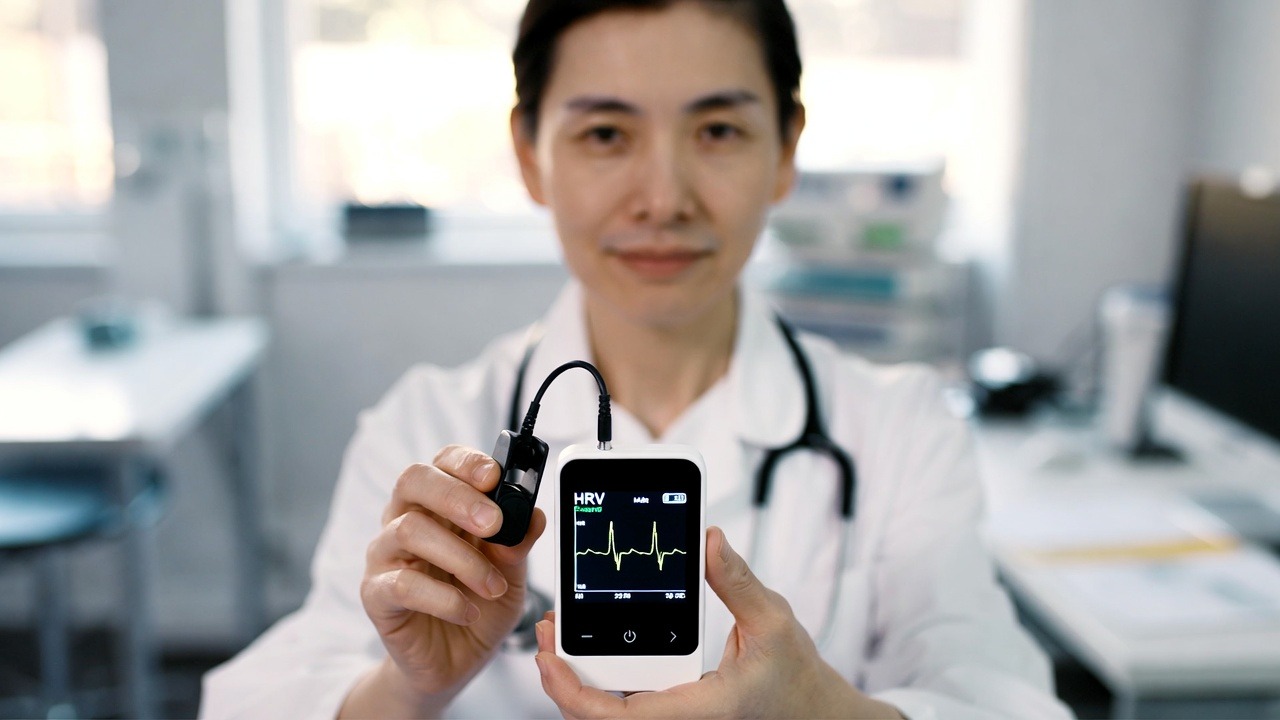
If HRV is the readout of your autonomic nervous system, then sleep is its most important recalibration session. The relationship between HRV and sleep is symbiotic and profound. Not only does sleep quality dramatically affect your HRV, but your HRV pattern during sleep provides the deepest insight into the quality of that restoration.
During wakefulness, especially during the day, your HRV is a mixed signal, reacting to every thought, movement, and interaction. But during sleep, particularly during deep sleep (N3), the external noise fades away. Your body enters its most potent recovery state, and the parasympathetic nervous system ideally takes firm control. This is when you should see your highest, most stable HRV of the 24-hour cycle. A strong, elevated HRV during deep sleep is a sign that your “brake” system is fully engaged, doing the essential work of repair, memory consolidation, and hormonal regulation.
Conversely, sleep disruptions fragment your HRV. When you transition out of deep sleep, or if you have frequent awakenings (even micro-awakenings you don’t remember), the sympathetic system can get flicked on, causing HRV to drop. This is why analyzing your nocturnal HRV average and its pattern across the night is more valuable than a single morning spot-check.
Key sleep-HRV insights include:
By focusing on behaviors that improve nocturnal HRV, you are directly investing in the quality of your nervous system’s reset. This makes sleep optimization not about chasing an arbitrary score, but about cultivating the physiological state where your body does its best healing. Many users of advanced tracking devices share how this data transformed their sleep hygiene; you can read such transformative experiences in their own words on pages like Oxyzen testimonials.
We live in the age of sympathetic dominance. Our environment is a perpetual, low-grade threat simulation: pinging notifications, 24/7 news cycles, overwhelming workloads, and digital social pressures. This constant state of “high alert” keeps our sympathetic nervous system subtly but persistently engaged, wearing down our parasympathetic capacity—the very definition of allostatic load.
Chronic stress doesn’t just feel bad; it leaves a clear, quantifiable scar on your autonomic function: a suppressed HRV. This is the biometric signature of burnout in the making. When your HRV is chronically low, it means your nervous system has lost its flexibility. It’s stuck in “fight or flight,” unable to downshift into “rest and digest.” This state has dire downstream consequences:
Therefore, tracking HRV becomes the ultimate accountability tool for stress management. It moves stress from a subjective feeling you can gaslight yourself about (“I’m fine, just busy”) to an objective physiological state you cannot ignore. Seeing your HRV trend downward over a demanding work quarter is a non-negotiable signal to intervene.
HRV and Mental Fitness: The connection extends to mental health. Studies have shown strong correlations between low HRV and conditions like anxiety, depression, and PTSD. The relationship is bidirectional: mental distress lowers HRV, and a low-HRV, inflexible nervous system makes one more vulnerable to psychological stress. This is why interventions that improve HRV—like mindfulness, coherent breathing, and heart rate variability biofeedback training—are also powerful tools for improving mental well-being. They work by literally training the brake system of your ANS.
Building Resilience: Resilience is not the absence of stress; it is the rapidity and efficiency of your recovery from it. HRV is the direct measure of this. A resilient person experiences a stressor (a sympathetic spike), but their system quickly counter-balances with a strong parasympathetic response (leading to a quick HRV rebound). You can see this in your data after a hard workout or a stressful meeting—how quickly does your HRV recover afterwards?
By using HRV as a guide, you can proactively build resilience. You learn which practices (meditation, nature walks, diaphragmatic breathing) most effectively boost your PNS tone. You identify the drains (toxic relationships, doomscrolling, poor sleep hygiene) that deplete it. In a world designed to lower your HRV, conscious tracking is an act of rebellion—a commitment to maintaining your biological integrity and flexibility. The core mission of companies in this space, as explored on Oxyzen’s homepage, is to provide the tools for this very rebellion, empowering individuals to take back control of their internal state.
The application of HRV has exploded beyond the world of professional sports because the principle is universal: to perform at your peak, you must balance stress with recovery. Whether you’re a CEO navigating a high-stakes merger, a creative working on a demanding project, a parent managing a household, or a student facing exams, you are an “performer” in your own right. Your cognitive, emotional, and physical output depends on the same autonomic balance an athlete needs.
Cognitive Performance: Your brain is the most energy-demanding organ in your body, and it functions optimally under parasympathetic influence. A high, stable HRV is linked to better executive function, working memory, creativity, and emotional stability. When your HRV is low, your cognitive resources are diverted to threat monitoring and basic physiological regulation, leaving less bandwidth for deep, innovative thinking. Tracking HRV can help you schedule your most demanding mental work for when your nervous system is primed for focus.
Emotional Regulation: The vagus nerve, a key component of the PNS and a major influencer of HRV, is intricately linked to your emotional centers. High HRV is associated with greater emotional agility—the ability to experience a strong emotion without being overwhelmed by it. It’s the difference between reacting impulsively and responding thoughtfully. By managing your lifestyle to support a higher HRV, you are directly investing in your emotional intelligence and resilience in relationships.
The Modern Knowledge Worker: For the desk-bound professional, the stressors are mental and chronic, not physical and acute. The danger is the invisible accumulation of autonomic strain without the clear signals of muscular fatigue. HRV provides that signal. A consistent morning low HRV despite adequate sleep might indicate that work-related psychological stress is spilling over, preventing true nervous system recovery. This data can prompt crucial boundaries: shutting off email after a certain hour, taking real lunch breaks away from the screen, or saying no to non-essential commitments.
Guided Application of Stress: The goal is not to live in a bubble and maximize HRV at all times. That would lead to stagnation. Growth happens through the cycle of stress + recovery = adaptation. HRV allows you to apply this principle intelligently:
This turns life into a conscious, self-directed optimization loop, whether your “performance” goal is lifting heavier weights, delivering a flawless presentation, staying patient with your children, or simply having consistent energy throughout the day. It’s about working with your biology, not against it.

We are moving toward a future where healthcare and wellness are predictive, preventive, personalized, and participatory. In this future, HRV is poised to become the central dashboard—the integrative biomarker that pulls together disparate streams of data into a coherent story of systemic health.
The Convergence of Metrics: The next generation of wearables and rings won’t just show HRV next to sleep and activity. Advanced algorithms will model the causal and correlative relationships between them. The software will move from reporting that your HRV is low to proposing the most probable why based on the confluence of all your data: “Your HRV is 22% below baseline. This correlates with a 0.3°C rise in core temperature, a 10% decrease in deep sleep, and elevated nighttime heart rate. The pattern suggests your body is allocating resources to your immune system. Consider lighter activity and increased hydration today.”
Longitudinal Health Forecasting: By establishing your personal HRV baseline over years, you create a powerful longitudinal health record. A gradual, unexplained downward trend in your HRV could be one of the earliest signs of a developing chronic condition, long before standard blood tests or symptoms appear. This shifts the model from sick-care to true health-care, allowing for early, lifestyle-based interventions.
Personalized Intervention Engine: The dashboard will not only diagnose states but suggest personalized interventions. Linked to your calendar, it might suggest a breathing exercise before a known stressful meeting. Integrated with smart home devices, it could gradually dim your lights as your evening HRV indicates you are entering a wind-down state. It could nudge you toward a walk when your post-lunch HRV dip suggests a metabolic slump.
The Role of Advanced Wearables: The smart ring, and devices like the Oxyzen ring, are ideal platforms for this centralized dashboard. Their comfort enables the continuous data flow, and their multi-sensor array provides the necessary inputs. The future lies in the sophistication of the analysis and the usability of the insights—transforming complex physiology into simple, actionable wisdom. To see how this philosophy is being built today, you can learn more about Oxyzen and its approach to integrated health intelligence.
This integrative future positions HRV not as just another metric, but as the foundational language of a new, more intimate dialogue with our own bodies. It is the key to unlocking a state of thriving, not just surviving.
To fully grasp the power of HRV, we must trace its signal to its source: the vagus nerve. This is the longest cranial nerve in your body, a meandering superhighway connecting your brainstem to your heart, lungs, gut, and nearly every major organ. It is the primary conduit for parasympathetic “rest and digest” signals, and its tone—its level of activity—is the single greatest physiological influencer of your HRV. High HRV is essentially a readout of high vagal tone.
Think of the vagus nerve as your body’s internal communication cable for calm and connection. When it’s active and “toned,” it acts like a skilled orchestra conductor, slowing the heart rate, promoting digestion, and modulating inflammation. It’s the nerve behind the feeling of a “warm glow” after a good interaction, the “gut feeling” of intuition, and the calm that follows a deep, slow breath.
The Vagus Nerve and the Social Engagement System: Pioneered by Dr. Stephen Porges, the Polyvagal Theory revolutionized our understanding of this nerve. It posits that the vagus isn't just about rest; it has a ventral (front) pathway specifically evolved for social connection, safety, and communication. When we feel safe and connected, our ventral vagal pathway is active, our facial muscles relax, our voice intonation becomes warm, our hearing tunes into human speech frequencies, and—crucially—our HRV is high. This is the state of optimal human functioning. When we feel threatened, this system withdraws, and we shift into sympathetic fight/flight (lower HRV) or, in extreme cases, a dorsal vagal shutdown (very low HRV, dissociation).
This reveals a profound truth: HRV is not just a metric of physical recovery; it is a metric of felt safety and social connectedness. A lingering argument with a partner, feelings of loneliness, or a hostile work environment can depress your vagal tone just as effectively as a sleepless night. Conversely, a genuine laugh with friends, a hug from a loved one, or an act of kindness can stimulate it, boosting your HRV.
Practical Vagal Toning: The incredible news is that vagal tone isn’t fixed; it’s plastic. You can actively “tone” your vagus nerve, thereby directly improving your HRV and resilience. This is where biofeedback becomes actionable lifestyle practice:
By tracking your HRV, you get direct feedback on which of these “vagal maneuvers” works best for your unique biology. You can run personal experiments: Does 10 minutes of coherent breathing before bed boost my nocturnal HRV more than a meditation app? Does a daily cold shower improve my weekly baseline? This transforms self-care from a vague concept into a targeted, neurological tune-up. For more on the science of breath and recovery, our blog dives deeper into these practical techniques.
HRV is a dynamic metric that tells a distinct story at every stage of life, serving as a powerful biomarker for development, aging, and overall vitality. Its trajectory across the lifespan underscores why it’s such a critical measure of systemic health.
The Beginning: HRV and Infant Development. In newborns and infants, HRV is a crucial indicator of neurodevelopmental health. Higher HRV in infants is associated with better emotional regulation, greater attentional capacity, and more robust stress response systems. Research even suggests that the co-regulation between a caregiver and an infant—the soothing, rocking, and responsive attention—directly helps shape the infant’s developing autonomic nervous system, literally building their vagal tone and HRV capacity. This foundational period sets a trajectory for resilience.
Adulthood and the Stress Load: In healthy young and middle-aged adults, HRV becomes the barometer of lifestyle load. This is the stage where the cumulative choices around sleep, exercise, diet, and stress management either build autonomic resilience or erode it. A higher HRV during these prime years is correlated with better cardiovascular health, improved metabolic function, and enhanced cognitive performance. It’s the body’s internal scorecard for how well you are managing the demands of modern life.
The Menopause Transition: For women, the perimenopausal and menopausal transition presents a fascinating and often challenging HRV story. Fluctuating and declining estrogen levels directly affect autonomic function, often leading to a measurable decrease in average HRV and increased HRV instability. This physiological shift can partly explain the increased prevalence of sleep disturbances, temperature dysregulation (hot flashes), and heightened stress perception during this time. Tracking HRV can provide women with objective data to navigate this transition, helping them differentiate between hormonally-driven nervous system fluctuations and those caused by lifestyle factors, enabling more targeted interventions.
HRV as a Biomarker of Aging & Longevity: Perhaps the most compelling longitudinal story of HRV is its relationship with aging. HRV has a well-documented, natural decline with age. This decline in autonomic flexibility is a core component of biological aging itself. However, the rate of this decline is not fixed. It is dramatically influenced by lifestyle. Studies of “super-agers”—individuals in their 70s and 80s who maintain cognitive and physical function akin to people decades younger—often show they have HRV profiles more typical of middle-aged adults.
Therefore, your HRV trend over decades is a strong predictor of your biological age versus your chronological age. A 55-year-old with the HRV of a typical 40-year-old is likely aging slowly, with reduced risk for age-related diseases. Conversely, a prematurely low HRV is a red flag for accelerated biological aging and increased mortality risk from all causes.
This positions HRV tracking not as a fleeting wellness trend, but as a lifelong health practice. By adopting vagal-toning habits and recovery-focused living, we are not just optimizing our day; we are actively investing in our healthspan—the number of years we live in good health. We are slowing the aging clock of our autonomic nervous system. This long-term perspective is at the heart of the vision for preventative health technology, a vision shared by missions like that of Oxyzen, which aims to empower users with the insights needed for a longer, healthier life.
You are not just what you eat; your nervous system reflects it with remarkable precision. The gut-heart-brain axis is a continuous feedback loop, and the food you consume acts as information that either promotes autonomic balance or triggers systemic stress. HRV provides the real-time report card.
Inflammation: The Silent HRV Suppressor. The modern diet, high in refined sugars, processed seed oils, and ultra-processed foods, is profoundly pro-inflammatory. Chronic, low-grade inflammation places a constant strain on the body. The immune system’s inflammatory cytokines can directly disrupt the function of the autonomic nervous system and the sinoatrial node in the heart, leading to a suppressed HRV. An anti-inflammatory diet—rich in omega-3 fatty acids (fatty fish, walnuts), polyphenols (berries, dark leafy greens), and fiber—can, over time, lower this inflammatory burden, often resulting in a measurable rise in HRV baseline.
The Glucose Rollercoaster: One of the most immediate and dramatic effects you can see on your HRV is from blood sugar spikes. Consuming a meal high in refined carbohydrates without balancing fiber, fat, or protein causes a rapid rise in blood glucose. The body responds with a surge of insulin, which can often lead to a reactive hypoglycemic dip. This glycemic volatility is a significant stressor. The sympathetic nervous system activates to mobilize energy stores, leading to a tangible drop in HRV for several hours post-meal. Stabilizing blood sugar through dietary choices is one of the most effective ways to stabilize your daily HRV readings.
Gut Microbiome and Vagus Signaling: Your gut is lined with millions of neurons and is in constant dialogue with your brain via the vagus nerve. A diverse, healthy gut microbiome produces short-chain fatty acids and neurotransmitters (like GABA and serotonin) that promote calm and signal safety to the brain via the vagus, supporting higher HRV. A disrupted microbiome, on the other hand, can produce endotoxins that trigger inflammation and sympathetic arousal. Probiotic and prebiotic-rich foods (fermented foods, onions, garlic, asparagus) can support this positive gut-brain-vagus communication.
Practical Nutritional HRV Experiments:
By using HRV as a guide, nutrition becomes less about dogmatic rules and more about discovering your personal “fuel map.” What foods leave your nervous system calm and resilient? Which ones trigger strain? The data provides personalized, non-judgmental feedback, empowering you to eat for sustained energy and systemic balance. For those navigating these dietary questions, the Oxyzen FAQ often addresses how to correlate dietary choices with biometric data.
Exercise is the quintessential example of the stress + recovery = adaptation model. It is a controlled, hormetic stressor—when applied correctly, it makes you stronger, fitter, and more resilient, with a higher HRV baseline to show for it. When applied incorrectly, it becomes a source of chronic strain, leading to overtraining, injury, and a perpetually suppressed HRV. The difference lies in the balance, and HRV is the ultimate tool for finding it.
How Different Exercise Types Affect HRV:
HRV-Guided Training in Practice: This methodology moves from rigid, pre-programmed schedules to a fluid, responsive dialogue with your body.
This approach maximizes gains while minimizing the risk of injury and burnout. It teaches you to respect the difference between “lazy” and “legitimately fatigued.” For the non-athlete, the principles are identical. A hard day at work is a sympathetic stressor. If your HRV is low the next morning, perhaps a vigorous spin class is counterproductive, and a walk in nature would be a smarter choice for your system’s overall health. Countless users have shared how this insight changed their relationship with fitness, stories you can find among Oxyzen testimonials.
The deepest understanding of HRV emerges when we stop seeing the body as a collection of systems and recognize it as a single, integrated network. The Mind-Gut-Heart Axis is perhaps the most vivid illustration of this integration, and HRV sits at its center as the key communicative signal.
This axis is a continuous, bi-directional conversation:
HRV is the rhythm of this conversation. When the axis is in harmony—a calm mind, a healthy gut, a coherent heart—the HRV signal is strong and variable. When there is discord in any part, the entire system suffers, and HRV drops.
Implications for Holistic Health:
This systems view explains why HRV is such a powerful metric: it is downstream from everything. Every thought, every bite of food, every interaction, and every breath influences this tripartite conversation, and the heart’s variability reports the overall quality of the dialogue. Optimizing your health, therefore, is about nurturing every part of this axis, using HRV as your guiding light to create coherence across your entire being. To explore more about this integrated approach to well-being, you can learn more about Oxyzen and its holistic philosophy.
The journey of HRV from a paper-based EKG calculation to a continuous stream of data on your smartphone is just the beginning. We are on the cusp of a new era where artificial intelligence, advanced sensor fusion, and personalized algorithms will unlock even deeper layers of meaning from this vital signal.
From Descriptive to Predictive and Prescriptive Analytics: Current apps are largely descriptive: “Your HRV was low last night.” The next generation will be predictive and prescriptive.
Multi-Modal Sensor Fusion: The smart ring of the future won’t just have a PPG sensor. It may incorporate:
Personalized Baselines and Dynamic Normal Ranges: Instead of comparing you to population averages, AI will create hyper-personalized models of your “normal.” It will understand your menstrual cycle’s effect, your unique response to travel, your specific recovery profile after leg day versus upper body day. Your “green zone” will be a dynamic, living range that adapts to your life context.
Digital Therapeutics and Closed-Loop Systems: HRV data will integrate with other digital health tools. Imagine a meditation app that adjusts its session in real-time based on your live HRV feed from your ring, or a smart lighting system that begins your wind-down routine when your evening HRV shows you’re entering a recovery state. This creates a “closed-loop” environment that supports your autonomic health automatically.
The goal of this technological evolution, as pursued by innovators in the space, is to make profound health insight effortless and actionable. It’s about moving from self-tracking to self-knowing, where the technology fades into the background, and the enhanced wisdom about your own body comes to the fore. The roadmap for this future is being written now by teams focused on this integration, as seen in the vision outlined on the Oxyzen about us page.
While the core science of HRV is universal, its application and interpretation can be tailored to meet the unique physiological rhythms and challenges of different groups. This personalized lens is where HRV transforms from a general wellness tool into a deeply relevant life management system.
For Women & Hormonal Health: A woman’s autonomic nervous system dances to the rhythm of her hormonal cycle. Ignoring this can lead to frustrating misinterpretation of HRV data.
For the Aging Population: As discussed, HRV naturally declines with age. However, for older adults, monitoring HRV takes on heightened importance for preventative health.
For Corporate Wellness & High-Performance Teams: Burnout is an autonomic nervous system failure. Forward-thinking organizations are now incorporating HRV-based biometric programs not as surveillance, but as an empowerment tool for their most valuable asset: human capital.
For Chronic Condition Management: For individuals managing conditions like diabetes, hypertension, fibromyalgia, or Long COVID, HRV serves as a daily barometer of systemic burden.
Understanding these diverse applications underscores that HRV is not a one-size-fits-all metric. It’s a personal language of physiology that, when learned, can guide anyone—regardless of age, gender, or health status—toward more sustainable living. For more on tailoring these insights, our blog provides targeted guides for different life stages and goals.
As HRV has surged in popularity, misconceptions have inevitably followed. Clearing these up is essential for using the metric effectively and avoiding unnecessary anxiety or misguided efforts.
Myth 1: “Higher HRV is Always Better.”
Reality: While a higher trend over time is excellent, an unnaturally high single reading can be a red flag. In some contexts, like during active illness (the body may be in a high-alert, stressed state), or in certain psychiatric conditions, HRV can be paradoxically elevated. Furthermore, chasing an arbitrary high number is pointless due to individual variability. The goal is not to maximize the number, but to optimize the stability and responsiveness of your system within your unique range.
Myth 2: “My HRV is Low, So I’m Unhealthy.”
Reality: A single low reading means very little. HRV is inherently variable. It should dip in response to legitimate stressors (a great workout, a mentally challenging day). This is the “stress” side of the “stress + recovery = adaptation” equation. The problem is not the dip; it’s the lack of recovery and rebound. Health is reflected in the pattern of dips and rebounds over weeks and months, not in a single data point.
Myth 3: “I Can’t Use HRV Because I Take a Beta-Blocker.”
Reality: While beta-blockers (which lower heart rate) do affect HRV calculations, they do not render it useless. They change your baseline. The key is to establish a new personal baseline while on the medication. The trends relative to this medicated baseline are still incredibly valuable. A significant drop from your baseline still indicates increased strain, even if the absolute numbers are lower than an unmedicated person’s.
Myth 4: “HRV from a Wearable is Not Accurate.”
Reality: It’s a matter of purpose. Consumer PPG-based HRV is not intended to replace a clinical 5-minute EKG in a doctor’s office for diagnosing specific cardiac conditions. However, for tracking trends and relative changes in autonomic function for wellness purposes, modern wearables—especially smart rings with their superior signal fidelity—are exceptionally accurate and reliable. The consistency of measurement (same device, same finger) is more important than clinical absolute precision for trend analysis.
Myth 5: “The Morning Reading is the Only One That Matters.”
Reality: The morning reading (or the nocturnal average) is a clean, standardized snapshot and is incredibly useful. However, continuous monitoring unlocks a richer story. Seeing how your HRV responds to a stressful meeting, a meal, or a workout provides context the morning reading can’t. It shows your system’s dynamic flexibility in real-time, which is the true hallmark of resilience.
Myth 6: “I Need to Obsess Over Every Fluctuation.”
Reality: This is the fast track to “orthosomnia”—an unhealthy obsession with perfect sleep data. HRV is meant to be observed with curiosity, not anxiety. Zoom out. Look at weekly averages and multi-week trends. The macro-trend informs lifestyle changes; the micro-fluctuations are simply feedback on daily choices. The goal is to use the data to live better, not to live for the data.
By grounding our understanding in these realities, we can approach HRV with a balanced, informed perspective. It is a powerful guide, not an absolute judge. Its value lies in the patterns and the personal awareness it fosters, not in achieving a perfect daily score. The team at Oxyzen emphasizes this balanced, education-focused approach, helping users understand the signal within the noise.
Understanding HRV is one thing; building a lifestyle around it is another. This actionable guide walks you through the process of integrating HRV insight into your daily life for tangible benefit.
Phase 1: Establish Your Baseline (Weeks 1-4)
Phase 2: Identify Your Levers and Patterns (Weeks 5-8)
Phase 3: Implement a Dynamic Lifestyle (Ongoing)
Critical Mindset Shifts:
This action plan turns passive tracking into active self-mastery. It’s the practical application of everything we’ve explored, moving from theory to lived experience. For common questions on implementing such a plan, the Oxyzen FAQ is a valuable resource for users at every stage.
As HRV tracking becomes more pervasive and insightful, it ventures into ethically complex territory. The data it provides is uniquely intimate—a direct window into our stress, resilience, emotional states, and even our subconscious reactions. Navigating this future requires careful consideration.
The Privacy Imperative: HRV data is health data, full stop. It must be treated with the highest level of security and privacy protection.
The Risk of Biometric Surveillance: The potential for misuse is significant. Employers, insurers, or even government agencies could have an interest in this data. Mandatory HRV tracking in workplaces for “productivity optimization” is a dystopian path that must be guarded against. The line between empowering wellness and coercive surveillance is thin and must be defended through strong regulation and ethical corporate pledges.
The Autonomy Paradox: HRV data is meant to enhance autonomy by providing self-knowledge. However, there’s a risk of outsourcing our intuition to an algorithm—of trusting the data more than our own felt sense. “My ring says I’m recovered, so I must be,” even if you feel exhausted. The technology must be designed to augment, not replace, interoception (the sense of the internal state of the body). It should help you better understand your feelings, not invalidate them.
Equity and Access: Advanced biometric wearables are currently luxury items. There’s a risk of creating a health information divide, where the wealthy have access to deep, preventative health insights while others do not. The long-term goal of this technology should be to democratize health understanding, driving down costs and increasing accessibility.
The Role of Ethical Companies: The future will be shaped by companies that choose to embed ethics into their core. This means:
The story of HRV is ultimately a human story—about our quest to understand ourselves, to thrive, and to live with more agency. The technology that measures it must serve that story, protecting our privacy, honoring our autonomy, and expanding access to the profound knowledge that lies within our own heartbeat. This commitment to responsible innovation is a cornerstone for those building in this space, as reflected in the principles you can learn about at Oxyzen.
The journey of Heart Rate Variability from an obscure clinical tool to the central pillar of modern wellness tracking is a story of scientific convergence and technological empowerment. We’ve seen how this subtle, millisecond variation between heartbeats is far more than a cardiac curiosity; it is the master metric of our autonomic nervous system, the integrative language of the mind-gut-heart axis, and a dynamic biomarker of our resilience, recovery, and overall biological age.
HRV teaches us a fundamental lesson: Health is not a static state to be achieved, but a dynamic balance to be navigated. It is the graceful dance between stress and recovery, effort and ease, connection and reflection. A high HRV doesn’t mean a life without challenge; it signifies a system flexible enough to meet challenges powerfully and then return to a state of calm, ready for the next dance.
The rise of the smart ring as the preeminent vessel for this data is no accident. By providing comfortable, continuous, and context-rich insights—melding HRV with temperature, sleep, and activity—it offers a holistic dashboard for our nervous system. It turns abstract concepts like “stress” and “recovery” into tangible, manageable data, enabling a personalized biofeedback loop that was once the domain of elite labs.
But as we’ve explored, this power comes with responsibility—for the individual to use the data with curiosity rather than anxiety, and for the creators of this technology to uphold the highest standards of ethics, privacy, and user empowerment. The goal is not to create a generation obsessed with their biometrics, but a generation more in tune with their bodies, using data as a compass to guide them toward sustainable energy, mental clarity, and lasting vitality.
Ultimately, tracking your HRV is an invitation to a deeper conversation with yourself. It’s about learning the unique rhythm of your own biology and respecting its needs. In the cadence of your heartbeat—in its beautiful, intelligent variability—you find the rhythm of a life not just lived, but well-lived. A life of adaptability, presence, and resilience. That is the true promise held within this most important metric, a promise that technology is now placing quietly on our fingers, waiting to be unlocked.
To begin your own journey of discovery and see how these insights can transform your daily life, you can learn more about Oxyzen and explore the real-world experiences of others in their testimonials. The path to understanding your inner rhythm starts with a single beat.
Your Trusted Sleep Advocate (Sleep Foundation — https://www.sleepfoundation.org/)
Discover a digital archive of scholarly articles (NIH — https://www.ncbi.nlm.nih.gov/
39 million citations for biomedical literature (PubMed — https://pubmed.ncbi.nlm.nih.gov/)
experts at Harvard Health Publishing covering a variety of health topics — https://www.health.harvard.edu/blog/)
Every life deserves world class care (Cleveland Clinic -
https://my.clevelandclinic.org/health)
Wearable technology and the future of predictive health monitoring. (MIT Technology Review — https://www.technologyreview.com/)
Dedicated to the well-being of all people and guided by science (World Health Organization — https://www.who.int/news-room/)
Psychological science and knowledge to benefit society and improve lives. (APA — https://www.apa.org/monitor/)
Cutting-edge insights on human longevity and peak performance
(Lifespan Research — https://www.lifespan.io/)
Global authority on exercise physiology, sports performance, and human recovery
(American College of Sports Medicine — https://www.acsm.org/)
Neuroscience-driven guidance for better focus, sleep, and mental clarity
(Stanford Human Performance Lab — https://humanperformance.stanford.edu/)
Evidence-based psychology and mind–body wellness resources
(Mayo Clinic — https://www.mayoclinic.org/healthy-lifestyle/)
Data-backed research on emotional wellbeing, stress biology, and resilience
(American Institute of Stress — https://www.stress.org/)


