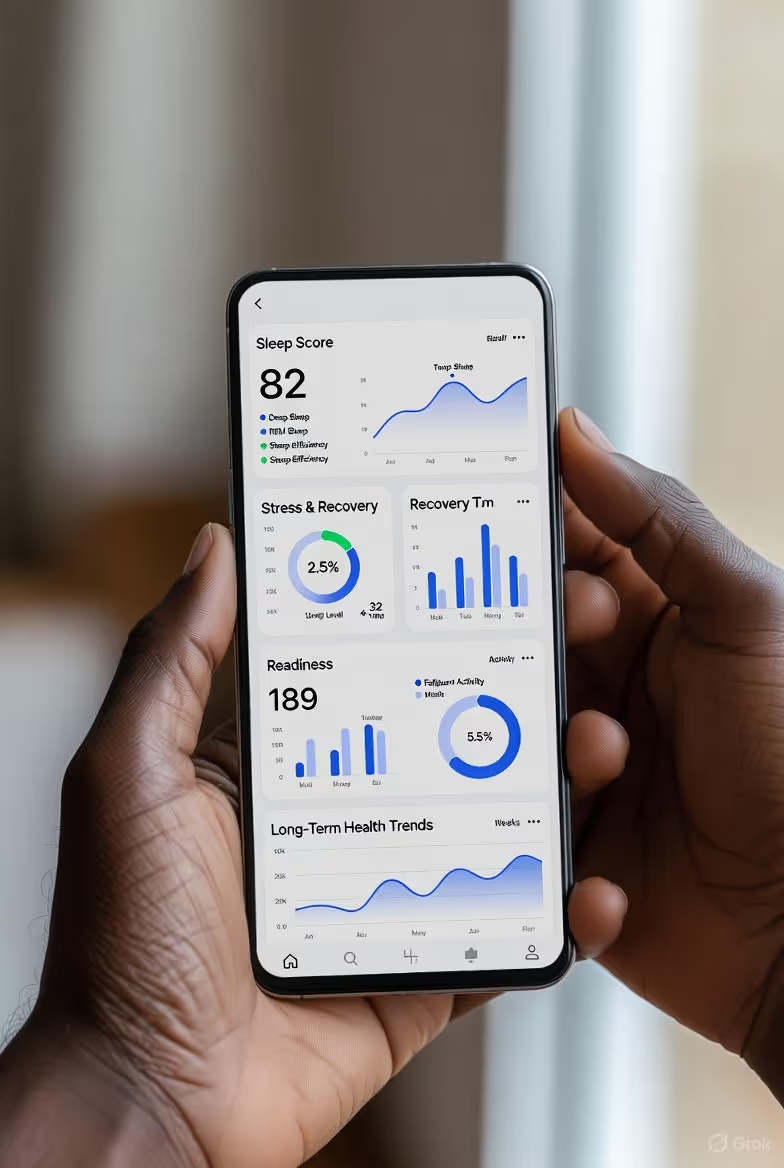
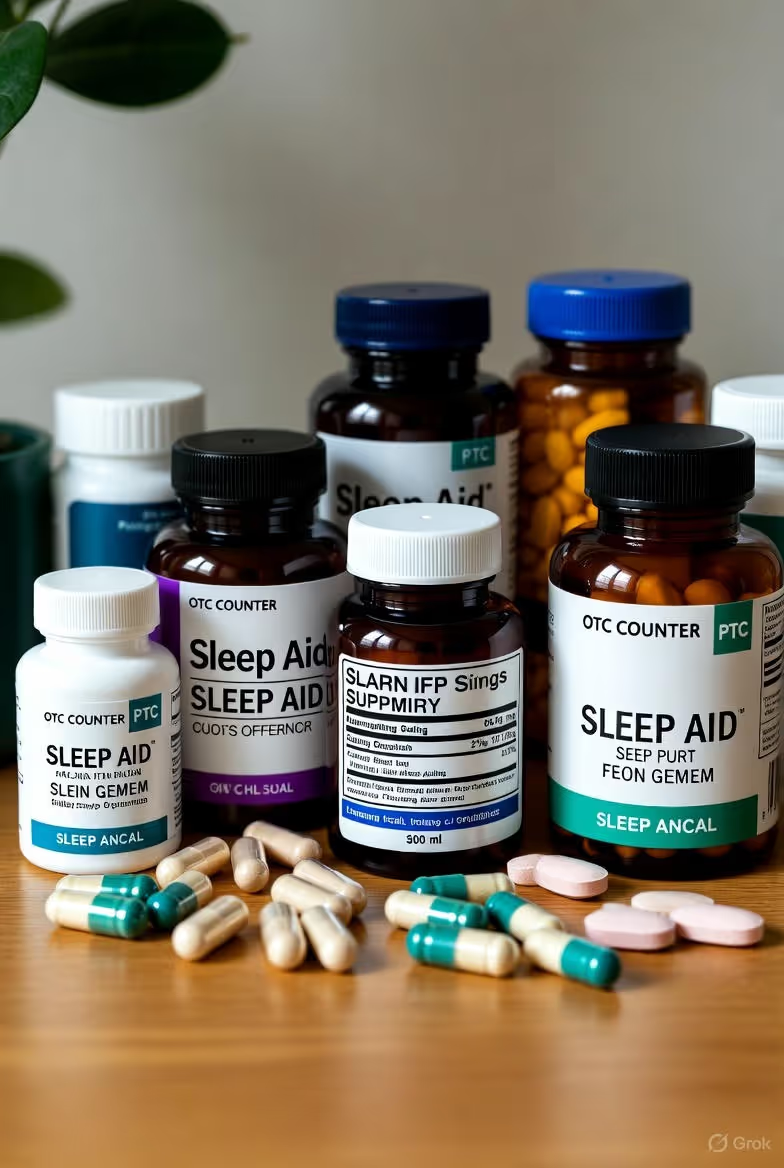
How Medications and Supplements Affect Sleep Scores
Some medications and supplements can alter sleep architecture, either improving or lowering your sleep score.
Restful Living: Simple Daily Habits for Deeper Calm
You spend a small fortune on the perfect mattress. You’ve dialed in the ideal room temperature and banished blue light an hour before bed. Your nightly ritual is a masterpiece of modern sleep hygiene. Yet, when you check your sleep score on your advanced wearable—the detailed breakdown of your deep sleep, REM, restlessness, and waking events—the numbers tell a confusing, frustrating story. Some nights, you’re in the 90s, feeling like a sleep champion. Other nights, despite your meticulous routine, your score plummets into the 70s, accompanied by a graph that looks more like a frantic EKG than a peaceful slumber.
What gives? You might be overlooking the most potent, data-altering variables in your entire sleep equation: the pills and potions you consume long before your head hits the pillow.
From the prescription medication for your blood pressure to the over-the-counter allergy relief, the melatonin gummy you pop at 9 PM, or the magnesium supplement you take for muscle recovery, each of these substances is an active participant in your nocturnal biochemistry. They don’t just treat a symptom or fill a nutritional gap; they directly interface with the very neurological pathways, hormonal rhythms, and physical systems that your smart ring—like the sophisticated Oura Ring or other advanced trackers—is designed to measure.
This article is your definitive guide to decoding that interface. We’re moving beyond basic sleep tips and diving into the complex, often surprising, interactions between common medications, popular supplements, and the precise metrics that generate your nightly sleep score. By understanding this relationship, you transform from a passive observer of your data into an informed architect of your recovery. You’ll learn not only why your score fluctuates but also how to have more informed conversations with your healthcare providers and make smarter choices about your supplement regimen, all in pursuit of the ultimate goal: truly restorative sleep.
The Sleep Score Decoded: What Your Ring is Really Measuring
Before we can understand how external substances affect your sleep, we need a clear map of the territory they’re influencing. Your sleep score isn’t a single measurement; it’s a sophisticated algorithm’s interpretation of multiple biometric data streams. Think of it as a financial credit score for your nervous system—a composite number derived from several key "payment histories" of recovery.
Core Pillars of the Modern Sleep Score
Most advanced wearables from brands like Oura, Whoop, and others synthesize data into a score based on these foundational pillars:
Sleep Duration: The total time spent asleep. While the old "8-hour" rule is a generalization, consistently logging sufficient time is the non-negotiable bedrock of a good score.
Sleep Efficiency: This is the ratio of time actually asleep to the total time spent in bed. Tossing and turning for an hour before dozing off murders your efficiency score. It’s a pure metric of sleep quality.
Sleep Architecture (Staging): This is the gold standard of sleep tracking. Using heart rate variability (HRV), resting heart rate (RHR), and movement, advanced algorithms estimate your time in each crucial stage:
Light Sleep (N1 & N2): The gateway to sleep and a period of mental and physical consolidation. It typically makes up 50-60% of your night.
Deep Sleep (N3 or Slow-Wave Sleep): The physical restoration phase. This is when tissue repair, immune function strengthening, and growth hormone release peak. It’s often the first stage sacrificed when sleep is compromised.
REM Sleep: The mental restoration phase. Characterized by rapid eye movement and dreaming, REM is critical for memory consolidation, emotional processing, and creativity.
Restfulness: Measured by your movement and brief awakenings throughout the night. A restless night indicates fragmented sleep, even if your total duration looks good on paper.
Timing & Latency: When you go to bed (relative to your personal circadian rhythm) and how long it takes you to fall asleep (sleep onset latency).
The Biometric Symphony: HRV, RHR, and Body Temperature
Your ring doesn’t have a direct window into your brainwaves (that’s for clinical polysomnography). Instead, it acts as a master interpreter of your autonomic nervous system (ANS) through three key proxies:
Heart Rate Variability (HRV): The millisecond variations between your heartbeats. A higher HRV generally indicates a more resilient, recovered, and adaptable nervous system (parasympathetic dominance). Stress, illness, and poor sleep drive HRV down. It is one of the most sensitive metrics for tracking overall load on your system.
Resting Heart Rate (RHR): Your heart rate at its lowest, most restful state. A lower RHR often correlates with better cardiovascular fitness and efficient recovery. It typically dips further during deep sleep.
Skin Temperature: Subtle shifts in your distal body temperature are closely tied to your circadian rhythm and sleep onset. Your body cools to initiate sleep and warms slightly toward morning.
Every medication and supplement you ingest has the potential to tune—or detune—this intricate biometric symphony. A substance might artificially depress your RHR, blunt your HRV, alter your core temperature rhythm, or directly stimulate/sedate brain centers controlling sleep stages. The result? A sleep score that reflects the compound's influence as much as your body’s genuine state of rest. For a deeper dive into how this technology translates signals into insights, you can always explore the science behind Oxyzen’s approach to biometric tracking.
The Prescription Paradox: Medications That Giveth and Taketh Away Sleep
Our modern medicine cabinet is filled with powerful tools to manage health, but their side effect profiles often include significant impacts on sleep architecture. Let’s categorize the common offenders and understand their specific mechanisms.
Stimulants & Wake-Promoting Agents
This is the most obvious category. Medications for ADHD (like methylphenidate or amphetamine salts) and narcolepsy are designed to increase alertness by boosting neurotransmitters like dopamine and norepinephrine. Their direct impact on sleep scores can be dramatic:
Score Impact: Severely prolonged sleep latency (taking hours to fall asleep), drastically reduced total sleep time, and suppression of REM sleep. Your ring will show a high resting heart rate and low HRV throughout the night, leading to abysmally low scores and a "recovery debt" warning.
The Long Shadow: Even if taken early in the day, these medications can leave a residual alertness that fragments sleep later. The data can be invaluable for working with a doctor to fine-tune timing and dosage.
Antidepressants & Psychiatric Medications
This class is a complex mosaic of effects. SSRIs (like sertraline, fluoxetine) and SNRIs are notorious for their sleep-disrupting side effects, particularly when first starting treatment.
SSRIs/SNRIs: Often cause intense, vivid dreams and night sweats (disrupting restfulness scores) and can suppress REM sleep. Some users report a strange feeling of "wired but tired" that shows up as high nighttime heart rate coupled with long sleep duration but poor efficiency.
TCAs & Older Antidepressants: Some, like amitriptyline, are actually used in low doses for sleep due to their sedating antihistamine effects. They may increase sleep efficiency but can also cause next-day grogginess and weight gain.
Atypical Antipsychotics (e.g., quetiapine): Often prescribed off-label for sleep at low doses. They are powerfully sedating through histamine blockade, leading to fast sleep onset and high sleep duration scores. However, they can severely reduce deep sleep and REM sleep quality, lead to significant metabolic side effects, and create dependency for initiation of sleep—a trade-off your sleep data can help illuminate.
Blood Pressure & Cardiovascular Medications
Beta-Blockers (e.g., metoprolol, propranolol): These are stealthy sleep disruptors. By blocking adrenaline, they lower heart rate—which can look like "good recovery" on a superficial glance. However, they are well-documented to cause insomnia, vivid nightmares, and fragmented sleep. Crucially, they also artificially suppress Heart Rate Variability (HRV). This means one of your ring’s key recovery metrics becomes medically obscured and unreliable while on these drugs.
ACE Inhibitors & ARBs: Generally considered more neutral or even positive for sleep compared to beta-blockers, with fewer reports of vivid dreams or sleep fragmentation.
Corticosteroids (e.g., Prednisone)
When prescribed orally for inflammatory conditions, corticosteroids are like pouring jet fuel on your circadian system. They directly stimulate wakefulness and can cause severe insomnia, a racing mind at bedtime, and frequent nighttime awakenings. A short course of prednisone will send your sleep score metrics—especially latency and restfulness—into a tailspin that perfectly mirrors the drug's physiological impact.
Understanding this prescription paradox is key. The medication solving one problem may be creating a silent deficit in your recovery. Tracking your sleep data provides objective evidence to bring to your doctor, enabling a collaborative conversation about timing, dosage, or alternative treatments with a better sleep-side-effect profile. For many navigating these complex trade-offs, reading real user testimonials on how they’ve used biometric data in similar conversations can be profoundly encouraging.
Over-the-Counter (OTC) Sleep Aids: The Data Behind the Quick Fix
When insomnia strikes, the pharmacy aisle offers tempting solutions. But these ubiquitous aids work through blunt mechanisms that your smart ring can clearly detect, often revealing why they are not ideal long-term strategies.
Antihistamines: The Sedation Illusion
Diphenhydramine (Benadryl, ZzzQuil) and doxylamine (Unisom) are the most common OTC sleep aids. They are histamine H1-receptor antagonists.
Mechanism & Data Signature: Histamine is a key wake-promoting neurotransmitter in the brain. Blocking it induces sedation. Your sleep tracker will likely show improved sleep latency (you fall asleep faster) and possibly increased total sleep duration.
The Hidden Cost: This sedation is not the same as natural sleepiness. These drugs are notorious for:
Reducing Sleep Quality: They can significantly suppress REM sleep and, with chronic use, may also impact deep sleep. Your score may be high on "duration" but low on "restfulness" and "REM."
Anticholinergic Burden: They cause dry mouth, next-day grogginess ("sleep hangover"), and with long-term use, are linked to cognitive decline. Your readiness score upon waking will often be low, reflecting the chemical residue.
Tolerance: Their effectiveness for sleep diminishes within days, leading to a cycle of increased use for the same effect.
Pain Relievers (NSAIDs)
Ibuprofen or aspirin taken before bed for a headache or ache might seem harmless. However, studies suggest that regular nighttime use of NSAIDs can reduce the proportion of deep (slow-wave) sleep. Since deep sleep is crucial for physical repair and immune function, habitually using NSAIDs at night could be undermining a core pillar of recovery, even if you’re unaware of it. Your ring might show a consistent deficit in your deep sleep graph, prompting you to seek the root cause of pain rather than habitually masking it.
The Melatonin Caveat
While melatonin is a hormone, it's widely available OTC. It’s not a sedative but a chronobiotic—it signals "darkness" to your brain, nudging your circadian rhythm. Its effect on sleep scores is highly dose-dependent.
Low Dose (0.3-1 mg): Taken 30-60 minutes before a targeted bedtime, it can gently improve sleep onset latency and help realign rhythm, leading to better efficiency scores.
High Dose (3-10 mg): Common in stores, this is a pharmacological, not physiological, dose. It can cause morning grogginess, bizarre dreams, and even a mild depressive effect the next day. Your data may show good sleep but a poor readiness score, or increased restlessness as your body processes the large hormone surge.
The data makes it clear: OTC aids often create a trade-off between faster sleep onset and truly restorative, high-quality sleep architecture. They are best used as rare, targeted tools, not a foundational strategy. For more on building a sustainable sleep strategy without reliance on quick fixes, our resource library at the Oxyzen blog offers numerous evidence-based guides.
The Supplement Sleeper Agents: Vitamins, Minerals, and Herbs
The world of supplements promises natural support, but "natural" doesn't mean neutral. Many popular wellness supplements have direct and measurable impacts on sleep physiology.
Magnesium: The Relaxation Mineral
Magnesium, particularly in forms like glycinate or bisglycinate, is a superstar for sleep support, and the data often proves it.
Mechanism: It acts as a natural NMDA receptor modulator and GABA agonist, promoting nervous system calm. It also helps regulate melatonin.
Positive Data Signals: Users often see improvements in sleep latency (falling asleep easier) and sleep efficiency (less tossing and turning). It may also support deeper, more sustained deep sleep by mitigating mild restlessness linked to deficiency. A rise in nocturnal HRV is a common positive biomarker.
Vitamin D: The Circadian Regulator
Vitamin D deficiency is rampant, and its role in sleep is profound. Vitamin D receptors are located in brain areas that control sleep.
The Deficiency Effect: Low Vitamin D is strongly correlated with poor sleep quality, shorter duration, and more awakenings. Supplementing to an optimal level (as shown by blood tests) can improve overall sleep scores.
Timing is Critical: Because Vitamin D is inherently stimulating and can suppress melatonin production, taking it in the morning is crucial. Taking it at night can inadvertently delay sleep onset and fragment sleep, a negative effect your ring would clearly capture.
Adaptogenic Herbs: Ashwagandha, Rhodiola
These herbs are designed to help the body "adapt" to stress, and their effects on sleep are nuanced.
Ashwagandha: Known for its anxiolytic properties, it can lower cortisol levels. Consistent evening supplementation often leads to improved sleep efficiency and higher HRV by reducing the physiological load of stress. It’s generally seen as sleep-supportive.
Rhodiola Rosea: A potent adaptogen known for boosting energy and mental performance. Because of its stimulating properties, taking Rhodiola in the afternoon or evening is a common mistake that can sabotage sleep latency and keep resting heart rate elevated. The data rule is clear: Rhodiola is for morning use only.
B Vitamins: The Energy Complex
B vitamins (especially B6, B12, and folate) are crucial for energy production and neurotransmitter synthesis (including serotonin and melatonin).
The Timing Paradox: They are essential for healthy sleep cycles, but taking a B-complex supplement too close to bedtime can be overly energizing for some, leading to prolonged sleep latency and a feeling of "restless energy" as you try to wind down. Morning consumption aligns better with their role in daytime alertness.
Tracking your sleep score while introducing or adjusting a supplement provides objective feedback. Did your deep sleep percentage tick up after starting magnesium glycinate? Did your sleep onset latency worsen when you moved your Vitamin D to the evening? This biofeedback turns guesswork into a personalized science. For those curious about the philosophy behind using technology for such personalized insights, the Oxyzen story delves deeper into our mission to make this precise biofeedback accessible.
Caffeine, Alcohol, and Nicotine: The Social Drugs’ Sleep Sabotage
No discussion of substances and sleep is complete without the big three consumed daily by millions. Their effects are so pronounced that they can single-handedly override perfect sleep hygiene.
Caffeine: The Long Shadow of the Morning Cup
Caffeine is an adenosine receptor antagonist. Adenosine is a neurotransmitter that builds up in your brain throughout the day, creating "sleep pressure." Caffeine blocks its signal, making you feel alert.
The 5-Half-Life Problem: Caffeine has a half-life of 5-6 hours. A 200mg coffee at 2 PM means 100mg is still active at 8 PM, and 50mg at 1 AM. This significantly reduces total sleep time and sleep efficiency.
Architecture Assault: Even if you fall asleep, caffeine measurably reduces deep sleep and REM sleep. Your sleep score may show adequate duration but poor "quality" metrics and a elevated resting heart rate throughout the night. The data is clear: a strict 12-14 hour cutoff before bedtime is non-negotiable for optimal scores.
Alcohol: The Seductive Sleep Destroyer
Alcohol is the most misunderstood sleep substance. It’s a sedative, not a sleep aid.
The Sedation Phase: It increases GABA activity, leading to fast sleep onset. Your tracker will show you fell asleep quickly—a false positive.
The Rebound Disaster: As alcohol is metabolized hours later, it causes a surge in glutamate (an excitatory neurotransmitter) and blocks REM sleep. This leads to fragmented second-half sleep, frequent awakenings, and severe REM suppression. Your data will reveal high restlessness, multiple waking events after 2-3 AM, and a flatlined REM graph. It also relaxes throat muscles, worsening sleep apnea events (seen as blood oxygen dips on some rings). The result is a long sleep duration with a paradoxically terrible efficiency and restoration score.
Nicotine: The Stimulant in Disguise
Nicotine, whether smoked, vaped, or chewed, is a potent stimulant with a short half-life.
Direct Stimulation: It increases heart rate, blood pressure, and adrenaline release, directly opposing sleep onset.
Withdrawal Fragmentation: The short half-life means nighttime withdrawal symptoms can cause micro-awakenings as the body craves another dose. Smokers show prolonged sleep latency, reduced total deep and REM sleep, and overall more fragmented sleep. Even "just one before bed" has a measurable, negative impact on the first hours of your sleep architecture.
Confronting the data from these substances can be a powerful motivator for behavior change. Seeing the direct correlation between a 7 PM glass of wine and a 3 AM cluster of wake-ups (and a low HRV the next morning) makes the consequence visceral, not just theoretical.
Interactions and Synergies: When 1 + 1 Doesn't Equal 2
The human body is not a simple laboratory where substances act in isolation. When medications and supplements combine, they can create unpredictable synergies or antagonisms that profoundly warp your sleep data.
The Dangerous Mix: Sedatives and Alcohol
Combining prescription sleep medications (like zolpidem/Ambien) or benzodiazepines with alcohol is extremely dangerous, amplifying sedative effects to a level that can suppress breathing. From a data perspective, this combination would likely show an artificially "perfect" sleep onset and high movement-free restfulness, but it would be masking a dangerous physiological depression. This is a critical warning sign no ring can fully capture—it underscores the importance of medical guidance.
Stimulant & Caffeine Stacking
Taking a prescription stimulant for ADHD and then consuming multiple cups of coffee is a classic example of stacking. The combined adrenergic load can keep your resting heart rate elevated 24/7 and decimate your HRV. Your sleep score will reflect a system under extreme stress: minimal deep sleep, almost no REM, and frequent awakenings, even if you manage to "crash" into some hours of light sleep.
Supplement Stacking for Sleep
This is where biofeedback becomes invaluable. For example:
Positive Synergy: Taking magnesium glycinate (promotes GABA calm) with a low-dose of melatonin (circadian signal) and L-theanine (promotes alpha brain waves) might create a complementary effect that improves both latency and architecture, reflected in a balanced, high score.
Negative Interference: Taking a high-dose Vitamin B-complex and Rhodiola in the evening, then adding melatonin, sends conflicting signals to your nervous system (energy production + stimulation + sleep signal). The result is often a confused physiology, shown as a long sleep latency and poor efficiency despite your "sleep stack."
Medication & Nutrient Depletion
Some medications chronically deplete nutrients essential for sleep. A common example:
Proton Pump Inhibitors (PPIs) like omeprazole for acid reflux can impair the absorption of magnesium and Vitamin B12—both critical for sleep and nervous system health. Long-term use could lead to a gradual degradation of sleep quality linked to deficiency, not the primary condition. Tracking a slow decline in HRV and deep sleep might prompt a conversation about testing for these deficiencies.
Understanding these interactions requires a detective’s mindset and your wearable data as the clue sheet. It empowers you to stagger supplements strategically and present a comprehensive picture to your pharmacist or doctor. If you ever have questions about how your specific regimen might interact with your biometrics, our comprehensive FAQ section addresses many common user scenarios.
Tracking for Truth: Using Your Data to Optimize Timing and Dosage
Armed with knowledge of how substances affect your physiology, you can now use your smart ring to move from passive tracking to active optimization. This turns your device into a personal biofeedback lab.
The Golden Rule: Introduce One Variable at a Time
You cannot decipher signals if you change too much at once. If you want to test a new supplement (like magnesium), start it alone. Take a 1-2 week baseline of your sleep scores without it, then introduce it consistently for 2-3 weeks, observing the trend lines in your data. Look for changes in:
Sleep Onset Latency
Deep/REM Sleep Percentages
Nighttime HRV Average
Restlessness/Waking Events
The Art of Chrono-Optimization: Timing is Everything
Your data can pinpoint the ideal timing for your substances.
Morning Champions: Stimulant medications, Vitamin D, B-Complex, Rhodiola, most antidepressants. Let their alerting effects align with daylight.
Afternoon/Evening Caution: The last caffeine should be 8-10 hours before bed. Last alcohol should be 3-4 hours before bed, understanding it will still degrade second-half sleep.
Bedtime Allies: Magnesium, low-dose melatonin (30-60 min prior), herbal sedatives like valerian or passionflower, and any medication intentionally prescribed for sleep onset.
Identifying Side Effects Through Data
Your ring can provide objective evidence of side effects you might subjectively dismiss.
Beta-Blockers & Low HRV: If your HRV is consistently flatlined and low since starting the medication, it’s likely drug-induced, not a sign of poor fitness. This is crucial information for your cardiologist.
SSRIs & Night Sweats/Restlessness: A pattern of waking at the same time each night with a temperature spike and elevated heart rate can correlate with medication metabolism, providing a clear data point for your psychiatrist to consider a dose adjustment or switch.
Facilitating Informed Doctor Conversations
Walk into your appointment not with "I feel tired," but with: "Since starting Medication X, my sleep tracker shows my deep sleep has decreased by 25%, my nighttime awakenings have doubled, and my resting heart rate is 10 bpm higher. Can we discuss this?" This objective, data-driven approach leads to more productive, collaborative healthcare. It aligns perfectly with our core belief at Oxyzen, which you can learn more about our mission to empower personalized health here.
Case Studies: Data Narratives of Real-World Impact
Let’s translate theory into human stories. These composite case studies, built from common patterns, show how sleep score data reveals the hidden influence of substances.
Case Study 1: The "Perfect Sleeper" on Beta-Blockers
Profile: David, 52, fit, on a low-dose beta-blocker for mild hypertension.
Self-Report: "I sleep 8 hours solid, feel okay."
The Data Story: His sleep duration is consistently 7.5-8 hours. His Resting Heart Rate is an impressively low 48 bpm. However, his HRV is chronically and inexplicably low (25ms), placing him in the "red" recovery zone each morning. His sleep shows frequent, brief micro-awakenings he doesn't recall.
The Insight: The beta-blocker is artificially depressing his RHR and, crucially, blunting his HRV—a key recovery metric. The medication is likely causing subtle sleep fragmentation. With this data, David’s doctor switched him to an ARB. Over a month, his RHR rose slightly to 55 bpm, but his HRV doubled to 50ms, and his deep sleep increased. His true recovery metrics were finally visible and improved.
Case Study 2: The Supplement Sleuth
Profile: Anya, 38, wellness-oriented, takes a cocktail of evening supplements: 5mg melatonin, a B-complex, magnesium, and ashwagandha.
Self-Report: "I do all the right things but still wake up at 3 AM like clockwork."
The Data Story: Excellent sleep latency. A strong, deep sleep block in the first half. Then, a sharp wake-up event between 2:45-3:15 AM every night, followed by 60-90 minutes of restless light sleep before a final short REM period.
The Experiment & Insight: Anya removed all supplements for a week (baseline). The 3 AM wake-up persisted, suggesting a circadian or stress component. She reintroduced only magnesium and ashwagandha. Wake-up time became less predictable. Finally, she reintroduced the B-complex in the morning instead of the evening. The 3 AM wake-ups virtually disappeared within a week. The data pinpointed the evening B-vitamins as the likely stimulant trigger for her second-sleep-cycle disruption.
These narratives demonstrate that your sleep score is more than a number—it's a dynamic language describing the conversation between your biology and the chemicals you introduce. Learning to interpret it is the first step toward taking back control of your night.
The Path Forward: Building a Personalized, Data-Informed Sleep Protocol
The journey through the complex landscape of medications and supplements reveals a fundamental truth: there is no universal prescription for perfect sleep. Your biochemistry is as unique as your fingerprint, and your ideal protocol must be discovered, not prescribed. This final section is your blueprint for that discovery process—a systematic, compassionate, and data-driven approach to harmonizing your health regimen with your body's innate need for restorative rest.
Step 1: The Audit – Establishing Your Personal Baseline
You cannot navigate without a starting point. Begin with a ruthless, comprehensive audit. For one week, live your normal life, but document everything with journal-like precision alongside your wearable data.
The Substance Log: Record every single substance you consume: prescription medication (name, dosage, time), OTC pills, supplements, caffeine (source and amount), alcohol (type and number of servings), and nicotine. Be exact.
The Context Log: Note your stress levels, workout intensity, meal times, and subjective feelings before bed and upon waking.
The Data Log: Each morning, record your key sleep metrics: Total Sleep, Sleep Efficiency, Deep/REM percentages, Restlessness, HRV, and RHR.
Do not try to change anything yet. The goal is to see the unvarnished, interconnected picture of your current reality. This baseline week often holds shocking revelations—like realizing your "single" after-work beer coincides with a 40% drop in REM sleep, or that your morning Vitamin D is actually taken inconsistently at night, skewing your latency.
Step 2: The Consultation – Partnering with Professionals
Armed with your audit, schedule informed consultations. This step is critical for safety, especially regarding prescription medications.
With Your Doctor or Pharmacist: Present your findings not as a challenge, but as a collaboration. "My data shows my deep sleep is consistently lowest on the days I take my diuretic in the evening. Is there any mechanism for that, and could we try a morning dose?" or "Since starting this SSRI, my sleep latency has improved, but my night sweats are fragmenting my sleep. Here's the temperature and wake-up data." This transforms the conversation from subjective symptoms to objective biometrics, enabling more precise adjustments.
With a Qualified Nutritionist or Integrative MD: Discuss your supplement stack. A professional can help identify redundancies, potential antagonisms, or gaps that your data might hint at (e.g., chronically low HRV suggesting a need for magnesium or adaptogen support). They can also order targeted nutrient tests to move beyond guesswork.
Remember, the goal is synergy between professional expertise and your personal data. Your ring provides the "what"; your healthcare team helps explain the "why" and guides the "what next."
Step 3: The Strategic Experiment – One Change at a Time
Now, you become the scientist of your own sleep. Using the insights from your audit and consultations, design a single, clear intervention. Examples:
Hypothesis: "Moving my magnesium glycinate from morning to 90 minutes before bed will improve my sleep efficiency score by 5%."
Hypothesis: "Eliminating my 4 PM coffee and replacing it with decaffeinated herbal tea will increase my deep sleep percentage by 15 minutes."
Hypothesis: "Taking my prescribed beta-blocker in the morning instead of the evening will improve my overnight HRV average without affecting my blood pressure control."
Implement one change for a minimum of 7-10 nights. Your body needs time to adjust and for patterns to emerge from daily noise. Observe the trend in your data, not just a single night's result. Keep a simple log of the change and the averaged results over the trial period.
Step 4: The Integration – Building a Sustainable Routine
Once you've identified positive levers through experimentation, you integrate them into a stable, sustainable routine. This isn't about rigidity, but about creating a resilient foundation.
Create a Personalized "Sunset Protocol": Based on your findings, build your ideal 60-90 minute pre-bed window. This might include: your specific sleep-supportive supplements (e.g., magnesium, low-dose melatonin if needed), a technology curfew, a relaxation practice, and the absolute cutoff time for any sleep-disrupting substances.
Design a "Morning & Day" Protocol: Likewise, lock in the timing of your stimulating supplements, medications, and caffeine for optimal daytime alertness and minimal nocturnal interference.
Build in Checkpoints: Every 3-6 months, or after any major life/health change, repeat a mini-audit week. Our needs evolve. The supplement that helped during a high-stress period may need adjustment once that stressor has passed.
This integrated protocol is your fortress of sleep hygiene, built not on generic advice but on the bedrock of your personal biometric truth. For ongoing support and new ideas as you maintain this practice, our community and resource hub on the Oxyzen blog are continually updated with the latest research and user insights.
Beyond the Score: Interpreting Body Signals and Knowing When to Pivot
Your sleep score is a powerful compass, but it is not the only terrain feature. True mastery comes from learning to triangulate that score with your body's direct signals and knowing when a data trend requires a professional pivot, not just another self-experiment.
Listening to the Discord: When Data and Feeling Diverge
Sometimes, the numbers and your lived experience tell different stories. Pay acute attention to these divergences:
"The Beautiful Score, The Terrible Feeling": Your ring reports an 88 Sleep Score with great architecture, but you wake feeling unrefreshed, groggy, and foggy. This is a red flag. It could indicate:
An undiagnosed sleep disorder like sleep apnea or Periodic Limb Movement Disorder (PLMD), where physical disruptions cause micro-arousals not fully captured by movement alone (though blood oxygen sensing on advanced rings can hint at apnea).
A medication/supplement causing next-day sedation (e.g., antihistamines, high-dose melatonin) that isn't reflected in sleep-stage metrics.
An underlying medical condition like depression, thyroid dysfunction, or chronic pain affecting sleep quality at a level deeper than staging.
"The Ugly Score, The Great Feeling": You party, drink, and get only 6 hours of fragmented sleep. Your score is a 65. Yet, you wake feeling surprisingly energetic. This happens occasionally due to psychological factors (e.g., vacation excitement, falling in love). The key is the trend. One night of discord is an outlier; a persistent pattern where you feel good despite poor data warrants a check on your device's fit and calibration, but also a trust in your subjective energy. The data is a guide, not an absolute dictator.
Red Flags in the Data: When to Seek Help, Not Just Optimize
Your self-tracking has limits. Certain patterns in your sleep data are not puzzles for you to solve with a new supplement, but signals to seek immediate medical evaluation.
Consistently Low Nocturnal Blood Oxygen (SpO2): If your ring shows recurring dips below 92-94%, especially if accompanied by snoring, gasping, or daytime fatigue, this strongly suggests sleep apnea. This requires a sleep study and professional treatment (like CPAP). No supplement can fix a mechanical airway issue.
Extremely and Chronically Low HRV: While medications can suppress it, a persistent, rock-bottom HRV despite good sleep and lifestyle can be a sign of overtraining syndrome, chronic infection, or significant metabolic stress.
Radical, Unexplained Shifts in Sleep Architecture: A sudden, sustained loss of deep sleep or REM sleep without any change in routine could point to a neurological issue, the onset of a mental health condition, or a side effect of a new illness.
Persistent High Nighttime Heart Rate: A RHR that remains elevated all night, every night, without an obvious cause like intensive evening exercise or caffeine, can be a marker of unmanaged stress, hyperthyroidism, or other cardiovascular concerns.
In these cases, your role is not to doctor yourself but to become a world-class communicator of your data. Export the relevant graphs and trends and bring them to your physician. You are providing them with a weeks-long sleep study conducted in your natural environment, an invaluable diagnostic aid.
The most empowered users of this technology are those who know its boundaries. They use it to optimize the optimizable and to flag the medical for experts. This balanced approach is at the heart of responsible biohacking. For a deeper understanding of how we view this partnership between user data and overall well-being, you can explore the values and vision that guide Oxyzen.
The Future of Personalized Sleep Pharmacology
We are standing on the brink of a revolution in how we manage sleep and health—a shift from one-size-fits-all prescriptions to dynamic, data-informed personalization. The interplay between wearable biometrics and substance intake is the vanguard of this shift.
Precision Dosing and Chronotherapy
The future lies in chronopharmacology—the science of timing medication delivery to align with circadian rhythms for maximum efficacy and minimum side effects. Imagine:
Stimulants for ADHD that are engineered to release in a precise curve that supports daytime focus but fully clears the system by 6 PM, protecting sleep architecture.
Blood pressure medications prescribed not just by chemical class, but by timing based on the patient's personal nocturnal dip or surge pattern (dipping vs. non-dipping) as revealed by 24/7 wearable data.
Supplement "smart packs" that are personalized based on your genetic data (nutrigenomics) and adjusted monthly based on trends in your HRV, sleep stages, and activity load.
Your smart ring will be the feedback loop that makes this possible, providing real-world evidence of a drug's or supplement's impact beyond the clinic.
The Role of AI and Predictive Analytics
The next generation of wellness wearables won't just report what happened; they will anticipate and suggest. Advanced algorithms will analyze your long-term data streams:
Predictive Alerts: "Based on your decreased HRV trend and increased restlessness, you have a 70% probability of a poor sleep score tonight. Consider taking your magnesium 30 minutes earlier and practicing a 10-minute breathing exercise."
Interaction Warnings: "You logged 'Ibuprofen' at 10 PM. Note: Your historical data shows a 20% average reduction in deep sleep when you take NSAIDs before bed."
Dose Optimization Suggestions: "Over the last 90 days, your optimal sleep scores occur when your measured nocturnal HRV is above 45ms. Your current supplement stack correlates with an average of 42ms. A slight increase in your magnesium bisglycinate dose may help. Consult your doctor."
This transforms the device from a tracker to a true sleep coach, powered by your unique historical data.
Ethical Considerations and Data Sovereignty
This powerful future comes with profound responsibilities. As our biometric data becomes intimately linked to our medication and supplement use, questions arise:
Who owns this incredibly sensitive data? The user must have unequivocal sovereignty, with clear, transparent controls over how it is used and shared.
How do we prevent insurance companies or employers from misusing sleep and medication adherence data? Strong legal and ethical frameworks are needed to prevent discrimination.
How do we ensure equitable access? This personalized future must not become a luxury available only to the wealthy.
The companies that build these platforms, including ours, have a duty to prioritize privacy, security, and user empowerment above all else. We believe in a future where technology serves to deepen your understanding and agency over your health, never to diminish it. We are committed to this principle, and you can read more about our commitment to user privacy and empowerment here.
Conclusion: Reclaiming Your Night, One Data Point at a Time
Our exploration has taken us from the microscopic interactions at the neurotransmitter level to the macro view of a future where healthcare is intimately personalized. The central lesson is both simple and profound: You are an active chemist in the laboratory of your own body. Every pill, every supplement, every cup of coffee is an experiment. Until now, you've been running these experiments largely blind, judging the results by the crude metric of how you "feel" in the morning.
Your smart ring and the sleep score it provides change the game. They give you the lab instruments—the beakers, scales, and spectrometers—to measure the outcomes of those experiments with precision. You can now see that the beta-blocker helping your heart is also flattening your recovery metric (HRV). You can prove that the melatonin gummy is helping you fall asleep but is also causing bizarre dreams that fragment your REM. You can discover that the magnesium you added is quietly improving your sleep efficiency by reducing subtle restlessness.
This knowledge is not meant to provoke anxiety or lead to obsessive self-monitoring. Its purpose is to foster empowerment and collaboration. Empowerment to make informed choices about your over-the-counter and supplement regimen. Collaboration to have richer, more productive conversations with the healthcare professionals who manage your prescription medications.
You are the world's leading expert on your lived experience. Your wearable data is the translation of that experience into an objective language that medicine can understand. Together, they form a powerful partnership for navigating the complex world of modern wellness.
The path to better sleep isn't about finding a magic pill—it's about understanding the pills you already take. It's about moving from a state of guesswork to a state of knowledge. So, tonight, when you glance at your ring, see it not just as a sleep tracker, but as your personal biochemist, your sleep historian, and your partner in crafting the restorative nights your body and mind deserve. The journey to optimal recovery begins with a single night of informed observation.
Your Next Step: From Reading to Doing
This article has provided the map. Now, it's time to embark on your own journey of discovery.
Start with Your Audit: Commit to your one-week baseline log. The insights will be immediate and invaluable.
Formulate Your First Hypothesis: Based on what you've learned, pick one small, safe change to test. Perhaps it's moving your Vitamin D to breakfast or establishing a strict 2 PM caffeine cutoff.
Engage with Your Community: You are not alone in this. Thousands are on the same path of optimization. For continued learning, inspiration, and the latest research, we invite you to join the conversation and explore more resources on our blog.
Become an Informed Partner: Schedule that conversation with your doctor or pharmacist, armed with your data and newfound knowledge.
Your perfect sleep protocol is waiting to be discovered. It's a unique formula written in the language of your own biology. You have the tools to start deciphering it tonight.
The Gendered Lens: How Sex Hormones Interact with Sleep Substances
The conversation around sleep, medications, and supplements is incomplete without acknowledging a fundamental biological variable: sex. Estrogen, progesterone, and testosterone are not just reproductive hormones; they are potent neuroregulators with profound influence over sleep architecture, neurotransmitter systems, and the metabolism of many drugs. This means the same medication or supplement can have a markedly different impact on sleep scores depending on the hormonal milieu.
The Estrogen-Progesterone Symphony and Sleep
In biological females, the cyclical nature of hormones creates a dynamic sleep landscape.
Follicular Phase (Post-Period to Ovulation): Rising estrogen promotes REM sleep and improves sleep latency. During this window, women may be more resilient to sleep-disrupting effects of stimulants or evening caffeine, showing less degradation in sleep efficiency scores.
Luteal Phase (Post-Ovulation to Period): Progesterone rises, having a natural sedative and thermogenic (heat-producing) effect. This can improve sleep onset but also increase nighttime awakenings due to temperature dysregulation. The premenstrual drop in both hormones can severely disrupt sleep, causing low efficiency and restlessness scores.
How Medications Interact with This Cycle
SSRIs/SNRIs: Their side effect profile can be cycle-dependent. Night sweats and vivid dreams caused by these medications may be significantly worse in the luteal phase, leading to a dramatic premenstrual dip in sleep scores that a user might mistake as purely PMS-related, rather than a drug-hormone interaction.
Stimulants (for ADHD): Their efficacy can wane in the luteal phase due to progesterone’s influence on dopamine receptors. A woman might find herself increasing caffeine intake to compensate, creating a double-stimulant burden that devastates deep sleep scores premenstrually. Tracking this monthly pattern is crucial for working with a prescriber on potential cycle-aware dosing.
Birth Control: Oral contraceptives (OCs) create a stable, synthetic hormonal state, often eliminating the natural cycle. For some, this stabilizes sleep scores by removing the luteal phase drop. For others, the synthetic progesterone (progestin) can cause sleep-disrupting side effects like mood changes or increased anxiety, indirectly harming sleep. The data can help determine if sleep disturbances are tied to a new OC prescription.
Andropause and Sleep: The Testosterone Connection
In biological males, a gradual, age-related decline in testosterone can directly degrade sleep quality, particularly by reducing deep sleep and increasing sleep fragmentation. This creates a complex scenario:
Testosterone Replacement Therapy (TRT): If dosed appropriately and levels are stabilized, TRT can significantly improve deep sleep percentages and overall sleep efficiency by addressing the root hormonal deficit. However, if dosed too high or taken too late in the day, it can act as a stimulant, impairing sleep onset.
Medications That Lower Testosterone: Certain drugs, like opioids and some corticosteroids, can suppress testosterone production. The resulting low-T state may be a hidden contributor to the poor sleep scores often seen with long-term use of these medications. The sleep data becomes an early warning signal for this endocrine side effect.
Implications for Supplementation
Women: Magnesium can be particularly beneficial in the luteal phase to counteract progesterone-related tension and thermal dysregulation. Iron supplementation (if deficient) is critical, as iron deficiency is a major cause of restless legs syndrome, which disproportionately affects women and annihilates restfulness scores.
Men: Zinc and Vitamin D supplementation, both crucial for testosterone synthesis, may support sleep indirectly by supporting healthy hormonal levels. However, excessive zinc can cause nausea and disrupt sleep if taken on an empty stomach at night.
Understanding these interactions allows for a nuanced, phase-aware approach to both medication management and supportive supplementation. It transforms sleep data from a flat line into a cyclical chart that tells a richer story about hormonal health. For individuals navigating these complex hormonal interactions, connecting with others through shared user experiences and testimonials can provide valuable community insight.
The Aging Brain and Body: Polypharmacy and Sleep in Older Adults
The challenge of sleep and substances reaches its peak complexity in older adulthood. Here, the issue is rarely a single medication, but rather polypharmacy—the concurrent use of five or more drugs. Each has its own profile, and their combined effects on the aging brain’s sleep-wake circuitry can be profound and unpredictable.
High-Risk Medication Classes for Sleep in Aging
The American Geriatrics Society’s Beers Criteria lists medications to be used with extreme caution in older adults due to adverse effects. Many directly target sleep.
Anticholinergics: A broad class including older antihistamines (diphenhydramine), medications for overactive bladder (oxybutynin), and some older antidepressants. They block acetylcholine, a key neurotransmitter for memory and REM sleep. Their use correlates with significantly increased sleep fragmentation, vivid nightmares, next-day cognitive fog, and a long-term risk of dementia. A smart ring would show terrible restlessness scores and suppressed REM.
Benzodiazepines & "Z-Drugs" (e.g., zolpidem): While still prescribed for sleep, they are particularly dangerous for older adults. They increase the risk of falls, confusion, and daytime sedation. Tolerance develops quickly, leading to dose escalation. Crucially, they severely suppress deep sleep (N3). An older adult on these may show a deceptively "good" sleep duration and efficiency score but have almost no measurable deep sleep, depriving the brain of essential cellular clearance processes linked to neurodegeneration.
First-Generation Antipsychotics: Sometimes used off-label for agitation, drugs like haloperidol have strong sedating effects but drastically alter sleep architecture and carry severe side-effect risks.
The Cascading Effect: How One Drug Leads to Another
This is where wearable data can break a dangerous cycle. A common cascade:
An older adult takes a new blood pressure medication that causes nocturia (nighttime urination).
Fatigue leads to daytime napping and caffeine use.
Poor nighttime sleep is then medicated with an over-the-counter anticholinergic sleep aid.
This causes next-day confusion and dry mouth, and further fragments REM sleep.
The doctor, seeing confusion, may misdiagnose early dementia.
A caregiver monitoring sleep data could pinpoint the exact night the new medication started and correlate it with a spike in waking events. This objective evidence allows a doctor to switch to a different hypertension drug without the diuretic effect, potentially stopping the cascade before it starts.
Nutrient Absorption and Deficiencies
Aging alters gut absorption and diet. Common deficiencies directly impact sleep:
Vitamin B12: Deficiency is common and can cause insomnia, numbness, and confusion. It’s essential for melatonin production.
Magnesium: Dietary intake often drops, and some medications (like PPIs) impair absorption. Low magnesium exacerbates restless legs and muscle cramps at night.
Melatonin: The body’s natural production declines significantly with age.
For older adults, targeted supplementation based on tested deficiencies (B12, Vitamin D, Magnesium) can be a powerful, lower-risk tool for sleep support than adding another prescription sleep aid. The goal, guided by data, is to simplify the regimen and support natural physiology.
Athletes and Performance: When Recovery Metrics Dictate the Regimen
For the performance-oriented individual, sleep isn’t about feeling rested—it’s the primary non-negotiable pillar of recovery and adaptation. Their relationship with substances is often governed by a single question: "How will this affect my readiness score and my ability to train hard tomorrow?"
NSAIDs and Sleep Architecture: The Performance Trade-Off
Athletes commonly use non-steroidal anti-inflammatory drugs (NSAIDs) like ibuprofen to manage training-induced soreness and inflammation.
The Data Dilemma: As noted, NSAIDs can suppress the synthesis of prostaglandins, which are involved in the regulation of deep sleep. Chronic evening use to manage pain may allow an athlete to train, but it can rob them of the very deep sleep needed for physiological repair and adaptation from that training. The wearable shows a disconnect: good training load, but stubbornly low deep sleep and stagnant HRV trends. This data can push an athlete towards more targeted recovery modalities (like contrast therapy, massage) rather than relying on a pill that might undermine the goal.
Stimulants for Focus and the Sleep Debt Cycle
Stimulant medications for ADHD or even excessive caffeine use to power through workouts create a fragile house of cards.
The Cycle: Stimulant use → Artificial energy for training → Increased central nervous system fatigue → Compromised sleep onset and architecture (suppressed deep/REM) → Poor recovery (low HRV, high RHR) → Increased need for stimulants the next day to overcome fatigue.
The Data Truth: An athlete in this loop will see their biometrics tell a clear story of escalating stress: a resting heart rate that fails to drop at night, a HRV graph trending down over weeks, and sleep scores that decline despite adequate time in bed. This objective feedback is often the catalyst to address stimulant timing/dosage with a doctor or to radically overhaul caffeine intake.
Sleep Supplements as Part of the "Recovery Stack"
In the athletic world, supplements are protocol. The right ones, timed correctly, are seen as essential tools.
Magnesium Glycinate/Threonate: Universally used to support muscular relaxation, GABA activity, and deep sleep. Positive effects are often seen as a direct increase in deep sleep duration and a faster drop in evening heart rate.
Tart Cherry Juice/Supplements: A natural source of melatonin and anti-inflammatory compounds. Data often shows a modest improvement in sleep efficiency and a reduction in post-exercise inflammation markers that can interfere with sleep.
Apigenin & L-Theanine: Found in chamomile and green tea, these are gaining popularity for promoting relaxation without sedation. They may improve sleep latency scores by reducing pre-sleep cognitive arousal, which is common after intense evening competitions or training.
The Critical Warning – Melatonin: Athletes must beware. While helpful for jet lag, habitual high-dose melatonin can blunt the natural cortisol awakening response (CAR)—the morning spike in cortisol that provides energy, focus, and metabolic drive for training. An athlete might sleep longer but wake with a poor "readiness" score and lackluster performance.
For the athlete, the smart ring is the ultimate arbiter of recovery. It provides the hard data to validate or reject every element of their regimen, from prescription meds to supplement stacks, ensuring every choice serves the ultimate goal of enhanced adaptation and performance. The quest for this optimal balance is a continuous journey, and many find ongoing strategies and discussions in resources like the Oxyzen blog.
Chronic Conditions and Pain: When Sleep is the Symptom and the Casualty
For individuals managing chronic conditions like fibromyalgia, autoimmune diseases, or neuropathic pain, sleep disturbance is often a primary symptom. Yet, the medications used to manage these conditions can themselves become secondary disruptors of sleep, creating a vicious, data-verifiable cycle.
Pain Medications and the Sleep-Pain Nexus
Opioids: While powerful pain relievers, opioids are catastrophic for sleep architecture. They severely suppress REM and deep sleep and can cause central sleep apnea. A patient on long-term opioids may report "knocking out" for 8 hours but will have biometric data showing almost no restorative sleep stages, a flatlined HRV, and potential oxygen desaturations. The lack of restorative sleep then lowers pain tolerance the next day, increasing reliance on medication—a tragic feedback loop.
Gabapentin & Pregabalin: Commonly prescribed for neuropathic pain, these drugs promote slow-wave sleep. The data often shows a genuine increase in deep sleep percentage, which can be therapeutic. However, side effects like next-day drowsiness, dizziness, and weight gain can impact daytime function and overall well-being.
Immunosuppressants and Biologics
Medications for autoimmune conditions (e.g., prednisone bursts, TNF-alpha inhibitors) aim to quell inflammation, which is inherently sleep-disruptive.
The Inflammation-Sleep Connection: High levels of inflammatory cytokines (like IL-6) are associated with fatigue, non-restorative sleep, and increased slow-wave sleep at the expense of REM. When a biologic medication effectively reduces inflammation, sleep scores often improve as a secondary benefit—better efficiency, less restlessness.
Corticosteroid Bursts: As discussed, these cause immediate and severe insomnia. For a patient tracking their data, a prednisone taper will be vividly illustrated: a week of terrible scores during the burst, followed by a gradual return to baseline, providing concrete evidence of the drug's systemic impact.
The Role of "Sleep Support" Supplements in Chronic Illness
Here, supplements are often used to address root deficiencies or support systems weakened by the disease or its treatments.
Magnesium & Vitamin D: Crucial for musculoskeletal and immune health, commonly deficient in chronic illness. Addressing these can have downstream positive effects on pain and sleep quality.
Melatonin: Beyond sleep onset, melatonin is a potent antioxidant and immune modulator. For certain autoimmune conditions, its use may offer a dual benefit of slightly improving sleep latency while providing modest anti-inflammatory support.
CBD/Cannabinoids: Anecdotal and growing scientific evidence suggests CBD may improve sleep scores in chronic pain populations primarily by reducing anxiety and pain-related sleep latency, rather than by directly sedating. Its effect on sleep architecture appears more neutral than prescription sedatives.
For this population, sleep tracking transcends optimization; it becomes a vital management tool. It helps answer: "Is my new treatment helping my underlying condition enough to improve my sleep, or are its side effects making my sleep worse?" This data empowers patients to advocate for treatments that support holistic recovery, not just symptom suppression. Navigating chronic illness requires a trusted partner in health, and understanding the philosophy behind a tool can be crucial; you can learn more about the mission that drives our approach at Oxyzen.
The Technology Itself: Understanding the Limits of Your Data
To wield your sleep score wisely, you must understand the instrument that creates it. Wearable technology is revolutionary, but it is not medical-grade polysomnography (PSG). Knowing its strengths, weaknesses, and points of potential confusion is essential for accurate interpretation, especially when assessing the impact of substances.
How Your Ring "Sees" Sleep: PPG vs. Clinical PSG
Clinical Gold Standard (PSG): Measures brain waves (EEG), eye movements (EOG), and muscle activity (EMG) to definitively stage sleep. It directly measures what the brain is doing.
Consumer Wearable (PPG + Accelerometry): Uses photoplethysmography (PPG) to sense blood volume changes at the wrist (proxying heart rate and HRV) and an accelerometer to measure movement. Sophisticated algorithms infer sleep stages from these signals. It measures what the body is doing in response to the brain.
Where the Gap Matters in Your Analysis
Differentiating Light Sleep (N1) from Quiet Wakefulness: This is the hardest boundary for algorithms. If you take a medication that causes you to lie still but with a racing mind (e.g., a stimulating antidepressant or too much caffeine), the ring may score that time as "Light Sleep" due to low movement and a steady heart rate, even though you were awake. This inflates your sleep duration and efficiency scores falsely.
Measuring "Deep Sleep" vs. "Slow-Wave Sleep": The ring's "Deep Sleep" is a proxy based on high heart rate regularity, very low movement, and a characteristic drop in heart rate. It correlates well but is not identical to EEG-measured slow-wave sleep. A substance like alcohol that causes deep sedation early in the night might be scored as "deep sleep" by the ring, whereas an EEG would show it's not the same quality of restorative slow-wave activity.
Detecting Micro-Awakenings: Brief arousals of 3-5 seconds are common and normal. PSG catches them all. Your ring will only catch those accompanied by significant movement or a sharp heart rate spike. Medications that cause subtle, frequent arousals without much movement (e.g., early stages of sleep apnea exacerbated by a muscle relaxant) might be missed.
Confounding Factors: When the Signal Gets Muddy
Poor Fit: A loose ring gives noisy PPG data, leading to inaccurate heart rate and falsely low HRV readings, which can skew sleep staging.
Skin Temperature Artifacts: A room that's too hot or cold, or bedding that traps heat, can override your body's natural temperature curve, confusing the algorithm's ability to judge sleep onset and circadian phase.
Medical Conditions: Arrhythmias like atrial fibrillation can make PPG heart rate data unreliable, and thus sleep staging inaccurate.
The "Calibration" Mindset
Therefore, your sleep score is best used as a highly sensitive trend line, not an absolute truth. The night-over-night and week-over-week changes are where the most valuable insights lie. If you start a new supplement and see your trend for deep sleep percentage move up by 15% over two weeks, that is a meaningful signal, even if the absolute number isn't clinically precise. It's this calibrated, trend-aware approach that turns raw data into actionable wisdom. For technical questions about device accuracy and data interpretation, our detailed FAQ is designed to provide clear guidance.
The Psychology of the Score: When Tracking Becomes a Source of Stress
An often-overlooked consequence of detailed self-tracking is its potential psychological impact—a phenomenon sometimes called "orthosomnia" (an unhealthy preoccupation with perfect sleep data). The very device meant to improve your sleep can, ironically, become an agent of anxiety that worsens it.
Performance Anxiety and the Bedroom
When a number defines your night's success, going to bed can feel like taking an exam. The pressure to "achieve" a high sleep score, especially after making a change like starting a new supplement, can activate performance anxiety. This increases sympathetic nervous system activity (raising heart rate, lowering HRV) exactly as you're trying to wind down, thereby increasing sleep latency and reducing sleep efficiency—the opposite of the desired effect. Your quest for a perfect 90 score literally becomes the reason you score an 80.
Misattribution and the Nocebo Effect
The mind is powerful. If you believe a medication "ruins your sleep," you may unconsciously focus on every slight arousal, attributing it to the drug. This heightened awareness can itself fragment sleep. Conversely, if you start an expensive supplement convinced it will work, the placebo effect may improve your scores initially, even if the supplement is biologically inert. Disentangling true pharmacological effect from psychological expectation requires looking at long-term trends, not single-night reactions.
Data Obsession and Sleep Effort
Healthy sleep is a passive process you allow to happen, not an active feat you accomplish. Excessive tracking can lead to "sleep effort"—engaging in frantic, rigid routines and consuming an array of supplements in a desperate attempt to control an involuntary biological process. This effort creates tension, which is the enemy of sleep. The data should be a gentle guide, not a punitive report card.
Strategies for a Healthy Relationship with Your Data
Embrace the Trend, Ignore the Daily Number: Turn off the morning score notification. Instead, review your data weekly. Look at 7-day averages for deep sleep, HRV, and efficiency. This smooths out nightly noise and reveals true patterns.
Practice Data Detoxes: Take the ring off for a night or a weekend. Reconnect with the subjective feeling of sleep and waking without a number defining it.
Use It for Discovery, Not Judgment: Frame the device as a scientific tool for exploration. "Let's see what happens if I move my medication," not "This medication is making me fail at sleep."
Focus on Daytime Behaviors: Let the data inform your day: your exercise, sunlight, caffeine cutoff, and stress management. Then, surrender to the night. Trust that if your daytime inputs are good, the output (sleep) will follow.
The most advanced technology in the world is useless if it undermines your mental peace. The goal is to use your wearable to foster a sense of agency and curiosity, not anxiety and control. This balanced mindset is key to sustainable, long-term well-being. For many, hearing how others have achieved this balance is inspiring; you can find such perspectives in the shared stories from our community.



%402x.svg)