


How Music Therapy Provides Measurable Stress Relief
Listening to calming music can lower cortisol, heart rate, and blood pressure, providing measurable physiological relief.
Listening to calming music can lower cortisol, heart rate, and blood pressure, providing measurable physiological relief.
%402x.svg)
In a world that often feels like it’s operating at a frenetic, unrelenting tempo, stress has become our constant, unwelcome companion. It hums in the background of our workdays, pulses through our commutes, and crescendos in our personal lives. We spend billions annually on solutions—from meditation apps to pharmaceuticals—seeking a moment of pause. Yet, one of the most profound, accessible, and scientifically validated tools for stress relief is as ancient as humanity itself: music.
But this isn't just about putting on a favorite playlist. We're entering the realm of music therapy—a clinical, evidence-based practice where music interventions are used to accomplish individualized therapeutic goals by a credentialed professional. The emerging narrative, supported by a symphony of neuroscience and biometric data, is clear: music therapy doesn't just feel calming; it provides quantifiable, measurable relief from the physiological and psychological burdens of stress. This is where art meets science, and where ancient intuition is now being validated by modern technology, including the precise biometric tracking offered by devices like the Oxyzen smart ring.
For the first time, we can move beyond subjective feelings of "relaxation" and actually see the stress melt away in real-time data: a slowing heart rate, a stabilized heart rate variability (HRV), a drop in cortisol, and a calmening of the nervous system. This article will delve deep into the mechanisms, modalities, and measurable outcomes of music therapy for stress. We'll explore how structured sound can re-tune our nervous system, why certain frequencies resonate with our biology, and how you can apply these principles, perhaps while tracking your own progress toward tranquility.

Before we can appreciate how music therapy heals, we must first understand the modern malady it addresses. Stress is not a vague feeling of being "overwhelmed." It is a precise, cascading biological event—a series of measurable physiological changes orchestrated by the autonomic nervous system (ANS).
When your brain perceives a threat (be it a looming deadline, a difficult conversation, or an actual physical danger), it triggers the hypothalamic-pituitary-adrenal (HPA) axis. This is your body's central stress response system. The cascade is swift: the hypothalamus signals the pituitary gland, which prompts the adrenal glands to flood your bloodstream with stress hormones, chiefly cortisol and adrenaline. The effects are dramatic and designed for survival: your heart rate and blood pressure spike to send more blood to muscles, your breath quickens to increase oxygen, your muscles tense, and your digestive and immune systems are temporarily suppressed. This is the sympathetic nervous system in full "fight-or-flight" mode.
The problem in our modern world is chronic stress. When the HPA axis is constantly activated by non-life-threatening but persistent psychosocial stressors, the system never gets the signal to return to baseline. Chronically elevated cortisol leads to a host of issues: inflammation, anxiety, depression, weight gain, sleep disruption, cognitive impairment, and a weakened immune system. Crucially, it keeps the body in a state of sympathetic dominance, depriving it of the restorative power of the parasympathetic nervous system—the "rest-and-digest" counterpart that promotes healing, recovery, and calm.
This is where measurement becomes critical. We can't manage what we don't measure. Key biomarkers for stress include:
The goal of any effective stress-reduction intervention, including music therapy, is to shift the body from sympathetic to parasympathetic dominance. The evidence of success is a measurable decrease in HR, increase in HRV, lowering of blood pressure, and reduction in cortisol. As we'll see, this is exactly what structured music therapy can achieve, and what you can now observe on your own wellness dashboard with advanced wearables. For a deeper understanding of how these metrics interplay with daily life, our blog features numerous articles on biometric tracking.
The use of music for healing is not a New Age discovery; it is a human universal. Shamans used rhythmic drumming to induce trance states for spiritual and physical healing. Ancient Greek philosophers like Plato and Aristotle wrote of music's power to influence emotion and character. In the Bible, David played the harp to soothe King Saul's torment. For millennia, lullabies have calmed infants, and work songs have synchronized labor and eased burden.
The formalization of music therapy as a clinical discipline, however, is a 20th-century phenomenon, born from the observed effects of music on soldiers suffering from "shell shock" (now known as PTSD) during and after the World Wars. Musicians would visit veteran hospitals, and the profound, often wordless connection forged through music with traumatized patients did not go unnoticed by physicians.
Key milestones solidified its place:
Today, music therapy is an established health profession integrated into hospitals, cancer centers, schools, hospice care, and rehabilitation facilities. It is used to address a wide range of goals: managing pain, expressing emotions, improving communication, and, centrally, alleviating the physiological and psychological symptoms of stress. Its journey from intuitive ritual to data-backed therapy mirrors our own brand's journey at Oxyzen, where a passion for holistic well-being meets a commitment to empirical validation through technology.
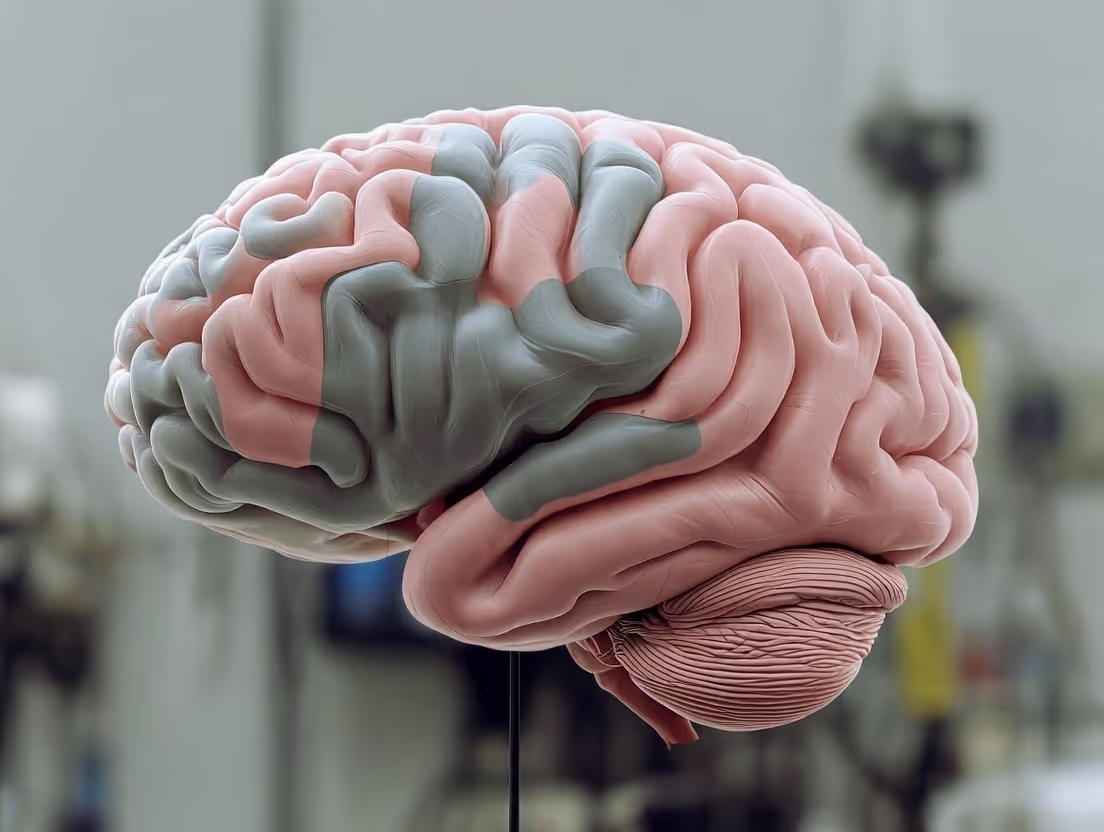
When we listen to music—truly listen—it engages our brain in a spectacular, full-scale symphony of neural activity. This isn't a metaphor; it's a measurable, observable fact. Understanding this neural choreography is key to unlocking why music therapy is so potent for stress relief.
The Auditory Cortex & The Emotional Soundtrack: Sound waves enter the ear, are translated into electrical signals, and first land in the auditory cortex for basic processing (pitch, volume, timbre). But music quickly bypasses mere analysis. It takes a fast pathway to the limbic system, the brain's emotional core, which includes the amygdala (fear and emotion processing) and the hippocampus (memory). This is why a song can instantly evoke a powerful memory and its associated feeling, long before we've consciously identified the tune. For someone under stress, music can access and modulate these deep emotional centers directly, often more effectively than language.
The Dopamine Reward System: Perhaps one of the most thrilling discoveries in music neuroscience is that listening to music we love—especially during moments of anticipation and resolution (like the climax of a piece)—triggers the release of dopamine in the nucleus accumbens, the same reward circuitry activated by food, sex, and drugs. This natural, healthy dopamine surge promotes feelings of pleasure, motivation, and well-being, directly counteracting the negative emotional state of stress.
Autonomic Regulation via The Brainstem: The brainstem, a primitive region controlling automatic functions like heart rate and breathing, is highly responsive to musical elements like rhythm and tempo. A slow, steady rhythm can entrain a slower breathing rate (a process called sonic respiration), which then sends a feedback signal to the brain to activate the parasympathetic nervous system. This is a bottom-up regulation: the body calms, so the brain follows.
The Default Mode Network (DMN) and Mindfulness: The DMN is a network of brain regions active when our mind is at rest—daydreaming, ruminating, or worrying. Chronic stress often means a hyperactive, runaway DMN stuck in negative thought loops. Research shows that engaging with music, especially in an attentive, focused way (as in music therapy), can quiet the DMN. This effect is similar to that achieved through meditation, giving the stressed mind a single, non-judgmental point of focus—the music itself—to break the cycle of anxious rumination.
In essence, music therapy provides a multi-pronged neurological attack on stress. It soothes the emotional limbic system, rewards the brain with dopamine, regulates the autonomic nervous system via the brainstem, and focuses the wandering mind. It's a holistic brain workout for calm. Understanding this internal symphony makes the external biometric changes—the rising HRV, the falling heart rate—utterly logical.
A music therapy session is not a passive listening experience. It is an active, structured, and personalized process facilitated by a board-certified therapist (MT-BC). The therapist employs a variety of techniques, choosing and adapting them based on the client's needs, preferences, and therapeutic goals. For stress relief, several core modalities are particularly effective.
Receptive Music Listening: This involves intentionally listening to live or recorded music selected or created by the therapist. The key here is prescription. A therapist doesn't just play "relaxing music." They might select pieces with a specific tempo (60-80 beats per minute to match a resting heart rate), a certain harmonic structure (simple, consonant harmonies), or minimal dynamic variation to guide the nervous system toward calm. The client may be guided to focus on the music, their breathing, or imagery it evokes.
Guided Imagery and Music (GIM): A specialized, deep-reaching method where the therapist uses carefully selected classical music to stimulate a dynamic, unfolding inner experience. The client, in a relaxed state, describes the images, sensations, and feelings that arise as they listen. The therapist supports this journey through non-directive dialogue. GIM can help process underlying emotional stressors and access inner resources for coping and resilience.
Active Music Making: This can involve playing simple instruments (drums, xylophones, hand percussion), singing, or even songwriting. The act of creating sound, especially in a rhythmic, repetitive way, can be profoundly cathartic and regulating. Drumming, for instance, has been extensively studied for its stress-reducing effects. The rhythmic, whole-body engagement can reduce cortisol, increase immune cell activity, and induce a meditative, focused state that pushes anxious thoughts aside.
Lyric Analysis and Songwriting: Using existing songs or writing new ones provides a structured, yet metaphorical, way to explore and express stressful thoughts and feelings. Analyzing the lyrics of a relatable song can help a client gain perspective on their own situation. Songwriting allows for the externalization and reframing of personal narratives, transforming a chaotic internal stressor into a crafted, manageable artifact.
Improvisation: In this non-judgmental, exploratory technique, client and therapist create music together in the moment using voices or instruments. It requires no prior musical skill. The focus is on self-expression, interaction, and emotional release. For someone with stress manifesting as tension or agitation, improvisation can provide a safe, sound-based outlet for that pent-up energy.
Each of these techniques offers a different pathway to the same destination: a regulated nervous system and a quieter mind. A skilled therapist is like a sonic guide, choosing the right path for the individual in front of them. It’s a deeply personalized approach to wellness, much like the insights provided by a personalized wearable device that learns your unique biometric patterns.
The true power of music therapy lies in its ability to move beyond anecdote and into the realm of hard data. A growing body of research quantifies exactly how music interventions dial down the body's stress response. Let's look at the key biomarkers and what the studies show.
Heart Rate Variability (HRV) – The Gold Standard: As mentioned, HRV is a premier indicator of autonomic nervous system balance. Multiple studies have demonstrated that music therapy, particularly receptive listening to sedative music, significantly increases HRV. A 2021 meta-analysis in the Journal of Cardiopulmonary Rehabilitation and Prevention concluded that music interventions consistently improved HRV parameters, indicating enhanced parasympathetic activity. This is the biometric signature of the body switching from "fight-or-flight" to "rest-and-digest."
Cortisol Reduction: The stress hormone cortisol is a direct target. Clinical trials in settings from pre-operative rooms to corporate offices show that sessions of music therapy lead to statistically significant decreases in salivary or serum cortisol levels. For example, a study with nurses experiencing burnout found that just 30 minutes of guided music listening during a break resulted in a marked cortisol drop compared to a silent rest period.
Blood Pressure and Heart Rate: The effects are clear and consistent. Research published in journals like The Lancet and Heart has shown that music with a slow tempo, low pitch, and smooth melodies can lead to reductions in both systolic and diastolic blood pressure and a lowering of average heart rate. The entrainment effect is powerful—our cardiovascular system literally syncs to the calm, steady pulse of the music.
Galvanic Skin Response (GSR) and Respiration: GSR, which measures emotional arousal, typically decreases during calming music sessions. Similarly, respiratory rate slows and becomes more regular, moving from the quick, shallow chest breathing of stress to the slow, deep diaphragmatic breathing of relaxation.
The Smart Ring as a Personal Lab: This is where modern technology brings the science home. Imagine undergoing a simple music therapy exercise—like ten minutes of focused listening to a prescribed piece—while wearing a device like the Oxyzen ring. On your smartphone, you could watch in real-time as your heart rate line graph descends, your HRV score climbs, and your "stress score" (often derived from HRV and pulse data) plummets from "high" to "balanced." This immediate feedback is revolutionary. It transforms an internal feeling into an external, validated fact, reinforcing the practice and making the abstract concept of "stress relief" tangibly measurable. It allows you to experiment and discover what specific types of music trigger your deepest calm, creating a personalized audio toolkit for stress management. You can explore real user experiences with this kind of tracking to see its impact.
If music is medicine, then its components are the active ingredients. A music therapist doesn't choose pieces at random; they understand the specific pharmacological effects of sonic elements. Here’s a breakdown of the "prescription."
Tempo (Beats Per Minute - BPM): This is often the most critical factor. The human heart at rest beats approximately 60-80 times per minute. Music composed at or near this range—particularly around 60 BPM—has a powerful entrainment effect. Our biological rhythms (heartbeat, breath) have a natural tendency to synchronize with a strong, external rhythm. Listening to a steady 60 BPM pulse can gently guide a stressed, racing heart to slow down and match its pace. Baroque composers like Bach and Handel often wrote movements (e.g., Largo) in this natural rhythm, which is why it's frequently used in therapeutic settings.
Rhythm: Predictability is calming. Simple, repetitive, and steady rhythms provide a sense of stability and safety for the nervous system. Complex, syncopated, or abruptly changing rhythms can be stimulating or even anxiety-provoking for someone in a stressed state. The steady pulse of a drumbeat or the repeating pattern in a minimalist piece by Steve Reich or Philip Glass can induce a trance-like, focused state that displaces chaotic thinking.
Harmony and Melody:
Timbre and Volume: The "color" of the sound matters. Warm, soft timbres (like a cello, flute, or human voice in a lower register) are typically more安抚的 than harsh, bright, or metallic sounds. Volume should remain steady or with very gentle swells; sudden loud dynamics (sforzandos) can trigger a startle response.
The Iso-Principle: A foundational technique in music therapy for mood regulation. The therapist first matches the music to the client's current emotional or physiological state (e.g., using music with a faster tempo and minor key for someone feeling agitated and anxious). Then, gradually and subtly, the therapist changes the musical elements (slowing the tempo, shifting to a major key) to guide the client's internal state toward the desired goal of calm. It’s a sonic handhold, meeting you where you are and leading you to where you want to be.
While much of the research has focused on classical, ambient, or specifically composed "relaxation" music, a crucial principle in effective music therapy is personalized preference. The neural reward system lights up most brilliantly for music we personally connect with and enjoy. Therefore, the therapeutic soundscape is far more diverse than one might assume.
The Power of Personal Association: A heavy metal fan may find deep calm and catharsis in the complex, powerful structures of their favorite genre, while a classical piece might leave them bored and agitated. Conversely, a lifelong classical listener might find a pop song shallow and ineffective. The memories and positive associations tied to our preferred music are potent therapeutic tools. A therapist will always incorporate a client's musical biography into the intervention.
A Genre-by-Genre Guide to Stress Relief:
The takeaway is that there is no "best" music for stress. The best music is that which resonates with you and, when used intentionally, helps shift your biometrics in a positive direction. This philosophy of personalized, data-informed well-being is at the core of our mission at Oxyzen.
You might be wondering: if I listen to music I love every day, am I essentially giving myself music therapy? The answer is: you are engaging in music self-care, which is valuable, but it is not the same as clinical music therapy. Understanding the distinction is important for setting realistic expectations and knowing when to seek professional support.
Intentionality and Structure: Daily listening is often passive, multi-tasked, or used as emotional wallpaper. Music therapy is active, focused, and structured. The session has a clear goal (e.g., "reduce physiological arousal"), the music is selected or created with specific therapeutic ingredients in mind, and the process is facilitated to guide the experience toward that goal.
The Therapeutic Relationship: The presence of a trained therapist is the defining element. They observe verbal and non-verbal cues, adjust the intervention in real-time, provide a safe container for emotional expression, and help process the experience afterward. They are a guide who can use techniques like the Iso-Principle that are difficult to self-administer effectively.
Depth of Processing: While your favorite song can boost your mood, a music therapist can use music to help you access, explore, and process deeper, more complex sources of stress or trauma that you might avoid in everyday listening. Techniques like GIM or improvisation can uncover material that straightforward listening cannot.
Accountability and Measurement: A music therapy course is a treatment plan with objectives. Progress is tracked, not just by feel, but where possible, by biometric measures. It's a committed, strategic approach to change.
So, is everyday listening useless? Absolutely not. Curating playlists for focus, relaxation, or energy is an excellent form of self-regulation. Using music intentionally to wind down before bed or to transition out of a work mindset is a powerful wellness habit. Think of it as a spectrum:
Both have their place. The former is a tool for maintenance; the latter is a tool for intervention and deeper healing. For those looking to optimize their daily self-care with better data, exploring the features of a smart wellness tracker can be an excellent next step.
To see the measurable impact of music therapy in a high-stress modern environment, let's examine a hypothetical but research-based case study set in a corporate context.
The Challenge: "TechVertex," a fast-paced software company, is facing a rise in employee burnout reports, increased sick days, and internal survey data showing 70% of staff feel "chronically stressed." They bring in a music therapist for a pilot program with a volunteer group of 25 employees.
The Intervention: The therapist designs an 8-week program. Weeks 1-2 involve assessments: individual music preferences, stress surveys, and baseline biometric readings (resting HR and HRV taken with wearable devices). Weeks 3-7 consist of weekly, 45-minute group sessions during lunch breaks. Sessions include:
Participants are also given a daily 10-minute "audio anchor" practice to do at their desks: listening to a specific, prescribed track with headphones while focusing on their breath.
The Data-Driven Results: At the end of 8 weeks, the post-intervention data is compelling:
The Analysis: This case demonstrates the multi-modal power of music therapy. The group drumming addressed stress through communal connection and physical release. The receptive listening directly regulated autonomic function (seen in the HRV jump). The daily "audio anchor" created a conditioned response—a quick, portable tool for self-regulation. The company saw the tangible return in terms of potential healthcare cost savings and preserved productivity. This synergy of ancient practice and modern measurement is the future of workplace wellness, a concept we passionately explore in our blog's content on holistic performance.
You don't need a clinical diagnosis or a board-certified therapist on retainer to harness the core principles of music therapy for stress relief. By adopting a more intentional, "therapeutic" approach to the music already in your life, you can create powerful daily rituals for nervous system regulation.
1. Craft Your "Biometric Playlists": Move beyond "sad" or "happy" playlists. Create them based on physiological goals.
2. Practice "Sonic Breathing": This is a simple, potent exercise. Select a piece of music with a very clear, slow beat (around 60 BPM). Sit comfortably, put on headphones, and synchronize your breath: Inhale for 4 beats, hold for 2 beats, exhale for 6 beats. Let the music's rhythm guide and hold your breath pattern. Just 3-5 minutes of this can trigger a parasympathetic shift.
3. Use Music as a Transition Ritual: Stress often accumulates because we don't create boundaries between different life domains. Use specific songs or playlists as "auditory triggers" to transition.
* Have a "Work-Start" song that signals the beginning of focused time.
* Have a "Work-End" ritual—a single song or short playlist you listen to while shutting down your computer. Let this be the sonic barrier between "work mode" and "home mode."
* Have a "Sleep Gateway" track that you only listen to in bed as you prepare for sleep. This classical conditioning helps signal to your brain that it's time to shut down.
4. Engage in Active, Mindful Listening: Once a day, give music your full attention for just one song. Don't multitask. Sit or lie down, close your eyes, and follow a single element: the melody of the violin, the path of the bass line, the texture of the harmony. When your mind wanders to a stressor, gently bring it back to the sound. This is a form of meditation with an auditory anchor.
5. Measure Your Response: This is where technology empowers your self-experiment. Use a biometric device during these practices. Do your "sonic breathing" while wearing your tracker and note the HRV reading afterward. Compare your stress metrics on days you use your "transition ritual" versus days you don't. This data turns guesswork into knowledge, showing you precisely which sonic strategies work best for your unique biology. It’s the ultimate personalization, and you can learn more about setting up these kinds of self-experiments through our support resources.
Sleep is not a luxury; it is a non-negotiable biological imperative for cognitive function, emotional regulation, and physiological repair. Yet, in our stressed-out world, sleep is often the first casualty. The racing mind, the tense body, the unresolved anxieties of the day—they all conspire to sabotage the transition into restorative slumber. Here, music therapy moves from a general stress-relief tool to a targeted, precision intervention for sleep disorders, particularly insomnia. The connection is profound: the same hyper-aroused nervous system that fuels daytime stress is the very engine of nighttime wakefulness. Calm the system, and you open the gate to sleep.
Music therapy for sleep operates on several simultaneous levels. Firstly, it acts as a competing stimulus for the anxious, ruminative thoughts that prevent sleep onset. Focusing on an external, predictable, and non-threatening auditory stream gives the "default mode network" (that worry-prone part of the brain) something else to do. Secondly, it directly promotes the physiological state conducive to sleep through tempo and harmonic entrainment, slowing breath and heart rate. Thirdly, it can establish a powerful conditioned response. When a specific piece or type of music is consistently paired with the pre-sleep routine and successful sleep onset, the music itself becomes a Pavlovian trigger for drowsiness.
Clinical protocols often involve receptive music listening with specifically designed parameters. Therapists typically select music with a tempo of 60-80 BPM (matching the resting heart rate, as noted earlier), a predictable rhythm, simple and repetitive harmonic progressions, and an absence of lyrical complexity or sudden dynamic changes. The music should have a gradual "fade-out" quality, either naturally or via a programmed volume decay over 20-30 minutes, to avoid a jarring silence that might re-awaken the listener.
Research substantiates this approach. A meta-analysis in the Journal of Advanced Nursing concluded that listening to sedative music at bedtime consistently improves sleep quality in individuals with acute and chronic sleep disorders. Studies measuring polysomnography (PSG) data—the gold standard for sleep assessment—show music can increase slow-wave sleep (deep sleep) and REM sleep, the most restorative stages. It can also reduce sleep latency (the time it takes to fall asleep) and decrease nighttime awakenings.
The practice extends beyond passive listening. Techniques like Guided Imagery and Music (GIM) adapted for sleep can help individuals develop personalized, calming mental imagery journeys to accompany soothing soundtracks. Furthermore, biofeedback-enhanced music therapy, where a person can see their real-time heart rate or HRV responding to different musical stimuli, empowers them to find their unique "sleep sound." This is a powerful application for a smart ring; wearing one to bed can show you not just if you slept, but how the 30 minutes of music before lights-out directly correlated with a faster drop in heart rate and a smoother transition into deep sleep. It transforms the abstract hope that "music helps" into a verified, personal sleep strategy. For those struggling with sleep, understanding the full picture of your nocturnal physiology is key, a topic we delve into in our blog's wellness resources.
Stress is often an isolating experience. We feel our anxieties are unique, our burdens ours alone to carry. Group music therapy shatters this isolation, harnessing the innate power of collective musical experience to build social cohesion and shared resilience. In a group setting, music becomes a non-verbal language for mutual support, a synchronized activity that fosters connection, and a vehicle for expressing shared struggles.
The mechanisms at play are both psychological and biological. On a psychological level, participating in a music-making group—be it a drum circle, a choir, or an improvisation ensemble—creates a powerful sense of belonging and shared purpose. You are literally "in sync" with others, working towards a common, creative goal. This counters the alienation of stress. The act of creating something beautiful together from a place of shared vulnerability can be profoundly affirming.
Biologically, group music-making triggers the release of oxytocin, the "bonding" or "love" hormone associated with trust, empathy, and social connection. Research has shown that synchronized activities, like group singing or drumming, increase oxytocin levels and correlated feelings of social closeness. Simultaneously, these activities reduce cortisol. This creates a potent neurochemical cocktail: less of the stress hormone, more of the bonding hormone.
Specific group modalities are exceptionally effective:
The therapeutic power of the group lies in witnessing and being witnessed. In a music therapy group, your stress finds a resonance in the sound of others. Your rhythmic contribution is heard and integrated. Your silence is held. This collective experience builds a reservoir of resilience that members can draw from long after the session ends. It’s a reminder that healing is not always a solo journey; sometimes, it’s a chorus. This principle of community and shared human experience is deeply woven into our company's story and values.
When stress is not merely chronic but traumatic—the result of a single catastrophic event or prolonged exposure to harm—it can become etched into the nervous system as Post-Traumatic Stress Disorder (PTSD) or complex trauma. Here, talk therapy can sometimes hit a wall, as the trauma is stored in pre-verbal, sensory, and physiological memories that language cannot easily access. Music therapy offers a unique bridge. It operates in the same sensory and physiological realms where trauma resides, providing a non-threatening medium for processing and integration.
Trauma dysregulates the autonomic nervous system, leaving it stuck in a hyper-vigilant "on" position or collapsing into a numb "off" position. Music therapy’s primary goal is to re-establish a sense of safety and facilitate nervous system regulation. The therapist creates a predictable, contained sonic environment where the client can begin to explore their internal state without becoming overwhelmed.
Key approaches for trauma include:
Research with veterans, survivors of abuse, and first responders shows that music therapy can lead to significant reductions in PTSD symptoms, including flashbacks, hypervigilance, and emotional numbness. It can improve sleep, reduce anxiety, and increase capacity for social engagement. By working with the biology of trauma—the deregulated nervous system—music therapy helps rewrite the body's score from one of perpetual threat to one of managed safety and eventual resilience.
While instruments are powerful tools, the most intimate and accessible instrument is the one we carry with us at all times: the human voice. Vocal techniques in music therapy, known as voicework or therapeutic singing, tap into a direct line between breath, emotion, and the nervous system. Using the voice therapeutically is not about performance or beauty; it's about authentic expression and physiological release.
The act of singing is a holistic mind-body exercise. It requires controlled, deep diaphragmatic breathing, which immediately stimulates the vagus nerve—the main conduit of the parasympathetic nervous system. This is why taking a deep sigh or humming can feel so calming; you are manually triggering a relaxation response. Singing also vibrates the vagus nerve, which runs through the vocal cords and inner ear, providing further direct stimulation to the calm-inducing parasympathetic network.
Specific vocal techniques used in therapy include:
For those who feel self-conscious about their voice, the therapist creates a completely non-judgmental space. The focus is on the process and sensation, not the product. The goal is to reconnect with the voice as an agent of self-expression and regulation, not as a performance tool. The measurable outcomes can be profound: reduced cortisol, increased HRV, and a subjective feeling of "lightness" or "release" in the chest and throat. It’s a powerful reminder that one of our most potent tools for stress relief is built-in, waiting to be used. Exploring different modalities for self-regulation, from voicework to technology, is part of a comprehensive wellness strategy, as discussed in our FAQ on holistic tracking.
We are on the cusp of a revolution where the ancient art of music therapy converges with cutting-edge technology like artificial intelligence (AI) and biometric feedback. This fusion promises a future of hyper-personalized, dynamically adaptive, and instantly responsive sound medicine. The one-size-fits-all "relaxation playlist" will become a relic of the past, replaced by living, breathing sonic ecosystems tailored to your unique, moment-to-moment physiology.
Imagine this near-future scenario: You put on a pair of biosensing headphones and start your workday. The embedded sensors detect a slight elevation in your heart rate and a dip in your HRV, indicating early stress. An AI music engine, trained on your preferences and past biometric responses, seamlessly crossfades your background music from an upbeat focus mix to a subtly more calming, low-frequency ambient track. As you enter a stressful video conference, the system detects the spike in electrodermal activity (sweat). It gently introduces a binaural beat frequency in the theta range (4-7 Hz) beneath the music, imperceptible to the conscious ear but designed to nudge your brainwaves toward a calmer, more focused state. After the meeting, as you try to recover, the AI selects a 5-minute piece of generative music that it knows, from your historical data, typically increases your HRV by 15%.
This is not science fiction. Prototypes of such systems exist. The therapeutic implications are staggering:
For the consumer, this future is already taking shape with wearable-driven personalization. A device like a smart ring, which continuously tracks HRV, sleep, and recovery, can provide the crucial biometric data layer. An app could then learn which music, listened to at which times, correlates with your best recovery scores and deepest sleep. Over time, it builds your personal "Prescription Sound Profile." This marriage of intuitive healing and empirical data is the frontier of wellness technology, a frontier we are actively exploring in our vision for integrated health.
While music therapy is a remarkably safe and low-risk intervention, it is not a universal panacea. A responsible view must acknowledge its boundaries and potential contraindications. Sound is a powerful force, and in certain contexts or for certain individuals, it can overwhelm rather than heal.
Auditory Sensitivity and Conditions: For individuals with conditions like misophonia (where specific sounds trigger intense emotional reactions), hyperacusis (heightened sensitivity to volume), or certain forms of autism spectrum disorder, poorly chosen music can be a source of significant distress, anxiety, and even pain. In these cases, a music therapist must proceed with extreme caution, using very low volumes, allowing the client full control over the sound source, and often starting with silence or the client's own vocalizations.
Trauma Triggers: Music is deeply tied to memory. A song that was playing during a traumatic event can become a potent trigger, instantly catapulting an individual back into the emotional and physiological state of the trauma. A qualified therapist will take a thorough musical history to avoid such triggers and will always empower the client with the right to stop any music at any time.
Psychiatric Considerations: In acute phases of certain psychiatric conditions, such as mania or psychosis, highly stimulating or complex music could potentially exacerbate symptoms like agitation or sensory overload. The therapeutic focus in these acute stages would typically be on stabilizing and grounding, possibly using very simple, predictable sonic elements rather than rich musical pieces.
The "Wrong" Music for the Individual: This underscores the principle of personalization. Music that is intended to be calming (e.g., a classical piece with a slow tempo) might induce boredom, irritation, or anxiety in someone who does not connect with it. The resultant stress would be counter-therapeutic. This is why client preference and collaboration are non-negotiable ethical pillars of the practice.
The Importance of Qualified Guidance: These contraindications highlight the critical difference between self-directed music listening and clinical music therapy. A board-certified therapist is trained to assess for these risks, create a safe environment, and adjust interventions in real time. They carry the ethical responsibility to "do no harm." For the general public pursuing music for self-care, the lesson is to cultivate self-awareness. Pay attention to how different sounds make your body feel, not just your mind. If a "relaxation" track makes you tense, turn it off. Your biometric data doesn't lie; if your HRV drops while listening to something, it's not working for you, regardless of its genre or intent. Listening to your own body's feedback is the most fundamental form of wisdom, a principle that guides every piece of guidance in our comprehensive support resources.
Armed with the science, history, and principles of music therapy, the final step is practical application. How do you move from understanding to doing? Think of it as building your own Personal Music Pharmacy—a curated collection of audio tools, each with a specific indication and dosage for managing the stresses of modern life. Here’s a step-by-step guide to assembling your kit.
Step 1: Conduct a Self-Audit.
Step 2: Prescribe with Purpose. Create playlists or identify single tracks for specific intentions.
Step 3: Establish Rituals, Not Randomness. The power is in consistency and pairing.
Step 4: Measure and Iterate.
Your Personal Music Pharmacy turns you into an active participant in your well-being. You are no longer a passive victim of stress but an empowered practitioner, using the scientifically-validated, personally-tuned tool of sound to compose a life of greater balance and resilience. It’s the ultimate fusion of art and science, feeling and fact—a symphony of self-care conducted by you. To see how others are integrating these principles with technology, you can read about real user journeys and testimonials.
The beauty of music therapy lies in its profound adaptability. While its core mechanisms are universal, its application is exquisitely tailored to the unique developmental, cognitive, and physical needs of different populations. For each group, music therapy addresses the specific stressors inherent to their condition, providing a measurable path to relief.
Pediatrics: From Hospital Anxiety to Developmental Calm
For children, especially in clinical settings, stress often manifests as fear, pain, and a loss of control. Music therapy becomes a language of safety and empowerment. In pediatric oncology units, therapists use patient-preferred live music and songwriting to reduce procedural anxiety. Research in the Journal of Pediatric Oncology Nursing shows that music therapy during port accesses or injections can significantly lower heart rate, blood pressure, and observed distress scores compared to standard care. The child might hold a drum and play a strong beat to "fight the scary thing," transforming passive victimhood into active coping. For children with autism spectrum disorder (ASD), music provides a predictable, structured, and emotionally safe medium for social engagement and sensory regulation, often leading to measurable decreases in cortisol and disruptive behaviors.
Geriatrics: Navigating Loss, Dementia, and Isolation
For older adults, chronic stressors include grief, social isolation, cognitive decline, and chronic pain. In memory care units for dementia, music therapy is nothing short of transformative. Because musical memory is often preserved in brain regions like the cerebellum and basal ganglia, long after other memories fade, familiar songs from a person's youth can awaken identity, evoke verbalization, and reduce agitation. Studies using biometric monitoring show that group singing in dementia care can synchronize heart rates among participants, increase oxygen saturation, and reduce the need for psychoactive medications. For those in hospice, music therapy provides a non-pharmacological approach to managing terminal agitation and facilitating life review and legacy work through personalized playlists or songwriting, offering comfort that is visible in eased breathing and relaxed facial musculature.
Neurological Rehabilitation: Re-tuning the Brain After Injury
Stroke, traumatic brain injury (TBI), and Parkinson's disease create a specific type of stress: the frustration of a mind and body at odds. Here, music therapy leverages neuroplasticity—the brain's ability to rewire itself. Rhythmic Auditory Stimulation (RAS) uses a steady, rhythmic pulse (often from a metronome or music) to improve gait parameters in Parkinson's and post-stroke patients. The auditory rhythm provides an external cue that bypasses damaged internal timing mechanisms, leading to more stable, longer strides—a measurable improvement in mobility that reduces fall-related anxiety. For aphasia (language loss after stroke), Melodic Intonation Therapy (MIT) uses the singing of simple phrases to engage the right hemisphere's melodic processing centers to facilitate speech production, alleviating the profound stress of being unable to communicate.
In each case, the therapy is not a generic palliative but a targeted intervention. The measurable outcomes—from a child's lowered heart rate during a needle stick to a Parkinson's patient's improved stride length—demonstrate that when sound is precisely applied, it can re-harmonize disrupted systems. This commitment to personalized, evidence-based intervention mirrors the philosophy behind creating a device like the Oxyzen ring, which seeks to provide personalized biometric insights for all.
A critical, often overlooked question is: does music therapy provide value that justifies its cost? For healthcare systems, employers, and individuals, the answer is increasingly "yes," based on a compelling return on investment (ROI) analysis rooted in hard data. Stress is astronomically expensive, driving absenteeism, presenteeism, employee turnover, and skyrocketing healthcare costs for chronic conditions. Music therapy, as a preventative and interventive measure, can reduce those costs.
In Healthcare Settings: A landmark study published in The Arts in Psychotherapy analyzed a music therapy program for pre-operative anxiety. Patients who received a single, brief music therapy session before surgery required significantly less sedative medication during induction. This translated to lower drug costs, reduced risks of side effects, and in some cases, shorter recovery times in the post-anesthesia care unit. In neonatal intensive care units (NICUs), music therapy (often involving live, gentle guitar and humming) has been shown to improve oxygen saturation levels and weight gain in preterm infants while reducing parental stress—potentially shortening costly hospital stays.
In Corporate Wellness: The corporate case study we explored earlier has a clear financial narrative. Reducing employee burnout by 30% directly impacts:
A well-designed music therapy program, even as a periodic workshop or on-site service, can show a positive ROI by moving the needle on these metrics. Biometric data from wearable devices can even help quantify this ROI by showing aggregate improvements in team HRV or reductions in resting heart rate over a quarter.
The Accessibility Challenge: Despite its benefits, access to board-certified music therapists remains limited by insurance coverage gaps and geographic scarcity. This is where technology-augmented solutions and psychoeducational approaches become vital.
The economic argument strengthens the case for integrating music therapy into standard care pathways and wellness benefits. It shifts the perception from a "nice-to-have" amenity to a "need-to-have" component of a cost-effective, holistic health strategy. For individuals seeking to understand the full value of investing in their well-being, resources like our blog often break down the science of cost-effective wellness.
Chronic pain and stress exist in a vicious, self-perpetuating cycle. Pain is a massive physiological and psychological stressor, activating the sympathetic nervous system. This stress response, in turn, lowers pain thresholds, increases muscle tension, and amplifies the perception of pain. Breaking this cycle is essential, and music therapy offers a potent, non-pharmacological key.
Music's analgesic (pain-reducing) effects are mediated through several well-researched pathways:
Clinical protocols for pain are active. A patient isn't just listening; they are often co-creating the intervention. A therapist might guide a patient in music-assisted imagery, where the music soundtracks a mental journey to a "pain-free place," altering the sensory and affective experience of pain. Drumming or playing melodies can empower the patient, shifting focus from a passive "site of pain" to an active "site of creation and control."
Research in settings from burn units to arthritis clinics is robust. A meta-analysis in the Journal of Music Therapy found that music interventions can reduce self-reported pain intensity by an average of 20-30% and significantly reduce opioid requirements post-surgery. For individuals with chronic conditions like fibromyalgia, group music therapy has been shown to reduce pain, improve mood, and increase functional capacity, with benefits sustained at follow-up.
The measurable outcome is a double positive: a reduction in both the subjective experience of pain (via scales) and the objective markers of the stress that fuels it (via cortisol, HR, HRV). This makes music therapy a critical component of integrative pain management, addressing the suffering of the whole person, not just the nociceptive signal. Managing chronic conditions often requires a multi-faceted tracking approach, something a comprehensive wearable can support, as detailed in our user-focused guides.
Music is not a universal language with a single grammar; it is a global tapestry of distinct languages, each with its own syntax, emotional connotations, and healing traditions. A Western classical adagio may not resonate as "calming" with someone from a culture where communal, polyrhythmic drumming is the sound of ceremony and cohesion. Therefore, cultural competence is not an add-on in music therapy; it is its foundation.
Ethnomusicology—the study of music in its cultural context—informs modern, culturally responsive practice. A skilled therapist must understand:
Applying this knowledge transforms practice. For example:
The measurable goal—stress reduction—remains the same, but the pathway is culturally curated. This ensures the music is a bridge, not a barrier. It honors the client's identity and increases therapeutic engagement. The biometric feedback is crucial here: if a culturally familiar music intervention leads to a greater increase in HRV than a generic "relaxation" track, it provides objective validation for the cultural approach. This respect for individual and cultural uniqueness is a value we hold central to our company's mission and story.
Who are the architects of these therapeutic sonic experiences? Board-Certified Music Therapists (MT-BCs) undergo rigorous training that blends the artistic, the scientific, and the clinical. Understanding their path illuminates the depth and seriousness of the profession.
The Training Pipeline: A typical path includes:
The Core Ethical Framework: Music therapists adhere to a strict code of ethics prioritizing:
The Evolving Profession: The future of music therapy is one of greater integration and specialization. We see trends toward:
The modern music therapist is thus a hybrid professional: part musician, part scientist, part counselor, and part data-informed practitioner. They are the essential human interpreters and facilitators in the healing process, even as technology provides new tools. Their expertise ensures that the powerful "medicine" of sound is applied safely, effectively, and ethically.
For the dedicated wellness enthusiast, the principles of music therapy can be taken to an advanced, self-directed level through the conscious use of biofeedback. This is where you move from following general guidelines to becoming a true investigator of your own unique psychophysiological response profile.
Creating a Conditioned Relaxation Response:
This is a systematic process to turn a specific piece of music into a powerful, instant calm trigger.
Conducting a Self-Study with Biometric Tracking:
This turns your wearable into a personal research lab.
Exploring Advanced Sound Types:
The mantra for the advanced practitioner is "Trust your data, honor your subjectivity." If a 432 Hz track consistently raises your HRV, it's working for you. If a celebrated Mozart piece does nothing for your metrics, it's not your optimal tool. This empirical, self-aware approach is the pinnacle of personalized wellness. For those ready to embark on this kind of deep self-quantification, a reliable tool is essential. You can discover how Oxyzen is built for this very purpose.
While we focus on auditory input, the therapeutic power of rhythm extends profoundly into the realm of movement. Dance/movement therapy (DMT) and music-assisted physical therapies highlight that rhythm is not just heard; it is felt and expressed through the entire body. The integration of rhythmic movement with music creates a powerful, holistic stress-relief modality that regulates from the "outside-in."
Embodied Rhythm and Nervous System Regulation: When we move rhythmically to music—be it in a structured dance therapy session, a Zumba class, or simply swaying to a beat—we engage in proprioceptive feedback. The brain receives constant information about the body's position in space, which is inherently grounding. This rhythmic, patterned movement provides a somatic container for emotional energy, allowing stress that is "stuck" in the body as tension to be physically discharged and metabolized.
Music-Assisted Physiotherapy: In rehab settings, the rhythm isn't just motivational; it's neurologically facilitative. We touched on RAS for gait. Similarly, for upper-limb rehabilitation after a stroke, playing a simple melody on a piano or drum along to a steady beat can improve motor control, range of motion, and coordination far more effectively than rote exercises. The music provides temporal structure, cognitive engagement, and positive reinforcement, reducing the frustration (a major stressor) associated with rehabilitation.
Trauma-Sensitive Dance/Movement Therapy: For trauma survivors, the body can feel like an unsafe place. DMT, often done to carefully selected music, focuses on safely rebuilding the connection between body and mind. A therapist might guide a client to explore "finding a rhythm that matches your breath" or "using a movement to create a sense of boundary." The process is slow and client-led, aiming to restore a sense of agency and safety within one's own skin, which is the antithesis of the helplessness inherent in trauma.
The measurable outcomes here are both physical and psychological: improved motor scores, increased body awareness, reduced physiological arousal (measured via wearable during session), and decreased symptoms of depression and anxiety. It demonstrates that the healing power of music is not confined to the auditory canal; it resonates through our very musculature and kinesthetic sense, offering a path to calm that is literally embodied. This holistic view of well-being—encompassing sound, movement, and data—is what we strive to support, a vision detailed in our broader company narrative.
In our quest to quantify stress relief—through cortisol assays, HRV graphs, and sleep stage percentages—we must pause to honor the aspects of healing that transcend measurement. Music therapy, at its heart, is a humanistic practice. The biometric data tells a vital part of the story, but not the whole story. The qualitative, subjective experience holds its own profound truth and therapeutic power.
The Ineffable "Aha!" Moment: A client in a session may suddenly connect a musical pattern they are playing with a long-buried memory, leading to a cathartic release of tears and a subsequent sense of lightness. The HRV might spike and then stabilize, but the meaning-making, the narrative shift, the emotional breakthrough—these are qualitative transformations that data can only hint at.
The Experience of Beauty and Transcendence: Listening to a breathtaking piece of music in a therapeutic context can evoke a sense of awe—the feeling of being in the presence of something vast that transcends the self. This experience, studied by psychologists, is a potent antidote to stress. It shrinks the ego, puts personal worries in perspective, and connects the individual to something larger. You cannot put a number on a moment of awe, but its restorative effect is undeniable.
The Therapeutic Relationship: The bond of trust, safety, and mutual creativity between therapist and client is the vessel that holds the entire process. This human connection, built through shared musical moments, is itself therapeutic. It models healthy interaction, provides empathetic witness, and offers corrective emotional experiences. This relational healing, while it may improve biometrics, is a qualitative outcome of supreme importance.
Integration and Meaning: The ultimate goal is not just a lower heart rate, but a changed relationship with stress. Music therapy helps clients develop a new "soundtrack" for their lives—one of resilience, self-compassion, and agency. They learn to use sound as a tool, to listen to their bodies' cues, and to express what words cannot. This learned skill and shift in identity is a qualitative outcome that sustains long-term well-being.
Therefore, the most sophisticated approach to understanding music therapy's impact is mixed-methods. We use the quantitative data to validate, guide, and provide objective evidence of change. And we use the qualitative narrative—the client's story, the therapist's observations, the moments of musical insight—to understand the depth, meaning, and personal significance of that change. This balanced perspective respects both the science of the body and the art of the human spirit. It’s a perspective we embrace fully, encouraging users to see their data not as a cold score, but as a story about their unique well-being journey.
Your Trusted Sleep Advocate: Sleep Foundation — https://www.sleepfoundation.org
Discover a digital archive of scholarly articles: NIH — https://www.ncbi.nlm.nih.gov/
39 million citations for biomedical literature :PubMed — https://pubmed.ncbi.nlm.nih.gov/
Experts at Harvard Health Publishing covering a variety of health topics — https://www.health.harvard.edu/blog/
Every life deserves world class care :Cleveland Clinic - https://my.clevelandclinic.org/health
Wearable technology and the future of predictive health monitoring :MIT Technology Review — https://www.technologyreview.com/
Dedicated to the well-being of all people and guided by science :World Health Organization — https://www.who.int/news-room/
Psychological science and knowledge to benefit society and improve lives. :APA — https://www.apa.org/monitor/
Cutting-edge insights on human longevity and peak performance:
Lifespan Research — https://www.lifespan.io/
Global authority on exercise physiology, sports performance, and human recovery:
American College of Sports Medicine — https://www.acsm.org/
Neuroscience-driven guidance for better focus, sleep, and mental clarity:
Stanford Human Performance Lab — https://humanperformance.stanford.edu/
Evidence-based psychology and mind–body wellness resources:
Mayo Clinic — https://www.mayoclinic.org/healthy-lifestyle/
Data-backed research on emotional wellbeing, stress biology, and resilience:
American Institute of Stress — https://www.stress.org/


