How Nature Exposure Boosts HRV (Tracked by Your Wellness Ring)
How exposure to nature boosts HRV, trackable with your wellness ring.
How Nature Exposure Boosts HRV (Tracked by Your Wellness Ring)
We live in a world of relentless digital pings, artificial light, and concrete landscapes. Our bodies, however, are wired for something older, quieter, and infinitely more complex: the natural world. We feel it intuitively—the calm that descends during a forest walk, the mental reset of ocean air, the quiet focus found in a garden. For decades, this was a poetic notion, a “nice-to-have” for wellbeing. Today, it’s a quantifiable science, and the metric proving it is Heart Rate Variability (HRV).
HRV is not your heart rate. While your pulse counts the beats per minute, HRV measures the subtle, millisecond variations in the time between each heartbeat. This intricate dance is governed by your autonomic nervous system—the delicate push-and-pull between the stress-driven sympathetic branch (“fight-or-flight”) and the restorative parasympathetic branch (“rest-and-digest”). A higher, more variable HRV indicates a resilient, adaptable nervous system, one that can respond to life’s challenges and recover with ease. It’s a premier biomarker for overall health, stress resilience, recovery, and even longevity.
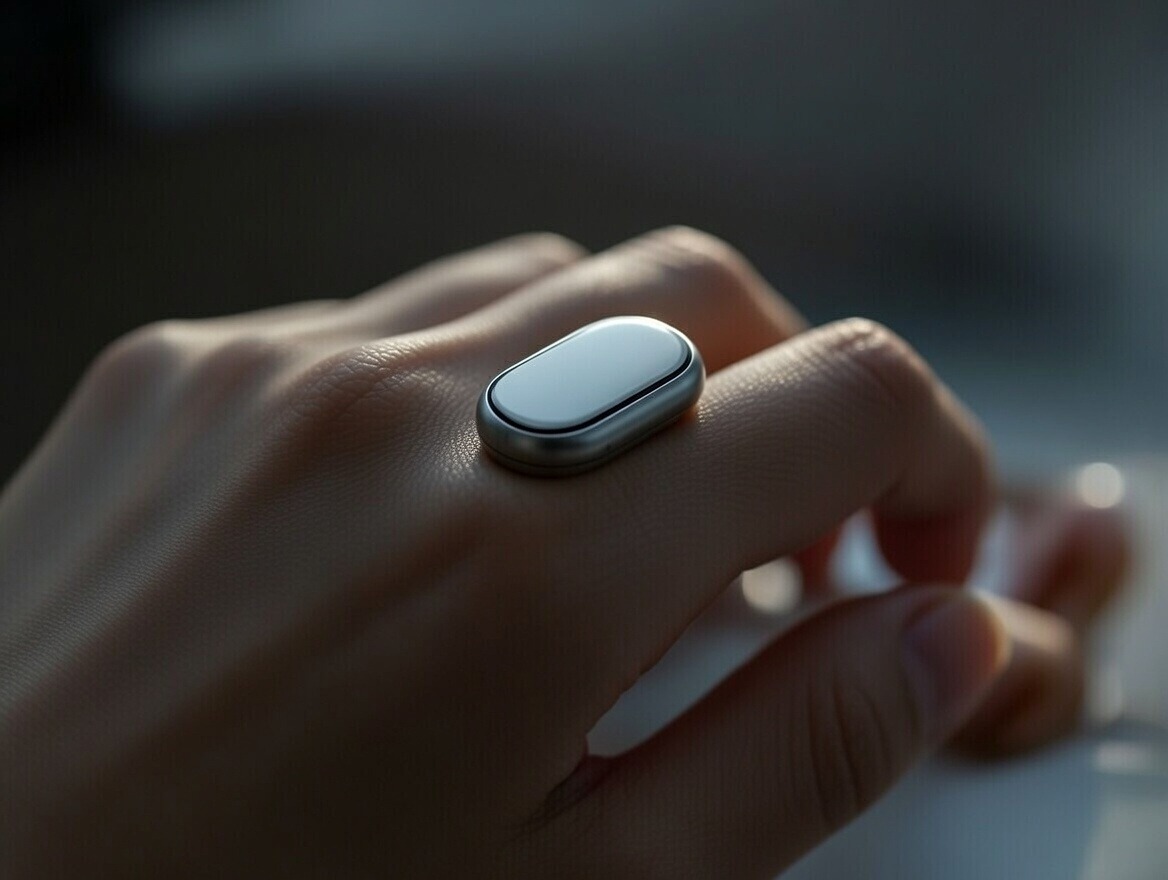
Until recently, tracking this vital sign required clinical equipment. Now, it’s accessible on your finger. Advanced wellness rings, like those developed by Oxyzen, bring lab-grade biometric tracking into daily life, offering a continuous, personalized window into your nervous system. These devices allow us to move beyond anecdote and into evidence, transforming our relationship with nature from a vague wellness tip into a precise, data-driven ritual.
This article explores the profound and scientifically-validated connection between immersing ourselves in nature and boosting our HRV. We’ll journey through the mechanisms—from the air we breathe to the sights we see—and translate the science into actionable steps. You’ll learn how to use your wellness ring not just as a tracker, but as a guide, showing you in real-time how a walk in the park tunes your nervous system, how forest bathing impacts your recovery score, and how you can architect a life that harnesses nature’s power for measurable resilience. Welcome to the new frontier of biohacking, where the oldest medicine on Earth meets the latest technology on your hand.
The Silent Language of Your Nervous System: Understanding HRV
To appreciate how nature speaks to us, we must first understand the language it’s influencing. Heart Rate Variability is the Morse code of your autonomic nervous system (ANS), transmitting a live feed of your body’s internal state. Imagine your heart is not a metronome, ticking predictably, but a sophisticated drummer in a jazz ensemble—responsive, adaptive, and subtly syncopated. That syncopation is HRV.
At its core, the ANS is your body’s automatic control center, regulating everything from digestion and hormone secretion to blood pressure and, crucially, your heart. It has two primary branches engaged in a constant, dynamic tug-of-war:
The Sympathetic Nervous System (SNS): Your accelerator. It mobilizes energy for action, increasing heart rate, blood pressure, and alertness in response to stress—be it a looming deadline, an intense workout, or a perceived threat.
The Parasympathetic Nervous System (PNS): Your brake. Often called the “rest-and-digest” system, it promotes recovery, digestion, relaxation, and repair. It slows the heart rate and conserves energy.
A healthy, resilient body doesn’t live in one state or the other. It fluidly moves between them. High HRV reflects this flexibility: your heart can quickly speed up when needed and, just as importantly, slow down efficiently when the challenge passes. It means your “brake” is strong. Low HRV, characterized by a more rigid, monotonous heart rhythm, suggests a nervous system stuck in a state of high alert or one that is unable to recover effectively. It’s like driving with the accelerator lightly pressed at all times.
Why does this matter so much? Research consistently links higher HRV to a staggering array of health benefits:
Superior Stress Resilience: The ability to weather psychological storms without crashing.
Enhanced Cognitive Function: Including better focus, emotional regulation, and decision-making.
Improved Cardiovascular Health: A strong predictor of heart health and longevity.
Optimized Physical Recovery: Essential for athletes and anyone managing physical fatigue.
Stronger Immune Function: A balanced ANS supports a robust immune response.
This is where the modern wellness ring becomes revolutionary. Devices like the Oxyzen ring move HRV from the clinic to your circadian rhythm. By measuring the tiny electrical signals of your heart through sensors on your finger, they calculate your HRV seamlessly—overnight, during a meeting, or on a mountain trail. This continuous data creates a personalized baseline. You’re no longer guessing about your stress or recovery; you’re observing it. You can see how a poor night's sleep lowers your morning HRV, or how a difficult conversation triggers a sympathetic spike. As we’ll explore, this same tool becomes the ultimate validator for nature’s healing effects, translating the feeling of peace into a tangible, upward trend on your biometric dashboard. To understand how these insights are generated, you can explore the technology behind Oxyzen in our detailed resources.
From Concrete to Canopy: The Science of "Nature Deficiency" and HRV Suppression
Before we delve into the healing, we must diagnose the modern ailment. We spend approximately 90% of our lives indoors, bathed in fluorescent light, breathing recycled air, and processing a torrent of digital information. This isn’t just an aesthetic shift; it’s a physiological assault that directly suppresses HRV. Scientists have a term for the cost of this separation: nature deficit disorder, and its signature is written in our nervous systems.
Our urban, hyper-connected environment is a minefield for HRV-depleting factors:
Chronic, Low-Grade Stress: The constant background hum of traffic, notifications, deadlines, and social pressures keeps the sympathetic nervous system subtly but persistently engaged. This isn’t the acute stress of running from a predator, but a never-ending drip that erodes our parasympathetic tone.
Sensory Overload: Cities bombard us with jarring, artificial stimuli—blaring horns, flashing ads, chaotic visuals. This sensory noise requires constant cognitive processing, preventing the mental downtime necessary for nervous system recovery.
Air Pollution & Poor Oxygen Quality: Indoor and urban air often contains higher levels of particulate matter and lower levels of beneficial compounds. Inhaling pollutants can trigger inflammation and oxidative stress, which the body interprets as a physiological threat, activating the sympathetic response.
Lack of Biophilic Cues: Humans have an innate biological connection to nature (biophilia). Our brains and bodies evolved to process natural patterns—the fractal branching of trees, the sound of running water, the shifting light of the sky. Concrete jungles deprive us of these calming, rhythmic cues that naturally promote parasympathetic activity.
The HRV impact is profound and measurable. Studies show that individuals in dense urban environments, especially those with little access to green space, consistently exhibit lower average HRV and higher markers of sympathetic dominance compared to their counterparts in greener settings. Office workers under artificial light show suppressed HRV, while exposure to traffic noise causes immediate, negative HRV shifts. This state of constant, low-level defense—this “physiological grinding”—is the antithesis of the variable, resilient heart rhythm we seek.
Your wellness ring acts as a diagnostic tool for this modern condition. By tracking your HRV trends throughout the week, you might notice a telling pattern: a gradual decline as the workweek progresses in a cubicle, punctuated by a sympathetic spike during your commute, with recovery only beginning on a green weekend. It quantifies the cost of our disconnection. Recognizing this pattern is the first, powerful step toward a cure. It moves the goal from a vague “I should relax more” to a precise “I need to increase my parasympathetic activity by 15% to return to baseline.” The solution, as both ancient wisdom and cutting-edge science agree, lies outside our walls. For more on how our environment shapes our biology, our blog features ongoing research into these fascinating interactions.
The Phytoncide Effect: How Forest Air Directly Signals Your Vagus Nerve
Step into a forest, and the first thing you notice is the scent—that crisp, clean, earthy aroma. That air is not just oxygen; it’s medicine. Trees, especially conifers like pines and cedars, emit volatile organic compounds called phytoncides. These are antimicrobial oils the trees use to protect themselves from germs and insects. For humans, breathing them in is a direct, biochemical invitation to relax, delivered straight to the master regulator of your parasympathetic nervous system: the vagus nerve.
The “Forest Bathing” or Shinrin-yoku studies from Japan have provided some of the most compelling HRV data in nature research. Scientists have repeatedly shown that leisurely walks in forested areas, compared to identical walks in urban settings, produce significant and immediate increases in HRV. The key mechanism? Phytoncides.
Here’s how this invisible exchange works:
Inhalation: You breathe in phytoncides like α-pinene and limonene.
Systemic Absorption: These compounds enter your bloodstream through your lungs.
Nervous System Modulation: They appear to lower the activity of sympathetic nerves while boosting the activity of parasympathetic nerves (primarily the vagus nerve).
Biomarker Shift: This shift manifests as a decreased heart rate, lowered blood pressure, and—critically—a marked increase in HRV.
Cellular Benefits: Studies also show phytoncides increase the activity and number of natural killer (NK) cells, a crucial part of the immune system, linking nervous system calm to stronger defense.
This isn’t just about “fresh air.” It’s a specific, chemical conversation between the plant kingdom and your physiology. The trees, in their own language, are signaling your body that it is in a safe, resource-rich environment where it can afford to stand down from high alert and engage in restoration.
Tracking the Phytoncide Response with Your Ring This is where abstract science becomes personal. You can design a simple experiment with your wellness ring:
Baseline: Note your HRV reading while relaxing indoors for 20 minutes.
Intervention: Take a 60-minute leisurely walk in a dense forest or pine grove. Don’t exercise vigorously; the goal is immersion, not cardio.
Post-Immersion: Sit quietly for 10-15 minutes after your walk. Check the HRV trend on your companion app.
Comparison: The following week, do the same in an urban environment (similar duration, pace).
The data is often striking. Forest bathers frequently see a steep, positive rise in their HRV during and after the immersion, a change that can persist for hours or even days. The urban walk may show little change or even a dip due to traffic and noise stress. This personal data transforms a walk in the woods from a pleasant activity into a documented, therapeutic session for your vagus nerve. It answers the question, “Is this really working for me?” with a definitive, biometric “yes.”
Beyond Green: The Soothing Spectrums of Blue Space and HRV Recovery
While forests offer a potent chemical intervention, bodies of water—"blue spaces"—exert a powerful, almost primal pull on our nervous systems. The sight and sound of oceans, lakes, rivers, and even flowing streams have a unique capacity to induce a state of effortless attention and calm, a phenomenon psychologists call “soft fascination.” This specific type of attention is a powerful catalyst for parasympathetic activation and HRV improvement.
The benefits of blue space are multi-sensory and synergistic:
Visual Calm: The vast, horizontal expanse of water, with its predictable rhythms and reflective quality, provides a visual scene that is easy for the brain to process. It reduces the cognitive load of processing the complex, vertical, and often threatening shapes found in terrestrial environments. This visual simplicity allows the default mode network—the brain’s “resting” state—to activate, facilitating introspection and recovery.
Sonic Therapy: The sound of moving water—waves breaking, a river flowing, rain falling—is dominated by low-frequency sounds. These sounds naturally mask jarring, erratic noise pollution. More importantly, their rhythmic, predictable pattern is interpreted by the brain as non-threatening. This auditory input promotes alpha brainwave states (associated with relaxed wakefulness) and directly stimulates the vagus nerve, leading to increased HRV.
Negative Ions: Crashing waves, waterfalls, and moving water generate high concentrations of negative air ions. While the science is still evolving, numerous studies suggest these ions may influence serotonin levels and mood regulation in the brain, potentially contributing to the feeling of alert tranquility and physiological relaxation associated with being near water.
The Color Blue: Psychologically, the color blue is consistently associated with calm, stability, and peace. Gazing at a blue horizon may have a subtle yet direct calming effect on the mind.
The HRV impact is robust. Research comparing walks along blue spaces versus urban streets consistently shows superior outcomes for the water route: greater reductions in cortisol, more significant drops in heart rate, and notably higher HRV readings. The combination of visual, auditory, and atmospheric factors creates a holistic “blue mind” state that is highly conducive to nervous system recovery.
Using Your Ring to Find Your Blue Rhythm Your wellness ring can help you optimize your blue space exposure:
Quality vs. Quantity: A 20-minute mindful sit by a flowing stream may produce a greater HRV boost than a distracted hour at a crowded beach. Use your ring’s “moment” or “session” tracking to compare.
Sound as a Supplement: Can’t get to the coast? Use your ring to test the impact of high-quality, binaural recordings of water sounds during meditation or sleep. Check your overnight HRV (a key recovery metric) after a night of “blue noise” versus silence or white noise.
The Bath/Shower Hack: Even domestic water exposure can be harnessed. Track your HRV response after a warm bath with Epsom salts or a mindful, steamy shower. The immersive, warm, quiet environment mimics some blue space benefits, often showing a pleasant parasympathetic spike.
By paying attention to how different types of water exposure affect your personal biometrics, you can integrate micro-doses of “blue mind” into your daily routine for measurable HRV support. This data-driven approach is at the heart of the personalized wellness journey we champion at Oxyzen, a journey you can learn more about in our story.
Grounding: The Electrical Reconnection That Stabilizes Your Heart Rhythm
Perhaps the most direct, and most fascinating, electrical interface between nature and your HRV is literally beneath your feet. “Grounding” or “earthing”—the practice of making direct skin contact with the Earth’s surface (soil, grass, sand, or unpaved ground)—posits that our bodies are meant to exchange electrons with the planet. In our modern, insulated lives (rubber-soled shoes, wooden floors, elevated beds), we are disconnected from this natural electrical stabilizing current. Reconnecting, the science suggests, can be a powerful modulator of autonomic function.
The Earth carries a subtle, negative electrical charge, maintained by global atmospheric electrical circuits and lightning. It is a vast reservoir of free electrons. The theory, supported by a growing body of research, is that when we make direct contact, these electrons enter our bodies. They act as natural antioxidants, neutralizing positively charged free radicals involved in inflammation and stress. Inflammation is a key driver of sympathetic nervous system activation—it’s a biological “alarm state.” By quenching this inflammatory fire, grounding may directly calm the stress response.
Multiple controlled studies have documented the physiological shifts during grounding:
Improved HRV: Research published in journals like The Journal of Alternative and Complementary Medicine shows that even short periods of grounding (30-40 minutes) can lead to a rapid and significant improvement in HRV metrics, indicating a swift shift from sympathetic toward parasympathetic dominance.
Reduced Cortisol: Grounding at night has been shown to normalize the day-night cortisol secretion rhythm, a primary marker of HPA axis (your central stress response system) health.
Reduced Pain and Inflammation: Numerous studies report reductions in subjective pain and objective markers of inflammation, like white blood cell counts and cytokines.
Improved Sleep: This is one of the most commonly reported benefits, which is intrinsically linked to HRV, as deep sleep is the prime time for parasympathetic activity and physiological repair.
Quantifying the Grounding Effect with Biometric Feedback Your wellness ring is the perfect tool to personalize your grounding practice.
The Barefoot Experiment: On a dry, safe patch of grass or earth, sit or stand barefoot for 30 minutes. Use your ring’s session tracker. Observe your real-time heart rate and later analyze the HRV trend for that period. Compare it to a 30-minute sit indoors.
Overnight Grounding: Some studies use grounded mattress pads. You can simulate this by ensuring your sleep environment is as natural as possible and tracking your Sleep HRV and Recovery Score. Note any changes after spending more time outdoors barefoot during the day.
From Anecdote to Data: The feeling of “calm” after walking on the beach barefoot is now measurable. The data from your ring validates the practice, moving it from the realm of alternative wellness into a tangible, self-quantified biohack.
Grounding represents the most literal form of reconnection. It suggests that stabilizing our body’s electrical environment by linking it to the planet’s can, in turn, stabilize the rhythm of our heart. It’s a profound reminder that we are not separate from our ecosystem but are electrical beings within it. For practical tips on integrating these and other biohacks into a busy life, our community often shares their experiences and results, which you can discover in user testimonials.
The Sight of Life: How Visual Nature Scenes Quiet the Mental Noise That Lowers HRV
Our eyes are not just passive cameras; they are active conduits that can either agitate or soothe the nervous system. The modern visual diet is one of sharp edges, rapid cuts, glaring screens, and commercial demands. This “visual noise” triggers cognitive processing and, often, subconscious stress. Natural scenes, in contrast, are filled with “fractal patterns”—repeating, self-similar shapes found in tree branches, river networks, cloud formations, and mountain ranges. Our brains are exquisitely tuned to process these patterns with remarkable efficiency, inducing a state of low-effort attention that reduces mental workload and fosters relaxation.
This concept, tied to the “Attention Restoration Theory” (ART), is critical for HRV. Directed attention (the kind needed for work and screens) fatigues. It requires inhibitory effort to block out distractions, a process that draws on limited cognitive resources and activates stress pathways. Nature, through its softly fascinating fractals, allows “involuntary attention” to take over. We can’t help but look at a sunset or a flowing stream, but it doesn’t drain us. This shift from directed to involuntary attention allows the brain’s prefrontal cortex—the overworked CEO of focused thought—to rest and replenish.
The physiological payoff is direct:
Reduced Mental Fatigue: As cognitive load drops, so does the sympathetic nervous system activity associated with mental strain.
Lowered Cortisol: Studies measuring saliva cortisol show clear reductions after participants view nature scenes versus urban scenes.
Increased Parasympathetic Activity: This mental rest is the gateway to parasympathetic engagement. When the brain’s “task manager” goes offline, the body’s “rest-and-repair” system comes online. This is reflected in a rising HRV.
Your Ring as a Visual Diet Coach You can use your biometric data to audit and improve your visual environment:
The “Window” Test: Conduct a work session facing a blank wall. Note your stress or HRV readings (many rings provide a continuous stress score). The next day, conduct a similar session near a window with a view of trees or sky. Compare the data. The difference can be illuminating, proving the value of a good view beyond mere preference.
Digital Nature Breaks: On a stressful, screen-bound day, take a 5-minute break to look at high-quality nature photography or videos on a large screen. Use your ring’s “moment” feature to log this. Does it cause a noticeable dip in your real-time stress graph or a bump in HRV?
Commute Comparison: If your commute route offers a choice between a highway (visual chaos) and a parkway (greenery), test them. The longer route with nature views may actually yield a better post-commute physiological state, making you more prepared for the day ahead.
By becoming aware of the visual inputs that drain or sustain your nervous system, you can deliberately curate your surroundings for better HRV. It turns environmental design into a conscious strategy for autonomic health. This principle of designing for wellbeing is central to our mission, a topic we delve into on our about page.
The Symphony of Silence: Natural Soundscapes as a Direct Vagus Nerve Tonic
If our eyes can drain us, our ears can constantly put us on guard. The auditory environment of modern life is a cacophony of “biophony” (the sounds of non-human life) and “anthrophony” (human-generated noise), dominated by the latter. Irregular, unpredictable, and loud anthropogenic noises—traffic, construction, alarms, overheard conversations—are interpreted by the ancient parts of our brain as potential threats. Each one can trigger a micro-startle response, a sympathetic nervous system spike that, when chronic, erodes HRV.
Natural soundscapes operate by a different set of rules. The sounds of wind, water, birds, and insects, while not always “silent,” are predictable, rhythmic, and lie within frequency ranges that humans find inherently soothing. This “natural phonic symphony” does the opposite of noise pollution: it signals safety.
Key mechanisms include:
Masking: Gentle, broadband natural sounds like flowing water or rustling leaves can effectively mask more jarring, intrusive noises, reducing their physiological impact.
Pattern Recognition: Our brains are adept at identifying the patterns in natural sounds. The rhythm of waves or crickets is stable and non-threatening, allowing the auditory cortex to relax its vigilance.
Vagus Nerve Stimulation: Specific low-frequency sounds, particularly those associated with water and deep resonant tones (like distant thunder or wind), have been shown to directly increase vagal tone. The vagus nerve, as we know, is the command center for the parasympathetic response and high HRV.
Research from places like Brighton and Sussex Medical School has used fMRI to show that when listening to natural sounds, brain connectivity associated with an inward-directed focus (the default mode network) increases, while connectivity associated with outward-directed attention decreases. This neural shift is the hallmark of a mind at rest, and it is accompanied by a faster, more robust recovery of the autonomic nervous system after a stressor, as measured by HRV.
Biometric Testing Your Audio Environment Your wellness ring allows you to become an audio biohacker:
The Headphone Experiment: During a focused work block, try three different 30-minute audio backdrops: 1) Office noise/silence, 2) Upbeat music with lyrics, 3) A high-fidelity nature soundscape (e.g., forest with stream). Use your ring to track stress/HRV trends during each. The nature soundtrack will often produce the most stable or improved HRV, while music may be stimulating (sympathetic) and noise destabilizing.
Sleep Sound Audit: Track your Sleep HRV and Resting Heart Rate for a week using white noise, then a week using a soundscape of gentle rain or ocean waves. For many, the natural sounds promote deeper, less disturbed sleep, reflected in higher overnight HRV.
The Commute Sound Bubble: If you cannot change your commute route, change its sound. Use nature soundscapes through headphones to create an auditory buffer. Check your post-commute readiness score or HRV versus commuting in the actual noise.
This data empowers you to curate not just your physical space, but your auditory space, transforming idle listening into a deliberate practice for nervous system tuning. It proves that what you hear is as important as what you see for finding your calm.
Micro-Dosing Nature: The HRV Benefits of Small, Frequent Exposures
The ideal of a week-long wilderness retreat is glorious but impractical for most. The revolutionary insight from both science and biometric tracking is that the relationship between nature and HRV is not linear but often follows a curve of diminishing returns. The most significant autonomic shift often happens with the first 20-30 minutes of exposure. This means that “micro-dosing” nature—small, frequent, intentional exposures woven into the fabric of your day—can be extraordinarily effective for maintaining a resilient nervous system.
This approach aligns perfectly with the concept of “habit stacking” and is made trackable with a wellness ring. The goal is not epic immersion, but consistent, gentle reminders to your body that it is part of a safe, natural world.
Evidence-Based Micro-Doses:
The 7-Minute Park Bench: A study from the University of Michigan found that just 20 minutes in an urban park was enough to significantly boost wellbeing, regardless of whether the person exercised. Sitting for 7-10 minutes, mindfully observing trees, can be a potent parasympathetic trigger.
The Tree-Canopy Commute: A Japanese study monitored HRV in people during a 15-minute walk. Those walking in an area with a visible tree canopy showed significantly better HRV outcomes than those walking in a bare urban setting. The route matters.
Indoor Biophilia: A view of a tree from your desk, caring for houseplants, or even exposure to natural materials (wood, stone) indoors can produce subtle but measurable reductions in stress markers compared to sterile environments.
Using Your Ring to Build a Micro-Habit Loop This is where technology becomes the perfect ally for natural healing. You can create a feedback loop:
Cue: Set a reminder for a “Nature Micro-Break” twice daily.
Routine: Step outside for 10 minutes. Sit in a garden, walk around a block with trees, or simply feel the sun on your face.
Reward: Immediately after, check the “stress” or “HRV” graph on your ring’s app. See the positive dip or rise? That’s the instant, neurological reward.
Track: Over time, your app’s trends will show if this practice is lifting your baseline HRV or improving your daily stress profile.
By making the benefit instantly visible, the ring provides the reinforcement that a vague future promise of “better health” cannot. It turns “I should get outside” into “When I get outside for 10 minutes, my nervous system calms down by X%.” This precise feedback makes the habit stick. For a wealth of ideas on building such sustainable, data-informed wellness habits, our blog is a constantly updated resource.
Synthesizing the Symphony: Creating Your Personalized Nature-HRV Protocol
We’ve explored nature’s levers—air, sight, sound, touch. The final, most powerful step is integration. You are not a collection of separate senses, and the greatest HRV benefits arise when you combine these elements into a cohesive, personalized “nature protocol.” Your wellness ring is the conductor’s baton for this symphony, helping you identify which movements (forest, water, grounding) resonate most powerfully with your unique physiology.
Creating your protocol is a process of mindful experimentation:
Establish Your Baseline: Use your ring for a week to understand your typical HRV rhythm. Note your average, your highs (often on rest days), and your lows (post-stress, poor sleep).
Isolate the Variables: Over subsequent weeks, deliberately test different nature exposures in a semi-controlled way.
Week 1: Focus on Phytoncides. Two 45-minute forest/park walks.
Week 2: Focus on Blue Space. Time by water bodies or long showers/baths.
Week 3: Focus on Grounding. 30 minutes of barefoot time daily in a park.
Week 4: Focus on Sensory Curation. Use nature sounds at work/sleep and maximize window views.
Analyze the Data: In your app, look at the trends. Did your average daily or weekly HRV rise during a particular focus week? Did your sleep HRV improve with nature sounds? Did your stress graph show fewer spikes on days with a morning grounding session?
Combine and Optimize: Build your ideal “stack.” Perhaps your data shows you are highly responsive to forest air but also get a major boost from evening baths. Your protocol could be: *“Morning: 20-minute walk in the park (phytoncides + grounding). Workday: Desk by window with forest soundscape (visual + auditory). Evening: 15-minute warm bath (blue space mimicry).”*
This protocol becomes a living, breathing part of your lifestyle, informed not by generic advice but by your body’s direct feedback. The ring moves from being a passive tracker to an active guide in your partnership with the natural world. It answers the most personal question in wellness: “What works for me?”
The Journey Ahead We’ve laid the foundational science and the self-quantification framework. In the next portion of this exploration, we will dive into advanced applications: how to use nature exposure and HRV tracking to enhance specific areas of life—from athletic performance and weight management to creative breakthrough and emotional healing. We’ll examine the role of seasonality and weather, explore the social dimension of nature connection, and provide a deep-dive guide on interpreting every facet of your wellness ring data to maximize your symbiotic relationship with the outdoors. The path to a more variable, resilient heart rhythm—and by extension, a more resilient life—is outside your door, and on your finger. The data is waiting to be discovered.
Integrating Nature's Symphony: An Advanced HRV Protocol for Modern Life
Having established the profound, science-backed connections between nature's elements and the language of our nervous system, we now move from understanding to mastery. You have the theoretical framework and the tool—your wellness ring—to listen to your body's whispers. Now, we architect a life that amplifies them. This section is about synthesis, optimization, and applying this knowledge to targeted life domains. We will build a dynamic, personalized Nature-HRV Protocol that evolves with you, using continuous biometric feedback to refine your relationship with the natural world for peak performance, creativity, and resilience.
The Biometric Feedback Loop: Designing Your Dynamic Nature-HRV Protocol
A static protocol fails because we are not static. Our stress load, sleep quality, menstrual cycle, training intensity, and even the seasons change. A truly powerful practice is a dynamic feedback loop, where your actions are informed by real-time data, and your data inspires refined actions. Your wellness ring is the central processor in this loop, transforming you from a passive recipient of health advice into an active researcher of your own wellbeing.
Here is how to construct your living protocol:
Phase 1: The Discovery Month (Cycle Tracking) For one full month, commit to two things: consistent nature exposure and consistent ring wear. Do not try to optimize yet; simply observe.
Action: Aim for a minimum of 30 minutes of total nature contact daily. This can be a walk, lunch in a park, gardening, or even mindful time with a houseplant and an open window.
Tracking: Ensure you wear your ring nightly for sleep data and during your nature sessions. Tag your activities in the app (e.g., "morning walk," "lunch in park").
Analysis: At the month's end, look for correlations. On days with longer/more immersive nature exposure, was your Sleep HRV higher? Was your daytime stress score lower? Did a weekend hike correlate with a higher Recovery Score on Monday morning? These correlations are your personal gold standard.
Phase 2: The Intervention Experiments Now, test the specific elements we've discussed, one at a time, for a week each.
Week A - Forest Focus: Seek dense greenery. 3-4 sessions of 40+ minutes in a forest or large park.
Week B - Blue Focus: Prioritize time near water. If not possible, use extended water soundscapes during work and sleep.
Week C - Grounding Focus: Integrate 20+ minutes of barefoot contact daily (grass, sand, soil).
Week D - Sensory Curation: Optimize your indoor environment: maximize natural light, introduce plants, use nature sounds, and take "visual breaks" looking at green/blue spaces.
The Data Comparison: Use your ring's weekly summary feature. Which week yielded your highest average HRV? Your lowest resting heart rate? Your most stable stress graph? Your highest sleep score? The winning week reveals your nervous system's preferred "dialect" of nature.
Phase 3: Protocol Assembly & Iteration Synthesize your findings. Your protocol might look like this:
Daily Non-Negotiables (5 min each): Morning sunlight on face, lunch break away from desk near a window or outside, 5 minutes of barefoot grounding after work.
Weekly "Doses" (Informed by your experiment): If "Week A - Forest" won, schedule two 60-minute forest baths weekly. If "Week B - Blue" won, ensure a longer waterfront visit weekly.
Situational "Resets": Use your ring's real-time stress alert. If you see a prolonged stress spike, your prescribed intervention is a 15-minute walk in the nearest green space. Track how quickly the graph dips afterward.
This protocol is never finished. Re-run a mini-experiment each season. Your body in humid summer may crave the cooling, parasympathetic effect of blue space, while in crisp autumn, the phytoncides of a forest might be more potent. Let the data guide you. For inspiration on how others have structured their personalized journeys, explore the real-world experiences shared in our community testimonials.
Beyond Relaxation: Using Nature and HRV to Enhance Athletic Performance & Recovery
For athletes and fitness enthusiasts, HRV is a cornerstone metric for managing training load and preventing overtraining. Nature exposure is not merely post-workout relaxation; it is a potent, active recovery tool that can be precisely dosed to enhance performance outcomes.
The Overtraining Antidote Intense training is a sympathetic stressor. Adaptive gains happen during recovery, when the parasympathetic system rebuilds tissues stronger. Overtraining occurs when sympathetic load chronically outweighs parasympathetic recovery, leading to plateaus, injury, and burnout—a state marked by a suppressed HRV. Nature exposure directly counters this by forcibly engaging the parasympathetic system, accelerating the return to homeostasis.
Protocol for the Athlete:
Pre-Workout Priming (The Calm Start): A 10-15 minute walk in a green space before a high-intensity session can lower pre-exercise sympathetic noise, leading to a more focused, controlled effort. Track your HRV before this walk and after. A rise indicates effective priming.
Active Recovery Reimagined: Replace a passive rest day with "nature-based active recovery." A 45-minute gentle hike, a swim in a natural body of water, or cycling on a tree-lined trail provides light movement while delivering a massive parasympathetic boost through multiple sensory channels. Compare your Recovery Score after a nature-based active recovery day versus a sedentary indoor day. The difference is often stark.
Post-Competition Nervous System Reset: After a race or grueling event, the sympathetic system is in overdrive. A deliberate nature immersion—like a walk in a quiet forest or sitting by a lake—is a more effective, holistic reset than just passive rest. Use your ring to monitor how quickly your heart rate drops to its true resting rate and how your HRV begins its climb. This data helps you quantify the quality of your recovery.
Case in Point: The Endurance Athlete An ultrarunner uses her Oxyzen ring to track her training load. She notices her baseline HRV is declining over a heavy training block. Instead of pushing through, she incorporates a daily 30-minute "forest floor" session post-run—simply sitting or walking slowly among trees. Within a week, her HRV baseline begins to recover despite maintained mileage, and her subjective feeling of fatigue drops. Her ring data validated the intervention, preventing a potential overtraining spiral. This level of nuanced biohacking is what modern wellness technology enables, a principle core to the Oxyzen vision.
The Metabolic Connection: How Nature-Driven HRV Improvement Supports Healthy Weight Management
The link between chronic stress and weight gain, particularly stubborn abdominal fat, is well-established. It revolves around the hormone cortisol. When the sympathetic nervous system is perpetually active (low HRV), cortisol levels remain elevated. Cortisol promotes gluconeogenesis (creating sugar), increases appetite—especially for high-calorie, sugary foods—and facilitates fat storage in the visceral area. Nature, by boosting HRV and parasympathetic activity, directly downregulates this dysfunctional stress-metabolism axis.
Breaking the Stress-Fat Cycle with Data:
Cravings & the Green Fix: Research shows that exposure to nature reduces cravings for unhealthy foods, alcohol, and cigarettes. Before reaching for a snack in response to stress, check your ring's stress graph. If it's spiking, try a 10-minute outdoor break instead. Post-break, re-check the graph. The drop in stress is often accompanied by a dissipation of the craving, as the physiological driver (sympathetic arousal) has been addressed.
Sleep and Metabolic Repair: Deep, parasympathetic-dominant sleep is essential for metabolic health, regulating leptin and ghrelin (hunger hormones) and supporting insulin sensitivity. Nature exposure, particularly late-afternoon light and grounding practices, improves sleep quality. Use your ring to correlate days of good nature exposure with Sleep HRV and Resting Heart Rate. Better sleep metrics consistently align with better daily energy and fewer irrational hunger cues.
Movement Begets Movement: Nature encourages unstructured, joyful movement—walking, hiking, gardening, playing. This non-exercise activity thermogenesis (NEAT) is a major contributor to daily calorie expenditure. By making nature inviting, you move more without "exercising." Your ring's step count and active calorie burn will show this organic increase.
The Biometric Weight Management Strategy: Don't just track calories and steps; track your nervous system state. Make it a goal to improve your average weekly HRV and lower your average daily stress score. As these autonomic metrics improve, the hormonal environment for healthy weight management naturally follows. You'll find willpower is less of a struggle because the physiological battle (high cortisol, poor sleep) is being won through nature-mediated parasympathetic activation. This holistic view of health is what we advocate for, and you can discover more resources on this approach in our blog.
Cultivating the Creative Mind: Nature as a Muse for Innovation, Tracked by HRV
The "Eureka!" moment rarely happens while straining at a desk. It often arrives during a walk, in the shower, or while gazing out a window. This is not coincidence; it's neuroscience. The brain's default mode network (DMN), active during mind-wandering and daydreaming, is the engine of creativity, insight, and big-picture thinking. The focused, task-positive network (TPN) used for detailed work inhibits the DMN. Nature, through soft fascination, effortlessly downregulates the TPN and allows the DMN to ignite.
Quantifying the Creative State: A creative breakthrough is preceded by a specific physiological state: relaxed alertness. This is the sweet spot of high parasympathetic tone (relaxed) coupled with moderate, diffuse attention (alert). It's the state reflected by a high and stable HRV.
The Creative Block Biofeedback: Stuck on a problem? Check your ring's stress/HRV reading. Chances are, you'll see the jagged lines of sympathetic frustration or the low, flat line of mental fatigue. This is your cue to stop forcing it.
The Nature Incubation Protocol: When blocked, engage in a 25-minute nature walk with no goal other than observation. Do not consciously try to solve the problem. Let your mind wander. After the walk, sit quietly for 5 minutes with your ring's mindfulness timer. Observe your HRV—it should show a coherent, elevated pattern. Often, in this state, insights surface or a new approach becomes clear.
The Workspace Audit: Use your ring to measure HRV during deep work sessions in different environments. Compare a session in a sterile, windowless room versus one in a space with plants, natural light, and a view of trees. The latter environment will typically support higher and less variable HRV, indicating a physiological state more conducive to sustained, creative flow.
By treating creative work as a physiological process, you can use nature exposure as a deliberate tool to engineer the optimal state for innovation. Your ring provides the proof, moving creativity from a mysterious gift to a cultivatable skill.
Seasonal Rhythms: Aligning Your Nature Protocol with the Cycles of the Year
Our bodies are not separate from the planetary cycles of light, temperature, and life. Seasonal Affective Disorder (SAD) is the most extreme example of how these cycles impact our nervous system, but everyone experiences subtler shifts. Your Nature-HRV Protocol should ebb and flow with the seasons, and your wellness ring is the perfect tool to track these macro-cycles.
Spring: Awakening and Sympathetic Balance
Characteristics: Increasing light, new growth, rising energy.
HRV Pattern: Often a natural rise as winter lifts, but can be variable with spring allergies or weather shifts.
Protocol Focus: Grounding & Phytoncides. Connect with the awakening earth. Walk in meadows, forests bursting with new greenery. Use your ring to track how exposure to spring blooms and scents affects your stress levels and daily energy.
Summer: Expansion and Parasympathetic Challenge
Characteristics: Peak light, heat, social activity, potential for overstimulation.
HRV Pattern: Can be lowered by heat stress, poor sleep due to short nights, and social burnout.
Protocol Focus: Blue Space & Evening Rituals. Maximize water exposure for cooling and calm. Practice grounding on cool grass in the early morning or evening. Use nature to cool down and counter social-sympathetic overload. Track how evening swims or lakeside sunsets affect your sleep readiness score.
HRV Pattern: A critical time for supporting the nervous system as light dwindles. A strong autumn protocol can set up resilience for winter.
Protocol Focus: Forest Bathing & Visual Spectacle. Immerse in the vibrant colors of changing leaves—a powerful visual fractal feast. The crisp air and decaying leaves release unique phytoncides. Use your ring to correlate weekend hikes with your Monday morning HRV resilience.
HRV Pattern: The body naturally craves more rest. HRV may be lower, but the focus should be on quality of rest, not fighting the season.
Protocol Focus: Sunlight & Evergreen Exposure. Prioritize midday sun exposure for circadian regulation. Walk among evergreen conifers, whose phytoncides are still present. Use nature sounds (storms, wind) and fireside visuals indoors. Monitor your Sleep HRV closely; winter is the time to maximize its depth.
By intentionally shifting your nature focus with the seasons and observing the corresponding data on your ring, you harmonize your internal rhythm with the Earth's. This practice builds profound resilience and prevents the dissonance that leads to seasonal fatigue. For support in navigating these seasonal shifts and interpreting your data, our FAQ section offers detailed guidance.
The Social Synergy: Shared Nature Experiences and Collective HRV Coherence
Humans are social creatures, and our nervous systems are wired to resonate with others—a phenomenon called "interpersonal neurobiology." Shared stress is contagious, but so is shared calm. Experiencing nature in a small, mindful group can amplify the individual HRV benefits, potentially leading to a state of "group coherence" where hearts and minds synchronize in a positive, calming rhythm.
The Science of Social Baseline Theory and Nature: This theory posits that our nervous systems are calibrated to function in proximity to trusted others; it's easier to be calm when we feel safe in a group. Nature provides a neutral, awe-inspiring backdrop that lowers social threat and fosters connection. A shared, quiet awe at a panoramic view or the complexity of an ecosystem creates a powerful bonding experience that downregulates social defense mechanisms (a major sympathetic drain).
Designing a Coherent Group Experience:
The Silent Walk: Organize a "silent nature walk" with friends or family. The goal is to experience the environment individually but together, sharing the space without the cognitive load of conversation. Afterwards, use your rings to compare individual stress graphs. You will often see remarkably similar "calm signatures" during the silent period.
The Group Sit: Find a beautiful, quiet spot. Sit in a circle, comfortably apart, and simply be present for 15 minutes. Afterwards, share a single word about the experience. This simple practice combines individual nature immersion with light social connection, creating a potent compound effect on nervous system regulation.
Gardening as a Community: Participating in a community garden combines grounding, nurturing life, gentle movement, and low-pressure social interaction—a "quadfecta" for parasympathetic activation.
Tracking the Social-Nature Effect: Compare your biometric data from a solo nature session versus a positive, quiet group session. Many find their HRV rises higher and their stress score drops more deeply in the group setting, validating the concept of social baseline support. This data can encourage you to seek out or form communities centered on mindful nature connection, deepening your practice and its benefits. Building these supportive communities is part of the larger journey we are on, as detailed in our company's story.
Navigating Obstacles: Urban Living, Bad Weather, and Time Scarcity Solutions
For many, the ideal of forest bathing or daily beach trips is a fantasy. The real power of a data-driven practice is adapting the principles to real-world constraints. Your wellness ring becomes your guide in this adaptation, helping you find the "minimum effective dose" of nature even in challenging circumstances.
For the Urban Dweller:
The Pocket Park Prescription: Identify every small green space within a 10-minute walk. Use your ring to test which one gives you the best post-visit HRV bump. A tiny, quiet courtyard with a tree may be more effective than a large, noisy park.
Vertical Nature: Seek out rooftop gardens, balconies with planters, or indoor atriums. Even a single tree viewed from a bench can trigger a visual reset. Track your stress before and after a 5-minute "vertical nature break."
The Sound Bubble: This is your urban superpower. High-quality noise-cancelling headphones playing nature soundscapes can create an auditory sanctuary anywhere. Use your ring to confirm this lowers your real-time stress during a subway commute or a noisy work period.
For Inclement Weather:
Embrace the Elements (Safely): A walk in a gentle rain or mist can be incredibly calming, offering unique negative ions and phytoncides. Dress appropriately and track your HRV—you may find a rainy walk is your most potent intervention.
The "Window Seat" Session: Make a ritual of sitting by a window during a storm. The visual and auditory spectacle of nature's power, from a position of safety, can induce awe and a significant parasympathetic response. Log it as a mindfulness session on your ring.
Domestic Nature: A warm bath with sea salts (simulating buoyancy and minerals), caring for houseplants under a full-spectrum light, or even watching high-quality nature documentaries have shown measurable stress-reduction effects. Test them with your biometrics.
For the Time-Poor:
Micro-Moments Stacking: Attach 2-minute nature rituals to existing habits. Step outside with your morning coffee. Do a 5-box breathing exercise while looking at a tree from your desk. Stand barefoot on grass while your dog sniffs. Use your ring's "moment" feature to log these. Over time, these micro-moments compound.
The Commute Transformation: This is captive time. If you drive, play nature soundscapes. If you take transit, use headphones and look out the window at any green space. If you walk/bike, choose the greenest route, even if slightly longer. The data will show if the longer, greener route leaves you in a better physiological state upon arrival.
The obstacle is not the absence of nature; it's the absence of a plan to integrate its principles. Your ring provides the feedback to build that plan, proving that even the smallest, most accessible interventions can move your nervous system in the right direction.
The Long Game: Nature, HRV, and the Science of Healthy Aging
The ultimate goal of this practice is not just to feel better today, but to build a nervous system that remains resilient and adaptable for decades. HRV is a powerful predictor of healthy aging and longevity. A high HRV in older age is associated with better cognitive function, cardiovascular health, emotional regulation, and overall vitality. Nature exposure, therefore, is an investment in your long-term biological capital.
The Telomere Connection: Emerging research points to a fascinating link between nature immersion, stress reduction, and cellular aging. Chronic stress and inflammation shorten telomeres—the protective caps on our chromosomes that erode with age. Shorter telomeres are linked to age-related diseases and earlier mortality. Practices that reduce stress and inflammation (like meditation, exercise, and nature exposure) are associated with the maintenance of telomere length. By boosting HRV and reducing systemic inflammation, regular nature contact may help protect these cellular clocks.
Building Autonomic Reserve: Think of your parasympathetic "braking power" as a savings account. Every stressful event makes a withdrawal. Every deep, restorative nature experience makes a deposit. A life rich in nature deposits builds a large "autonomic reserve." When a major life stressor hits—an illness, a loss, a big project—you have the physiological savings to weather it without crashing into burnout or illness. Your HRV will dip, but from a high baseline, and with the tools (your nature protocol) to recover quickly.
The Lifelong Protocol: Your relationship with nature and your tracking of its effects should evolve throughout your life.
In Your 30s/40s: The focus may be on countering career and parenting stress, using nature for performance and recovery.
In Your 50s/60s: The focus may shift to metabolic health, cognitive preservation, and sustaining energy.
In Your 70s and beyond: The focus becomes mobility, maintaining joy, and supporting cellular health. Gentle gardening, seated birdwatching, and sun exposure become key practices.
Your wellness ring provides the continuity of data across these life stages. It allows you to see the long-term trend of your nervous system health and directly observe how consistent investment in nature pays compounding interest in your resilience. It turns the abstract hope of "aging well" into a managed, data-informed process. This commitment to long-term, evidence-based wellbeing is at the heart of what we stand for at Oxyzen.
The Data Decoder: Masterclass in Interpreting Your Wellness Ring Metrics for Nature Integration
Welcome to the applied science laboratory of your own life. You now possess the "why" and the "what"—the profound connection between nature and your Heart Rate Variability (HRV). Now, we master the "how to read the signals." This section is a deep-dive masterclass into the biometric dashboard provided by your wellness ring. We will move beyond simple HRV numbers to understand the symphony of data points—sleep, stress, activity, and recovery—and learn how they interlace to tell the complete story of your nervous system's relationship with the natural world. Precision in interpretation allows for precision in action.
Beyond the Single Number: A Holistic View of HRV (RMSSD, SDNN, LF/HF)
Seeing your HRV score is one thing; understanding its components is the key to nuanced insight. HRV is not one metric but a family of measurements derived from the intervals between heartbeats. Different calculations reveal different aspects of autonomic function, and your wellness ring’s advanced algorithms interpret these for you. Let’s decode the primary metrics:
1. RMSSD (Root Mean Square of Successive Differences):
What it is: The gold standard for assessing short-term, beat-to-beat variability. It is highly sensitive to parasympathetic (vagal) activity—your "rest-and-digest" brake.
What it tells you about nature: This is your direct nature-connection score. Because phytoncides, grounding, and natural soundscapes directly stimulate the vagus nerve, a positive change from a nature intervention will often show up most clearly in an increase in RMSSD. When you see your RMSSD rise after a forest walk or an evening grounding session, you are witnessing a quantifiable boost in your vagal tone.
In Practice: Monitor your RMSSD trend in your app after specific activities. A steady climb in your weekly average RMSSD suggests your nature protocol is effectively strengthening your parasympathetic system.
2. SDNN (Standard Deviation of NN Intervals):
What it is: Reflects overall HRV across a recording period (like 24 hours or a night’s sleep). It represents total autonomic nervous system variability—the combined influence of both sympathetic and parasympathetic branches.
What it tells you about nature: This is your resilience capacity metric. A higher SDNN indicates a robust, adaptable system. Long-term immersion in a nature-rich lifestyle, reducing chronic sympathetic load, should gradually increase your SDNN, particularly your overnight SDNN. It shows your system has a wider "operating range" and can handle stress without becoming rigid.
In Practice: Your overnight SDNN is critical. Compare it on nights after high-stress, low-nature days versus days rich in green exposure. The latter should support a higher SDNN, indicating deeper, more restorative sleep.
3. LF/HF Ratio (Low Frequency/High Frequency Ratio):
Note: Not all consumer devices display this, but the science behind it informs the algorithms of advanced rings like Oxyzen.
What it is: A controversial but insightful metric when understood. Historically, LF was linked to sympathetic activity and HF to parasympathetic. Modern understanding is more nuanced: LF reflects a mix of both systems and baroreceptor activity (blood pressure regulation), while HF is a purer indicator of parasympathetic (vagal) influence.
What it tells you about nature: A lower LF/HF ratio can indicate parasympathetic dominance. After a prolonged, calming nature immersion, you might see this ratio decrease. More importantly, nature helps stabilize this ratio. Chronic stress causes wild, erratic swings. A calm, nature-tuned system shows a more stable, balanced pattern over time.
In Practice: Don't obsess over a single ratio number. Look for patterns. Does your app's "stress" or "recovery" score, which uses these inputs, improve with nature? That’s the simplified, actionable output of this complex analysis.
The Takeaway: Your ring’s main "HRV" score (often your morning score) is a composite or primary index like RMSSD. By exploring the advanced data sections in your companion app, you can see these underlying trends. Nature’s impact will be visible across them all: a rise in parasympathetic-driven RMSSD, an increase in overall variability (SDNN), and a stabilization of autonomic balance. To explore the technical specifics of how these metrics are captured and calculated, our FAQ section provides detailed support.
The Overnight Report: Deciphering Sleep HRV as the Ultimate Nature Litmus Test
While daytime HRV moments are valuable, your Sleep HRV is the North Star metric. It is the most reliable, consistent, and contamination-free reading of your autonomic recovery. During deep sleep, your conscious mind is offline, and your parasympathetic nervous system should be fully engaged, repairing tissue, consolidating memory, and resetting hormonal balances. Your Sleep HRV is the purest measure of this restorative power. It is, therefore, the ultimate report card on how your daily lifestyle—and specifically your nature exposure—is affecting your foundational health.
How to Analyze Your Sleep HRV Data:
The Absolute Number vs. The Trend: The exact number is less important than its direction. A score of 45 ms is neither good nor bad universally; it depends on your baseline. Focus on the 7-day and 30-day trend lines. Is the line sloping gently upward? That’s a major win.
The Correlation Hunt: This is where your nature journal meets your biometric data. Use your app’s tagging or notes feature.
Tag days with significant nature exposure (e.g., "weekend hike," "evening forest bath").
The next morning, observe your Sleep HRV and your Sleep Score (which combines HRV, restfulness, duration, etc.).
Over time, patterns will emerge. You will likely see that on nights following "green days," your Sleep HRV consistently sits in the higher range of your personal baseline.
The Impact of Specific Nature Interventions on Sleep Architecture:
Afternoon Sunlight Exposure: Exposure to natural light, especially in the afternoon, helps reinforce your circadian rhythm, leading to earlier melatonin release and more stable sleep. This often manifests as less sleep latency (time to fall asleep) and a higher percentage of deep sleep in your app, which directly supports higher Sleep HRV.
Evening Grounding: Direct contact with the Earth in the evening has been shown to reduce cortisol levels and promote a calmer transition into sleep. Look for an improvement in your resting heart rate during sleep and fewer periods of "awake" or "light sleep" interruptions on your hypnogram (sleep stage graph).
Nature Sounds for Sleep: Using soundscapes of rain, ocean, or forest winds can mask disruptive noises and promote parasympathetic activity. Track this by comparing your sleep disturbances metric and Sleep HRV on nights with vs. without this auditory support.
Actionable Insight: Make it a goal to protect and prioritize your Sleep HRV. If you see a multi-night dip, audit your recent days. Has nature exposure been minimal? Has screen time been high? Use this data not for self-judgment, but for course correction. Your sleep data is the most honest feedback you will get. For more on optimizing your sleep through technology and habit, our blog features extensive research and tips.
The Daytime Symphony: Interpreting Live Stress, Readiness, and Activity Scores
Your nervous system doesn't hibernate until bedtime. The daytime interplay between stress and recovery is a constant dance, and your wellness ring provides a near-real-time commentary on this dance through scores like Stress and Readiness (or Recovery).
The Stress Score: Identifying Sympathetic Triggers & Natural Resets
What it is: A composite metric using HRV, heart rate, and movement to estimate your sympathetic nervous system activation. It's not "bad"—acute stress is necessary—but chronic elevation is problematic.
The Nature Connection: This is your instant biofeedback tool. Before and after a planned nature micro-break, check your stress graph.
Scenario: You’ve been in back-to-back video calls. Your stress graph shows sustained high or volatile readings.
Intervention: You take a 10-minute walk outside, no phone.
Result: Upon returning, you check the graph. You will often see a distinct, sharp dip—a "calm signature." This validates the intervention in real-time and trains your brain to associate nature with physiological relief.
Pattern Analysis: Look at your daily stress waveform. Do you see predictable spikes (e.g., commute, late afternoon)? These are opportunities to preemptively schedule a 5-minute nature reset before the spike occurs, potentially blunting its effect.
The Readiness/Recovery Score: Your Green Light for the Day
What it is: Typically a morning score derived from Sleep HRV, resting heart rate, sleep balance, and previous day's load. It indicates how prepared your body is to handle stress (physical, mental, emotional).
The Nature Connection: This is the cumulative result of your lifestyle choices. A consistently high readiness score is the hallmark of a resilient system. Compare your readiness scores:
After a sedentary, indoor-heavy weekend vs. a weekend with ample outdoor time.
On Monday morning after a week where you hit your nature protocol vs. a week you didn't.
Strategic Use: On a low-readiness morning, be extra intentional. Double down on gentle nature exposure (e.g., a longer, slower walk, more time in sunlight). Use nature as therapy, not just enhancement. On a high-readiness morning, you can confidently take on challenging tasks or more intense workouts.
Activity & Heart Rate Data: The Movement Context
Resting Heart Rate (RHR): A powerful, simple metric. A lower RHR generally indicates better cardiovascular fitness and higher parasympathetic tone. Nature’s stress-reducing effects should contribute to a gradual lowering of your RHR trend over time.
Active Heart Rate: During a nature walk, your heart rate will rise with exertion. But observe the pattern. In a calming environment, your heart rate during mild activity may be lower and more stable than during a stressful indoor task, despite similar physical load. This is your body operating efficiently.
By learning to "read" these daytime scores in concert, you move from being a victim of daily stress to being its conductor. You can see when to push, when to pause, and exactly which tool (a forest, a fountain, the feel of grass) to use in the moment. This is the essence of bio-informed living, a journey shared by many in our community, as seen in their personal testimonials.
Correlation vs. Causation: How to Rigorously Test Your Personal Nature Interventions
A cardinal rule of data analysis is not to confuse correlation with causation. Just because your HRV was high on a day you walked in the park doesn't prove the park caused it. You might have also slept well, eaten lightly, or had a joyful social interaction. To build a truly reliable personal protocol, you must become a diligent self-researcher. Here’s how to design and run personal experiments that yield trustworthy insights.
The Framework for a Personal N=1 Study: Adopt the mindset of a scientist: hypothesize, test, analyze, and iterate.
Define a Single Variable: Test one change at a time. For one week, your intervention is "20 minutes of barefoot grounding after work." Do not simultaneously start meditating or change your diet.
Control What You Can: Keep other major lifestyle factors—sleep time, caffeine/alcohol intake, workout intensity—as consistent as possible during the test week. This isolates the nature variable.
Establish a Clear Baseline: The week before your intervention week, live normally (your "control" week). Wear your ring consistently and note your average Sleep HRV, Daily Stress Score, and Readiness Score.
Execute the Intervention Week: Faithfully perform your 20-minute daily grounding. Log it in your app. Continue tracking all metrics.
Analyze the Difference: At the end of the two weeks, compare the weekly averages.
Did your Sleep HRV increase by 5% or more?
Did your average Daily Stress Score decrease?
Was your Resting Heart Rate trend lower?
How did your Readiness Scores compare?
Interpreting the Results:
Strong Signal: If you see a consistent, positive shift across multiple metrics (e.g., HRV up 8%, Stress down 10%, RHR down 2 bpm), you have strong evidence that grounding is an effective lever for you.
Weak or No Signal: If changes are negligible or mixed, the intervention may not be potent enough for your system, or other uncontrolled variables (e.g., a work crisis) may have overshadowed it. You can retest, increase the "dose" (e.g., 40 minutes), or test a different variable (e.g., phytoncide exposure).
Advanced Tracking: The "Nature Stack" Experiment Once you’ve tested individual elements, you can test combinations.
Hypothesis: "A combined morning sunlight walk + evening forest immersion will improve my metrics more than either alone."
Design: Week A: Morning walk only. Week B: Evening forest only. Week C: Both. Compare the weekly data triads.
This rigorous approach moves you from fuzzy wellness trends to a customized, evidence-based protocol. It empowers you to spend your time and energy on what actually works for your unique biology, as verified by your own data. This principle of personalized, data-driven discovery is foundational to the Oxyzen experience.
The Pitfalls of Misinterpretation: Avoiding Common Data Traps and Obsession
Biometric tracking is a powerful lens, but staring too closely can distort the view. It’s possible to become "data-obsessed," where the numbers induce more stress than they alleviate. The goal is informed awareness, not anxious fixation. Here are common traps and how to avoid them.
Trap 1: Over-Reacting to a Single Data Point
The Scenario: Your morning HRV plummets 30% from yesterday. Panic ensues.
The Reality: A single-point drop is almost always noise, not a catastrophe. It could be due to a single night of poor sleep, a heavy meal, alcohol, dehydration, the onset of an illness, or even your menstrual cycle. HRV is inherently variable.
The Healthy Response: Look at the trend. Is this a one-day outlier in an otherwise stable or rising 7-day average? If yes, note it, hydrate, prioritize rest, and carry on. Don't let a bad data point ruin a good day.
Trap 2: Chasing an Arbitrary "High" Number
The Scenario: You read that "athletes have HRV above 70ms," and your average is 42ms. You feel deficient.
The Reality: HRV is highly individual. Genetics, age, fitness level, and even breathing patterns affect it. Your only meaningful comparison is with yourself. A steady rise from 42ms to 48ms over three months is a fantastic success story, regardless of what anyone else's number is.
The Healthy Response: Set personal trend goals, not absolute number goals. Aim for "a 10% increase in my 30-day Sleep HRV average" or "reducing my weekly average stress score by 15%."
Trap 3: Ignoring Subjective Feelings for "The Numbers"
The Scenario: Your ring gives you a low Readiness Score, but you feel energetic and clear-headed. Or conversely, you have a high score but feel drained.
The Reality: The device is measuring physiological states, which are a major input to how you feel, but not the entirety. Your mood, motivation, and mental state are also influenced by psychology, social connection, and purpose. The data is a guide, not a god.
The Healthy Response: Practice subjective-objective calibration. When there's a disconnect, investigate kindly. If you feel great but the data is low, were you running on adrenaline? If you feel poor but the data is high, are you mentally fatigued but physically recovered? Use the discrepancy as a prompt for deeper self-inquiry, not as a verdict.
Trap 4: Letting Tracking Undermine the Experience
The Scenario: You're in a beautiful forest, but you're constantly checking your phone app to see if your HRV is rising "correctly."
The Reality: This defeats the entire purpose. The anxious checking itself is a sympathetic stressor!
The Healthy Response: Trust the process. Set your ring to track a "session" or "mindfulness moment" at the start of your nature time, then put your phone away. Be fully present. The data will be there later to review and learn from. The primary healing happens in the immersive experience, not in the live data stream.
The mantra is: Track to learn, not to judge. Observe to understand, not to control. Your ring is a compass, not a prison warden. For balanced perspectives on using wellness technology healthily, our community stories often highlight this journey.
Synergistic Signals: Integrating Nature Data with Nutrition, Hydration, and Caffeine
Your nervous system exists within a whole biological ecosystem. Nature is a primary lever, but it interacts powerfully with other inputs. Your wellness ring can help you discover these interactions, creating a holistic system of resilience.
Nutrition & HRV: The Gut-Brain-Nature Axis
The Connection: Your gut microbiome communicates directly with your brain via the vagus nerve—the same nerve nature stimulates. Inflammatory foods (high in processed sugars, unhealthy fats) can trigger systemic inflammation and sympathetic activation, lowering HRV. Anti-inflammatory, microbiome-supporting foods have the opposite effect.
The Experiment: After a day of eating whole, plant-rich foods, note your evening HRV and subsequent Sleep HRV. Compare it to a day after heavy processed food or overeating. Now, add nature: does a healthy meal followed by a walk in the park produce an even greater synergistic boost than either alone? Your data will show you.
Timing: A large, heavy meal late at night forces digestion (a parasympathetic process) but can also disrupt sleep. This conflict can lower Sleep HRV. A lighter dinner, followed by a gentle evening nature ritual (like moon gazing), often yields superior recovery data.
Hydration: The Fundamental Conductor
The Connection: Even mild dehydration increases heart rate and reduces blood volume, forcing your heart to work harder. This sympathetic strain directly reduces HRV. Water is the medium for every electrical signal in your body, including those governing your heartbeat.
The Data Link: If you see an unexplained dip in your daily HRV or a spike in resting heart rate, dehydration is a prime suspect. Many ring apps now estimate hydration or "body battery" levels based on these electrical signals.
Nature Synergy: Outdoor activities, even gentle ones, increase fluid loss. Make hydration a conscious part of your nature protocol. Drinking water while sitting by a stream? That’s hydrating on a cellular and a soul level, with data to prove its benefit.
Caffeine & Alcohol: The Chemical Modulators
Caffeine: A central nervous system stimulant. It can increase HRV in some people by promoting alertness without anxiety, but in others (or in high doses), it can cause jittery sympathetic activation and lower HRV, especially later in the day.
Test: Track your HRV for 3 hours after your morning coffee. Does it rise (good focus) or become erratic (jittery)? Does afternoon caffeine sabotage your Sleep HRV? Use your data to find your personal cutoff time.
Alcohol: A definitive HRV suppressor. It disrupts sleep architecture (trashing deep sleep) and causes dehydration and inflammation, leading to a reliably low HRV reading the following morning.
The Evidence: The correlation is usually unmistakable. A single drink can be visible in your data; multiple drinks create a crater in your Sleep HRV and Recovery Score. This data isn't about morality; it's about giving you clear cause-and-effect for informed choices.
By using your ring to observe these interactions, you stop seeing lifestyle factors in isolation. You begin to see how a day of good food, ample water, mindful caffeine use, and an evening forest walk creates a perfect storm of positive physiological signals, culminating in a high Sleep HRV and a vibrant Readiness Score. This integrated view is the future of personalized health, a topic we explore in depth on our blog.
The Digital Detox Paradox: Using Your Ring to Optimize Your Disconnection
This may seem counterintuitive: using a piece of technology to optimize your escape from technology. But this is the nuanced reality of modern wellness. The goal isn't to reject technology, but to harness it intentionally. Your ring can be the very tool that empowers you to disconnect more effectively from other, more harmful digital intrusions.
How Digital Overload Lowers HRV:
Cognitive Load & Multitasking: Switching between apps, tabs, and messages is cognitively exhausting and provokes micro-stresses.
Blue Light & Circadian Disruption: Evening screen exposure suppresses melatonin, delaying sleep onset and degrading sleep quality—the foundation of HRV.
Social Comparison & Anxiety: Doomscrolling and social media often trigger feelings of inadequacy, FOMO, and anxiety, which are potent sympathetic activators.
Using Your Ring to Build Better Digital-Nature Boundaries:
The Pre-Disconnect Baseline: Before starting a digital detox experiment, note your average daily stress score and Sleep HRV for a week of normal usage.
The Intervention Experiment:
"Nature Hour" vs. "Scroll Hour": Designate the same hour each evening. One week, spend it on your phone/tablet. The next, spend it offline in nature (or with nature sounds and a book). Use your ring’s session tracker for both. Compare the stress graphs and the subsequent Sleep HRV.
Notification Silencing: Use your ring’s stress alerts as a cue. If you get a "sustained stress" notification, instead of checking email, make it a rule to step outside for 5 minutes of mindful breathing. Log the resulting dip in stress.
Phone-Free Nature Sessions: This is critical. When you go for your nature walk or grounding session, leave your phone behind (or in airplane mode). Use your ring to record the session, then review the beautiful, calm stress signature after you return. This reinforces that the deepest calm happens in absence, not connection.
The Data-Informed Rules: Based on your experiments, create personal rules. E.g., "No screens 90 minutes before bed" (validated by improved Sleep HRV). Or, "My phone lives in another room during dinner and my evening garden time."
Your ring becomes an accountability partner for disconnection. It shows you, in cold, hard data, the physiological tax you pay for constant connectivity and the dividend you earn from intentional disconnection immersed in the natural world. It helps you reclaim your attention and your nervous system. For support in setting up these healthy digital boundaries, our FAQ offers practical guidance.



%402x.svg)