


How Nighttime Routines Improve Skin and Beauty Sleep
A consistent routine reduces stress and improves sleep quality, leading to better skin health and appearance ("beauty sleep").
A consistent routine reduces stress and improves sleep quality, leading to better skin health and appearance ("beauty sleep").
%402x.svg)
For centuries, poets and philosophers have mused about the restorative power of sleep. But only now, armed with cutting-edge science and technology, are we truly beginning to understand its profound, non-negotiable role in our physical appearance, particularly the health and vitality of our skin. The term "beauty sleep" is not a quaint myth; it is a biological imperative. While you rest, your body enters a state of intensive repair, rebalancing, and regeneration that no daytime serum or treatment can replicate. This nightly resurrection is governed by a precise circadian orchestra of hormones and cellular processes. Yet, in our hyper-connected, always-on world, this critical window of opportunity is often squandered—disrupted by blue light, stress, and poor habits.
But what if you could transform this passive process into an active, optimized ritual? This is where the concept of a purposeful nighttime routine converges with the power of modern technology. It’s no longer just about washing your face and hoping for the best. It’s about creating a scientifically-informed, personalized sanctuary for your skin and your sleep, leveraging data to turn intention into measurable results. Imagine understanding not just that you slept, but the quality of your sleep cycles, your skin’s nocturnal hydration levels, and your body’s readiness for repair—all from a sleek device you wear on your finger.
This comprehensive guide delves deep into the nocturnal universe where skin health and sleep quality collide. We will explore the undeniable science behind nightly cellular renewal, deconstruct the pillars of an effective pre-sleep ritual, and examine how innovative tools like the Oxyzen smart ring are revolutionizing our approach to restorative rest. This is the beginning of a journey to reclaim the night, not as a period of lost time, but as your most potent ally in achieving radiant, healthy skin and a truly rejuvenated self.
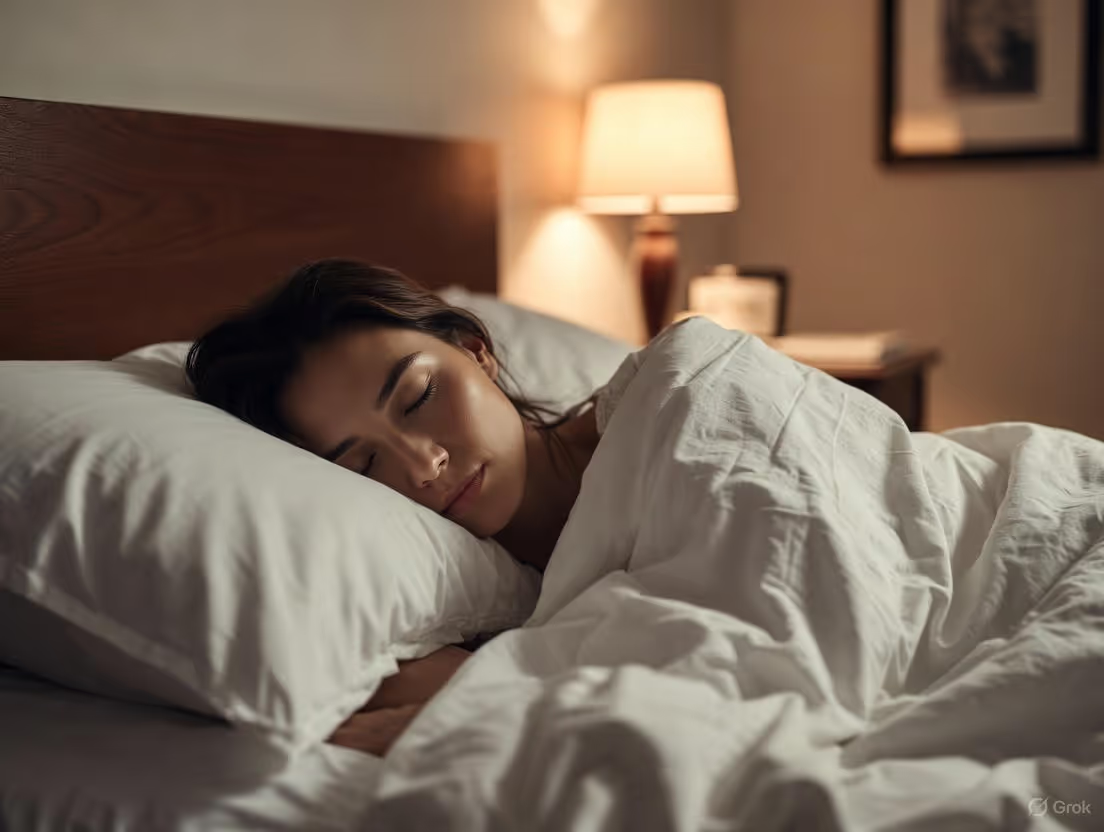
You can invest in the most luxurious creams and cutting-edge procedures, but without prioritizing sleep, you are building a palace on sand. During sleep, particularly during the deep, slow-wave stages, your body shifts from an active state to a dedicated repair and growth mode. For your skin—the body’s largest organ—this is prime time.
The process is driven by a surge in vital hormones. Human Growth Hormone (HGH), essential for collagen production and thick, elastic skin, is predominantly released during deep sleep. Collagen is the structural protein that plumps your skin, preventing sagging and wrinkles. Simultaneously, the stress hormone cortisol, which can break down collagen and trigger inflammation leading to conditions like acne, psoriasis, and eczema, dips to its lowest levels. This nightly ceasefire on inflammation is crucial for skin calming and healing.
Furthermore, sleep is when your skin’s blood flow increases, delivering more oxygen and nutrients while flushing out toxins that accumulated during the day. This is why you often wake with a morning "glow"—it’s the result of optimized circulation and repaired surface cells. A study published in the Clinical and Experimental Dermatology journal found that poor sleepers had increased signs of intrinsic skin aging, slower recovery from skin barrier disruption (like sunburn), and poorer perception of their own skin.
The converse is stark. Chronic sleep deprivation leads to a tired, sallow complexion, increased transepidermal water loss (dehydration), dark circles under the eyes (from pooled blood and fluid), and a weakened skin barrier that is more susceptible to irritants and pathogens. It creates a vicious cycle: stress from poor sleep raises cortisol, which worsens skin, which causes more stress. Breaking this cycle begins with honoring the non-negotiable biology of sleep. To understand how technology can help you track these vital processes, you can discover how Oxyzen works by monitoring sleep stages and physiological signals.
Your skin is not passive; it is a chronobiological organ with its own 24-hour clock. Genes responsible for skin cell proliferation, DNA repair, and antioxidant production follow a precise circadian rhythm. During the daytime, your skin’s primary functions are protection and defense—increasing antioxidant production to combat UV exposure and environmental aggressors. As evening approaches, it switches gears to focus on repair and regeneration.
This nightly shift is triggered by environmental cues, primarily darkness, which signals the brain’s pineal gland to produce melatonin. Known as the sleep hormone, melatonin is also a potent antioxidant that helps neutralize free radicals generated during the day. Topical melatonin has shown promise in skincare, but your body’s own endogenous production, timed perfectly with your circadian clock, is the gold standard.
Disrupting this rhythm—through irregular sleep schedules, excessive artificial light at night (especially blue light from screens), or late-night eating—sends confusing signals to your skin. It’s like asking a construction crew to do demolition work during their scheduled renovation shift. The repair processes become less efficient, leading to accelerated aging and impaired barrier function.
Aligning your routine with your circadian rhythm means more than just going to bed. It involves:
By respecting this innate timing, you move from getting sleep to orchestrating a holistic regenerative event. For a deeper dive into the science of circadian health and wellness tracking, explore our blog for more wellness tips.
With the science of sleep and rhythm as our foundation, we can now construct an evening skincare ritual that actively supports—rather than hinders—these nocturnal processes. This isn’t about a 10-step, product-heavy routine; it’s about intentional, effective steps that cleanse, treat, and protect.
1. The Double Cleanse (The Non-Negotiable First Step):
The day’s accumulation—sunscreen, makeup, pollution, sebum—creates a barrier on your skin. A single cleanse often isn’t enough. The double cleanse method starts with an oil-based cleanser to dissolve oil-soluble impurities (SPF, makeup), followed by a water-based cleanser to remove sweat, dirt, and any residue. This ensures a perfectly clean canvas, allowing every subsequent product to penetrate effectively.
2. Active Treatment (The Repair Phase):
This is where you address specific concerns, leveraging ingredients that work in synergy with your skin’s repair mode.
3. The Moisture Lock (Sealing in the Benefits):
After treatment, your skin needs hydration and occlusion to prevent trans-epidermal water loss (TEWL) throughout the night. Hyaluronic acid serums on damp skin draw in moisture, followed by a richer night cream or face oil containing ceramides and fatty acids to reinforce the skin barrier. Think of it as putting a protective, hydrating "blanket" over all the reparative work you’ve just set in motion.
This ritual is a form of self-signaling. It tells your brain and skin that the day is over, and the time for restoration has begun. It’s a physical and psychological transition into the rest state.
Your skincare routine is a critical component, but it happens within the broader context of your sleep environment. The bedroom itself must be curated to promote unconscious, uninterrupted restoration. This is the concept of sleep hygiene, and it is paramount for achieving true beauty sleep.
The Environment:
The Digital Sunset:
Perhaps the single greatest modern disruptor of sleep is artificial light, specifically the blue wavelength emitted by smartphones, tablets, and computers. Blue light suppresses melatonin production more powerfully than any other light. Implementing a "digital sunset"—turning off all screens at least 60-90 minutes before bed—is one of the most impactful changes you can make. If you must use a device, enable night mode or use blue light-blocking glasses.
The Mental Unwind:
You cannot expect your mind to switch from a state of high stimulation to immediate stillness. The period before bed should be a gradual wind-down. This could include:
Creating this sanctuary transforms your bedroom from just a place to sleep into a dedicated temple for restoration, where every element conspires to support your skin’s nightly journey.
What you consume in the hours leading up to bedtime acts as the biochemical fuel for your skin’s repair crew. Strategic nourishment can enhance sleep quality and provide the building blocks for collagen and cellular repair, while poor choices can trigger inflammation and disruption.
The Evening Meal: Timing and Composition
A large, heavy, or spicy meal too close to bedtime forces your digestive system to work overtime, raising core body temperature and potentially causing discomfort or acid reflux, all of which impede sleep onset. Aim to finish eating 2-3 hours before bed. Focus on a balanced meal containing:
Sleep-Supportive Nutrients & Herbs:
Certain compounds can gently support the transition to sleep:
Hydration: A Balanced Approach
Dehydrated skin appears dull, flaky, and is more prone to wrinkles. While adequate daily water intake is crucial, timing matters. Chugging water right before bed will likely lead to disruptive nighttime bathroom trips. The key is consistent hydration throughout the day, tapering off slightly in the evening. You can also support hydration topically with your moisturizing routine.
The Anti-Inflammatory Focus:
Avoiding inflammatory triggers is just as important as consuming supportive nutrients. Limit alcohol (which fragments sleep and dehydrates skin), refined sugars (which can trigger glycation, damaging collagen), and excessive caffeine, especially in the afternoon and evening. For personalized insights on how your daily habits affect your sleep and recovery metrics, read our complete guide on interpreting wellness data.

If sleep is the state of repair, stress is its arch-nemesis. The physiological stress response, governed by the hypothalamic-pituitary-adrenal (HPA) axis, releases cortisol. In acute, short-term situations, this is adaptive. However, chronic psychological stress—from work, relationships, or modern life—leads to perpetually elevated or dysregulated cortisol levels, with devastating effects on both sleep and skin.
The Cortisol Cascade:
Elevated evening cortisol directly opposes melatonin, making it difficult to fall and stay asleep. It fragments sleep architecture, robbing you of precious deep and REM cycles. For the skin, cortisol:
This creates a self-perpetuating loop: Stress causes poor sleep and bad skin, which in turn causes more stress about your appearance and well-being.
Strategies to Decouple Stress from Sleep:
The goal is to lower the ambient stress volume before attempting to sleep.
Managing stress is not a luxury; it is a core component of a beauty sleep protocol. Calming the nervous system is the prerequisite that allows all other skincare and sleep hygiene efforts to bear fruit.
For generations, our understanding of sleep was subjective—a vague sense of having slept "well" or "poorly." The rise of consumer wearable technology has changed that, bringing quantified, objective data into the intimate world of our rest. At the forefront of this movement are smart rings, like those developed by Oxyzen, which offer a unique, unobtrusive window into our nocturnal physiology.
Why a Ring? The Unobtrusive Advantage
Unlike wrist-worn devices, a ring on your finger is comfortable to wear all night, with less chance of disrupting sleep through bulk or irritation. It sits on a finger with a strong pulse signal, allowing for highly accurate, medical-grade sensors to track key biometrics continuously and passively.
The Data Points That Matter for Skin and Beauty:
From Data to Personalized Action:
The true power lies not in the data itself, but in the insights and correlations it reveals. By reviewing your sleep scores alongside your daily log (e.g., "had coffee after 3 PM," "did 30-minute meditation," "used new retinoid serum"), you move from guesswork to cause-and-effect understanding. You can answer questions like: Does my late dinner truly affect my deep sleep? Does that new calming tea improve my HRV? Is my skincare routine more effective when I achieve 90 minutes of deep sleep versus 50?
This biofeedback loop is revolutionary. It transforms your nighttime routine from a static set of steps into a dynamic, self-optimizing ritual. You become the scientist of your own sleep and skin. For a look at how real users have applied these insights to transform their rest, you can read real customer reviews and user experiences.
Not everyone is wired for a 10 PM bedtime and a 6 AM alarm. Your innate preference for sleep and wake times—your chronotype—is genetically influenced and affects your ideal schedule for sleep, productivity, and even when your skin is most receptive to treatments. Popularized by Dr. Michael Breus, chronotypes are often categorized as Bear, Wolf, Lion, and Dolphin.
Implications for Your Nighttime Routine:
Your chronotype isn't an excuse; it’s a blueprint. A Wolf forcing a Lion’s 9 PM skincare routine will likely be staring at the ceiling, stressed. Instead:
Technology can help here, too. By tracking your sleep over time, devices can help you identify your natural rhythm and pinpoint your personal "sweet spot" for bedtime—the time you are most likely to fall asleep quickly and achieve restorative sleep cycles. Fighting your chronotype is a losing battle for beauty sleep; understanding and accommodating it is the path to sustainable success.
Even with the best intentions, it’s easy to undermine your own efforts. Awareness of these common pitfalls is the first step toward avoiding them.
1. The "Too-Much" Routine: Overloading your skin with multiple active ingredients (e.g., retinol, strong AHAs, and vitamin C) in one night can compromise your skin barrier, leading to irritation, redness, and dehydration that disrupts your comfort—and therefore, your sleep. Practice skin cycling or use actives on alternating nights.
2. Hot Showers or Baths Right Before Bed: While a warm bath can be relaxing, a very hot shower right before bed raises your core body temperature. Since sleep initiation requires a temperature drop, this can delay sleep onset. Keep water warm, not hot, and finish at least 60 minutes before bed.
3. Neglecting the Neck, Chest, and Hands: Your face is not an island. The delicate skin on your neck and décolletage ages just as quickly, and hands are a dead giveaway of age. Extend your cleansing, treatment, and moisturizing products down your neck, onto your chest, and onto the backs of your hands.
4. Using Fragranced or Potentially Irritating Products at Night: Heavy fragrances, whether synthetic or natural essential oils, can be sensitizing. When your skin is in repair mode and your sensory threshold is lower, these can cause subtle irritation that disturbs sleep quality. Opt for fragrance-free formulations for your nighttime staples.
5. Checking the Clock During the Night: Waking up and looking at the time creates mental arithmetic ("I've only got 4 hours left!") and instant anxiety, triggering cortisol release and making it impossible to fall back asleep. Turn your clock face away or place it out of reach.
6. Treating the Bedroom as a Multi-Purpose Room: Working, eating, or watching thrilling TV in bed creates a mental association between your sleep space and alertness/activity. This weakens the powerful psychological cue that "bed = sleep." Reserve the bed for sleep and intimacy only.
Correcting these mistakes often yields faster improvements than adding new, expensive products or gadgets. It’s about subtracting the negative before adding more positive.
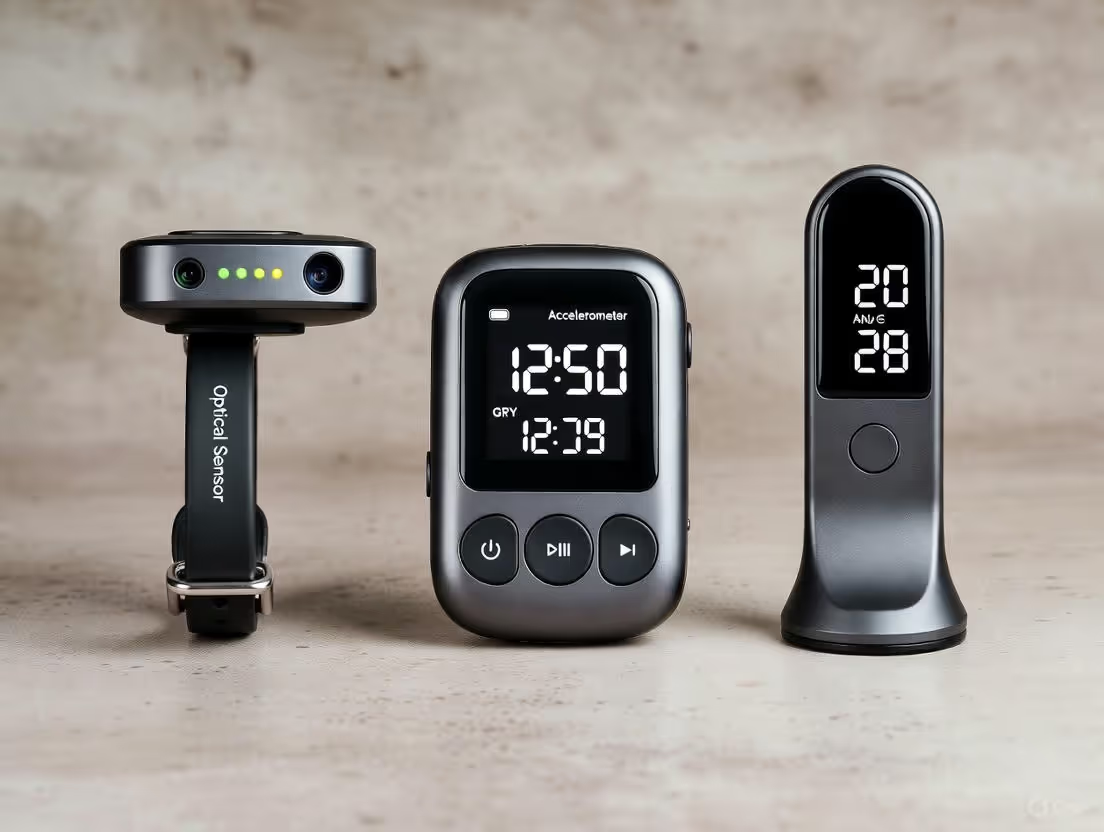
Transformation in skin and sleep quality is often gradual. Without tracking, it's easy to become discouraged and abandon a new routine before it delivers results. Implementing a simple, consistent tracking system turns subtle changes into visible victories.
Subjective Tracking Methods:
Objective Tracking with Technology:
This is where devices like the Oxyzen smart ring provide an undeniable edge. They remove guesswork and provide trends over time. Key metrics to watch:
The Correlation Analysis:
The magic happens when you combine subjective and objective data. Look at your skin diary photos from the weeks where your sleep score and deep sleep were highest. Do you see a visible difference in under-eye circles, plumpness, or clarity? Did your skin feel more resilient during a stressful period when your HRV remained stable?
This feedback loop is motivating and informative. It answers the question, "Is this worth it?" with hard data and visible proof. It allows you to fine-tune your routine—perhaps you discover that a 75-minute wind-down works better than 60 minutes, or that applying your moisturizer on damp skin correlates with a higher morning hydration perception. For answers to common questions about integrating technology into your wellness journey, our FAQ section provides support and guidance.
With the foundational pillars firmly in place, we can now address the art of personalization. A one-size-fits-all approach neglects the unique biology of your skin. Tailoring your nighttime ritual to target specific concerns—whether it's acne, hyperpigmentation, dryness, or aging—amplifies the reparative power of sleep. This is where your routine evolves from maintenance to targeted transformation.
For Acne-Prone and Oily Skin: The Balancing Act
The goal here is not to strip the skin, but to regulate sebum production, reduce inflammation, and prevent clogged pores—all while supporting the skin barrier.
For Dry, Dehydrated, and Sensitive Skin: The Barrier Fortress
The focus is on intensive repair of the skin's lipid barrier, reducing transepidermal water loss (TEWL), and soothing inflammation.
For Hyperpigmentation and Uneven Tone: The Brightening Shift
This routine targets melanin production and accelerates the shedding of pigmented cells, capitalizing on the skin's peak renewal cycle.
For Mature and Aging Skin: The Collagen Renaissance
The mission is to stimulate collagen and elastin production, replenish moisture, and improve skin density and firmness.
For anyone who menstruates, the monthly hormonal ebb and flow is a powerful, often overlooked, variable in the sleep-skin equation. Estrogen, progesterone, and testosterone levels fluctuate dramatically, creating distinct phases that directly impact skin behavior and sleep architecture. Aligning your routine with your cycle is the ultimate form of biohacking.
The Follicular Phase (Day 1-14, Period through Ovulation):
The Luteal Phase (Day 15-28, Post-Ovulation through PMS):
Menstruation (Days 1-5+):
By charting your cycle alongside your skin and sleep logs (or smart ring data), you move from feeling at the mercy of your hormones to working intelligently with them. You gain compassion for yourself during tougher weeks and maximize the benefits during your skin's prime time.
While a good night's sleep can deliver a morning glow, the true, transformative power of beauty sleep is cumulative. It is a long-term, low-grade therapy that provides passive, continuous defense against the two primary drivers of skin aging: photoaging (from sun exposure) and inflammation (from internal and external stressors).
Combating the Accumulation of Sun Damage:
During the day, UV radiation generates a massive number of free radicals, causing direct DNA damage in skin cells. This damage doesn't always manifest immediately; it can create "errors" that lead to skin cancers and the breakdown of collagen and elastin over years (photoaging). Here's where sleep is your silent partner in repair:
The Anti-Inflammatory Dividend:
Chronic, low-grade inflammation—sometimes called "inflammaging"—is a key mechanism behind virtually every age-related disease and skin concern, from wrinkles and sagging to impaired barrier function.
Think of it this way: Your daytime skincare (especially sunscreen and antioxidants) is your active defense. Your nighttime sleep is your cellular repair and reset. One is incomplete without the other. A decade of consistent, quality sleep doesn't just prevent you from looking tired; it actively builds a more resilient, healthier, and younger-functioning skin organ. To understand the vision behind creating technology that supports this long-term health journey, you can explore our brand story and mission.
The mind and the skin are intimately connected via the neuro-immuno-cutaneous network. A racing mind triggers a stress response in the skin. Therefore, the final, and perhaps most profound, layer of a beauty sleep routine is cultivating mental stillness. These practices don't just help you fall asleep; they help you enter sleep in a parasympathetic ("rest and digest") state, which is optimal for repair.
Breathwork as a Direct Neurological Switch:
Conscious breathing is the fastest way to influence your autonomic nervous system.
Body Scan Meditation for Physical Release:
This practice directs focused attention to different parts of the body, releasing tension you may not even realize you're holding.
Visualization and Guided Imagery:
This technique leverages the brain's difficulty in distinguishing between vividly imagined scenarios and reality.
Gratitude Journaling:
Writing down 3-5 things you are grateful for from the day, no matter how small, shifts cognitive focus from worries and lacks to abundance and positivity. This simple act has been shown to improve sleep quality and duration by reducing negative, pre-sleep thoughts and promoting a sense of well-being.
The key is consistency, not perfection. Even 5-10 minutes of one of these practices, done as the final step before turning out the light, can create a powerful psychological buffer between the stimulus of the day and the sanctuary of sleep. For more resources on building a holistic wellness practice, consider exploring our blog for related articles.
While the foundation of nutrition should always be a balanced diet, certain supplements can fill gaps or provide targeted support for sleep and skin health when used wisely. It is crucial to consult with a healthcare provider before starting any new supplement regimen.
For Sleep Onset and Quality:
For Skin Support (with Sleep Benefits):
The Caveats and Considerations:
Supplements are adjuvants, not replacements. They work best when layered upon a solid foundation of sleep hygiene, a good diet, and a consistent skincare routine. They are one more tool in the toolkit for optimizing your internal environment for overnight repair.
True radiance emanates from overall health, and your nighttime ritual shouldn't stop at your chin. Extending care to the rest of your body completes the holistic picture of overnight rejuvenation.
The Pre-Shower Dry Brushing Ritual:
Using a natural bristle brush on dry skin, starting at your feet and brushing upward toward your heart with long, gentle strokes.
The Transformative Power of Body Hydration:
The skin on your body is thicker but can become just as dehydrated and lackluster as facial skin.
Hair and Scalp Care:
Your scalp is skin, and hair is at its most vulnerable when wet and while you sleep.
Oral Hygiene's Surprising Connection:
Poor oral health is linked to systemic inflammation. A thorough nighttime oral routine—flossing, brushing, and perhaps using a tongue scraper—reduces bacterial load. Some studies even suggest a link between gum disease and poor sleep quality. It's a small habit with whole-body implications.
By viewing your entire body as a canvas for overnight repair, you amplify the benefits of your beauty sleep, waking up feeling and looking rejuvenated from head to toe. For a comprehensive look at how holistic wellness tracking can encompass these various factors, you can visit our homepage to learn more.
Even the most dedicated routine will face challenges. Life happens. The key is not perfection, but resilience—having a set of "damage control" protocols to minimize the impact of disruptions and guide you back to your rhythm quickly.
The Jet Lag and Travel Protocol:
Travel disrupts circadian rhythms, dehydrates you, and exposes skin to unfamiliar environments.
The "I Had a Terrible Night" Recovery Plan:
When you've slept poorly, the focus shifts to daytime damage control and preparing for the next night.
The Late-Night Work or Social Event:
When you know you'll be up late, plan ahead.
Resilience is built not by avoiding disruptions, but by having a compassionate and effective plan to navigate them. This prevents one off-night from spiraling into a week of poor sleep and reactive skin.
We are on the cusp of a revolution where technology, personalized data, and skincare will merge seamlessly. The future of beauty sleep is hyper-personalized, dynamic, and predictive.
From Static to Dynamic Routines:
Imagine your smart ring or other wearable communicating with an app that analyzes your sleep data, heart rate variability, and skin temperature. Based on that night's recovery score and your menstrual cycle phase, it could recommend which serum from your connected smart skincare device to dispense in the morning—a brightening cocktail after high-deep-sleep nights, or a soothing, barrier-repair formula after a stressed, restless night.
In-Sleep Environment Optimization:
Future sleep systems will likely go beyond tracking to active optimization. Smart beds or climate control systems could subtly adjust temperature throughout the night based on your real-time biometrics, keeping you in the thermal comfort zone for continuous deep sleep. Lighting systems could simulate dawn to gently raise cortisol at your optimal wake time, based on your sleep cycle, not a jarring alarm.
At-Home Biodata for Skin Analysis:
We may see the proliferation of home devices that go beyond a simple camera. Tools using spectral analysis or ultrasound could provide data on hydration levels, melanin concentration, collagen density, and barrier function. This data, synced with your sleep and lifestyle logs, would create an unparalleled personal skin health dashboard, allowing for truly customized product formulations and treatment plans from dermatologists or skincare brands.
Nutrigenomics and Sleep:
Understanding your genetic predispositions—such as how efficiently you metabolize caffeine, your natural melatonin production profile, or your skin's antioxidant capacity—could lead to ultra-personalized supplement and dietary recommendations to optimize your sleep and skin repair from the inside out.
The Oxyzen smart ring and similar technologies are the foundational step into this future. They provide the continuous, passive physiological data stream that makes personalization possible. By adopting this technology now, you are not just tracking sleep; you are building a rich, longitudinal dataset of your body's unique patterns, preparing for a future where your beauty and wellness routine is as unique as your fingerprint. To see how we're thinking about this future, you can learn about our company's vision and values.
The dialogue between your emotional state and your skin is far more than anecdotal; it’s a robust scientific field known as psychodermatology. This connection is mediated by a shared biochemical language of neurotransmitters, hormones, and immune cells, with sleep (or lack thereof) acting as the critical moderator. Understanding this triad—mind, skin, sleep—is essential for holistic beauty.
The Neuro-Immuno-Cutaneous Network:
Your skin and nervous system originate from the same embryonic layer, the ectoderm. They remain in constant communication through a dense network of nerve fibers, sensory receptors, and local neuropeptides. When you experience stress, anxiety, or depression, your brain releases a cascade of chemicals (like Substance P, cortisol, and neurotrophins) that directly bind to receptors on skin cells (keratinocytes, mast cells, and Langerhans cells).
Sleep as the Mediator and Healer:
Quality sleep acts as a circuit breaker in this vicious cycle. By lowering cortisol and inflammatory cytokines, sleep dampens the physiological stress signals being sent to the skin. Simultaneously, the REM stage of sleep is crucial for emotional processing and memory consolidation, helping to "metabolize" the emotional stressors of the day. When you sleep well, you are better equipped to handle stress the next day, which reduces the psychological trigger for skin issues, leading to better skin, which reduces stress—a virtuous cycle begins.
Practical Psychodermatology for Your Nighttime Routine:
Honoring the mind-skin connection means your nighttime ritual must address psychological wind-down with the same seriousness as topical application. It validates that caring for your mental state is not separate from caring for your skin; it is foundational to it.
Navigating skincare labels can be overwhelming. Understanding the mechanism of action of core ingredients empowers you to build an intelligent, effective routine. Here’s a deeper look at the science behind the stars of your nighttime regimen.
Retinoids: The Cellular Communicators
Peptides: The Signal Molecules
Alpha and Beta Hydroxy Acids (AHAs & BHAs): The Corneocyte Disruptors
Niacinamide (Vitamin B3): The Barrier Stabilizer and Swiss Army Knife
Ceramides: The Brick-and-Mortar Repair Crew
By understanding how these ingredients work, you can strategically layer them, avoid conflicts (like using high-percentage AHAs with retinoids on the same night), and select products that truly address your skin's biological needs during its repair cycle.
Theory is essential, but application is everything. This guide will help you synthesize all the information into a cohesive, personalized plan. Think of it as creating your own prescription for beauty sleep.
Step 1: The Foundation Audit (Week 1-2)
Step 2: Optimize the Environment & Hygiene (Week 3)
Before changing a single product, master your sleep habitat. Implement the non-negotiables:
Step 3: Streamline and Perfect Your Cleansing (Week 4)
Introduce the double cleanse if you haven't. Find an oil-based first cleanser and a gentle, pH-balanced second cleanser that leave your skin feeling clean but not tight. This step alone can transform product efficacy and skin balance.
Step 4: Introduce One Active Ingredient at a Time (Weeks 5-8+)
This is the most critical step for avoiding irritation and identifying what works.
Step 5: Build Supporting Layers (Weeks 9+)
Once your hero active is established, you can add supporting players, ensuring they complement rather than conflict.
Step 6: Integrate Body and Mind (Ongoing)
Step 7: Review, Refine, and Iterate (Every 3 Months)
Remember, this is a blueprint, not a rigid mandate. The goal is to create a ritual that feels sustainable and rewarding, not burdensome. For ongoing inspiration and to see how others have built their routines, our blog is a valuable resource.
Misinformation can derail even the best intentions. Let's clarify some pervasive myths to ensure your efforts are directed by science, not folklore.
Myth 1: "You Need 8 Hours Exactly, No More, No Less."
Myth 2: "Sleeping on Your Back is the Only Way to Prevent Wrinkles."
Myth 3: "Expensive Night Creams Are Always Better."
Myth 4: "Your Skin Can 'Detox' While You Sleep."
Myth 5: "If You Can't Sleep, Just Lie in Bed Until You Do."
Myth 6: "Oily Skin Doesn't Need Night Cream."
Myth 7: "A Nightcap (Alcohol) Helps You Sleep."
By dispelling these myths, you can focus your energy, time, and resources on strategies that deliver genuine, science-backed results.
The pursuit of better sleep and skin can sometimes feel solitary, but it doesn't have to be. Engaging with a community—whether online or in person—can provide accountability, inspiration, and valuable shared knowledge. Seeing the real-world results and challenges of others normalizes the journey and provides motivation.
The Power of Shared Data and Experiences:
Platforms where users of wearable tech like the Oxyzen ring can (anonymously) share trends and insights create a powerful collective intelligence. You might learn that others with a similar chronotype found a specific wind-down practice particularly effective, or that a certain supplement correlated with a group-wide improvement in HRV. This moves you from experimenting in a vacuum to leveraging crowd-sourced wisdom.
Finding Your Tribe:
The Role of Testimonials and Real Stories:
Hearing firsthand accounts of transformation is powerfully motivating. When someone shares how addressing their sleep apnea not only improved their energy but also cleared their persistent adult acne, it provides a tangible narrative for the mind-skin-sleep connection. These stories remind us that the goal is not just better data, but a better quality of life. Reading about real customer experiences with Oxyzen can provide that relatable proof of concept and inspire you on your own path.
Creating Ritual as Connection:
Your nighttime routine can also be a point of connection with loved ones. Perhaps it's a shared cup of herbal tea with a partner, reading a book aloud, or simply committing to a mutual digital sunset. Making these practices a collaborative effort can strengthen relationships and reinforce your own commitment.
Remember, you are not just building a routine; you are cultivating a lifestyle. And lifestyle changes are often best sustained with support, shared understanding, and a sense of belonging to something larger than yourself.
We have journeyed through the intricate, fascinating landscape where nighttime rituals, cellular repair, and technological innovation converge. From the fundamental biology of sleep stages and circadian rhythms to the advanced personalization of actives for your unique skin, the message is clear: the hours of darkness are not a passive void, but an active, potent opportunity for renewal.
The Core Takeaways:
This is not about achieving perfection or adding more burden to your day. It is about reclamation. Reclaiming the night as a sanctuary. Reclaiming your skin's innate ability to heal. Reclaiming the sense of vitality that comes from truly restorative rest.
The journey begins with a single, conscious choice tonight. Perhaps it's committing to a digital sunset, introducing a double cleanse, or simply taking five minutes for a body scan meditation before you turn out the light. Track that choice. Observe its effects. Then build upon it.
Your skin and your sleep are in a constant, lifelong dialogue. By becoming an active, informed, and compassionate participant in that conversation, you unlock the most powerful beauty and wellness treatment ever created: your own body, given the right conditions to thrive.
To begin your own data-informed journey towards optimal sleep and skin health, we invite you to discover how Oxyzen works and explore the tools that can help you listen to your body's nocturnal language. For any questions on starting this journey, our FAQ section is here to help.
Your Trusted Sleep Advocate: Sleep Foundation — https://www.sleepfoundation.org
Discover a digital archive of scholarly articles: NIH — https://www.ncbi.nlm.nih.gov/
39 million citations for biomedical literature :PubMed — https://pubmed.ncbi.nlm.nih.gov/
Experts at Harvard Health Publishing covering a variety of health topics — https://www.health.harvard.edu/blog/
Every life deserves world class care :Cleveland Clinic - https://my.clevelandclinic.org/health
Wearable technology and the future of predictive health monitoring :MIT Technology Review — https://www.technologyreview.com/
Dedicated to the well-being of all people and guided by science :World Health Organization — https://www.who.int/news-room/
Psychological science and knowledge to benefit society and improve lives. :APA — https://www.apa.org/monitor/
Cutting-edge insights on human longevity and peak performance:
Lifespan Research — https://www.lifespan.io/
Global authority on exercise physiology, sports performance, and human recovery:
American College of Sports Medicine — https://www.acsm.org/
Neuroscience-driven guidance for better focus, sleep, and mental clarity:
Stanford Human Performance Lab — https://humanperformance.stanford.edu/
Evidence-based psychology and mind–body wellness resources:
Mayo Clinic — https://www.mayoclinic.org/healthy-lifestyle/
Data-backed research on emotional wellbeing, stress biology, and resilience:
American Institute of Stress — https://www.stress.org/


