


How Nighttime Routines Reduce Morning Grogginess
A good routine leads to more restorative sleep, reducing sleep inertia and grogginess in the morning.
A good routine leads to more restorative sleep, reducing sleep inertia and grogginess in the morning.
%402x.svg)
You know the feeling all too well. The alarm blares, a sound so jarring it seems to violate some universal law of peace. Your hand fumbles to silence it, and as you pry your eyes open, the world is coated in a thick, mental molasses. This is morning grogginess, or sleep inertia—that disoriented, sluggish state where your brain feels like it’s booting up on a dial-up connection. For many, this isn’t just a mild inconvenience; it’s a daily battle that clouds the first precious hours of the day, impacting mood, productivity, and overall well-being.
But what if this struggle wasn't an inevitable part of being human? What if the key to crystal-clear mornings isn't found in a stronger cup of coffee, but in the deliberate, science-backed actions you take the night before?
Emerging research from sleep neuroscience reveals a powerful truth: morning alertness is manufactured at night. Your pre-sleep routine is not merely a wind-down; it’s a critical programming session for your brain and body. It sets the biological stage for sleep architecture—the quality, depth, and cycles of your sleep—which in turn dictates the speed and clarity of your awakening.
In this comprehensive exploration, we will dissect the intricate relationship between your evening habits and your morning state. We’ll move beyond generic "sleep hygiene" tips and into the realm of personalized, actionable protocol. We’ll examine the circadian rhythms and sleep cycles that govern restoration, uncover the surprising culprits of morning fog, and provide a step-by-step framework for constructing a nighttime routine that transforms your awakenings. This isn't about adding more to your to-do list; it's about strategically aligning your behaviors with your biology to unlock a more vibrant, alert, and productive version of yourself from the moment you open your eyes.
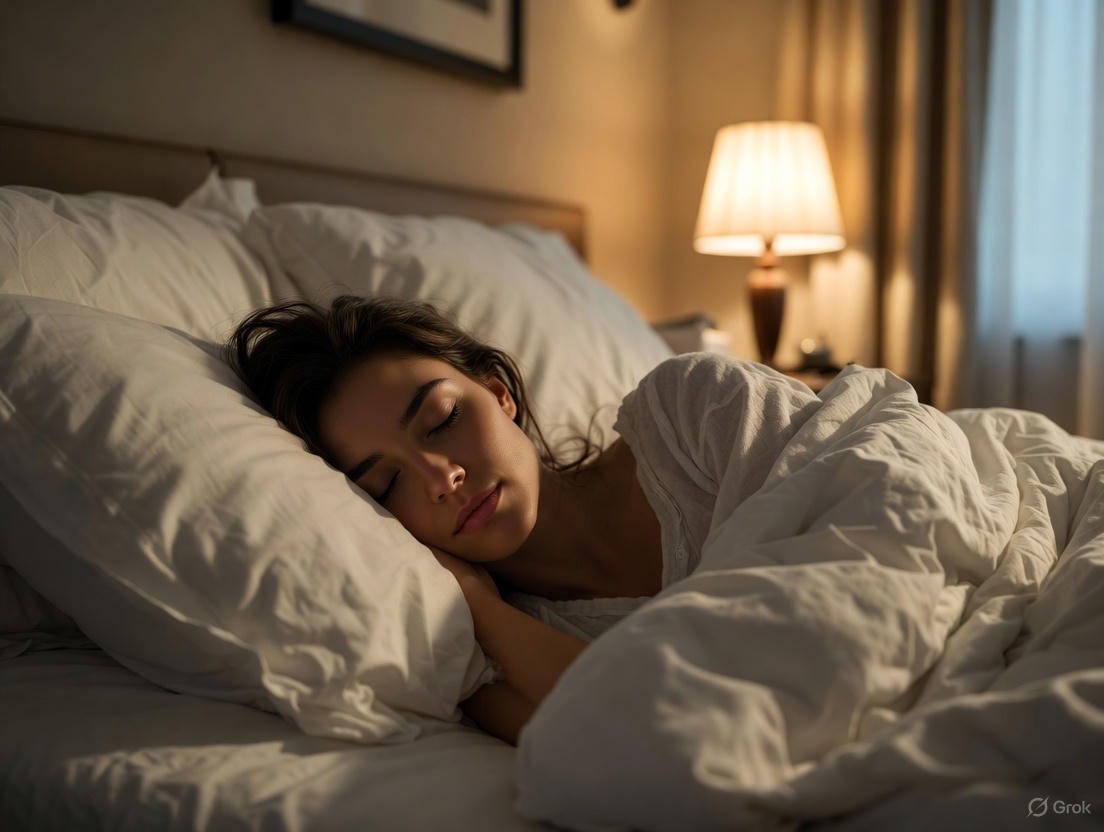
To conquer morning grogginess, we must first understand its true nature. That heavy, disoriented feeling has a scientific name: sleep inertia. It's defined as a temporary state of impaired cognitive and sensory-motor performance that occurs immediately after awakening. Think of it as your brain's bridge from the peaceful, synchronized state of sleep to the demanding, high-frequency state of wakefulness. This transition isn't instantaneous; it's a process.
During deep sleep (slow-wave sleep) and REM sleep, your brain operates in patterns vastly different from wakefulness. Cerebral blood flow and neural activity are reorganized. The prefrontal cortex—the CEO of your brain, responsible for decision-making, self-control, and complex thought—is one of the last regions to "come back online." This explains why, upon waking, logical thinking and willpower are at their nadir, making the snooze button so irresistibly tempting.
The severity and duration of sleep inertia are not random. They are influenced by several key factors:
The cost of prolonged sleep inertia extends beyond a slow start. Studies have linked significant morning grogginess to reduced morning productivity, increased errors in critical tasks (like driving), and a negatively impacted mood that can set the tone for the entire day. It’s a physiological state that undermines your potential.
This is where the power of a nighttime routine comes into sharp focus. By deliberately influencing when you fall asleep and the quality of the sleep you achieve, you can strategically minimize your chances of being torn from deep sleep. You can align your wake-up time with your natural cycles and ensure your brain has completed the restorative processes it needs. The goal is not just to sleep, but to sleep strategically for an optimal awakening. Modern tools like the Oxyzen smart ring can provide unparalleled insight into this personal sleep architecture, helping you track what specific evening behaviors lead to less fragmented sleep and smoother mornings—you can explore how Oxyzen works to see this science in action on your own wrist.
If sleep is a symphony, your circadian rhythm is the conductor. This innate, approximately 24-hour biological clock, housed in the suprachiasmatic nucleus (SCN) of your brain, governs not just sleep-wake cycles, but also core body temperature, hormone release (like cortisol and melatonin), digestion, and cellular repair. It is the master timer that primes your body for sleep at night and alertness during the day.
The most powerful cue that keeps this clock in sync with the 24-hour day is light, specifically bright blue-wavelength light. When light hits photoreceptors in your eyes in the morning, it signals the SCN to suppress melatonin (the sleep hormone) and ramp up cortisol, promoting alertness. As darkness falls, the SCN triggers melatonin production, ushering in feelings of sleepiness.
The problem with modern life is "circadian disruption." We bombard our SCN with artificial light from screens late into the evening, tricking it into thinking it's still daytime. We eat large meals at erratic times, sending conflicting signals to peripheral clocks in our organs. We keep inconsistent sleep schedules on weekends, creating a kind of "social jet lag." This misalignment between our external behaviors and our internal clock is a primary recipe for poor sleep and brutal morning grogginess.
Your nighttime routine is your most potent tool for circadian alignment. By consistently performing calming, darkness-friendly activities in the 60-90 minutes before bed, you reinforce the "nighttime" signal to your SCN. This allows melatonin to rise naturally, core body temperature to drop (a critical signal for sleep onset), and your body to smoothly transition into its restorative mode. A well-timed routine doesn't just help you fall asleep—it ensures your entire sleep period is anchored within the optimal phase of your circadian rhythm, leading to more consolidated, restorative sleep and a more natural, alert awakening as your cortisol rhythm rises in sync with your alarm.
Understanding your unique circadian tendencies—whether you’re a natural "lark," "owl," or somewhere in between—is the first step to personalizing this alignment. For those curious about how technology can help map these personal rhythms, our blog features deep dives into the latest research on chronotypes and sleep tracking.
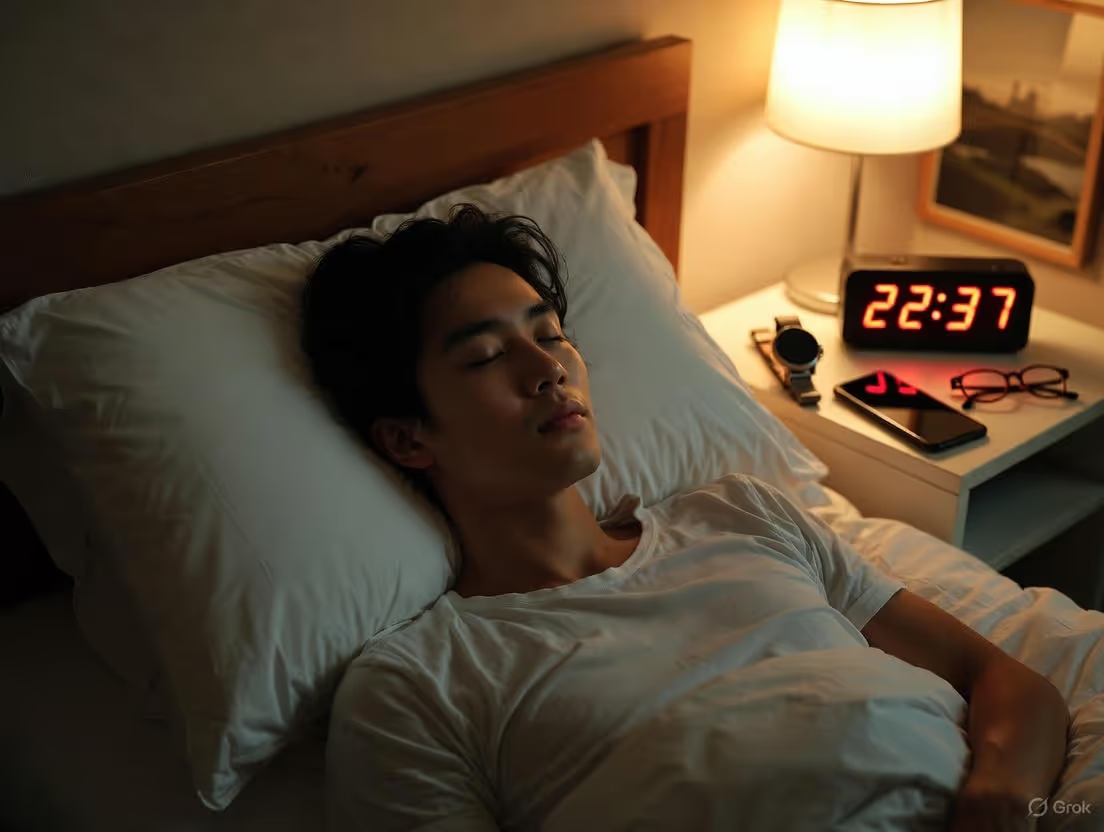
From a physiological standpoint, the transition from wakefulness to sleep requires a fundamental shift in your nervous system. During the day, we operate primarily in the sympathetic "fight-or-flight" state: heart rate is elevated, stress hormones like cortisol and adrenaline are circulating, and the mind is engaged in solving, doing, and reacting. Trying to fall asleep while in this state is like trying to land a plane with the engines still at full throttle—it’s a turbulent, inefficient, and often failed process.
Sleep, particularly deep sleep, occurs in the domain of the parasympathetic "rest-and-digest" nervous system. This state is characterized by a slowed heart rate, lowered blood pressure, and active digestion and repair. The goal of an effective nighttime routine is to engineer this shift deliberately and gradually.
A abrupt "collapse into bed" after checking work emails or watching an intense thriller leaves your nervous system humming at a high frequency. The result is either difficulty falling asleep or a night of light, unrefreshing sleep that leaves you groggy.
A strategic power-down routine acts as a buffer zone between the demands of the day and the peace of sleep. It comprises signals—both behavioral and environmental—that tell your brain and body, "The work is done. It is now time to restore."
Key elements of this neurological transition include:
By dedicating time to this power-down phase, you are not being unproductive; you are engaging in the high-value work of sleep preparation. You are lowering your "sleep latency" (the time it takes to fall asleep) and increasing the likelihood of entering deep, restorative sleep stages earlier in the night. This foundational work pays its dividend in the morning with diminished sleep inertia. For many, seeing the quantifiable impact of such a routine on their sleep metrics is a powerful motivator—a sentiment echoed in the real user experiences shared in our testimonials.
Perhaps the most pervasive and potent disruptor of modern sleep is our digital environment. The issue is twofold: physiological and psychological.
Physiologically, the blue light emitted by smartphones, tablets, computers, and TVs is a potent melatonin suppressor. A 2018 study in the journal Chronobiology International confirmed that evening blue light exposure significantly delays melatonin onset and reduces overall secretion. It essentially gives your circadian rhythm a shot of artificial sunrise, confusing your brain and pushing your biological night later.
Psychologically, our devices are engines of cognitive and emotional arousal. Scrolling through social media can trigger comparison, anxiety, or FOMO. Reading work emails activates problem-solving mode and reminds us of unfinished tasks. Even "relaxing" video streaming often involves narrative tension and stimulating content. This keeps the sympathetic nervous system engaged, directly opposing the parasympathetic state required for sleep.
Therefore, a non-negotiable pillar of any anti-grogginess nighttime routine is the Digital Sunset—a fixed time, ideally 60-90 minutes before bed, when you deliberately disconnect from all screens.
Implementing a Digital Sunset requires strategy:
Embracing a Digital Sunset is a declaration that your sleep—and by extension, your next morning—is more valuable than the infinite scroll. It is the single most effective action many people can take to improve sleep quality and reduce morning fog. For more tips on creating a tech-healthy sleep sanctuary, our blog offers a wealth of related resources.
What you consume in the hours leading up to bedtime acts as chemical instructions for your body. It can either support the architecture of stable, deep sleep or sabotage it, leading to fragmentation and morning grogginess.
The Timing and Composition of Your Last Meal: A large, heavy, or spicy meal right before bed forces your digestive system to work overtime when it should be winding down. This can cause discomfort, acid reflux, and an elevated core body temperature—all enemies of sleep onset. Aim to finish your last major meal at least 2-3 hours before bedtime. This allows for significant digestion to occur before you lie down.
Macronutrient Balance: Research suggests that a small snack rich in tryptophan (an amino acid precursor to melatonin and serotonin) and paired with complex carbohydrates can be beneficial if you are genuinely hungry before bed. Think a small bowl of oatmeal, a banana with a dab of almond butter, or a few whole-grain crackers with cheese. The carbohydrates help shuttle tryptophan into the brain. Avoid high-sugar snacks, which can cause a blood sugar spike and crash, potentially waking you up later.
Caffeine and Alcohol: The Deceptive Saboteurs:
Hydration Strategy: Dehydration can lead to dry mouth, cramps, and headaches that disrupt sleep. However, drinking a large volume of water right before bed guarantees disruptive nighttime trips to the bathroom. The key is front-loading your hydration earlier in the day and tapering off in the evening. Sip small amounts of water if needed after your last meal, but stop large intakes 60-90 minutes before bed.
By viewing your evening nutrition as a deliberate part of your sleep protocol, you provide your body with the correct biochemical landscape for uninterrupted restoration. This is a core principle we stand by at Oxyzen, and you can learn more about our holistic approach to wellness tracking that encompasses these lifestyle factors.

For those whose grogginess is born from a racing mind or lingering physical tension, a proactive relaxation practice is the keystone of the nighttime routine. This goes beyond passive activities and into active nervous system regulation.
Progressive Muscle Relaxation (PMR): This technique involves systematically tensing and then relaxing different muscle groups in sequence, from your toes to your forehead. By consciously creating and releasing tension, you become more aware of bodily stress and can actively dispel it. This sends a powerful signal of safety to the brain, promoting parasympathetic activation.
Guided Sleep Meditations and Breathwork: The breath is a direct remote control for your nervous system. Practices like the 4-7-8 method (inhale for 4, hold for 7, exhale for 8) or simple, extended exhalations stimulate the vagus nerve, the main conduit of the parasympathetic system. Guided audio sessions can lead you through visualizations or body scans that divert attention from anxious thoughts and into a state of present-moment awareness, a precursor to sleep.
Gratitude Journaling: Unlike a "brain dump" focused on tasks, a gratitude practice shifts cognitive and emotional focus from lack or anxiety to abundance and positivity. Writing down three specific things you are grateful for from the day has been shown in studies to improve sleep quality by reducing pre-sleep cognitive arousal and promoting more positive pre-sleep thoughts. It ends the day on a note of contentment, not stress.
The Power of Consistency: The effectiveness of these techniques is multiplied by ritual. Performing the same relaxation practice in the same order each night creates a powerful conditioned response. Your brain begins to associate, for example, the sound of a particular meditation guide or the act of picking up your journal with the impending shift into sleep mode. This Pavlovian effect can dramatically shorten the time it takes to achieve a state of mental and physical calm.
These rituals are not about perfection; they are about direction. Even five minutes of deliberate breathing is more effective for sleep preparation than 60 minutes of anxious scrolling. Building this skill set empowers you to actively manage your state, rather than being a passive victim of the day's residue.
Your bedroom should function as a hibernation cave designed for a single purpose: the facilitation of deep, uninterrupted sleep. Every sensory element should be curated to support this goal. An optimal environment reduces "sleep effort," allowing your natural sleep drive to take over effortlessly.
Temperature: As mentioned, a cool room (65-68°F) is non-negotiable. Your core body temperature must drop to initiate and maintain sleep. A room that is too warm disrupts this process. Consider using fans, breathable cotton or linen bedding, and even mattress cooling pads if needed.
Darkness: This is critical for circadian alignment and melatonin production. Pitch black darkness. Assess your room: cover LED lights from electronics with black tape, use blackout curtains or a sleep mask, and ensure no light seeps under the door. Even small amounts of ambient light can fragment sleep.
Silence and Sound: Sudden, unpredictable noises (traffic, a snoring partner, a creaking house) can trigger micro-arousals, pulling you out of deep sleep without full awakening. The solution is either blocking (earplugs) or masking. White noise or pink noise machines (or apps) generate a consistent, soothing sound blanket that drowns out disruptive spikes in noise. The consistent hum of a fan also serves this purpose.
The Bed Itself: Your mattress and pillows should provide proper support and comfort. There is no one-size-fits-all answer, but if you regularly wake with aches or spend more than 20 minutes trying to get comfortable, it may be time for an assessment. The bed should be associated solely with sleep and intimacy—not work, eating, or watching stimulating media.
Aromatherapy: Scents like lavender, chamomile, and sandalwood have mild, evidence-backed anxiolytic (anxiety-reducing) and sedative effects. Using a diffuser with essential oils or a linen spray can create a powerful olfactory cue for relaxation.
By taking a day to audit and optimize your sleep sanctuary, you remove environmental obstacles to deep sleep. You create a space that does half the work of your routine for you, passively promoting the conditions necessary for a night of uninterrupted restoration and a clear-headed morning. For common questions on how environment interacts with sleep tracking, our comprehensive FAQ section provides detailed answers.
You can have a perfect power-down routine and an optimized sleep cave, but if you execute it at wildly different times each night, you undermine the entire system. Consistency in sleep timing is the bedrock of circadian health.
Your SCN thrives on predictability. When you go to bed and wake up at roughly the same time every day—yes, even on weekends—you strengthen the circadian signal. This makes sleep onset easier, improves sleep quality, and, most importantly, allows your body to time its cortisol awakening response (CAR) precisely. A well-timed CAR means you begin secreting alertness-promoting cortisol about 30-60 minutes before your wake-up time, leading to a more natural, less groggy awakening.
"Social jet lag," the practice of shifting your sleep schedule by 2+ hours on weekends, is akin to flying from New York to Los Angeles every Friday night and back every Sunday night. It forces your circadian clock into a state of perpetual adjustment, creating a drag of biological misalignment that often manifests as "Sunday night insomnia" and "Monday morning hell."
Implementing consistency:
The reward for this discipline is a profound one: your body begins to expect sleep at a certain time and expect to wake at a certain time. The harsh alarm becomes less necessary, and the morning transition becomes dramatically smoother. This commitment to consistency is a core part of the philosophy behind creating tools that support long-term wellness, a principle rooted in our brand's journey and vision.

In the quest to banish morning grogginess, guesswork is your enemy. What works for one person (a hot bath) might overheat another. What calms one mind (silence) might leave another anxious with tinnitus. Therefore, the final, crucial component of building your ultimate nighttime routine is the feedback loop.
This is where modern wellness technology, like advanced smart rings, transitions from a gadget to an essential tool. A device like the Oxyzen ring tracks biometrics that are directly relevant to sleep quality and morning readiness:
By correlating your subjective morning feeling ("I felt terrible") with objective data ("I had 70% less deep sleep than normal"), you can begin detective work. Did the poor sleep follow a late alcohol night? A meal too close to bedtime? A stressful evening argument you didn't practice relaxation after? Conversely, when you feel great, what did you do differently?
This process of track, analyze, and iterate allows you to:
For example, you might learn that reading fiction in bed works well for you, but non-fiction stimulates your mind too much. Or that your "caffeine curfew" needs to be 12 hours, not 8. This personalized, data-informed approach is the future of holistic sleep optimization, moving us all toward the ultimate goal: waking up every day feeling refreshed, alert, and ready to own the morning. To see how this philosophy translates into a real product designed for this very purpose, you can discover more about Oxyzen and its mission.
The relationship between movement and sleep is profound, yet nuanced. While regular exercise is one of the most reliable prescriptions for improving sleep quality, its timing and intensity in the evening hours require strategic consideration to ensure it serves as a tool for better mornings, not a hindrance.
The Overall Benefit: Consistent, moderate-to-vigorous exercise strengthens the circadian rhythm by raising core body temperature during the activity. The subsequent cool-down period, which can last several hours, mirrors the natural drop in body temperature that cues sleep onset. Exercise also reduces anxiety and depressive symptoms, depletes stress hormones like cortisol and adrenaline, and promotes the release of endorphins and other neurochemicals that regulate mood and sleep-wake cycles. Over time, exercisers experience increased slow-wave (deep) sleep—the most physically restorative phase.
The Evening Exercise Conundrum: The old adage to avoid exercise within three hours of bedtime is a generalization based on the stimulating effects of intense activity: elevated heart rate, core temperature, and the release of epinephrine and norepinephrine. For many, a late high-intensity interval training (HIIT) session or a competitive game can indeed delay sleep onset.
However, emerging research paints a more personalized picture. The key differentiator is intensity and individual response.
Building a Sleep-Optimizing Evening Movement Ritual:
The principle is intentionality. Evening movement should transition from performance to presence. By listening to your body and tracking your sleep response—a process made precise with a tool like the Oxyzen ring, which can show how different evening activities affect your sleep depth and heart rate overnight—you can pinpoint the perfect type and timing of movement for your physiology. You can explore our blog for more on correlating activity with sleep data to begin this personal experimentation.
For countless individuals, the primary obstacle to sleep—and thus the root cause of morning grogginess—is not physical but psychological. The quiet darkness of night often becomes a canvas upon which the brain projects the worries of the day and the uncertainties of tomorrow. A racing mind is the antithesis of the parasympathetic state. Therefore, a nighttime routine must include explicit tactics for cognitive and emotional deceleration.
The "Brain Dump" or "Worry Journal": This is a proactive containment strategy. Dedicate a notebook solely for this purpose. 30-60 minutes before bed, write down every task, concern, and unresolved thought swirling in your mind. Don't edit or solve; simply download. The act of externalizing these thoughts onto paper (not a digital device) signals to your brain that they have been captured and can be dealt with tomorrow, freeing your mental RAM for sleep. For added structure, you can split the page into two columns: "Things I Can Control" and "Things I Cannot." This simple act of categorization can alleviate the burden of helplessness.
Cognitive Shutting-Down Rituals: Create small, symbolic acts that represent the end of the "doing" day.
Mindfulness and Acceptance Practices: Often, sleep anxiety is compounded by anxiety about not sleeping—a vicious cycle. Mindfulness techniques break this by shifting focus from future outcomes to present-moment sensations.
Building these psychological skills is as important as any environmental tweak. They empower you to become an active regulator of your mental state, ensuring that the sanctuary of your bedroom isn't invaded by the chaos of the day. Many users find that tracking their HRV—a key metric of nervous system balance—provides objective proof that these practices are working, a motivating insight often shared in the community experiences found in our testimonials.
While lifestyle forms the bedrock of good sleep, many turn to external substances to help. It's crucial to understand that these are not foundational solutions but adjuncts that should be used wisely and, ideally, under guidance. Their impact on sleep architecture and next-day grogginess varies dramatically.
Melatonin: The Timing Hormone, Not a Knock-Out Pill: Melatonin is a hormone that signals "darkness" to your brain. It is not a sedative. It is most effective for:
Magnesium: The Relaxation Mineral: Magnesium glycinate or bisglycinate is a popular sleep aid for good reason. Magnesium plays a role in regulating neurotransmitters and the stress-response system. It can help quiet the nervous system and relax muscles. For some, a supplement taken with dinner or as part of the bedtime routine can reduce nighttime leg cramps and promote a sense of calm. It is generally safe with a low risk of morning hangover.
Herbal Adaptogens: Chamomile, Valerian, Ashwagandha: These herbs have a long history of use.
The Sedative Caveat (Prescription Sleep Aids & Antihistamines): Medications like z-drugs (e.g., zolpidem) or sedating antihistamines (e.g., diphenhydramine) are chemically different. They often work by broadly suppressing central nervous system activity. The significant risk is that they can distort sleep architecture—reducing deep and REM sleep—and have active metabolites that cause next-day sedation, cognitive impairment, and worsened sleep inertia. They can also lead to tolerance and dependence. They should only be used short-term under strict medical supervision.
Caffeine & Alcohol Revisited: It bears repeating that these are the most common chemical saboteurs. Caffeine's long half-life directly fragments sleep. Alcohol's metabolite-driven second-half-of-the-night arousal and REM suppression are a guaranteed path to non-restorative sleep and grogginess. Optimizing your nighttime routine means giving these substances a wide berth in the hours before bed.
The golden rule is to start with behavior, not a pill. Use supplements sparingly and with intention, not as a replacement for a consistent routine. Always consult with a healthcare provider, especially if you are on other medications. For more detailed information on how lifestyle and supplements interact with biometric tracking, our FAQ section covers many common questions.
A one-size-fits-all sleep schedule is a myth. Your chronotype—your genetically influenced propensity to sleep at a particular time—is a powerful determinant of when you naturally feel sleepy and alert. Ignoring it by forcing an unnatural schedule is a direct path to social jet lag and chronic morning grogginess. The most common framework categorizes people as Lions (early risers), Bears (moderate, follow-the-sun), Wolves (night owls), or Dolphins (light, sensitive sleepers).
Tailoring your nighttime routine to your chronotype can make it feel effortless and dramatically more effective.
For the Wolf (The Night Owl):
For the Lion (The Early Riser):
For the Bear & Dolphin:
Respecting your chronotype is an act of self-compassion. It means working with your biology, not against it. This personalized approach is central to modern wellness philosophy and is a driving force behind creating technology that helps individuals discover their unique patterns, a mission you can learn more about in our story.
Theory is vital, but execution is everything. Here is a synthesized, actionable 60-minute blueprint that integrates all the principles discussed. This is a template to be adapted based on your chronotype, personal preferences, and the insights you gather from tracking.
T-60 Minutes: The Digital Sunset & Environment Shift
T-45 Minutes: The Physical & Mental Unwind
T-30 Minutes: The Cognitive Closure & Nourishment
T-15 Minutes: The Final Sensory Cues
Lights Out:
This protocol isn't rigid law; it's a scaffold. Some nights you may only manage 30 minutes. The point is the sequence and intent: digital disconnect, followed by physical relaxation, followed by mental closure, culminating in a sensory-specific sleep environment. Consistency in this sequence is what builds the powerful conditioned response for sleep.
A truly effective nighttime routine doesn't exist in a vacuum. It is the final act of a daily cycle that either supports or undermines sleep. Your actions from the moment you wake create momentum that carries through to the evening.
The Critical Morning Anchor:
Daytime Habits That Fuel Nighttime Sleep:
Think of your daily routine as a relay race. Your morning habits pass the baton to your daytime habits, which then pass it seamlessly to your evening wind-down. A chaotic, poorly lit, caffeine-fueled, sedentary day makes the job of your nighttime routine exponentially harder. By aligning your entire 24-hour cycle, you create a self-reinforcing system where each part supports the other, making the transition into deep, restorative sleep—and out of it feeling alert—almost automatic. For a holistic look at tracking these 24-hour rhythms, you can discover how Oxyzen provides insights across your entire day.
Even the most dedicated sleep optimizer faces life's curveballs. The key to maintaining progress is not perfection, but resilience—having a plan for when the ideal routine is impossible.
For Travel (Especially Jet Lag):
For Late-Night Social Events:
For Periods of High Stress or Anxiety:
The goal is to return to your baseline routine as quickly as possible after a disruption. The metrics from a wellness tracker can be incredibly helpful here, objectively showing you how a disruption affected your sleep and how quickly you recover, providing both motivation and guidance. You can read about others' experiences with managing disruptions for shared wisdom and strategies.
How do you know your new nighttime routine is working? The ultimate measure is how you feel upon waking and throughout your morning. However, human perception, especially when groggy, can be imperfect and influenced by mood. This is where the marriage of subjective feeling and objective data creates a powerful feedback loop for optimization.
Subjective Metrics (The "Feel" Test):
Objective Metrics (The "Data" Test): This is where a device like the Oxyzen ring provides invaluable insight. Key metrics to correlate with your subjective feeling include:
By comparing your morning "feel" with the previous night's data, you become a sleep scientist of your own life. You might discover that you feel great even on a night with less sleep, perhaps because the quality was high. Or you might feel groggy despite 8 hours in bed, and the data reveals high fragmentation or low deep sleep, prompting you to investigate your evening meal or stress levels.
This process transforms sleep from a mysterious, passive state into an active, understandable, and optimizable pillar of health. It empowers you to make informed, personalized decisions that lead to consistently vibrant mornings. To delve deeper into the science of these metrics and how to interpret them, our blog is a continually updated resource.
The ultimate goal of optimizing your nighttime routine is not to create a rigid, stressful checklist to complete each evening. It is to cultivate a Sleep-First Lifestyle—a fundamental shift in perspective where protecting and prioritizing sleep becomes as automatic and non-negotiable as brushing your teeth. This is the stage where a routine transcends habit and becomes a meaningful ritual, and eventually, part of your identity as someone who values and exhibits vitality.
The Habit-Ritual-Identity Evolution:
Strategies for Long-Term Sustainability:
This evolution is supported by understanding the profound impact sleep has on every facet of your life. When you experience firsthand that investing in your night yields exponential returns in your day—in mood, cognitive sharpness, resilience, and even physical health—the ritual becomes its own reward. This core belief in holistic wellness is what drives our mission at Oxyzen, and you can learn more about our foundational values in our story.
In the modern wellness landscape, technology is not a distraction from natural sleep; when used intentionally, it is a powerful lens to understand it. Devices like advanced smart rings represent the third wave of sleep tech: moving from basic movement tracking (step 1) to generalized sleep staging (step 2) to integrated, personalized physiological insight (step 3).
From Data to Wisdom:
A sophisticated device like the Oxyzen ring moves beyond telling you what happened ("you slept 7 hours"). It helps you understand why and suggests what to do next. This is achieved by correlating multiple biometric streams:
Proactive Guidance and the Closed Loop:
The future of this technology lies in creating a closed-loop system:
This transforms the device from a passive reporter into an active sleep coach that learns your unique physiology. It removes the guesswork and provides objective validation that your nighttime routine adjustments are having the intended effect. For those interested in the cutting-edge of how this technology functions, you can explore the details of how Oxyzen works.
Technology as a Servant, Not a Master:
The crucial caveat is that the device must serve the ritual, not disrupt it. This means:
Used wisely, smart technology accelerates the journey from curiosity to understanding to mastery of your own sleep.
For those who have mastered the fundamentals and seek to push the boundaries of cognitive and physical restoration, the world of sleep biohacking offers a range of advanced, evidence-informed techniques. These should be approached with caution and ideally on a foundation of perfect sleep hygiene.
Temperature Manipulation:
Photobiomodulation (PBM) / Red Light Therapy:
Emerging research suggests that exposure to specific wavelengths of red and near-infrared light in the evening may support circadian function and increase melatonin production, unlike blue light. Some early adopters use low-level red light panels or bulbs as their evening lighting source during the wind-down period. The science is promising but still evolving.
Sound & Frequency Optimization:
Beyond white noise, specific auditory stimuli are being investigated for sleep enhancement.
Nutritional Biochemistry:
Beyond basic supplements, advanced protocols may involve precise timing of amino acids like Glycine (3g before bed has been shown to improve subjective sleep quality and reduce daytime sleepiness) or GABA. These should not be experimented with without proper research or professional guidance.
The Biohacking Mindset: The core of biohacking is self-experimentation. It involves introducing one change at a time, measuring the outcome rigorously (using both subjective feelings and objective data from a device like Oxyzen), and determining if it provides a net benefit for you. It democratizes the process of scientific discovery for your own body. For ongoing discussions on the latest research and user experiences with these techniques, our community and blog are valuable resources.
The profound impact of conquering morning grogginess extends far beyond the first hour of your day. It creates a positive cascade that touches every dimension of your life. This ripple effect is the ultimate return on investment for your nighttime routine.
Cognitive & Professional Domination: Waking with clarity supercharges your prefrontal cortex—the seat of executive function. Your mornings become a zone of deep work, where complex problem-solving, strategic thinking, and creative tasks are handled with ease. Decision fatigue is reduced, willpower is higher (making healthy choices easier), and productivity soars. You are not wasting your peak cognitive hours fighting through fog.
Emotional Resilience & Relationships: Sleep inertia is strongly linked to irritability, anxiety, and emotional volatility. Starting the day calm and centered sets a positive emotional tone. You have more patience, greater empathy, and a higher capacity for positive social interactions. Your relationships, both personal and professional, benefit from your regulated, present state.
Physical Health & Metabolic Vitality: Consistent, high-quality sleep regulates hormones that control hunger (ghrelin and leptin), supports immune function, and facilitates cellular repair and muscle recovery. By fixing your sleep, you directly support weight management goals, improve athletic performance, and build a more resilient constitution. The energy you gain is often naturally directed toward more physical activity, creating another virtuous cycle.
The Empowerment Loop: Perhaps the most powerful effect is psychological. Taking deliberate control of your sleep and mornings is an act of self-efficacy. It proves that you can change your state through your own actions. This success breeds confidence that spills into other areas of life, motivating you to improve your nutrition, fitness, and stress management. You break out of a reactive mode and into a proactive, intentional mode of living.
This holistic transformation is the true destination. It’s not just about feeling less tired; it’s about unlocking a more capable, vibrant, and resilient version of yourself. As you experience these changes, they become the strongest motivator to maintain your Sleep-First identity. Reading about others who have undergone similar transformations can be powerfully inspiring, and you can find such stories in our collection of user testimonials.
We have traversed the landscape of sleep science, from circadian biology and nervous system regulation to environmental engineering and advanced biohacking. This knowledge, however, is inert without action. Your journey to grog-free mornings begins not tomorrow, but tonight.
Your Starter Protocol: The First 7 Nights
The Iterative Expansion: Weeks 2-4
Embracing the Journey:
Remember, this is not a linear path to perfection. It is an iterative process of Awareness, Experimentation, and Refinement. Some nights will be better than others. The goal is progress, not perfection. Your routine is a living document, unique to you, that evolves as your life and understanding evolve.
We began this exploration with the universal struggle against the alarm clock and the mental molasses of morning. We end with a powerful, evidence-backed truth: You have more control than you think. Your evenings are the factory where your mornings are built. By investing in the silent science of sleep—by constructing a deliberate, personalized nighttime routine—you claim authorship of your days.
Start tonight. Dim the lights, put the phone away, and signal to your body that restoration is now the priority. Tomorrow morning, observe. Then iterate. You are not just chasing sleep; you are crafting alertness, building resilience, and engineering a life of vitality, one intentional night at a time.
For continued support, deeper dives into each topic, and a community focused on holistic wellness, remember that resources like our blog and FAQ are here to support your journey. The science is clear, the tools are available, and the power to transform your mornings—and your life—rests in your hands, quite literally, as you begin your new nighttime ritual.
Your Trusted Sleep Advocate: Sleep Foundation — https://www.sleepfoundation.org
Discover a digital archive of scholarly articles: NIH — https://www.ncbi.nlm.nih.gov/
39 million citations for biomedical literature :PubMed — https://pubmed.ncbi.nlm.nih.gov/
Experts at Harvard Health Publishing covering a variety of health topics — https://www.health.harvard.edu/blog/
Every life deserves world class care :Cleveland Clinic - https://my.clevelandclinic.org/health
Wearable technology and the future of predictive health monitoring :MIT Technology Review — https://www.technologyreview.com/
Dedicated to the well-being of all people and guided by science :World Health Organization — https://www.who.int/news-room/
Psychological science and knowledge to benefit society and improve lives. :APA — https://www.apa.org/monitor/
Cutting-edge insights on human longevity and peak performance:
Lifespan Research — https://www.lifespan.io/
Global authority on exercise physiology, sports performance, and human recovery:
American College of Sports Medicine — https://www.acsm.org/
Neuroscience-driven guidance for better focus, sleep, and mental clarity:
Stanford Human Performance Lab — https://humanperformance.stanford.edu/
Evidence-based psychology and mind–body wellness resources:
Mayo Clinic — https://www.mayoclinic.org/healthy-lifestyle/
Data-backed research on emotional wellbeing, stress biology, and resilience:
American Institute of Stress — https://www.stress.org/


