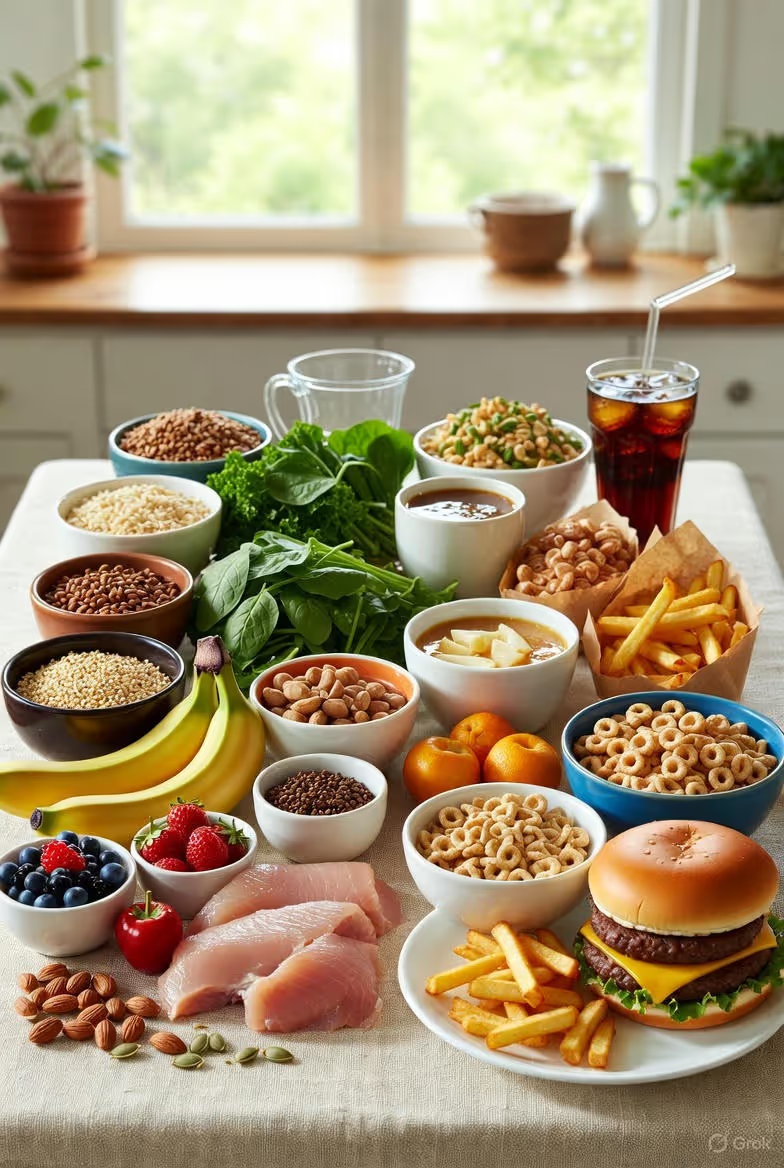
How Nutrition Impacts Sleep Quality: Foods to Eat and Avoid
Nutrition significantly impacts sleep quality through various mechanisms. This evidence-based guide identifies foods that enhance rest including complex carbohydrates, magnesium-rich options, and tryptophan sources, while explaining which foods to avoid before bed including caffeine, alcohol, and heavy meals.
How Nutrition Impacts Sleep Quality: Foods to Eat and Avoid
You’ve optimized your sleep routine, invested in blackout curtains, and banned screens from the bedroom. Yet, you still find yourself staring at the ceiling or waking up feeling unrestored. The missing piece in your quest for perfect sleep might not be in your bedroom at all, but in your kitchen.
The profound, bidirectional relationship between what we eat and how we sleep is one of the most overlooked pillars of modern wellness. Every bite of food is a biochemical instruction, a complex message that influences hormone production, nervous system activity, and cellular repair—processes that are intrinsically tied to the architecture of our sleep. While wearables like smart rings from Oxyzen.ai provide unparalleled insight into our sleep stages and recovery metrics, the data often points to a fundamental question: What foundational inputs are we providing our body to enable truly restorative rest?
This article is a deep exploration of the nutritional pathways that lead to deeper, more consistent, and more revitalizing sleep. We will move beyond the simplistic advice of “drink chamomile tea” and into the science of macronutrients, chrononutrition, and gut-brain axis signaling. You’ll learn not only which specific foods to embrace and which to avoid, but more importantly, why they exert such powerful effects on your slumber. We’ll decode how your 7 p.m. meal can influence your 2 a.m. brainwave pattern and how your morning breakfast choice can set the stage for that evening’s sleep quality.
Armed with this knowledge and the precise physiological feedback from devices like the Oxyzen smart ring, you can transform your diet from a potential sleep disruptor into your most powerful sleep aid. Let’s begin the journey from fork to full REM cycle.
The Intimate Biochemical Dance: How Food Becomes Sleep
To understand how a piece of salmon or a sugary dessert can alter your sleep, we must first journey into the elegant, invisible biochemistry that translates nutrition into neural instructions. Sleep is not a passive state of “shutting off.” It is an active, highly orchestrated physiological process governed by a symphony of neurotransmitters, hormones, and enzymes, many of which are directly synthesized from the nutrients we consume.
At the heart of this process are two key neurochemicals with opposing roles: serotonin and melatonin. Serotonin, often called the “feel-good” neurotransmitter, is the daytime precursor to our nighttime sleep signal. It is synthesized from an essential amino acid called tryptophan. However, tryptophan faces stiff competition to cross the blood-brain barrier; it’s vying for transport with other, more abundant amino acids. This is where carbohydrate intake later in the day plays a clever, indirect role. A modest amount of complex carbs stimulates insulin release, which ushers those competing amino acids into muscle cells, effectively clearing the pathway for tryptophan to enter the brain and be converted into serotonin. As darkness falls, serotonin is then converted into melatonin, the hormone that directly regulates our sleep-wake cycle, signaling to every cell in our body that it’s time to rest and repair.
But the story doesn’t end with melatonin. Other critical players include:
GABA (Gamma-Aminobutyric Acid): The brain’s primary inhibitory neurotransmitter. GABA acts as a calming agent, slowing down nerve activity to promote relaxation and prepare the mind for sleep. Nutrients like magnesium, zinc, and certain flavonoids found in plants support GABA receptor function and activity.
Magnesium: This mighty mineral is a cofactor for over 300 enzymatic reactions, including those involved in regulating melatonin and GABA. It also helps quiet the nervous system by blocking the activity of stimulating glutamate receptors on neurons.
Blood Sugar Stability: The rollercoaster of a high-glycemic meal triggers a flood of insulin, leading to a reactive blood sugar crash (hypoglycemia) hours later. This crash is a major stress event, signaling the release of cortisol and adrenaline—arousal hormones that are the antithesis of sleep. Stable blood sugar through the night is a non-negotiable foundation for uninterrupted sleep.
This biochemical cascade is precisely what advanced wellness trackers monitor. The nuanced sleep stage data, heart rate variability (HRV), and resting heart rate (RHR) captured by a device from Oxyzen.ai are the real-time outputs of these internal processes. A spike in your nightly resting heart rate, for instance, could be the biometric signature of that blood sugar crash or a deficit in calming minerals.
Understanding this dance is the first step toward eating with intention for sleep. It shifts our perspective from food as mere calories to food as information—a series of precise commands that can either compose a lullaby or a cacophony for our nervous system.
Chrononutrition: It’s Not Just What You Eat, But When You Eat
The concept of chrononutrition elevates the nutrition-sleep conversation from simple food choices to the strategic timing of meals. It is based on the science of circadian rhythms—the roughly 24-hour internal clocks that govern nearly every physiological process in our body, from hormone secretion and digestion to body temperature and, most famously, the sleep-wake cycle. Your digestive system, liver, and even your fat cells have their own circadian clocks, and they all need to be in sync with your master clock in the brain for optimal health and sleep.
When you eat is a powerful zeitgeber (German for “time-giver”)—an external cue that helps reset and align these internal clocks. Eating at consistent, biologically appropriate times reinforces a strong circadian rhythm, which in turn promotes consolidated, high-quality sleep. Conversely, erratic eating patterns, especially late at night, send conflicting signals that can disrupt this delicate timing.
The Impact of Meal Timing on Sleep Architecture:
The Last Meal Frontier: Consuming a large, heavy, or high-fat meal too close to bedtime forces your digestive system to work overtime when it should be winding down. This can lead to discomfort, acid reflux, and a core body temperature that remains elevated (digestion generates heat). Since a drop in core temperature is a key signal for sleep onset, this delay can make falling asleep difficult. A good rule of thumb is to finish your last major meal at least 2-3 hours before bed.
Morning Fuel Sets the Rhythm: Breaking your overnight fast with a protein-rich breakfast within an hour or two of waking is a potent signal to your master clock. It jumpstarts metabolism, helps regulate cortisol (your wake-up hormone), and sets a clear metabolic schedule for the day, which cascades into a clearer sleep signal at night.
The Nighttime Fasting Window: Allowing a 12-14 hour overnight fast (e.g., finishing dinner at 7 p.m. and not eating again until 7-9 a.m.) has been shown in numerous studies to improve sleep quality and support circadian alignment. This gives the digestive system a complete rest, allows for cellular repair processes (autophagy) to peak, and can help regulate hunger hormones like ghrelin.
Disrupting these rhythms with late-night snacking is akin to shining a bright light in your eyes at midnight—it confuses your body’s internal understanding of day and night. For those tracking their wellness metrics, this misalignment often shows up as poor sleep efficiency (too much time spent tossing and turning) or reduced deep sleep on their Oxyzen dashboard. By aligning your eating window with your natural circadian biology, you are essentially providing clear, consistent time cues that help your entire system prepare for restorative sleep at the appointed hour. For more on syncing lifestyle with biology, our blog features several deep dives into circadian health and wearable technology.
The Sleep-Promoting Powerhouse: Key Nutrients & Where to Find Them
Now that we understand the when, let’s delve into the specific what. Certain nutrients act as essential building blocks and cofactors for the sleep-promoting biochemistry we outlined earlier. Ensuring your diet is rich in these substances is like stocking a master mechanic with the finest tools—it enables the smooth, efficient execution of sleep.
1. Tryptophan: The Serotonin Seed As the sole precursor to serotonin and melatonin, tryptophan is the foundational nutrient for sleep. Since the body cannot produce it, it must come from our diet.
Top Food Sources: Turkey, chicken, eggs, dairy products (milk, yogurt, cheese), nuts and seeds (pumpkin seeds, sesame seeds), soy products (tofu, tempeh), and fish (salmon, tuna).
2. Magnesium: The Natural Relaxant Magnesium’s role in sleep is multifaceted. It regulates melatonin, binds to GABA receptors to promote calm, and helps relax muscles. Modern soil depletion and processed food diets make deficiency surprisingly common.
Top Food Sources: Dark leafy greens (spinach, Swiss chard), nuts and seeds (almonds, cashews, pumpkin seeds), legumes (black beans), avocados, bananas, and dark chocolate (85%+).
3. Calcium: Tryptophan’s Partner Calcium assists the brain in converting tryptophan into melatonin. It also plays a role in regulating muscle movements and the sleep cycle.
Top Food Sources: Dairy products (yogurt is excellent), fortified plant milks, sardines with bones, kale, and broccoli.
4. B Vitamins: The Biochemical Catalysts Several B vitamins are crucial. B6 is a direct cofactor in the conversion of tryptophan to serotonin. B12 and Folate (B9) are involved in the regulation of circadian rhythms and have been linked to preventing sleep disturbances.
5. Potassium & Zinc: The Supporting Cast Studies have linked higher potassium intake to fewer awakenings during the night. Zinc is involved in the metabolic pathway of melatonin and tends to be higher in people with healthy sleep duration.
The Synergy of Whole Foods: The magic happens when you consume these nutrients together in whole food form. A dinner of grilled salmon (tryptophan, B6, B12), a side of sautéed spinach and mushrooms (magnesium, potassium), and a small sweet potato (potassium, complex carbs to aid tryptophan) is a symphony of sleep-supportive ingredients. This holistic, nutrient-dense approach is far more effective and sustainable than seeking isolated supplements, unless a specific deficiency is clinically identified. Tracking your physiological response to such meals with a device from Oxyzen.ai can provide powerful personal feedback, showing you how your deep sleep scores or heart rate dip when you nourish your body with these foundational nutrients.
The Gut-Brain Axis: How Your Second Brain Influences Your Sleep
Perhaps the most revolutionary discovery in modern neuroscience and nutrition is the profound influence of the gut microbiome on brain function and, by extension, sleep. Your gastrointestinal tract is home to trillions of bacteria, fungi, and viruses—collectively known as the microbiome—that act as a virtual endocrine organ, constantly communicating with your brain via the gut-brain axis.
This communication happens through multiple channels: the vagus nerve (a direct neural superhighway), the production of neurotransmitters (gut bacteria produce about 95% of the body’s serotonin and significant amounts of GABA), and the release of microbial metabolites like short-chain fatty acids (SCFAs). The state of your gut microbiome can directly modulate stress responses, inflammation, and the production of sleep-regulating chemicals.
How Gut Health Dictates Sleep Quality:
Dysbiosis and Disruption: An imbalance in gut bacteria (dysbiosis), often caused by a diet high in processed foods, sugars, and artificial additives, can increase systemic inflammation and permeability of the gut lining (“leaky gut”). This inflammatory state can disrupt the production of melatonin and serotonin and has been strongly correlated with poor sleep quality and insomnia.
The GABA Connection: Certain beneficial strains of bacteria, like Lactobacillus and Bifidobacterium, have been shown to produce GABA. A thriving population of these microbes can contribute to a calmer, more resilient nervous system.
Circadian Rhythms of the Gut: Your gut microbiome itself follows a circadian rhythm. Erratic eating, especially late at night, disrupts the microbial community’s natural cycle, which in turn can send dysregulating signals to the brain’s sleep centers.
Feeding Your Sleep Microbiome: To cultivate a gut environment conducive to sleep, focus on:
Prebiotic Fiber: This is the food for your beneficial bacteria. Found in garlic, onions, leeks, asparagus, bananas, oats, and apples, prebiotics help these microbes thrive and produce beneficial SCFAs.
Probiotic-Rich Foods: These introduce beneficial live cultures. Include fermented foods like yogurt, kefir, sauerkraut, kimchi, kombucha, and miso.
Polyphenol Power: These plant compounds, found in berries, green tea, dark chocolate, and olives, are metabolized by gut bacteria and have anti-inflammatory, sleep-supportive effects.
Nurturing your gut is a long-term investment in sleep resilience. The improvements may not be as instantaneous as avoiding caffeine, but over time, a diverse and balanced microbiome forms a foundational pillar of stable mood, regulated stress response, and deep, restorative sleep—all of which can be observed in the longitudinal trends of your wellness data on platforms like Oxyzen. For those curious about how technology interprets these complex bodily systems, the Oxyzen FAQ offers insights into the metrics tracked and what they signify.
The Heavy Hitters: Foods That Actively Sabotage Your Sleep
Just as some foods act as sleep aids, others function like saboteurs, dismantling the delicate biochemistry we’ve worked to build. Awareness of these common culprits is the first step toward mitigating their impact.
1. Caffeine: The Adenosine Antagonist Caffeine’s mechanism is fiendishly clever: it blocks adenosine receptors in the brain. Adenosine is a neurotransmitter that accumulates throughout the day, creating “sleep pressure”—the feeling of sleepiness. By blocking its action, caffeine artificially masks fatigue. The problem is caffeine’s long half-life (5-6 hours on average). A 3 p.m. coffee can mean 25% of its caffeine is still circulating at 9 p.m., fragmenting sleep architecture and reducing deep sleep. Be mindful of hidden sources: dark chocolate, certain medications, and even some decaf coffees contain traces.
2. Alcohol: The Seductive Deceiver Alcohol is a sedative, not a sleep aid. It may help you fall asleep faster, but it devastates sleep quality in the second half of the night. As your body metabolizes the alcohol, it causes fragmented sleep, suppresses crucial REM sleep (the stage vital for memory consolidation and mood regulation), and relaxes throat muscles, worsening snoring and sleep apnea. That “solid” 8 hours after a few drinks is often biologically worthless, leaving you unrefreshed.
3. High-Glycemic & Refined Carbohydrates White bread, pasta, sugary cereals, pastries, and soda cause a rapid spike in blood sugar and insulin. The subsequent crash can trigger the release of cortisol and adrenaline, leading to nighttime awakenings, sweating, or anxiety. Furthermore, high-sugar diets are linked to lighter, less restorative sleep and increased nighttime arousals.
4. High-Fat and Fried Foods A large, greasy meal close to bedtime is a recipe for sleep disruption. High-fat foods digest slowly, keeping your digestive system active when it should be resting. This can cause discomfort, bloating, and acid reflux (heartburn), which is notoriously worse when lying down. The saturated fat in many fried foods can also increase inflammation, further disrupting sleep pathways.
5. Tyramine-Rich Foods Tyramine is an amino acid that can stimulate the release of norepinephrine, a brain stimulant that increases alertness. For some sensitive individuals, consuming tyramine-rich foods in the evening can delay sleep onset.
Sources: Aged cheeses (cheddar, blue cheese, Parmesan), cured meats (salami, pepperoni), smoked fish, soy sauce, and certain beans.
6. Hidden Sodium Excess sodium, often from processed foods, frozen dinners, and salty snacks, can lead to dehydration and fluid retention. This may cause you to wake up thirsty or with the need to urinate, interrupting your sleep cycle.
The goal isn’t necessarily total elimination (though for caffeine and late alcohol, it’s highly recommended), but strategic consumption. Enjoy that aged cheese at lunch rather than as a late-night snack. Have your high-glycemic treats earlier in the day when your metabolism is more active. Observing the direct impact of these choices—like a measurable drop in your REM sleep percentage or a spike in nighttime heart rate after a late, heavy meal—on a detailed wellness tracker provides the ultimate personal accountability. Many users on our testimonials page share how seeing this data motivated them to change their evening habits for the better.
Hydration & Sleep: The Delicate Balance of Fluids
Water is the medium for every metabolic process in the body, including those governing sleep. However, hydration’s relationship with sleep is a Goldilocks scenario: too little or too much at the wrong time can be deeply disruptive.
The Consequences of Dehydration: Even mild dehydration can elevate cortisol levels (the stress hormone), which directly interferes with the body’s ability to wind down. Dehydration can also lead to a dry mouth and nasal passages, increasing snoring and discomfort. Furthermore, the body’s core temperature regulation—essential for sleep onset—is less efficient when dehydrated.
The Peril of Overhydration Before Bed: The most common hydration-related sleep disruptor is nocturia—the need to wake up one or more times during the night to urinate. This fragments sleep, making it nearly impossible to cycle through complete, restorative sleep stages. As we age, the body’s production of the antidiuretic hormone (ADH), which reduces urine production at night, naturally decreases, making this issue more prevalent.
Strategies for Hydration Harmony:
Front-Load Your Day: Aim to consume the majority of your daily fluids before late afternoon. A good strategy is to drink consistently throughout the morning and early afternoon.
The Evening Wind-Down: Start tapering your fluid intake about 2-3 hours before bedtime. This allows your body time to process and eliminate excess fluids before you hit the pillow.
Mind Your Evening Beverages: Avoid diuretics like caffeine and alcohol in the evening, as they increase urine production. If you have an evening beverage, make it a small, calming one like a cup of herbal tea (sipped at least 90 minutes before bed).
Electrolyte Balance: Sometimes, frequent urination or thirst can be related to an electrolyte imbalance. Ensuring you get enough potassium and magnesium from food can help your cells retain fluid more effectively.
Listening to your body’s cues is key. The color of your urine (aim for pale straw) is a simple, effective hydration gauge. For the data-driven individual, a smart ring can reveal the indirect impact of poor hydration on sleep: look for correlations between nights with multiple long awakenings and your evening beverage habits. It’s a powerful reminder that even something as fundamental as water requires mindful timing for optimal sleep.
Building Your Sleep-Supportive Diet: A Practical Framework
Theory is essential, but application is where transformation happens. Let’s translate the science of nutrients, timing, and avoidance into a practical, flexible framework for daily eating that supports stellar sleep. This is not a rigid diet but a set of guiding principles.
Principle 1: Prioritize a Protein-Rich, Balanced Breakfast. Break the overnight fast with a meal that stabilizes blood sugar and provides tryptophan. This sets a strong circadian signal.
Examples: Greek yogurt with berries and pumpkin seeds; scrambled eggs with spinach and avocado on whole-grain toast; a smoothie with protein powder, kale, banana, and almond butter.
Principle 2: Construct Lunch as Your Largest, Most Nutrient-Dense Meal. Leverage peak digestive fire earlier in the day. Make lunch a plate focused on protein, healthy fats, fiber, and colorful vegetables.
Examples: A large salad with grilled chicken, avocado, chickpeas, and olive oil vinaigrette; a quinoa bowl with salmon, roasted broccoli, and tahini; a lentil and vegetable soup with a side of whole-grain bread.
Principle 3: Design a Sleep-Optimized “Last Supper.” Your evening meal should be satisfying but gentle, emphasizing sleep-supportive nutrients and easy digestion. The ideal dinner plate includes:
A palm-sized portion of lean protein: Salmon, turkey, chicken, tofu, or tempeh (providing tryptophan).
A generous serving of non-starchy vegetables: Leafy greens, broccoli, asparagus, zucchini (providing magnesium, calcium, fiber).
A modest serving of complex carbohydrate: Sweet potato, quinoa, brown rice, or oats (helps tryptophan uptake, provides steady energy).
A source of healthy fat: Olive oil, avocado, or nuts/seeds (aids nutrient absorption, promotes satiety).
Finish 2-3 hours before bedtime.
Principle 4: Strategize Snacking (If Needed). If you need an evening snack, choose one that is small (150-200 calories), combines a little protein with complex carbs, and is consumed at least 60-90 minutes before bed.
Sleep-Promoting Snack Ideas: A small banana with a tablespoon of almond butter; a few whole-grain crackers with cottage cheese; a cup of tart cherry juice; a small bowl of oatmeal topped with walnuts.
Principle 5: Cultivate Consistent Timing. Aim to eat your meals at roughly the same times each day, even on weekends. This regularity is one of the strongest signals you can give your circadian system.
Adopting this framework isn’t about perfection. It’s about creating a default pattern that supports your sleep biology most of the time. The power of this approach is that it becomes your new normal, making healthy choices effortless and reactive eating the exception. For continued inspiration and recipe ideas that align with this philosophy, our blog is a growing resource for the wellness community.
Herbal Allies & Evening Rituals: Beyond the Plate
While whole foods form the bedrock of nutritional sleep support, certain herbal infusions and mindful rituals can act as powerful, synergistic allies. These are not replacements for a poor diet but enhancements to a solid foundation, serving as gentle signals to the nervous system that the day is ending.
The Soothing Sip: Evidence-Based Herbal Teas
Chamomile: Perhaps the most famous sleep tea, chamomile contains apigenin, an antioxidant that binds to GABA receptors in the brain, exerting a mild sedative effect. It’s excellent for reducing anxiety and promoting relaxation.
Valerian Root: Used for centuries, valerian is thought to increase levels of GABA. Studies show it can improve sleep quality and reduce the time it takes to fall asleep, though its distinctive earthy taste isn’t for everyone.
Lemon Balm: A member of the mint family, lemon balm has calming properties that can alleviate stress and anxiety, making it easier to transition into sleep.
Passionflower: Similar to valerian, passionflower may boost GABA levels. Research suggests it can improve subjective sleep quality.
Tart Cherry Juice: While not an herb, tart cherry juice is a natural source of melatonin and may also help reduce inflammation. Drinking a small glass (4-8 oz) in the evening has been shown in studies to increase sleep time and efficiency.
Crafting The Ritual: The Power of The Pause The act of preparing and mindfully drinking a warm, non-caffeinated beverage is itself a potent sleep ritual. It creates a behavioral cue, a “buffer zone” between the busyness of the day and the quiet of the night. This practice should be screen-free. Use the time to reflect, read a physical book, journal, or simply sit in quiet awareness.
The Synergy with Tracking: Incorporating a calming ritual is a lifestyle intervention you can actively test. Prepare your chamomile tea, engage in 10 minutes of light stretching or reading, and then observe your sleep data. Do you see an improvement in your time to fall asleep or an increase in HRV (a marker of recovery) on nights you perform this ritual? Using a tool like the Oxyzen ring turns this ancient practice into a personal biofeedback experiment, allowing you to quantify the calming effect of your evening routine. The founders of Oxyzen were driven by this very idea of making the invisible visible, a journey you can read about in our story.
Debunking Common Myths: The Truth About Food & Sleep
In the crowded landscape of sleep advice, myths and half-truths abound. Let’s clarify some of the most persistent misconceptions to ensure your efforts are directed by science, not folklore.
Myth 1: “A large glass of warm milk guarantees good sleep.” The Truth: Milk contains tryptophan and calcium, which are sleep-supportive. However, the amount of tryptophan in a glass is relatively small. The psychological comfort and the ritual of a warm drink are likely more powerful than a strong biochemical effect. It can be a helpful part of a routine but is not a magic bullet.
Myth 2: “You should never eat carbohydrates at night.” The Truth: This is an oversimplification. As we’ve learned, a modest portion of complex carbohydrates at dinner (e.g., ½ cup of sweet potato or quinoa) can actually facilitate the uptake of tryptophan into the brain. The problem is excessive, refined carbohydrates (white pasta, sugary desserts) which spike blood sugar and cause inflammation. Quality and quantity are key.
Myth 3: “A heavy meal makes you sleepy, so it’s good for bedtime.” The Truth: The post-Thanksgiving dinner coma is real, but it’s not quality sleepiness. It’s a state of lethargy caused by your body diverting massive blood flow and energy to digestion. This overload disrupts the natural sleep-onset process, leads to fragmented sleep later, and often causes discomfort and acid reflux. It’s a sedative-like crash, not a physiologically prepared state for restorative sleep.
Myth 4: “Cheese gives you nightmares.” The Truth: There is no robust scientific evidence linking cheese to nightmares. This myth may stem from cheese’s tyramine content (which can be stimulating for some) or from the fact that rich, heavy foods eaten late can disrupt sleep architecture, potentially making vivid dreams or brief awakenings more memorable. The culprit is likely the late timing and high fat, not the cheese itself.
Myth 5: “If you wake up at night, eating a snack will help you get back to sleep.” The Truth: This can create a vicious cycle. Eating in the middle of the night signals your digestive system to wake up and can reset insulin and other metabolic hormones, further fragmenting your sleep. It’s better to address the root cause of the awakening (e.g., dehydration, blood sugar dysregulation from earlier food choices, stress). If you must eat, keep it to a tiny, protein-focused bite, but work on eliminating the need altogether.
Dispelling these myths empowers you to focus on what truly matters: consistent, evidence-based habits. It’s this commitment to truth and clarity in wellness that guides our mission at Oxyzen, as we believe in providing tools that reveal the objective reality of your body’s signals. You can learn more about our approach and values here.
Personalization & The Power of Biofeedback: Becoming Your Own Sleep Scientist
We have now journeyed through the universal science of nutrition and sleep. However, the final and most critical piece is personalization. You are a unique biochemical individual. While the principles of tryptophan, magnesium, and circadian timing apply to all, your specific sensitivities, metabolism, and lifestyle demand a tailored approach.
This is where the synergy of nutritional knowledge and physiological biofeedback becomes revolutionary. You are no longer guessing or blindly following generic advice. You are conducting *N=1 experiments* on the most important subject: yourself.
How to Use Data to Personalize Your Sleep Diet:
Establish a Baseline: For one week, eat as you normally would while consistently wearing your sleep tracker. Note your average scores for Sleep Score, Deep Sleep, REM Sleep, Sleep Latency (time to fall asleep), and Resting Heart Rate.
Introduce a Single Change: Based on the principles in this guide, choose ONE intervention. Examples:
“I will eat my last meal 3 hours before bed this week.”
“I will add a magnesium-rich food like spinach to my dinner every night.”
“I will eliminate my evening glass of wine.”
Observe the Data: After 5-7 days of consistent application, review your sleep metrics. Look for trends, not just single-night outliers. Did your deep sleep percentage increase? Did your time to fall asleep decrease? Did your nightly heart rate become lower and more stable?
Iterate and Refine: Based on the results, keep the change if it helped, discard it if it didn’t, or adjust the dosage/timing. Then, introduce your next single change and repeat the process.
What to Look For in Your Data:
Improved HRV: A higher HRV generally indicates better recovery and resilience, often improving with better diet and sleep.
Lower & Stable RHR: A lower overnight resting heart rate that doesn’t have sharp spikes can indicate better metabolic and nervous system calm.
Increased Deep/REM Sleep: These are the most restorative stages. Nutritional improvements often show here first.
Higher Sleep Efficiency: Less time awake in bed after lights out.
This process transforms you from a passive patient into an active, empowered participant in your own health. It removes the dogma and replaces it with curiosity and evidence. It allows you to discover that perhaps you are sensitive to tyramine, or that your body thrives with a small complex carb at dinner, while someone else’s does not.
Embracing this personalized, data-informed journey is the ultimate application of modern wellness wisdom. It combines ancient nutritional knowledge with cutting-edge technology to create a perfectly tailored path to your best sleep. This holistic, user-centric philosophy is at the core of what we do, and you can explore the full potential of this approach with Oxyzen.
Navigating Real-World Challenges: Dining Out, Social Events & Shift Work
Adhering to sleep-supportive nutrition can feel straightforward at home, but life is full of variables. Success lies not in rigid perfectionism but in adaptable strategy. Here’s how to navigate common obstacles without sacrificing your sleep quality.
The Restaurant Dilemma: Dining out often means larger portions, hidden fats, sodium, and tempting desserts. Your strategy should focus on modification and timing.
Scan the Menu Strategically: Look for keywords. Opt for dishes described as “grilled,” “steamed,” “baked,” or “roasted” over “fried,” “crispy,” “creamy,” or “smothered.” Prioritize lean proteins and vegetable-centric plates.
Master the Art of the Request: Don’t hesitate to ask for sauces and dressings on the side, for a vegetable substitution instead of fries, or for your meal to be prepared with less oil. Most restaurants are accommodating.
Control Portion Size Automatically: Mentally divide your plate in half and ask for a to-go box immediately to save the rest for lunch the next day. Or, consider starting with a healthy salad to take the edge off your hunger before the main course arrives.
Time It Right: If you know you have a late dinner reservation, have a small, protein-rich snack (like a handful of almonds) in the late afternoon. This will prevent ravenous overeating and allow you to make more mindful choices.
Social Events & Alcohol: Social pressure and the presence of alcohol are significant hurdles. A plan is your best defense.
The Alcohol Game Plan: Decide in advance on your limit (e.g., one drink) and stick to it. Follow the “one-for-one” rule: for every alcoholic drink, have a full glass of water. This slows consumption and prevents dehydration. Opt for lower-sugar options like a dry wine or a spirit with soda water over sugary cocktails or beer.
Navigate the Buffet: Survey all options before filling your plate. Load up first on crudités, lean proteins, and other whole foods. Place treats on a small separate plate, if at all, to create conscious consumption.
The Power of “No, Thank You”: You are not obligated to eat or drink anything that doesn’t serve you. A simple, polite “No, thank you, I’m all set” is a complete sentence. Your sleep is worth the minor social friction.
The Unique Challenge of Shift Work: For nurses, factory workers, pilots, and others with non-traditional hours, circadian rhythms are under constant assault. Nutrition becomes a critical tool for damage control.
Anchor Your “Morning”: Regardless of the clock time, treat your first meal after waking as your “breakfast.” Make it high in protein to signal wakefulness to your confused internal clock.
Pack, Don’t Rely: The vending machine or fast-food options on night shift are a recipe for poor sleep. Pack your own meals and snacks focused on protein, healthy fats, and complex carbs (e.g., a chicken salad, hard-boiled eggs, Greek yogurt, nuts).
Caffeine Cut-Off: Enforce a strict caffeine curfew. If your shift ends at 7 a.m., no caffeine after, say, 3 a.m. This allows time for it to clear your system before your intended sleep period.
The “Going to Bed” Meal: After a night shift, your last meal before sleep should be light, easy to digest, and rich in sleep-promoting nutrients—think a small smoothie or oatmeal with seeds, not a heavy diner breakfast.
In all these scenarios, your wearable data is a non-judgmental feedback tool. Did that later restaurant meal show up as more frequent awakenings? Did a single social drink truncate your REM sleep? This objective feedback, visible on platforms like Oxyzen.ai, helps you calibrate future choices, turning every challenge into a learning opportunity.
The Inflammatory Connection: How Chronic Inflammation Steals Your Sleep
Inflammation is the body’s natural, protective response to injury or infection. However, when this response becomes chronic and systemic—fueled by diet, stress, and lifestyle—it becomes a silent thief of restorative sleep. The link between inflammation and sleep is a vicious, bidirectional cycle: poor sleep increases inflammatory markers, and high inflammation disrupts sleep architecture.
The Inflammatory Culprits in Our Diet: Certain foods are potent drivers of low-grade, systemic inflammation:
Refined Carbohydrates & Added Sugars: White bread, pastries, soda, and candy cause rapid spikes in blood sugar and insulin, leading to the production of pro-inflammatory cytokines.
Processed Vegetable Oils: High in omega-6 fatty acids (like soybean, corn, and sunflower oil), these oils, when consumed in excess and without the balance of omega-3s, promote an inflammatory state.
Processed Meats: Sausages, hot dogs, and deli meats contain advanced glycation end products (AGEs) and other compounds that can trigger inflammation.
Trans Fats: Found in many fried and packaged foods, trans fats are notoriously inflammatory and damaging to cellular health.
Excessive Alcohol: Beyond its direct sedative effects, alcohol metabolism generates toxins that increase intestinal permeability and systemic inflammation.
How Inflammation Disrupts Sleep:
Alters Neurotransmitter Balance: Inflammatory cytokines can cross the blood-brain barrier and interfere with the production and function of serotonin and dopamine, crucial for mood regulation and sleep-wake cycles.
Disrupts the HPA Axis: Chronic inflammation keeps the body’s stress response system (the Hypothalamic-Pituitary-Adrenal axis) in a state of heightened alert, elevating cortisol at times when it should be low, such as in the evening.
Causes Physical Discomfort: Inflammation can manifest as joint pain, headaches, or general aches, making it physically difficult to find a comfortable position and stay asleep.
The Anti-Inflammatory, Pro-Sleep Diet: To break the cycle, prioritize anti-inflammatory foods:
Omega-3 Rich Foods: Fatty fish (salmon, mackerel, sardines), walnuts, flaxseeds, and chia seeds. Omega-3s are precursors to anti-inflammatory compounds in the body.
Colorful Fruits and Vegetables: Rich in antioxidants (like vitamin C, E, and polyphenols) that combat oxidative stress. Berries, leafy greens, and bright peppers are excellent.
Herbs and Spices: Turmeric (with black pepper to enhance absorption), ginger, garlic, and rosemary have powerful anti-inflammatory properties.
Healthy Fats: Avocados, olive oil, and nuts provide monounsaturated fats and antioxidants.
Adopting an anti-inflammatory dietary pattern is a long-term investment in both sleep quality and overall health. The reduction in systemic inflammation can lead to not just deeper sleep, but also fewer nighttime awakenings from discomfort. Monitoring your resting heart rate and heart rate variability (HRV) can be particularly revealing here, as improvements in these metrics often correlate with reduced inflammation and better recovery, a connection many users explore in depth on the Oxyzen blog.
Special Populations: Nutritional Considerations for Men, Women & Aging Adults
While the core principles of sleep nutrition are universal, hormonal and physiological differences mean that the emphasis and specific needs can vary significantly across different stages of life and between genders.
Nutritional Considerations for Women: Women’s sleep is intimately tied to the hormonal fluctuations of the menstrual cycle, pregnancy, and menopause.
The Menstrual Cycle: In the luteal phase (post-ovulation), rising progesterone increases body temperature and can disrupt sleep. Increased magnesium intake (from leafy greens, nuts, seeds) can help counter associated bloating and muscle cramps. Iron-rich foods (red meat, lentils, spinach) are crucial if menstrual blood loss is heavy, as iron deficiency is directly linked to restless legs syndrome and fatigue.
Pregnancy: Sleep challenges abound due to physical discomfort, frequent urination, and hormonal shifts. Emphasizing small, frequent meals can combat nausea and heartburn. Adequate intake of choline (eggs, liver), omega-3s (for fetal brain development), and protein is vital. Constipation is common, so high-fiber foods and hydration are essential.
Menopause: The decline in estrogen often leads to hot flashes, night sweats, and increased insomnia. Phytoestrogen-rich foods (soy, flaxseeds) may offer mild symptomatic relief for some women. Avoiding classic triggers like spicy foods, caffeine, and alcohol close to bedtime is paramount. Ensuring adequate calcium and vitamin D intake supports bone health, which is crucial during this life stage.
Nutritional Considerations for Men: Men often face sleep issues related to body composition, stress, and, later in life, prostate health.
Muscle Recovery & Sleep: Men typically have higher muscle mass, and sleep is when muscle repair peaks. Ensuring adequate protein intake throughout the day, and specifically including a source of casein (a slow-digesting protein found in cottage cheese or Greek yogurt) before bed, can support overnight muscle protein synthesis.
Stress & Cortisol Management: Societal stress patterns can keep cortisol dysregulated. Focusing on magnesium, zinc, and omega-3s can support a healthier stress response. Adaptogenic herbs (like ashwagandha), while not a food, can be considered with professional guidance.
Prostate & Nocturia: As men age, prostate health can lead to increased nighttime urination. Limiting fluids 2-3 hours before bed and reducing irritants like caffeine and alcohol is key. Foods rich in zinc (pumpkin seeds, oysters) and lycopene (cooked tomatoes, watermelon) support prostate health.
Nutritional Considerations for Aging Adults: Sleep architecture naturally changes with age, with less deep sleep and more frequent awakenings. Nutrition can help mitigate these changes.
Prioritizing Protein: Age-related sarcopenia (muscle loss) is a major concern. Higher protein intake (1.0-1.2g per kg of body weight) is essential to preserve muscle, which in turn supports metabolism and overall health. Distribute protein evenly across meals.
Addressing Micronutrient Deficiencies: Absorption of key nutrients like B12, magnesium, and vitamin D can decrease. A diet rich in diverse whole foods is critical, and supplementation may be warranted under medical supervision.
Fiber & Hydration for Gut Health: Constipation and gut motility issues become more common, directly impacting sleep comfort. A high-fiber diet with plenty of fluids is crucial.
Managing Medications: Many common medications can affect sleep (e.g., diuretics, beta-blockers). It’s vital to discuss these effects and potential nutrient depletions with a doctor or pharmacist.
Understanding these nuances allows for a more personalized and effective approach. It reinforces that there is no “one-size-fits-all” sleep diet, but a adaptable template that honors individual biology. For anyone navigating these specific life stages, finding a supportive community and reliable information is key; connecting with others through shared experiences can provide both insight and encouragement.
Beyond Food: The Synergy of Lifestyle & Nutritional Choices
Nutrition does not exist in a vacuum. It operates in concert with other powerful lifestyle levers. Optimizing these factors creates a synergistic effect, where the sleep-promoting power of your diet is amplified, and its shortcomings can be buffered.
1. Light Exposure: The Master Circadian Regulator Light is the primary zeitgeber for your master clock. Your dietary timing signals are weak if your light exposure is chaotic.
Action: Seek bright, natural light first thing in the morning. Minimize blue light exposure from screens 1-2 hours before bed. Use dim, warm-toned lights in the evening. This strong light-dark cycle ensures your melatonin production is robust and properly timed, making the tryptophan you consume more effective.
2. Physical Activity: The Metabolic Primer Regular exercise improves sleep quality by reducing stress, regulating hormones, and promoting fatigue. However, timing matters.
Action: Morning or afternoon exercise is ideal for reinforcing circadian rhythms. Intense exercise too close to bedtime can be stimulating for some due to increases in core body temperature and epinephrine. Gentle movement like yoga or stretching in the evening, however, can be deeply relaxing and complementary to a sleep-supportive diet.
3. Stress Management: Calming the Nervous System Chronic stress elevates cortisol, which directly antagonizes melatonin. No amount of sleep-promoting food can fully overcome a hyper-aroused nervous system.
Action: Incorporate daily stress-reduction practices like mindfulness meditation, deep breathing (e.g., 4-7-8 technique), or journaling. These practices lower cortisol and enhance parasympathetic (“rest and digest”) tone, creating the ideal internal environment for your nutritional building blocks to be converted into restful sleep.
4. Temperature Regulation: The Sleep Switch A drop in core body temperature is a key signal for sleep onset. Your diet and environment must support this.
Action: Keep your bedroom cool (around 65°F or 18°C). Avoid hot showers or baths right before bed (while relaxing, they initially raise core temperature; finish 60-90 minutes prior to allow the cooldown). Your evening meal should not be excessively heavy or spicy, as digesting it generates metabolic heat.
5. Consistency: The Rhythm of Life The human body thrives on predictability. Erratic sleep schedules, eating times, and daily routines confuse your internal clocks.
Action: Strive for consistency in your wake-up time, meal times, and bedtime—even on weekends. This regularity strengthens all circadian signals, making every other intervention, including your diet, more potent.
When these lifestyle pillars are aligned with your nutritional strategy, you create a holistic sleep ecosystem. Each pillar supports the others. For instance, morning light exposure helps regulate appetite hormones, making it easier to choose a protein-rich breakfast, which stabilizes energy, reducing afternoon stress and cravings, making a light dinner more appealing, leading to better sleep—a virtuous cycle. Tracking this integrated approach with a comprehensive tool allows you to see the compound benefits. You’re not just optimizing sleep; you’re optimizing your entire circadian biology, a principle that guides everything we do at Oxyzen, as detailed in our company’s mission and vision.
The Role of Supplementation: When Food Isn’t Enough
A perfect, whole-foods diet is the ideal, but modern life, soil depletion, specific health conditions, or genetic factors can sometimes create gaps that diet alone cannot fill. In these cases, targeted supplementation can be a valuable adjunct—a supplement, not a replacement. It is crucial to approach this area with caution and, ideally, under the guidance of a healthcare professional.
Key Supplements with Evidence for Sleep Support:
Magnesium: Often the first port of call. Forms like magnesium glycinate and magnesium citrate are well-absorbed and have calming properties. It can be particularly helpful for those with muscle tension or restless legs.
Melatonin: A direct hormone supplement. It is most effective for resetting circadian rhythms (e.g., jet lag, shift work) or in cases of diagnosed deficiency (more common in older adults). It is less effective as a chronic sleep aid for the general population and can cause morning grogginess if dosed incorrectly.
L-Theanine: An amino acid found in green tea. It promotes relaxation and alpha brain waves (a state of calm alertness) without sedation, and can be helpful for easing anxiety-related sleep onset issues.
Glycine: An amino acid that has a calming effect on the brain and may help lower core body temperature. Studies show it can improve subjective sleep quality and reduce daytime sleepiness.
Adaptogens: Herbs like Ashwagandha and Rhodiola Rosea that help the body adapt to stress. By modulating the HPA axis and cortisol response, they can indirectly support better sleep in chronically stressed individuals.
A Strong Word of Caution:
Quality Matters: The supplement industry is not tightly regulated. Choose products from reputable brands that use third-party testing (look for seals from USP, NSF, or ConsumerLab).
Start Low, Go Slow: Begin with the lowest possible dose to assess tolerance.
Beware of Interactions: Supplements can interact with medications. For example, magnesium can interfere with some antibiotics, and melatonin can interact with blood thinners and immunosuppressants.
Address the Root Cause: A supplement should not be a Band-Aid for a poor diet. If you are chronically deficient in magnesium, the first strategy is to incorporate more leafy greens, nuts, and seeds daily.
Using Data to Inform Supplement Use: This is where biofeedback is invaluable. For example, if you suspect magnesium deficiency, you might start a supplement and monitor specific metrics over 3-4 weeks:
Do you see an improvement in your deep sleep percentage?
Does your sleep latency (time to fall asleep) decrease?
Is there a positive trend in your HRV?
Without data, you are guessing. With it, you have objective feedback on whether an intervention is working for you. This responsible, evidence-based approach to supplementation aligns with a philosophy of empowered self-knowledge, a theme central to the resources and support found in the Oxyzen FAQ and community discussions.
The Psychology of Eating for Sleep: Building Sustainable Habits
Knowledge is powerless without implementation. Lasting change is not driven by willpower alone, but by the intelligent design of our environment, our routines, and our mindset. To make sleep-supportive nutrition a default part of your life, you must engage the psychology of habit formation.
1. Redefine Your “Why.” Move beyond “I should eat better for sleep.” Connect to a deeper, emotional driver. Is it to have more energy to play with your kids? To be more focused and creative at work? To feel less irritable and more present with your partner? This intrinsic motivation is far more resilient than external guilt.
2. Implement Keystone Habits. Identify one or two small, foundational changes that create ripple effects. For sleep nutrition, the most powerful keystone habits are:
Eating a protein-rich breakfast within an hour of waking.
Finishing dinner 3 hours before bed. Master these first. Their success will naturally influence other choices throughout the day.
3. Master Your Environment. Willpower is a finite resource. Design your kitchen to make healthy choices easy and poor choices hard.
Make the Good Stuff Visible: Keep a bowl of fruit on the counter. Pre-wash and chop vegetables and store them at eye-level in the fridge.
Make the Bad Stuff Inaccessible: Don’t keep sugary snacks, refined carbs, or alcohol in the house. If it’s not there, you can’t eat it mindlessly at 10 p.m.
Batch Cook for Success: Dedicate 2 hours on a weekend to preparing staples: a whole grain, a lean protein, and roasted vegetables. This removes the “what’s for dinner?” stress on busy weeknights.
4. Reframe Setbacks. You will have nights where you eat late, have that extra glass of wine, or indulge in dessert. This is not failure; it is data. Instead of spiraling into guilt, practice curiosity: “I see that late, heavy meal correlated with a low sleep score and high resting heart rate. That’s good information for next time.” This neutral observation, supported by your tracker’s data, removes judgment and keeps you in a growth mindset.
5. Cultivate Mindful Eating. Slow down. Eat without screens. Chew thoroughly. Notice the flavors, textures, and how the food makes you feel. Mindful eating improves digestion, increases satiety, and strengthens the connection between your food choices and their physical consequences, making you more likely to choose foods that make you feel good—both immediately and through the night.
Building these habits is a journey of self-compassion and consistent practice. The reward is not just better sleep, but a renewed sense of agency over your health. Every positive choice reinforces your identity as someone who prioritizes well-being. This transformational journey—from confusion to clarity, from guesswork to guided insight—is at the heart of the stories shared by many in our community, echoing the foundational vision behind the Oxyzen story.
Putting It All Together: A 7-Day Sample Meal Plan for Optimal Sleep
To translate theory into tangible action, here is a flexible, nutrient-dense 7-day meal plan. It incorporates all the principles discussed: consistent timing, sleep-supportive nutrients, anti-inflammatory foods, and proper macronutrient balance. Consider this a template to adapt based on your preferences, caloric needs, and cultural food traditions.
(Note: This plan assumes a general adult need. Portion sizes should be adjusted individually. Always drink water throughout the day, tapering off 2 hours before bed.)
Day 1
Breakfast (7-8 a.m.): Greek yogurt parfait with mixed berries, pumpkin seeds, and a drizzle of honey.
Lunch (12-1 p.m.): Large spinach salad with grilled chicken breast, avocado, chickpeas, cherry tomatoes, and an olive oil & lemon vinaigrette.
Dinner (6-7 p.m.): Baked salmon with a lemon-dill sauce, side of roasted asparagus and a ½ cup of quinoa.
Evening Snack (Optional, by 8:30 p.m.): A small banana.
Day 2
Breakfast: Scrambled eggs (2 eggs) with sautéed spinach and mushrooms, served with one slice of whole-grain toast.
Lunch: Leftover baked salmon and quinoa from dinner, with a side of steamed broccoli.
Dinner: Turkey and black bean chili (loaded with vegetables like bell peppers and zucchini), topped with a small amount of plain Greek yogurt.
Evening Snack: A handful of walnuts.
Day 3
Breakfast: Overnight oats made with rolled oats, chia seeds, almond milk, and sliced peaches.
Lunch: A hearty bowl of the turkey and black bean chili.
Dinner: Stir-fry with tofu, bok choy, bell peppers, and broccoli in a ginger-turmeric sauce, served over a small portion of brown rice.
Evening Snack: A cup of tart cherry juice.
Day 4
Breakfast: Smoothie with protein powder, kale, frozen mango, almond butter, and water or unsweetened milk.
Lunch: Large wrap with whole-grain tortilla, hummus, sliced turkey, cucumber, and shredded carrots.
Dinner: Lentil soup with carrots, celery, and kale, served with a small side salad.
Evening Snack: A few whole-grain crackers with a tablespoon of cottage cheese.
Day 5
Breakfast: Cottage cheese bowl with pineapple chunks and a sprinkle of sunflower seeds.
Lunch: Leftover lentil soup and salad.
Dinner: Grilled chicken breast with a side of mashed sweet potato (with skin) and a large serving of sautéed Swiss chard with garlic.
Evening Snack: A kiwi fruit.
Day 6
Breakfast: Two-egg omelet with feta cheese and tomatoes.
Lunch: Quinoa salad with canned tuna, diced apple, celery, and a yogurt-based dressing.
Dinner: Homemade turkey burgers (lean ground turkey) on a whole-grain bun with lettuce and tomato, served with a side of roasted Brussels sprouts.
Evening Snack: A cup of chamomile tea.
Day 7
Breakfast: Whole-grain toast with avocado and a poached egg, seasoned with red pepper flakes.
Lunch: Leftover turkey burger and Brussels sprouts.
Dinner: Baked cod with a herb crust, served with a medley of roasted zucchini and cherry tomatoes, and a small serving of wild rice.
Evening Snack: A small square (85%+) of dark chocolate.
This plan is rich in tryptophan, magnesium, calcium, B vitamins, and anti-inflammatory compounds. It spaces meals consistently and designs dinners to be digestively gentle. Use it as inspiration, and feel empowered to swap ingredients for what you enjoy and what’s in season. For ongoing recipe ideas and discussions on tailoring nutrition to your unique biomarkers, the Oxyzen blog community is a valuable resource for continued learning and inspiration.
Conclusion of This Section: Your Data-Informed Path Forward
We have traversed a comprehensive landscape—from the microscopic interaction of tryptophan crossing the blood-brain barrier to the macroscopic patterns of our daily routines. The undeniable conclusion is that nutrition is not a peripheral player in the drama of sleep; it is a lead actor, writing the script for your nightly restoration.
You now possess the evidence-based knowledge to:
Decode the biochemical pathways from food to sleep.
Identify and prioritize key sleep-supportive nutrients in whole foods.
Recognize and mitigate the dietary saboteurs of deep rest.
Time your meals to harmonize with your circadian biology.
Personalize your approach based on your gender, life stage, and unique physiology.
Integrate nutrition with other powerful lifestyle levers like light and stress management.
Use objective biofeedback to move from generic advice to a custom sleep diet.
This journey transforms sleep from a mysterious, passive state into an active, nourished process. It empowers you to view your evening meal not just as dinner, but as the first step in your sleep hygiene routine. It turns your kitchen into a pharmacy of wellness and your fork into a tool for crafting better tomorrows.
The ultimate power, however, lies in the synergy of this knowledge with precise, personal feedback. By pairing these nutritional principles with the nuanced physiological tracking offered by a smart ring from Oxyzen.ai, you close the loop. You no longer have to wonder if the kiwi before bed helped; you can see if your deep sleep increased. You don’t have to guess about your caffeine sensitivity; you can observe its impact on your heart rate variability.
This is the future of personalized wellness: not blind adherence to trends, but an informed, curious, and data-rich conversation with your own body. It is a journey of becoming your own best sleep scientist, with the tools and knowledge to experiment, learn, and optimize. Your path to truly restorative sleep—and all the energy, mood, and health benefits that come with it—is now clearly illuminated. The next step is to begin.
How Nutrition Impacts Sleep Quality: Foods to Eat and Avoid (Final Section)
Armed with a deep understanding of the "what" and the "why," the final stage of mastery lies in translating this knowledge into an effortless, intuitive daily practice and understanding its profound long-term implications. This section focuses on integration, advanced troubleshooting, and envisioning the future of sleep health—a future where personalized nutrition and precise biometrics are inextricably linked.
The Long-Term View: How Sleep Nutrition Impacts Lifelong Health
The benefits of optimizing nutrition for sleep extend far beyond feeling rested tomorrow morning. This practice is a cornerstone of preventive medicine, influencing your risk for chronic disease, cognitive health, and longevity. The sleep-diet connection forms a virtuous—or vicious—cycle that compounds over decades.
Metabolic Health & Weight Management: The interplay between sleep, diet, and metabolism is a powerful triad. Chronic poor sleep, often fueled by poor diet, leads to:
Hormonal Dysregulation: Increases in ghrelin (the hunger hormone) and decreases in leptin (the satiety hormone), driving cravings, especially for high-carb, sugary foods.
Insulin Resistance: Sleep deprivation impairs the body's ability to use insulin effectively, raising blood sugar levels and increasing the risk of Type 2 diabetes.
Reduced Willpower & Decision Fatigue: Tired brains seek quick energy and have less capacity to resist unhealthy choices, perpetuating the cycle.
Conversely, a diet that promotes stable blood sugar and restorative sleep helps regulate these hormones, supports a healthy metabolism, and makes maintaining a healthy weight significantly easier. It’s a foundational strategy for metabolic health that many discover through tracking their recovery metrics, as shared in real-world experiences on the Oxyzen testimonials page.
Cognitive Decline & Brain Health: Sleep is the brain's essential maintenance window. During deep and REM sleep, the glymphatic system (the brain's waste-clearance system) becomes highly active, clearing out neurotoxic waste products like beta-amyloid, a protein associated with Alzheimer's disease.
Nutrition's Role: An anti-inflammatory, antioxidant-rich diet (full of berries, leafy greens, and omega-3s) protects brain cells from oxidative stress. Simultaneously, by promoting deep sleep, it ensures this nightly "brainwash" is efficient and thorough. A diet high in saturated fats and sugars, however, increases inflammation and oxidative stress while fragmenting sleep, creating a perfect storm for accelerated cognitive aging.
Cardiovascular Resilience: During deep sleep, heart rate and blood pressure naturally dip, giving the cardiovascular system a period of vital rest. Disrupted sleep prevents this dip, keeping the heart under constant strain.
Nutrition's Role: A diet that supports continuous, uninterrupted sleep (by avoiding reflux, blood sugar crashes, and inflammation) allows for this crucial nocturnal cardiovascular recovery. Magnesium and potassium from whole foods further support healthy blood pressure regulation.
Immune Function: Sleep is when the immune system releases cytokines, proteins that help fight infection and inflammation. Skimping on sleep reduces the production of these protective cytokines.
Nutrition's Role: The vitamins, minerals, and antioxidants in a sleep-supportive diet (like vitamin C, zinc, and selenium) are the raw materials for a robust immune response. By also enabling high-quality sleep, you ensure this immune activity is optimally timed and effective.
In essence, eating for sleep is not a niche biohack; it is a fundamental investment in your healthspan. Every sleep-supportive meal is a deposit in your long-term health account, compounding in value over time. This holistic perspective on wellness is core to our philosophy, detailed further in our company's mission and story.
Advanced Troubleshooting: When Diet & Sleep Still Don’t Align
Even with meticulous attention to nutrition, some individuals may still struggle with sleep. This is where advanced troubleshooting—acting as your own detective—becomes essential. Your biometric data is your most valuable clue.
Scenario 1: "I eat perfectly for sleep, but my deep sleep is still low."
Investigate Timing vs. Content: Are you absolutely certain your last meal is 3+ hours before bed? Could a pre-sleep herbal tea be causing a bathroom trip? Use your tracker to correlate your "lights out" time with your last calorie intake.
Look Beyond Food: Low deep sleep is highly sensitive to stress, alcohol (even one drink), and late-evening exercise. Cross-reference your deep sleep scores with your daily journal notes on stress and activity. The answer likely lies in these non-dietary factors.
Consider Micronutrient Status: Persistent issues might suggest a deeper deficiency. A discussion with a healthcare provider about testing levels of magnesium, iron (ferritin), or vitamin D could be warranted.
Scenario 2: "I wake up like clockwork at 3 a.m. every night."
The Blood Sugar Crash Hypothesis: This is a classic sign. Your dinner, while healthy, might be too low in complex carbohydrates or too high in protein alone, leading to a hypoglycemic event hours later. Experiment by adding a small portion of a complex carb (like ½ a sweet potato) to your dinner.
Stress & Cortisol: A 3 a.m. awakening can also be a cortisol spike. If dietary tweaks don't help, intensify your evening wind-down ritual. Consider adaptogenic herbs like ashwagandha (with professional guidance) and monitor HRV trends for signs of improved stress resilience.
Digestive Sensitivity: Could you have a mild, unrecognized sensitivity to a food you regularly eat at dinner, like onions, garlic, or a specific protein? Try an elimination diet for a week, removing one common suspect at a time.
Scenario 3: "I fall asleep easily but wake up exhausted."
Focus on Sleep Architecture: This points to issues with sleep quality, not quantity. Your tracker is key here. Is your REM sleep suppressed? This is a hallmark of alcohol or THC use, even earlier in the evening. Are you getting enough continuity of sleep, or are frequent micro-awakenings (from a snoring partner, apnea, or discomfort) fragmenting your cycles?
The Inflammatory Load: Chronic, low-grade inflammation from dietary sensitivities or an imbalance of omega-6 to omega-3 fats can create a feeling of unrefreshing sleep. A strict anti-inflammatory diet for 2-3 weeks, while tracking HRV and resting heart rate, can be very revealing.
The Role of Continuous Monitoring: This troubleshooting process is only possible with consistent, objective data. A device that tracks sleep stages, HRV, resting heart rate, and respiratory rate provides the multifaceted view needed to diagnose these complex interactions. Noting what you ate and when in a simple app journal, and then looking for patterns in your Oxyzen data over weeks, turns anecdotes into actionable insights. For technical questions on how these metrics are captured and interpreted, the Oxyzen FAQ is an excellent resource.
The Future of Personalized Sleep Nutrition: From Guesswork to Precision
We stand on the brink of a revolution in how we approach sleep and diet. The future moves beyond generalized guidelines ("eat more magnesium") into a world of hyper-personalized, dynamic, and real-time nutritional guidance.
1. Integration of Biometric Data with Nutritional Apps: The next frontier is seamless integration. Imagine your wellness tracker not only showing you a poor sleep score but also cross-referencing it with your food log from the day before and suggesting: *"Your deep sleep was 40% lower than your baseline. This correlates with your 8 p.m. meal being 65% higher in saturated fat than usual. Consider swapping the creamy sauce for an herb-based marinade next time."* This closed-loop feedback turns every day into a personalized nutrition experiment.
2. At-Home Micronutrient & Gut Biome Testing: Affordable, at-home testing kits for vitamin/mineral status and gut microbiome composition are becoming more accessible. Soon, you might be able to identify that your low magnesium or an overabundance of a specific inflammatory gut bacteria is undermining your sleep, and tailor your diet (or supplementation) with surgical precision to address it.
3. Genetic Nutrigenomics for Sleep: Understanding your genetic predispositions will play a larger role. For example, variations in genes related to caffeine metabolism (CYP1A2) explain why some people can drink espresso after dinner and sleep soundly, while others are wired for hours. Knowing your genetic profile could inform your personalized "caffeine curfew" or your ideal macronutrient ratio for sleep.
4. Real-Time Biofeedback Devices: Future wearables may move beyond nightly summaries to offer real-time, in-the-moment guidance. A device could detect early signs of a stress-induced cortisol rise after a meal and prompt you with a breathing exercise, or sense a blood sugar dip and suggest a specific, small snack to prevent a nighttime awakening.
This future is not about technology for its own sake, but about democratizing self-knowledge. It empowers individuals to understand their unique biological blueprints and respond with exacting care. It shifts healthcare from a reactive model to a proactive, participatory one. This vision of empowered, data-informed wellness is what drives innovation at companies like ours, a vision you can explore in more depth here.
Your Personal Action Plan: Starting Today
The volume of information can feel overwhelming. The key is to start simply, observe diligently, and build gradually. Here is your step-by-step action plan to launch your journey into sleep-optimized nutrition.
Week 1-2: The Foundation Phase
Action 1: Establish Your Baseline. Do not change your diet yet. Consistently wear your sleep tracker and simply record what you eat and when. Pay special attention to your last meal/snack and any evening beverages.
Action 2: Implement One Keystone Habit. Choose ONE of the following: a) Eat a protein-rich breakfast within 1 hour of waking. b) Enforce a firm "last meal" deadline 3 hours before bed. Do this consistently for two weeks.
Goal: Observe the correlation between your current habits and your sleep data (Sleep Score, Deep/REM sleep, resting heart rate).
Week 3-4: The Optimization Phase
Action 1: Upgrade Your "Last Meal." Using the principles in this guide, design your dinners to be rich in tryptophan, magnesium, and complex carbs, and low in heavy fats and refined sugars.
Action 2: Eliminate One Major Saboteur. Choose the most obvious sleep disruptor in your diet. This is usually caffeine after 2 p.m. or alcohol within 3 hours of bedtime. Remove it completely for two weeks.
Goal: Watch for improvements in your sleep continuity (fewer awakenings) and sleep architecture (increases in deep or REM sleep).
Week 5 Onward: The Personalization & Refinement Phase
Action 1: Conduct an N=1 Experiment. Based on your data and hunches, test one change. Example: "I will eat two kiwi fruits one hour before bed for 5 nights and track my sleep latency and efficiency."
Action 2: Incorporate a Sleep-Promoting Ritual. Add a non-food element, like 10 minutes of gentle yoga or meditation after your final meal, to engage the parasympathetic nervous system.
Goal: Use the data to confirm or reject the effectiveness of your experiment. Refine and repeat.
Essential Tools for Your Journey:
A Reliable Sleep Tracker: This is your compass. Choose one that measures sleep stages and HRV, like the Oxyzen ring, for meaningful feedback.
A Simple Food/Mood Journal: A notes app on your phone is sufficient. Log meals, stress levels, and energy.
A Mindset of Curiosity: Replace judgment with observation. View "poor" sleep data not as failure, but as the most valuable information for your next step.
For ongoing support, community, and new ideas as you progress, remember that resources like the Oxyzen blog are continually updated with the latest insights and user stories.
Final Synthesis: Nutrition as the Cornerstone of Conscious Rest
We have journeyed from the molecular to the practical, from universal principles to the frontier of personalization. The resounding conclusion is that the path to sublime, restorative sleep is paved with intentional food choices.
You now understand that:
Food is Information: Every meal sends instructions to your brain, hormones, and gut, directly shaping your sleep architecture.
Timing is a Powerful Signal: Aligning your eating window with your circadian rhythm is as important as the food itself.
The Gut is a Co-Pilot: A thriving, diverse microbiome is a silent producer of sleep-regulating neurotransmitters.
Personalization is Paramount: Your optimal "sleep diet" is unique to your metabolism, genetics, and lifestyle.
Data is Your Guide: In the partnership between you and your health, biometric feedback provides the objective truth, turning guesswork into strategy.
This knowledge liberates you from being a passive victim of poor sleep. It gives you agency. You are no longer just "a bad sleeper." You are a scientist, an architect, and a gardener of your own nervous system, using nutrition as one of your most potent tools.
The goal is not a lifetime of restrictive eating, but a cultivated preference for foods that make you feel vibrant and rested. It is about building a sustainable, enjoyable relationship with food where your choices naturally support your well-being, and your sleep becomes a reflection of that daily care.
As you move forward, let your body's signals—those reflected in your deep sleep, your morning energy, and your overall sense of resilience—be your ultimate measure of success. This journey of aligning nutrition with restorative sleep is one of the most profound acts of self-care you can undertake. It is an investment that pays dividends in every aspect of your life: your mood, your creativity, your health, and your longevity.



%402x.svg)