


How Reducing Caffeine Intake Improves Your Wellness Ring HRV
How reducing caffeine intake improves your HRV on your wellness ring.
How reducing caffeine intake improves your HRV on your wellness ring.
%402x.svg)
You wake up groggy, mind foggy, and the first thing you do is reach for that warm, bitter elixir. The coffee machine hums, the ritual unfolds, and within minutes, you feel the surge—the clarity, the energy, the readiness to face the day. It’s a non-negotiable part of your modern life. Meanwhile, on your finger, a silent observer tracks your body’s most intimate rhythms: your Oura Ring, your Whoop band, or your Circular smart ring. It logs your sleep, your activity, and a critical but often misunderstood biomarker: your Heart Rate Variability (HRV).
For weeks, you’ve been chasing a higher HRV score, the golden metric of recovery and resilience. You’ve meditated, taken cold showers, and prioritized sleep, yet your numbers remain stubbornly low or erratic. You’re puzzled. You’re doing everything “right.” But what if the very substance you rely on to fuel your productivity is systematically undermining your body’s innate capacity to recover and thrive?
This is the paradox of modern wellness. We arm ourselves with cutting-edge biometric technology from innovators like Oxyzen, capable of revealing the subtle language of our nervous system, yet we often ignore its most urgent messages when they challenge our deepest habits. Your wellness ring isn’t just a fancy pedometer; it’s a personal biofeedback device, and right now, it might be showing you that caffeine—the world’s most widely consumed psychoactive drug—is in direct conflict with your wellness goals.
This article is a deep exploration into the intimate, data-driven relationship between caffeine intake and Heart Rate Variability. We will move beyond the superficial “caffeine is bad/good” debate and into the nuanced realm of personalized biochemistry, autonomic nervous system function, and actionable intelligence. By understanding how caffeine influences the precise metrics your smart ring measures, you can transform your relationship with this compound from one of dependency to one of strategic use. The goal is not necessarily to eliminate caffeine, but to harness your device’s data to cultivate a state of internal balance where your energy is sustainable, your sleep is restorative, and your HRV reflects a truly resilient system.
Before we can understand caffeine’s impact, we must become fluent in the language our wellness rings are speaking. Heart Rate Variability is not your heart rate. Your heart rate tells you how many times your heart beats per minute. HRV tells you the time interval between each of those beats, measured in milliseconds. Counterintuitively, a higher, more variable interval between beats is a sign of superior health.
Think of it like a skilled drummer. An amateur keeps a rigid, metronomic beat—boom…boom…boom—with perfect, unchanging spacing. A master jazz drummer, however, listens and responds to the entire band. The beats have subtle, fluid variations—boom…boom-boom…boom—that create rhythm, adaptability, and resilience. Your heart, under the direction of your autonomic nervous system (ANS), is that master drummer.
The ANS has two primary branches engaged in a constant, dynamic dance:
HRV is the ultimate measure of this autonomic balance. A high HRV indicates a strong, responsive parasympathetic nervous system and a heart that can efficiently adapt to stress, then rapidly return to a state of calm. It is a biomarker for:
Your wellness ring uses optical sensors (PPG) to detect blood volume pulses at your finger. Advanced algorithms then analyze these pulse-to-pulse intervals to calculate your HRV, most commonly reporting it as rMSSD (the root mean square of successive differences), a time-domain measure particularly sensitive to parasympathetic activity. This is your nightly HRV score—a summary of your nervous system’s state during sleep, its prime time for repair.
When you see that number dip or become inconsistent, it’s a direct telegram from your ANS: "My balance is disrupted. My capacity to recover is compromised." The mission, then, is to become a detective for your own biology. And one of the most common, daily culprits sending disruptive signals is sitting in your mug.

To the average consumer, caffeine is a simple stimulant. To your cells, it’s a master of disguise engaging in complex biochemical deception. Its primary mechanism is antagonizing adenosine receptors.
Adenosine is a neuromodulator that accumulates in your brain throughout the day. As it builds up, it binds to its receptors, promoting drowsiness, relaxation, and eventually, the drive to sleep. It’s your body’s natural "brake pedal" signal. Caffeine, due to its similar molecular structure, fits into these adenosine receptors like a key that turns but doesn’t unlock the door. It blocks adenosine from binding.
The immediate effect is the familiar buzz: with adenosine blocked, the brain’s excitatory neurotransmitters like dopamine and glutamate have a stronger effect, leading to increased neuronal firing. The pituitary gland perceives this as an emergency, triggering the adrenal glands to release adrenaline—the classic "fight-or-flight" hormone. This is the short-term boost: heightened alertness, focus, and energy.
However, this comes at a significant cost to the system your wellness ring monitors:
The data on your wellness ring—specifically a depressed or erratic HRV, elevated resting heart rate, and poor sleep scores—is often the first objective evidence of this internal biochemical tug-of-war. It’s not judging your coffee habit; it’s reporting the physiological state that habit creates. For a deeper dive into the science of biomarkers, our resource library at the Oxyzen blog offers extensive readings on how technology deciphers these signals.
You don’t need to be a scientist to see the connection; you just need to read your data. The impact of caffeine on HRV is not subtle; it’s a clear, dose-dependent relationship that unfolds across multiple timeframes.
Acute Effects (Within Hours):
Consuming caffeine causes an immediate, measurable spike in heart rate and a corresponding drop in HRV. This is the direct SNS activation. A 2021 study in the Journal of the American Heart Association found that caffeine consumption significantly decreased rMSSD-HRV in participants for several hours post-consumption. If you wear your ring all day and track "daytime HRV" or notice your heart rate staying elevated long after your latte, you are witnessing this in real-time. Your body is in a state of heightened alert, not relaxed readiness.
Chronic Effects (Daily/Weekly Trends):
This is where the narrative in your app becomes compelling. Regular consumers often show:
The Delayed Hammer: Next-Day and Second-Day Effects
Perhaps the most overlooked aspect is caffeine’s long half-life (5-6 hours on average, longer in some individuals). A coffee at 2 PM means 25% of that caffeine is still active in your system at midnight. This disrupts the architecture of sleep—particularly by reducing deep (Slow-Wave Sleep) and REM sleep. These stages are critical for parasympathetic nervous system (PNS) recovery and the highest HRV readings of the night. Poor sleep quality creates a vicious cycle: low HRV and high RHR upon waking, prompting a greater "need" for caffeine to combat fatigue, which further degrades sleep the following night. Your ring’s "Sleep Score" and "Readiness Score" are intrinsically linked to this cycle.
The story your data tells is one of interference. Caffeine inserts static into the clear signal of your autonomic rhythm. For those curious about how different lifestyles affect these metrics, our community shares their journeys and insights in Oxyzen testimonials, where real users document their experiments with habits like caffeine modulation.
This is the critical frontier of personalized wellness: CYP1A2. This enzyme, encoded by the CYP1A2 gene, is almost entirely responsible for metabolizing caffeine in your liver. Your genetic blueprint dictates whether you are a:
This genetic difference explains the entire spectrum of human response to caffeine. Beyond genetics, other factors modulate the effect:
This is where the smart ring transitions from a tracker to a personal bioassay tool. You don’t need a genetic test to know your phenotype; you can deduce it through controlled experimentation and observing your ring’s data. A slow metabolizer will see a dramatic, multi-day recovery of HRV and sleep scores upon cessation. A fast metabolizer might see a more modest, acute shift. Your unique data is the truth that overrules general advice.
Deciding to reduce or eliminate caffeine is one thing. Living through the process is another. It’s often described as brutal, but your wellness ring can provide objective validation and motivation during this challenging phase. Understanding the typical data timeline can help you persevere.
Days 1-3: The Acute Withdrawal Valley
This is when headaches, intense fatigue, irritability, and brain fog peak. Your data will likely reflect this storm:
Days 4-14: The Ascent to Baseline
As adenosine receptors normalize and the HPA axis begins to recalibrate, the trend lines should start their encouraging climb.
Day 15 Onward: Finding Your New Normal
Your data stabilizes at a new baseline. This is your body’s authentic, un-stimulated state. For many, this new HRV baseline is 10-25% higher than their caffeinated average. The realizations become clear: the energy you were borrowing from caffeine was being subtracted from your deep recovery reserves, and your ring was showing you the ledger all along. During this phase, many users find immense value in the Oxyzen FAQ for support on interpreting these new, positive data trends and adjusting other lifestyle factors.
Abstinence isn’t the only path. For many, the goal is intelligent moderation—using caffeine as a precise tool rather than a crutch. Your wellness ring provides the feedback loop to build this personalized protocol.
Step 1: Establish Your Authentic Baseline.
Commit to a full 30-day caffeine elimination. This isn’t just about "detox"; it’s a scientific control period. It allows your adenosine system and HPA axis to fully reset and provides a clear, uncontaminated data picture of your true HRV, RHR, and sleep potential. Document how you feel subjectively, but let the hard data from your ring be the primary metric.
Step 2: The Reintroduction Experiment.
After 30 days, reintroduce caffeine systematically:
Step 3: Build Your Personal Caffeine Protocol.
Based on your experiment, establish rules:
This process transforms you from a passive consumer to an active biohacker. Your ring is the lab equipment. This ethos of data-informed self-experimentation is core to our philosophy at Oxyzen, where we believe technology should empower personal discovery.
Reducing caffeine removes a major disruptor, but to truly optimize your HRV, you must actively cultivate parasympathetic strength. Think of it as removing the weeds (caffeine) and then watering the garden. These practices, tracked and validated by your ring, create powerful synergy.
1. Breathwork as a Direct HRV Lever:
Slow, diaphragmatic breathing (especially at a rate of 4-6 breaths per minute) creates a physiological phenomenon called respiratory sinus arrhythmia (RSA), where the heart rate synchronizes with the breath—speeding up slightly on inhalation and slowing on exhalation. This directly stimulates the vagus nerve, the main conduit of the PNS. A daily 10-minute practice of coherent breathing (5.5-second inhale, 5.5-second exhale) can produce immediate, measurable increases in HRV and a lasting boost in tone.
2. Strategic Nutrition for Nervous System Support:
3. Nature & Morning Light Exposure:
Viewing morning sunlight within an hour of waking sets your circadian rhythm, boosting daytime cortisol (healthy, not chronic) and priming melatonin production for the evening. A strong circadian rhythm is foundational for autonomic balance. Furthermore, "forest bathing" or time in nature has been shown in numerous studies to lower cortisol, lower heart rate, and increase HRV—a direct PNS boost.
4. True Social Connection & Play:
Genuine laughter, positive social interaction, and engaging in non-goal-oriented "play" are potent vagus nerve stimulators. They signal safety to the nervous system, allowing the "brake pedal" to engage. Your HRV will often be higher after a day filled with positive social engagement.
Tracking the impact of these practices with your ring creates a powerful positive feedback loop. You can do a 10-minute breathing session and see your "live" HRV rise on the device’s screen, or note a higher sleep score after a day spent hiking. This transforms wellness from an abstract concept into a tangible, data-reinforced journey. For a curated collection of practices that pair with biometric tracking, explore the guides on the Oxyzen blog.
The pursuit isn’t a single high score; it’s the cultivation of a resilient, adaptable system—a high baseline of autonomic flexibility. The benefits of this sustained state, unlocked in part by mastering your relationship with stimulants like caffeine, cascade into every domain of life.
Cognitive & Emotional Benefits:
A high-HRV nervous system is a calm, clear nervous system. You experience:
Physical Performance & Recovery:
For athletes and fitness enthusiasts, HRV is the ultimate guide:
Longevity & Systemic Health:
HRV is a powerful predictor of all-cause mortality. A high, stable HRV correlates with:
By using your wellness ring to navigate away from HRV-depleting habits like excessive caffeine intake, you are not just optimizing for tomorrow’s score. You are investing in the fundamental operating system of your long-term health. This long-term vision for empowered, data-informed well-being is what drives the team behind the technology at Oxyzen, from our founding philosophy to the features we develop.
Not all caffeine is created equal in the eyes of your autonomic nervous system. The vehicle delivering the stimulant—be it a dark roast, an energy drink, or a cup of green tea—carries with it a cocktail of other compounds that can dramatically alter the physiological impact, and thus, the story told by your HRV data. Understanding these nuances is key to making strategic choices if you choose to reintroduce caffeine.
The Black Coffee Conundrum:
A plain cup of black coffee from high-quality beans is perhaps the "purest" source. It contains caffeine alongside a complex array of antioxidants, like chlorogenic acids. For some fast metabolizers, this may result in a sharp but clean stimulatory effect with a measurable but less catastrophic HRV impact. However, its high acidity can trigger stress responses in the gut for sensitive individuals, indirectly affecting the nervous system via the gut-brain axis. Your ring may reflect this as a compounded stress signal if you have digestive discomfort.
The Energy Drink Disaster:
This is, without question, the most HRV-toxic delivery method. It combines high-dose, rapidly absorbed caffeine with massive amounts of refined sugar (or artificial sweeteners, which can also disrupt metabolism). The sugar causes a blood glucose spike and crash, provoking a cortisol release that synergizes with caffeine’s own SNS activation for a double-whammy effect on your nervous system. Furthermore, ingredients like taurine and B-vitamins in supra-physiological doses add unknown variables. Consuming an energy drink is like throwing a lit match into your autonomic balance. The resulting HRV crash is often severe and prolonged, with sleep architecture shattered for the night. Tracking this with your ring provides a stark, visual deterrent.
Tea: The Gentle(er) Giant:
Tea, particularly green and white tea, presents a fascinating case. It contains caffeine, but also L-theanine, a unique amino acid that promotes relaxation and alpha brainwave activity without drowsiness. L-theanine mitigates the jittery, anxious edge of caffeine and may blunt the acute HRV dip. Studies show the combination leads to a state of "alert calmness." For the HRV-conscious individual, high-quality matcha or green tea may be a viable, lower-impact option. Your data might show a smaller, quicker recovery in HRV post-consumption compared to coffee.
Dark Chocolate: The Slow Burn:
A small square of high-cacao (70%+) dark chocolate contains a modest amount of caffeine alongside theobromine, a milder, longer-lasting stimulant. It also contains flavonoids that support nitric oxide production, promoting blood vessel relaxation. The experience and data signature are typically one of a gentle, sustained lift with minimal autonomic disruption, especially if consumed earlier in the day.
Practical Data Experiment:
Try a week with one source (e.g., black coffee), tracking your average HRV, sleep latency, and resting heart rate. Then, switch to an equivalent caffeine dose from green tea for a week. Compare the datasets in your app. The difference for slow metabolizers or sensitive individuals can be dramatic. This personal experimentation moves you from generic advice to a protocol built on your unique biology, a principle we champion through the educational content on our Oxyzen blog.
Your wellness ring tracks sleep, but its deeper function is monitoring your alignment with your circadian rhythm—the 24-hour master clock governing everything from hormone release and body temperature to cell repair and neurotransmitter levels. This rhythm is orchestrated by a tiny region in the brain called the suprachiasmatic nucleus (SCN), and it is exquisitely sensitive to light, food, and… stimulants.
Caffeine doesn’t just block adenosine; it directly interferes with the circadian machinery. Research from the University of Colorado and elsewhere has shown that caffeine consumption delays the timing of the internal clock. Evening caffeine shifts the melatonin rhythm later, pushing back the signal for sleep onset. But even afternoon caffeine has a lingering effect.
Here’s the critical cascade your ring detects:
Your smart ring is a circadian rhythm reporter. A consistently low "Sleep Score" coupled with a delayed timing of your lowest heart rate (which typically occurs about 4-5 hours after sleep onset in alignment with core body temperature nadir) is a classic sign of circadian misalignment. Often, enforcing a strict 10-12 hour caffeine-free window before bedtime is the single most effective intervention to resynchronize this rhythm, leading to immediate improvements in sleep depth and, consequently, morning HRV. It’s a powerful example of how a simple habit change, guided by data, can reset a fundamental biological pattern.

While caffeine is a potent and common HRV suppressor, it exists within the broader landscape of your life’s total stress load—or "allostatic load." Your wellness ring’s HRV metric is the integrated readout of all stressors: psychological, emotional, physical, environmental, and chemical. Learning to interpret its fluctuations in this holistic context is the master skill of biometric self-awareness.
The Stress Stacking Phenomenon:
Imagine your nervous system has a capacity for stress. You might have:
Individually, you might recover from each. But stacked together on the same day, they overwhelm your system’s recovery capacity. That night, your HRV will plummet. Caffeine is often the unnecessary, additive stressor that tips the scale from "managing" to "overwhelmed." Your ring helps you see this stacking effect. On a quiet, relaxed Sunday, a morning coffee might show little data impact. On a chaotic Tuesday, that same coffee could be the catalyst for a terrible recovery score.
Strategic De-Loading:
Athletes use deload weeks to allow for supercompensation. You can apply this to your nervous system. When your HRV trend shows a sustained dip or your readiness scores are consistently low for 3+ days, it’s a signal to enter a "nervous system deload" phase:
By viewing caffeine not in isolation but as one lever in a vast array of autonomic influences, you gain wisdom. You learn that on high-stress days, the most performance-enhancing choice may be a decaf herbal tea, preserving your body’s finite resources for handling the real challenges. This nuanced understanding of total load is something our user community frequently discusses and refines; reading Oxyzen testimonials can provide real-world examples of this balancing act.
Our relationship with caffeine is rarely just biochemical; it’s woven into the fabric of social rituals, workplace culture, and personal identity. "Let's grab a coffee" is a synonym for connection. The office coffee pot is a hub. The "busy professional" is iconographically linked to a to-go cup. Choosing to reduce intake, therefore, often requires navigating social friction and personal identity shifts. Your wellness ring, in this context, becomes more than a tracker—it becomes an anchor to your internal truth and a catalyst for new conversations.
The Ring as a Conversation Piece and Credibility Tool:
When opting for herbal tea at a breakfast meeting, you might face questions or gentle ribbing. Instead of a defensive "I'm trying to quit coffee," you can pivot to curiosity and data: "I've been experimenting with how different habits affect my sleep and recovery data on my smart ring. I found caffeine was really disrupting my deep sleep, so I'm taking a break to see how my body responds." This frames the choice as informed, scientific, and health-optimizing rather than restrictive or trendy. It often sparks engaging conversations about technology, sleep, and well-being.
Redefining Energy and Productivity:
Our culture often equates constant stimulation with productivity. The caffeine-driven, busy hustle is glorified. However, your ring’s data tells a different story: that true, sustainable productivity is built on a foundation of recovery and nervous system resilience. High HRV correlates with better cognitive function, decision-making, and emotional intelligence—the true drivers of long-term success. By aligning your habits with your data, you begin to model a new paradigm: that the strategic use of downtime and deep recovery is the ultimate performance hack. Sharing these insights, perhaps by referencing articles on the Oxyzen blog, can help shift workplace culture toward more sustainable practices.
Creating New Rituals:
The ritual of coffee is powerful. Removing it can leave a vacuum. This is an opportunity to create new, positive rituals that support your PNS:
These new rituals, reinforced by the positive feedback of rising HRV scores and improved sleep, gradually rewire your associations and identity. You transition from "someone who needs coffee to function" to "someone who prioritizes deep, natural energy." This journey of conscious habit redesign is at the heart of our mission at Oxyzen, which began with a desire to bridge the gap between human intuition and actionable biological data.
We are on the cusp of a revolution in how we interact with stimulants and other psychoactive substances. The future lies not in blanket prohibition or unthinking consumption, but in precision modulation guided by real-time biometrics. Your current wellness ring is the foundational sensor for this coming age.
Closed-Loop Feedback Systems:
Imagine a future iteration of your device or its accompanying app. Instead of just reporting yesterday’s HRV, it provides a real-time "Stimulant Readiness" score. Based on your live HRV, last night’s sleep, current heart rate, and even galvanic skin response (stress), it could advise:
This turns consumption into a precise, contextual tool.
Nutrient-Level Tracking & Caffeine Synergy:
Future sensors may non-invasively track key micronutrients like magnesium, B-vitamins, and electrolyte levels. Since deficiencies in these can exacerbate caffeine's negative effects and impair natural energy pathways, the app could recommend: "Your magnesium levels appear sub-optimal, which amplifies caffeine sensitivity. Prioritize magnesium-rich foods today and consider postponing caffeine until levels improve."
Personalized "Caffeine Fingerprint" AI:
By aggregating anonymized data from thousands of users, machine learning could identify patterns far beyond genetics. The AI could learn that for "User Profile Type 347" (similar to you), caffeine after 1 PM has an 87% probability of reducing deep sleep by >30%, but matcha before 11 AM improves cognitive test scores with only a 5% HRV dip. It would provide predictions with stunning personal accuracy.
This is the logical endpoint of the journey you begin today with your ring and a simple caffeine experiment. It’s about moving from a one-size-fits-all culture to a world where our choices are informed by a continuous conversation with our own biology. To stay updated on these kinds of technological advancements and the future of personalized health, following Oxyzen as we develop new insights and tools is a valuable resource for any biohacker.
You began this reading perhaps curious about a random dip in your HRV graph or frustrated by stagnant recovery scores. You now possess a deep, mechanistic understanding of how a single daily habit operates as a powerful lever on your autonomic nervous system, the master controller of your health. You’ve seen how caffeine’s biochemical deception plays out not just in fleeting feelings, but in the objective language of heart rate variability, sleep architecture, and resting physiology.
This knowledge, paired with the technology on your finger, is transformative. You are no longer a passive passenger in your health. You are a pilot with an instrument panel. The path forward is clear:
The goal is autonomy—in both senses of the word. A balanced autonomic nervous system that efficiently manages stress and delights in deep recovery. And the personal autonomy that comes from making life choices informed by your unique data, free from cultural scripts or habitual dependency.
The journey of a thousand data points begins with a single decision to listen. Your ring is speaking. It’s time to start a truly insightful conversation. For any questions on interpreting your data or starting your experiment, our comprehensive support resources are available in the Oxyzen FAQ.
For those who have identified caffeine as a significant HRV suppressant, the journey doesn't end with elimination. The true optimization begins with actively and strategically repairing your nervous system, accelerating its return to a state of high-tone resilience. This is advanced biohacking—using targeted interventions, tracked meticulously with your wellness ring, to engineer a faster, more robust recovery.
1. Vagus Nerve Stimulation (VNS) Protocols:
The vagus nerve is the information superhighway of the parasympathetic nervous system. Directly stimulating it can help recalibrate a system dampened by chronic caffeine-induced SNS activity.
2. HRV-Biofeedback Training:
This moves from passive tracking to active conditioning. Apps and devices that provide real-time HRV coherence feedback (like showing a pulsing ball that rises with HRV coherence) allow you to consciously practice generating high-HRV states. By using breathing and calming techniques to keep the ball elevated for set periods daily, you are essentially doing "reps" for your parasympathetic nervous system, strengthening its responsiveness. After a caffeine reset, dedicating 10-20 minutes a day to HRV biofeedback can solidify your new, higher baseline. For those exploring these advanced techniques, the Oxyzen blog often features deep dives into the latest biofeedback research and device integrations.
3. Strategic Cold Exposure:
Acute cold exposure, particularly cold water immersion up to the neck or cold showers, creates a massive, transient SNS spike followed by a profound and sustained parasympathetic rebound. The adaptive response strengthens autonomic flexibility. The key is consistency and tracking: a daily 2-3 minute cold shower (ending on cold) upon waking. Your ring will show the initial heart rate spike, followed by a lowering of your RHR and an elevation in HRV over subsequent hours and into sleep. It's a potent tool for "resetting" a sluggish nervous system and can be especially powerful during caffeine withdrawal to combat fatigue and improve mood.
4. Precision Supplementation for Neurological Repair:
Certain nutrients act as cofactors for neurotransmitter synthesis and neural repair, supporting the ANS's recovery from chronic stimulation.
Tracking the Protocol: The power lies in the data feedback loop. Implement one new protocol at a time for a week (e.g., daily cold exposure + taVNS). Label this in your ring's journal. Observe the trend lines in your app: does it steepen the ascent of your HRV recovery curve? Does it lower your sleeping RHR faster? This turns self-experimentation into a rigorous, personalized science.
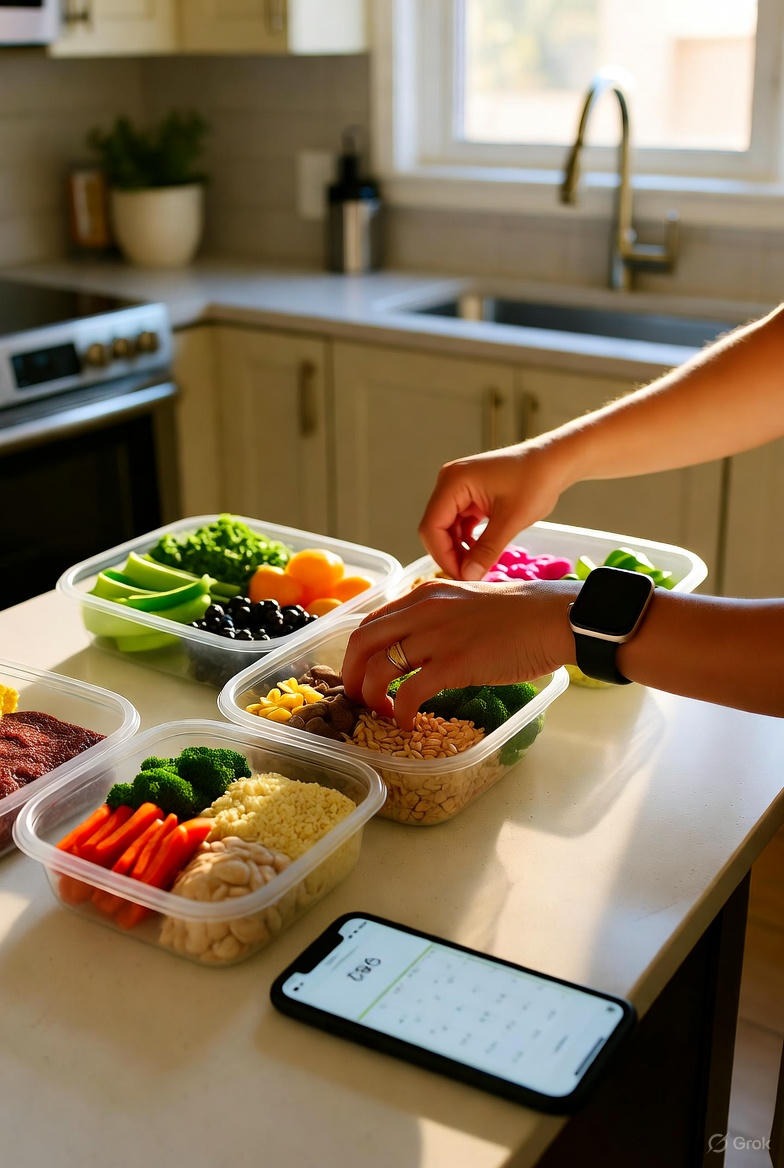
The pursuit of a high HRV transcends weekly recovery scores; it points directly to the pace of aging itself. A growing body of research positions HRV as one of the most sensitive biomarkers of biological age—the functional age of your body's systems, as opposed to your chronological age. Your relationship with caffeine, therefore, may be subtly dialing the hands of your internal clock forward or back.
The Telomere Connection:
Telomeres are the protective caps on the ends of chromosomes that shorten with each cell division, a process accelerated by stress and inflammation. Shorter telomeres are associated with cellular aging and age-related diseases. Studies have found a significant positive correlation between higher HRV and longer telomere length. Chronic SNS activation from high caffeine intake, reflected in low HRV, promotes systemic inflammation and oxidative stress—two key drivers of telomere attrition. By modulating caffeine to optimize HRV, you may be supporting telomere maintenance.
Mitochondrial Efficiency:
Your mitochondria are the power plants of your cells. Their health dictates your energy levels and metabolic vitality. The autonomic nervous system directly regulates mitochondrial function. Parasympathetic (high-HRV) signaling promotes mitochondrial biogenesis (creation of new mitochondria) and efficient oxidative metabolism. Sympathetic (low-HRV) dominance, perpetuated by caffeine, can promote mitochondrial dysfunction and fragmentation. Your daily energy from caffeine may be coming at the expense of your cellular engines' long-term health. A wellness ring tracking HRV trends is, in a sense, providing an indirect readout of your mitochondrial resilience.
Heart-Brain Axis and Cognitive Decline:
HRV is a powerful predictor of cardiovascular health, but it also illuminates brain health via the heart-brain axis. Low HRV is associated with reduced cerebral blood flow, increased risk of stroke, and cognitive decline. The neuroinflammation driven by a dysregulated stress response (exacerbated by high caffeine in sensitive individuals) is a key contributor to neurodegenerative diseases. A stable, high HRV suggests a well-regulated system that protects both heart and brain.
Practical Implications for Aging:
This isn't about adding years to your life, but life to your years—healthspan. The data from your ring allows you to monitor a proxy for biological aging in real-time. If your lifestyle choices, including caffeine consumption, are consistently pushing your HRV into a lower, less stable range, you have an early warning signal that your habits may be accelerating your biological age. Conversely, as you implement changes that raise your HRV baseline, you are effectively investing in a younger-functioning nervous system. This profound connection between daily choices, measurable data, and long-term vitality is a cornerstone of modern preventative health, a vision deeply embedded in Oxyzen's mission.
Let's move from theory to a detailed, data-rich narrative. Meet "Alex," a 38-year-old software engineer and a dedicated user of a smart wellness ring. His story synthesizes all the concepts discussed.
The Baseline (Month 0):
Alex consumed 3-4 cups of coffee daily, starting at 7 AM, with a final cup often at 3 PM to combat the afternoon slump. He described himself as a "poor sleeper" and chronically fatigued despite the caffeine. His 30-day ring data averages:
His data graph showed wild nightly fluctuations in HRV, with no clear trend, and his deep sleep rarely exceeded 45 minutes.
The Intervention (Month 1 - Elimination):
Alex committed to a 30-day caffeine elimination, switching to decaf herbal tea and electrolyte-rich water. He implemented a morning sunlight ritual and a 10 p.m. digital curfew.
The Reintroduction Experiment (Month 2 - Iteration):
Alex began testing.
The New Protocol & Results (Month 3 - Integration):
Alex established his personal protocol: One cup of high-quality matcha before 10 a.m. on weekdays, fully caffeine-free on weekends. He added a 5-minute daily HRV breathing app session.
Alex's transformation was documented not in vague feelings, but in hard data. His ring provided the objective proof that motivated him through withdrawal and the blueprint for a sustainable, high-performance lifestyle. Stories like Alex's, shared in communities and user testimonials, provide invaluable social proof and a roadmap for others.
The path to autonomic optimization is not linear. Understanding common obstacles and having strategies to overcome them is crucial for long-term success.
Pitfall 1: The "I'm Different" Data Blind Spot.
Pitfall 2: Social Pressure and the "Special Occasion" Spiral.
Pitfall 3: Confusing Caffeine Tolerance with Autonomic Tolerance.
Sustaining Motivation: The Power of the Data Narrative:
When motivation wanes, don't rely on willpower. Revisit your data.
The ultimate stage of this journey is the elegant integration of timeless wellness wisdom with cutting-edge quantification. Your wellness ring doesn't replace intuition; it refines and validates it. This synergy creates a holistic practice that is both ancient and futuristic.
Ayurveda & Dosha Balance:
In Ayurveda, caffeine (especially coffee) is considered intensely Pitta-aggravating—heating, sharp, and stimulating. It can also disrupt Vata (the air/ether principle governing the nervous system), leading to anxiety and instability. An Ayurvedic practitioner might identify a caffeine habit as a key disruptor for someone with a Vata or Pitta imbalance. Your ring provides the modern correlate: elevated Pitta (inflammation, heat) may show as high resting heart rate and skin temperature; disturbed Vata (nervous system) as low, erratic HRV and poor sleep. Reducing caffeine, an Ayurvedic recommendation, would be predictably confirmed by a normalization of these metrics.
Traditional Chinese Medicine (TCM) & The Shen:
TCM views coffee as draining to the Kidney Yin (the deep, cooling, restorative energy of the body) and overly stimulating to the Heart Shen (the mind/spirit that resides in the heart). This leads to a false, agitated energy while depleting reserves—a perfect description of the caffeine cycle. The goal in TCM is to "anchor the Shen" for calm, focused vitality. Practices like Tai Chi, Qi Gong, and acupuncture aim to do this. Your ring quantifies the anchored Shen: it is a high, stable HRV, a low RHR, and peaceful, uninterrupted sleep. Using your ring to track the impact of a Tai Chi practice, alongside caffeine reduction, shows you the physiological manifestation of this ancient concept.
The Meditation Feedback Loop:
Countless traditions emphasize meditation for calming the mind. Science shows it increases HRV and strengthens prefrontal cortex regulation of the amygdala (the fear center). By meditating with your ring on, or checking your HRV after a session, you create a direct feedback loop. You can see that the silent, inward practice has a measurable, calming effect on your nervous system. This turns an abstract spiritual practice into a trainable skill for autonomic control, making it more tangible and sustainable in a modern context.
This integration represents the pinnacle of personalized well-being: using technology not as an external authority, but as a mirror to reflect the profound truth of interconnected mind-body systems, a philosophy that resonates deeply with our founding story and values. The ring confirms what sages have long taught: that true vitality comes from balance, not stimulation; from depth, not speed.
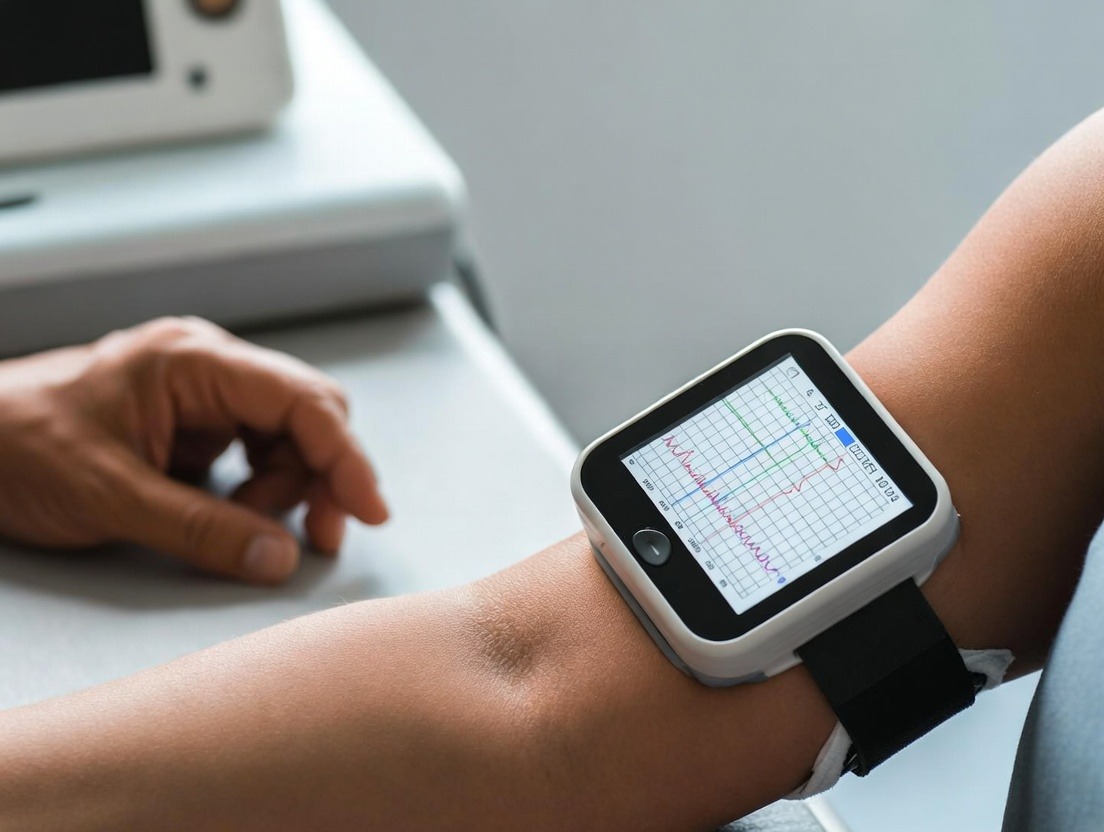
The ultimate testament to the power of strategic social connection is written in the data of a long life. Longitudinal studies, like the famed Harvard Study of Adult Development, deliver one of the most consistent findings in all of health science: The quality of our relationships is a premier predictor of long-term health, happiness, and even longevity. It outperforms wealth, fame, IQ, or even genetics. As we look across the lifespan, the HRV benefits of connection compound, becoming not just a marker of daily resilience but a pillar of aging well.
The Protective Shield Against Decline:
Chronic loneliness in older adults is associated with a 50% increased risk of dementia, a 29% increased risk of heart disease, and a 32% increased risk of stroke. The physiological mechanism? The same one we’ve explored: a perpetually activated stress response, systemic inflammation, poor sleep, and suppressed immune function—all hallmarks of low HRV. Conversely, strong social ties:
Strategic Connection for Later Life Phases:
The social fitness plan must evolve. The goal shifts from building a network to curating and sustaining a core group of meaningful ties and contributing to the next generation.
The vision is an aging process not defined by isolation and decline, but by connected vitality. It’s having a circle of people who notice your spark, who rely on your wisdom, and with whom you share laughter and memory. This social web provides the ultimate safety net for the nervous system, allowing it to maintain greater variability and adaptability into advanced age. The data from your wearable becomes a long-term health journal, showing not just daily stress, but the decades-long protective effect of a life well-connected. This aligns deeply with the long-term vision for human-centric health technology explored in Oxyzen.ai/our-story.
We have journeyed from the molecular mechanics of adenosine blockade to the philosophical integration of ancient and modern wisdom. The through-line is your autonomy—your ability to make informed, conscious choices that align with your body's innate intelligence, as revealed by your technology. Here is your synthesized, actionable blueprint.
Phase 1: The Detective (Weeks 1-2)
Phase 2: The Reset (Weeks 3-6)
Phase 3: The Scientist (Weeks 7-10)
Phase 4: The Architect (Ongoing)
The Ultimate Goal: Effortless Vitality
The endpoint is not a life of restrictive monitoring, but one of effortless vitality. It's a state where your energy is innate and stable, your sleep is deeply restorative, and your nervous system is resilient in the face of life's inevitable stresses. Your wellness ring transitions from a crutch to a compass—checked occasionally to ensure you're still on course, but not constantly stared at.
You began with a simple question about caffeine and a number on a screen. You now possess a framework for a lifetime of intelligent self-care. The silent saboteur has been identified, not to be feared, but to be understood and managed. Your heart's rhythm, once disrupted, can now beat with a variability that speaks of resilience, balance, and a profound, data-validated well-being. This is the promise of the modern wellness journey: not just more data, but more wisdom; not just longer life, but a life lived in vibrant, harmonious connection with the intelligent system that is you.
For continued learning, community support, and advanced resources on your journey, remember that Oxyzen is dedicated to providing the tools and insights to make this wisdom actionable every day.
Your Trusted Sleep Advocate (Sleep Foundation — https://www.sleepfoundation.org/)
Discover a digital archive of scholarly articles (NIH — https://www.ncbi.nlm.nih.gov/
39 million citations for biomedical literature (PubMed — https://pubmed.ncbi.nlm.nih.gov/)
experts at Harvard Health Publishing covering a variety of health topics — https://www.health.harvard.edu/blog/)
Every life deserves world class care (Cleveland Clinic -
https://my.clevelandclinic.org/health)
Wearable technology and the future of predictive health monitoring. (MIT Technology Review — https://www.technologyreview.com/)
Dedicated to the well-being of all people and guided by science (World Health Organization — https://www.who.int/news-room/)
Psychological science and knowledge to benefit society and improve lives. (APA — https://www.apa.org/monitor/)
Cutting-edge insights on human longevity and peak performance
(Lifespan Research — https://www.lifespan.io/)
Global authority on exercise physiology, sports performance, and human recovery
(American College of Sports Medicine — https://www.acsm.org/)
Neuroscience-driven guidance for better focus, sleep, and mental clarity
(Stanford Human Performance Lab — https://humanperformance.stanford.edu/)
Evidence-based psychology and mind–body wellness resources
(Mayo Clinic — https://www.mayoclinic.org/healthy-lifestyle/)
Data-backed research on emotional wellbeing, stress biology, and resilience
(American Institute of Stress — https://www.stress.org/)


