How Sleep Tracking Changed the Way We Understand Rest
Sleep tracking technology fundamentally changed how we understand rest by making detailed sleep data accessible to consumers. This historical perspective explores the revolution from laboratory polysomnography to consumer wearables, democratizing sleep science and enabling widespread sleep optimization beyond medical settings.
How Sleep Tracking Changed the Way We Understand Rest
For centuries, sleep was the great mystery of human existence—a nightly voyage into darkness that we could describe only through the fog of memory upon waking. We knew it was essential, but its internal workings remained locked away, accessible only through subjective feelings of grogginess or refreshment. That all changed when technology gave us a key.
Today, one in three Americans has used an electronic device to monitor their sleep. What began as clunky laboratory equipment has evolved into sleek wearables and smart rings that whisper insights about our health from our wrists and fingers. This technological revolution has done more than just count sheep; it has fundamentally rewritten our relationship with rest. We’ve moved from guessing to knowing, from folklore to data. We now understand that sleep is not a monolithic state of unconsciousness but a dynamic, architecturally complex process critical to every facet of our well-being.
This journey into the night has revealed profound truths: that a good night’s rest is the ultimate performance enhancer, a cornerstone of mental resilience, and a silent guardian of long-term health. This is the story of how sleep tracking pulled back the curtain on our nightly rest, transforming it from a passive biological necessity into an active, measurable pillar of modern wellness.
The Ancient Mystery of Sleep and Our First Tools to Measure It
Long before the glow of smartphone screens, humanity’s attempts to understand sleep were woven from myth, observation, and philosophical guesswork. Ancient Egyptians believed sleep was a brief, nightly voyage into the realm of death, while Greek physicians like Galen theorized it was a time for the brain to cool from the day’s exertions. For most of history, sleep’s value was intuitively understood but scientifically opaque—a private, internal process defined only by its bookends: the moment of surrender and the jarring return to wakefulness.
The first true crack in this mystery appeared in the early 20th century with the invention of the electroencephalogram (EEG). By placing electrodes on the scalp, scientists could finally “see” the brain’s electrical activity. In 1929, German psychiatrist Hans Berger published the first human EEG, revealing that the brain was not silent during sleep but alive with distinctive, rhythmic waves. This was the foundational breakthrough, proving sleep was an active neurological state, not mere absence of consciousness.
The quest to map this activity led to the development of polysomnography (PSG) in the 1950s, a system still considered the “gold standard” of sleep measurement. A full PSG study is an elaborate undertaking: electrodes monitor brain waves (EEG), eye movements (EOG), and muscle tone (EMG), while additional sensors track heart rate, breathing, and blood oxygen. In a controlled lab, this creates a comprehensive biophysical portrait of a night’s sleep, allowing clinicians to identify disorders like sleep apnea and to classify sleep into its distinct stages—light, deep, and REM (Rapid Eye Movement) sleep.
Yet, for all its precision, PSG has profound limitations. It is prohibitively expensive, with a single night in a sleep lab costing up to $2,000. It is also notoriously disruptive. Subjects must sleep in a strange bed, tangled in a web of wires, under the watchful eye of a technician—a scenario almost designed to create unnatural sleep. Researchers call this the “first-night effect,” a documented phenomenon where the stress of the environment leads to poorer, less representative sleep data. As one expert notes, “PSG requires human scoring of raw signals... it is unusual for 2 human scorers to achieve 100% agreement on any sleep record”. This combination of high cost, artificial setting, and subjective analysis made PSG a powerful but deeply flawed tool, utterly impractical for understanding the sleep of a living, moving human in their natural habitat.
What was needed was a bridge—a way to bring objective sleep measurement out of the sterile lab and into the messy, real world. The foundation for that bridge was laid not with brain waves, but with movement.
The Actigraphy Revolution: Sleep Science Leaves the Lab
The breakthrough that freed sleep science from the laboratory arrived in the early 1970s, not with a flash of neurological insight, but with a simple, elegant observation: when people sleep, they move less. Researchers like Foster, Kupfer, and Kripke began experimenting with lightweight telemetric devices to monitor body movement over 24-hour periods. Kripke’s team was the first to call this technique “actigraphy,” and a new field was born.
Early actigraphs were rudimentary, using piezoelectric transducers to detect motion, but their potential was immense. They were affordable, unobtrusive, and could be worn for weeks or months at a time, capturing sleep patterns in the subject’s own home. This was a paradigm shift. For the first time, scientists could study sleep in “free-living conditions,” observing how it intertwined with daily life, stress, and natural routines.
The evolution of actigraphy was driven by increasingly sophisticated algorithms. In the 1980s and 90s, researchers like Webster, Cole, and Sadeh developed automated scoring systems that compared actigraphy data to PSG records, refining the rules that distinguished sleep from wake. These algorithms typically analyzed data in one-minute chunks, or “epochs,” looking for periods of sustained inactivity to mark as sleep.
However, a critical flaw emerged—one that still echoes in consumer devices today. Actigraphs became exceptionally good at detecting sleep (high sensitivity) but were poor at detecting quiet wakefulness (low specificity). If you lay still in bed reading, the device would likely score it as sleep. This bias meant actigraphs systematically overestimated total sleep time, a limitation researchers had to carefully account for. As one analysis starkly demonstrated, a “naïve model” that scored every single epoch as sleep could still achieve 88% accuracy simply because most of the night is spent asleep.
Despite this, actigraphy earned its title as the “silver standard” of sleep measurement. It became an indispensable tool for large-scale sleep studies, shift work research, and investigating circadian rhythm disorders. It proved that valuable, objective sleep data could be gathered outside the lab, paving the way for the next, even more disruptive phase: the moment when sleep tracking technology jumped from the domain of scientists and clinicians and landed squarely on the wrists of the general public.
The Consumer Boom: From Niche Tool to Mainstream Wellness Obsession
The leap from clinical actigraphs to the consumer wearables of the 2010s was less a step and more a quantum jump, fueled by the convergence of miniaturized sensors, ubiquitous smartphones, and a growing cultural fixation on quantified health. Almost overnight, sleep tracking ceased to be a specialist’s tool and became a mainstream wellness feature, embedded in devices from Fitbit, Jawbone, Garmin, and Apple.
This democratization was staggering in its scale and speed. A systematic review noted that by 2017, 35% of studies utilizing sleep trackers were based in the United States and focused on healthy adults, highlighting the rapid adoption for personal, rather than purely clinical, use. People weren’t just tracking steps anymore; they were obsessed with their sleep scores, stage breakdowns, and nightly SpO2 readings. A 2023 survey by the American Academy of Sleep Medicine found that one in three Americans had now used a sleep tracker, cementing its place in the modern health lexicon.
The appeal was obvious. For a few hundred dollars, anyone could gain what felt like a window into their own biology. These devices promised to reveal the hidden architecture of the night:
Sleep Stages: Estimating time spent in light, deep, and REM sleep based on movement and heart rate patterns.
Sleep Quality Metrics: Providing scores for sleep duration, efficiency (time asleep vs. time in bed), and restlessness.
Vital Sign Monitoring: Tracking resting heart rate, heart rate variability (HRV), and blood oxygen levels throughout the night.
This data flood created a new kind of health awareness. Users could see, for the first time, the direct impact of a late-night coffee, a stressful day, or a poor mattress on their sleep metrics. It turned abstract sleep advice into personal, actionable insights. As noted by sleep medicine specialist Dr. Brian Chen, these devices “can clue you in if something is off or if there’s a pattern of behaviors that’s disrupting your ability to rest”.
However, this boom came with significant and often overlooked caveats. The market exploded faster than the science could validate it. Validation studies lagged behind commercial proliferation. Many devices made bold claims about tracking sleep stages, but experts consistently warned that “there’s no real way to measure this accurately without getting a sleep study in a medical setting”. The core actigraphy problem persisted: consumer devices, optimizing for user experience, often had even poorer specificity, leading them to overestimate sleep efficiency and total sleep time.
Furthermore, the “black box” problem became paramount. Unlike the publicly published algorithms of academic actigraphy, the algorithms powering consumer wearables are proprietary secrets. They can change with any software update, without user notification, making longitudinal tracking and independent verification difficult. This lack of transparency led to a crucial dichotomy: while these devices were powerful tools for raising awareness and encouraging healthy behaviors, they were—and often still are—unreliable for clinical diagnosis. This tension between empowering self-knowledge and risking misinterpretation lies at the heart of the modern sleep-tracking experience, a tension that would soon be addressed by a new, more intimate form factor: the smart ring.
The Rise of the Smart Ring: Unobtrusive, All-Day Biomonitoring
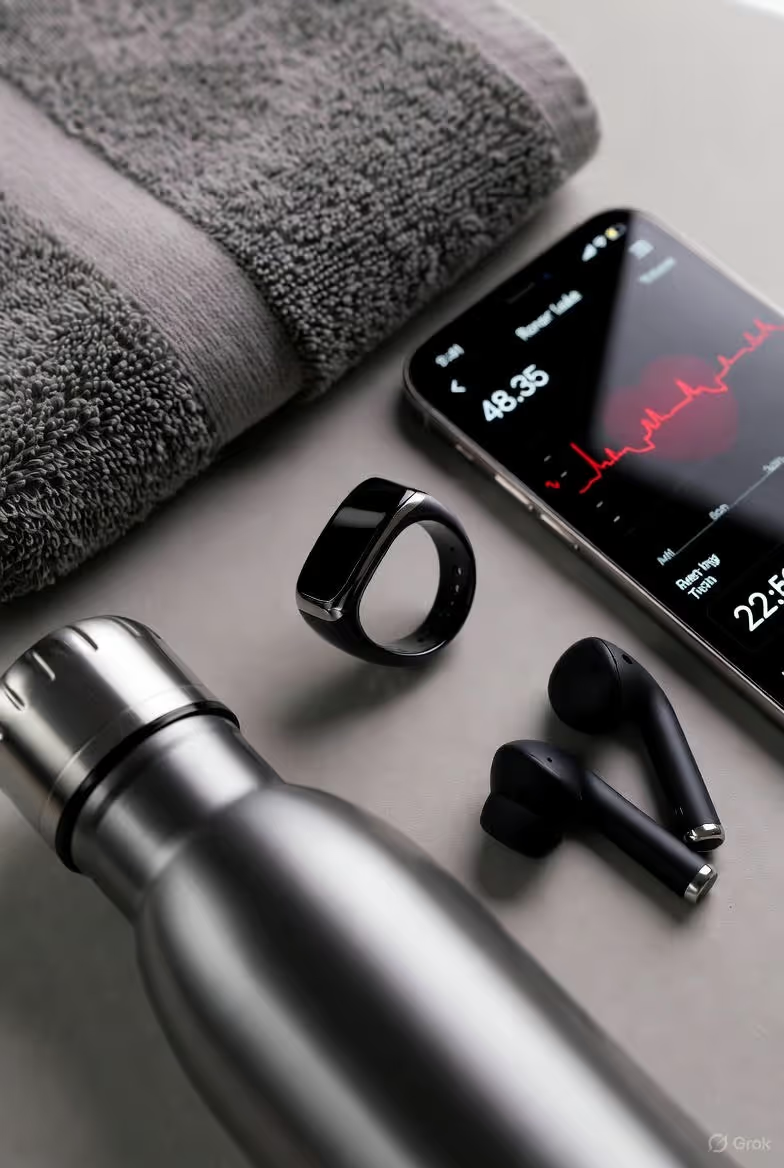
Just as the wristwatch seemed the natural home for activity tracking, a new contender emerged from an unexpected place: the finger. Smart rings like the Oura Ring, RingConn, and Samsung Galaxy Ring represent the latest evolution in wearable design, moving beyond the wrist to offer a more seamless and continuous form of biomonitoring.
The fundamental advantage of the ring is its unobtrusive nature. Weighing as little as 2.5 grams and often only 2mm thick, a smart ring like the RingConn Gen 2 Air disappears on the finger, avoiding the bulk and potential discomfort of a watch, especially during sleep. This lightweight, “forgettable” design solves a critical problem for consistent tracking: user compliance. It’s easy to take a watch off at night; a comfortable ring is worn for weeks at a time, enabling truly continuous data collection.
This constant wear unlocks a deeper, more holistic view of health. By residing on the finger, these devices have superior access to the vasculature in the fingertip, allowing for strong photoplethysmography (PPG) signals to measure heart rate and blood oxygen saturation (SpO2). They add a critical new metric: continuous skin temperature monitoring. Nocturnal body temperature is a key signal of circadian rhythm and can reveal disturbances long before other symptoms appear.
The latest generation of smart rings, such as the Oura Ring 4, pack an impressive array of sensors into their tiny frames. According to expert reviews, they provide “accurate activity and sleep data” and “detailed sleep tracking” that rivals and sometimes surpasses wrist-based devices. They monitor:
Sleep Architecture: Breakdown of sleep stages, latency, and disturbances.
Autonomic Nervous System Function: Through 24/7 heart rate and HRV tracking.
Respiratory Health: By monitoring breathing rate and detecting potential irregularities.
Recovery & Readiness: Synthesizing data into daily scores that advise on strain or needed rest.
Perhaps most importantly, the ring form factor bridges the day-night divide in health tracking. It doesn’t just track sleep; it provides the context for it. It shows how daytime stress, activity, and habits directly impact nocturnal recovery. For a deeper dive into how this seamless tracking works and its benefits, you can explore our blog for more wellness tips.
Of course, smart rings are not without limitations. Reviews note they can have “minimal exercise tracking” capabilities compared to dedicated sports watches and may show “some inaccurate heart rate readings” during intense workouts. Their small size also limits battery and processing power. However, for the core mission of holistic health and sleep monitoring, they represent a significant step forward in comfort, consistency, and the richness of passive data collection, setting the stage for the next frontier: making sense of all this data through artificial intelligence.
The AI Sleep Coach: From Raw Data to Personalized Insight
The true value of tracking 10,000 data points per night is zero if you cannot understand what they mean. This has been the central challenge of the sleep-tracking revolution: the transition from data collection to actionable insight. The latest wave of innovation is tackling this head-on by integrating Artificial Intelligence (AI) and machine learning, transforming passive trackers into proactive, personalized health guides.
Modern devices no longer just show charts; they interpret them. AI algorithms analyze longitudinal data—weeks or months of your unique sleep, activity, and vital signs—to identify patterns invisible to the human eye. They can learn that for you, two cups of coffee after 2 PM consistently truncates deep sleep by 15%, or that a 30-minute evening walk improves sleep efficiency by a measurable percentage. This moves guidance from generic (“get 8 hours of sleep”) to hyper-personized (“based on your data, aim to be in bed by 10:45 PM tonight for optimal recovery”).
This AI-driven personalization is becoming a key differentiator. For example:
Predictive Health Insights: Some devices now use temperature and HRV trends to predict the onset of illness, like a common cold, often before you feel symptoms.
Women’s Health Integration: Rings like Oura and RingConn use basal body temperature trends to predict menstrual cycles and ovulation with high accuracy, linking reproductive health directly to sleep and recovery patterns.
Dynamic Feedback Loops: Instead of a static morning report, AI can provide real-time, context-aware nudges. If your daytime stress score is high, it might suggest a breathing exercise before bed. If your sleep was poor, it could adjust your daily activity goal.
This evolution mirrors a broader trend in sleep tech, where, as industry observers note, the next step “goes beyond tracking—toward tools that directly and measurably impact sleep quality”. Companies are exploring how AI can not just report on sleep but actively orchestrate the environment for it, integrating with smart thermostats, lighting, and sound machines to create the ideal conditions for rest as you drift off.
The promise is a closed-loop system: the device measures your physiology, the AI interprets it and understands your habits, and the system gently guides your behavior and environment to optimize outcomes. It’s the culmination of the tracking journey: a shift from wondering “how did I sleep?” to knowing precisely “what should I do to sleep better?” For those curious about the science and technology behind these personalized insights, you can learn more about smart ring technology.
What We Learned: The Five Fundamental Shifts in Understanding Sleep
The collective data from millions of nights of tracked sleep has produced something far more valuable than personal stats: it has generated a new, evidence-based public consciousness about rest. Sleep tracking has fundamentally altered our understanding in five key ways, dismantling old myths and building new, actionable truths.
1. Sleep is Non-Negotiable for Cognitive Performance. Data has irrefutably linked poor sleep to next-day deficits in focus, memory consolidation, and emotional regulation. We now see sleep not as downtime, but as essential cognitive maintenance. The brain doesn’t shut off; it cleans house (clearing metabolic waste via the glymphatic system), files memories, and resets emotional circuits. A high “sleep score” is now understood as the ultimate productivity hack.
2. Rest is an Active Physiological Process, Not Passive. Tracking reveals the dynamic symphony of the night: the pulse of heart rate variability, the dance of core temperature, the architecture of sleep cycles. This has shown that rest is a highly active, regulated state critical for hormonal balance (regulating cortisol, growth hormone, and hunger hormones like leptin and ghrelin), immune function, and cellular repair.
3. There is No Universal “Perfect 8 Hours.” While 7-9 hours is the general recommendation, data highlights profound individual variation. Sleep tracking has popularized the concepts of chronotypes (genetically influenced “night owl” or “morning lark” tendencies) and individual sleep architecture needs. The goal shifted from a rigid hour target to achieving consistent, high-quality sleep cycles tailored to one’s own biology.
4. Sleep is Deeply Interconnected with Daytime Health. The ring that tracks 24/7 has made this undeniable. We can now see the direct line from a stressful meeting (spiking HRV) to a restless night, or from a strenuous workout (elevated body temp) to increased deep sleep. Sleep is no longer an isolated island but the central hub connecting physical activity, mental stress, metabolic health, and recovery.
5. Empowerment Through Objectivity. Perhaps the most significant shift is psychological. For those plagued by insomnia or fatigue, subjective feelings can be misleading and anxiety-inducing. (“Did I sleep at all?”). Objective data provides a powerful anchor of reality. It can validate struggles, showing frequent awakenings, or provide reassuring proof of adequate rest despite feeling tired (which may point to other issues like diet or hydration). This data empowers individuals to have informed conversations with healthcare providers and to take targeted, evidence-based steps to improve their sleep hygiene.
The Double-Edged Sword: Benefits, Anxiety, and the “Orthosomnia” Trap
For all its empowerment, the sleep-tracking revolution has spawned an unexpected shadow: the potential to make people worse sleepers. Clinicians have coined the term “orthosomnia” to describe a condition where an unhealthy preoccupation with perfect sleep data ironically leads to increased anxiety and worsening sleep.
This paradox highlights the double-edged sword of self-quantification. The same device that provides enlightening feedback can become a source of nightly performance pressure. The benefits are clear:
Awareness & Pattern Recognition: Identifying the impact of caffeine, alcohol, or late screen time.
Motivation for Positive Change: Encouraging consistent bedtimes and wind-down routines.
Early Detection of Red Flags: Noting persistent low blood oxygen or erratic breathing that could suggest sleep apnea, prompting a timely doctor’s visit.
Yet, the risks are equally real:
Data-Driven Anxiety: Watching the clock while struggling to fall asleep, knowing the “sleep latency” metric is climbing.
Misplaced Trust in Imperfect Metrics: Treating a device’s sleep stage estimate (which even experts caution can be inaccurate) as gospel, leading to frustration when feeling tired despite a “good” score.
Self-Diagnosis and Doctor Distrust: Perhaps most concerningly, studies have documented cases where patients dismiss a sleep specialist’s diagnosis because it conflicts with their wearable’s data. This undermines the professional healthcare relationship and can delay proper treatment.
The key to harnessing the power of tracking while avoiding its pitfalls lies in cultivating a healthy relationship with the data. Experts recommend using trackers not as judges, but as guides. Look at weekly trends, not nightly scores. Prioritize how you feel upon waking—your subjective sense of refreshment—over the absolute numbers on the screen. The device is a tool for curiosity and experimentation, not a source of absolute truth. As the team at Sleep.me advises, “It’s important to be patient, as improvements in sleep quality may not be immediate”. If you find yourself feeling more anxious about sleep because of your tracker, it may be time to put it away for a month and reconnect with your body’s natural signals.
The Cutting Edge: Where Sleep Tracking is Heading Next
The trajectory of sleep technology points toward a future that is more integrated, more clinical, and profoundly more personalized. The frontier is no longer about counting minutes of deep sleep, but about understanding the quality of those minutes and using that understanding to actively engineer better rest.
One of the most promising frontiers is the move toward low-cost, accessible EEG. Startups and established brands are racing to develop comfortable, consumer-grade headbands or patches that can directly monitor brain waves at home. This would provide true sleep staging accuracy outside the lab, moving beyond the proxies of movement and heart rate. Imagine a device that doesn’t just guess you’re in REM sleep but knows it definitively because it’s reading your brain’s theta waves.
Further out, we see the convergence of tracking and intervention into seamless systems. Future sleep ecosystems might integrate a ring that measures your real-time physiology with a smart mattress that adjusts firmness and temperature throughout the night, or with environmental controls that use acoustic or gentle thermal pulses to guide the brain into deeper, more stable sleep stages. This is the shift from passive observation to active sleep optimization.
Perhaps the most significant trend is the blurring line between consumer tech and clinical medicine. The FDA has begun clearing certain algorithms in consumer wearables for features like atrial fibrillation (AFib) and sleep apnea detection. This paves the way for a new model of decentralized healthcare, where continuous monitoring at home can provide robust longitudinal data to physicians, enabling early intervention and remote patient management. The future may see your primary care doctor reviewing your 90-day sleep and HRV trend alongside your bloodwork during an annual physical.
Finally, the application of advanced AI and population-level data will unlock deeper insights. By analyzing anonymized data across millions of users, researchers could discover novel biomarkers for neurological conditions like depression or Parkinson’s disease, linked to subtle, previously undetectable changes in sleep architecture years before clinical diagnosis. This transforms the wearable from a personal tool into a contributor to a global, living body of health knowledge. The journey of discovery that began with a single EEG wire is now accelerating toward a future where our understanding of rest is as dynamic, interconnected, and intelligent as the technology that measures it.
Conclusion: Integrating Knowledge for Truly Restful Sleep
The journey from the first rudimentary actigraphs to today’s AI-powered smart rings is more than a history of technological innovation; it is the story of humanity finally turning a light on in the dark. Sleep tracking has demystified the night, transforming sleep from a vague, subjective experience into a rich, data-informed dialogue with our own biology. We have learned that rest is not a simple commodity of time but a complex, active, and deeply personal pillar of health.
The greatest lesson of this revolution is one of balance. The ultimate goal is not to achieve a perfect score on a screen, but to use the knowledge gained to foster a healthier, more intuitive relationship with sleep. It’s about leveraging data to create the conditions for great sleep—consistent routines, a cool and dark environment, managed stress—and then trusting the process. The tracker is a compass, not the destination.
As we stand at this intersection of technology and wellness, the future of rest looks intelligent, personalized, and seamlessly integrated into our lives. The tools will continue to evolve, becoming more accurate and more insightful. Yet, the core principle remains: true rest is achieved when we listen to the data, understand its story, and then have the wisdom to sometimes put the device away and simply let go, allowing the ancient, essential mystery of sleep to do its restorative work.
We invite you to continue this exploration of holistic wellness. To see how these principles are put into practice through innovative technology, discover how Oxyzen works or read our complete guide to integrating sleep intelligence into your daily life for lasting vitality.
The Scientific Backbone: Validating the Tech We Trust
For the millions who glance at a sleep score each morning, a critical question hums quietly in the background: “Can I actually trust this number?” The journey from raw sensor data to a simple, digestible score on your phone is a complex one, governed by proprietary algorithms and scientific validation. Understanding this process—the rigorous science that separates reliable insights from digital guesswork—is key to becoming an informed user of sleep technology.
The gold standard for validating any sleep-tracking method remains the in-lab polysomnography (PSG) test. To earn credibility, a consumer device must demonstrate that its automated scoring aligns closely with the manual scoring of sleep experts analyzing a full PSG record. This is typically measured using statistical agreements like Cohen’s Kappa (κ), which assesses how well two methods agree beyond mere chance. A Kappa value above 0.8 is considered almost perfect agreement, while values between 0.6 and 0.8 indicate substantial agreement.
Independent studies have painted a nuanced picture of device accuracy. Research consistently shows that modern wearables are highly reliable at distinguishing sleep from wake and estimating total sleep time, especially for individuals with relatively normal sleep patterns. Where the challenge arises is in the granular breakdown of sleep stages—Light, Deep, and REM sleep. A seminal 2017 study published in Sleep Medicine Reviews concluded that while multi-sensory devices (using both accelerometry and heart rate) showed promise, the accuracy for specific sleep staging was “not yet adequate” for clinical use compared to PSG.
The latest generation of devices, however, is closing this gap. For instance, a 2022 validation study of a leading smart ring against PSG showed it achieved a 93% agreement for total sleep time and an 84% agreement for four-state sleep staging (Wake, Light, Deep, REM)—a marked improvement indicative of better sensors and more sophisticated algorithms. This trend underscores a vital principle for users: all sleep trackers are estimates, not medical diagnostics. They are exceptionally good tools for tracking trends and changes in your personal sleep over time, which is where their true power lies. For more detailed explorations of the science behind wearables, you can find related articles in our wellness technology blog.
Furthermore, the landscape of validation is evolving. Beyond PSG comparison, researchers are now developing new benchmarks, like using devices to measure the physiological impact of sleep interventions (e.g., Cognitive Behavioral Therapy for Insomnia) or their ability to reliably detect sleep disorders like apnea through consistent overnight oxygen desaturation patterns. This shift from “does it match the lab?” to “does it capture meaningful, real-world health signals?” represents the next frontier in building trustworthy technology. As the science solidifies, users can move forward with greater confidence, using their data not as an absolute truth, but as a highly informative guide to their own unique sleep landscape.
A New Language of the Night: Key Metrics Explained
Before the era of sleep tracking, our vocabulary for rest was limited: “tossed and turned,” “slept like a log,” “woke up groggy.” Today, we have a new lexicon—a set of quantitative metrics that describe the night’s journey with startling precision. Understanding this language is essential to moving from simply collecting data to truly understanding what it says about your health.
At the foundation are the architectural metrics, the basic pillars of sleep quantity and continuity:
Total Sleep Time (TST): The actual minutes spent asleep. While the 8-hour rule is a generalization, tracking your TST helps you find your personal optimal range.
Sleep Efficiency: Perhaps more important than raw time, this is the percentage of time in bed actually spent sleeping. A score above 85% is generally considered good, indicating you are falling asleep relatively quickly and not lying awake for long periods.
Sleep Latency: The time it takes to fall asleep. An average of 15-20 minutes is normal. Consistently very short latency (under 5 minutes) can indicate significant sleep deprivation, while very long latency (over 30 minutes) may point to anxiety or poor sleep hygiene.
Beyond architecture, modern devices reveal the quality metrics, which delve into the restorative depth of sleep:
Deep Sleep (Slow-Wave Sleep): This is the physically restorative phase, crucial for tissue repair, immune function, and growth hormone release. Adults typically need 1.5-2 hours of deep sleep per night, usually concentrated in the first half of the night.
REM Sleep: The mentally restorative phase, associated with dreaming, memory consolidation, and emotional processing. We need about 1.5-2 hours of REM, with periods getting longer in the second half of the night.
Restlessness: Measured by the number of major body movements or micro-awakenings. High restlessness can fragment sleep, preventing sustained periods in deep and REM stages.
The most advanced metrics come from our autonomic nervous system (ANS), offering a real-time window into the body’s state of recovery or stress:
Resting Heart Rate (RHR): Your lowest average heart rate during sleep. A lower, stable RHR typically indicates better cardiovascular fitness and recovery.
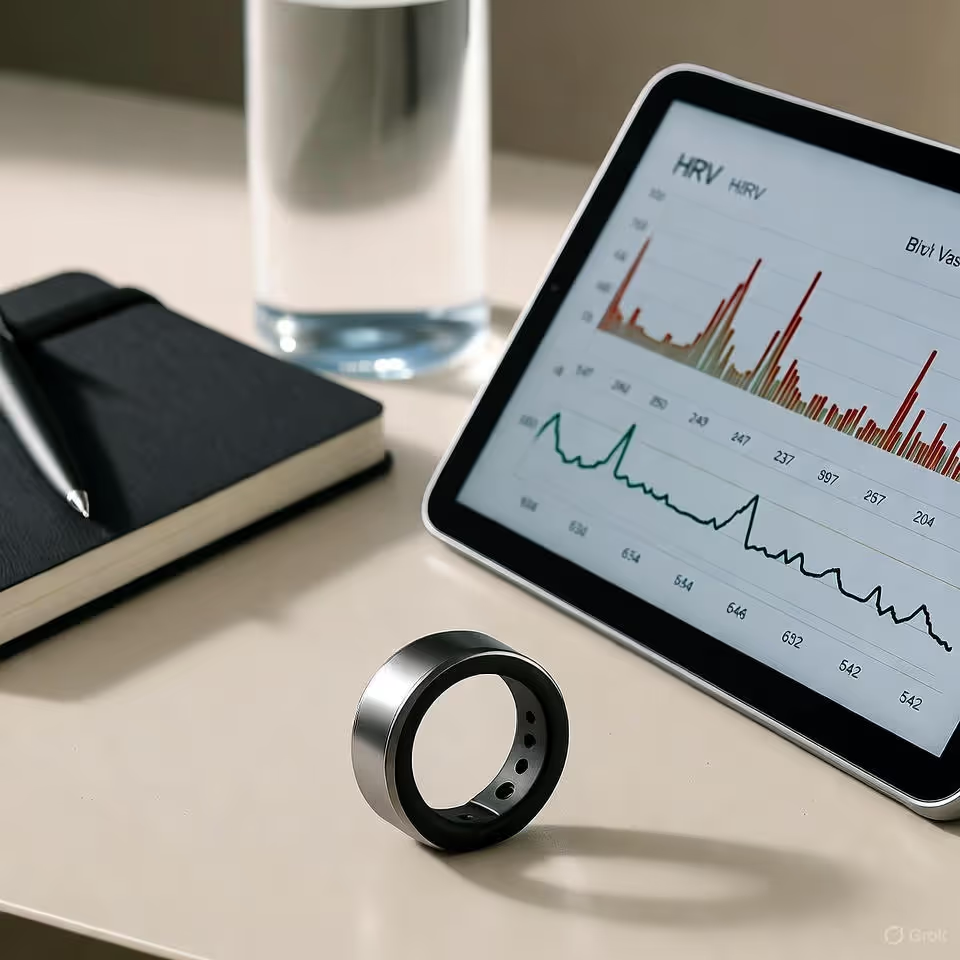
Heart Rate Variability (HRV): The subtle variation in time between heartbeats, controlled by the ANS. A higher HRV during sleep generally signals a stronger “rest-and-digest” (parasympathetic) response, meaning your body is effectively recovering. It is one of the most sensitive metrics for stress, fatigue, and illness.
Respiratory Rate: The number of breaths per minute. A stable rate between 12-20 is normal for adults. Significant deviations or erratic patterns can be a flag for further investigation.
Finally, environmental and biometric signals add crucial context:
Skin Temperature: Nocturnal temperature fluctuations are a core circadian signal. A discernible drop is needed to initiate sleep, and a rise helps signal wakefulness.
Blood Oxygen (SpO2): Consistently low overnight oxygen saturation (below 95%) or frequent dips can be a key indicator of sleep-disordered breathing.
Learning to “read” this symphony of data is the key. For example, a night with good duration but low deep sleep and high resting heart rate tells a story of physical strain or incomplete recovery, suggesting a need for more rest. This nuanced understanding empowers you to connect the dots between your daily life and your nightly restoration. For those seeking to understand how these metrics interact in popular devices, our FAQ section addresses common questions about data interpretation and accuracy.
Sleep Across a Lifetime: How Tracking Needs Change From Cradle to Golden Years
Sleep is not a static process; it is a dynamic journey that evolves dramatically from infancy through old age. Sleep tracking, therefore, is not a one-size-fits-all tool. Its application, interpretation, and most valuable insights shift profoundly depending on one’s stage of life, reflecting the changing biological and social demands placed on the body and mind.
In Infancy and Childhood, sleep tracking is often used by parents to establish patterns and identify irregularities. The primary focus is on total sleep duration, which is extensive and includes high amounts of essential deep and REM sleep for development. For newborns, sleep is polyphasic (occurring in multiple chunks throughout 24 hours), gradually consolidating into a nighttime pattern. Trackers can help parents differentiate between sleep cries and awake cries, and ensure the child is meeting age-appropriate sleep needs—a critical factor for cognitive and physical growth.
During Adolescence, a profound biological shift occurs: the circadian rhythm naturally delays. This makes teens “night owls” by biology, not just choice, conflicting sharply with early school start times. Tracking in this group can validate the struggle, showing delayed sleep onset and chronic sleep debt. The data becomes a powerful advocacy tool, highlighting the mismatch between biological needs and societal schedules, and can support arguments for healthier school start times and better sleep hygiene practices.
For Adults in Prime Working Years, sleep tracking often centers on performance and recovery. This is the stage where stress, career demands, family responsibilities, and social life exert maximum pressure on sleep. Metrics like sleep efficiency, deep sleep, and HRV become crucial. Adults use tracking to see the direct impact of work stress, alcohol, exercise, and blue light exposure on their recovery. It becomes a tool for optimizing daytime performance, managing energy, and preventing burnout. Many discover, through data, the non-negotiable link between a good night’s rest and their ability to perform under pressure.
In the Middle and Golden Years, the focus shifts again. Sleep architecture naturally changes: deep sleep decreases, sleep becomes more fragmented with more frequent awakenings, and circadian rhythms can weaken and advance (leading to earlier bed and wake times). Here, tracking transitions toward health surveillance. Consistent monitoring of SpO2 can help screen for sleep apnea, which becomes more common. Tracking restlessness and wake-after-sleep onset (WASO) can provide concrete data for discussions with a doctor about age-related sleep changes or conditions like restless leg syndrome. Furthermore, strong data links have emerged between poor sleep quality in older adults and increased risk for cognitive decline, making sleep tracking a potential component of long-term brain health strategy.
Understanding these life-stage nuances prevents misinterpretation. A 70-year-old should not expect the same deep sleep percentage as a 25-year-old athlete. The value of tracking lies in establishing a personal baseline within your current life chapter and then monitoring for significant deviations from that norm, which can be the most meaningful indicator of a changing health status. This longitudinal, life-stage-aware perspective is where wearable data transitions from interesting to genuinely insightful.
The Global Sleep Crisis: How Data Reveals a Tired World
The aggregation of anonymized data from millions of sleep trackers worldwide has done more than inform individual users; it has generated a startling, data-rich portrait of a planet struggling to rest. This macro view reveals what experts now call a global sleep crisis, characterized by widespread sleep deprivation and irregularity that cuts across cultures and economies.
Large-scale analyses from wearable companies and research consortiums paint a consistent picture. On average, people are getting less than the recommended 7 hours of sleep on weeknights, often “catching up” with longer, later sleep on weekends—a pattern known as social jetlag. This weekly cycle of debt and repayment disrupts circadian rhythms and is associated with poorer metabolic health. The data shows that sleep duration and quality often dip sharply in midlife (ages 30-50), the years typically burdened by peak career and family responsibilities, before showing slight recovery in later years.
The crisis is not evenly distributed. Tracking data reveals significant socioeconomic and geographical disparities. A landmark study using data from wearable activity trackers across 68 countries found a strong correlation between economic development and sleep timing, but not necessarily duration. People in more prosperous, individualistic countries often have more regular sleep schedules but may sleep less due to longer work hours and higher consumption of media and caffeine. In contrast, regions with stronger collective social rhythms and different daily structures (like siestas) show different, sometimes more segmented, sleep patterns.
Perhaps the most telling insights come from tracking the enemies of modern sleep:
The Blue Light Glow: Data consistently shows delayed sleep onset and reduced melatonin production correlated with evening screen use.
The 24/7 Economy: Shift workers, as tracked by their devices, show profoundly disrupted circadian rhythms, with higher incidences of sleep fragmentation and lower sleep efficiency.
The Stress Pandemic: Periods of global or local crisis (e.g., the COVID-19 pandemic) were immediately visible in aggregate sleep data, showing massive spikes in anxiety-driven sleep disturbances, later bedtimes, and altered dreaming patterns.
This global dataset transforms sleep from a private concern into a public health imperative. It provides undeniable evidence for policymakers on the health costs of sleep loss—links to obesity, diabetes, cardiovascular disease, and mental health disorders—strengthening the case for public health campaigns, later school start times, and workplace wellness programs that prioritize rest. For the individual user, seeing their personal data as part of this larger tapestry can be both validating and motivating. It’s a reminder that the struggle for good sleep is a modern condition, but one that can be managed with intention and the insights drawn from our own nightly data. The mission of companies in this space is to provide the tools for that management, a journey you can learn more about on our our story page.
Bridging the Gap: Taking Your Sleep Data to the Doctor
One of the most powerful yet underutilized applications of personal sleep tracking is its potential to enhance the patient-clinician dialogue. Walking into a doctor’s office and saying “I’m tired” is subjective and vague. Walking in with a 90-day trend graph showing chronic short sleep, elevated resting heart rate, and frequent oxygen dips is concrete and actionable. This is the new frontier: transforming personal wellness data into clinically relevant information.
To make this bridge effective, preparation is key. Doctors are time-constrained, so presenting data clearly is crucial. Before an appointment, users should:
Focus on Trends, Not Nights: Do not bring printouts of 90 individual daily reports. Instead, use your app’s trend view (weekly or monthly averages) to identify patterns. Are your sleep latency and resting heart rate trending up over the last three months?
Highlight Specific Concerns: Note correlations you’ve observed. “My data shows my sleep efficiency drops below 70% and my SpO2 has these dips whenever I note ‘sinus congestion’ in the app.”
Prepare Questions: Use the data to formulate specific questions. “Given my consistently low deep sleep and high HRV stress scores, could we explore potential causes like anxiety or nutrient deficiencies?”
This data can be particularly powerful in identifying sleep disorders. While a consumer device cannot diagnose, it can provide strong evidence to justify a referral to a sleep specialist or for a formal sleep study (PSG). For example:
Sleep Apnea: Repeated, patterned dips in blood oxygen (SpO2) and spikes in resting heart rate throughout the night are classic red flags for obstructive sleep apnea.
Insomnia: Data showing consistently long sleep latency (>30 mins) and low sleep efficiency (<75%) over weeks objectively documents the problem beyond subjective complaint.
Circadian Rhythm Disorders: Graphs showing an extremely delayed or advanced sleep-wake cycle, out of sync with social demands, can help diagnose Delayed Sleep Phase Syndrome or Advanced Sleep Phase Syndrome.
The medical community’s stance is evolving. While many physicians initially viewed consumer data with skepticism, there is growing acceptance of its utility for monitoring and motivating. The American Academy of Sleep Medicine, while cautioning against self-diagnosis, acknowledges that data from validated devices can be a useful tool for tracking treatment progress, such as seeing improved sleep efficiency after starting Cognitive Behavioral Therapy for Insomnia (CBT-I).
The key to a productive conversation is humility and collaboration. Present your data as a record of your observations—“This is what I’m seeing; what do you think it might mean?”—rather than as a self-diagnosis. This positions the wearable as a collaborative tool that enhances, rather than challenges, the clinician’s expertise. When used thoughtfully, the sleep tracker becomes a powerful conduit, translating the silent language of the night into a clear dialogue that can lead to better health outcomes. For users who have questions about how to best use their device in conjunction with healthcare, our support and FAQ portal offers further guidance.
Optimizing Your Environment: From Data to a Perfect Sleep Sanctuary
Sleep tracking excels at showing you the what—the outcomes of your night. The true art of sleep hygiene is mastering the how—crafting the environment and behaviors that lead to those optimal outcomes. Data provides the feedback loop; you provide the action. By experimenting and observing how changes affect your metrics, you can engineer your personal sleep sanctuary.
The foundation is the physical environment, which should signal safety and darkness to the primal brain.
Temperature: Data consistently shows that a cool room (around 65°F or 18°C) is ideal for initiating sleep, as it facilitates the necessary drop in core body temperature. Smart thermostats can be programmed to lower the temperature at bedtime and raise it slightly before waking.
Darkness: Even small amounts of light can fragment sleep and suppress melatonin. Blackout curtains are essential. Consider an eye mask, and eliminate or cover all LED lights from electronics. Red nightlights are less disruptive than blue or white light if needed.
Sound: A silent room isn’t always best; sudden noises can cause micro-arousals. Consistent white, pink, or brown noise can mask disruptive sounds. Many trackers now include a “snore detection” or “noise log” feature that can help you identify problematic environmental sounds you might sleep through.
Equally critical is the behavioral environment in the hours before bed, often called “sleep hygiene.”
The Wind-Down Routine: Your data will likely show the negative impact of high stimulation before bed. Create a 60-90 minute buffer zone. Use this time for calming activities: reading a physical book, light stretching, meditation, or a warm bath (the subsequent cooldown aids sleep onset).
Digital Sunset: The blue light from screens is a potent circadian disruptor. Enforce a strict cutoff 60 minutes before bed. If necessary, use device settings to activate a red-shift filter in the evening.
Mind the Intake: Track the impact of caffeine (note its 6-8 hour half-life), alcohol (which may help you fall asleep faster but reliably fragments sleep and decimates REM sleep in the second half of the night), and heavy meals too close to bedtime.
Your tracking device is the perfect tool for experimentation. The process is simple:
Change One Variable: For one week, introduce a single change (e.g., using blackout curtains, stopping caffeine after 2 PM, or starting a 20-minute meditation).
Observe the Data: At the week’s end, look at your average scores for sleep latency, deep sleep percentage, and HRV compared to the previous week.
Iterate: Keep what works and discard what doesn’t. This data-driven, personalized approach is far more effective than blindly following generic tips.
Finally, consider proactive relaxation technology. The market now offers devices that use gentle, rhythmic stimulation to guide the brain into a relaxed state. For example:
Audio Guidance: Apps or devices that use binaural beats or isochronic tones at specific frequencies (in the delta or theta range) to encourage brainwave entrainment for sleep.
Tactile Stimulation: Wearable devices that provide subtle, rhythmic vibration pulses on the wrist, designed to slow breathing and heart rate.
Temperature Regulation: Advanced mattress pads or wearable devices that actively cool the body’s core temperature to signal sleep onset.
By treating your sleep environment as a system to be optimized—using your tracker’s data as the ultimate report card—you transition from being a passive sleeper to an active architect of your own restoration. This sense of agency is one of the most profound psychological benefits of the sleep-tracking revolution.
The Mind-Sleep Connection: Tracking Mental Health and Emotional Restoration
Perhaps the most intimate revelation from sleep tracking is the undeniable, bidirectional link between our nighttime rest and our daytime mental and emotional world. The data provides a tangible, physiological map of this connection, showing how stress, anxiety, and mood are both causes and consequences of our sleep quality.
Sleep, particularly REM sleep, acts as an overnight therapist. During REM, the brain processes emotional experiences, stripping away the intense emotional charge from memories while retaining the factual content. This is why a night of good sleep can make a problem feel more manageable, and why REM sleep deprivation is linked to heightened emotional reactivity and anxiety. Tracking can reveal this: a period of high stress often shows up as fragmented REM sleep or an altered ratio of deep-to-REM sleep, as the brain struggles to manage the emotional load.
Conversely, sleep tracking metrics have become leading indicators for mental health fluctuations. Two metrics are especially telling:
Heart Rate Variability (HRV): Often called the “stress score,” a sustained drop in your nightly HRV baseline is one of the clearest physiological signs of accumulated stress, anxiety, or impending burnout. It shows your nervous system is stuck in a sympathetic (“fight-or-flight”) state, even during rest.
Resting Heart Rate (RHR): A creeping elevation in your overnight RHR can similarly signal chronic stress or anxiety, as the body remains in a state of heightened alert.
For individuals managing conditions like anxiety or depression, tracking can be empowering. It moves management from the abstract to the concrete. You can experiment with and measure the impact of interventions:
Does a 30-minute evening walk improve your sleep efficiency and lower your morning RHR?
Does practicing a 10-minute guided meditation before bed increase your deep sleep percentage?
Does logging “gratitude journaling” in your app correlate with a higher HRV the following night?
This data creates a powerful feedback loop for Cognitive Behavioral Therapy for Insomnia (CBT-I), the gold-standard psychological treatment for chronic sleep problems. Patients can use their tracker to monitor adherence to techniques like sleep restriction (reducing time in bed to consolidate sleep) and stimulus control (getting out of bed when not sleepy), seeing objective proof of improvement in sleep efficiency as therapy progresses.
Furthermore, the emerging field of digital phenotyping uses data from wearables to predict mood states. Researchers are finding that patterns of sleep, activity, and social interaction (inferred from phone use) can signal a depressive episode before the individual fully recognizes it. While this is in early stages, it points to a future where our devices could provide compassionate, early nudges to seek support or engage in self-care.
Ultimately, understanding the mind-sleep connection through data fosters self-compassion. On a night when your sleep graph looks chaotic, instead of frustration, you might ask, “What is my body trying to tell me about my stress today?” This reframes sleep not as a performance to be judged, but as a sensitive barometer of your overall wellbeing, guiding you toward greater emotional balance.
The Future is Integrated: Sleep Tracking as a Hub for Holistic Health
We are on the cusp of the next great leap, where sleep tracking ceases to be a standalone function and becomes the integrative hub for a holistic health ecosystem. The data from our night is the ultimate context for everything that happens during our day, and future technology will weave these threads together seamlessly, creating a unified picture of human health.
This integration will happen across multiple axes:
With Nutrition: Imagine your smart ring syncing with a food-logging app. You could receive insights like, “On days you eat more than 40g of sugar after 6 PM, your deep sleep decreases by an average of 12%,” or “Your HRV recovery is strongest when your magnesium intake is above 400mg.” This moves nutrition advice from generic to genetically and behaviorally personal.
With Fitness and Performance: The connection is already being made, but it will deepen. Your fitness tracker won’t just give you a generic workout suggestion; it will adjust your daily training load based on your previous night’s HRV, resting heart rate, and sleep quality score. After a poor recovery night, it might suggest a restorative yoga session instead of high-intensity interval training, preventing overtraining and injury.
With Medical Records: With proper privacy safeguards, the future points to secure integration of longitudinal wearable data into electronic health records (EHRs). Your doctor could see not just a snapshot from an annual physical, but a 12-month trend of your sleep, activity, and vital signs, providing unparalleled context for diagnosing and managing chronic conditions like hypertension, diabetes, or heart disease.
With Your Smart Home: The sleep ecosystem will extend into your environment. Your bed, lights, and thermostat will work in concert with your wearable. As your ring detects you entering light sleep, it could signal your thermostat to lower the temperature slightly. In the morning, instead of a jarring alarm, a smart lighting system could simulate a gradual sunrise 30 minutes before your wake time, gently aligning your cortisol rhythm for a more natural awakening.
The underpinning of this integrated future is artificial intelligence acting as your personal health concierge. This AI won’t just look at sleep data in isolation. It will synthesize sleep, activity, nutrition, calendar stress, and even weather data to provide truly adaptive guidance. It might say: “You have a big presentation tomorrow. Based on your elevated daytime stress scores, I’ve scheduled 45 minutes of wind-down time tonight and will cue your meditation app. I’ve also blocked your calendar for a 20-minute walk midday to manage cortisol.”
This vision transforms the wearable from a reporter into a predictive and proactive health partner. It represents the full flowering of the sleep-tracking revolution: no longer just understanding rest, but using that understanding as the foundational rhythm around which we orchestrate a healthier, more balanced, and more resilient life. For a glimpse into a company building technology with this holistic, human-centric vision, you can explore our about us page.
The Data Dilemma: Privacy, Ownership, and the Ethics of Our Nightly Biometrics
As we invite devices to monitor our most intimate, unconscious hours, we generate a continuous stream of highly sensitive biometric data. This data—detailing our stress levels, potential health conditions, and nightly routines—is immensely valuable, not just to us, but to corporations, insurers, and researchers. This creates a complex ethical landscape where the benefits of insight collide with profound questions of privacy, ownership, and consent.
The core tension lies in the business models of many wearable companies. Consumers often pay for the hardware, but the true value is in the aggregated data. Privacy policies, rarely read in full, typically grant companies broad rights to anonymize and aggregate user data for research, product development, and, sometimes, sharing with third-party partners. While anonymization is standard, the risk of re-identification exists, especially when sleep data is combined with other datasets like location or online activity. As one data ethics expert warns, “Sleep data is a biometric signature. Its disclosure in the wrong hands can be profoundly harmful.”
Emerging risks are particularly acute in two areas:
Insurance and Employer Wellness Programs: Some life and health insurance companies offer discounts for members who share wearable data demonstrating healthy behaviors. This “pens-to-pelvises” model raises concerns about discrimination and coercion. Could someone be penalized with higher premiums for having naturally poor sleep, a factor often linked to genetics or socio-economic conditions beyond their control? In workplace wellness programs, could sleep data be used to make assumptions about an employee’s reliability or mental fitness?
The Black Box of AI and Algorithmic Bias: The AI that provides our sleep scores is trained on massive datasets. If those datasets lack diversity—overrepresenting certain age groups, ethnicities, or body types—the algorithms may be less accurate for underrepresented populations. A sleep stage algorithm trained primarily on young, healthy males may misinterpret the sleep architecture of an older woman or a person with a specific health condition, leading to misleading scores and advice.
So, what can an ethically conscious user do? It requires proactive engagement:
Read and Understand Privacy Policies: Look for key terms. Who owns the data? What is it used for? Can you delete it? Opt out of data sharing where possible.
Demand Transparency: Support companies that are clear about their data practices and algorithmic intentions. Look for those that publish validation studies and engage with the scientific community.
Control Your Data: Use platforms that allow you to export your raw data. True ownership means you can take your data with you, analyze it independently, or share it with a researcher of your choice on your terms.
The path forward requires a new ethical contract between users and tech companies. It must balance innovation with rights, ensuring that the profound insights gained from our sleep do not come at the cost of our autonomy or become a tool for surveillance and bias. The future of trusted sleep tech depends on transparency, user-centric design, and the principle that the individual is the ultimate owner of their own biological story.
Specialized Frontiers: Sleep Tracking for Elite Athletes and Shift Workers
While the general population uses sleep tracking for wellness, two groups rely on it as a critical performance and safety tool: elite athletes and shift workers. For them, sleep data isn’t about general improvement; it’s about optimizing function under extreme biological stress and mitigating significant health risks.
For the Elite Athlete, sleep is the ultimate legal performance enhancer. Recovery is where training adaptations occur—muscles repair, hormones rebalance, and neural pathways solidify. Coaches and sports scientists now integrate sleep data into every aspect of training:
Personalized Training Loads: An athlete’s HRV and resting heart rate upon waking are daily decision-making tools. A suppressed HRV may lead to a lighter training session to prevent overtraining and injury. Teams like the Seattle Seahawks have famously used WHOOP bands to guide weekly practice intensity.
Optimizing Travel and Competition Schedules: For athletes crossing time zones, sleep trackers provide a precise map of their circadian disruption. Data informs tailored interventions—using timed light exposure, melatonin, and adjusted sleep schedules—to accelerate jet lag adaptation before a major competition.
Injury Prevention and Rehabilitation: Research shows a strong correlation between chronic sleep deprivation and increased injury rates. During rehab, sleep data ensures the athlete is achieving the deep, restorative sleep necessary for tissue healing. As Dr. Cheri Mah, a sleep researcher for NBA and NFL teams, states, “Sleep is the most powerful recovery tool available.”
For the Shift Worker, the challenge is existential. Working against the body’s innate circadian rhythm is classified as a probable carcinogen by the World Health Organization. It’s associated with higher risks of metabolic disorder, cardiovascular disease, and mental health issues. For these individuals, sleep tracking is a tool for survival and harm reduction.
Mapping Circadian Chaos: Trackers reveal the severe fragmentation of sleep—daytime sleep is typically shorter and lighter than nighttime sleep. This data validates the worker’s experience and provides a baseline.
Informing Strategic Napping: Data can help determine the optimal timing and duration of strategic naps to maintain alertness without causing sleep inertia that interferes with the main sleep period.
Advocating for Health-Conscious Schedules: Aggregate data from a workforce can empower unions and safety managers to argue for more physiologically friendly shift rotations (e.g., forward-rotating schedules: nights → evenings → days) and for sufficient time off between shifts to allow for circadian adjustment.
In both cases, the technology provides an objective language for a subjective struggle. It turns “I’m exhausted” into actionable biometric evidence, enabling smarter decisions that protect health, maximize potential, and push the boundaries of human performance and resilience in non-traditional schedules.
Beyond the West: Cultural Perspectives on Sleep and Quantified Rest
The sleep-tracking revolution, born in the tech hubs of Silicon Valley and East Asia, carries with it a distinctly Western, individualistic, and optimization-focused worldview. It frames sleep as a personal biohacking project—a metric to be maximized for individual productivity. However, sleep is not just a biological process; it is a cultural practice. Exploring how rest is perceived and organized in different societies provides a crucial counterpoint, challenging the assumption that the quantified, solitary, 8-hour block is the only path to “good” sleep.
Anthropological research reveals stunning diversity in sleep norms:
Biphasic and Segmented Sleep: The historian Roger Ekirch’s work demonstrated that pre-industrial Western sleep was often segmented—a “first sleep” and “second sleep” with a quiet period of wakefulness in between. This pattern persists in some cultures today and suggests that waking at night is not necessarily a disorder, but can be a natural, even contemplative, part of the rest cycle.
Social Sleep and Co-Sleeping: In many collectivist cultures in Asia, Africa, and South America, co-sleeping with children or extended family is the norm well into childhood. Sleep is viewed as a social, bonded activity rather than a strictly private one. The emphasis is on security and connection, which can profoundly affect sleep architecture and the perception of what constitutes “restful” sleep.
The Siesta and Integration with Climate: The afternoon siesta in Mediterranean and Latin American cultures is a brilliant adaptation to hot climates. It segments the day, aligning the most demanding work with cooler hours and incorporating a rest period. This bi-phasic pattern is a cultural recognition of the circadian dip in alertness that occurs mid-afternoon for all humans.
These cultural models challenge core tenets of mainstream sleep tracking. The focus on uninterrupted, solitary, monophasic sleep as the ideal is a modern, culturally specific construct. For someone from a co-sleeping culture, a tracker’s “restlessness” metric might be meaningless or even positive, reflecting comforting familial movement. The pressure to achieve a perfect, unbroken sleep score can itself be a source of insomnia—a condition some researchers call “orthosomnia,” ironically caused by the pursuit of perfect sleep data.
This isn’t to dismiss the value of tracking, but to contextualize it. The most enlightened use of this technology may be to find a hybrid path: using data to understand your own biology’s needs—your chronotype, your required sleep duration—while then fulfilling those needs in a way that aligns with your personal and cultural values around rest, community, and the rhythm of the day. Perhaps the future of sleep tech isn’t just about optimizing the individual, but about providing insights that can help design healthier collective rhythms for families, workplaces, and even cities.
Building a Sustainable Practice: How to Use Tracking Without Becoming Obsessed
The ultimate goal of sleep tracking is not to become a slave to your data, but to use it as a temporary teacher to cultivate a lasting, intuitive relationship with healthy sleep. The journey should move from external validation (the score) to internal wisdom (the felt sense of rest). Here’s how to build a sustainable, healthy practice that avoids the anxiety trap.
Phase 1: The Discovery Period (Weeks 1-8) Treat the first two months as a focused learning phase. Wear your tracker consistently and observe without judgment. The goal here is to establish your personal baseline. What is your average sleep duration? Your typical sleep efficiency? Your resting HRV range? Look for broad patterns: Are you a night owl or morning lark? How do weekends differ from weekdays? This phase is about gathering objective information to replace guesses.
Phase 2: The Experimentation Phase (Months 2-4) Now, use your baseline to run gentle experiments. Change one variable at a time for a full week and observe the trend in your data.
Experiment 1: Move your caffeine cutoff from 4 PM to 2 PM. What happens to your sleep latency and deep sleep?
Experiment 2: Implement a 30-minute “no-screen” buffer before bed with a reading light. Does your sleep efficiency improve?
Experiment 3: Try a consistent 20-minute afternoon walk. How does it affect your nighttime heart rate? This phase transforms data into empowerment. You move from “I should sleep better” to “When I do X, my sleep is objectively better.”
Phase 3: The Integration & Detachment Phase (Ongoing) After 3-4 months, you likely know what works for you. This is when to shift your relationship with the device.
Switch to Weekly Check-Ins: Stop looking at the score every morning. Set a reminder to review your weekly averages every Sunday. This reduces daily performance anxiety and helps you focus on long-term trends.
Prioritize Subjective Feelings: When you wake up, ask yourself: “How do I feel?” before you look at the data. Rate your energy on a scale of 1-10. Over time, reconnect your subjective sense of rest with the objective metrics.
Schedule “Tracking Holidays”: Consider taking the device off for one weekend a month or for a full week every quarter. This breaks the cycle of dependency and reminds you that you can listen to your body’s own signals.
Know When to Stop: Tracking has served its purpose when:
Your sleep habits have become consistent and automatic.
You can accurately predict how a behavior will affect your sleep without checking the data.
Checking the data causes more anxiety than insight. At this point, the tracker can be retired or used only periodically for a check-up. Its greatest success is in making itself obsolete, having equipped you with the knowledge and habits to steward your own rest for life. For users navigating this journey, our platform offers support and community stories from others who have found their balance.
Conclusion: Reclaiming Rest in a Hyper-Connected World
The story of sleep tracking is a microcosm of our modern age: a tale of brilliant technology offering profound self-knowledge, yet simultaneously posing new risks of anxiety, data commodification, and the medicalization of a natural process. We have peered into the black box of night and emerged with both a treasure map and a mirror. The map shows us the intricate pathways to better rest; the mirror reflects our own cultural obsessions with optimization and control.
The data is unequivocal. We have learned that sleep is non-negotiable, dynamic, and deeply personal. We have seen its threads woven into every aspect of our health—cognitive, physical, and emotional. The collective data from millions of nights has sounded a loud alarm about a sleep-deprived world, providing an evidence base for change that extends from the individual bedroom to public policy.
Yet, the final lesson is one of harmony, not domination. The goal is not to hack sleep into perfect submission, but to cultivate a respectful partnership with this fundamental rhythm of life. Technology is the compass, but we are the navigators. It can show us when we are off course, but it cannot feel the sun on our face or the intuitive sense of peace that comes from a truly restorative night.
As we move forward, let us use these tools with wisdom. Let us demand ethical transparency from the companies that make them. Let us celebrate the cultural diversity of rest, understanding that there are many ways to be well-slept. And most importantly, let us remember to sometimes put the device away, turn off the notifications, and simply surrender to the ancient, unmeasured mystery of sleep—trusting that our bodies, when given the right conditions, know precisely what to do.
In the end, sleep tracking hasn’t just changed the way we understand rest; it has given us a choice. We can choose to see the night as another domain to be optimized and scored, or we can use the knowledge we’ve gained to create a sanctuary—a protected, regular, and cherished space where we disconnect from the quantified world and reconnect with the deepest parts of ourselves. The true measure of a good night’s sleep may not be in the data after all, but in the quiet, un-tracked joy of waking up, feeling truly alive, and ready to embrace the day.



%402x.svg)