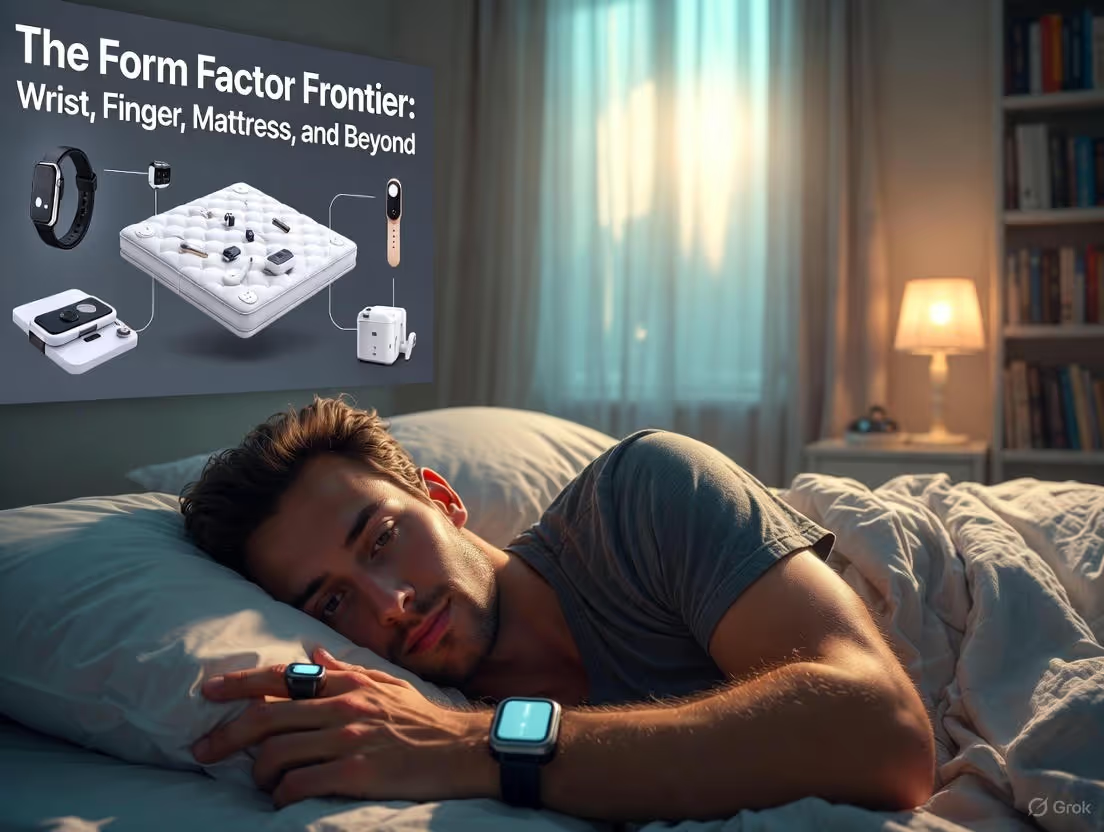
How Sleep Tracking Helps Diagnose Sleep Disorders Early
Sleep tracking helps diagnose disorders early by detecting warning signs before problems become severe. This medical-focused guide explains which patterns indicate sleep apnea, insomnia, restless legs, and other conditions, helping you recognize when home monitoring suggests professional evaluation is needed.
The Silent Epidemic: How Sleep Tracking Can Uncover Hidden Disorders Before They Steal Your Health
Imagine this: You spend eight hours in bed every night, follow a consistent sleep schedule, and avoid caffeine after noon—yet you wake up exhausted. Your energy crashes by mid-afternoon, your mood feels perpetually frayed, and no amount of coffee seems to help. You tell yourself you're just stressed, getting older, or not trying hard enough. But what if the truth is that you're experiencing the subtle, early symptoms of a sleep disorder that's silently eroding your health?
This isn't a rare scenario. Millions of people worldwide suffer from undiagnosed sleep disorders, mistakenly believing their fatigue, brain fog, and irritability are just inevitable parts of modern life. They adapt to living at 60% capacity, never realizing that restorative sleep—and therefore, true vitality—is within reach. The consequences extend far beyond daytime sleepiness; poor sleep quality is intricately linked to depression, weight gain, cardiovascular disease, and cognitive decline.
The traditional diagnostic pathway for sleep disorders has been notoriously inaccessible. It typically begins with recognizing severe symptoms, securing a referral to a sleep specialist (often with a months-long wait), and then undergoing an overnight sleep study in an unfamiliar lab—a process that's expensive, intimidating, and detached from your natural sleep environment. By the time most people reach this point, their disorder has likely been impacting their health for years.
We stand at the dawn of a revolution in personal health awareness. Advanced sleep tracking technology, particularly through discreet devices like the OxyZen smart ring, is dismantling these barriers. It provides a crucial first layer of insight, empowering individuals to monitor their sleep architecture—REM, deep sleep, light sleep, and awakenings—from the comfort of their own beds. This continuous, long-term data creates a rich, personalized picture of your sleep health, revealing patterns and anomalies that a single night in a lab could never capture.
This article is the beginning of a comprehensive exploration into how modern sleep tracking serves as an early-warning system for health. We will delve deep into the science of sleep, the stealthy nature of sleep disorders, and how the data from your own nighttime rhythms can guide you toward timely intervention and profound wellness transformation. For a deeper look at the technology making this possible, you can explore our story and mission at OxyZen.
The Modern Sleep Crisis: Why We’re Tired But Don’t Know Why
We are living through a global sleep deprivation epidemic, yet we are diagnosing only a fraction of the underlying disorders causing it. The problem is twofold: a cultural normalization of fatigue and a fundamental disconnect from our own bodily signals. In a society that prizes productivity and "hustle," being tired is often worn as a badge of honor, while prioritizing sleep can be misinterpreted as laziness. This cultural narrative trains us to ignore the body's pleas for rest until they become screams in the form of illness.
Statistically, the numbers are staggering. The American Sleep Apnea Association estimates that over 70 million Americans suffer from a chronic sleep problem, with sleep apnea alone affecting approximately 30 million adults. Shockingly, the vast majority—around 80% of moderate to severe obstructive sleep apnea cases—remain undiagnosed. This isn't just about snoring or feeling groggy; untreated sleep apnea increases the risk of hypertension by 3x, stroke by 4x, and heart failure by 5x. Similarly, conditions like insomnia, restless leg syndrome, and circadian rhythm disorders fly under the radar for years, masquerading as stress or poor lifestyle choices.
The insidious nature of sleep disorders lies in their gradual onset. The decline is so slow that your "new normal" recalibrates without you noticing. You might blame aging for needing more coffee, attribute weight gain to a slowing metabolism rather than sleep-disrupted hormones, or accept irritability as a personality trait instead of a symptom of fractured sleep. Without an objective measure, you have no baseline for comparison. You don't know what truly restorative sleep feels like anymore.
This is where personal sleep tracking initiates a powerful paradigm shift. It externalizes the internal. By wearing a device like the OxyZen ring, you move from subjective feeling ("I slept okay, I guess") to objective observation ("I had 45 minutes of deep sleep, my heart rate was elevated, and I had 22 micro-awakenings"). This data acts as a translation tool for your body's language, helping you spot inconsistencies between how you think you slept and how your physiology actually behaved. For many, reviewing their first week of sleep data is a revelation—it provides the missing evidence that their fatigue has a tangible, physical cause worthy of attention and care.
Decoding Sleep Architecture: What Your Sleep Stages Reveal About Your Health
To understand how sleep tracking can detect disorders, you must first understand what healthy sleep looks like. Sleep is not a uniform state of unconsciousness. It's a dynamic, cyclical process of distinct stages, each with a critical function for physical repair, cognitive consolidation, and emotional regulation. Disruptions to this architecture are the fingerprints of underlying disorders.
A typical healthy sleep cycle, lasting about 90 minutes, progresses through four key stages:
Stage 1 (N1 - Light Sleep): The gateway to sleep, lasting several minutes. Your body begins to relax, and brain waves start to slow.
Stage 2 (N2 - Light Sleep): This stage occupies the largest portion of an adult's night. It involves further relaxation, a drop in body temperature, and the appearance of sleep spindles and K-complexes in the brain—electrical patterns believed to be crucial for memory consolidation and sensory processing.
Stage 3 (N3 - Deep Sleep or Slow-Wave Sleep): This is the most restorative phase. It's when tissue growth and repair occur, energy is restored, and the immune system is strengthened. Hormones like human growth hormone are released. This stage is hardest to wake from and is essential for physical recovery.
REM (Rapid Eye Movement) Sleep: The stage most associated with vivid dreams. Your brain becomes highly active (similar to wakefulness), while your voluntary muscles are paralyzed. REM sleep is vital for learning, memory, emotional processing, and brain development.
A well-structured night involves cycling through these stages 4-6 times. The proportion of each stage changes throughout the night, with deep sleep dominating the first half and REM sleep periods lengthening in the second half.
Advanced sleep trackers like the OxyZen ring use a combination of sensors—including photoplethysmography (PPG) for heart rate, accelerometers for movement, and temperature sensors—to estimate these sleep stages. By analyzing heart rate variability (HRV), movement, and breathing patterns, the device constructs a hypnogram, or sleep stage graph, of your night.
Deviations from healthy architecture are red flags:
Excessive Light Sleep, Minimal Deep Sleep: Can indicate pain, stress, aging, or disorders like sleep apnea that constantly pull you out of deeper stages.
Delayed or Reduced REM Sleep: Often linked to depression, anxiety, certain medications (like SSRIs), and alcohol consumption before bed.
Fragmented Sleep with Frequent Awakenings: The hallmark of conditions like insomnia, sleep apnea, or restless leg syndrome. You may not remember these awakenings, but your tracker will.
An Irregular or Inconsistent Sleep Cycle Pattern: Can point to circadian rhythm disorders, where your internal biological clock is misaligned with the day-night cycle.
By providing a nightly report on your sleep architecture, tracking gives you a starting point for investigation. It answers the question, "Is my sleep structurally sound?" When the answer is consistently "no," it's a powerful motivator to seek deeper answers. You can read more about how these insights translate into daily wellness on the OxyZen blog.
Sleep Tracking vs. The Sleep Lab: Complementary Tools for Diagnosis
The gold standard for diagnosing many sleep disorders remains the in-lab polysomnogram (PSG). This comprehensive test monitors brain waves (EEG), eye movements (EOG), muscle activity (EMG), heart rhythm (ECG), breathing effort, airflow, and blood oxygen levels. It's an invaluable and irreplaceable clinical tool. However, to view sleep tracking and sleep labs as competitors is to misunderstand their relationship. In reality, they are powerful, complementary allies in the diagnostic journey, with personal tracking serving as the essential scout that identifies when to call in the specialized troops.
The sleep lab has inherent limitations as a first step. It captures a single night in an artificial environment—a phenomenon known as the "first-night effect," where sleep quality is often worse due to the unfamiliar setting and the numerous sensors attached to the body. It's also a snapshot in time that may not capture night-to-night variability. For disorders like insomnia that are highly sensitive to context, or for conditions that don't occur every single night, a one-night study can yield a false negative.
This is where longitudinal sleep tracking excels. A device worn for weeks or months at home builds a baseline of your typical sleep in your natural environment. It can reveal patterns that a PSG might miss:
Trends Over Time: Is your sleep worsening gradually? Does it vary with your menstrual cycle, work schedule, or stress levels?
Night-to-Night Variability: Do you have terrible sleep Sunday nights due to "Sunday scaries" but better sleep mid-week?
Correlation with Lifestyle: Can you see the direct impact of alcohol, late meals, or evening exercise on your deep sleep and resting heart rate?
This rich, contextual data transforms your role from a passive patient to an informed participant in your health. When you do visit a healthcare professional, you don't arrive with just a subjective complaint of "I'm tired." You arrive with objective data logs. You can say, "For the past three months, my device shows my blood oxygen saturation drops below 90% several times per hour, my heart rate becomes erratic, and I average 40 micro-awakenings per night. This happens most severely when I sleep on my back." This specific information immediately directs the clinical investigation, making the diagnostic process more efficient and targeted.
Personal sleep tracking is the perfect pre-screening tool. It helps answer the critical question: "Do I need a sleep study?" When your at-home data consistently shows severe disruptions—especially in metrics like breathing regularity (for sleep apnea) or limb movement (for restless leg syndrome)—it provides the compelling evidence needed to advocate for yourself and secure a specialist referral without delay.
Spotting the Stealthy Signs: How Trackers Identify Specific Sleep Disorders
Personal sleep trackers don't diagnose medical conditions—a crucial distinction emphasized by all reputable wellness companies, including OxyZen, whose data is for general wellness purposes only. However, by monitoring physiological proxies, they can reveal strong indicators of potential disorders, prompting you to seek professional evaluation. Let's explore how the data aligns with common sleep disorders.
Obstructive Sleep Apnea (OSA)
OSA is characterized by repeated pauses in breathing during sleep due to airway collapse. Trackers can detect telltale signs through indirect measures:
Blood Oxygen (SpO₂) Dips: Repeated, cyclical drops in blood oxygen saturation are a classic hallmark. A wellness tracker will show a "sawtooth" pattern in your overnight SpO₂ graph.
Heart Rate Variability (HRV) and Pulse Rate Instability: Each apnea event causes a stress response, often showing as a sudden drop in HRV (indicating sympathetic "fight or flight" activation) followed by a spike in heart rate as your body gasps for air.
Increased Restlessness and Micro-Awakenings: The brain's effort to restart breathing causes subtle arousals, fragmenting sleep. Your movement graph will show frequent spikes, and sleep staging will show poor continuity.
A tracker providing this combination of data—cyclical SpO₂ dips, correlated heart rate spikes, and fragmented sleep—creates a powerful case for a sleep apnea evaluation. As shared in one user's testimonial on the OxyZen site, seeing this data was the push they needed to "see a doctor and we caught a breathing issue early."
Insomnia
Insomnia involves difficulty falling asleep, staying asleep, or waking too early. Trackers quantify the problem:
Prolonged Sleep Onset Latency: Objectively timing how long it takes you to fall asleep.
High Wake After Sleep Onset (WASO): Precisely measuring total time awake during the night, which individuals often over- or under-estimate.
Low Sleep Efficiency: Calculating the percentage of time in bed actually spent sleeping. Consistently low efficiency (e.g., below 85%) is a key metric.
Elevated Resting Heart Rate/Nervous System Activity: Chronic insomnia is associated with a hyper-aroused nervous system, often visible as an elevated nightly resting heart rate and suppressed HRV.
This data helps differentiate between sleep state misperception (thinking you slept worse than you did) and objectively poor sleep, guiding treatment approaches.
Restless Legs Syndrome (RLS) & Periodic Limb Movement Disorder (PLMD)
RLS involves uncomfortable sensations and an urge to move the legs while at rest. PLMD involves involuntary limb jerks during sleep. Trackers are exceptionally good at identifying PLMD:
Periodic Movement Clusters: Accelerometer data will show rhythmic, repetitive movements of the legs (typically every 20-40 seconds) during sleep, often correlated with micro-awakenings visible in the heart rate data.
Sleep Fragmentation: The movements repeatedly disrupt sleep architecture, preventing deep and REM sleep.
Seeing a clear, periodic pattern of movement in your sleep data is a straightforward indicator to discuss with a neurologist or sleep specialist.
Circadian Rhythm Disorders
These occur when your internal clock is out of sync with the external world (e.g., Delayed Sleep-Wake Phase Disorder—night owls; Advanced Sleep-Wake Phase Disorder—early birds). Trackers excel at diagnosis through:
Long-Term Sleep/Wake Time Mapping: Over weeks, a clear, consistent pattern emerges showing your natural sleep window, regardless of social obligations.
Consistency Scores: Many apps provide a "sleep consistency" metric. Chronically low scores despite your best efforts can indicate an internal clock fighting against your schedule.
This longitudinal view is more valuable for diagnosing circadian issues than a single lab night. By revealing your body's true, natural rhythm, it can guide light therapy, melatonin supplementation, or chronotherapy under medical guidance.
The Critical Role of Heart Rate Variability (HRV) in Sleep Health
If you could have one number to represent the balance and resilience of your entire nervous system, it would be your Heart Rate Variability (HRV). Contrary to what one might think, a healthy heart does not beat with metronomic regularity. The tiny, millisecond variations in time between each heartbeat are a direct window into the activity of your autonomic nervous system (ANS)—the control system that regulates involuntary functions like breathing, digestion, and, critically, the sleep-wake cycle.
A higher, stable HRV (at rest) generally indicates a strong, resilient ANS with good balance between the sympathetic ("fight or flight") and parasympathetic ("rest and digest") branches. It suggests your body can adapt efficiently to stress and recover effectively. A lower or highly variable HRV often signals an ANS under chronic strain, with sympathetic dominance—a state of persistent, low-grade stress that is the enemy of deep, restorative sleep.
HRV's connection to sleep is profound and bidirectional:
Sleep Quality Affects HRV: High-quality sleep, particularly sufficient deep sleep, is one of the most powerful boosters of parasympathetic activity and next-day HRV. Poor, fragmented sleep does the opposite, leaving your nervous system in a stressed state upon waking.
HRV Predicts Sleep Quality: Your daytime and pre-sleep HRV can forecast how well you'll sleep. A calm, balanced nervous system at bedtime is the perfect entry point for sleep. An elevated heart rate and low HRV make it difficult to transition into deep, restorative stages.
Advanced sleep trackers like the OxyZen ring measure HRV continuously throughout the night, providing an elegant readout of your nervous system's journey. A healthy sleep HRV pattern typically shows a significant rise after you fall asleep (as the parasympathetic system takes over), remains elevated and stable during deep sleep, and may show characteristic shifts during REM sleep.
Disrupted patterns are highly informative:
Flat or Declining HRV Overnight: Suggests your body is not achieving the parasympathetic-dominant state necessary for physical restoration. This is common in insomnia and sleep apnea.
Erratic, Spiking HRV: Can correlate with micro-awakenings, apnea events, or periods of pain, as the nervous system is repeatedly triggered.
Chronic Low Nightly HRV Baseline: A strong indicator of accumulated stress, overtraining, or poor recovery, regardless of sleep duration.
By tracking HRV, you move beyond simply tracking sleep to tracking recovery. It answers the question, "Was my sleep truly restorative for my nervous system?" This insight is foundational for anyone seeking to manage stress, optimize performance, or understand the root causes of fatigue. For more on how to interpret these vital signals, the OxyZen FAQ offers clear guidance on HRV and its relationship to recovery.
From Data to Dialogue: How to Talk to Your Doctor About Your Sleep Trends
Arming yourself with months of personal sleep data is empowering, but the final, crucial step is translating that data into an effective conversation with a healthcare professional. Walking into a doctor's office and dumping 90 nights of graphs on their desk is not the strategy. The goal is to be concise, evidence-based, and collaborative.
Here is a framework for preparing for that conversation:
Consolidate and Summarize: Don't present raw data. Instead, create a simple one-page summary. Note the duration of your tracking (e.g., "3 months of nightly data"), your primary concern in one sentence (e.g., "Persistent fatigue despite 8 hours in bed"), and 2-3 key data-backed observations.
Highlight the Most Salient Patterns: Choose the strongest indicators. For example:
"On average, 75% of my nights show breathing-related SpO₂ dips below 92%, with an average of 15 events per hour."
"My sleep efficiency is consistently below 80%, with an average of 90 minutes awake per night after initially falling asleep."
"My deep sleep rarely exceeds 10% of my total sleep time, and my overnight HRV is consistently in my personal 'low' zone."
Correlate with Symptoms: Connect the data to how you feel. "On the nights with the most SpO₂ dips, I wake up with a headache and extreme brain fog. On nights with the least deep sleep, my afternoon fatigue is debilitating."
Ask Informed Questions: Use your knowledge to ask specific questions that guide the diagnostic process:
"Based on this pattern of oxygen dips and restless sleep, does obstructive sleep apnea seem like a possibility we should rule out?"
"My data shows I can't fall asleep before 2 AM even when I'm in bed at 11 PM. Could this be a delayed circadian rhythm disorder?"
"What would be the appropriate next step—a home sleep apnea test or a referral to a sleep specialist for a lab study?"
This prepared, evidence-based approach demonstrates that you are an engaged partner in your health. It saves the doctor time and provides concrete clues that move the investigation forward rapidly. It transforms the appointment from a vague discussion about "being tired" to a targeted consultation about specific physiological patterns. As noted in our testimonials, many users have found that bringing this objective data to appointments gives their healthcare providers a valuable, long-term view that surpasses a clinical snapshot.
Remember, the role of your sleep tracker is to provide compelling evidence for further investigation, not to deliver a final verdict. A physician's clinical judgment and formal diagnostic testing are essential. Your data is the map that shows where the treasure of good health might be buried; your doctor has the tools to help you dig.
Building Your Sleep Sanctuary: How Tracking Informs Lifestyle Changes for Better Sleep
While tracking is powerful for detecting potential disorders, its most immediate benefit is often the ability to empirically test and optimize your sleep hygiene. You become a scientist of your own sleep, running experiments to see what truly works for your unique physiology. This process can resolve sub-clinical issues and dramatically improve sleep quality, sometimes making it clear whether a deeper disorder is still present.
Key areas where tracking provides actionable feedback:
The Impact of Evening Routine:
Alcohol: Trackers vividly illustrate alcohol's destructive effect on sleep architecture. It may help you fall asleep faster, but it reliably suppresses REM sleep in the first half of the night and causes sleep fragmentation, elevated heart rate, and often a plummet in HRV in the second half. Seeing your "recovery score" crash after two glasses of wine is a potent motivator for change.
Caffeine & Late Meals: You can track how late-afternoon caffeine delays your sleep onset latency or how a heavy dinner within 3 hours of bedtime elevates your nighttime resting heart rate and reduces deep sleep.
Optimizing Your Sleep Environment:
Temperature: Most people sleep best in a cool room (~65°F/18°C). Your tracker can show if nights in a warmer room correlate with more restlessness and lighter sleep.
Light & Noise: While trackers don't directly measure these, you can tag nights with different conditions (e.g., "used blackout curtains" vs. "didn't") and see the effect on sleep continuity and depth.
The Exercise Equation:
Timing: Does vigorous evening exercise within 2 hours of bedtime raise your resting heart rate and delay sleep? Or does it help you sleep more deeply? The data will give you a personal answer.
Type & Volume: You can correlate different training loads with next-day readiness scores and sleep quality. Overtraining often manifests as a sustained drop in HRV and a rise in resting heart rate—clear signs you need more recovery.
By making one change at a time and observing the results over a week or two, you build a personalized sleep protocol based on evidence, not guesswork. This process of self-optimization is at the heart of the modern wellness journey. For a wealth of ideas and deeper dives into sleep optimization strategies, our blog is a continually updated resource.
The OxyZen Difference: A Tool for Awareness, Not Anxiety
In a market filled with wearables, the philosophy behind the tool matters as much as its technical specifications. The mission of OxyZen, born from a founder's personal health crisis in the demanding world of air ambulance medicine, was to create not just another data source, but a guide to balance. The core principles—accuracy, comfort, no subscriptions, and user data ownership—are designed to empower rather than overwhelm.
This ethos is critical in the context of sleep tracking. It's easy for data to become a source of anxiety, a nightly report card that induces stress about sleep—the very opposite of the goal. OxyZen's approach, focused on long-term trends and holistic readiness rather than nightly perfection, helps users avoid this trap. The device is designed to be a comfortable, forgettable part of your life that provides gentle insights in the morning, not constant notifications.
The technology itself is built for the specific purpose of capturing meaningful physiological signals. The choice of a ring form factor is deliberate: the vascular bed in the finger allows for stable, medical-grade PPG readings for heart rate and SpO₂, often superior to the wrist. Combined with temperature and precise motion sensing, it creates a robust multi-sensor health engine capable of detecting the subtle patterns discussed throughout this article.
Most importantly, OxyZen serves as a bridge—a first step in reconnecting with your body's rhythms. It provides the clarity needed to distinguish between a rough night and a concerning pattern, between lifestyle-induced fatigue and a potential medical issue. It turns the invisible visible, giving you the confidence to advocate for your health with evidence in hand. To understand more about the human-centric vision driving this technology, you can read about our founding journey.
Conclusion: Taking the First Step Toward Reclaiming Your Sleep and Your Health
The journey to better sleep and better health begins with awareness. For too long, the world of sleep disorders has been shrouded in darkness, both literal and figurative. We've endured poor sleep, blamed ourselves, and accepted diminished vitality as our lot, unaware that a treatable condition might be the root cause.
The advent of sophisticated, accessible sleep tracking technology has flipped on a light. It allows us to become detectives of our own health, gathering clues night after night in our most natural state. By illuminating the architecture of our sleep, quantifying its disruptions, and revealing the state of our nervous system, these tools provide something previously reserved for sleep labs: objective insight into our most private hours.
This knowledge is transformative. It moves us from helpless frustration to empowered investigation. It provides the missing link between how we feel and what is physiologically occurring. It can reveal the subtle, early signs of disorders like sleep apnea, insomnia, and circadian rhythm disruptions long before they cause irreversible harm to our cardiovascular health, mental well-being, or cognitive function.
Remember, the goal is not to become obsessed with scores or to self-diagnose. The goal is to use data as a compass, not a verdict. Let it guide your lifestyle experiments, inform your conversations with loved ones about your snoring or restlessness, and, most critically, prepare you for a productive dialogue with a healthcare professional.
Your sleep is the foundation upon which every other aspect of your health is built. Investing in understanding it is the single most effective step you can take toward improved energy, mood, resilience, and long-term wellness. The path to deeper, more restorative sleep starts with a single question, now answerable with data: "What is really happening when I close my eyes at night?"
Begin listening to the story your body tells every night. You might be surprised by what it has been trying to say.
The Data That Doesn't Lie: Key Metrics That Reveal Hidden Sleep Problems
Imagine your body as a symphony orchestra playing the nightly composition of sleep. When healthy, the different sections—your nervous system, respiratory system, and circadian rhythms—work in perfect harmony. A sleep disorder is like an instrument playing out of tune or a section falling out of sync. The problem for most of us is that we've been trying to listen to this complex performance with our untrained ears alone. We sense the discord as fatigue but can't identify which instrument is causing the problem.
Sleep tracking technology provides the precise musical score—the objective data that shows exactly where the harmony breaks down. By monitoring specific physiological metrics throughout the night, these devices translate the silent language of your body into visual patterns that reveal disruptions long before they manifest as severe health consequences. This isn't about achieving perfect scores; it's about understanding your baseline and noticing when your personal symphony veers consistently off-key.
In this section, we'll explore the critical sleep metrics that serve as early warning signs, moving beyond simple "sleep scores" to understand what each specific measurement reveals about your health. These are the data points that, when tracked consistently, can prompt life-changing conversations with healthcare providers and guide meaningful lifestyle adjustments.
Oxygen Saturation (SpO₂): The Silent Indicator of Breathing Disorders
Of all the metrics tracked by modern wearables, overnight blood oxygen saturation may be the most clinically significant for early disorder detection. While we typically associate SpO₂ with lung health or high-altitude climbing, its nocturnal patterns tell a dramatic story about breathing quality during sleep.
In healthy sleep, oxygen saturation remains relatively stable, typically between 95-100%. Brief, minor dips can occur during REM sleep when breathing becomes more irregular, but these are normal. Problematic patterns emerge when SpO₂ shows:
Repetitive, cyclical dips (often appearing as a "sawtooth" pattern on graphs)
Sustained periods below 92%
Frequent drops of 4% or more from your baseline
These patterns are the hallmark of sleep-disordered breathing, most commonly obstructive sleep apnea (OSA). During an apnea event, the airway collapses, breathing stops, and oxygen levels fall. The brain then triggers a micro-arousal to restart breathing, causing oxygen levels to rebound. This cycle can repeat dozens or even hundreds of times per night, creating tremendous strain on the cardiovascular system.
What makes SpO₂ tracking particularly valuable is its objectivity and direct health correlation. Unlike subjective feelings of fatigue that can be dismissed, a graph showing your oxygen dropping into the 80s multiple times per hour is undeniable evidence of physiological distress. Research consistently links frequent nocturnal oxygen desaturations with:
Hypertension and resistant high blood pressure
Cardiac arrhythmias (like atrial fibrillation)
Increased risk of stroke and heart failure
Impaired glucose metabolism and type 2 diabetes
Cognitive decline and neurodegenerative disease risk
Advanced trackers like the OxyZen ring provide detailed overnight SpO₂ graphs, along with metrics like the "oxygen variation" or the number of significant desaturation events per hour. For individuals with undiagnosed sleep apnea, this data often provides the first tangible proof that their fatigue has a clear physical cause. As noted in user experiences, seeing this pattern has prompted many to seek evaluation, sometimes leading to diagnosis of moderate to severe OSA that had been silently progressing for years.
Resting Heart Rate (RHR) and Its Nocturnal Story
Your daytime resting heart rate is a useful fitness indicator, but your nocturnal resting heart rate (NRHR) is a far more sensitive gauge of recovery, stress, and potential sleep disruption. During deep, restorative sleep, your parasympathetic nervous system should dominate, slowing your heart rate to its lowest point of the 24-hour cycle. A healthy pattern shows a steady decline in heart rate after sleep onset, reaching a nadir typically in the early morning hours, followed by a gradual rise toward morning (a phenomenon known as the "morning surge").
Deviations from this pattern provide crucial clues:
Elevated Overall NRHR: When your average heart rate throughout the night remains high compared to your personal baseline, it suggests your sympathetic nervous system (the "fight or flight" system) remains activated. This can indicate stress, anxiety, pain, an underlying infection, or the frequent micro-arousals caused by sleep apnea.
Absence of the Nighttime Dip: A "flat" heart rate curve that doesn't show the characteristic dip is strongly associated with hypertension and cardiovascular risk. It signals that your body isn't achieving the physiological rest it needs.
Erratic Spikes: Sudden, sharp increases in heart rate during sleep often correlate directly with apnea events, nightmares, or periodic limb movements. Your tracker can timestamp these, helping you and a doctor identify their frequency and pattern.
The power of tracking NRHR lies in its trend analysis. A single night of elevated heart rate might be due to alcohol, illness, or stress. But a consistent pattern over weeks of elevated NRHR, especially when paired with poor sleep quality scores, strongly suggests an underlying issue preventing proper autonomic nervous system recovery. Many users first notice something is wrong when they see their "recovery" metrics remain low despite adequate time in bed, with NRHR being a primary component of that score.
Breathing Rate and Irregularity: The Rhythm of Sleep
While most of us pay little attention to our breathing during the day, its rhythm during sleep is a finely tuned process that becomes disturbed in numerous disorders. The normal adult breathing rate during sleep ranges from 12 to 20 breaths per minute, with slight variations between sleep stages (typically slower in deep sleep).
Sleep trackers estimate breathing rate primarily through subtle algorithms analyzing heart rate data and motion (a technology called ballistocardiography). While not as precise as medical respiratory belts, they reliably detect significant patterns of disruption:
Periods of Apnea (Pauses): Although trackers cannot definitively diagnose "apneas," they can detect prolonged pauses in the breathing rhythm pattern, which are highly suggestive.
Tachypnea (Abnormally Rapid Breathing): Consistently high breathing rates during sleep can indicate conditions like central sleep apnea (where the brain fails to send proper signals), anxiety disorders, or even underlying cardiac issues.
Irregular, Non-Cyclical Patterns: Healthy sleep breathing has a wave-like regularity. Chaotic, irregular patterns can signal REM sleep behavior disorder, severe OSA, or neurological conditions.
Perhaps the most valuable breathing metric is consistency. A graph showing stable, wave-like breathing for most of the night, with defined periods of disturbance, tells a different story than one showing erratic patterns throughout. The former might point to positional apnea (occurring mainly when sleeping on one's back), while the latter suggests a more pervasive issue. This distinction can be incredibly helpful preliminary information for a sleep specialist.
Body Temperature: The Circadian Thermometer
Your core body temperature follows a circadian rhythm, typically peaking in the late afternoon and reaching its lowest point (nadir) in the early morning hours, usually around 4-5 AM. This temperature drop is crucial for initiating and maintaining sleep—it's one reason why we sleep better in cool rooms. The hormone melatonin facilitates this drop, and a properly timed decline signals a healthy, aligned circadian clock.
Wearable devices track distal body temperature (like at the finger or wrist), which correlates with core temperature rhythms. Disruptions in this nightly temperature curve offer evidence for several conditions:
Delayed or Blunted Temperature Drop: If your temperature doesn't begin to fall at your bedtime, it's a strong sign of a delayed circadian rhythm (night owl tendency). This makes falling asleep at a "normal" time physiologically difficult. A blunted drop (minimal change) is often seen in insomnia and with aging.
Erratic Temperature Fluctuations: Repeated spikes in temperature during the night frequently correspond with awakenings, arousals, or shifts into lighter sleep stages. This can be seen in menopause (as hot flashes), in some infectious processes, or with sleep fragmentation from disorders like sleep apnea.
Elevated Baseline Temperature: A consistently higher nighttime temperature over a period of days can indicate systemic inflammation, the onset of illness, or significant stress.
For women, temperature tracking takes on additional significance. The rise in waking (basal) body temperature after ovulation is a key sign of the menstrual cycle's luteal phase. Disruptions in this pattern, or poor temperature drops during the luteal phase, can correlate with sleep disturbances commonly reported premenstrually. Advanced devices that track these cycles provide women with insights into how their hormonal phases affect sleep architecture and recovery.
The Movement Map: Quantifying Restlessness
At its simplest, a sleep tracker's accelerometer counts your movements. But this data, when visualized over an entire night, creates a "movement map" that is far more informative than a simple step count. It quantifies restlessness—a primary symptom of numerous sleep disorders.
Frequent, Low-Amplitude Movements: These are the micro-adjustments we all make. An increased frequency, however, correlates strongly with light, non-restorative sleep and conditions like insomnia or pain.
Periodic, Rhythmic Movements: This is the signature of Periodic Limb Movement Disorder (PLMD). The movements typically occur every 20-40 seconds in clusters, often lasting for minutes or hours. They can cause micro-arousals (visible as heart rate spikes) that fragment sleep, leading to daytime fatigue. Seeing this clear, periodic pattern in your data is a direct prompt to discuss PLMD or Restless Legs Syndrome (RLS) with a doctor.
Large, Isolated Movements: These often signify a full awakening or a major position change. An excessive number can indicate discomfort, environmental disturbances (noise, temperature), or disorders like REM Sleep Behavior Disorder (RBD), where individuals physically act out their dreams.
By tagging nights with potential triggers (e.g., "caffeine after 2 PM," "new medication," "slept in hotel"), you can begin to see correlations between your movement data and lifestyle factors. This objective measure helps counter "sleep state misperception," where individuals with insomnia may overestimate their movement and wakefulness. Seeing that you were actually still for significant portions of the night can, paradoxically, reduce sleep anxiety.
Putting It All Together: The Pattern Recognition Power of Long-Term Data
The true diagnostic power of sleep tracking doesn't reside in any single metric from a single night. It emerges from the synthesis of multiple data streams over time. This is where personal tracking outperforms a one-night sleep study for early detection. A sleep lab gives you a detailed snapshot; a tracker shows you the movie.
The Sleep Apnea Signature: A combination of cyclical SpO₂ dips + corresponding heart rate spikes + movement arousals + suppressed deep sleep. Seeing this pattern repeat over 30+ nights is compelling.
The Insomnia Pattern: Long sleep onset latency + high WASO (wake after sleep onset) + elevated NRHR + low sleep efficiency, with temperature possibly showing a delayed or blunted drop.
The Circadian Misalignment Profile: Consistent late sleep onset and offset times + delayed body temperature nadir + poor sleep efficiency on "work nights" but better on "free nights."
This longitudinal view allows you to identify your personal baselines and natural variations. You learn what "normal" looks like for you. Then, when a deviation occurs—a sudden, sustained change in your NRHR, a worsening of your breathing regularity, a collapse in your deep sleep—you have the context to know it's significant. This empowers you to act early, whether that means adjusting your habits, reducing stress, or scheduling a doctor's appointment with concrete evidence in hand.
The metrics provided by devices like the OxyZen ring transform sleep from a mysterious black box into a transparent, data-rich process. They give you the vocabulary to describe what's wrong and the evidence to be taken seriously. In the next section, we'll explore exactly how to take these data patterns and use them to navigate the healthcare system effectively, turning personal insights into professional diagnosis and treatment.
Navigating the Healthcare Maze: Using Your Sleep Data to Get the Right Diagnosis
You've worn your sleep tracker for months. You've observed the patterns: the oxygen dips, the elevated heart rate, the fragmented sleep architecture. You now have a strong, data-supported suspicion that something is interfering with your restorative sleep. This is a pivotal moment of empowerment, but it can also feel daunting. The question becomes: How do I translate this personal data into actionable medical care?
The bridge between self-tracking and professional diagnosis is often the most challenging part of the journey. Many healthcare systems are not yet optimized to incorporate patient-generated health data. Doctors are time-constrained, and the traditional model relies on clinical interviews and standardized tests. Your role is to become an effective communicator and collaborator, using your data to build a compelling case that accelerates and focuses the diagnostic process.
This section provides a strategic guide to navigating the healthcare system with your sleep data in hand. We'll cover how to prepare for appointments, which specialists to consider, what diagnostic tests to expect, and how to advocate for yourself to receive appropriate care.
Preparing Your Data for a Clinical Conversation
Walking into a doctor's office and showing them 90 days of raw graphs on your phone is ineffective. The key is thoughtful preparation and summarization. Your goal is to make it easy for a busy professional to quickly grasp the concerning patterns.
Create a One-Page Summary Document:
Header: Include your name, date of birth, the date range of the data, and the device used (e.g., "OxyZen Ring, Data from March 1 - May 31, 2024").
Primary Concern in One Sentence: "Persistent, severe daytime fatigue and unrefreshing sleep despite 7-8 hours in bed nightly."
"Sleep architecture is fragmented: Average of 28 awakenings >2 minutes per night. Deep sleep averages 9% (expected range 15-25%)."
"Readiness/Recovery score is consistently 'Low' or 'Poor' (average 45/100)."
Symptom Correlation: "Subjectively, I wake with headaches and brain fog on mornings following nights with the most SpO₂ dips."
Simple Visuals: Include 2-3 screenshots. One ideal graphic is a multi-metric overlay from a representative bad night, showing the simultaneous timing of SpO₂ dips, heart rate spikes, and movement. Another could be a 30-day trend line of your deep sleep percentage or recovery score.
This document transforms you from a patient reporting "I'm tired" to a partner presenting objective, longitudinal findings. It demonstrates initiative and provides a concrete starting point for the clinical discussion.
Choosing the Right Healthcare Professional
Not all doctors have the same familiarity with sleep medicine or patient-generated data. Targeting your appointment wisely increases success.
Primary Care Physician (PCP): This is often the necessary first stop for a referral. Come prepared with your summary. A good PCP will recognize the red flags in your data (especially SpO₂ patterns) and order preliminary tests or provide a referral. If your PCP dismisses your data, be politely persistent or seek a second opinion.
Sleep Specialist (Pulmonologist, Neurologist, Psychiatrist): These are board-certified physicians with specialized training in sleep medicine. A pulmonologist often focuses on sleep-disordered breathing (apnea), a neurologist on disorders like narcolepsy or REM behavior disorder, and a psychiatrist on insomnia and circadian disorders. Your data can help your PCP refer you to the most appropriate subspecialty.
Ear, Nose, and Throat (ENT) Doctor: If your data suggests positional apnea or you have symptoms like chronic congestion, an ENT can evaluate for physical obstructions (deviated septum, enlarged tonsils).
Dentist with Sleep Training: For mild to moderate sleep apnea, a dentist can fit oral appliance therapy devices.
When booking an appointment, you might ask the scheduler, "Is Dr. [Name] comfortable reviewing patient-generated sleep data from wearable devices?" This simple question can filter for a more data-literate provider.
Understanding and Navigating Formal Sleep Testing
Your tracker data may prompt a recommendation for formal sleep testing. Understanding the options demystifies the process.
1. Home Sleep Apnea Test (HSAT):
What it is: A simplified, portable device you use at home for 1-3 nights. It typically measures airflow, breathing effort, heart rate, and SpO₂.
When it's used: First-line test for suspected moderate to severe obstructive sleep apnea in patients without major comorbidities (like heart failure or severe lung disease). Your personal data showing classic OSA patterns makes you an excellent candidate.
Your Role: Your tracker data is the perfect pre-screening tool that justifies ordering an HSAT. You can even show how your ring's SpO₂ pattern aligns with the simpler HSAT device.
2. In-Lab Polysomnogram (PSG):
What it is: The comprehensive gold-standard sleep study conducted in a sleep lab. It measures EEG (brain waves), EOG (eye movements), EMG (muscle activity), ECG (heart), airflow, breathing effort, SpO₂, body position, and more.
When it's used: For complex cases, when an HSAT is negative but symptoms persist, or for suspected disorders like narcolepsy, periodic limb movement disorder, or parasomnias (like sleepwalking).
Your Role: Bring your long-term tracker data to this appointment. It helps the sleep technologist and doctor in several ways:
Context: It shows your sleep patterns in your home environment, highlighting what a "typical" bad night looks like.
Efficiency: It can help them know where to focus during the study (e.g., "The patient's data shows events are worst in supine position").
Validation: It can corroborate the findings of the single night in the lab, especially important if you experience "first-night effect" and sleep poorly in the unfamiliar setting.
Advocating for Yourself: The Scripts and Strategies
Even with data, you may encounter resistance. Here are scripts for common scenarios.
If a doctor dismisses your fatigue as "just stress" or "aging":
"I understand those can be factors. What concerns me is that this objective data shows specific physiological disruptions, like my oxygen dropping at night. Could we rule out a physical cause like sleep apnea before concluding it's purely stress-related? I'd be grateful for a referral to a sleep specialist or a home sleep test."
If you're told you're "too young" or "not the typical profile" for sleep apnea:
"My understanding is that sleep apnea can affect anyone, regardless of age or body type. The data from my device consistently shows patterns associated with disordered breathing. For my peace of mind and long-term health, I would really appreciate it if we could pursue further evaluation."
If insurance denies a sleep study:
Your prepared data summary is your best weapon. Work with your doctor's office to appeal the denial, submitting your document as evidence of medical necessity. Phrases like "documented nocturnal oxygen desaturation events" and "symptoms impacting daily function" carry weight.
The Post-Diagnosis Partnership: Using Your Tracker with Treatment
Once diagnosed, your sleep tracker transitions from a detection tool to a treatment optimization and adherence monitor.
For CPAP Therapy: While the CPAP machine itself provides detailed data, your ring can show the holistic impact. You should see your NRHR decrease, your SpO₂ graph flatten out at a healthy level, your deep sleep increase, and your morning readiness scores improve. If these metrics don't improve, it's data to share with your sleep therapist to adjust pressure or mask fit.
For Oral Appliances or Surgery: Track the same metrics to objectively gauge treatment effectiveness over time.
For Insomnia (CBT-I): Use your tracker to objectively measure sleep latency and WASO, providing feedback on the effectiveness of techniques like sleep restriction and stimulus control. Seeing gradual improvement in "sleep efficiency" can be highly motivating.
For Lifestyle Interventions: Whether treating a circadian disorder with light therapy or managing PLMD with medication, your data provides ongoing feedback on what's working.
By continuing to track, you maintain an ongoing dialogue with your own body and can quickly identify if a treated condition is worsening or if new issues arise. You become the ongoing guardian of your sleep health, partnering with professionals for tune-ups rather than emergency repairs. For support in interpreting your data in this new phase, resources like the OxyZen FAQ can provide helpful guidance on understanding recovery metrics in the context of treatment.
Armed with data and a strategic approach, you transform from a passive patient into an empowered agent in your health journey. The numbers on your app become more than metrics; they become the language you use to reclaim your sleep, your energy, and your vitality.
Sleep Tracking for Specific Populations: Unique Patterns and Early Warnings
Sleep disorders do not affect everyone equally. Across different ages, genders, and lifestyles, the manifestations, risk factors, and implications of poor sleep vary significantly. What constitutes a "red flag" for a 25-year-old athlete may differ from that for a 55-year-old woman in perimenopause or a 70-year-old retiree. Personal sleep tracking becomes even more powerful when we understand these demographic nuances, allowing for earlier, more personalized detection of risks.
This section explores how sleep tracking reveals critical insights for specific populations, helping to identify disorder patterns that might otherwise be overlooked or misattributed to the wrong cause. By recognizing the unique sleep signatures of different life stages and circumstances, we can move toward more precise and timely interventions.
Women's Sleep: Navigating Hormonal Rhythms and Disorders
Women's sleep is intrinsically tied to the ebb and flow of reproductive hormones across the lifespan. Tracking provides essential visibility into these patterns, distinguishing normal cyclical variations from signs of underlying disorders.
Menstrual Cycle Tracking:
Pattern: During the follicular phase (post-period, leading to ovulation), sleep is often more stable and restorative. In the luteal phase (post-ovulation), rising progesterone increases sleepiness but can also cause more fragmented sleep and a slight elevation in body temperature. Many women report poorer sleep quality in the days preceding their period.
Tracker Insights: A device that incorporates temperature and cycle tracking (like OxyZen) can correlate sleep metrics with your hormonal phases. Seeing a predictable dip in deep sleep or a rise in nighttime awakenings during your luteal phase validates your experience. If the disruption is severe—showing dramatic SpO₂ changes or extreme fragmentation—it may indicate premenstrual exacerbation of an underlying condition like sleep apnea, which is under-diagnosed in women.
Pregnancy:
Pregnancy dramatically increases the risk of sleep-disordered breathing due to weight gain, nasal congestion, and physiological changes. Obstructive sleep apnea in pregnancy is linked to gestational hypertension, preeclampsia, and gestational diabetes.
Tracker as Monitor: Tracking SpO₂ and breathing regularity can provide expectant mothers and their providers with valuable data. A pattern of increasing oxygen dips or snoring (often reported by a partner) combined with tracker data is a strong prompt for evaluation. Postpartum, tracking helps distinguish the normal sleep disruption of a newborn from persistent physiological sleep issues.
Perimenopause and Menopause:
The decline in estrogen and progesterone is a major sleep disruptor. Hot flashes/night sweats cause repeated awakenings (visible as temperature spikes and movement), while the hormonal shift itself can increase susceptibility to sleep apnea.
Differentiating Cause: Is poor sleep due to vasomotor symptoms (hot flashes) or a developing sleep disorder? Tracking can help. Isolated temperature spikes with awakenings point to hot flashes. Broader patterns of SpO₂ dips, heavy snoring, and constant fragmentation suggest apnea. This distinction is crucial for effective treatment (hormone therapy vs. CPAP).
For women, a sleep tracker that acknowledges and integrates cyclical biology is not just a convenience—it's a necessity for accurate interpretation. It fights the historical bias in sleep medicine that has often overlooked women's unique presentations. As highlighted in OxyZen's approach to women's wellness, understanding these biological rhythms is key to providing meaningful insights.
The Aging Adult: Distinguishing Normal Changes from Treatable Disorders
It's a dangerous myth that dramatically poor sleep is a "normal" part of aging. While sleep architecture does change—with lighter sleep, earlier bedtimes, and more frequent awakenings—severe disruption is often a sign of a treatable medical condition.
Common Age-Related Changes vs. Red Flags:
Normal: A gradual reduction in deep sleep (slow-wave sleep), a slight advance in circadian timing ("early to bed, early to rise"), and 1-2 bathroom-related awakenings.
Red Flag (Possibly Sleep Apnea): Loud snoring, witnessed pauses in breathing, severe oxygen desaturations on tracker, excessive daytime sleepiness. OSA risk increases significantly with age and is a major contributor to hypertension, atrial fibrillation, and cognitive decline in older adults.
Red Flag (Possibly PLMD or RLS): Frequent, rhythmic leg movements causing awakenings (clear on movement map), or uncomfortable "creepy-crawly" sensations in the legs at rest.
Red Flag (Circadian Disorder - Advanced Phase): Falling asleep extremely early (6-8 PM) and waking in the very early morning (2-4 AM) and being unable to return to sleep, causing significant sleep deprivation.
The Dementia Connection: Sleep disturbances are both a symptom and a potential risk factor for neurodegenerative diseases like Alzheimer's. Disrupted sleep prevents the brain's glymphatic system from effectively clearing amyloid-beta plaques. Furthermore, conditions like REM Sleep Behavior Disorder (RBD), where people act out vivid dreams, are a strong early predictor of Parkinson's disease and related dementias, sometimes appearing years before motor symptoms.
For older adults and their families, sleep tracking offers a non-invasive window into nighttime health. Data showing severe fragmentation or breathing issues can be shared with geriatricians or neurologists, potentially leading to interventions that improve both quality of life and long-term cognitive health.
Athletes and High Performers: When Recovery Fails
For athletes, sleep is the most potent performance-enhancing drug. It's when muscle repairs, human growth hormone releases, and motor skills consolidate. Conversely, sleep disorders are a hidden form of "overtraining" that no amount of coaching can fix. Athletes are not immune to sleep apnea (it's common in sports with large neck circumferences, like football) or insomnia (due to travel and competition anxiety).
How Tracking Reveals Hidden Barriers to Performance:
Unexplained Performance Plateau/Decline: When training is optimal but times are slowing or strength is stalling, sleep data can reveal the culprit: consistently low deep sleep, elevated NRHR, or poor HRV recovery.
Injury Prone or Slow Healing: Chronic sleep deprivation impairs tissue repair and immune function. An athlete whose data shows poor recovery metrics is at higher risk of injury and will heal more slowly.
The Overtraining vs. Sleep Disorder Dilemma: Symptoms overlap: fatigue, mood changes, elevated resting heart rate, decreased HRV. Sleep tracking can help differentiate. In overtraining, sleep may be long but unrefreshing. In a sleep disorder like apnea, the architecture is fragmented despite adequate time in bed. The treatment for each is vastly different.
Elite athletes and their coaches now routinely use sleep and HRV data to periodize training. A low readiness score prompts a light day; a high score signals readiness for a peak effort. For the amateur athlete, this same principle applies: your tracker tells you if your body has recovered from yesterday's workout before you impose today's stress. Ignoring these signals leads to burnout, injury, and the very opposite of fitness. OxyZen's focus on athlete recovery is built on this precise science of balancing strain with restoration.
Night Shift and Rotating Workers: The Fight Against Circadian Misalignment
Approximately 20% of the workforce has non-standard hours. These individuals are in a constant state of biological jet lag, fighting against their innate circadian rhythm. The health consequences are severe: increased risks of metabolic syndrome, cardiovascular disease, certain cancers, and mental health issues.
How Tracking Documents the Damage:
Circadian Rhythm Disruption: Trackers show a complete lack of alignment with the light-dark cycle. Sleep attempts occur during the biological "wake maintenance zone," resulting in very long sleep onset latency and poor sleep efficiency.
Social Jet Lag: The difference between sleep patterns on work days vs. days off becomes starkly visible. The body desperately tries to revert to its natural rhythm on days off, creating a weekly cycle of disruption and partial recovery.
Compromised Sleep Quality: Even when total sleep time is adequate, the quality is poor. Deep sleep and REM sleep are often suppressed because the internal clock is signaling "wakefulness."
For shift workers, tracking isn't about diagnosing a classic disorder; it's about quantifying the toll of circadian misalignment and testing mitigation strategies. Can strategic light exposure (bright light at night, blackout shades during day sleep) improve sleep metrics? Does a consistent sleep schedule, even on days off, help stabilize the data? The tracker provides objective feedback on what works, empowering these individuals to take control of their health within the constraints of their necessary work.
By understanding these population-specific patterns, sleep tracking evolves from a general wellness tool into a precision health instrument. It acknowledges that we sleep in bodies shaped by our sex, our age, our passions, and our professions. The data it provides allows for earlier, smarter, and more personalized interventions, ensuring that everyone—from the new mother to the retired grandfather to the championship-bound athlete—has the opportunity to unlock the restorative power of truly healthy sleep.
From Tracking to Transformation: Building Sustainable Habits
Data provides the "why;" habits are the "how." Use your insights to build non-negotiable daily routines:
The Wind-Down Ritual (Informed by your data): If your tracker shows high pre-sleep heart rate, design a ritual to activate the parasympathetic system. This could be based on your successful experiments: 10 minutes of reading fiction (not news) + 5 minutes of diaphragmatic breathing + setting the room temperature to 67°F.
The Morning Review (Without Anxiety): Check your sleep score not as a grade, but as a guide for the day. A low recovery score isn't a failure; it's valuable information. It tells you, "Today, prioritize hydration, nourishing food, and lighter movement. Your nervous system needs support, not more stress." This is the principle behind OxyZen's readiness guidance—using last night's data to intelligently frame today's choices.
Long-Term Goal Setting: Shift focus from daily scores to monthly or quarterly trends. Is your average HRV on a gentle upward slope? Is your deep sleep percentage slowly improving? These long-term positive trends are the true markers of success, indicating improved resilience and healthspan.
Knowing When to Step Back: Avoiding Tracker-Induced Anxiety
For a small subset of users, constant monitoring can fuel orthosomnia—an unhealthy preoccupation with achieving perfect sleep data. It's crucial to maintain balance.
Practice Data Detoxes: Consider taking the ring off for a night or a weekend occasionally. Reconnect with how you feel subjectively, without the numbers.
Focus on Feeling: Let the data serve the feeling, not the other way around. The ultimate goal is to feel rested, energized, and balanced. If you feel great but the score is middling, trust your body. The score is a tool, not the truth.
Embrace Natural Variability: Sleep is not a machine. It varies with your menstrual cycle, the seasons, stress cycles, and immune activity. A few bad nights are normal. The tracker helps you spot persistent patterns, not punish yourself for natural fluctuations.
Conclusion: The Empowered Path Forward
The journey through the science of sleep, the technology of tracking, and the strategy for integration leads to one empowering conclusion: You are the foremost expert on your own health. You simply needed the right tools to listen.
Sleep tracking technology, epitomized by discreet, powerful devices like the OxyZen ring, has democratized access to profound physiological insights. It breaks the silence of the night, revealing the hidden patterns of sleep disorders that undermine our health. It provides the evidence needed to navigate healthcare systems effectively and the feedback required to optimize our daily habits.
From detecting the oxygen dips of sleep apnea to highlighting the REM disruptions of anxiety, from optimizing an athlete's recovery to validating a new mother's exhaustion, this technology serves as a universal translator for the body's most essential restoration process.
As we move forward, let us use this knowledge not with anxiety, but with agency. Let the data be a compass, guiding us toward earlier interventions, smarter lifestyle choices, and more collaborative relationships with healthcare providers. Let it help us reclaim the foundational pillar of sleep, so we may build lives of greater energy, resilience, and vitality.
Your sleep tells the story of your health. Now, you have the tools to read it. We invite you to continue this exploration—to learn more about the technology behind these insights, read stories of transformation from others on their wellness journeys, and discover how a deeper understanding of your own rhythms can unlock a new chapter of well-being. The path to better sleep, and therefore better health, is now clearly illuminated.



%402x.svg)