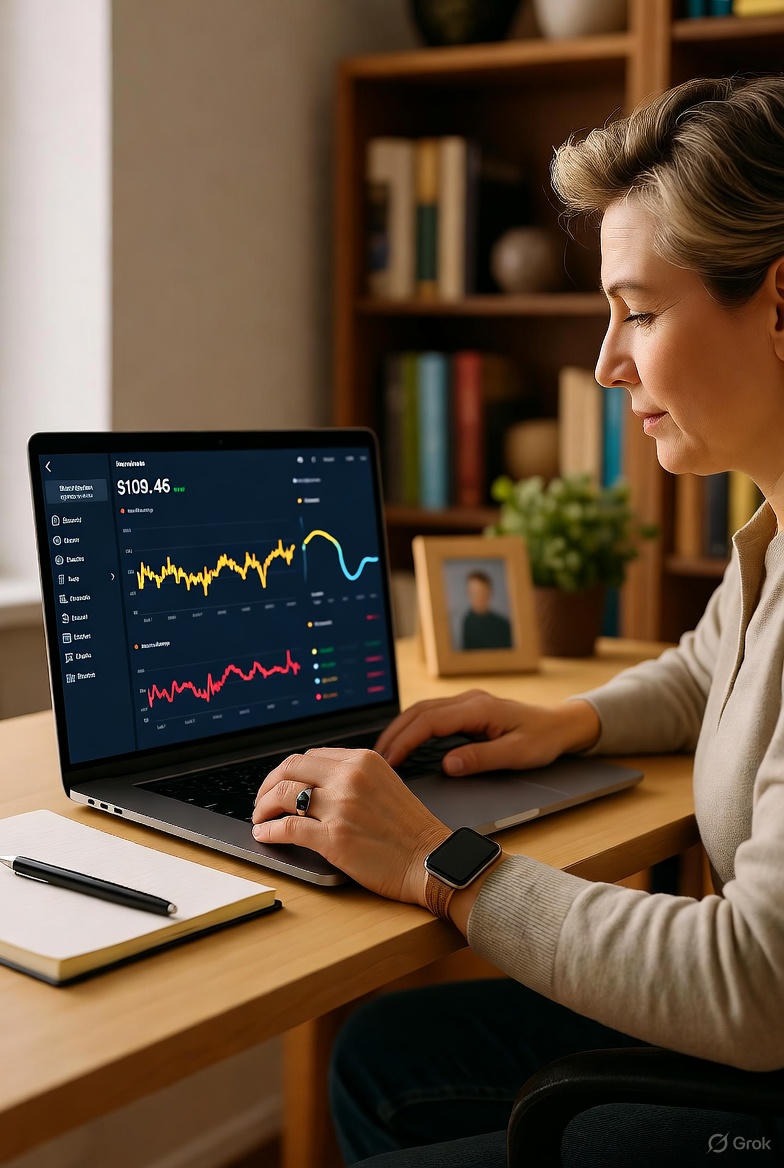
How Smart Rings Detect Early Heart Health Warning Signs
How smart rings can detect early warning signs for heart health issues.
The Silent Sentinel: How Your Smart Ring is Redefining Early Heart Health Detection
For decades, the stethoscope has been the enduring symbol of cardiac care—a tool wielded by a professional in a clinical setting, offering a fleeting glimpse of the heart’s rhythm. Our understanding of our most vital organ has been constrained to these brief, episodic check-ups, creating a dangerous gap in knowledge where problems can fester unseen. But what if your heart’s most critical warning signs weren’t confined to an annual 10-minute exam? What if you had a continuous, silent sentinel, working 24/7, trained to spot the subtlest whispers of distress long before they become shouts?
This is no longer a futuristic fantasy. We are at the dawn of a profound shift in personalized health monitoring, driven by a device so unobtrusive it’s often forgotten: the smart ring. Worn on your finger, this sleek piece of technology is becoming a powerhouse of physiological insight, particularly for heart health. By harnessing the unique vascular access point of the finger, advanced smart rings like those developed by **Oxyzen are moving beyond step counts and sleep scores. They are decoding the complex language of your cardiovascular system, detecting early warning signs of conditions like atrial fibrillation, hypertension, and sleep apnea with a precision that was once reserved for hospital machinery.
Imagine catching the erratic heart rhythm of atrial fibrillation (AFib)—a major stroke risk factor—during a restless night’s sleep. Or, observing a creeping trend in resting heart rate and heart rate variability that signals mounting stress or the onset of illness days before you feel symptoms. This is the promise of modern smart ring technology: proactive, preventative, and deeply personal. It empowers you with knowledge, transforming you from a passive patient into an active participant in your long-term well-being. This article will delve deep into the science, sensors, and algorithms that make this possible, illuminating how the device on your finger is poised to become your first line of defense in the most important health battle of your life.
From Pulse to Data: The Foundational Science of Photoplethysmography (PPG)
At the very core of every heart-health monitoring smart ring is a deceptively simple technology called photoplethysmography, or PPG. While the name is complex, the principle is elegantly straightforward. It is the science of measuring blood volume changes in the microvascular bed of tissue—and your finger is one of the best places in the body to do it.
How PPG Sees Your Blood Flow
A PPG sensor consists of two core components: a light source (typically a green LED, though some advanced rings also use red and infrared) and a photodetector. Here’s the elegant dance that happens hundreds of times per second:
The LED emits light into the skin and underlying tissues of your finger.
This light is absorbed, scattered, and reflected by various components: skin pigment, bone, and, most importantly, blood.
Blood is a primary absorber of light, and its volume in the capillaries changes with every heartbeat. When your heart contracts (systole), a pressurized pulse of blood surges through your arteries, momentarily increasing blood volume in the finger. When your heart relaxes (diastole), the volume slightly decreases.
The photodetector measures the intensity of the light that is not absorbed—the light reflected back. As blood volume increases, more light is absorbed, so the reflected signal dips. As volume decreases, the signal rises.
This continuous, rhythmic undulation of the reflected light signal is your PPG waveform. Each major dip corresponds directly to a heartbeat.
Why the Finger is a PPG Powerhouse
While smartwatches use PPG on the wrist, the finger offers distinct physiological advantages for cardiac monitoring:
Denser Vascular Network: The fingertip is rich with capillaries and arterioles, providing a stronger, cleaner blood volume signal.
Reduced Motion Artifact: During sleep and most daily activities, the fingers move far less than the wrist. This results in less signal "noise" from motion, leading to more accurate and reliable data, especially for continuous overnight monitoring—a critical period for heart health assessment.
Consistent Contact: A well-designed ring maintains consistent sensor contact with the skin, as the finger’s bony structure prevents the device from shifting as easily as a watch on a wrist.
The Rich Story in the Waveform
The raw PPG waveform is a treasure trove of information. Advanced algorithms don’t just count the peaks to get heart rate; they analyze the shape, timing, and quality of the entire wave.
Pulse Rate: The most basic metric, derived from the time between peaks.
Heart Rate Variability (HRV): Calculated from the precise, millisecond-level differences in time between each heartbeat. This is a key indicator of autonomic nervous system function and overall cardiovascular resilience.
Pulse Arrival Time (PAT): The time it takes for the pressure wave from the heartbeat to travel to the finger. This can correlate with blood pressure changes, offering a path to non-invasive, continuous pressure trend monitoring.
Peripheral Oxygen Saturation (SpO2): By using both red and infrared LEDs, PPG can measure how much oxygen your blood is carrying—a vital metric for heart and lung health.
This foundational PPG data is the raw material. But to transform flickers of light into life-saving insights, it must be woven together by sophisticated software and artificial intelligence. For a deeper dive into how this technology is implemented in practice, you can explore the science behind Oxyzen's approach to precision sensing.
Beyond the Beat: Decoding Heart Rate Variability (HRV) and Resting Heart Rate
If your raw heart rate is the spoken word of your cardiovascular system, then Heart Rate Variability is the emotional inflection, subtle pause, and nuanced tone that gives it true meaning. Together with Resting Heart Rate, HRV forms a dynamic duo of metrics that provide an unparalleled, real-time window into your autonomic nervous system (ANS) and overall cardiac fitness.
Heart Rate Variability: The Rhythm of Resilience
Contrary to what you might assume, a healthy heart does not tick with the metronomic regularity of a clock. The time interval between beats constantly fluctuates, usually by milliseconds. This is HRV. It is controlled by the two branches of your ANS:
Sympathetic Nervous System (SNS): Your "fight or flight" system. When activated, it releases stress hormones like cortisol and adrenaline, which generally decrease HRV, making heartbeats more regular as the body prepares for action.
Parasympathetic Nervous System (PNS): Your "rest and digest" system. It promotes recovery, relaxation, and digestion, and tends to increase HRV, creating more variability and flexibility in heart rhythm.
A higher HRV typically indicates a strong, resilient heart that can efficiently adapt to stress and recover. A lower HRV can signal that the sympathetic system is dominant—often due to chronic stress, overtraining, illness, or poor sleep.
How Smart Rings Measure HRV: They use the precise PPG-derived timestamps of each heartbeat to calculate the variation. The most common method used in consumer devices is rMSSD (the root mean square of successive differences), which is particularly good at reflecting parasympathetic activity. Advanced rings calculate this continuously during sleep, providing a nightly baseline that is free from the acute stresses of the day.
Resting Heart Rate: The Engine's Idle Speed
Your Resting Heart Rate (RHR) is the number of times your heart beats per minute when you are completely at rest—most accurately measured during deep sleep or just upon waking. It's a fundamental indicator of cardiovascular efficiency. A strong, well-conditioned heart can pump more blood with each beat (higher stroke volume), so it needs to beat fewer times per minute to sustain the body. A lower RHR is generally associated with better fitness and cardiovascular health.
Trends Matter More Than a Single Number: A smart ring excels at tracking your personal baseline and noting significant deviations. A sustained elevation of 5-10 bpm above your normal baseline can be an early warning sign of many things: impending illness, dehydration, elevated stress, or inadequate recovery.
The Powerful Intersection of HRV and RHR
When interpreted together, these metrics tell a compelling story:
Ideal State: Low RHR + High HRV. This suggests excellent cardiovascular fitness, strong parasympathetic tone, and good recovery. The heart is efficient at rest and highly adaptable.
Stress/Strain State: Elevated RHR + Low HRV. This is a classic sign of physiological stress. The body is in a heightened state of arousal, potentially from training too hard without adequate recovery, emotional stress, or the onset of an infection.
Detraining/Deconditioning: A gradual creep upwards in RHR over weeks or months, even with stable HRV, can indicate a decline in aerobic fitness.
For the everyday user, this means a smart ring can alert you to patterns you’d otherwise miss. That feeling of "coming down with something" is often preceded by a detectable shift in these metrics 24-48 hours prior. The chronic stress of a demanding project at work will leave a clear signature. By making these invisible patterns visible, the ring empowers you to take corrective action—prioritizing sleep, managing stress, or consulting a doctor—based on objective data from your own body. To see how real users have applied these insights, browse through authentic user experiences and testimonials.
The Arrhythmia Detective: How Smart Rings Screen for Atrial Fibrillation (AFib)
Atrial fibrillation (AFib) is the most common clinically significant cardiac arrhythmia worldwide, affecting tens of millions. In AFib, the upper chambers of the heart (the atria) quiver chaotically instead of contracting rhythmically. This allows blood to pool and potentially form clots, which can travel to the brain and cause a stroke. AFib is often called a "silent" condition because it can be intermittent (paroxysmal) and asymptomatic, making it notoriously difficult to diagnose outside of a clinical setting. This is where the continuous, long-term monitoring capability of a smart ring transforms from a convenience into a potentially life-saving tool.
The Challenge of Catching an Intermittent Culprit
Traditional diagnosis often relies on a patient experiencing symptoms (palpitations, dizziness, fatigue) while hooked up to an ECG. For paroxysmal AFib, this is a game of chance. Holter monitors worn for 24-48 hours can miss episodes. Implantable loop recorders are invasive. The smart ring, worn continuously, offers a revolutionary middle ground: passive, non-invasive, long-term screening that dramatically increases the odds of capturing an event.
From PPG Pulse to AFib Alert
How can a ring, without ECG electrodes, detect an irregular rhythm? It uses a sophisticated multi-stage algorithmic process:
High-Fidelity Pulse Detection: The ring’s PPG sensor first captures a pristine, high-signal-quality pulse waveform, typically during periods of rest or sleep to minimize motion interference.
Pulse Interval Analysis: The algorithm calculates the time interval between successive heartbeats (the "pulse-to-pulse" or "RR" interval). In normal sinus rhythm, these intervals show natural, minor variability (HRV). In AFib, the intervals become irregularly irregular—with no predictable pattern at all. This chaotic variability is the primary hallmark the algorithm seeks.
Waveform Morphology Check: Advanced algorithms also analyze the shape of the PPG waveform itself. AFib can sometimes alter the waveform's characteristics due to inconsistent blood flow from the atria.
Algorithmic Classification: Using machine learning models trained on massive datasets of confirmed AFib and normal rhythm PPG data, the system classifies the analyzed segment. If a sufficiently long period (e.g., several minutes to an hour) shows a high probability of AFib, the user receives a notification.
The Critical Role of the User and Physician
It is paramount to understand the current role of this technology: screening, not diagnosis. A smart ring alert is not a medical diagnosis. It is a powerful, data-driven prompt that says, "This pattern is highly suggestive of AFib. Please consult a healthcare professional for formal evaluation."
The Clinical Pathway: Upon receiving an alert, a user would visit their doctor. The physician can then order a confirmatory diagnostic test, such as a 12-lead ECG or a longer-term medical-grade monitor. The ring’s data log provides crucial context on when and how often the episodes occurred.
Enabling Earlier Intervention: This early screening can shave months or years off the time to diagnosis. Earlier diagnosis means earlier initiation of treatment (like anticoagulants to prevent stroke), which can dramatically improve long-term outcomes.
The implications are profound. For the first time, we have a consumer-friendly device capable of performing mass screening for a major stroke risk factor in the background of daily life. It democratizes access to a level of cardiac monitoring that was previously inaccessible. For common questions on how this feature works in practice, our comprehensive FAQ section provides detailed answers.
The No-Cuff Pressure Gauge: Estimating Blood Pressure Trends with a Ring
Hypertension, or high blood pressure, is the "silent killer" for a reason. It often presents no symptoms while inflicting progressive damage on the heart, arteries, kidneys, and brain. Management relies on sporadic cuff-based measurements, which can be inconvenient and fail to capture important variations throughout the day and night (like nocturnal hypertension, a major risk indicator). The quest for continuous, cuffless blood pressure monitoring is the holy grail of wearable tech. While smart rings cannot yet provide clinically validated, absolute BP readings like a sphygmomanometer, they are making remarkable strides in tracking relative trends and changes with surprising utility.
The Science of Pulse Wave Analysis
The primary method rings use for BP estimation is an advanced analysis of the PPG waveform, specifically focusing on Pulse Arrival Time (PAT) and Pulse Wave Velocity (PWV).
The Fundamental Principle: When your heart ejects blood, it creates a pressure wave that travels through your arteries. The stiffer and more pressurized the arterial system (i.e., the higher the blood pressure), the faster this wave travels.
Measuring the Journey: The ring tracks two key events from the PPG signal:
The "Foot" of the Wave: The precise start of the systolic upstroke in the finger.
The R-Peak (via ECG): This is the critical differentiator. To calculate the wave's travel time, you need a starting point. Some advanced ring systems incorporate a single-lead ECG by placing two conductive electrodes on the inner and outer surfaces of the ring. When you touch the outer electrode with another finger, it completes a circuit across your chest, allowing the ring to detect the electrical R-peak of your heartbeat—the moment the heart contracts.
The Calculation: Pulse Arrival Time (PAT) is the time delay between the R-peak (heart contraction) and the arrival of the corresponding pulse wave at the finger. A shorter PAT generally correlates with higher blood pressure (a faster-traveling wave). A longer PAT suggests lower pressure.
Calibration, Trends, and Limitations
This is where nuance is essential.
The Need for Calibration: PAT is influenced by many individual factors beyond blood pressure, including vascular stiffness, age, and anatomy. Therefore, to make PAT-derived estimates meaningful for an individual, the system must be periodically calibrated against a traditional cuff measurement. You might input a few cuff readings per week or month to "teach" the algorithm your personal baseline.
Power of the Trend: Even without a perfect absolute number, the trend data is incredibly powerful. A smart ring can show you:
Your typical 24-hour BP pattern (does it dip appropriately at night?).
How your BP responds to stress, exercise, caffeine, or alcohol.
Whether a new medication or lifestyle change is having a positive impact over weeks.
Nocturnal Monitoring: This is a key advantage. A ring can unobtrusively track pressure changes throughout sleep, identifying patterns like non-dipping (a failure of BP to drop at night, linked to higher cardiovascular risk) that would be impossible to catch with a daytime cuff.
While not a replacement for prescribed medical devices for diagnosed hypertension, the ring's capability transforms blood pressure from a sporadic snapshot into a continuous story. It provides context and personal feedback, empowering users to understand the daily-life drivers of their cardiovascular health. To understand the philosophy behind developing such nuanced health tools, you can learn more about our mission and vision.
The Nightwatchman: Uncovering Sleep Apnea and Nocturnal Cardiac Distress
The cover of night is when many serious heart conditions reveal themselves. The body's state of rest lowers the volume on daytime physiological "noise," allowing underlying pathologies to become more apparent. For smart rings, the 6-8 hour sleep period is not downtime; it is the most critical data collection window for advanced cardiac screening. Two of the most important conditions it can help flag are obstructive sleep apnea (OSA) and nocturnal arrhythmias.
Detecting the Signature of Sleep Apnea
Obstructive Sleep Apnea is characterized by repeated pauses in breathing during sleep, leading to oxygen desaturations and chronic sleep disruption. It is a massive, often undiagnosed risk factor for hypertension, heart failure, stroke, and AFib. A ring equipped with PPG and an accelerometer is uniquely suited to screen for its hallmarks:
SpO2 Dips: Using red and infrared LEDs, the ring continuously measures blood oxygen saturation. In OSA, each breathing cessation causes a characteristic "sawtooth" pattern of repetitive dips in SpO2, followed by recoveries. The algorithm counts these "desaturation events per hour," a key metric for assessing apnea severity.
Brady-Tachycardia Pattern: The ring's heart rate tracking reveals another telltale sign. During an apnea event, as oxygen drops, the vagal nerve can trigger a sharp drop in heart rate (bradycardia). When breathing resumes with a gasp, a surge of sympathetic activity causes a spike in heart rate (tachycardia). This repeated rollercoaster pattern is a strong indicator of respiratory disturbance.
Movement Arousals: The built-in accelerometer detects the subtle body movements or shifts that often occur at the end of an apnea event as the brain briefly arouses to restart breathing. Correlating these movement spikes with SpO2 dips and heart rate jumps creates a highly suggestive picture of sleep-disordered breathing.
The Nocturnal Heart Revealed
Beyond apnea, the quiet of sleep allows for clearer detection of other issues:
Nocturnal AFib: As discussed, AFib episodes are often more easily detected during sleep due to minimal motion artifact. The ring can log the duration and frequency of nocturnal episodes.
Resting Heart Rate & HRV Baselines: Your true physiological baseline is established during deep sleep. A ring can track if your nocturnal RHR is creeping up or your sleep HRV is trending down—both long-term indicators of worsening cardiovascular health or fitness.
Unusual Bradycardia or Pauses: While some slowing of the heart rate during sleep is normal, a ring can note periods of unusually slow heart rates or possible pauses that may warrant further investigation.
By serving as a silent nightwatchman, the smart ring compiles a nightly report card on your heart and respiratory health. It can provide the initial, objective evidence needed to convince someone (or their doctor) that a sleep study is warranted, potentially uncovering a major, treatable risk factor for heart disease. For more insights on optimizing sleep for heart health, our blog features a wealth of related resources.
The Inflammation and Illness Radar: Tracking Subtle Physiological Shifts
One of the most fascinating and practical applications of 24/7 cardiac monitoring is its ability to act as an early warning system for systemic disturbances, most notably infection and inflammation. Days before you feel a sore throat, fatigue, or body aches, your body is already mounting an immune response, and your cardiovascular system is intimately involved in the process. A smart ring, by tracking key vitals, can often detect this "physiological shift" before you become consciously symptomatic.
The Body's Pre-Symptomatic Alarm Bells
When your immune system is activated (by a virus, bacteria, or even a significant inflammatory response to intense exercise or injury), it initiates a cascade of changes:
Elevated Resting Heart Rate (RHR): This is often the most noticeable sign. The metabolic demands of an immune response, combined with inflammatory cytokines and a potential low-grade fever, increase the body's basal metabolic rate. Your heart has to work harder, even at complete rest, leading to a measurable rise in your personal RHR baseline. This can be a jump of 5-15 bpm above your normal average.
Reduced Heart Rate Variability (HRV): The inflammatory state and the body's stress response typically shift autonomic balance toward sympathetic dominance, suppressing the parasympathetic nervous system. This results in a pronounced drop in HRV.
Changes in Respiratory Rate: Some advanced rings can infer breathing rate from the PPG signal. An elevated respiratory rate, even at rest, can be another early sign of the body working harder.
From Data to Insight: The Power of Personal Baselines
The critical element here is personalization. A "normal" RHR of 70 bpm might be dangerously high for someone whose baseline is 48. This is where the smart ring's long-term data collection becomes invaluable.
Establishing Your Normal: Over weeks of wear, the ring learns your unique, daily patterns and creates a personalized range for your RHR and HRV.
Detecting the Deviation: The algorithms are not looking at a single high reading; they are looking for sustained deviations from your norm. A single night of poor sleep might lower HRV. But a combination of elevated RHR and suppressed HRV that persists for 24-48 hours is a much stronger signal of an impending illness.
Providing Context: Seeing this data trend can empower you to make proactive decisions: prioritizing extra rest, increasing hydration, reducing training load, or even isolating yourself earlier in the context of a contagious illness.
This capability transforms the smart ring from a fitness device into a true wellness guardian. It provides a quantifiable, objective measure of your body's readiness and resilience, helping you navigate the line between productive stress (like a good workout) and counterproductive strain (overtraining or sickness). It’s a powerful tool for listening to the subtle language of your physiology.
The Symphony of Sensors: How Multi-Modal Data Creates a Holistic Picture
The genius of a modern smart ring for heart health lies not in any single sensor, but in the synergistic fusion of multiple data streams. Think of it as an orchestra: a PPG sensor alone is a soloist playing a beautiful melody (your pulse). But when combined with an accelerometer, temperature sensor, and gyroscope, you have a full symphony, creating a rich, multi-dimensional portrait of your health that is far greater than the sum of its parts. This sensor fusion is what allows the ring to distinguish between an elevated heart rate from a workout versus one from a fever.
The Core Sensor Ensemble
3-Axis Accelerometer: This is the fundamental motion sensor. Its role in heart health is critical for context.
Activity Identification: It distinguishes between sleep, sitting, walking, running, and other activities. This tells the algorithm that a heart rate of 120 bpm during a run is normal, but the same rate while sitting still is highly abnormal.
Motion Artifact Rejection: During analysis, the accelerometer data is used to identify and filter out periods of excessive movement that corrupt the PPG signal, ensuring clean data for accurate HRV and rhythm analysis.
Sleep Staging: By detecting periods of stillness and micro-movements, it helps classify sleep stages (light, deep, REM), which is crucial for contextualizing nocturnal heart rate and HRV data.
Skin Temperature Sensor: This provides a direct window into your body's thermoregulation and metabolic state.
Baseline Tracking: It establishes your personal, circadian temperature rhythm (typically lowest in the early morning, highest in the evening).
Illness Detection: A sustained elevation in nocturnal skin temperature, especially when combined with elevated RHR and low HRV, is a classic triad signaling the onset of infection or significant inflammation.
Women's Health: Tracking subtle biphasic temperature shifts can help indicate ovulation and menstrual cycle phases, which themselves influence cardiovascular metrics like resting heart rate.
Gyroscope: This measures orientation and rotational motion, adding further nuance to activity and posture recognition.
The Power of Data Fusion
The real magic happens in the algorithms that merge these data streams in real-time. Here are two powerful examples:
Scenario A: Stress vs. Exercise. Your heart rate spikes to 110 bpm. The accelerometer shows you are stationary at your desk. The temperature sensor is stable. The PPG shows low HRV. Conclusion: This is likely an acute stress response. The ring may prompt a breathing exercise.
Scenario B: Onset of Flu. Your nocturnal RHR is 12 bpm above your baseline. Your sleep HRV is in the bottom 10% of your normal range. Your skin temperature shows a sustained 0.8°C rise throughout the night. The accelerometer confirms you were resting. Conclusion: High probability of an immune system activation/illness. The app may suggest you take it easy.
This multi-modal approach minimizes false positives and provides actionable context. It moves from simply reporting numbers ("your heart rate is high") to interpreting states ("you appear to be fighting an illness"). This holistic data foundation is what enables the next frontier: the application of artificial intelligence to predict health risks.
The AI Cardiologist in the Cloud: Machine Learning's Role in Pattern Recognition
Collecting terabytes of multi-modal physiological data is one thing. Interpreting it to find meaningful, individualized health signals is another—a task of such immense complexity that it has become the domain of advanced artificial intelligence and machine learning (ML). The smart ring on your finger is the data collection node; the AI in the cloud is the sophisticated brain that finds the patterns invisible to the human eye. This partnership is what elevates these devices from trackers to true health companions.
From Rules-Based to Learning-Based Algorithms
Early health devices used simple, rules-based logic (e.g., "if heart rate > 100 bpm for 5 minutes while inactive, flag it"). Modern systems employ machine learning models that are trained on massive, labeled datasets.
Training the Model: Imagine showing an AI system millions of hours of PPG data, where cardiologists have labeled segments as "Normal Sinus Rhythm," "Atrial Fibrillation," "Sinus Tachycardia," etc. The model, often a type of deep neural network, learns to recognize the subtle, complex patterns in the waveform and interval data that correlate with each condition.
Continuous Improvement: These models are not static. As more anonymized data is collected from the user population (with consent), the models can be retrained and refined, becoming more accurate over time at identifying a wider array of patterns.
Key Applications of AI in Cardiac Monitoring
Arrhythmia Detection: As previously discussed, AI models are superb at classifying irregular rhythms like AFib from PPG data, even distinguishing it from other benign arrhythmias or noise.
Risk Stratification & Prediction: This is the cutting edge. By analyzing long-term trends in RHR, HRV, activity, sleep, and SpO2, AI can begin to identify patterns that correlate with future risk.
Example: Research is exploring if specific deteriorations in sleep HRV, combined with very subtle nocturnal heart rate oscillations, can predict the risk of a hypertensive episode or the future onset of persistent AFib.
Personalized Baselines and Anomalies: AI excels at learning what "normal" looks like for you. It can then detect anomalies that are significant for you, even if they would fall within a "normal" population range. Your 5 bpm rise in RHR is more meaningful than comparing you to a population average.
Integrating Lifestyle Data: Future models will likely incorporate user-logged or inferred data (like periods of high work stress, dietary changes, or travel across time zones) to better explain and contextualize physiological changes.
The Human-in-the-Loop Imperative
It is crucial to state that this "AI cardiologist" is an adjunct, not a replacement. Its purpose is to screen, alert, and empower. The final interpretation, diagnosis, and treatment decisions always reside with a licensed human healthcare professional. The AI's role is to provide that professional with richer, longitudinal data than has ever been available from a patient outside a hospital.
This intelligent analysis transforms raw data into personalized, proactive insights. It’s the difference between having a spreadsheet of numbers and having a knowledgeable guide pointing to the most important trends in your health narrative. To stay updated on how these technologies are evolving and being applied, our blog is a constant resource for the latest insights.
Beyond the Basics: Emerging Biomarkers and the Future of Ring-Based Cardiology
The current suite of heart health metrics monitored by smart rings is already impressive, but it represents just the beginning. Researchers and engineers are actively exploring new frontiers, leveraging the unique form factor and sensor capabilities of the ring to unlock non-invasive access to biomarkers that were once the sole domain of clinical blood tests. This ongoing innovation promises to deepen our understanding of cardiovascular wellness in profound ways.
Vascular Aging and Arterial Stiffness
One of the most promising areas is the assessment of vascular health beyond simple blood pressure trends. By performing a detailed analysis of the PPG waveform's shape and characteristics, researchers can derive indicators of arterial stiffness—a key factor in vascular aging and a powerful predictor of cardiovascular events independent of blood pressure.
The Augmentation Index (AIx): This is derived from the shape of the PPG pulse wave. It quantifies the reflected pressure wave from the periphery back to the heart. A higher AIx typically indicates stiffer arteries. Smart rings, with their consistent finger placement, are ideal for tracking changes in this index over time, potentially showing the positive impact of exercise, diet, or medication on vascular elasticity.
Hemodynamic Monitoring
More advanced analysis of the PPG signal can offer insights into the heart's pumping efficiency and blood volume status.
Stroke Volume and Cardiac Output Trends: While absolute measurement is challenging, some studies show that relative changes in the PPG waveform's area under the curve can correlate with changes in stroke volume (the amount of blood ejected per heartbeat). Tracking this trend could be valuable for athletes in training or for monitoring patients with heart failure.
Hypovolemia (Low Blood Volume) Detection: Early research suggests that specific changes in PPG waveform features, combined with heart rate and pulse pressure trends, could provide early clues about dehydration or blood loss.
Metabolic and Biochemical Insights on the Horizon
The next wave may involve optical sensing beyond PPG. Spectroscopy techniques using multiple wavelengths of light could, in theory, allow a ring to non-invasively estimate certain blood constituents.
Glucose Trends: While not aiming to replace finger-prick tests for diabetics, several companies are researching optical methods to track glucose trends through the skin. For heart health, this is critical because glucose variability is a major driver of vascular inflammation and damage.
Lactate: Monitoring lactate buildup trend during exercise could provide a window into metabolic fitness and efficiency, guiding training intensity for cardiovascular improvement.
Inflammatory Markers: While a significant leap, the long-term possibility of optically detecting proxies for systemic inflammation (like certain cytokines) could revolutionize the management of chronic conditions.
The Path to Clinical Validation and Acceptance
For these emerging biomarkers to move from research to reliable features, they must undergo rigorous clinical validation. This means large-scale studies comparing the ring's readings against gold-standard medical devices in diverse populations. The ultimate goal is for certain ring-generated data to become actionable clinical information that a doctor can use with confidence as part of a diagnostic or management plan.
This forward-looking research solidifies the smart ring's position not as a fleeting gadget, but as a foundational platform for personal health monitoring. Its journey from a sleep tracker to a potential window into vascular aging and metabolic health demonstrates a trajectory that will keep it at the forefront of the preventive health revolution for years to come. To follow the journey of a company dedicated to this kind of meaningful innovation, you can discover more about our foundational story and vision.
The Gold Standard of Trust: The Critical Role of Clinical Validation
In a market saturated with wellness claims and unproven gadgets, the leap from a "smart ring" to a "health monitoring device" is defined by one rigorous process: clinical validation. This is the science that bridges the gap between intriguing data points and trustworthy, actionable health insights. For consumers and, more importantly, for the medical community to take smart ring heart health features seriously, the technology must prove its mettle against the established gold standards of medical diagnostics.
What is Clinical Validation?
Clinical validation is a formal research process that answers a straightforward question: How accurate is this new device compared to the best existing method? It involves controlled studies, often conducted in partnership with hospitals, universities, or independent research institutions, where the smart ring's measurements are directly compared to those from FDA-cleared or CE-marked medical devices.
For AFib Detection: The ring's PPG-based algorithm would be tested against a simultaneous 12-lead ECG, interpreted by board-certified cardiologists.
For SpO2: The ring's readings would be compared to those from a medical-grade pulse oximeter, typically on the other finger.
For Heart Rate & HRV: Validation would involve an ECG or an ambulatory electrocardiographic monitor.
Key Metrics of Validation: Sensitivity and Specificity
The results of these studies are expressed in terms that may sound technical but are vital for understanding reliability:
Sensitivity: The device's ability to correctly identify a condition when it is present (a "true positive" rate). Example: A sensitivity of 98% for AFib means that out of 100 true AFib episodes, the ring correctly flagged 98 of them.
Specificity: The device's ability to correctly identify the absence of a condition (a "true negative" rate). Example: A specificity of 99% means that out of 100 periods of normal rhythm, the ring correctly identified 99 as normal, minimizing false alarms.
High sensitivity is critical for screening—you don't want to miss a real problem. High specificity is crucial for usability—you don't want to be flooded with anxiety-inducing false alerts.
From Research Papers to Regulatory Clearance
The most trustworthy devices don't just conduct internal studies; they publish their results in peer-reviewed medical journals. This subjects their methodology and findings to scrutiny by the scientific community. The next step is seeking regulatory clearance from bodies like the U.S. Food and Drug Administration (FDA) or obtaining a CE Mark in Europe for specific health claims.
FDA Clearance: This is not an endorsement, but a determination that a device is substantially equivalent to a legally marketed predicate device for its intended use. An FDA-cleared AFib detection feature means the agency has reviewed clinical data and agrees the device is safe and effective for that purpose.
What This Means for You: Choosing a device with published validation studies and regulatory clearances for its health features provides confidence that you are investing in science, not just marketing. It ensures the algorithms are trained on diverse, real-world data and have passed rigorous benchmarks.
This foundation of trust is non-negotiable. It transforms the ring from a source of interesting curiosities into a potential partner in your healthcare journey, providing data that you and your doctor can review with a higher degree of confidence. For a deeper look at how one company approaches this commitment to validated science, you can explore our mission and development philosophy.
Navigating the Numbers: How to Interpret Your Data Without Anxiety
The constant stream of data from a smart ring is a double-edged sword. Empowerment can quickly turn into obsession or "cyberchondria"—the anxiety fueled by Googling every minor data fluctuation. The true value of this technology is not in fixating on a single day's score, but in learning the skill of trend literacy: understanding the story your data tells over weeks and months, and knowing when to act and when to simply observe.
Adopting a Macro View: Trends Over Snapshots
Your body is not a machine that outputs identical numbers every day. It is a dynamic, living system influenced by hundreds of factors. The first rule of smart ring sanity is to stop worrying about single-point data.
Example: If your nightly HRV is 5 points lower tonight than last night, it's meaningless. It could be due to a later meal, a more intense workout, a stressful conversation, or simply natural variation. If your HRV shows a consistent downward trend over two weeks, and is now sitting at the bottom of your personal range, that’s a meaningful signal worth exploring.
Understanding Your Personal "Zones of Normal"
A best-in-class smart ring app won't just show you a number; it will contextualize it within your own historical data.
Personal Baselines: Your app should show you your 30- or 90-day rolling average for key metrics like Resting Heart Rate and HRV.
Range vs. Single Number: Learn to think in terms of your "normal range." If your RHR typically fluctuates between 48-55 bpm, a reading of 57 is a mild elevation. A reading of 65 bpm is a significant deviation.
The Power of the Readiness Score: Many apps synthesize multiple metrics (HRV, RHR, sleep, temperature) into a single "Readiness" or "Recovery" score. This is designed to simplify the macro view. A low score isn't a judgment; it's a recommendation from your body to prioritize rest.
When to Pay Attention vs. When to Consult a Professional
Developing this literacy helps you triage the data effectively:
Pay Attention & Self-Correct: Sustained trends away from your baseline in recovery metrics (low HRV, high RHR, elevated temperature) are your body's request for support. Respond with proven recovery tools: prioritize sleep, hydrate, reduce intense exercise, and manage stress. Observe if the trend reverses.
Note & Monitor: A single, brief irregular rhythm notification (if not configured for AFib) or a one-off spike in heart rate during sleep with no other symptoms is often benign. Note it, but don't panic. See if it recurs.
Consult a Professional: Take immediate action and consult a doctor for:
Multiple, consistent AFib notifications.
Severe, unexplained symptoms (chest pain, shortness of breath, dizziness) that correlate with data anomalies.
A dramatic, unexplained shift in your baselines that does not correct with rest and persists for over a week.
The goal is to use the data to foster a deeper connection with your body, not to become a slave to it. The ring is a tool for awareness, not a source of diagnosis. For practical advice on navigating your data and device features, our FAQ section offers clear, user-focused guidance.
The Collaborative Patient: Integrating Ring Data with Professional Healthcare
The most powerful application of smart ring data is not in self-diagnosis, but in enriching the dialogue between you and your healthcare provider. You arrive at your appointment not just with symptoms described in vague terms, but with a longitudinal data log that documents what was happening with your heart during those symptoms, or reveals silent patterns you never felt. This transforms you from a passive patient into a collaborative, data-informed partner in your own care.
Preparing for a Data-Informed Doctor's Visit
To make this collaboration effective, a little preparation is key:
Identify the Relevant Timeframe: If you're visiting the doctor for palpitations, note the date and time of the episodes as captured by your ring.
Export and Summarize: Use your ring's app to export PDF reports or screenshots of the relevant data. Don't just show the raw app; create a simple summary. For example: *"On three nights last week (April 10th, 12th, 15th), between 2-4 AM, my heart rate spiked from my normal 52 bpm to over 110 bpm while I was asleep. My SpO2 also dipped to 89% during these periods. I've attached the graphs."*
Lead with Symptoms, Support with Data: Start the conversation with your experienced symptoms, then present the data as corroborating evidence. "Doctor, I've been waking up feeling exhausted with headaches. My smart ring data shows these repeated oxygen dips and heart rate spikes at night. Could this be sleep apnea?"
How Progressive Clinicians are Using This Data
Forward-thinking cardiologists, sleep specialists, and primary care physicians are beginning to see the value in this patient-generated health data (PGHD).
Diagnostic Triage: Your data can help the doctor decide on the most appropriate next step. A log full of probable AFib episodes justifies ordering a long-term ECG monitor. Clear nocturnal SpO2 dips make a strong case for a sleep study.
Treatment Efficacy Monitoring: "We're starting you on a new blood pressure medication. Use your ring to track your resting heart rate and look for a downward trend over the next month. It can give us early feedback." Or, after a CPAP machine is prescribed for sleep apnea, the ring can objectively show the patient the improvement in their nocturnal SpO2 and heart rate stability.
Motivation and Adherence: Seeing tangible data improvements can be a powerful motivator for lifestyle changes. A patient can see their HRV improve and RHR drop as they adhere to a new exercise regimen, reinforcing positive behavior.
Navigating Potential Physician Skepticism
Not all doctors are ready for this. Some may be skeptical of consumer devices. Your role is to be a respectful advocate:
Acknowledge the Limits: Start by saying, "I know this isn't a diagnostic tool, but I've captured some consistent patterns that correlate with my symptoms, and I thought it might provide useful context."
Focus on Patterns, Not Absolute Numbers: Emphasize the trends and correlations you've observed, rather than insisting on the absolute accuracy of a single SpO2 reading.
Choose the Right Provider: Over time, you may seek out healthcare providers who are tech-savvy and open to integrating patient data into their practice.
This collaborative model represents the future of preventative medicine. The smart ring provides the continuous, real-world evidence, and the medical professional provides the clinical expertise, diagnosis, and treatment plan. Together, they form a formidable team for safeguarding your heart. To read about others who have successfully navigated this path, our testimonials page shares real user stories.
The Competitive Landscape: A Comparative Look at Leading Smart Rings for Heart Health
As the market for advanced health smart rings grows, several key players have emerged, each with distinct strengths, sensor suites, and algorithmic focuses. Choosing the right ring is about matching your primary health goals with the device's proven capabilities. Below is a comparative analysis of the current leaders, with a focus on their heart health monitoring features.
Oura Ring (Generation 3)
The long-standing pioneer that brought the health smart ring to mainstream awareness.
Core Heart Health Sensors: PPG (green, red, infrared LEDs), 3D accelerometer, gyroscope, skin temperature sensor.
Activity & Recovery: The "Readiness Score" synthesizes heart rate, HRV, temperature, and sleep data to recommend daily activity levels.
Clinical Validation: Has published multiple peer-reviewed studies, including on its temperature sensing for illness prediction and sleep staging. Its AFib detection feature, recently launched, is undergoing FDA clearance process.
Best For: The holistic wellness seeker who wants a deeply integrated recovery and readiness system, with strong sleep and activity insights backed by a large body of research.
Ultrahuman Ring Air
A challenger focused on metabolic health and real-time feedback.
Core Heart Health Sensors: PPG (6-LED setup), 6-axis motion sensor (accelerometer + gyroscope), skin temperature sensor.
Key Heart Health Features:
Continuous HRV & Live HRV: Offers a "Live HRV" mode for tracking nervous system state in real-time during meditation or rest.
Advanced Workout Metrics: Focuses on metabolic workout optimization (VO2 Max estimates, aerobic/anaerobic thresholds).
SpO2: Continuous monitoring, not just nocturnal.
Integrated Platform: Connects with a continuous glucose monitor (CGM) data for a unified metabolic picture.
Clinical Validation: Actively engaged in clinical trials and partnerships, with a strong focus on metabolic and fitness validation.
Best For: The fitness and biohacking enthusiast who wants deep metabolic insights, live physiological feedback, and is interested in the intersection of glucose and cardiovascular data.
Circular Ring Slim
Aims for affordability and customization with a unique "vitality" alert system.
Core Heart Health Sensors: PPG, accelerometer, skin temperature sensor.
Proactive "Vitality" Alerts: The ring vibrates to notify you of significant deviations (e.g., sudden stress spike, inactivity period) to prompt real-time action.
Women's Health Integration: Explicitly maps cardiovascular trends (like resting heart rate) to menstrual cycle phases, providing unique context.
Medical-Grade Aspirations: Developed from the start with FDA clearance in mind for specific health metrics.
Clinical Validation: Conducting clinical studies with a declared intent for FDA submission. Its development is closely tied to medical-grade standards.
Best For: Women seeking a health ring that contextualizes heart and metabolic data specifically within the female physiological lifecycle, with a strong emphasis on medical-grade accuracy.
Choosing What's Right For You
When comparing, ask yourself:
What is my primary goal? (Sleep/recovery, fitness optimization, women's health, general awareness)
How important is published clinical validation vs. innovative features?
Do I prefer a holistic score or raw data access?
What ecosystem (app design, coaching, subscription model) resonates with me?
Each of these devices is pushing the frontier of what's possible from the finger, contributing to a future where advanced cardiac screening is accessible to all. For an in-depth look at how one of these technologies is built from the ground up, you can discover the story behind Oxyzen's development journey.
The Silent Revolution: How Continuous Monitoring is Changing Preventative Cardiology
The widespread adoption of accurate, continuous physiological monitoring via smart rings represents more than a tech trend; it is catalyzing a paradigm shift in how we approach heart health—from reactive treatment to proactive, personalized prevention. This shift is quietly revolutionizing the field of cardiology and empowering individuals in unprecedented ways.
From Episodic to Continuous: Filling the Diagnostic Gap
Traditional cardiology relies on the "snapshot." The 12-lead ECG captures less than a minute of rhythm. The 24-hour Holter monitor captures a day or two. These tools are excellent for diagnosing persistent or frequent issues, but they are blind to the intermittent, silent problems that can be most dangerous.
The Paroxysmal Problem: Conditions like AFib or transient ischemia (reduced blood flow) can be fleeting. Catching them has been a matter of luck. Continuous ring monitoring turns luck into probability, dramatically increasing the chance of capturing evidence of these elusive events over weeks and months.
The Context of Daily Life: A stress test in a clinic measures your heart's response to controlled treadmill exertion. A smart ring measures your heart's response to your boss's email, a difficult commute, a poor night's sleep, or a hard workout—the real-world stressors that define your actual cardiovascular risk.
Population Health and Early Detection
On a macro scale, the data aggregated from millions of users (anonymized and with consent) provides a powerful lens for public health.
Identifying Unknown Risk: Large-scale, passive screening for irregular rhythms like AFib could identify millions of people at risk for stroke who are currently unaware, enabling earlier anticoagulant therapy.
Understanding Real-World Trends: Researchers can study how factors like major weather events, pollution, or societal stressors affect population-level cardiovascular metrics in real-time.
Personalized Risk Modeling: In the future, AI could analyze your long-term ring data against population models to provide a personalized, dynamic risk score for certain conditions, suggesting preventative interventions years before traditional risk factors might appear.
Empowering the Individual: The Psychology of Prevention
Perhaps the most profound change is psychological. Having access to your own heart data fosters a sense of agency and responsibility.
Tangible Feedback: You can see, in real data, the positive impact of a good night's sleep, a meditation session, or a month of consistent exercise on your resting heart rate and HRV. This turns abstract health advice into concrete, rewarding feedback.
Early-Warning Agency: That feeling of "something's not right" can now be investigated with data. You are no longer waiting for a crisis to seek help; you are equipped to bring patterns of concern to a professional earlier in the disease process.
Reducing Anxiety through Knowledge: For many, data demystifies the body. Understanding that a heart rate spike during a nightmare is normal, or that HRV naturally fluctuates, can reduce health anxiety more than it creates it.
The Road Ahead: Integration and Actionability
For this revolution to reach its full potential, two things must happen:
Seamless Clinical Integration: Ring data must flow easily and securely into electronic health records (EHRs) in a format doctors can quickly interpret. This is a significant technical and regulatory challenge but is essential for closing the loop.
From Insight to Action: The ultimate goal is for these devices not just to alert you to a problem, but to guide you toward proven, personalized solutions—whether through integrated digital therapeutics, tailored coaching, or direct referrals to care.
This is the silent revolution: not a loud medical breakthrough, but a quiet, continuous stream of personal data that is illuminating the hidden landscape of our heart health, empowering us to navigate it with newfound wisdom and foresight. To stay abreast of how this revolution is unfolding in real-time, our blog offers ongoing analysis and insights.
Your Action Plan: Maximizing Heart Health Benefits from Your Smart Ring
Owning a sophisticated health monitoring device is one thing; leveraging it to tangibly improve your cardiovascular well-being is another. The true value of a smart ring is unlocked not by passive observation, but by intentional action. This section provides a practical, step-by-step guide to transforming data into sustainable lifestyle changes that directly support your heart.
Phase 1: Establish Your Baseline (Weeks 1-4)
Resist the urge to make immediate judgments or changes. Your first month is for pure, consistent data collection to learn your body's unique rhythms.
Wear Consistency is Key: Wear the ring 24/7, only removing for charging. Consistency, especially during sleep, is critical for accurate baselines.
Observe Without Judgment: Note your average resting heart rate (RHR), heart rate variability (HRV) range, and sleep patterns. Pay attention to how these numbers naturally fluctuate. Does your HRV dip slightly on Fridays after a busy work week? Does your RHR creep up after an evening of socializing?
Identify Personal Norms: Use the app’s trend views. What is your personal normal range for RHR? (e.g., 52-58 bpm), not the population average.
Phase 2: Conduct Guided Experiments (Weeks 5-8)
Once you know your baseline, you can begin to see cause and effect. Run simple, single-variable experiments.
Experiment 1: The Impact of Alcohol. For two nights, have your typical drink with dinner. Note the data: likely elevated nighttime heart rate, suppressed HRV, and potentially disrupted sleep. For the next two nights, abstain. Compare the recovery graphs. The visual proof is often more motivating than any article.
Experiment 2: Evening Screen Time vs. a Wind-Down Routine. Track your data on nights you scroll in bed versus nights you read a book or meditate 60 minutes before sleep. Look for differences in sleep latency (time to fall asleep) and deep sleep duration.
Experiment 3: Hydration. Track your data on a day you diligently drink water versus a day you forget. Note any correlation with RHR and HRV.
Log Context: Use your app’s note-taking feature to tag days with these variables. This creates a powerful personal database of what truly affects your heart.
Based on your experiments, integrate one or two high-impact habits.
Optimize Sleep Based on Data: If your ring shows consistent late-night spikes in heart rate, make your bedtime routine non-negotiable. If your deep sleep is low, experiment with cooler room temperature, which your ring’s temperature sensor can help you calibrate.
Time Your Workouts with Intelligence: Use your daily readiness or recovery score. On days with a high score and strong HRV, go for that intense interval session. On days with a low score and elevated RHR, opt for gentle movement, rest, or mobility work. This "train with your body, not against it" approach maximizes gains and minimizes injury and burnout.
Manage Stress Proactively: If you see your live HRV dip during a work meeting, use it as a cue for a 60-second breathing exercise (4-7-8 breathing is excellent). The ring can provide biofeedback, showing your HRV climb back up as you breathe.
Leverage Heart Health Metrics:
Aiming for a Lower RHR: Focus on consistent, zone 2 cardio (where you can hold a conversation). Over weeks, you should see a gradual downward trend in your sleeping RHR.
Aiming for Higher HRV: Prioritize sleep quality, mindfulness practices, and ensure you are not in a state of chronic overtraining.
When the Data Shows a Red Flag
This action plan also includes knowing when to pause self-experimentation and seek expert guidance.
Do Not Ignore Consistent AFib Alerts. Follow the device's guidance and consult a physician.
Do Not Dismiss Symptoms. Chest pain, severe shortness of breath, or dizziness coupled with anomalous data is a signal to seek immediate medical care, not to analyze the trend graph.
Share Trends, Not Just Alerts: If you have a sustained, unexplained shift in your baseline (e.g., RHR elevated by 10 bpm for 3 weeks despite good habits), bring the trend graph to your doctor. It’s objective evidence of a physiological change.
By following this phased approach, your smart ring evolves from a tracker to a personal health coach. It provides the feedback loop necessary to make lasting changes that your heart will thank you for. For more user-centric tips and guides, our blog is regularly updated with practical advice.
The Next Frontier: Non-Invasive Biomarkers and the Future of the Smart Ring Platform
The current capabilities of smart rings, as advanced as they are, likely represent just the first chapter. The form factor—a sensor-laden band on the finger, a key vascular access point—is an ideal platform for the next wave of health innovation. Research is rapidly advancing toward non-invasively measuring biomarkers that currently require a blood draw or specialized clinical equipment. This future turns the ring into a true, continuous health lab on your finger.
Optical Spectroscopy and Beyond PPG
While PPG uses specific wavelengths to measure blood volume, spectroscopy uses a broad spectrum of light to analyze the molecular composition of tissues and blood.
The Principle: Different molecules (glucose, lactate, certain proteins) absorb and reflect light in unique spectral signatures. By shining multiple wavelengths and analyzing the reflected light with sophisticated algorithms, it may be possible to estimate their concentration.
Target Biomarkers:
Glucose Trends: Not for replacing finger-prick tests for diabetics, but for revealing glycemic variability in non-diabetics. Spikes and crashes in glucose are a major driver of oxidative stress and inflammation, damaging blood vessels. Seeing your body's response to different meals could revolutionize nutritional guidance for heart health.
Lactate: Monitoring lactate trends during exercise provides a direct window into metabolic efficiency and fitness level, guiding training to improve cardiovascular endurance.
Hydration & Electrolytes: Subtle changes in the optical properties of tissue could one day signal dehydration or electrolyte imbalances, which directly affect heart rhythm and function.
Advanced Hemodynamic Profiling
Building on pulse wave analysis, future algorithms could extract more detailed cardiac function metrics.
Cardiac Output & Stroke Volume Trends: While absolute measurement is complex, relative changes could be tracked with high accuracy, useful for monitoring heart failure patients or elite athletes in training.
Central Blood Pressure: Estimating the pressure in the aorta (central BP) is considered a better predictor of cardiovascular risk than traditional brachial cuff pressure. Advanced waveform analysis from the finger may one day provide this insight.
Integration with Digital Therapeutics and Care Pathways
The ring will not just be a sensor; it will be a node in a connected care ecosystem.
Closed-Loop Systems: Imagine your ring detecting an early sign of hypertensive stress and automatically prompting your connected smart speaker to guide you through a proven stress-reduction meditation.
Remote Patient Monitoring (RPM): For patients with diagnosed conditions like heart failure or hypertension, doctors could prescribe a ring. Continuous data on RHR, HRV, SpO2, and activity would be securely transmitted to the clinic. A nurse could call if they see signs of fluid overload (e.g., rising RHR with changing waveform characteristics) before the patient feels short of breath, preventing hospitalization.
Pharmacodynamic Monitoring: In the future, rings might help monitor how an individual responds to a medication in real-time, providing feedback on efficacy and side effects.
The Challenge of Validation and Regulation
This exciting future comes with immense responsibility. Each new biomarker claim will require even more rigorous clinical validation and, likely, regulatory clearance (FDA, CE). The path from a research correlation to a reliable, actionable health feature is long and expensive. Consumers should maintain healthy skepticism toward wild claims and look for published studies and regulatory approvals.
The smart ring is evolving from a fitness accessory into a comprehensive health platform. Its potential to non-invasively monitor a vast array of biomarkers positions it at the forefront of the shift to preventative, personalized, and participatory medicine. Staying informed about these advancements is key, and you can follow our blog for updates on the latest in wearable health technology.
Conclusion: Taking Proactive Command of Your Heart's Future
The journey through the intricate world of smart rings and heart health brings us to a singular, empowering conclusion: the era of passive, reactive cardiac care is ending. For the first time in history, we have access to affordable, comfortable, and clinically significant technology that provides a continuous dialogue with our most vital organ. This is not about fostering fear or medicalizing daily life; it is about cultivating awareness and embracing agency.
The smart ring demystifies the heart. It translates its silent, complex language into a comprehensible narrative of trends, patterns, and responses. It shows you the direct impact of your choices—how that extra glass of wine reverberates through your nighttime recovery, how a consistent running habit gradually strengthens your resting pulse, and how a week of meditation practice can calm the erratic rhythms of stress visible in your heart rate variability.
This technology fundamentally reframes the relationship with our health. We are no longer passengers waiting for a warning light on the dashboard to flash. We are now pilots, with a sophisticated instrument panel providing real-time feedback on the engine's performance. We can navigate around turbulent weather (stress), ensure proper maintenance (sleep), and optimize fuel efficiency (nutrition and exercise) based on actual data from our own unique vessel.
The promise of early detection is profound. By screening for silent conditions like atrial fibrillation or sleep apnea, these rings can catalyze life-saving medical interventions years earlier than traditional pathways. They provide the objective evidence needed to start a conversation with a healthcare professional, making you a collaborative partner in your care, armed with data rather than just symptoms.
As we look forward, the integration of AI, the exploration of new biomarkers, and the deepening connection to clinical care pathways promise a future where cardiovascular disease is not just treated, but anticipated and prevented. The vision is one of true vitality, where technology serves to keep us healthier, longer, by honoring the innate wisdom of the body and amplifying its signals.
Your heart's story is being written with every beat. Now, you have the tool to read it. The question is no longer what your heart is silently enduring, but what you will proactively do with the knowledge it now provides. The power to shape a healthier cardiac future is, quite literally, at your fingertips.



%402x.svg)