How Smart Rings Measure Sleep Quality More Accurately
Smart rings measure sleep quality more accurately than other wearables due to their finger placement, continuous biometric monitoring, and advanced sensors. This technical guide explains why ring-based tracking provides superior data about heart rate variability, oxygen saturation, temperature, and movement for comprehensive sleep assessment.
How Smart Rings Measure Sleep Quality More Accurately Than Anything You've Tried Before
In an era where one in three Americans regularly monitors their nightly rest, sleep has transformed from a passive necessity into an actively optimized pillar of health. The pursuit of better sleep is no longer a mystery; it's a data-driven science. Yet, as wearable technology has exploded, a quiet revolution has been taking place on our fingers. While smartwatches have dominated wrists for years, a new generation of discreet, powerful sleep trackers has emerged that offers something fundamentally different: unprecedented accuracy in measuring sleep quality.
Imagine knowing not just how long you slept, but the intricate architecture of your night—the precise balance of light, deep, and REM sleep your body craves for restoration. Consider the power of detecting subtle overnight shifts in your core body temperature that signal illness days before symptoms appear, or understanding your personal stress resilience through the minute variations in your heartbeat as you sleep. This isn't the promise of a distant medical future; it's the present-day capability of advanced smart rings.
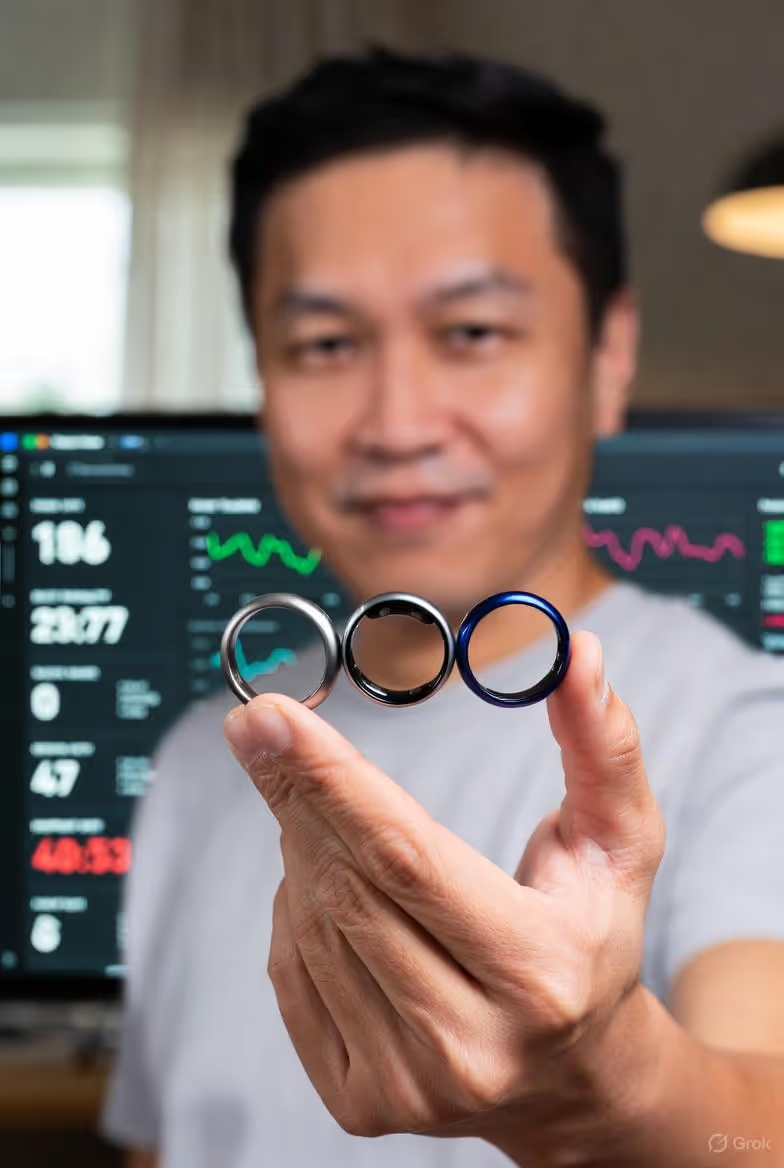
This exploration dives deep into the technological superiority of smart rings for sleep tracking. We'll dissect why the finger provides a cleaner biological signal than the wrist, how multi-sensor fusion creates a holistic picture of your health, and what the most accurate data in the world means for your daily well-being. From the gold-standard Oura Ring 4 to stylish, subscription-free alternatives, we're moving beyond simple step counting and entering the realm of true physiological insight.
The Sleep Tracking Revolution: From Guesswork to Precision Science
For decades, understanding sleep was relegated to two extremes: subjective morning grogginess or the intimidating, wire-covered reality of a clinical sleep lab. Early consumer attempts at tracking were rudimentary. Basic movement sensors, known as actigraphs, could only detect gross motor activity. Their fundamental flaw was a problem of "quiet wakefulness"—if you were lying still in bed but staring at the ceiling, the device would confidently record that time as sleep. This led to chronic overestimation of sleep time and provided little insight into sleep quality.
The breakthrough came with the integration of photoplethysmography (PPG), the technology behind those flashing green lights on wearables. By measuring blood flow, devices could finally track heart rate. This was a game-changer because your heart tells a detailed story throughout the night: it gradually slows as you descend into deep sleep for physical restoration, then becomes faster and more variable during REM sleep, when your brain is active with dreaming. Adding heart rate data dramatically improved devices' ability to distinguish sleep from wakefulness.
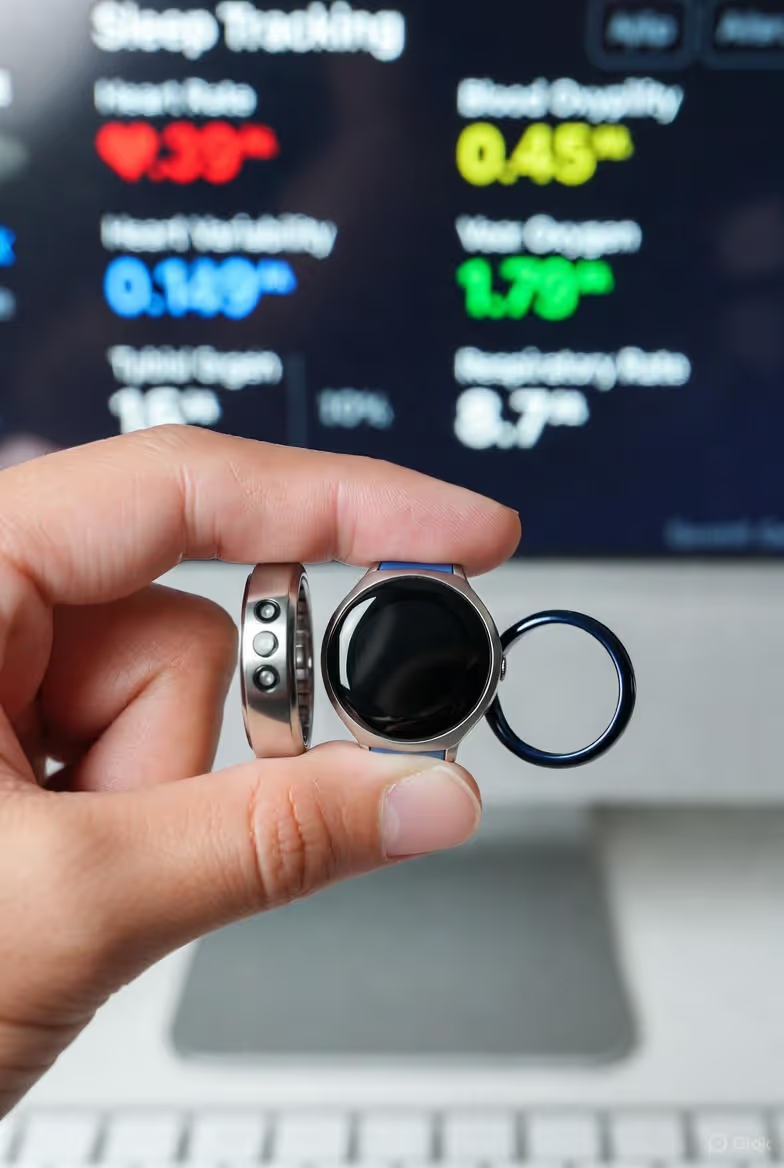
But the wrist, where most smartwatches sit, presented its own set of challenges. It's a bony area with smaller arteries, and factors like a loose fit, wrist tattoos, or even the device's position shifting during the night can corrupt the PPG signal. This is where smart rings seized their strategic advantage. By moving to the finger, they positioned their sensors directly over the rich vascular beds of the palmar digital arteries. The result is a stronger, cleaner, and more consistent signal, the foundation for higher accuracy. As noted by sleep researchers, this placement may offer a significant advantage in capturing reliable data.
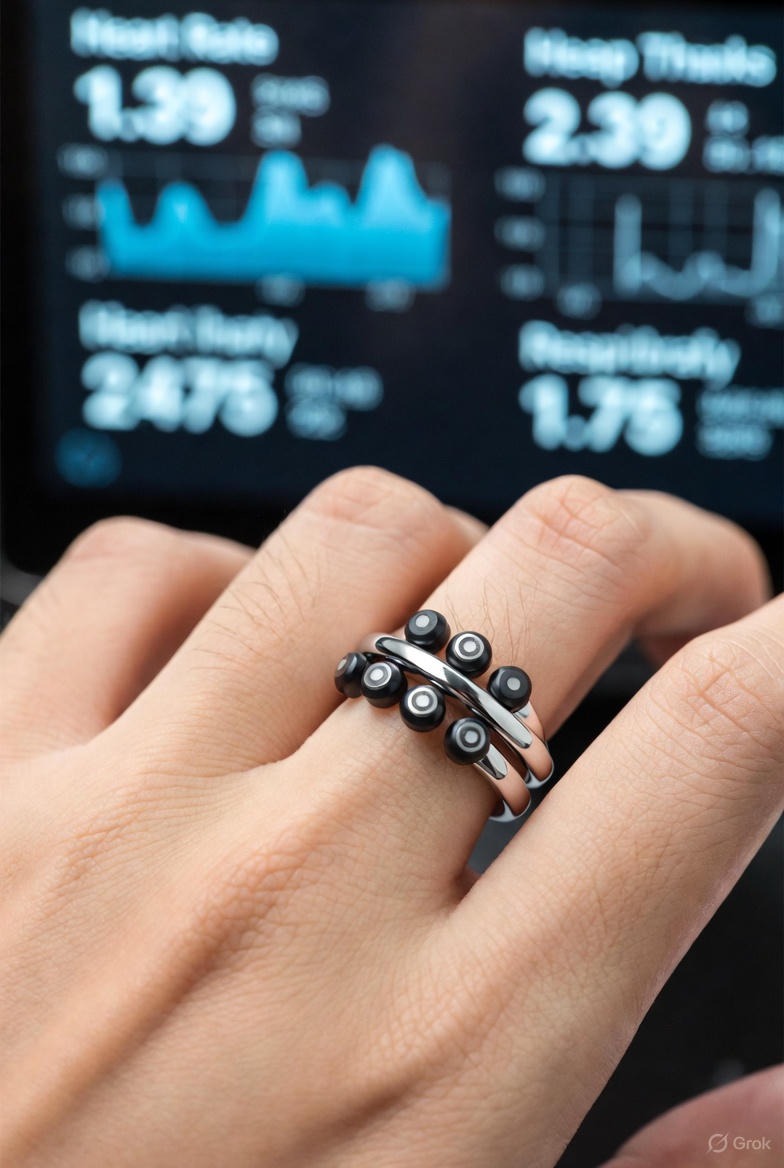
Today's leading smart rings don't stop at heart rate. They are sophisticated data fusion hubs, combining PPG with skin temperature sensors, 3D accelerometers, and infrared sensors. They don't just track sleep; they analyze readiness, stress, and long-term health trends, providing a holistic view that empowers you to make informed decisions about your daily life and long-term wellness.
Why Your Finger is the Perfect Window into Sleep
The quest for accurate sleep data is ultimately a quest for the cleanest possible biological signal. In this regard, anatomy makes the finger an almost perfect observation point, giving smart rings several intrinsic advantages over their wrist-worn counterparts.
First, consider vascular access. The fingers are packed with capillaries and have excellent blood perfusion. The PPG sensors in a smart ring shine light into this dense network and measure the amount reflected back. With more blood volume and a more consistent flow in the finger's pulp, the signal-to-noise ratio is inherently superior to the wrist. This leads to more reliable readings of heart rate and, crucially, Heart Rate Variability (HRV)—a key metric for assessing nervous system balance and recovery during sleep.
Second, consistent sensor contact is vital. A smartwatch on the wrist can shift and slide, especially during sleep, momentarily losing skin contact and creating gaps in data. A properly fitted smart ring, however, maintains consistent contact and alignment. Some advanced rings, like the Oura Ring 4, even incorporate infrared sensors to detect if the ring has rotated and automatically adjust their readings to maintain accuracy. This consistent placement ensures the temperature sensor is also reading from the same spot every night, making trends in your nocturnal body temperature—a subtle indicator of ovulation, illness, or metabolic changes—infinitely more meaningful.
Finally, the finger enables a reduction in motion artifact. While both wrists and fingers move during sleep, the finger's movements are often less dramatic than the full-arm movements that can jostle a watch. Furthermore, the ring's snug fit minimizes the "bouncing" effect that can occur with a looser wristband. Cleaner movement data from the ring's accelerometer allows algorithms to more accurately differentiate between a sleep stage transition and a simple toss or turn.
This anatomical advantage is reflected in validation studies. Research comparing smart rings to the gold-standard polysomnography (PSG) has shown they can achieve over 96% accuracy in detecting sleep versus wakefulness. While no consumer device can perfectly replicate a brain wave-reading EEG, the finger-based approach allows smart rings to get remarkably close, transforming them from simple gadgets into powerful tools for health awareness. For a deeper look at the technology powering these insights, you can explore the science behind Oxyzen's approach.
Beyond Movement: The Multi-Sensor Symphony Inside a Smart Ring
A modern smart ring is a masterpiece of miniaturization, packing a symphony of sensors that work in concert to paint a complete picture of your sleep. It’s the fusion of these data streams—a process far more advanced than any single metric can provide—that unlocks true understanding.
The conductor of this symphony is the Photoplethysmogram (PPG) sensor. Operating 24/7, it uses green and infrared LEDs to measure blood volume changes with each heartbeat. From this raw signal, the ring extracts not just your heart rate, but your Heart Rate Variability (HRV). HRV is the subtle variation in time between beats; a higher HRV generally indicates a relaxed, recovered state governed by the parasympathetic ("rest-and-digest") nervous system, which is dominant during deep sleep. By tracking HRV throughout the night, the ring can infer the quality of your recovery and your autonomic nervous system balance.
Playing a critical harmony is the skin temperature sensor. Your core body temperature naturally dips at night to initiate and maintain sleep. A smart ring tracks the subtle temperature trends at your finger, which can indicate deviations from your personal baseline. A sustained elevation might signal the onset of illness, inflammation, or a change in metabolic function, while for women, specific patterns are intricately linked to menstrual cycle phases. This biometric offers a passive, continuous health check you'd otherwise never notice.
The 3D accelerometer provides the rhythm section. It detects gross body movement to identify periods of restlessness and, importantly, periods of stillness that could indicate wakefulness or sleep. Modern algorithms use this movement data not in isolation, but in context with heart rate data. A still period with a spiking heart rate is clearly different from a still period with a slow, steady beat, allowing for much finer interpretation.
Finally, advanced rings incorporate a pulse oximeter (SpO2 sensor). Using infrared light, it measures the oxygen saturation of your blood. While you sleep, periodic dips in SpO2 can be a key indicator of sleep-disordered breathing, such as sleep apnea. Monitoring this metric night after night can reveal patterns that warrant further medical investigation.
It’s the fusion of all these data points through proprietary machine-learning algorithms that creates the final score. The ring doesn't just report numbers; it synthesizes temperature trends, HRV patterns, movement, and oxygen levels to generate an accurate sleep stage hypnogram (showing your cycles of light, deep, and REM sleep) and an overall Sleep Score that encapsulates the quality of your night's restoration. To see how users interpret this symphony of data in their daily lives, browse real-world experiences on our testimonials page.
Decoding the Night: What Your Smart Ring Metrics Actually Mean
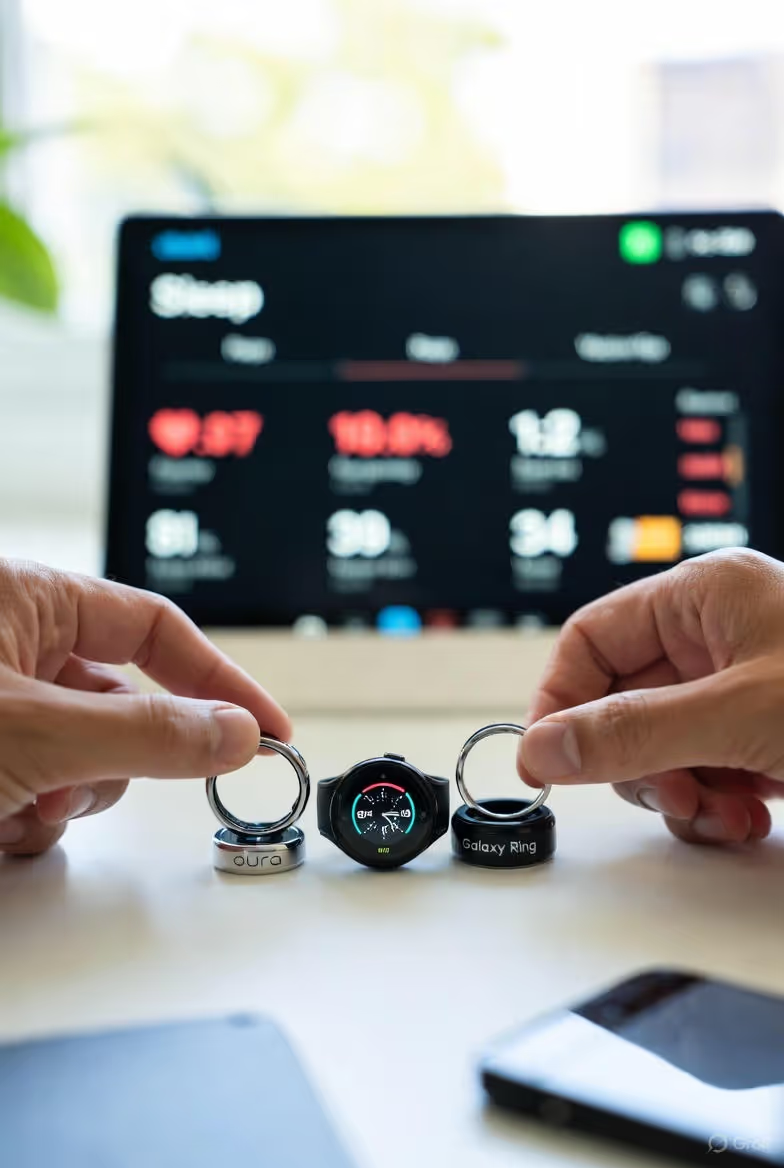
Waking up to a dashboard of sleep data can be overwhelming. What do these scores and graphs actually mean for how you feel today? Let's decode the key metrics provided by leading smart rings like the Oura Ring 4, Samsung Galaxy Ring, and Whoop, transforming raw data into actionable wisdom.
Total Sleep Time vs. Sleep Efficiency: This is the most basic but crucial distinction. Total Sleep Time is simply the minutes from when you fell asleep to when you woke up. Sleep Efficiency, however, is the percentage of time you were actually asleep while in bed. If you spent 8 hours in bed but only slept 6.5 hours, your sleep efficiency is 81%. High efficiency is a hallmark of good sleep hygiene, indicating you're spending less time lying awake.
Sleep Stages Breakdown (Light, Deep, REM): This is the architecture of your sleep. Each stage serves a distinct purpose:
Light Sleep (N1 & N2): Makes up about 50-60% of your night. It's transitional and important for memory processing and relaxation.
Deep Sleep (N3 or Slow-Wave Sleep): The physically restorative phase. This is when tissue growth and repair occur, immune function is bolstered, and energy is restored. It's typically concentrated in the first half of the night.
REM Sleep: The mentally restorative phase, associated with dreaming, learning, and mood regulation. REM periods lengthen as the night progresses. A healthy balance of all stages is essential, and tracking them over time reveals your personal pattern.
Resting Heart Rate (RHR) & Heart Rate Variability (HRV): These are your vital signs of recovery. Your RHR typically drops to its lowest point during deep sleep. A trend of a rising nighttime RHR can indicate stress, dehydration, or illness. HRV is your body's resilience metric. Higher HRV during sleep suggests strong parasympathetic recovery; a suppressed HRV trend can be a sign of overtraining, chronic stress, or poor recovery.
Respiratory Rate: This is the number of breaths you take per minute. It tends to be very steady during stable sleep. Some devices use increases in respiratory rate as an indicator of sleep disturbances or arousals that you might not even remember.
Body Temperature Trend: This isn't a single reading but a graph of your deviation from your own baseline. Seeing your temperature trend line rise over several nights can be one of the earliest signs your body is fighting an infection or experiencing inflammation.
By learning to read these metrics in concert, you move beyond asking "Did I sleep enough?" to understanding how well you slept and why. You can connect a low deep sleep score to a late, heavy meal, or correlate a high HRV with a particularly relaxing day. This is the power of precision sleep tracking—it turns rest from a black box into a system you can understand and optimize. For answers to common questions about interpreting this data, our comprehensive FAQ is a valuable resource.
The Gold Standard: How Oura Ring 4 Achieves Clinical-Grade Accuracy
In the competitive landscape of smart rings, the Oura Ring 4 consistently emerges as the benchmark for accuracy and comprehensive insight, earning top marks from experts at PCMag, the Sleep Foundation, and Wareable. Its reputation isn't based on marketing, but on a hardware and software philosophy dedicated to clinical-grade precision.
The foundation is a completely redesigned sensor array. Oura moved to an 18-path multi-wavelength PPG system. In simpler terms, it uses more light paths and different colors of light (green and infrared) to capture a richer, more robust cardiovascular signal from your finger. Independent analysis suggests this innovation can improve blood oxygen signal quality by up to 120% and enhance the accuracy of overnight SpO2 readings by 30%. Furthermore, Oura employs an asymmetrical sensor placement inside the ring. This clever design ensures that the sensors maintain optimal contact with your skin even as the ring naturally rotates, a common issue that plagues other wearables and degrades data.
This hardware excellence feeds into Oura's sophisticated algorithms, which have been validated in numerous third-party studies. Compared to polysomnography, the Oura Ring 4 has demonstrated a 96% sensitivity for detecting sleep (correctly identifying when you're asleep). Its specificity—correctly identifying wakefulness—while lower, is continually improving and remains competitive. Where Oura particularly shines is in its sleep stage classification. In comparative tests, it has shown approximately 5% greater accuracy in four-stage sleep classification than the Apple Watch and 10% more than Fitbit devices. It is especially adept at detecting deep sleep, with a sensitivity of nearly 80%.
Beyond raw accuracy, Oura's genius lies in actionable synthesis. The app doesn't just drown you in graphs. It synthesizes your sleep, readiness, and activity data into three simple, intuitive scores and provides personalized, context-aware "tags" and insights. It might notice that on days you log a meditation session, your sleep latency decreases, or that your resting heart rate rises after two nights of poor sleep. This focus on long-term trends and holistic health, from cardiovascular age to stress resilience, makes it more than a sleep tracker—it's a health guardian. While Oura sets a high bar, it's important to explore all options; you can compare different wellness tracking philosophies to find what resonates with your personal health goals.
The Challengers: Top-Tier Alternatives for Every User
While Oura leads in overall performance, the smart ring market in 2025 is vibrant with compelling alternatives that excel in specific areas, offering choices for different budgets, ecosystems, and preferences.
For the Subscription-Averse: Ultrahuman Ring Air & RingConn A major pain point for many is Oura's mandatory monthly subscription. Here, the Ultrahuman Ring Air shines as a premier subscription-free choice. It boasts an incredibly lightweight design (as light as 2.4g) and focuses heavily on circadian rhythm science and metabolic health. Its app provides unique features like an "Adenosine Clearance Window," advising you on the optimal time for caffeine, and integrates with continuous glucose monitors (CGMs) for a full picture of metabolic health. The RingConn Gen 2 Air is another strong contender, often praised as the most affordable capable ring on the market. It delivers detailed sleep tracking and a class-leading 10.5-day battery life without any ongoing fees, making it an excellent value proposition for focused sleep and health tracking.
For the Samsung Ecosystem: Samsung Galaxy Ring If your life revolves around Samsung phones and watches, the Samsung Galaxy Ring offers seamless, deep integration. It leverages Samsung's Sleep AI algorithm and provides a smooth experience within the Samsung Health app. It includes handy features like snore detection (which Oura lacks) and offers a stylish, concave design with a convenient charging case that holds an extra charge. Its performance is solid, though some tests note occasional accuracy issues, and it unlocks its full potential primarily with newer Galaxy phones.
For the Performance-Obsessed: Whoop Though technically a wristband, Whoop is a direct competitor in the granular recovery tracking space and is frequently compared to smart rings. The Whoop 5.0 is beloved by athletes and data enthusiasts for its incredibly detailed strain and recovery analysis. Its AI Coach provides highly personalized recommendations, and its recently tiered membership allows users to choose their level of insight, from basic recovery to advanced metrics like ECG and daily blood pressure. For those who want extreme detail on how sleep impacts athletic performance and are okay with a band form factor, Whoop is a top choice.
The Value Proposition: Accessible Smart Rings The market also includes a range of accessible rings, like those from brands such as Oulencu and OxiZen, which bring core tracking features to a much wider audience. The OxiZen Smart Ring, for example, offers 24/7 monitoring of heart rate, blood oxygen, sleep stages, and activity in a sleek, affordable package with IP68 waterproofing. These devices prove that powerful health tracking is becoming democratized, allowing more people to start their wellness journey.
The Limitations and Ethical Considerations of Sleep Tracking
With great data comes great responsibility. It's crucial to approach sleep tracking with a clear understanding of its limitations and a healthy mindset to avoid the pitfalls of "orthosomnia"—an unhealthy obsession with perfect sleep data.
Understanding the Bounds of Accuracy First, no consumer smart ring is a medical diagnostic device. They are wellness tools. While they are excellent at detecting trends and patterns, they cannot diagnose conditions like sleep apnea, insomnia, or narcolepsy. A ring might flag frequent SpO2 dips or poor sleep efficiency, which should be discussed with a doctor who can order a formal sleep study (polysomnography). Studies show that trackers, including rings, can still overestimate sleep time in individuals with insomnia, as they may mistake quiet wakefulness for light sleep. Sleep stage data, while informative, is an educated algorithm-based estimate, not a direct measurement of brain waves.
Avoiding Data Anxiety The primary goal of tracking is to improve your life, not your numbers. Becoming anxious over a low sleep score or trying to micromanage your deep sleep percentage can be counterproductive, creating stress that itself hinders sleep. The data should serve as a gentle guide, not a strict judge. Use it to observe broad trends over weeks and months, not to fret over single nights. Did your average sleep score improve after you started a wind-down routine? That's a meaningful insight. Is your HRV consistently lower during high-stress work periods? That's valuable awareness.
The Privacy Question Smart rings collect deeply intimate physiological data. It is essential to understand a company's data privacy and usage policies. How is your data stored? Is it anonymized and aggregated for research? Is it sold to third parties? Who owns it? Reputable companies are transparent about these policies. As users, we must make informed choices about which companies we trust with our most personal information.
By acknowledging these limitations and using the technology wisely, we can harness the power of sleep tracking for genuine good—gaining unprecedented self-knowledge without letting the pursuit of perfect data undermine the very rest we seek to improve. For more on how we view the relationship between technology and holistic wellness, you can learn about our mission and values.
How to Get the Most Accurate Data from Your Smart Ring
Your smart ring is a precision instrument, and like any instrument, its output depends on how you use it. Following best practices ensures the data you rely on is as accurate and meaningful as possible.
1. The Golden Rule: Perfect Fit is Paramount This cannot be overstated. A ring that is too loose will shift, losing sensor contact and creating motion noise. A ring that is too tight will be uncomfortable and may restrict blood flow, ironically corrupting the very PPG signal it's trying to read. Most reputable companies provide a sizing kit with plastic replicas. Wear this test ring for 24-48 hours, through hand-washing, sleep, and daily activity. The ideal fit is snug enough that it won't spin freely with a light flick, but loose enough that you can remove it with a gentle, steady pull. The goal is consistent contact without constriction.
2. Finger Choice and Consistency Manufacturers typically recommend the index finger, as it often provides the best vascular access and fit. However, the middle or ring finger can also work well. The critical factor is consistency. Once you choose a finger, wear the ring on that same finger every night. Moving it around changes the sensor's relationship to your vasculature and can introduce variability that obscures true trends, especially in temperature data.
3. Battery and Syncing Hygiene For uninterrupted sleep tracking, maintain a charging routine. Don't let the battery die overnight. Sync your ring with its app regularly to ensure data is processed and to receive the latest algorithm updates that improve accuracy and features.
4. Context is King: Use the Tagging Feature The most advanced algorithms can't read your mind. Use your app's tagging feature (like "late meal," "alcohol," "stressful day," "workout") to log behavioral context. Over time, this allows you to see direct correlations. You might discover that a glass of wine with dinner reliably reduces your deep sleep, or that a 10-minute meditation before bed boosts your HRV. This turns passive tracking into active, personalized experimentation.
5. Focus on Trends, Not Nightly Numbers Resist the urge to over-analyze a single night's data. Sleep is inherently variable. Look at your weekly and monthly averages. Is your average Sleep Score trending up? Is your resting heart rate trend line drifting lower? These long-term movements are far more significant indicators of health changes than any single data point. By following these steps, you transition from being a passive wearer to an engaged partner in your health journey, ensuring your smart ring delivers on its full promise of insight and empowerment.
The Future of Sleep Tracking: Where Technology is Taking Us Next
The current capabilities of smart rings are impressive, but they represent just the beginning. The convergence of sensor miniaturization, artificial intelligence, and proactive health science is paving the way for a future where our wearables won't just track our sleep—they will actively guard and enhance it.
From Tracking to Predicting and Preventing The next frontier is predictive health analytics. By establishing a hyper-personalized baseline of your biometrics, future algorithms will be able to detect subtle, preclinical deviations. Imagine your ring sending a gentle alert: "Your nighttime respiratory rate has increased by 15% over your baseline for three nights, and your skin temperature is elevated. This pattern has preceded past respiratory infections. Consider boosting rest and hydration." This shift from retrospective reporting to prospective guidance could revolutionize preventive care.
Integration with the Ambient Environment True sleep optimization doesn't happen in a vacuum. The next generation of devices will seamlessly integrate with smart home ecosystems. Your ring could communicate with your smart thermostat to gradually lower the bedroom temperature as you enter deep sleep, or signal your smart lights to initiate a sunrise simulation as you approach your wake-up time in a light sleep phase. It could silence notifications on all your devices when it detects you've fallen asleep.
Toward True Medical-Grade Diagnostics We are already seeing the blurring of lines between wellness and medical devices. The SleepImage Ring, for instance, is an FDA-cleared ring that uses high-fidelity PPG to generate an ECG-like waveform and diagnose sleep apnea. As sensor quality improves and algorithms undergo rigorous clinical validation, future consumer smart rings may incorporate similar regulatory-cleared features for conditions like atrial fibrillation (AFib) detection or hypertension monitoring, acting as true early-warning systems in partnership with healthcare providers.
Advanced Biomarkers and Personalized Insights Research is exploring new biomarkers detectable from the finger, such as nocturnal blood pressure trends, hydration levels, and even specific electrolyte balances. AI will get better at synthesizing this data to provide not just generic tips, but highly personalized, actionable recommendations: "Your data suggests your sleep is most restorative when you finish exercise at least 3 hours before bed. Try adjusting your workout schedule."
This future points toward a model of continuous, ambient health stewardship. Your smart ring will evolve from a data logger into an intelligent health companion, working silently in the background to help you not just sleep better, but live healthier, with deeper understanding and earlier intervention than ever before. To stay updated on these evolving trends and insights, be sure to visit our blog for the latest in wellness technology.
Making the Choice: Selecting the Right Smart Ring for Your Sleep Journey
With an array of powerful options available, choosing the right smart ring is a personal decision that hinges on your unique priorities, lifestyle, and goals. Here’s a framework to guide your choice, focusing on the key differentiators in today's market.
First, Define Your "Why."
The Holistic Health Optimizer: If you want the most clinically accurate, comprehensive, and actionable overview of your sleep, readiness, and long-term health trends, and are willing to invest in a subscription for a polished experience, the Oura Ring 4 remains the benchmark.
The Detail-Oriented Data Enthusiast: If you love diving into granular data, especially related to fitness strain, recovery, and performance, and prefer a band, Whoop 5.0 with its AI Coach is a top contender. For ring form-factor enthusiasts who want deep, subscription-free data, Ultrahuman Ring Air offers exceptional circadian and metabolic insights.
The Ecosystem User: If you live in the Samsung universe, the Samsung Galaxy Ring offers the most seamless integration, with nice perks like snore detection and a superb charging case.
The Value-Seeking Starter: If you want to experience core sleep and activity tracking without a large upfront cost or ongoing subscription, the RingConn Gen 2 Air (for strong battery life) or accessible options like the OxiZen Smart Ring offer fantastic gateways into the world of wearable wellness.
Key Decision Matrix: Use these questions to narrow your focus:
Budget: What is your total cost of ownership (device + any subscription over 1-2 years)?
Subscription Tolerance: Are you philosophically opposed to monthly fees, or do you see value in paying for ongoing algorithm development and support?
Primary Focus: Is your main goal sleep insight, athletic recovery, stress management, or general health trend-spotting?
Design & Comfort: How important is a minimalist, lightweight design for 24/7 wear?
Battery Life: How often are you willing to charge? (Options range from ~5 days to over 10).
Ultimately, the best smart ring is the one you'll wear consistently and whose insights you'll actually use. It should feel like a helpful partner, not a chore. By aligning the technology's strengths with your personal health vision, you can select a device that doesn't just measure your nights, but genuinely helps you improve your days. For further guidance and to see how different approaches to wellness tracking align with your journey, explore more about our product philosophy.
The Scientific Validation: How Researchers Are Proving Smart Ring Accuracy
The credibility of smart ring technology rests not on marketing claims but on rigorous scientific validation. Across leading universities and research institutions, scientists are conducting comparative studies that position smart rings as some of the most reliable consumer-grade sleep trackers available.
Comparative Validation Against Polysomnography The gold standard for sleep assessment is the polysomnogram (PSG) conducted in sleep labs, which uses electroencephalography (EEG) to measure brain waves. Multiple independent studies have tested smart rings against this benchmark with impressive results. Research published in Sleep Medicine found that devices like the Oura Ring achieved 96% agreement with PSG for sleep-wake detection and approximately 70-80% accuracy for specific sleep stage classification (deep, REM, light). While no wearable can perfectly replicate EEG, this level of accuracy is clinically meaningful for longitudinal tracking.
What makes this validation particularly compelling is the real-world testing environment. Unlike studies conducted in sterile labs, much of this research involves participants sleeping in their own beds, making the findings directly applicable to how people actually use these devices. The studies consistently show that smart rings significantly outperform basic movement-based actigraphy, especially in detecting wakefulness after sleep onset—a critical metric for those with sleep fragmentation.
FDA Clearance and Medical Applications The validation has progressed beyond academic research into regulatory recognition. The SleepImage Ring (formerly known as the Cerebra Ring) has received FDA 510(k) clearance as a medical device for screening sleep apnea. It uses high-fidelity PPG from the finger to create a cardiopulmonary coupling analysis that identifies breathing disturbances. This medical-grade validation demonstrates the diagnostic potential of finger-based photoplethysmography.
While mainstream smart rings like Oura and Galaxy Ring remain wellness devices, their underlying technology is increasingly being used in large-scale research studies. The TemPredict Study used Oura Rings to collect physiological data from over 65,000 participants, successfully identifying subtle temperature and heart rate changes that predicted COVID-19 infection up to three days before symptom onset. This research demonstrates how aggregated smart ring data could serve as an early warning system for population health trends.
The Stanford Sleep Study Findings Stanford University's Sleep Medicine Center conducted one of the most comprehensive comparisons of consumer sleep trackers. Their findings revealed that while all devices have limitations in precise sleep stage timing, finger-based sensors consistently provided cleaner cardiac signals than wrist-based devices. The researchers noted that for measuring nocturnal heart rate and heart rate variability (HRV)—two critical metrics for recovery assessment—smart rings provided the most reliable data outside of clinical chest strap monitors.
This growing body of validation matters because it transforms smart rings from mere curiosity to legitimate biofeedback tools. As Dr. Raphael Vallat, a sleep researcher at UC Berkeley, notes: "While no consumer device replaces a clinical sleep study for diagnosing disorders, the best smart rings provide remarkably accurate trend data that can help people understand their sleep patterns and make informed lifestyle adjustments."
Case Studies: Real People Solving Real Sleep Problems
The true test of any technology lies in its practical application. Beyond the laboratory validation, countless individuals have used smart ring data to identify and address previously mysterious sleep issues. These real-world stories illustrate the transformative potential of accurate sleep tracking.
The Overtrained Athlete Marcus, a 32-year-old amateur marathon runner, was following a rigorous training schedule but noticed his performance plateauing and his resting heart rate creeping upward. His Oura Ring data revealed the underlying issue: despite getting 8 hours in bed, his deep sleep percentage had dropped from 20% to below 12% over six weeks, and his HRV was in a sustained downward trend. The data clearly indicated inadequate recovery. By using the ring's insights, Marcus implemented strategic rest days, focused on post-workout nutrition, and introduced a magnesium supplement before bed. Within three weeks, his deep sleep returned to baseline, his HRV trend reversed, and he broke through his performance plateau. "The ring didn't just tell me I was tired," Marcus explains. "It showed me exactly how my body was failing to recover and gave me the data to fix it."
The Perimenopausal Professional Sarah, a 46-year-old lawyer, began experiencing unexplained nighttime awakenings and morning fatigue. Her doctor initially attributed it to stress. However, her smart ring revealed a distinctive pattern: her nocturnal body temperature was elevated by 0.5°C above her baseline, and she had increased sleep fragmentation specifically in the second half of the night. This objective data gave her the confidence to seek a specialist who diagnosed perimenopause-related sleep disruption. With this knowledge, Sarah adjusted her sleep environment (cooling mattress pad, lighter bedding), timed her exercise differently, and worked with her doctor on a hormone optimization plan. Her ring data provided the feedback to fine-tune these interventions until her sleep stabilized.
The Undiagnosed Sleep Apnea Sufferer James, a 58-year-old with hypertension, used a smart ring with SpO2 tracking. He noticed the app frequently flagged "significant blood oxygen variations" during sleep, with regular dips below 90%. While he didn't snore loudly or recognize daytime sleepiness, this objective data prompted him to undergo a sleep study. He was diagnosed with moderate obstructive sleep apnea. After beginning CPAP therapy, not only did his SpO2 readings normalize, but his ring showed a 15-point improvement in his sleep scores, a 10% decrease in his resting heart rate, and significantly more deep sleep. "I would have never known without the ring data," James says. "It literally alerted me to a serious health issue I was completely unaware of."
The Chronotype Mismatch Akira, a 28-year-old software engineer working conventional hours, struggled with persistent morning grogginess despite "adequate" sleep duration. His smart ring data revealed his body's natural preference: his lowest core temperature occurred around 3 AM, and his sleep was most efficient when he went to bed after midnight. The data clearly showed he had a delayed chronotype trying to conform to an early schedule. With this insight, Akira negotiated a shifted work schedule (10 AM to 6 PM instead of 8 AM to 4 PM). Within two weeks, his sleep efficiency increased from 78% to 92%, and his subjective energy levels improved dramatically. "The data gave me the evidence I needed to align my life with my biology," he notes.
These stories share a common theme: smart rings provided the objective evidence needed to move from vague complaints ("I'm always tired") to specific, actionable insights. The data served as a translation layer between subjective experience and biological reality, empowering individuals to advocate for their health and experiment with targeted solutions.
The Hidden Sleep Disruptors: What Your Ring Reveals That You'd Never Notice
One of the most valuable aspects of continuous physiological monitoring is its ability to detect subtle patterns and disruptions that would otherwise go unnoticed. Smart rings excel at revealing these "hidden" factors that quietly degrade sleep quality.
The Impact of Late Eating The body's digestive processes can significantly interfere with sleep architecture. Smart ring data consistently shows that meals within 2-3 hours of bedtime correlate with measurable changes: elevated nighttime heart rate, reduced heart rate variability, and decreased deep sleep percentage. More specifically, high-fat meals appear to have the most pronounced effect. One user's data showed that when she ate a heavy dinner at 8 PM (compared to a light dinner at 6 PM), her deep sleep decreased by 25% and her resting heart rate was elevated by 8 beats per minute throughout the night. This objective feedback helps users establish optimal eating windows for their individual physiology.
Alcohol's Deceptive Sedation While alcohol may help with sleep onset, smart ring data reveals its profoundly disruptive effects on sleep quality. The pattern is remarkably consistent: after alcohol consumption, users show an initial increase in deep sleep in the first half of the night, followed by severely suppressed REM sleep in the second half, along with increased sleep fragmentation and elevated heart rate. Even moderate consumption (1-2 drinks) produces measurable effects. This data provides undeniable evidence of alcohol's true impact, helping many users make more informed decisions about timing and quantity.
Caffeine's Long Half-Life The stimulating effects of caffeine can linger far longer than subjective perception suggests. Smart ring data from thousands of users reveals that caffeine consumed even 6-8 hours before bedtime can reduce sleep efficiency by 5-10% and delay the onset of deep sleep. For slow metabolizers (a genetic trait), the effects are more pronounced. Seeing this objective impact—especially the correlation between afternoon coffee and reduced deep sleep—has helped countless users optimize their caffeine cutoff times.
Subtle Temperature Variations The human sleep cycle is exquisitely sensitive to temperature, but the optimal range varies by individual. Smart rings track both environmental temperature (via paired smartphones) and physiological response. Users often discover that what feels comfortable when they fall asleep becomes problematic later. One user found that while his bedroom at 70°F felt fine at bedtime, his ring data showed increased restlessness and awakenings correlated with a 0.5°F increase in room temperature after midnight (from external weather changes). This prompted him to invest in a smart thermostat that maintained a consistent temperature throughout the night, improving his sleep continuity by 15%.
The "Weekend Jet Lag" Effect Social jet lag—the discrepancy between sleep schedules on workdays versus free days—creates measurable physiological stress. Smart ring data vividly illustrates this: when users sleep in on weekends, their rings show disrupted circadian patterns, with Sunday night typically featuring poorer sleep efficiency and reduced deep sleep as the body struggles to readjust. Seeing this data has motivated many to maintain more consistent bedtimes, even on weekends.
Unconscious Stress Patterns Stress doesn't always announce itself consciously. Smart rings can detect physiological stress through metrics like elevated resting heart rate, reduced HRV, and increased sleep latency. Users frequently discover patterns they hadn't recognized: one teacher found her sleep metrics consistently worsened on Sunday nights (anticipatory anxiety about the week); another discovered that his sleep disruption preceded rather than followed stressful workdays, suggesting his body was preparing for expected stress. This awareness allows for targeted stress management interventions.
By revealing these hidden disruptors, smart rings empower users to become detectives of their own sleep, identifying and addressing factors they might otherwise never connect to their sleep quality. The data provides an objective basis for experimentation and optimization, moving sleep improvement from guesswork to science.
Optimizing Your Sleep Environment with Data-Driven Insights
Armed with accurate data from your smart ring, you can transform your bedroom from a passive sleep space into an actively optimized recovery environment. Here's how to use your metrics to fine-tune every element of your sleep sanctuary.
Temperature Optimization Your core body temperature needs to drop by approximately 1-2°F to initiate and maintain sleep. Smart ring temperature trends can help you find your personal ideal.
Baseline Establishment: Wear your ring for two weeks while keeping your bedroom at a consistent temperature (start with 65-68°F, the recommended range).
Data Analysis: Look for correlations between room temperature and (1) sleep onset latency, (2) deep sleep percentage, and (3) nighttime awakenings.
Personalized Adjustment: One user discovered that while 67°F gave her good deep sleep, lowering to 65°F reduced her awakenings by 30%. Another found his ideal was 69°F—warmer than recommended but perfect for his physiology.
Dynamic Solutions: Consider a smart thermostat (like Nest or Ecobee) that automatically lowers the temperature at bedtime and raises it before waking, or a bed cooling system (like Chilipad or Eight Sleep) that adapts throughout the night.
Light and Circadian Alignment Light exposure is the primary driver of your circadian rhythm. Your ring's sleep timing data can reveal mismatches.
Chronotype Assessment: If your sleep efficiency is consistently better with later bedtimes, you may have a delayed chronotype. Consider using blackout curtains to darken your room in the morning if you need to sleep later than sunrise.
Evening Light Management: Correlate evening screen time with sleep metrics. Many users find that implementing a "digital sunset" 60-90 minutes before bed (using blue light filters or amber glasses) reduces sleep latency by 15-20%.
Morning Light Optimization: If you struggle with morning alertness, try correlating morning light exposure (using a sunrise simulator lamp like Philips Hue or dedicated dawn simulator) with your daytime readiness scores in your ring app.
Sound and Noise Management Unexpected noise fragments sleep even if you don't fully wake. Your ring's movement and heart rate data can detect these micro-arousals.
Baseline Night: Record a night with complete silence (use earplugs if necessary) to establish your "quiet baseline" sleep architecture.
Noise Introduction: Test how different sounds affect you. White noise helps many but disturbs some. Pink or brown noise (deeper sounds) may be better for others.
Smart Solutions: Consider a smart sound machine (like Hatch Restore) that combines white noise with sunrise simulation, or use a wearable white noise device (like Quieton sleep buds) that also blocks external sounds.
Sleep Surface Optimization Your mattress, pillows, and bedding significantly impact sleep continuity. Use your ring's restlessness metric and movement data to assess your setup.
Position Tracking: Many rings estimate sleep position. If you're changing positions excessively, your mattress may not be providing proper support.
Trial Period Strategy: If considering a new mattress, test it during the trial period while closely monitoring your sleep scores. Look for improvements in deep sleep percentage and reductions in restlessness.
Pillow Experimentation: Try different pillows for two-week periods while tracking cervical spine alignment (morning neck pain) alongside sleep continuity metrics.
Pre-Sleep Routine Refinement The hour before bed sets the stage for sleep quality. Use your ring data to test different wind-down routines.
Meditation Impact: Tag nights with pre-sleep meditation and compare HRV and sleep latency to control nights. Many users see a 10-25% improvement in HRV on meditation nights.
Hot Bath Timing: The body needs to dissipate heat to sleep. If you enjoy evening baths, experiment with timing: finishing 60-90 minutes before bed (to allow cooling) often optimizes the sleep-inducing effect.
Sexual Activity: Many users find that sexual activity before bed correlates with improved sleep efficiency and deeper sleep, likely due to oxytocin release and physiological relaxation.
By systematically testing environmental variables while monitoring objective data, you move beyond generic sleep hygiene advice to create a truly personalized sleep sanctuary optimized for your unique physiology. The smart ring provides the feedback loop necessary for this precision optimization.
Advanced Interpretation: Reading Between the Data Lines
Once you've mastered the basic metrics, you can begin to interpret more subtle patterns and correlations in your smart ring data. This advanced analysis reveals deeper insights about your physiology and how it responds to your lifestyle.
The HRV Resonance Pattern Heart rate variability isn't just a number—its pattern throughout the night tells a story. A healthy pattern shows HRV increasing during deep sleep phases (parasympathetic dominance for restoration) and decreasing during REM phases (sympathetic activation for brain processing). If your HRV remains flat or decreases during deep sleep phases, this may indicate incomplete physiological recovery despite adequate time in bed. This pattern often correlates with overtraining, chronic stress, or inflammatory states. Observing how this pattern changes in response to lifestyle interventions provides deep insight into your recovery capacity.
Temperature Rhythm Analysis Your nocturnal temperature curve has characteristic features. Typically, temperature drops sharply at sleep onset, reaches its nadir around 3-4 AM (coinciding with deepest sleep), then gradually rises toward morning. Disruptions to this rhythm are informative:
Elevated nadir: Your lowest temperature isn't as low as usual. This may indicate immune activation, hormonal changes, or metabolic issues.
Premature rise: Temperature begins rising too early, often correlating with early morning awakenings.
Multiple dips: An erratic curve may indicate sleep fragmentation or circadian disruption.
Tracking these patterns over menstrual cycles reveals ovulation-related shifts (temperature rises post-ovulation), while tracking over longer periods may reveal seasonal patterns or lifestyle impacts.
Sleep Architecture Balance Beyond simply tracking deep and REM sleep percentages, examine their distribution throughout the night. Healthy architecture typically shows deep sleep concentrated in the first half of the night and REM concentrated in the second half. A disruption to this pattern—such as REM appearing too early or deep sleep periods in the second half—may indicate sleep disorders, medication effects, or significant circadian misalignment. Some antidepressants, for example, suppress REM sleep, which the ring would clearly show as reduced REM percentage.
The Sympathetic Surge Signature During normal sleep, brief sympathetic activations occur, often visible as temporary heart rate increases. However, frequent or exaggerated surges—especially when not associated with remembered awakenings—may indicate underlying issues. These surges often precede breathing disturbances in sleep apnea (as the body briefly arouses to resume breathing) but can also occur with reflux, pain, or environmental disturbances. Noting the timing and frequency of these surges can guide further investigation.
Recovery-Exercise Lag Time Advanced users can analyze the temporal relationship between exercise and recovery metrics. Most people show their poorest recovery scores not on the night after intense exercise, but on the second night (the night after the exercise night). This delayed effect reflects the body's inflammatory response and repair processes. Understanding your personal lag time helps you plan training loads and recovery periods more effectively.
Circadian Type Signatures Your ring data can help you identify your precise circadian type beyond "morning lark" or "night owl." Analyze when your body naturally reaches its temperature minimum (typically 1-2 hours before habitual wake time) and when your sleep is most efficient. Those with strongly delayed types will show optimal sleep efficiency with very late bedtimes, while advanced types will show early temperature minima and best sleep with early bedtimes. This data is more accurate than subjective questionnaires for determining chronotype.
The Weekly Rhythm Assessment Our bodies often follow weekly physiological rhythms tied to work schedules, social patterns, and stress cycles. Export your data and look for weekly patterns: many people show their best recovery on Tuesday/Wednesday nights (having adapted to the work week but not yet depleted) and their worst on Sunday nights (anticipatory anxiety) and Thursday/Friday nights (cumulative exhaustion). Recognizing these patterns allows you to strategically place demanding activities during your physiological peaks and recovery activities during your troughs.
By learning to interpret these advanced patterns, you transform your smart ring from a simple sleep scorer into a sophisticated biofeedback device that reveals the intricate dance between your lifestyle, environment, and physiology.
Integrating Smart Ring Data with Professional Healthcare
While smart rings are powerful wellness tools, their greatest potential may be realized when their data is integrated with professional healthcare. This collaboration between quantified self-tracking and medical expertise represents the future of preventive medicine.
Creating Effective Sleep Reports for Your Doctor Most physicians appreciate objective data but need it presented effectively. Instead of showing raw nightly graphs, create a summary report covering 2-4 weeks that highlights:
Key Concerns: State your specific issues (e.g., "difficulty maintaining sleep" or "non-restorative sleep").
Trend Analysis: Show averages and trends for sleep efficiency, resting heart rate, and oxygen variation (if tracked).
Pattern Identification: Note patterns like "consistently poor sleep efficiency despite 8 hours in bed" or "frequent awakenings between 2-4 AM."
Correlation Attempts: Note any correlations you've observed with lifestyle factors (caffeine, alcohol, stress events).
Specific Questions: Ask targeted questions like "Do these oxygen variations warrant a sleep study?" or "Could my elevated resting heart rate indicate an underlying issue?"
This organized approach helps your doctor quickly understand the patterns and determine appropriate next steps.
When Data Warrants Professional Evaluation Certain smart ring patterns should prompt medical consultation:
Consistent SpO2 dips below 90%: This strongly suggests sleep-disordered breathing.
Extremely elevated resting heart rate during sleep (consistently >20 bpm above your daytime resting rate): May indicate cardiac issues, hyperthyroidism, or other medical conditions.
Severe sleep fragmentation despite good sleep hygiene: Could indicate periodic limb movement disorder, sleep apnea, or other sleep disorders.
Paradoxical patterns: Like high sleep duration with persistent fatigue, suggesting potentially poor sleep quality despite adequate time.
The Emerging Field of Digital Sleep Medicine Forward-thinking sleep clinics are beginning to incorporate consumer device data into their diagnostic process. Some use smart ring data as a pre-screening tool to determine which patients most need full polysomnography. Others use it for treatment monitoring—tracking how CPAP therapy for sleep apnea improves overnight oxygen levels and resting heart rate over time.
At Stanford's Sleep Medicine Center, Dr. Jamie Zeitzer notes: "We're increasingly using validated consumer devices to track treatment response between visits. When a patient shows us their Oura data demonstrating improved sleep continuity after starting cognitive behavioral therapy for insomnia, it provides objective validation that complements their subjective reports."
Remote Patient Monitoring Applications For chronic conditions like insomnia, some clinicians are using smart ring data for remote patient monitoring. Patients share their data weekly, allowing therapists to track progress on sleep restriction therapy (seeing reduced time in bed correlate with improved sleep efficiency) or stimulus control (seeing reduced sleep latency). This extends care between sessions and provides objective progress tracking.
Integrating with Electronic Health Records The future lies in seamless integration. Companies like Apple are working on systems to allow patients to securely share wearable data with their EHR systems. While privacy concerns must be carefully addressed, this integration could allow physicians to see longitudinal trends during routine visits, potentially identifying issues like gradually increasing resting heart rate that might otherwise go unnoticed until symptoms appear.
The Patient-Physician Partnership Model The most effective approach is a partnership: you use your smart ring to identify patterns and experiment with lifestyle modifications, while your physician provides medical expertise and orders formal diagnostics when needed. As Dr. Michael Grandner, Director of the Sleep and Health Research Program at the University of Arizona, explains: "Consumer sleep trackers empower patients to bring data to the conversation. They transform 'I'm tired' into 'My sleep efficiency is 70% with 40 awakenings per night.' That objective data changes the clinical conversation."
By bridging the gap between subjective experience and objective measurement, smart rings are helping create a new model of collaborative, data-informed healthcare that focuses on prevention and early intervention rather than just treating established disease.
The Dark Side of Sleep Tracking: Avoiding Orthosomnia and Data Anxiety
As powerful as sleep tracking can be, it carries psychological risks that users must recognize and manage. The term "orthosomnia" was coined by researchers to describe an unhealthy preoccupation with achieving perfect sleep data—an obsession that ironically worsens sleep.
Recognizing Orthosomnia Symptoms Watch for these warning signs that tracking is becoming counterproductive:
Anxiety about data: Feeling stressed or disappointed by "bad" sleep scores.
Compulsive checking: Reviewing sleep data immediately upon waking, or checking the app multiple times during the day.
Rigid behavior: Becoming inflexible about sleep routines due to data optimization.
Misinterpretation: Believing sleep stage percentages must hit exact targets each night.
Validation seeking: Needing the ring to "prove" you slept well to feel rested.
Device dependence: Being unable to sleep without the tracker, or feeling sleep "doesn't count" if not tracked.
The Data Paradox Sleep is inherently variable. A healthy sleep system naturally has good nights and bad nights. When we track obsessively, we risk pathologizing normal variability. Research in the Journal of Clinical Sleep Medicine found that individuals with orthosomnia often misinterpret normal sleep variations as disorders, leading to increased anxiety and sometimes unnecessary medical consultations.
Healthy Tracking Practices To avoid these pitfalls, adopt these balanced approaches:
Trends Over Nights: Focus exclusively on weekly and monthly trends, not daily scores. Your body doesn't care about last night's data; it cares about your average recovery over time.
Scheduled Review: Designate one time per week (Sunday morning, for example) to review your data and identify patterns. Avoid daily checking.
The 80/20 Rule: Aim to follow good sleep practices 80% of the time. Allow 20% flexibility for life—late nights with friends, travel, or occasional indulgences.
Data Vacations: Periodically take breaks from wearing your ring (one week per quarter, for example). This helps maintain perspective and prevents device dependence.
Symptom-Led Interpretation: Let your daytime feelings guide your interpretation of data. If you feel great but your score is low, question the score—not your feelings.
Embrace Variability: Understand that a 10-20% night-to-night variation in sleep metrics is completely normal and reflects your body's adaptive capacity.
When to Seek Help If you find yourself experiencing significant anxiety related to sleep tracking, consider:
Digital detox: Take a month off from tracking entirely.
Professional support: Consult a therapist specializing in anxiety or sleep disorders.
Support communities: Engage with balanced communities (like the r/ouraring subreddit) where experienced users share healthy perspectives on data interpretation.
The Wisdom of Listening to Your Body The most advanced algorithm cannot capture the subjective experience of restoration. Sometimes, the body needs what the data doesn't recommend—like staying up late for meaningful connection or sleeping in after cumulative stress. As sleep scientist Dr. Matthew Walker reminds us: "Sleep trackers should be servants, not masters. They provide information, not instruction. The ultimate authority on your sleep should always be you—how you feel, function, and flourish."
By maintaining this balanced perspective, you can harness the power of sleep tracking without falling into its psychological traps, using data to enhance rather than dictate your relationship with sleep.
The Evolution of Sleep Tracking Algorithms: How AI is Learning to Understand Your Sleep
The accuracy of smart rings isn't just about hardware—it's increasingly about sophisticated artificial intelligence that continuously learns and adapts. Understanding how these algorithms work reveals why today's devices are so much more capable than their predecessors.
From Rules-Based to Machine Learning Early sleep trackers used simple rules: if movement is below threshold X for time Y, you're asleep. This crude approach had high error rates. Modern devices employ machine learning models trained on massive datasets of polysomnography-verified sleep. These models don't follow simple rules but recognize complex patterns across multiple data streams (heart rate, HRV, movement, temperature) that correspond to different sleep states.
Personalization Through Continuous Learning The most advanced algorithms go beyond one-size-fits-all models. They employ personalization techniques that adapt to your unique physiology. During your first weeks with a device, it's learning your baselines: what heart rate drop signals sleep onset for you, what movement patterns accompany your sleep stage transitions, what your normal temperature rhythm looks like. This personalization explains why accuracy often improves after the initial weeks of use.
Context-Aware Interpretation Next-generation algorithms incorporate contextual data to improve interpretation. For example:
Knowing you exercised intensely in the evening helps the algorithm correctly interpret elevated heart rate during sleep as recovery, not disturbance.
Recognizing you're in a different time zone helps distinguish jet lag disruption from other sleep issues.
Understanding your menstrual cycle phase (if tracked) provides context for temperature variations.
Population Analytics for Pattern Recognition Anonymized, aggregated data from millions of users creates powerful insights. When algorithms detect that thousands of users with similar physiological patterns all respond well to a particular intervention (like afternoon sunlight exposure), they can suggest this insight to new users with similar patterns. This population-based pattern recognition accelerates personalized learning.
The Federated Learning Revolution Privacy concerns with health data are legitimate. Federated learning addresses this by training algorithms on devices rather than central servers. Your raw data never leaves your phone; instead, your device learns from your patterns, then shares only the anonymous algorithm improvements with the central model. This protects privacy while still benefiting from collective learning.
Predictive Analytics and Early Detection The cutting edge involves moving from descriptive to predictive models. By analyzing longitudinal data, algorithms can identify when your metrics are deviating from your personal patterns in ways that predict future issues. Early research suggests patterns in sleep data may predict depressive episodes, migraine attacks, or infectious illness days before symptoms appear. As these models improve, smart rings could become true early warning systems.
The Limitations and Ethics of Algorithmic Sleep Assessment Despite advances, limitations remain:
The "Black Box" Problem: Many machine learning models cannot explain why they classified sleep a certain way.
Dataset Biases: If training data lacks diversity, algorithms may be less accurate for underrepresented groups.
Over-Personalization Risk: Algorithms overly tuned to an individual might miss medically significant deviations.
The Human-AI Partnership The future isn't about algorithms replacing human judgment but augmenting it. The most effective approach combines algorithmic detection of patterns with human interpretation of context. Your ring might flag that your deep sleep is decreasing—but you provide the context that you've started a new medication, have increased work stress, or changed your exercise routine. Together, this partnership yields insights neither could achieve alone.
As these algorithms continue to evolve, they promise not just more accurate sleep tracking, but deeper understanding of how sleep interacts with all aspects of our health—a holistic view that recognizes sleep not as an isolated process but as the foundation of our physiological and mental well-being.
Future Horizons: Where Sleep Technology is Heading in the Next Decade
The current capabilities of smart rings represent just the beginning. Looking ahead, several converging technologies promise to transform sleep tracking from passive monitoring to active optimization and even therapeutic intervention.
Non-Contact Sleep Sensing While wearables provide excellent data, the ultimate convenience would be tracking without wearing anything. Advances in ultra-wideband radar, millimeter wave technology, and advanced computer vision are enabling accurate sleep monitoring from bedside devices. The Withings Sleep Analyzer mat, for example, uses ballistocardiography to track heart rate, breathing, and sleep cycles from under your mattress. Future systems may combine multiple non-contact modalities for comprehensive monitoring without any wearables.
Closed-Loop Sleep Optimization The next frontier is systems that don't just track but respond. Imagine a system that detects you're in light sleep and plays a specific sound frequency shown to deepen sleep, or senses an elevated heart rate and releases a calming scent. Closed-loop systems would continuously monitor your state and deliver precisely timed interventions to optimize sleep quality throughout the night. Early research on acoustic stimulation (gentle sounds timed to slow brain waves) has shown promise for enhancing deep sleep, particularly in older adults.
Dream Augmentation and Lucid Dream Induction While still speculative, some researchers are exploring whether wearables could help influence dream content or increase lucid dreaming (awareness that you're dreaming). By detecting REM sleep and delivering subtle cues (vibrations, lights, sounds), devices might help users recognize they're dreaming. Other approaches involve targeted memory reactivation—playing sounds associated with specific memories during sleep to enhance memory consolidation or potentially influence dream content.
Sleep-Dependent Learning Enhancement Research shows that sleep plays a crucial role in memory consolidation. Future devices might optimize this process by detecting specific sleep stages and delivering cued memory reactivation. For example, if you're studying a language, the device might play foreign vocabulary during precise sleep phases shown to enhance language learning. Similarly, motor skill learning could be enhanced by delivering cues during sleep that reinforce practiced movements.
Integrated Sleep and Mental Health Platforms The bidirectional relationship between sleep and mental health is well-established. Future platforms will likely integrate sleep data with mood tracking, stress measures, and therapeutic interventions. Imagine a system that notices your sleep disruption pattern predicts a depressive episode and proactively suggests evidence-based interventions (light therapy, behavioral activation, meditation protocols) or alerts your mental health provider.
Nutraceutical and Chronopharmacology Integration As we better understand how timing affects substance metabolism, smart rings could guide personalized timing for supplements and medications. The system might recommend taking magnesium 90 minutes before your typical temperature drop, or adjusting medication timing based on your circadian phase. For shift workers, it could optimize melatonin timing to accelerate circadian adaptation.
The Multi-Modal Sleep Sanctuary Rather than single devices, future sleep optimization will involve integrated ecosystems: the ring tracking your physiology, the bed adjusting temperature and firmness, the room managing light and sound, and AI coordinating all elements based on your real-time state and long-term patterns. Your sleep environment will become adaptive and responsive, not static.
Democratization of Sleep Medicine Perhaps the most significant impact will be making sleep insights accessible to all. As costs decrease and accuracy improves, sleep tracking could become as routine as step counting. This democratization could help identify sleep disorders earlier, reduce healthcare disparities, and empower individuals with knowledge about this fundamental pillar of health.
While some of these applications remain in early research stages, the direction is clear: sleep technology is evolving from measurement to optimization, from isolated tracking to integrated systems, and from wellness tools to potential therapeutic devices. As these technologies mature, they promise not just to tell us how we slept, but to actively help us sleep better—and in doing so, improve our health, cognition, and quality of life.



%402x.svg)