


How to Build Peaceful Living Habits That Your Family Adopts
Building peaceful habits that your family members also adopt.
Building peaceful habits that your family members also adopt.
%402x.svg)
Imagine a home that isn’t just a place to sleep, but a sanctuary that recharges you. A space where the default setting isn’t frantic distraction, but calm connection. Where habits don’t drain your collective energy, but quietly replenish it. This isn’t a fantasy; it’s the profound outcome of intentionally building peaceful living habits—not just for yourself, but for your entire family unit.
In our hyper-connected, always-on world, the concept of “peace” at home can feel elusive. We often mistake peace for mere quiet, or the brief lull between sibling squabbles and work notifications. True peaceful living is more dynamic. It’s a resilient foundation of routines, communication, and shared values that allows a family to navigate stress from a place of strength, not reactivity. It’s the soil from which individual well-being and collective harmony grow.
But herein lies the great challenge: habits are personal. How do you translate a personal desire for peace into a shared family culture? How do you move from nagging about screen time to co-creating a digital sunset? From chaotic mornings to synchronized rhythms that leave everyone feeling centered? The answer lies not in authoritarian rule, but in strategic, empathetic scaffolding. It requires understanding the neuroscience of habit formation, the psychology of buy-in, and the subtle art of making peace feel more rewarding than chaos.
This journey is where modern intention meets modern technology. While the core principles are timeless, today’s tools offer unprecedented insight. A smart ring like Oxyzen, worn discreetly, can move the conversation from subjective “I’m stressed” to objective “I see our collective heart rate variability dipped during evening transitions.” This data isn’t for judgment; it’s for empathy and targeted change. It helps identify the hidden friction points in your family’s day and celebrate tangible progress toward calm. Discover how this technology supports the journey on the Oxyzen.ai homepage.
This guide is the first step in a comprehensive blueprint. We will deconstruct the architecture of peaceful family habits, providing you with the science, the strategies, and the stories to build your own unique ecosystem of calm. Let’s begin not with a drastic overhaul, but with a single, conscious breath—and the understanding that the most peaceful home is built one intentional habit at a time.
Before we implement a single new routine, we must dismantle a pervasive myth: that peace is a final state you achieve and then maintain. For families, this is especially toxic. It sets you up to view a child’s meltdown, a tense conversation with a partner, or a chaotic week as failure, eroding the very peace you seek. Instead, we must adopt the mindset that peace is a practice. It’s a set of skills you return to, especially when you’ve strayed. It’s the compass, not the fixed point on the map.
This foundational shift is critical for gaining family-wide adoption. When peace is a practice, everyone can participate without the pressure of perfection. A toddler can practice a deep breath. A teenager can practice pausing before a reactive text. Parents can practice listening without immediately problem-solving. The goal is not a conflict-free home, but a home with a trusted, shared process for navigating conflict and stress.
The Three Pillars of the Peaceful Practice Mindset:
Adopting this mindset transforms the project from “mom’s new rules” to “our family’s experiment in living better.” It creates psychological safety, which is the absolute bedrock of any lasting behavioral change. When family members feel they are contributors to a practice, not subordinates to a regime, adoption ceases to be a battle and becomes a collaborative exploration.
You cannot build effective new habits without understanding the old ones. Every family has a unique “Stress Signature”—a predictable pattern of when, where, and how tension manifests. Is it the frantic 7 AM scramble to find shoes and lunchboxes? The post-school “hangry” collapse? The nightly battle over screen time and bedtime resistance? The Sunday evening dread of the coming week?
Identifying this signature requires moving from general feelings of “chaos” to specific, observable data. Start with a simple one-week family audit. Don’t judge, just observe.
This is where technology can offer a profound, unbiased lens. A device like the Oxyzen smart ring measures physiological markers of stress and recovery, like heart rate variability (HRV) and sleep quality. By reviewing this data, you might discover that what you labeled as “afternoon defiance” in your child correlates perfectly with a measurable dip in their body’s readiness score. Or you might see that your own stress peaks not during work meetings, but during the nightly kitchen cleanup when sensory overload is high. This objective insight removes blame and reveals your family’s true pain points. Reading about real user experiences can illuminate how others have gained these valuable insights.
Storytelling Example: The Thompson family thought their major stress point was morning chaos. Their audit, however, revealed the real trigger was the evening before. Inconsistent bedtimes led to poor sleep, which guaranteed a groggy, irritable morning. Their stress signature wasn’t about mornings; it was about the unfinished, unstructured transition from day to night. By shifting their habit intervention to the evening (a 20-minute “power-down” ritual), they resolved the morning issue at its source.
Understanding your Stress Signature allows you to deploy your habit-building energy with precision. You stop fighting symptoms and start addressing root causes. This strategic approach is far more effective and less exhausting than a blanket “be more peaceful” mandate.
In architecture, a keystone is the central stone at the summit of an arch, locking all others into place. In habit science, a keystone habit is a single, foundational practice that, when established, creates a ripple effect of positive change, making other good habits easier to adopt.
For families seeking peace, finding your keystone habit is the master key. It’s the one change that has disproportionate power to stabilize your entire system. It won’t be the same for every family. It must be directly targeted at your unique Stress Signature.
How to Identify Your Family’s Potential Keystone Habit:
Ask: What single routine, if done consistently, would…
Common Family Keystone Habits:
Installing the Keystone: The Four Laws, Family-Style
Adapted from James Clear’s Atomic Habits framework, here’s how to implement your keystone habit for maximum adoption:
By focusing all your initial energy on this one keystone habit, you create a tangible win. This success builds collective efficacy—the belief that “we can change things together.” This belief is the fuel for the wider transformation to come.
Your environment is the invisible hand that guides behavior. You can plead for peaceful habits, but if your home’s design screams chaos, you will lose every time. Peaceful living must be designed into the very fabric of your space. This isn’t about minimalist austerity; it’s about intentional architecture that makes peaceful choices the easiest ones.
We must think in terms of Friction and Flow. For every habit you want to encourage, systematically reduce the friction to do it. For every habit you want to discourage, increase the friction.
The Physical Environment:
The Temporal Environment (Your Schedule):
The Emotional Environment:
Your environment should work for you, not against you. When you design a home where the path of least resistance leads to connection, calm, and order, you’ve enlisted a powerful, silent ally in your quest for peaceful living. Learn more about the philosophy behind designing for well-being in Our Story.
No habit imposed from the top down will ever have the staying power of one that is co-created. The family meeting is the single most powerful tool for moving from a dictator-of-peace to a co-operative-of-calm. It’s the forum where the “why” is discussed, ideas are heard, and everyone takes ownership of the family’s culture.
A well-run meeting transforms resistance into contribution. A teenager who argues against screen time limits might become the enforcer of those limits if they helped design them and understand the goal (e.g., better sleep for everyone, including them).
Blueprint for a Peace-Focused Family Meeting (20-30 minutes max):
Pro Tips for Success:
The family meeting institutionalizes the “peace as a practice” mindset. It says, “Our family culture is something we build and maintain together.” This process is at the heart of our mission, which you can read more about here. It turns passive family members into active architects of their own peaceful home.
Routines are about efficiency—the sequential steps of getting out the door. Rituals are about meaning—the layers of connection and presence we wrap around those steps. For peaceful habits to be adopted deeply and joyfully, they must transcend mere routine and become ritual.
A ritual infuses an ordinary action with intention and significance. It signals to the nervous system: “This time is different. This is sacred.” This emotional resonance is what makes a habit “sticky” and desirable.
How to Transform a Routine into a Family Ritual:
Examples of Powerful Family Peace Rituals:
Rituals answer the “why” for children (and adults) at a heart level. They don’t just do the habit; they feel its value. This emotional buy-in is the glue that holds your peaceful living structure together through inevitable storms.

You will face resistance. The toddler will refuse the calming breath. The teenager will scoff at the family meeting. A partner will forget the new routine. This is not failure; it is data. Resistance is a feedback mechanism, telling you that the habit needs adjustment, the communication was unclear, or an underlying need isn’t being met.
The goal is not to crush resistance with authority, but to understand and integrate it. This approach preserves relationships and leads to more sustainable solutions.
Strategies for Different Types of Resistance:
Remember, resistance is not an enemy to be defeated. It is a participant in the conversation. By listening to it with curiosity, you demonstrate that the peaceful practice respects all members of the family, ultimately strengthening their commitment to it.
If peace is a practice, how do you know you’re getting better at it? Relying on fleeting feelings—“This was a good week”—is unreliable. To maintain motivation and course-correct effectively, you need to measure what matters. But crucially, you must measure leading indicators of peace, not just lagging indicators of its absence.
Lagging Indicators (Reactive): Number of arguments, frequency of meltdowns, hours of screen time. These are easy to count but only tell you what went wrong after it happens. Focusing solely on these can feel punitive.
Leading Indicators (Proactive): These are the small, daily investments that prevent the meltdowns and arguments. This is where you should focus your tracking and celebration.
A Family Peace Dashboard: What to Track:
How to Review Your Dashboard:
Have a monthly “Family State of the Union” (a longer version of your weekly meeting). Look at the trends together. Ask:
This process turns abstract “peace” into a tangible, improvable project. It provides objective evidence that your efforts are working, fueling the motivation to continue. It proves that you are, indeed, building a new and more peaceful way of living—together.
We have entered an era where the inner workings of our bodies—our stress, our sleep, our readiness—are no longer complete mysteries. For a family pursuing peace, this technology, exemplified by discreet tools like the Oxyzen smart ring, is not about cold metrics; it’s about fostering a new language of empathy and shared awareness. Used wisely, it transforms subjective grumpiness into objective observation, paving the way for compassionate solutions rather than frustrated blame.
The pivotal shift is in framing: this is not a parental surveillance tool, but a family biofeedback system. Its purpose is not to catch someone “failing” to be calm, but to help the entire family system understand its rhythms and dysregulations. When a child says, “I’m just tired,” the data can show a week of poor sleep architecture, shifting the response from “Go to bed earlier!” to “Your body has had a hard time recovering this week. What can we do to help you get more deep sleep?”
Building a Data-Informed, Not Data-Driven, Family Culture:
This approach builds interoceptive awareness—the ability to perceive the signals from one’s own body—in every family member. A teenager learns to connect their afternoon irritability with a poor night’s sleep. A parent sees the physiological cost of skipping their lunch break. This awareness is the first, crucial step toward self-regulation, a cornerstone of individual and collective peace. For more insights on using technology for familial well-being, explore our dedicated blog on the topic.
Storytelling Example: The Chen family noticed their 8-year-old son was consistently showing elevated stress signals between 4-6 PM. Instead of scolding him for being “difficult,” they presented the data gently: “We see your body is having a really hard time after school. It must feel overwhelming.” This opened a conversation where he revealed the school bus ride was loud and chaotic, leaving him overstimulated. Their solution? A mandatory 20-minute “cave time” in his room with dim lights and quiet music immediately upon arriving home. The data helped them diagnose a need, not a behavior problem, and co-create a restorative ritual.
When technology serves empathy, it bridges the gap between internal experience and external observation. It allows a family to become a team of compassionate scientists, experimenting with their own ecosystem to find what truly cultivates calm for each unique member.
Every person in your home operates on a unique biological and emotional cadence—an Ultradian Rhythm of roughly 90-120 minutes that cycles between alertness and fatigue. When these individual rhythms clash chaotically, the household feels like a cacophony. The art of peaceful living involves not forcing everyone into the same rhythm, but orchestrating them so they harmonize.
This begins with respecting the two most powerful cycles: Sleep-Wake and Focus-Rest.
1. Synchronizing Sleep-Wake Cycles (As Much As Possible):
While a toddler and a teenager will never share the same bedtime, you can create a household rhythm that respects the sanctity of sleep for all.
2. Honoring Focus-Rest Cycles (The Family Pomodoro):
The modern fallacy is that we, and our children, should be able to focus indefinitely. Neuroscience says otherwise. We can adopt this principle as a family.
By designing your day around these natural rhythms, you stop fighting human biology. You stop interpreting a child’s mid-afternoon crash as laziness or a partner’s need for quiet in the morning as aloofness. You see them as phases in a predictable, manageable cycle. This framework is central to our vision of holistic well-being, which you can learn more about here. You move from a constant state of friction to a dance of mutual respect, where the family’s collective rhythm has moments of vibrant engagement and essential, peaceful rest.
Peaceful habits crumble in the face of destructive communication. The eye-roll, the sarcastic jab, the defensive “you always…”, the silent stonewalling—these are the termites in the foundation of your peaceful home. Building lasting peace requires deliberately upgrading your family’s communication operating system. This means installing new “software” for expressing needs, handling conflict, and making requests.
Core Upgrades for Your Family’s Communication OS:
1. From “You” Statements to “I Feel” Statements (The Non-Violent Communication Core):
This is the most powerful upgrade you can make.
2. The Listener’s Pledge: Reflective Listening:
Before you respond, you must prove you’ve heard. The listener’s job is to reflect back what they heard.
3. The Bidding System for Connection:
Psychologist John Gottman’s research shows healthy relationships respond positively to “bids” for connection—small attempts for attention or interaction. Families can make this explicit.
4. The Pre-Emptive Peace Summit:
For predictable points of conflict (e.g., screen time, chores), hold a calm meeting to design the protocol before the conflict happens.
Implementing these tools requires practice. Role-play them when things are calm. Put a poster of “I Feel” statement starters on the fridge. This isn’t about being perfect communicators; it’s about having a shared, respectful toolkit to repair the inevitable ruptures. This commitment to healthy communication is part of the foundational mission of our work.

Your family does not exist in a vacuum. The peaceful ecosystem you are carefully cultivating is constantly bombarded by external forces: the relentless pace of extracurriculars, the drama of social dynamics, the curated perfection of social media, the demands of extended family, and the 24/7 news cycle. Protecting your peace requires becoming conscientious gatekeepers and boundary architects.
This is not about building a walled garden of isolation, but about developing a family immune system—the discernment to know what nourishes your collective peace and what toxifies it, and the courage to say “no” or “not like this.”
Key Areas for Boundary Setting:
1. The Family Schedule: From Packed to Purposeful:
Audit your calendar with a ruthless eye for peace. For every activity, ask: Does this bring more joy, connection, or growth than it costs in stress, hurry, and fragmentation?
2. Digital Boundaries: Curating Your Inputs:
The digital world is the single greatest source of unsolicited intrusion.
3. Social and Extended Family Dynamics:
Setting these boundaries is an act of love, not rejection. It declares that what you are building inside your home is valuable and worthy of protection. It teaches children that it is not only okay but essential to protect their time, energy, and emotional well-being—a lesson that will serve them for a lifetime. For support in navigating these challenges, our community often shares strategies in our FAQ section.
The final, and perhaps most important, piece of building peaceful family habits is understanding that the journey is non-linear. There will be weeks where everything flows, and weeks where it all falls apart—a sick child, a work crisis, a family argument that resets progress to zero. The goal is not to avoid these setbacks but to build a family culture so resilient that these events are seen as part of the path, not the end of it.
This resilience is built on two pillars: Antifragile Systems and Ritualized Celebration.
Building an Antifragile Family System:
A system is “antifragile” if it gets stronger from stressors and shocks. Your family peace practice can become antifragile by designing it for adaptability, not rigidity.
The Discipline of Celebration:
We are quick to note failures and slow to mark successes. Yet, neuroscience confirms that what we celebrate gets reinforced. Celebration releases dopamine, which wires the brain to want to repeat the action.
Sustaining peaceful living habits is about loving the process itself—the trying, the failing, the learning, the connecting. It’s about building a home where peace is not a fragile ornament on a high shelf, but the resilient, lived-in fabric of your daily life. It’s the ultimate gift you give to each other. Witnessing these transformations in families is the heart of our story, and we are continually inspired by the journeys shared in our community testimonials.
A one-size-fits-all approach to family peace is doomed to fail. The nervous system of a toddler, the social-emotional world of a tween, and the quest for identity in a teenager all demand tailored strategies. The art lies in adapting your core principles of connection, rhythm, and communication to meet each member where they are developmentally, creating a cohesive family culture that still honors individuality.
This requires a shift from managing behaviors to supporting developmental needs. A tantrum is not just a disruption of peace; it’s a signal of an overwhelmed nervous system that lacks the tools to regulate. A teen’s door-slamming retreat isn’t just disrespect; it’s a developmentally appropriate push for autonomy, often done with poor emotional skills. When we view actions through this lens, our response changes from containment to coaching.
Building Peace with Toddlers & Preschoolers (Ages 2-5): Regulation Through Co-Regulation
At this stage, children’s brains are under construction, with the emotional amygdala running the show. They cannot self-regulate; they need to borrow your calm nervous system to find their own. Peaceful habits here are about external scaffolding.
Building Peace with School-Age Children (Ages 6-11): Building the Internal Toolkit
This is the golden window for instilling the actual skills of self-regulation and cooperative problem-solving. They are moving from co-regulation to co-piloting.
Building Peace with Tweens & Teens (Ages 12+): Respecting Autonomy, Offering Connection
The developmental drive here is independence. Your role shifts from manager to consultant. Pushing for compliance will destroy peace. Instead, you must invite them to be the architects of their own well-being within the family container.
The throughline across all stages is connection before correction. When a child of any age feels fundamentally connected to you, they are infinitely more receptive to the habits and boundaries that foster peace. Meeting them at their developmental level is the ultimate act of respect, and respect is the fertile ground in which peaceful coexistence grows. For more age-specific strategies and family dynamics insights, our blog offers a wealth of resources.
Mindfulness is often misconstrued as a solitary, cross-legged practice. For a family, it is something far more accessible and powerful: the cultivated ability to be fully present with what is happening, without immediate reaction. It is the pause between the spilled milk and the yell. It is the conscious breath before answering a whiny child. It is noticing the sunset together, fully, for ten seconds. This practice is the very engine of peaceful living, training the brain to respond from choice, not from habitually triggered stress.
Integrating mindfulness doesn’t require a 30-minute meditation cushion for each family member. It’s about micro-moments of presence woven into the fabric of your day. These moments collectively rewire your family’s nervous systems toward greater calm and resilience.
Practical Ways to Build a Mindful Family Culture:
Storytelling Example: The Miller family was stuck in a loop of frantic, distracted dinners. They instituted a “First Bite in Silence” rule. For the first minute of the meal, no one spoke. They simply smelled their food, tasted it, and looked at each other. This simple ritual forced a dramatic deceleration. The frantic energy dissipated, and the conversation that followed was noticeably more connected and calm. That one minute of collective presence reset the entire tone of their evening.
Mindfulness also directly addresses the “amygdala hijack”—when big emotions take over. Teach a simple Family S.O.S. Sequence: When anyone feels overwhelmed, they can signal it (a word, a hand on the heart). The sequence is: Stop. Observe (“I feel a storm in my chest”). Settle (take three breaths together). This gives you a shared protocol for navigating emotional storms, making them less scary and disruptive.
By making mindfulness a family practice, you democratize peace. It becomes a skill set everyone is developing, a shared language of the present moment. You are not just building habits; you are building the neural architecture for awareness and calm that your children will carry for life. The vision of integrating well-being into daily life is central to who we are and what we build.
Human beings are not designed for the constant, artificial stimulation of modern indoor life. Our nervous systems evolved in sync with the natural world—its rhythms, its sounds, its pace. A profound, yet often overlooked, strategy for building peaceful family habits is intentional reconnection with nature. This isn’t just about occasional hikes; it’s about recognizing nature as a co-teacher and healer, and integrating its principles into your weekly rhythm.
Nature operates on cycles—day and night, seasons, tides—not on a relentless, linear grind. When we align our family life more closely with these cycles, we tap into a deep, ancient source of calm.
Strategies for Integrating “Ecotherapy” at Home:
The Science of the Calm:
Exposure to nature triggers a shift from the sympathetic nervous system (fight-or-flight) to the parasympathetic (rest-and-digest). The visual complexity of natural scenes is relaxing to the brain, unlike the high-contrast, alert-demanding visuals of screens. Phytoncides, airborne chemicals released by trees, have been shown to boost immune function and lower stress. By incorporating nature, you are not just adding an activity; you are leveraging a biological reset button for your entire family’s stress levels.
Aligning with Natural Body Rhythms:
Making nature a non-negotiable part of your family’s peace practice moves you from managing stress to discharging it at a physiological level. It provides a shared, awe-inspiring context that puts small worries into perspective and fosters a deep, wordless sense of connection—to each other and to something larger than yourselves. This holistic approach to well-being, connecting internal data with external environments, is what we explore and support at Oxyzen.

Your physical environment is a constant, non-verbal communication to every member of your family. It can either whisper “chaos” or “calm.” Intentional design moves beyond mere organization into the realm of environmental psychology, creating a home that actively supports your peaceful habits by making them the easiest, most natural choice. Think of it as programming your space to be the “silent partner” in your family’s peace practice.
This design philosophy focuses on reducing sensory and cognitive load, creating clear zones for specific energies, and using elements of biophilic design to connect you to the natural world.
Principles of Peace-Focused Home Design:
1. Dedicated Zones for Specific Energies:
2. Sensory Modulation for Calm:
3. Visual Decluttering (The “Resting Eye” Principle):
Clutter is visual noise. It demands cognitive attention (“I should deal with that…”), contributing to subconscious stress.
Biophilic Design Elements:
Integrate nature inside to soothe the nervous system. Houseplants, a view of greenery, natural materials like wood and stone, and the use of organic shapes and patterns all signal safety and calm to our primal brains.
When your home’s design is aligned with your peaceful intentions, it requires less willpower to maintain calm. The environment does half the work, guiding your family naturally toward connection, rest, and order. It becomes a true sanctuary that actively replenishes you, rather than a source of constant maintenance and stress. For families looking to optimize every aspect of their well-being ecosystem, from data to environment, our community offers shared inspiration and solutions.
The kitchen and dining table are often the epicenters of family life—and, consequently, of both connection and conflict. Mealtimes can be fraught with power struggles over “picky” eating, nutritional guilt, and the stress of preparation. Transforming your relationship with food from a battleground to a source of connection and nourishment is a critical pillar of peaceful living. This involves habits that address not just what you eat, but how you shop, prepare, and consume it.
Peaceful eating habits are rooted in mindfulness, shared responsibility, and a rejection of diet culture within the home. The goal is to create a neutral, positive environment where food is neither a reward nor a punishment, but a way to care for your collective bodies and enjoy each other’s company.
Building Blocks of a Peaceful Food Culture:
1. Collaborative Meal Planning & “Family Restocking Day”:
Remove the mental load and power dynamic from one person.
2. The “Division of Responsibility” (Ellyn Satter Model):
This evidence-based model is a game-changer for ending mealtime battles.
3. Mindful Meal Rituals:
Slow down the act of eating to make it a practice in presence.
4. De-stigmatize All Foods & Model a Healthy Relationship:
Labeling foods as “good” or “bad” creates guilt and shame. Instead, use language like “everyday foods” (fruits, veggies, whole grains) and “sometimes foods” (desserts, chips). Have “sometimes foods” available regularly in normalized portions to remove their forbidden-fruit allure. Most importantly, model a positive body image and a joyful, non-anxious attitude toward eating yourself.
The Connection Between Diet, Sleep, and Stress:
This is where the holistic view becomes powerful. The food choices you make as a family directly impact the other pillars of peace.
By making food a collaborative, mindful, and positive part of your family’s day, you remove a major source of daily conflict and nurture your family’s physical foundation for emotional and mental peace. It’s a powerful way to demonstrate care and build connection. Exploring the interconnectedness of lifestyle choices is a frequent topic in our comprehensive wellness blog.
Financial stress is a silent, pervasive toxin in many households. Arguments about spending, anxiety over bills, and unspoken worries about the future can create a backdrop of tension that undermines all other peaceful efforts. Building peaceful money habits is not about being rich; it’s about creating transparency, alignment, and proactive management that removes money as a source of fear and conflict and turns it into a tool for your family’s shared values and security.
This requires moving money conversations out of the shadows of secret spending and anxious solo budgeting, and into the light of age-appropriate family dialogue. The goal is financial literacy and shared intentionality.
Foundational Habits for a Financially Peaceful Home:
1. The Monthly Family Finance Huddle:
This is a non-negotiable ritual for adults (and age-appropriate for older children). It’s a calm, scheduled time to review cash flow, not argue about past purchases.
2. Values-Based Budgeting:
A budget shouldn’t feel like a prison. It should be a reflection of what your family truly values. During your huddle, ask: “Does our spending align with what we say is important?” If you value experiences, does your budget reflect savings for trips? If you value peace, does it include funds for housecleaning help or meal kits to reduce stress? This reframes budgeting from deprivation to empowerment.
3. Age-Appropriate Financial Inclusion:
4. Creating a “Financial Cushion” Peace Ritual:
One of the greatest sources of money anxiety is the “what if.” Transform worry into a proactive ritual. Each month, as you pay bills, verbally acknowledge your emergency fund or savings goal. “We’re putting $X into our ‘Peace of Mind’ fund. This is so we can handle car repairs or surprises without panic.” This simple verbalization reinforces security and turns saving into an active, peace-creating habit.
Managing Financial Disagreements with Peace Protocols:
By treating family finances as a transparent, team-managed project, you drain them of their emotional charge. You teach children that money is a manageable resource, not a scary secret. You build a foundation of security that allows the family to relax and focus on connection, knowing the practicalities are handled with intention and unity. This journey toward holistic, stress-free living is part of the broader mission you can read about here.
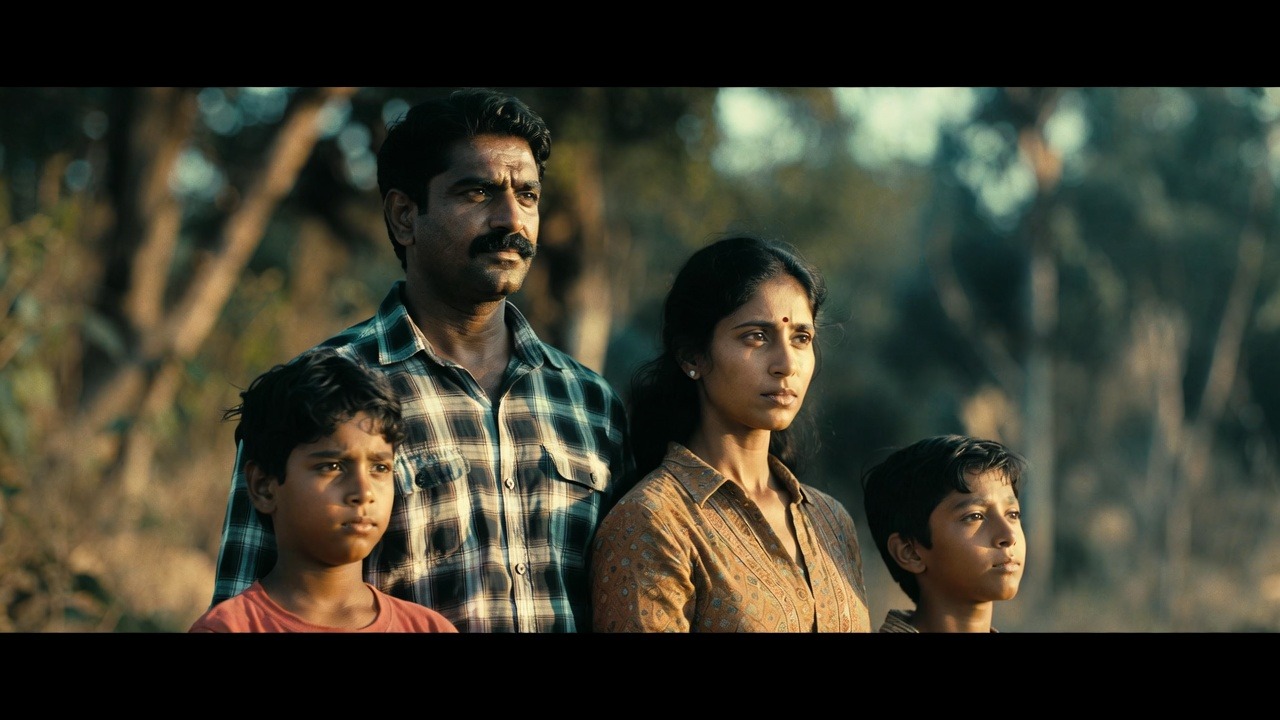
The ultimate goal of building peaceful living habits transcends a calm week or a smooth school year. It is about forging a Family Ethos—a shared identity and set of operating principles that will carry each member through life’s inevitable challenges and define the legacy you leave. This is about moving beyond habits to character, embedding resilience, empathy, and a commitment to repair into the very heart of what it means to be part of your family.
This ethos is built not through lectures, but through the consistent living out of your values, especially when it’s hard. It’s about how you handle the big crises and the small irritations, and how you tell the story of your family to yourselves.
Cultivating the Pillars of a Peaceful Family Ethos:
1. Resilience: “We Can Handle Hard Things.”
Resilience isn’t avoiding difficulty; it’s knowing you have the tools and support to get through it. Model and narrate this.
2. Radical Empathy: “We Seek to Understand.”
Make empathy a verb in your home. This goes beyond “I feel” statements.
3. The Imperative of Repair: “We Always Mend the Connection.”
Your ethos must have a clear, non-negotiable rule: ruptures happen, and repair is mandatory. This is the single most important lesson for lasting relationships.
Creating a Living Family Narrative:
Your family’s story is your most powerful tool. Tell and retell stories that reinforce your ethos.
By consciously building this ethos, you give your children an internal compass. The specific habits—the family meetings, the digital sunsets, the mindful meals—may change over time, but the core identity remains: We are a family that connects, repairs, and perseveres. We practice peace. This legacy is the most profound and lasting peace you can build. The stories of families embarking on this transformative journey are a constant source of inspiration, many of which are shared in our testimonials section.
Your Trusted Sleep Advocate (Sleep Foundation — https://www.sleepfoundation.org/)
Discover a digital archive of scholarly articles (NIH — https://www.ncbi.nlm.nih.gov/
39 million citations for biomedical literature (PubMed — https://pubmed.ncbi.nlm.nih.gov/)
experts at Harvard Health Publishing covering a variety of health topics — https://www.health.harvard.edu/blog/)
Every life deserves world class care (Cleveland Clinic -
https://my.clevelandclinic.org/health)
Wearable technology and the future of predictive health monitoring. (MIT Technology Review — https://www.technologyreview.com/)
Dedicated to the well-being of all people and guided by science (World Health Organization — https://www.who.int/news-room/)
Psychological science and knowledge to benefit society and improve lives. (APA — https://www.apa.org/monitor/)
Cutting-edge insights on human longevity and peak performance
(Lifespan Research — https://www.lifespan.io/)
Global authority on exercise physiology, sports performance, and human recovery
(American College of Sports Medicine — https://www.acsm.org/)
Neuroscience-driven guidance for better focus, sleep, and mental clarity
(Stanford Human Performance Lab — https://humanperformance.stanford.edu/)
Evidence-based psychology and mind–body wellness resources
(Mayo Clinic — https://www.mayoclinic.org/healthy-lifestyle/)
Data-backed research on emotional wellbeing, stress biology, and resilience
(American Institute of Stress — https://www.stress.org/)


